
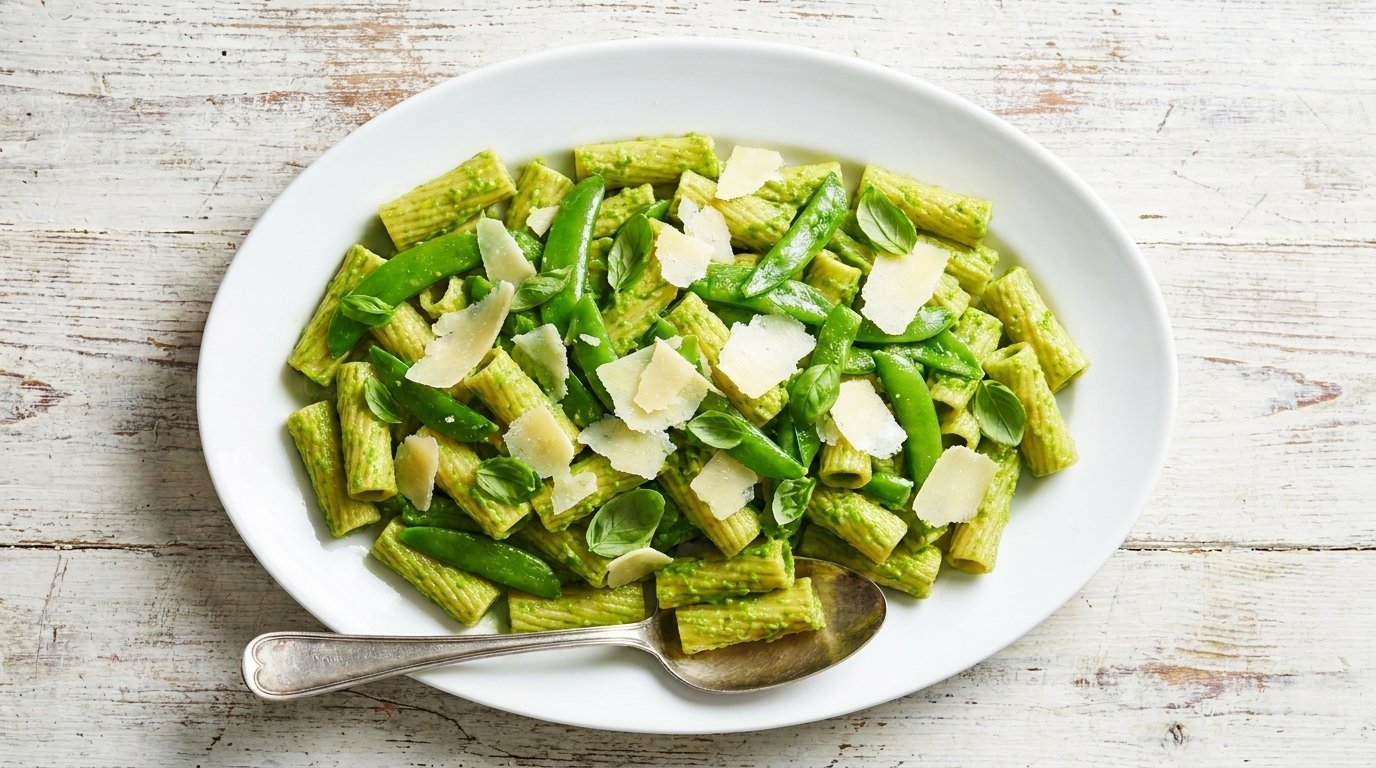
Green pasta salad has become one of the most pinned cold pasta recipes of 2025 — and the trend makes sense. People want a pasta salad that actually tastes fresh, skips the mayonnaise, and holds up in the fridge for two days without turning into a gluey, sad bowl. The all-green approach does all three. Every component from the dressing to the vegetables to the herbs adds color and flavor without weighing the dish down.
If every pasta salad you have made turned out dry the next day or flat-tasting from the fridge, this guide addresses both problems directly. The cold pasta trick, the dressing-first technique, the staggered assembly method — all of it is here across nine distinct variations. You get the classic basil pesto version, a creamy avocado dressing build, a green goddess version, a high-protein chickpea version, a green bean and pistachio Nicoise-style build, and more. Check out our related guide on Easy Fresh Salad Recipes for Every Season.
What Makes a Green Pasta Salad Work?
A green pasta salad is defined by its color palette — every component is either green or supports the green theme without interrupting it. Basil pesto, avocado, spinach, arugula, green beans, broccoli, cucumber, peas, edamame, fresh herbs, and green-tinted dressings all belong in this category. The visual effect is a bowl that looks deliberately composed — a deep forest green from the herbs and dressing, pale pistachio green from the avocado, bright spring green from the peas and cucumber.
The functional difference between a good green pasta salad and a dry, boring one comes down to three decisions. First, the dressing needs to be bold and generously applied — cold pasta absorbs flavors and fats differently from warm pasta, and an underseasoned dressing tastes even flatter at fridge temperature. Second, the pasta shape needs to trap the dressing in its grooves rather than letting it pool at the bottom. Third, the texture balance needs contrast — something soft (avocado or pea), something firm (green bean or broccoli), and something crunchy (toasted nut, seed, or crouton).
Get those three decisions right and the bowl tastes fresh, layered, and satisfying even after two days in the fridge.
Pro Tip: Dress the pasta while it is still slightly warm — not hot, not fully cold, but warm enough that you can hold your hand against the bowl comfortably. Warm pasta absorbs the dressing more deeply than cold pasta, which means better flavor throughout every piece rather than just on the surface.
Green Pasta Salad Ingredients
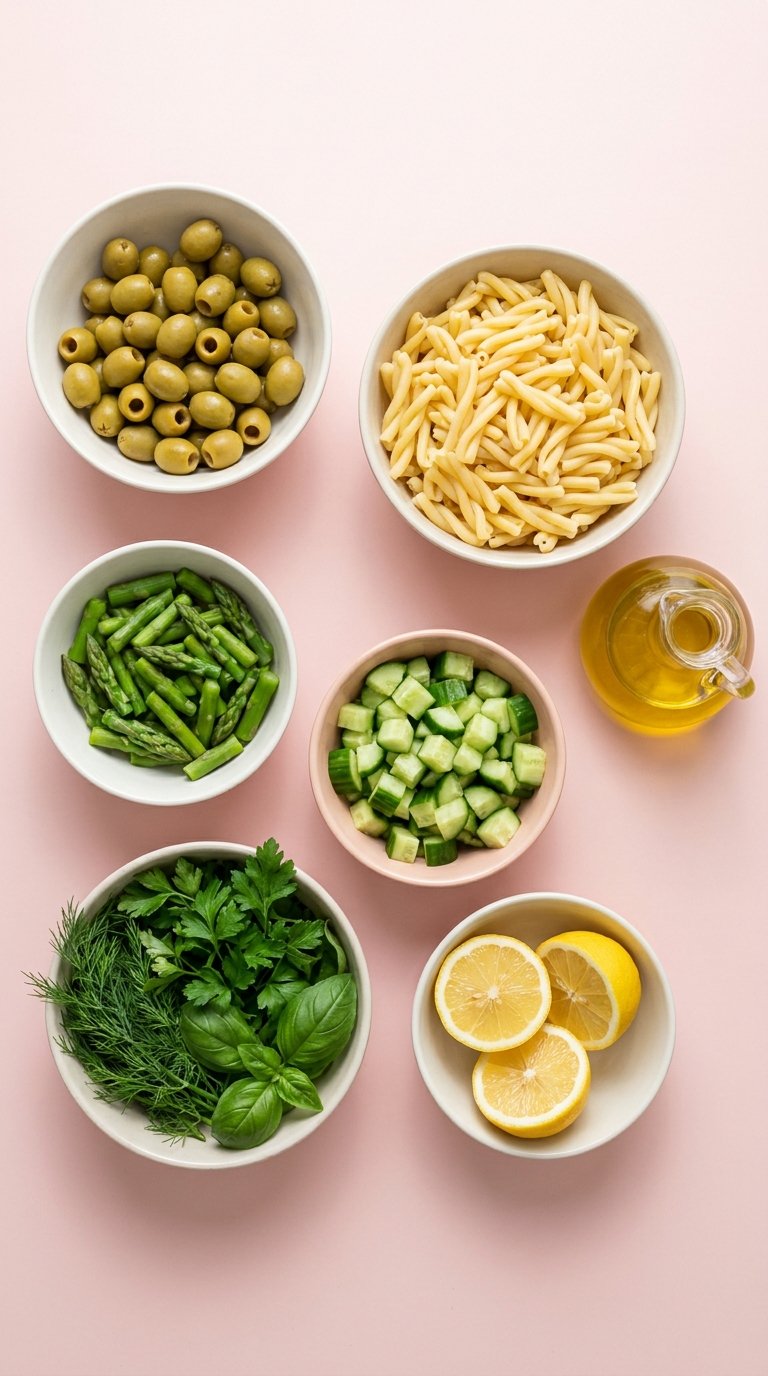
The ingredient list for a green pasta salad organizes into four groups — the pasta, the greens and vegetables, the dressing, and the finishing toppings.
THE PASTA
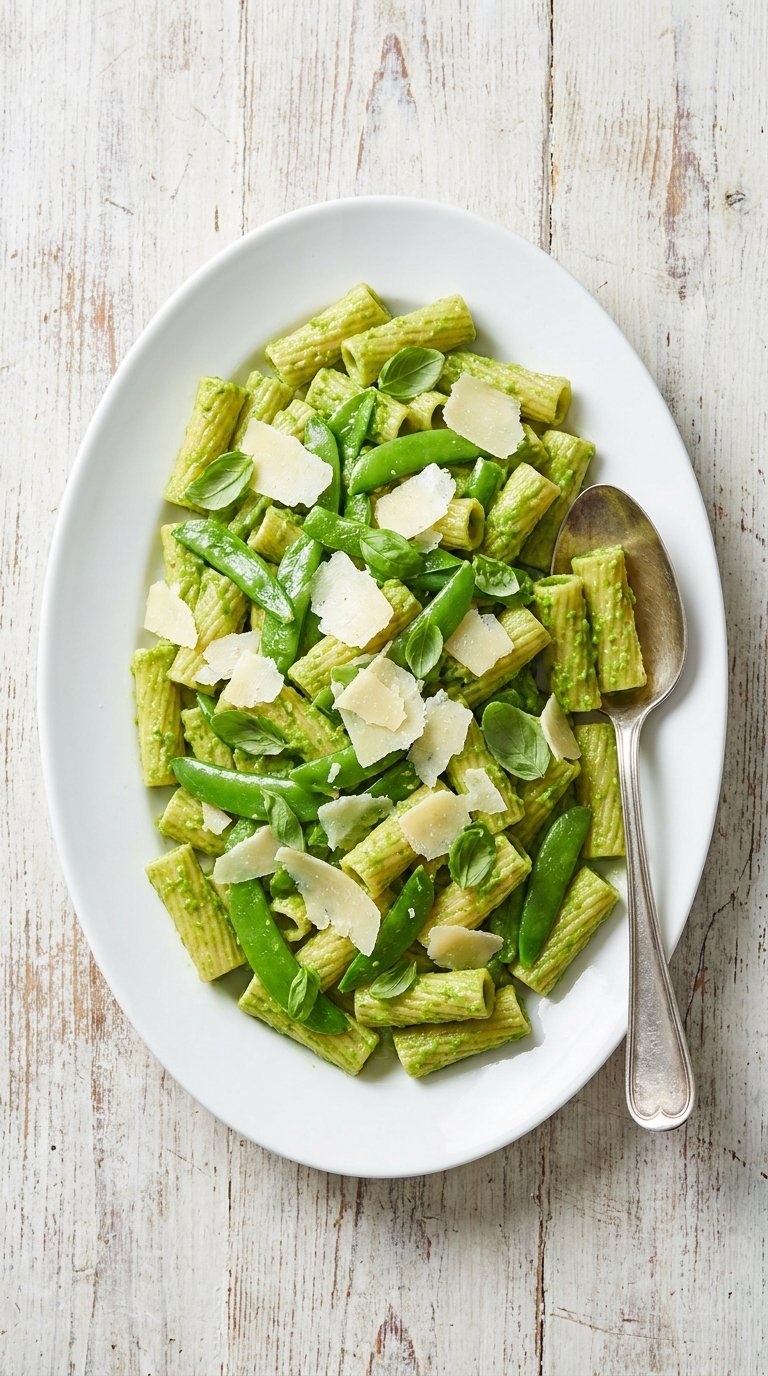
Short pasta shapes that trap dressing work best. Fusilli, farfalle, casarecce, penne, and orecchiette are the top choices. Cook in generously salted boiling water until one minute shy of al dente. Reserve two tablespoons of the starchy cooking water before draining.
THE GREENS AND VEGETABLES
Baby spinach or arugula (or both) form the leafy component. Blanched broccoli florets, cooked green beans (haricots verts), frozen peas thawed in cold water, sliced cucumber, edamame, and sliced zucchini all work. Any combination of three to four green vegetables produces enough variety in texture and flavor without overcrowding the bowl.
THE DRESSING
The dressing is the heart of a green pasta salad. Options covered fully in the Dressing Guide section below include basil pesto, avocado pesto, green goddess (tahini, herbs, lemon), and lemon herb vinaigrette. Every version uses the pasta cooking water trick to add body.
THE FINISHING TOPPINGS
Crumbled feta or shaved Parmesan, toasted pine nuts or pistachios, fresh basil leaves, lemon zest, and flaky sea salt. These go on at serving time.
Pro Tip: Blanch green vegetables (broccoli, green beans) in the same pot of boiling pasta water before cooking the pasta. Pull them out with a slotted spoon after 2 minutes and drop them directly into an ice bath. The ice bath sets the bright green color and stops the cooking — vegetables cooked this way look vivid and taste crisp rather than army-green and soft.
Save this idea to your Pinterest.
How to Make the Avocado Pesto Dressing
The avocado pesto dressing is the most versatile and most-pinned dressing for green pasta salad. It is creamy without any cream or mayonnaise, deeply green, and coats pasta more evenly than a thin vinaigrette.
Combine in a blender or food processor: half a ripe avocado, 3 tablespoons of good-quality basil pesto (store-bought is fine, homemade is better), 2 tablespoons of fresh lemon juice, 1 small clove of garlic, 2 tablespoons of olive oil, 2 tablespoons of reserved pasta cooking water, salt, and black pepper. Blend until completely smooth — about 60 seconds in a high-speed blender. The cooking water prevents the dressing from being too thick and makes it cling to pasta without needing extra oil.
The avocado does not need to be perfectly ripe — slightly firm avocado blends more smoothly than very ripe avocado, which can turn the dressing slightly gummy if over-processed.
The finished dressing is a deep, glossy green that turns slightly lighter as the oil emulsifies into the avocado. Taste before adding to the pasta — it should taste bright and sharp from the lemon, herby from the pesto, and creamy from the avocado. Adjust the lemon juice for brightness or salt for seasoning.
The dressing keeps for 24 hours in a sealed jar in the fridge. Press plastic wrap directly onto the surface of the dressing before sealing to prevent oxidation.
Pro Tip: Add a tablespoon of Greek yogurt or full-fat coconut yogurt to the blender alongside the other dressing ingredients. The yogurt adds body, a slight tang, and a creamier texture than avocado alone produces, and it helps the dressing cling to short pasta shapes more effectively.
Step-by-Step Green Pasta Salad Instructions
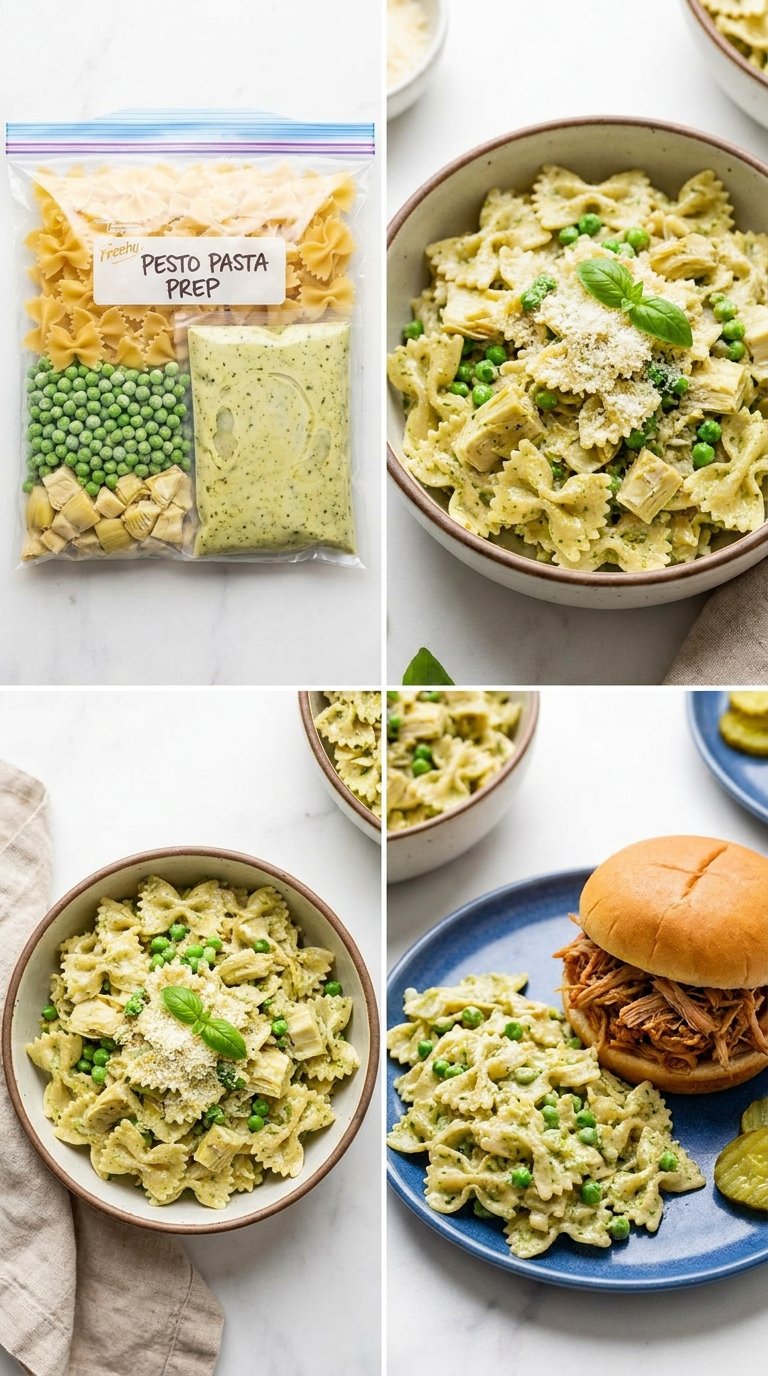
This method covers the base technique used across all variations. The order matters — follow it and the salad stays dressed, textured, and fresh.
Blanch the vegetables first. Bring a large pot of salted water to a boil. Drop broccoli florets or trimmed green beans in for exactly 2 minutes. Pull them out with a slotted spoon and immediately submerge in an ice bath (a large bowl of cold water with ice). Leave for 3 minutes, drain, and pat dry on a clean kitchen towel.
Cook the pasta in the same water. Return the water to a boil and cook the pasta until 1 minute shy of al dente. Reserve 2 tablespoons of cooking water in a small cup before draining. Drain the pasta and spread it on a rimmed baking sheet to cool quickly — about 10 minutes at room temperature.
Make the dressing. Blend or whisk the dressing ingredients together, adding the reserved pasta cooking water last to adjust the consistency.
Dress the slightly warm pasta. Transfer the cooled-but-still-slightly-warm pasta to a large bowl. Pour two-thirds of the dressing over and toss well to coat every piece. Let it sit for 5 minutes to absorb.
Add the vegetables. Add the blanched and cooled vegetables, sliced cucumber, thawed peas, or any other green components. Toss gently.
Taste and adjust. Add more dressing, lemon juice, or salt as needed. The salad should taste noticeably well-seasoned — cold dulls flavors, so season more boldly than you think is necessary.
Finish at serving time. Scatter fresh basil or arugula, crumbled feta or shaved Parmesan, toasted nuts, and a pinch of lemon zest over the surface. Finish with flaky sea salt.
Pro Tip: Reserve one quarter of the dressing separately regardless of how well-dressed the salad looks when assembled. Cold pasta absorbs dressing in the fridge and will taste drier the next day. The reserved dressing brings it back to life in 30 seconds.
Popular Asked Questions
What pasta is best for green pasta salad?
Fusilli is the best all-purpose pasta shape for green pasta salad. The spiral grooves trap pesto and creamy dressings in every curve, distributing flavor throughout. Farfalle, casarecce, penne, and orecchiette are excellent alternatives. All four hold their texture for two days in the fridge without going soft or clumping. Avoid long pasta shapes (spaghetti, linguine) for cold salads — they tangle when dressed and clump overnight in the fridge, making them difficult to serve and unpleasant to eat at room temperature.
How do you keep green pasta salad from drying out?
The two most reliable methods are reserving dressing separately and using pasta cooking water. Toss the pasta with two-thirds of the dressing when assembling and keep the remaining third to add at serving — pasta absorbs dressing overnight in the fridge and will taste underseasoned without a fresh drizzle. Adding two tablespoons of starchy pasta cooking water to any dressing creates a silkier, more clinging texture that coats the pasta more thoroughly and does not separate in the fridge. A tablespoon of mayonnaise stirred into pesto dressing also prevents dryness effectively.
Can you make green pasta salad the day before?
Yes. Green pasta salad is well-suited for next-day serving with four specific precautions — store the dressing separately, store avocado separately (or only in the blended dressing with plastic wrap pressed to the surface), keep delicate greens out until serving, and keep toasted nuts in a separate bag. Combine everything and add fresh garnishes at serving time. The pasta, blanched vegetables, chickpeas, feta, and cooked components all keep well for up to 2 days in airtight containers in the fridge.
How do you add protein to green pasta salad?
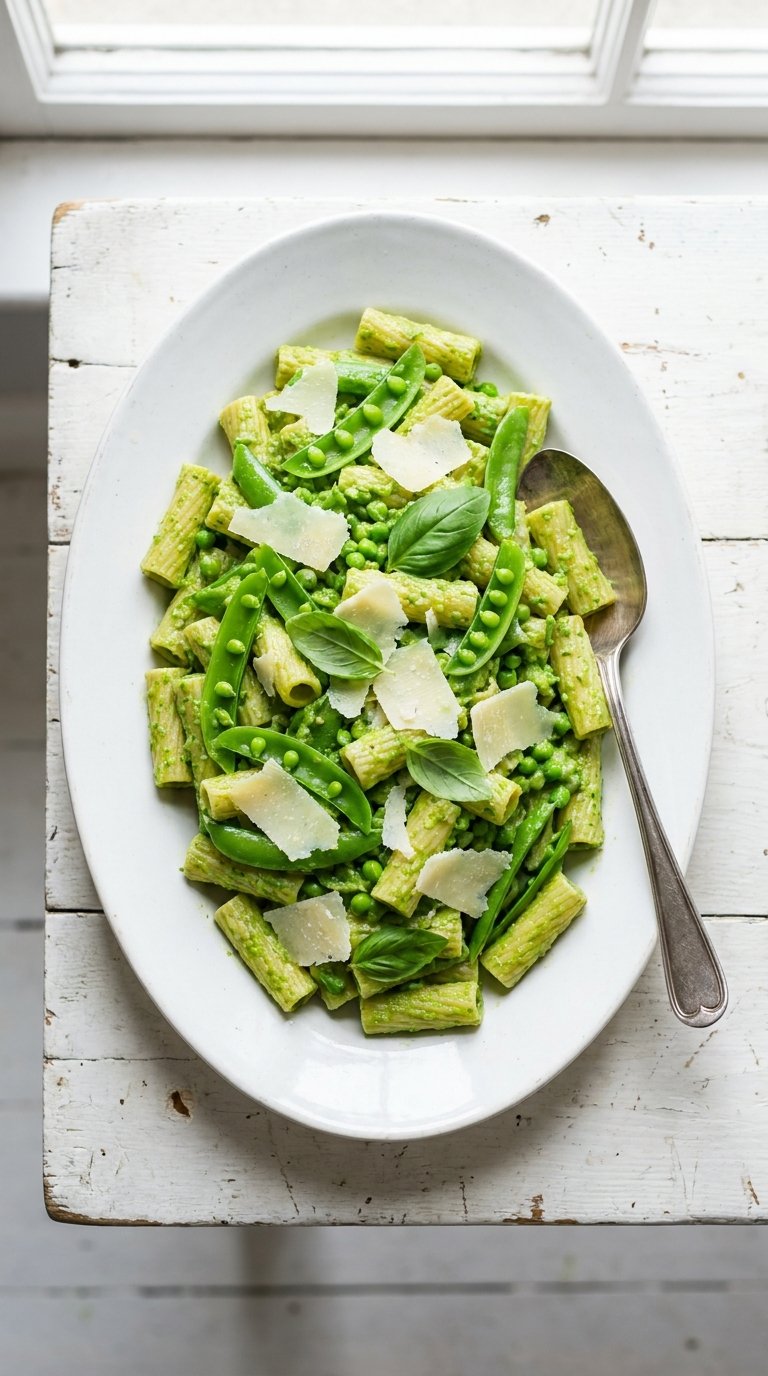
The easiest no-cook protein additions to green pasta salad are pesto-marinated chickpeas, edamame, and crumbled feta. For animal protein, grilled chicken sliced over the top is the most versatile option. Canned tuna (olive oil-packed, drained) stirred through the green bean pistachio version is a classic Italian combination. Hard-boiled eggs quartered and laid on top work with the lemon herb vinaigrette version. Toasted pine nuts and pistachios add protein alongside their crunch and flavor, making them a dual-purpose topping worth prioritizing.
How long does green pasta salad last in the fridge?
A fully dressed green pasta salad lasts 2 days in the fridge before the pasta begins to absorb all the dressing and the vegetables start to soften. A partially dressed version — dressing stored separately, delicate greens stored separately — lasts 3 to 4 days for the pasta and vegetable base. The avocado component in both the dressing and as a topping is the shortest-lived element — blended avocado dressing with plastic wrap pressed directly onto its surface lasts 24 hours. Sliced avocado added fresh at serving has no storage issue.
Conclusion
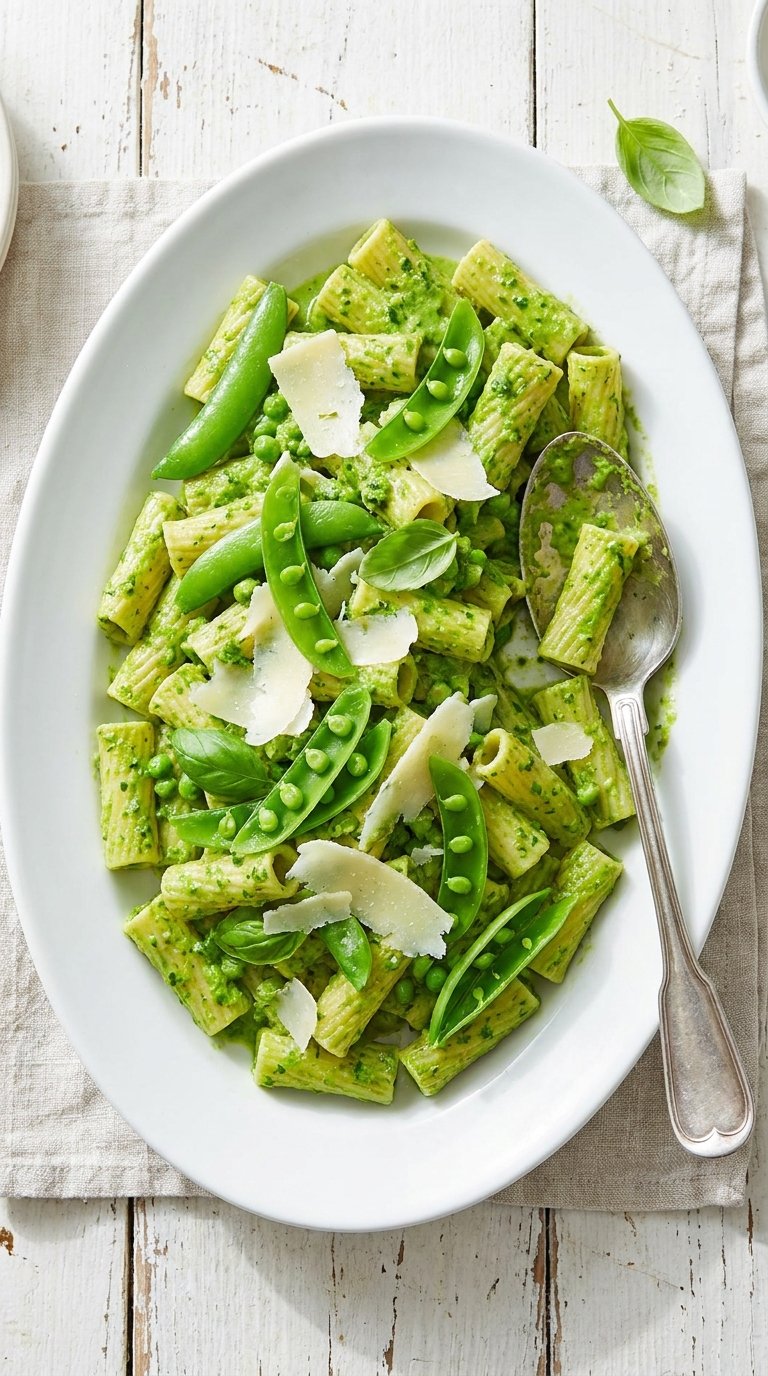
Green pasta salad earns its place in the regular rotation because it solves the two most common pasta salad problems — dryness and blandness — with a handful of straightforward techniques. Cook the pasta one minute short of al dente. Dress it slightly warm with a bold, well-seasoned dressing. Reserve extra dressing for serving. Add delicate toppings last.
The variations cover every occasion and every crowd. The classic pesto version suits a casual potluck. The arugula and Parmesan version suits a dinner party. The chickpea and edamame version works as a standalone meal-prep lunch five days in a row. The green bean and pistachio version is the one to make when you want to impress without fuss.
Which version are you making first — the creamy avocado pesto, the elegant green bean pistachio, or the peppery arugula and Parmesan? Tell us in the comments.
Follow us on Pinterest for more green pasta salad inspiration and easy fresh recipe ideas.

Leave a Comment