
Why We Still Need Fireplaces in Our Lives
I’ll be honest with you. There’s something about the first real cold snap of autumn that makes me think about my fireplace. You know that moment when you walk outside and your breath becomes visible for the first time? When you realize that your light jacket isn’t cutting it anymore? That’s when I start thinking about warmth, comfort, and yes, getting my fireplace ready for action.
We’ve been gathering around fires since we lived in caves. It’s literally in our DNA to feel safe and comfortable when there’s a source of warmth nearby. But here’s the thing that surprises people when I talk about fireplaces. They’re not just about staying warm anymore. Sure, that’s part of it, but modern fireplaces have evolved into something more complex and interesting than simple heat sources.
Let me paint you a picture. Last winter, we had this brutal cold front move through. The kind of cold that makes your car groan when you start it. My neighbor called me around 10 PM, panicking because her central heating had gone out. The repair company couldn’t come until the next morning. She was freaking out, worried about her pipes freezing, worried about staying warm through the night. You know what saved her? Her electric fireplace that she’d bought on a whim the year before and barely used. She cranked that thing up, closed off the other rooms, and made it through just fine.
That experience taught me something valuable. Fireplaces aren’t just nostalgic relics from our grandparents’ era. They’re backup systems. They’re insurance policies against cold nights and heating failures. They’re mood setters for romantic evenings or family gatherings. And yeah, they still do that primary job of keeping us warm when Old Man Winter decides to flex his muscles.
The beauty industry spends billions trying to make us feel things through products. Candles, aromatherapy, mood lighting. But you know what beats all of that? A fireplace. There’s research showing that watching flames actually lowers blood pressure and reduces stress. Something about the flickering light and the warmth just makes our brains happy. We’re hardwired for it.
I’ve visited homes across the country, from tiny apartments in Chicago to sprawling ranches in Montana. The places that feel most like home, the ones where I immediately feel comfortable and want to stick around? They almost always have a fireplace. Doesn’t matter if it’s being used or not. Just having it there changes the whole vibe of a room.
Think about real estate for a second. When you’re scrolling through listings online, which photos make you pause? I bet it’s the ones with a fireplace in the background. Realtors know this. They stage rooms around fireplaces. They light them for showings when possible. Why? Because fireplaces sell homes. They add value, sure, but more than that, they add the promise of comfort and warmth. They tell a story about cozy winter evenings and hot chocolate and all the good stuff that makes a house feel like a home.
But let’s get real about something. Not all fireplaces are created equal. The fireplace your grandparents had, the one that needed constant attention and cleaning? That’s not what we’re working with anymore. Technology has changed the game completely. We’ve got options now that our ancestors couldn’t have dreamed of. And choosing the right type for your situation can mean the difference between loving your fireplace and letting it sit unused for years.
The coming winter months aren’t just about surviving the cold. They’re about thriving during it. About creating spaces in our homes where we actually want to spend time. Where our kids want to hang out instead of disappearing into their rooms. Where we can unplug, unwind, and remember what it feels like to be genuinely comfortable. A good fireplace makes all of that possible. It’s not just a luxury item or a decorative feature. It’s a tool for better living.
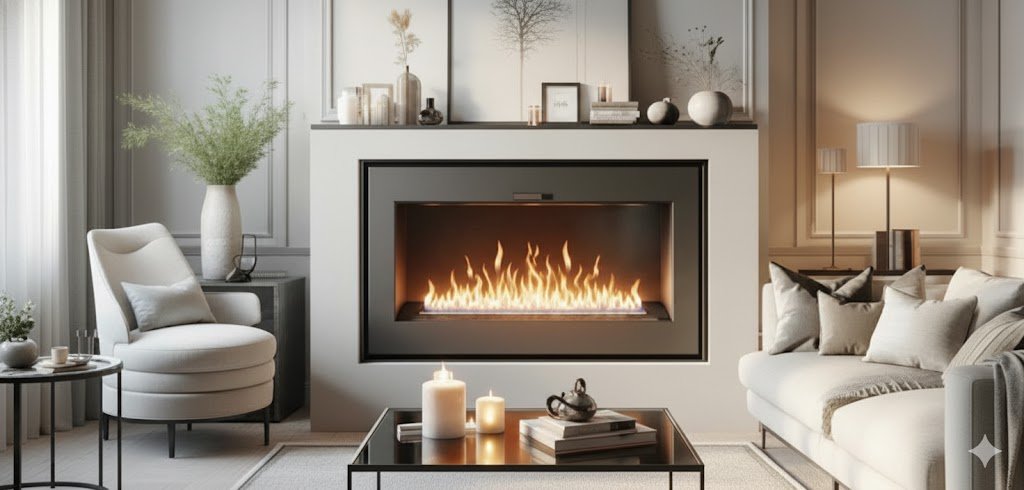
So yeah, when that first cold breeze hits and I start thinking about my fireplace, I’m not just thinking about BTUs and heating zones. I’m thinking about the life that happens around that warmth. The conversations, the quiet moments, the memories being made. That’s what fireplaces are really about. That’s why we still need them, even with our fancy central heating and smart thermostats. Some things just can’t be replaced by technology. Or maybe they can be enhanced by it, which brings us to the evolution of fireplace design and function.
The Original Fireplace Experience and Why Wood Still Matters
There’s a smell you can’t replicate. When wood burns in a fireplace, particularly certain types like oak or cherry, it creates this aroma that literally nothing else can match. I’ve tried those scented candles that claim to smell like firewood. They don’t. Not even close. Real burning wood has depth and complexity that makes artificial versions seem like bad jokes.
My grandfather had a wood burning fireplace in his cabin upstate. Every Thanksgiving, we’d drive up there, and the whole experience revolved around that fireplace. He’d start the fire early in the morning, nursing it along while the turkey cooked. By the time we arrived, the whole place smelled like paradise. Wood smoke, turkey, pine trees outside. That’s what memories are made of, right there.
Wood fireplaces have this authenticity that’s hard to argue with. When you watch a real log burning, seeing the bark curl and blacken, watching the flames dance and change colors as different parts of the wood catch fire, it’s mesmerizing. I’ve literally lost hours just staring into a wood fire. It’s better than television. Better than scrolling through social media. It’s real, immediate, and constantly changing.
But let me tell you about the other side of wood fireplaces, the part the nostalgia doesn’t cover. That same grandfather? He spent a significant chunk of his retirement cutting, splitting, and stacking firewood. We’re talking about serious physical labor here. He’d buy cords of wood or cut down dead trees on his property. Then came the splitting, which is brutal work even with a hydraulic splitter. Then stacking it properly so it could dry out. Then moving it closer to the house as winter approached. Then carrying it inside, log by log, every single time he wanted a fire.
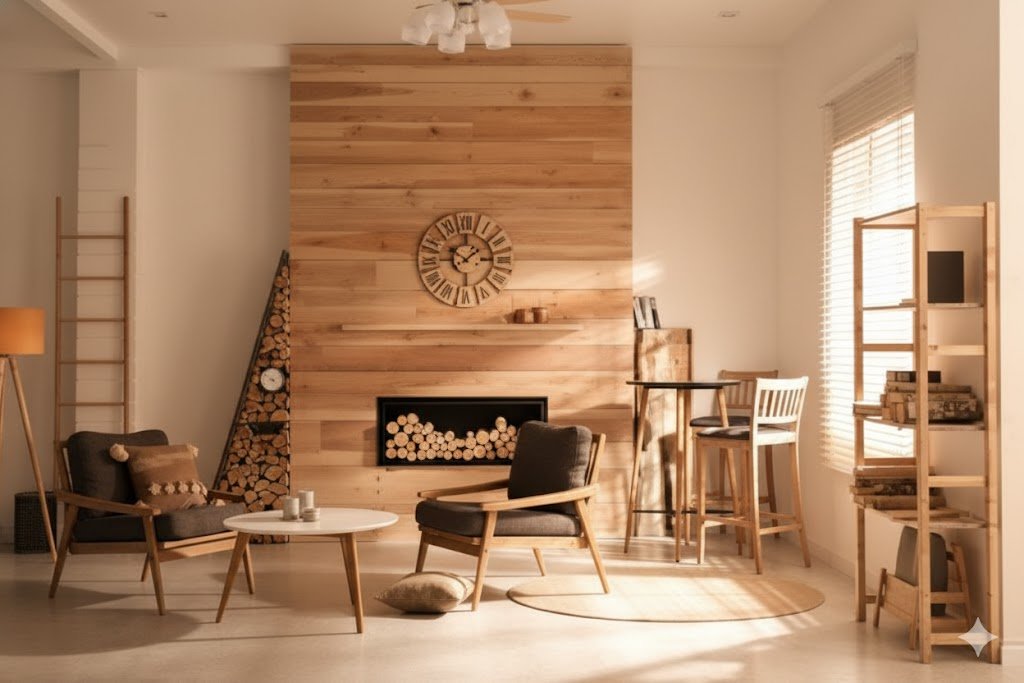
The maintenance doesn’t stop at wood gathering. Wood fireplaces need regular cleaning. I’m talking about getting in there with a shovel and bucket, scooping out ashes while trying not to breathe in the dust. You need to clean the chimney at least once a year, which means hiring a professional chimney sweep or getting up on your roof yourself with special brushes and hoping you don’t fall off or miss something that could cause a chimney fire later.
Speaking of chimney fires, let’s talk about safety. Wood fireplaces require constant vigilance. You can’t just light a fire and wander off. Sparks pop out. Logs roll. Creosote builds up in the chimney and can ignite if you’re not careful. I know a couple who lost their entire home because of a chimney fire that started from creosote buildup they didn’t know about. Their wood fireplace, the centerpiece of their living room, ended up burning their house down. That’s a harsh reality check.
The smoke is another issue people don’t always consider. Sure, the smell can be nice, but it also means smoke. Smoke that goes up the chimney, hopefully, but some always escapes into the room. If your damper isn’t working right or your chimney doesn’t draw well, you can end up with a living room full of smoke. I’ve been to dinner parties that had to move outside because someone’s fireplace decided to smoke out the whole house. Not exactly the cozy evening they had planned.
Efficiency is another problem with traditional wood fireplaces. Most of the heat goes straight up the chimney. Some estimates say you lose 80 to 90 percent of the heat generated. That’s insane when you think about it. You’re burning all that wood, doing all that work, and most of the warmth just disappears up into the sky. You’ll often find that the room with the fireplace is warm, but that warmth doesn’t spread through the house effectively.
There’s the air quality angle too. Wood smoke contains particulates and chemicals that aren’t great for your lungs. If you’ve got asthma or other respiratory issues, burning wood inside your home isn’t the smartest move. Some cities and regions have actually started restricting wood burning fireplaces on high pollution days. The romance of a wood fire doesn’t look so good when it’s contributing to poor air quality for an entire neighborhood.
And we haven’t even talked about the cost. If you’re buying firewood, you’re looking at a few hundred bucks per cord depending on where you live. How many cords do you need for a winter? Depends on how often you use your fireplace, but it adds up quick. Plus the tools you need. Fireplace tools, log carriers, protective screens, moisture meters to make sure your wood is dry enough to burn efficiently. It’s not a cheap hobby.
But here’s what I keep coming back to. Despite all these drawbacks, people still love wood fireplaces. There’s something primal and satisfying about them. When my wife and I go on vacation, we specifically look for places with wood burning fireplaces. We’ll pay extra for it. Why? Because for a weekend, we want that experience. We want to build a fire, tend it, smell it, and feel connected to something ancient and real.
The crackling sound of a wood fire is music. Literally, there are recordings of it that people use for meditation and sleep. But no recording beats the real thing. The pops and snaps are unpredictable. Sometimes loud, sometimes soft. It’s like nature’s percussion section performing just for you. That sound combined with the visual dance of flames creates an experience that’s deeply satisfying on a level that’s hard to explain.
Wood fireplaces teach patience. You can’t just flip a switch and have instant fire. You need to arrange kindling, get it lit, add larger pieces gradually, adjust the airflow. It’s a skill. A dying art, maybe. But there’s pride in being able to build a good fire. In knowing which woods burn hot and which burn long. In understanding draft and airflow. These aren’t skills you need in modern life, but having them feels good anyway.
So we’re left with this interesting situation. Wood fireplaces offer an unmatched experience but come with serious practical drawbacks. They’re labor intensive, maintenance heavy, somewhat dangerous, and not particularly efficient. Yet they remain the standard by which all other fireplaces are judged. When someone makes a gas or electric fireplace, they’re trying to replicate the wood burning experience. That tells you something about the power and appeal of the original. Even as we move forward with technology, we’re still looking back at those crackling logs and thinking, “Yeah, that’s what a fire should be.”
Gas Fireplaces Promised Convenience but Delivered Complications
When gas fireplaces first became popular, the pitch was simple and appealing. You get the look and feel of a real fire without all the hassle of wood. Just flip a switch or press a button, and boom, you’ve got flames. No wood to chop, no ashes to clean, no chimney to sweep. It sounded like the perfect solution. And in some ways, it was.
I remember visiting my aunt’s house after she installed a gas fireplace. She was so proud of it. She’d press this remote control, and flames would appear behind these ceramic logs that looked surprisingly realistic. The room warmed up fast. No smoke, no mess, no fuss. For someone who loved the idea of a fireplace but hated the work involved, it seemed perfect. She used that thing all the time that first winter.
The convenience factor is real. Gas fireplaces do offer immediate gratification. You don’t need to plan ahead, to have dry wood ready, to spend 20 minutes building and lighting a fire. Cold night? Press a button. Instant warmth. That’s compelling, especially for busy people who want comfort without commitment. And the heat output is controllable. Most gas fireplaces have thermostats or variable controls, so you can dial in exactly how much heat you want.
The flames look decent too. Early gas fireplaces had pretty fake looking flames, but modern ones have gotten better. The ceramic logs are designed to glow and reflect light in ways that mimic real wood. The flames dance and flicker. From across the room, especially in dim lighting, they can be convincing. Not perfect, but good enough that most people don’t complain.
Maintenance is definitely easier than wood. No ashes to deal with. No chimney to clean as frequently. You do need to have the gas lines checked and the unit serviced periodically, but we’re talking once a year or so, not constant upkeep. For people who want a fireplace without making it a hobby, gas makes sense. It’s the practical choice.
But here’s where things get complicated. Gas isn’t free. In fact, depending on where you live and when you’re reading this, gas might be expensive. Really expensive. My aunt’s love affair with her gas fireplace cooled off significantly when she got her first winter gas bill. Running that fireplace for several hours every evening added up. We’re talking hundreds of extra dollars per month during peak winter. That immediate convenience suddenly felt less convenient when she was writing those checks.
The cost of gas fluctuates wildly. One year it might be reasonable, the next year prices spike. We’ve seen natural gas prices double or triple in some markets during particularly cold winters or due to supply disruptions. When you’re heating with gas, you’re at the mercy of the market. That uncertainty makes it hard to budget. Hard to know if running your fireplace is going to cost you 50 bucks this month or 500.
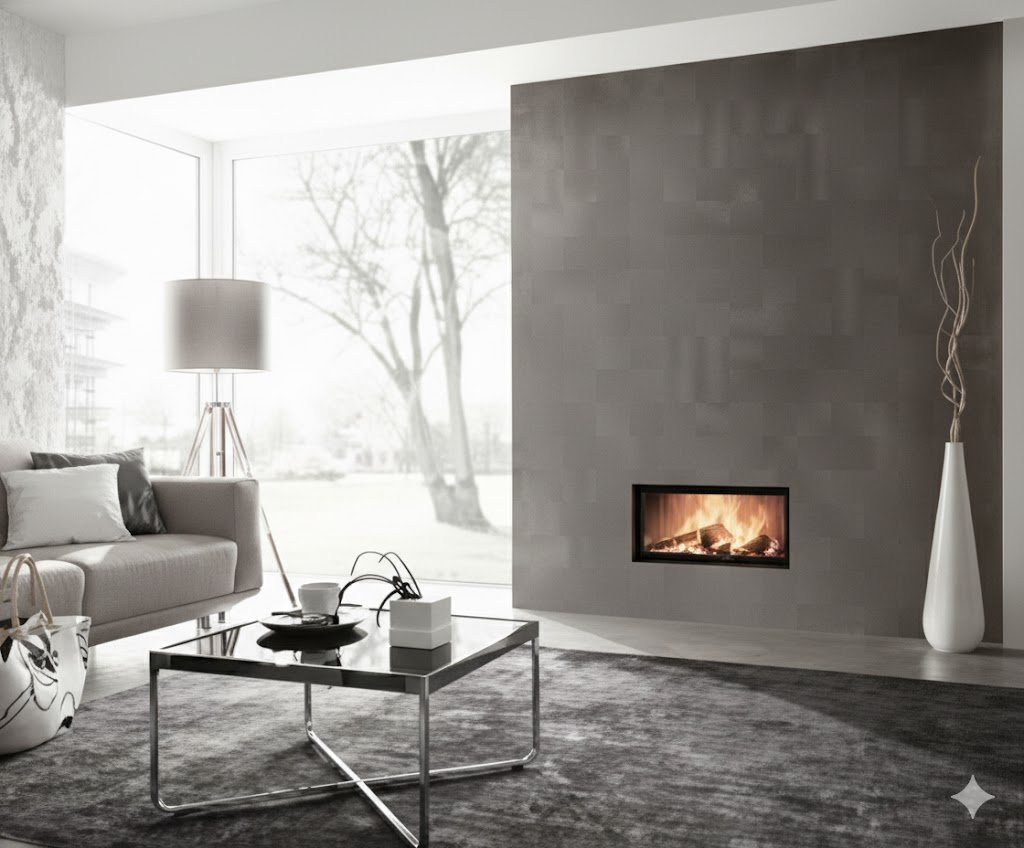
Installation costs for gas fireplaces are no joke either. You need proper gas lines run to the fireplace location. If you’re putting a gas fireplace in a spot that doesn’t already have gas access, you’re looking at potentially thousands in installation costs. Even if you have gas in the house, extending lines and doing it safely requires licensed professionals. This isn’t a DIY project unless you’re a trained gas fitter and willing to deal with permits and inspections.
Then there’s the question of what happens during a power outage. Most modern gas fireplaces need electricity to run. The ignition system, the blower fan, the controls. No power means no fireplace, even though you have gas. Some models have battery backup or can operate without power, but many don’t. So during a winter storm when you lose power and really need heat, your gas fireplace might be useless. That’s a nasty surprise people discover at the worst possible time.
Safety concerns exist with gas too. Carbon monoxide is a real risk with any gas burning appliance. You need working carbon monoxide detectors. You need proper ventilation. Gas leaks are rare but dangerous. I know someone who smelled gas coming from their fireplace and had to evacuate the house at 2 AM on a freezing night. Turned out to be a failing connection that the gas company had to repair. Everything worked out fine, but it was scary and disruptive.
The aesthetic divide is where gas fireplaces really struggle. Yes, they look okay. But they don’t smell like a real fire. That wood smoke aroma that’s so evocative and nostalgic? You don’t get that with gas. The flames burn clean, which is good for air quality but means no smell at all. For some people, that’s a dealbreaker. A fire should smell like something. Without that olfactory component, the experience feels incomplete.
The sound is wrong too. Real wood fires crackle and pop. Gas fires hiss quietly. Some units have added fake crackling sounds through speakers, which is honestly kind of sad when you think about it. We’ve gotten to the point where we’re using electronics to simulate the sound of burning wood because our gas flames don’t make any noise. That feels like we’ve lost something along the way.
Environmental considerations matter to more people these days. Burning natural gas releases carbon dioxide and other emissions. It’s a fossil fuel, and using it contributes to greenhouse gas emissions. For people trying to reduce their carbon footprint, a gas fireplace isn’t the answer. You’re still burning hydrocarbons, still adding to atmospheric carbon, just in a different form than coal or wood.
The dependence on utility companies bothers some folks. With wood, you can be self sufficient. Cut your own, store it, burn it. You’re in control. With gas, you’re tied to the gas company. If they raise rates, you pay more. If there’s a supply issue, you’re out of luck. If they shut off service for maintenance or emergencies, your fireplace stops working. That lack of control doesn’t sit well with everyone.
Real estate value is interesting with gas fireplaces. They do add value to a home, but less than wood burning fireplaces in many markets. Buyers see them as convenient but not as desirable as the real thing. And the ongoing operating costs can be a turnoff. During a home inspection, if a buyer sees high gas bills in the winter, they’ll factor that into their offer. Your convenient gas fireplace might actually make your home harder to sell at the price you want.
Here’s the thing about gas fireplaces. They occupy this weird middle ground. They’re more convenient than wood but less satisfying. They’re easier to maintain but more expensive to operate. They look decent but not quite right. They’re a compromise, and compromises by definition mean you’re giving something up on both sides. For some people, that compromise makes perfect sense. For others, it feels like settling for something that’s neither one thing nor the other.
My aunt still has her gas fireplace. She uses it occasionally now, on special occasions or when she has guests. But it’s not the everyday thing it was that first winter. The cost got to her. The bills kept coming, and the novelty wore off. She told me recently that if she were doing it over, she’d probably go a different direction. Not back to wood, because she still doesn’t want that hassle. But maybe something else. Something that gives her the warmth and ambiance without the monthly sticker shock. That something else is where electric fireplaces enter the picture.
Electric Fireplaces Changed Everything About Home Heating
The first time someone told me about electric fireplaces, I laughed. I thought they were talking about those cheesy fake logs with orange light bulbs that old folks put in their living rooms to pretend they had a fire. Those things were embarrassing. Tacky. Something you’d see at a yard sale and wonder who would ever buy it. But then I actually saw a modern electric fireplace in action, and I had to completely rethink my assumptions.
My buddy Jake bought one for his apartment. He lives in a place that doesn’t allow wood or gas fireplaces. Building codes, insurance, the whole deal. But he wanted that fireplace vibe. So he got an electric unit, and I showed up expecting to politely pretend I liked it while secretly judging his choices. Instead, I ended up asking where he bought it and how much it cost. The thing looked legit. Good flames, nice heat, and here’s the kicker: he could control everything from his phone.
Electric fireplaces convert electrical energy into heat energy. That’s the basic science. But the technology has evolved so much that they’ve become genuinely impressive appliances. The flame effects use LED lights, mirrors, and sometimes even water vapor to create flames that move and flicker realistically. Some high end models have flames that are nearly indistinguishable from gas. You really have to look close to tell the difference.
The heat output is controlled and efficient. Most electric fireplaces can heat a room effectively, usually anywhere from 400 to 1500 square feet depending on the model and settings. They use fan forced heating or infrared technology to distribute warmth evenly. And here’s something interesting: you can run the flames without the heat. Want the ambiance without raising the temperature? No problem. That’s perfect for fall evenings when it’s not quite cold enough to justify heating but you still want that cozy vibe.
Installation is stupid simple. You plug it into an outlet. That’s it. No gas lines, no venting, no chimney, no structural modifications. You can literally have a fireplace in any room where you can plug something in. Want to move it to a different room? Unplug it and carry it there. Some models are built into walls or entertainment centers for a permanent look, but many are portable. That flexibility is something wood and gas fireplaces can’t match.
The cost savings are significant. Running an electric fireplace costs pennies per hour in most areas. Even if you use it constantly, we’re talking 10 to 30 dollars per month added to your electric bill, not hundreds. That’s a fraction of what gas costs. And unlike gas prices that fluctuate wildly, electricity rates are more stable and predictable. You can budget for it without worrying about surprise price spikes during cold snaps.
Safety is a huge advantage. There’s no real fire, so there’s no risk of sparks or flames escaping. No carbon monoxide because nothing is burning. The front stays relatively cool to the touch on most models, so kids and pets aren’t going to get burned. You can leave it running and go to bed without worry. Try that with a wood fireplace and see what happens. Electric fireplaces eliminate so many of the dangers associated with traditional fireplaces.
The environmental angle is worth considering. If you’re running an electric fireplace, the environmental impact depends on how your electricity is generated. If it’s coming from solar, wind, or hydro, your footprint is minimal. Even if it’s from natural gas power plants, the efficiency of modern power generation means less total emissions than burning gas directly in your home. And as the grid gets cleaner over time, your fireplace automatically becomes more environmentally friendly without you doing anything.
Maintenance is almost nonexistent. No ashes to remove. No chimney to clean. No gas lines to inspect. The most you’ll need to do is occasionally dust the unit and maybe replace the LED bulbs every few years, which is cheap and easy. Compare that to the time and money spent maintaining wood or gas fireplaces, and the difference is massive. We’re talking hours of saved time and potentially thousands of saved dollars over the life of the unit.
Smart home integration is where electric fireplaces really shine in modern life. Many models now connect to WiFi and work with Alexa, Google Home, or Apple HomeKit. You can turn them on before you get home so the living room is cozy when you walk in. Set schedules so they automatically turn on during evening hours. Adjust settings from bed without getting up. Create scenes that include the fireplace along with lighting and music. It’s convenience that would’ve seemed like science fiction 20 years ago.
Zone heating is a practical benefit people don’t always think about. Instead of heating your entire house with central heating, you can heat just the room you’re actually using. That saves energy and money. Turn down the thermostat a few degrees and run the electric fireplace in the living room where everyone’s hanging out. You stay comfortable while using less energy overall. During mild weather, you might not need central heating at all, just the fireplace keeping one room perfect.
The variety of styles available is impressive. You can get traditional mantel designs that look like classic wood fireplaces. Wall mounted units that look sleek and modern. Inserts that fit into existing fireplace openings. Corner models that fit awkward spaces. Built in units that become part of your wall. Media consoles that combine a fireplace with TV storage. Whatever your aesthetic and space requirements, there’s probably an electric fireplace designed for it.
Rental situations finally make sense with electric fireplaces. If you’re renting and can’t modify the property, you can still have a fireplace. Just get a freestanding electric unit. When you move, take it with you. Landlords don’t care because you’re not changing anything permanent. This opens up fireplace ownership to millions of people who previously couldn’t have one. That’s a big deal for folks who want the comfort and ambiance but don’t own their homes.
The lifespan is solid. Quality electric fireplaces last 10 to 20 years with minimal issues. The LED lights that create the flames are rated for tens of thousands of hours. The heating elements are simple and reliable. There’s not much that can go wrong. Compare that to wood fireplaces that deteriorate over time or gas units that have complex mechanical and electronic components that can fail, and electric starts to look really attractive from a longevity perspective.
One complaint people sometimes have is that electric fireplaces don’t produce the same heat intensity as wood or gas. That’s fair. If you’re trying to heat a large space in extremely cold weather, electric might struggle where a roaring wood fire would keep up. But for most people in most situations, the heat output is plenty. And you can always supplement with central heating if needed. The versatility of electric means you’re not locked into using it as your only heat source.
The lack of smell and crackling sounds is still a thing with electric fireplaces, just like with gas. They’re quiet except for the fan noise if you’re running the heat. Some models have added artificial crackling sounds, which again feels a bit silly but does add to the experience if you’re into it. The missing wood smoke smell is something you either care about or you don’t. For me, I don’t miss breathing in smoke, but I get that others feel differently.
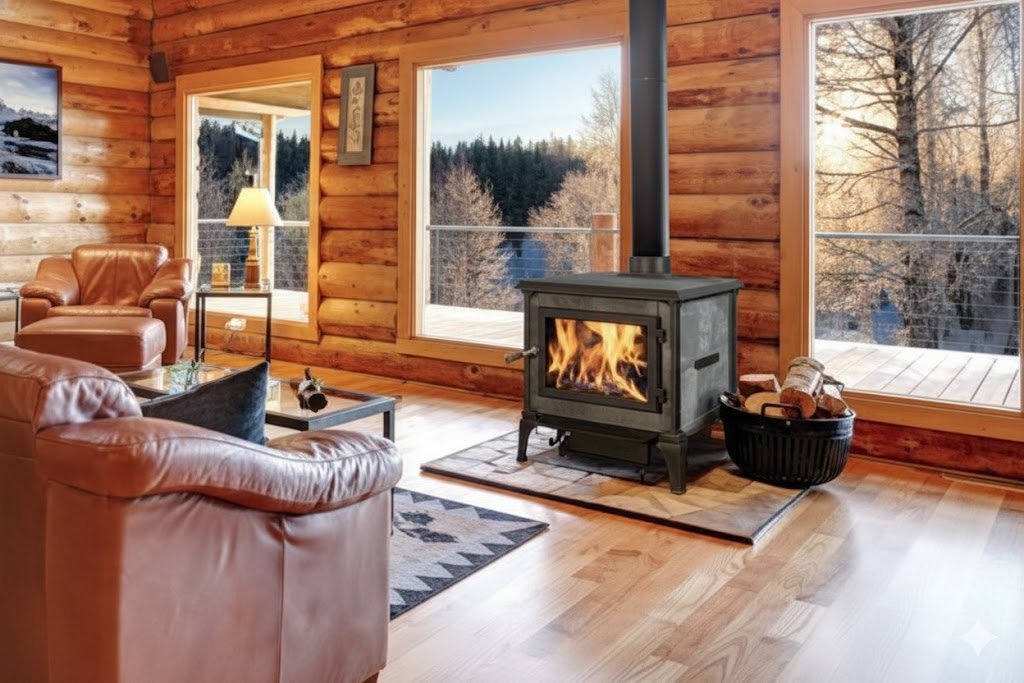
Here’s what sold me completely on electric fireplaces. My wife and I were debating what to do about the fireplace in our house. The old wood burning one was deteriorating. Getting it fixed properly would’ve cost thousands. Converting to gas was even more expensive with installation. We’d have to tear out walls to run gas lines. It was a whole thing. Then we looked at electric options. We found a beautiful insert that fit perfectly into our existing fireplace opening, looked fantastic, and cost about a tenth of what the other options would’ve cost. We installed it ourselves in an afternoon. It’s been running great for three years now. We use it all the time, way more than we ever used the old wood fireplace. The convenience means we actually enjoy our fireplace instead of it being a special occasion thing.
Electric fireplaces aren’t perfect. They’re still trying to replicate something natural with technology. But they’ve gotten so good at it that for most purposes, they deliver the experience people actually want. Warmth, ambiance, comfort, and ease of use. Those are the things that matter in daily life. The romance of chopping wood or the prestige of a gas fireplace might sound nice, but electric fireplaces deliver what people actually need with minimal hassle and cost. That’s why they’re becoming so popular. Not because they’re trendy, but because they solve real problems.
Fireplace Mantles Make Your Style Statement Real
Let’s talk about the elephant in the room that everyone forgets about when they’re planning their fireplace installation. The mantle. People get so focused on the fire part that they forget about the frame around it. But the mantle is what everyone actually sees. It’s the face of your fireplace. It’s what makes the thing either gorgeous or ugly. And it’s where you’re going to put stuff, which means it becomes one of the most visible displays in your entire house.
I learned this lesson the hard way. We bought this amazing electric fireplace, got it all installed, and it looked fine. Just fine. Something was missing. The fireplace itself was working great, heating the room, looking good. But it felt unfinished. Like when you build a piece of IKEA furniture and realize at the end you forgot to attach the drawer pulls. Technically functional, but not quite right. What we needed was a proper mantle to complete the whole thing.
Mantles serve multiple purposes. The obvious one is decorative. They frame the fireplace and make it look intentional and finished. But they’re practical too. They give you a place to put things. Family photos, candles, seasonal decorations, the TV remote. Whatever you want displayed at eye level in your living room ends up on the mantle. That makes it prime real estate. You better make sure it looks good.
The style of your mantle needs to match your home’s overall aesthetic. If you’ve got a traditional home with lots of wood and classic design elements, you want a mantle that fits that vibe. Rich wood, ornate details, maybe some carved elements. If your place is modern with clean lines and minimal decoration, you want a sleek mantle or maybe no mantle at all, just a flush wall mount. Mixing styles can work if you know what you’re doing, but it’s risky. Usually better to match.
Size matters with mantles. Too small and it looks wimpy, like an afterthought. Too large and it dominates the room in a bad way, making the space feel crowded. You need to consider the proportions of your room, the size of your fireplace, and the height of your ceiling. A massive mantle in a small room is oppressive. A tiny mantle on a big wall looks ridiculous. Getting the proportions right takes some thought and planning.
Material choices affect both looks and budget. Wood is traditional and versatile. You can stain it, paint it, carve it. It’s warm and familiar. Stone mantles look substantial and permanent. Marble, granite, limestone. They’re expensive but impressive. Metal mantles work in industrial or modern settings. Steel, iron, copper. Each material brings its own vibe. And within each category, there are endless variations. Oak looks different than cherry. Marble looks different than granite. You’ve got options.
Installation varies wildly depending on the mantle type. A simple shelf style mantle can be a weekend DIY project if you’re handy. Mounting brackets, some screws, level it out, done. A full surround mantle with sides and trim work? That’s more involved. You might need carpentry skills or a professional installer. A stone mantle? You better have professional help. Those things weigh hundreds of pounds and need proper structural support. Trying to DIY a stone mantle is how people end up in the emergency room or with holes in their walls.
Electric fireplace mantles have an interesting advantage. Because the fireplace itself doesn’t generate real combustion, the clearances and heat considerations are different. You don’t need as much space between the firebox and the mantle. You don’t have to worry about the mantle catching fire. That gives you more design flexibility. You can use materials that wouldn’t work with a wood burning fireplace. You can position things closer together. This opens up options that traditional fireplaces can’t match.
The top of the mantle becomes a storytelling space. I’ve been in homes where the mantle changes with the seasons. Fall brings pumpkins and leaves. Winter brings holiday decorations. Spring brings flowers and pastels. Summer brings beach themed stuff or family vacation photos. The mantle becomes this living display that reflects what’s happening in the family’s life. That’s pretty cool when you think about it. It’s not just decoration. It’s expression.
Balance and symmetry on the mantle take practice. You see these perfectly styled mantles in magazines and on design shows. Every object placed just so. Heights varied but harmonious. Colors coordinated but not matchy matchy. That doesn’t happen by accident. It takes an eye for design or lots of trial and error. I must’ve rearranged our mantle 20 times before I got it to a point where I was happy with it. And even now, my wife occasionally comes along and moves stuff around. It’s an ongoing project.
Lighting on or near the mantle makes a huge difference. If you’ve got artwork or a mirror above the mantle, proper lighting makes it pop. Picture lights, wall sconces, or even small LED strips can transform how the whole fireplace area looks. The fireplace provides light from below with the flames. Adding light from above or the sides creates depth and drama. It’s one of those details that seems minor but has major impact on the overall effect.
The space above the mantle is its own design challenge. TV or no TV? That’s the big debate in modern homes. Lots of people mount their TV above the fireplace because it’s a central location everyone can see. But designers often hate this. They say it’s too high for comfortable viewing and ruins the aesthetic. The compromise is making sure the TV looks intentional and integrated rather than slapped up there as an afterthought. Or you go the traditional route and put art or a mirror there instead.
Color and finish choices for mantles need to work with your walls, floors, and furniture. A white mantle on a white wall can look clean and modern or it can disappear depending on the texture and shading. A dark wood mantle on a light wall creates strong contrast and draws the eye. Matching your mantle to your flooring creates visual continuity. Contrasting it makes the fireplace more of a statement piece. There’s no wrong answer, just different effects.
Budget considerations for mantles range from under a hundred bucks to several thousand. You can buy a simple wooden shelf and brackets for 50 dollars at a home improvement store. You can buy an elaborate hand carved antique mantle for 5,000 dollars or more. Most people land somewhere in the middle, spending a few hundred to a thousand for a nice quality mantle that’ll last. Remember that this is something you’ll look at every day. Investing in something you really love is worth it.
Custom mantles offer the ultimate in personalization. You work with a carpenter or craftsman to design exactly what you want. Specific dimensions, specific materials, specific details. You can get something truly unique that perfectly fits your space and style. The downside is time and cost. Custom work takes weeks or months and costs significantly more than off the shelf options. But if you’re particular about design and have the budget, custom is the way to get exactly what you want.
Here’s something people don’t think about until it’s too late. Weight capacity. If you’re planning to put heavy stuff on your mantle, you need to make sure it can support the load. Big stone vases, heavy picture frames, lots of books. That adds up. The mantle needs to be properly supported and attached to the wall. Cheap mantles or poor installation can lead to sagging or even collapse over time. Make sure whatever you buy or build is rated for the weight you plan to put on it.
The relationship between the mantle and the fireplace insert or unit needs to be harmonious. They should look like they were meant to go together. Same era, complementary styles, proportional sizes. I’ve seen situations where someone has this beautiful antique mantle surrounding a cheap modern electric insert. Or a sleek contemporary mantle around a traditional looking gas fireplace. The mismatch is jarring. Everything looks wrong because the elements don’t work together. Treat them as a package deal, not separate decisions.
Mantles are where electric fireplaces really compete with traditional ones. You can’t tell from the mantle what kind of fire is behind it. A beautiful mantle is a beautiful mantle regardless of whether it’s surrounding wood, gas, or electric. That levels the playing field. The prestige and aesthetic value that mantles provide work exactly the same way across all fireplace types. So when someone says electric fireplaces aren’t as nice as traditional ones, show them a properly styled electric fireplace with a gorgeous mantle. The whole package can be absolutely stunning.
My mantle is currently decorated with family photos, a couple of candles, and a small plant. Simple stuff. In a few weeks, when the holidays come around, it’ll transform completely. That’s the joy of mantles. They’re spaces to play with. To express yourself. To mark the passage of time and seasons. They turn your fireplace from just a heat source into a focal point of your home. And that’s what good design does. It takes functional objects and elevates them into something meaningful.
Finding the Perfect Electric Fireplace for Your Space
Shopping for an electric fireplace can feel overwhelming. There are hundreds of models out there. Different sizes, different styles, different features, different price points. Walk into a home improvement store or start browsing online, and you’ll see what I mean. The options just keep coming. But here’s the good news. Once you know what to look for, the decision gets a lot easier.
Start with measuring your space. I mean really measuring it. Not eyeballing it and thinking “yeah, that’ll fit.” Get out the tape measure. Measure the width of the wall where you want the fireplace. Measure the height from floor to ceiling. Measure the depth if you’re doing a built in unit. Write these numbers down. Take photos of the space from different angles. You’ll want to reference this stuff when you’re shopping.
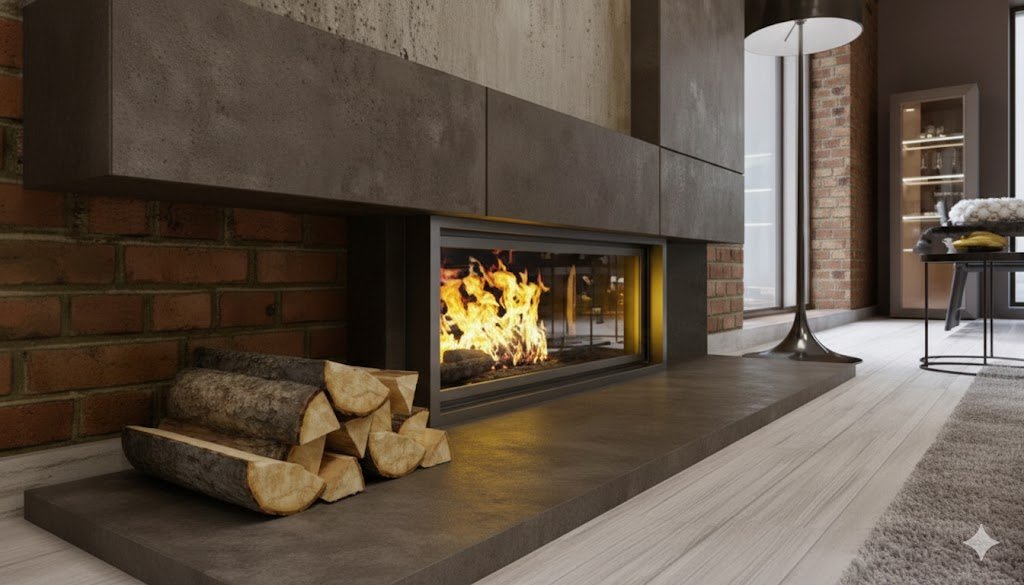
Room size determines how much heating power you need. Small bedroom or office? You can get by with a smaller unit, maybe 750 to 1000 watts. Living room or open concept space? You’ll want 1500 watts or more. Most electric fireplaces list their heating capacity in square feet. Match that to your room size. A unit that’s underpowered will run constantly and never quite heat the room properly. A unit that’s overpowered might cycle on and off too frequently. Getting the size right matters for both comfort and efficiency.
Your existing furniture dictates some of your choices. If you’ve got a sofa positioned a certain way or built in shelving you can’t move, you need to work around that. A corner fireplace might be perfect for an awkward space. A wall mounted unit might work better than a floor standing one if you’re tight on space. A media console fireplace could replace your existing TV stand and give you storage plus a fireplace in one piece. Think about how the fireplace will integrate with what you already have.
Style matching is where things get fun. You need to decide if you want the fireplace to blend in or stand out. Blend in means matching your existing decor closely. Same colors, similar finishes, compatible design language. Stand out means making the fireplace a statement piece that draws attention. Bold colors, unique design, eye catching features. Neither approach is wrong. It depends on your personality and your space. I lean toward blend in personally, but I’ve seen stand out fireplaces that look amazing.
The flame technology varies between models. Basic units use colored light bulbs and spinning reflectors. Cheap and cheerful but not very realistic. Mid range units use LED lights with better effects. More realistic flames that actually look like fire rather than an approximation. High end units use advanced LED systems, sometimes combined with water vapor or holographic effects. These can be genuinely impressive. The flames look three dimensional and move naturally. You pay more for better flame effects, but if you’re going to look at this thing every day, it’s worth getting something you actually like.
Heat distribution methods matter more than people realize. Fan forced heat pushes warm air into the room quickly but can be noisy. Infrared heat is quieter and feels more natural but doesn’t spread as far. Some units have both options. If noise bothers you, pay attention to decibel ratings. Some fireplaces run whisper quiet while others sound like a hair dryer on low. Read reviews specifically mentioning noise levels before you buy.
Control options range from basic to fancy. Simple units have manual controls on the fireplace itself. Knobs or buttons to adjust heat and flame. That’s fine if the fireplace is easily accessible. But if it’s mounted high or tucked into a tight space, you’ll want remote control. Most modern units come with remotes. The fancier ones have smartphone apps and smart home integration. Voice control through Alexa or Google is becoming standard on newer models. Think about how you’ll actually use the thing and pick controls that match your lifestyle.
Safety features should be non negotiable. Overheat protection that shuts the unit down if it gets too hot. Cool touch glass that doesn’t burn little fingers. Tip over protection if you’re getting a freestanding unit. Timer functions so you can set it to turn off automatically. These aren’t exciting features, but they’re the ones that prevent accidents and give you peace of mind. Don’t skip safety to save a few bucks.
Energy efficiency ratings tell you how much your fireplace will cost to operate. Look for units with good insulation and efficient heating elements. LED flame technology uses way less power than older incandescent systems. Some units have eco modes that reduce power consumption. Check the wattage and do the math based on your local electricity rates. A unit that costs 50 bucks less but uses twice as much electricity will cost you more in the long run.
Installation requirements vary dramatically. Plug in units are instant. Unbox, plug in, go. No installation at all. Recessed units need to be mounted in the wall, which means cutting drywall and doing electrical work. Built in units might need a contractor to install properly. Wall mounted units need strong mounting hardware and studs to attach to. Know your skill level honestly. If you’re not handy, get something simple or budget for professional installation.
Warranty coverage protects your investment. Look for at least a one year warranty on the whole unit. Better units have longer warranties, sometimes three to five years. Pay attention to what’s covered. Is it just parts or parts and labor? Do you have to ship the unit back or do they send someone to fix it? Is the flame technology covered separately from the heating elements? Read the fine print. A good warranty means the manufacturer stands behind their product.
Price ranges from under 200 bucks to over 3000. You can get a decent basic electric fireplace for 300 to 500 dollars. That’ll give you realistic flames, decent heat, and reasonable build quality. Mid range units from 500 to 1500 dollars offer better flame effects, more features, and nicer materials. High end units above 1500 dollars are for people who want the best flame technology, premium construction, and advanced features. Set your budget before you start shopping or you’ll talk yourself into spending more than you planned.
Online shopping gives you more options but you can’t see the unit in person. Store shopping lets you see and sometimes test the fireplace but limits your selection. I recommend doing both. Visit stores to see what different flame effects and sizes look like in real life. Then shop online where you can compare prices, read reviews, and find exactly what you want. Don’t buy the first thing you see. Do your research.
Reviews from actual owners are gold. Professional reviews are fine, but they’re often based on short term testing. Real owners have lived with the fireplace for months or years. They know if it still works well after a winter of daily use. They know if the company’s customer service is helpful when something goes wrong. They know if the flames still look good after a year or if they’ve dimmed. Read at least 20 reviews before buying. Look for patterns in the feedback.
Return policies give you an escape hatch if you make a mistake. Some places let you return within 30 days, no questions asked. Others charge restocking fees or don’t accept returns on electrical items at all. Know the policy before you buy. If you’re unsure about a model, buy from somewhere with a generous return policy. That way if it looks bad in your space or doesn’t work how you expected, you’re not stuck with it.
Delivery and assembly can be deal breakers. A huge media console fireplace might come in a box weighing 200 pounds. Can you get that into your house? Up stairs? Some retailers offer white glove delivery where they bring it in, unpack it, assemble it, and take away the trash. That costs extra but might be worth it. Factor shipping costs and hassle into your decision. A cheaper price isn’t better if shipping costs another hundred bucks and you throw your back out wrestling it into your living room.
Color and finish options need to match your space. Most electric fireplaces come in a few standard finishes. Dark wood, light wood, white, black, gray. Pick something that works with your existing furniture. If everything in your room is dark and you get a white fireplace, it’ll stick out like a sore thumb. Unless that’s what you want. Then go for it. But think through how the color will actually look in your specific room with your specific stuff around it.
Features you might not need but could be nice include built in storage, media shelves, LED mood lighting, multiple flame colors, adjustable flame brightness, programmable timers, and temperature displays. These add cost but might add value depending on how you live. If you’re replacing a TV stand with a media console fireplace, the storage becomes really useful. If you like to read by firelight, adjustable flame brightness lets you get the lighting just right. Pick features that solve actual problems in your life.
The brand matters less than you might think. Big name brands offer peace of mind and better customer service usually. But plenty of smaller brands make excellent products. What matters is the specific model’s quality and features. Don’t pay extra just for a brand name unless there’s a concrete benefit. But also don’t buy the cheapest thing from a company you’ve never heard of. Find the sweet spot of good value from a reputable manufacturer.
Electrical requirements are usually standard 120 volt outlets. Most electric fireplaces plug into any regular outlet. Some larger units need dedicated circuits or 240 volt outlets. Check the specs before you buy. If you need special electrical work done, that’s an added cost and hassle you need to plan for. Calling an electrician to install a new outlet isn’t free.
Showrooms let you see fireplaces in room settings. Some big box stores and fireplace specialty shops have multiple units set up and running. You can compare flame effects side by side. See how different mantles look. Get a feel for the size and proportions. If there’s a showroom near you, it’s worth visiting even if you end up buying online. The in person experience helps you make better decisions.
Seasonal sales can save you money. Electric fireplaces go on sale in the spring and summer when demand is low. Black Friday and pre winter sales are also good times to buy. If you’re not in a rush, wait for a sale. You can save 20 to 40 percent off regular prices. Set up price alerts on the models you’re interested in and jump when they drop.
The decision ultimately comes down to what you value. Do you want the absolute best looking flames? The most heat output? The most features? The best price? The easiest installation? You probably can’t have all of those in one unit. Figure out your top priorities and find the model that best matches them. There’s no perfect fireplace for everyone. There’s only the right fireplace for you and your specific situation. And once you figure out what that is, buying becomes easy.
Why Electric Fireplaces Are Taking Over and What That Means
We’re living through a shift in how people think about home heating and comfort. Electric fireplaces aren’t just gaining market share. They’re changing expectations about what fireplaces should be and do. This isn’t a temporary trend. It’s a fundamental change driven by technology, economics, and lifestyle factors that aren’t going away.
The cost argument alone is compelling enough for most people. When you can get the fireplace experience for a fraction of the operating cost of gas, that’s hard to ignore. We’re talking about real money here. Money that stays in your pocket instead of going to the utility company. Over the lifetime of the fireplace, that adds up to thousands of dollars in savings. People notice that. They talk about it. They tell their friends. Word spreads.
The maintenance advantage can’t be overstated. Nobody wants another chore. We’re all busy. We all have too much to do already. An appliance that requires zero regular maintenance is a blessing. No scheduling chimney sweeps. No shoveling ashes. No checking gas lines. Just plug it in and use it. When it’s that easy, people actually use their fireplaces instead of treating them as special occasion features. That means they get more value from them.
Installation simplicity removes a huge barrier to entry. Traditional fireplaces require major construction or significant modifications to your home. That’s expensive, time consuming, and permanent. You better be sure about what you want because changing your mind later means more construction. Electric fireplaces don’t have that problem. Try one out. Don’t like it? Move it somewhere else or return it. That flexibility is powerful, especially for people who are hesitant about committing to a major home improvement project.
The rental market has embraced electric fireplaces. Millions of renters who could never have a fireplace before can now have one. That’s a huge market that was completely untapped by traditional fireplaces. Property owners like electric fireplaces too because tenants can’t damage the property with them. No fire risks, no structural changes. Everybody wins. This is expanding fireplace ownership to demographics that were excluded before.
Smart home integration is becoming table stakes for new appliances. People expect to control things from their phones. They expect voice control. They expect automation and scheduling. Electric fireplaces deliver all of that. Traditional fireplaces can’t compete on this front. Sure, you can add smart switches to control gas fireplaces, but it’s clunky and limited. Electric fireplaces have smart functionality built in from the ground up. They fit naturally into modern connected homes.
Environmental consciousness is growing. People care more about their carbon footprint than they used to. Electric fireplaces running on increasingly clean electrical grids are objectively better for the environment than burning wood or gas. As electricity generation continues shifting toward renewables, this advantage only increases. Young homebuyers especially are factoring environmental impact into their purchasing decisions. Electric fireplaces align with their values in ways that fossil fuel burning fireplaces don’t.
The quality of flame effects has reached a tipping point. Early electric fireplaces looked fake. Nobody was fooled. But modern ones look real enough that most people can’t tell the difference from across the room. That was the critical threshold. Once the visual quality got good enough, the other advantages of electric fireplaces could shine. You weren’t sacrificing aesthetics anymore. You were getting aesthetics plus convenience, cost savings, safety, and ease of use.
Safety concerns drive a lot of purchasing decisions. Parents with young kids want fireplaces that won’t burn their children. Pet owners want fireplaces that won’t hurt their animals. Elderly folks want fireplaces they can use without worrying about forgetting to put out the fire. Electric fireplaces eliminate so many risks that they’ve become the default choice for safety conscious consumers. Insurance companies are noticing too. Some offer lower premiums for homes with electric fireplaces instead of traditional ones.
The design variety available in electric fireplaces is staggering. You can find one that fits literally any design aesthetic. Modern, traditional, rustic, industrial, minimalist, ornate. Any size, any configuration. This wasn’t true even ten years ago. The market has exploded with options. That means consumers can get exactly what they want instead of compromising. When products fit perfectly into people’s lives and homes, adoption accelerates.
Commercial spaces are adopting electric fireplaces rapidly. Restaurants, hotels, offices, retail stores. Places that want the ambiance of a fireplace but can’t deal with the liability, maintenance, or cost of traditional fireplaces. Walk into a trendy restaurant and there’s a good chance that beautiful fireplace is electric. Hotels are putting them in rooms to add perceived luxury without the risk and upkeep. This commercial adoption creates visibility and normalizes electric fireplaces for consumers.
The used market for traditional fireplaces is soft. People are removing wood and gas fireplaces and replacing them with electric. That tells you something about where preferences are heading. If traditional fireplaces were better, people wouldn’t be replacing them. But they are, in significant numbers. Home renovation shows feature electric fireplace installations regularly. That media exposure influences consumer behavior.
Technology continues improving. Each generation of electric fireplaces is better than the last. More realistic flames. Better heat distribution. More features. Lower power consumption. This trajectory shows no signs of slowing down. Traditional fireplaces have basically reached their evolutionary endpoint. Wood fires and gas flames are what they are. But electric fireplaces are still evolving rapidly. That means early adopters don’t have the best versions. People buying today are getting much better products than were available five years ago.
Price points are coming down while quality is going up. That’s the classic technology adoption curve. Early electric fireplaces were expensive and not that great. Now you can get a really good one for a reasonable price. As manufacturing scales up and competition increases, prices will continue dropping. This makes electric fireplaces accessible to more people, which accelerates adoption further. It’s a positive feedback loop.
The regulatory environment is shifting. Some municipalities are restricting or banning new wood burning fireplaces due to air quality concerns. Gas bans are being discussed or implemented in various cities for environmental reasons. Electric fireplaces aren’t facing any regulatory headwinds. If anything, they’re benefiting from policies that discourage traditional fireplaces. This creates a tailwind for market growth that’s likely to strengthen over time.
Energy independence appeals to a growing segment of consumers. If you have solar panels, your electric fireplace is running on power you generated yourself. You’re not dependent on wood suppliers or gas companies. That independence and self sufficiency resonate with people. Pair an electric fireplace with home solar and battery storage, and you’ve got heat that’s truly independent of external supply chains and pricing.
The pandemic changed how people think about their homes. More time at home means more focus on making home spaces comfortable and enjoyable. Fireplaces contribute to that comfort significantly. The surge in home improvement spending during lockdowns included a lot of fireplace purchases. Many of those were electric because people wanted something they could install themselves without having contractors in their homes. That accelerated adoption and created a new generation of satisfied customers who spread positive word of mouth.
Real estate staging increasingly uses electric fireplaces. Stagers will bring in a nice electric fireplace for showings and open houses. Why? Because it works. It makes spaces feel warmer and more inviting. Buyers respond to it. Some stagers have reported that homes with electric fireplaces added for staging sell faster and for higher prices than comparable homes without. That’s influencing both staging practices and buyer expectations.
The aesthetic versatility means electric fireplaces work in spaces where traditional fireplaces never could. Modern apartments with floor to ceiling windows. Open concept lofts with no good place for a chimney. Basements. Bedrooms. Home offices. Bathrooms even. Anywhere you want the vibe of a fireplace, you can now have one. That massively expands the total addressable market beyond just the traditional living room fireplace location.
Social media plays a role in adoption. People post photos of their cozy fireplace setups on Instagram and Pinterest. Others see those images and want the same vibe in their homes. Electric fireplaces photograph well. They create that aspirational comfort aesthetic that performs well on social platforms. This organic marketing through user generated content is powerful and cost effective for manufacturers while influencing consumer preferences.
The bottom line is that electric fireplaces solve real problems better than alternatives for most people in most situations. They’re not perfect. They’re not ideal for every single use case. But for the majority of homeowners and renters who want a fireplace, electric delivers the best overall package. Better cost, better convenience, better safety, better flexibility, and good enough aesthetics that the trade offs are worth it. That’s why they’re taking over. Not through hype or fads, but through genuinely being the better choice for modern life.
We’re going to keep seeing this shift accelerate. Traditional fireplaces will stick around for purists and specific situations where they make sense. But the default choice, the mainstream option, is increasingly electric. That’s not a prediction. That’s already happening. The data shows it. The market shows it. Walk through new home developments and count how many have electric fireplaces versus traditional ones. The future is pretty clear. Electric fireplaces aren’t just participating in the market. They’re reshaping it entirely. And that transformation is just getting started.

Leave a Comment