
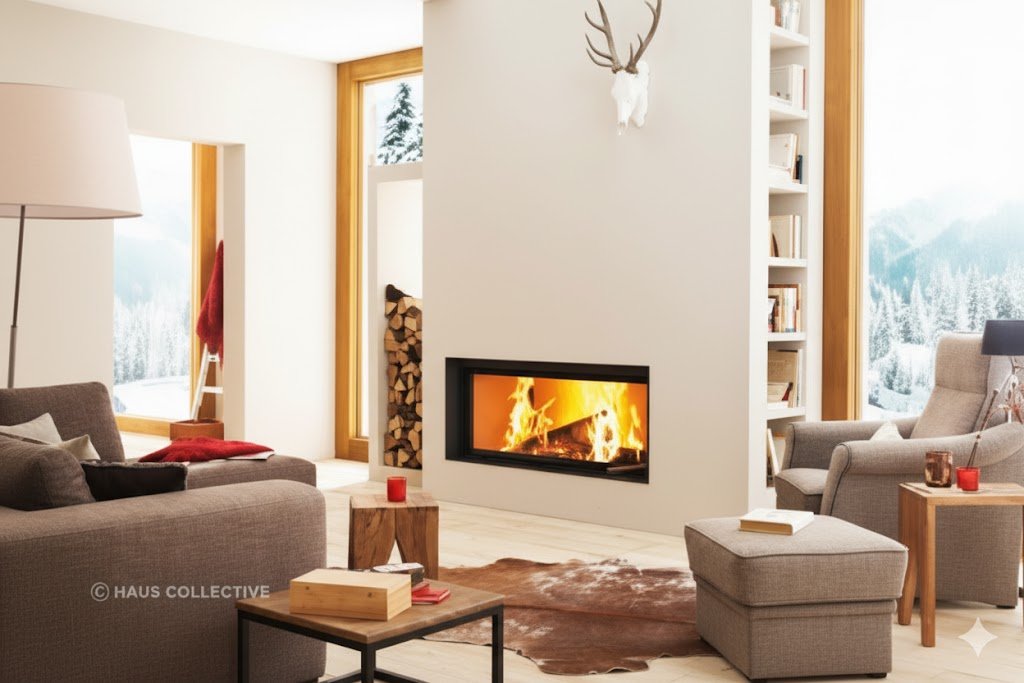
When Winter Whispers and Your Fireplace Calls
There’s this moment every year when I wake up and feel the shift. The air bites differently. My morning coffee needs both hands wrapped around the mug. The thermostat suddenly becomes the most visited spot in my house. That’s when I know winter isn’t just coming anymore. It’s here, camping out on my doorstep, planning to stay for months.
This is when my fireplace transforms from a decorative feature into an actual necessity. I’m not being dramatic here. Last winter taught me this lesson the hard way when our heating system decided to quit during a particularly nasty cold snap. The repair guy couldn’t come for two days. My family huddled in the living room, and that fireplace became our lifeline. We slept in sleeping bags around it like we were camping indoors. My kids thought it was an adventure. I thought it was survival.
Fireplaces do something that central heating just can’t replicate. Sure, forced air systems push warmth through vents efficiently enough. But there’s no soul in it. A fireplace creates a gathering point. It pulls people together like gravity. When my extended family visits during the holidays, everyone ends up in the living room within twenty minutes. Not the kitchen. Not the den with the big TV. The room with the fireplace. People arrange themselves in a semicircle, drawn to that warmth like moths to a flame, if moths were sensible creatures seeking comfort.
Think about every cozy scene you’ve ever imagined. Snowy evening, hot chocolate, good book. Where are you sitting? Probably near a fireplace. Our brains are wired this way. Humans have been gathering around fires for something like 400,000 years. That’s not a habit you shake off just because we invented thermostats. The flicker of flames does something primal to our nervous systems. It tells us we’re safe, we’re warm, we’re home.
The practical side matters just as much as the psychological comfort. Power outages happen. They happen more often than we’d like to admit. Ice storms knock down lines. Windstorms do the same. Sometimes the grid just hiccups for reasons nobody can quite explain. When the lights go out and the heat stops flowing, a fireplace becomes the difference between uncomfortable and genuinely dangerous. I keep a stack of firewood in my garage specifically for emergencies. It’s like insurance you can actually see and touch.
My neighbor learned this the expensive way. He’s got one of those all-electric homes that’s supposed to be super efficient. Great for his utility bills nine months out of the year. But when a transformer blew last February and left our street without power for 36 hours, his house became an icebox. The indoor temperature dropped to 45 degrees. They ended up at our place, squeezed onto couches, sharing our fireplace heat. He installed a fireplace the following month. Funny how one cold night can change your priorities completely.
Fireplaces add value beyond just function. Real estate people will tell you this straight up. A home with a fireplace sells faster. It commands a higher price. Buyers see a fireplace and their imagination kicks into high gear. They picture their future there. Christmas mornings. Quiet evenings. Family gatherings. All those Hallmark card moments that we secretly want even if we pretend we’re too cool for them. A fireplace sells the dream along with the house.
The beauty of our current moment in history is choice. We’re not stuck with one type of fireplace that either works for our situation or doesn’t. Technology has given us options our grandparents couldn’t have imagined. You can match your heating solution to your lifestyle, your budget, your home’s quirks, and your personal tolerance for maintenance and hassle. Some people want the full traditional experience with all its work and authenticity. Others want heat with zero effort. Both groups can get what they want. That’s progress.
I’ve owned three different types of fireplaces across three different homes. Each one taught me something. Each one had its place and purpose. What worked perfectly in my first house would have been wrong for my current place. Understanding the options helps you avoid expensive mistakes. It helps you choose something you’ll actually use and enjoy rather than something that looks good in a showroom but doesn’t fit your real life. So let’s talk about what’s out there and what each option really means for how you live.
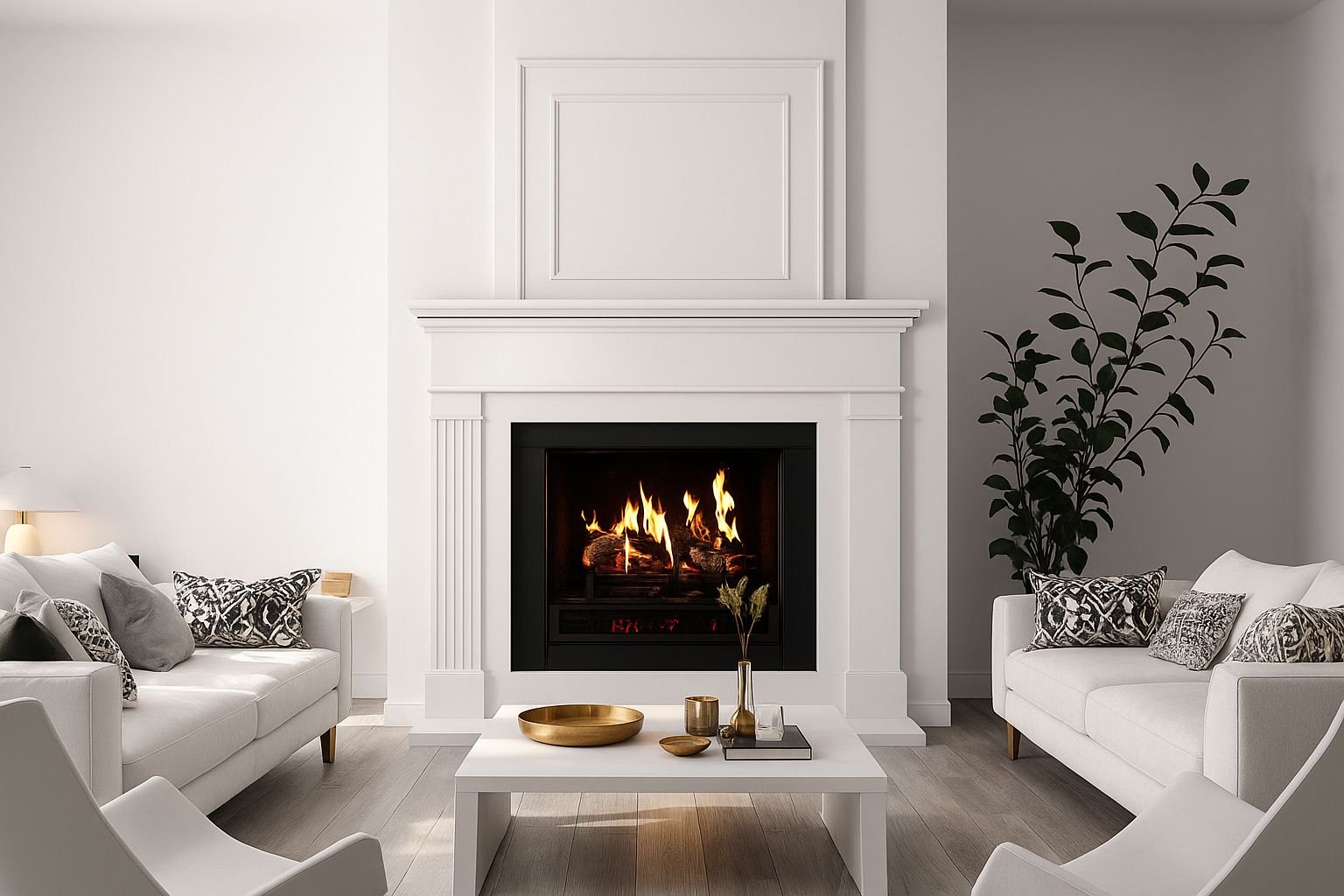
Why Gas Fireplaces Felt Like a Breakthrough
I remember when my uncle installed the first gas fireplace I’d ever seen. This was back in the early 90s when the technology was still pretty new to residential homes. He invited the whole family over to see it like he was showing off a spaceship. Press a button, flames appear. Press it again, flames disappear. We stood there amazed like we were watching magic tricks. Coming from a childhood of splitting wood and hauling logs, this seemed like living in the future.
The pitch for gas fireplaces made perfect sense on paper. You get all the visual warmth of a real fire without any of the backbreaking labor. No more trips to buy firewood. No more splinters in your hands. No more sweeping ash. No more worrying about whether your wood was dry enough to burn cleanly or whether it would just smoke up your living room and trigger every alarm in the house. The gas line delivers fuel constantly. You never run out. You never have to plan ahead or stock up before a storm.
I bought into this promise completely when I moved into my second house. Installed a beautiful gas fireplace with a remote control and everything. For the first couple of winters, I felt like a genius. Cold morning? Click. Instant fire. Romantic evening? Click. Ambiance achieved. The convenience was intoxicating. My wife loved not having wood debris scattered across the hearth. My back loved not lifting heavy logs. Life was good.
The visual technology impressed me too. Early gas fireplaces looked pretty fake with their orange glow and obviously ceramic logs. But by the time I bought mine, manufacturers had figured things out. The logs looked weathered and realistic. The flames moved in convincing patterns. They’d even added ember beds that glowed red like real coals. Guests couldn’t tell it wasn’t burning actual wood unless they got close enough to notice the lack of smoke smell. For a fake fire, it put on a pretty convincing show.
Gas fireplaces solved real problems that wood burners created. Chimneys needed regular cleaning with wood. Creosote buildup could cause chimney fires if you weren’t careful. Gas eliminated that danger completely. No creosote means no need for expensive chimney sweeps every year. The glass stayed relatively clean. Maintenance dropped to almost nothing. Maybe an hour per year to check the connections and clean dust off the logs. Coming from wood fireplace ownership, this felt like a vacation.
The heat output was impressive and controllable too. Want it warmer? Turn up the gas flow. Want it cooler? Turn it down. This kind of precision control was impossible with wood, where you either had a raging fire or you didn’t. The heat came on immediately too. No waiting 20 minutes for logs to catch and really start throwing heat. Click and warmth. This instant gratification suited my impatient personality perfectly.
But then reality started poking holes in my gas fireplace honeymoon. The monthly bills during winter made me wince. Natural gas prices have this annoying tendency to spike right when demand peaks. Supply and demand economics means the utility companies squeeze you hardest when you need the product most. What seemed reasonable in October felt painful by January. Some months my gas bill would triple compared to summer baseline usage. I started doing mental math every time I fired up the fireplace. Is this evening of ambiance worth thirty bucks?
The dependency factor bothered me more over time. Gas fireplaces need gas infrastructure. You’re completely tied to the utility company and the pipeline network. During that big freeze a few years back when Texas had that massive power and gas crisis, gas pressure dropped throughout many regions. Utility companies asked customers to lower thermostats to keep the system from collapsing. My convenient gas fireplace became useless. At least with wood, if you’ve got logs in the garage, you’ve got heat. No utility company can turn off your woodpile.
Then there’s the authenticity question. Those realistic-looking logs that impressed me at first started feeling fake after a few years. Maybe I was overthinking it. Maybe the novelty just wore off. But I started noticing how the flames always moved in the same patterns. How the logs never actually burned down or shifted. How everything was just a bit too perfect and predictable. Real fires are messy and chaotic and unpredictable. That’s part of their appeal. They’re alive in ways that gas flames, for all their convenience, can never quite match.
Installation costs are worth mentioning if you’re starting fresh. Running a gas line to where you want the fireplace isn’t cheap, especially in older homes where the infrastructure isn’t already there. You need proper venting even with ventless models, which I personally don’t trust for air quality reasons. The unit itself costs more upfront than a basic wood insert. You’re betting that convenience will pay off over years of use. For some people, that math works. For me, the rising fuel costs made the payoff period keep stretching further into the future.
Safety concerns crept into my awareness too. Gas leaks are serious business. Carbon monoxide is odorless and deadly. You need working detectors, period. I became paranoid about it, checking batteries constantly, sniffing around the fireplace for that rotten egg smell they add to natural gas. My family thought I was being ridiculous until our neighbors had a leak that filled their basement overnight. Their detector saved them. Not everyone gets that lucky. The risk is low but the consequences are severe. That combination bothered me more as I got older and had kids.
Gas fireplaces aren’t bad. They work great for plenty of people. If your area has cheap natural gas, if convenience trumps everything else, if you’re not bothered by the somewhat artificial nature of it, then go ahead. They’re clean, easy, and they produce real heat. But calling them perfect overstates the case. They’re a compromise. You trade some authenticity and independence for convenience and cleanliness. Whether that trade makes sense depends entirely on your priorities and your local energy economics. For me, the scales eventually tipped away from gas. But your mileage may vary.
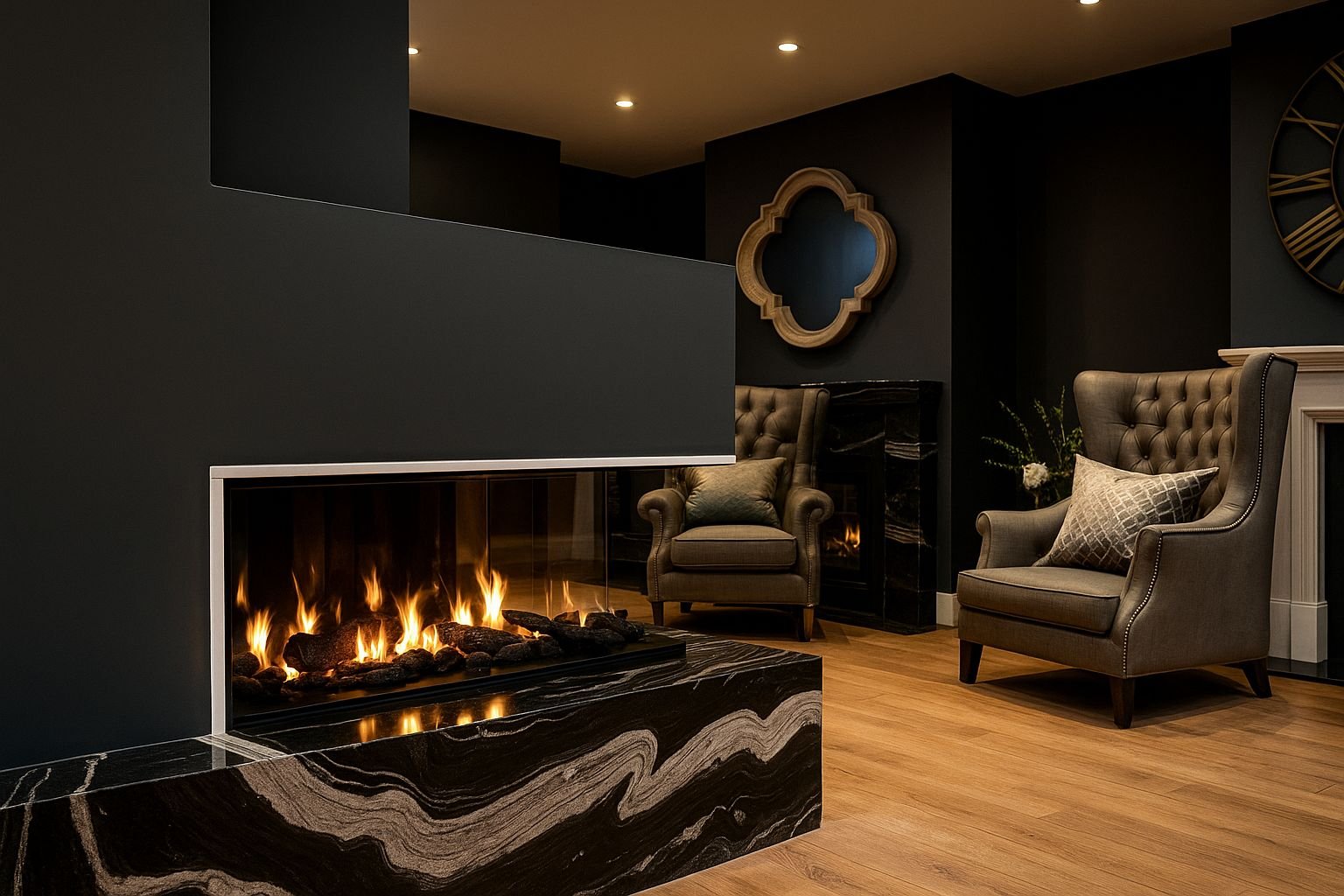
How Electric Fireplaces Became Actually Good
Electric fireplaces used to be terrible. I’m not being mean. They were genuinely awful. I remember seeing them in cheap hotel rooms in the 90s. They had spinning metal reflectors behind orange light bulbs, trying desperately to look like fire. They fooled nobody. They looked like what they were, which was cheap plastic boxes pretending to be fireplaces. People bought them only when they had no other options. They were the participation trophy of home heating.
Something changed over the past decade that most people missed. The technology made a massive leap forward. Modern electric fireplaces use LED lighting and sophisticated programming to create flame effects that actually look convincing. I was skeptical too. My history with electric fireplaces made me dismissive. Then my cousin bought a high-end model for her condo, and I had to eat my words. From ten feet away, I genuinely couldn’t tell it wasn’t real. The flames moved naturally. The ember bed glowed convincingly. The whole effect was warm and inviting instead of sad and fake.
But looks are only part of why electric fireplaces make sense now. Let’s talk about heat output and actual functionality. A decent electric fireplace puts out around 5,000 BTUs. That’s enough to warm a medium-sized room pretty effectively. You’re not heating your whole house with it, but that misses the point entirely. The point is zone heating. Why pay to heat your entire house to 72 degrees when you could heat the living room to 75 and drop the thermostat everywhere else to 65? Your furnace doesn’t care that nobody’s upstairs. It heats empty bedrooms anyway. Your electric fireplace heats exactly where you’re sitting.
The economics get interesting when you run actual numbers. Electricity prices vary wildly by region, so I can’t give you one universal answer. But in most areas, running an electric fireplace for a few hours per evening costs less than a dollar. Compare that to burning gas or buying firewood. The big savings come from that zone heating approach. My central furnace burns through energy heating spaces I’m not using. My electric fireplace heats one room efficiently. Over a winter, those savings add up to real money.
Installation is where electric units really shine compared to any alternative. You know what you need to install an electric fireplace? An electrical outlet. That’s the whole list. No chimney required. No gas lines to run. No permits to pull. No contractors to schedule and pay. I installed my current electric fireplace by myself in under 30 minutes. Unboxed it, positioned it, plugged it in, turned it on. Done. My teenage nephew could have handled it. This simplicity means you can put a fireplace basically anywhere you want one. Bedroom? Sure. Home office? Why not. Finished basement? Absolutely. The flexibility is fantastic.
Maintenance basically doesn’t exist. There’s no ash to shovel. There’s no glass to scrub clean. There are no vents to check. There are no annual inspections to schedule. The LED bulbs last for tens of thousands of hours. If something breaks, you’re not calling a specialized technician who charges $200 just to show up. Most problems can be fixed with basic tools and a YouTube tutorial. I’ve owned my current electric fireplace for five years now. Total maintenance performed? I dusted the outside once. That’s it. That’s the whole list.
Safety is a huge advantage that doesn’t get enough attention. Electric fireplaces don’t produce carbon monoxide. They don’t create actual combustion. The glass front stays cool enough to touch, which matters a lot when you’ve got small kids or curious pets around. You can’t burn your house down with one, barring some freak electrical short that could happen with any appliance. There’s no risk of sparks jumping onto carpet. No logs rolling out onto hardwood floors. My friend’s toddler walks right up to ours and presses his face against the glass. Try that with a wood or gas fireplace and you’re making a hospital run.
The control options are pretty slick on modern models. Most come with remotes. Many connect to smart home systems now. You can set timers so the fireplace turns on before you wake up or turns off after you go to bed. You can adjust temperature precisely. You can control flame brightness independently from heat output. Want the cozy visual effect without adding heat during spring or fall? Easy. Want maximum heat without bright flames that interfere with watching TV? No problem. This customization level is impossible with traditional fireplaces.
Are there downsides? Of course. Electric fireplaces depend completely on the power grid. When electricity goes out, so does your heat. That’s the big trade here. You’re giving up independence for convenience and safety. For most people in most situations, that’s a fair trade. Power outages are usually short. Most homes have backup heating through their furnace anyway. But if you live somewhere with unreliable power, or if you want true emergency backup heat, electric isn’t your solution.
The other real limitation is heating capacity. Electric fireplaces work great for warming one room or providing supplemental heat to take pressure off your central system. They’re not replacing your furnace. If your heating system dies in January and it’s 15 degrees outside, your electric fireplace will keep one room comfortable. The rest of your house will still be cold. They’re tactical solutions for everyday comfort, not strategic solutions for emergencies.
But for normal living in normal circumstances, electric fireplaces hit a sweet spot that didn’t exist before. They look good enough to fool most people. They’re cheap to buy and run. They’re safe around kids and pets. They require zero effort to use and basically zero maintenance. The technology finally caught up with the convenience promise. We’re not talking about those pathetic hotel lobby units anymore. We’re talking about legitimate heating solutions that happen to be simpler and safer than what came before them.
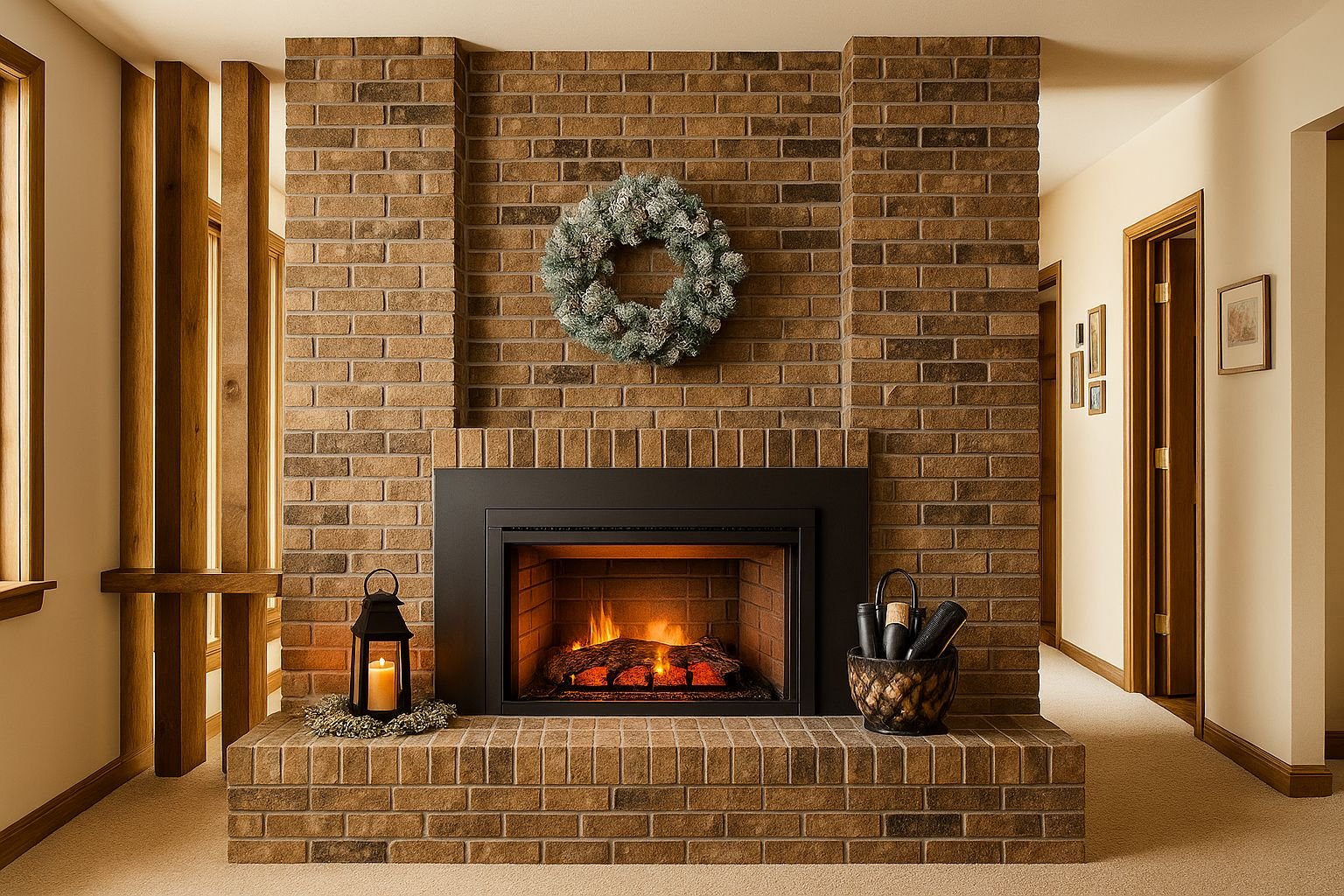
Making Your Fireplace Look Like It Belongs
Here’s something I wish someone had told me years ago. The fireplace itself is only half of what creates that cozy, inviting atmosphere. The mantle and surround do just as much heavy lifting. I’ve been in homes with expensive, top-of-the-line fireplaces that looked boring because nobody thought about the decorative elements. I’ve been in other homes with basic, entry-level fireplaces that looked stunning because someone put real thought into how everything came together.
The mantle sets the tone for your entire room. It’s like the frame around a painting. A masterpiece needs the right frame to really work, right? Same deal here. Your mantle tells a story about who you are and what you value. Choose reclaimed barn wood, and you’re saying rustic and authentic. Pick sleek white marble, and you’re going modern and sophisticated. Go with ornate carved wood, and you’re channeling Victorian elegance. The fireplace produces heat. The mantle produces personality.
I probably spent too much time obsessing over my mantle choice. My wife definitely thought I’d lost my mind. “It’s just a shelf where we put stuff,” she said. But it’s not just a shelf. It’s the visual anchor of our main living space. Everything else in the room relates to this focal point. Get it wrong, and the whole room feels off in ways that are hard to pinpoint. I looked at maybe 60 different mantles before settling on a chunky reclaimed beam from an old factory. Cost more than I wanted to spend. Worth every penny when I see it every day.
The decorating opportunities are both exciting and overwhelming. You’ve got the mantle top, which is prime real estate for displaying things that matter to you. Family photos work great. Candles add warmth. Seasonal decorations keep things fresh. Plants bring life. Artwork adds color. Books add character. That weird sculpture your mother-in-law gave you that you can’t throw away because she visits twice a year. The rules here are flexible. Some people like symmetrical arrangements. Others prefer organized chaos. Both approaches can look great if you commit to them.
Scale matters more than most people realize. Small objects on a massive mantle look lost and sad. Like furniture in a house that’s too big for it. Big, bold pieces on a small mantle look cramped and overwhelming. You need to match your decorative elements to the size and style of your mantle. I made this mistake early on. Put dainty candlesticks on my big rustic beam. They disappeared visually. Swapped them out for chunky iron lanterns. Everything clicked into place. Sometimes the problem isn’t what you chose but how big it is.
Seasonal decorating keeps your mantle from becoming invisible wallpaper that your brain stops registering. I’m not suggesting you need to redecorate every week like some lifestyle magazine. But changing things out a few times per year prevents staleness. Fall brings pumpkins and warm oranges. Winter gets evergreen branches and candles. Spring sees flowers and lighter colors. Summer might go minimal and airy. These changes mark time passing. They keep your space feeling alive and current instead of frozen and static.
The surround material matters almost as much as the mantle itself. This is the material directly around the fireplace opening. Traditional options include brick, stone, tile, or marble. Each creates a completely different feeling. Brick reads as classic and timeless. Stone says natural and organic. Tile offers pattern options. Marble communicates luxury. Modern alternatives include metal, concrete, or carefully treated wood. The surround interacts with your mantle, your flooring, and your wall colors. It needs to play nice with everything around it.
Electric fireplaces make the decorative side easier in some ways. They don’t produce real combustion, so you’re not dealing with smoke stains or heat damage over time. You can put temperature-sensitive decorations closer to the unit without worrying. That vintage mirror you inherited can hang right above the fireplace without heat warping the frame. Those photos in cheap frames won’t fade from radiant heat exposure. The reduced maintenance means your carefully styled mantle stays looking good without constant cleaning and adjusting.
But here’s where people trip themselves up. Just because you can put stuff anywhere doesn’t mean you should pack the mantle like a storage unit. Negative space is your friend here. Things need room to breathe. Your eye needs places to rest. A mantle with three thoughtfully chosen items often looks better than one crammed with fifteen things competing for attention. Quality over quantity applies to decorating just as much as it applies to everything else in life.
Lighting deserves its own paragraph. The fireplace provides ambient light when it’s running, but what about when it’s off? A dark, cold fireplace looks kind of depressing. Strategic lighting fixes this problem. Small LED strips hidden behind the mantle can create a soft glow that adds warmth. Picture lights can illuminate artwork hung above. Even a couple of carefully placed candles keep the area from feeling dead and forgotten. Light creates layers. Layers create depth. Depth makes spaces interesting.
Your mantle and surround aren’t afterthoughts you deal with once the fireplace is installed. They’re opportunities to express yourself and create a space that feels intentionally designed rather than accidentally thrown together. The fireplace provides function. The decorative elements provide soul. Together, they create a room that people actually want to spend time in. Take your time with this stuff. Look at examples that inspire you. Steal ideas from homes and hotels and restaurants that impress you. Your fireplace can be both beautiful and functional. The best part about electric units is you’re not sacrificing any decorative possibilities while gaining practical advantages.
Finding Your Perfect Electric Fireplace Match
Shopping for an electric fireplace should be simple, but the sheer number of options can feel overwhelming pretty fast. I counted over 200 different models on one website last week. They range from compact plug-in units that look like upgraded space heaters to massive entertainment centers with built-in fireplaces to traditional mantle packages that perfectly mimic classic designs. Figuring out what you actually need versus what looks cool in product photos requires some honest thinking about your space and how you’ll really use the thing.
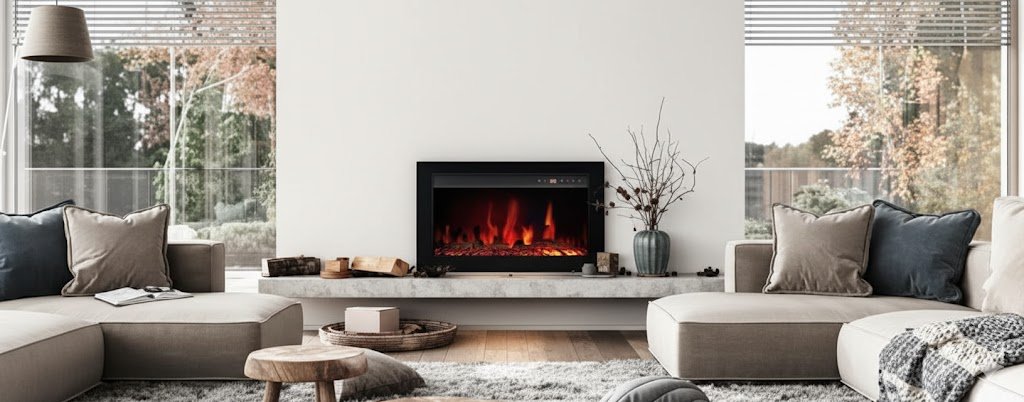
Start by measuring your room. This sounds obvious and basic, but I’ve watched too many people fall in love with a massive fireplace that completely overwhelms their small living room. Or the opposite problem where they buy a tiny unit that gets lost on their huge blank wall. You need to match the fireplace size to your room dimensions. As a rough starting point, small rooms under 200 square feet work well with compact 30-inch units. Medium rooms between 200 and 400 square feet can handle something in the 40 to 50-inch range. Larger spaces might want 60 inches or bigger. These aren’t hard rules. They’re starting points for your thinking.
Think about your actual use case. Are you mainly after ambiance and looks, or do you need real supplemental heat? Some electric fireplaces focus heavily on visual effects with minimal heat output. Others prioritize heating capacity over fancy flame technology. If you’re looking to actually warm a cold room and take pressure off your central heating, pay close attention to BTU ratings and square footage coverage claims. Don’t trust marketing hype blindly. Look for actual specifications. A good heating-focused unit should handle at least 400 square feet effectively.
Installation type makes a big difference in what you can buy and where you can put it. Freestanding units offer maximum flexibility. You can move them around when you rearrange furniture. You can take them to your next house. They’re not permanent commitments. Wall-mounted models save floor space and create a sleek, modern look, but they require drilling into walls and hopefully hitting studs. Built-in units that recess into walls look amazing and feel custom, but they’re basically permanent installations. Mantle packages include the whole surround and give you that traditional fireplace look without any construction work.
I went with a mantle package for my current house because I wanted that classic fireplace aesthetic without hiring contractors or dealing with construction mess. The unit came as a complete set with mantle, surround, firebox, and all necessary hardware. My buddy and I assembled and positioned it in maybe two hours. No special skills required. The included instructions were actually helpful, which happens less often than it should in flat-pack furniture world. If you’re not particularly handy or you want a traditional look without complexity, mantle packages make tons of sense. You sacrifice some customization options but gain simplicity.
The flame technology varies quite a bit between different price points. Cheaper units still use those spinning reflectors and orange bulbs that instantly look fake. Avoid these unless you’re furnishing a garage workshop where appearance doesn’t matter at all. Mid-range models use LED flames with better color variation and movement patterns. These look pretty good for the money. High-end units employ advanced holographic effects, layered LEDs, and sometimes even water vapor to create incredibly realistic flames. If visual authenticity matters to you, expect to pay more for it. If you mainly want heat and don’t care much about looks, save your money for other things.
Heat settings and controls separate good units from frustrating ones. Look for models with multiple heat levels, not just on and off switches. Thermostatic control is nice because the unit maintains your desired temperature automatically rather than running constantly or cycling on and off in annoying patterns. Remote controls are basically standard now, but check what functions the remote actually controls. Some cheap remotes only handle power on and off. Better ones let you adjust heat levels, flame brightness, flame color, and timer settings without getting off your couch.
Safety certifications matter more than people think about. Look for UL or ETL listings, which mean the unit has been tested by recognized independent labs. Overheat protection should be standard on any unit worth buying. Tip-over switches are important if you’re getting a freestanding unit that could potentially fall over if bumped. Cool-touch glass protects curious kids and pets from burns. These safety features aren’t exciting to read about, but they’re the difference between a well-engineered product and a potential hazard sitting in your living room.
Energy efficiency isn’t usually a huge concern since electric fireplaces typically run just a few hours per day. But it’s worth considering if you plan heavy use. LED flames use almost no power compared to old incandescent technology. The heating element is where most electricity goes, and most units are fairly similar in efficiency here. If you plan to use the heat function heavily throughout winter, look for units with good insulation around the heating chamber and thermostatic controls that prevent unnecessary running when the room reaches your target temperature.
Warranty and customer service deserve attention before you hand over money. A two-year or longer warranty suggests the manufacturer stands behind their product quality. One year is acceptable but not impressive. Anything less feels sketchy and suggests the company expects problems. Check whether the company has actual customer service you can reach by phone or chat. Read reviews not just about the product itself but about what happens when something goes wrong. Some companies handle issues quickly and professionally. Others effectively ghost you the second your payment clears.
Budget is always a factor in any purchase, but don’t make it the only factor driving your decision. The cheapest electric fireplace might save you $200 upfront but look terrible, heat poorly, and break within a year. That’s not really saving money. The most expensive option might include features you’ll never actually use. Find the middle ground that matches your real needs without paying for unnecessary bells and whistles. Expect to spend somewhere between $500 and $1,500 for a solid, reliable unit that looks good and performs well over years of use.
Style consistency matters if you care about interior design at all. Your electric fireplace should complement your existing furniture and overall aesthetic. Traditional homes with classic furniture look weird with ultra-modern floating fireplaces. Contemporary spaces with clean lines and minimalist aesthetics don’t pair well with ornate carved mantles trying to look Victorian. Match your fireplace style to your home’s overall vibe. If you’re not sure what that vibe is, neutral designs in black, white, or natural wood tones tend to work with most decor schemes without clashing.
The fun part about shopping now is seeing how far this technology has come in just the past decade. Electric fireplaces used to be compromise choices, the thing you settled for when you couldn’t have a real fireplace. Now they’re legitimate first choices for people who value convenience, safety, and flexibility over tradition. You’re not settling anymore when you buy electric. You’re choosing a modern heating solution that happens to look great and require almost zero maintenance. That’s actually a pretty compelling combination for most people’s real lives.
Take your time with this decision. Look at multiple options across different price ranges. Read real user reviews from verified buyers, not just the five-star ones that might be fake or incentivized. If possible, see units running in person at showrooms or big-box stores. Pictures on websites never quite capture how flames actually look in real life. Ask friends who own electric fireplaces about their experiences. Most people love talking about their home improvements, especially when they feel like they made good choices. Learn from their successes and their mistakes. Your ideal electric fireplace is definitely out there. Finding it just takes a bit of research and honest thinking.
Why Electric Makes Sense for Modern Life
Let me be straight with you. Electric fireplaces aren’t trying to replace traditional wood-burning fireplaces for people who love the full experience of splitting logs and tending fires. That’s a hobby and a lifestyle choice. If you enjoy that, keep doing it. But for the rest of us who want warmth and ambiance without the work, electric fireplaces have become the smart choice. Not just an acceptable compromise. The actually smart choice.
The installation simplicity alone makes electric worth considering. I’ve installed three different fireplaces in three different homes over the years. The wood fireplace installation required contractors, permits, chimney work, and took two weeks. The gas fireplace needed a plumber to run lines, a gas company inspection, more permits, and took four days. The electric fireplace needed me and a standard wall outlet and took 30 minutes. Guess which one I’d choose if I had to do it again? The one that didn’t require me to take time off work, coordinate with multiple contractors, and spend thousands on installation.
Cost is where electric really shines compared to alternatives. The unit itself costs less upfront than comparable gas models. Installation costs are basically zero. Operating costs are lower in most regions. Maintenance costs are practically nonexistent. When I add up total cost of ownership over five years, electric comes out way ahead of gas and wood in my calculations. Your specific math might differ based on local energy prices. But for most people in most places, electric is the most economical option over the lifetime of the unit.
Maintenance is my favorite part about electric fireplaces. I’m lazy about home maintenance. I admit it freely. I’m the guy who changes furnace filters two months late and postpones gutter cleaning until leaves are overflowing. Electric fireplaces reward my lazy tendencies. There’s nothing to maintain. Nothing to clean regularly. Nothing to inspect annually. No professional service calls required. The unit just sits there working year after year with zero input from me. That’s my kind of appliance.
The safety factor becomes more important as you get older and have kids or pets around. Wood fireplaces are legitimately dangerous. Sparks fly. Logs roll. Kids get burned. Houses catch fire. Gas fireplaces are safer but still produce carbon monoxide and can leak. Electric fireplaces are about as safe as a table lamp. The glass stays cool. There’s no combustion. There’s no toxic gas produced. My two-year-old nephew can walk right up to it without any adult panic. That peace of mind has real value.
Flexibility is underrated. I can put an electric fireplace anywhere I have an outlet. Bedroom. Office. Basement. Guest room. Bathroom if I want to get fancy. Try that with wood or gas. The installation requirements for traditional fireplaces limit where you can put them. You need chimneys or gas lines or proper venting. Electric needs electricity. Since every room has outlets, every room can have a fireplace. This opens up possibilities that weren’t available before.
The environmental angle might matter to you. It might not. But electric fireplaces are cleaner than wood burning in most metrics. No particulate matter pumped into the air. No smoke bothering your neighbors. No carbon monoxide in your home. Gas is cleaner than wood but still involves combustion. Electric is just electricity converted to heat. If your electricity comes from renewable sources, your fireplace is basically carbon neutral. Even if it comes from fossil fuels, it’s still cleaner than burning wood in your living room.
The aesthetic argument used to strongly favor wood and gas. Not anymore. Modern electric fireplaces look convincing enough to fool most people from normal viewing distances. They’re not perfect. Up close, you can tell they’re not real. But from your couch? They look and feel real enough to create the cozy atmosphere you’re after. The flames move naturally. The ember bed glows realistically. The heat feels like heat. That’s all most people actually need.
Here’s the thing about tradition. I respect it. Tradition exists for good reasons. But tradition shouldn’t prevent progress when progress solves real problems. Wood fireplaces are traditional and beautiful. They’re worked for centuries. But they’re a lot of work and create real safety and environmental concerns. Gas fireplaces improved on wood but introduced new dependency and cost issues. Electric fireplaces improve on gas by making things simpler, safer, and more flexible. That’s not abandoning tradition. That’s learning from it and building something better.
I’m not saying everyone should rip out their wood or gas fireplaces and install electric. If you’ve got something working that you love, keep it. But if you’re choosing a fireplace for a new install or a replacement, electric deserves serious consideration. It’s not the compromise option anymore. It’s the option that makes sense for how most of us actually live. We want warmth. We want ambiance. We don’t want hassle or danger or high costs. Electric delivers on all those fronts better than the alternatives for most people’s real lives.
The future of home heating is probably not one-size-fits-all. Different people will choose different solutions based on their priorities. Some will stick with wood for the authenticity. Others will choose gas for the specific flame character. Many will pick electric for the convenience and safety. All three options can coexist. The market has room for everyone. But if I’m placing bets on which technology grows the most over the next decade, I’m betting on electric. The trend lines are clear. More people every year are discovering that electric fireplaces have become good enough, cheap enough, and safe enough to be the default choice.

Leave a Comment