
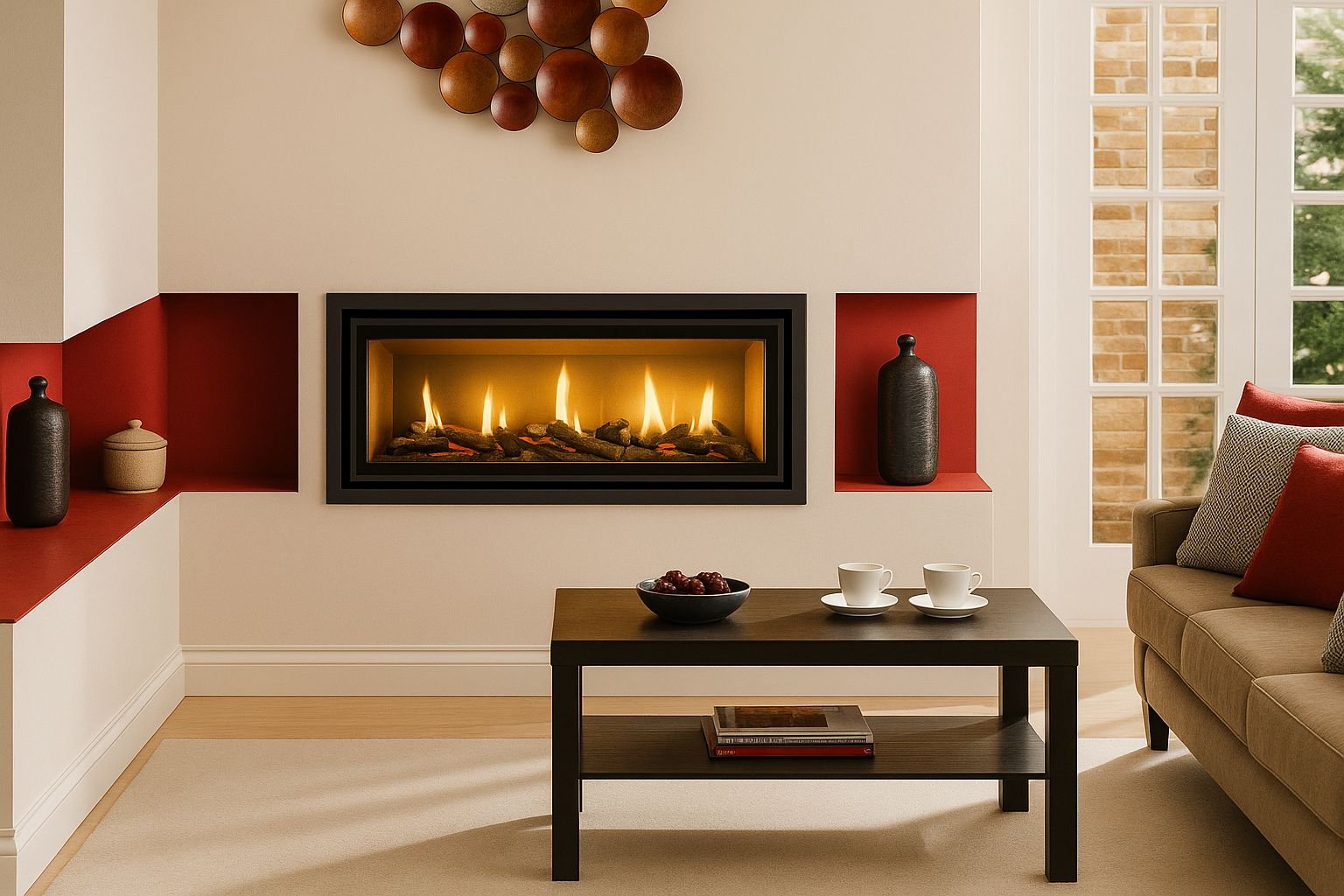
I remember the first time I felt that unmistakable chill in the air. You know the one I’m talking about. It’s that morning when you step outside and your breath actually becomes visible, hanging there like a little cloud before disappearing into the gray October sky. That’s when I knew it was time. Time to clean off the fireplace, stock up on supplies, and prepare for the months ahead when temperatures would drop and snow would blanket everything in sight.
We’ve been relying on fireplaces for centuries, haven’t we? They’re not just boxes that burn stuff and make heat. They’re gathering places. They’re where we huddle with hot chocolate after shoveling the driveway. They’re where kids warm their frozen fingers after building snowmen. They’re where grandparents tell stories while the flames dance and flicker in the background. Without them, winter would feel a whole lot lonelier and definitely a whole lot colder.
Think about it for a second. What would those December nights look like without the warm glow coming from your living room? Pretty bleak, right? We’d all be piling on sweaters and wrapping ourselves in blankets like we’re preparing for an Arctic expedition. Sure, central heating exists, but there’s something about a fireplace that goes beyond just raising the temperature on a thermostat. It’s primal. It’s comforting. It connects us to our ancestors who survived winters that make ours look like spring breaks.
The thing is, fireplaces do more than just keep us from turning into popsicles. They change the entire feeling of a home during cold months. Walk into a house with a crackling fire going, and you immediately feel welcomed. Your shoulders relax. You stop shivering. The world outside with its ice and wind and general misery suddenly feels very far away. That’s the magic we’re talking about here.
I’ve lived through enough winters to know that when the temperature drops below freezing and stays there for weeks, you need reliable heat. Not the kind that might work if you’re lucky. Not the kind that requires you to pray every time you flip a switch. You need something dependable, something that’s been keeping humans alive since we figured out how to control fire. That’s what fireplaces represent.
But here’s where things get interesting. Fireplaces have changed a lot over the years. What worked for our grandparents might not be the best choice for us today. The technology has shifted. Our needs have evolved. Our homes are built differently. The options available now would blow the mind of someone from even fifty years ago. We’ve got choices, and understanding those choices can make the difference between a winter you enjoy and a winter you just barely survive.
So let’s talk about what’s out there. Let’s dig into the different types of fireplaces you can get for your home. Let’s figure out which one makes sense for your situation, your budget, and your lifestyle. Because trust me, not all fireplaces are created equal, and picking the wrong one can lead to months of frustration, wasted money, and a cold house that nobody wants to spend time in.
The Classic Beauty of Wood Burning Fireplaces
There’s something almost romantic about traditional wood fireplaces, isn’t there? The smell of burning oak or maple. The crackling sounds that fill a quiet room. The way the flames lick up the chimney and cast moving shadows on the walls. I grew up with one of these in my childhood home, and some of my best memories involve sitting on the floor in front of it, doing homework or reading books while the fire kept everything toasty warm.
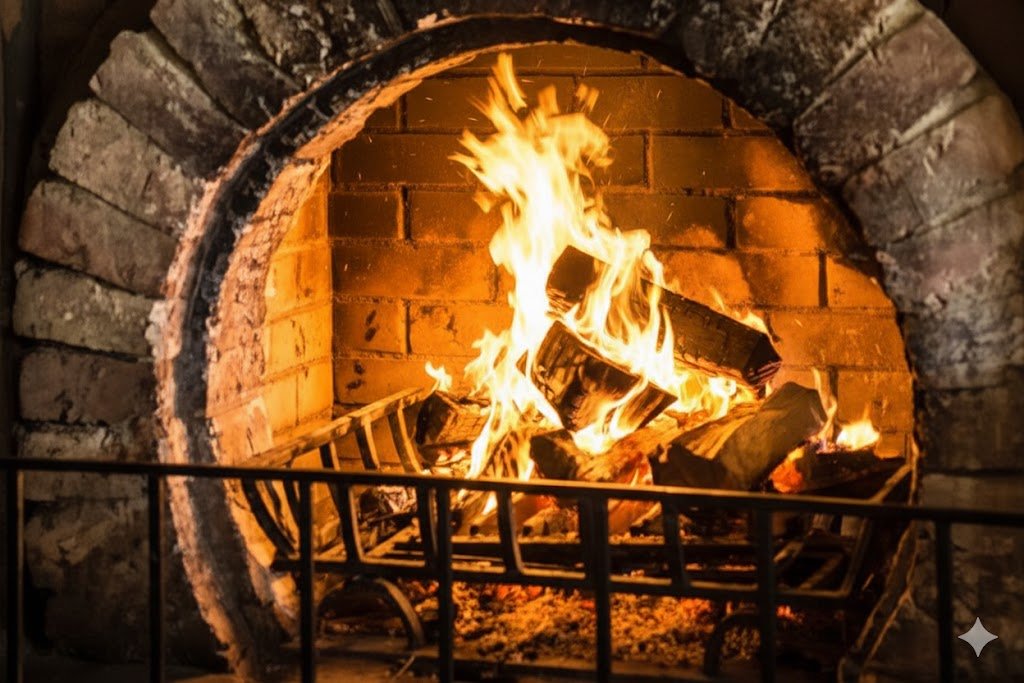
Wood fireplaces have been the standard for so long that when most people picture a fireplace, this is what they see. You build a fire using logs you’ve either chopped yourself or bought from somewhere. You light it up. You tend to it. You watch it burn. It’s hands-on. It requires attention. You can’t just set it and forget it like you might with other heating methods. But for many folks, that’s part of the appeal.
The heat output from a good wood fire is impressive. We’re talking serious warmth that radiates out and fills an entire room, sometimes even spreading to adjacent spaces if your house is laid out right. On those nights when the wind is howling and the snow is piling up outside, nothing beats sitting near a roaring wood fire. You feel it on your face. You feel it soaking into your bones. It’s the kind of heat that actually makes winter bearable.
And let’s be honest about the aesthetics. A wood burning fireplace just looks good. It’s authentic. It’s traditional. It adds character to a home in a way that few other features can match. Real estate agents will tell you that homes with wood fireplaces often sell faster and for more money than comparable homes without them. People want that focal point in their living room. They want that conversation piece. They want something that feels substantial and real.
But here’s where I have to pump the brakes a bit. Wood fireplaces come with challenges that you need to think about before you commit. First up, there’s the fuel situation. You need wood, and you need a lot of it if you plan on using your fireplace regularly throughout the winter. That means either cutting and splitting your own logs, which is backbreaking work, or buying cord after cord from suppliers, which gets expensive fast.
Storage becomes another headache. Where are you going to keep all that wood? It needs to stay dry, or it won’t burn properly. You can’t just pile it up in your yard and hope for the best. You need a woodshed or at least a covered area. You need to stack it correctly. You need to season it if it’s not already dried out. And even then, you’re going to have bark and splinters and bugs and all sorts of mess tracking into your house every time you bring in an armload.
Then there’s the maintenance angle. Wood fireplaces require regular cleaning. The chimney needs to be swept annually, sometimes more often if you use it heavily. Creosote builds up inside the flue, and if you don’t remove it, you’re risking a chimney fire that could burn your entire house down. I’m not trying to scare you, but I’ve seen what happens when people neglect this stuff. It’s not pretty.
You’re dealing with ashes constantly. Every time you burn a fire, you’re left with a pile of ash that needs to be cleaned out before the next fire. Some people find this meditative. Others find it annoying. Either way, it’s work that never ends during the heating season. Your hands get dirty. Your clothes get dirty. Ash dust settles on nearby furniture no matter how careful you are.
Starting a fire isn’t always as easy as it looks in movies. You need kindling. You need newspaper or fire starters. You need to arrange everything just right so it catches and burns properly. Some days it lights right up. Other days you’re kneeling there blowing on embers and wondering why you didn’t just turn up the thermostat. And if your wood is damp? Forget about it. You’ll fill your house with smoke and get nothing but frustration for your trouble.
Safety concerns pop up too. You’ve got open flames and hot embers that can spark out onto your floor. You need a screen or glass doors. You need to keep kids and pets at a safe distance. You can’t just light a fire and leave the house or go to bed without making absolutely sure everything is out. People who aren’t careful end up in the news for all the wrong reasons.
The efficiency of wood fireplaces isn’t great compared to modern alternatives. A lot of the heat you generate goes straight up the chimney instead of into your room. You’re basically heating the outdoors along with your living room. Some heat does radiate into your space, but you’re getting maybe 10 to 30 percent efficiency at best. That’s a lot of wasted energy, especially when you consider how much work went into getting that wood in the first place.
And we haven’t even talked about environmental concerns. Wood smoke contains particulates and other pollutants that aren’t great for air quality. On still winter nights, that smoke hangs around your neighborhood. Your neighbors might not appreciate it. Some areas have regulations about when you can burn wood and how much. Cities with air quality issues sometimes ban wood burning altogether on certain days.
So yeah, wood fireplaces are beautiful and traditional and wonderful in many ways. But they’re work. They’re a commitment. You need to go into it with your eyes open, understanding that the trade-off for that authentic experience is time, effort, money, and ongoing maintenance. For some people, it’s absolutely worth it. For others, the hassle outweighs the benefits, and they start looking for easier alternatives.
Gas Fireplaces: The Convenient Middle Ground
After years of dealing with wood, I remember when gas fireplaces started becoming popular in my area. My neighbor installed one, and I was skeptical at first. Could something that easy really provide the same warmth and ambiance? Turns out, gas fireplaces brought something new to the table that made a lot of people reconsider what they wanted from their heating setup.
The biggest selling point for gas fireplaces is convenience. You flip a switch or push a button, and boom, you’ve got instant fire. No gathering kindling. No stacking logs. No waiting for things to catch. The flames appear immediately and start pumping out heat right away. For people with busy lives who don’t have time to fuss with building fires, this is a game changer. You get home from work, hit the switch, and within minutes your living room is warming up.
Gas burns clean compared to wood. You’re not dealing with ash piles that need constant cleaning. You’re not worrying about creosote building up in your chimney to dangerous levels. You’re not filling your house with smoke every time you light up. The emissions from gas are much lower, which makes both environmental folks and your neighbors happier. Some cities that restrict wood burning still allow gas fireplaces without any issues.
The heat output from gas units is solid. You’re getting consistent, controllable warmth. Many models come with thermostats, so you can set your desired temperature and let the fireplace maintain it automatically. Some even have remote controls, which means you can adjust things from your couch without getting up. We’ve gotten pretty spoiled with this level of convenience, haven’t we?
Installation is more flexible with gas. You can put these units in places where traditional fireplaces wouldn’t work. Some models don’t need a chimney at all, using direct venting through an exterior wall instead. This opens up possibilities for adding a fireplace to rooms that were never designed to have one. Basements, bedrooms, bathrooms, even outdoor patios can get gas fireplaces installed without major construction projects.
The appearance of modern gas fireplaces has improved dramatically. Early models looked fake and unconvincing. The flames were obviously artificial. The logs were cheesy ceramic things that fooled nobody. But today’s versions? They’re impressive. The flame patterns look natural. The log sets are realistic. The ember beds glow convincingly. You have to get pretty close to tell you’re not looking at a real wood fire, and most guests never notice the difference.
But let’s talk about the elephant in the room, which is fuel costs. Natural gas prices have been all over the map in recent years. Sometimes they’re reasonable. Sometimes they spike so high that running your gas fireplace becomes an expensive proposition. You’re at the mercy of utility companies and market forces you can’t control. When prices jump, that convenient heating suddenly comes with a bill that makes you wince.
If you don’t have natural gas lines to your home, you’re looking at propane as your fuel source. Propane works fine, but you need a tank installed on your property. You need to monitor fuel levels. You need to schedule refills. You’re adding another maintenance task to your life, another thing to keep track of, another vendor relationship to manage. And propane can be pricier than natural gas, depending on where you live.
Installation costs for gas fireplaces aren’t cheap. If you’re putting one in where no fireplace existed before, you’re running gas lines, installing venting, and probably doing some construction work. We’re talking thousands of dollars before you ever light your first fire. Even if you already have gas service to your home, getting it to the right location and setting everything up safely requires professional help. This isn’t a DIY project for most people.
Gas fireplaces still need maintenance, just different kinds than wood units. The burner assembly needs cleaning. The pilot light can go out and need relighting. The gas lines need inspecting. The venting system needs checking. You should have a technician service it annually, which is another expense to budget for. Neglect this stuff, and you risk carbon monoxide problems or inefficient burning that wastes gas and money.
Some people complain that gas fireplaces feel less authentic than wood. The heat is dry and doesn’t have the same quality. The flames, despite looking better than they used to, still don’t quite match the randomness and behavior of real fire. You miss out on the crackling sounds. You miss out on the wood smoke smell that many people associate with cozy winter evenings. For purists, gas just doesn’t scratch the same itch.
Then there’s the reliability question. If your gas service gets interrupted during a storm or emergency, your fireplace stops working. You’re dependent on infrastructure that’s outside your control. With wood, as long as you have logs, you have heat. With gas, you’re trusting that the fuel keeps flowing. In most situations this isn’t a problem, but if you live in an area with unreliable utilities, it’s something to think about.
The environmental footprint, while better than wood, still exists. You’re burning fossil fuels. You’re contributing to carbon emissions. If sustainability is important to you, this might give you pause. Yes, gas is cleaner than oil or coal, but it’s still extracting and burning hydrocarbons that took millions of years to form. Some folks are uncomfortable with that, especially as we learn more about climate change and try to reduce our impact.
Gas fireplaces found their audience, though. People who wanted the look and warmth of a fireplace without the hassle of wood jumped on board. For a while, they seemed like the perfect compromise. But as with anything, new options eventually came along that made people reconsider their choices once again. And that’s where electric fireplaces entered the picture.
Electric Fireplaces: The Modern Solution
The first time someone told me about electric fireplaces, I laughed. How could electricity possibly recreate the experience of a real fire? It sounded gimmicky, like those fake flames you see in restaurant decorations. But I was wrong. Modern electric fireplace technology has come so far that it’s worth taking seriously, especially if you value convenience and flexibility above all else.
Electric fireplaces run on standard household current. You plug them into a regular outlet, and they work. That’s it. No gas lines to install. No chimneys to build. No ventilation systems to engineer. The simplicity is almost absurd compared to what you deal with for wood or gas units. If you can plug in a lamp, you can operate an electric fireplace. This accessibility makes them appealing to a huge range of people, from apartment renters to homeowners to business owners.
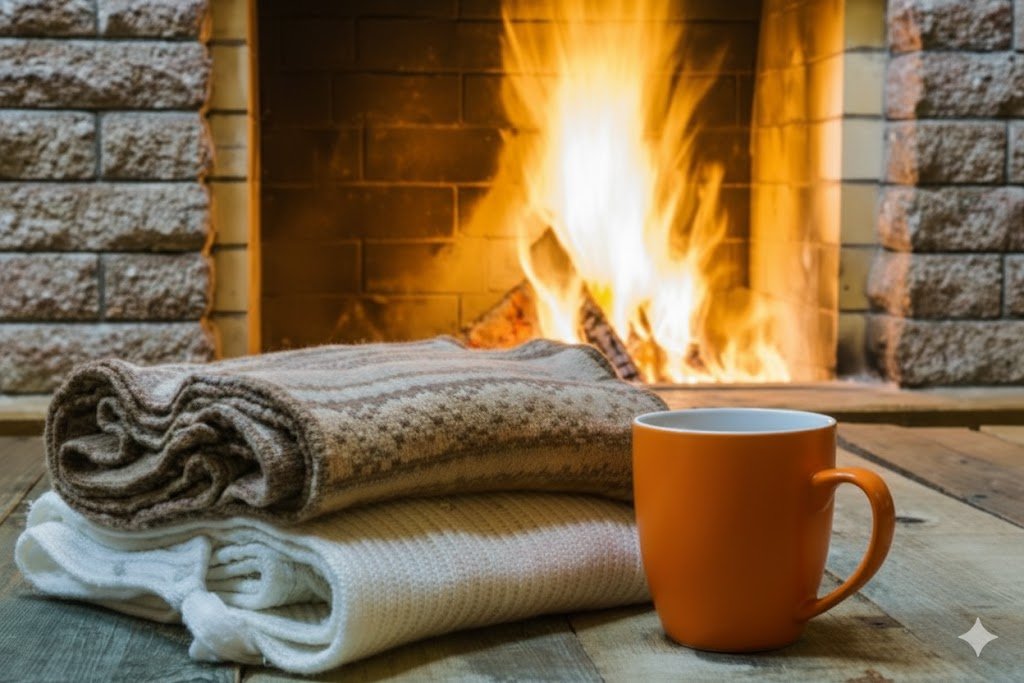
The flame effects in quality electric fireplaces are surprisingly convincing now. Manufacturers use LED lights, mirrors, refracted light, and rotating components to create the illusion of flickering flames. The best units layer multiple effects to add depth and randomness. You get variations in brightness and movement that actually look organic. Are they perfect? No. But they’re good enough that most people don’t care about the difference, especially when weighed against all the other benefits.
Heat production from electric fireplaces happens through built-in heaters, usually fan-forced units that blow warm air into the room. You can typically get around 5,000 BTUs, which is enough to heat a medium-sized room comfortably. And here’s something cool: you can run the flame effects without the heat. During shoulder seasons when you want ambiance but don’t need warmth, just turn on the visual effects and enjoy the look. Try doing that with wood or gas.
Installation is a joke, in a good way. Most electric fireplaces are plug-and-play. Freestanding units sit wherever you want them. Wall-mounted models hang like flat-screen TVs. Insert models slide into existing fireplace openings, letting you convert a defunct wood fireplace into something usable without major renovations. You can move them between rooms. You can take them with you when you relocate. The flexibility is unmatched.
Operating costs are transparent and predictable. Electricity prices don’t swing wildly like gas prices do. You can calculate exactly what it costs per hour to run your unit. The heating element typically draws around 1,500 watts, which is about the same as a space heater. At average electricity rates, we’re talking maybe 15 to 20 cents per hour. Compare that to the unpredictable fuel costs of wood or gas, and budgeting becomes way easier.
Maintenance is basically nonexistent. There’s no ash to clean. There’s no chimney to sweep. There’s no gas lines to inspect. You might need to dust the unit occasionally or wipe down the glass, but that’s about it. No annual service calls from technicians. No worrying about creosote buildup or carbon monoxide leaks. You plug it in, use it, and forget about it. For people who hate dealing with household maintenance, this alone makes electric fireplaces worth considering.
Safety is another huge advantage. There’s no real fire, so there’s no risk of house fires from sparks or embers. There’s no combustion, so there’s no carbon monoxide to worry about. The glass front stays cool to the touch, which means kids and pets can get close without burning themselves. You can leave it running unattended without the fears that come with traditional fireplaces. Old folks, families with young children, and anyone concerned about safety find this peace of mind valuable.
Electric fireplaces work anywhere you have electricity. Apartments that don’t allow wood or gas fireplaces? No problem. Bedrooms where building a real chimney would be impossible? Easy. Basement rec rooms, home offices, bathrooms, even closets if you really wanted. You’re not constrained by ventilation requirements or fuel delivery. This opens up design possibilities that simply don’t exist with other fireplace types.
The variety of styles available is wild. You can get traditional mantel designs that look like classic wood fireplaces. You can get ultra-modern wall-mounted units that resemble art installations. You can get media consoles with built-in fireplaces underneath your TV. You can get corner units, linear units, small units, huge units. Whatever your aesthetic preference and space requirements, there’s probably an electric model that fits.
Energy efficiency is decent. All the electricity you use gets converted to heat in your room, unlike wood fireplaces where most heat escapes up the chimney. You’re getting close to 100 percent efficiency for the energy consumed. And since you can heat just the room you’re using instead of running central heating for your whole house, you might actually save money on overall heating costs. Zone heating makes a lot of sense for many households.
But let’s be real about the downsides too. Electric fireplaces don’t produce the same quality of heat that wood or gas do. The warmth feels different. It’s more like a space heater than a traditional fire. You’re not getting that radiant heat that soaks in and warms you from the inside. For some people, this matters. For others, heat is heat and they don’t care about the difference.
The flames, despite improving, still aren’t perfect. If you stare at them critically, you can tell they’re artificial. The patterns repeat. The light is clearly coming from LEDs. For purists who grew up with real fires, this might bug you. It lacks that indefinable quality that real fire has. But again, for many users, the convenience trade-off is worth it.
Electric fireplaces won’t work during power outages. If the grid goes down, you have no heat and no light from your fireplace. In emergency situations where you’re relying on your fireplace for survival heat, electric units leave you stranded. Wood fireplaces shine in these scenarios since they work regardless of power or gas availability. It’s something to consider if you live somewhere with unreliable electricity service.
The heating capacity is limited. You’re maxing out around 400 to 500 square feet of coverage with most models. If you have a large, open-concept living space, one electric fireplace won’t be enough to heat the whole area. You’d need multiple units or supplemental heating sources. They work great for normal-sized rooms but can’t handle the whole-house heating duties that a serious wood or gas system might.
There’s a stigma some people attach to electric fireplaces. They see them as cheap or fake, a poor substitute for the real thing. In some circles, admitting you have an electric fireplace is like confessing you use artificial Christmas trees or microwave dinners. It’s silly, but social perceptions exist. If impressing others with your authentic traditional fireplace matters to you, electric might not cut it.
The quality range is enormous. Cheap electric fireplaces look terrible and break quickly. Good ones cost serious money and perform much better. You really do get what you pay for in this category. Buying the cheapest unit you can find online will probably lead to disappointment, while investing in a quality model from a reputable manufacturer gives you something you’ll actually enjoy using for years.
Mantles and Decorative Value
Can we talk for a minute about how much a good mantle changes a room? I’ve walked into countless homes where the fireplace mantle was the first thing my eyes went to. It’s prime real estate for decorating, for displaying family photos, for showing off your personality. The fireplace might produce the heat, but the mantle sets the tone for your entire space.
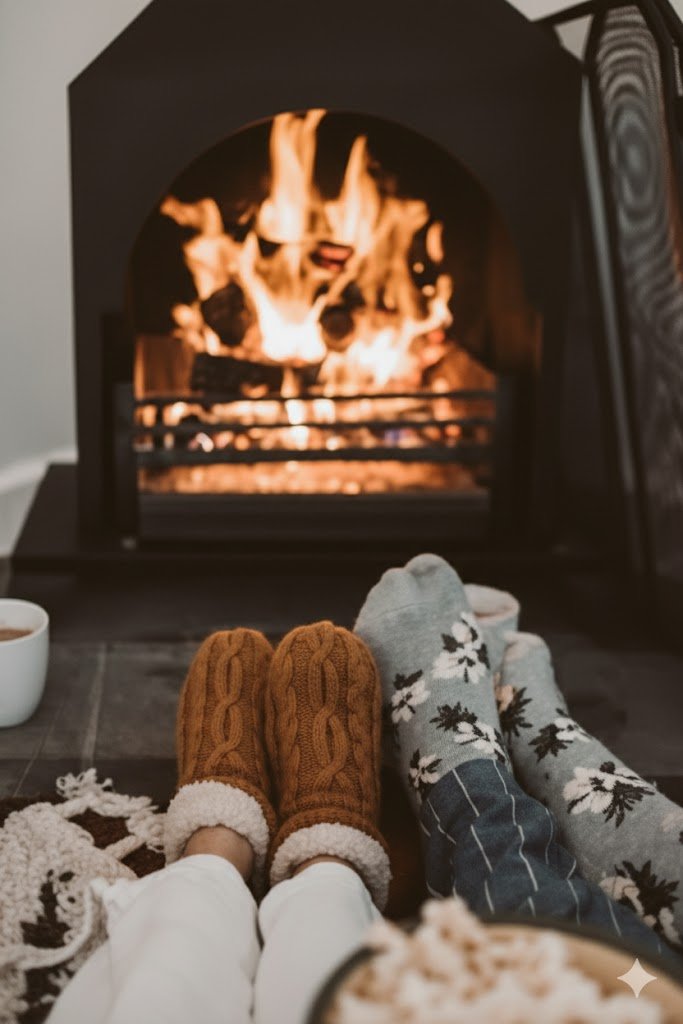
Traditional fireplaces came with mantles that were works of art themselves. Carved wood. Detailed molding. Sometimes marble or stone. These were statement pieces built to last generations. You’d inherit your grandparents’ house and that mantle would still be there, solid and beautiful, anchoring the room just like it had for decades. There’s craftsmanship in old mantles that you don’t see much anymore.
The stuff you put on a mantle tells a story. Wedding photos. Kids’ artwork. Candles. Seasonal decorations. Books. Plants. Whatever matters to you goes up there where everyone can see it. It’s like a curated gallery of your life. And because it’s at eye level when you’re sitting down, everyone who visits your home will naturally look at it. That’s powerful.
Electric fireplaces changed the game for mantles in interesting ways. Since you don’t need a real chimney or heavy construction, the mantles can be lighter and more flexible. They’re often integrated into the unit itself, which means they’re designed to complement the fireplace perfectly. The proportions work. The finish matches. Everything looks cohesive without requiring a designer’s eye.
You can find electric fireplaces with mantles in any style you want. Love farmhouse chic? There are distressed wood options with rustic charm. Prefer modern minimalism? Sleek painted finishes and clean lines are available. Want traditional elegance? Rich dark woods and ornate details exist. Going for industrial cool? Metal and reclaimed wood combinations are out there. The options are honestly overwhelming.
The materials used in electric fireplace mantles vary widely. Real wood veneers. MDF with laminate finishes. Solid hardwoods. Stone surrounds. Metal frames. Each material has different looks, different price points, different maintenance needs. Figuring out what works for your budget and your home takes some research, but having choices means you can find something that fits rather than settling for whatever’s available.
Size matters when picking a mantle. Too small and it looks like a toy in your room. Too large and it overwhelms the space. You need to measure carefully and visualize how it’ll fit. Many electric fireplaces come in multiple sizes of the same design, which helps. You can get the look you want scaled appropriately for your room. This flexibility beats trying to retrofit a traditional mantle that’s the wrong size.
The height of your mantle changes how you use the space above it. Low mantles are great for leaning things against the wall. High mantles provide more display surface but require secure mounting for anything tall. TV placement often factors in too, since many people want their television above the fireplace. Getting those proportions right requires planning, unless you want a setup that looks awkward.
Color choice for your mantle impacts your whole room’s palette. A white mantle brightens a space and works with almost any décor. Dark wood adds warmth and richness but can make a small room feel smaller. Painted colors let you match your walls or create contrast. There’s no wrong answer here, just personal preference and what works with your existing furniture and paint colors.
Electric fireplace mantles are way easier to install than traditional ones. You’re not attaching heavy stone or wood to a chimney structure. You’re not worrying about load-bearing walls. Most units are self-contained, so the mantle arrives already attached or easily connects with basic tools. A couple hours of work gets you a finished fireplace that looks like it belongs there. Compare that to days of construction for a traditional fireplace and mantle combo.
Decorating an electric fireplace mantle follows the same principles as traditional ones. You want varying heights in your displays. You want odd numbers of objects rather than even. You want negative space so things don’t look cluttered. Books laid horizontally can serve as platforms for raising other items. Mixing textures, natural elements, and personal items creates visual interest without looking busy.
Seasonal decorating is huge for mantles. I swap my mantle décor at least four times a year. Fall brings pumpkins and leaves. Winter means garlands and stockings. Spring gets flowers and pastels. Summer shows off beach finds and bright colors. It’s fun and keeps your room feeling fresh without repainting or buying new furniture. The mantle becomes your creative outlet.
Some electric fireplaces skip the mantle entirely, going for a more contemporary look. Wall-mounted units or minimalist designs work in spaces where traditional mantles would feel out of place. Modern lofts, ultra-contemporary homes, or small spaces might benefit from this approach. But for most people, the mantle remains an important part of the fireplace experience, electric or otherwise.
The decorative value of any fireplace, electric included, extends beyond just the mantle. The glow of the flames changes the ambiance of a room. Lighting matters. On gray winter days or dark evenings, that warm light makes your space feel inviting. It draws people in. It makes a house feel like a home. You can’t quantify that value, but anyone who’s experienced it knows it’s real.
Finding the Right Indoor Electric Fireplace
Shopping for an electric fireplace can feel overwhelming at first. There are so many brands. So many models. So many features and price points. Where do you even start? I’ve been through this process, and I can tell you that breaking it down into manageable steps makes the whole thing less stressful and more likely to result in a purchase you’ll be happy with.
First, figure out where you want to put this fireplace. That sounds obvious, but really think it through. What room needs it most? Where in that room makes sense? You need an electrical outlet nearby. You need wall space or floor space depending on the model type. You need to consider traffic flow so people aren’t constantly walking in front of it. Measure the space carefully. Take photos. This information guides everything else.
Next, decide what style matches your home. Are you traditional, modern, transitional, rustic, industrial? Look at your existing furniture and décor. What colors dominate? What materials show up repeatedly? Your electric fireplace should complement what’s already there rather than clash with it. Unless you’re doing a complete room makeover, in which case anything goes, but coordinating with existing stuff is usually the smart move.
Budget matters. Electric fireplaces range from a couple hundred bucks to several thousand. Cheap ones cut corners on construction and flame effects. Expensive ones offer better materials, more realistic visuals, and longer warranties. Figure out your price range before you start shopping. This narrows down options and keeps you from falling in love with something you can’t afford. And remember installation costs if you’re getting a built-in or wall-mounted model.
Size is critical. Measure twice, order once. A fireplace that’s too small looks dinky and won’t heat adequately. One that’s too large dominates the room and looks awkward. Most manufacturers provide dimensions and recommended room sizes. Pay attention to these specs. If you’re replacing an existing fireplace, measure that opening exactly. Inserts need to fit properly or they’ll have gaps that look sloppy.
Heat output varies by model. Check the BTU rating. Think about your room size and insulation. Do you want this fireplace to be your primary heat source or just supplemental? Some units have adjustable heat settings. Some have thermostats. Some have timers. Figure out what features actually matter to you versus what’s just marketing fluff that you’ll never use.
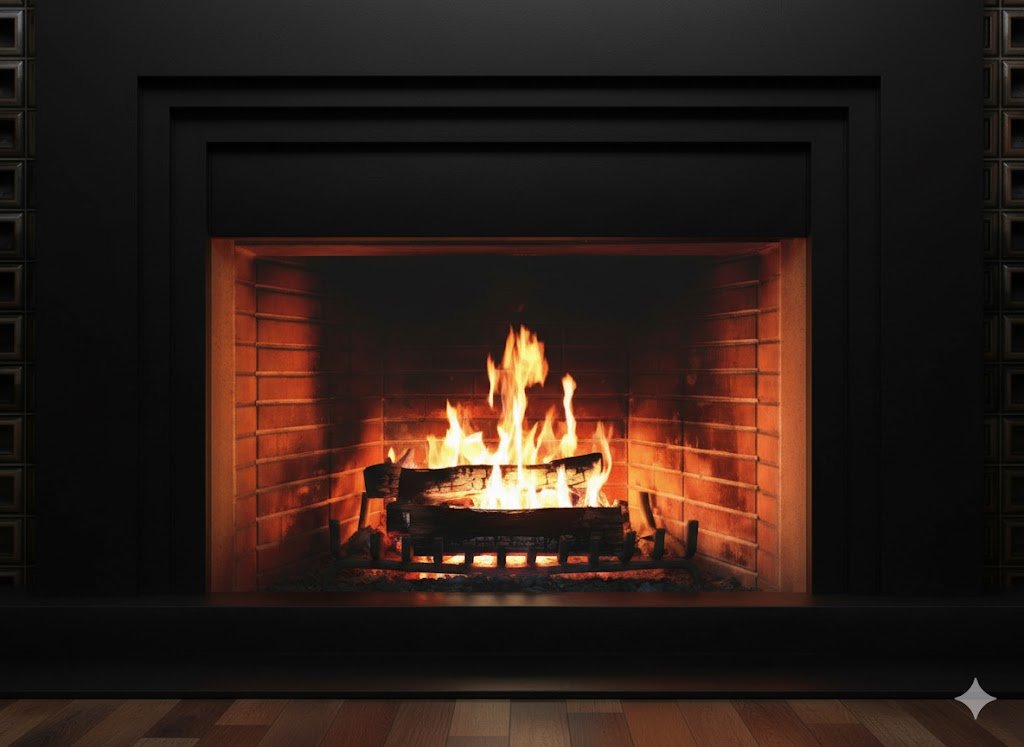
Flame technology differs among brands. Some use basic LED lights. Others employ more complex systems with multiple light sources and reflective elements. If possible, see units in person before buying. Videos help but aren’t quite the same. The quality of the flame effect is super subjective. What looks great to one person might seem cheesy to another. Trust your own eyes.
Installation type is another decision point. Freestanding units offer maximum flexibility but take up floor space. Wall-mounted models save space but require installing mounting hardware. Inserts fit into existing openings but limit your options to appropriate sizes. Media consoles combine storage and fireplace but are larger furniture pieces. Each approach has pros and cons based on your needs and space.
Read reviews from actual buyers. Not just the star ratings, but the detailed written reviews. What do people love? What problems keep coming up? Reviews reveal stuff about quality, customer service, and real-world performance that marketing materials never mention. Pay special attention to reviews from people with similar homes and needs as yours. Their experiences are most relevant.
Consider the brand reputation. Established fireplace manufacturers usually produce better quality than random companies selling generic products. Check how long they’ve been in business. Look at their warranty terms. See if replacement parts are available. You want a company that’ll still exist in five years if you need service or support. Fly-by-night operations might offer lower prices but leave you stranded later.
Think about additional features that might matter. Remote controls are handy but add cost. Some units let you adjust flame brightness separately from heat. Some have color-changing flames that can shift through different hues. Some include sound effects that mimic crackling wood. Some have built-in timers or thermostats. Make a list of must-haves versus nice-to-haves so you don’t pay for stuff you don’t need.
Energy consumption varies. More powerful heaters draw more electricity. Brighter flame effects use more power. If you plan to run your fireplace constantly, these differences add up on your electric bill. Check the wattage ratings. Do the math on what it’ll cost to operate. Sometimes spending more upfront for an efficient model saves money in the long run.
Delivery and assembly are worth considering. Large mantled units ship in huge boxes and require assembly. Some stores offer delivery and setup services. Others expect you to handle everything yourself. If you’re not handy with tools or don’t have help moving heavy furniture, factor this into your decision. The last thing you want is a fireplace sitting in your garage for months because assembly seems too daunting.
Return policies matter more than you might think. What if you get it home and it doesn’t look right? What if the size is off? What if you just don’t like it? Understanding the return terms before you buy protects you from being stuck with an expensive mistake. Some retailers are generous. Others charge restocking fees or don’t accept returns on large items.
Don’t impulse buy. I know it’s tempting when you see a great deal or fall in love with a display model. But take your time. Go home and think about it. Measure again. Show photos to your family. Sleep on it. A fireplace is a significant purchase that’ll be part of your home for years. Rushing into a decision based on emotions rather than careful consideration often leads to regret.
The Electric Fireplace Advantage
Let me wrap this up by getting real about why electric fireplaces have become so popular. We’ve covered a lot of ground here, looked at different options, weighed pros and cons. But what does it all mean when you’re actually making a decision about your home?
Electric fireplaces win on convenience, hands down. There’s no contest. You get home from work exhausted, the temperature outside is brutal, and you want warmth and ambiance now, not in an hour after you’ve built and tended a fire. Push a button. Done. For people with demanding schedules, limited time, or physical limitations that make handling wood difficult, this convenience changes everything.
The cost savings come in multiple ways. Installation is cheaper. Maintenance is cheaper. Operation is predictable and often cheaper than gas. You’re not paying someone to sweep your chimney. You’re not buying cords of wood. You’re not at the mercy of fluctuating natural gas prices. When you add it all up over years of ownership, electric fireplaces often come out ahead financially despite potentially higher upfront costs for quality units.
Flexibility and portability set electric fireplaces apart from anything else. Move to a new house? Take it with you. Want to rearrange your furniture? No problem. Decide you’d rather have it in a different room? Unplug and relocate. This adaptability suits modern lifestyles where we change things up more frequently than previous generations did. You’re not locked into permanent construction decisions.
The safety factor can’t be overstated, especially for families with kids or pets. I’ve watched children get way too close to flames and hot surfaces with traditional fireplaces. I’ve seen pets singe their fur or knock over screens. With electric units, these dangers disappear. The worst that happens is someone blocks the heat vent. This peace of mind lets parents relax instead of constantly supervising.
Environmental considerations matter more to people now than they used to. Burning wood creates smoke and particulates. Burning gas releases carbon. Electricity, depending on your grid’s power sources, might be cleaner or might not, but at least you’re not directly creating combustion byproducts in your home and neighborhood. For environmentally conscious folks, this makes a difference.
The aesthetic flexibility of electric fireplaces means they work in more design schemes. Traditional rooms. Modern spaces. Eclectic mixes. Whatever your style, there’s probably an electric model that fits. And since the flames can be adjusted or turned off while keeping the heat, you control the ambiance level. Want a bright, cheerful glow? Go for it. Prefer subtle flickers? That works too.
Technology keeps improving. Today’s electric fireplaces are miles beyond what was available even ten years ago. Flame effects are more realistic. Heat distribution is more even. Controls are more sophisticated. This trend will continue. Early adopters might have gotten mediocre products, but current buyers benefit from years of refinement and development. The future looks even better.
Electric fireplaces democratize the fireplace experience. Renters can have fireplaces. Apartment dwellers can have fireplaces. People in condos with strict regulations can have fireplaces. Anyone with an electrical outlet can have a fireplace. That’s powerful. It breaks down barriers that existed for generations, making something that used to be limited to certain types of housing available to almost everyone.
The combination of form and function in electric fireplaces creates value beyond just heating. Yes, they warm your space. But they’re furniture pieces. They’re décor elements. They’re conversation starters. They’re mood setters. They serve multiple purposes simultaneously, which means you’re getting more return on your investment than you would from a simple space heater or radiator.
Real talk though, electric fireplaces aren’t perfect for everyone. If you’re a purist who grew up with wood fires and nothing else will do, you might never fully embrace electric. If you have unlimited time and energy for maintaining a traditional fireplace, you might prefer that hands-on experience. If your home already has a fantastic wood or gas fireplace that works great, replacing it doesn’t make sense. Know yourself and your priorities.
But for the vast majority of people looking to add a fireplace to their home or replace an existing one that’s become a hassle, electric options deserve serious consideration. The technology has matured. The designs have improved. The value proposition makes sense. You’re not settling for second best anymore. You’re choosing a modern solution that fits modern life.
I’ve seen too many people struggle with traditional fireplaces, spending hours every week on maintenance, dealing with smoke and mess, wrestling with fuel costs and logistics. Then they switch to electric and wonder why they waited so long. The relief is visible. The enjoyment of their fireplace goes up because the friction of using it goes down. That’s what good design does. It removes obstacles between you and the experience you want.
Think about what you actually need from a fireplace. Be honest. Do you need authentic crackling wood sounds and the smell of burning oak? Or do you need warmth and ambiance without hassle? Do you need something that works during power outages? Or do you need something safe around your toddler? Do you need whole-house heating? Or do you need zone heating for one room? Your answers guide your choice.
The right fireplace for your home depends on your specific situation. Your climate. Your house type. Your budget. Your lifestyle. Your values. What works for your neighbor might not work for you. What worked for your parents might not suit your needs. Take the time to evaluate all the options. Visit showrooms. Ask questions. Do the research. This decision affects your daily comfort for years to come.
Electric fireplaces have earned their place in the market. They’re not novelties anymore. They’re legitimate heating and décor solutions that millions of people rely on. The stigma that once existed has faded as the technology improved and more people experienced the benefits firsthand. You don’t have to apologize for choosing electric or feel like you’re missing out on something better.
My take after living with different fireplace types over the years? Electric makes sense for most people most of the time. Not everyone. Not every situation. But if you value convenience, safety, flexibility, and predictable costs, electric fireplaces deliver. They’ve come so far from those cheesy fake logs that spun on motors. Modern units are sophisticated, attractive, and genuinely useful additions to homes.
Winter is coming, like it does every year. You’ll need heat. You’ll want ambiance. You’ll appreciate having a warm, inviting space when the world outside is cold and dark. Whatever fireplace type you choose, make sure it fits your life rather than forcing your life to fit around it. Because at the end of the day, a fireplace should make your home more comfortable and enjoyable, not become another source of stress or work.
So take what you’ve learned here. Think about your own needs and priorities. Look at what’s available. Make an informed decision. Whether you go with traditional wood, convenient gas, or modern electric, having a fireplace that works for you makes winter so much better. And isn’t that the whole point? Staying warm, staying cozy, and making it through another winter season with your sanity and comfort intact.

Leave a Comment