
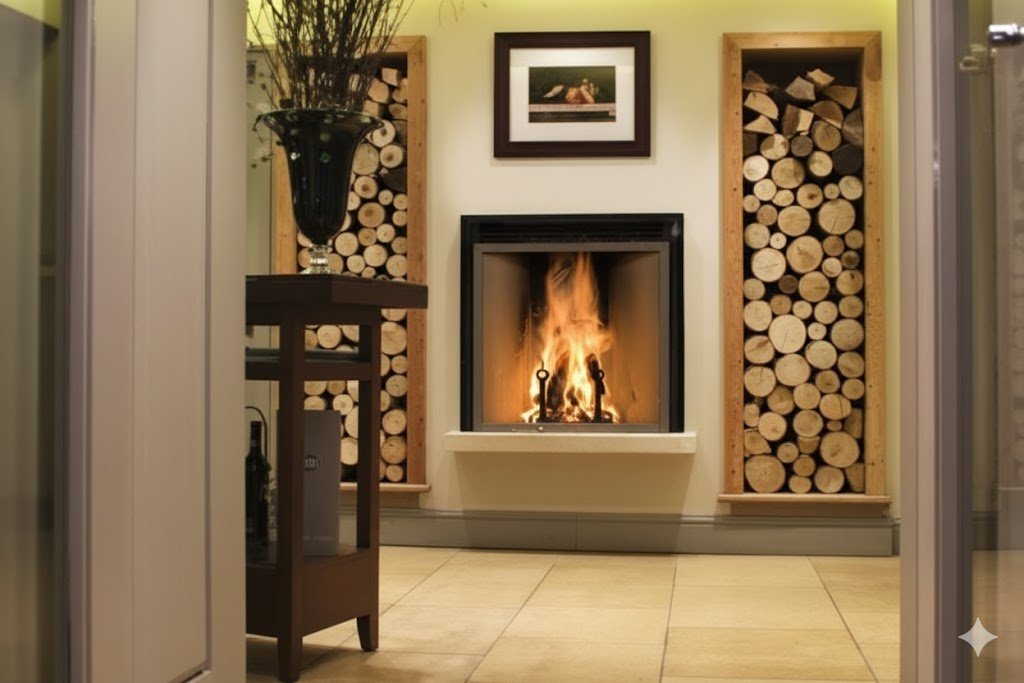
I still remember the first time I felt that crisp autumn air turn into something sharper, something that made me reach for a thicker jacket without thinking. You know that feeling, right? When you step outside and your breath comes out in little clouds, and you realize summer’s really gone for good this time. That’s when I start thinking about my fireplace. Not just thinking about it, actually. I start planning for it like I’m preparing for an old friend’s visit.
Winter doesn’t mess around. One day you’re raking leaves in a light sweater, and the next you’re scraping ice off your windshield at 6 AM, wondering why you didn’t move to Florida when you had the chance. And that’s exactly when your fireplace stops being just another feature of your house and becomes your best friend. I’m not being dramatic here. Ask anyone who’s lived through a real winter, the kind where the temperature drops so low your car refuses to start, and they’ll tell you the same thing.
The thing about fireplaces is they’ve been around forever. Like, really forever. People have been huddling around fires since we figured out how to make them, and there’s something deeply satisfying about keeping that tradition alive in your own home. But here’s what gets me: we’ve come so far with technology, yet the basic appeal of a fireplace hasn’t changed one bit. It’s still about warmth, comfort, and that indescribable feeling of safety you get when you’re inside watching flames dance while the wind howls outside.
Think about it for a second. What would winter even be without some kind of heat source? I mean, we take it for granted now, but our ancestors literally couldn’t survive without fire. We’ve got central heating and all that modern stuff, sure, but there’s something irreplaceable about a fireplace. Maybe it’s the visual element, maybe it’s the sound, or maybe it’s just hardwired into our DNA at this point. Whatever it is, I’m not complaining.
When I bought my first house, the fireplace wasn’t even on my list of must-haves. I was focused on boring stuff like plumbing and roof condition. But the first winter I spent there? Everything changed. My heating bill was through the roof, and I was still cold most of the time. That’s when I really started appreciating what a good fireplace brings to the table. It’s not just about supplementing your heat. It’s about creating a space in your home where people actually want to gather, where conversations flow easier, where even the grumpiest teenager will put down their phone for a few minutes.
Here’s what nobody tells you about fireplaces until you own one: they become the heart of your home during winter months. We’ve hosted more impromptu gatherings around our fireplace than anywhere else in the house. There’s something magnetic about it. People just gravitate toward that warmth and light. I’ve had neighbors stop by “just for a minute” and end up staying for hours because they couldn’t pull themselves away from the fire.
But let’s get real for a moment. Fireplaces aren’t just about creating a cozy atmosphere for Instagram photos. They’re practical. When you live in a place where winter actually means something, where a power outage during a snowstorm isn’t some theoretical possibility but something you need to plan for, a fireplace can be the difference between uncomfortable and unbearable. I learned this lesson the hard way during a three-day power outage a few years back. Our fireplace kept one room warm enough that we could all camp out there, and I’ve never been more grateful for a home feature in my life.
The heat a fireplace provides hits different than central heating. I can’t quite explain it, but it does. Central heating is sterile, uniform, kind of boring if I’m being honest. Fireplace heat is alive. It flickers and shifts, it has personality. Some spots are warmer than others, and you find yourself adjusting your position throughout the evening, getting closer when you need more warmth, backing off when you’ve had enough. It’s interactive in a way that turning a thermostat dial just isn’t.
And can we talk about the smell for a second? Walking into a house with a fireplace going is completely different from walking into any other heated space. There’s this warmth that you can smell before you even feel it on your skin. It’s welcoming in a way that’s hard to describe but impossible to forget. When I come home after a long day and catch that first whiff of the fire my partner started while I was out, I swear my shoulders drop about two inches from pure relaxation.
Winter preparation has become this ritual for me now. When I see those first leaves starting to change color, I’m already mentally checking off my fireplace prep list. It’s become as much a part of my autumn routine as buying Halloween candy or raking the yard. There’s something satisfying about getting everything ready, knowing that when the first real cold snap hits, I’ll be prepared. I’m not scrambling around trying to figure out if my fireplace even works or where I put the tools last spring.
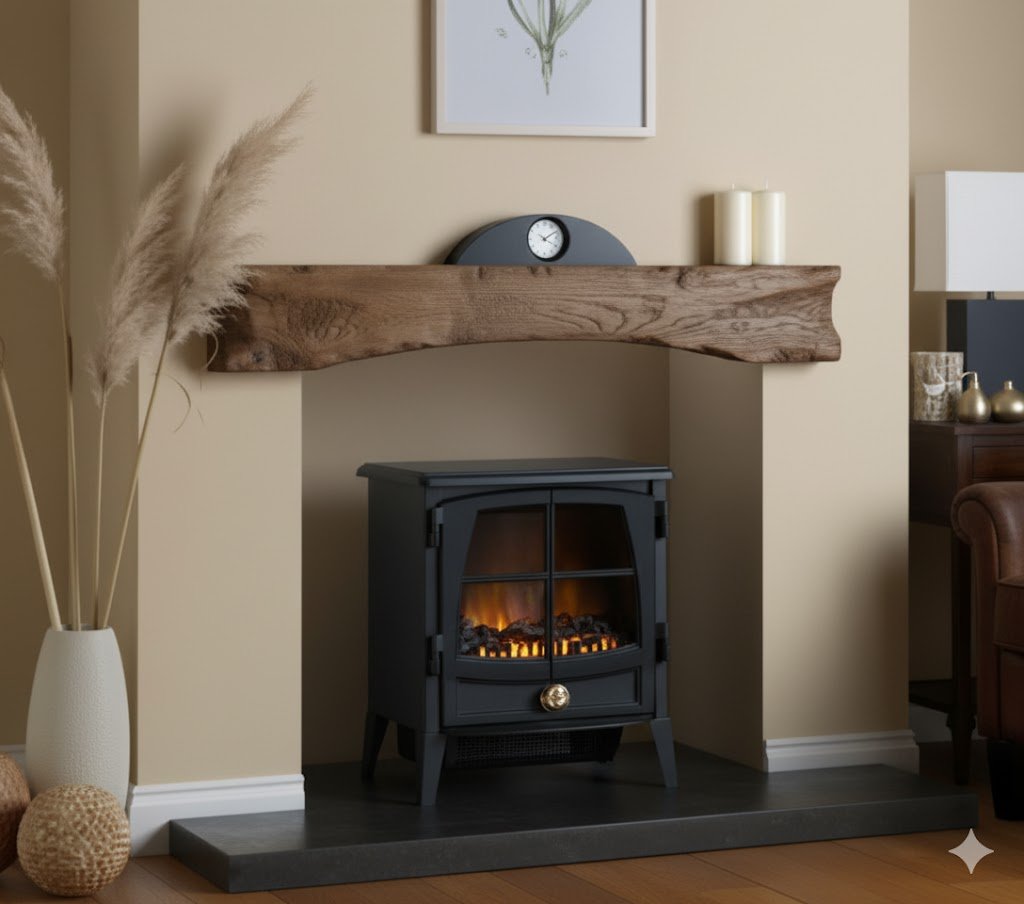
I’ve talked to plenty of people who never use their fireplaces. They look at me like I’m crazy when I talk about all this, and honestly, I get it. If you’ve never experienced what a good fireplace can do for your home and your winter experience, it probably does sound like too much work. But once you’ve felt that warmth, once you’ve experienced a real winter evening by the fire, you can’t go back. You just can’t. It changes how you think about your home and what makes it comfortable.
The Classic Wood Burning Experience
Let me tell you about my grandfather’s fireplace. This thing was a beast. Solid brick, probably built sometime in the 1940s, and it dominated their entire living room. Every winter evening, without fail, he’d get that fire going. I spent countless hours watching him work with that fireplace, and I picked up more than I realized at the time. The man had a system, a whole ritual around it that I didn’t appreciate until I tried running my own wood fireplace years later.
Wood fireplaces have this reputation, this almost mythical status among fireplace enthusiasts. And you know what? The reputation is earned. There’s nothing quite like the real deal. When you light up a wood fireplace, you’re participating in something humans have been doing for thousands of years. That’s not some poetic exaggeration. That’s literal fact. The experience of burning wood for heat connects you to history in this weird, tangible way that most modern conveniences just don’t.
The smell of burning wood is something special. Not all wood smells the same when it burns, which I didn’t know until I started experimenting. Oak has this deep, almost sweet smell. Pine is sharper, more resinous. Applewood, if you can get your hands on it, smells absolutely incredible. It’s like having a subtle air freshener that actually works, except instead of some artificial scent, you’re getting the real thing. My wife can tell from upstairs what kind of wood I’m burning, and she’ll come down and either approve or give me grief about my choices.
But let’s not pretend wood fireplaces are all sunshine and perfectly roasted marshmallows. They’re work. Real work. And I’m not talking about the romantic, fulfilling kind of work you see in lifestyle magazines. I’m talking about actual, sometimes frustrating, always time-consuming work. You need wood, and not just any wood. You need good wood, properly seasoned, stored correctly. And you need a lot of it if you’re planning to use your fireplace regularly throughout winter.
Getting wood is its own adventure. You can buy it, sure, but that gets expensive fast if you’re a regular user. I tried to calculate how much I spent on firewood my first winter of serious fireplace use, and I gave up halfway through because the number was depressing. Some people cut their own wood, which sounds great until you realize that means owning a chainsaw, finding trees you’re allowed to cut, hauling everything home, splitting it all, and then waiting months for it to season properly. It’s not exactly an afternoon project.
Storage is another headache nobody warns you about. You can’t just pile wood anywhere. It needs to be kept dry but also needs air circulation so it can continue drying out. I made the mistake of stacking a bunch of wood against my garage wall my first year. Come spring, I found mold, bugs, and wood that was somehow wetter than when I’d stacked it. Learned that lesson the expensive way. Now I’ve got a proper woodshed, which took a weekend to build and wasn’t cheap, but it’s made all the difference.
Then there’s the actual process of using the fireplace. Starting a fire isn’t hard, exactly, but it’s definitely a skill. You need kindling, newspaper or fire starters, and a good sense of how to arrange everything so air can flow properly. I can’t count how many times I’ve watched someone try to start a fire by just throwing a match at a pile of logs and wondering why nothing’s happening. You need that progression: paper catches, ignites the kindling, kindling gets the smaller pieces going, and those eventually light the real logs. Skip a step or rush it, and you’re sitting there blowing on smoking wood for twenty minutes.
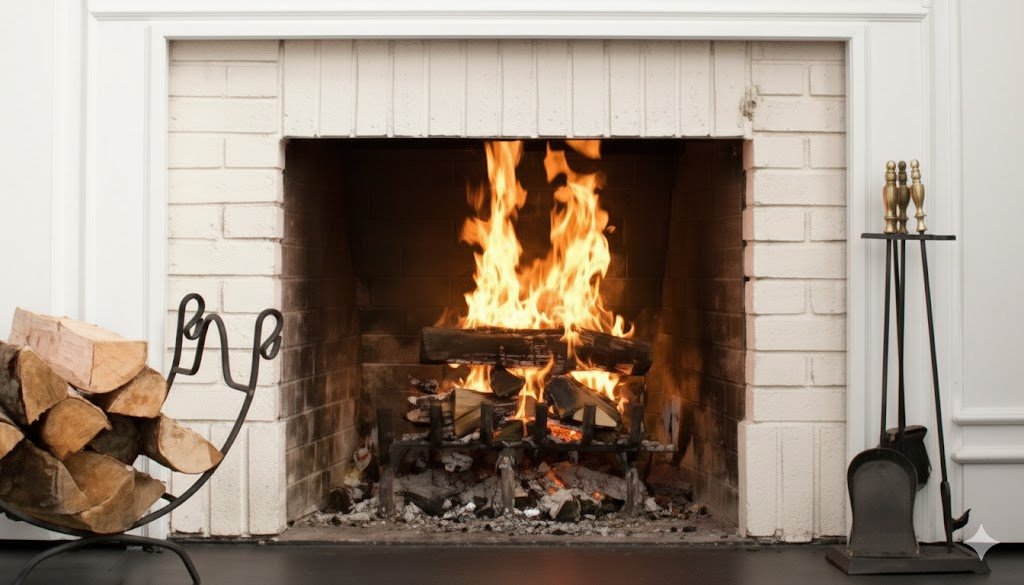
Maintaining the fire is another thing entirely. A wood fireplace isn’t like turning on a heater and forgetting about it. You need to add logs at the right time, arrange them properly, adjust the damper to control airflow, and generally babysit the whole operation. I’ve lost track of how many movie nights got interrupted because I needed to add more wood or adjust something. My kids have started timing how long I can sit still before I jump up to mess with the fire. Their current record for me is about twelve minutes.
The mess factor is real. Ashes build up fast, and they need to go somewhere. You can’t just vacuum them up with your regular vacuum unless you want to replace that vacuum real quick. You need a special ash vacuum or a metal bucket and a lot of patience. And the ashes stay hot way longer than you’d think. I’ve read too many stories about people who dumped “cold” ashes into a trash bag and ended up with a fire. Now I’m paranoid about it. My ash bucket sits outside for a full week before I even think about moving those ashes anywhere else.
Cleaning the fireplace itself is another job. Soot builds up on the glass doors if you have them, on the brick or stone around the opening, and definitely inside the chimney. Speaking of which, chimney cleaning is not optional. It’s a safety thing. Creosote builds up in your chimney from burning wood, and that stuff is flammable. Chimney fires are real and terrifying. I pay someone to come clean and inspect my chimney every year before winter starts, and it’s not cheap, but it’s a lot cheaper than dealing with a chimney fire.
The startup process each time you want to use it gets old. You can’t just flip a switch. You’ve got to bring in wood from outside, which means either making multiple trips or hauling a bunch at once and probably dropping a piece that rolls across your floor leaving bark and dirt everywhere. Then you’ve got to build your fire, get it going, and wait for it to actually produce meaningful heat. From deciding “I want a fire” to actually feeling warm can easily be 30 to 45 minutes.
But here’s the thing, and this is what keeps people using wood fireplaces despite all these hassles: when it’s going, when you’ve got a perfect fire burning with those big logs glowing orange and red, throwing serious heat into your room, there’s nothing else like it. The crackle and pop of burning wood is ASMR before ASMR was even a thing. Watching flames dance and shift is genuinely mesmerizing. I’ve zoned out staring at fires for embarrassing amounts of time.
The heat from a wood fire feels different. I know I mentioned this before, but it bears repeating. It’s radiant heat, the kind that warms you from the outside in. You can be sitting there with your face almost too hot while your back is still chilly, and somehow that’s not even annoying. It’s just part of the experience. There’s something primal and satisfying about it that central heating will never match.
Wood fireplaces are also genuinely useful during power outages. When the electricity goes out, your gas fireplace probably won’t work, and your electric one definitely won’t. But your wood fireplace? Still going strong. We keep a good stock of wood specifically for emergencies, and it’s saved us more than once. There’s something deeply comforting about knowing that no matter what happens with the power grid, you can keep at least one room warm.
The aesthetic appeal can’t be ignored either. A real wood fireplace, especially an older one with character, becomes a focal point of any room. Ours has this beautiful brick surround that’s been there since the house was built. You can see decades of use in the slight discoloration of the brick, the worn spots on the hearth where generations of people have sat. That’s not something you can fake or buy new. That’s earned character.
But I’m not going to lie to you and say wood fireplaces are practical for everyone. They’re not. If you work long hours and don’t have time for all the maintenance, if you don’t have good storage space for wood, if you live somewhere where getting quality firewood is difficult or expensive, or if you just don’t enjoy that kind of hands-on process, a wood fireplace is going to drive you crazy. I’ve got friends who inherited houses with beautiful wood fireplaces and never use them. Just sitting there looking pretty, which seems like a waste to me, but I get it.
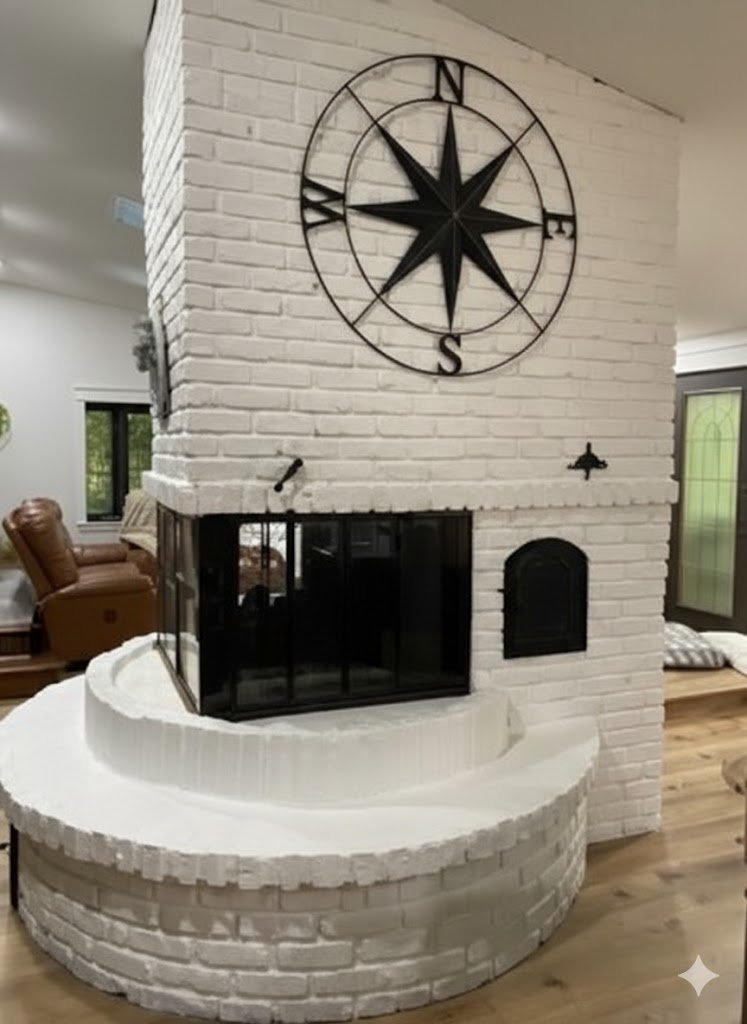
The environmental angle is worth considering too. Burning wood releases particulates and smoke into the air. In some areas with air quality issues, there are actually restrictions on when you can use wood fireplaces. The smoke can bother neighbors if you’re in a densely populated area. And even though wood is technically renewable, there’s still an environmental cost to harvesting it, transporting it, and burning it. Modern wood stoves are way more efficient than traditional fireplaces, but we’re talking about traditional fireplaces here.
I think wood fireplaces work best for people who see them as part of a lifestyle, not just a utility. If you enjoy the process, if you like the physical work of managing wood and fire, if you appreciate the connection to older, simpler ways of doing things, then all those “hassles” I’ve been describing become features instead of bugs. They become part of what makes the whole experience worthwhile. But if you’re just looking for convenient supplemental heat, you’re probably going to be frustrated.
The Gas Fireplace Alternative
My neighbors installed a gas fireplace about five years ago, and they could not stop talking about it. Every time I saw them, it was “Oh, you’ve got to switch to gas” and “I can’t believe we dealt with wood for so long.” They made it sound like they’d discovered fire for the first time. So naturally, I was skeptical. Anything that gets that much hype usually disappoints. But I’ve got to admit, after spending some time learning about gas fireplaces, I understood their excitement. These things solve a lot of the problems that make wood fireplaces such a pain.
The convenience factor is huge. You want a fire? You push a button or flip a switch. That’s it. No gathering wood, no building a careful tower of kindling and paper, no waiting around blowing on weak flames hoping they’ll catch. Just instant fire. For people who want the ambiance of a fireplace without any of the production that comes with burning wood, gas fireplaces are like a miracle. I’ve watched my neighbor go from “I’m cold” to “ahh, that’s better” in under two minutes. Try doing that with a wood fireplace.
The flames in a gas fireplace look surprisingly real these days. I remember the old ones from when I was a kid, and they looked fake as could be. Blue flames flickering around fake logs that never changed. But modern gas fireplaces? They’ve got realistic logs, sometimes even with glowing embers. The flames move and dance in ways that look pretty close to the real thing. Close enough that if you’re not paying super close attention, you might not immediately realize it’s gas.
Temperature control is way better with gas. Most come with thermostats or at least adjustable flame heights. You can dial in exactly how much heat you want instead of dealing with the all-or-nothing nature of wood fires. Too hot? Turn it down. Still cold? Crank it up. No waiting for logs to catch, no watching a fire die down when you needed it to stay strong. Just twist a knob and get the heat you want. That level of control is pretty appealing, I’m not going to lie.
Maintenance drops dramatically compared to wood. No ashes to clean up, no soot covering everything, no chimney full of creosote waiting to cause problems. You still need to get your gas lines checked periodically and have the unit inspected, but we’re talking maybe once every year or two instead of constant upkeep. My neighbor says he spends maybe an hour total per year on fireplace maintenance now. When he had wood, he was spending that much time every week at minimum.
The cleanliness factor alone is enough to sell some people. Gas burns clean. No smoke, no ash, no pieces of bark and wood debris scattered across your floor. Your hands stay clean. Your clothes don’t smell like smoke afterward. You’re not tracking soot through the house or worrying about sparks popping out and landing on your carpet. For people who like things neat and tidy, this is a massive upgrade.
Installation is easier than getting a wood fireplace put in, especially if you’re adding one to a home that didn’t have a fireplace before. You need a gas line run and a vent pipe for exhaust, but that’s way less invasive than building a full chimney. Some models are even vent-free, though those come with their own concerns. The upfront cost can be lower too, depending on what you’re comparing to. A mid-range gas fireplace installed will typically run less than building a traditional masonry fireplace from scratch.
But let’s talk about what my neighbors conveniently forgot to mention when they were singing the praises of their new gas fireplace. The fuel costs. Natural gas prices have been all over the place these last few years, and they’re not going down anytime soon. When gas prices spike, running that fireplace suddenly gets expensive. I mean really expensive. I’ve heard stories of people getting winter gas bills that made their eyes water, and a big chunk of it was from running their gas fireplace regularly.
Here’s the math that nobody wants to do. If you’re using your gas fireplace as actual supplemental heat and not just ambiance, you’re burning through gas at a decent clip. Depending on the size of your fireplace and how high you run it, you might be looking at anywhere from a few dollars to over ten dollars per day in gas costs. Multiply that by a full winter, and you’re talking about real money. My neighbors run theirs maybe once or twice a week now, mostly when they have company over. That’s not how they talked about using it when they first got it installed.
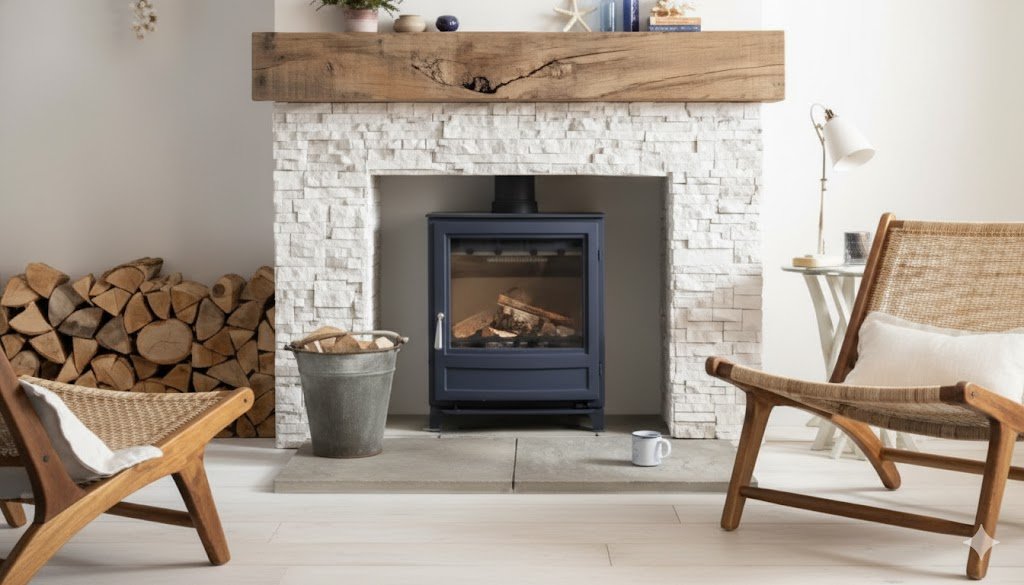
The dependency on gas supply is another thing. If gas prices get too high, your beautiful fireplace becomes a expensive decoration. You can’t exactly go chop down a tree and feed it into your gas fireplace when gas gets pricey. You’re at the mercy of the utility company and whatever they decide to charge. And in some areas, gas service can be interrupted during extreme weather or emergencies. Not super common, but it happens.
The flames, while pretty good, aren’t quite the same as real wood. I know I said they look realistic, and they do. But if you’ve spent any real time around wood fires, you can tell the difference. The movement is a little too uniform, the color not quite right, the heat doesn’t radiate the same way. It’s like watching a really good movie on a TV versus seeing it in a theater. Similar experience, but something’s missing. Some people don’t notice or care. Others find it makes the whole thing feel fake.
You’re also stuck with whatever logs or media came with your unit. They don’t burn down or change over time. Every time you turn it on, it looks exactly the same. There’s no evolution to the fire, no real sense of it being alive. You don’t get that satisfaction of building and managing a fire. It’s just on or off. For people who enjoyed the process of managing a wood fire, gas fireplaces can feel sterile and boring after a while.
The heat output, while adjustable, doesn’t get as intense as a roaring wood fire. Gas fireplaces are great for taking the chill off a room or providing some ambient warmth, but if you’re trying to heat a large space or really warm things up during a serious cold snap, they might not cut it. The BTU output is limited compared to what you can get from a big wood fire going strong. They’re supplemental heat sources, not primary ones.
Power outages can be a problem depending on your setup. Many gas fireplaces need electricity to run the fan, the ignition system, and the controls. Some have battery backup or can run without power, but not all. If your power goes out during a winter storm, your gas fireplace might not work right when you need it most. Kind of defeats the purpose of having a backup heat source.
The aesthetic can be limiting too. Gas fireplaces generally have a more modern, standardized look. You’re not getting that unique character of an old brick fireplace or the custom stonework of a traditional hearth. They tend to look more like an appliance and less like a architectural feature. Some people prefer that clean, modern look. Others feel like it lacks soul. Different strokes and all that.
There’s something about the lack of smell that bothers me. Gas fireplaces don’t really smell like anything, or if they do, it’s a faint gas smell that’s not exactly pleasant. You lose that wonderful wood smoke scent that makes a house feel cozy and lived in. I know some people hate smoke smell, and for them this is a benefit. But for me, and for a lot of wood fire enthusiasts, that smell is part of the whole experience. Without it, something feels missing.
The reliance on technology means there are more things that can break. Electronic ignition systems, thermocouples, gas valves, fans, remote controls. All of these components can fail, and when they do, you’re calling a repair person and probably paying a decent chunk of money to get things fixed. Wood fireplaces can certainly have issues, but the technology is basically zero. If there’s a problem, it’s usually something simple you can see and address yourself.
Gas fireplaces make the most sense for specific situations. If you want the look and some warmth of a fireplace with minimal effort, they’re great. If you’re in an apartment or condo where wood isn’t an option, gas might be your only realistic choice. If you’ve got mobility issues that make handling wood difficult or impossible, gas is a blessing. If you just want something for occasional use and ambiance, the convenience probably outweighs the operating costs.
But if fuel costs are a big concern, if you want a fireplace that can really heat a space and work during power outages, or if you enjoy the hands-on nature of managing a fire, gas might leave you disappointed. And if natural gas prices keep climbing the way they have been, running a gas fireplace regularly might become a luxury that fewer people can justify. That’s the reality my neighbors are dealing with now, even if they don’t want to admit it.
The Electric Revolution
I’ll be honest with you. The first time someone told me about electric fireplaces, I laughed. Not in a polite way either. I genuinely thought they were joking. An electric fireplace sounded like the saddest, most pointless thing I’d ever heard. Like vegetarian bacon or decaf coffee. What’s even the point? But then I actually spent some time around one, did some research, and talked to people who swear by them. Turns out I was completely wrong, and I’m not too proud to admit it.
Electric fireplaces are basically space heaters with a light show. That sounds dismissive, but I mean it in the best way possible. They use electricity to generate heat, usually through a standard heating element like you’d find in any electric heater. But the genius part is they’ve added realistic flame effects using LED lights, mirrors, and some clever engineering. The result is something that gives you visual ambiance and actual heat without any of the hassles of wood or gas. No fuel needed, no venting required, no mess at all.
The convenience is off the charts. You plug it in, turn it on, and you’ve got instant ambiance plus heat. That’s it. No more complicated than using a lamp or a TV. The heat output is controlled with a simple dial or remote control. Want flames without heat? No problem. Most models let you run the visual effects independently from the heating element. This is actually perfect for those weird shoulder season days when it’s not quite cold enough for heat but you still want that cozy fireplace vibe.
Installation is laughably easy compared to traditional fireplaces. Some electric fireplaces are literally plug and play. They show up at your door, you unbox them, plug them into a standard outlet, and you’re done. No contractor needed, no gas lines to run, no chimney to build. I’ve seen people get electric fireplaces set up and running in under an hour from opening the box. Try that with any other type of fireplace. My brother-in-law installed one in his apartment, and his landlord didn’t even care because it’s not a permanent installation.
The portability is something I never knew I wanted until I saw it in action. You can move most electric fireplaces from room to room if you want. Having a party in the dining room? Move the fireplace in there for ambiance. Spending more time in the bedroom during winter? Bring it upstairs. Some people even take them to their cabins or vacation homes. They’re not nailed down or connected to anything permanent. You own an electric fireplace, you can use it wherever you’ve got an electrical outlet.
Cost wise, the upfront expense is way lower than other options. You can get a decent electric fireplace for a few hundred bucks. A really nice one might run you a thousand or maybe fifteen hundred. Compare that to the thousands you’d spend installing a gas fireplace or the tens of thousands for a custom masonry wood fireplace. For people who want a fireplace but don’t have a huge budget, electric makes that possible. It’s democratized fireplaces in a way.
Operating costs are predictable and generally pretty reasonable. You’re just paying for electricity, and the amount used is easy to calculate. Most electric fireplaces pull somewhere between 1200 and 1500 watts when the heater’s running. Do the math with your local electricity rates, and you’ll know exactly what you’re spending per hour of use. No surprise gas bills, no wondering how much that cord of wood really cost per fire. Just straightforward electricity costs that you can budget for.
Safety is a huge selling point that doesn’t get enough attention. Electric fireplaces don’t have real flames, so there’s no fire risk. No sparks flying out, no logs rolling off, no gas leaks, no carbon monoxide concerns. The front might get warm, but nowhere near as hot as a real fireplace. People with small kids or pets don’t have to worry nearly as much. You can basically walk away and leave it running without the same level of anxiety you’d have with wood or gas. That peace of mind is worth something.
Maintenance is almost nonexistent. The most you’re doing is occasionally dusting the unit and maybe replacing a light bulb every few years if the LEDs eventually burn out. Some models have air filters that need cleaning or replacing, but we’re talking about a few minutes of effort a couple times a year. Compare that to the constant upkeep of wood or the annual professional servicing of gas fireplaces. The amount of time you save is substantial.
Modern electric fireplaces look way better than you’d think. The flame effects have gotten seriously impressive. We’re not talking about cheesy spinning lights behind orange cellophane like the old days. Current technology uses LEDs, refraction, mirrors, and sometimes even water vapor to create flame effects that actually look pretty realistic. I’ve had guests ask what kind of wood I was burning before realizing it wasn’t a real fire. They’re not perfect, but they’re good enough that most people can’t immediately tell the difference from across the room.
The variety of styles available is impressive. You can get electric fireplaces that look like traditional mantles, wall-mounted modern rectangles, corner units, media consoles with built-in fireplaces, even outdoor models. Whatever your aesthetic, there’s probably an electric fireplace that fits. I’ve seen ones that look straight out of a Victorian mansion and others that look like abstract art installations. The design options have exploded in recent years.
But let’s pump the brakes here and talk about what electric fireplaces can’t do, starting with authenticity. They’re fake. Full stop. The flames aren’t real, the logs don’t burn, and if you’re someone who cares deeply about that authentic fireplace experience, you’re going to be disappointed. It’s a simulation, and while it’s a pretty good simulation, it’s never going to fool someone who knows real fires. Some people can look past this. Others can’t.
The heat output is limited by physics and electrical codes. Most electric fireplaces max out around 5000 BTUs of heat because they’re limited to what a standard 15-amp circuit can handle. That’s enough to warm up a small to medium room, but we’re not talking about serious heating power. If you’re trying to heat a large space or use this as your primary heat source, you’re going to be cold and disappointed. They’re supplemental heat at best.
The flames, while improved, still look a bit artificial if you really examine them. The movement can be repetitive, the colors not quite right, the way the “flames” behave doesn’t perfectly match real fire physics. It’s gotten a lot better, but it’s still not perfect. If you sit and watch an electric fireplace for any length of time, the illusion starts to break down. Your brain figures out it’s looking at lights and mirrors, not actual combustion.
You lose all the sensory elements that make real fires special. No crackling sound unless the unit has fake speakers playing recorded sounds, which is somehow sadder than silence. No smell of burning wood. No radiant heat that warms your face first. The heat from an electric fireplace comes from a fan blowing warm air, which is basically the same as any space heater. It works, but it doesn’t feel the same. All the primal, comforting elements of real fire are gone.
The dependence on electricity is a real drawback. If your power goes out, your electric fireplace is useless. Dead weight. During winter storms when you actually need backup heat, it won’t help you at all. That’s a pretty significant limitation. At least with wood or gas, you’ve got options during power outages. With electric, you’re out of luck. Better hope your power stays on when you need it most.
The aesthetic value to your home is debatable. A real fireplace, especially a nice wood burning one, adds legitimate value to a property. Real estate agents love them. An electric fireplace? It’s basically just furniture. It doesn’t add value to your home because the next owner can take it with them or throw it away. It’s not an architectural feature. It’s an appliance. If resale value matters to you, an electric fireplace isn’t helping.
Some people find them inherently tacky. I’m just being real here. There’s a perception that electric fireplaces are kind of lowbrow, the fireplace equivalent of putting plastic covers on your furniture. Fair or not, that perception exists. If you care a lot about how others perceive your home décor choices, an electric fireplace might make you self-conscious. Personally, I think that’s silly, but I’ve heard it enough times to know it’s a thing.
The longevity question is worth considering. A well-built traditional fireplace can last literally hundreds of years. Gas fireplaces, if maintained, can easily give you 20 to 30 years. Electric fireplaces have electronics that will eventually fail. Maybe you get ten years, maybe fifteen if you’re lucky. Then you’re replacing the whole unit. They’re not heirloom pieces you pass down to your grandkids. They’re consumer electronics with a limited lifespan.
Electric fireplaces work best for specific situations. Apartments and rentals where permanent installation isn’t allowed. Bedrooms or offices where you want some extra warmth and ambiance without major construction. Homes in mild climates where you’re not depending on the fireplace for serious heat. Situations where budget is tight but you still want that fireplace aesthetic. Small spaces where ventilation for gas or wood would be a problem.
They’re perfect for people who value convenience over authenticity. If you want to push a button and get instant atmosphere without any of the work or maintenance of traditional fireplaces, electric is your answer. If you’re older or have physical limitations that make dealing with wood or gas difficult, electric makes fireplace ownership possible. If you’re in a living situation where a permanent fireplace installation doesn’t make sense, electric lets you have something instead of nothing.
What I’ve learned is that electric fireplaces aren’t trying to replace traditional fireplaces for purists. They’re serving a different market, a different need. They’re making fireplace experiences accessible to people who couldn’t otherwise have them. They’re providing a practical solution for situations where wood or gas don’t work. And honestly? For a lot of people, the convenience and low maintenance outweigh any loss of authenticity. Different priorities, different solutions.
The Decorative Side of Fireplaces
My aunt has this absolutely stunning fireplace in her living room, and the funny thing is, I don’t think I’ve ever seen her actually use it. Not once in probably 15 years. But the mantle? That thing’s always dressed to the nines. Every season, every holiday, sometimes just because she felt like it, that mantle gets completely redecorated. I used to think this was silly. Like, what’s the point of having a fireplace if you’re not going to burn anything in it? But I’ve come to understand that for a lot of people, fireplaces serve a completely different purpose than heat.
The mantle is prime real estate in any room. Think about it. It’s at eye level, it’s usually on a main wall, and it naturally draws attention. When people walk into a room with a fireplace, their eyes go straight to it. That makes it the perfect spot to showcase your style, your personality, your whatever. It’s like having a built-in display shelf that’s actually cool instead of random floating shelves from a home improvement store that never quite look right.
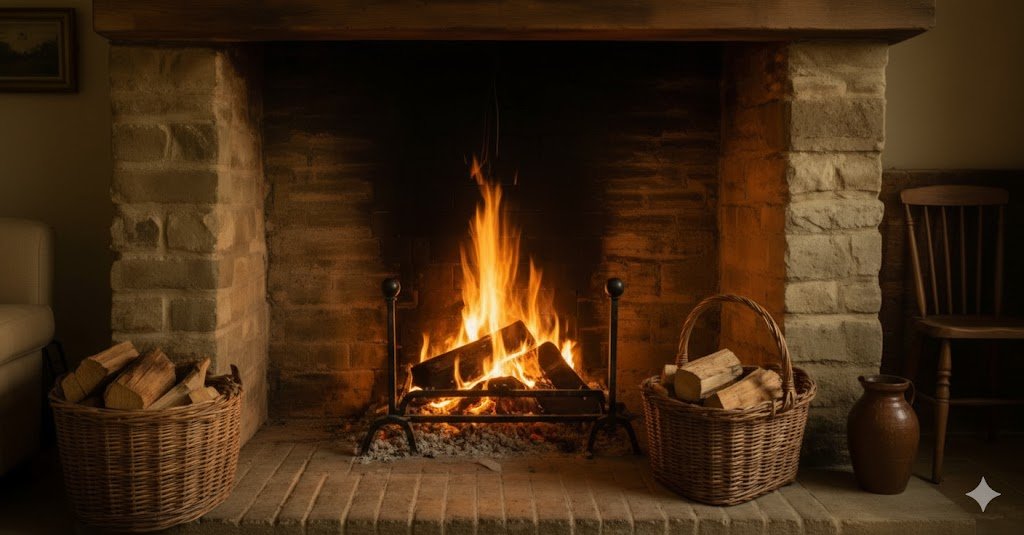
Mantles have this unique ability to tie a whole room together. You can pick up colors from your furniture, echo shapes from your architecture, or just use it as a focal point that everything else works around. I’ve been in rooms where the mantle decoration made me understand what the homeowner was going for with their entire design scheme. It’s like the thesis statement of the room’s aesthetic. Get the mantle right, and everything else falls into place easier.
The seasonal decoration possibilities are endless. Fall brings pumpkins, gourds, rich oranges and browns, maybe some corn stalks if you’re into that. Winter means garlands, stockings, candles, all that traditional holiday stuff. Spring gets flowers, pastels, lighter colors. Summer is more relaxed, maybe some seashells or bright colors. Having a mantle gives you permission to rotate your décor throughout the year without it seeming excessive. It’s expected, even encouraged.
Holiday decorating on a mantle is its own art form. Christmas mantles especially can get elaborate. Stockings hung with care and all that, but also garlands woven with lights, candles, ornaments, sometimes full miniature scenes. I’ve seen mantles that look like something out of a magazine spread, and I’ve seen simple, understated ones that work just as well. The range of what you can do is limited only by your imagination and budget.
Personal touches make mantles special. Family photos, heirlooms, travel souvenirs, kids’ artwork in nice frames. These aren’t just decorations. They’re story pieces. Every item on a well-curated mantle has meaning, has history. When guests ask about something, you get to share a story. That opens up conversations in a way that generic store-bought décor never does. My favorite mantles are the ones where I can learn something about the people who live there just by looking at what they’ve chosen to display.
The height of a mantle is perfect for layering. You can put tall candlesticks in the back, medium-height vases or photos in the middle, and smaller items in front. This creates depth and visual interest without making things look cluttered or chaotic. I never understood the concept of “styling” until I watched someone thoughtfully arrange objects on a mantle. There’s actual technique involved. Who knew that the size and spacing of items could make such a difference?
Mirrors above mantles are basically a design law at this point. Not a real law, but you see it everywhere for good reason. Mirrors reflect light, make rooms feel bigger, and the vertical space above a mantle is usually empty anyway. A well-chosen mirror can completely change how a room feels. I’ve got a big antique mirror above mine that I found at an estate sale. The frame alone is a conversation piece, and it bounces light from the windows across the room. Best fifty bucks I ever spent.
Art works great above fireplaces too. A single large piece or a gallery wall, depending on your style. The mantle and the wall above it together create this natural frame for artwork. You can go bold with a huge statement piece or keep it simple with something smaller. I’ve seen everything from massive oil paintings to simple line drawings work in that space. The key is making sure whatever you choose fits the scale of the fireplace and the room.
But here’s what gets me about mantle decoration. The pressure to keep it current and Instagram-worthy has gotten a little out of hand. I know people who stress about their mantles like it’s a performance review. They’re constantly changing things, buying new décor, following trends, comparing themselves to what they see online. At some point, it stops being fun and starts being a chore. Your mantle should make you happy, not anxious.
The cost of constantly redecorating can add up fast. All those cute seasonal items at home goods stores? Not cheap. If you’re swapping out your entire mantle display four times a year, you’re spending serious money. I’ve learned to invest in a few nice, classic pieces and supplement with natural elements or DIY stuff. Branches from the yard, pinecones, shells from the beach. Free and often more interesting than mass-produced décor anyway.
Storage becomes an issue when you’ve got multiple seasons worth of decorations. Where do all those fall pumpkins go when winter arrives? What about the Christmas stuff when January hits? You need dedicated storage space, and you need it organized enough that you can actually find things when the season rolls around again. I’ve got plastic bins labeled by season in my basement. Very glamorous, let me tell you.
The mantle can also become a dumping ground if you’re not careful. Mail, keys, random stuff gets set there temporarily and suddenly it’s permanent. Maintaining a nicely decorated mantle requires discipline to not let everyday clutter take over. I’m guilty of this myself. I’ll set something there “just for a second” and three weeks later it’s still sitting there ruining my carefully arranged display.
Balance is tricky to achieve. Too much stuff and it looks cluttered and chaotic. Too little and it looks sparse and unfinished. The sweet spot is different for everyone and depends on the size of your mantle and your personal style. I’ve played around with mine for years and I’m still not convinced I’ve got it right. Maybe that’s the point though. It’s always evolving, always a work in progress.
Symmetry versus asymmetry is an ongoing debate. Traditional design tends toward symmetry. Matching candlesticks on either end, a centered mirror or artwork, everything balanced. Modern design often embraces asymmetry. Odd numbers of items, off-center arrangements, intentional imbalance that somehow works. Neither is wrong. It’s just different philosophies about what looks good.
The fireplace opening itself factors into decoration decisions. If you’re not using the fireplace for actual fires, you can put things inside the opening. Candles, plants, stacked logs for aesthetic purposes, decorative screens. This turns the entire fireplace into a display rather than a functional appliance. Some people fill the opening with books, which makes me deeply uncomfortable from a former fire-user perspective, but it does look kind of cool.
Electric fireplaces complicate the decorative equation a bit. The mantles on electric units tend to be smaller and more integrated into the overall appliance design. You’ve got less flexibility, less space to work with. The upside is the whole thing is designed as a package, so it looks cohesive without much effort. The downside is you’re limited in how much you can personalize it. What you see is basically what you get.
Some people treat their mantles like mini art installations that change constantly. Others set it up once and leave it alone for years. Neither approach is better. It depends on whether you enjoy the process of styling and decorating or whether you’d rather set it and forget it. I fall somewhere in the middle. I do seasonal changes but I’m not overhauling things every month.
Kids change the mantle game completely. Suddenly you’re thinking about whether items are breakable, whether little hands can reach them, whether anything could get pulled down and cause injury. Childproofing a mantle often means simplifying your display significantly. Those beautiful glass vases and delicate figurines? They go into storage until the kids are older. You learn to decorate with sturdier items placed further back.
Pet owners have similar concerns. Cats especially love to knock things off mantles. Dogs with enthusiastic tails can clear a mantle faster than you can say “careful.” I know someone whose cat made a game of batting items off their mantle one by one while maintaining eye contact. They gave up on mantle décor entirely until the cat mellowed with age. Sometimes you’ve just got to accept that certain design dreams aren’t compatible with your current life situation.
The decorative value of mantles extends beyond just the mantle itself. The entire fireplace surround, the hearth, the area around it all become part of the display. Some people put matching accessories on either side of the fireplace. Others use the hearth for baskets, plants, or stacked books. The fireplace becomes the anchor for an entire zone of the room dedicated to cozy, curated living.
Traditional wood and gas fireplaces have the advantage of authentic architectural detail. The brick, the stonework, the custom tile, whatever materials were used become part of the aesthetic. You’re working with something that has texture and history and character. Electric fireplaces are catching up in this department, with some models featuring pretty convincing faux stone or brick work, but it’s still not quite the same as the real thing.
What I’ve learned about fireplace décor is that it should feel personal and authentic to you, not like you copied a Pinterest board exactly. The best-decorated mantles I’ve seen reflect the actual people who live there. They tell stories, they show personality, they invite you to look closer and ask questions. If your mantle looks like it could be in anyone’s house, you’re probably trying too hard to follow trends instead of following your own instincts.
Shopping for Your Electric Fireplace
Walking into a store to buy an electric fireplace is both easier and more overwhelming than you’d expect. Easier because there are no complex installation requirements to figure out, no contractor consultations needed, no worrying about chimneys and gas lines. More overwhelming because the sheer variety of options will make your head spin. I thought picking out a couch was hard. Choosing an electric fireplace might actually be worse.
The first thing you notice is the range of sizes. Tiny ones that look like they belong in a doll house, massive ones that dominate an entire wall, and everything in between. Getting the size right matters more than I initially understood. Too small and it looks ridiculous in your space, like you bought furniture meant for a different house. Too large and it overwhelms everything else, plus it might not even fit where you planned to put it. Measure twice, buy once. Actually, measure three times.
Styles vary wildly. You’ve got traditional mantle styles that try to look like old-fashioned wood fireplaces. Modern wall-mounted rectangles that look like flat-screen TVs for fire. Corner units designed to fit in spaces that would otherwise go unused. Media console versions that combine a fireplace with TV stand functionality. Freestanding units that look like stoves. The style you pick needs to work with your existing décor or you’re going to hate looking at it every day.
Finish options matter more than I thought they would. Black, white, espresso, cherry, oak, painted or distressed finishes. The finish needs to complement your other furniture and the overall vibe of your room. I’ve seen beautiful fireplaces that looked terrible in their spaces because the finish clashed with everything else. Taking photos of your room and bringing them when you shop helps. Or bringing paint chips, fabric samples, whatever helps you visualize how a finish will work.
The flame effects vary by model and manufacturer. Some look pretty realistic, others look like cheap holiday decorations. You really need to see them in person if possible. What looks good in a product photo online might look terrible in real life. Most stores have them plugged in and running so you can judge for yourself. Don’t be shy about asking them to turn on multiple units so you can compare. You’re about to spend real money. Take your time.
Heat output is measured in BTUs, and this is where you need to think practically about what you’re trying to accomplish. Most electric fireplaces put out between 4000 and 5000 BTUs. That’s enough to heat a room of around 400 to 500 square feet. Bigger room? You’ll need either a larger unit or you need to accept that it’s just for ambiance and supplemental heat, not primary heating. The sales person will tell you their unit heats huge spaces. Check the actual BTU rating and do your own math.
Control options range from basic to elaborate. Some units just have simple buttons on the front. Others come with remote controls. The fancy ones have thermostats, timers, multiple flame settings, even smartphone app control. More features sound great until you realize you’re paying for complexity you’ll never use. Think about what you’ll actually use regularly. Most people set it and forget it. Do you really need 47 different flame color options?
The question of insert versus freestanding depends on your situation. Inserts are designed to go into existing fireplace openings. If you’ve got a wood fireplace you don’t use anymore, an insert can give you the look of a fire without the hassle. Freestanding units are their own furniture piece. They can go anywhere you’ve got floor space and an outlet. Inserts look more built-in and permanent. Freestanding units are more flexible but can look more like appliances.
Price varies so much it’s almost meaningless to give a range. I’ve seen electric fireplaces for under two hundred bucks at big box stores. I’ve seen them for over three thousand dollars at specialty retailers. Generally, you get what you pay for in terms of build quality, realistic flame effects, and features. But the most expensive option isn’t automatically the best for your needs. Figure out your budget before you start shopping or you’ll end up spending way more than you planned.
Build quality is worth examining closely. Open doors if there are any. Check how sturdy the construction feels. Look at how the pieces fit together. Cheap units often have visible gaps, flimsy doors, thin materials that feel like they’ll break if you look at them wrong. Better units feel solid, with tight construction and quality materials. This isn’t just about appearance. It’s about whether this thing will still work and look good in five years.
The room size matters tremendously for choosing the right fireplace. That beautiful 72-inch wall-mounted behemoth? It’s going to look absurd in a small bedroom. The cute little 23-inch mantle model? It’s going to disappear in a large living room. You need proportions that make sense. A general rule is the fireplace should take up roughly one-third to one-half of the wall space it’s on, but that’s flexible based on your room layout and personal preference.
Existing furniture needs to be considered. Your fireplace is going to be near other stuff. Does it work with your coffee table, your couch, your TV stand? Is the style going to clash or complement? I made the mistake once of buying a very traditional fireplace for a room with mostly modern furniture. It looked weird, like pieces from two different houses got mixed up. I ended up returning it and starting over.
Color schemes in your room should guide your choice. A dark fireplace in a light room can create nice contrast, but it needs to be intentional. A light fireplace in a light room creates a softer, more cohesive look. If everything in your room is warm tones and you bring in a stark white fireplace, it’s going to stick out awkwardly. Think about your walls, your floors, your major furniture pieces. The fireplace should feel like it belongs.
Electrical requirements are usually simple, but worth checking. Most plug into a standard 120-volt outlet. Some larger units might need a 240-volt outlet, which you might not have where you want to put the fireplace. Understand what you need before you buy. I’ve heard nightmare stories of people getting their fireplace home only to discover they need an electrician to install a new outlet, adding hundreds of dollars to what they thought was a simple purchase.
Room layout affects placement options. You need to think about traffic patterns, where people sit, what they’ll be looking at. A fireplace that blocks a walkway is a problem. One that’s positioned where nobody ever looks is pointless. Consider the viewing angles from your main seating areas. You want people to actually see and enjoy the fireplace, not have it be a background element nobody notices.
TV placement relative to the fireplace is a whole debate. Some people put the TV above the fireplace, which works fine with electric models since there’s no heat issue. Others put them on opposite walls. Some people refuse to have a TV in the same room as a fireplace on principle. There’s no right answer, just personal preference and room constraints. Think about where you naturally look when you’re sitting down. That’s probably where something should go.
Special features can be selling points or gimmicks depending on the feature and your needs. Color-changing flames sound cool but do you really want purple fire? Crackling sound effects can add atmosphere or feel fake depending on the quality. Timers are genuinely useful for people who want the fireplace to shut off automatically. Multiple heat settings give you control. Figure out which features you’d actually use versus which just drive up the price.
Warranty and return policies matter more than people think. Stuff breaks, expectations don’t match reality, measurements were wrong, whatever. You want the option to return or exchange if needed. Check the store’s policy before you buy. Read the manufacturer’s warranty. Understand what’s covered and for how long. Electronics fail. Having some protection is worth considering when comparing similar models at similar prices.
Online shopping offers more selection but comes with risks. You can’t see the flame effects in person, can’t judge the build quality, can’t accurately gauge the size in your space. Reviews help but they’re not a substitute for seeing it yourself. If you do buy online, make absolutely sure the return policy is generous. Expect that you might need to send it back. Free returns are worth seeking out even if the initial price is slightly higher.
Local stores offer the advantage of seeing and touching before buying. The selection might be smaller and prices might be higher, but you know exactly what you’re getting. You can compare multiple units side by side. You can ask questions to someone who theoretically knows what they’re talking about. And if there’s a problem, you can drive back to the store rather than dealing with shipping returns.
Delivery and setup considerations depend on the size and weight. Small units you can pick up yourself. Larger ones might require delivery service. Very heavy ones might need two people to move and position safely. Electric fireplaces aren’t usually difficult to set up, but the physical logistics of getting them where you want them and positioned correctly can be more work than people expect. Make sure you’ve got help lined up if you’re buying something substantial.
Installation into an existing fireplace opening requires accurate measurements. Measure the width, height, and depth of your opening. Check for any obstructions like dampers that might interfere. Measure multiple times. Bring those measurements with you. An insert that doesn’t fit right is a expensive paperweight. Most inserts have some adjustability, but they’re designed for standard fireplace sizes. Unusual openings might require custom solutions.
What I’ve figured out through this process is that the “perfect” electric fireplace is different for everyone. It depends on your space, your budget, your style preferences, and how you plan to use it. The best approach is to do your homework, know your measurements, understand your needs, and then actually go look at some options in person if you can. Don’t rush it. This is going to be a focal point of your room. Taking the time to choose well is worth it.
The Electric Fireplace Revolution
So here we are at the end, and I’ve got to say, my thinking about fireplaces has changed a lot through writing all this and through years of actually living with different types. Electric fireplaces aren’t the sad compromise I once thought they were. They’re actually their own legitimate thing, solving real problems for real people in ways that traditional fireplaces just don’t.
The cost thing alone is a game changer. Not everyone has thousands of dollars to spend on a fireplace installation. Not everyone owns their home or plans to stay there long enough to justify that kind of investment. Electric fireplaces make the whole fireplace experience accessible to renters, to people on budgets, to anyone who wants that cozy vibe without the massive financial commitment. That democratization matters.
The maintenance argument is impossible to ignore. I love my wood fireplace, but I’m not going to pretend it’s not work. It’s constant work. The chimney sweeps, the ash removal, the wood procurement and storage, all of it takes time and money and effort. Some of us enjoy that. Many people absolutely do not. Electric fireplaces remove all that friction. They just work, year after year, without demanding constant attention and upkeep.
Installation flexibility opens up possibilities that traditional fireplaces can’t match. Want a fireplace in your bedroom? Your bathroom? Your home office? Your basement? With electric, you can make that happen. No chimney required, no gas lines to run, no structural considerations. Just need an outlet and some floor or wall space. This lets people create cozy spaces in areas where traditional fireplaces would be impractical or impossible.
The safety factor can’t be overstated, especially for certain situations. Elderly people who want a fireplace but shouldn’t be dealing with actual fire. Families with young kids who aren’t ready for the dangers of real flames. People with mobility issues that make managing wood or gas difficult. Electric fireplaces give all these folks a option that provides warmth and ambiance without the safety concerns.
Aesthetic versatility is another genuine advantage. Electric fireplaces come in styles that would be difficult or expensive to achieve with traditional fireplaces. Ultra-modern wall-mounted units, see-through models, outdoor-rated versions, custom sizes and shapes. The design possibilities are broader than what you get with wood or gas. If you’ve got a specific vision for how you want your space to look, you can probably find an electric fireplace that fits.
The environmental angle is interesting and complex. Electric fireplaces don’t produce smoke or emissions directly, which is better for indoor air quality. But they do use electricity, which comes from various sources depending on where you live. If your electricity is from coal, the environmental impact is questionable. If it’s from renewables, it’s pretty clean. The calculation depends on your local power generation mix.
Energy efficiency varies but is generally pretty good. Modern electric fireplaces convert nearly all the electricity they use into heat. Wood fireplaces lose a huge amount of heat up the chimney. Gas fireplaces are better but still have losses. Electric is actually more efficient in terms of energy conversion. Whether that translates to lower costs depends on your local electricity rates versus gas or wood prices.
The technology keeps improving in ways that matter. Flame effects are getting more realistic. Controls are getting smarter and more convenient. Integration with smart home systems is becoming standard. These aren’t game changers, but they’re nice quality of life improvements. And unlike traditional fireplaces, electric ones will keep benefiting from technological advancement as manufacturers innovate.
Resale considerations are worth thinking about honestly. A real fireplace adds value to a home. An electric one probably doesn’t. It’s furniture, not a feature. If you’re thinking long term about your property value, this matters. If you’re renting or don’t plan to sell anytime soon, it’s irrelevant. Just be clear-eyed about what you’re getting in terms of investment versus expense.
The authenticity question remains the elephant in the room. Electric fireplaces are simulations. They’re good simulations that keep getting better, but they’re still fundamentally fake fire. For some people, that’s a dealbreaker. They want the real thing or nothing. For others, the convenience and practicality outweigh any loss of authenticity. Neither position is wrong. It’s about what you value.
Combining approaches is actually an option more people should consider. Keep your wood or gas fireplace for special occasions and supplemental heat during serious cold. Add an electric fireplace in another room for everyday use. Get the best of both worlds. This requires the budget and space for two fireplaces, but if you’ve got both, it’s worth considering.
The future probably belongs to electric in many markets. As people spend less time at home, as housing gets smaller and denser, as convenience becomes more valued than tradition, electric fireplaces make increasing sense. They fit modern lifestyles better than traditional options for many people. That doesn’t mean wood and gas fireplaces are going away. There will always be enthusiasts. But the mainstream is likely shifting electric.
Climate change adds another dimension. In many areas, winters are getting milder. The need for serious heating is decreasing. What people want more is ambiance and a little supplemental warmth. That’s exactly what electric fireplaces provide. As heating needs decrease but the desire for cozy atmosphere remains, electric makes more sense than ever.
Urban living practically demands electric solutions. Apartments and condos can’t accommodate wood fireplaces. Gas is sometimes possible but complicated. Electric just works. As more people live in urban, multi-unit buildings, electric fireplaces become the only realistic option for most. That trend isn’t reversing anytime soon. Cities are growing, and electric fireplaces are growing with them.
Personal preference ultimately matters most. I can present all the arguments and considerations in the world, but you know your situation better than anyone. You know what you value, what you can afford, what will make you happy. Some people will always want real fire, and that’s fine. Others will embrace the convenience of electric, and that’s equally valid. The best fireplace is the one you’ll actually use and enjoy.
What I’ve learned through this whole journey is that there’s no single right answer. Different fireplaces serve different needs, different situations, different preferences. Electric fireplaces have earned their place in the market by solving real problems and providing genuine value to people who might not otherwise have any fireplace at all. They’re not trying to replace traditional fireplaces for enthusiasts. They’re creating new possibilities for everyone else.
The key is being honest about what you want and need. If you value authenticity and don’t mind the work, go traditional. If you want something that just works without fuss, go electric. If you’re somewhere in between, gas might be your sweet spot. There’s room for all these options, and the market seems to agree. All three types continue to sell, continue to improve, continue to find their audiences.
So whether you end up with wood, gas, or electric, the important thing is that you’ve got something bringing warmth and comfort into your home during those cold months. That’s what really matters. Not which fuel source you’re using or how authentic the flames look, but whether you’re creating a space that feels like home, that draws people in, that makes winter a little more bearable. Any fireplace that does that is the right fireplace for you.

Leave a Comment