
The Evolution of Fountains Through Time
I’ve always found it fascinating how something as simple as water flowing can completely change over centuries. Fountains started out as purely practical things. People needed water to drink and bathe, so they built these structures to collect and distribute it. Nobody was thinking about aesthetics back then. Survival came first, beauty came later.
Think about ancient civilizations for a moment. The Romans built incredible aqueducts that brought water into their cities. At the end of these engineering marvels, you’d find fountains. These weren’t just decorative pieces sitting in gardens. They were the community’s lifeline. You’d go there with your clay pots, fill them up, carry them home. Maybe you’d wash your face while you were at it. The fountain was where neighbors met, where gossip spread, where daily life happened.
But humans being humans, we couldn’t leave well enough alone. Someone looked at a functional water source and thought, “We could make this prettier.” And they did. Slowly but surely, fountains started picking up decorative elements. A carved figure here, some ornamental stonework there. The wealthy Romans especially loved showing off. If you had money, your fountain wasn’t just a water source. It was a status symbol. It said, “Look at us, we have so much water we can make it look fancy.”
The transformation accelerated during the Renaissance. Italian gardens became showcases for elaborate fountain designs. The Medici family and other wealthy patrons commissioned artists to create water features that were genuine works of art. Water didn’t just flow anymore. It danced, it sparkled, it created entire scenes. Sculptors carved marble figures of gods and mythical creatures. Architects designed multi-tiered structures where water cascaded from level to level. These fountains served no practical purpose for water supply. They existed purely to delight the eye and impress visitors.
French formal gardens took this trend even further. Versailles alone contains dozens of fountains, each one more elaborate than the last. King Louis XIV used water as a tool of propaganda. His fountains demonstrated power, control over nature, unlimited resources. Making water flow uphill through clever engineering wasn’t about necessity. It was about showing what was possible when you commanded enough wealth and labor. The function had completely shifted from practical to symbolic.
Fast forward to our current era, and fountains have settled into a new role entirely. We don’t need them for water supply anymore. Plumbing handles that. We don’t need them as status symbols in quite the same way. Yet we keep building them. City planners include fountains in public spaces. Park designers make them focal points. And increasingly, regular people like you and me bring them into our homes. Why? The answer reveals something interesting about human nature and our relationship with our environment.
We’ve discovered that fountains serve a psychological and emotional function that might be more valuable than their original practical purpose. The sight and sound of flowing water calms us down. It provides relief from stress. In hot weather, fountains create a cooling effect that goes beyond just lowering the ambient temperature. They make us feel cooler through sensory perception. Standing near a fountain on a sweltering summer day, you instantly feel better. The mist on your face, the sound of water splashing, the visual of constant movement and flow. All of it works together to create comfort.
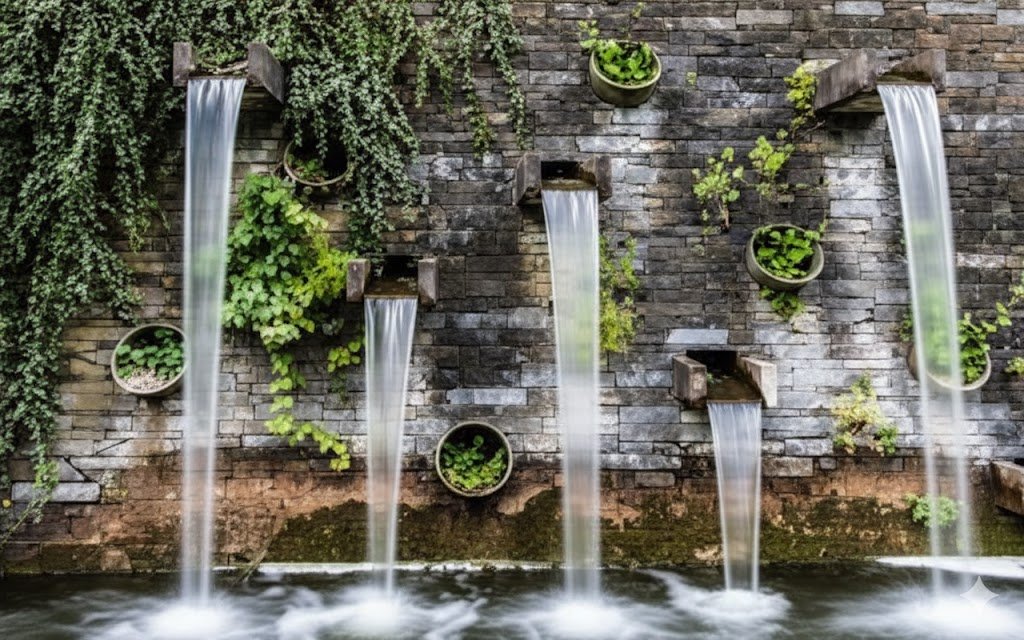
Modern fountains appear everywhere now. Shopping malls use them to create pleasant atmospheres that encourage people to linger and spend money. Corporate office buildings install them in lobbies to project success and sophistication. Hotels put them in courtyards and entryways. Restaurants use them to add ambiance. And homeowners bring them into gardens, patios, and increasingly, into interior spaces. This widespread adoption tells us something. Fountains have become tools for creating the kind of environments where we want to spend time.
The interesting thing about this evolution is that we’ve come full circle in some ways. Ancient fountains were community gathering places. Modern public fountains serve a similar function. Kids play in them on hot days. People sit near them to eat lunch or read. Couples meet by them. They still create social spaces, just not out of necessity anymore. The gathering happens by choice rather than need. We’re drawn to water features even when we don’t require them for survival. That attraction runs deep in our psychology, probably encoded by thousands of generations who lived or died based on finding reliable water sources.
I think what strikes me most about fountain history is how the decorative function overtook the practical one so completely. You’d think once plumbing made fountains obsolete for water supply, they would have disappeared. Instead, we discovered new reasons to want them. Their beauty, their calming presence, the way they transform spaces. These qualities turned out to matter more than their original purpose. That’s a pretty remarkable transformation when you stop and think about it. Something built for survival became something we pursue for pleasure and wellbeing.
Discovering Inspiration in Public Fountains
Every time I walk through a city park and see a fountain, I stop. I can’t help it. There’s something magnetic about them. The sound pulls you in first, that distinctive splash and gurgle. Then your eyes follow, watching the water arc and fall. Other people slow down too. You’ll see kids running up to touch the spray. Adults sitting on the edges, trailing their fingers through the water. Fountains create these little pockets of peace in busy urban environments.
I started paying closer attention to public fountains a few years ago when I was thinking about redecorating my house. I’d walk through downtown on my lunch break, and there was this fountain in the plaza near my office. Nothing fancy, just water jets shooting up from ground level. But watching it day after day, I realized something. That fountain completely changed the character of that plaza. Without it, the space would have been just another concrete square. With it, the plaza became a destination. People ate lunch there, held meetings, brought their dogs. The fountain made the difference.
That’s when I started thinking about bringing similar effects into my home. Why should fountains only exist in public spaces? The calming influence, the visual interest, the pleasant ambient sound. All of these benefits could work just as well in a living room or entryway as they do in a city square. The scale would be different, sure. I wasn’t going to install a 20-foot water jet in my house. But the principle remained the same. Moving water improves spaces.
Public fountains teach us a lot about design if we pay attention. The best ones integrate seamlessly with their surroundings. They don’t feel tacked on or out of place. They seem like they belong exactly where they are. When I started shopping for a home fountain, I kept this lesson in mind. I didn’t want something that screamed, “Look at me, I’m a fountain!” I wanted something that would feel like a natural part of my home’s design.
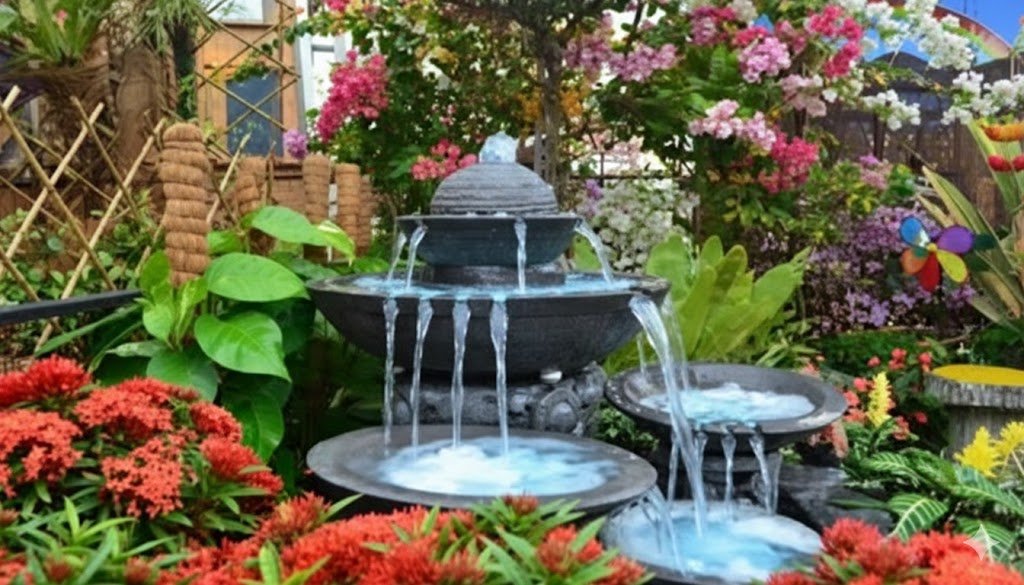
Size matters differently in public versus private spaces. A fountain that looks modest in a large plaza might overwhelm a residential room. I learned this by making mental comparisons. That modest fountain in the plaza near my office? It’s probably six feet in diameter. Proportional for the space it occupies. If I put something that size in my living room, it would dominate everything else. Scale is tricky. You need enough presence to make an impact, but not so much that the fountain becomes the only thing people notice about the room.
The materials used in public fountains also sparked ideas. I saw stone fountains that looked ancient and timeless. Metal fountains with modern, sleek lines. Concrete fountains that played with geometric shapes. Glass fountains that sparkled in the sunlight. Each material created a completely different mood. Stone felt organic and natural. Metal felt contemporary and polished. Concrete felt sculptural and artistic. Glass felt elegant and light. Thinking about these different effects helped me clarify what I wanted in my own space.
Lighting makes a huge difference too. I noticed this one evening when I walked past that plaza fountain after dark. During the day, it relied on sunlight to create sparkle and shadow. At night, underwater lights transformed it completely. The water glowed blue-green, creating an almost magical atmosphere. The plaza looked completely different after sunset, all because of those lights. Many home fountains now include LED lighting for exactly this reason. You get two different looks, one for daytime and one for evening, from the same fountain.
Sound varies more than you might think among different fountains. Some are loud and dramatic, with water crashing and splashing. Others produce gentle, subtle sounds that blend into the background. I started really listening to various public fountains, trying to figure out which sound signature I preferred. Loud fountains command attention. Quiet ones provide ambiance without demanding focus. I leaned toward the quieter end of the spectrum. I wanted something I could live with every day without it getting annoying.
The way people interact with public fountains told me something about what makes them successful. The best fountains invite participation. Kids want to touch the water. Adults want to sit nearby. People take photos with them. They become part of the experience of a place, not just background scenery. I wanted that same quality for my home. A fountain that people would notice and appreciate, that would become part of what makes my house feel special.
Seasonal changes affect public fountains in interesting ways. Some cities shut them down in winter. Others let them freeze into ice sculptures. In summer, they provide genuine relief from heat. Spring and fall, they’re mostly about aesthetics and ambiance. Thinking about these seasonal variations helped me understand that a home fountain would provide different benefits throughout the year. In dry winter months, it would add humidity. In hot summer, it would create a cooling effect. Year-round, it would provide beauty and peaceful sound.
The Multiple Benefits of Indoor Water Fountains
Let me tell you what happened when I finally installed a water fountain in my living room. The first thing I noticed wasn’t visual. It was auditory. My house has hardwood floors, plaster walls, minimal soft furnishings. Sound bounces around in ways that sometimes feel harsh. Traffic noise from outside, the hum of appliances, footsteps echoing. All of it felt amplified. The fountain changed that immediately. The gentle trickling water created a baseline sound that somehow made everything else feel softer and less jarring.
The visual impact took a bit longer to fully appreciate. At first, the fountain just looked like a new piece of furniture. Something different on the wall. But over days and weeks, I realized how much it changed the character of the room. My eyes were drawn to it constantly. Not in a distracting way, but in a pleasant, restful way. Watching water flow is surprisingly meditative. I’d find myself just staring at it for a few minutes at a time, letting my mind wander. It became a form of passive stress relief built right into my daily environment.
The cooling effect surprised me the most. I installed my fountain in March, so I didn’t think much about temperature regulation. Then summer hit. My living room faces west and gets brutal afternoon sun. It usually becomes uncomfortable from about 3 PM until sunset. But that first summer with the fountain, the room felt noticeably more comfortable. I’m not saying the fountain replaced air conditioning. But it definitely helped. The evaporating water cooled the immediate area, and the psychological effect of seeing and hearing water made the heat more bearable.
There’s a tactile element I didn’t anticipate. I can’t resist running my fingers through the flowing water when I walk by. It’s become this little ritual. Come home from work, kick off shoes, touch the fountain. The water is cool against my skin. It’s a tiny moment of sensory pleasure that marks the transition from work mode to home mode. My girlfriend does the same thing. We joke that it’s like our version of petting a dog when you come home, except the dog is made of water and mounted on the wall.
The mental health benefits are real and significant. I’m usually a fairly anxious person. My brain tends to run at high speed, jumping from worry to worry. The fountain provides something for my mind to focus on that isn’t a problem to solve or a source of stress. Just water flowing. Just a gentle, repetitive sound. It anchors me in the present moment in a way that’s hard to achieve otherwise. I’m not claiming it cured my anxiety. But it helps more than I expected.
Fountains mimic natural water features, and that’s part of their power. When water cascades down stone or flows over rocks, it looks like a miniature waterfall. Our brains respond to this. We evolved around natural water sources. Rivers, streams, waterfalls, these were signs of life and safety for our ancestors. Having a fountain creates a subconscious connection to that evolutionary history. It taps into something primal that makes us feel safe and calm.
The sound quality deserves more attention. Not all water sounds are created equal. A harsh, splashing sound can actually be irritating. But a gentle, flowing sound is incredibly soothing. Good fountains produce what I’d call white noise with character. It’s consistent enough to mask other sounds and help you focus or relax, but interesting enough that it doesn’t fade into complete background. It occupies this perfect middle ground between boring and distracting.
I’ve noticed my sleep improved after getting the fountain. My bedroom is down the hall from my living room. With the doors open, I can just barely hear the water at night. It’s not loud enough to keep me awake, but it’s present enough to drown out random noises that used to wake me up. Car doors slamming, neighbors coming home late, the house settling and creaking. All of it gets absorbed into the steady sound of flowing water. I fall asleep faster and wake up less during the night.
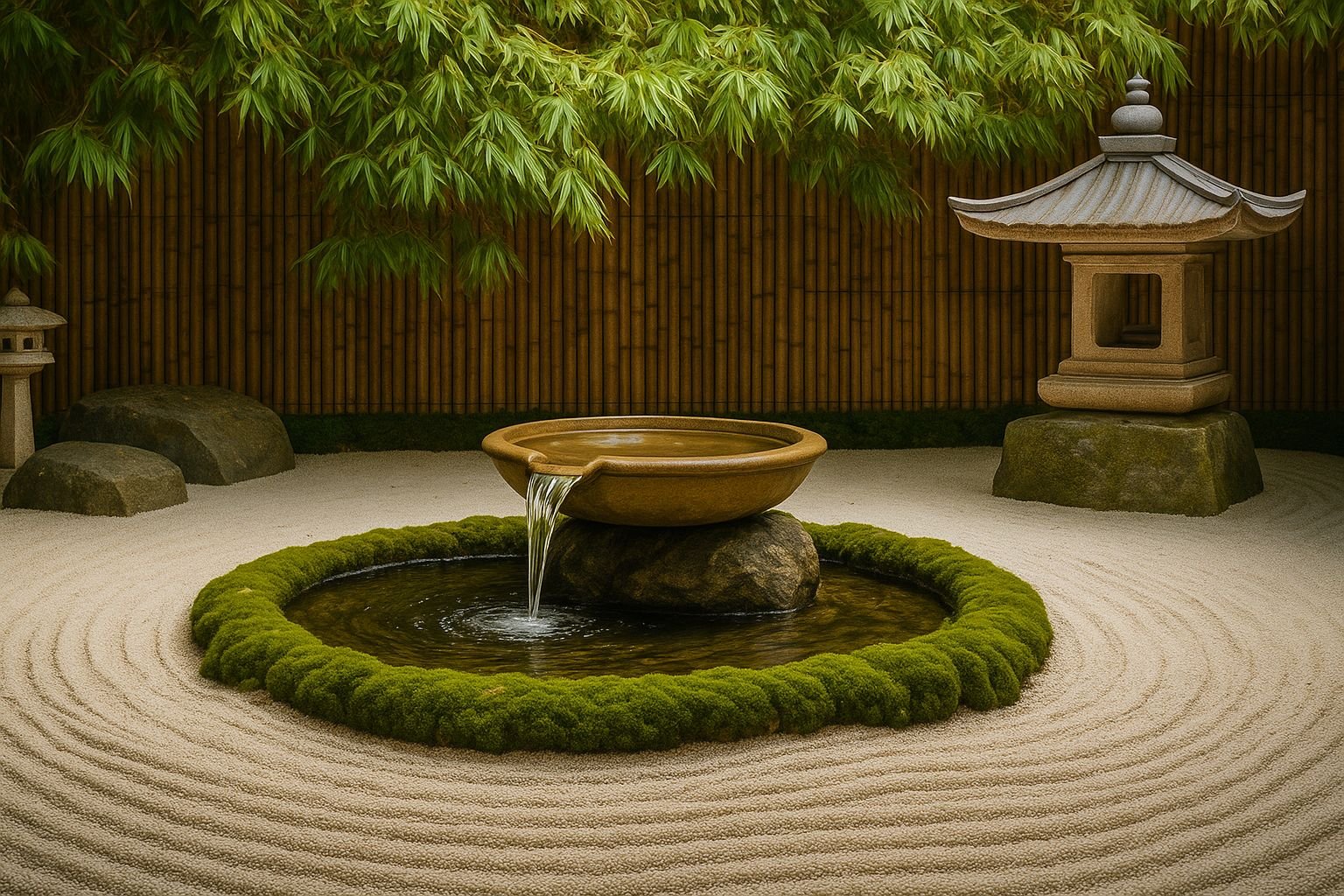
Friends who visit always comment on the fountain. Without fail, within five minutes of arriving, someone will say something about it. Usually, it’s a compliment about how calming the space feels. People often don’t immediately identify the fountain as the source of that calm. They just notice the overall atmosphere is different from most homes. Peaceful. Relaxing. Inviting. The fountain creates that without announcing itself too loudly.
There’s a purification aspect that goes beyond the physical. Yeah, the fountain adds humidity to dry air and that’s nice. But there’s also this feeling that it cleanses the space energetically. I’m not particularly mystical or spiritual, but I can’t deny this effect. The room with the fountain feels fresher, cleaner, more alive than other rooms. Moving water seems to carry away stagnant energy. Spaces with fountains feel dynamic rather than static.
Exploring the Variety of Available Fountain Types
Shopping for a fountain taught me there are way more options than I ever imagined. I thought I’d find maybe a dozen designs to choose from. Turns out there are hundreds, probably thousands if you count all the variations. The sheer variety is both exciting and overwhelming. You can spend weeks just browsing different styles, trying to figure out what speaks to you.
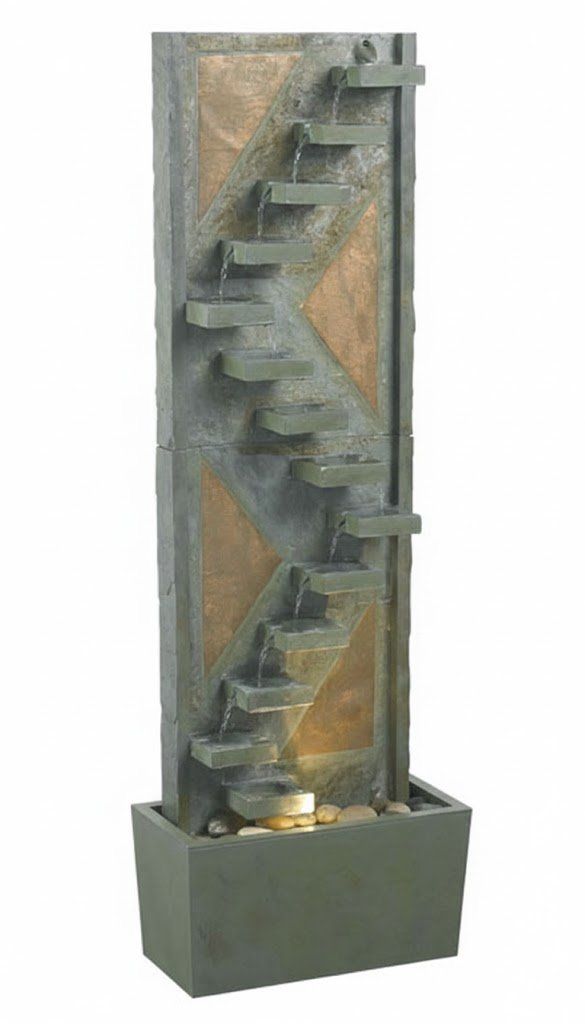
Floor fountains were the first type I encountered. These are freestanding units that sit directly on the floor. They range from small units a couple feet tall to massive pieces that reach nearly to the ceiling. Floor fountains make dramatic statements. They command attention and become focal points. I liked the idea of one but quickly realized my space couldn’t accommodate it. Floor fountains need significant room around them. Cramming one into a tight corner defeats the purpose. They need breathing room to make their impact.
Wall fountains solved my space problem perfectly. These mount directly on the wall, taking up zero floor space. They can be relatively small or quite large, depending on your wall space and preferences. I ended up going with a wall fountain for my living room. It fit the available space and gave me the water feature effect without sacrificing precious floor area. Wall fountains work particularly well in modern homes where space is at a premium.
Tabletop fountains are the most accessible option for people just starting out. These small units sit on desks, side tables, kitchen counters, wherever you have a flat surface. They produce miniature versions of the effects larger fountains create. The sound is quieter, the visual impact is smaller, but the principle is identical. I have a tabletop fountain on my home office desk. It provides just enough ambient sound to help me focus during work. Cost is another advantage. You can get a decent tabletop fountain for under fifty dollars. It’s an easy way to test whether you’ll enjoy living with a fountain before investing in something larger.
Size variations within each type are enormous. I saw wall fountains ranging from 12 inches square to ones that covered entire walls floor to ceiling. Floor fountains that were barely noticeable and others that dominated rooms. Tabletop fountains small enough to fit in your palm and others that took up half a desk. Choosing the right size requires honest assessment of your space and what will work proportionally.
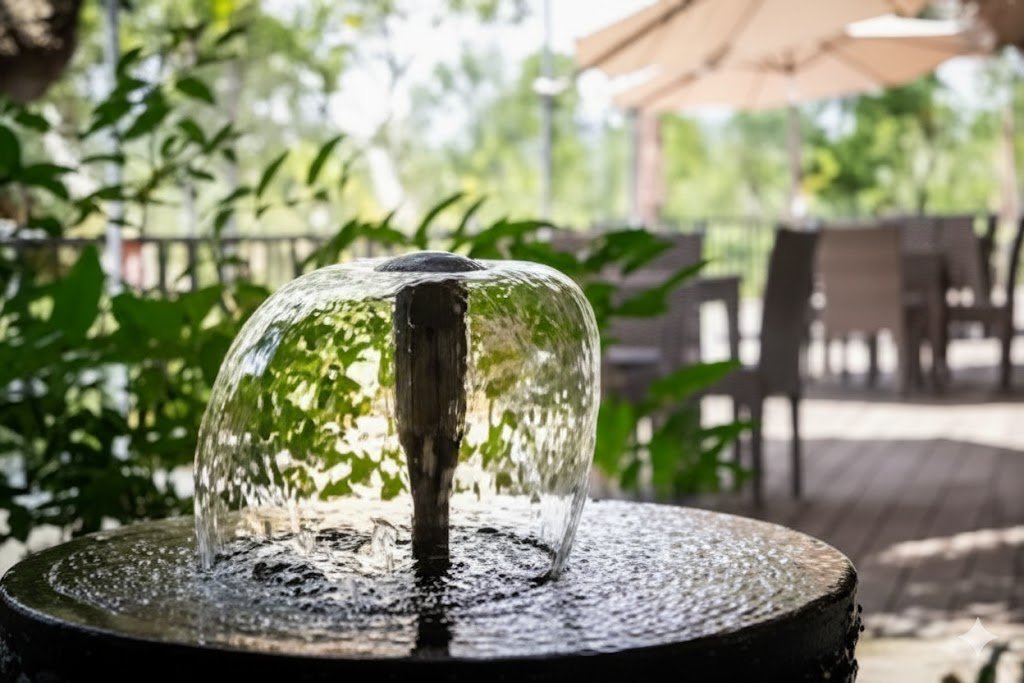
Materials create completely different aesthetics. Natural stone and slate fountains have this organic, earthy quality. They look like pieces of nature brought indoors. I’m drawn to these because they feel timeless. A stone fountain won’t look dated in ten years the way some contemporary designs might. Copper fountains develop beautiful patinas over time. They start bright and shiny, then gradually take on rich brown and green tones. It’s like having art that evolves. Metal fountains in stainless steel or brushed aluminum suit modern interiors perfectly. They’re sleek, clean, and low maintenance.
Glass fountains offer elegance and light. Water flows down clear or tinted glass panels, creating this luminous effect. Many include LED lighting that makes the glass glow. These work beautifully in contemporary spaces where you want something that feels both natural and polished. Ceramic fountains provide another option, often featuring artistic designs or colorful glazes. These tend toward the decorative end of the spectrum. They’re not trying to mimic nature. They’re unabashedly artificial and artistic.
Design styles span from ultra-traditional to cutting-edge contemporary. You can find fountains with classical columns and cherub sculptures if that’s your thing. Or sleek geometric designs that look like they belong in a modern art museum. Asian-inspired designs featuring bamboo and Buddha figures. Abstract sculptural pieces. Rustic designs incorporating driftwood or rough-cut stone. Whatever your aesthetic preferences, there’s a fountain style to match.
The pump systems vary in quality and affect both performance and price. Cheap fountains have cheap pumps that operate loudly and fail quickly. Better fountains use quality pumps that run nearly silent and last for years. When you’re shopping, pump quality should be a major consideration. A fountain with a noisy or unreliable pump will quickly go from delightful to annoying. Read reviews. Pay attention to what people say about pump performance. It matters more than almost any other feature.
Lighting options have expanded dramatically in recent years. Many fountains now include LED lights that illuminate the water. Some offer color-changing lights that cycle through different hues. Others have simple white lights that provide subtle illumination. I appreciate a good lighting feature. It transforms the fountain at night into something different from what you see during the day. You get two looks from one piece. The lights don’t have to be dramatic. Even subtle backlighting makes a significant difference in ambiance after dark.
Making the Right Choice for Your Space and Style
Picking the right fountain requires thinking beyond just which one looks prettiest in the store or online. I learned this the hard way. My first fountain purchase was an impulse buy. I saw it, loved the way it looked, bought it immediately. Got it home and realized it was completely wrong for the space I’d intended it for. Too big, wrong style, didn’t match anything. I ended up returning it and starting over with a more thoughtful approach.
Floor space availability should be your first consideration if you’re looking at floor fountains. Measure carefully. And I mean actually measure with a tape measure, don’t just eyeball it. Fountains need clearance around them. You don’t want furniture crowding right up against them. They need room to breathe, to be appreciated from different angles. I’ve seen floor fountains that looked cramped and awkward because the owner tried to squeeze them into insufficient space. Better to go smaller or choose a wall fountain than to force a floor fountain where it doesn’t fit.
Room size matters for wall fountains too, just differently. A tiny fountain on a huge wall looks lost and insignificant. A massive fountain in a small room can feel overwhelming and out of scale. The goal is proportion. The fountain should be substantial enough to register as a feature but not so large that it dominates everything else. I spent time with painter’s tape on my wall, marking out different size options before committing. It sounds obsessive, but it helped me visualize the scale properly.
Your existing furniture and décor should influence fountain selection. I’m not saying everything needs to match perfectly. That would be boring and overly coordinated. But your fountain should feel intentional within the context of your overall design. If your living room is full of rustic wood furniture and earth tones, a ultra-modern glass fountain might look out of place. Or it might provide an interesting contrast that works. You have to trust your eye and think about the overall effect you’re creating.
Personal taste obviously plays a huge role. Some people love ornate, decorative designs with lots of embellishment. Others prefer minimalist, simple forms. Neither is right or wrong. It’s about what speaks to you personally. I lean toward simpler designs because I find them more restful and less likely to feel dated. But I have friends who chose elaborate fountains and love them. Your home should reflect your personality, not design trends or someone else’s preferences.
Budget considerations are real. Fountains range from under twenty dollars for basic tabletop models to thousands for custom installations. Set a realistic budget before you start shopping. It’s easy to fall in love with something out of your price range. Quality generally correlates with price up to a point. The cheapest fountains often have problems with pump noise, poor construction, or unappealing aesthetics. Mid-range fountains usually offer good quality without breaking the bank. Top-end fountains provide premium materials and craftsmanship but aren’t necessary for most people.
Maintenance requirements vary by fountain type and design. Some fountains are low maintenance, needing only occasional water refills and basic cleaning. Others require more frequent attention. If you’re not a particularly fastidious person, choose something that won’t demand constant care. I knew myself well enough to avoid high-maintenance designs. My fountain needs water added weekly and a good cleaning every few months. That’s about my limit for upkeep effort.
Electrical access is a practical consideration people sometimes overlook. Your fountain needs to plug in somewhere. Is there an outlet near where you want to place it? Running an extension cord across a wall or floor looks terrible and creates a tripping hazard. Some people have electricians add outlets behind fountains for a clean look. Others position fountains near existing outlets. Think through the electrical situation before you commit to a location.
The sound level should match your needs and tolerance. Some fountains produce loud, splashing sounds. Others create gentle trickling that’s barely audible. Think about where the fountain will be and what sound level makes sense. A loud fountain in a bedroom might interfere with sleep. A too-quiet fountain in a large living room won’t provide enough acoustic impact. Many fountains have adjustable pumps so you can control flow rate and therefore sound level. This flexibility is worth seeking out.
Return policies matter when buying fountains. If possible, buy from somewhere that allows returns if the fountain doesn’t work out. I wish I’d checked this before my first purchase. Luckily, the store was accommodating, but they didn’t have to be. You won’t really know if a fountain works in your space until you get it home and set it up. Having the option to return or exchange removes some of the risk from the decision.
The Perfect Finishing Touch for Your Home
After living with fountains for several years now, I can honestly say they’ve changed how I think about home design. A fountain isn’t just another decorative object like a vase or a painting. It’s a living element that affects the entire character of a space. The right fountain transforms a room from ordinary to special, from static to dynamic, from stressful to peaceful.
The natural appeal of flowing water works on multiple levels at once. Visually, it’s beautiful. The play of light on moving water, the patterns and ripples, the way it catches and reflects. Audibly, it’s soothing. The gentle sounds of water mask harsh noises and create a peaceful acoustic environment. Emotionally, it’s calming. Our brains respond positively to water in ways that are probably hardwired from evolution. All of these effects combine to create something that’s greater than the sum of its parts.
Fountains add what I call ambient wellness to your home. They’re not actively doing anything to you. You’re not sitting and meditating with the fountain or using it therapeutically. It’s just there, quietly improving your environment. This passive quality makes fountains different from other wellness interventions that require time and effort. You get the benefits automatically, just by being in the same space. It’s wellness by osmosis.
The charming qualities of different fountain types suit different personalities and spaces. Floor fountains make bold statements. They’re for people who want a centerpiece, a conversation starter, something that announces itself confidently. Wall fountains offer elegance without taking up precious floor space. They work for people who value efficiency and modern design sensibilities. Tabletop fountains provide charm on a smaller scale. They’re perfect for people who want water features in multiple rooms or who aren’t ready to commit to a larger installation.
Size versatility means there’s a fountain for every situation. Tiny apartments can accommodate tabletop fountains. Sprawling houses can feature multiple large installations. Mid-sized homes can choose from the full range of options. The scalability is part of what makes fountains such accessible design elements. You don’t need a mansion to enjoy the benefits. A small fountain in a studio apartment can have just as much impact on the feel of the space as a large fountain in a big house.
Creating a relaxed and tranquil atmosphere is something we all want in our homes, but it’s surprisingly hard to achieve. We try with comfortable furniture, good lighting, pleasant colors. These all help. But fountains add a dimension that other design elements can’t match. That’s the presence of natural movement and sound. It bridges the gap between indoor and outdoor, bringing a piece of nature into controlled interior environments. This connection to nature, even artificial nature, soothes us in ways we’re only beginning to understand scientifically.
The finishing touch concept resonates with me. You can have a beautifully designed room with perfect furniture placement, great color choices, proper lighting. But if something feels slightly off or incomplete, a fountain often provides the missing element. It’s the piece that pulls everything together and makes the room feel finished and intentional. I’ve experienced this multiple times now in different rooms. The fountain was the last thing added, and it was the thing that made everything else work.
Fountains work across different design styles more easily than you might expect. I’ve seen them in traditional homes with antique furniture, in modern lofts with industrial aesthetics, in cozy cottages full of soft fabrics and warm woods. With the right fountain choice, they integrate seamlessly into any style. This versatility makes them safe additions to your home. You’re not locked into one look. If your tastes change, you can swap out the fountain for a different style.
The investment value of a good fountain is significant. I’m not talking about resale value for your house, though fountains probably do add appeal. I mean personal value. The daily enjoyment, the stress reduction, the beauty, the improved ambiance. When you break down the cost over years of use, it becomes trivial. My main fountain cost about $400. I’ve had it for three years. That’s less than 40 cents per day. For something that improves my quality of life every single day, that’s an incredibly good return on investment.
Living with fountains has taught me that good design isn’t just about how things look. It’s about how they make you feel. A beautiful room that’s uncomfortable or stressful isn’t truly well designed. A fountain adds an element that addresses feeling rather than just appearance. It makes your home a place where you genuinely want to be, where you feel calm and happy. That’s the real goal of home design, and fountains help achieve it in ways that few other elements can match.

Leave a Comment