
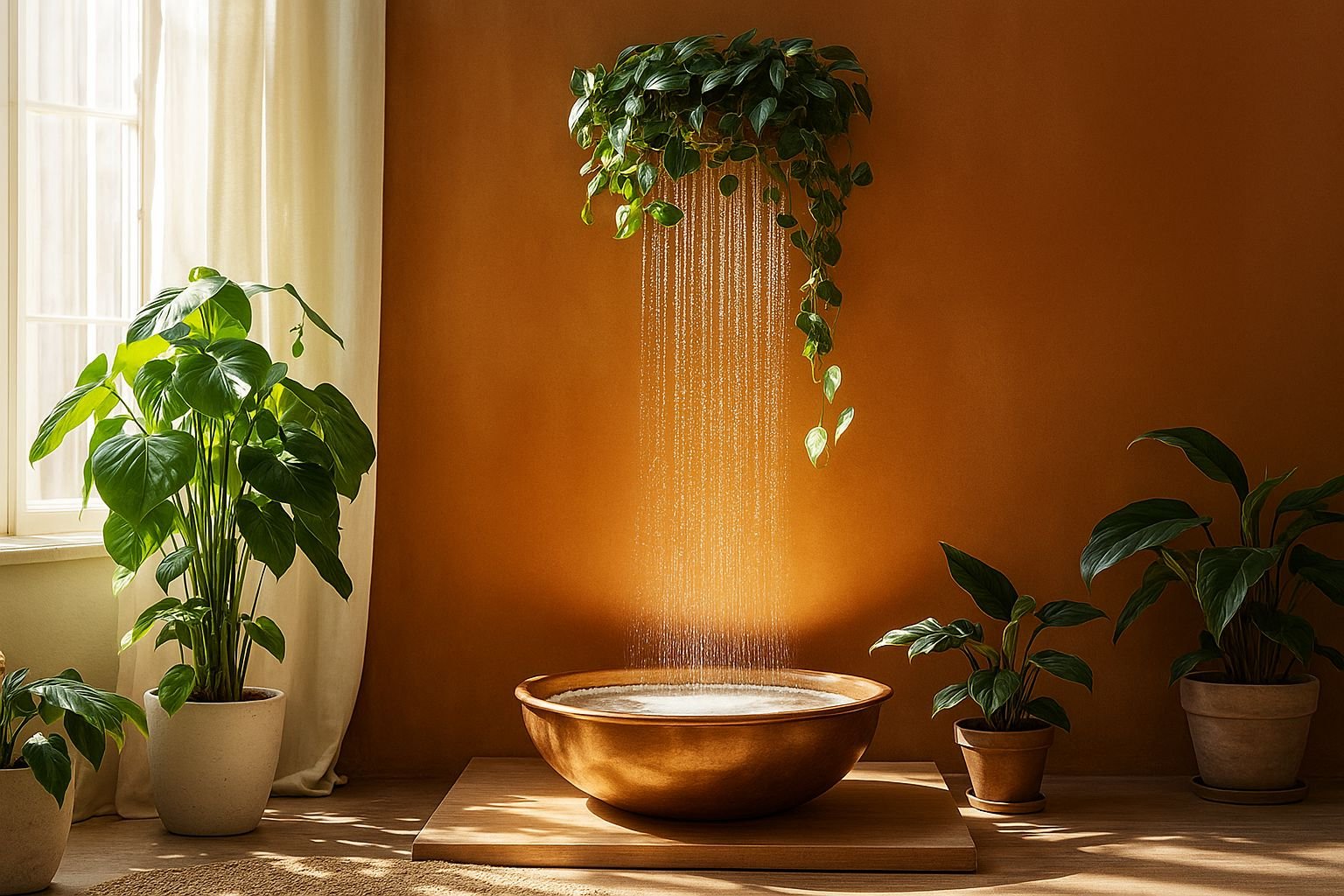
How Fountains Went From Practical to Beautiful
Fountains have this wild history that most people never think about. We see them in parks or fancy hotel lobbies and just assume they’ve always been about looking pretty. But that’s not how it started at all. The whole story of fountains is basically the story of human civilization figuring out how to work with water, then gradually deciding that just working with it wasn’t enough. We wanted it to look good too.
Way back in ancient times, fountains were purely functional. Think about it. You’re living in ancient Rome or Greece, and you need water. You can’t just turn on a tap. Someone has to bring that water to you, and fountains were basically the endpoints of these massive engineering projects. Aqueducts would carry water from mountains or springs, sometimes across dozens of miles, and dump it into public fountains where people would come with their jugs and buckets. That was your water source. You’d fill up, haul it home, use it for drinking, cooking, bathing, whatever you needed.
But here’s where it gets interesting. Even back then, people couldn’t resist making things look nice. The Romans especially were obsessed with this. They’d build these elaborate fountain structures with carved marble, sculptures, decorative basins. Was it necessary? Nope. The water would flow just fine from a plain stone spout. But they wanted beauty mixed with utility. They wanted their public spaces to feel special, impressive, maybe a little bit intimidating to visitors from other cities. So fountains became dual purpose right from the start. Get your water, sure, but admire the craftsmanship too.
The shift from pure function to pure decoration took centuries. It wasn’t like someone woke up one day and decided fountains were now art installations. It happened gradually as indoor plumbing became more common. Once people had water piped directly into their homes, public fountains lost their main job. They were still beautiful, still impressive pieces of architecture and engineering, but nobody really needed them anymore. That’s when fountains started showing up in places where they served no practical purpose at all. Gardens, palace courtyards, decorative squares. The fountain became the point, not the water supply.
I find this shift fascinating from a design perspective. When something loses its original function, it either disappears or transforms into something else entirely. Fountains transformed. They became symbols of wealth, markers of public space, focal points for urban planning. Cities competed to have the most spectacular fountains. Artists got involved, creating massive sculptural works that happened to include water. The water itself became a medium for artistic expression, not just a resource to be managed and distributed.
Modern fountains carry almost none of their original practical purpose. We keep them around purely for their aesthetic and atmospheric qualities. That’s a complete 180 from where they started. And honestly, I think that’s pretty cool. It shows how humans will hold onto things we find beautiful even when they stop being useful. We could have just let fountains fade away when indoor plumbing made them obsolete. Instead, we doubled down on making them even more elaborate and putting them everywhere.
The contemporary understanding of fountains is all about what they add to a space emotionally and visually. We put them in places where we want people to feel calm, impressed, or connected to nature. The sound of moving water has this universal appeal that transcends cultures and time periods. So while ancient Romans might scratch their heads at the idea of a decorative fountain that doesn’t supply drinking water, they’d probably get why we still want them around. Beauty matters. Atmosphere matters. Some things are worth keeping just because they make life a little bit better.
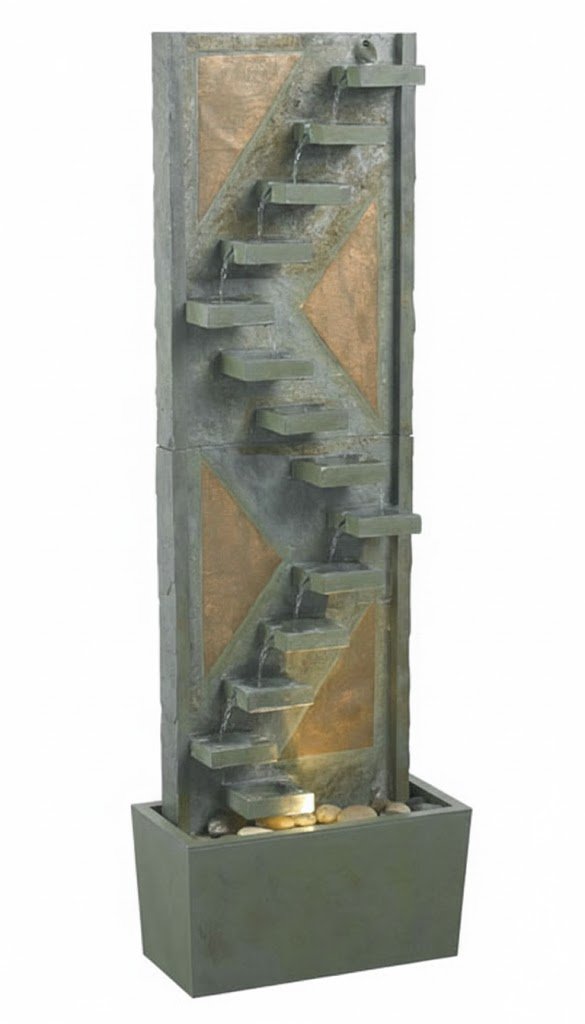
Getting Inspired by Public Fountains
You know what happens when you’re walking through a city park on a hot day and you come across a fountain? Everything shifts. The temperature drops a few degrees near the water. The sound cuts through traffic noise. You stop, maybe sit on the edge if that’s allowed, and just exist there for a minute. That’s the magic of a well placed fountain, and it’s something I’ve experienced in dozens of cities across the country.
Public fountains have this way of stopping us in our tracks. We’re rushing from point A to point B, totally absorbed in our phones or our thoughts, and then suddenly there’s this fountain demanding our attention. Not in an aggressive way, but in a gentle “hey, slow down for a second” way. I remember being in Chicago, stressed about a work deadline, speed walking through Millennium Park, and the Crown Fountain stopped me cold. Those giant LED faces spouting water at squealing kids. I stood there watching for probably fifteen minutes, completely forgetting why I was in such a hurry.
That experience got me thinking about my own living space. If a fountain could make me forget my stress in the middle of a crowded public park, what could one do in my own home? The seed was planted. I started really looking at fountains everywhere I went. Airport lobbies, shopping malls, office building atriums, fancy restaurants. Each one created a different mood, a different feeling. Some were grand and dramatic, others subtle and zen. But they all changed the space they occupied.
The thing about seeing fountains in public spaces is that it gives you permission to want one at home. Before I started paying attention, I would have said fountains were for parks and palaces, not for regular houses. But once you notice how much better those public spaces feel with water features, the logic extends naturally to your private spaces. Why should only parks and hotels get to have that calming water sound? Why can’t my living room benefit from the same principles designers use in commercial spaces?
I’ll tell you what really pushed me over the edge. I was at a doctor’s office, sitting in the waiting room, already anxious about the appointment. They had this wall fountain in the corner, nothing fancy, just a simple stone panel with water flowing down it. But it changed everything. My heart rate slowed down. My shoulders relaxed. I actually felt my jaw unclench. A fountain in a medical waiting room is doing serious work, making people feel calmer before potentially stressful appointments. That’s when I knew I needed this at home.
The beauty of public fountains is that they’re essentially test cases you can study for free. You can see what works and what doesn’t without spending a dime. Too loud? That fountain probably has the water pressure set too high or the wrong basin design. Looks dated? Maybe it’s the material choice or the overly ornate style. Perfectly peaceful? Pay attention to the scale, the materials, how it relates to the surrounding space. You’re getting a free education in fountain design just by keeping your eyes open when you’re out and about.
Water fountains solve design problems that interior designers have struggled with forever. How do you make a space feel alive without it being chaotic? How do you add interest without clutter? How do you create ambiance that appeals to multiple senses? A fountain checks all these boxes. It’s visually interesting, it adds sound, it can even affect the feel of the air through humidity and temperature. That’s a lot of bang for your buck from a single design element.
Taking inspiration from public fountains and translating it to home use isn’t about copying exactly what you see in a park. It’s about understanding the principles. What makes that fountain work in that space? Can those same principles apply to your living room or entryway? Usually the answer is yes, just on a different scale. The massive fountain in the city square might be twenty feet tall, but the effect it creates can be replicated with a four foot wall fountain in your home. Different scale, same magic.
Why Your Home Deserves a Water Feature
Let’s talk about bringing fountains indoors, into your actual living space. This feels like a big leap for most people. Outdoor fountains make intuitive sense. Water belongs outside, right? But indoor fountains are where things get really interesting. You’re taking an element that we associate with nature and parks and bringing it into the controlled environment of your home. Sounds risky. Turns out it’s genius.
I was skeptical at first. Water inside the house triggers all sorts of anxiety for homeowners. What about leaks? What about humidity? What if it breaks and floods everything? These are legitimate concerns, and I had all of them. But modern indoor fountains are designed specifically to address these worries. They’re self contained, they recirculate the same water, they’re built with safety mechanisms. The risk is actually pretty minimal if you buy quality equipment and install it properly.
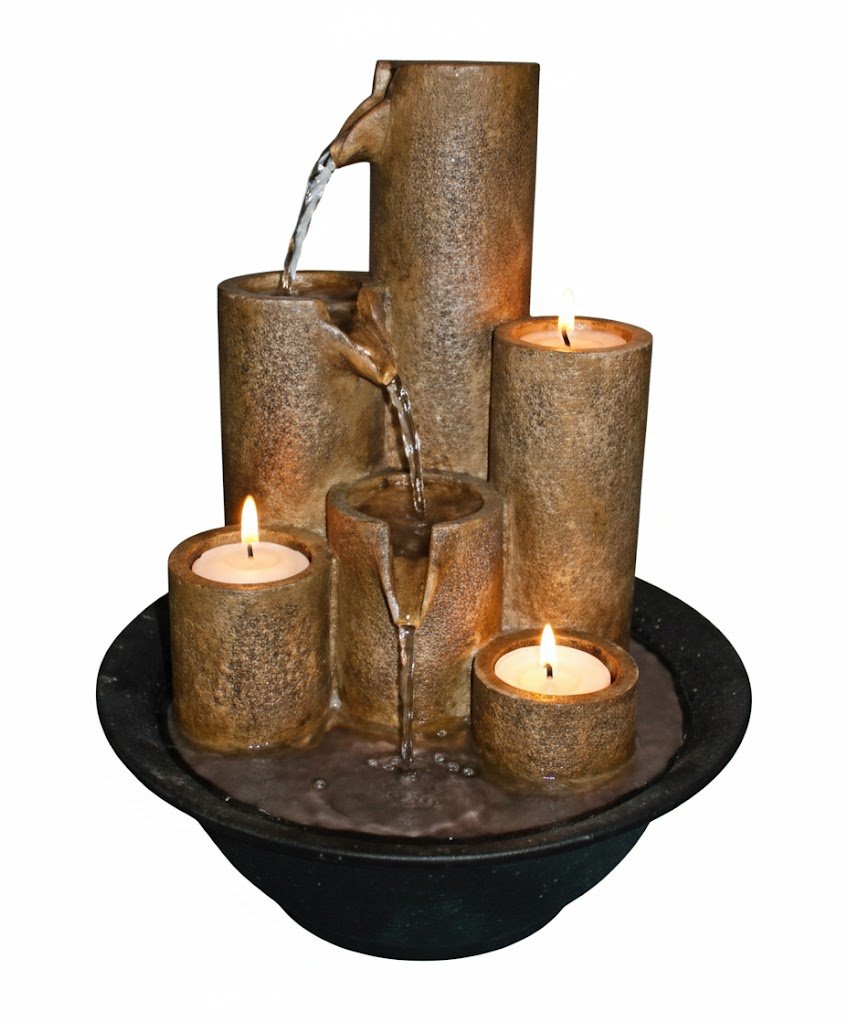
The payoff for taking that small risk is enormous. An indoor fountain becomes the finishing touch that pulls your entire design together. You can have all the right furniture, perfect paint colors, great lighting, and still have the room feel like something’s missing. That missing piece is often something that engages multiple senses and adds life to the space. A fountain does exactly that. It’s not just another object sitting there. It’s a dynamic element that changes the entire feel of the room.
The look of a fountain speaks for itself. Water cascading over stone or slate or copper creates these patterns that are never quite the same twice. Light catches the ripples differently throughout the day. It’s like having a piece of art that’s constantly creating new compositions. I can sit on my couch and watch our fountain for embarrassing amounts of time. It’s meditative in a way that staring at a painting never quite achieves. The movement keeps your eyes interested without overwhelming your brain.
But here’s what sold me completely. The sound. We underestimate how much the ambient sound in our homes affects our mood and stress levels. Most homes have pretty harsh soundscapes. Electronics humming, appliances running, outside traffic, neighbor noise. It all adds up to this low level irritation we stop consciously noticing but that affects us anyway. Adding the sound of flowing water into that mix changes everything. It’s not that the fountain covers up other sounds. It’s more like it gives your ears something pleasant to focus on, and suddenly the annoying sounds bother you less.
I work from home a lot, and the fountain has become part of my work routine. When I’m having trouble concentrating, when my brain is jumping from thought to thought and nothing’s sticking, I can hear the water and it brings me back. There’s something about that consistent, natural sound that helps me focus. It’s not silence, which can feel oppressive and make every little noise a distraction. It’s not music, which my brain wants to actively listen to. It’s this perfect middle ground of white noise that’s actually pleasant to hear.
The relaxation factor is real and measurable. I’ve had friends come over, wound up from their day, talking fast and gesturing wildly, and within ten minutes of being in our living room they’ve visibly calmed down. They’ll even comment on it. “I feel so relaxed here. What is it?” The fountain. It’s always the fountain. They don’t always make the connection themselves, but when I point it out, they get it. The combination of the sound and the visual movement triggers something in our nervous system that says “you’re near water, you’re safe, you can relax.”
Fountains work for both mind and body. Your mind gets the aesthetic pleasure and the meditative quality of watching water move. Your body responds to the sound and the slight humidity increase in the air. It’s a full package deal. And unlike a lot of home design choices that look great but don’t actually make your life better, a fountain delivers on both fronts. It looks amazing, and it genuinely makes your space more comfortable and calming to be in. That’s rare. That’s worth paying attention to.
Exploring Your Fountain Options
The variety of fountains available today would blow your mind if you haven’t looked recently. I’m talking everything from tiny tabletop pieces that cost less than dinner out to massive architectural installations that require professional planning. The market has exploded over the past decade, and that’s great news for anyone thinking about adding a fountain to their home. More options mean better chances of finding exactly what works for your space and budget.
Let’s start with floor fountains. These are freestanding pieces that sit on the ground, usually pretty substantial in size and presence. They’re the descendants of traditional garden fountains, adapted for indoor use. Floor fountains work great if you’ve got the square footage to spare and you want something that really commands attention. We’re talking four to six feet tall, sometimes even taller. They’re statement pieces, conversation starters, the kind of thing that becomes a focal point for the entire room.
I looked at floor fountains first when I started shopping. They seemed like the most “real” fountain option, closest to what you’d see in a public space. But for our living room, they were too much. We don’t have unlimited floor space, and a floor fountain would have eaten up a significant chunk of our usable area. Every piece of furniture would have had to arrange itself around this fountain. For some homes, that works great. For ours, it was too dominant. But if you’ve got a large entryway, a spacious sunroom, or an open concept living area with room to spare, floor fountains can be absolutely spectacular.
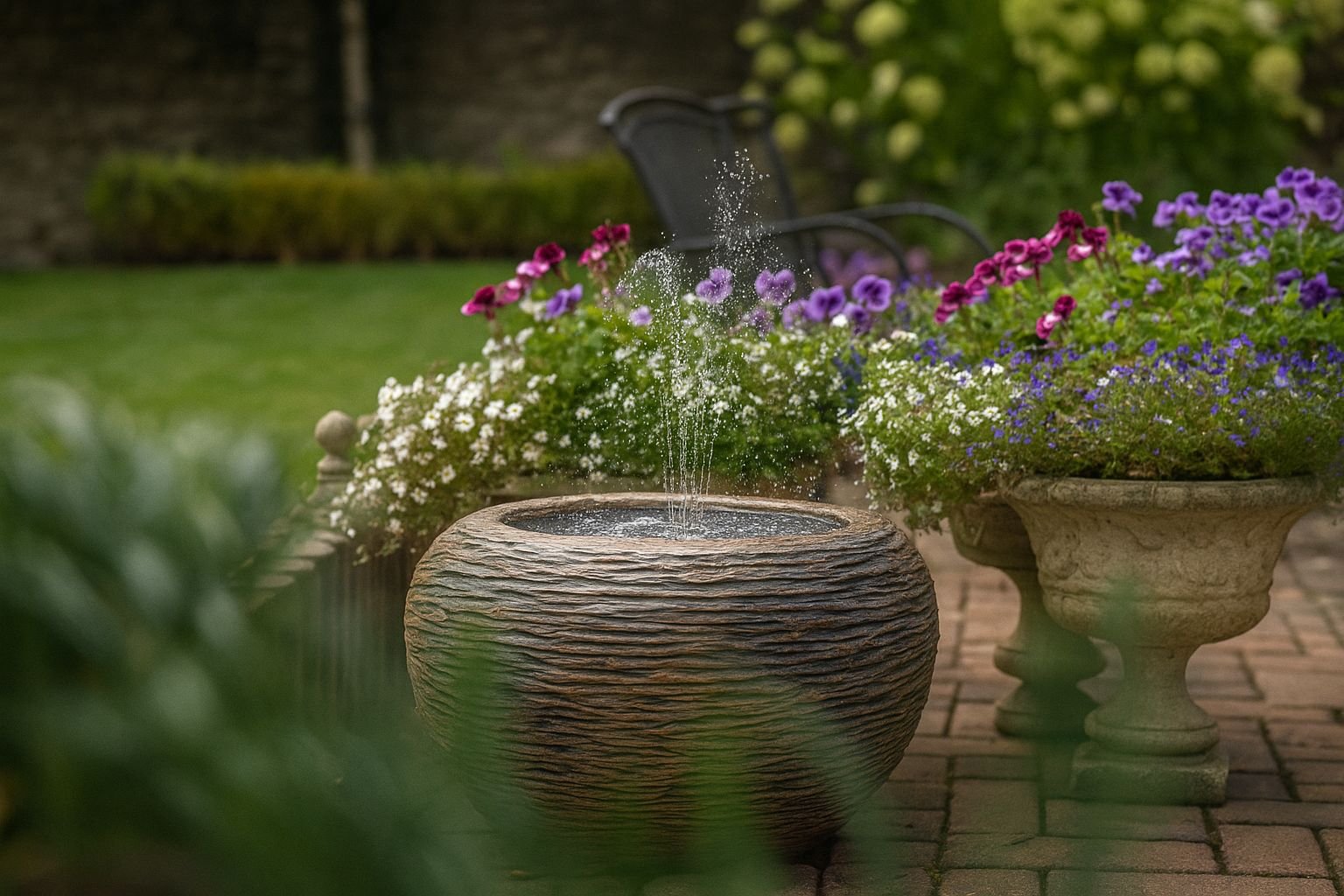
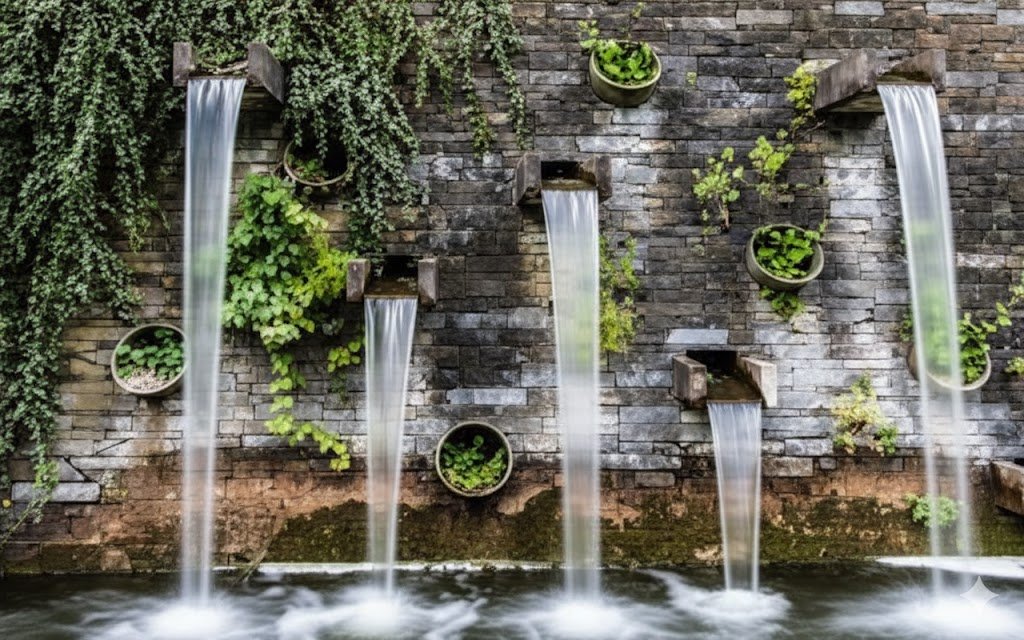
Wall fountains solved my space problem completely. They mount to the wall, so they use vertical space instead of floor space. This is genius for modern homes where every square foot counts. A wall fountain gives you all the visual and acoustic benefits of a fountain without sacrificing any usable floor area. You can still put furniture near it, walk past it easily, arrange the room however you want. The fountain becomes part of the wall itself, like architectural art.
The design possibilities with wall fountains are wild. Some are minimalist panels, just a flat surface with water sheeting down it. Others have elaborate rock formations that jut out from the wall, creating depth and texture. You can get metal versions, stone versions, glass versions. Modern styles, rustic styles, zen styles. The frame can be simple or ornate. The water flow can be smooth and even or random and natural looking. You’re not locked into one aesthetic just because you chose a wall fountain.
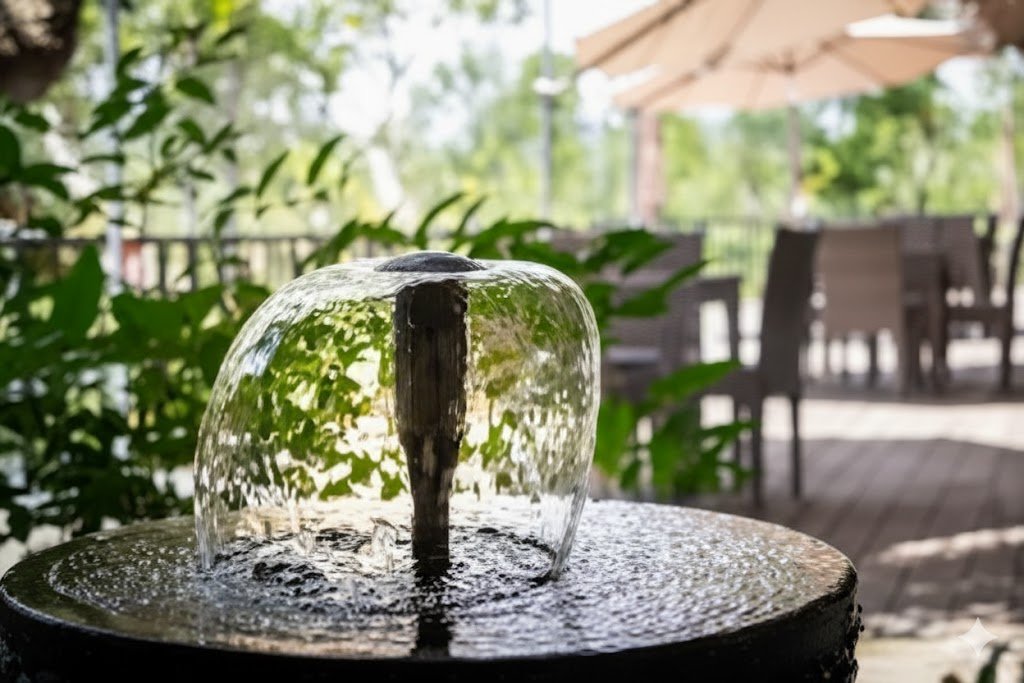
Tabletop fountains are the entry point for most people, and that makes sense. They’re small, relatively cheap, easy to move around, and require zero installation. You can try one out and see if you like having a fountain in your space before committing to anything bigger. I started with a tabletop fountain on our side table, just to test the concept. It was maybe eighteen inches tall, cost around sixty bucks, and ran off a regular outlet. Not impressive by fountain standards, but it proved the point. The water sound, the movement, the whole vibe it created, even at that small scale, was enough to convince me to scale up.
The downside of tabletop fountains is impact. They’re small, so they can’t create the same dramatic effect as larger options. The sound is quieter, the visual presence is minimal, and they can easily get lost among other decorative objects. But if you’re working with a small apartment, a bedroom, an office, or you just want something subtle, tabletop fountains nail it. They’re also great for people who aren’t sure about the whole fountain thing and want to dip their toes in without a big commitment.
Freestanding fountains are sort of the middle ground. They stand on their own like floor fountains but tend to be smaller and more portable. Some have bases that sit on furniture, others stand directly on the floor but aren’t as massive as traditional floor fountains. These give you flexibility. You can move them around, try them in different spots, even take them with you if you move. They don’t require installation or wall mounting, which appeals to renters or people who like to rearrange their furniture frequently.
Material choices affect both the look and the maintenance requirements of your fountain. Slate and stone fountains have this natural, earthy quality that works with lots of different styles. They’re durable, they age well, and they create a nice sound as water flows over the textured surface. Copper fountains develop a patina over time, which some people love and others hate. Glass fountains are modern and sleek, perfect for contemporary spaces. Resin fountains can mimic more expensive materials at a lower price point, though they don’t always have the same quality feel.
Size considerations go beyond just “will it fit in my space.” You’ve got to think about scale and proportion. A tiny fountain on a huge wall looks lost and insignificant. A massive fountain in a small room feels overwhelming and cramped. The goal is balance. The fountain should be substantial enough to have presence and impact, but not so large it dominates everything else. I measured our wall space probably fifteen times before committing to a size. Used painter’s tape to mark out different dimensions. Took photos. The extra effort was worth it to get the sizing right.
The range of prices might surprise you. Tabletop fountains start around thirty or forty bucks for basic models. Nice ones run a hundred to two hundred. Wall fountains can be anywhere from a couple hundred for simple designs to several thousand for high end custom pieces. Floor fountains tend to be pricier, often starting around five hundred and going up from there. Installation costs can add more if you need professional help with wall mounting or electrical work. My point is that there’s a fountain option for pretty much any budget. You don’t need to drop thousands to get the benefits of having one in your home.
Making Smart Choices for Your Space
Buying a fountain based purely on looks is a recipe for regret. I learned this the expensive way. That first fountain I ordered online looked perfect in the photos. Gorgeous slate panel, elegant copper frame, exactly the style I wanted. When it arrived and I set it up, the water flow was all wrong. It had these dry patches where water wasn’t reaching, and the sound was more of a splashing than a flowing. I returned it, ate the shipping costs, and learned my lesson about doing proper research.
Your personal preferences matter, obviously. If you hate the look of something, don’t buy it just because some design blog says it’s on trend. You’re the one who has to look at it every single day. But personal preferences need to work within the reality of your space. A fountain you absolutely love that doesn’t fit your living room is just frustration waiting to happen. The sweet spot is finding something you genuinely like that also works practically in your home.
Let’s talk about floor space in real terms. Wall fountains project out from the wall, usually somewhere between two and eight inches. That might not sound like much, but it affects your furniture placement and traffic patterns. Measure carefully. If your couch sits close to the wall where you want to mount the fountain, account for how far people lean back when they sit. Account for the space needed to walk behind furniture. I almost bought a fountain that would have made our walking path uncomfortably narrow. Catching that before purchase saved me from a problem I would have dealt with every day.
Room size affects which fountain styles will look right. Big rooms can handle bigger fountains. Small rooms need more modest options. This isn’t just about physical fit. It’s about visual balance. A small fountain in a large room can look like an afterthought, like you ran out of money or confidence halfway through decorating. A large fountain in a small room can feel oppressive, like the walls are closing in. You want the fountain to feel like it belongs, like it was always meant to be there.
Think about your existing furniture and decor style. If your living room is traditional, with classic furniture and warm wood tones, an ultra modern glass fountain might clash. Not in a cool eclectic way, in an awkward “these things are fighting each other” way. You can mix styles successfully, but it takes a good eye and careful choices. The safer bet is choosing a fountain that complements what you already have. If your space is modern, go modern. If it’s rustic, choose natural materials. If it’s transitional, find something that bridges styles.
The function you want the fountain to serve matters too. Do you want it to be the star of the room, the thing everyone notices first? Then go bold with size and style. Do you want it to create ambiance without dominating? Choose something more subtle and understated. Do you need it to help with focus and productivity in a home office? Prioritize the sound quality over visual drama. Do you want a conversation starter? Pick something unique or unexpected. Your goals should guide your choices.
Lighting is something people forget about until after they’ve installed their fountain. Natural light will hit your fountain differently throughout the day, changing how it looks. Artificial lighting can be used to highlight the fountain at night or in darker rooms. Some fountains come with built in LED lights, which can be gorgeous or tacky depending on the execution. Think about where light sources are in your room and how they’ll interact with the fountain. You might need to add a spotlight or change a bulb to make the fountain really shine.
Maintenance requirements vary by fountain type and style. Some fountains need weekly attention. Others can run for months with minimal care. You’ll need to add water periodically as it evaporates. You’ll need to clean the pump and basin occasionally. Some materials show water spots or mineral buildup more than others. If you’re not into regular maintenance, choose a fountain that’s forgiving. If you don’t mind a little upkeep, your options expand. I spend maybe five minutes a week on fountain maintenance, topping off water and wiping down the slate. That’s manageable for me, but you need to know yourself.
Testing before buying is ideal but not always possible. If you can find a local showroom or store that has fountains running, go see them in person. Bring a tape measure. Listen to the sound. Watch the water flow. Take photos next to furniture if possible to get a sense of scale. If you’re buying online, read reviews carefully. Look for mentions of sound quality, build quality, and whether the fountain lived up to expectations. Check the return policy before ordering. Some sellers make returns easy, others don’t.
Pulling It All Together
So here’s where we land after all this fountain talk. Water features have come full circle in a way. They started as necessary infrastructure, became decorative additions to public spaces, and now they’re making their way into private homes as elements that improve our daily living experience. That journey from utility to beauty to personal wellness is pretty cool when you think about it.
The finishing touch idea is more than just a design cliche. Your home can check all the boxes and still feel incomplete. Right furniture, right colors, right layout, but something’s missing. That something is often an element that brings the space to life, that adds a quality you can feel but struggle to name. For a lot of homes, a fountain fills that gap. It’s the thing that makes everything else make sense, that ties the room together in a way that suddenly feels inevitable.
Natural appeal matters more than we often admit. We’re drawn to certain things instinctively, and water is high on that list. It represents life, refreshment, cleansing, renewal. Having water in our living spaces connects us to something ancient and universal. You don’t need to get all philosophical about it. The simple fact is that water features make us feel good, and that’s reason enough to want one in your home.
The charming part is how a fountain can shift from being this new thing you’re excited about to something that just feels like part of your home. I don’t consciously notice our fountain anymore unless someone points it out or I stop to really look at it. It’s become part of the baseline feeling of our living room. But I notice when it’s not running. Turn off the pump for maintenance and suddenly the room feels off. Too quiet. Less alive. That’s when you realize how much the fountain is doing, even when you’re not actively paying attention to it.
Tranquil spaces are underrated in modern life. Everything’s designed to grab our attention, speed us up, keep us engaged. Having a room in your home that does the opposite, that slows you down and calms you down, is genuinely valuable. A fountain contributes to that tranquility in a way that few other design elements can match. It’s not passive like a painting. It’s not demanding like a TV. It exists in this perfect middle ground where it’s interesting enough to notice but calming enough to ignore.
The variety available means you don’t have excuses anymore. Can’t find the right size? Look harder. Can’t find the right style? Keep searching. Worried about budget? Start small with a tabletop model. Don’t have wall space? Try a freestanding option. Every objection has a solution if you’re willing to look for it. The fountain that works for your specific situation is out there. You just need to invest the time to find it.
I won’t pretend a fountain is some magic solution that fixes everything wrong with your home. That would be ridiculous. But I will say that for us, and for most people I know who’ve added fountains to their spaces, the impact has been bigger than expected. It changed how we feel in that room. It changed how guests react to our home. It changed the whole energy of the space in ways that are hard to quantify but easy to feel. That’s worth something. That’s worth the research and the investment and the small risk of trying something different.
If you’re on the fence about fountains, my advice is simple. Try a small one first. Spend fifty or a hundred bucks on a tabletop fountain and run it for a month. See how you feel. Listen to the water. Watch how it affects your mood and your space. If it does nothing for you, you’re out a hundred bucks and you learned something about your preferences. But I’d bet that most people who try even a small fountain will want to scale up. The effect is real. The benefits are tangible. And once you experience it, going back to a fountain free living room feels like a downgrade.

Leave a Comment