
Breaking Down the Fountain Price Myth
There’s this weird thing that happens when you mention water fountains to other homeowners. Their eyes light up for a second, then they kind of shake their heads and say something like “oh, those are way out of my budget.” I used to be one of those people. I’d see fountains in fancy hotels or upscale homes and just assume they cost thousands of dollars, that they were luxury items reserved for people with money to burn. Turns out I was completely wrong, and I’m guessing a lot of you are making the same false assumption.
We all want our homes to look incredible, especially when people come over. That desire to impress runs deep, and there’s zero shame in it. Your home is probably your biggest investment, both financially and emotionally. Of course you want it to look amazing. When guests walk through your door and you see that moment of genuine appreciation on their faces, when they compliment your space and you can tell they actually mean it, that feeling is unbeatable. It validates all the time and effort and money you’ve poured into creating a space you’re proud of.
The satisfaction we get from approval is real and human and totally normal. I remember when we had a dinner party last year after finishing our living room redesign. One of our friends, someone whose taste I really respect, walked in and just stopped. She looked around slowly, taking everything in, then said our living room was one of the most inviting spaces she’d been in. That compliment made my entire month. Every decision we’d agonized over, every debate about colors and placement, all of it felt worth it in that moment.
Making people happy with how our homes look isn’t vanity. It’s about creating environments that make people feel good, that spark joy or conversation or inspiration. When someone walks into your home and feels amazed or impressed, you’ve succeeded in creating something meaningful. That’s design working the way it should, affecting people emotionally and creating experiences beyond just shelter and function. The appearance of your home’s interior communicates who you are and what you value.
Taking pride in our homes drives so many of our decorating decisions. We want spaces that reflect our personalities, our tastes, our stories. When guests express admiration and respect for what we’ve created, they’re seeing us through our homes. That recognition feels good on levels that are hard to articulate. It’s not just about stuff or status. It’s about being understood and appreciated through the spaces we’ve built.
The pride in homeownership gets amplified when you have elements that stand out, that make your space different from everyone else’s. A fountain is one of those elements that immediately sets a home apart. Not in a showy or pretentious way, but in a thoughtful, interesting way. It signals that you’ve gone beyond the basics, that you’ve put real creativity into designing your space. That distinction matters when you’re trying to create a home that feels special instead of just adequate.
Here’s where the false assumption about fountains being expensive really holds people back. I can’t tell you how many friends have told me they’d love a fountain but can’t afford one. When I tell them our fountain cost less than our coffee table, they look at me like I’m lying. But it’s true. The fountain market spans every price point imaginable. You can find quality tabletop fountains for under a hundred bucks. Wall fountains range from a couple hundred to several thousand depending on size and materials. There’s an option for virtually every budget.
The too expensive misconception kills so many good design ideas before they even get explored. People eliminate fountains from consideration without ever actually looking at what they cost. It’s like deciding you can’t afford a car without checking prices, just assuming all cars cost luxury sedan money. Some do, sure, but plenty don’t. Fountains are the same way. The range is huge, and the affordable options are way better quality than you’d expect. I bought our first fountain half expecting cheap plastic garbage, and got a well made piece that’s held up perfectly for three years.
Many homeowners miss out on something that could transform their spaces just because they never questioned their assumptions about cost. That’s a shame because fountains deliver so much value for what you actually pay. They’re not just decorative objects sitting there looking pretty. They actively change how your space feels and sounds and functions. When you calculate value based on impact rather than just price tag, fountains are actually incredible deals. They punch way above their weight class in terms of what they contribute to a room.
The buying decision gets easier once you realize affordability isn’t the barrier you thought it was. You’re not choosing between a fountain and paying your mortgage. You’re choosing between a fountain and other home decor items in similar price ranges. Suddenly the question becomes “do I want another throw pillow or a water feature that changes my entire living room?” Framed that way, the fountain starts looking like the obvious choice. It’s about shifting perspective from “I can’t afford that” to “what am I willing to prioritize?”
Your Living Room Deserves Better
Let’s get real about living rooms for a minute. This space carries the weight of your home’s first impression, and that’s a lot of pressure for one room. When people come over, the living room is where they form their opinions about your entire house. Fair or not, that initial reaction to this one space colors everything else they see. You could have the most beautiful bedroom or an incredible kitchen, but if your living room doesn’t land right, none of that other stuff gets the credit it deserves.
The portion of your house where you entertain becomes the public face of your entire home. It’s the room that represents you to the outside world. Friends, family, neighbors, everyone who visits gets judged by and judges you through this space. That might sound harsh, but it’s true. The living room tells stories about who you are, what you value, how you live. Those stories get read and interpreted by everyone who spends time there, consciously or not.
Guests and visitors see your living room first, and you don’t get a second chance at that initial impression. The moment someone walks through your door into that space, their brain starts processing dozens of details and forming opinions. Clean or messy? Comfortable or formal? Stylish or dated? Welcoming or cold? All of those assessments happen in seconds, before conscious thought even kicks in. Your living room needs to work on that immediate, gut level reaction. It needs to make people feel good the instant they walk in.
The first area people see sets the tone for their entire visit. If your living room feels warm and inviting, people relax faster and conversations flow more easily. If it feels stiff or uncomfortable, that awkwardness lingers even when you move to other spaces. I’ve noticed this so many times with our own home. Back when our living room was just okay, kind of generic and uninspired, people would come over and things felt forced. Now that we’ve put real thought into it, guests settle in immediately. The difference in how people behave in the space is dramatic.
Immediately impressing people with your home’s interior design requires understanding what actually makes an impact. It’s not about having the most expensive furniture or following every trend. It’s about creating a cohesive, intentional space that feels both comfortable and interesting. The living rooms that really wow people have layers. They have focal points. They have elements that catch your attention and make you look closer. Without those layers, you just have a room with furniture in it.
Investing more effort in the living room pays dividends every single day. This isn’t a space you use once in a while. For most of us, the living room gets used constantly. We relax there after work, hang out with family, entertain friends, watch movies, read, work from home, the list goes on. Improving this high traffic, high visibility space affects your daily quality of life and makes every visitor’s experience better. That’s serious bang for your buck in terms of where to focus your design energy.
Designing your living room goes beyond just arranging furniture and calling it done. That’s step one, sure. You need the basics in place. But real design happens in the layers beyond furniture. It’s in the lighting choices that create atmosphere. It’s in the accessories that add personality. It’s in the colors and textures that make the space feel rich and considered. Those details are what separate a furnished room from a designed room, adequate from memorable.
The furniture serves as the main attraction in most people’s minds, and that’s part of the problem. We fixate on getting the couch right, finding the perfect coffee table, choosing side tables that work. All that focus goes into the big pieces, and then we think we’re done. But furniture is just the framework. It’s the stage where life happens, not the show itself. You need more than a stage to create an experience that people remember and appreciate.
Taking into consideration accessories and decorations is where most living rooms fall short. People either skip this step entirely or they half commit with a few throw pillows and maybe a vase. Real accessories, the kind that actually transform a space, require more thought. What does the room need? What story are you trying to tell? What feeling do you want to create? Those questions should guide your accessory choices instead of just buying stuff that matches your color scheme.

Making your home interior design better happens through accumulated small choices as much as big ones. Yeah, picking the right couch matters. But so does choosing interesting lamps, adding plants that thrive, hanging art that means something to you, incorporating textures that invite touching. These smaller elements add up to create spaces that feel layered and intentional, spaces that reward extended looking instead of revealing everything in a glance. That depth is what keeps spaces interesting over time instead of boring after a week.
The Comfort Factor Nobody Talks About
Having a well designed living room sounds like the goal, and it is, but it’s not enough by itself. I learned this the hard way. We spent months getting our living room to look perfect. The colors worked, the furniture was great, everything was arranged just right. On paper, it was exactly what we wanted. In practice, nobody wanted to spend time there. It looked good but felt wrong. That disconnect between appearance and experience taught me that design has to serve comfort as much as aesthetics.
The sufficiency of good looks alone is a myth that trips up a lot of people. We’re so focused on creating spaces that photograph well or impress visitors that we forget about how they actually function for daily living. A living room that’s beautiful but uncomfortable is basically a museum exhibit you live around instead of in. That’s not success. That’s missing the entire point of having a living room in the first place. The space needs to serve the people using it, not the other way around.
Keeping in mind how your design choices affect comfort should be part of every decision. That gorgeous couch that sits like a rock? Bad choice no matter how perfect it looks. The coffee table at the wrong height that makes everything awkward? Not worth it for aesthetics. The layout that looks great but makes conversation difficult? Rethink it. Every design decision should pass both the “does it look good?” test and the “does it work well?” test. Failing either one means the choice isn’t right.
Designing for guests means thinking about their experience from the moment they walk in. Do they know where to sit? Is the seating actually comfortable for extended periods? Can they see and hear each other easily for conversation? Are there places to set drinks without anxiety about ruining furniture? These practical considerations affect how relaxed people feel in your space. Get them wrong and your beautiful living room becomes a place people endure rather than enjoy.
Making your living room as comfortable and relaxing as possible should be the actual goal, with visual appeal serving that larger purpose. Comfort isn’t just about physical softness. It’s about the entire atmosphere. Can people be themselves in this space? Does it invite settling in or does it make people feel like they need to be on their best behavior? The most successful living rooms manage to be both impressive and genuinely comfortable, a balance that’s harder to achieve than it sounds.
One way to transform how a room feels is through elements that affect multiple senses at once. Most decor is purely visual, which limits its impact. But when you add elements that engage hearing or touch or even smell, you create more complete experiences. That multi sensory engagement is what makes some spaces feel alive and others feel flat. A beautiful room that only looks good is missing opportunities to affect people on deeper levels.
Adding a more relaxing feel changes how people behave in your space. They linger longer. They sink deeper into furniture. Their voices soften. You can watch the transformation happen when someone walks into a truly relaxing space versus one that just looks nice. The difference is subtle but powerful. A genuinely relaxing living room facilitates better conversations, stronger connections, more enjoyable time together. That’s the functional payoff of prioritizing atmosphere alongside aesthetics.
Placing a great looking wall water fountain brings both visual appeal and functional atmosphere improvement. It’s one of those rare design elements that actually does double duty, looking impressive while actively making the space more comfortable. The fountain becomes a focal point that draws the eye, sure. But it also changes the sound environment, adds movement and life to a static room, creates that spa like feeling that makes people automatically relax. That combination of form and function is exactly what smart design delivers.
Wall fountains doing real work in your space sets them apart from purely decorative items. They’re not just sitting there looking pretty. They’re actively changing the acoustic environment, providing white noise that’s actually pleasant to hear, masking annoying background sounds without being intrusive. That functional benefit matters every single day, not just when you’re showing off your home to guests. The fountain improves your daily living experience in ways that justify the purchase beyond just aesthetics.
Instantly transforming your living room sounds like marketing hype, but it’s actually accurate with fountains. The change is immediate and noticeable. Turn on a fountain and within minutes the entire feel of the room shifts. The sound fills the space with something calming and natural. The movement gives your eyes a resting point that’s more interesting than static decor. The overall atmosphere becomes more peaceful and inviting. That rapid transformation is part of what makes fountains so satisfying as design additions. You don’t have to wait months to see if the change works. You know immediately.
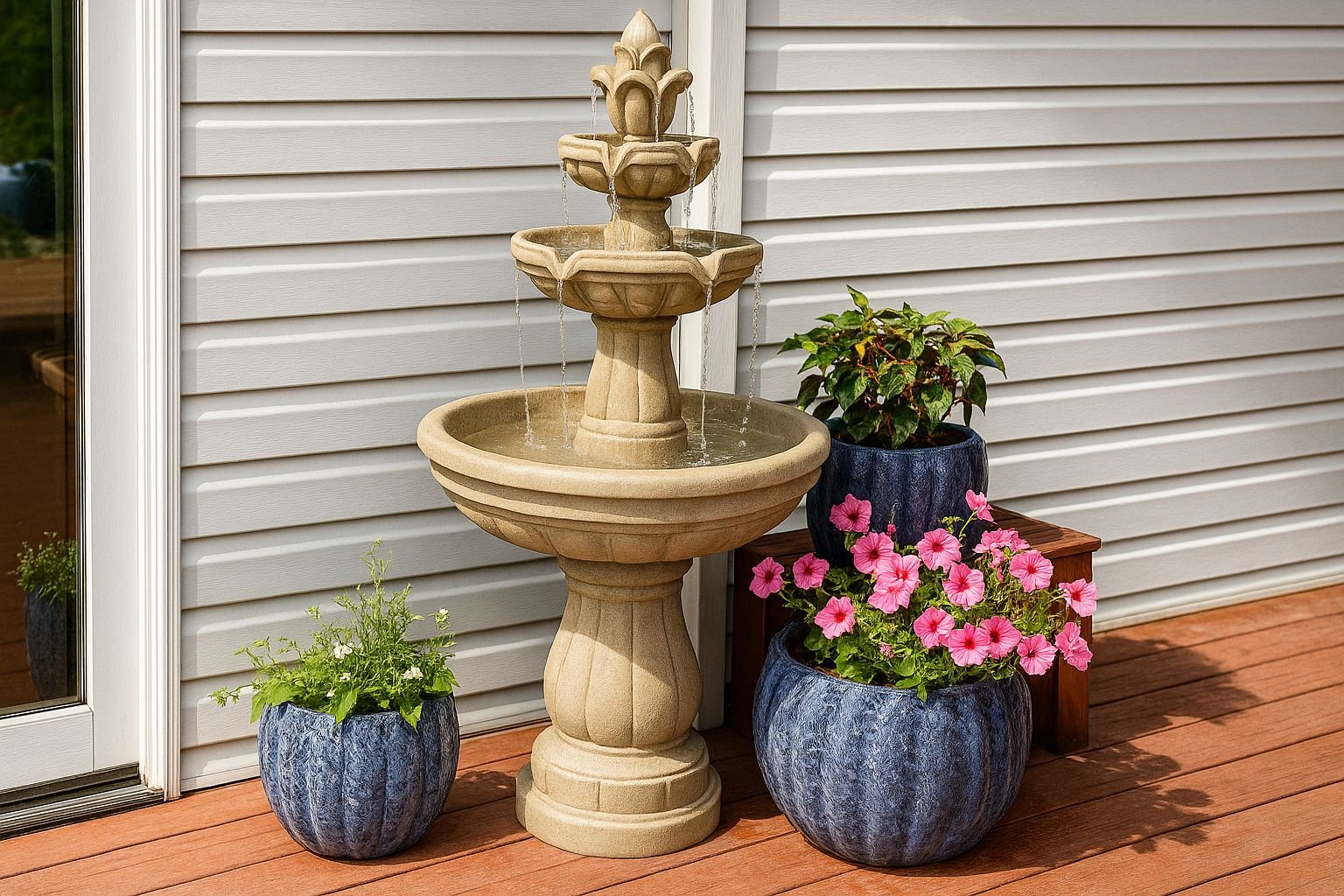
The comfortable living room that’s also relaxing represents the goal we’re all chasing. Comfortable means the physical space works well, furniture you can actually sit on, good lighting, proper temperature. Relaxing means the atmosphere makes you want to stay, makes stress fade, makes conversations flow easily. Both matter. Both deserve attention. A fountain addresses the relaxing side in ways that few other design elements can match. It creates ambiance automatically, without requiring any special effort or staging. Just turn it on and let it work.
The Benefits That Actually Matter
Wall fountains showing up more frequently in homes isn’t just trend following. There’s substance behind the growing popularity. People are discovering that fountains deliver real value, tangible benefits that improve daily life beyond just looking nice. The initial appeal might be aesthetic, but the reasons people keep fountains and recommend them to friends go much deeper. That sustained enthusiasm tells you something genuine is happening, some actual improvement in quality of life that makes the purchase worthwhile.
Becoming more notable among homeowners makes sense when you understand the full package of what fountains provide. They’re conversation starters that make your home distinctive. They’re functional elements that improve acoustic environments. They’re relaxation tools that help people decompress. They’re beautiful objects that serve as focal points. That combination of benefits from a single design choice is unusual and valuable. Most home decor either looks good or works well, rarely both at the same level fountains achieve.
The numerous benefits stack up in ways that surprise people who buy fountains thinking they’re just getting decoration. The visual appeal is obvious and expected. But then they discover better sleep because the water sound masks outside noise. They notice lower stress levels when they’re home. They realize conversations in that room flow more easily than before. Guests comment on how calm and inviting the space feels. These accumulated benefits add up to way more value than the price tag suggests.
Great choices for decorating should deliver on multiple levels, and fountains absolutely do. They check the visual box with their compelling looks. They check the functional box with sound masking and atmosphere creation. They check the uniqueness box by being uncommon enough to feel special. They check the conversation box by giving people something interesting to ask about. That multidimensional value is what separates truly great design choices from adequate ones. Fountains earn their place through layered contributions.
Astonishing and compelling looks grab attention first, and fountains definitely deliver on visual appeal. Water moving over surfaces creates effects that are genuinely mesmerizing. The patterns change constantly, never quite repeating, giving your eyes something interesting to follow. Light interacts with moving water in beautiful ways, creating shadows and highlights that shift throughout the day. That dynamic visual interest keeps fountains engaging over time instead of becoming background noise you stop noticing after a week.
Resembling natural waterfalls is the design principle most good fountains follow. They’re not trying to literally recreate nature, more like capturing its essence. The way water flows over stone, the sound it makes, the movement and life it brings to a space, all of that taps into something primal in us. We evolved around water sources. Being near water meant safety and resources. That ancient programming still affects us, still makes us respond positively to water sounds and movement even in modern living rooms far from any natural source.
Water cascading through rocks and boulders creates specific sensory experiences humans universally find appealing. There’s something about watching water navigate around obstacles, finding its path, creating temporary patterns that immediately shift and reform. It’s meditation inducing without requiring any effort or expertise. You can actively watch a fountain or let it be pleasant background. Either approach works. That flexibility in how you engage with it makes fountains successful for different people with different needs.
Being great to look at is nice, but fountains offer way more than just visual appeal. The sound component becomes the thing most people value most after living with a fountain for a while. That gentle, consistent sound of water moving becomes the acoustic foundation for your entire living space. It doesn’t cover other noises completely. It gives your ears something pleasant to focus on, and suddenly traffic noise and appliance hum and neighbor sounds bother you way less. That daily quality of life improvement justifies the purchase all by itself.
Eye candies that also serve real functions are rare in home design. Most things are either pretty or useful, not both at high levels. Fountains manage both, looking beautiful while actively improving your living environment. That dual nature makes them unusually valuable as design investments. You’re not choosing between form and function, between something that looks good and something that works well. You’re getting both in one package, which is pretty much the ideal in home decor.
Capable of providing benefits beyond aesthetics sets fountains apart from most home accessories. A vase just sits there looking pretty. A fountain creates an experience, changes the atmosphere, affects how people feel and behave in the space. That active rather than passive contribution to your room makes fountains more valuable than their cost suggests. They’re working for you every moment they’re running, improving your space in ways that compound over time.
Soothing natural sounds of flowing water affect humans on levels we don’t fully understand but definitely respond to. The sound triggers relaxation responses in our nervous systems. Heart rate slows. Breathing deepens. Muscle tension releases. These aren’t just feelings, they’re measurable physiological changes that happen automatically when we hear water sounds. Having that relaxation trigger built into your living space, available whenever you turn on the fountain, is genuinely powerful.
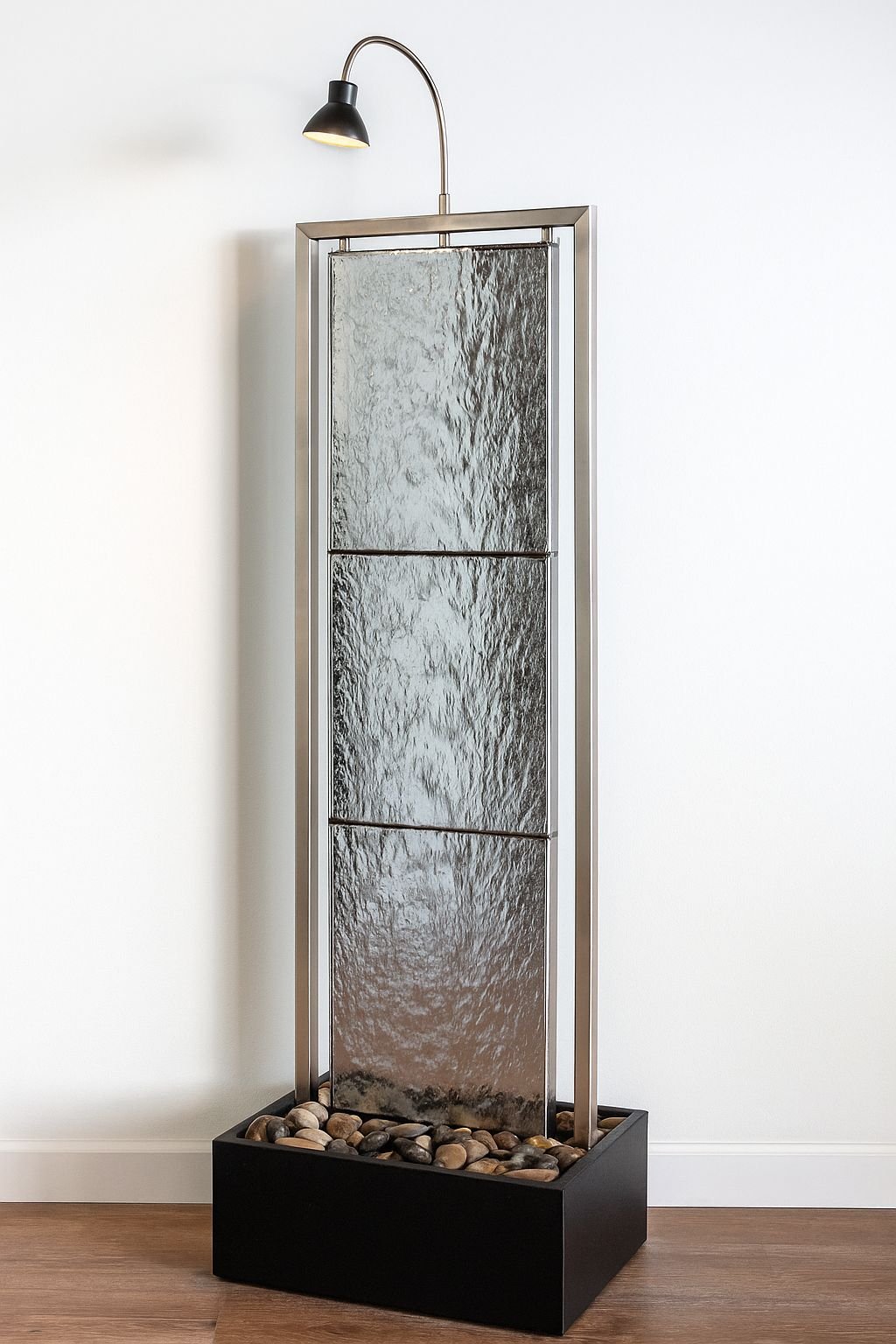
Providing relaxation to both mind and body is what makes fountains more than just decor. Your mind gets the aesthetic pleasure and the meditative quality of watching something beautiful and unpredictable. Your body responds to the sound with actual physical relaxation. That complete package affects people more profoundly than elements that only work on one level. I’ve watched stressed friends visibly decompress in our living room after we added a fountain, their whole demeanor shifting within minutes of settling in.
The Shopping Process Doesn’t Have to Hurt
Finding the perfect fountain for your home is actually easier than you’d think once you get past the initial overwhelm. The options available now span every conceivable style, size, material, and price point. That variety is both blessing and curse. Great because there’s definitely something out there that works for you. Challenging because sorting through all those options to find your perfect match takes some effort. But that effort pays off when you end up with exactly the right fountain instead of settling for close enough.
The difficulty isn’t actually that high once you know what you’re looking for. The problem is most people start browsing without a clear sense of their requirements. They just scroll through fountain websites hoping something jumps out at them. That approach can work, but it often leads to paralysis or impulse purchases that don’t quite fit your space. Taking time upfront to define what you need makes the shopping process way more focused and efficient. You’re filtering options instead of drowning in them.
Wide selections present in the market today mean you’re not settling. Budget tight? Affordable options exist that look surprisingly good. Have money to spend? High end pieces are available. Small space? Compact designs solve that problem. Large empty wall? Big fountains can fill it. Whatever your specific constraints and requirements, someone’s making a fountain that addresses them. That variety is genuinely helpful once you’ve narrowed down what matters most for your situation.
Currently in the market are more residential fountain options than have ever existed. The industry has grown dramatically over the past decade as more people discover how well fountains work in homes. That growth means better quality at every price point, more styles to choose from, and more competitive pricing. It’s genuinely a good time to be shopping for fountains if you’re willing to invest some research time upfront to understand what you actually need.
Sold in varying sizes is standard across most fountain product lines. A design you love probably comes in multiple size options, letting you match the fountain to your specific wall space instead of forcing one size fits all. That scalability is huge. You’re not stuck with “close enough.” You can get exactly the right size for your room proportions and your desired impact level. Proper sizing is what makes the difference between a fountain that fits and one that belongs.
Ranging from large to small gives you control over how prominent you want the fountain to be. Want it to dominate the room and be the obvious focal point? Go large. Want subtle ambiance that supports other design elements without competing? Choose smaller. Want something balanced that has presence but doesn’t overwhelm? Medium sizes exist for exactly that purpose. This range means you’re making intentional choices about the fountain’s role instead of just taking whatever’s available.
Selecting from a wide range of designs and styles is where personal taste comes into play. Modern, traditional, rustic, contemporary, zen, Mediterranean, the style options cover every aesthetic imaginable. Materials run from natural stone to copper to glass to resin. Finishes vary from matte to glossy. Water flow patterns differ, creating different visual and acoustic effects. That variety means finding something that actually matches your vision instead of compromising on style to get the size or price you need.
Styles of fountains available today span traditional to ultra modern and everything in between. You can find pieces that look like they belong in ancient gardens or ones that feel like contemporary art installations. That spectrum means fountains can work with virtually any home decor style if you choose appropriately. The key is matching the fountain’s aesthetic to your existing space instead of forcing something that clashes. When the styles harmonize, the fountain feels inevitable, like it was always meant to be there.
The designs you choose from affect more than just appearance. They affect maintenance requirements, sound quality, and long term durability. A fountain with lots of texture might sound better but be harder to clean. A minimalist design might be easier to maintain but offer less visual interest. These tradeoffs deserve thought before purchase. The most beautiful fountain in the world isn’t valuable if maintaining it becomes a burden you resent.
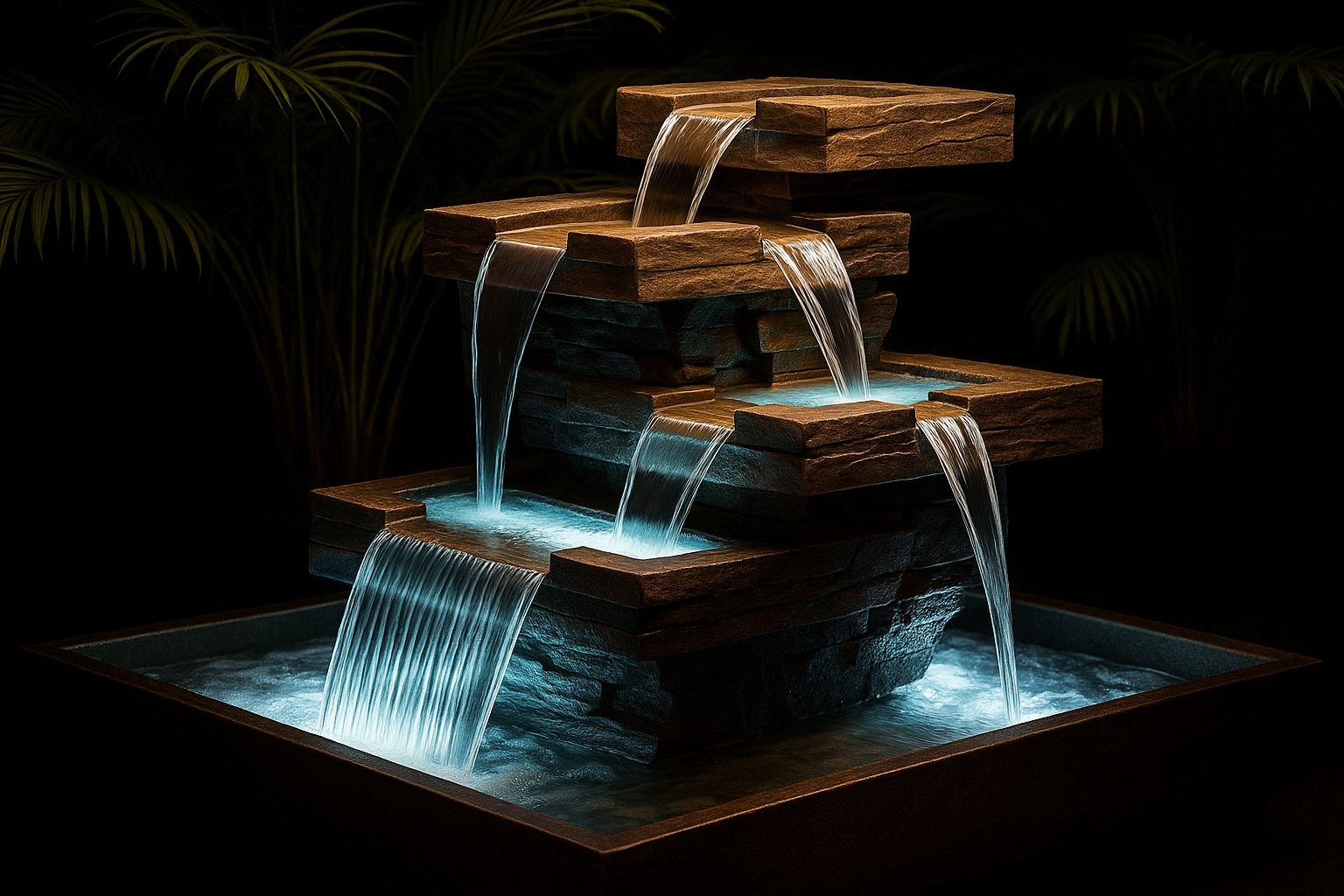
Getting the Selection Process Right
Keeping in mind what actually matters prevents expensive mistakes. I’ve bought home decor based purely on loving how it looked, only to discover it doesn’t work in my space. That lesson got expensive before I learned it. Now I start with requirements, with the practical constraints any purchase needs to work within. Only after defining those boundaries do I start falling in love with specific options. That order of operations is less exciting initially but way more effective at leading to choices I’m still happy with months later.
Personal preferences and home requirements both deserve attention, but they don’t deserve equal weight. Your preferences tell you what you like. Your requirements tell you what will actually work. When those conflict, requirements should win. You might love large copper fountains, but if your space can’t accommodate them or they clash with your existing decor, that preference doesn’t matter. Finding the overlap between what you want and what works is where good decisions happen.
Setting aside personal preferences first sounds backwards and maybe it is, but it prevents attachment to options that won’t work. If you start with preferences, you get emotionally invested in specific fountains and then try to justify why they’ll work despite obvious problems. If you start with requirements, you eliminate non starters regardless of how much you love them. Then from what’s left, preferences guide you toward choices that both work and appeal to you. That sequence leads to much better outcomes.
Paying more importance to other factors beyond just liking how something looks is smart strategy. Yes, aesthetics matter. But so do size constraints, budget limits, style compatibility, maintenance commitment, and acoustic preferences. All of these factors affect whether a fountain will actually succeed in your space long term. Ignoring any of them leads to problems. You need something that works on multiple levels, not just one or two.
Occupying huge amounts of space is a reality with some fountains that people underestimate. They look at dimensions and think it sounds manageable. Then the fountain arrives and suddenly their room feels crowded, furniture arrangements don’t work, walking paths become tight. Physical space includes not just wall space but projection into the room, visual space the fountain occupies, and acoustic space it fills. All these spatial factors need consideration before purchase to avoid unpleasant surprises.
Taking into consideration available floor space means measuring carefully and thinking about how people actually use the room. Where do you walk? Where does furniture need to be? How much clearance do you need for comfort? These practical questions have real answers that determine which fountains work and which don’t. Skipping this measuring and planning step leads to fountains that technically fit but create daily annoyances. The difference between fitting and working well is significant.
Available floor space and room size both affect which fountains make sense from proportion and balance standpoints. Small rooms need appropriately scaled fountains. Large rooms can handle bigger installations. Matching fountain size to room size creates harmony. Getting the proportion wrong makes everything feel off, even if you can’t articulate exactly what bothers you. Trust the proportion guidelines, measure carefully, and choose sizes that work for your space instead of just buying what looks coolest online.
Being sure about furniture compatibility prevents aesthetic clashes that undermine your whole design. Your fountain and your furniture need to coexist peacefully. They don’t need to match exactly, some contrast is good. But they need to share enough aesthetic DNA that they feel like they belong together. A fountain that fights with your furniture creates visual tension that’s uncomfortable every time you’re in the space. Integration beats contrast when it comes to major additions like fountains.
Picking the right fountain requires evaluating how different options relate to what you already have. Look at your furniture’s style, materials, colors, lines, and overall vibe. What fountain characteristics would harmonize? What would clash? Sometimes you’ll find that certain fountain options would require changing other elements to make the room work. That’s fine if you’re willing to do it. If not, be more selective about fountains that work with your current setup.
Complementing other furniture present in your home creates the cohesion that makes spaces feel designed rather than random. When elements relate to each other in obvious ways, the room feels intentional and pulled together. When pieces seem disconnected, the space feels chaotic or thoughtless. Your fountain should feel like part of a plan, like discovering it was the final puzzle piece that makes everything else make sense. That level of integration takes thought and sometimes restraint about passing on options you love that don’t fit.
When Everything Finally Makes Sense
Wall water fountains serving as perfect choices for improving interior design isn’t just sales talk. They genuinely occupy a unique position in home decor. Not quite furniture, not quite art, not quite accessory, they’re elements that work with all those categories without competing directly against any of them. That hybrid nature is part of what makes them so effective at pulling rooms together. They don’t demand to be the only star. They create a stage that everything else performs on.
A perfect choice to improve your home means something that delivers multiple benefits from one decision. Fountains do exactly that. Visual focal point, acoustic environment improver, conversation starter, relaxation facilitator, unique element that differentiates your space from everyone else’s. That’s substantial value from a single purchase. When you calculate cost per benefit rather than just looking at price, fountains become obvious investments.
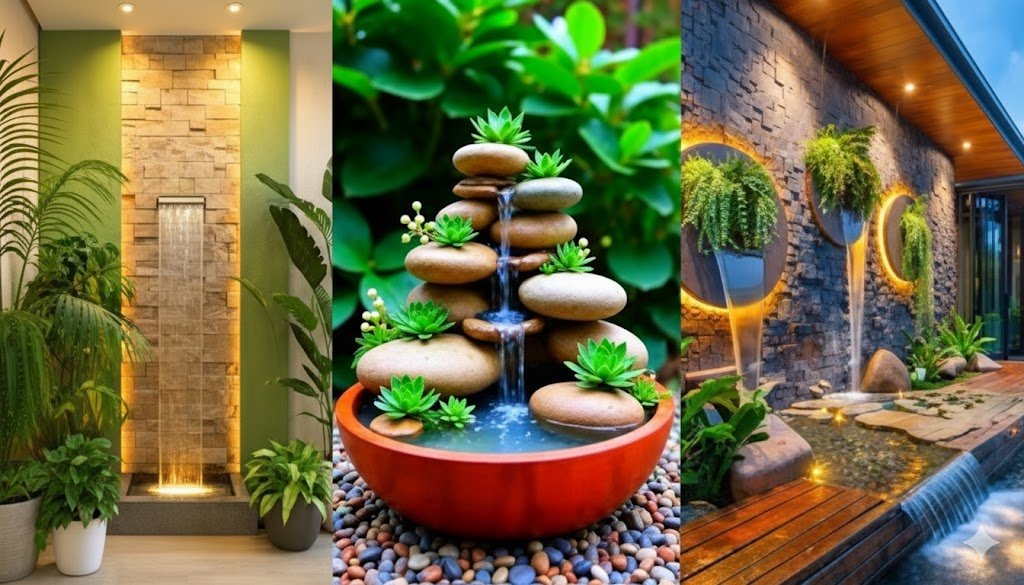
Home interior design that actually works long term comes from choices that serve real purposes beyond just filling space or following trends. A fountain positioned well in a living room does serious work every day. It makes the space more comfortable and inviting. It gives people something interesting to look at and talk about. It helps you relax after stressful days. It impresses guests without being showy. Those practical, daily benefits justify the purchase beyond just aesthetics.
Water fountains creating atmosphere happens automatically without requiring special effort or staging. Turn on the fountain and within minutes the entire feel changes. The sound fills the space with something calming. The movement gives eyes a resting point. The overall vibe becomes more peaceful and welcoming. That atmospheric transformation is what makes fountains such satisfying additions. You don’t have to work to make them effective. They just work by existing and running.
Distinct natural ability to affect spaces is built into any water feature. We’re hardwired to respond positively to water. It represents life and safety and resources on deep evolutionary levels. That programming doesn’t disappear in modern homes with indoor plumbing. Add water to a room and people respond to it automatically, often without consciously realizing why they feel more comfortable. The fountain becomes an anchor that makes the whole room feel more inviting.
Providing relaxed and calming ambiance is what fountains do best. You don’t need elaborate rituals or perfect conditions. Just turn it on and let the water work its magic. The sound and sight of water moving creates effects your nervous system responds to automatically. Tension releases. Breathing slows and deepens. Mental chatter quiets. These changes happen without conscious effort, which is part of what makes fountains so valuable. They work on you even when you’re not actively paying attention.
Any home benefiting from fountains is the reality more people discover each year. You don’t need a mansion or unlimited funds. You don’t need perfect taste or design training. You just need a space that could use atmosphere improvement and willingness to try something different. Fountains scale to fit different situations, different budgets, different styles. The benefits they provide work regardless of whether your home is a studio apartment or sprawling house.
Coming in many forms means finding solutions that fit your specific needs. Wall mounted, freestanding, tabletop, floor standing, each type serves different purposes and works in different situations. You’re not locked into one approach that might not fit your space. You’re choosing the form factor that makes sense for your constraints and goals. That flexibility makes fountains accessible to many different types of homes and homeowners.
Different sizes ranging from large to small give you precision in matching fountain to space. You’re not rounding to the nearest available size or settling for close enough. You can get exactly what your wall and room require. That precision matters when making a significant purchase and permanent addition. Getting the size exactly right is the difference between adequate and perfect, between a fountain that fits and one that belongs completely.
The important thing about choosing fountains is balancing all these factors instead of fixating on just one. Size matters, but so do style and budget and maintenance. Personal preference matters, but so do practical requirements. Visual appeal matters, but so does acoustic quality. The fountains that work best long term are the ones chosen through considering all these elements together, finding options that satisfy multiple requirements instead of just one or two. That holistic selection process leads to fountains you’ll still love years after installation.

Leave a Comment