
Why Your Living Room Needs to Impress (Whether You Admit It or Not)
Look, we can play pretend all day long about not caring what other people think. We can tell ourselves we decorate purely for our own enjoyment. But the second someone walks into our house and goes “whoa,” we light up like Christmas morning. That’s just being human. There’s no point in denying it.
Homeowners pour time and money into making our spaces look good for a reason. We’re not crazy. We’re not shallow. We just understand that where we live says something about who we are. When guests walk through our door and their eyes go wide? When they compliment something we picked out? That validation hits different. It confirms we made good choices. That all those hours comparing paint samples weren’t wasted.
The satisfaction we feel from positive reactions is totally legitimate. I hosted a game night a while back and one person arrived early. She stepped into my living room and literally gasped. Not a polite “oh, this is nice” comment. An actual involuntary gasp. Then she stood there taking it all in before saying anything. That moment right there? That’s what makes homeownership worth the hassle.
Getting that nod of approval from visitors matters more than we usually admit. These people aren’t obligated to like our homes. They’re not getting paid to compliment our decorating. When they genuinely react to something we’ve done, it’s real. It’s honest feedback that we created something worth noticing. That kind of validation sticks with you.
Imagine walking someone through your front door and watching their expression change. Their eyebrows go up. Their mouth opens slightly. They stop moving for just a second. That’s the reaction we’re chasing when we invest in our homes. That moment of genuine surprise and appreciation.
A beautiful fountain mounted on your wall creates exactly that response every single time. People still aren’t used to seeing indoor water features in residential spaces. They expect them in hotels or fancy office buildings. When they encounter one in a regular home, it catches them completely off guard. That surprise amplifies their positive reaction tenfold.
Seeing guests amazed never gets old. Not polite impressed. Not fake enthusiasm. Actually amazed. The kind of reaction where they ask questions and want to know more. Where they remember your house specifically when they think back months later. That’s the stuff that makes decorating feel worthwhile instead of like just another chore.
The pleased reactions we get from visitors validate our efforts in ways that matter. You spent hours choosing that couch. Days thinking about paint colors. Weeks second guessing every decision. When someone walks in and immediately recognizes that effort with genuine appreciation? That’s payoff. That’s the reward that makes the stress and indecision bearable.
Our home’s interior design communicates before we say a word. A thoughtfully designed space tells visitors we value our environment. We care about beauty. We’re willing to invest in quality of life. These messages register subconsciously. They affect how people perceive us even if they don’t consciously think about it.
Feeling proud of our homes is a underrated emotion. Homeownership dumps a lot of stress on us. Repairs. Maintenance. Unexpected expenses. That pile of mail from the HOA. The pride we take in our spaces is what balances out all the negatives. It’s what makes owning instead of renting feel worth it.
When visitors express genuine admiration for our homes, they’re really showing respect for us. For our taste. Our decision making. Our ability to create something beautiful. That respect matters in relationships. It influences how people see us and think about us. Pretending it doesn’t is just lying to ourselves.
The living room carries weight that other rooms don’t. It’s the first space most people see when they enter. The place where initial impressions form and solidify. The room that becomes shorthand for your entire house in someone’s memory. Getting the living room right is getting your home’s public face right.
This is the place where entertaining happens. Where guests spend their time. Where conversations unfold and memories get made. If this room doesn’t work, nothing else really matters. You could have the most amazing bedroom in the world, but guests will never see it. The living room does the heavy lifting for your home’s reputation.
Guests and visitors start judging within seconds of walking through your door. Research says it takes about seven seconds for someone to form a first impression. Seven seconds. That’s all the time you get. The living room needs to deliver something memorable in those crucial first moments or the opportunity is gone.
The first area people encounter sets the tone for their entire visit. If they walk in and think “wow, this is special,” they’re primed to enjoy themselves. They relax. They settle in. They’re ready to have a good time. If they walk in and think “meh, this is fine,” you’re starting from behind. Everything after has to work harder to create a positive experience.
Making an instant impression requires a focal point. Something that immediately grabs attention and says “this space was intentionally designed.” Without that anchor, rooms just feel like random collections of furniture. Like someone bought stuff and put it wherever it fit. A fountain becomes that focal point without even trying.
Investing effort into designing our living rooms makes pure financial sense. This is the room that gets the most use. The room that matters most for how our home is perceived. Spending money on a guest bedroom that sits empty 360 days a year? That’s backwards. Put your resources where they’ll actually make a difference.
The living room needs more than just furniture to feel complete. The couch and chairs and coffee table are just the foundation. They’re necessary but not sufficient. A room with only furniture feels unfinished. Like you handled the basics and then ran out of steam before adding any personality.
Furniture is definitely the main attraction. The big pieces that anchor the space and define its basic function. But if that’s all you’ve got? The room never transcends functional to become memorable. It stays in that middle ground of “fine but forgettable.”
Taking accessories and decorations seriously is what separates good rooms from great ones. These smaller elements add personality. They make the space uniquely yours. They show you didn’t just buy a living room set and call it done. You actually thought about creating an environment worth spending time in.
Better home interior design doesn’t require starting from scratch. Sometimes one really strong addition transforms everything that’s already there. Makes it all click together in ways it didn’t before. A fountain can be that transformative element. The piece that makes people see your whole room differently.
The Comfort Equation Everyone Gets Wrong
Having a well designed living room is great. Really. But if people can’t actually relax there? You missed the entire point. A beautiful room that feels like a museum display isn’t serving its purpose. Living rooms need to be livable. Comfortable. Places where people genuinely want to spend time.
Not enough is said about this comfort factor. We’re constantly bombarded with images of perfect rooms. Every angle optimized. Every surface styled. Everything coordinated down to the last throw pillow. They look amazing in photos. But would you want to actually hang out there? Would you dare put your feet up? The answer is usually no.
Another thing to think about is how spaces feel, not just how they look. You can nail every visual element. Perfect color scheme. Furniture that photographs beautifully. Lighting that creates the right mood. But if the room has bad energy? If it feels stiff or cold or unwelcoming? People won’t want to be there. They’ll find reasons to leave or suggest moving to a different room.
Designing for comfort alongside beauty is the real challenge. Making something look good is relatively straightforward. Making something comfortable is easy. Doing both at the same time? That takes actual thought and planning. You can’t just wing it and hope the pieces fall together.
Making the space relaxing and comfortable for guests is simpler than making it impressive. Soft seating that actually supports people. Temperature control that keeps everyone comfortable. Lighting that doesn’t give anyone a headache. These aren’t complicated requirements. They just require thinking about how people will actually use the space.
One smart way to add relaxation is through sound design. Most people never consider the auditory environment of their rooms. They obsess over how things look. Maybe think about scent with candles or diffusers. But sound? That usually happens by accident. The hum of appliances. Traffic noise bleeding in from outside. The harsh echo of voices bouncing off hard surfaces.
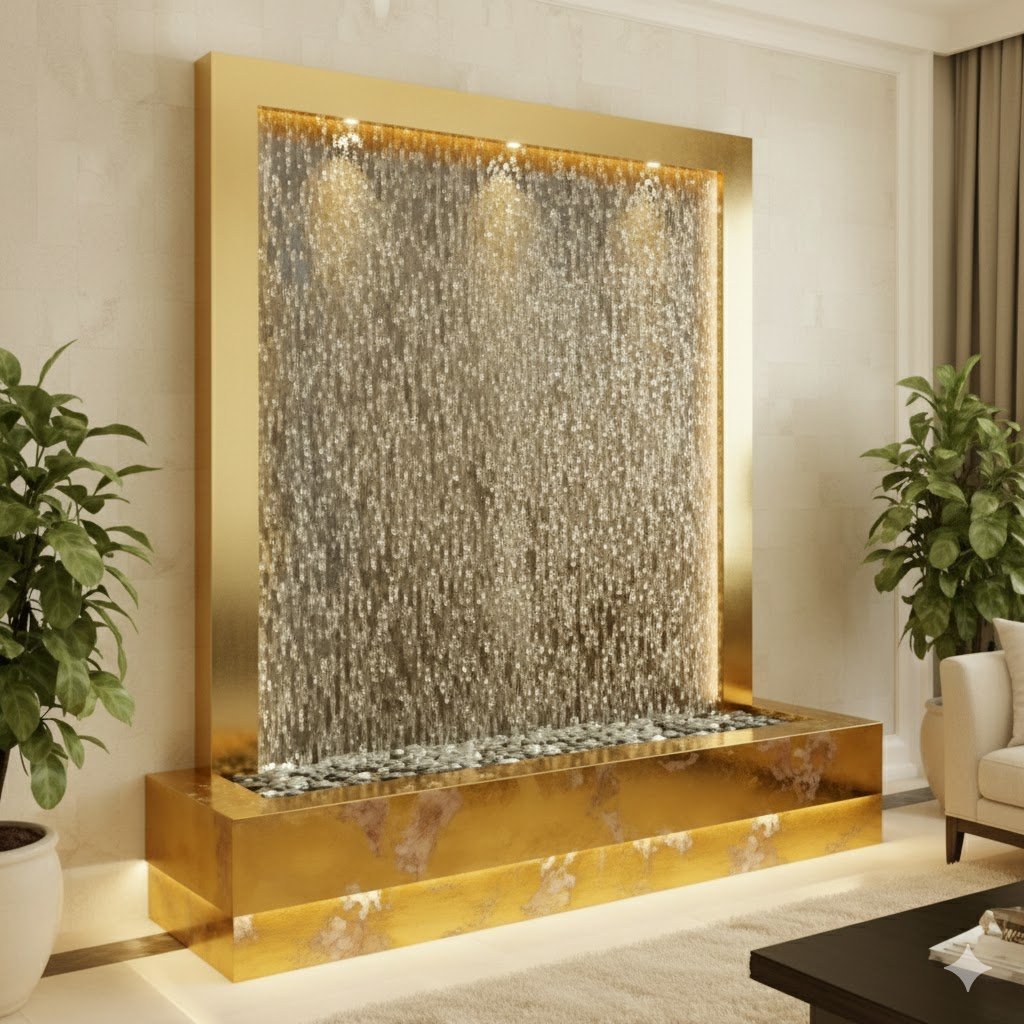
Placing a wall water fountain addresses the sound issue directly. It looks good, sure. That’s obvious. But the real magic is what it does for your ears. That gentle trickling water creates an auditory environment that’s naturally calming. People relax without understanding why. Their nervous system just responds to the pleasant sound.
Wall fountains change a room’s feel the moment you turn them on. Not gradually. Not over time. Immediately. The water sound fills empty auditory space. The movement adds life to what was static. The whole energy of the room shifts from ordinary to special in the time it takes to flip a switch.
Instantly turning your living room into something better is possible with the right addition. You don’t need to redo everything. Don’t need to start over. Sometimes one well chosen element makes everything else you already have look better. Work smarter, not harder.
More relaxing spaces don’t have to be boring. That’s a myth that needs to die. Some people think relaxing automatically means bland. Beige walls. Safe choices. Nothing interesting happening. That’s wrong. You can have bold colors and dynamic elements while still creating an environment that helps people unwind.
Comfortable doesn’t mean forgettable. Some of the most memorable rooms I’ve been in were also the most comfortable. They had personality and style. They just didn’t sacrifice comfort to achieve it. That balance is what we should all be aiming for.
One smart addition can shift everything. You’re not looking to redo your entire living room. You’re looking for that one piece that makes everything else make sense. That ties the room together. That completes what you’ve already started. For a lot of people, a fountain is that piece.
Living rooms serve multiple competing purposes. They need to impress visitors. They need to be comfortable for daily use. They need to work for different activities. Balancing these requirements is tricky. A fountain helps by adding sophistication without sacrificing any of the comfort or functionality.
The relaxing feel comes from creating positive experiences, not just removing negative ones. You can eliminate every annoying thing from a room and still end up with something that feels sterile and uncomfortable. You need to add pleasant elements. Things that actively contribute to wellbeing. The fountain does that naturally.
Our living rooms should feel like retreats. Places we actually want to be instead of places we just end up. Not showrooms we’re afraid to mess up. Not storage areas for furniture we don’t really like. Actual spaces that support our wellbeing and make daily life measurably better.
Wall water fountains create atmosphere immediately. They’re not subtle background elements you might notice eventually. They make themselves known right away through sight and sound. But they do it in ways that add value instead of creating distraction or annoyance.
Making rooms people remember takes thought. Generic furniture and predictable layouts blur together. Nobody remembers the tenth beige living room they’ve seen. They remember the one with the fountain. The one with something unexpected and special. That distinctive element becomes how your space lives in people’s memories.
The Wall Fountain Trend Actually Makes Sense
Wall fountains are everywhere suddenly and it’s not random. They’re solving real problems that homeowners actually face. Limited space. Lack of natural elements in modern homes. Boring blank walls that don’t do anything interesting. One fountain tackles all of these issues at once.
More homeowners are figuring out what early adopters knew years ago. Indoor fountains aren’t just for commercial spaces anymore. They work in actual homes. In normal rooms. For regular people living regular lives. Once that realization spreads, the market explodes. Which is exactly what happened.
Many people are discovering the multiple benefits these things provide. Not just decoration. Not just one feature. Multiple advantages from a single purchase. Better humidity. Improved air quality. Natural sound masking. Visual interest that never gets old. Measurable stress reduction. That’s a compelling value proposition.
The benefits add up over weeks and months into real quality of life improvements. Day one you notice it looks nice and sounds peaceful. Week two you realize you’re sleeping better. Month three you notice you’re less tense when you’re home. These cumulative effects make the investment worthwhile many times over.
Fountains like wall mounted and tabletop models offer flexibility that outdoor or floor fountains can’t match. You’re not locked into one permanent location. Wall fountains can move to different walls if you want to change things up. Tabletop models can go anywhere. That flexibility makes the decision feel less risky. Less permanent.
The ideal choice for decorating varies by individual situation. What works perfectly in one home might completely fail in another. Wall fountains succeed for most people because they adapt. They come in enough varieties that finding something appropriate for your specific space isn’t difficult. The hard part is choosing between multiple good options.
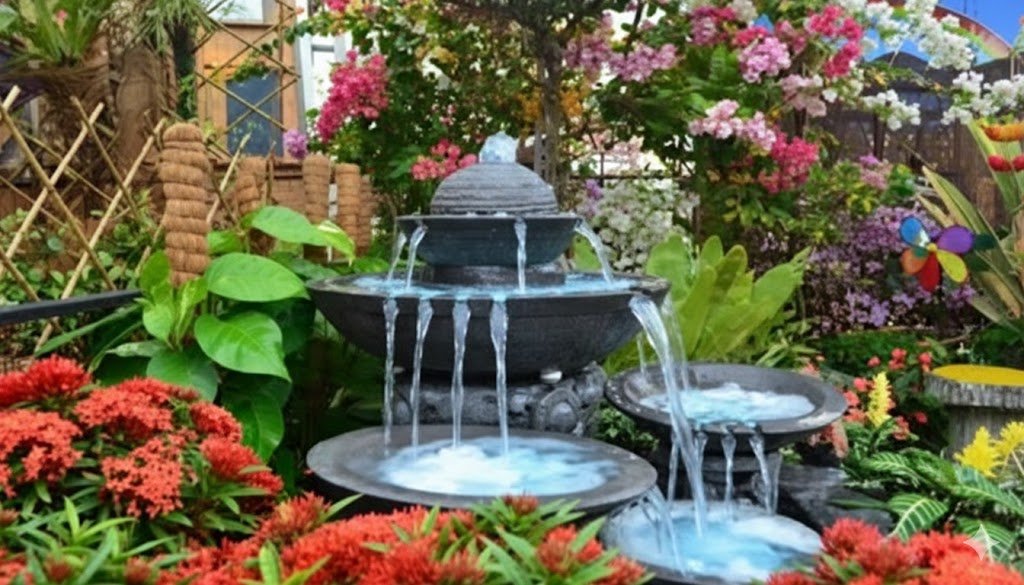
Our living rooms benefit most from fountains for a simple reason. That’s where we actually spend our time. A fountain in some formal room you use twice a year provides almost no value. A fountain in the living room where you hang out every single day pays returns constantly.
The astonishing and attention grabbing description sounds like marketing hype until you see it in action. People really do stop and stare when they first see a fountain. The movement catches their peripheral vision. The sound makes them pause whatever they were doing. The whole experience engages them in ways that static decor simply cannot.
Attention grabbing looks happen because of how human brains are wired. We’re biologically programmed to notice water. For millions of years, finding water meant survival. That programming is still there. A fountain triggers those ancient instincts. Uses them to create engagement without any effort on your part.
They look like natural waterfalls in the ways that actually matter. Obviously not in scale. Your living room fountain isn’t Niagara Falls. But the essential qualities are there. Water flowing downward. The sound it creates. The visual rhythm of constant movement. Our brains recognize these core elements and respond the same way they do to actual waterfalls in nature.
Water cascading through rocks creates patterns that fascinate us endlessly. Each moment is both predictable and unique. The overall flow is consistent but the specific details are always different. That combination of order and randomness is what keeps our attention. We can watch it indefinitely without getting bored.
Rocks and boulders paired with water trigger something deep in our psychology. These elements defined human environments for millions of years. Seeing them together feels correct on a level we don’t consciously process. The fountain taps into that ancient familiarity and creates comfort through recognition.
Waterfalls have universal appeal that crosses all cultural boundaries. You can show flowing water to anyone anywhere on Earth and they respond positively. That kind of universal aesthetic agreement is rare. Most preferences vary by culture and time period. Water features somehow transcend those differences.
Looking great is just the starting point for what fountains do. If they only provided visual appeal, they’d be expensive art and nothing more. But they deliver more. The multi sensory experience is what makes them valuable. Your eyes engage with movement. Your ears with sound. Your skin even picks up humidity changes.
Being visually appealing is baseline that fountains clear without effort. Water flowing is inherently beautiful. You’d have to actively try to make an ugly fountain. The challenge isn’t making it look good. It’s deciding which good looking option fits your space and style best.
Beyond looks, fountains work constantly in the background. Humidifying dry indoor air. Covering up annoying environmental sounds. Creating white noise that improves focus and concentration. Providing something to look at when you need to zone out for a minute. All of this happens automatically.
The soothing sounds of water affect human biology in measurable ways. This isn’t wishful thinking or placebo effects. Research confirms it. Water sounds lower stress hormone levels. Reduce blood pressure. Slow heart rate. These are real physiological changes that improve your health just from being in the room.
Flowing water creates an auditory environment that supports wellbeing. Instead of silence interrupted by annoyances, you have pleasant sound that masks problems. Instead of harsh noises that spike your stress response, you have gentle sounds that promote calm. That difference compounds over time.
Relaxation for mind and body together is rare from something passive. Most relaxation techniques require active participation. You have to do meditation. You have to practice yoga. You have to focus on breathing exercises. A fountain just gives you the benefits automatically. Exist near it and good things happen.
Finding Your Fountain Without Analysis Paralysis
Finding the perfect wall water fountain doesn’t need to be overwhelming. Yes, there are tons of options out there. But that’s actually good news. It means you can find something that actually fits your needs instead of settling for whatever happens to be available.
Easy might not be the right word exactly. Shopping for anything with endless options can be exhausting. But compared to other home improvement projects, this is straightforward. No contractors to coordinate. No construction mess to deal with. No permits to pull. You’re buying one thing and hanging it up. That’s it.
There are wide selections available now that didn’t exist a decade ago. The fountain market grew from a tiny niche into something mainstream. That growth created variety for buyers. Different styles for different tastes. Different materials for different looks. Different sizes for different spaces. Different prices for different budgets.
Wide selections work in your favor if you approach them strategically. Don’t just start scrolling and hope something jumps out. Set your criteria first. What size range works for your space? What’s your realistic budget? What style matches your existing decor? Those filters eliminate most options immediately. Then you’re choosing between realistic candidates.
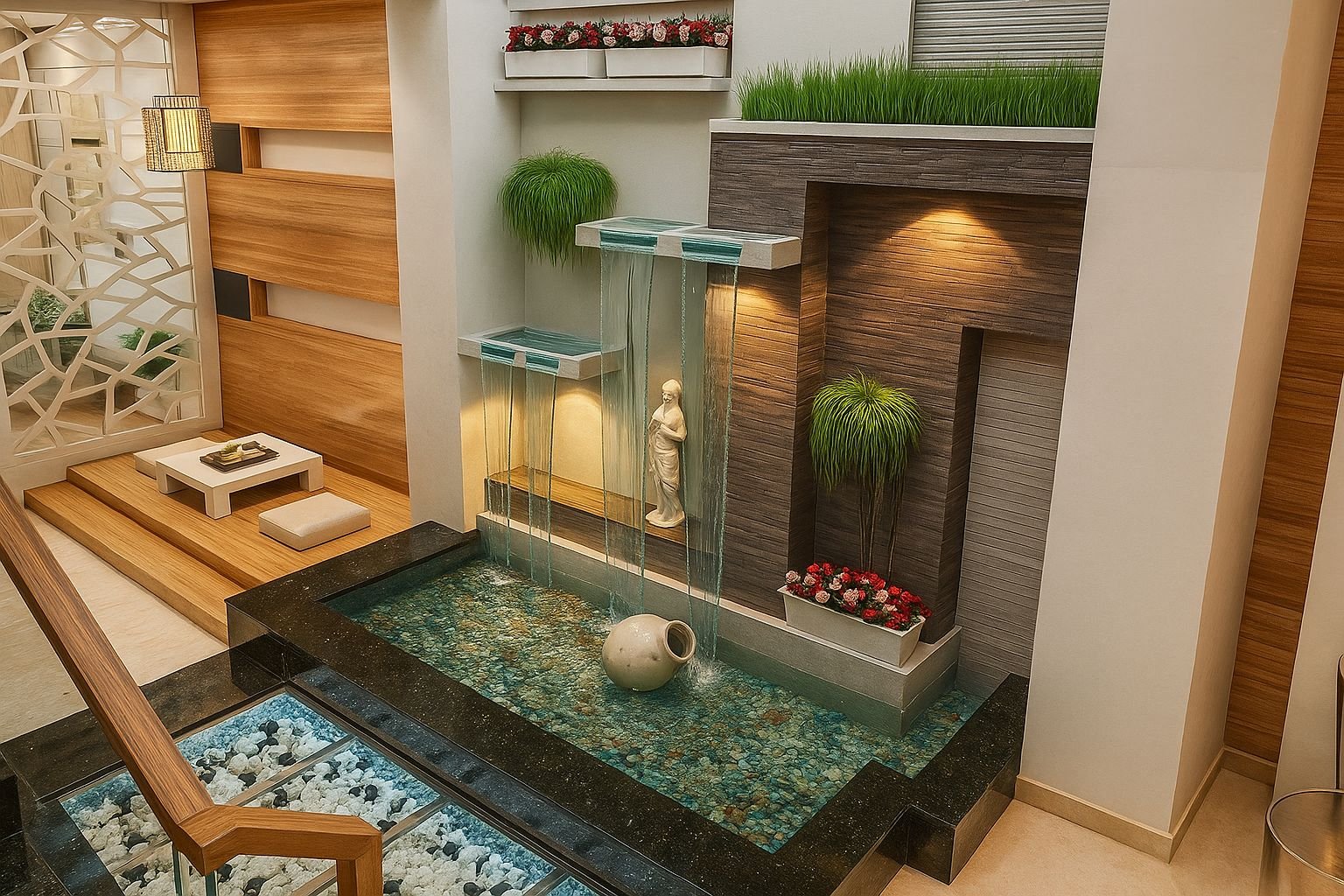
Wall fountains on the market now cover every aesthetic you can imagine. Traditional designs that evoke outdoor fountains. Modern minimalist panels. Artistic sculptural installations. Natural rock formations. Geometric contemporary pieces. Whatever visual language speaks to you, someone has probably made a fountain in that style.
Different sizes solve the space constraint that used to keep fountains exclusive to large homes. Got a small apartment? Compact fountains exist for that. Have a big house? Massive fountains exist for that. Normal home with normal sized rooms? Plenty of appropriately scaled options. The fountain adapts to your reality.
Large fountains to smaller ones means you’re not forcing something into your space. You’re finding the thing that was designed for spaces like yours. That fit matters more than almost any other factor. The most beautiful fountain ever made looks terrible if it’s the wrong size for your room.
Large fountains make statements that become defining features of your home. Everyone notices them right away. They dominate the wall. They become what people remember about your house. If you want that kind of impact, go big. Just make sure your space can actually handle it.
Smaller sized options work better in intimate spaces where large fountains would feel oppressive. A massive fountain in a small room overwhelms the space instead of complementing it. Smaller fountains maintain proper proportions. They add interest without crowding or dominating.
We can choose from ranges that cover every design language. Modern. Traditional. Transitional. Rustic. Industrial. Bohemian. Minimalist. Maximalist. The fountain industry figured out that one size genuinely doesn’t fit all. They created products for different aesthetic preferences.
A wide range of designs means you’re selecting what actually appeals to you personally. Not settling. Not compromising. Getting what you want. That matters for long term happiness. You’ll see this fountain every day. It should be something you genuinely like looking at.
Designs and styles keep expanding as the market matures and innovates. Creative designers keep experimenting. Trying new materials. New configurations. New approaches. That innovation benefits buyers directly. More interesting choices. More ways to express your style. More options that didn’t exist last year.
These fountains come in different materials that affect both looks and maintenance. Stone requires different care than metal. Glass shows every water spot. Each material has pros and cons. Understanding these helps you choose what fits your lifestyle, not just what looks best in product photos.
Available options right now include something for every budget level. Entry level fountains under a hundred dollars. Mid range options for a few hundred. High end custom pieces for thousands. Good quality exists at all price points. You don’t need to spend a fortune to get something worthwhile.
The market expanded because demand increased and companies responded. More people wanted fountains. Manufacturers made more products. That competition keeps prices reasonable and quality high. You’re shopping in a mature market with real choices. That’s good news for buyers.
Making Decisions You Can Live With Long Term
In deciding on wall fountains, you need to balance what you want with what actually works in reality. Fantasy meets practicality in the decision making process. The goal is finding overlap between “this appeals to me” and “this fits my actual space and life.”
We need to consider personal preferences because they genuinely matter. Your home should reflect your taste. Should make you happy when you look at it. A fountain you don’t actually like but bought for practical reasons? That’s a mistake you’ll regret seeing every single day.
Our home requirements create boundaries we have to work within. The size of your space isn’t changing. The strength of your walls is what it is. Electrical outlets are where they are. These factors are fixed. You adapt your choices to them rather than wishing they were different.
It makes sense to prioritize practical concerns over aesthetic ones initially. Get the basics right first. Make sure the fountain will actually fit and function in your space. Then narrow down based on which options you like best visually. That order prevents falling in love with something that won’t work.
We should pay attention to room dimensions more than we naturally want to. You might love a huge impressive fountain. But if your room is small, that fountain will make the space feel cramped and overwhelming. Trust the tape measure even when your heart wants something bigger.
Several aspects of your living room need honest assessment before buying anything. Available wall space. How people move through the room. Sight lines from where people sit. Where your outlets are. How much natural light you get. Each factor affects which fountains will work and which won’t.
More than just personal taste should guide the decision. Your preferences matter. But they should operate within practical constraints. Otherwise you risk buying something you love that doesn’t work in your space. Better to love something practical than tolerate something that fits.
These fountains need space beyond their physical dimensions. Clearance around them for air circulation. Room for people to view them from a distance. Space for sound to travel without being muffled. Thinking three dimensionally about space prevents surprises after installation.
A huge amount of space is relative to your specific situation. What’s huge in a studio apartment is tiny in a mansion. Focus on your actual room with its actual measurements. Don’t compare to photos you see online. Those rooms might be completely different sizes.
Being mindful of floor space matters if you’re considering floor fountains. Wall fountains bypass this issue completely. They use vertical space that was probably just blank wall before. That’s partly why wall fountains became so popular. They work where floor models wouldn’t.
The size of your living room determines appropriate fountain size more than anything else. Proportional fountains look intentional. Disproportionate ones look like mistakes. When you’re uncertain, go slightly smaller rather than larger. It’s easier to wish it was bigger than deal with one that overwhelms the space.
We need to be confident in our choice before pulling the trigger. That confidence comes from doing homework. Measuring carefully multiple times. Researching options thoroughly. Reading actual user reviews. Maybe seeing fountains in person if possible. The more certain you are, the happier you’ll be afterward.
Selecting the right fountain means matching it to your actual situation. Not the coolest fountain. Not the trendiest one. The one that works for your specific space, your style, and your real life. That matching process takes effort but pays off in long term satisfaction.
Effectively complementing other furniture means choosing something that relates to what you already have. Complementing doesn’t require matching exactly. It requires creating relationships. Your fountain can echo colors in your couch. Or provide contrast to your coffee table. Both approaches work.
The other furniture in your home creates context the fountain will join. You’re not working with a blank slate. Existing furniture isn’t going anywhere. The fountain needs to play well with what’s already there. To feel like it belongs instead of like it was randomly dropped in.
Your specific home with its unique characteristics is what matters. Generic advice only gets you so far. Think about your particular situation. Your space. Your style. Your actual daily life. The perfect fountain for someone else might be completely wrong for you.
The One Addition That Actually Completes Your Space
A smart way to complete home design is adding something that makes everything else click. That makes the space feel finished instead of just furnished. A wall water fountain does exactly that. It’s the final punctuation mark. The last piece that says “this room is done.”
Complementing and finishing without overdoing it is the balance to strike. You want impact without going overboard. Interest without chaos. Completion without clutter. Finding that sweet spot separates thoughtful design from trying too hard.
The finishing touch should feel inevitable once it’s in place. Like it was always meant to be there. Like the room was incomplete before and now it’s whole. When you nail it, visitors can’t imagine the room without that element. It becomes inseparable from the space itself.
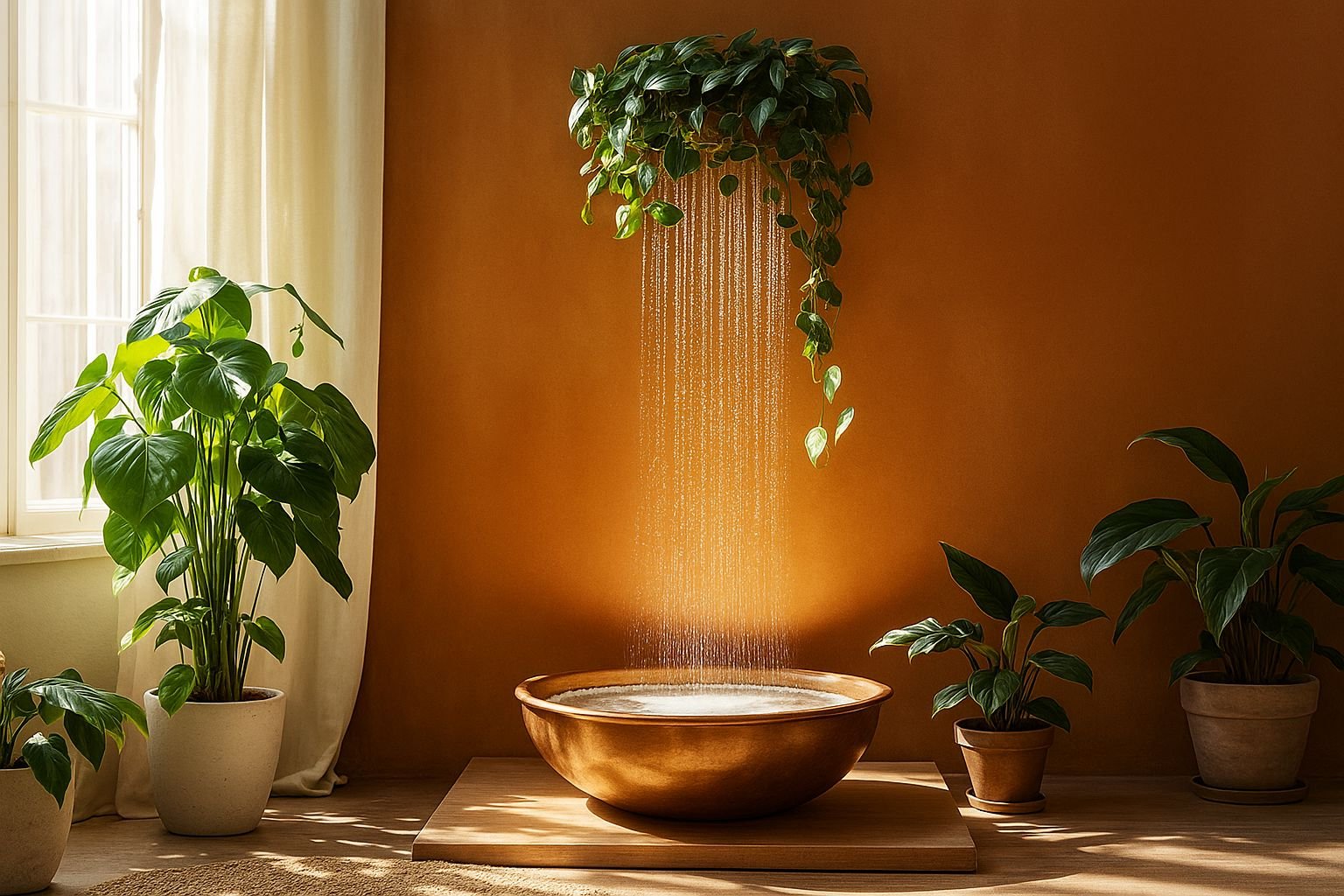
Placing a wall water fountain is simpler than most home improvements. No construction work. No contractors to schedule. No mess to clean up afterward. You’re hanging something and plugging it in. That ease removes barriers. You can go from idea to installed in a single afternoon if you want.
Our living rooms get the most benefit from fountains for obvious reasons. That’s where we actually live. Where we spend our time. Where we relax and entertain and exist. Improving that space improves daily life in tangible measurable ways. That’s different from improving some room you barely use.
These water fountains pack multiple benefits into one purchase. You’re not buying separate solutions for separate problems. One fountain handles sound improvement. Air quality. Visual interest. Focal point creation. Ambiance enhancement. That efficiency is satisfying for people who want maximum value from their investments.
Their natural appeal makes fountains work in almost any style of home. They’re not locked to one specific aesthetic. A fountain can fit modern spaces. Traditional spaces. Eclectic spaces. The water element is universal enough to adapt to different styles. That versatility provides insurance against future design changes.
Natural and charming appeal comes from water doing what it naturally does. Nothing artificial about it. Nothing forced or fake. Just gravity and water working together like they have for billions of years. That authenticity prevents fountains from ever feeling gimmicky or dated. They’re tapping into something fundamental and timeless.
Charming is the right word for how fountains affect spaces. They have this quality that makes rooms feel warmer and more inviting. More personal and less generic. That charm is subtle but powerful. Hard to define but easy to recognize when you experience it.
Adding more peaceful environments to any home becomes possible with the right fountain. Doesn’t matter what your starting point is. Chaotic busy house? Fountain adds calm. Boring bland house? Fountain adds interest. Stressful tense house? Fountain adds peace. It improves whatever you’re working with.
More relaxed and tranquil feelings happen automatically once you turn the fountain on. You don’t work at creating the mood. Don’t maintain the atmosphere. The fountain handles that as a natural consequence of running. Results without effort is probably the best feature.
A tranquil feel becomes achievable in any home regardless of external factors. Live in a busy city? Fountain helps. Quiet suburb? Fountain helps. The fountain creates internal peace independent of what’s happening outside your walls. That independence is valuable.
Any home can benefit from a fountain. Big house or small apartment. New construction or old building. Expensive property or modest one. The fountain doesn’t discriminate. It improves spaces by its basic nature. That universality means you don’t need perfect conditions. Just willingness to try.
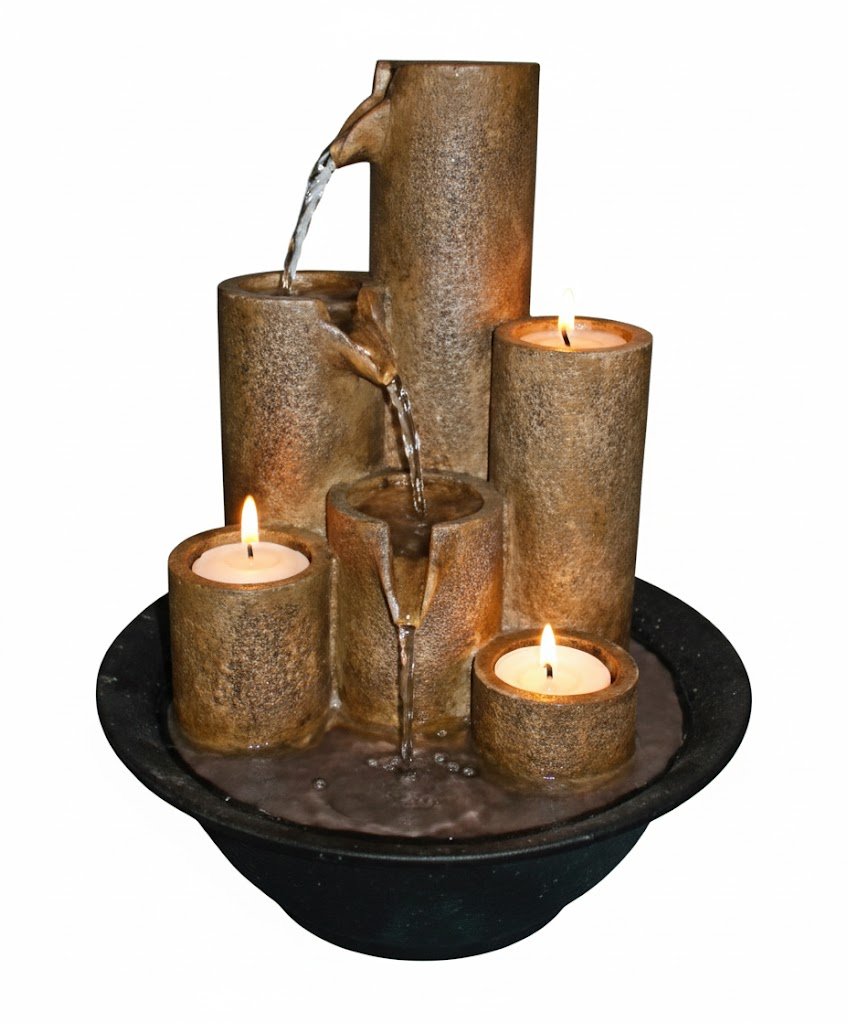
These fountains including tabletop versions offer options for every possible situation. Limited wall space? Try a tabletop fountain. Lots of empty wall? Go with a wall fountain. Want maximum visual impact? Consider a floor fountain. The right type exists for your specific circumstances.
Tabletop water fountains let you test the concept with minimal risk. Not ready to commit to a wall installation? Start small. Put a tabletop model where you’ll see and hear it daily. Live with it for a while. If you love it, consider upgrading. If not, you spent maybe fifty bucks learning that.
Widely sold means easy access wherever you are. Regular home improvement stores carry fountains now. Garden centers stock them. Online retailers have massive selections. Finding fountains is simple. The challenge is choosing between options, not locating them in the first place.
Different forms provide flexibility in how you implement the idea. Wall mounted. Floor standing. Tabletop. Built in. Each form has advantages for different scenarios. That variety means you can match fountain type to your needs and constraints. One approach doesn’t have to work for everyone.
Varying sizes accommodate every possible living situation. Studio apartment. Regular house. Large home. Mansion. There’s an appropriately sized fountain for each scenario. The industry recognized that different spaces need different solutions. They created products for real people living in real homes with real limitations.

Leave a Comment