
Why We Care So Much About Our Kids’ Rooms
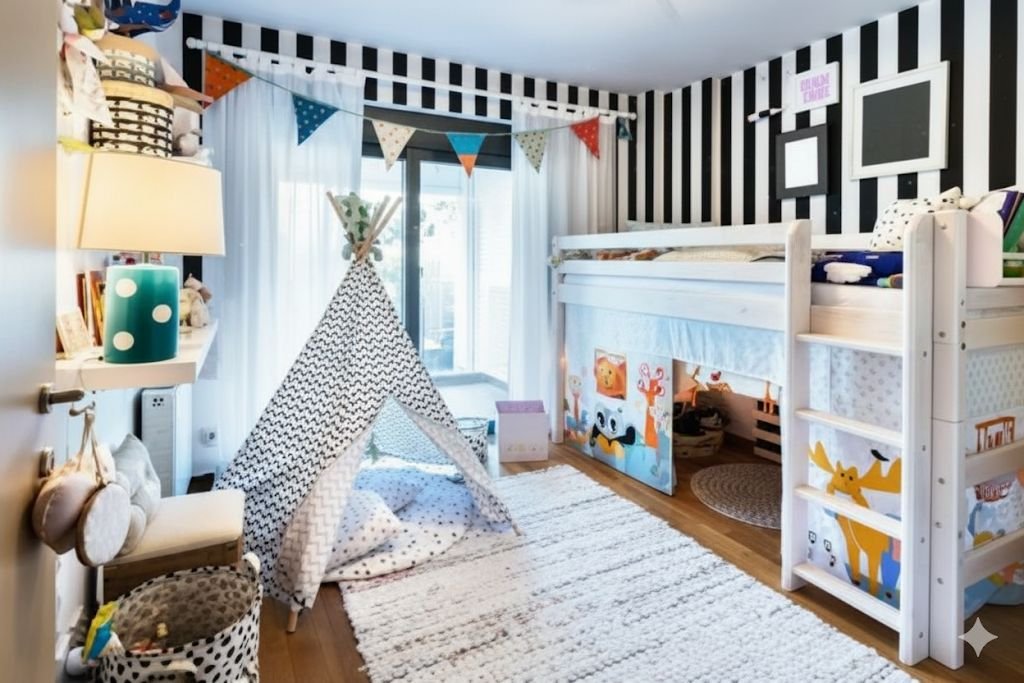
I’ll be honest with you. When my daughter turned five, I realized her bedroom looked like a furniture warehouse exploded inside a shoebox. We had crammed a full-size bed, a massive dresser, and what can only be described as an unnecessarily large toy chest into a room that was maybe 10 by 12 feet. She could barely walk from her bed to the door without doing some kind of obstacle course routine. That’s when it hit me. We parents spend so much time thinking about what goes into our kids’ rooms that we forget to think about whether it all actually fits.
We want our children to be happy. That’s the bottom line, right? We want them bouncing off the walls with joy, not literally bouncing off walls because there’s nowhere else to go. Every parent I know has this weird guilt thing going on where we feel like we need to give our kids everything. The best toys, the coolest decorations, every possible piece of furniture that might be useful someday. But here’s what I’ve learned after three kids and about fifteen years of parenting. More stuff doesn’t equal more happiness. Space equals happiness. Room to breathe, room to play, room to just be a kid without tripping over the corner of a dresser for the hundredth time.
Think about where your kids actually spend their time at home. Sure, they’re in the living room sometimes, maybe the kitchen when they’re hungry (which is always). But their bedroom? That’s their kingdom. That’s where the magic happens. They build forts out of blankets, stage elaborate battles with action figures, practice dance routines they saw on YouTube, and create entire imaginary worlds that exist only in their heads. My son once told me his room was actually a spaceship traveling to Mars. Try telling a kid his spaceship is too cluttered with furniture. It doesn’t go over well.
The problem is that we often treat kids’ bedrooms like miniature adult bedrooms. We think they need the same setup we have, just smaller. A bed, a dresser, maybe a desk, a nightstand. We replicate our own room layout without considering that kids use their space completely differently than we do. When was the last time you practiced somersaults in your bedroom? Exactly. But kids? They’re doing gymnastics routines, hide and seek, impromptu dance parties, and who knows what else. They need floor space. They need room to move. They need a bedroom that works with their energy, not against it.
I remember talking to my neighbor about this exact issue. She had bought this gorgeous bedroom set for her twin boys. It was one of those matching sets you see in catalogs where everything coordinates perfectly. The beds matched the dressers, which matched the desks, which matched the bookshelf. It looked amazing in the store. In their actual bedroom? It was a disaster. The boys couldn’t open their closet door all the way because the dresser was in the way. They had to squeeze sideways between the beds. The desks? Completely useless because they were pushed against the wall where there was no natural light. She ended up selling half of it on Facebook Marketplace just so her kids could actually use their room.
That’s when I started really paying attention to what makes a kids’ bedroom functional. Not just pretty, not just well-decorated, but actually usable for real kids who do real kid things. And let me tell you, it changed everything. We got rid of about half the furniture in my daughter’s room. Suddenly she had space to spread out her art projects. She could invite friends over and they could all sit on the floor comfortably. She stopped complaining about her room feeling “yucky” (her word, not mine). She actually wanted to be in there, which meant I wasn’t constantly nagging her to go play in her room so I could make dinner in peace.
The furniture we choose for our kids matters more than we think. It’s not just about having a place to sleep and store clothes. It’s about creating an environment where they feel comfortable, where they can explore their creativity, where they can grow and learn and just be themselves. A cramped, overstuffed room sends a message that there’s no space for them to expand. A thoughtfully arranged room with the right furniture tells them they have room to grow. I know that sounds a bit philosophical for a conversation about beds and dressers, but I really believe it’s true.
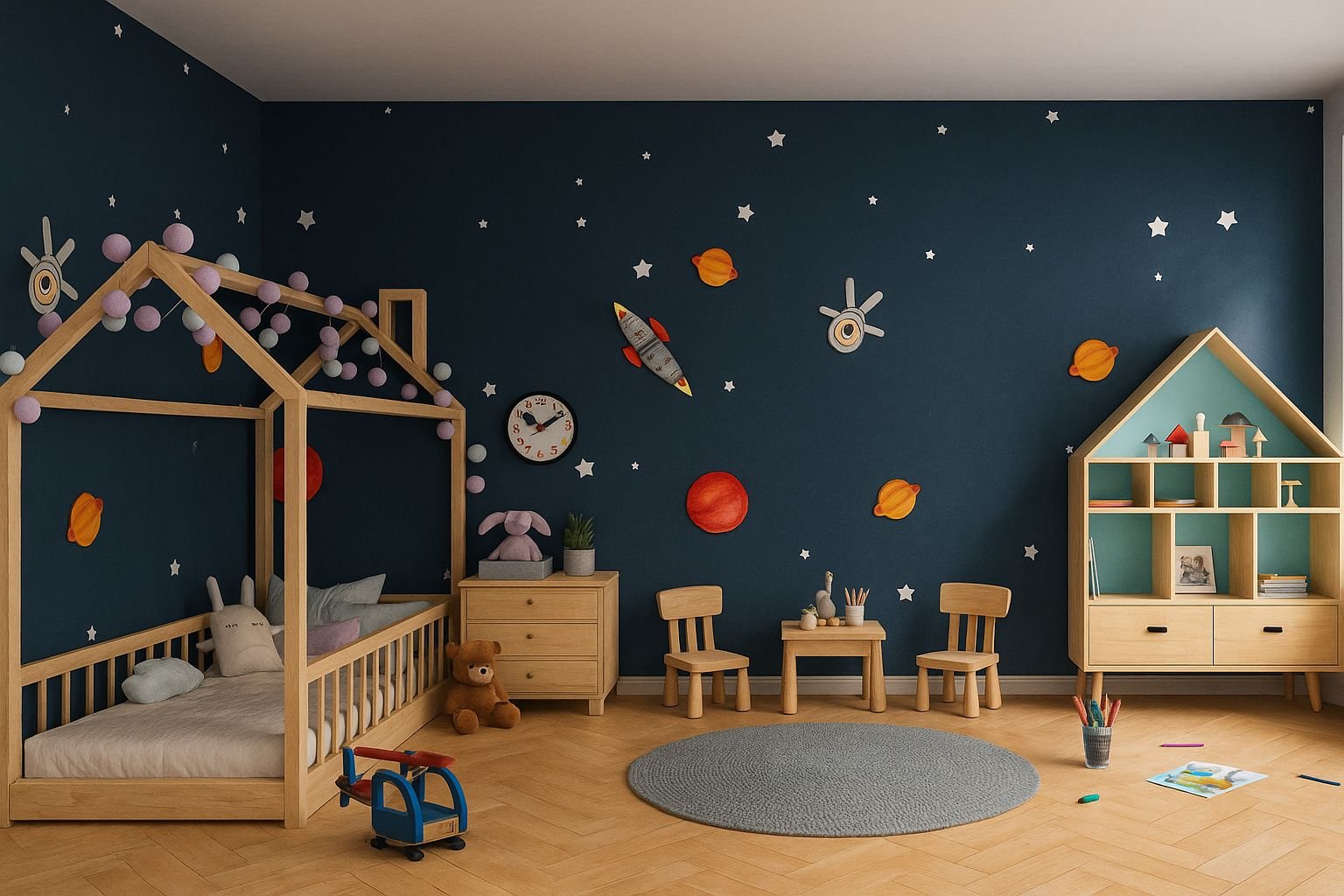
The Real Problem With Kids’ Bedrooms Today
Let’s talk about the elephant in the room, or rather, all the elephants crammed into the room. Most kids’ bedrooms in modern homes are small. Like, really small. I’m not sure when builders decided that children don’t need much space, but somewhere along the way, kids’ bedrooms became the afterthought of home design. The master bedroom gets bigger and bigger, maybe there’s a bonus room or a home office, and then there’s this tiny box labeled “bedroom two” or “bedroom three” where we’re supposed to fit all of our child’s belongings and activities.
My kids’ rooms are smaller than my walk-in closet. Let that sink in. The space where I store my shoes and out-of-season sweaters is larger than the space where my children are supposed to sleep, play, study, and spend a huge chunk of their childhood. When you actually think about it, it’s kind of ridiculous. But this is the reality for most families. We’re working with compact spaces and trying to fit in everything our kids need for daily life.
And boy, do kids need a lot of stuff. Or at least, we’ve convinced ourselves they do. There are school supplies, art materials, sports equipment, toys (so many toys), books, games, stuffed animals, collections of rocks or shells or whatever random objects they’ve decided are treasures. Then there’s the functional stuff. Clothes, shoes, backpacks, seasonal items. Where does it all go? We try to cram it into these small spaces, and then we wonder why their rooms always look like a tornado hit them.
The furniture situation makes it worse. I’ve walked into so many friends’ houses where the kids’ bedroom has this massive bed frame that takes up half the room. Or there’s a huge dresser that’s really meant for an adult bedroom. We tend to buy furniture based on how it looks or how much storage it offers without considering the actual footprint it takes up. That beautiful white dresser might have six drawers, but if it’s four feet wide and sits in the middle of the wall, it’s eaten up a huge portion of the room’s usable space.
Kids don’t just sleep in their bedrooms. I can’t stress this enough. Adults? We use our bedrooms primarily for sleeping and getting dressed. Maybe reading before bed, watching TV if you’re into that. But kids? Their bedroom is their playroom, their art studio, their science lab, their dance floor, their fort-building headquarters, their quiet reading nook, their video game arena, and yes, occasionally, their sleeping space. They need room to do all of these things. When we fill up their bedroom with oversized furniture, we’re taking away their ability to actually use the space for what they need.
I learned this the hard way. We bought my son what we thought was a practical bedroom set when he was seven. It came with a bed, a dresser, and a desk. The desk seemed like a great idea. He could do homework there, work on projects, be all studious and focused. Want to know how many times he actually used that desk? Maybe three. He preferred doing homework at the kitchen table where we could help him. The desk just sat there, collecting dust and whatever random junk he’d toss on it. Meanwhile, he kept complaining he didn’t have enough room to set up his race car tracks or build with his Legos. We eventually moved the desk to our home office and suddenly his room felt twice as big.
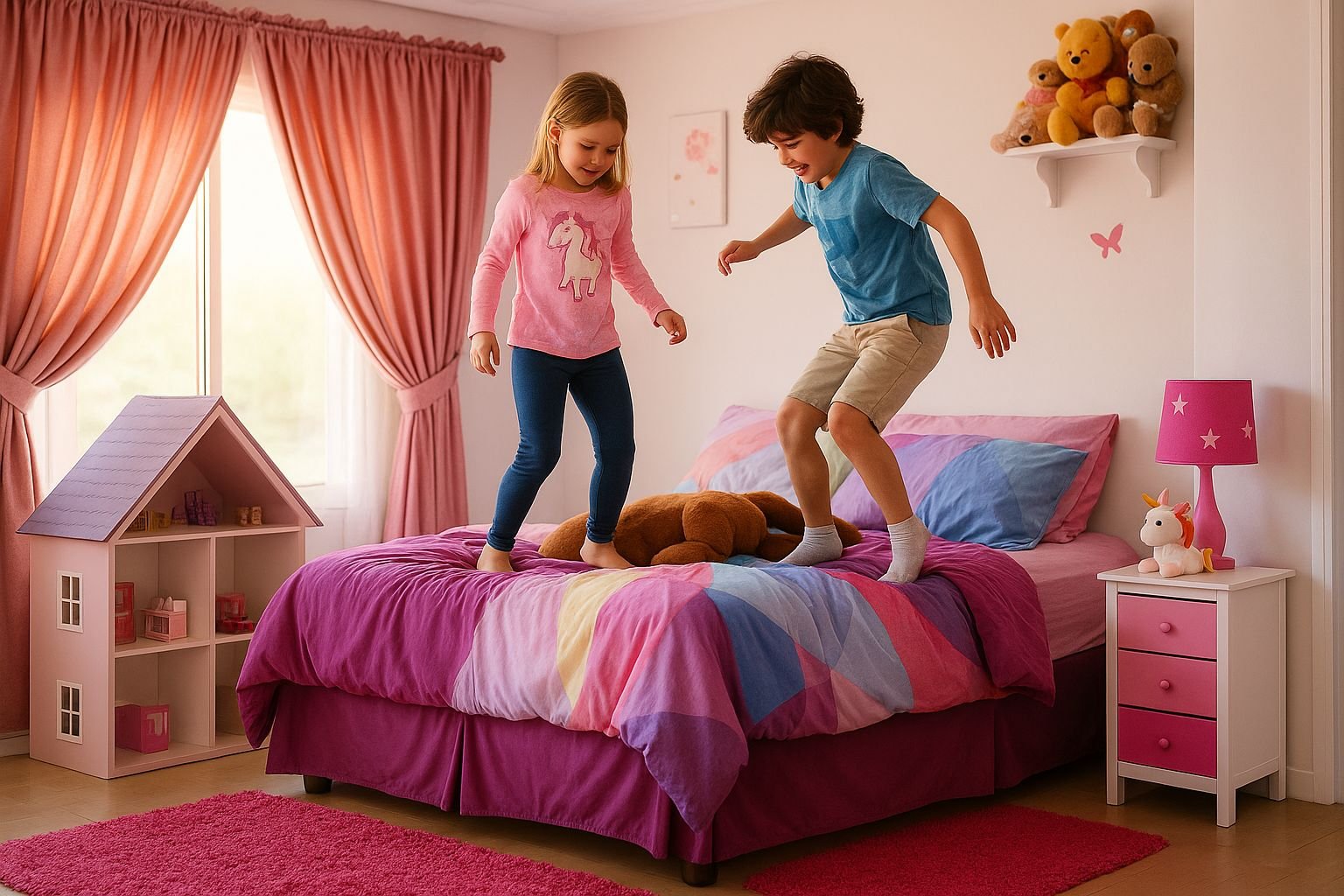
The jumping, running, and general mayhem that happens in kids’ rooms is another thing we underestimate. Kids have energy that needs to go somewhere. When they’re cooped up inside, especially on rainy days or during winter, that bedroom becomes their outlet. I’ve watched my kids use their beds as trampolines (yes, I know, I should stop them, but pick your battles). They race from one end of the room to the other. They do cartwheels, handstands, and interpretive dance performances. If the room is packed with furniture, they’re going to crash into things. I can’t count how many times I’ve heard a thud followed by crying because someone ran into the corner of a dresser.
Safety is a real concern when we’re talking about cramped spaces and active kids. Sharp corners become hazards. Furniture that’s too close together creates pinch points where little fingers can get caught. Kids climbing on things they shouldn’t be climbing on becomes more likely when everything is crammed together. I’m not saying we need to bubble-wrap our children or keep them in empty rooms, but we do need to think about how the furniture we choose affects their safety and their ability to move freely.
The psychological impact of a cramped room is something I didn’t consider until my daughter started seeming really irritable and spending more time trying to be in the living room or even in her brothers’ room. We finally asked her what was going on, and she said her room felt “too squished.” She was eight years old and articulating that her environment was affecting her mood. Kids pick up on these things more than we realize. When their space feels restrictive, it affects their behavior and their emotional wellbeing.
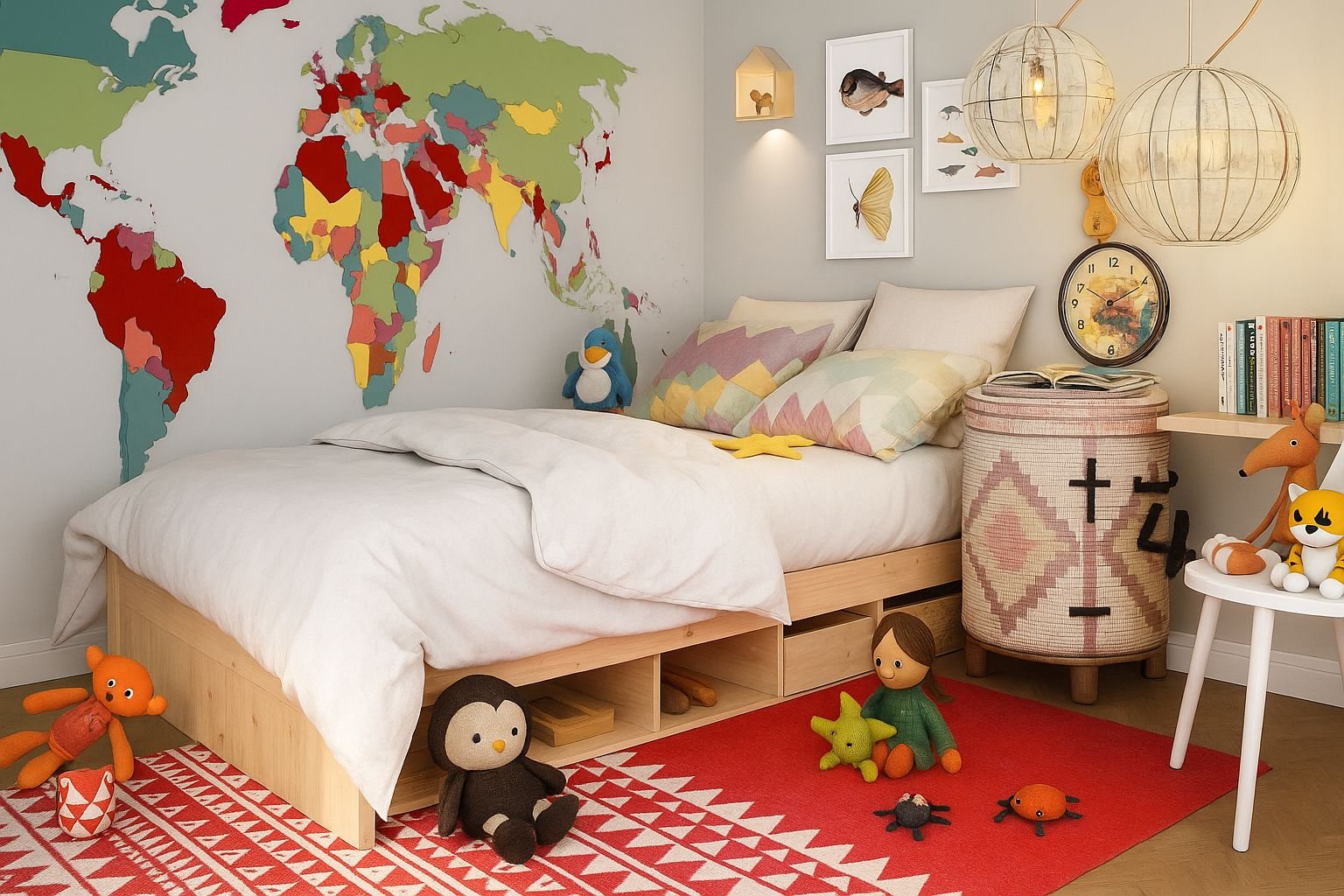
Rethinking How We Furnish Kids’ Spaces
So what’s the solution? How do we give our kids everything they need without turning their bedroom into an overcrowded storage unit? This is where we need to get smart about furniture choices. We need to think vertically, think multifunctional, and think about what our kids actually use versus what we think they should have. It’s a mindset shift from “let’s fill this room with furniture” to “let’s give this room purpose and function.”
I started looking at kids’ furniture differently after that conversation with my daughter about her room feeling squished. Instead of thinking about individual pieces of furniture and how they look, I started thinking about how each piece functions and how much space it takes up. Does this dresser need to be four feet wide, or could we find something narrower that still holds all her clothes? Does she really need a nightstand, or could we use a wall-mounted shelf instead? Does the bed need to be a traditional frame, or are there other options?
This is where I discovered the world of space-saving furniture designed specifically for kids’ rooms. I’m not talking about those tiny toddler beds that they outgrow in two years. I’m talking about furniture that’s been thoughtfully designed to serve multiple purposes and maximize the available space. Furniture that grows with your kid and adapts to their changing needs. Furniture that takes into account that kids need floor space just as much as they need storage space.
The key is looking for pieces that combine functions. Why have a bed and a dresser and a desk when you could have furniture that combines two or three of those functions? I know what you’re thinking. That sounds like one of those “as seen on TV” gimmicks that looks great in the commercial but falls apart in real life. But stick with me here. The technology and design of kids’ furniture has come a long way. There are some genuinely clever solutions out there that can transform how a kids’ room functions.
We need to get away from the idea that kids’ rooms should look like miniature adult rooms. They don’t need a traditional bedroom set. They don’t need matching furniture. What they need is functional space that works for their actual lifestyle. When I finally embraced this concept, it was like a light bulb went off. We could create rooms that our kids actually enjoyed being in and that made our lives easier in the process.
The bonus here is that when you choose furniture wisely, you’re not constantly battling the clutter. There’s a place for everything, and there’s still room to actually live in the space. My kids’ rooms aren’t perfect. They still get messy. But they’re manageable. The furniture we have serves a purpose, and there’s enough open floor space that the kids can play without me worrying they’re going to crash into something and need stitches.
The Genius of Bunk Beds and Loft Systems
Let me tell you about the day I finally caved and bought a bunk bed. I had resisted for years. I had all these preconceived notions about bunk beds being unsafe, or only for families with multiple kids sharing a room, or just not sophisticated enough for the look I wanted. Then I actually looked at what modern bunk beds could do, and I felt like I’d been living under a rock. These things are game changers.
The basic concept of a bunk bed is simple. You’re stacking sleeping spaces vertically instead of spreading them out horizontally. But modern bunk beds have evolved way beyond just two beds stacked on top of each other. We’re talking about entire systems that integrate storage, study areas, and play spaces all into one compact footprint. Some of these designs are so clever they make me wish I had one in my own room.
We got a loft-style bunk bed for my youngest son’s room, and it completely transformed the space. The bed is elevated, which means underneath there’s room for his desk, a small bookshelf, and still enough space for him to have a reading nook with some floor cushions. The whole setup takes up maybe the same amount of floor space as a regular bed and desk would, but because everything is vertical, he has this huge open area in the middle of his room. He can roll around with his cars, set up elaborate Lego cities, practice his skateboarding stance (on carpet, don’t judge me), and still have everything he needs within reach.
The storage options that come with modern bunk beds are what really sold me. We’re not just talking about a couple of drawers. Some of these systems have built-in dressers, closet storage, shelving units, and cabinets all incorporated into the design. My daughter’s bunk bed (she has a single loft, not sharing with anyone) has stairs instead of a ladder, and each stair is actually a drawer. I repeat, each stair is a drawer. The genius of this design still makes me happy every time I see it. Those drawers hold her socks, underwear, pajamas, and accessories. That’s one less dresser we need in her room.
Kids love bunk beds for reasons that have nothing to do with practicality. They think they’re cool. Sleeping up high makes them feel like they’re in a fort or a treehouse. The elevated sleeping area becomes this cozy, special spot that’s just theirs. My kids fought over who got the top bunk when we first got one for the boys’ room. We eventually resolved it with a schedule where they switch every month, but the point is, they were excited about their sleeping arrangement. When was the last time a regular bed excited anyone?
The safety features on modern bunk beds have come a long way too. If you’re worried about kids falling out (which was my biggest concern), the guardrails on quality bunk beds are solid and high enough to prevent accidents. The ladders and stairs are designed to be stable and easy to climb. The beds themselves are built to hold significant weight, so even when your kids get bigger, the bed can handle it. I was paranoid about safety when we first got one, but after seeing how well-designed they are, those concerns pretty much disappeared.
One thing I didn’t expect was how much the bunk bed setup encouraged my kids to actually keep their rooms tidier. When everything has a designated spot built into the bed structure, there’s less excuse for stuff being all over the floor. The built-in storage means they can put things away easily. It’s not perfect, they’re still kids, but there’s been a noticeable improvement. I think having defined spaces for different activities helps them mentally organize their stuff better.
The customization options for bunk beds are wild. You can get them in basically any theme imaginable. Pirate ships, castles, race cars, treehouses, you name it. We kept ours pretty neutral so they wouldn’t outgrow the design, but I’ve seen some seriously cool themed bunk beds in friends’ houses. The themed ones can actually save you money on decorating because the bed becomes the focal point and main decor element of the room. You don’t need to buy a bunch of additional decorations when your bed looks like a castle.
For families with multiple kids sharing a room, bunk beds are almost a no-brainer. Instead of cramming two separate beds into a small room, you stack them and suddenly you’ve freed up a massive amount of floor space. The kids each have their own sleeping area that feels private and special, even though they’re sharing the same room. We did this with our two older boys, and it stopped a lot of the fighting about one person’s stuff being on the other person’s side of the room. The bunk bed naturally created boundaries.
One unexpected benefit was how much easier it became to change sheets and keep the beds made. I thought the top bunk would be a nightmare to deal with, but most designs have enough space around the bed that you can access it easily. My kids can make their own beds now, which is a huge win for me. The lower bunk is obviously easy to access. With their old separate beds, the beds were pushed against walls and getting to them to change sheets was a whole production that involved moving furniture.
The study areas incorporated into many loft-style bunk beds are actually useful, unlike that standalone desk we bought that nobody ever used. I think it’s because the desk is part of their special elevated sleeping area. It feels like their own little office nook. My middle son actually uses his built-in desk for homework and for his art projects. Having it integrated into his bed setup somehow makes it more appealing than a separate desk ever was. I don’t fully understand the psychology of it, but I’m not questioning what works.
Trundle Beds and Pull-Out Solutions
Bunk beds aren’t the only space-saving option out there. Let me introduce you to the magic of trundle beds if you’re not already familiar. A trundle bed is like a regular bed with a secret hiding underneath. There’s a second mattress or storage drawer that rolls out from under the main bed. During the day, it’s tucked away and invisible. At night, or whenever you need it, you pull it out and suddenly you have an extra sleeping spot or access to storage space.
We use a trundle bed in our guest room, which doubles as a playroom for the kids. Most of the time, it looks like a normal bed. When my kids have friends sleep over, we pull out the trundle and boom, two sleeping spots in the space of one. This would work great in a kid’s room too, especially if you have kids who are close in age and might share a room sometimes but not always. Or if your kid has frequent sleepovers. The flexibility is what makes it so practical.
The storage trundle is another variation that I’m obsessed with. Instead of a second mattress under the bed, there are large drawers or a rolling storage platform. You can store out-of-season clothes, extra bedding, toys that aren’t in current rotation, or basically anything that doesn’t need to be accessed daily. One of my friends uses the storage trundle in her daughter’s room for all the dress-up costumes and accessories. Her daughter can pull it out when she wants to play dress-up, then roll it back under when she’s done. Everything stays organized and out of sight.
The beauty of trundle beds is that they don’t look obviously space-saving. They look like regular beds. If you’re someone who cares about aesthetics and doesn’t want furniture that screams “we’re trying to maximize space,” a trundle bed flies under the radar. Guests and visitors to your home probably wouldn’t even know there’s a whole other sleeping area or storage space hiding in plain sight. The design is sleek and doesn’t sacrifice style for function.
Installation and use of trundle beds is straightforward. The rolling mechanism is usually on wheels or casters that glide smoothly across the floor. Even my kids can pull out the trundle without help. Some designs have a pop-up feature where the trundle can be raised to the same height as the main bed, creating a larger sleeping surface. This is great for older kids or teens who need a bigger bed but don’t have room for a full-size or queen.
The price point on trundle beds is usually reasonable too. They’re not as elaborate as full bunk bed systems, so they tend to be more affordable. You’re getting a lot of functionality without breaking the bank. For families on a budget who still want to maximize space, a trundle bed is a solid investment. The versatility means it can adapt as your kid grows and their needs change.
One downside to consider is that trundle beds work best on hard flooring or low-pile carpet. If you have thick, plush carpet, the rolling mechanism might be harder to operate. We have hardwood floors in most of our house, so this wasn’t an issue for us, but it’s something to think about. You can buy risers to lift the main bed higher if needed, giving more clearance for the trundle to slide in and out easily.
Combining a trundle bed with other space-saving strategies can create an incredibly functional kids’ room. Pair it with wall-mounted shelves, vertical storage solutions, and furniture that serves multiple purposes, and you’ve got a room that’s organized and spacious. The trundle handles the sleeping and/or storage needs, while other clever furniture choices address the rest.
Making Bedroom Furniture Decisions That Actually Work
At the end of the day, choosing furniture for your kids’ bedrooms comes down to understanding what they actually need versus what we think looks good or what marketing tells us we should buy. I’ve made enough furniture mistakes over the years to have learned some hard lessons. That expensive bedroom set that looked perfect in the showroom? It was a waste of money. The simple, functional pieces that gave my kids space to actually be kids? Those were worth every penny.
Start by really looking at your kid’s room and how they use it. Spend a day just observing. What do they do in there? Where do they spend most of their time? What furniture do they actually interact with versus what just sits there? I did this exercise and realized my daughter used her bed, her art corner (which was just a small table and some bins), and the floor. That’s it. Everything else in her room was basically decoration that took up space. That observation led to a complete room redesign that made her so much happier.
Think about the long-term value of furniture investments. Kids grow fast. That toddler bed might be adorable, but they’ll outgrow it in a couple of years. Furniture that can adapt and grow with your child is worth spending more money on upfront. A quality bunk bed system that can be reconfigured as your child gets older will serve you better than buying new furniture every few years. Do the math on replacement costs versus buying something versatile from the start.
Don’t be afraid to mix and match furniture styles. You don’t need a matching set. You need functional pieces that work together to create a usable space. We have a modern loft bed paired with a vintage dresser we refinished and some basic cube storage from a big box store. It all works together because the focus is on function, not on having everything match perfectly. Your kid’s room isn’t a showroom. It’s a living space.
Involve your kids in the decision-making process. They might surprise you with their insights about what they need. My son pointed out that he never used the dresser in his room because it was too hard to open the drawers and he couldn’t reach the top ones. We moved that dresser to our room and got him a simpler storage solution with easy-access bins. Problem solved, and I wouldn’t have known that was an issue if I hadn’t asked him.
The amount of floor space you leave open matters more than you might think. Try to keep at least 30-40% of the floor space clear. This gives kids room to play, to spread out, to move around freely. Measure your room, calculate the square footage, and then be ruthless about furniture that eats into that space without adding significant value. That cute armchair in the corner that nobody sits in? Get rid of it. The floor lamp that’s always in the way? Replace it with wall-mounted or ceiling lighting.
Quality over quantity applies to kids’ furniture just as much as adult furniture. One really good, multifunctional piece is better than three mediocre pieces that each do one thing. We bought a high-quality loft bed system that cost more than I wanted to spend initially, but it’s held up through three kids and various room rearrangements. The cheap furniture we bought early on? Most of it fell apart or broke within a couple of years. Save yourself the hassle and invest in pieces that will last.
Flexibility should be a top priority. Kids’ needs change as they grow. The kindergartner who needs lots of toy storage will eventually become a teenager who needs more clothing storage and a better study area. Furniture that can be reconfigured or repurposed gives you the flexibility to adapt the room without starting from scratch. Those storage cubes can be toy bins when they’re little and book storage when they’re older. The loft bed can lose the playhouse underneath and gain a lounge area for hanging out with friends.
Remember that the goal is creating a space your child loves and feels comfortable in. If they hate their room, if they avoid spending time in there, if they constantly complain about it, something isn’t working. Listen to what they’re telling you. Sometimes the solution is as simple as rearranging what you already have. Sometimes it means making bigger changes. But keeping the focus on their actual needs and experiences will guide you to the right decisions.

Leave a Comment