
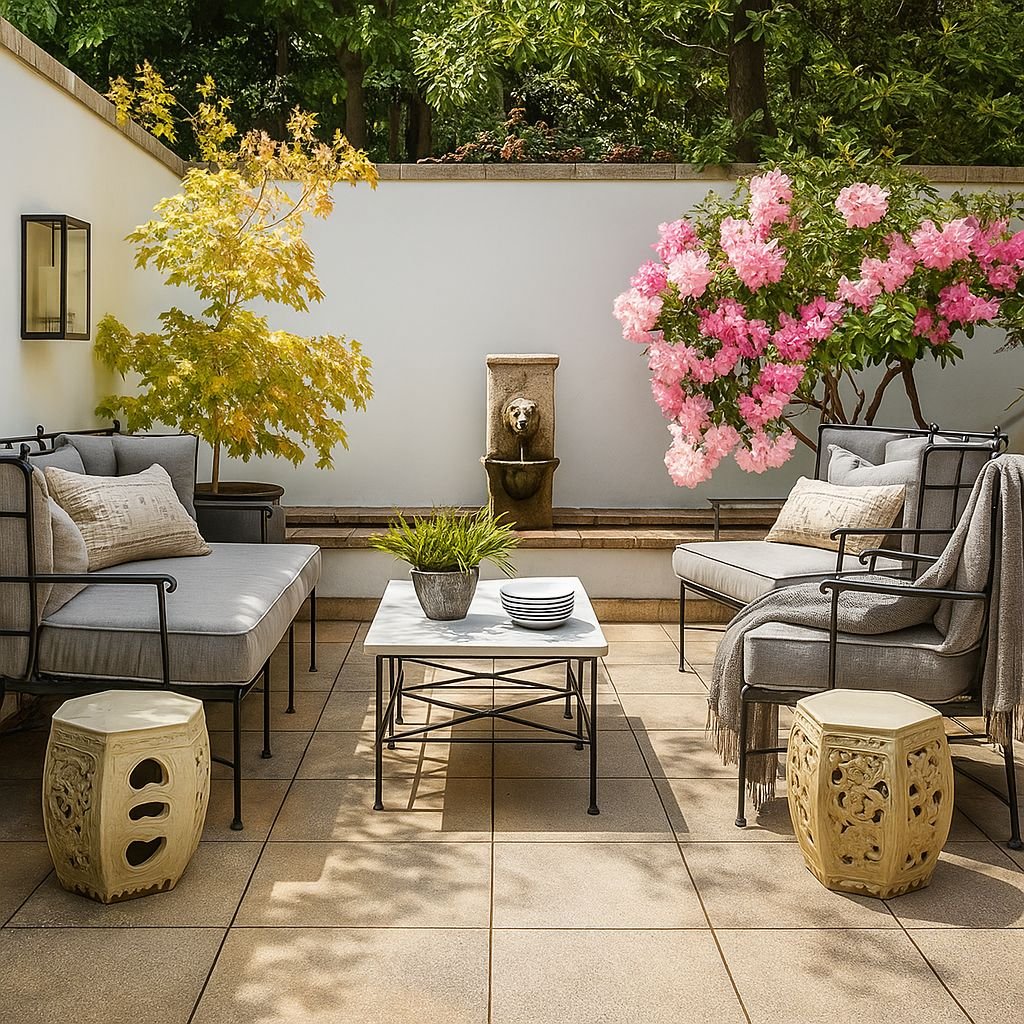
You know what happened last spring, right? I walked out onto my deck with my morning coffee, ready to enjoy the first warm weekend of the season. I had this whole vision in my head. Birds chirping, sun shining, me sitting in my favorite chair with a good book. Then I actually sat down in that chair, and the whole bottom gave out. Just collapsed right under me. Coffee went everywhere. My dignity took a serious hit that day.
Every single year, it’s something. Last year was the chair incident. The year before that? My outdoor table had warped so badly it looked like a skateboard ramp. Water would just roll right off one side. And don’t even get me started on what happened to my cushions after I forgot to bring them in before that surprise rainstorm in October. They smelled like a swamp for months.
Here’s the thing, though. We keep doing this to ourselves. We buy cheap stuff, we ignore the weather warnings, we tell ourselves we’ll cover everything before winter comes. Then winter actually shows up, and we’re too busy dealing with holiday chaos to think about furniture that’s sitting outside getting pummeled by ice and snow. Come spring, we act all surprised when everything’s falling apart.
I finally got tired of this cycle. Spent one whole February weekend researching outdoor furniture. My spouse thought I’d lost my mind. “It’s twenty degrees outside,” they said. “Why are you looking at patio chairs?” But that’s exactly when you need to do it. Before the panic sets in. Before the first barbecue invite arrives and you realize your guests will be sitting on furniture that’s held together with duct tape and prayers.
Money’s tight for everyone right now. I get it. The idea of dropping a few hundred bucks on outdoor furniture when you’ve got bills piling up feels absurd. But here’s what changed my mind. I added up what I’d spent over the past five years replacing cheap chairs and tables that couldn’t handle one season. Turned out I’d spent way more than if I’d just bought decent stuff from the start. Math doesn’t lie, even when we want it to.
Your home is where you live. Sounds obvious, but we forget that sometimes. We spend money on streaming services we barely watch and takeout we don’t really enjoy. But improving the actual space where we spend our time? That feels like a luxury. It’s not, though. It’s just taking care of the place where your life happens. If you like sitting outside, if you enjoy having friends over, if you want to eat dinner on your deck instead of staring at your kitchen walls, then you deserve furniture that works.
The early bird thing is real with patio furniture. Stores stock up in late winter and early spring. Selection is huge. Prices haven’t shot up yet from demand. You can actually take your time and think about what you need instead of grabbing whatever’s left in June when everyone else has already bought the good stuff. I learned this the hard way after showing up to a store in May and finding exactly three items in stock, all in colors that looked like they came from a 1970s hospital waiting room.
Shopping early means you’re not desperate. Desperation makes us buy stupid things. We convince ourselves that the wobbly table is “charming” or that the chair with the suspicious stain is “fine, probably.” When you shop in February or March, you can be picky. You can compare options. You can think about what you actually want instead of what’s merely available.
There’s something else nobody talks about. Getting your outdoor space ready before you actually need it feels amazing. Walking outside on that first warm day and having everything already set up? That’s a small victory, but victories count. You’re not scrambling, not stressed, not making emergency runs to the store. You’re just sitting down and enjoying your space like you planned. That feeling alone is worth the early effort.
Creating Your Perfect Outdoor Space (Without Losing Your Mind)
I used to think outdoor furniture was just outdoor furniture. You get some chairs, maybe a table, call it done. Turns out I was missing the entire point. Your outdoor space can be whatever you want it to be. That’s the part that actually got me excited once I stopped thinking about it as just “stuff I need to buy.”
Let me tell you about my neighbor Tom. Tom lives alone, works from home, and basically uses his patio as a second office. He’s got this setup with a comfortable chair, a small side table for his laptop, and plants everywhere. It’s his quiet zone. When I’m out there with my kids running around like maniacs, he’s over there typing away, totally peaceful. That’s what works for him.

Then there’s my friend Sarah. Her backyard is like a party waiting to happen. She’s got a huge table that seats ten people, a bunch of mismatched chairs that somehow look great together, and string lights everywhere. Every weekend there’s something going on over there. Barbecues, game nights, birthday parties. Her space is built for gatherings, and she uses it constantly.
My setup? Somewhere in between. We’ve got a table big enough for family dinners but not so huge it takes over the whole deck. Comfortable chairs for hanging out. A small bench where the kids can sit and eat popsicles without me worrying about sticky fingers on expensive furniture. It works for us. Not for Tom, not for Sarah, but for us.
The point is you get to decide what your outdoor space becomes. Want a reading nook where you can disappear with a book? Do that. Want a full outdoor kitchen situation where you’re grilling and serving and entertaining? Go for it. Want something simple where you can sit with your morning coffee and zone out for ten minutes before the day starts? Perfect. Nobody’s judging your choices except maybe your cousin who thinks their way is the only way, and we all have one of those.
Thinking about how you’ll actually use the space changes what you buy. I almost bought this elaborate outdoor sectional because it looked amazing in the store. Then I thought about my actual life. We don’t host huge parties. We don’t have room for something that massive. What we needed was functional furniture that didn’t eat up our entire deck. Saved myself a ton of money and frustration by being honest about our situation.
Weather matters too. If you live somewhere with brutal summers, shade becomes huge. Maybe you need an umbrella or a pergola or furniture that can handle direct sun without becoming too hot to touch. If rain is constant where you are, you need materials that can get wet and not turn into a science experiment. I live in a place where weather is basically random. Sun one day, pouring rain the next, random hail in April because why not. My furniture needs to handle everything, which means I can’t just pick what looks pretty.
Starting to plan your space feels overwhelming. I sat down with a notebook and tried to sketch out ideas, which was hilarious because I can’t draw to save my life. My “table” looked like a rectangle with a stick figure sitting at it. But even that helped. I could see what I had room for. I could visualize where things would go. You don’t need to be fancy about this. Just think through what you want and what actually fits.
Storage is something people forget. Where are you putting cushions when it rains? What about those cute throw pillows everyone says you need? If you don’t have a shed or a garage, you need furniture that can stay outside without falling apart. Or you need to get comfortable running outside every time storm clouds show up, which gets old fast. Trust me on this.
Your outdoor space is yours. Not Instagram’s, not your neighbor’s, yours. Design it for your life, not for some imaginary version of yourself who hosts elegant garden parties every weekend. Real life is messier and more fun anyway.
Every Type of Outdoor Furniture You Didn’t Know You Needed
The variety of outdoor furniture available is kind of ridiculous. I went down a rabbit hole one night looking at options, and three hours later I was somehow reading reviews for something called a “bistro set” that I didn’t even know existed before dinner. The choices are endless, which is great until you need to actually make a decision.
Chaise lounges are those long chairs where you can stretch out completely. I always associated them with fancy resorts and people who have their lives together. Then I tried one at a friend’s house and understood the appeal. You can read, nap, or just lie there contemplating your life choices. If you have space and you like relaxing, these are worth considering. Just get one with a cushion or your back will hate you.
Deck chairs are your classic outdoor seating. Simple, straightforward, gets the job done. They come in about a million different styles, from basic plastic ones you see at every apartment pool to fancy wooden ones that cost more than my first car. The plastic ones are cheap and light, which is nice for moving around. The wooden ones look better and last longer if you take care of them. Pick based on your budget and how much you care about aesthetics.
Adirondack chairs are those wide, slanty ones with the high backs. They look great in photos and feel surprisingly comfortable once you figure out how to get in and out of them. That’s the catch. Getting up from an Adirondack chair when you’re over forty requires strategy and sometimes a hand from someone nearby. But for sitting and staying put for a while? They’re perfect.
Settees are basically outdoor couches. Smaller than indoor couches, built to handle weather, and usually pretty comfortable. We have one, and it’s where everyone ends up during gatherings. Something about a couch makes people relax and actually talk instead of perching on chairs like they’re at a job interview. If you entertain at all, having one piece of furniture where people can settle in makes a big difference.
Rocking chairs for the porch are peak relaxation. My grandparents had two on their front porch, and they’d sit out there every evening. I thought it was old fashioned until I tried it myself. There’s something about the rocking motion that just calms you down. Your brain stops racing for a minute. If you have a covered porch and you want a spot that’s specifically for unwinding, get a rocking chair.
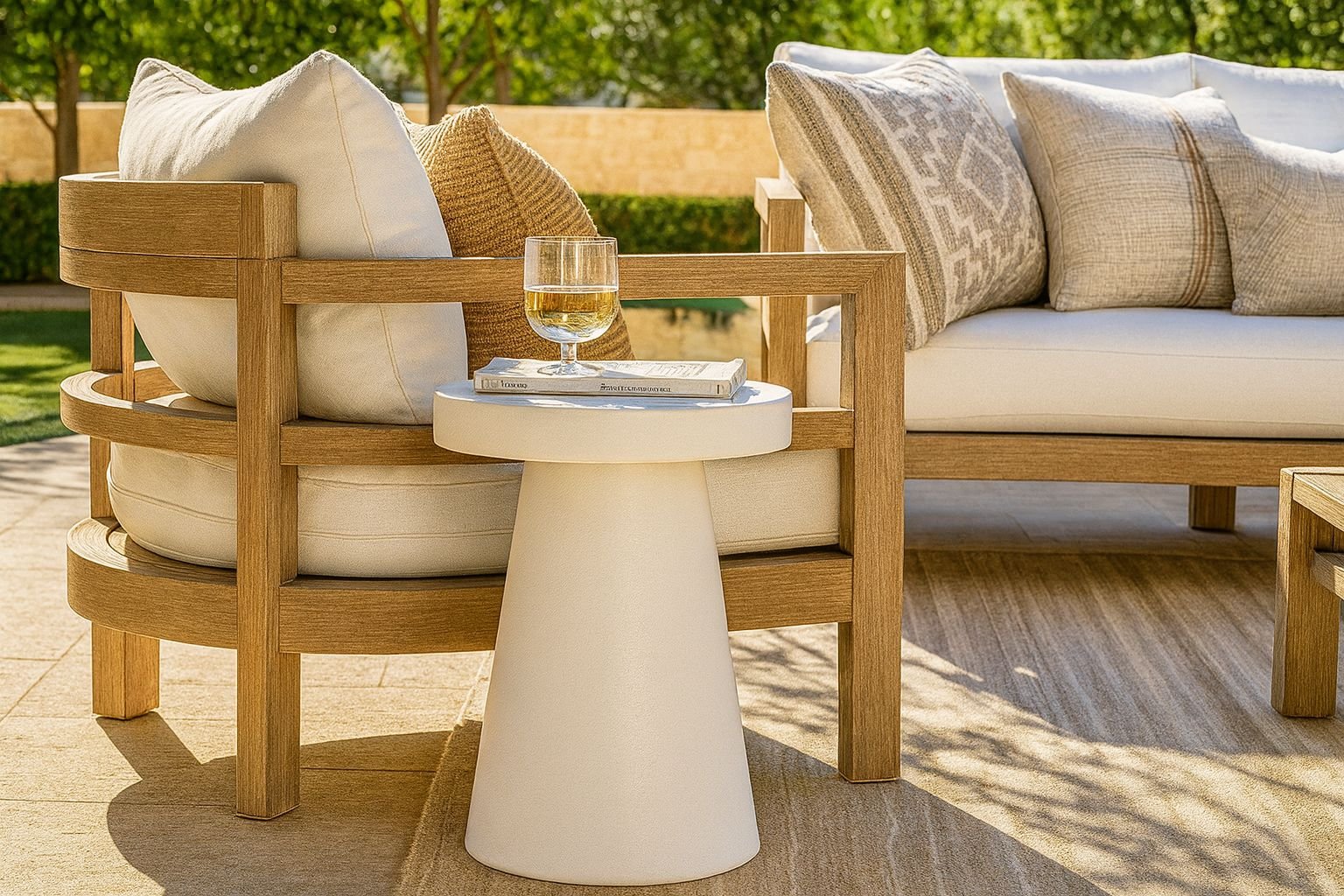
Benches are underrated. You can put them anywhere. Along a railing, under a tree, next to a garden. They don’t take up much room, and they’re perfect for when you have more people than chairs. We stuck one along the edge of our deck, and it’s become the kids’ favorite spot. They eat out there, play games, use it as a base for whatever imaginary scenario they’re acting out. Flexible furniture is smart furniture.
Porch swings are magical, and I’ll fight anyone who says otherwise. Yes, they’re a pain to install. Yes, you need to make sure your porch can actually support one. But once it’s up there, it’s the best seat in the house. Nothing beats sitting on a swing with a cold drink on a summer evening. If you have young kids, be prepared for fights over who gets to swing. If you have teenagers, be prepared for them to claim it as their territory and never leave.
Tables are obvious, but picking the right one isn’t. Too small and you’re playing table Tetris every meal. Too big and it dominates your space. We went through three tables before finding one that worked. First one was too small for family dinners. Second one was so big we could barely walk around it. Third one was just right, like some kind of outdoor furniture Goldilocks situation. Measure your space before you buy. Actually measure, don’t just eyeball it.
Outdoor bars and bar stools are for people who take their outdoor entertaining seriously. I don’t have one, but my brother does, and it’s pretty great. He built a whole outdoor kitchen situation with a bar area where people can sit and hang out while he’s grilling. Turns cooking into a social thing instead of him being stuck alone flipping burgers. If you’re into that lifestyle, it’s worth the investment.
Tea carts are those little rolling tables you can move around. Great for serving drinks, holding plants, or just having an extra surface when you need one. My mom has one she wheels out when people come over. Fills it with glasses and ice and drinks, rolls it around so everyone can help themselves. Simple but effective.
Outdoor furniture sets are when you buy everything matching. Table, chairs, maybe an umbrella, all designed to go together. The appeal is obvious. Everything looks coordinated. You don’t have to think about whether pieces work together. The downside is you’re locked into one style, and sets can be expensive. We went the mix and match route, buying pieces over time as we could afford them. Looks a little eclectic but feels more personal.
Then there are all the extra decorative items. Planters for flowers and herbs. Arbors for climbing plants. Outdoor rugs that somehow don’t turn into mold farms. String lights that make everything look better. Fire pits for cool evenings. Outdoor speakers if you’re fancy. Side tables for holding drinks. Umbrellas for shade. The list goes on forever, and you can spend as much or as little as you want making your space feel complete.
Buying Quality Outdoor Furniture Without Going Broke
Cheap outdoor furniture is tempting. I’ve been there, standing in the store, looking at a chair that costs thirty bucks. Thinking about how I could furnish my entire patio for what one nice chair costs. Convincing myself that it’ll be fine, it’ll last, how bad could it be?
Pretty bad, it turns out. That thirty dollar chair lasted exactly one summer. The plastic got brittle from the sun. One of the legs cracked. By fall it was wobbly and dangerous, and I had to throw it out. Spent thirty bucks to use a chair for four months. If you do the math on that, it’s not actually cheap. It’s expensive with extra steps.
Quality outdoor furniture costs more upfront. That’s just reality. But it lasts for years instead of months. My parents bought a set of wooden chairs twenty years ago. They still use them. They’ve weathered storms, snow, blazing sun, everything. Yeah, they’ve sanded them down and resealed them a few times. But those chairs have lasted through two decades of use. That’s value.
The materials matter more than anything. Wood furniture, especially teak or cedar, handles weather beautifully. Teak has natural oils that protect it from moisture and bugs. Cedar smells amazing and resists rot. Both will turn gray over time if you don’t treat them, but that’s more about looks than function. Some people like that weathered gray appearance. Others prefer to maintain the original color with sealant. Your choice.
Metal furniture needs to be the right kind of metal. Wrought iron looks gorgeous and lasts forever if it’s properly coated. Let that coating wear off, and you’re dealing with rust. Aluminum is lighter and doesn’t rust, but cheaper aluminum furniture can bend or break. Cast aluminum is better, more durable, worth the extra cost if you’re going the metal route.

Resin wicker has come a long way. Used to be that wicker meant natural wicker, which looks great but falls apart outside. Modern resin wicker is synthetic, made to look like natural wicker but actually handle weather. We have resin wicker chairs, and they’ve held up great. They look nice, they’re comfortable with cushions, and I don’t stress about them getting wet.
Recycled plastic lumber is interesting stuff. Made from recycled plastic, shaped to look like wood, and basically indestructible. Won’t rot, won’t splinter, doesn’t need sealing or painting. It’s heavier than regular plastic furniture and way more durable. The downside is it can be pricey, but it’s a good option if you want something low maintenance that’ll last.
Cushions and fabrics need attention too. Regular indoor cushions outside will get destroyed fast. You need outdoor fabric, usually something like Sunbrella or similar brands made to resist fading, mildew, and moisture. They cost more, but they don’t turn into disgusting mold colonies after one rain. If cushions aren’t removable and storable, make sure they’re built for permanent outdoor exposure.
Shopping online for furniture is weird. You can’t sit in it, can’t see the actual color, can’t check if it’s sturdy. But the selection is massive, and you can compare prices easily. I’ve had good luck ordering online, but I always read reviews carefully. Not just the star rating, but actual reviews where people talk about how it held up over time. If everyone’s complaining about rust after six months, that tells you something.
Looking at return policies matters. Some companies make returns a nightmare. Others will pick up the furniture and refund you if it doesn’t work out. That matters when you’re buying something expensive that you haven’t seen in person. The peace of mind is worth choosing a retailer with good customer service.
Sales happen, and timing them right saves money. End of summer clearance is obvious. Stores need to make room for fall inventory, so patio furniture gets marked down. But late winter sales happen too. Stores bringing in new stock will discount last year’s models. If you’re shopping in February or March, ask about upcoming inventory changes. You might snag something great at a discount right before the busy season starts.
Investing in good outdoor furniture isn’t frivolous. It’s creating a space you’ll actually use and enjoy. Cheap furniture that breaks keeps you inside or makes you miserable when you do go outside. Quality furniture invites you to spend time in your space. That changes how you experience your home. That’s worth paying for.
Setting Up Your Outdoor Space (And Actually Enjoying It)
Getting everything delivered and set up is its own adventure. I remember when our table arrived. The box was huge. My spouse and I spent twenty minutes just trying to get it onto the deck. Then another hour assembling it, which involved cursing at unclear instructions and losing one of the bolts in the grass. Found it three weeks later with the lawn mower. But once it was done? Totally worth the struggle.
Arranging furniture takes more thought than you’d expect. I initially put everything against the railing to maximize open space. Looked neat, felt weird. Everything was pushed to the edges like we were setting up for a middle school dance. Moving things into a more conversational arrangement made the space feel lived in. Now the table is in the middle, chairs are grouped together, and it actually feels like a place where people would want to hang out.
Traffic flow matters. You need to be able to walk through your space without doing some kind of obstacle course. Leave enough room between furniture pieces. Make sure doors can open fully. Think about where people will walk when they come outside or move between areas. I didn’t consider this at first and ended up with a setup where you had to turn sideways to get past the table. Fixed it by moving everything a few feet, and suddenly the whole deck felt bigger.
Shade changes everything. Direct sun all day makes furniture hot and makes sitting outside miserable during peak hours. We added an umbrella over the table, and it transformed lunch time. Suddenly we could eat outside at noon without feeling like we were melting. If you can’t do an umbrella, think about other shade options. A pergola, some shade sails, even positioning furniture under a tree if you have one.

Lighting extends how long you can use your space. String lights are cheap and create a nice atmosphere. Solar lights are even easier since you don’t have to wire anything. We hung string lights across the deck, and now we actually stay outside after dark. Before that, once the sun went down, we’d head inside. Now we’re out there until ten or eleven some nights, just talking and enjoying the cooler evening air.
Comfort touches make people want to stay. Throw pillows on chairs, a few outdoor blankets for cool evenings, maybe some citronella candles to keep bugs away. We keep a basket with sunscreen, bug spray, and a lighter for candles. Small stuff, but it means we don’t have to keep running inside for things. Everything we need is right there.
Maintenance isn’t exciting, but it’s necessary. Brushing off leaves and dirt regularly keeps furniture looking decent. Wiping down surfaces after storms prevents buildup. Checking for rust or damage means you can fix small problems before they become big ones. I spend maybe ten minutes a week doing this, and it keeps everything in good shape.
Seasonal care protects your investment. Bringing cushions inside when bad weather’s coming. Covering furniture during winter if you live somewhere with harsh conditions. Resealing wood furniture every year or two. These aren’t fun tasks, but they’re way less annoying than replacing furniture constantly.
Using your space is the whole point. Don’t save it for special occasions. Eat breakfast out there. Take your laptop outside and work from the deck. Sit outside with your coffee before everyone else wakes
up. The more you use your outdoor space, the more you get out of the money you spent creating it. It becomes part of your daily routine instead of something you only think about when guests come over.
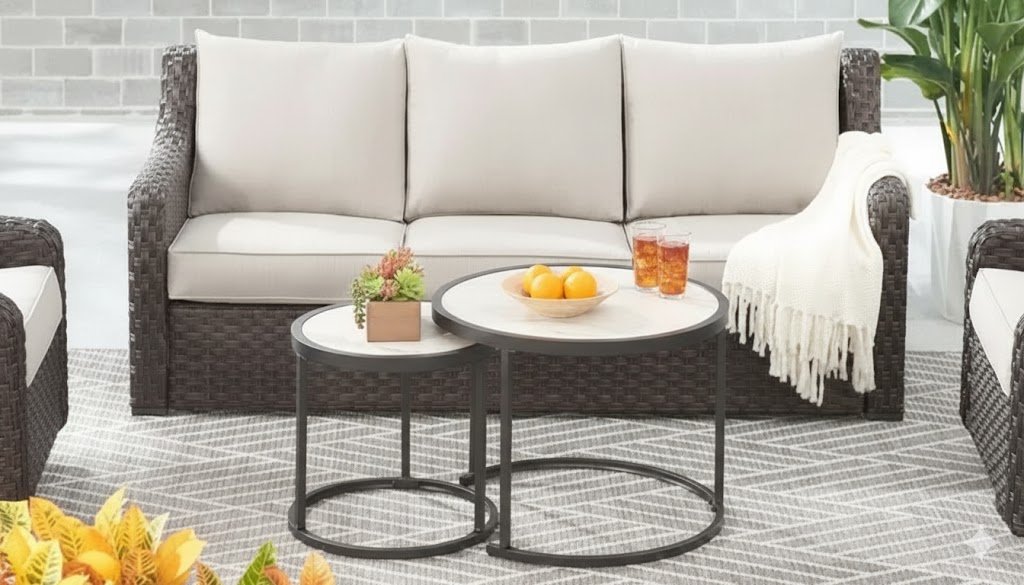
Making memories happens when you’re actually spending time somewhere. My kids will remember summer dinners on the deck. Game nights outside. The time we ate popsicles and watched fireflies. Creating an outdoor space you love means creating opportunities for those moments. That’s the real value. Not the furniture itself, but what happens because you made a space worth being in.
Your patio or deck or backyard can be whatever you want it to be. A quiet retreat. A party zone. A family gathering spot. A place to work. All of the above. The furniture you choose and how you arrange it shapes what’s possible. But the most important part is actually using it. Sit in those chairs you bought. Eat at that table. Invite people over. Or don’t invite anyone and keep it to yourself. Either way, enjoy the space you created. That’s why you did all this in the first place.

Leave a Comment