
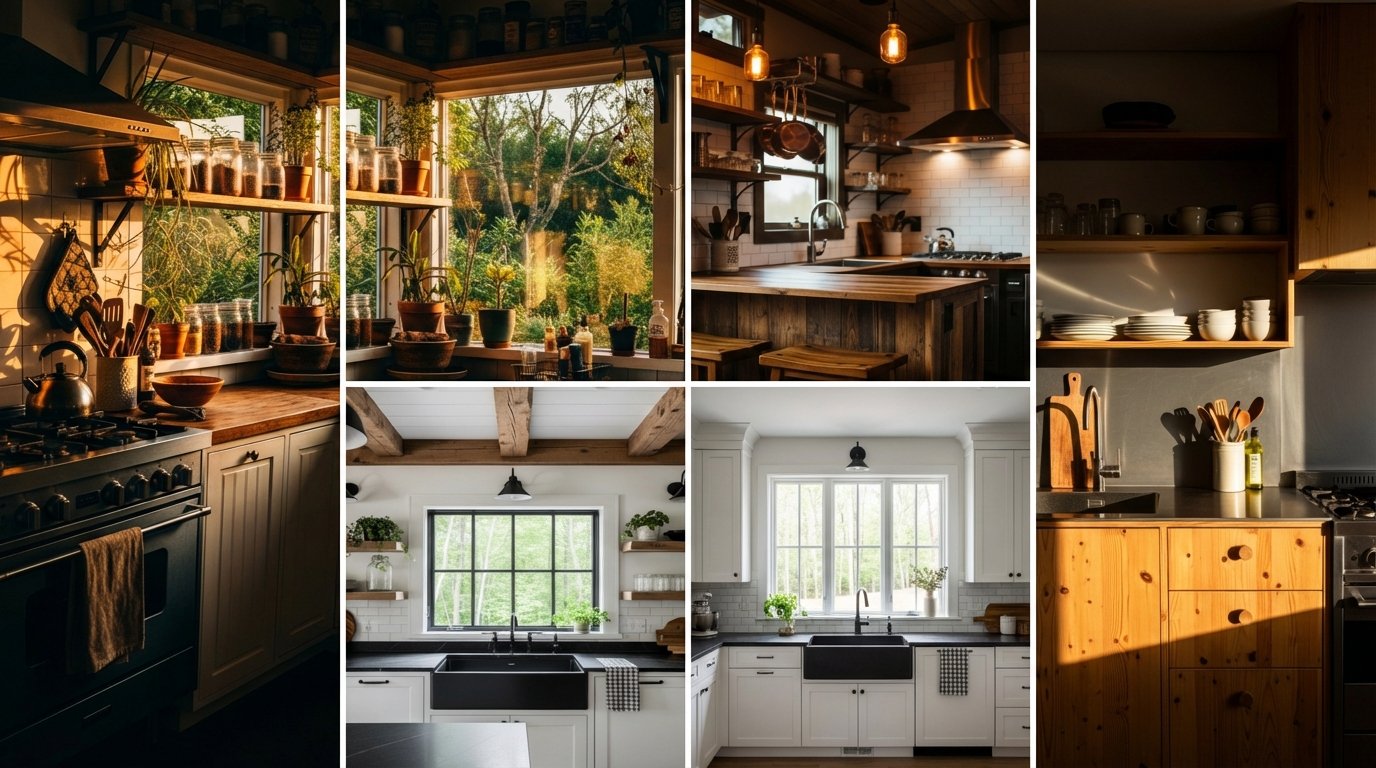
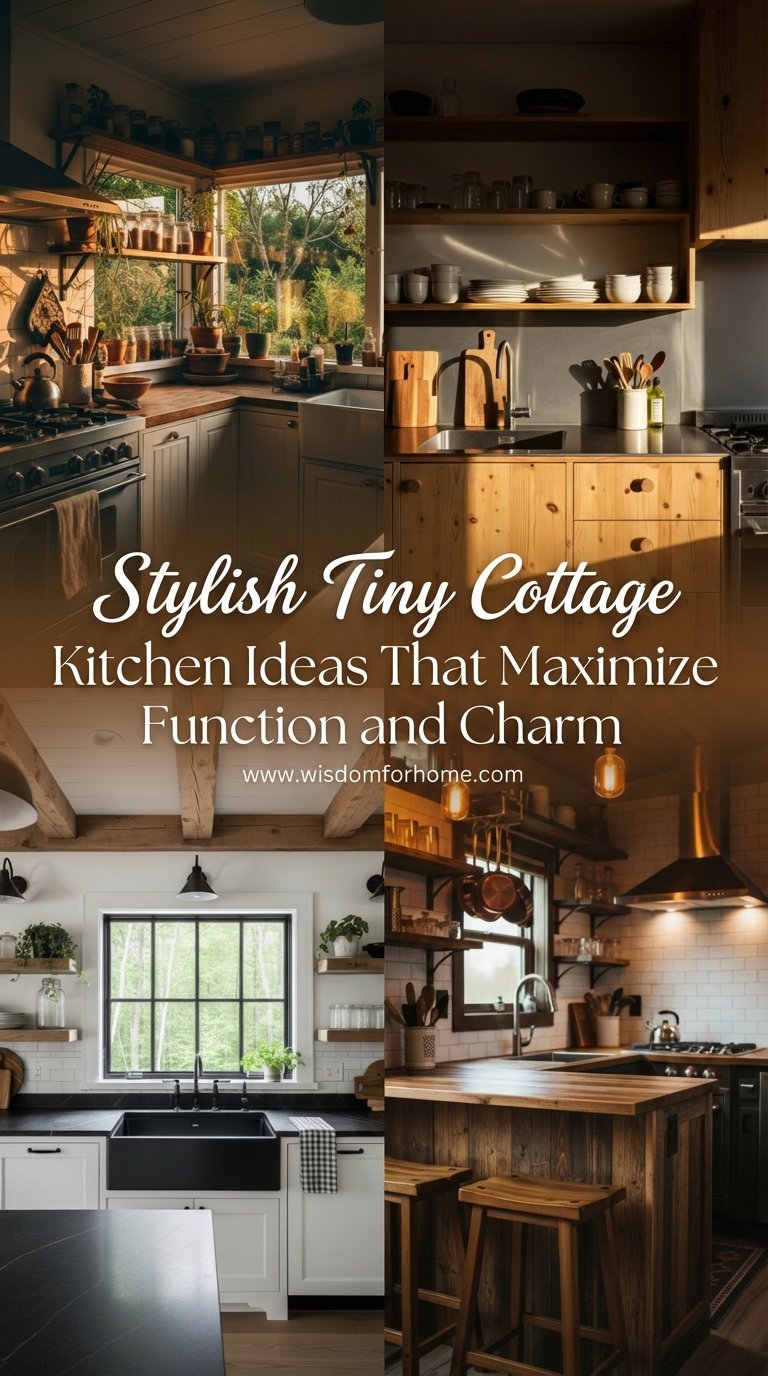
Small spaces often frustrate homeowners. You look at your compact cooking area and see limitations rather than potential. The walls feel too close and the counter space seems non-existent. You might believe a beautiful, chef-worthy workspace requires massive square footage. This is a misconception. Tiny cottage kitchens offer a unique opportunity to blend high efficiency with cozy aesthetics.
A smaller footprint forces smart decisions. You prioritize what you love and discard what you do not need. Every inch becomes valuable real estate. With the right layout, clever storage hacks, and a focus on natural light, your cramped room transforms into the heart of your home. This guide explores specific, actionable ways to create a kitchen that feels spacious, functions perfectly, and looks incredibly stylish.
Key Takeaways
- Verticality is Key: Utilizing wall height from floor to ceiling doubles your storage capacity in small footprints.
- Light Colors Expand Space: Pale hues, creams, and soft pastels reflect natural light to make tight quarters feel airy.
- Multi-Use is Mandatory: Furniture and appliances must serve two or more purposes to justify their place in the layout.
- Texture Over Clutter: Use natural materials like wood and stone to add visual interest without overcrowding the room with decor.
- Openness Creates Depth: Swapping heavy upper cabinets for open shelving pushes walls back visually and forces organized curation.
Contents
- Floor-to-Ceiling Pantry Pullouts
- Hidden Toe-Kick Drawers
- Magnetic Knife Strips
- Under-Cabinet Basket Rails
- Fold-Down Wall Tables
- Rolling Island Carts
- Built-In Banquette Seating
- Pull-Out Cutting Boards
- Built-In Pet Feeding Stations
- Popular Asked Questions
- Conclusion
Floor-to-Ceiling Pantry Pullouts
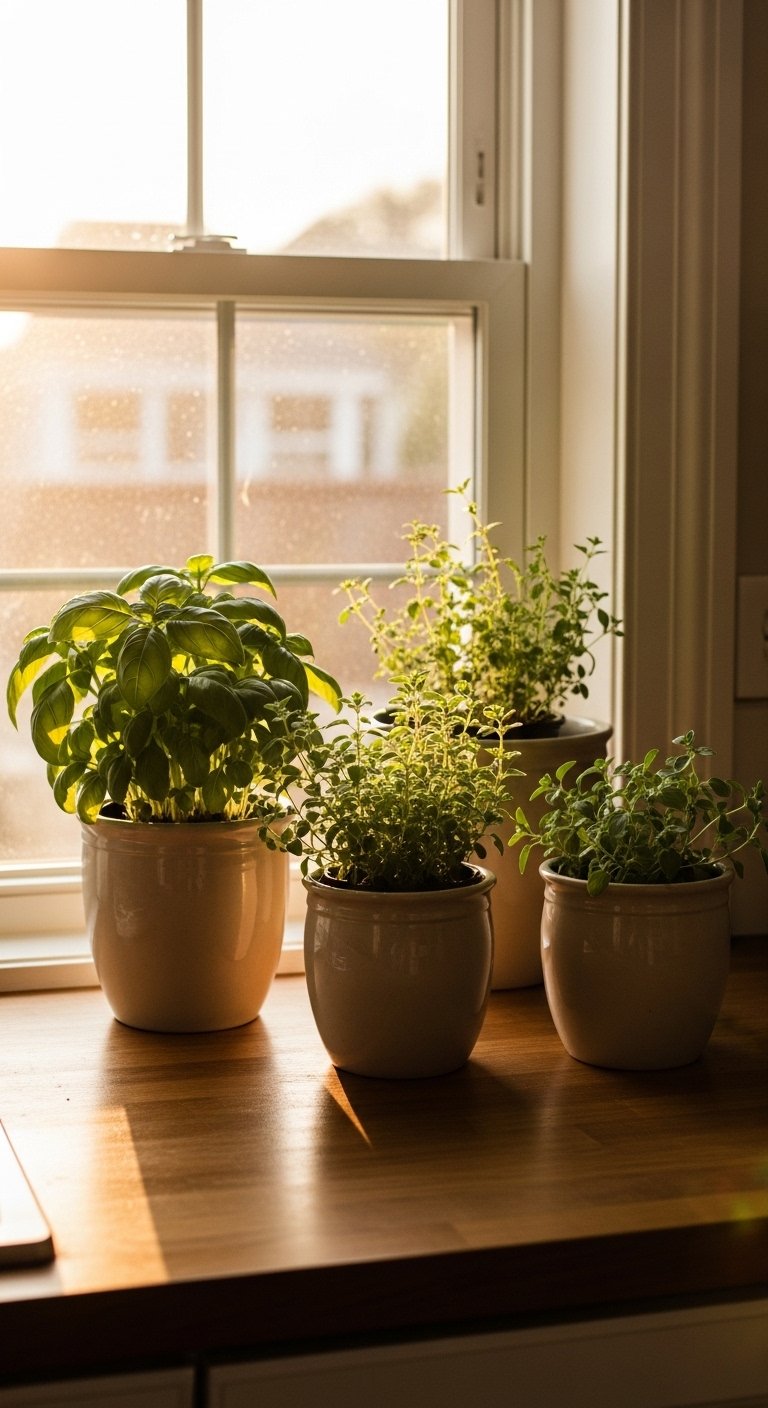
Small cottage kitchen layouts often lack a dedicated pantry room. You can solve this by installing a tall, narrow pull-out cabinet. These units usually measure only six to ten inches wide. They slide out to reveal accessible shelves on both sides. This utilizes the awkward gaps between a refrigerator and the wall.
The visual impact is minimal because the front panel blends with your existing cabinetry. The vertical lines draw the eye upward. This makes the ceiling feel higher. You gain massive storage for dry goods without sacrificing floor space. Canned goods, spice jars, and cereal boxes fit perfectly here. It keeps clutter off your counters.
Pro Tip: Use clear acrylic bins inside the pull-out to keep small items from sliding around when you open the unit.
Hidden Toe-Kick Drawers
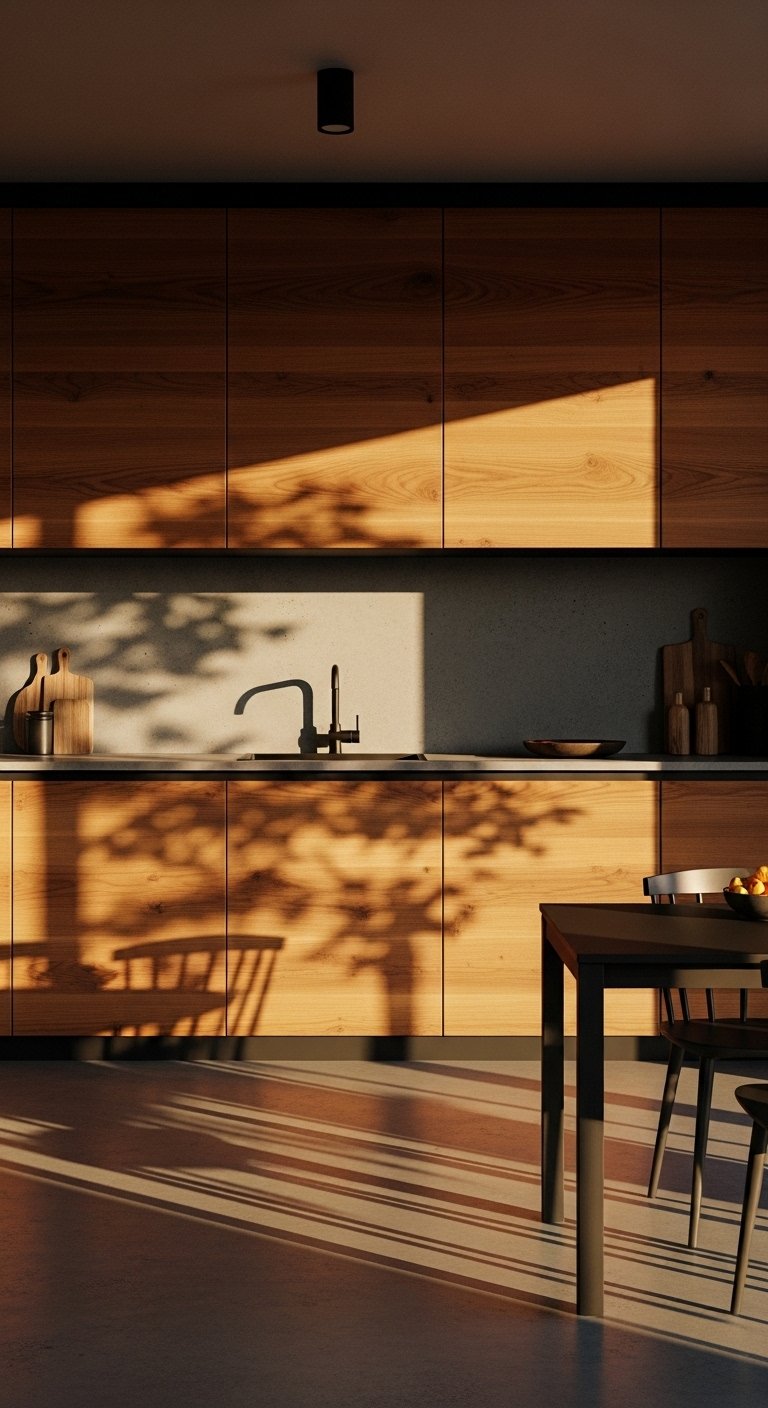
The space beneath your lower cabinets usually hides behind a decorative baseboard. This four-inch gap spans the entire perimeter of your kitchen. In a tiny home, this is wasted volume. Toe-kick drawers reclaim this area. You install shallow drawers that pop open with a gentle tap of your foot.
These hidden compartments work perfectly for flat items. Store your baking sheets, serving platters, or spare linens here. The design remains invisible when closed. It maintains the clean lines of your cottage aesthetic. You add function without visual bulk. This is a secret weapon in small kitchen design.
Save this idea to your Pinterest.
Magnetic Knife Strips
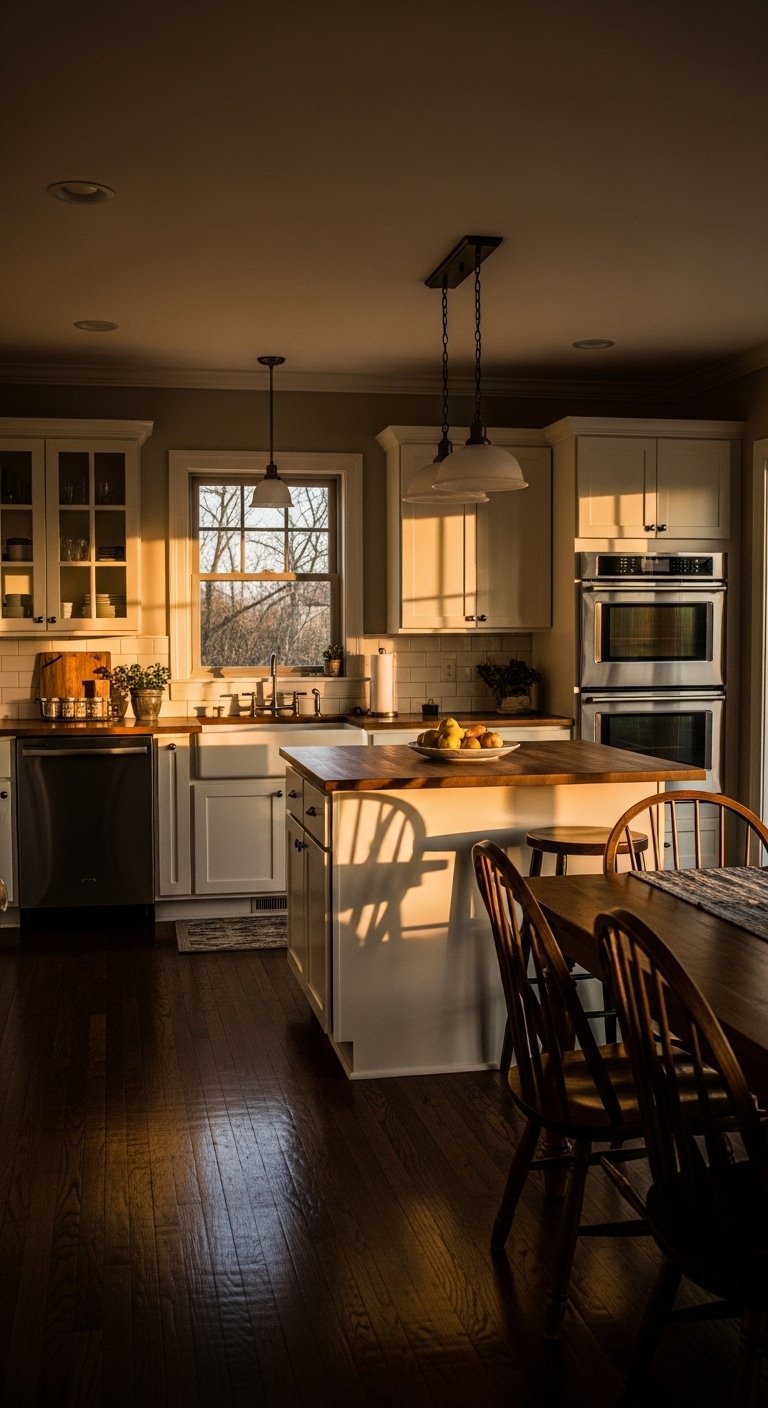
Counter space is premium real estate in a small kitchen. A bulky wooden knife block steals six to eight inches of usable prep surface. A magnetic strip mounted on the wall solves this instantly. It holds your knives securely in a vertical display. The metal against a wood or tile backsplash adds a touch of industrial charm to a rustic setting.
This keeps your tools within arm’s reach while cooking. It is safer than digging through drawers for sharp blades. Your knives stay sharper longer because the edges do not rub against other utensils. The visual of quality tools on display suggests a chef works here.
Pro Tip: Choose a wood-faced magnetic strip that matches your open shelving for a cohesive look.
Under-Cabinet Basket Rails
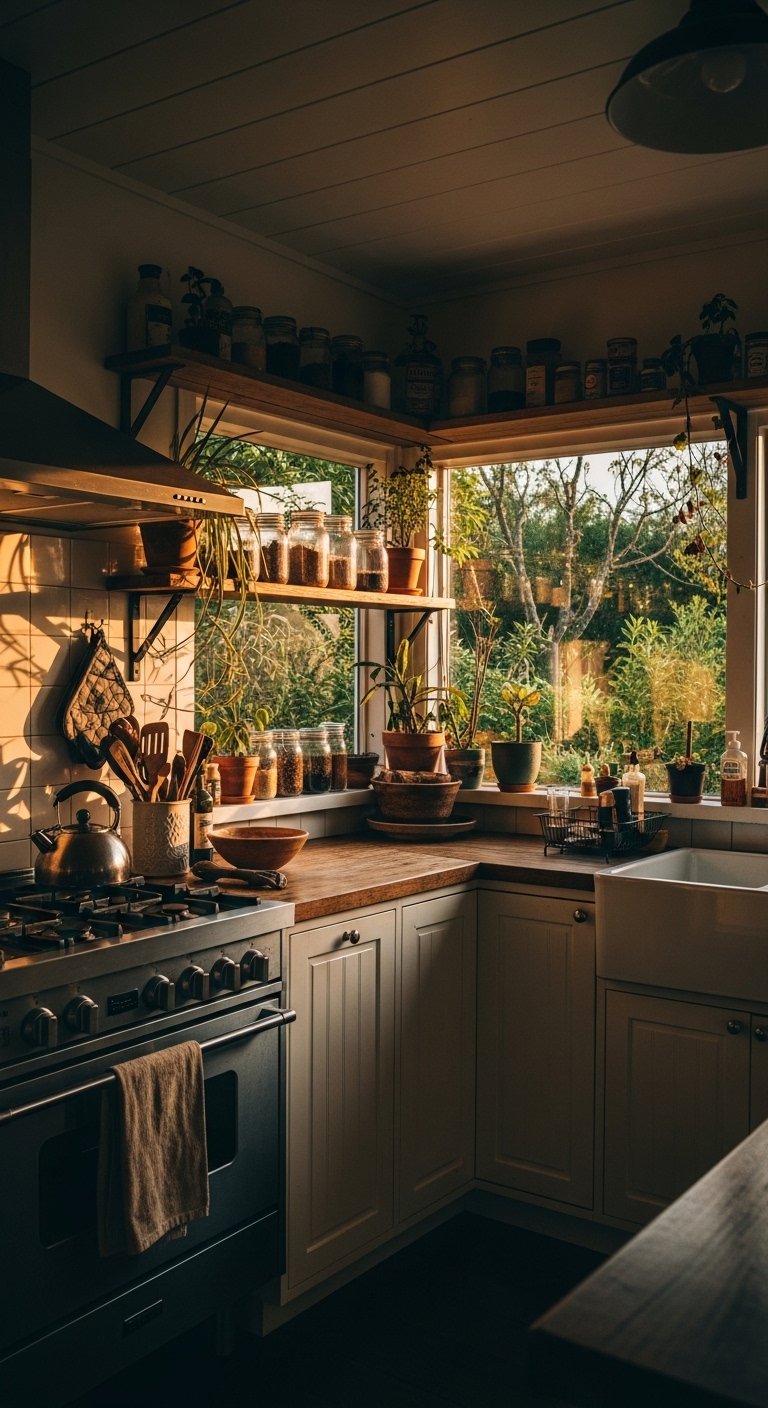
Cabinets often have large vertical gaps between shelves. You end up stacking items precariously. Installing sliding rails or hooks under the upper cabinets or under shelves maximizes this air space. Woven baskets or wire bins can slide into these rails. This creates a drawer-like function in mid-air.
The texture of wicker or wire fits the cottage vibe perfectly. You can store produce like onions and garlic here. It keeps them aired out and accessible. This technique clears shelf space for heavier items like plates. It adds layers to your storage strategy.
Comparison: Storage Solutions
| Storage Type | Best For | Visual Impact | Installation Difficulty |
|---|---|---|---|
| Pantry Pullout | Cans, Spices, Dry Goods | Hidden/Clean | Professional Recommended |
| Open Shelves | Pretty Dishes, Glassware | Airy/Display | Easy DIY |
| Toe-Kick Drawer | Baking Sheets, Platters | Invisible | Intermediate DIY |
| Magnetic Strip | Knives, Metal Tools | Industrial/Chic | Easy DIY |
Fold-Down Wall Tables
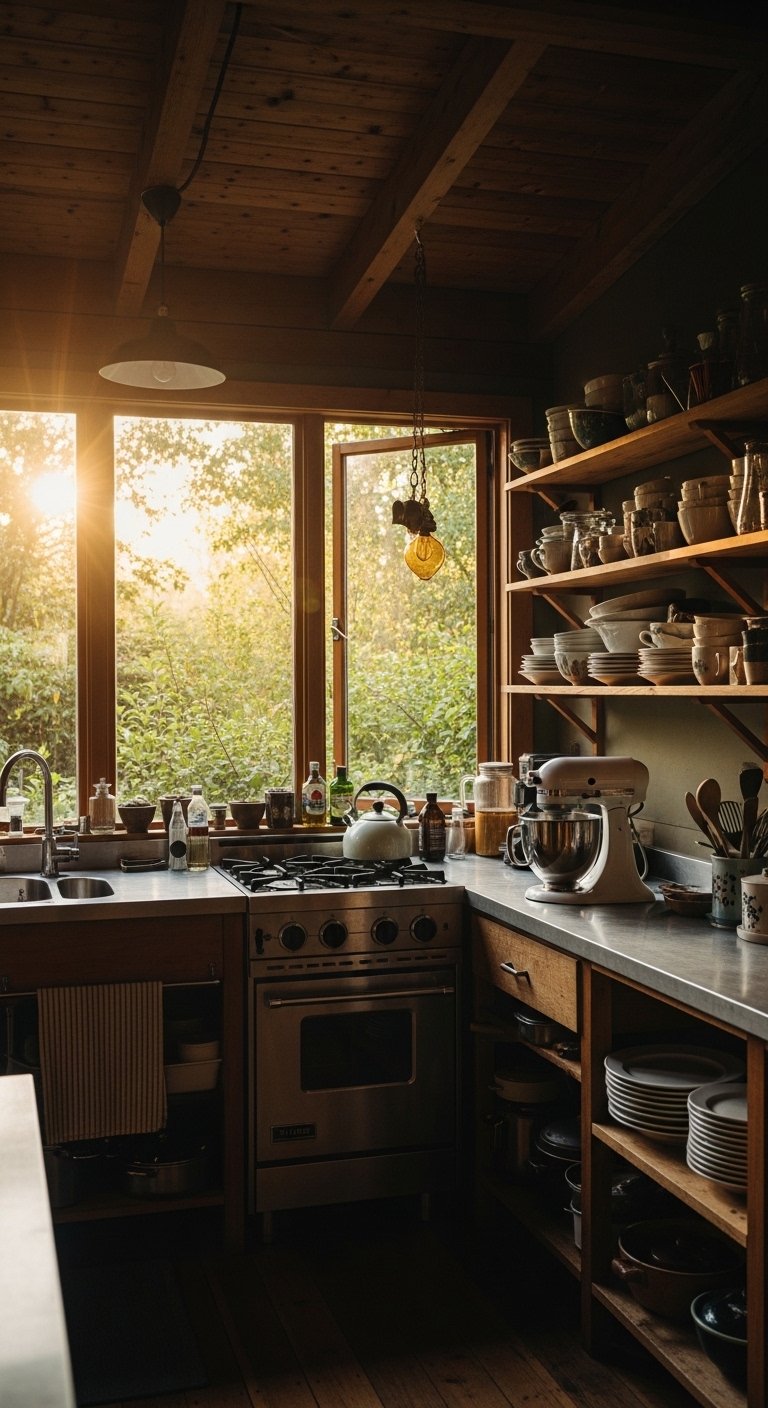
A permanent dining table might dominate a tiny kitchen floor plan. You need room to move while cooking. A fold-down table mounted to the wall offers flexibility. When you need to eat or prep food, you lift it up. It locks securely into place. When you finish, it collapses flat against the wall.
This frees up the entire floor area. You can move freely during meal prep. The table can double as a desk or extra counter space. Design the underside with a chalkboard or artwork. When folded down, it becomes a piece of wall decor. This transforms a functional item into an aesthetic feature.
Rolling Island Carts
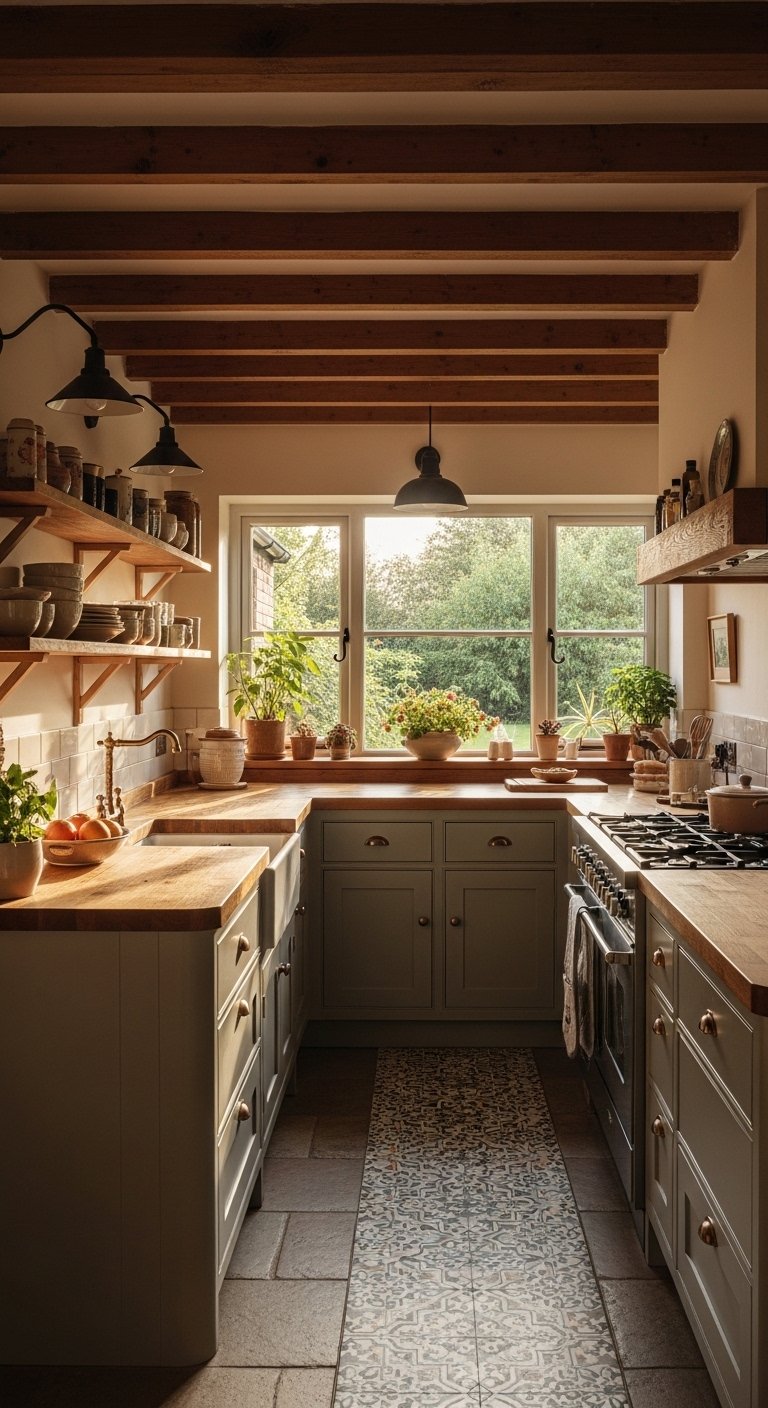
Fixed islands impede traffic flow in narrow kitchens. A rolling cart provides the benefits of an island without the commitment. You can wheel it to the center when you need a chop station. You push it against a wall or into a closet when you host a party.
Look for carts with butcher block tops and shelves underneath. This adds warmth and utility. The wheels should have locking mechanisms for safety. This mobile unit serves as a bar cart, a coffee station, or a serving buffet. It adapts to your changing needs throughout the day.
Pro Tip: Add S-hooks to the side of the cart to hang towels and oven mitts.
Built-In Banquette Seating
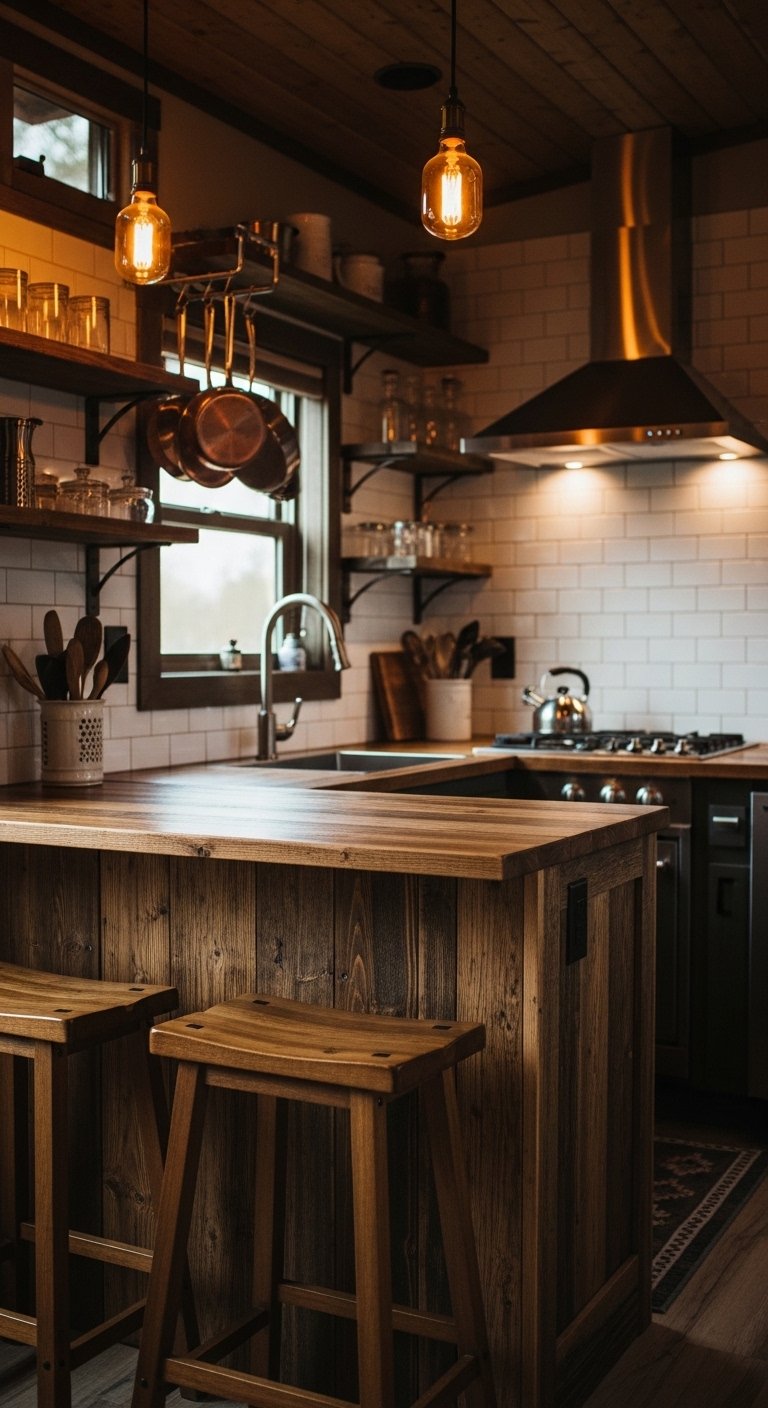
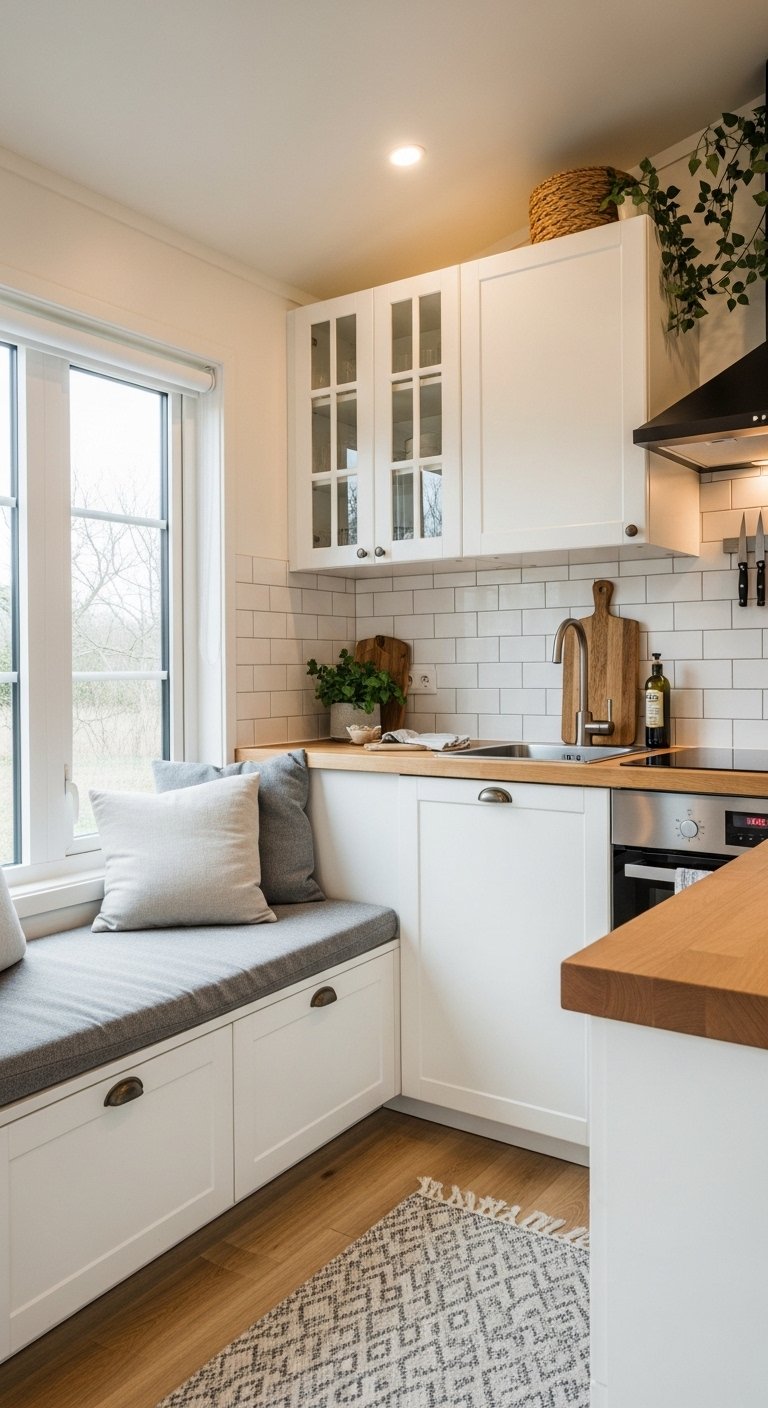
Dining chairs take up a lot of room. They require clearance to slide back. A built-in bench or banquette against a wall or into a corner saves precious inches. You eliminate the need for walk-behind space. This arrangement creates a cozy, intimate dining nook.
The box beneath the seat offers deep storage. You can hinge the top or install drawers in the front. This is the perfect spot for seldom-used kitchen gadgets or seasonal decor. Cushions and throw pillows introduce soft textiles. This balances the hard surfaces of appliances and counters.
Pull-Out Cutting Boards
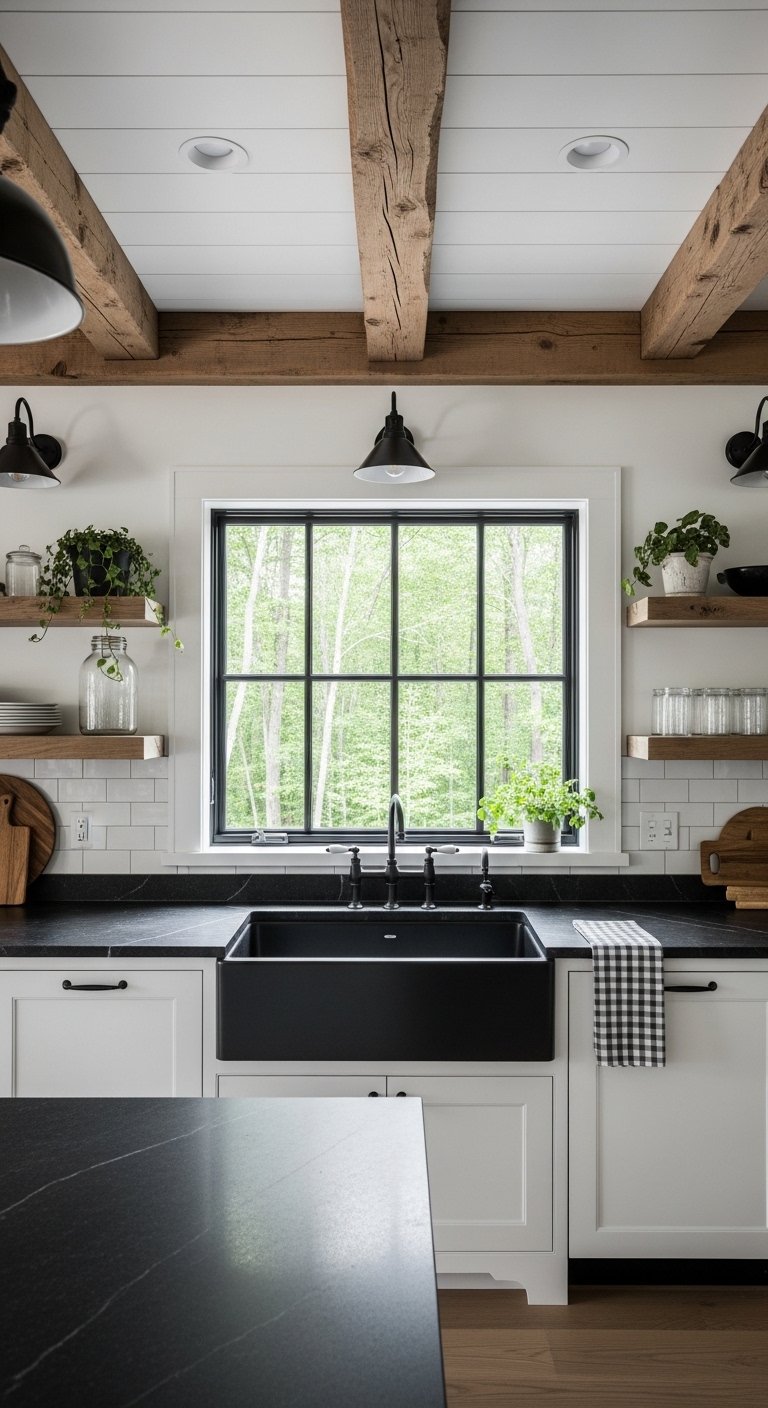
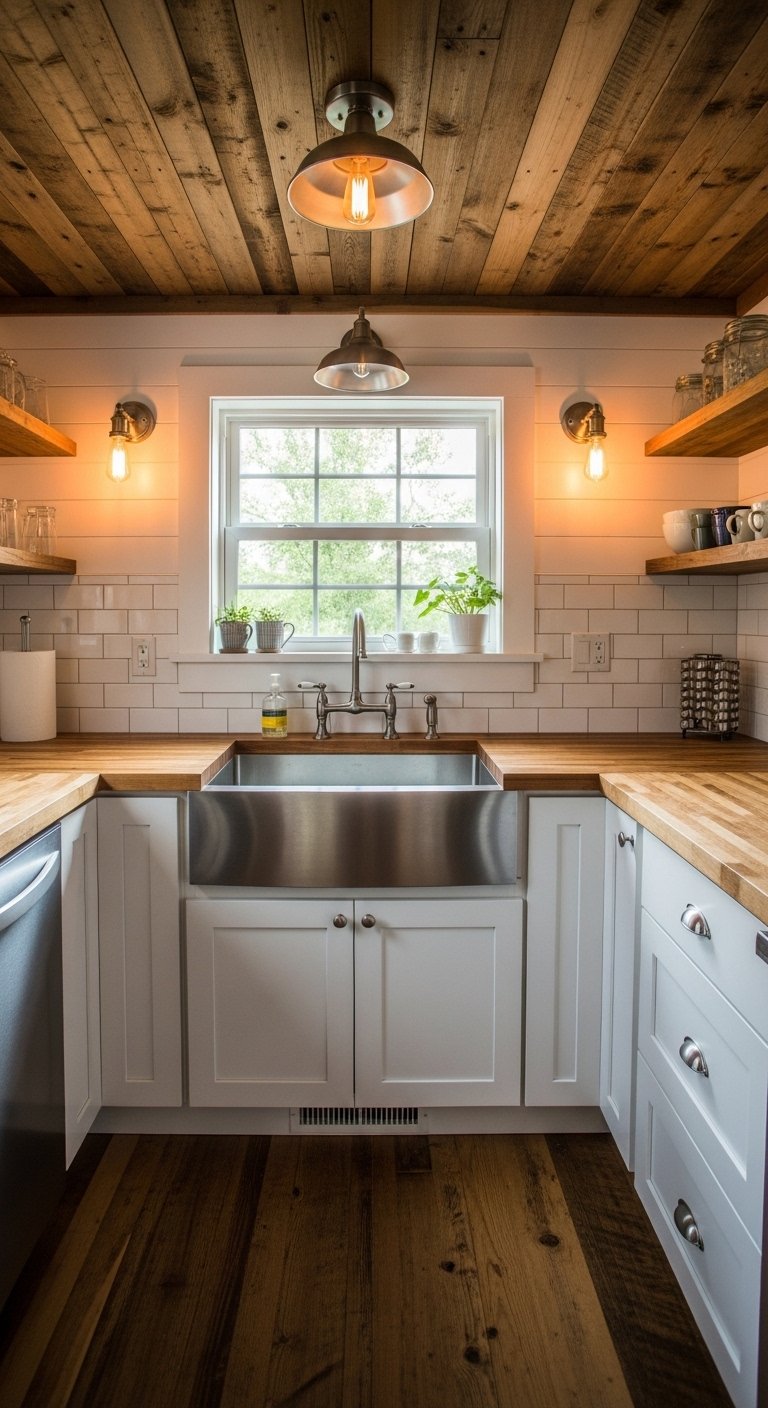
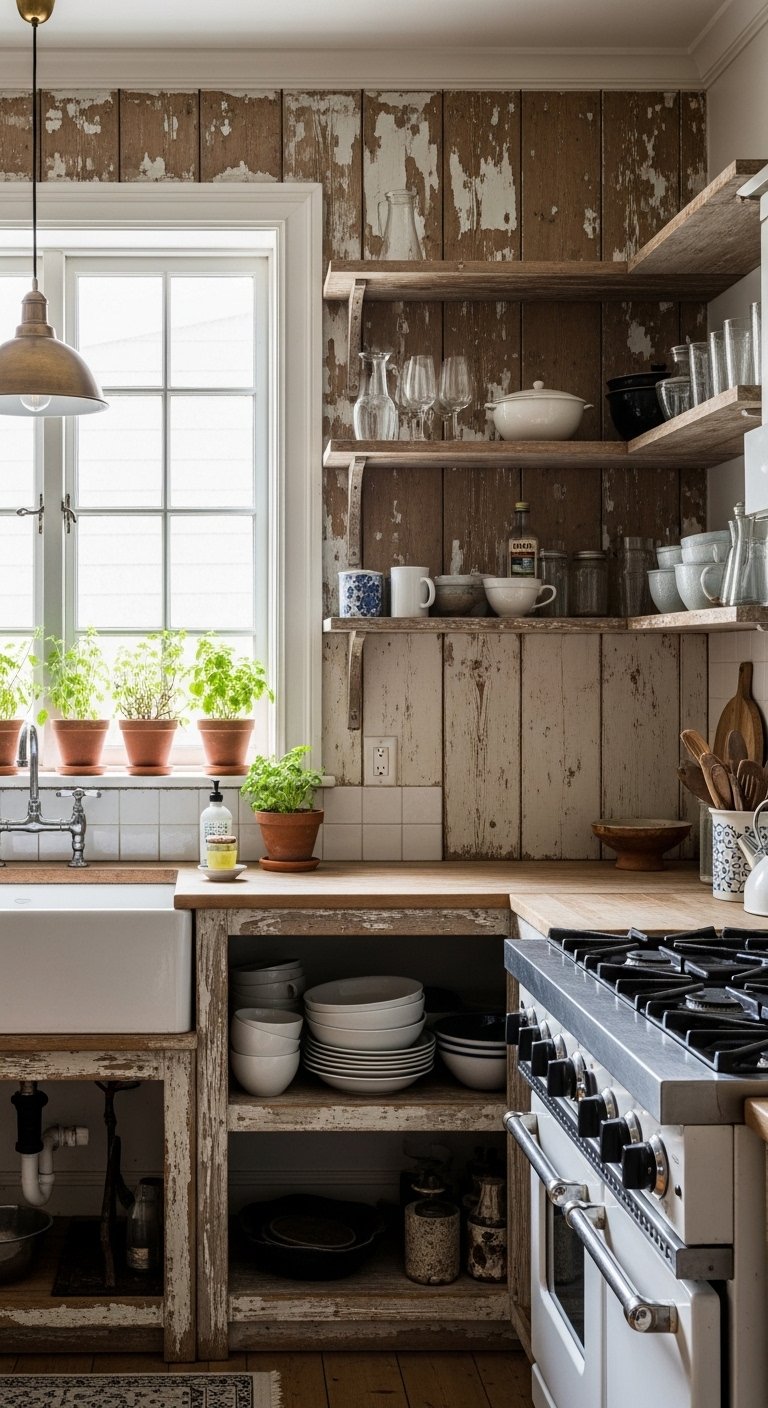
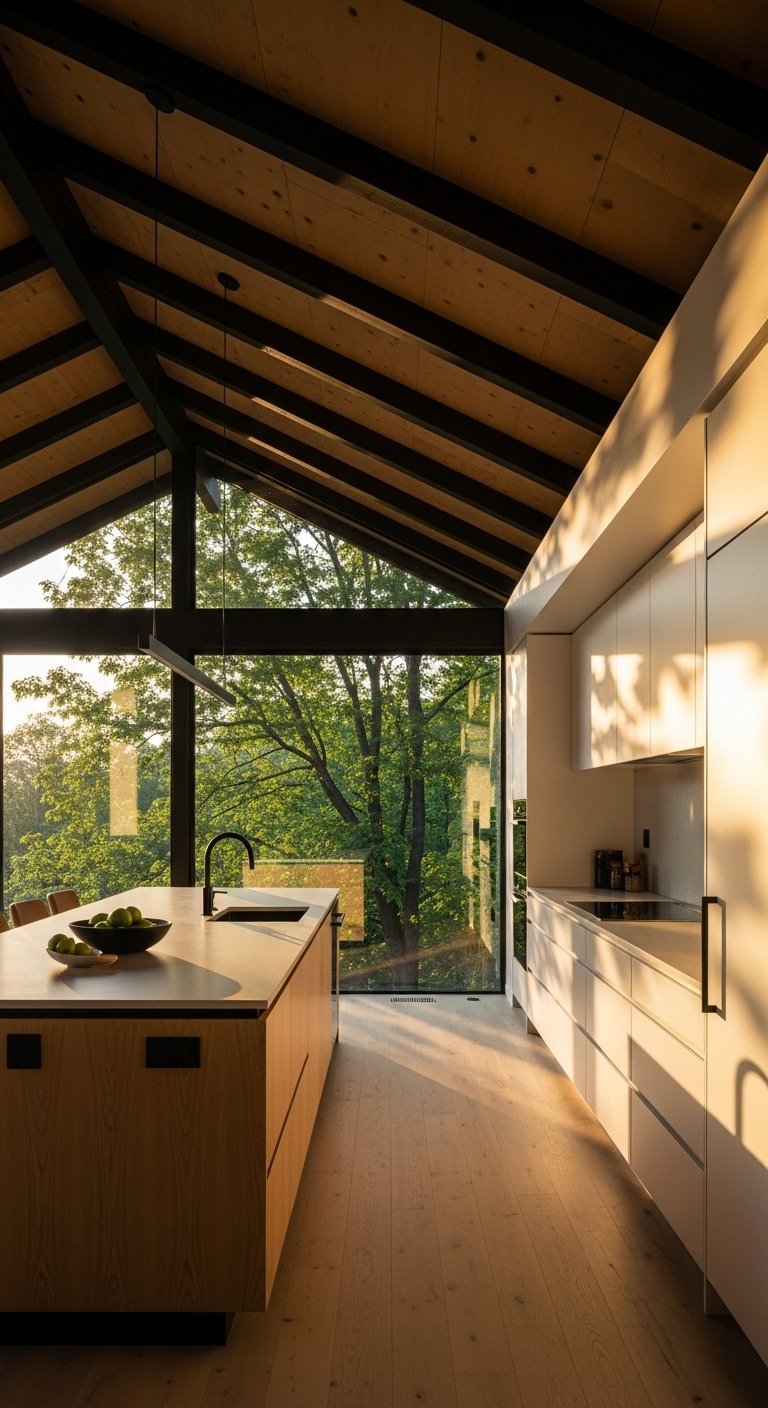
Counter space disappears quickly when you start chopping vegetables. A pull-out cutting board built directly into the cabinetry extends your workspace instantly. It slides out just like a drawer. Some designs include a hole that leads directly to a trash bin below. This streamlines waste disposal.
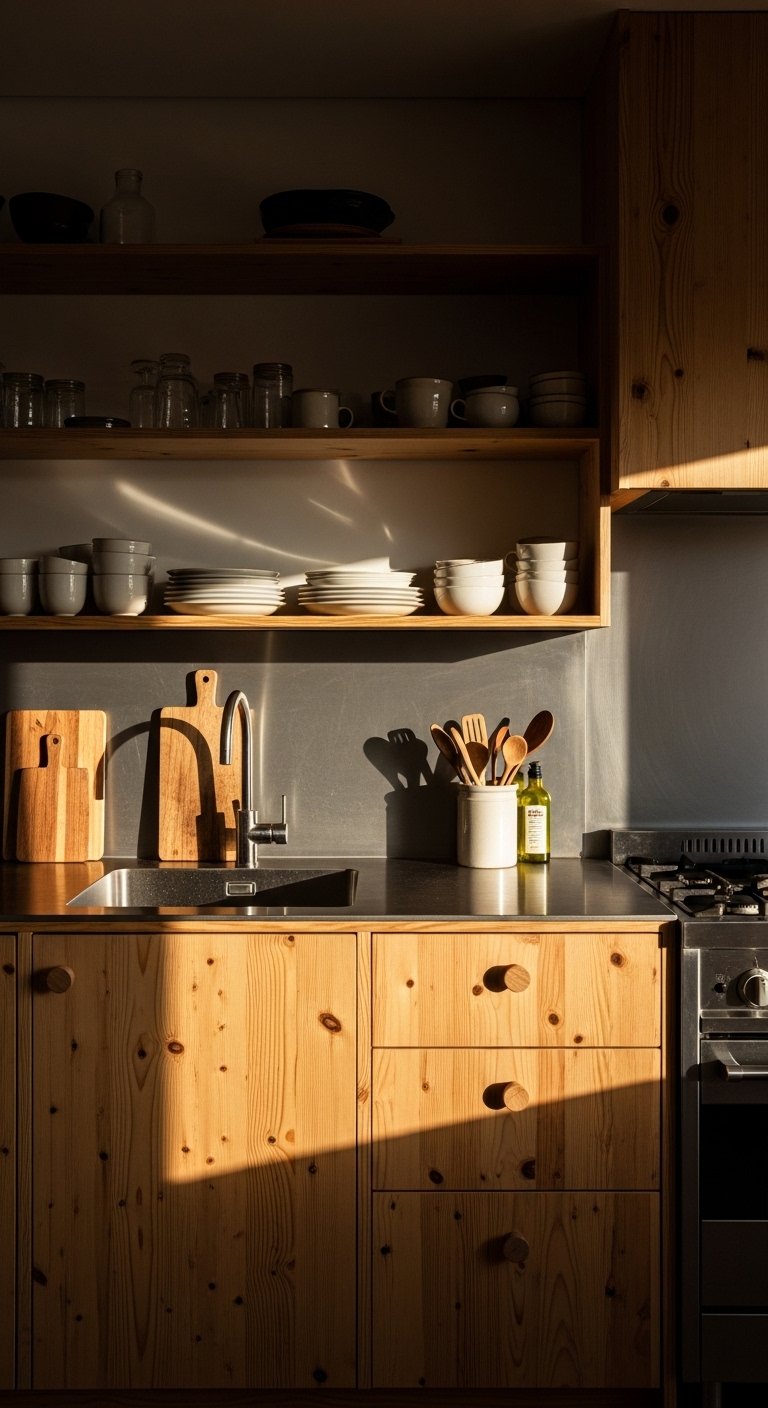
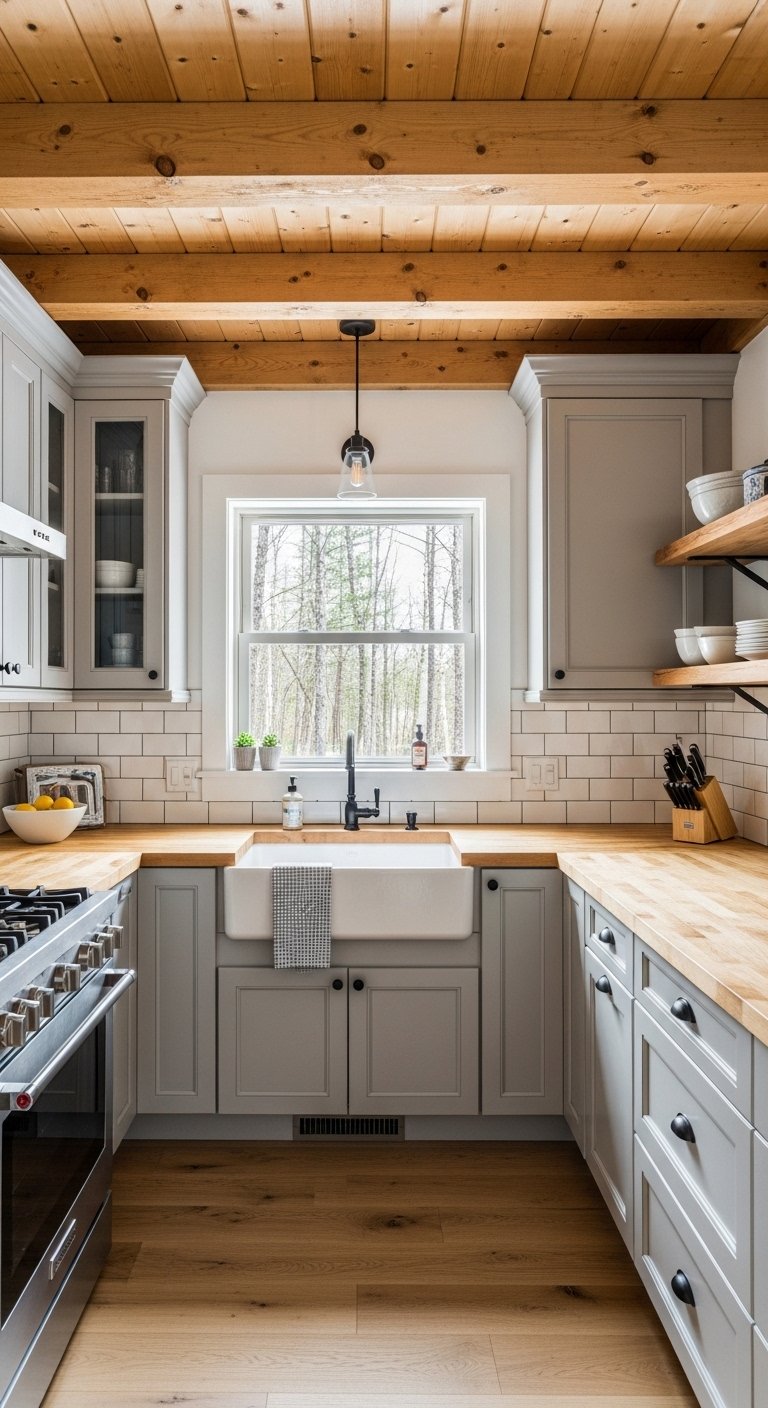
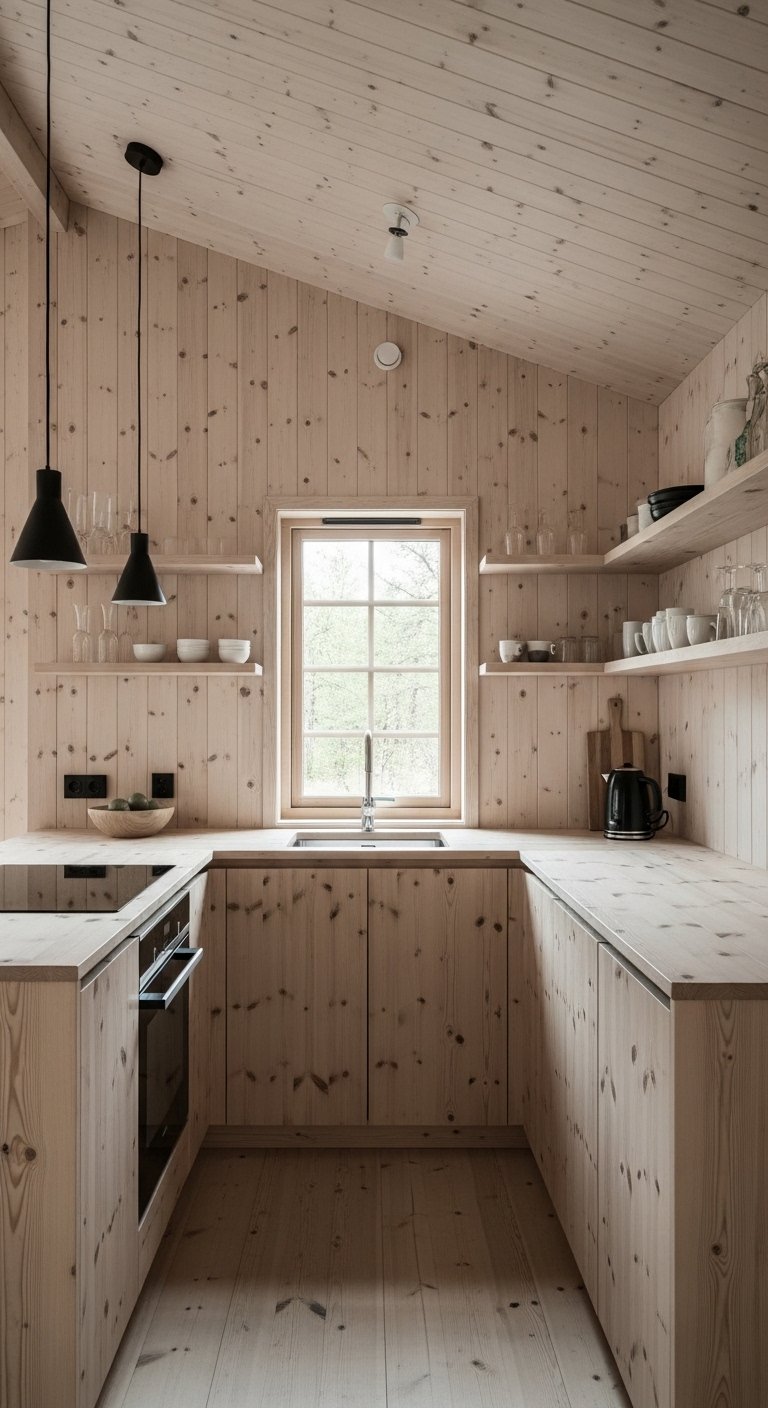
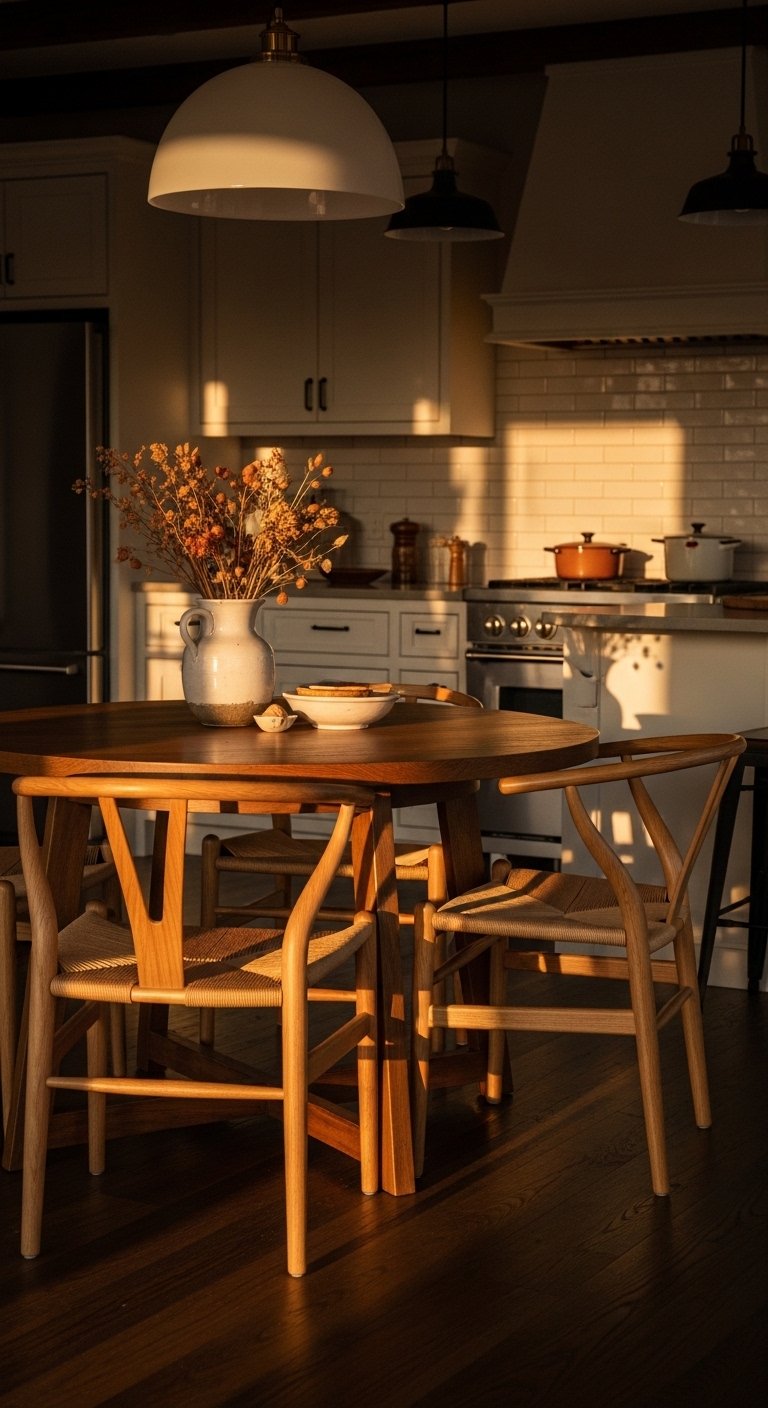
You can hide it away immediately after use. It prevents your counters from feeling cluttered with large boards. The wood tone breaks up the cabinet color. It is a classic feature in vintage cottage kitchens. It proves that old-school design often holds the best functionality.
Save this idea to your Pinterest.
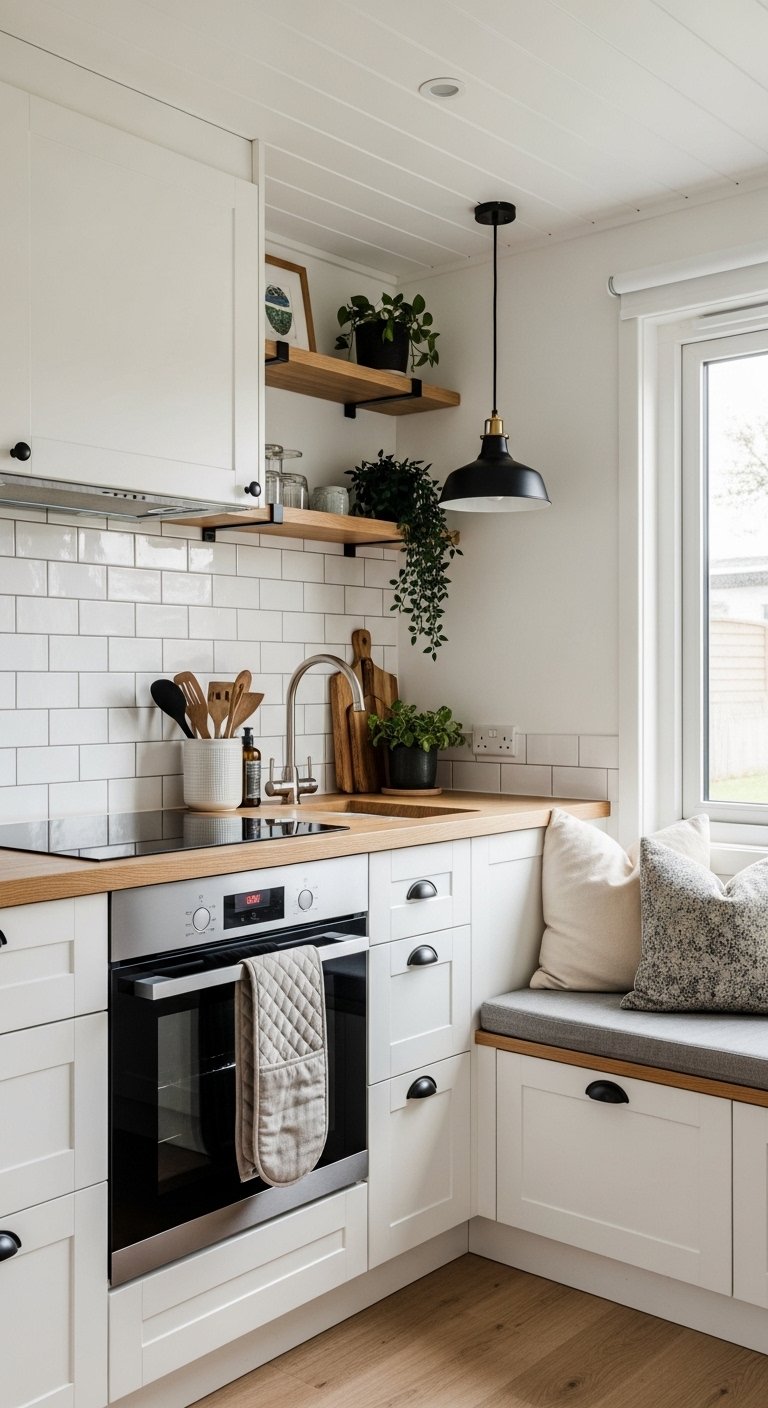
Drawers above can hold food and treats. It keeps the mess organized. It integrates your pet’s needs into the design. It keeps the floor clear for walking. It shows a thoughtful, custom approach to the renovation.
Popular Asked Questions
How do I arrange a small cottage kitchen?
Focus on the “work triangle” (sink, stove, fridge). Keep these three close together to minimize steps. Use vertical space for storage so your counters stay clear. Place the tallest items (fridge/pantry) at the corners of the room to avoid blocking sightlines.
What colors make a tiny kitchen look bigger?
Light and cool colors work best. Whites, creams, soft grays, and pastels reflect light, making walls appear further away. Painting your cabinets the same color as the walls can also make them blend in, reducing visual clutter.
Is open shelving good for small kitchens?
Yes, absolutely. bulky upper cabinets can make a small room feel like a box. Open shelving creates negative space, making the room feel airier. It works best if you commit to keeping the shelves tidy and coordinated.
How can I add counter space to a small kitchen?
Use a sink cover to create a work surface over the basin. Install a fold-down table on the wall. Use a rolling cart that can be moved into place when you are chopping vegetables. Store appliances like toasters in cabinets to free up permanent surface area.
What is the best flooring for a cottage kitchen?
Natural materials like stone, brick, or wide-plank wood are ideal for the cottage aesthetic. If you are on a budget, high-quality vinyl sheets that mimic wood or patterned tile can give the look without the cost or maintenance.
Conclusion
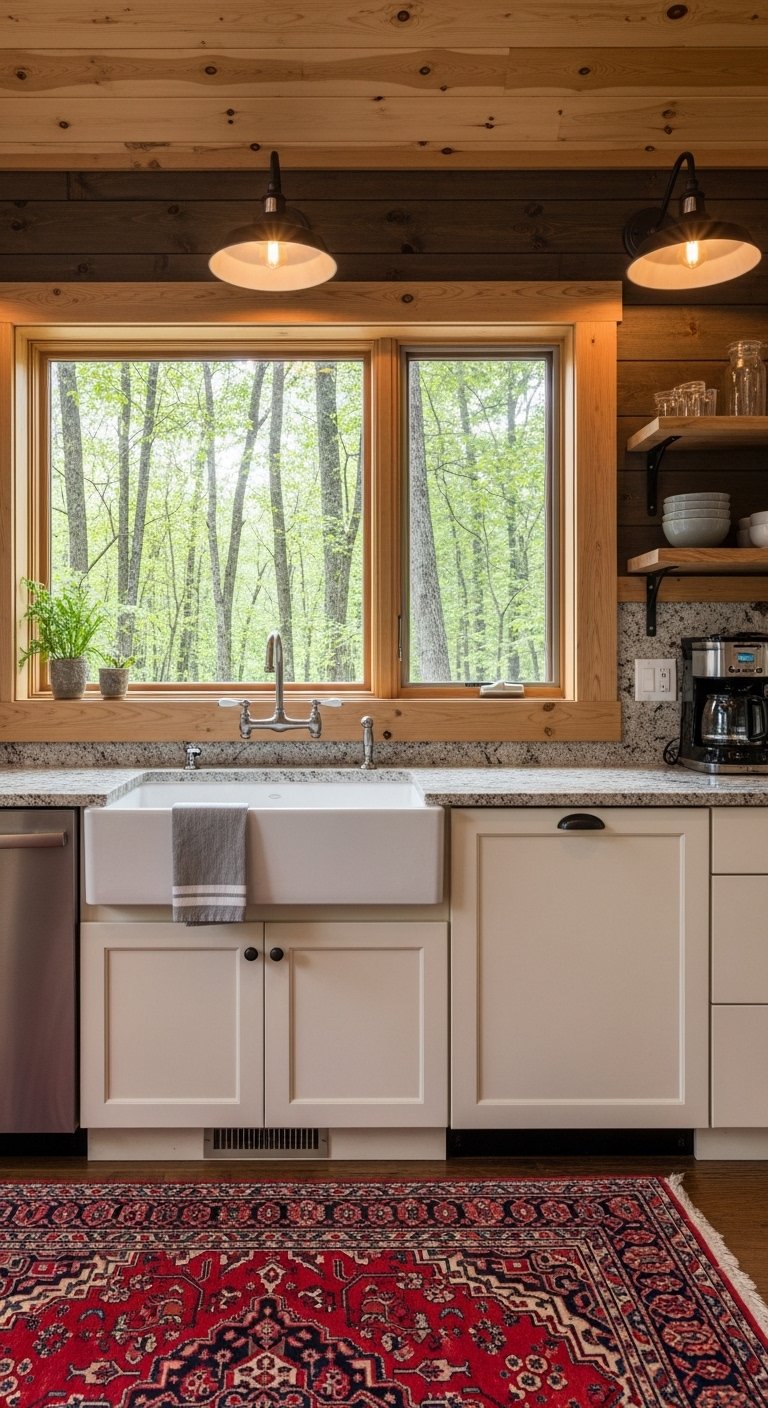
Creating a stylish and functional tiny cottage kitchen is about embracing the space you have. It requires a shift in perspective. You are not losing space; you are gaining efficiency. By implementing vertical storage, selecting multi-use furniture, and using light to your advantage, you build a room that feels much larger than its dimensions.
Every detail, from the hardware on the cabinets to the texture of the floor, contributes to the overall charm. A small kitchen is easier to clean, cheaper to renovate, and often more ergonomic for the cook. Start with one of these ideas and watch your compact cooking zone transform. Which of these storage hacks will you try first in your home?
Follow us on Pinterest for more Tiny Cottage Kitchen inspiration.

Leave a Comment