
Why We Really Care What Guests Think (And That’s Okay)
Let’s just admit it upfront. We care what people think of our homes. A lot. I know we’re supposed to pretend we don’t. We’re supposed to say things like “I decorate for myself” and “I don’t care what anyone thinks.” But come on. When someone walks into your house for the first time and you see their eyes light up? That feels amazing. When they compliment something you picked out? That’s a good day.
There’s nothing wrong with wanting approval from guests and visitors. Humans are social creatures. We’ve been impressing each other with our living spaces since we lived in caves. The person with the nicest cave probably felt pretty good about it. We’re just continuing that tradition with slightly more comfortable furniture and indoor plumbing.
The satisfaction we get from positive reactions is real and valid. I remember the first time I had friends over after redecorating my living room. They walked in and one of them literally said “Whoa.” Not a forced compliment. A genuine reaction. I rode that high for weeks. That’s the response we’re all chasing when we put effort into our spaces.
Imagine someone walking into your home and stopping in their tracks. Their face shows genuine surprise. Maybe their mouth opens a little. They say something like “This is beautiful” or “I wasn’t expecting this.” That moment right there is what we’re working toward. That’s the payoff for all the time and money we invest in making our homes look good.
A beautiful fountain hung on your wall creates exactly that response. People don’t expect to see indoor fountains. They’re still novel enough to surprise people. When water is flowing and the sound fills the room and the light catches the droplets just right? That’s a showstopper. That’s the thing guests remember about your house.
It never fails to make us happy when visitors react positively. That happiness isn’t shallow or vain. It’s pride in something we created. Satisfaction from making good choices. Validation that the effort was worth it. These are healthy normal feelings that we should embrace instead of pretending we don’t have them.
Seeing guests amazed and pleased with our interior design hits different than other compliments. They’re not obligated to say nice things about your house. They’re not getting anything out of it. When they genuinely react to something you’ve done, it’s pure. It’s honest appreciation for your taste and effort. That authenticity makes it meaningful.
The appearance of our home’s interior tells a story about who we are. Whether we want it to or not. A well designed space says we care about beauty. About comfort. About creating environments that feel good. A sloppy space says the opposite. We’re communicating through our design choices even when we don’t realize it.
Feeling proud as homeowners is one of the better feelings in adult life. Homeownership comes with a lot of stress. Maintenance. Expenses. Responsibility. Taking pride in how your home looks is the upside. It’s the reward that makes the hassle worthwhile. You’ve created something. A space that’s uniquely yours. That deserves pride.
When guests express admiration and respect for our homes, they’re really expressing respect for us. For our taste. Our effort. Our ability to create something worthwhile. That respect matters. It’s not about showing off. It’s about being recognized for doing something well. That’s human nature and it’s perfectly fine.
The living room is where first impressions happen for a reason. It’s usually the first room people see. The first space they occupy. Their brain forms opinions quickly based on what they encounter there. You get maybe thirty seconds to make an impact. After that, their impression is set and hard to change.
This place where we entertain is performing double duty. It needs to be comfortable for us on a daily basis. And it needs to impress when we have company. Balancing those two requirements is the trick. A room that’s only for show feels stiff and uncomfortable. A room that’s only for comfort might not make the impression we want.
The first area guests see sets the tone for their entire visit. If they walk in and think “wow, this is nice,” they’re primed to enjoy themselves. They relax. They settle in. They’re ready to have a good time. If they walk in and think “meh,” you’re starting from behind. You have to work harder to create a good experience.
Making an instant impression with interior design is about having a focal point. Something that immediately draws the eye and communicates that thought went into this space. Without a focal point, rooms feel scattered. Random. Like a collection of stuff instead of a designed environment. The fountain becomes that focal point effortlessly.
Investing more effort in designing our living room makes sense from a pure value perspective. This is the room we use most. The room guests see. The room that represents our home to the world. Skimping on the living room while perfecting the guest bedroom nobody uses? That’s backwards. Put your effort where it matters most.
Furniture is the main attraction of any living room. The couch. The chairs. The coffee table. These are the big ticket items that anchor the space. But they’re not enough on their own. A room with just furniture feels incomplete. Like a stage with props but no set dressing. You need more to complete the picture.
Taking into consideration accessories and decorations is where design moves from functional to intentional. Accessories are what make a room yours instead of just anyone’s. They’re the personal touches. The unexpected elements. The things that make guests look twice and really see what you’ve done.
Making our home interior design better doesn’t require a complete overhaul. Sometimes one really good addition transforms everything. The fountain is that addition. It’s significant enough to change the whole vibe of the room. But it doesn’t require you to replace everything else. It works with what you already have.
The Comfort Factor Everyone Forgets About
Having a well designed living room is great. Really, it is. But if your guests sit down and can’t relax? You’ve missed the point. A beautiful room that feels like a museum isn’t serving its purpose. Living rooms need to be livable. Comfortable. Places where people actually want to spend time instead of just admire from a distance.
Not enough people talk about this. We see these gorgeous rooms in magazines and on social media. Perfect styling. Everything coordinated. Looks amazing in photos. But would you actually want to hang out there? Would you put your feet up? Grab a snack? Get comfortable? Often the answer is no. Those rooms are for looking at, not living in.
Another factor to include is how the space feels, not just how it looks. You can have matching furniture and coordinated colors and good lighting. Check all the visual boxes. But if the room has bad energy? If it feels cold or unwelcoming or stiff? People won’t want to be there. They’ll find excuses to leave or suggest moving to another room.
Designing our living room for comfort needs to be part of the plan from the beginning. Not an afterthought. Not something you add after you’ve finished decorating. Comfort should inform every choice you make. That doesn’t mean sacrificing style. It means finding options that deliver both beauty and comfort simultaneously.
Making it relaxing and comfortable for guests is actually easier than making it impressive. Soft seating. Good temperature control. Pleasant lighting. These aren’t complicated requirements. But they’re often overlooked in favor of how things look. The result is rooms that photograph well but feel terrible to actually use.
One way to create a more relaxing feel is through sound. We think about how rooms look. Sometimes how they smell with candles or whatever. But sound? That’s usually accidental. The hum of appliances. Traffic from outside. The echo of hard surfaces. These auditory elements affect how we feel in a space more than we realize.
Placing a nice looking wall water fountain addresses both the visual and auditory aspects. It looks good. That’s obvious. But more important, it sounds good. That gentle trickling water creates a sound environment that’s naturally calming. Your nervous system responds to it automatically. You can’t help but relax a little when you hear water flowing.
Wall fountains instantly turn rooms into more welcoming spaces. The transformation isn’t gradual. It’s immediate. The moment you turn on the fountain, the room changes. The sound fills the space. The movement catches your eye. The whole energy shifts from static to dynamic. From ordinary to special.
Relaxing and comfortable aren’t the same thing as boring. That’s a misconception. Some people think making a room relaxing means making it bland. Neutral colors. Soft edges. Nothing interesting happening. Wrong. A relaxing room can be visually exciting. Can have personality. Can make a statement. Relaxation comes from how the elements work together, not from playing it safe.
The fountain provides relaxation through multiple channels at once. Visual interest from the flowing water. Auditory pleasure from the trickling sound. Even a slight humidity increase that makes the air feel better. These combine to create an environment that your body recognizes as pleasant. You don’t have to think about relaxing. It just happens.
Living rooms that incorporate water features feel more complete. Like all the pieces are there instead of something being missing. Before I added my fountain, I knew my living room was fine. Good even. But something was off. I couldn’t identify it. The fountain filled that gap I didn’t know existed. Suddenly the room made sense.
Comfortable means different things to different people. For some, it’s deep soft seating. For others, it’s good lighting to read by. For everyone, it’s an environment that doesn’t create stress. That supports relaxation instead of working against it. A fountain contributes to that supportive environment without being obvious about it.
Guests notice when a space feels good even if they can’t articulate why. They’ll say things like “I love being at your place” or “Your house is so peaceful.” They’re responding to all the elements you’ve put together. The fountain is one piece of that puzzle. But it’s often the piece that makes everything else click.
Creating relaxing environments is partly science and partly art. The science is understanding how humans respond to certain stimuli. Water sounds calm us. Natural elements ground us. The art is putting those elements together in a way that feels intentional instead of calculated. The fountain handles both aspects naturally.
More than just looking good is the standard we should hold ourselves to. Beauty alone isn’t enough. Function alone isn’t enough. We need both. A fountain delivers both without compromise. It’s gorgeous to look at. And it makes the space better to be in. That combination is rare and valuable.
Relaxing feel comes from removing stressors and adding positive elements. You can’t just remove everything annoying and call it done. An empty quiet room isn’t relaxing. It’s boring. You need something pleasant to replace the unpleasant. The fountain fills that role perfectly. It actively contributes positive sensory input.
Our living room becomes our favorite room once we get the comfort piece right. You start choosing to spend time there instead of just ending up there. You look forward to coming home. To sitting down. To just being in that space. That’s what we’re really going for with all of this. Creating a home we actually want to live in.
Why Wall Fountains Are Having a Moment
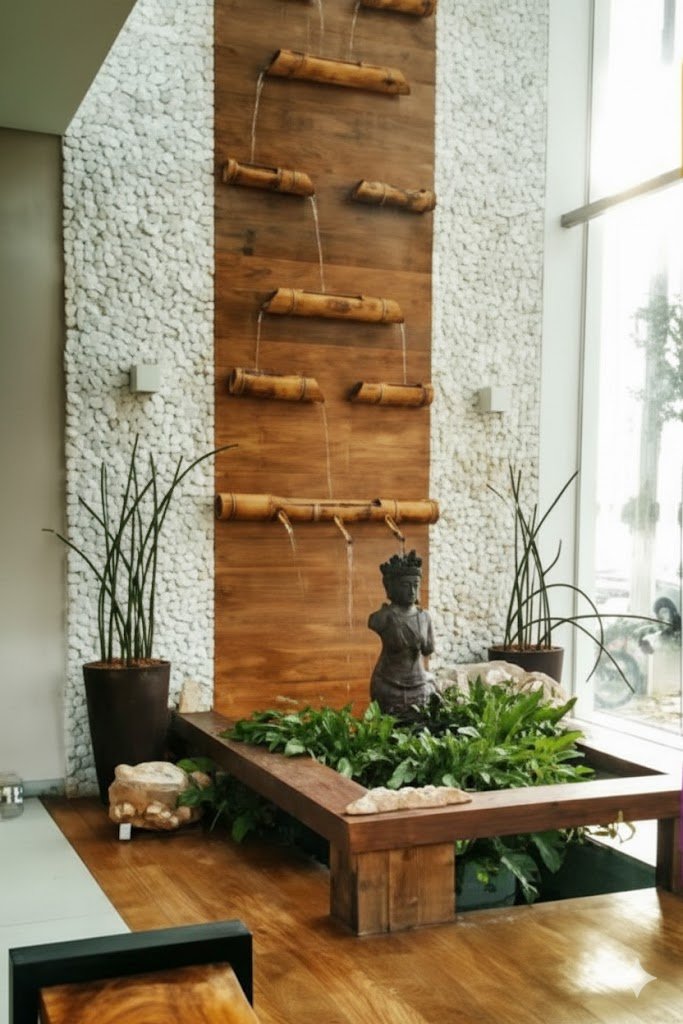
Wall fountains are becoming more popular and it’s not hard to see why. They solve problems that homeowners didn’t even know they had. Space constraints in modern homes. Lack of natural elements indoors. Boring walls that don’t do anything interesting. One fountain addresses all of these issues simultaneously.
More and more homeowners are catching on. Five years ago, if you mentioned indoor fountains, people thought you meant koi ponds or massive floor installations. Now they picture sleek wall mounted units that actually work in real homes. That mental shift happened fast. The market responded and now there are options for everyone.
Many homeowners are discovering the numerous benefits fountains provide. Not just one thing. Multiple benefits from a single purchase. That value proposition is compelling. You’re not just buying decoration. You’re buying better air quality. Humidity control. Sound masking. Visual interest. Relaxation support. That’s a lot of return on investment.
Benefits they provide add up over time. The first day you install your fountain, you notice the obvious stuff. Looks nice. Sounds peaceful. But after living with it for a while, you notice subtler things. You sleep better. You’re less stressed at home. Guests stay longer. These accumulated benefits justify the initial cost many times over.
Fountains such as wall water fountains and tabletop versions offer flexibility that traditional fountains never could. You’re not committed to one spot forever. Wall fountains can be moved to different walls. Tabletop fountains can go anywhere with a surface. That flexibility reduces the fear of making a mistake. If it doesn’t work in one spot, try another.
Ideal choices for decorating depend on your specific situation. What works in one home might flop in another. Wall fountains work for most people because they’re adaptable. They come in enough styles and sizes that finding one appropriate for your space isn’t hard. The hard part is choosing between multiple good options.
Our living rooms get the most benefit from fountains because that’s where we spend time. A fountain in a room you never use is wasted. A fountain in the room where you actually live pays dividends every single day. The living room is the obvious choice for most people’s first fountain.
Astonishing and attention grabbing sounds like hyperbole but it’s accurate. People really do stop and stare when they first see a fountain. The movement catches their eye. The sound makes them pause. The whole experience is engaging in a way that static decor isn’t. That engagement is what makes fountains worth considering.
Attention grabbing looks come from the inherent interest of moving water. You don’t need complicated designs or flashy features. Simple water flowing down a surface is inherently captivating to human brains. We’ve evolved to notice and pay attention to water. A fountain exploits that biological programming in the best way.
They resemble natural waterfalls in the ways that matter. Not in scale obviously. Your wall fountain isn’t Niagara Falls. But the essential qualities are there. Water flowing downward. The sound of it hitting surfaces. The visual pattern of movement. Our brains recognize these elements and respond the same way they do to actual waterfalls.
Water cascades through rocks in patterns that never repeat exactly. Each moment is unique. That’s part of why watching water is so mesmerizing. Your brain can’t predict exactly what’s coming next. It has to stay engaged. That engagement without effort is rare. Most things that hold our attention require work. Water just does it naturally.
Boulders and natural elements make the fountain feel more organic. Even modern fountains benefit from some natural material. Stone. Slate. Something that connects the fountain to the natural world. That connection matters psychologically. It reminds us we’re part of nature even when we’re sitting in climate controlled boxes.
Waterfalls have universal appeal across cultures and ages. Show anyone flowing water and they react positively. Babies watch it intently. Kids play in it. Adults find it calming. Elderly people enjoy it. The fountain taps into that universal positive response. It’s a safe bet in a way that other decor choices aren’t.
Great to look at is the baseline. If your fountain isn’t pleasant to look at, nothing else matters. But most fountains clear that bar easily. Water flowing is inherently beautiful. Getting an ugly fountain would take effort. The challenge is finding one that matches your specific aesthetic preferences, not finding one that looks good in general.
Being great visually is just the start. The multi sensory experience is what sets fountains apart. Your eyes are engaged by the movement. Your ears by the sound. Even your skin picks up on the humidity change. That full body experience is what creates the deep satisfaction fountains provide.
Aside from beauty, fountains work hard behind the scenes. They’re humidifying your air. Masking annoying sounds. Creating white noise that helps concentration. Providing a focal point for meditation or relaxation. All of this happens automatically. You don’t have to do anything except enjoy it.
Soothing natural sounds affect us on a biological level. Research backs this up. Water sounds lower cortisol levels. Reduce blood pressure. Slow heart rate. These aren’t placebo effects. They’re measurable physiological responses. Your fountain is literally making you healthier just by running in your space.
Flowing water into your home creates an auditory environment that supports wellbeing. Instead of silence punctuated by annoyances, you have pleasant sound that covers up problems. Instead of harsh noises that make you tense, you have gentle sounds that help you relax. That difference compounds over time into real quality of life improvements.
Relaxation to both mind and body is the ultimate goal. Physical relaxation without mental calm is incomplete. Mental calm without physical relaxation is unstable. You need both. The fountain provides both. Your muscles release tension. Your thoughts slow down. Your whole system downshifts into a more peaceful state.
Finding Your Perfect Fountain Without Losing Your Mind
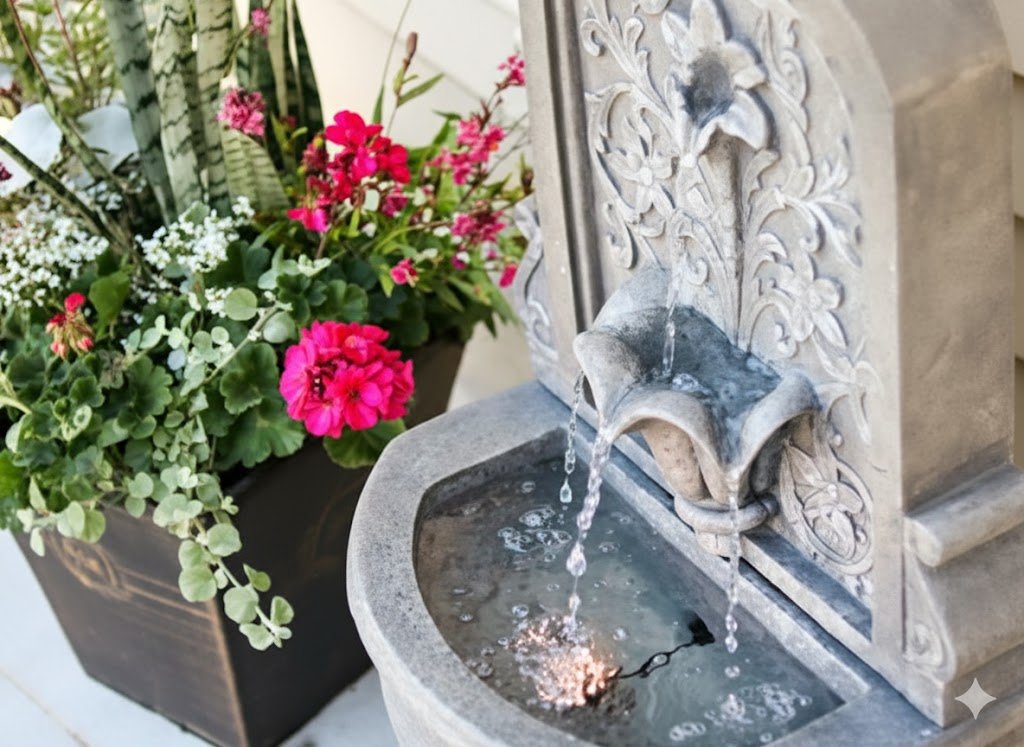
Finding the perfect wall water fountain is easier than you’d expect. The market has matured enough that good options exist at every price point. You’re not choosing between two mediocre models anymore. You’re choosing between dozens of quality options. That’s a better problem to have.
Easy might be overselling it a little. The sheer number of choices can be overwhelming. But compared to other home improvement projects? This is straightforward. You’re not dealing with contractors. Not worried about plumbing. Not coordinating multiple purchases. You’re buying one thing and hanging it up. That simplicity is refreshing.
There are currently wide selections available that would have been unimaginable a decade ago. The fountain market exploded. What used to be a specialty product became mainstream. That growth means variety. Different styles for different tastes. Different sizes for different spaces. Different price points for different budgets.
Wide selections can work against you if you don’t narrow down your criteria. Start with the basics. What size do you need? What’s your budget? What style matches your existing decor? Those filters eliminate most options immediately. Then you’re choosing between a handful of realistic candidates instead of hundreds of possibilities.
Wall fountains available in different sizes solve the space problem that kept fountains exclusive for so long. Small apartment? There’s a compact fountain for that. Huge open concept living room? There are massive options. Normal suburban house with normal rooms? Plenty of mid sized fountains fit perfectly. The fountain scales to your reality.
Different sizes ranging from large to small means you’re not forcing a fountain into your space. You’re finding the fountain that was designed for spaces like yours. That distinction matters. A fountain that’s the wrong size looks awkward no matter how beautiful it is otherwise. Get the size right first. Everything else is easier after that.
Large fountains make bold statements. They dominate a wall. Everyone notices them immediately. They become what your home is known for. That can be good or bad depending on what you want. If you’re going for impact, go big. If you prefer subtlety, go smaller. Neither choice is wrong. They’re just different approaches.
Smaller sized ones work better in intimate spaces. A huge fountain in a small room feels oppressive. It overwhelms the space instead of complementing it. A smaller fountain maintains proportion. It adds interest without taking over. For apartments and small homes, smaller fountains usually make more sense.
We can select from a wide range of designs that didn’t exist before. Traditional tiered fountains. Modern flat panels. Artistic sculptural pieces. Natural rock formations. Geometric contemporary designs. The variety reflects how mainstream fountains have become. They’re not a niche product anymore. They’re a standard home decor category.
Wide range of styles means you’re not settling. You’re choosing what actually appeals to you. Don’t let trends dictate your choice. Don’t buy what you think you should like. Get what you actually like. You’re the one who has to live with it. Your taste is the only one that matters for your home.
Designs and styles available now include options nobody would have thought to make ten years ago. Creative designers keep pushing boundaries. Trying new materials. New configurations. New approaches. That innovation benefits buyers. You get more interesting choices. More ways to express your personal style through your fountain.
These fountains come in materials from stone to metal to glass. Each material creates a different look and feel. Stone feels natural and earthy. Metal feels modern and sleek. Glass feels elegant and sophisticated. The material choice affects not just appearance but also maintenance and longevity. Think about what fits your lifestyle.
Available options increase every year as the market grows. More companies entering the fountain business means more competition. That competition drives innovation and keeps prices reasonable. Good news for consumers. You get better products at better prices than early adopters did. Timing worked out in your favor.
In the market right now are fountains for every possible taste and budget. You want traditional? Available. Want cutting edge modern? Available. Want something nobody else has? Probably available. The breadth of options is actually impressive. Whatever you’re imagining, someone has probably made it.
Making Smart Decisions That You Won’t Regret
In deciding on our wall fountains, we need to balance competing priorities. What we want versus what we need. What looks good versus what works practically. What we can afford versus what we wish we could afford. Finding that balance is the key to making a choice you’ll be happy with long term.
We have to consider personal preferences because they matter. Your home should reflect your taste. Should make you happy. Should feel like yours. A fountain you picked because it was practical but you don’t actually like? That’s a mistake. You’ll resent it every time you look at it. Choose something you genuinely enjoy.
Our home requirements are the practical constraints we can’t ignore. The size of your space. The strength of your walls. The location of electrical outlets. These factors are fixed. You work within them instead of wishing they were different. The right fountain accommodates your reality rather than fighting it.
It is suggested we prioritize certain factors over others. Space limitations matter more than color preferences. Structural concerns matter more than style choices. Get the practical stuff right first. Then narrow down options based on aesthetics. That order prevents you from falling in love with something that won’t actually work.
We pay more importance to room dimensions than we initially think we should. You might want a huge impressive fountain. But if your living room is small, that huge fountain will be a mistake. It’ll make the room feel cramped. Trust the measurements. Let them guide your decision even when your heart wants something different.
Several factors of our living room need evaluation before buying. Available wall space. Traffic patterns. Sight lines from seating areas. Electrical access. Natural light. Each factor affects which fountains will work and which won’t. Take time to really assess your room. Measure carefully. Think through the practicalities.
More than our personal preferences might sound counterintuitive. Your taste matters. But practical requirements should narrow options before taste takes over. Otherwise you risk buying something you love that doesn’t work in your space. Better to choose from practical options based on taste than choose based on taste and hope it works practically.
These fountains need space consideration more than you’d think. Not just the fountain itself. You need clearance around it. Space for people to view it. Room for the sound to travel without being muffled by furniture. Thinking three dimensionally about space prevents mistakes that seem obvious in hindsight.
Huge amount of space is relative. What’s huge in an apartment is tiny in a mansion. Think about your space specifically. Don’t compare to what you see in photos or showrooms. Those spaces might be completely different sizes. Focus on your actual room with its actual dimensions.
Mindful of the available floor space matters if you’re considering floor fountains. Wall fountains bypass this concern. They use vertical space instead. That’s part of why wall fountains became so popular. They work in spaces where floor fountains wouldn’t fit. If floor space is tight, go with a wall model.
The size of our living room dictates fountain size more than any other factor. A fountain that’s proportional to the room looks intentional. One that’s too big or too small looks like a mistake. When in doubt, go slightly smaller rather than larger. Easier to wish it was bigger than to deal with one that overwhelms the space.
We have to be certain we’re making the right choice before committing. That certainty comes from doing homework. Measuring your space. Researching options. Reading reviews. Maybe visiting stores to see fountains in person. The more confident you are in your choice, the happier you’ll be with the result.
Select the appropriate fountain by matching it to your specific situation. Not the fountain that looks best in photos. Not the one that’s trendy. The one that actually works for your space, your style, and your life. That matching process takes thought but it’s worth the effort.
Effectively complement the other furniture by choosing a fountain that relates to your existing pieces. Complementing doesn’t mean matching. It means creating a relationship. Your fountain can echo colors from your couch. Or provide contrast to your coffee table. Either approach works. The fountain just needs to feel like it belongs with everything else.
Other furniture present creates a context the fountain needs to work within. You’re not starting from scratch. You have existing furniture that’s not going anywhere. The fountain joins that furniture. It should play well with others instead of competing for attention or clashing stylistically.
In our homes means in your specific home with its unique characteristics. Generic advice only goes so far. You need to think about your particular situation. Your space. Your style. Your needs. The fountain that’s perfect for someone else might be wrong for you. Make decisions based on your reality, not anyone else’s.
The Final Touch That Changes Everything
A perfect way to complement and finish your home design is to add something unexpected. Something most people don’t have. Something that transforms ordinary into memorable. A wall water fountain does exactly that. It’s the exclamation point at the end of your design statement.
Complement and add finishing touches without going overboard is the goal. You want something impactful without being gaudy. Something interesting without being weird. Something that completes the space without overwhelming it. Finding that balance is what separates good design from trying too hard.
A finishing touch to home interior design should feel inevitable. Like it was always meant to be there. Like the space was incomplete without it and now it’s whole. When you get it right, people can’t imagine the room without the fountain. It becomes part of the room’s identity.
Placing a wall water fountain in your living room is a simpler process than most home improvements. No construction. No contractors. No mess. You’re hanging something and plugging it in. That ease of implementation removes barriers. You can go from idea to installed in a single afternoon.
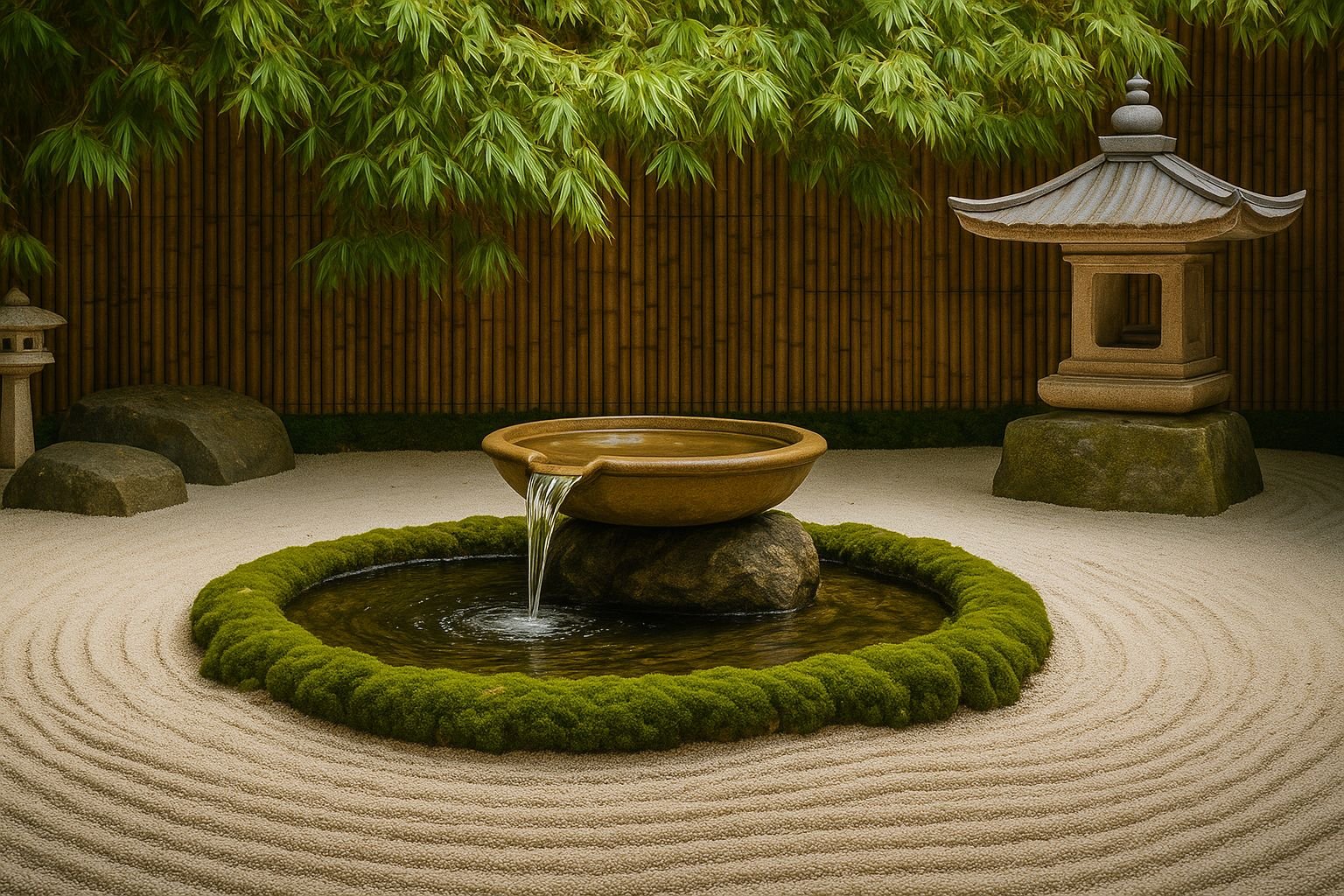
Our living room benefits most because that’s where we live. Not just physically occupy. Actually live. Where we relax and entertain and exist. Improving that space improves our daily experience. That’s different from improving a guest room or formal dining room that gets used occasionally. Frequent use means frequent benefits.
These water fountains deliver multiple benefits wrapped in one attractive package. You’re not buying separate solutions for separate problems. One fountain addresses sound. Air quality. Visual interest. Focal point. Ambiance. That efficiency is part of the appeal. One decision. Multiple improvements.
Due to their natural appeal, fountains fit almost anywhere. They’re not style specific. A fountain can work in modern spaces. Traditional spaces. Eclectic spaces. The water element is universal enough to adapt to different aesthetics. That versatility means you’re not locked into a specific style forever.
Natural and charming appeal comes from water doing what water naturally does. Nothing artificial about it. Nothing forced. Just gravity and water working together the way they have for billions of years. That authenticity is why fountains never feel gimmicky or dated. They’re tapping into something fundamental.
Charming might sound old fashioned but it’s accurate. Fountains have charm. They make spaces feel more inviting and warm. More personal and less generic. That charm is hard to quantify but easy to feel. You know it when you experience it.
Can be used to add more relaxed environments to any home. Doesn’t matter what your starting point is. Chaotic house? A fountain adds calm. Boring house? A fountain adds interest. Stressful house? A fountain adds peace. The fountain improves whatever situation you’re starting from.
More relaxed and tranquil feeling happens automatically once the fountain is running. You don’t have to work at it. Don’t have to maintain a mood. The fountain creates that atmosphere as a natural byproduct of existing. That passive benefit is one of the best features. Results without effort.
Tranquil feel to any home is achievable regardless of location. Busy city? Fountain helps. Quiet suburb? Fountain helps. Rural area? Fountain helps. The benefits work everywhere. You’re not dependent on your external environment to create internal peace. The fountain does that job regardless of what’s happening outside.
Any home can benefit from a fountain. Big or small. New or old. Expensive or modest. The fountain doesn’t discriminate. It improves spaces by its nature. That universality is powerful. You don’t need a mansion. You just need a wall and an outlet.
These fountains including tabletop versions offer options for every situation. Limited space? Tabletop fountain. Lots of wall space? Wall fountain. Want maximum impact? Floor fountain. The right type exists for your specific circumstances. You’re not forcing one type to work everywhere.
Tabletop water fountains are perfect for testing the concept. Not ready to commit to a wall installation? Start with a tabletop model. Put it on your coffee table or sideboard. See how you like living with a fountain. If it’s great, upgrade later. If not, you’re out minimal money.
Widely sold means accessibility. You don’t need to hunt down specialty stores. Regular home stores carry fountains now. Online retailers have huge selections. The availability is there. Finding a fountain is easy. The hard part is choosing between options, not finding options in the first place.
Different forms give you flexibility in how you incorporate a fountain. Wall mounted. Floor standing. Tabletop. Built in. Each form has advantages for different situations. That variety means you can find something that works for your specific space and preferences.
Varying sizes from large to small accommodate every possible space. Studio apartment. Tiny home. Regular house. McMansion. There’s a fountain sized appropriately for each. The fountain industry has figured out that one size doesn’t fit all. They’ve created options for real people in real homes with real space constraints.

Leave a Comment