
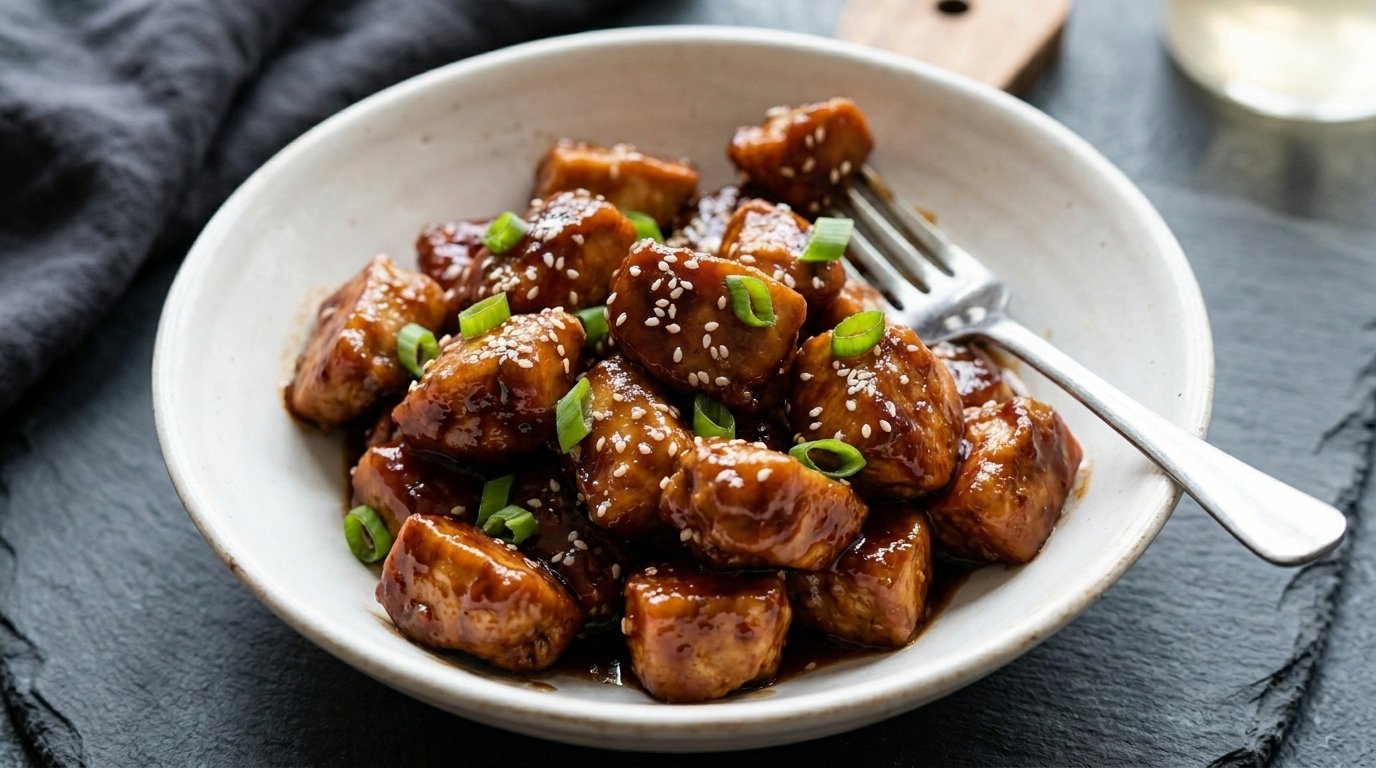
Teriyaki chicken is one of the most-searched weeknight dinner ideas on Google and Pinterest year after year, and the reason is straightforward — the combination of sweet, salty, and savory in a glossy sauce over tender chicken is nearly universally appealing. The problem most home cooks run into is that takeout teriyaki relies on commercial sauces packed with corn syrup, preservatives, and sodium levels that make the dish taste one-dimensional.
This guide gives you 12 versions of an easy teriyaki chicken recipe — from the classic stovetop method to baked, grilled, slow cooker, and meal-prep formats. Every version uses the same core homemade sauce made from pantry staples. The most basic takes 15 minutes. The most complex takes 30.
Check out our related guide on easy weeknight dinner recipes the whole family will eat.

What Makes a Good Teriyaki Sauce
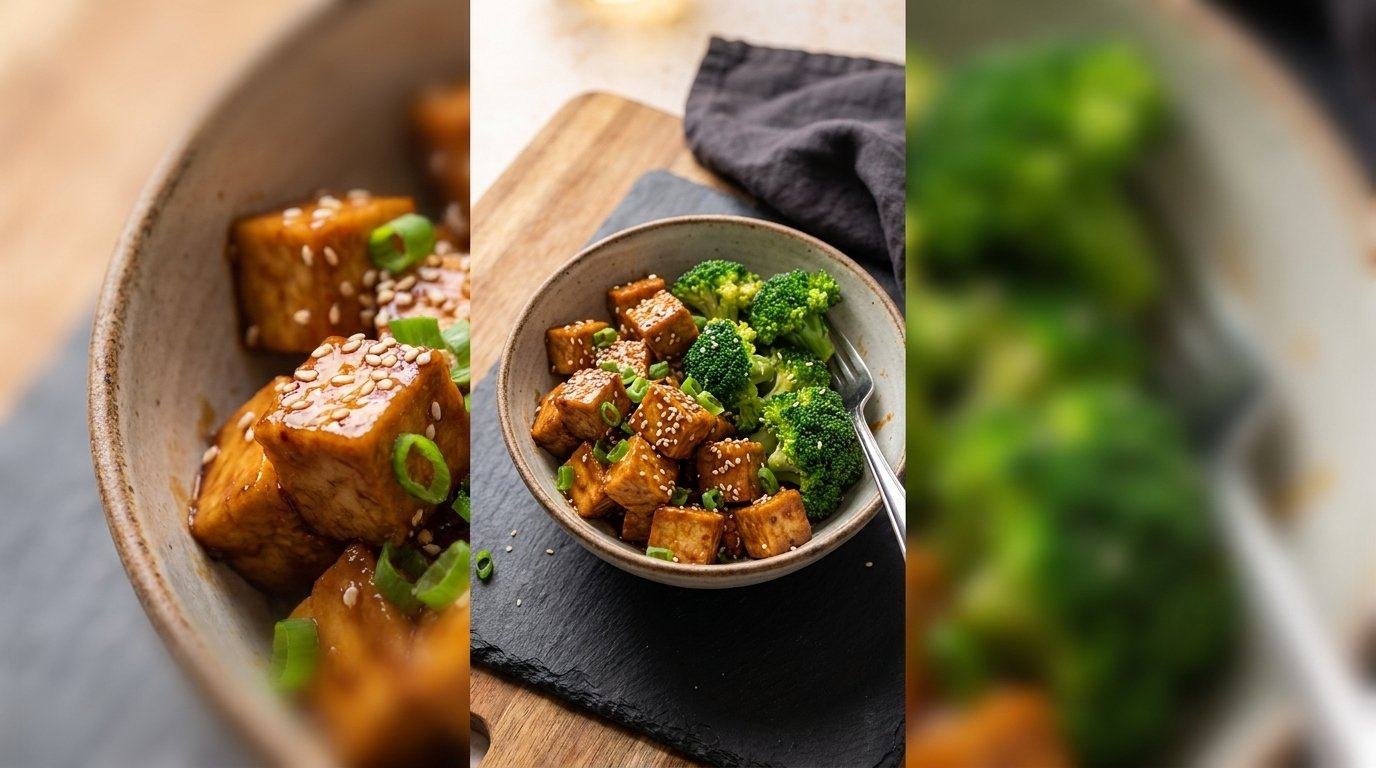
The word “teriyaki” comes from two Japanese words — teri, meaning gloss or shine, and yaki, meaning grill or broil. The name describes the finish the sauce creates on food rather than the sauce itself. A proper teriyaki sauce produces a deep, mahogany-brown glaze that catches the light and coats the chicken without running off the plate.
A sweet and savory teriyaki sauce made with soy sauce, sugar, and aromatics works as a sauce, glaze, or marinade for chicken, salmon, and stir fry. The slurry method creates a smooth, glossy sauce every time — thickening fast and reliably without relying on long reduction times.
The balance between sweet and savory is what separates a good homemade teriyaki from a flat, salty one. Brown sugar contributes both sweetness and a faint molasses depth that white sugar lacks. Soy sauce provides the salty, umami backbone. Garlic and ginger add aromatic warmth. Cornstarch creates the glossy, coating texture that makes teriyaki visually distinctive.
Store-bought teriyaki sauces often sacrifice this balance for shelf stability, using high-fructose corn syrup instead of brown sugar and MSG rather than building umami from real ingredients. Making the sauce from scratch takes seven minutes and produces a noticeably cleaner, more layered flavor.
Pro Tip: Make a double or triple batch of the sauce and store it in a sealed jar in the refrigerator for up to two weeks. Having teriyaki sauce ready means this recipe becomes a true 15-minute meal on any weeknight.
Ingredients for Homemade Teriyaki Sauce
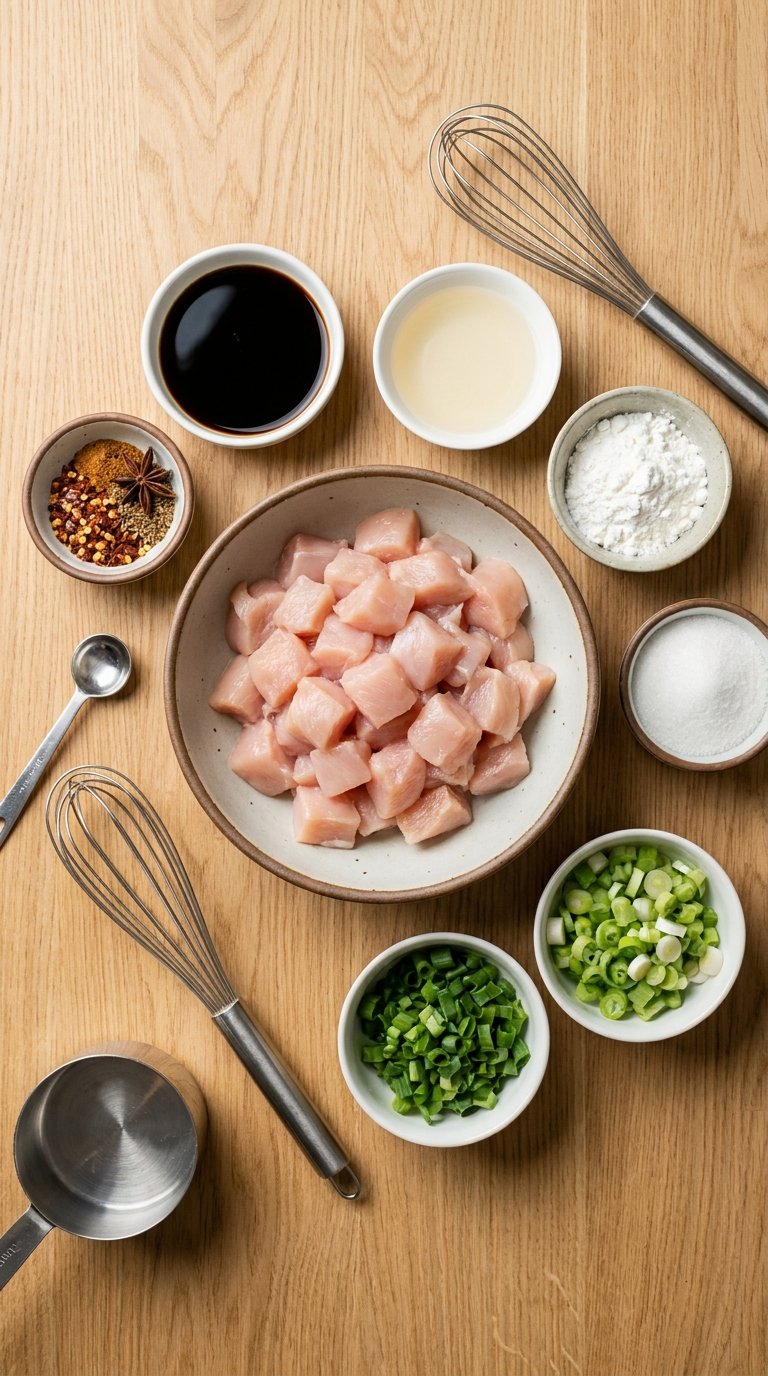
This sauce recipe makes enough for 1.5 to 2 pounds of chicken. Scale proportionally for larger batches.
For the sauce:
- ¼ cup low-sodium soy sauce
- 2 tablespoons brown sugar (packed)
- 2 tablespoons honey
- 2 tablespoons water
- 1 tablespoon rice vinegar (or seasoned rice vinegar)
- 1 teaspoon sesame oil
- 2 cloves garlic, minced
- ½ teaspoon fresh ginger, grated (or ¼ teaspoon ground ginger)
- 1 tablespoon cornstarch mixed with 2 tablespoons cold water (the slurry)
Soy sauce provides the savory, salty backbone of the sauce and delivers classic umami flavor. Garlic adds aromatic depth and savory warmth. Brown sugar contributes sweetness and helps the sauce caramelize slightly as it cooks, creating a glossy finish.
Brown sugar increases the richness and sweetness to the sauce. Garlic enhances the savory flavor and ginger adds both sweetness and a mild spice.
Use low-sodium soy sauce rather than regular. A generous amount of regular soy sauce can make the final dish too salty — reduced sodium soy sauce produces a better-balanced result.
Pro Tip: Mix the cornstarch slurry in a separate small bowl before making the sauce. Add it during the last 60 seconds of cooking rather than at the start — this gives you precise control over the sauce thickness. A sauce that coats the back of a spoon is the target.
Save this idea to your Pinterest.
Ingredients for the Chicken
For the chicken (serves 4):
- 1½ lbs boneless, skinless chicken thighs (or breasts, see note below)
- 1 tablespoon neutral cooking oil (vegetable, avocado, or canola)
- Salt and black pepper to taste
- Sesame seeds for garnish
- 2 green onions, sliced thin, for garnish
- Steamed white rice for serving
The chicken quantity listed serves four adults as a main dish over rice. Scale to 2 pounds for a family of five or six, or to 1 pound for a weeknight dinner for two with leftovers for lunch.
You can make this teriyaki chicken with boneless, skinless chicken thighs or breasts, or even chicken tenders. Chicken thighs are best for this recipe because they cook fast and stay tender and juicy.
If using chicken breasts, fillet them into two thinner pieces or pound the chicken to a ½-inch thickness before cooking. This helps them cook fast and evenly in the skillet before the glaze burns.
Pro Tip: Cut the chicken into 1-inch chunks before cooking for the quickest result. Whole thighs take 12 to 15 minutes to cook through. Chunks take 6 to 8 minutes and absorb more sauce surface area per bite.
Step-by-Step Instructions for Classic Stovetop Teriyaki Chicken
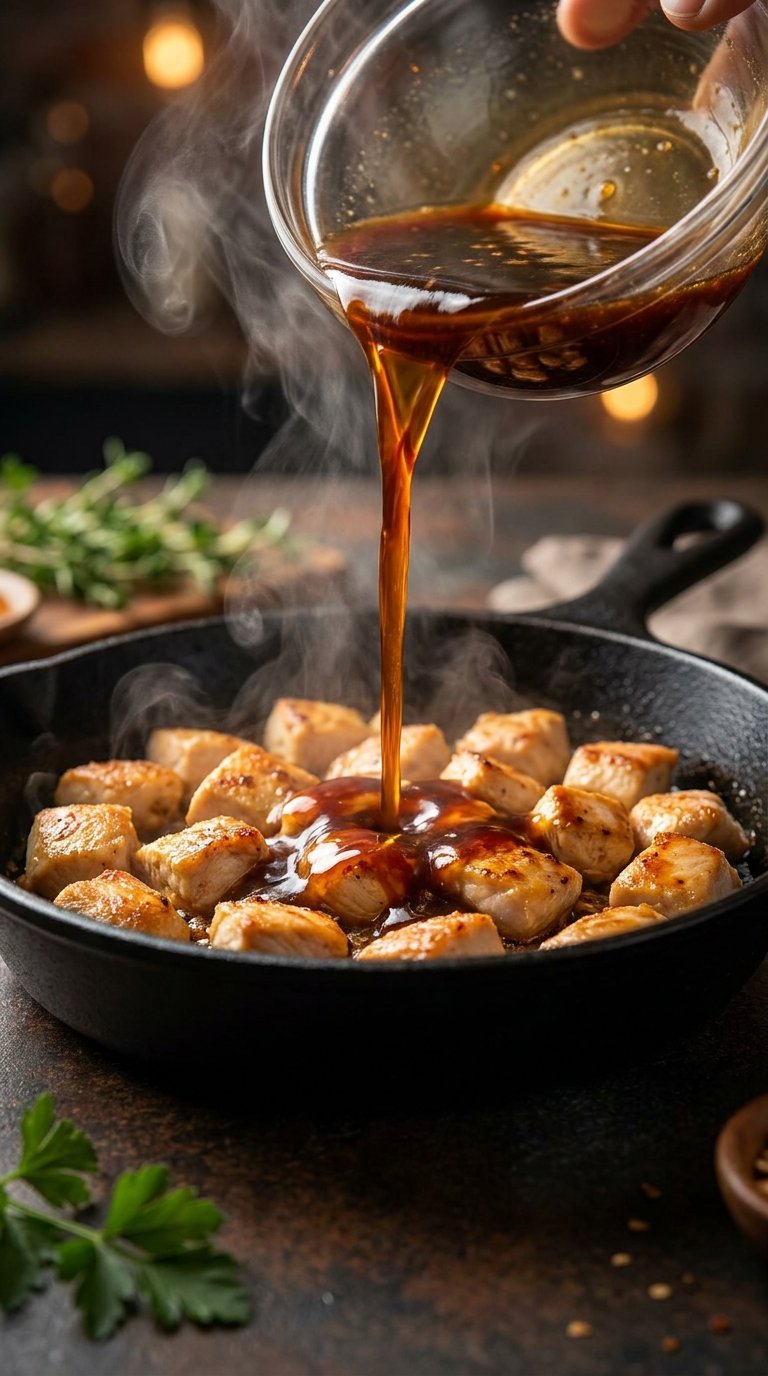
This is the core recipe — stovetop, one pan, 15 minutes. Everything else in this guide builds from this method.
Step 1 — Make the sauce
Combine the soy sauce, brown sugar, honey, water, rice vinegar, sesame oil, garlic, and ginger in a small bowl. Whisk until the sugar dissolves. Mix the cornstarch and cold water in a separate small bowl to form a smooth slurry. Set both aside.
Step 2 — Season and sear the chicken
Heat the oil in a large skillet over medium-high heat until shimmering. Season the chicken pieces lightly with salt and pepper. Add the chicken in a single layer — do not crowd the pan. Sear for 4 to 5 minutes without moving until the bottom side develops a golden-brown crust. Flip and cook for another 3 to 4 minutes.
Step 3 — Add the sauce
Pour the sauce over the chicken in the pan. It will bubble immediately. Stir to coat the chicken. Reduce heat to medium and let the sauce simmer for 3 minutes, stirring occasionally.
Step 4 — Add the slurry
Stir the cornstarch slurry once more to recombine, then pour it into the pan. Stir continuously for 60 seconds. The sauce will thicken from a thin liquid to a glossy, coating glaze within that minute. Remove from heat the moment the sauce reaches the right consistency.
Step 5 — Rest and serve
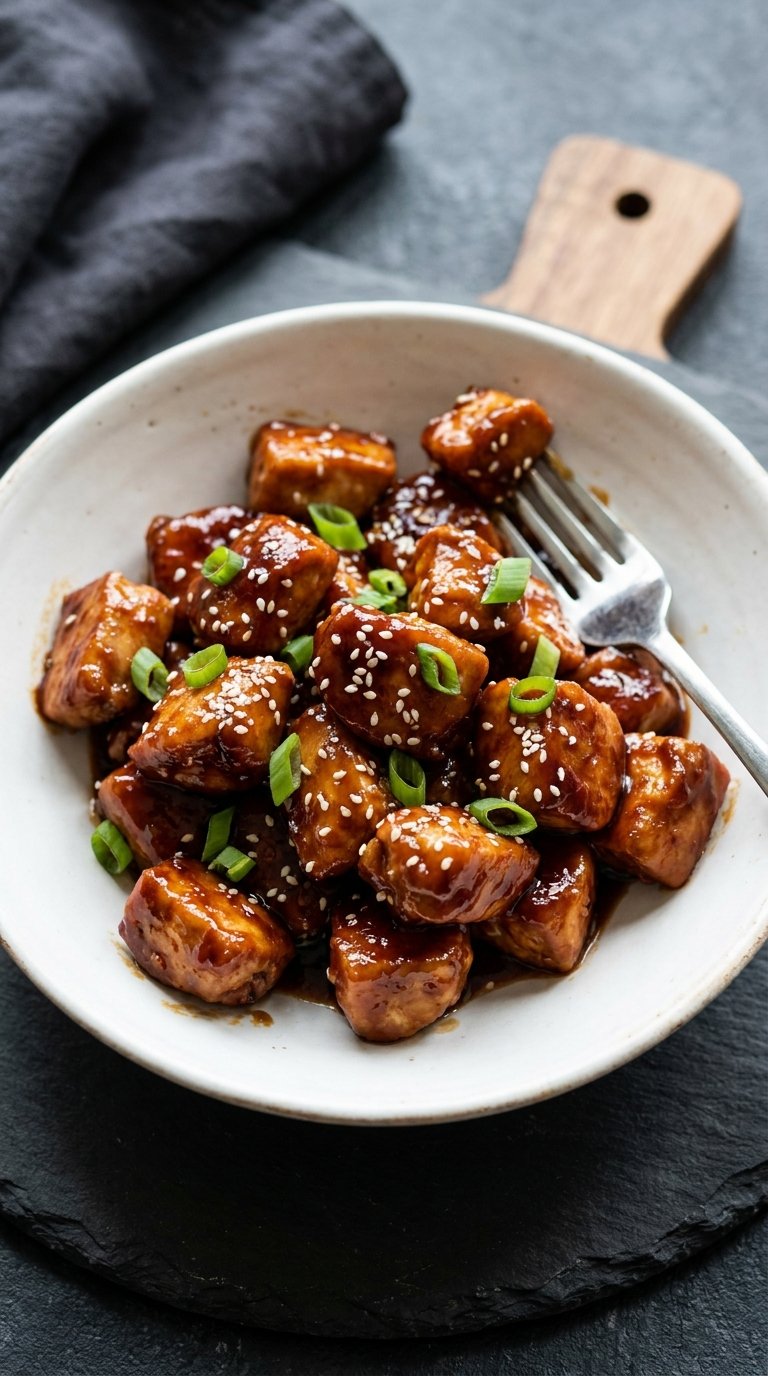
Let the chicken rest in the pan for 2 minutes off heat. The sauce continues to thicken slightly as it cools. Serve over steamed white rice. Garnish with sesame seeds and sliced green onions.
Pro Tip: Have the slurry ready before the sauce hits the heat and do not let the sauce boil aggressively — a controlled simmer produces a smoother, glossier result than a rolling boil.
Popular Asked Questions
What is teriyaki sauce made of?
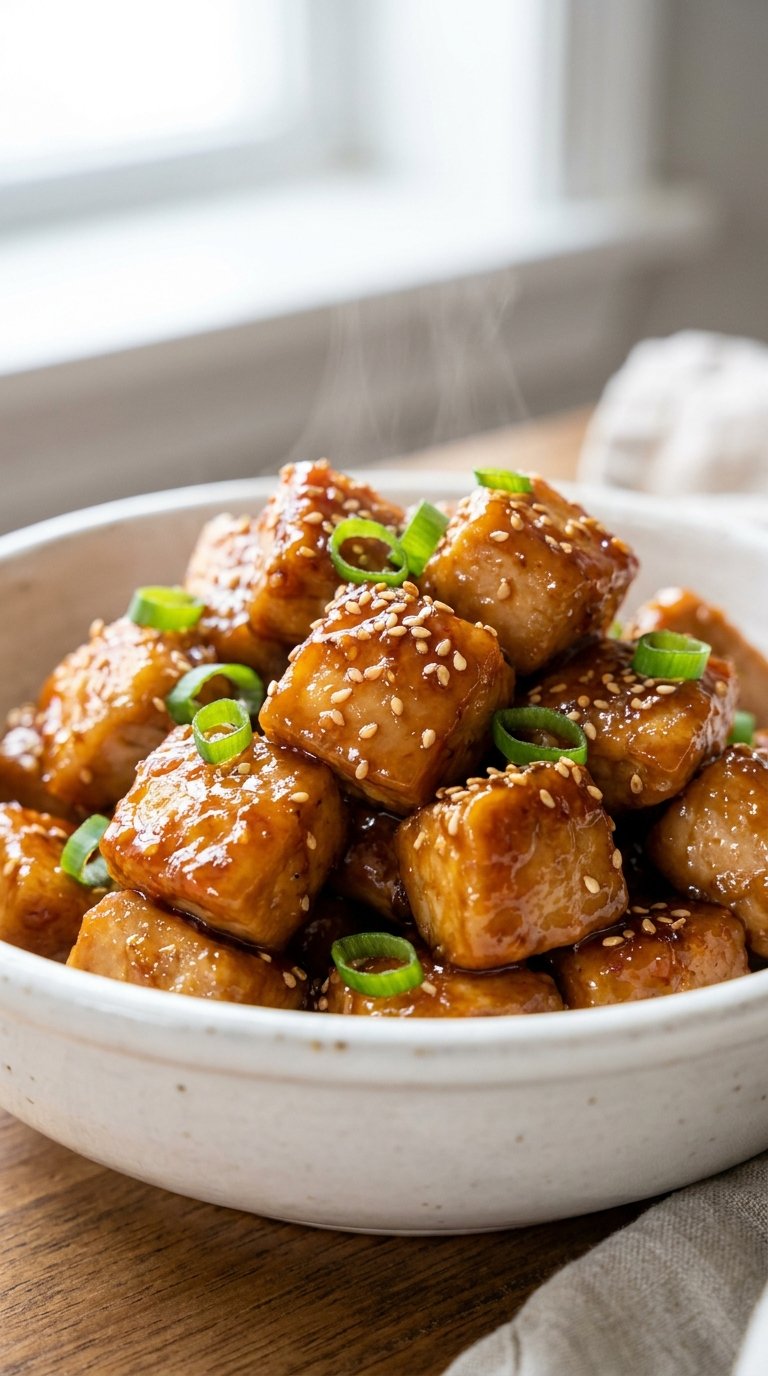
A homemade teriyaki sauce uses soy sauce for its savory umami backbone, garlic for aromatic depth, and brown sugar to contribute sweetness and help the sauce caramelize slightly as it cooks, creating a glossy finish. The complete ingredient list for most easy teriyaki chicken recipes includes soy sauce, brown sugar or honey, garlic, ginger, rice vinegar, sesame oil, and cornstarch for thickening. These are pantry staples available in any grocery store. The full sauce takes seven minutes to make and tastes significantly better than any bottled version.
Is it better to use chicken breast or thigh for teriyaki chicken?
Chicken thighs produce a richer, juicier dish than chicken breasts and are the preferred choice for teriyaki chicken. Thighs have more natural fat, which keeps them tender throughout cooking and makes them more forgiving if the cooking time runs slightly long. Chicken breasts work well if pounded to an even ½-inch thickness before cooking — this levels out the thickness so the thin end does not dry out before the thick end cooks through. Both cuts produce a good result; thighs are simply more consistent.
How long should you marinate teriyaki chicken?
You can marinate teriyaki chicken for as little as 30 minutes, or up to a full day for maximum flavor. For the quickest result on a weeknight, even 15 minutes of marinating adds a noticeable layer of flavor compared to an unmarinated piece. For best results, marinate for at least one hour. Do not marinate longer than 8 hours because the acidity in the marinade can start to alter the texture of the chicken after that point. The stovetop version in this guide skips marinating entirely and builds all the flavor in the sauce during cooking — which is why no-marinade versions remain the most popular for weeknight dinners.
Can you freeze teriyaki chicken?
Yes. Freeze the chicken and marinade together in a zip-top bag for up to 3 months. Defrost in the fridge overnight and cook right away. Cooked teriyaki chicken also freezes well — portion it into individual servings in sealed bags or containers. The sauce may separate slightly on thawing; stir it back together in the pan over low heat with one tablespoon of water. The texture and flavor after thawing and reheating are very close to fresh.
Can you make teriyaki chicken without soy sauce?
Yes. Coconut aminos is the most popular substitute for soy sauce in teriyaki chicken recipes — it has a sweeter, slightly less salty flavor and contains dramatically less sodium than soy sauce. Use it at a 1:1 ratio in the recipe and reduce the added sweetener slightly to compensate for coconut aminos’ natural sweetness. Tamari is a wheat-free alternative to soy sauce with nearly identical flavor — it is the best choice for a gluten-free teriyaki chicken recipe without changing the dish’s character. Worcestershire sauce mixed with a small amount of water provides umami depth but changes the flavor profile more substantially toward a Western rather than Japanese style.
Conclusion
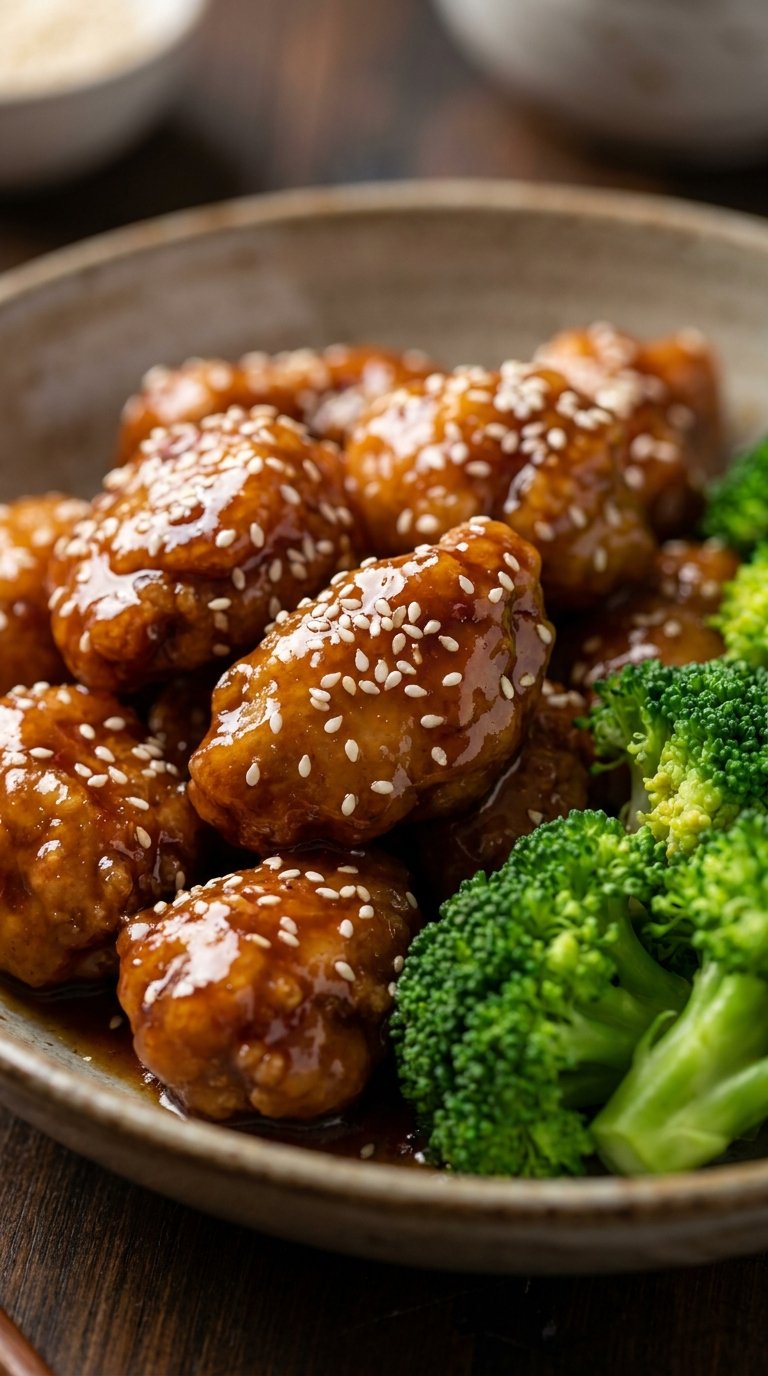
The easy teriyaki chicken recipe earns its place on weekly dinner rotations for a straightforward reason — the homemade sauce is genuinely better than anything from a bottle, the technique is accessible to any skill level, and the dish works across nearly every format from quick stovetop to slow cooker meal prep.
The five-ingredient sauce is the foundation. Get that right and every variation in this guide follows naturally. Whether you bake it, grill it, stir fry it, or build it into a meal prep bowl, the sweet-savory glaze does the heavy lifting every time.
Which version are you planning to cook first — the classic 15-minute stovetop recipe, the baked version with the broiled finish, or the slow cooker method for a hands-off dinner? Leave your choice in the comments below.
Follow us on Pinterest for more easy teriyaki chicken recipe inspiration, weeknight dinner ideas, and meal prep guides.

Leave a Comment