
The Evolution of Fountains from Utility to Art
Look, I’ve spent way too much time thinking about fountains. There, I said it. But once you start paying attention to how these things have changed over the centuries, it’s kind of fascinating. We’re talking about a complete identity shift from something people absolutely needed to survive to something we add to our homes just to make them prettier. That’s a wild journey when you think about it.
Way back when, fountains weren’t optional. They were the water cooler, the shower, the kitchen sink all rolled into one public feature. Imagine living in ancient times when you had to leave your house just to get drinking water. That was reality for most of human history. You’d grab your clay jug or whatever container you had and trek to the nearest fountain. These weren’t decorative showpieces. They were lifelines. Communities built them where aqueducts and natural springs could deliver fresh water. People gathered there daily, swapping gossip, conducting business, maybe flirting a little. The fountain was the original social network, if you will.
But humans being humans, we couldn’t just leave things plain and boring. Even when fountains served this purely practical purpose, we started prettying them up. A carved lion’s head here, some decorative stonework there. The Romans were especially guilty of this. They’d build a fountain for water distribution and then go absolutely overboard with marble statues and elaborate designs. Can’t really blame them. If you’re going to visit a spot every single day, might as well make it nice to look at, right? That dual purpose thing worked for centuries. You got your water, you got some beauty, everyone went home happy.
The real transformation kicked in when indoor plumbing became a thing. Suddenly, fountains lost their main job. People could turn on taps in their own homes. The public fountain wasn’t necessary anymore for survival. So what happened? Did we tear them all down and forget about them? Nope. We doubled down on the decorative aspect. We said, you know what, we like having these water features around. They make our cities and gardens more pleasant. Let’s keep them and make them even more elaborate. And that’s exactly what happened.
Fast forward to today, and fountains are everywhere you look. Parks, plazas, shopping centers, office buildings, hotel lobbies. They’re status symbols, art installations, tourist attractions. Some cities are famous for their fountains. People plan vacations around seeing them. We’ve taken something that started as a basic utility and turned it into an art form. That’s the human experience in a nutshell, isn’t it? We take something functional and find a way to make it beautiful. We can’t help ourselves.
The journey from necessity to luxury is complete. Nobody installs a fountain in their city square to provide drinking water anymore. We do it to create atmosphere, to give people a gathering place, to add visual interest to public spaces. The function has totally flipped. What was once decoration on the side has become the main event. That shift tells you a lot about how far we’ve come as a society. When basic needs are met, we get to focus on beauty, on experience, on the things that make life feel richer and more enjoyable.
Modern Fountains and Why We Can’t Get Enough
Here’s something I’ve noticed. Once you become aware of fountains, you see them everywhere. They’re like that car you just bought that suddenly appears on every street. Fountains have infiltrated our modern world in a big way, and we seem totally fine with it. More than fine, actually. We actively seek them out.
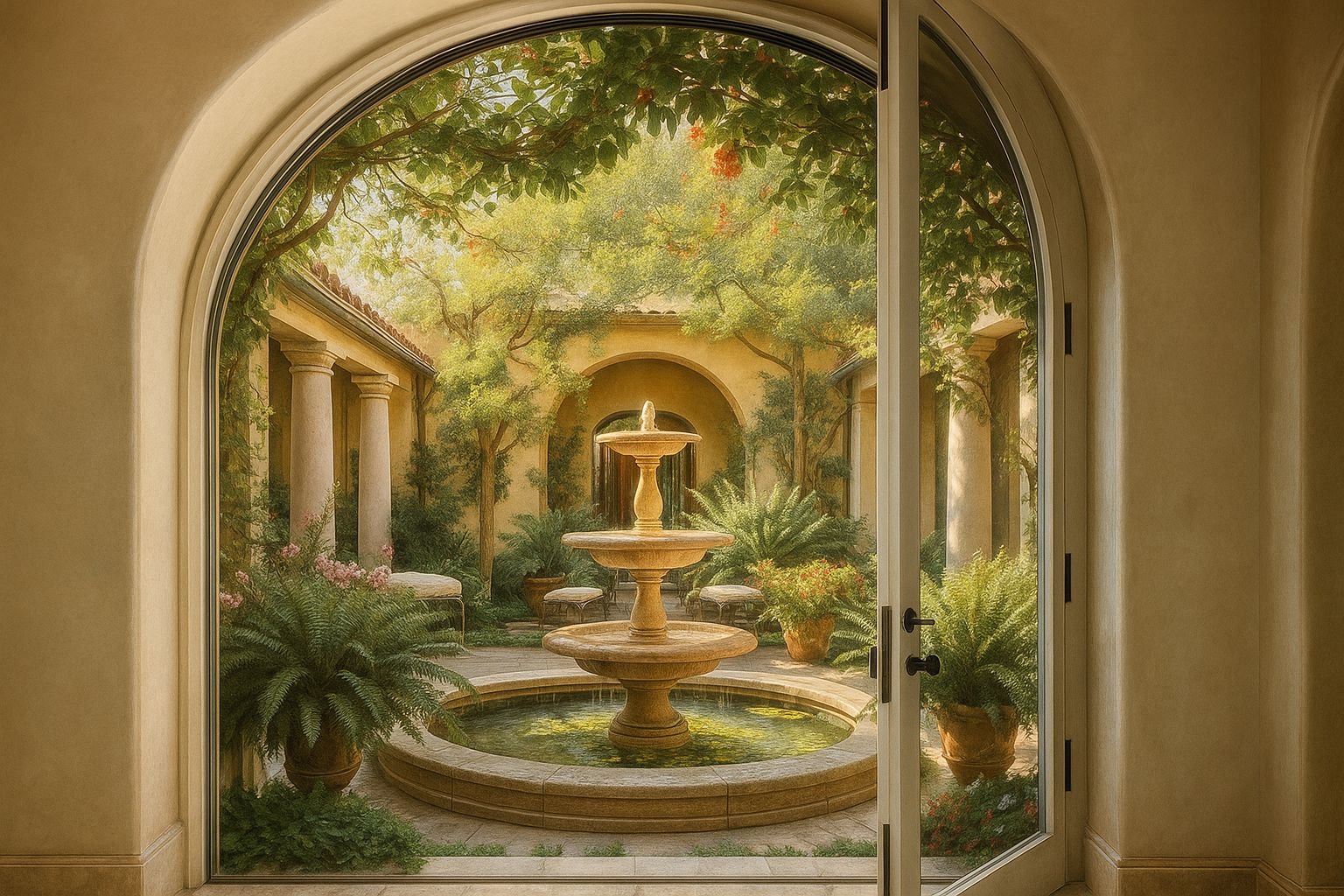
Walk through any decent city park, and there’s probably a fountain. It might be a simple bubbling affair or a massive multi-tiered extravaganza with choreographed water jets. Doesn’t matter. People flock to it. Kids run through the spray on hot days. Couples sit on the edge having deep conversations. Solo visitors toss coins in and make wishes. Street performers set up nearby because they know foot traffic gravitates toward fountains. These water features have become natural gathering spots. They create little pockets of activity and energy in urban spaces that might otherwise feel empty or uninviting.
The summer heat thing is real, by the way. I live in a place where summer temperatures regularly hit the mid-90s, and let me tell you, fountains earn their keep. Just being near one makes you feel cooler. The mist in the air, the sound of water, the visual of something flowing and fresh when everything else feels baked and stagnant. It’s psychological as much as physical. Your brain sees water and goes, “Ah yes, relief is possible.” That mental shift matters. I’ve watched people who look absolutely miserable from the heat visibly relax when they get near a fountain. The effect is almost immediate.
But it’s more than just cooling. Fountains do something to the vibe of a place. They add life, movement, sound. A plaza without a fountain can feel stark, even a bit sterile. Add a fountain, and suddenly the space feels inhabited, welcoming, like somewhere you might actually want to spend time. City planners figured this out years ago. That’s why you see fountains in front of government buildings, corporate headquarters, museums. These institutions want to soften their image, make themselves seem more accessible. A fountain helps with that. It’s hard to feel intimidated by a building when there’s water peacefully flowing in front of it.
The relaxation factor is something I didn’t fully appreciate until I got my own fountain at home. Yeah, I’m one of those people now. But seriously, the sound of moving water does something to your nervous system. It’s like a reset button for stress. Scientists have studied this. Moving water produces negative ions that supposedly improve mood. The sound masks other noises and creates a kind of audio buffer. Whatever the mechanism, it works. I can be having the worst day, and sitting near my fountain for even five minutes helps. It’s not magic, but it feels pretty close.
We’ve basically decided as a society that water features make everything better. Shopping mall? Needs a fountain in the food court. Office building lobby? Fountain. Fancy restaurant? You bet there’s a fountain somewhere, probably near the entrance or in the waiting area. Even hospitals and medical centers have gotten in on the action. They install fountains in healing gardens and waiting areas because they understand that stressed, anxious people benefit from the calming effect. When healthcare facilities are adding fountains, you know there’s something real going on.
The variety is kind of staggering too. You’ve got everything from minimalist modern designs with clean geometric lines to elaborate traditional styles with statues and multiple tiers. Some fountains are interactive, designed for people to walk through or touch. Others are purely visual, meant to be admired from a distance. Some incorporate lighting for dramatic nighttime effects. Others focus on sound, creating specific acoustic experiences. The design possibilities seem endless. Every fountain is trying to create a particular mood, a specific experience. Some succeed brilliantly. Others, well, not so much. But the effort is there.
I think part of why we love fountains so much is they represent a kind of controlled nature. We’ve brought the wildness of flowing water into our urban environments and tamed it just enough to make it safe and accessible. It’s nature with guardrails. You get the sensory benefits without the risks. No rushing rivers that might sweep you away. No stagnant ponds breeding mosquitoes. Just clean, constantly circulating water doing its thing in a predictable, pleasant way. That balance between natural and controlled hits a sweet spot for a lot of people.
Bringing Water Features Into Your Home
So here’s where it gets interesting for those of us without massive gardens or private courtyards. Wall fountains changed the game. They made it possible to have the fountain experience inside your actual home. Not in some theoretical future where you’re rich enough for a courtyard. Right now, in the house or apartment you’re living in today. That accessibility shift is huge.
I’ll be honest, when I first heard about wall fountains, I pictured something massive and complicated. I imagined major construction, plumbing work, contractors trooping through my house making a mess. Turns out, I was totally wrong. Most wall fountains are surprisingly straightforward. They mount on your wall like a heavy piece of art, plug into a regular outlet, and that’s pretty much it. No replumbing your house. No major installation drama. Just find a stud, mount the brackets, hang your fountain, fill it with water, and you’re done. I managed to install mine in about an hour, and I’m not exactly a handyman.
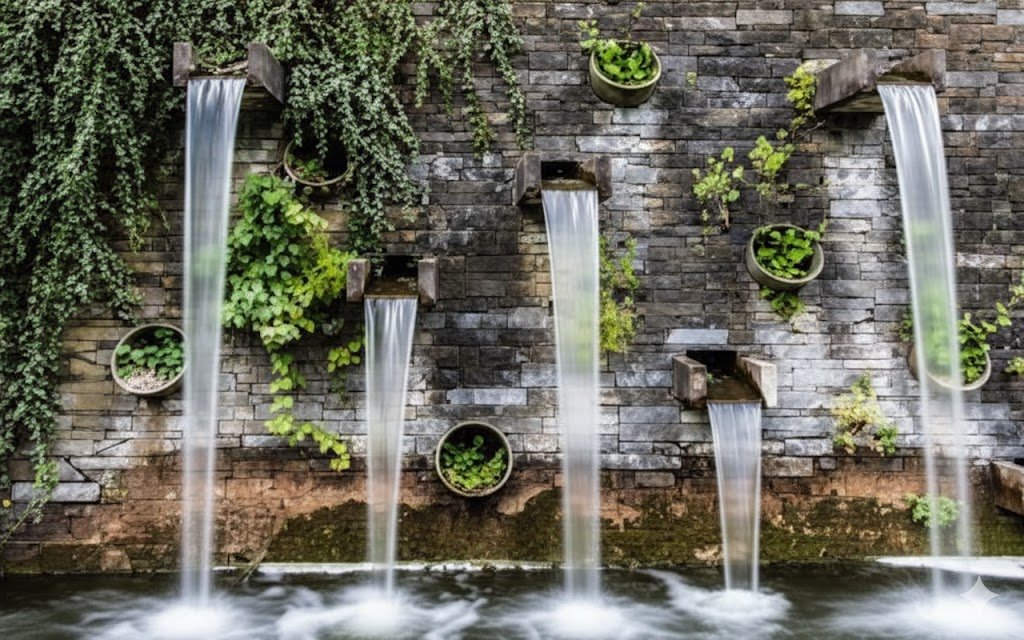
The decorative impact hits different when it’s in your own space. I’ve admired plenty of fountains in public places, but having one in my living room where I can enjoy it every single day? That’s a whole other experience. It becomes part of your daily environment. You hear it when you wake up and walk to the kitchen. You see it when you’re reading on the couch. It’s there in the background of video calls, sometimes making people ask, “Do you live near a stream or something?” It’s become such a normal part of my home that I forget it’s unusual until someone points it out.
Wall fountains specifically solve a bunch of problems that kept people from having fountains before. Space is the big one. Not everyone has floor space to dedicate to a fountain. But wall space? Most of us have that. A wall fountain takes up zero floor space. It hangs where a painting or mirror might go. For apartment dwellers or people in smaller homes, this is a game changer. You get the fountain experience without sacrificing precious square footage. That matters more than you might think.
The ambiance shift in your home is subtle but real. Before I had a fountain, my living room was nice enough. Comfortable furniture, decent decor, nothing to complain about. But it felt a bit static, you know? Just stuff sitting there being stuff. The fountain added an element of life to the room. Something’s always moving, always making gentle sound. The space feels more dynamic, more alive. Guests comment on it. People say the room feels peaceful, relaxing, spa-like. Nobody said that before the fountain. Same furniture, same paint, same everything else. The fountain made the difference.
I’ve found myself using my living room differently since adding the fountain. Before, it was mostly for TV watching and having people over. Now I actually go there just to be there. I’ll grab a book and sit on the couch just to read in that space. The fountain creates an environment I want to be in. It’s the same reason people pay money to go to spas or fancy hotel lobbies. Those places understand that water features make spaces more appealing. Now I’ve got a little piece of that in my own home. For what I paid, which wasn’t crazy money, the value is ridiculous.
The sound element deserves its own mention. I work from home a lot, and ambient noise is a thing I’ve had to figure out. Too quiet and every little sound distracts me. The neighbor’s dog, traffic outside, the refrigerator humming. Too loud and I can’t focus. The fountain hits this perfect middle ground. It provides consistent, gentle background sound that masks distracting noises without being distracting itself. I can focus better with it running. My productivity actually went up after I installed it, which I didn’t expect at all. Happy accident.
The relaxation benefits aren’t just psychological either. I used to have trouble winding down at night. My brain would keep churning through work stuff, worry about random things, generally refuse to shut up. Since getting the fountain, my evening routine includes sitting near it for 15 minutes or so before bed. Just sitting, listening, watching the water move. It’s become a kind of meditation practice without me trying to make it one. My sleep improved. That alone justifies the purchase price many times over.
Wall Fountains as Interior Design Power Moves
Let’s talk about how wall fountains actually work as design elements. They’re not just pretty objects you hang up and forget about. When you place a wall fountain correctly, it can totally transform a room. I’ve seen it happen in my own home and in other people’s places. Done right, a wall fountain becomes the anchor point that ties everything else together.
The first thing a wall fountain does is give your room a focal point. Every room needs one. Without a clear focal point, the eye doesn’t know where to land. Everything competes for attention, and the result feels chaotic or forgettable. A wall fountain naturally draws the eye. Water moves, light plays off it, the whole thing commands attention in a gentle way. Once you’ve got that focal point established, arranging everything else becomes easier. Your furniture can orient toward it. Your other decor can complement it. The room has a center of gravity.
I learned this the hard way. My first attempt at placing a wall fountain was in a room that already had too much going on. Busy wallpaper, lots of art, patterned furniture, you name it. The fountain just got lost in the visual noise. It didn’t stand out the way it should. I moved it to a different room with simpler walls and fewer competing elements. Night and day difference. Suddenly the fountain was the star, and everything else played supporting roles. That’s when I got it. The fountain needs breathing room. Give it a clean backdrop, and it shines.
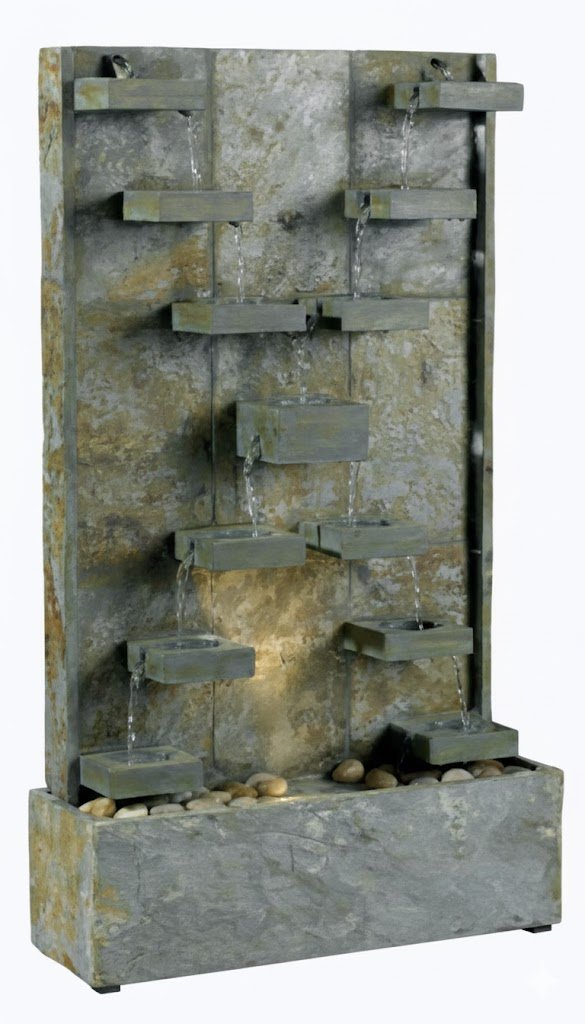
Wall fountains have this interesting ability to make rooms feel bigger and more open. I’m not sure why exactly. Maybe it’s the vertical element drawing the eye upward. Maybe it’s the sense of depth created by the water flowing down the surface. Maybe it’s just that having something interesting on the wall makes you notice the wall more, which makes you more aware of the space. Whatever the reason, my living room feels more spacious with the fountain than it did before. Friends who visit say the same thing. The room hasn’t changed size, but the perception of space has shifted.
The style of your fountain needs to match your existing decor, at least somewhat. You can’t slap a rustic stone fountain on a wall in an ultra-modern minimalist room and expect it to work. Okay, maybe some design genius could pull that off, but most of us aren’t design geniuses. I went with a sleek slate fountain with clean lines because my furniture leans contemporary. The materials and aesthetic align. If your home is more traditional, maybe you want a fountain with classical details or warmer materials like copper or ceramic. Take an honest look at your space before choosing.
That said, a fountain can be the element that upgrades your whole design scheme. If your room feels a bit bland or builder-grade, the right fountain can add that elevated touch that makes everything else look better. It’s like when you put on a nice watch or a piece of jewelry. Your outfit might be simple, but that one quality piece brings the whole look up a notch. Fountains work the same way in interior design. They signal that you care about your space, that you’ve put thought into creating an environment that’s more than just functional.
Living rooms are the obvious choice for wall fountains, but don’t sleep on other rooms. I’ve seen stunning fountains in dining rooms, bedrooms, home offices, even bathrooms. Each location creates a different vibe. A fountain in a dining room makes meals feel more special, like you’re eating at a nice restaurant. In a bedroom, it can help create that spa-like retreat feeling. In a home office, it provides the sound masking and stress relief I mentioned earlier. In a bathroom, it amplifies the existing water elements and creates a seriously luxurious feel. Think beyond the living room if you’re adventurous.
The Aesthetic and Sensory Magic of Wall Fountains
What makes wall fountains actually enjoyable to have around? It’s not just that they exist. Plenty of things exist without being particularly pleasant. The magic is in how they engage multiple senses at once. You’re getting visual beauty, auditory pleasure, and even a tactile element if you’re close enough to feel the mist or touch the water. That multi-sensory experience is richer than static decor.
The visual aspect is the most obvious. Water cascading down a surface is just inherently mesmerizing. We’re hardwired to watch moving water. You can stare at waves, rivers, waterfalls for hours without getting bored. Wall fountains tap into that same ancient fascination. The way water catches light, creates patterns, forms temporary shapes as it flows, all of that holds our attention without demanding it. It’s passive entertainment in the best sense. Your fountain is always there doing its thing, and you can watch it whenever you want or just let it be background beauty.
The materials matter a lot for the visual effect. I’ve seen fountains made from slate, copper, glass, stone, resin, stainless steel, you name it. Each material interacts with water differently. Slate gives you that natural, earthy look with water sheeting down in smooth films. Copper develops that gorgeous green patina over time and creates different water patterns. Glass is dramatic with light passing through. Stone feels grounded and permanent. The material you choose changes the whole personality of the fountain. I went with slate because I wanted something that felt natural but modern. The dark gray stone against my light walls creates nice contrast.
The sound design of wall fountains is surprisingly varied. You’d think water running down a wall would sound the same regardless, but that’s not true at all. The speed of the water flow, the texture of the surface it runs down, the shape of the basin at the bottom, all of these factors affect the sound. Some fountains create a gentle trickling. Others make a more pronounced rushing. Some have a random, natural quality to the sound. Others are more rhythmic and predictable. Before you buy, try to find videos or audio samples of the fountain running. The sound is half the experience. You don’t want to get it home and find out it’s too loud, too quiet, or just not pleasant to your ears.
I’ve noticed the sound changes how I perceive time in my home. When the fountain is running, time feels slower somehow. More relaxed. I’m less likely to feel rushed or stressed. The constant, peaceful sound creates a kind of temporal buffer. Compare that to silence or other ambient sounds like traffic or HVAC systems. Those tend to feel neutral at best, annoying at worst. The fountain sound is actively pleasant. It adds positive sensory input to your environment instead of just being there.
The cooling effect is minor but real. The water evaporating from your fountain adds humidity to the air, which can feel nice, especially in winter when heating systems dry everything out. Don’t expect it to replace your air conditioning or anything. We’re talking about a subtle environmental shift. But on a hot day, standing near your fountain does feel slightly cooler. The psychological effect is probably bigger than the physical one, but who cares? Cool is cool, whether it’s real or perceived.
There’s something meditative about watching the water patterns. Each moment is unique but similar to the last. The water flows in generally the same way but never exactly the same. That combination of consistency and variation is soothing. Your brain can predict what’s going to happen but still finds small surprises. It’s engaging without being demanding. I’ve caught myself just watching my fountain more times than I can count. Sometimes for just a few seconds as I walk by. Sometimes for several minutes when I need a mental break. It’s always there, always ready to provide that little moment of peace.
Choosing Your Wall Fountain and Other Options
Right, so you’re sold on the idea. Now comes the fun part of actually picking one out. The variety available is both exciting and slightly overwhelming. I looked at probably a hundred different fountains before committing to mine. Felt like choosing a pet or something. You want one that fits your space, matches your style, and is something you’ll still like six months or six years from now.
Size is your first consideration. Wall fountains range from small decorative pieces maybe 18 inches tall to massive statement pieces that could cover half a wall. Measure your wall space before you start shopping. Be realistic about how big a fountain you can handle. I wanted a big dramatic fountain, but my wall space couldn’t support it without overwhelming the room. I went with something in the medium range, about 4 feet tall and 3 feet wide. Big enough to make an impact, small enough not to dominate. That balance worked for my space. Your space might call for something different.
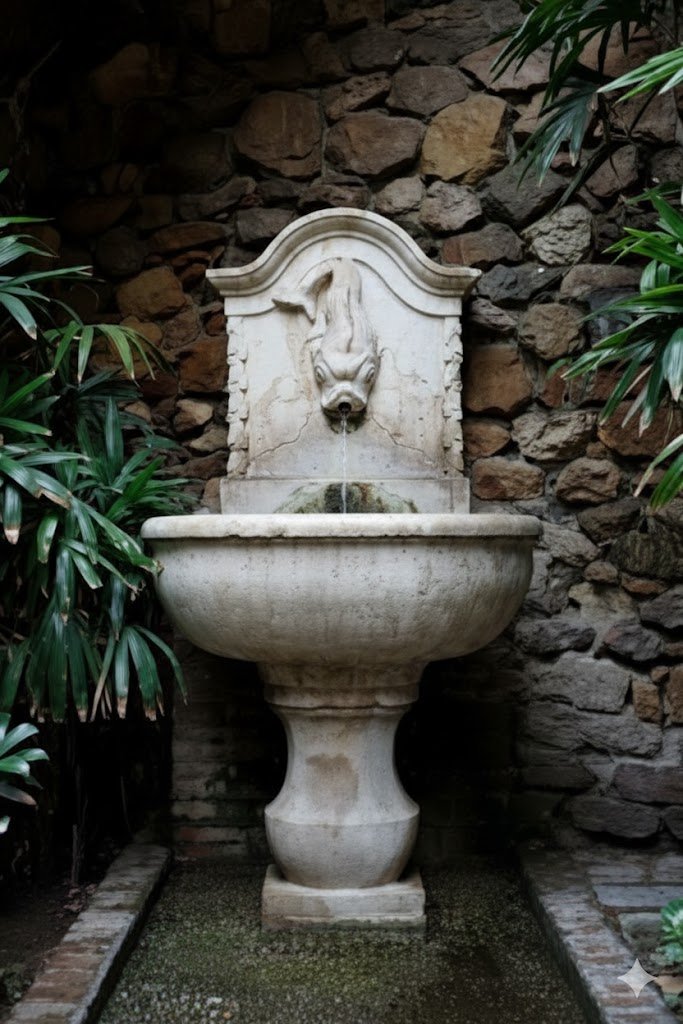
The design options are all over the map. You’ve got naturalistic fountains that look like miniature waterfalls. Geometric modern designs with clean lines and minimal ornamentation. Artistic pieces that incorporate sculpture or abstract shapes. Traditional styles with classical details. Fountains with plants integrated into them. Fountains with lighting effects. Fountains that look like they belong in a zen garden. Fountains that could work in a nightclub. Seriously, there’s something for every possible aesthetic. The hard part is narrowing down what speaks to you.
Material choice affects looks, maintenance, and price. Stone and slate are popular because they look natural and substantial. They’re relatively easy to clean and maintain. Copper develops that beautiful patina but needs regular maintenance if you want to keep it shiny. Stainless steel is modern and sleek but shows water spots and fingerprints. Glass is stunning but fragile and requires frequent cleaning to look its best. Resin can mimic other materials at a lower price point but might not have the same quality feel. Think about what you’re willing to maintain and what fits your budget.
Installation difficulty varies. Some wall fountains are genuinely simple to hang. Others require more involved mounting systems. A few need professional installation, especially if they’re large or have complicated water systems. Be honest about your skill level. I’m reasonably handy, so I tackled mine myself. If you’re not comfortable drilling into walls and dealing with electrical stuff, get help. A poorly installed fountain is a water damage disaster waiting to happen. Not worth the risk to save a few bucks on professional installation.
Weight matters more than you’d think. Some wall fountains are seriously heavy, especially ones made from real stone. You need to make sure your wall can support the weight. That might mean finding studs to mount into or using special anchors. Drywall alone won’t cut it for heavier pieces. Check the specifications before buying. The last thing you want is your beautiful fountain crashing to the floor in the middle of the night. That’s a mess and a safety hazard.
Now, let’s talk about tabletop fountains because they’re worth mentioning. These are smaller water features designed to sit on surfaces like coffee tables, side tables, desks, or dining tables. They provide many of the same benefits as wall fountains but in a more portable, flexible package. I actually started with a tabletop fountain before committing to a wall fountain. It was a low-risk way to test whether I’d actually use and enjoy a water feature in my home.
Tabletop fountains are perfect for smaller spaces or if you’re not ready to commit to mounting something on your wall. They’re less expensive, easier to move around, and require no installation. You can try one in different rooms to see where you like the effect best. I had mine on my desk for a while, then moved it to a side table in my bedroom, then to the dining room. That flexibility is nice. You’re not locked into one location forever.
The variety in tabletop fountains is just as wild as wall fountains. You’ve got everything from tiny zen garden styles with a Buddha statue to elaborate multi-tier designs. Some are meant to be focal points on their own. Others are subtle enough to blend into existing decor. Prices range from under $30 to several hundred dollars depending on size, materials, and complexity. You can get into the fountain game pretty cheaply with a tabletop version.
One thing I love about tabletop fountains for dining spaces is how they change the energy of meals. Having a water feature on or near the table makes even ordinary dinners feel more special. It’s a small touch that creates a restaurant-like ambiance in your own home. People comment on it. It becomes a conversation piece. Meals feel more intentional, less rushed. For the modest investment of a tabletop fountain, you get a meaningful upgrade to your dining experience.
The maintenance on tabletop fountains is generally easier than wall fountains simply because they’re smaller and more accessible. You can easily move them to a sink for cleaning. Checking water levels is straightforward. Everything is right there at hand height where you can see and reach it. That ease of maintenance makes them good options for people who want the benefits of a water feature without a lot of ongoing fuss.
Making Your Fountain Work in Your Life
Having a fountain is one thing. Actually integrating it into your daily life is another. I’ve talked to people who bought fountains with great enthusiasm and then barely turned them on. The fountain became furniture, just another object taking up space. That’s a waste. The real value comes from actually using and enjoying your water feature regularly.
I run my fountain pretty much whenever I’m home and awake. That’s several hours a day at minimum. Some people run theirs 24/7, which is totally fine. The pumps are designed for continuous operation. I turn mine off at night mostly because I don’t need it while I’m sleeping, and I’m trying to be somewhat conscious of electricity use. Figure out what pattern works for you. There’s no right or wrong. Some people like having it on as background all the time. Others prefer to turn it on intentionally when they want that calming effect.
Maintenance is something you need to stay on top of. I check my fountain’s water level a few times a week and top it off as needed. Once a week, I do a quick wipe down of any visible surfaces to prevent mineral buildup. Once a month, I do a deeper clean where I empty it completely, clean the pump, scrub any algae or residue, and refill with fresh water. This probably takes 20 minutes total per month. That’s reasonable for something I use and enjoy daily. Let maintenance slide, and you’ll end up with a funky-looking fountain that doesn’t work properly. Stay on top of it, and your fountain will look and sound great for years.
Water quality matters. I learned this the hard way when I first used tap water and ended up with significant mineral deposits within weeks. Now I use distilled water or at least filtered water. It costs a bit more, but the fountain stays cleaner longer. If you live in an area with hard water, this is extra important. Those minerals will build up fast and create crusty deposits that are tough to remove. Save yourself the hassle and use better water from the start.
The fountain has become part of my daily rituals. Morning coffee by the fountain. Afternoon reading break near the fountain. Evening wind-down with the fountain running. These little moments punctuate my day. They’re predictable touchstones that help structure time and create peaceful pauses. That routine aspect has become valuable in ways I didn’t anticipate. The fountain isn’t just decor. It’s become part of how I live in my space.
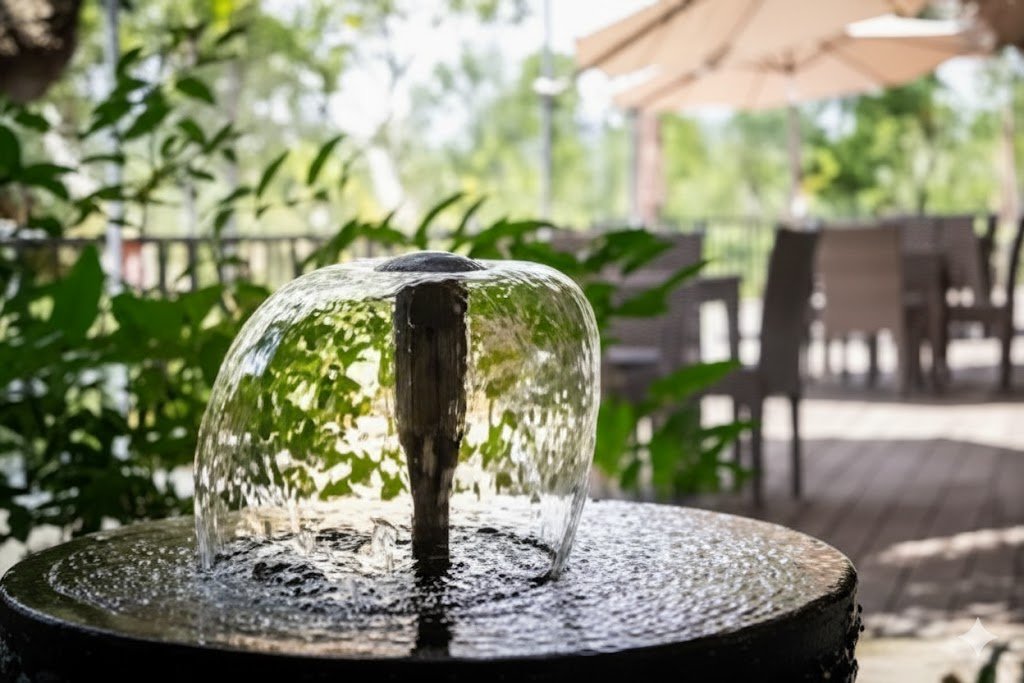
Guests always notice and usually comment. I’ve had friends ask for recommendations on fountains for their own homes. I’ve had relatives stand by mine for extended periods, clearly enjoying the experience. Kids are fascinated by it. Even people who aren’t normally into decor or design appreciate the fountain. That universal appeal is interesting. Water features transcend style preferences and connect with people on a more basic level.
The investment has proven worthwhile many times over. I calculated once that I paid roughly 50 cents per day I’ve owned and used my fountain. That’s going down every day I continue to enjoy it. Compare that to other purchases I’ve made. A streaming service subscription costs more per day and provides less consistent value. Restaurant meals, entertainment, hobbies, all those things cost more per use. The fountain just keeps giving without asking for much in return beyond basic maintenance.
If you’re on the fence about getting a fountain, my advice is simple. Try a small, inexpensive tabletop version first. See if you actually use it and enjoy it. If you do, great, upgrade to something bigger or more permanent. If you don’t, you’ve only invested a small amount to learn that fountains aren’t your thing. That’s valuable information too. But I suspect most people who try it will find themselves in the same camp I’m in now. Wondering why we didn’t add a water feature to our homes sooner. Wishing we’d discovered this simple pleasure years ago. Better late than never, though. The fountain is running right now as I write this, doing what it does best. Making my space a little more peaceful, a little more beautiful, a little more like somewhere I want to be. That’s all I really need from a decorative element. That, and the occasional excuse to just sit and watch water flow for a few minutes when the world gets too noisy.

Leave a Comment