
From Ancient Water Sources to Architectural Marvels
You know what’s funny? When I first started researching fountains, I thought they’d always been these fancy decorative things rich people put in their gardens. Turns out I couldn’t have been more wrong. The story of fountains goes way back, and it’s actually pretty wild how much they’ve changed over the centuries.
Picture this. You’re living in ancient Rome, maybe around 300 BC or so. You wake up thirsty, and you need water. What do you do? You can’t just walk to your kitchen sink and turn on a tap. Nope, you head to the nearest public fountain. These weren’t the pretty, splashing centerpieces we see today. They were practical, no-nonsense water distribution points. The Romans, being the engineering geniuses they were, figured out how to transport water from distant sources through aqueducts and deliver it to fountains throughout their cities. People would gather around these fountains with their jugs and vessels, filling up what they needed for cooking, cleaning, and drinking.
But here’s where it gets interesting. Even back then, the Romans couldn’t help themselves. They had to make things beautiful. Sure, the fountains served a real purpose, but they also started decorating them. They’d add sculptures, intricate carvings, maybe a few lion heads spouting water. The practical and the pretty lived side by side. You’d come to fill your water jug, and you’d also get to admire some craftsmanship while you waited your turn. Not a bad deal, right?
Fast forward a few centuries, and fountains started popping up all over Europe during the Renaissance. This is when things really got fancy. The Italians, bless them, took fountain design to a whole new level. They built massive, elaborate fountains with multiple tiers, sculptures of gods and goddesses, and water features that seemed to defy physics. The Trevi Fountain in Rome? That’s from this era of “go big or go home” fountain design. People would travel from far and wide just to see these water features. They were still providing water to communities, sure, but they’d also become tourist attractions and symbols of civic pride.
The thing is, as cities developed better water distribution systems with pipes running directly to homes, fountains lost their primary job. By the 1800s and 1900s, most people in developed areas could get water from taps in their own homes. So what happened to all those fountains? Did they become obsolete? Not even close. They just shifted gears. Instead of being necessary infrastructure, they became pure art. They became statements. They became the kind of thing you’d plan a date around or use as a meeting spot downtown.
I remember visiting a small town in France a few years back, and right in the center of the town square stood this gorgeous fountain from the 1600s. It wasn’t providing anyone’s drinking water anymore, but it was the heart of the community. Kids played around it. Couples sat on its edge eating gelato. Street musicians set up nearby. The fountain had evolved from a utility into something that brought people together in a completely different way. That’s when it really hit me how much these structures have changed over time.
What’s really fascinating is how different cultures approached fountain design. In the Middle East, fountains became central features of courtyards and gardens, providing cooling effects in hot climates. Islamic architecture incorporated fountains into mosques and palaces, often with geometric designs and the soothing sound of flowing water creating a sense of peace. In Japan, water features took on a more minimalist aesthetic, with stone basins and bamboo spouts that emphasized simplicity and natural beauty. Each culture took the basic concept of moving water and made it their own.
The engineering behind historical fountains deserves some credit too. Before electricity, making water shoot up into the air or cascade dramatically required some serious problem solving. Designers used gravity, pressure systems, and clever pipe arrangements to create their effects. The ancient Greeks used principles of hydraulics that still impress engineers today. When you think about it, these folks were creating spectacular water displays without any of the technology we take for granted now. No pumps, no electrical systems, just pure ingenuity and an understanding of how water behaves.
By the time the Victorian era rolled around, fountains had become status symbols. If your city didn’t have an impressive fountain in the main square, were you even a real city? Towns competed with each other to build the most impressive water features. City planners understood that fountains served a psychological purpose. They made urban spaces feel more alive, more pleasant, more human. Even though nobody needed them for drinking water anymore, they needed them for something else entirely. They needed beauty. They needed gathering places. They needed something that made their concrete jungles feel a little less industrial.
Modern Fountains and Their Decorative Power
So here we are in the 21st century, and fountains are everywhere. Seriously, once you start noticing them, you can’t stop. Every decent-sized park has one. Corporate plazas? Yep, usually there’s a fountain. Hotel lobbies? You bet. Even shopping malls have gotten in on the action. We’ve collectively decided that moving water just makes spaces better, and honestly, who can argue with that?
The shift from function to form has been pretty complete at this point. When I walk past a fountain today, I’m not thinking, “Oh good, a place to get water.” I’m thinking, “Wow, that looks nice” or “I wonder how much that cost to install.” We’ve fully embraced the decorative side of fountains, and the results are everywhere you look. Cities invest serious money into these features because they know what they bring to the table. A good fountain can transform a boring plaza into a destination. It can turn a corporate campus from sterile to inviting. It can make a public space feel special.
Let me tell you about this one fountain I see on my regular walk through the city. It’s in a little pocket park between two office buildings. Nothing fancy, really. Just a circular basin with water bubbling up from the center and cascading down a few levels. But man, does it change the vibe of that whole area. Without it, you’d have a concrete square with some benches. With it? You’ve got this peaceful spot where people actually want to hang out. I’ve seen people eating lunch there, reading books, having phone calls. The fountain creates this bubble of calm in the middle of urban chaos. That’s the magic of modern fountain design. It’s not about providing a service anymore. It’s about creating an experience.
Summer makes the appeal of fountains even more obvious. When temperatures climb into the 90s and the sun’s beating down, there’s something deeply satisfying about being near water. You can feel the temperature drop a few degrees when you get close to a fountain. The air feels fresher, cooler, more breathable. Kids can’t resist running through fountain spray, and honestly, I get it. On a sweltering July afternoon, watching water dance and splash provides instant psychological relief even if you’re not actually getting wet. Your brain sees the water and thinks, “Ah yes, cooling. Relief. We’re going to be okay.”
Public fountains have become landmarks in their own right. Tell someone to meet you at the fountain, and if your city has a famous one, everyone knows exactly where you mean. These water features orient us in urban spaces. They give us reference points. They become part of our mental maps of the places we live and visit. Some fountains become so iconic they appear on postcards and tourist guides. They define neighborhoods and districts. That’s a pretty big job for something that’s basically just water moving around in an interesting way.
The psychological impact goes deeper than you might think. Studies have shown that being near moving water reduces stress and lowers blood pressure. The sound of flowing water triggers something in our brains that helps us relax. Maybe it’s evolutionary, hardwired from when finding water meant survival. Whatever the reason, we respond to fountains on a visceral level. They make us feel better without us even realizing why. That’s probably part of why city planners keep installing them. They’re not just pretty. They’re actually therapeutic.
I’ve noticed that fountains also serve as social equalizers. Rich and poor alike can enjoy a public fountain. You don’t need to buy anything or have a membership. The fountain just sits there, doing its thing, available to anyone who walks by. In that way, they’re one of the few truly democratic features of public spaces. A businessman in a suit can enjoy the same fountain as a student eating a sandwich on a budget. There’s something nice about that in our increasingly divided world.
The maintenance costs of public fountains can be pretty steep, though. Cities have to keep them clean, maintain the pumps, treat the water, winterize them in cold climates. Some cities have actually removed fountains to save money, which always feels like a loss. When budget cuts force the removal of a fountain, you realize how much that feature contributed to the character of a place. The space feels emptier somehow. Less alive. It reminds you that these decorative elements aren’t just frivolous extras. They’re part of what makes public spaces worth spending time in.
Commercial spaces have really embraced fountain design in recent years. High-end retail stores might have a small water feature near the entrance. Restaurants create outdoor seating areas around fountains. Office building lobbies compete to have the most impressive water displays. There’s a hotel I stayed at once that had a three-story fountain in the atrium, and I spent way too much time just sitting there watching it. The sound drowned out conversations and created this cocoon of white noise that was oddly soothing. Smart designers understand that fountains aren’t just decorative. They shape how people feel in a space. They influence behavior. They create ambiance in a way few other elements can match.
The technology behind modern fountains has gotten pretty sophisticated. You’ve got programmable LED lights that change colors. Choreographed water jets that dance to music. Fountains that respond to sensors, changing their patterns when people approach. Some fountains use recycled water and solar power, making them more environmentally friendly. The creativity in contemporary fountain design is impressive. Designers push boundaries, creating water features that would’ve seemed like pure fantasy a hundred years ago. We’ve taken something as simple as flowing water and turned it into an art form with endless possibilities.
Bringing Fountain Magic Into Your Home
Okay, so we’ve established that fountains are awesome in public spaces. But here’s where it gets really interesting for most of us. You can have that same fountain energy in your own home. Wild, right? I’ll be honest, when I first considered getting a fountain for my house, I felt a little pretentious. Like, who am I, some kind of Roman emperor? But then I actually did it, and I got it. I totally got why people do this.
Home water fountains have exploded in popularity over the past couple decades. What used to be something only wealthy people had in their grand entrance halls has become accessible to pretty much anyone. You can find decent fountains at price points ranging from about fifty bucks to several thousand, depending on what you’re after. The market has responded to demand, and now there’s a fountain for every taste and budget. That democratization of fountain ownership feels very modern, very now. If you want the experience of moving water in your living space, you can have it.
The benefits go way beyond just looking cool, though that’s definitely part of it. When you bring a fountain into your home, you’re introducing a living element into your decor. It’s not static like a painting or a vase. It moves, it makes sounds, it interacts with light. That dynamism changes the energy of a room in subtle but real ways. I’ve had people come over and immediately comment on how peaceful my living room feels, and the fountain is a big part of that. It creates this ambient background sound that fills silence without being intrusive or annoying.
Think about the spaces in your home where you spend the most time. Maybe it’s your living room where you unwind after work. Maybe it’s a home office where you need to focus. Maybe it’s a bedroom where you want to create a restful atmosphere. A well-placed fountain can enhance any of these spaces. In a living room, it becomes a conversation piece and a focal point. In an office, the white noise can help you concentrate by masking distracting sounds. In a bedroom, the gentle water sounds can help you fall asleep. One piece of decor, multiple benefits.
The variety of styles available is honestly kind of overwhelming at first. You’ve got everything from sleek, modern designs with clean lines and metallic finishes to rustic rock formations that look like miniature natural waterfalls. Some fountains incorporate plants, creating little ecosystems in your home. Others feature religious or spiritual imagery like Buddha statues or angels. There are fountains shaped like spheres, columns, walls, and abstract sculptures. Whatever your aesthetic, there’s probably a fountain that fits. The trick is figuring out which one speaks to you and works with your existing decor.
I spent way too long choosing my first fountain. I must have looked at hundreds of options online. I’d narrow it down to three choices, then find five more that seemed perfect. My advice? Don’t overthink it. Yes, you want something that looks good and fits your space, but you’re not making a lifetime commitment here. Start with something relatively affordable that appeals to you. Live with it for a while. See how it makes you feel. You can always upgrade or change it up later. Some people get really into fountain collecting and have different ones they rotate through the seasons. That might be a bit much, but you do you.
The sound factor deserves special attention. Different fountains produce different sounds depending on their design. A fountain where water trickles down rocks sounds different from one where it bubbles up through stones. Some create a gentle gurgling, others a more pronounced splashing. Before you buy, try to find videos or audio clips of the fountain running. The sound matters just as much as the look, maybe more. You’re going to be hearing this thing whenever it’s on. Make sure it’s a sound you actually enjoy. I made the mistake once of buying a fountain based purely on looks, and the sound drove me crazy. Too loud, too splashy. I returned it and got something more subtle, and that made all the difference.
Maintenance is something you need to consider too. Indoor fountains require regular cleaning to prevent algae growth and mineral buildup. You’ll need to add water periodically as evaporation happens. Some fountains need distilled water to prevent mineral deposits. The pump needs to stay submerged to avoid burning out. None of this is complicated, but it does require some attention. I spend maybe ten minutes a week on fountain maintenance, which feels worth it for what I get in return. If you’re the type who kills houseplants through neglect, maybe think carefully about whether you’ll actually take care of a fountain. They’re more forgiving than plants, but they’re not completely set-it-and-forget-it.
The placement of your fountain matters more than you might think. You want it somewhere visible where you can enjoy it, but not somewhere it’ll get knocked over or create moisture problems. Near a power outlet is obviously necessary. Away from electronics that could be damaged by humidity. Some people put fountains on side tables, others on the floor, some on dedicated pedestals. I’ve got mine on a sturdy plant stand in a corner of my living room where I can see it from the couch. The sound carries throughout the room, but it’s not overwhelming. Finding that sweet spot takes some experimentation. Don’t be afraid to move your fountain around until you find the right location.
One thing I didn’t expect was how much a fountain would affect my stress levels. I work from home a lot, and the days when I run the fountain, I feel noticeably calmer. There’s science behind this. The negative ions produced by moving water can improve mood and reduce stress. The sound provides gentle sensory input that can help with focus and relaxation. It’s like having a tiny piece of nature indoors with you. On particularly stressful days, I’ll sometimes just sit near the fountain for a few minutes, watching the water move, listening to the sounds. It’s become a kind of informal meditation practice. Never thought a decorative object would have that kind of impact on my daily life, but here we are.
Choosing the Perfect Fountain for Your Living Space
So you’ve decided you want a fountain. Great choice! Now comes the fun but potentially overwhelming part of actually picking one out. There are more options out there than you can shake a stick at, and making the right choice means thinking through several different factors. Don’t worry, though. I’ll walk you through this based on my own experience and what I’ve learned along the way.
Size is probably the first thing you need to nail down. How much space do you actually have? Be realistic here. We’ve all seen those home makeover shows where they put a massive fountain in a tiny room, and it looks ridiculous. You don’t want your fountain to dominate a space unless you have a huge room where that works. Measure the area where you’re thinking of placing the fountain. Then look at fountain dimensions carefully. Manufacturers list height, width, and depth for a reason. A fountain that looks perfect online might be way too big or too small in person. I learned this the hard way when I ordered what I thought would be a nice tabletop fountain and received something barely bigger than a coffee mug. Read those measurements!
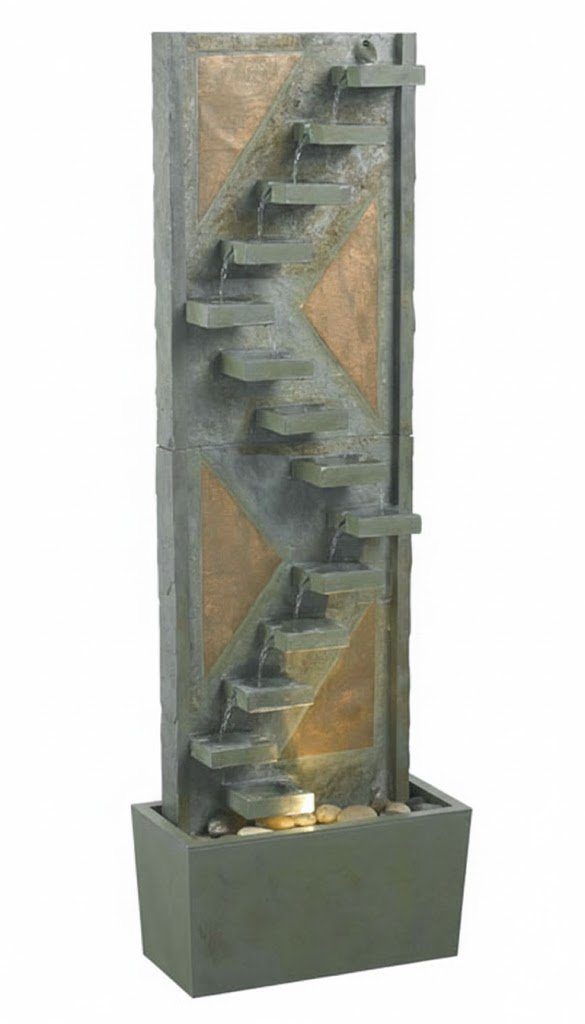
Floor space is your friend, but only if you have enough of it. Floor fountains can be absolutely stunning as statement pieces. They stand on their own and command attention. If you’ve got a spacious living room or an entrance hall that could use some pizzazz, a floor fountain might be your answer. They typically range from about two feet to six feet tall, with some even larger. The bigger ones require serious commitment. You’re dedicating a chunk of floor space to this feature, so make sure you have room to spare. I love floor fountains in theory, but in my modest-sized living room, a medium-sized one is about all I can handle without making the space feel cluttered.
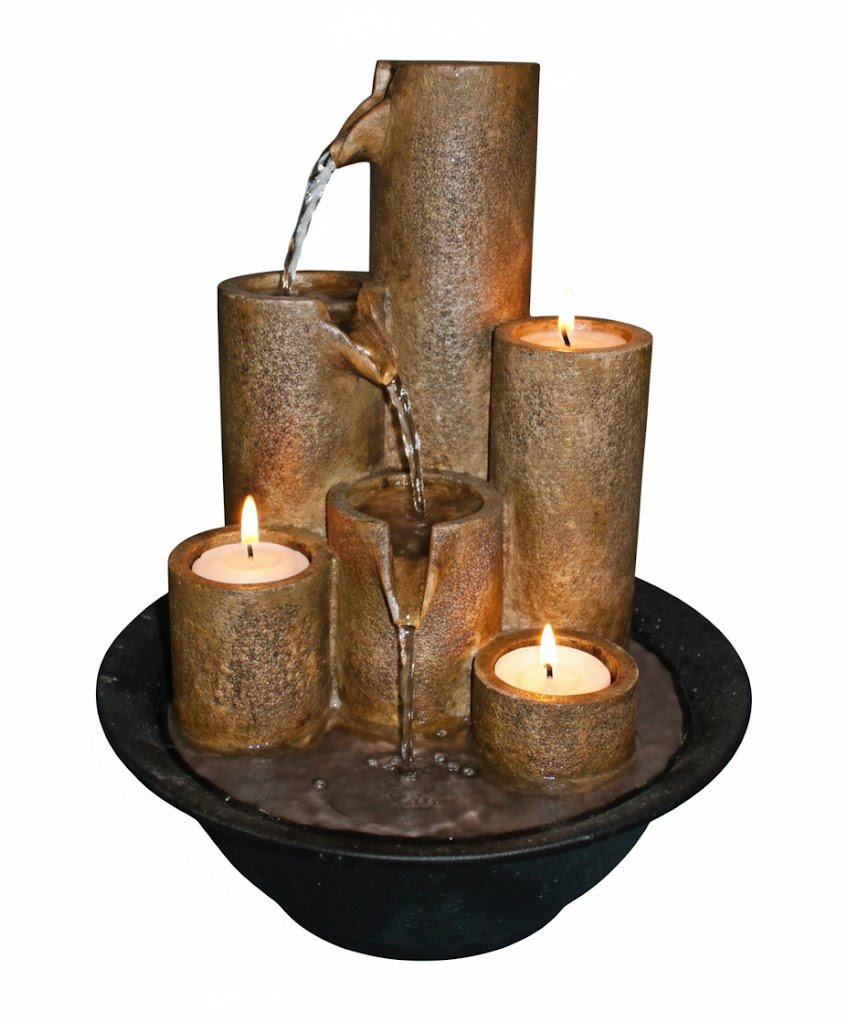
Tabletop fountains offer more flexibility. These smaller guys can sit on side tables, shelves, desks, or even windowsills depending on their size. They’re perfect for apartments, smaller rooms, or if you want multiple fountains in different areas. I started with a tabletop fountain in my home office, and it was a game changer for my work-from-home setup. The gentle sound helped mask neighborhood noise and created a more focused environment. Tabletop fountains are less of a commitment too. If you decide you don’t like it or want to try something different, you haven’t invested a ton of money or dedicated a permanent spot to it.
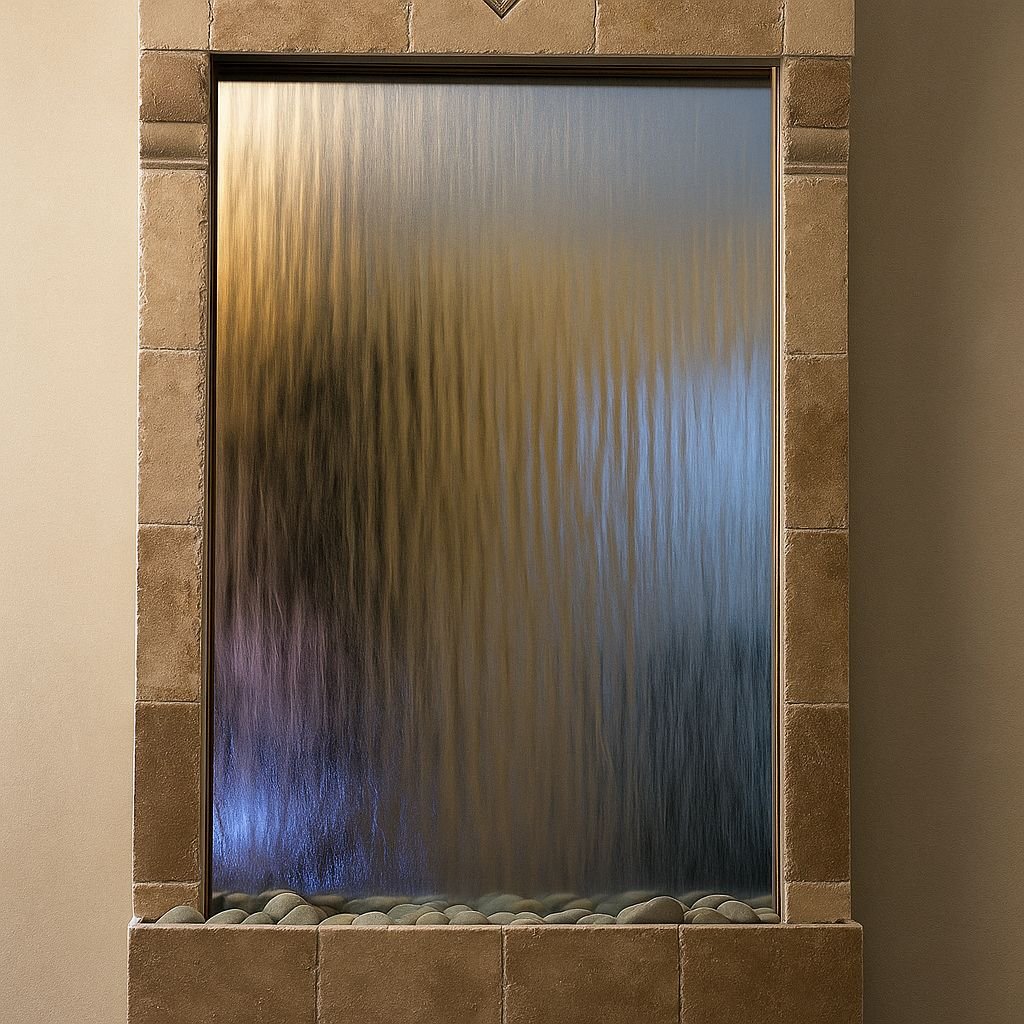
Wall fountains deserve a mention for their space-saving design. These mount directly on your wall, kind of like a piece of art that happens to have water flowing down it. They’re excellent for narrow spaces or rooms where floor space is at a premium. The visual impact can be striking, especially with some of the slate or metal designs that create dramatic water sheets. Installation is a bit more involved since you need to mount them properly and deal with drainage, but the effect can be worth it. I’ve seen wall fountains in restaurant lobbies and medical offices that completely transform the atmosphere of the space.
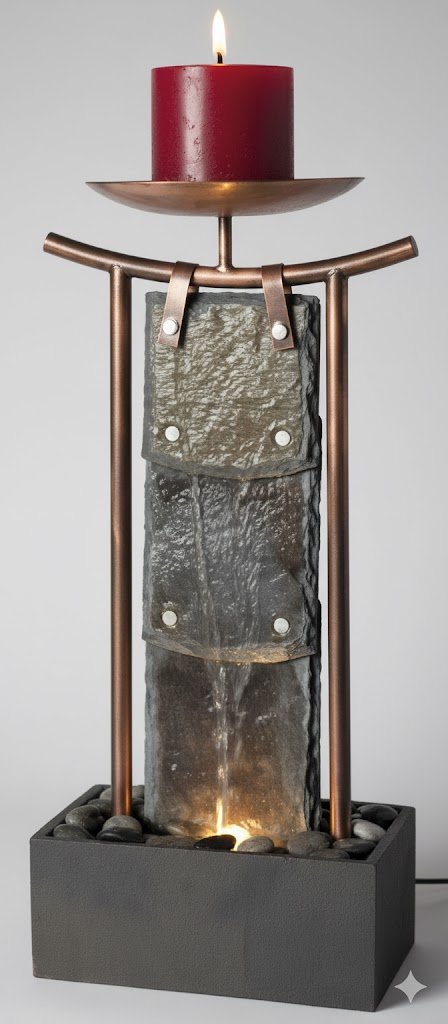
Now let’s talk style. This is where your personal taste really comes into play. Are you more modern and minimalist? Look for fountains with clean lines, metal finishes like brushed steel or copper, maybe geometric shapes. These contemporary designs fit well in modern homes with streamlined decor. They don’t call attention to themselves with elaborate details but rather make a statement through simplicity and material choice. On the flip side, if your home leans traditional or rustic, you might prefer fountains that mimic natural rock formations or feature classical statuary. These have more ornate details and often incorporate materials like stone, resin molded to look like stone, or ceramic.
The material matters for both aesthetics and maintenance. Stone or slate fountains have a natural, grounded feel and tend to be heavier and more stable. Resin is lighter and often more affordable while still achieving various looks. Metal fountains can be sleek and modern or rustic depending on the finish. Glass fountains are delicate but can be absolutely gorgeous with light playing through them. Ceramic offers artistic possibilities with colors and patterns. Each material has different care requirements and produces slightly different sounds. Stone tends to create a softer water sound, while metal can be more resonant.
Color is another consideration that gets overlooked sometimes. Most fountains come in earth tones like browns, grays, blacks, and coppers. These neutral colors work with most decor schemes. But you can also find fountains in bolder colors if that suits your space better. I’ve seen gorgeous blue ceramic fountains, fountains with colored LED lights built in, even fountains painted in bright artistic designs. Think about your existing color palette. Does your room need a pop of color or a neutral anchor point?
Let’s talk about your existing furniture and decor. Your fountain shouldn’t look like it was dropped into your room from another dimension. It should feel like it belongs, like it was meant to be there. If your living room is full of sleek, modern furniture with a black and white color scheme, a rustic rock fountain might look out of place. Similarly, an ultra-modern metallic fountain might clash with a room full of antique wooden furniture and vintage rugs. Walk through your space and really look at what you already have. What materials are present? What’s the overall vibe? Your fountain should complement and enhance that vibe, not fight against it.
That said, don’t be afraid to use a fountain as a statement piece that breaks the mold a little bit. Sometimes a carefully chosen contrasting element can actually tie a room together in an unexpected way. Interior designers call this creating visual interest. If your room is feeling a bit flat or predictable, the right fountain could be exactly what it needs to come alive. I have a friend who has a very traditional, almost stuffy living room full of dark wood and heavy fabrics. She added a sleek, modern fountain with a copper finish, and somehow it works perfectly. It brings a touch of the contemporary into the space without overwhelming the traditional elements.
Budget is the elephant in the room we need to address. Fountains range from under fifty dollars to thousands of dollars for elaborate custom pieces. Set a realistic budget before you start shopping, or you’ll fall in love with something way out of your price range. The good news is that you can find quality fountains at almost any price point. You don’t need to spend a fortune to get something that looks great and functions well. My first fountain cost about seventy-five bucks and served me well for years. When it finally wore out, I upgraded to something more expensive, but that starter fountain proved the concept and helped me figure out what I really wanted.
Quality varies widely in the fountain market. Cheaper fountains might use lower-grade pumps that burn out quickly or materials that degrade fast. Read reviews carefully. Look for mentions of pump reliability, ease of cleaning, and longevity. Pay attention to what materials are used. Some “stone” fountains are actually painted resin that chips easily. That’s not necessarily a dealbreaker if you’re getting a good price and understand what you’re buying, but you don’t want unpleasant surprises. A fountain that costs twice as much but lasts five times as long is actually a better deal in the long run.
Think about the practical aspects too. Where’s the nearest outlet? Fountains need electricity for the pump. You don’t want an extension cord running across your room creating a tripping hazard. Consider whether you’ll want to run the fountain all the time or turn it on and off. Easy access to the power switch or outlet matters. Some fountains have inline switches, others don’t. These little details affect daily use more than you’d think.
If you’re renting, check whether you’re allowed to have a fountain. Most landlords won’t care about a small tabletop fountain, but a large floor fountain might be different, especially if there’s any risk of water damage. Better to ask permission than forgiveness in rental situations. You don’t want to lose your security deposit over a decorative water feature.
Noise level deserves another mention here. Some people want a fountain primarily for the sound. Others want the visual effect with minimal noise. Think about where the fountain will be. A relatively loud fountain in a living room might be perfect, but that same fountain in a bedroom might keep you awake at night. If possible, try to hear a fountain running before you buy it. Many stores have display models running. If you’re buying online, look for videos that capture the sound. This is one of those things where personal preference varies wildly, so trust your own response.
Design Considerations That Actually Matter
Getting your fountain home is just the beginning. How you integrate it into your space determines whether it enhances your room or just sits there being kind of awkward. I’ve seen people make some common mistakes, and I’ve made a few myself, so let me share some wisdom gained through trial and error.
Lighting is huge and often overlooked. How light hits your fountain changes the whole experience. During the day, natural light can make water sparkle and create beautiful reflections. At night, you might need some additional lighting to make the fountain visible and highlight its features. Some fountains come with built-in LED lights, which can be really cool. The lights illuminate the water from within or below, creating a dramatic effect. I’ve got a fountain with color-changing LEDs, and while I initially thought it might be gimmicky, I actually love it. Different colors create different moods. Blue feels calm and serene, green feels natural, red is dramatic. You can match the lighting to how you’re feeling or what you’re doing.
If your fountain doesn’t have built-in lighting, consider adding a small spotlight or uplight near it. Even a simple LED puck light can make a big difference. Position it to highlight the water movement and create interesting shadows. Play around with angles until you find something that looks good. This is art, not science, so trust your eye.
The background behind your fountain matters more than you’d think. A fountain placed against a busy, cluttered wall gets lost. It doesn’t have the visual impact it should. Ideally, give your fountain some breathing room. A plain wall or a simple backdrop lets the fountain shine. I moved my fountain from one wall to another just because the first location had too much going on around it. The new spot is against a simple cream-colored wall, and suddenly the fountain became the focal point it was meant to be.
Surrounding elements should complement, not compete. If you’ve got your fountain on a table, what else is on that table? A couple of simple items are fine, but don’t clutter the space. The fountain should be the star. I’ve seen people surround their fountains with so many other decorative objects that you can barely see the fountain itself. That defeats the purpose. Give it space. Let it breathe. Less is definitely more here.
Plants and fountains can be a winning combination. The natural pairing of water and greenery just works on an instinctual level. Some fountains are specifically designed to incorporate live plants. Even if yours isn’t, placing some potted plants nearby can enhance the natural, peaceful vibe. The humidity from the fountain can actually benefit some plants too, though be careful with plants that prefer dry conditions. Ferns, peace lilies, and tropical plants tend to love being near fountains.
Think about seating arrangements relative to your fountain. Can you actually enjoy it from where you typically sit? There’s no point having a beautiful fountain if you never see it because it’s behind you when you’re on the couch. I arranged my living room seating so that the main sitting area faces the fountain. When I’m relaxing, reading, or watching TV, the fountain is in my peripheral vision. I can glance at it anytime. I can hear it clearly. That positioning makes all the difference in how much I actually appreciate having it.
Seasonal changes might affect how you use and display your fountain. In summer, the cooling effect feels perfect. In winter, you might want to adjust the lighting or surrounding decor to create a cozier feel. Some people move their fountains seasonally, using them more in warmer months. There’s no rule that says your fountain has to stay in one spot forever. If moving it to a different room or location makes sense for how you’re using your space, do it.
The reflection of your fountain matters if it’s near mirrors or reflective surfaces. This can be intentional and beautiful or accidental and distracting. A fountain placed opposite a large mirror effectively doubles its visual presence. That might be exactly what you want, or it might be too much. Pay attention to what reflects where and adjust accordingly.
Scale relative to other objects in the room is something interior designers obsess over for good reason. A tiny fountain on a massive table looks lost. A huge fountain in a small room feels overwhelming. The proportions need to make sense. Look at the visual weight of objects around your fountain. Are they all similar in size and impact, or does your fountain stick out like a sore thumb? Aim for balance. The fountain should feel like part of a cohesive design, not an afterthought or an alien object.
Accessibility for maintenance can’t be ignored. You need to be able to reach your fountain easily to add water, clean it, and access the pump. Don’t place it in a spot where you have to move furniture every time you need to tend to it. That’s a recipe for neglect. Easy access means you’ll actually take care of the fountain properly, which keeps it looking and functioning its best.
Consider how your fountain interacts with other sounds in the room. If you’ve got a TV or stereo nearby, does the fountain sound compete or complement? In my home office, the fountain sound blends nicely with background music but can be a bit much if I’m on a video call. I turn it off during calls. In my living room, the fountain provides pleasant background noise that doesn’t interfere with conversation or TV watching. Think about the acoustic environment you’re creating.
Temperature and humidity are practical concerns, especially with indoor fountains. The evaporation from a fountain adds moisture to the air, which can be nice in dry winter months but might be unwanted in humid summer conditions. Fountains near wood furniture or electronics need careful monitoring. You don’t want moisture damage to expensive items. Keep the humidity in check with proper ventilation if needed.
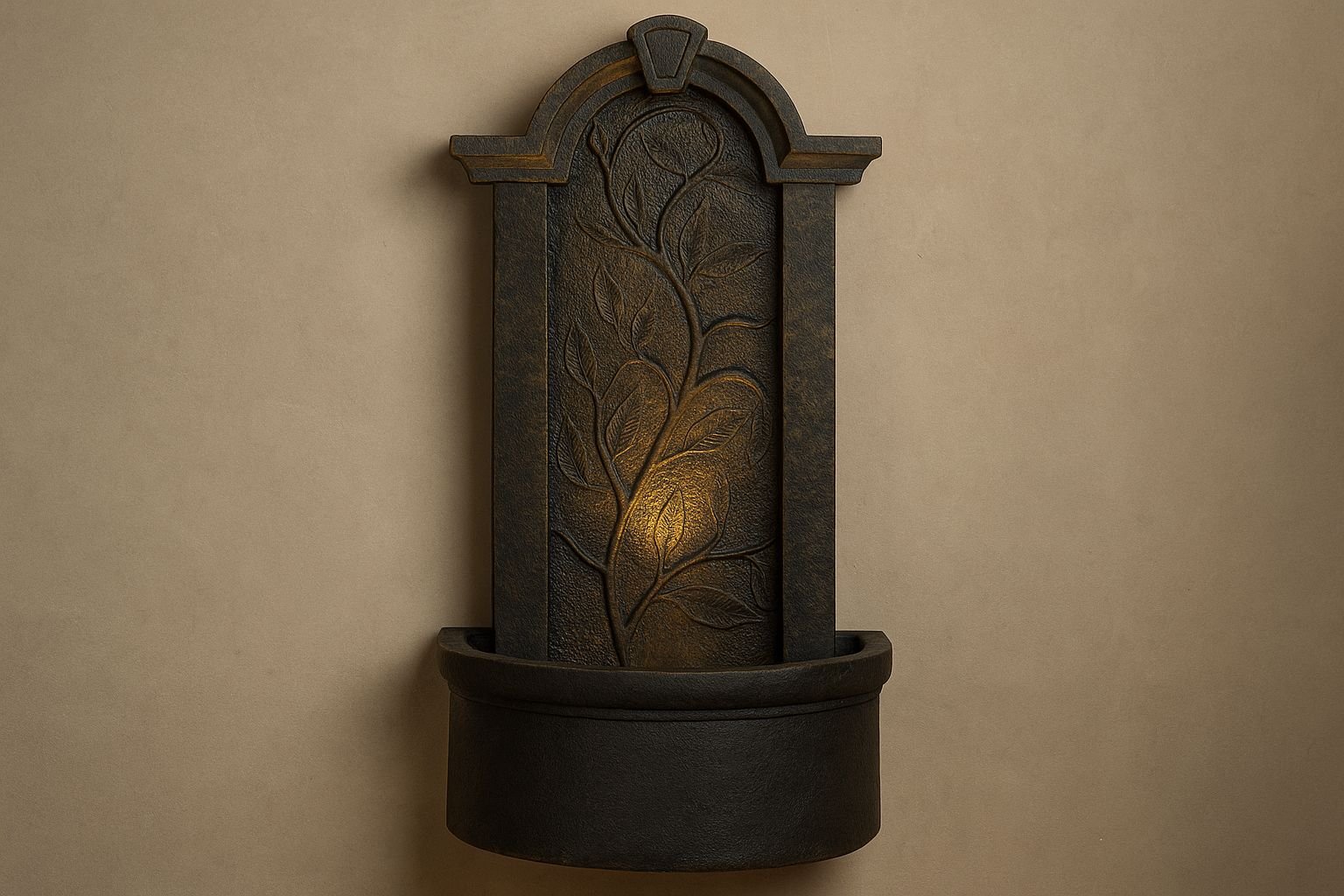
Personal touches can make your fountain feel more unique to you. Some people add smooth stones they’ve collected from meaningful places. Others incorporate small decorative objects that have personal significance. Just make sure anything you add is water-safe and won’t interfere with the fountain’s operation. I’ve added a few polished stones from a beach vacation to my fountain’s basin. Every time I see them, I’m reminded of that trip. It’s a small thing, but it makes the fountain feel more personal.
Don’t forget to think about how your fountain looks from different angles and rooms. If it’s in a space visible from multiple areas of your home, walk around and view it from those different perspectives. Does it look good from all angles, or is there an awkward side? Some fountains are meant to be viewed primarily from the front, while others look good from all sides. Placement should account for the primary viewing angles.
The journey of integrating a fountain into your home is part of the fun. Don’t stress about getting everything perfect immediately. Live with your fountain for a while. Notice what works and what doesn’t. Make adjustments. Move things around. Try different settings if your fountain has adjustable flow. This is your space, and you get to decide what feels right. There’s no fountain police coming to judge your choices. Make it work for you, and enjoy the process of creating a space that feels peaceful, beautiful, and uniquely yours.

Leave a Comment