
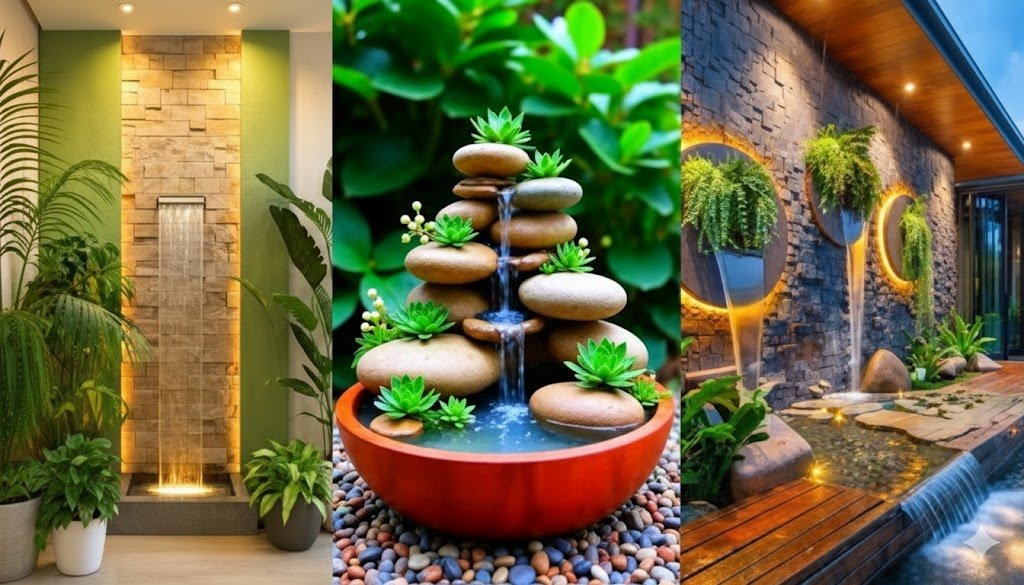
Creating a Home That Makes Everyone Stop and Stare
You know that feeling when someone walks into your house and their whole face changes? Not just a polite smile, but that genuine moment of surprise where they actually slow down and look around. That’s what we’re all chasing, right? As homeowners, we pour ridiculous amounts of time and money into making our spaces look good, and let’s be honest, a huge part of that is wanting people to be impressed. There’s no shame in it. We want the nod. We want the approval. We want that little spark of envy mixed with admiration.
I’ll never forget when my best friend walked into our house after we’d finished redecorating. She stopped dead in her tracks in the entryway, and for a second I panicked thinking something was wrong. Then she just said “wow” and started asking a million questions about where we got things and how we thought of putting pieces together. That satisfaction? That’s the good stuff. It makes all those weekends spent debating paint colors and moving furniture around for the hundredth time feel totally worth it. We’d managed to create something that genuinely impressed someone whose taste I respect.
The thing is, getting that reaction isn’t just about having expensive stuff or following every design trend. It’s about creating a space that feels intentional, that shows thought and care, that reflects something about who you are as people. Anyone can buy matching furniture sets from a catalog and arrange them in a room. That’s fine. That’s acceptable. But it’s not memorable. It doesn’t make people stop and really look. It doesn’t stick in their minds after they leave.
What really gets people is when you have elements in your home that they haven’t seen before, things that surprise them in a good way. We’ve all been to houses where everything is perfectly nice but also perfectly forgettable. Then you go to a home that has one or two really unique choices, things that show personality and creativity, and suddenly the whole space feels different. Those unexpected elements are what create the “wow” factor that turns a nice house into an impressive home.
The pride we feel when guests admire our homes runs deeper than surface level vanity. Sure, part of it is ego. But mostly it’s about feeling validated in the choices we’ve made, the work we’ve put in, the vision we’ve been trying to execute. Home design is personal. When someone respects and admires your space, they’re respecting and admiring your judgment, your taste, your ability to create something beautiful. That recognition feels good in a way that’s hard to explain to people who don’t care about their homes the same way.
Admiration and respect from guests creates this positive feedback loop too. When people love your space, they want to spend time there. Your house becomes the gathering place, the spot where everyone wants to hang out. That’s happened to us since we made some key changes to our living room. Friends suggest coming to our place instead of going out. They linger longer when they visit. They’re more relaxed and open in conversations. A well designed space facilitates connection in ways that go beyond just looking pretty.
Making your home elegant doesn’t mean it has to be formal or stuffy or uncomfortable. Real elegance is about quality and thoughtfulness, about creating an environment that feels both special and welcoming. Classy doesn’t mean cold. It means considered. It means every element serves a purpose and contributes to the overall feeling you’re trying to create. And here’s the secret that took me years to figure out: sometimes one really great addition can elevate your entire space more than a dozen small changes.
That’s where something like a water fountain comes in. I know what you’re thinking. Fountains are for fancy hotels and public parks, not for regular people’s living rooms. That’s exactly what I thought too. But that’s also what makes them such powerful additions to homes. They’re unexpected. They’re unique. They’re the kind of element that makes people stop and notice, that sparks conversations, that transforms a nice living room into a memorable space. The elegance and class factor is built right in.
The relaxing component adds another layer to the appeal. A fountain isn’t just beautiful to look at. It actively changes how your space feels, creating an atmosphere of calm and tranquility that affects everyone who spends time there. You’re not just impressing people with your design choices. You’re making them feel better, more relaxed, more at ease in your home. That combination of visual impact and functional benefit is rare in home design. Most things either look good or work well. Fountains do both.
Adding something unique to your home requires courage. It’s scary to make bold choices, to go beyond the safe options that everyone else has. What if people think it’s weird? What if it doesn’t work out? What if you spent money on something that ends up feeling like a mistake? Those fears are real, and they keep a lot of us stuck in the land of acceptable but boring. But the homes that really wow people are the ones where someone took a chance on something different, something that reflected their personal vision instead of just following what everyone else is doing.
Water fountains occupy this interesting space where they’re both timeless and unexpected. Water features have been part of home design for centuries, so there’s nothing trendy or flash in the pan about them. But most modern homes don’t have them, which makes them feel fresh and surprising when you encounter one in a residential setting. That balance between classic and contemporary is part of what makes them such effective design elements. They work with almost any style because they tap into something universal, our connection to water and nature.
The Living Room Does Heavy Lifting
Let’s talk about the living room for a minute, because this space deserves way more credit than it gets. This one room is expected to be everything to everyone. Entertainment center, conversation hub, relaxation zone, showcase for guests, homework station, Netflix binge location, the list goes on. We ask the living room to serve more functions than any other space in our homes, and somehow it’s supposed to look magazine ready at all times. The pressure we put on this room is honestly kind of absurd.
When people come to your house, the living room is where everything happens. It’s the first real room they see, the space where they form their initial impressions of your entire home. You can have the most beautiful bedrooms and bathrooms and kitchen, but if your living room doesn’t land right, none of that matters. That first impression sets the tone for how people perceive your whole house. Fair? Not really. True? Absolutely. I’ve watched it happen too many times to deny it.
The section of the house where we entertain carries enormous weight. Think about it. When friends come over, you’re not giving them a tour of your closets or showing them your laundry room organization system. You’re sitting with them in the living room, probably for hours. That space represents you and your home to everyone who visits. It’s your public face, the room that needs to work for everyone from your book club to your in laws to your kids’ friends’ parents. That’s a tall order for one space to fill.
Making an instant impression is the living room’s primary job, and instant is the key word there. People form opinions fast. Within seconds of walking into a room, their brains have processed dozens of details and created a overall assessment. Nice? Boring? Impressive? Too formal? Too casual? Outdated? On trend? All of those judgments happen before conscious thought kicks in. Your living room needs to work on that gut level, creating an immediate positive reaction that sets the stage for everything else.
Investing more effort in the living room makes practical sense when you think about return on investment. Not financial return, but impact return. An hour spent improving your living room affects way more people and creates way more value than an hour spent on a bedroom that only you see. The living room is your highest leverage space. Changes there get seen and experienced by everyone who visits your home. That visibility and usage justify putting extra time and thought into getting it right.

Furniture serves as the foundation, and yeah, you need decent pieces. A comfortable couch is non negotiable. Seating for guests matters. A coffee table that works for your space is important. These are the basics, the pieces that define your room’s layout and primary function. But here’s what took me embarrassingly long to understand. The furniture is just the starting point. It’s the canvas, not the painting. You can have perfect furniture and still have a boring living room if that’s all you focus on.
The main piece status that furniture holds in most people’s minds creates blind spots. We spend weeks picking the perfect couch, getting the right coffee table, finding side tables that fit. All that effort goes into the big pieces, and then we think we’re done. We add some pillows, maybe hang some art, call it decorated. But that approach misses the whole layer of accessories and decorations that actually create personality and interest in a room. The furniture gets you to functional. The accessories get you to memorable.
Paying attention to accessories and decorations separates okay rooms from great ones. I’m not talking about clutter or filling every surface with knickknacks. I’m talking about thoughtful additions that serve specific purposes, whether functional or aesthetic. A unique lamp that provides light but also acts as sculpture. Plants that aren’t just generic greenery but actual living elements that change the feel of the space. Art that means something beyond matching your color scheme. These pieces layer on top of your furniture foundation to create depth and interest.
Interior design that’s actually good goes beyond just arranging furniture and adding some decor. It’s about creating an experience, an atmosphere, a feeling that people respond to on multiple levels. Color, lighting, texture, scale, proportion, all of these elements work together to create spaces that feel cohesive and intentional. The living rooms that really work, the ones that people remember and admire, are the ones where someone paid attention to all these layers and how they interact.
Making your home interior design better is an ongoing process, not a one time project. Your needs change. Your taste evolves. You figure out what works and what doesn’t through actual living in the space. The living room we have now barely resembles what we started with three years ago. Not because we did a full renovation, but because we kept making adjustments, adding and removing elements, learning what created the feeling we wanted. That willingness to keep refining instead of calling it done is what eventually leads to spaces that really sing.
The first area guests see deserves the most attention. Not because we’re shallow or obsessed with impressing people, but because creating a positive first impression makes everyone more comfortable and relaxed. When people walk into a living room that feels welcoming and well designed, they let their guard down faster. Conversations flow more easily. The whole visit goes better. You’re not just decorating for ego. You’re designing for function, for creating an environment that facilitates connection and comfort. That’s worth the effort.
When Good Design Needs More Than Just Looks
A well designed living room that nobody enjoys spending time in has fundamentally failed at its purpose. I don’t care how Instagram worthy it is, how perfectly the colors coordinate, how much it looks like it belongs in a magazine spread. If your family avoids the living room, if guests perch uncomfortably on the edge of furniture, if conversations feel stilted and formal, your design isn’t working. Beauty without comfort is just a pretty prison that nobody wants to be in.
The sufficiency question comes up a lot in home design. Is this enough? Have I done enough to make this room work? And the answer is usually no if you’re only thinking about visual appeal. A perfectly designed space on paper can still feel wrong when you’re actually in it. The missing element is usually something that affects how the space feels, not just how it looks. That’s the gap between adequate and excellent, between a room that works and a room that really works.
Keeping comfort in mind from the beginning changes how you approach design decisions. It’s not just about what looks good in isolation. It’s about what feels good in practice. Can people actually sit on that beautiful couch for hours? Is the lighting bright enough to see but soft enough to relax? Is the temperature comfortable? Can multiple people move through the space without bumping into furniture? These practical questions matter as much as aesthetic ones, maybe more.
Making space relaxing for guests is both art and science. The science part is about physical comfort. Good seating, proper lighting, comfortable temperature, enough space to move around. That’s baseline stuff you can measure and optimize. The art part is harder to define. It’s about creating an atmosphere that makes people feel welcome to settle in and be themselves. Some of that is visual, some of it is about the overall vibe you create through multiple elements working together.
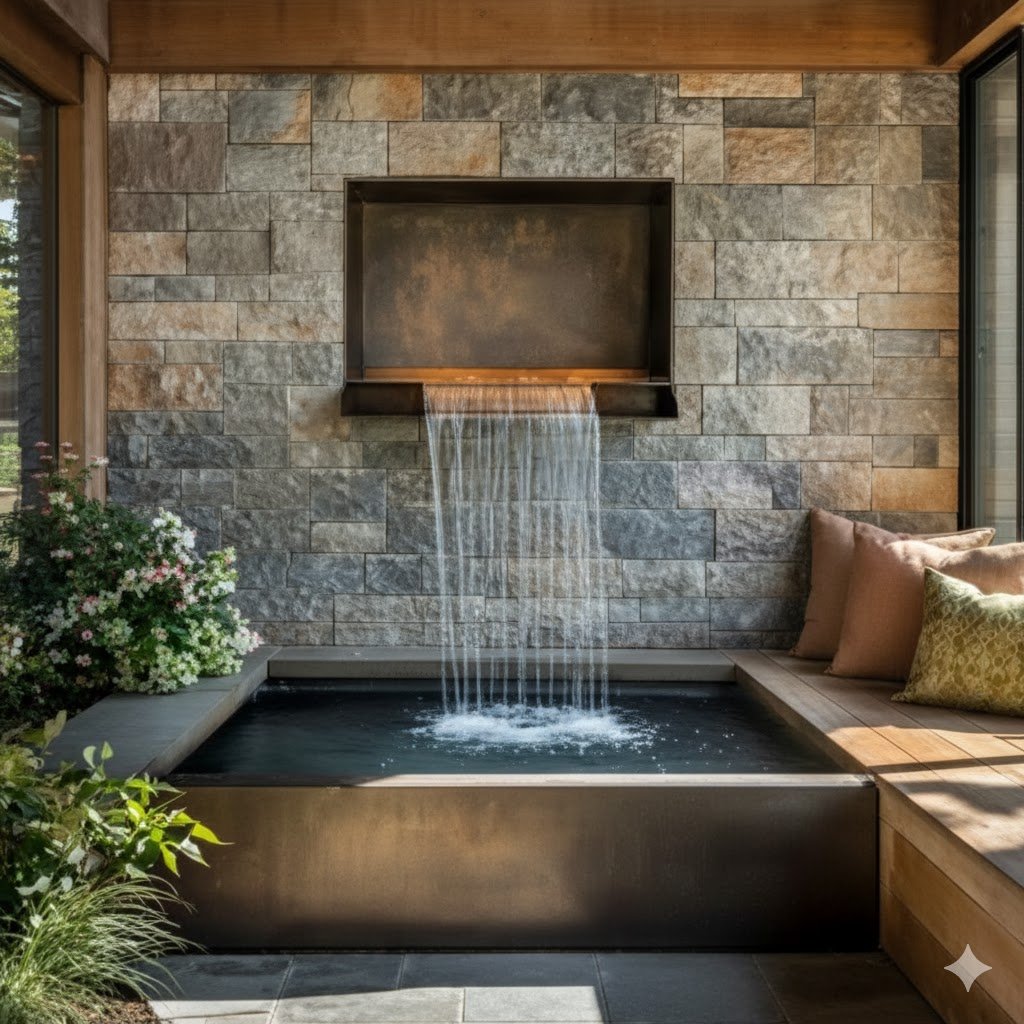
Significant factors in living room design extend beyond what you can see. Sound environment matters way more than most people realize. If your living room is too quiet, every little noise becomes a distraction. If it’s too loud or chaotic, people can’t relax and conversation becomes difficult. The acoustic environment affects how comfortable people feel even if they don’t consciously notice it. That’s where adding elements that improve the sound environment can create dramatic improvements in how the space functions.
One way to shift the entire feeling of a room is through elements that engage multiple senses at once. Most home decor is purely visual. You look at it, it looks nice, that’s it. But the pieces that really transform spaces are the ones that offer more. Something to look at, something to listen to, something to feel in the air around you. When you engage multiple senses, you create a more complete experience that people respond to on a deeper level than visual appeal alone can achieve.
Adding a relaxing feel changes behavior in noticeable ways. People stay longer. They sink deeper into furniture. Their voices soften. Their shoulders drop. You can watch it happen in real time when someone walks into a space that’s truly relaxing versus one that’s just visually appealing. The difference is subtle but powerful. A room that makes people feel relaxed facilitates better conversations, stronger connections, more enjoyable time together. That’s the functional value of prioritizing atmosphere alongside aesthetics.
Great looking wall water fountains solve multiple problems at once. They’re beautiful objects that add visual interest to a space. But they’re also functional elements that actively change how a room feels and sounds. The gentle sound of water moving creates an acoustic baseline that makes the whole space more peaceful. The movement gives your eyes something interesting to rest on. The overall effect is both aesthetic and practical, checking multiple boxes with one design choice.
Placing a fountain strategically can transform your living room from a space that looks good to a space that feels good. Location matters. Scale matters. Style matters. But when you get it right, the impact is immediate and obvious. I’ve watched friends walk into our living room after we added a fountain and immediately relax in ways they didn’t in the same space before. They don’t always connect it to the fountain consciously, but their bodies respond to the water sound and the overall atmosphere shift it creates.
Instantly turning a space from acceptable to remarkable sometimes requires just one bold addition. Not a dozen small changes, not a complete renovation, just one well chosen element that shifts everything else into focus. For a lot of living rooms, that element is a fountain. It’s unexpected enough to create surprise and interest, functional enough to genuinely improve the space, and beautiful enough to serve as a focal point that ties everything else together. That combination of surprise, function, and beauty is rare and valuable.
The comfortable living room that’s also impressive is the goal we’re all chasing. Comfort without beauty is a family room that embarrasses you when guests come over. Beauty without comfort is a showroom that nobody actually wants to use. The sweet spot is that perfect balance where the space looks amazing and feels amazing at the same time. Getting there requires thinking about design in layers, considering both the visual elements and the atmospheric elements, creating a complete experience instead of just an attractive space.
Why Wall Fountains Work Better Than You’d Think
Wall fountains have been showing up in homes more and more over the past few years, and it’s not just people following trends blindly. There’s actual substance behind the popularity. People are discovering that fountains deliver benefits they didn’t even know they were looking for. The visible appeal is obvious, but the real value goes way deeper than just having something pretty to look at. That depth of benefit is what turns casual buyers into enthusiastic advocates.
Becoming more notable among homeowners makes sense when you understand what fountains bring to spaces. We’re all looking for ways to differentiate our homes, to add elements that make our spaces feel special and different from everyone else’s. A fountain is one of those additions that immediately sets your home apart. Not in a showy, trying too hard way, but in a considered, thoughtful way. It signals that you’ve put real thought into creating an environment, not just filling a room with stuff.
The numerous benefits stack up in ways that surprise people. They buy a fountain thinking it’ll look nice, which it does. Then they discover it makes their living room sound better, feel calmer, even smell fresher. The air quality improves slightly from the humidity. The background noise that used to bother them fades into the background. Their stress levels drop when they come home and hear the water running. These accumulated benefits add up to way more value than the price tag suggests.
Great choices for decorating need to earn their place in your space through multiple contributions. A vase is pretty but that’s all it does. A lamp provides light and hopefully looks nice doing it. But a fountain hits multiple notes at once. Visual interest, acoustic improvement, atmospheric transformation, conversation starter, humidity control, the list goes on. When one element serves multiple functions, it justifies the space and attention it requires. Fountains absolutely earn their place through layered benefits.
Astonishing and compelling looks are what grab people’s attention first. There’s something inherently fascinating about water in motion. It’s not static like a painting or a sculpture. It’s alive, constantly moving and changing, catching light differently throughout the day. Your eye can rest on a fountain and stay interested in ways that don’t work with static decor. That sustained visual interest is part of what makes fountains so effective as focal points.
Resembling natural waterfalls is the design principle behind most good fountains. They’re not trying to literally recreate nature, more like capture the essence of it. The way water flows over stone, the patterns it creates, the sound it makes, all of that taps into something primal in us. We evolved around water sources. We’re hardwired to respond positively to water sounds and movement. Fountains exploit that programming in the best possible way, bringing a natural element into domestic spaces where it shifts the entire vibe.
Water cascading through rocks and boulders creates specific visual and acoustic effects that humans universally find appealing. There’s something about watching water navigate around obstacles, finding its path, creating temporary patterns that immediately disappear and reform. It’s mesmerizing in a completely non demanding way. You can watch it actively or let it be background interest. Either way works. That flexibility is part of what makes fountains such successful design elements.
Being great to look at would be enough to justify fountains for some people, but they deliver way more than just visual appeal. The sound component is actually the bigger deal for most people once they’ve lived with a fountain for a while. That gentle, consistent sound of water moving becomes the acoustic foundation for your entire space. It doesn’t cover other sounds completely, it gives your ears something pleasant to focus on, and suddenly all the annoying background noise bothers you way less.
Eye candies that also serve functional purposes are rare in home design. Most things are either pretty or useful, rarely both at the same level. Fountains manage to be genuinely beautiful while also actively improving your living environment. That dual nature makes them unusually valuable as design investments. You’re not choosing between form and function. You’re getting both in one package, which is basically the holy grail of home decor.
Soothing natural sounds of flowing water affect humans on a deep, almost unconscious level. The sound triggers relaxation responses in our nervous systems. Heart rate slows. Breathing deepens. Muscle tension releases. These aren’t just feelings, they’re measurable physiological changes that happen in response to water sounds. Having that effect available in your living room, just by turning on a fountain, is genuinely powerful. It’s like having a relaxation tool built into your home’s architecture.
Providing relaxation for both mind and body is what separates fountains from purely decorative items. Your mind gets the aesthetic pleasure of watching something beautiful. Your body responds to the sound with actual physical relaxation. That complete package affects people more profoundly than elements that only work on one level. I’ve watched tense friends visibly decompress in our living room, their whole demeanor changing within minutes of settling in. That transformation isn’t magic. It’s the fountain doing exactly what it’s designed to do, creating an environment that facilitates relaxation on multiple levels.
Shopping Without Losing Your Mind
Finding the perfect fountain feels overwhelming when you first start looking. The options available now are genuinely massive, spanning every possible style, size, material, and price point. I spent probably a month browsing options, reading reviews, measuring walls, second guessing every choice. That research phase felt excessive at the time, but it prevented expensive mistakes. The alternative is buying impulsively and hoping it works out, which is a recipe for returns and frustration.
The difficulty level isn’t actually that high once you know what you’re looking for. The problem is most people start shopping without a clear sense of their requirements. They just browse and hope something jumps out at them. That approach works sometimes, but it often leads to choices that look great in photos but don’t work in your actual space. Taking time upfront to define what you need makes the shopping process way more focused and efficient.
Wide selections in the market today mean every homeowner can find something that works. Budget tight? There are affordable options that look surprisingly good. Money no object? Custom installations and high end pieces are available. Small space? Compact designs exist. Massive wall to fill? Large scale fountains can handle it. Whatever your specific situation, someone’s making a fountain for it. That variety is great once you’ve narrowed down what you’re actually looking for.
Present in the market right now are more fountain options than have ever existed for residential use. The market has expanded dramatically over the past decade as more people discover how well fountains work in homes. That growth means better quality, more variety, and more competitive pricing. It’s genuinely a good time to be shopping for fountains if you’re willing to do some research and think through what you actually need versus what just looks cool.

Sold in varying sizes is how most fountain lines are structured. A design you love probably comes in three or four different sizes, letting you match the fountain to your specific space instead of forcing one size fits all solutions. That scalability is huge. You’re not stuck with close enough. You can get exactly the right size for your wall and your room proportions. That attention to proper sizing makes the difference between a fountain that fits and a fountain that belongs.
Ranging from large to small gives you control over impact and presence. Want the fountain to dominate the room and be the clear focal point? Go large. Want subtle ambiance that supports other design elements? Choose smaller. Want something in between that has presence but doesn’t overwhelm? Medium sizes exist for that exact purpose. This range of options means you’re making intentional choices about the role the fountain plays in your space instead of just taking whatever’s available.
Selecting from designs and styles is where personal taste really matters. Modern, traditional, rustic, contemporary, Asian inspired, Mediterranean, the style options cover every aesthetic you can imagine. Materials range from natural stone to metal to glass to resin. Colors run the full spectrum. Finishes vary from matte to glossy. Water flow patterns differ between designs, creating different visual and acoustic effects. That variety means you’re finding something that actually matches your vision instead of settling for close enough.
Wide range of options requires discipline to avoid paralysis. Too much choice makes decisions harder, not easier. You need some framework for filtering options down to a manageable number. Start with your non negotiables. Size constraints, budget limits, style requirements. Use those to eliminate options that won’t work. Then from what’s left, you’re choosing between good options instead of trying to evaluate everything that exists. That filtering process is how you avoid spending six months shopping and never deciding.
Styles available today span from ultra traditional to cutting edge contemporary and everything in between. You can find fountains that look like they belong in ancient Roman villas or ones that feel like modern art installations. That spectrum means fountains work with virtually any home style if you choose appropriately. The key is matching the fountain’s aesthetic to your existing decor instead of forcing something that clashes. When the styles harmonize, the fountain feels like it was always meant to be there.
The designs you can choose from affect more than just appearance. They affect sound quality, maintenance requirements, and long term durability. A fountain with lots of texture and detail might sound better but be harder to clean. A minimalist design might be easier to maintain but offer less visual interest. These tradeoffs are worth thinking through before you buy. The prettiest fountain in the world isn’t worth much if you hate maintaining it or the sound drives you crazy after a week.
Making Choices That Won’t Haunt You Later
Being mindful about what you actually need versus what you think you want prevents expensive mistakes. I’ve bought things for our home based purely on loving how they looked, only to discover they don’t work in our space. That lesson got expensive fast. Now I start with requirements, with the practical constraints that any purchase needs to work within. Only after I’ve defined those boundaries do I start looking at specific options. That approach is less fun initially but way more effective at leading to choices I’m still happy with months later.
Personal preferences deserve attention but they can’t be the only driver. You might love copper, but if copper fountains clash with everything in your living room, that preference doesn’t matter. You might prefer large statement pieces, but if your space can’t accommodate them, that preference becomes irrelevant. Balancing what you want with what actually works requires some objectivity about your space and some honesty about your constraints. That balance is where good decisions happen.
Home requirements include physical, aesthetic, and practical factors. Physical means size and space constraints. Aesthetic means style compatibility with your existing decor. Practical means maintenance commitment, sound level preferences, budget limits. All of these requirements deserve consideration before you start falling in love with specific fountains. Ignoring any category leads to problems. You need something that works on all levels, not just one or two.
Setting aside preferences first sounds backwards but it’s actually smart strategy. If you start with preferences, you get attached to specific options and then try to justify why they’ll work despite obvious problems. If you start with requirements, you eliminate options that won’t work regardless of how much you love them. Then from what’s left, you can let preferences guide you toward the choice that both works and appeals to you. That order of operations leads to much better outcomes.
Paying more importance to practical factors feels like compromising on your dreams. Maybe it is. But here’s the reality. A fountain you absolutely love that doesn’t work in your space will annoy you every time you look at it. A fountain that perfectly fits your space will grow on you and become something you genuinely appreciate, even if it wasn’t your first choice aesthetically. Function enables appreciation over time in ways beauty alone never achieves.
Big amounts of space required by some fountains trips people up. They look at dimensions on paper and think it sounds fine. Then the fountain arrives and suddenly their room feels crowded, their furniture arrangement doesn’t work anymore, walking paths become tight. Physical space includes not just wall space but the projection into the room, the visual space the fountain occupies, the acoustic space it fills. All of these spatial factors need attention before purchase.
Considering available floor space means measuring carefully and accounting for how people actually use the room. Where do you walk? Where does furniture need to go? How much clearance do you need for comfort? These practical questions have real answers that affect which fountains will work and which won’t. Skipping this step leads to fountains that technically fit but don’t actually work in practice. The difference between fitting and working is huge.
Living room size affects which fountains make sense from a proportion and balance standpoint. Small rooms need appropriately sized fountains. Large rooms can handle bigger installations. Matching fountain size to room size creates harmony. Getting the proportion wrong makes everything feel off, even if you can’t articulate exactly what’s wrong. Trust the proportion guidelines, measure carefully, and choose sizes that actually work for your space instead of just buying the biggest or smallest option.
Being sure about furniture compatibility prevents aesthetic disasters. Your fountain and your furniture need to coexist peacefully. They don’t need to match exactly, some contrast is good. But they need to share enough aesthetic DNA that they feel like they belong in the same room. A fountain that fights with your furniture creates visual tension that’s uncomfortable every time you’re in the space. Integration beats contrast when it comes to major permanent additions like fountains.
Picking the right fountain requires evaluating how different options relate to your existing pieces. Look at your furniture’s style, materials, colors, lines. What fountain characteristics would harmonize? What would clash? Sometimes you’ll find that certain fountain options would require changing other things to make the room work. That’s fine if you’re willing to do it. If not, you need to be more selective about options that work with what you already have.
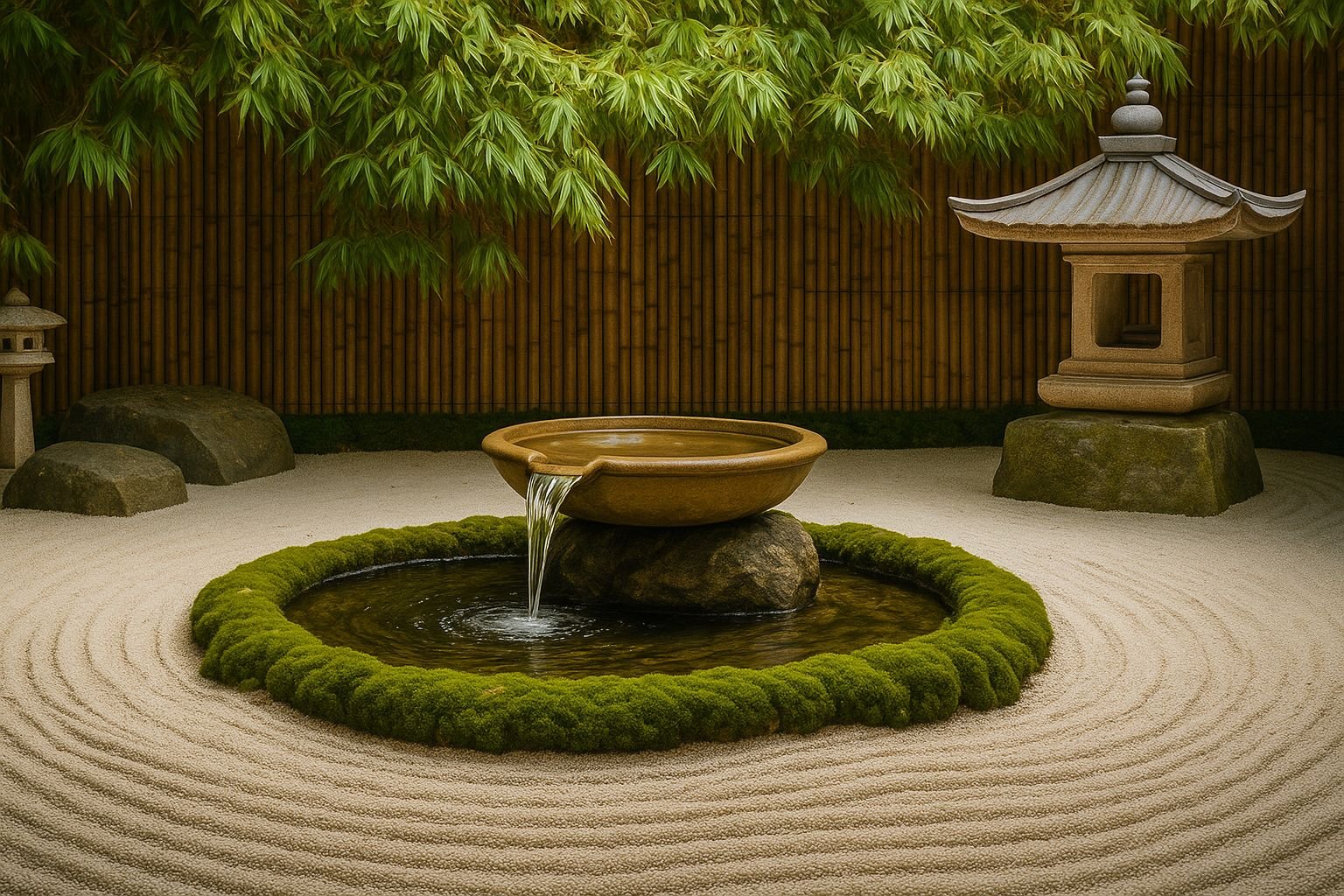
Complementing other furniture creates cohesion that makes spaces feel intentional and designed. When elements in a room relate to each other in obvious ways, the space feels pulled together. When elements seem random and disconnected, the room feels chaotic or thoughtless. Your fountain should feel like part of a plan, like discovering it was the final piece of a puzzle you didn’t realize you were solving. That level of integration takes thought and sometimes restraint about passing on options you love that don’t fit.
When Everything Finally Clicks Into Place
A perfect way to complete your design vision is with that one element that makes everything else suddenly make sense. You can have all the right pieces individually, carefully chosen and well made, and still have the room feel incomplete. That missing something is usually an element that transforms the space instead of just filling it. For many living rooms, a fountain plays that transformative role, pulling together disparate elements and creating cohesion where it didn’t exist before.
Complementing your existing design requires understanding what you’ve already created and what it needs. Sometimes a room needs a bold focal point to anchor everything else. Sometimes it needs subtle ambiance that supports other elements. Sometimes it needs a bridge between conflicting styles. Sometimes it just needs life, something that moves and changes. A fountain can serve any of those roles depending on how you choose and place it.
Adding a finishing touch sounds simple but it’s actually the hardest part of design. Everything up until the final element is about getting pieces right individually. The finishing touch is about integration, about finding that last piece that completes the picture and makes everything work as a whole. Not every room needs a fountain as its finishing touch. But for rooms that do, nothing else quite works the same way.
Interior design that works long term comes from choices that serve multiple purposes and create real value. A fountain positioned correctly in a living room does serious work. Visual focal point, acoustic environment improver, conversation starter, relaxation facilitator, unique element that differentiates your space. That’s a lot of value from one design choice. When you frame it that way, the investment makes complete sense.
Water fountains creating ambiance is something you need to experience to really understand. Describing it doesn’t capture the effect. You walk into a room with a fountain running and something shifts. The space feels calmer, more alive, more interesting. That atmospheric transformation happens automatically, no special effort required. Just turn on the fountain and let it do its thing. The change is both subtle and profound, affecting how everyone in the space feels and behaves.
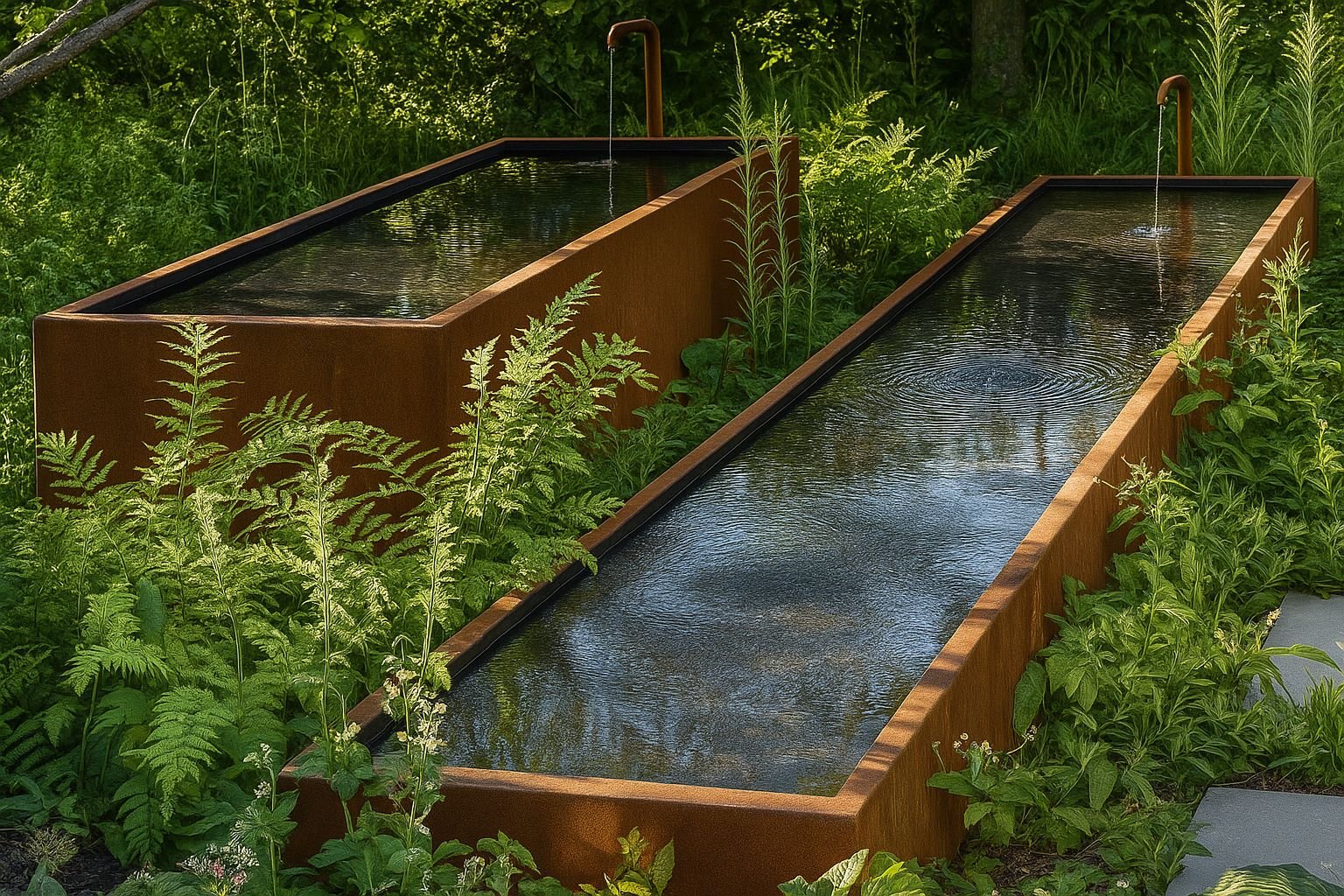
Natural and charming appeal is built into any water feature. We’re drawn to water instinctively. It represents life and safety and resources. That ancient programming doesn’t disappear just because we live in modern homes with indoor plumbing. Add water to a space and people respond to it on levels they don’t consciously register. The fountain becomes a anchor point that makes the whole room feel more welcoming and comfortable.
Relaxed and tranquil feelings emerge naturally when a fountain is running. You don’t need to do anything special or create elaborate rituals. The sound and sight of water moving creates effects that your nervous system responds to automatically. Muscles release tension. Breathing slows and deepens. Mental chatter quiets down. These changes happen without conscious effort, which is part of what makes fountains so effective. They work on you even when you’re not paying attention to them.
Any home benefiting from fountains is the reality more homeowners are discovering. You don’t need a mansion or unlimited budget. You don’t need perfect taste or design training. You just need a space that could use some atmosphere improvement and the willingness to try something different. Fountains scale to fit different situations, different budgets, different styles. The benefits they provide work regardless of whether your home is a studio apartment or a sprawling house.
Widely sold in different forms means you’re finding solutions, not forcing preferences. Wall mounted, freestanding, tabletop, floor standing, each type serves different needs and works in different situations. You’re not locked into one approach. You’re choosing the form factor that makes sense for your specific space and constraints. That flexibility is what makes fountains accessible to so many different types of homes and homeowners.
Varying sizes spanning the full range give you precision in matching fountain to space. You’re not rounding up or settling for close enough. You can get exactly the right size for your wall, your room, your vision. That precision matters when you’re making a significant purchase and permanent addition to your space. Getting the size exactly right is the difference between a fountain that fits and a fountain that belongs, between acceptable and exactly right.

Leave a Comment