
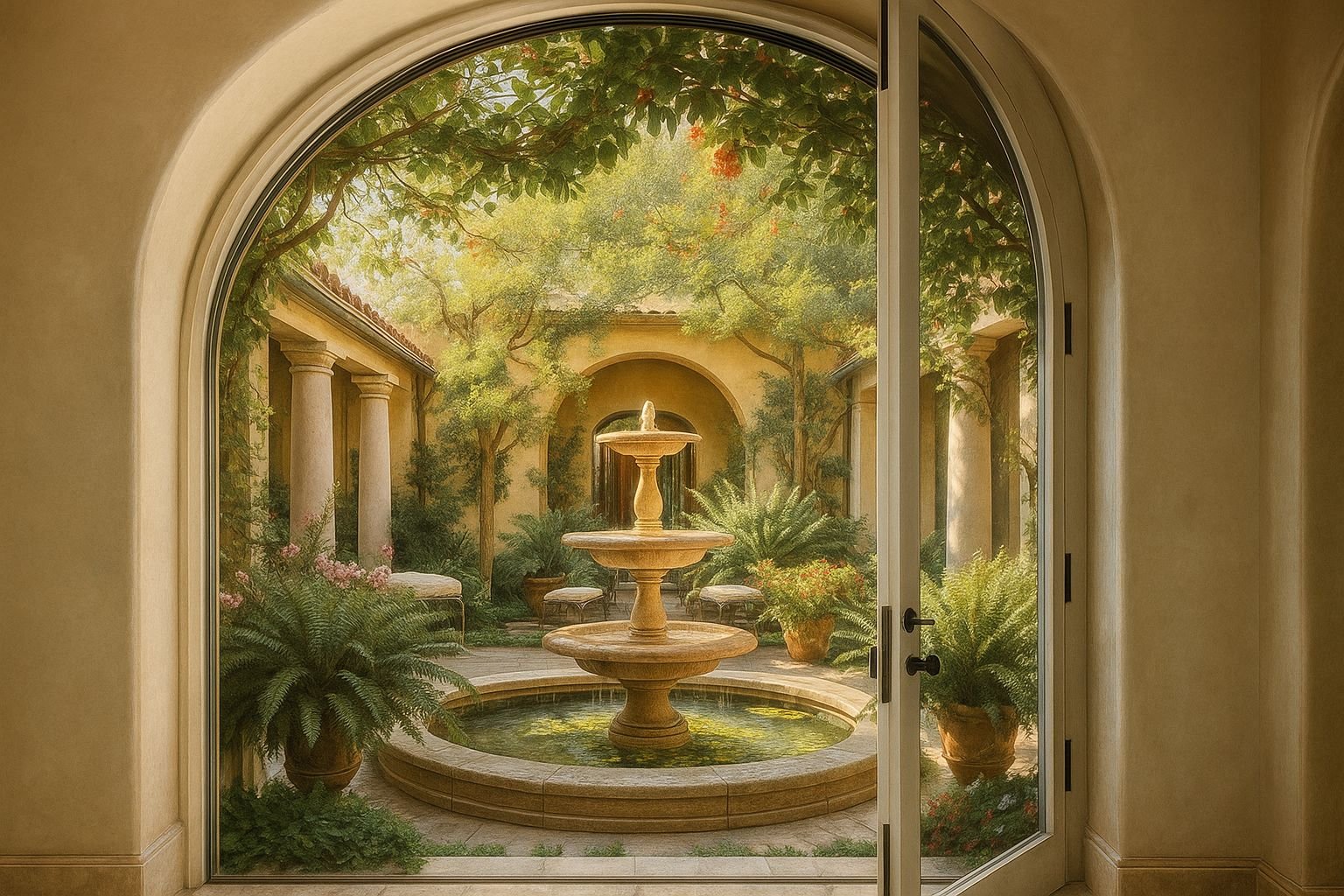
Why We Care So Much About Impressing Our Guests
There’s something about having people over that turns us all into nervous perfectionists. I know I’m not alone in this. You clean parts of your house that nobody will ever see. You fluff pillows that were already fluffed. You stand in your entryway trying to see your home through fresh eyes, wondering if that one picture frame is crooked or if you’re losing your mind. We do this dance every time guests are coming over, and honestly? It’s exhausting.
But here’s the thing. We keep doing it for a reason. That moment when someone walks through your door and their face lights up, when they pause and look around with genuine appreciation, when they say something nice about your space and you can tell they actually mean it, that moment makes all the obsessive cleaning worth it. I’ve chased that feeling for years, tweaking and adjusting our home, always trying to create a space that gets that reaction. Sometimes it works. Sometimes it doesn’t. But the pursuit continues.
The approval we seek from guests isn’t really about validation, though it can feel that way. It’s more about connection. When someone appreciates your home, they’re appreciating the choices you made, the effort you put in, the life you’ve built. They’re seeing you reflected in your space. That recognition feels good on a level that’s hard to explain to people who don’t care about their homes the same way. It’s not shallow. It’s about creating something worth sharing.
I remember the first time we had my partner’s family over to our new place. We’d been working on it for months, painting and arranging and second guessing every decision. When they walked in, there was this moment of silence that felt like it lasted forever. Then his mom said our living room was the most inviting space she’d seen in years. She sat down on our couch and literally sighed with contentment. That was three years ago, and I still think about that moment when I’m making decisions about our home.
The amazement factor is what we’re really after. Not just “oh, that’s nice” but genuine surprise and delight. The kind of reaction that makes people pull out their phones and take pictures. The kind that leads to them asking where you got something or how you came up with an idea. Those reactions validate that the time and money you’ve invested in your space actually created something special. Not just acceptable, not just fine, but actually remarkable.
Pride of ownership is a real thing, and there’s nothing wrong with it. We work hard. We save money. We make sacrifices to afford the homes we live in. Why wouldn’t we want those homes to reflect our best efforts? When guests express genuine admiration and respect for your space, they’re acknowledging all that work, all those choices, all that thought you put into creating an environment worth living in. That acknowledgment matters.
But here’s where it gets interesting. Standing out matters more than fitting in. A nicely decorated home is fine. A home that’s different from everyone else’s, that has elements your guests haven’t seen before, that makes them think differently about what’s possible in their own spaces, that’s where the real magic happens. We’ve been to friends’ houses that are beautifully decorated but ultimately forgettable. They look like page 47 of a furniture catalog. Everything matches, everything’s coordinated, and nothing surprises you.
Then we’ve been to homes that have that one unexpected element that changes everything. A unique piece of art, an unusual architectural detail, something that makes you stop and really look. For more and more homeowners, that unexpected element is a wall fountain. I know, I know. It sounds extra. It sounds like something you’d see in a fancy hotel lobby, not in someone’s actual living room. But that’s exactly why it works. It’s unexpected. It’s distinctive. It’s the kind of choice that makes your home memorable instead of just nice.
The journey to adding a fountain to our living room took time. We didn’t wake up one day and decide to install a water feature. It was more gradual than that. We’d see them in public spaces and think they were cool but not for us. Then we’d visit someone’s home that had one and realize how much it changed the entire feel of the room. The idea grew on us slowly until one day we were actually researching options and measuring walls. That progression from “interesting but not for me” to “I need this in my life” is pretty common from what I’ve learned talking to other fountain owners.
What sold me completely was realizing that a fountain checks multiple boxes at once. It’s beautiful, sure. But it’s also functional in ways that purely decorative items aren’t. It changes the sound environment. It adds movement to a static room. It creates ambiance that you can feel, not just see. When you’re looking for that one element that makes your home stand out, something that delivers on multiple levels like that is worth serious consideration. Not every design choice can claim to be both eye catching and genuinely functional. Fountains do both, and they do it naturally.
The Living Room Carries More Weight Than We Realize
Let’s be real about the living room for a minute. This space does more heavy lifting than any other room in your house. It’s your public face, your entertaining hub, your relaxation zone, your kids’ homework station, your Netflix binge headquarters. We ask this one room to be everything to everyone, and somehow it’s supposed to look Instagram ready at all times. The pressure we put on this space is kind of absurd when you think about it.
When people come to your home, the living room is where first impressions form and stick. You might give them a tour later, show them the rest of the house, but that initial reaction happens in the living room. They walk through your front door, their eyes scan the space, and within about ten seconds they’ve formed an opinion about your entire home. Fair? Not really. True? Absolutely. I’ve watched it happen dozens of times with different guests in different homes. That first glance tells them more than they realize.
The design effort required for the living room exceeds what’s needed anywhere else. Your bedroom can be messy. Your kitchen can be purely functional. Your bathroom just needs to be clean. But the living room? That space needs to work on every level. Comfortable, attractive, functional, impressive, welcoming, all at the same time. No pressure or anything. We’ve redone our living room probably four times in the past six years, never quite satisfied, always thinking the next change will be the one that finally gets it right.
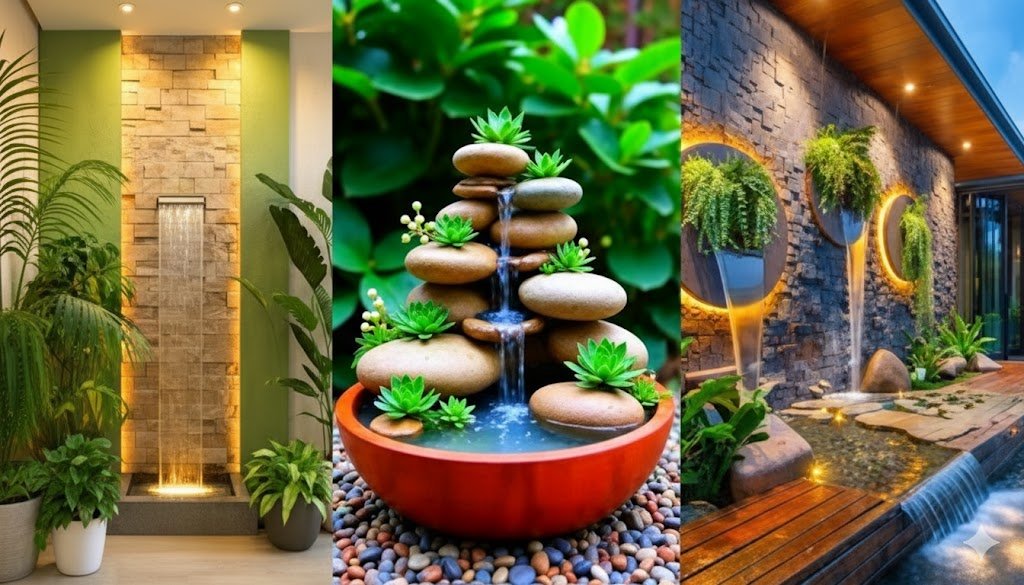
Furniture forms the foundation, and everyone knows this. You need a decent couch, some seating options, maybe a coffee table that doesn’t wobble. These basics are non negotiable. But here’s what took me years to understand. The furniture is just the stage. It’s where the action happens, but it’s not the action itself. You can have the most expensive, beautiful furniture in the world and still have a boring living room if that’s all you’ve got. The furniture sets the scene. The accessories and decorations make the scene worth watching.
I used to think accessories meant throw pillows and maybe a vase. That’s what I grew up with. Mom would put out some decorative pillows, maybe a bowl of fake fruit, call it decorated. But real accessories, the kind that actually transform a space, are more substantial than that. We’re talking art that makes you stop and look. Lighting that creates mood and atmosphere. Plants that bring life into the room. Textures that make you want to touch things. These elements add layers and depth that furniture alone can never achieve.
The main attraction mindset trips people up. Yes, your couch is probably the biggest piece in the room. Yes, it’s where people sit. But treating it as the star of the show is a mistake. The most interesting living rooms don’t have a single focal point. They have multiple points of interest that work together. Your eye moves around the room, finding new things to appreciate. The couch might be where you land, but it’s not what you remember about the space.
Taking accessories into consideration sounds obvious until you try to actually do it. What accessories? How many? Where do they go? How much is too much? We’ve all seen rooms that are over accessorized, cluttered with stuff that doesn’t really serve any purpose beyond filling space. That’s not the goal. The goal is intentional additions that each serve a specific purpose, whether functional or aesthetic. Every piece should earn its place in the room.
Better interior design happens when you think beyond the basics. Anyone can buy furniture and arrange it in a room. Creating a space that actually feels designed, that feels considered and intentional, requires that next level of thought. It’s the difference between a room that has furniture in it and a room that’s been designed. One is adequate. The other is memorable. We spent years in the adequate phase before we figured out how to push into memorable territory.
The effort investment is real and ongoing. Your living room isn’t something you finish and walk away from. It evolves as you live in it, as you figure out what works and what doesn’t, as your needs and tastes change. We’ve probably spent more cumulative hours thinking about our living room than any other space in our house. That might sound obsessive, but when you consider how much time we actually spend in that room, how many people see it, how much it affects our daily quality of life, the attention seems justified.
Making an immediate impression requires more than just having nice stuff. It requires understanding what catches people’s attention and what makes them want to settle in and stay. Color plays a role. Lighting matters a lot. Layout affects flow and function. But the things that really make people stop and notice are usually the unexpected elements, the choices that show personality and thought. A living room full of safe choices is fine. A living room with at least one bold, interesting choice is memorable. That distinction matters more than most people realize.
Comfort Without Sacrificing Style Is Actually Possible
Here’s a truth that took me way too long to figure out. A perfectly designed living room that nobody wants to spend time in is a failure. I don’t care how beautiful it is, how well the colors coordinate, how much it looks like something out of a magazine. If your guests perch awkwardly on the edge of your couch, if conversations feel stilted, if people make excuses to move to the kitchen, your design isn’t working. Beauty without comfort is just art you can’t use.
The comfortable living room debate usually focuses on furniture. Is the couch soft enough? Are there enough seats? Is the coffee table at the right height? These physical comfort factors matter, obviously. Nobody wants to sit on furniture that hurts. But physical comfort is just the baseline. True comfort, the kind that makes people relax and open up, goes deeper than cushion softness. It’s about the entire atmosphere you create in the space.
Relaxation for guests starts before they even sit down. They walk into your living room and immediately start reading the space. Is it too formal? Too casual? Too cluttered? Too sparse? Their subconscious is making calculations about how they should behave in this space. A room that’s too pristine makes people nervous about touching anything. A room that’s too messy makes them uncomfortable in a different way. The sweet spot is that collected but comfortable vibe where people feel welcome to settle in and be themselves.
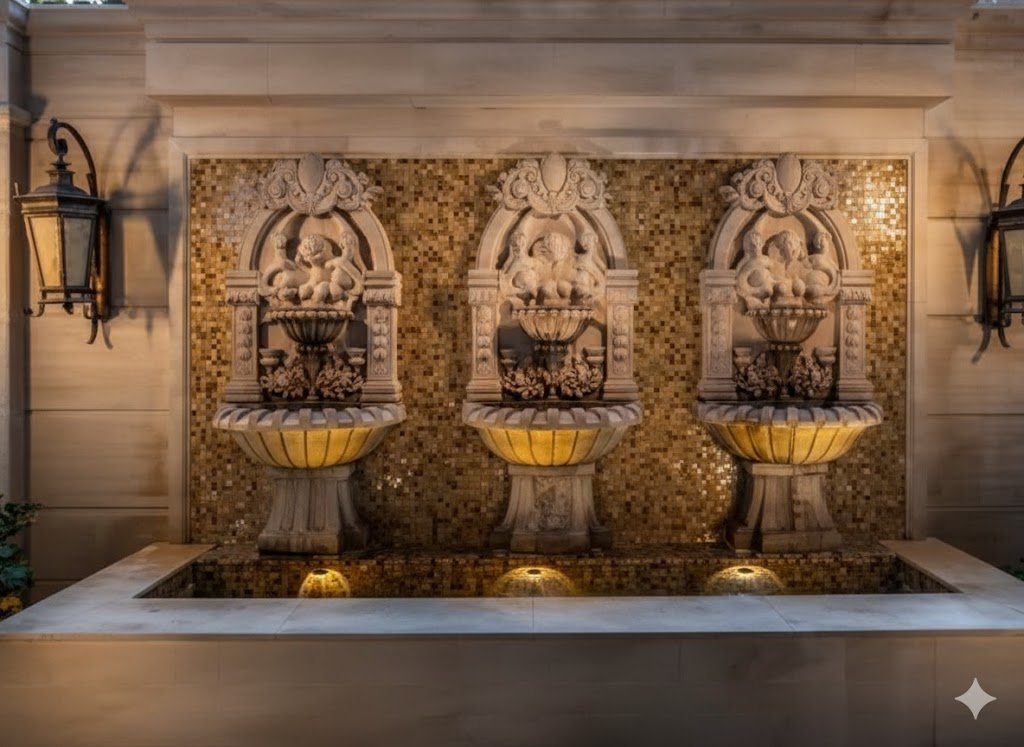
I’ve noticed that the most relaxing living rooms engage multiple senses in subtle ways. They don’t assault you with strong scents or loud music, but they’re not completely neutral either. Maybe there’s soft music playing at a volume that adds ambiance without demanding attention. Maybe there’s natural light coming through well placed windows. Maybe the air feels fresh without being able to pinpoint why. These subliminal elements create an environment that your body responds to even when your brain isn’t consciously registering them.
Wall water fountains entered our consideration when we were trying to solve our living room’s comfort problem. The space looked great. We’d finally nailed the design part. But it didn’t feel great. Friends would visit and conversation would be fine but not flowing. Everyone seemed slightly on edge in a way I couldn’t explain. We needed something that would shift the energy, make the space feel more inviting and less like a waiting room. The fountain suggestion came from a friend who’d added one to her office, and initially I thought she was nuts.
The transformation from skepticism to belief happened fast once we tried it. We started with a small tabletop fountain, just testing the concept without committing to a wall installation. Set it up in the living room, turned it on, and within an hour I understood what our friend was talking about. The room felt different. Calmer. More alive, which sounds contradictory but somehow isn’t. The gentle sound of water moving created this baseline of tranquility that affected everything else. Conversations became easier. We found ourselves choosing to hang out in the living room instead of gravitating to other spaces.
Changing the living room atmosphere doesn’t require a complete renovation. Sometimes it’s one well chosen element that shifts everything. The fountain did that for us. It became the missing piece we’d been searching for without knowing what we were looking for. The visual element is lovely, watching water move over slate in patterns that never repeat exactly. But the sound is what really changes the space. It’s white noise that actually sounds good, that masks annoying background sounds without being intrusive itself.
Imbuing a relaxing feel takes intention. You can’t just throw some comfortable furniture in a room and expect people to relax. The whole environment needs to support that feeling. Lighting that’s warm, not harsh. Colors that soothe rather than stimulate. Textures that invite touching. Sounds that calm rather than irritate. When you start thinking about all these elements together instead of in isolation, creating a truly relaxing space becomes possible. The fountain addressed the sound component in a way nothing else could.
The nice looking aspect matters because aesthetics affect mood. An ugly room, even if it’s comfortable, doesn’t make people feel good. We need both beauty and comfort working together. The wall fountain solved this too. It’s genuinely attractive, something you want to look at, something that adds visual interest to the space. But unlike purely decorative items, it’s also actively making the room more comfortable through the atmosphere it creates. Function and beauty in one package, which is pretty much the holy grail of home design.
Making your living room more comfortable and relaxing isn’t selfish. Yes, guests benefit, but so do you. We spend more time in our living room now that it actually feels good to be there. That’s not a small thing. Coming home to a space that makes you feel calm and welcome affects your whole day, your whole life really. Investing in creating that kind of environment pays dividends every single day. The fountain was part of that investment for us, and it’s paid for itself many times over in improved quality of life.
The Real Benefits Go Beyond Looking Pretty
Wall fountains are having a moment right now, popping up in homes that would never have considered them ten years ago. This isn’t just trend following or keeping up with the neighbors. People are figuring out that fountains deliver benefits that go way beyond aesthetics. Yeah, they look good. But that’s almost secondary to what they actually do for your living space. The functionality surprises people who thought they were just buying a decorative object.
The growing popularity among homeowners makes sense when you understand what fountains bring to the table. We’re all looking for ways to make our homes feel different, better, more special without undertaking major renovations. A fountain is one element that creates significant impact without requiring construction or major expense. You’re not knocking down walls or rewiring electrical. You’re adding one piece that changes everything else. That’s attractive to people who want transformation without chaos.
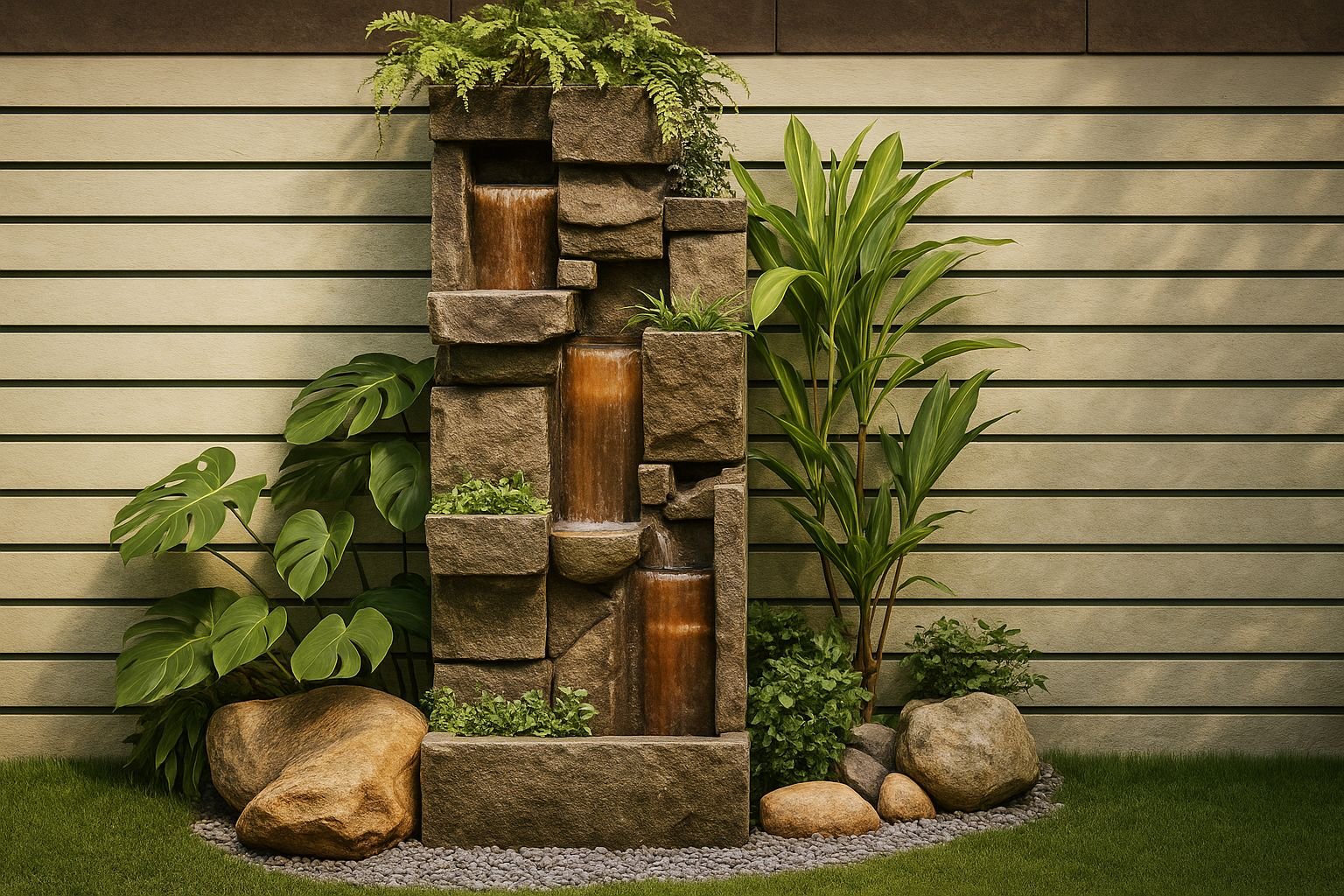
Benefits that actually matter, not just marketing fluff, are what keep fountains popular beyond initial trends. If they were just pretty things that required maintenance and offered nothing substantial in return, people would try them and move on. But that’s not what happens. People add fountains and keep them, become advocates for them, recommend them to friends. That word of mouth growth tells you something real is happening, some actual value being delivered that goes beyond surface appeal.
Perfect choices for decorating come in many forms, but fountains occupy a unique space. They’re furniture adjacent but not furniture. They’re art but also functional. They’re accessories but substantial. This hybrid nature means they fill gaps that other decorative choices can’t quite reach. You’re not choosing between a fountain and a couch, or between a fountain and a painting. The fountain sits in its own category, complementing those other elements rather than competing with them.
The astonishing and mesmerizing look is the first thing people mention, and I get why. Water moving over surfaces creates visual effects that are genuinely captivating. It’s not like looking at a static piece of art where you see it once and that’s it. Water is always moving, always catching light differently, always creating new patterns. Your eye can rest on a fountain for minutes at a time without getting bored, which is rare for decorative objects. That sustained visual interest is part of what makes them so effective.
Imitating natural waterfalls is what good fountains do, and it’s why they work so well in home environments. We’re drawn to water in nature. Waterfalls, streams, rain, all of it captures our attention and calms our nervous systems. Fountains tap into that same response. They’re not trying to be literal reproductions of natural water features. They’re capturing the essence, the feeling, the experience of being near moving water. That’s why even abstract modern fountains that look nothing like natural waterfalls still create that same calming effect.
Water cascading through rocks and boulders creates a very specific aesthetic that appeals to something primal in us. It looks organic and natural even when it’s happening in your climate controlled living room surrounded by manufactured furniture. That juxtaposition between the natural element and the domestic setting is part of what makes fountains so interesting. You’re bringing a piece of the outside world inside, creating a bridge between nature and your daily living space.
Being great to look at would be enough to justify a fountain for some people, but the benefits don’t stop there. The visual component is actually the smaller part of what makes fountains valuable. It’s the sensory experience beyond just sight that creates real impact. When you can hear the fountain and feel its effects on the air and see the water moving, you’re engaging with your environment in a more complete way than most home decor allows.
Soothing natural sound turns out to be the killer feature nobody expects. I thought I was buying something pretty for our wall. What I actually got was a sound machine that happens to also look beautiful. The audio component of a fountain is what creates the most dramatic change in how a room feels. That gentle, consistent sound of water flowing becomes the acoustic baseline for your entire space. It doesn’t cover up other sounds completely. It gives your ears something pleasant to focus on, and suddenly everything else is less annoying.
Flowing water into your home brings benefits beyond ambiance. There’s actual science about how water sounds affect our brains and nervous systems. Something about consistency and randomness mixed together, I don’t understand all the technical details. What I know from experience is that having a fountain running genuinely makes me calmer. My heart rate slows. My breathing deepens. Tension I didn’t realize I was carrying releases. Those aren’t placebo effects. Those are measurable changes in my physical state that happen in response to being near moving water.
Relaxation for mind and body sounds like marketing copy, but it’s actually accurate. Mental relaxation happens when you’re not constantly processing irritating stimuli. The fountain creates an acoustic environment where your brain doesn’t have to work as hard to filter out annoying sounds. Physical relaxation happens when your nervous system gets signals that you’re safe and can let down your guard. Water sounds trigger that response. We evolved around water sources. Being near water meant safety, resources, life. That programming is still in us, still responding to water sounds even in modern living rooms.
The combination of visual beauty and functional sound benefits makes fountains more valuable than their price tag suggests. You’re not just buying decoration. You’re buying an environmental control system that happens to also be art. When you frame it that way, the investment makes a lot more sense. How much would you pay for something that makes your living room more attractive and more comfortable at the same time? Probably more than most fountains actually cost.
Shopping Smart Means Better Results
Finding the perfect fountain sounds daunting, and I’m not gonna lie, it can be. The options available now are overwhelming if you don’t know what you’re looking for. I spent weeks falling down rabbit holes of fountain websites, each one offering hundreds of styles and sizes and materials. At some point, you have to stop researching and actually make a decision. But some research is necessary unless you want to end up returning multiple fountains like I did before figuring out what actually works.
The ease of finding fountains is both blessing and curse. Twenty years ago, you’d have to hunt for specialty stores or custom builders. Now you can buy fountains online, in home improvement stores, through specialty retailers, from artists and craftspeople. Access is no longer the problem. Choice overload is the new challenge. Having too many options makes decision making harder, not easier. You need some framework for narrowing down what actually matters versus what’s just noise.
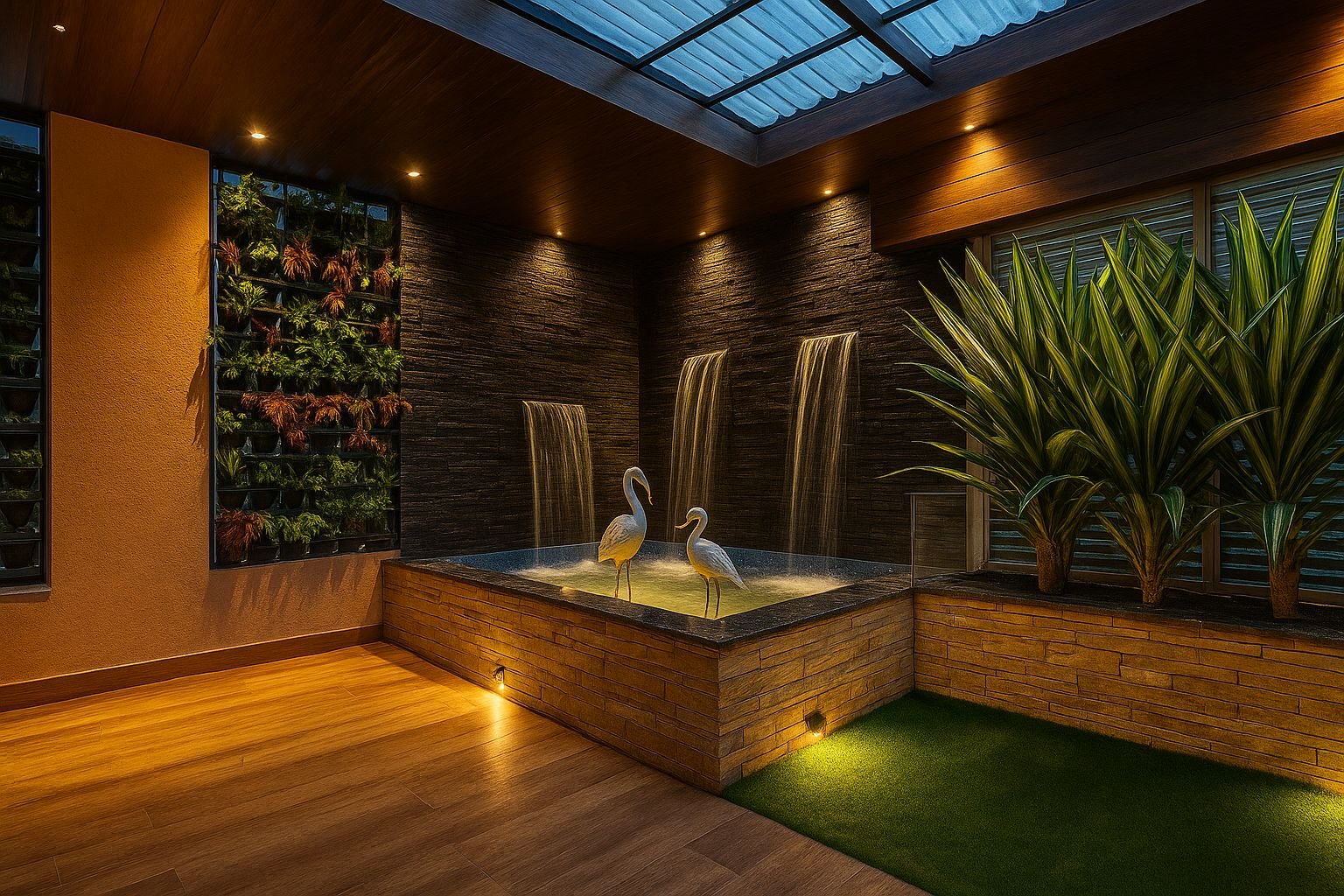
Wide selections in the market today mean something for every taste and budget. That’s genuinely good news if you can navigate it without losing your mind. From cheap tabletop models under fifty bucks to custom installations costing thousands, the range covers every possible scenario. Small apartments, massive living rooms, traditional decor, ultra modern aesthetics, tight budgets, unlimited funds, there are fountain options that work for all of it. The key is identifying your specific needs and filtering options based on those instead of just browsing randomly.
Different sizes matter more than you might think. A fountain that’s perfect for one space can be completely wrong for another. We learned this when I fell in love with a fountain that was just too big for our wall. Could we have made it work? Maybe. Would it have looked right? Definitely not. The proportions would have been off, making the room feel cramped and the fountain feel crammed in. Size isn’t just about physical fit. It’s about scale and proportion, about how the fountain relates to everything else in the room.
Ranging from large to small is the easy part to understand. Big fountains make big statements. Small fountains provide subtle ambiance. Both have their place. What’s harder is figuring out which size actually works for your space. Too small and the fountain disappears, becomes just another knickknack on your wall that nobody really notices. Too large and it dominates everything, makes the room feel smaller, overwhelms your other furniture. The right size makes the fountain feel like it was always meant to be there, like the room was incomplete without it.
Selecting from design and style options is where personal taste really comes into play. Modern, traditional, rustic, contemporary, minimalist, ornate, natural materials, manufactured finishes, neutral colors, bold statements, the combinations are endless. I went into fountain shopping thinking I wanted something modern and sleek. Came out with a natural stone piece that’s more rustic than anything else in our house. The lesson? Keep an open mind. What you think you want and what actually works in your space might be different things.
The wide range available means you’re not settling for close enough. You can find something that actually matches your vision, assuming you’ve spent time figuring out what that vision is. This is where looking at a lot of options helps. You start seeing patterns in what appeals to you and what doesn’t. Maybe you realize you’re always drawn to dark materials, or water features with lots of texture, or simple designs with clean lines. Those patterns tell you something about your taste that helps narrow the field considerably.
Style variety serves different aesthetics and different rooms. The fountain that works in a formal living room probably won’t work in a casual family room. The piece that looks amazing in a modern loft might look ridiculous in a traditional home. Context matters as much as the fountain itself. We’ve all seen beautiful objects that are in the wrong setting, and it never quite works. The object isn’t bad. The placement is just off. Avoiding that mismatch requires honest assessment of your existing space and realistic thinking about what will actually fit.
Choosing based on features and benefits instead of just appearance leads to better outcomes. Yes, the fountain needs to look good. That’s table stakes. But what else do you need from it? Significant sound for a noisy environment? Subtle sound for a quiet space? Easy maintenance? Interesting visual effects? LED lighting? Specific materials? Get clear on your priorities beyond just “I want a fountain” and you’ll make better choices. The prettiest fountain in the world isn’t worth buying if it doesn’t deliver what you actually need.
Making Choices That Actually Work For Your Space
Mindfulness about personal preferences keeps you from making impulsive mistakes. I love copper. The patina that develops over time, the warm tones, the way it ages, all of it appeals to me aesthetically. But copper fountains weren’t right for our living room. The color would have clashed with our existing furniture, and the style didn’t match our overall aesthetic. Loving something doesn’t mean it belongs in your home. This is hard to remember when you’re shopping and you see something beautiful that speaks to you.
Home requirements must drive decisions more than what you think looks cool. Your space has physical constraints that don’t care about your preferences. Wall dimensions, floor space, ceiling height, furniture placement, traffic patterns, all of these create boundaries that your fountain needs to work within. Fighting against those boundaries leads to frustration. Working within them leads to solutions that actually function in your daily life. The fountain needs to serve your home, not the other way around.
Setting aside personal preferences first sounds backwards, and maybe it is backwards, but it prevents costly mistakes. Start with the practical constraints. Measure your available space. Consider your room’s existing style. Think about maintenance commitment. Account for your budget. Only after you’ve defined those parameters should you start looking at specific fountains. This approach is less fun than browsing gorgeous fountains and fantasizing, but it’s way more effective at leading to choices you’ll still be happy with months later.
Paying more importance to practical factors feels like compromising on your dreams. And maybe it is a bit. But here’s the thing. A beautiful fountain that doesn’t work in your space will annoy you every time you look at it. A fountain that perfectly fits your space, even if it wasn’t your first choice aesthetically, will grow on you and become something you genuinely love. Function enables appreciation in ways that beauty alone never quite achieves.
Big amounts of space required by fountains is something people underestimate. They look at the dimensions and think that sounds fine. Then the fountain arrives and suddenly their room feels crowded. Wall fountains project into the room, reducing your usable floor space. The bigger the fountain, the more space it consumes, not just on the wall but in the overall room volume. Make sure you’re accounting for this three dimensional space requirement, not just whether the fountain fits on your wall.
Available floor space affects which fountains will work and which won’t. If your living room is already packed with furniture and foot traffic patterns, a large fountain might not be feasible no matter how much you love it. This is where smaller options or different fountain types might serve you better. Tabletop fountains don’t require floor space at all. Slimmer wall fountains project less. Being realistic about your space limitations guides you toward solutions that actually function instead of solutions you wish would function.
Room size considerations go beyond just fitting the fountain physically. It’s about visual balance and proportion. A massive fountain in a tiny room creates imbalance, making the space feel even smaller and the fountain feel aggressive. A tiny fountain in a huge room gets lost, looks like an afterthought, fails to create any real impact. Matching fountain size to room size creates harmony. The fountain becomes part of the room instead of dominating it or disappearing within it.
Being sure about complementing furniture is non negotiable. Your fountain and your furniture need to coexist peacefully. They don’t have to match exactly. Some contrast is good, actually. But they need to share enough aesthetic DNA that they feel like they belong in the same room. A fountain that fights with your furniture creates visual tension that’s uncomfortable, even if you can’t articulate exactly what’s wrong. The goal is integration, not competition.
Picking the right fountain that works with existing furniture takes careful evaluation. Look at your furniture’s style, colors, materials, lines. What fountain characteristics would harmonize with those elements? What would clash? Sometimes you’ll find that certain fountain options would require changing other things in the room to make everything work together. That’s fine if you’re willing to do it. But if you’re not, you need to be more selective about fountain choices that work with what you already have.
Effectively complementing other furniture creates cohesion. When everything in a room relates to everything else in some way, the space feels considered and intentional. Random elements that don’t connect to anything make the room feel thrown together, like you just bought whatever was on sale. Your fountain should feel like it was always meant to be part of your living room, like discovering it was the final piece of a puzzle you didn’t know you were solving. That level of integration takes thought and sometimes restraint.
Pulling Everything Together Into One Complete Vision
Wall water fountains serving as perfect choices for interior design isn’t just sales talk. They genuinely occupy a unique position in home decor. Not quite furniture, not quite art, not quite accessory. They’re all three and none of them, existing in this space that lets them work with any of those categories without competing directly. That flexibility is part of what makes them so effective at pulling a room together. They don’t demand center stage. They create a stage that everything else performs on.
Home interior design sometimes needs that one element that makes everything else click into place. You can have all the right pieces, carefully chosen and well arranged, and still have the room feel incomplete. That mysterious missing something is usually an element that engages the senses in unexpected ways or creates atmosphere instead of just occupying space. For many living rooms, a fountain is that element. Not because fountains are magic, but because they deliver layered benefits that few other design choices can match.
Natural and charming appeal is built into any water feature. We’re hardwired to respond positively to water. It represents life, safety, resources, all the things our ancestors needed to survive. That programming doesn’t go away just because we live in modern homes with climate control and indoor plumbing. Put water in a room and people respond to it. They might not consciously realize why they feel more comfortable, but they do. The fountain triggers something deep that makes them want to stay, to relax, to connect.
Relaxed and calming ambiance happens automatically when a fountain is running. You don’t have to do anything special or create elaborate rituals. Just turn on the water and let it do its thing. The sound fills the space without overwhelming it. The movement catches eyes and holds attention without being distracting. The overall effect shifts the room’s energy from whatever it was before to something more peaceful. That transformation is both subtle and profound, changing how people experience the space without them necessarily understanding why it feels different.
Any home can benefit from this, not just fancy houses or big budgets. The fountain we have cost less than our couch. It creates more impact than furniture twice its price. That’s not to diminish the importance of good furniture, just to highlight that fountains deliver outsized value for what they cost. Whether your home is a studio apartment or a sprawling house, whether your budget is modest or unlimited, there’s a fountain option that can improve your living space. The benefits scale to fit different situations.
Coming in many forms means you’re finding solutions, not forcing preferences. Floor fountains, wall fountains, tabletop fountains, freestanding fountains, each type serves different needs and works in different spaces. Don’t get locked into thinking there’s only one right way to add a fountain to your home. The form factor matters less than the result. Choose the type that fits your space and your life, not the type that seems most impressive or traditional. Function wins over form when you’re living with something every day.
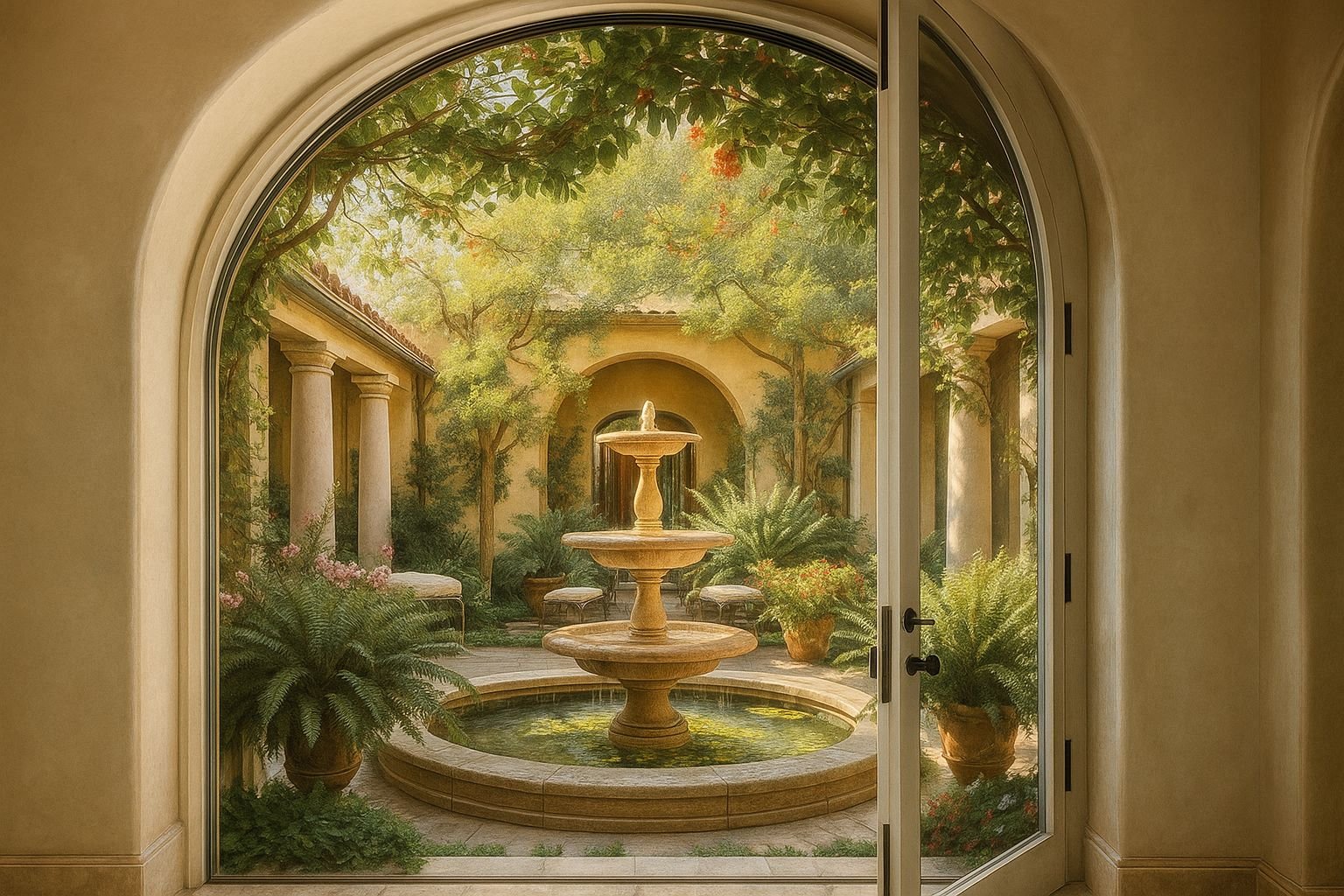
Different sizes for different needs isn’t just about small spaces needing small fountains. It’s about matching impact to intention. Sometimes you want the fountain to be the hero of the room, the thing everyone notices first. That requires size and presence. Other times you want subtle ambiance, background support for the other elements in your room. That calls for smaller, more modest options. Both approaches are valid. Both can be right. You just need clarity about which outcome you’re chasing.
Ranging from large to small in your options gives you control over the experience you create. You’re not stuck with one size fits all solutions that work okay for nobody. You can get exactly the size that makes sense for your room, your style, your goals. That customization, that ability to tailor the choice to your specific situation, is what separates modern fountain shopping from how it used to be. You’re not hoping something works. You’re selecting something that will work.
The important thing to remember in fountain selection is staying grounded in reality. Not the fantasy of how you wish your living room could be, but the reality of what it actually is and how you actually live in it. That reality check keeps you from making choices that look great in your imagination but create problems in practice. A fountain that fits your real life will serve you better than a fountain that fits your aspirational vision but clashes with your actual needs.
Keeping home requirements in mind throughout the process prevents regrets. Your home has needs separate from your wants. It needs furniture that fits. It needs traffic flow that works. It needs elements that complement each other. Ignoring those needs in favor of pure aesthetic preference leads to spaces that look good in photos but feel off when you’re living in them. The goal is creating a living room that both looks impressive and functions well. Both matter. Both deserve attention. The fountain you choose should serve both goals, not sacrifice one for the other.

Leave a Comment