
How Fountains Went From Necessity to “Wow, That’s Beautiful”
Fountains have been through more changes than most things we use today. I’m talking serious transformation over thousands of years. What started as a basic survival tool turned into one of the most popular decorative features you’ll find anywhere. That journey is pretty wild when you stop to think about it.
Back in ancient times, fountains were purely practical. You needed water? You went to the fountain. Wanted to bathe? Same fountain. Your animals needed a drink? Yep, fountain again. Nobody was standing around admiring the craftsmanship or thinking about how it tied the courtyard together. They were just trying to stay alive and keep their livestock healthy.
The shift from function to beauty didn’t happen overnight. It took centuries of human civilization advancing to the point where we could afford to care about aesthetics. Once cities figured out better ways to deliver water through pipes and aqueducts, fountains became optional instead of necessary. And that’s when things got interesting.
Ancient Rome really kicked off the decorative fountain trend. Those Romans had serious engineering skills and weren’t shy about showing them off. They built these massive aqueduct systems that brought water from distant sources, and once they had all that water flowing, they got creative. Statues appeared. Elaborate carvings. Complex designs. The fountain transformed from “this keeps us alive” to “look how rich and powerful we are.”
Different cultures grabbed the fountain concept and ran with it in their own directions. The Persians built them in gardens to cool down desert spaces. Smart move when you’re living somewhere that hits 110 degrees in summer. The Moors created these intricate geometric patterns with tilework that still looks amazing today. The French went big with symmetrical garden fountains that showed off mathematical precision. Each approach reflected what that culture valued.
What gets me is how the basic function never completely disappeared. Even decorative fountains do practical stuff. They cool the air around them through evaporation. They mask annoying sounds with pleasant water noises. They create gathering spots where people naturally want to congregate. So even when fountains became “just” decorative, they were still working behind the scenes.
Fast forward to modern times and we’ve completely normalized having water features in weird places. Indoor fountains in office buildings. Massive displays in hotel lobbies. Elaborate choreographed fountain shows in cities built in deserts. We walk past this stuff and don’t even think it’s strange. Moving water indoors? Sure, why not.
The decorative and dramatic effect that fountains create is what keeps them relevant. Walk into any space with a fountain and compare it to the same space without one. Night and day difference. The fountain version feels more alive. More intentional. More like someone actually designed the space instead of just filling it with stuff.
I saw this firsthand when a local shopping center added a big fountain to their main entrance. Before that, it was just another suburban mall. Nothing special. After the fountain went in, the whole vibe changed. People started using it as a meeting spot. Kids would run through the spray on hot days. The fountain became the identity of that space.
City parks and squares put fountains everywhere now. Part of it is tradition. Part of it is that fountains genuinely make these spaces better. They provide relief on sweltering summer days. They give kids something to play in. They create this peaceful ambient sound that makes urban areas feel less chaotic. The fountain earns its keep even if nobody’s drinking from it.
Home gardens have gotten in on the action too. You used to need an estate to have a garden fountain. Now you can pick one up at the hardware store for a couple hundred bucks. That accessibility changed everything. Regular people with regular yards can enjoy moving water in their outdoor spaces. The experience that used to be exclusive to the wealthy got democratized.
The natural ability to create a relaxing and cozy ambiance is probably the most valuable thing fountains do now. We’re not talking about hydration anymore. We’re talking about mental health. Stress relief. Creating environments where people can actually relax instead of staying wound up all the time. That’s worth way more than just providing drinking water.
I spent some time in a waiting room last month that had a small wall fountain. The doctor was running late. I should have been frustrated. But that water sound kept me calm. I sat there for 40 minutes and didn’t even mind. That’s the power of a well placed fountain. It changes how you experience being in that space.
The transformation of fountains reflects how human priorities have shifted. Once we handled survival, we started caring about quality of life. About beauty. About creating spaces that feed our souls instead of just keeping us alive. Fountains evolved to meet those needs. They went from answering “where do I get water?” to answering “how do I make my space feel good?”
That adaptability is why fountains have stuck around for so long. They keep finding new purposes as human needs change. Ancient times needed water delivery. Medieval times needed status symbols. Modern times need stress relief and connection to nature. The fountain delivers whatever we’re asking for at that moment in history.
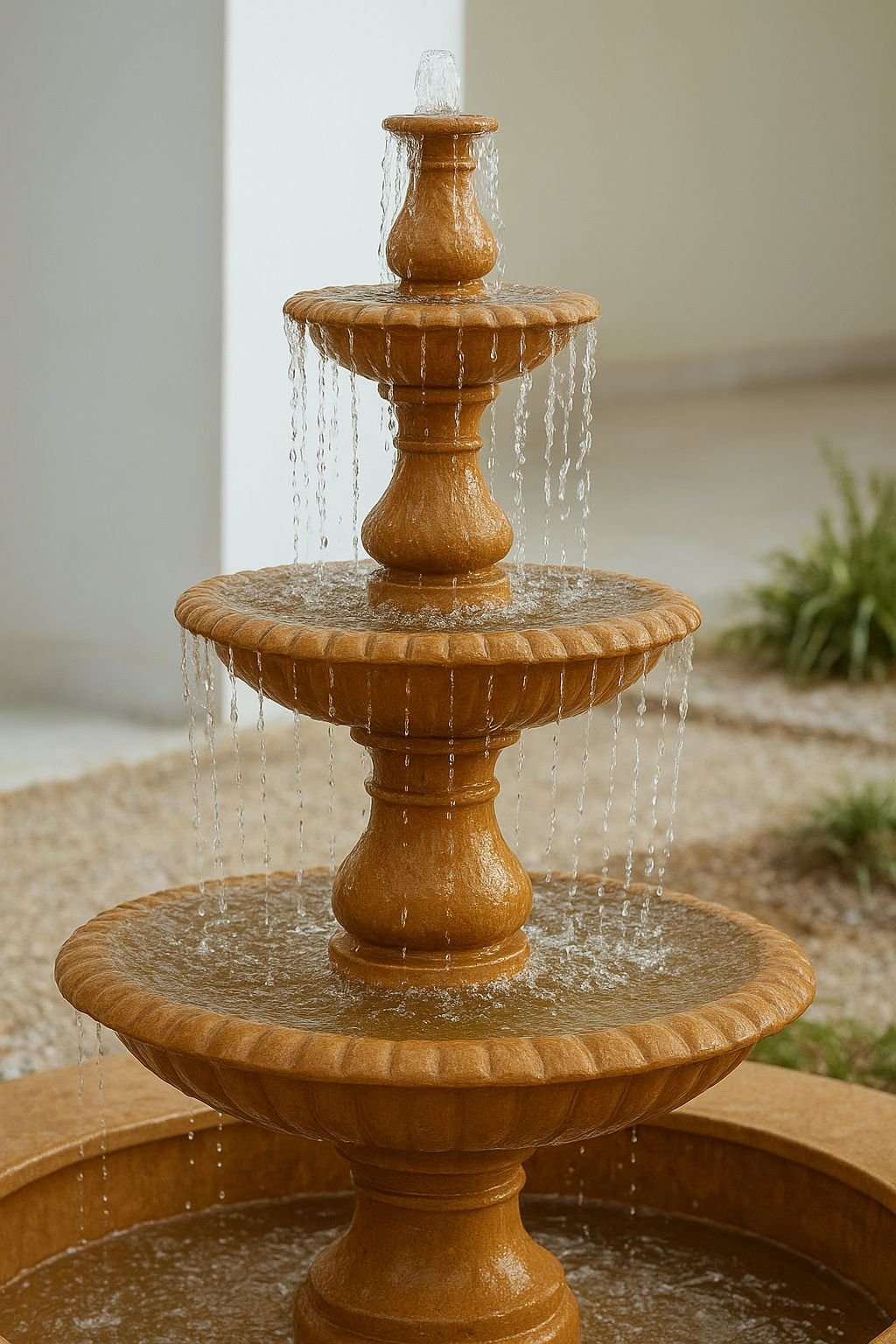
When You See a Public Fountain and Think “I Want That at Home”
We’ve all had that moment. You’re walking through a nice area. Maybe a fancy hotel lobby. Maybe a well designed public square. And there’s this gorgeous fountain doing its thing. Water flowing. Light catching the droplets. That soothing sound filling the space. And you think, “Why don’t I have something like this at home?”
The exquisiteness of public fountains can be pretty overwhelming. These aren’t just functional objects. They’re art installations. Statement pieces. Things that make you stop and stare. Designers put serious thought into how they look, how they sound, how they make people feel. That level of intention shows.
I remember visiting a corporate office building for a meeting. Their lobby had this massive three story fountain made of copper and stone. Water cascaded down multiple levels. The sound echoed through the whole space. I got there 15 minutes early and just sat watching it. Completely mesmerized. Forgot I was there for work. That’s what a really good fountain does to you.
City parks showcase fountains in ways that highlight their best qualities. Open spaces. Natural light. Room to view them from multiple angles. You see the fountain at its absolute best. And naturally, you start wondering if you could capture even a fraction of that magic in your own home.
The instant idea that hits you about improving your home’s interior design is powerful. That fountain isn’t just decoration. It’s inspiration. Proof that water features can transform a space. Your brain starts working immediately. Where would I put one? What style would work? How much would it cost? The wheels start turning.
Water fountains are perfect for this kind of home improvement project. They’re significant enough to make a real impact. But they’re not so massive that you need to renovate your whole house. You can add a fountain to your existing space without changing anything else. That’s rare in home design.
The same decorative and dramatic effect you see in public isn’t exclusive to commercial spaces. That’s the key realization. The fountain in the hotel lobby works because water flows and looks beautiful and sounds peaceful. Your home fountain will do exactly the same things. The principles don’t change just because the setting is residential instead of commercial.
Bringing that effect into our homes used to seem impossible. Fountains were for outside. For public spaces. For people with way more money than sense. That mental barrier kept most people from even considering a home fountain. They’d admire them in public and never make the connection that they could have one too.
The market caught up to the desire. Companies started making fountains specifically designed for home use. Smaller scales. Easier installation. More affordable prices. Self contained systems that don’t require plumbing work. Once those products existed, the floodgates opened. Suddenly anyone could be a fountain owner.
I talked to a neighbor who installed a wall fountain in her entryway last year. She’d wanted one for a decade but thought it was impractical. Then she saw one at a friend’s house and realized it was totally doable. She bought one online. Hung it herself. Filled it with water. Plugged it in. The whole process took maybe two hours including hanging time. Now she wonders why she waited so long.
The decorating and improving aspect goes hand in hand. You’re not just adding an object. You’re changing how the space functions. A fountain affects the room’s ambiance. Its sound profile. Its visual interest. The air quality and humidity. That’s a lot of improvement from one purchase.
Interior design gets elevated when you add unexpected elements. Most living rooms have furniture and art and maybe some plants. Pretty standard stuff. A fountain breaks that pattern. It says this space is different. Special. Worth investing in. That differentiation matters if you care about your home being more than just a place to keep your stuff.
The inspiration from public fountains translates surprisingly well to home settings. You’re not trying to recreate a ten foot tall commercial fountain. You’re adapting the concept to a residential scale. But the core appeal remains. Water moves. You watch it. You listen to it. You feel better. Those fundamentals work anywhere.
Public spaces use fountains to create atmosphere and draw people in. Your home can use fountains for the exact same reasons. You want your living room to have atmosphere. You want it to be a space where people feel drawn to spend time. A fountain contributes to both goals without you having to think about it.
The overwhelming feeling you get from a beautiful fountain is what you’re chasing. That moment of peace. That visual satisfaction. That sense that someone really cared about creating something special. You can have that in your own space. Not just when you visit nice public areas. Every single day in your actual home.
Getting ideas from what you see in the world is how design works. You notice things you like. You think about how they could apply to your situation. You adapt and implement. Fountains are perfect for this process. You see one somewhere nice. You get inspired. You find a version that fits your home. You install it. You enjoy it. Simple as that.
The connection between public fountain appreciation and home fountain ownership is direct. Every homeowner with a fountain probably had that same “I want one” moment in a public space first. That’s not copying. That’s recognizing something valuable and bringing it into your life. That’s smart decision making.
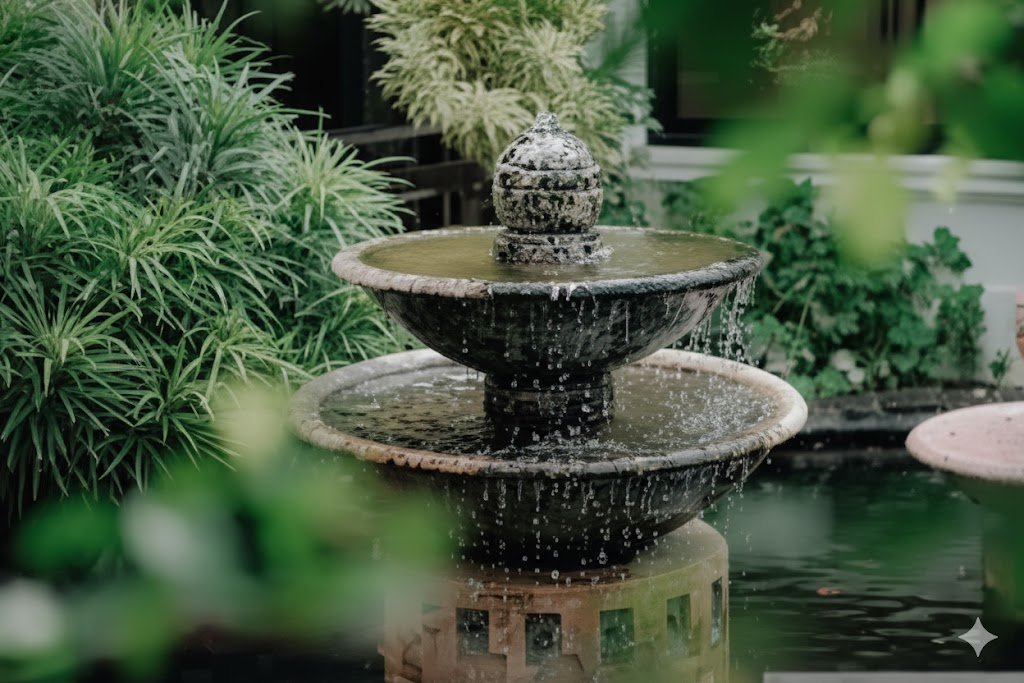
How Fountains Turned Living Rooms Into Actual Living Spaces
Placing a water fountain inside your home is one of those decisions that seems bold until you do it. Then it seems obvious. Of course you should have moving water in your house. Of course that would make your space better. Why didn’t you think of this sooner?
A great way to finish your home design is with something unexpected. Most people stop at the basics. Furniture. Paint. Some art. Maybe a rug. They get everything functional and call it done. A fountain takes you past functional into exceptional. It’s the finishing touch that makes a space feel complete.
Living rooms are where we spend most of our time at home. Watching TV. Reading. Talking with family. Scrolling our phones. Whatever we’re doing, we’re probably doing it in the living room. So it makes sense to make that room as pleasant as possible. A fountain contributes to that goal in multiple ways.
Perfect choices for decorating don’t come along often. Most decor items give you one benefit. They look nice OR they’re functional OR they’re conversation starters. Finding something that does all three is rare. Fountains manage it. They’re beautiful. They improve air quality and sound. And everyone who sees them wants to talk about them.
The astonishing and mesmerizing look of a good fountain never gets old. I’ve had mine for four years. Still catch myself watching it sometimes. The water flows the same way every time but also differently every time. That paradox keeps it interesting. Your brain can watch water move indefinitely without getting bored.
Mimicking how water cascades through rocks triggers something primal in us. Humans evolved near water sources. Rivers. Streams. Waterfalls. Our ancestors spent their entire lives within earshot of flowing water. Modern humans live in quiet boxes far from natural water. A fountain brings back that connection we didn’t even know we were missing.
Boulders and natural rock formations paired with water look right to us on an instinctive level. We recognize it as natural even when it’s manufactured. The fountain in your living room obviously isn’t a mountain stream. But it has enough of the same elements to satisfy that deep need for connection to nature.
Waterfalls are universally loved across all cultures and time periods. Show anyone a waterfall and they respond positively. That’s not learned. It’s innate. A fountain captures that universal appeal and makes it accessible. You don’t need to hike to a national park. You just need to look at your wall.
Being great to look at is table stakes. Fountains clear that bar easily. But they go further. They’re actively engaging. Not demanding. You don’t have to watch them. But when you do glance at them, there’s always something happening. Always movement. Always subtle changes in the water patterns.
Eye candy is a good description but sells fountains short. They’re not empty calories for your eyes. They’re substantial. Meaningful. The visual interest comes from real physical processes. Gravity pulling water down. Surface tension creating shapes. Light refracting through droplets. That’s not decoration. That’s nature happening in your living room.
The soothing natural sound is the secret weapon that most people underestimate. I thought the visual appeal would be the main benefit when I got my fountain. The sound turned out to matter way more. That gentle trickling fills the auditory space in your room. Covers up the annoying background noises. Creates an environment that’s actually pleasant to exist in.
Flowing water sounds affect our nervous systems in measurable ways. Research backs this up. Water sounds can lower heart rate. Reduce stress hormones. Shift brain waves toward relaxation. These aren’t subtle effects. They’re significant. And they happen automatically just from being in the room with a fountain.
Relaxation for both mind and body is rare from a single source. Most things target one or the other. Comfortable furniture helps your body. Nice art might calm your mind. A fountain does both simultaneously. Your muscles relax. Your thoughts slow down. Your breathing deepens. All of this happens without you consciously trying.
Mind and body working together creates a state that’s hard to achieve otherwise. Meditation aims for it. Yoga tries to get there. A fountain just gives it to you. No effort required. No technique to learn. You exist near the fountain and the benefits happen automatically.
The providing of relaxation isn’t a sometimes thing. The fountain doesn’t take days off. As long as it’s running, it’s working for you. That consistency matters. You come to depend on it. The fountain becomes part of your home’s baseline comfort level. Like good climate control or sufficient lighting.
Home environments should support you instead of draining you. Most homes are full of stressors. Clutter. Harsh lighting. Uncomfortable furniture. Annoying sounds. A fountain doesn’t fix all of that. But it adds a powerful positive element. Something that actively makes the space better instead of just not making it worse.
Living rooms with fountains feel more alive. That sounds obvious given the name “living room” but most living rooms feel pretty dead honestly. Static. Unchanged. A fountain introduces movement and sound. Suddenly the room has energy. It breathes. It feels like a space where things are happening instead of just a space where your furniture lives.
The decorating potential of fountains exceeds most other options. You can spend a lot of money on a fancy couch. It’ll be comfortable and look nice. But it won’t transform the room. A fountain that costs less than the couch will have a bigger impact on how the space feels. That return on investment is hard to beat.
Perfect for living rooms doesn’t mean they only work there. Fountains are great in bedrooms for better sleep. In bathrooms for spa vibes. In entryways to create first impressions. But living rooms are where most people start. And rightly so. That’s where you’ll get the most mileage out of the fountain’s benefits.
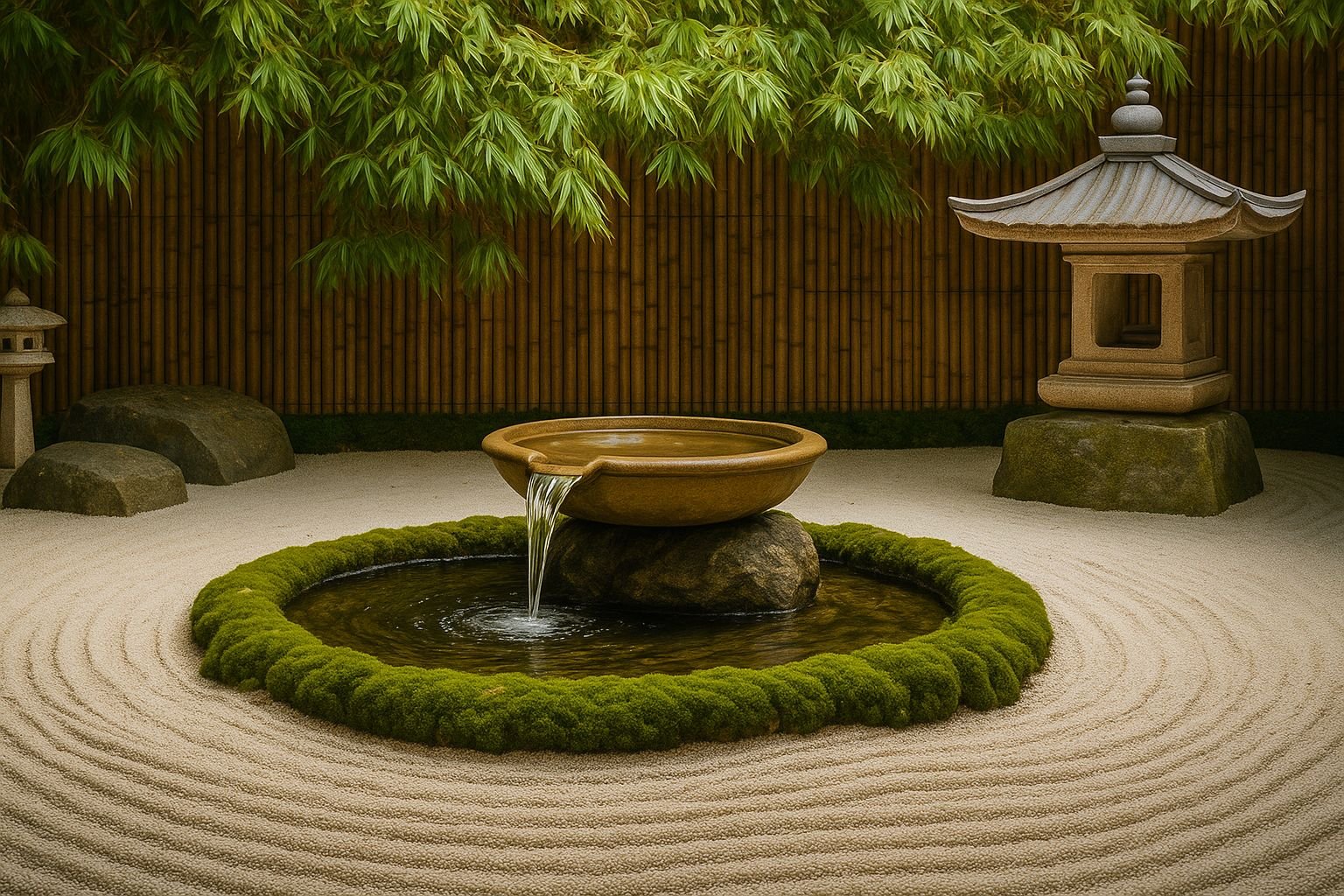
Every Fountain Option You Didn’t Know Existed
There is currently a vast array of water fountains available that would blow your mind if you haven’t looked recently. The market has exploded. What used to be a niche category with maybe a dozen options is now mainstream with hundreds of choices. That variety is both exciting and overwhelming.
Water fountains come in more forms than most people realize. Floor fountains that stand on the ground like furniture. Free standing models that you can move around. Wall mounted fountains that hang like art. Tabletop versions that sit on surfaces. Each type serves different needs and works in different spaces.
Floor fountains are the traditional option. They’re substantial. They make a statement. You put one in a room and it becomes the focal point automatically. These work great if you’ve got the floor space and want something impressive. They typically hold more water which means less frequent refilling.
Free standing fountains are similar but usually more portable. The distinction is subtle. Floor fountains tend to be heavier and more permanent feeling. Free standing models are designed to be moved more easily. You can try one in the living room for a month. Then move it to the bedroom. Then to the patio. That flexibility appeals to people who like changing things up.
Wall fountains are where things get really interesting for modern homes. These mount on walls like pictures or mirrors. They take up zero floor space. They work in apartments. In small houses. In rooms where a floor fountain would be awkward. The variety in wall fountains is probably the biggest of any category.
Tabletop fountains are the entry point for most people. They’re small. Affordable. Low commitment. You can put one on your coffee table or dining room sideboard and see how you like living with a fountain. If it’s great, you might upgrade later. If it’s not for you, you’re out maybe fifty bucks. Low risk way to experiment.
Floor fountain varieties range from naturalistic rock formations to sleek modern designs. You can get ones that look like they came from a forest stream. Or ones made of polished metal and glass that fit contemporary spaces. The style options within just the floor fountain category could keep you browsing for hours.
Different sizes accommodate different spaces and needs. You can get tabletop fountains smaller than a shoebox. Or floor models that are six feet tall. Most people want something in the middle. Big enough to notice and provide benefits. Small enough to fit comfortably in the available space.
Large fountains make bold statements. They dominate a room. Everyone notices them immediately. They become the thing your home is known for. “Have you been to their place? They have this huge fountain.” That can be good or bad depending on what you want.
Smaller sized fountains are subtle. They add to a space without taking it over. You notice them eventually but they don’t hit you over the head. These work better for people who want the benefits of a fountain without making it the center of attention.
Designs available now span every possible aesthetic. Traditional tiered fountains. Modern minimalist slabs. Artistic sculptural pieces. Zen garden inspired designs. Rustic natural rock. Sleek metallic. Colorful ceramic. Whatever your personal style is, someone has made a fountain for it.
Styles to choose from include options you didn’t know were possible. Fountains that look like walls of rain. Ones with multiple streams that intersect. Ones where the water flows upward through some clever engineering. Ones that incorporate lighting for nighttime effects. The creativity in fountain design right now is impressive.
Wide array sounds like marketing speak but it’s accurate. Go to any fountain website and you’ll see what I mean. Page after page of options. Filters for size, material, style, price. The selection can actually be paralyzing. Having every option imaginable makes choosing harder, not easier.
The market growth happened because demand grew. More people wanted fountains. Companies responded by making more products. Basic economics. But it means you’re shopping in a mature market with real competition. That works in your favor as a buyer. Better quality. Better prices. Better customer service.
Different forms of fountains serve different purposes. A floor fountain might be perfect for a large living room with space to fill. A wall fountain works better in a smaller room or apartment. A tabletop fountain is ideal for someone who wants to try the concept without major investment. Match the form to your situation.
The fountain that’s right for you depends on your space, budget, and how much commitment you want to make. All of these options exist to serve different needs. Don’t get overwhelmed. Narrow down by your requirements. The perfect fountain is out there. You just need to find it.
Making Smart Choices Instead of Expensive Mistakes
The thing to focus on is picking the right fountain for your actual situation. Not the fountain that looks coolest online. Not the one that would work in someone else’s house. The one that fits your space, your lifestyle, your budget, and your preferences.
Picking the right one requires some honest self assessment. How much space do you really have? What’s your actual budget, not what you wish it was? How much maintenance are you willing to do? Do you rent or own? Can you drill into walls? These practical questions matter more than aesthetic preferences.
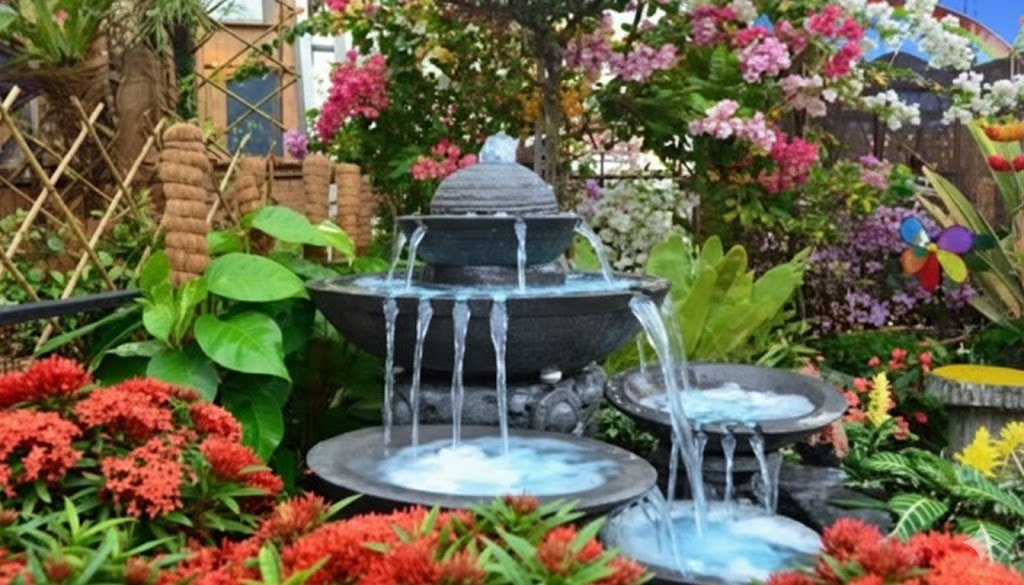
Best suit your personal preferences sounds obvious but people ignore this all the time. They buy what they think they should want instead of what they actually want. Design blogs say copper fountains are trendy? That doesn’t matter if you hate how copper looks. Buy what speaks to you.
Home requirements are practical constraints that you can’t wish away. You’ve got the space you’ve got. The walls you’ve got. The electrical outlets you’ve got. Work within those realities instead of fighting them. The right fountain works with your home’s existing features, not against them.
Several factors need consideration before you buy. Space availability is obvious but easy to misjudge. Measure carefully. Electrical outlet locations matter if you don’t want extension cords everywhere. The existing room layout affects where a fountain can go. Think through the practicalities before falling in love with a specific model.
Availability of floor space is the first thing to assess. Walk through your home with fresh eyes. Where could a floor fountain fit without blocking traffic or making the room feel cramped? Be honest. That corner you think would work might actually be too small once you put a fountain there.
Size of the room relative to the fountain size is key to getting the proportions right. A massive fountain in a tiny room feels oppressive. A small fountain in a huge room gets lost. The fountain should be noticeable without dominating. That balance is what makes it feel intentional instead of awkward.
More than our personal tastes might sound counterintuitive. You’re decorating your home. Shouldn’t your taste be the priority? Yes and no. Your taste matters for choosing between options that all work practically. But practical constraints should eliminate options before taste enters the picture.
Current furniture sets in your home create a context the fountain needs to work with. If you’ve got heavy traditional furniture, a ultra modern fountain might look out of place. Or it might create interesting contrast. Think about how the fountain relates to what’s already there.
Taking note of furniture helps you choose a fountain that complements instead of clashes. Complementing doesn’t mean matching. It means creating a relationship between elements. Your fountain can echo materials or colors from your furniture. Or it can provide contrast that makes both look better.
Selecting a water fountain is a bigger decision than choosing a lamp. But it’s not a life changing commitment. If you get it wrong, you can return it or resell it. Don’t paralyze yourself with the fear of making a mistake. Make an educated choice and move forward.
Being certain that it complements your space comes from visualization. Look at photos of the fountain. Imagine it on your wall or floor. Picture walking into the room and seeing it there. Does it feel right? If you can’t imagine it working, it probably won’t. Trust your instincts.
Furniture present in your homes creates the stage the fountain performs on. Everything works together to create the overall effect. The fountain should feel like it belongs there. Like it was always meant to be part of that room. When you get it right, it clicks. The room suddenly makes sense in a way it didn’t before.
The right fountain elevates everything around it. Your existing furniture looks better next to a fountain. Your art looks more intentional. The room feels cohesive instead of random. That’s what good design does. It makes all the pieces work together to create something better than the sum of the parts.
Why Your Home Deserves This One Upgrade
A perfect complement to home interior design is something that works with everything else without demanding all the attention. A fountain does that. It’s present. It’s noticeable. But it doesn’t scream for focus. It enhances the space instead of competing with it.
Finishing touch describes the role a fountain plays. You can have a nice room without one. Functional. Pleasant even. But adding a fountain completes it. Takes it from good to great. From fine to finished. That final touch makes all the difference.
Interior design is about creating environments that serve you well. That means they should look good, function well, and make you feel good. Most people focus on the first two. The feeling good part gets neglected. Fountains address that third piece directly.
These fountains work in basically any home. Doesn’t matter if you live in a studio apartment or a five bedroom house. Modern home or historical building. Urban or suburban or rural. The fountain adapts to your situation instead of requiring you to adapt to it.
Natural and charming appeal comes from water doing what water naturally does. Flowing downward. Following gravity. Creating ripples and patterns. Nothing artificial or forced. Just nature being nature in your living room. That authenticity is part of why fountains never feel gimmicky or dated.
Used to add a more relaxed feel means the fountain is a tool for creating the atmosphere you want. You don’t have to work at relaxing. Don’t have to set a mood. The fountain does that work automatically. You just enjoy the results.
Tranquil feel to any home is possible with the right fountain. Doesn’t matter how chaotic your life is. Doesn’t matter how loud your neighborhood is. The fountain creates a pocket of peace in your personal space. That tranquility is available whenever you need it.
Widely sold means accessibility. You can find fountains at home stores, garden centers, online retailers. The availability is there. No need to track down specialty shops or custom builders. Regular stores carry good options at reasonable prices.
Different forms give you choices that match your situation. Not everyone needs the same fountain. Different homes. Different spaces. Different preferences. The variety in the market means you’re not settling. You’re choosing what actually works for you.
Including floor fountains and all the other types means comprehensive options. Whatever your space requires, there’s probably a fountain designed for exactly that situation. Need something portable? There’s a fountain for that. Need wall mounted? Got you covered. Want tabletop? Multiple options.
Free standing fountain options work well for people who want flexibility. You can move these around. Try different spots. Take them with you if you move. That portability reduces the commitment level. Makes the decision feel less permanent and therefore less scary.
Wall fountains are probably the most popular category now. They solve the space issue that kept a lot of people from considering fountains. No floor space required. Just a wall and an outlet. That simple requirement opened up fountains to apartment dwellers and small home owners.
Table top fountains are perfect for testing the waters. You’re curious about fountains but not ready to go all in? Start with a tabletop model. See how you like living with one. If it’s great, upgrade. If not, you’re out minimal money and effort.
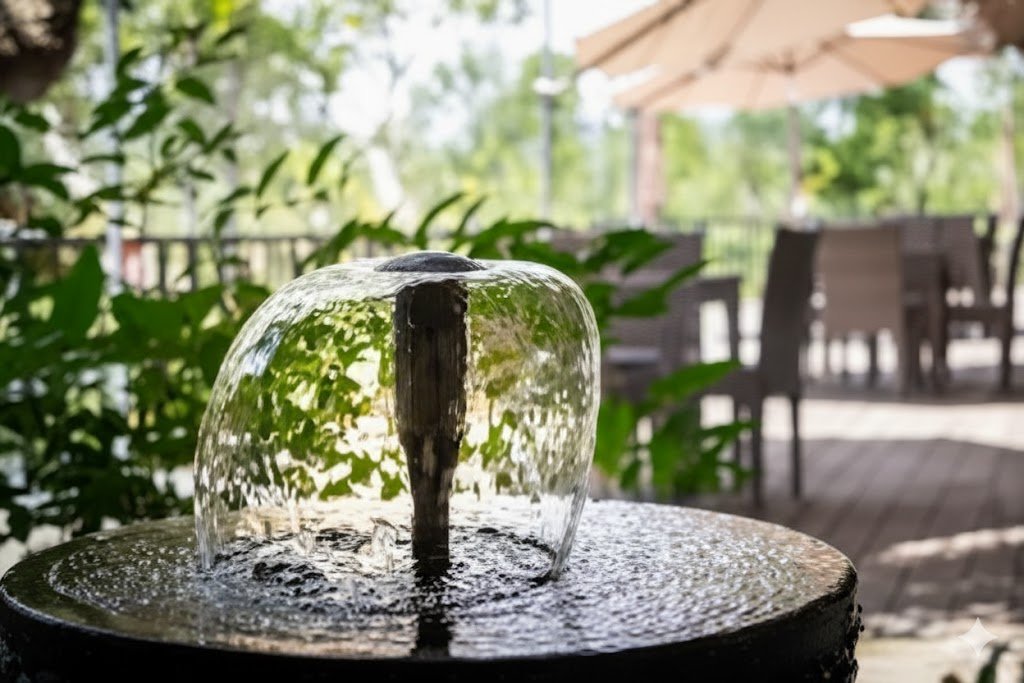
Among others implies there are even more options than we’ve covered. Custom fountains. Built in features. Outdoor models. The fountain category is big and diverse. We’ve hit the main types but specialty options exist for specific needs.
Varying sizes from large to small accommodate different spaces and preferences. The right size for you is the one that fits your space without overwhelming it or disappearing into it. That sweet spot is different for everyone. Look at dimensions carefully before buying.
Large fountains make statements. They’re for people who want the fountain to be a focal point. Who have space to fill. Who want something impressive. These aren’t subtle choices. They’re bold ones. That’s perfect for some people and wrong for others.
Smaller sized fountains are subtler. They add to a space without dominating it. Perfect for people who want benefits without making the fountain the center of attention. These can be just as effective as large ones. Impact isn’t just about size.

Leave a Comment