
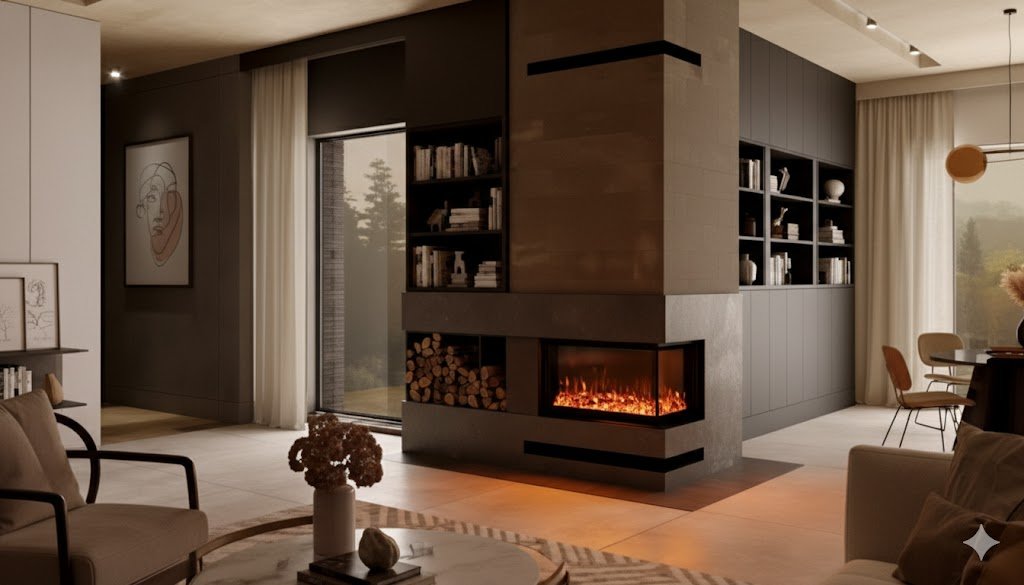
I remember the first time I felt that unmistakable bite in the air. You know the one. It’s that moment when you step outside and your breath becomes visible, when you instinctively pull your jacket tighter, when you realize summer is officially gone. That’s when I knew it was time. Time to dust off the fireplace, check if it still worked, and prepare for what was coming.
Winter doesn’t ask permission to arrive. It just shows up, cold and unforgiving, demanding we adapt or shiver. And honestly? We’ve been adapting to winter for thousands of years. Our ancestors huddled around fires in caves. Medieval families gathered around massive stone hearths. Your great-grandparents probably had a cast-iron stove in their kitchen. The tools have changed, but the need hasn’t. We need warmth when the world outside turns hostile.
Now here’s something I find funny. We live in an age where we can control almost everything with our phones. We can adjust our thermostats from vacation, order groceries without leaving bed, and stream movies from servers halfway across the planet. Yet when winter comes? Many of us still turn to the oldest technology humans ever invented. Fire. There’s something deeply satisfying about that, don’t you think? Something primal and comforting.
But let’s be real for a second. A fireplace isn’t just about survival anymore. Sure, it keeps us warm. Yes, it can lower our heating bills. But walk into any home with a fireplace and you’ll notice something. People gather around it. Conversations happen there. Kids do homework on the floor nearby. Couples share quiet evenings watching the flames dance. A fireplace becomes the heart of a home, and I’m not being poetic here. I mean it literally becomes the place where life happens.
Think about your own experiences. Maybe you grew up with a fireplace. Maybe you dreamed of having one. Or maybe you’ve got one right now that you barely use, and you’re wondering if it’s worth the hassle. I get it. Fireplaces can be complicated. They require maintenance, fuel, cleaning, and sometimes a whole lot of patience. But when they work? When they’re crackling away on a January evening while snow falls outside? Nothing beats that feeling.
The thing about fireplaces is they’ve evolved right alongside us. What started as a hole in a roof to let smoke escape has become sophisticated heating systems with digital controls and remote thermostats. We’ve gone from burning whatever wood we could find to precisely engineered heating solutions that can warm an entire floor of a house. The journey from cave fire to modern fireplace tells the story of human ingenuity.
And here’s where it gets interesting for those of us living in this particular moment in history. We’re at a crossroads with home heating. Energy costs keep climbing. Environmental concerns are real and pressing. We want convenience, but we don’t want to sacrifice that cozy, authentic feel. We want efficiency without losing the magic. It’s a tall order, but the fireplace industry has been working overtime to deliver solutions.
So what makes a fireplace truly worth having in your home? Well, it depends on what you value. Some people want that authentic crackle of burning wood. Others need something they can turn on with a switch. Some folks are all about aesthetics, wanting their fireplace to be a showpiece. Others just want the cheapest way to heat their living room. The good news? Options exist for everyone. The tricky part is figuring out which option fits your life.
I’ve spent a lot of time around fireplaces. I’ve cleaned ash out of wood burners at 6am before work. I’ve adjusted gas valves trying to get the perfect flame height. I’ve installed electric units in apartments where traditional fireplaces weren’t possible. And you know what I’ve learned? There’s no perfect fireplace. There’s only the right fireplace for your specific situation, your budget, your home, and your lifestyle.
Winter is coming. Maybe it’s already here depending on where you’re reading this. And whether you’re shopping for your first fireplace, upgrading an old one, or just trying to decide if yours is worth using this year, understanding your options makes all the difference. Because when the temperature drops and the wind howls and the power bill arrives, you’ll want to know you made the right choice.
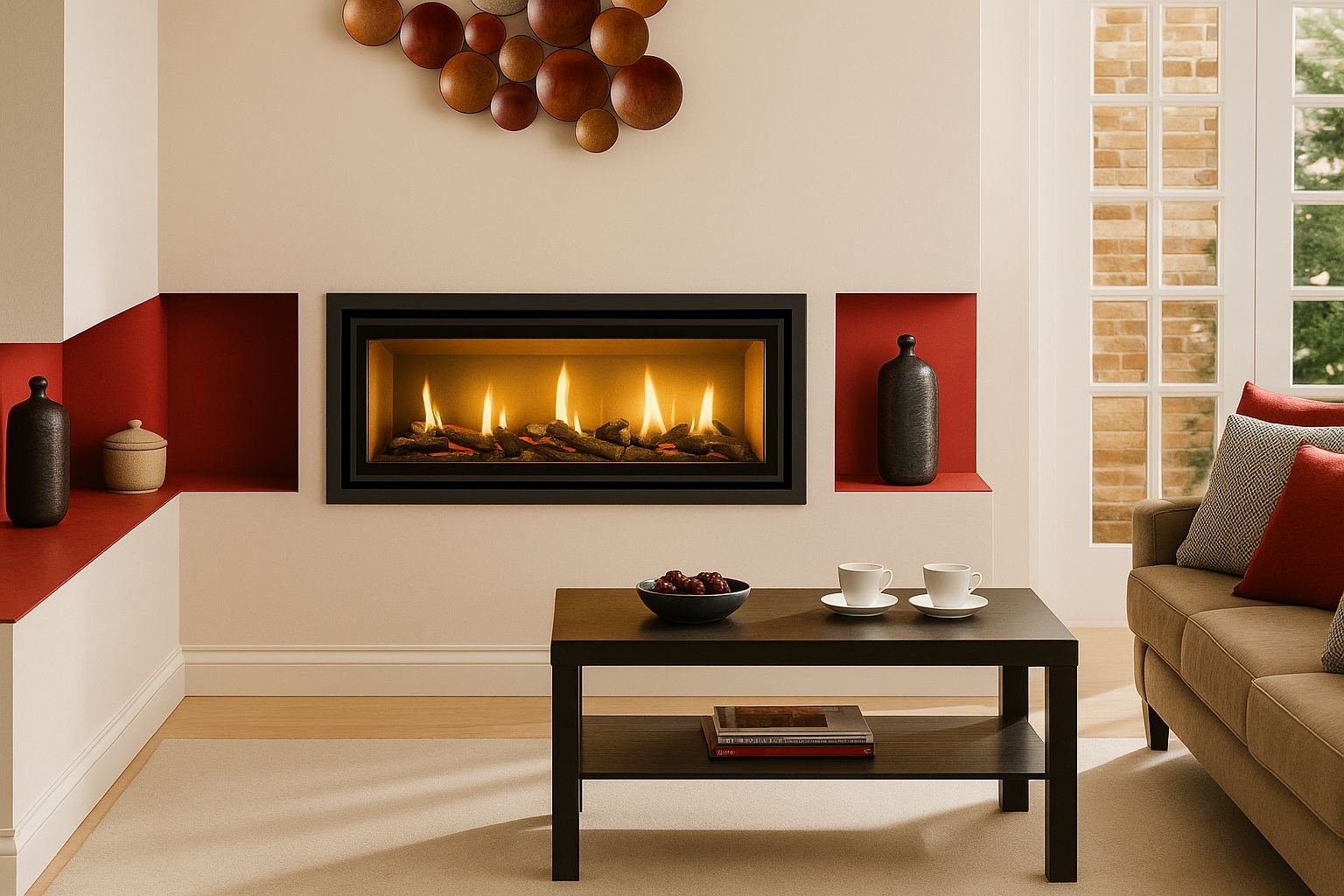
Let me walk you through what I’ve learned. We’ll talk about the classics, the innovations, and everything in between. We’ll get into the good, the bad, and the surprisingly complicated. And by the end, you’ll know exactly what kind of fireplace makes sense for your home. Sound good? Let’s warm things up.
The Classic Choice: Wood-Burning Fireplaces and Their Beautiful Problems
There’s something almost magical about a wood-burning fireplace. I’m not exaggerating. The smell of burning oak or maple, the sound of logs crackling and popping, the sight of actual flames dancing behind the glass or screen. It hits something deep in our DNA. We’ve been burning wood for warmth since before we were technically human. That connection runs deep.
I’ll never forget visiting my uncle’s cabin in northern Michigan. He had this massive stone fireplace that dominated the entire living room. Every evening, he’d build a fire using a technique his father taught him. Newspaper twisted just right, kindling arranged in a teepee shape, larger logs positioned to catch as the smaller wood burned. It was a ritual, almost meditative. And when that fire got going? The whole cabin transformed. The warmth spread slowly, pushing back the cold from every corner. The light flickered across the walls. Everyone naturally drifted toward it, drawn by something more than just heat.
That’s the magic of wood-burning fireplaces. They’re not just appliances. They’re experiences. You can’t replicate the genuine article. People have tried for decades with gas logs and electric flames, and some do a pretty convincing job. But there’s always something missing. Maybe it’s the subtle variations in flame color as different woods burn. Maybe it’s the unpredictability, the way each fire develops its own personality. Or maybe it’s just knowing that what’s warming you is real combustion, ancient chemistry, the same reaction humans have relied on since the first lightning strike set a tree ablaze.
But let’s talk about the elephant in the room. Actually, let’s talk about the entire elephant herd. Wood-burning fireplaces come with problems. Real ones. The kind that can make you question whether all that romance is worth it.
First, there’s the wood itself. You need a lot of it. A single winter can consume multiple cords depending on how often you burn and how cold it gets. And if you live in a city or suburb? Getting that wood delivered isn’t always cheap or convenient. I once paid more for a cord of seasoned oak than I spent on groceries that month. The delivery guy dumped it in my driveway, and I spent the entire weekend stacking it in my garage, only to realize I’d need at least two more cords to make it through winter.
Then there’s the question of wood quality. Seasoned wood burns clean and hot. Green wood? That’s wet wood, recently cut, and it’s a nightmare. It creates excessive smoke, produces less heat, and builds up creosote in your chimney faster than you can say “house fire.” Creosote is that black, tar-like substance that accumulates inside chimneys. Get enough of it, and one spark can ignite a chimney fire that destroys your home. So yeah, wood quality matters. A lot.
And speaking of chimneys, let’s talk maintenance. A wood-burning fireplace needs regular cleaning. We’re talking once a year minimum, more if you burn frequently. Chimney sweeps aren’t cheap. Mine charges $200 for a basic cleaning and inspection. Skip this maintenance, and you’re gambling with your family’s safety. I learned this the hard way when I skipped a year. The sweep showed me what had built up inside. It looked like someone had painted the interior of my chimney with tar. I didn’t skip a year after that.
Ash removal is another joy. Every few fires, you’ve got to scoop out the ash and dispose of it properly. Sounds simple? It’s messy. Ash gets everywhere. It’s fine, dusty, and has this talent for escaping whatever container you use. I’ve found ash on my kitchen counter after cleaning the fireplace in my living room. I still don’t understand the physics of how that happens.
Then we’ve got the startup hassle. Building a fire isn’t difficult once you know how, but it takes time. You need newspaper or fire starters. You need kindling. You need patience to get it going properly. And on cold mornings when you just want instant warmth? That 15-minute fire-building session feels eternal. I’ve stood in front of my fireplace, shivering, coaxing reluctant flames to life, questioning my life choices.
Let’s not forget the safety concerns. Wood-burning fireplaces are open flames in your home. You need screens or glass doors to keep sparks contained. You need to teach kids and pets to keep their distance. You can’t just light it and leave the house. Someone needs to be present, watching, making sure nothing goes wrong. That means no overnight burns unless you’re okay with some risk. And forget about leaving for work with a fire still going. That’s just asking for trouble.
Storage is another consideration people overlook. Where do you keep several cords of wood? It needs to stay dry, which means either a woodshed, a covered area, or valuable garage space. And you’ll want some inside too, because carrying logs from outside in a blizzard gets old fast. I ended up buying a decorative log holder for next to my fireplace. It held maybe six logs. I refilled it constantly.
Air quality is a real thing too. Wood smoke contains particulate matter. When it’s venting properly up your chimney, no problem. But sometimes wind conditions push smoke back down into your home. Or maybe your chimney draft isn’t quite right. Suddenly your living room is hazy, and everyone’s coughing. I’ve had evenings where I had to open windows despite the cold just to clear the air. Defeats the purpose of heating, right?
But here’s the thing. Despite all these headaches, wood-burning fireplaces remain popular. Walk into any home goods store in autumn, and you’ll find wood fireplace accessories everywhere. Fireplace tools, log holders, fire starters, decorative screens. The market is huge. Why? Because for many people, those problems are worth it. The authenticity, the ambiance, the connection to tradition. It matters.
I still use my wood fireplace. Not every day. Not even every week sometimes. But on special occasions, when family visits, when I want to create a particular atmosphere, I build a fire. And every single time, I’m reminded why humans have been doing this for millennia. There’s nothing quite like it.
The trick is going in with open eyes. If you’re considering a wood-burning fireplace, don’t romanticize it too much. Understand what you’re signing up for. The work, the cost, the maintenance, the limitations. If you’re okay with all that, or if you actually enjoy the process (and some people genuinely do), then a wood fireplace might be perfect for you.
But if you’re thinking, “This sounds like way too much hassle,” don’t worry. We’ve invented alternatives. Let me tell you about them.
Gas Fireplaces: The Convenient Middle Ground That Got Complicated
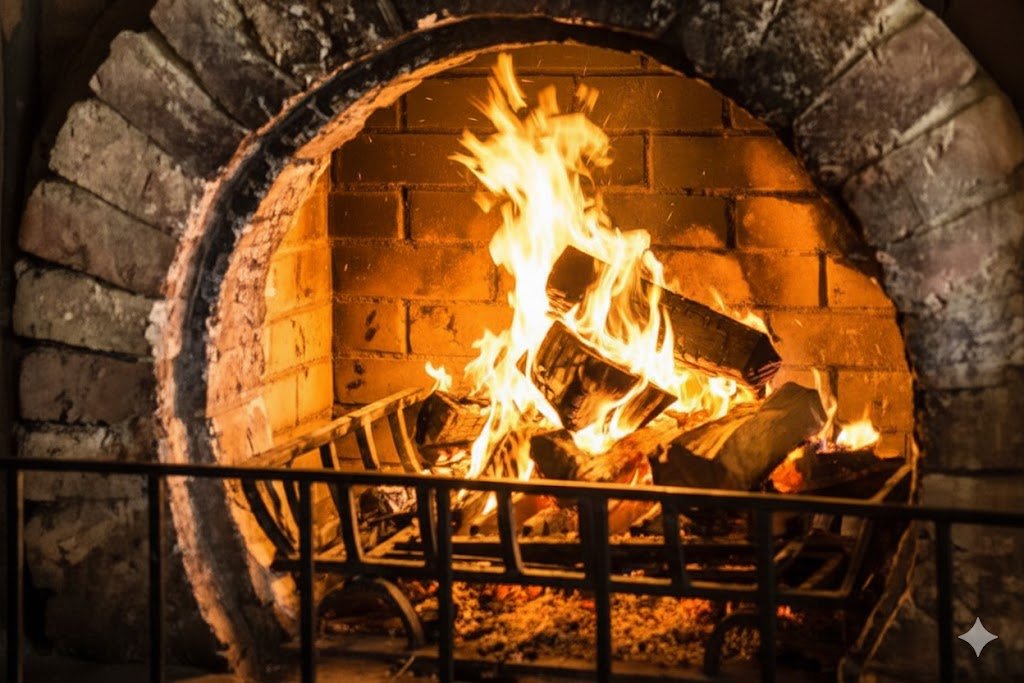
When gas fireplaces first became widely available, they seemed like the obvious solution. All the benefits of a real flame without the hassle of wood. Just flip a switch or turn a knob, and boom. Instant fire. No wood stacking, no ash cleaning, no chimney sweeps. It felt like magic.
I installed my first gas fireplace insert about ten years ago. The unit itself cost around $2,500, plus another $1,200 for professional installation and gas line work. Not cheap, but I justified it by calculating what I’d save on wood purchases and chimney cleaning over time. The salesperson at the showroom walked me through all the benefits. Clean burning, efficient heating, realistic-looking flames, simple operation. I was sold.
And for the first few years? I loved that thing. Coming home to a cold house and having instant warmth with just a button press felt luxurious. No more spending my first hour home trying to get a fire started. No more ash everywhere. No more worrying about creosote buildup. The flames looked pretty convincing too, especially with the ceramic logs arranged just right. Friends who visited couldn’t always tell it wasn’t burning real wood until they got close.
Gas fireplaces run on either natural gas or propane. If you’ve got natural gas service to your home already, connecting to that line makes sense. Propane requires a tank, which means refills, but it works fine if natural gas isn’t available in your area. The fuel itself burns cleaner than wood. No smoke, less particulate matter in the air, and much lower maintenance requirements.
The efficiency is genuinely impressive too. Modern gas fireplaces can have efficiency ratings of 70 to 90 percent, meaning most of the energy in the gas gets converted to heat in your home rather than escaping up the chimney. Compare that to traditional wood fireplaces, which can be as low as 10 to 30 percent efficient, and the difference is staggering. You’re actually heating your house instead of mostly heating the outdoors.
Temperature control is another advantage. Many gas fireplaces come with thermostats or remote controls. You can set your desired temperature and let the unit maintain it automatically. Some even integrate with smart home systems, letting you control them from your phone. I could start my fireplace from my car on the way home from work, arriving to a warm living room. Technology is pretty cool sometimes.
The aesthetic options have improved dramatically too. Early gas fireplaces looked obviously fake. The flames were too uniform, the logs were clearly ceramic, and the whole thing screamed “artificial.” Modern units do much better. Variable flame patterns, realistic log sets or glass bead options, and better light distribution make them pretty convincing. Some high-end models look so good that even professionals have to look twice.
But here’s where my love affair with gas fireplaces started getting complicated. About five years in, I noticed my energy bills climbing. Natural gas prices had been rising steadily, and what used to be a reasonable heating cost was becoming significant. I started doing the math. Running my gas fireplace for four hours every evening was costing me way more than I’d anticipated.
Energy costs are unpredictable. Gas prices fluctuate with market conditions, weather, geopolitics, and a dozen other factors nobody can control. The $50 monthly increase I was paying for cozy evenings jumped to $100, then $150 during particularly cold months. Suddenly, the convenience wasn’t feeling so economical anymore. I found myself using it less, trying to balance comfort with cost.
Then there’s the maintenance that they don’t emphasize when you’re buying. Sure, gas fireplaces require less maintenance than wood burners, but they still need attention. The pilot light can go out. The thermocouple can fail. The igniter might stop working. Gas lines can develop leaks. And when something goes wrong, you’re calling a professional. These aren’t appliances you want to DIY unless you really know what you’re doing. Gas leaks are no joke.
I had to call a technician three years after installation because my unit stopped igniting. The service call was $150 just for him to show up, plus another $200 for a new igniter assembly. Then the next year, the pilot light assembly needed replacing. Another $300. These repairs aren’t frequent, but they happen. And unlike wood where you can usually troubleshoot problems yourself, gas systems require specialized knowledge and tools.
The flames, while pretty good, never quite matched real wood. I found myself missing the unpredictability, the dance of genuine combustion. Gas flames are consistent, which is great for efficiency and control. But that consistency also makes them less mesmerizing. After a while, I stopped really looking at them. They became background ambiance rather than something worth watching.
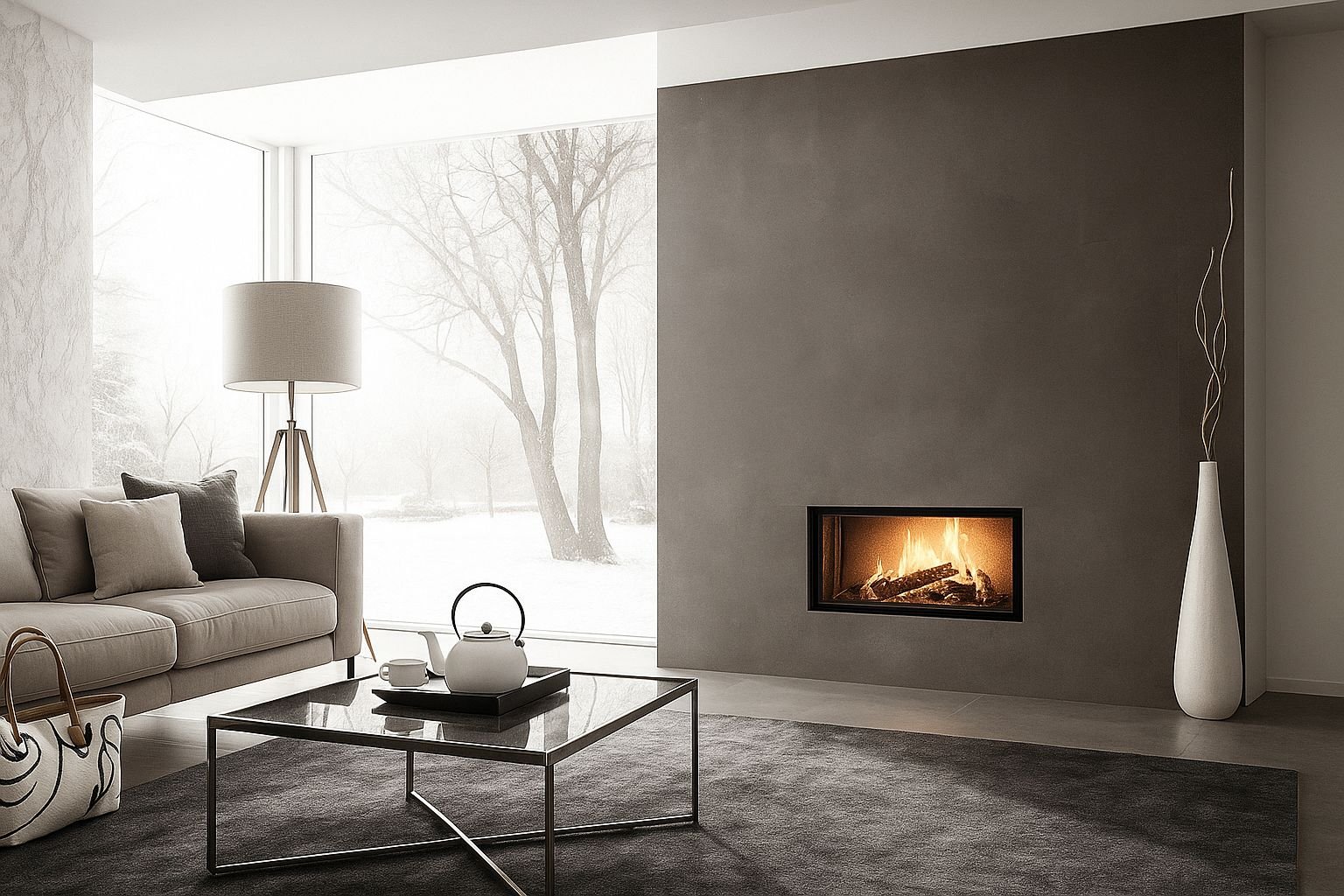
Heat distribution can be tricky too. Gas fireplaces are good at heating the immediate area, but they don’t always circulate warmth throughout a room as effectively as you’d hope. I’d be toasty sitting directly in front of mine, but ten feet away near the dining table, my family would still feel chilly. We ended up running the central heating anyway, making the fireplace more supplementary than primary.
There’s also the environmental consideration. Natural gas is a fossil fuel. Burning it releases carbon dioxide and contributes to climate change. Now, I’m not going to pretend I’m perfect on environmental issues. I drive a car. I use electricity. I’m not living off-grid. But as climate awareness has grown, I’ve become more conscious of my household’s impact. Running a gas fireplace regularly started feeling less justifiable, especially when cleaner alternatives exist.
Installation limitations can be frustrating too. Gas fireplaces need proper venting, which isn’t always straightforward in every home. Some require traditional chimneys. Others use direct vent systems that go through an exterior wall. If your home’s layout doesn’t accommodate these requirements easily, installation costs can skyrocket. I’ve seen quotes for complicated installations exceed $5,000.
Safety concerns, while different from wood fireplaces, still exist. Carbon monoxide is a risk if your venting fails or becomes blocked. You need working CO detectors near any gas appliance. The glass fronts get extremely hot, hot enough to cause serious burns. I learned this when my dog’s tail brushed against mine. The yelp and the singed fur were lessons we both learned the hard way.
And then there’s the dependency factor. Your gas fireplace only works if you have gas. During power outages, many modern units won’t function because they need electricity for their ignition systems and blowers. Some have battery backup, but not all. I lost power during an ice storm once and discovered my “reliable” backup heat source was useless without electricity. That was a cold night.
So where does this leave gas fireplaces? They’re definitely better than wood in terms of convenience and cleanliness. They offer real flames and decent heat output. But they’re not the perfect solution they first appeared to be. Rising fuel costs, maintenance requirements, and environmental concerns make them less appealing than they once were.
If you’re considering a gas fireplace, think about your local gas prices and how they’ve trended over recent years. Consider your environmental priorities. Think about whether you need backup heat during power outages. And be realistic about the total cost of ownership, not just the purchase price.
Gas fireplaces work well for some people. Maybe you’ve got cheap natural gas in your area. Maybe you value the real flame experience and can afford the fuel costs. Maybe you’re okay with the environmental impact. That’s fine. They’re solid middle-ground options.
But if you’re like me and you started questioning whether there was a better way, well, that’s when electric fireplaces enter the picture. And honestly? They might surprise you.
The Electric Revolution: Why Modern Technology Might Win This Battle
I’ll admit something upfront. When I first heard about electric fireplaces, I laughed. It seemed ridiculous. A fireplace that plugs into a wall outlet? With fake flames? That’s not a fireplace. That’s a space heater with delusions of grandeur. I had this mental image of a cheap, obviously artificial unit that would fool nobody and heat nothing.
Then I actually experienced a good one. My sister renovated her condo and installed a wall-mounted electric fireplace in her living room. Walking into her place on a December evening, I saw what looked like a sleek, modern fireplace with realistic flames. The room was comfortably warm. The unit looked like high-end furniture, not an appliance. I was genuinely surprised.
“Is that gas?” I asked.
“Electric,” she said. “Plugs into the outlet behind it. Cost me $800 for the unit and I installed it myself in an afternoon.”
I walked closer, skeptical. The flames looked… pretty good, actually. Not perfect, but way better than I’d expected. They flickered and moved with enough variation to be convincing from a normal viewing distance. And the heat coming off it was real. Not just a token warm breeze, but actual heating power.
That experience changed my perspective. I started researching electric fireplaces, and what I found surprised me. The technology had evolved dramatically over the past decade. Early electric fireplaces deserved their bad reputation. They looked cheap, heated poorly, and fooled nobody. But modern units? They’re legitimately impressive.
Let’s start with the basic technology. Electric fireplaces convert electrical energy into heat using standard heating elements, similar to space heaters. Most can heat spaces between 400 and 1,000 square feet effectively. The flame effect is created using LEDs, mirrors, and sometimes water vapor to simulate smoke. The better units use multiple LEDs with varying colors and sophisticated light patterns to create realistic-looking flames.
The installation is absurdly simple compared to wood or gas. No chimney needed. No gas lines. No venting requirements. No professional installation mandatory. Many units simply plug into a standard 120-volt outlet. Some larger units need 240-volt circuits, but even that’s straightforward for an electrician. My sister’s unit came with a mounting bracket and clear instructions. She measured, marked where to drill, mounted the bracket, hung the fireplace, and plugged it in. Total time was maybe three hours, and half of that was making sure everything was level.
Can we talk about the cost savings? This is where electric fireplaces really shine. The unit itself can range from $200 for basic models to $3,000 for high-end installations, but there’s no installation cost if you can handle basic tools. No chimney to build or clean. No gas lines to run. No annual maintenance requirements. The heating cost depends on your local electricity rates, but in many areas, electric heat is competitive with or cheaper than gas, especially with recent gas price increases.
I ran some numbers for my own home. My gas fireplace was costing me roughly $120 per month during winter when I used it regularly. An equivalent electric fireplace would cost me about $85 monthly at my local electricity rates. That’s a savings of $35 per month, or $210 over a six-month heating season. Over five years, that’s over $1,000 in savings, which pays for the unit itself. And that doesn’t account for the maintenance costs I’m avoiding.
The control options are fantastic too. Most electric fireplaces come with remote controls. You can adjust flame brightness independently from heat output, meaning you can enjoy the visual effect year-round without roasting yourself. Programmable thermostats let you set schedules. Some units integrate with Alexa or Google Home. I can literally say “Alexa, set the fireplace to 72 degrees” and it happens. My wood-burning fireplace can’t do that.
Safety is another huge advantage. Electric fireplaces don’t produce combustion gases, so there’s no carbon monoxide risk. No chimney fires. No spark hazards. The glass stays much cooler than gas or wood fireplace glass, reducing burn risks. Many units have automatic shutoff features if they tip over or overheat. They’re safe enough that building codes allow them in apartments and condos where traditional fireplaces aren’t permitted.
I moved to a rental apartment two years ago, and my landlord wouldn’t allow any modifications. No gas lines. Definitely no building a chimney. But my electric fireplace? No problem. I brought my freestanding unit from storage, positioned it against the wall, plugged it in, and had a “fireplace” in my living room within minutes. When I move, I’ll unplug it and take it with me. Try doing that with a masonry fireplace.
The variety of styles is incredible too. Wall-mounted units that look like flat-screen TVs. Traditional mantel designs that mimic classic wood fireplaces. Modern linear designs with glass or crystal ember beds. Corner units. Freestanding stoves. Outdoor rated units for patios. I’ve seen electric fireplaces that look like antique potbelly stoves and others that look like they belong in a spaceship. Whatever your aesthetic, something exists.
The flame effects have gotten ridiculously good. Premium units use holographic technology or water vapor with LED lights to create flames that look three-dimensional and move naturally. Some have crackling sound effects that you can turn on or off. Others have multiple flame color options, letting you switch between traditional orange, modern blue, or even multicolor effects. It’s like having multiple fireplaces in one.
But let’s be honest about the limitations. The flames, while improved, still don’t look exactly like real combustion. Up close, you can tell. The movement patterns repeat. The colors aren’t quite right. If you’re a purist who wants authentic fire, electric won’t satisfy you. I still miss the unpredictability of real flames sometimes. There’s something slightly sterile about electric flames that you can’t quite shake.
The heating, while effective, works differently than radiant heat from actual combustion. Electric fireplaces heat primarily through forced air, using fans to distribute warmth. This works well for maintaining comfortable temperatures, but it lacks that deep, penetrating warmth you get from sitting near a wood fire. The heat feels more like central heating than fireplace heat.
And yes, your electricity bill will increase. It’s not magic free heat. Running a 1,500-watt electric fireplace for four hours daily will add roughly $30 to $40 monthly to your electric bill depending on your rates. That’s still usually cheaper than gas and way cheaper than wood, but it’s not negligible. You’re trading one utility cost for another.
Some people simply can’t get past the conceptual issue. An electric fireplace isn’t a “real” fireplace to them, and that’s okay. If authenticity matters more than practicality, stick with wood or gas. But if you value convenience, cost-effectiveness, safety, and flexibility, electric deserves serious consideration.
I ended up buying an electric fireplace insert for my current place. It fits perfectly where my entertainment center used to be. The mantel provides display space for family photos and decorations. The flames create ambiance during movie nights. And when winter hits, it keeps my living room comfortable without breaking the bank.
The technology will only improve too. I’ve seen prototypes using advanced projection and augmented reality to create even more realistic flame effects. Heat pump technology could make them even more efficient. Smart home integration will get better. We’re watching electric fireplaces evolve from novelty items to legitimate heating solutions.
So here’s my take. If I was building a new home or doing a major renovation, would I install a traditional wood or gas fireplace? Probably not. The romance of wood isn’t worth the hassle for everyday use. The convenience of gas isn’t worth the cost and environmental impact. An electric fireplace gives me 90 percent of what I want with 10 percent of the headaches.
That doesn’t mean electric is perfect for everyone. It means the landscape has changed. We have better options now than we did even five years ago. And ignoring those options because of outdated perceptions would be silly.
Making Your Fireplace Beautiful: The Art of the Mantel
Alright, let’s talk about something that people overlook when they’re thinking about fireplaces. The surround. The mantel. The frame. Whatever you want to call it, it matters. A lot. You can have the most technologically advanced fireplace in the world, but if it looks cheap or doesn’t fit your space aesthetically, you’ve failed.
I learned this lesson the hard way. My first fireplace installation was purely functional. I focused entirely on heating capacity, efficiency ratings, and cost. I picked a decent mid-range unit and installed it with a basic black metal surround. It worked great. It heated my living room effectively. But it looked like an appliance, not furniture. It looked temporary, like I’d grabbed something from a big box store and called it done. Which, to be fair, is exactly what happened.
Friends would visit and compliment the warmth. Nobody ever complimented how it looked. That bothered me more than it probably should have. I’d spent $2,000 on this heating solution, and it looked like I’d spent $200. The room deserved better.
Mantels serve multiple purposes. Obviously, they frame the fireplace and create visual appeal. But they’re also functional. That shelf above the firebox becomes prime real estate for displaying things you care about. Family photos. Decorative objects. Seasonal decorations. Books. Candles. Plants. The mantel becomes a focal point not just because of the fire, but because of what you put on it.
I visited a friend’s restored Victorian home once, and her fireplace mantel was this elaborate carved wood masterpiece. Dark walnut with intricate scrollwork, columns on each side, and a thick shelf that must have weighed 200 pounds. It was stunning. And completely wrong for my space. My home is mid-century modern, all clean lines and minimal ornamentation. That Victorian mantel would look ridiculous in my living room.
Choosing the right mantel means understanding your space. What’s the architectural style? What materials dominate the room? What colors are you working with? Are your aesthetics traditional, modern, rustic, industrial, or some combination? Your fireplace mantel needs to complement all of this, not fight it.
Material choices matter enormously. Wood mantels are classic and versatile. You can paint them, stain them, or leave them natural. They work in almost any style home. Stone mantels make bold statements, perfect for rustic or traditional designs. Marble screams luxury and works beautifully in formal spaces. Metal mantels fit industrial or modern aesthetics. And yes, composite materials can look great while being more affordable and easier to maintain.
I ended up going with a simple white painted wood mantel when I renovated. Clean lines, minimal detailing, a substantial shelf for display. It cost $400 from a local carpenter who custom built it to my dimensions. Worth every penny. It transformed my fireplace from appliance to architecture. The room felt more complete, more intentional, more like someone actually cared about design.
Color plays a huge role too. Dark mantels create drama and can make a fireplace feel more traditional or cozy. Light colored mantels open up spaces and work well in smaller rooms. Painted mantels let you match or contrast with wall colors. Natural wood tones bring warmth and organic texture. I’ve seen black mantels that looked sophisticated and black mantels that looked depressing. Context matters.
The scale has to be right for your space. A massive mantel in a small room overwhelms everything. A dinky mantel on a large wall looks lost and awkward. I measured my fireplace opening and the wall space around it carefully. I researched proportions, looked at design guidelines, and still almost got it wrong. My first draft design had the mantel too small. My carpenter gently suggested making it bigger, and he was absolutely right.
Modern electric fireplaces actually give you more flexibility with mantel design. Since you don’t need a traditional chimney and flue, you can get creative with the surround. I’ve seen installations where the fireplace is mounted inside built-in bookcases. Others where it’s part of a media wall with the TV above it. Some where the mantel extends the entire length of the wall, creating a dramatic focal point that dominates the room.
The area around your fireplace matters too. What’s on the walls? What’s the flooring? What furniture faces it? All these elements need to work together. I spent weeks arranging and rearranging my living room after installing my electric fireplace and mantel. The couch distance from the fireplace affects conversation and TV viewing. The side chairs need good sightlines. The coffee table can’t block the warmth.
Decorating your mantel is an art form unto itself. Some people change it seasonally. Pumpkins and fall leaves in autumn. Pine branches and candles for winter. Flowers for spring. Beach themed stuff for summer. Others create permanent displays that reflect their personality. I keep mine simple. A large mirror above it to make the room feel bigger. Three framed family photos. A small plant. That’s it. Less is more in my space.
Lighting around your fireplace makes a difference too. I added two picture lights that aim down at the mantel. They highlight whatever’s displayed there and create ambiance even when the fireplace is off. Some people use sconces on either side. Others rely on the flame light alone. It depends on your room’s lighting needs.
And here’s something I didn’t consider initially. The mantel needs to work with your fireplace’s control system. If you’ve got controls or displays on the unit itself, they need to be accessible. If you use a remote control, you need somewhere to keep it handy. If there’s a power switch or thermostat, it needs to be reachable. I’ve seen beautiful installations where the mantel design made accessing the controls awkward. Style shouldn’t trump function.
For electric fireplace mantels specifically, you’ve got options traditional fireplaces don’t offer. Since there’s no high heat and no combustion, you can use materials and finishes that wouldn’t be safe otherwise. Some electric units come as complete mantel packages, with the fireplace insert built into a finished mantel. You unbox it, place it against the wall, plug it in, and you’re done. These range from $500 to $2,000 depending on quality and style.
Custom built mantels give you unlimited options but cost more. A skilled carpenter or woodworker can build exactly what you envision. I’ve seen mantels with hidden storage, integrated speakers, elaborate carvings, and complex paint treatments. If you can dream it and pay for it, someone can build it.
The DIY route is possible too if you’re handy. I’ve built simple mantels from stock lumber and molding available at any home improvement store. It’s not difficult if you have basic tools and skills. I built one for a guest room fireplace using 2×6 lumber, some crown molding, and white paint. Total cost was maybe $80 in materials and an afternoon of work. It looked great and got compliments from everyone who saw it.
What matters is that your fireplace looks intentional. Like you put thought into not just its function but its appearance. Like it belongs in your home rather than being tolerated there. Your fireplace often becomes the focal point of whatever room it’s in. Make it something worth focusing on.
I look at my current electric fireplace with its clean white mantel, and I’m genuinely happy with it. The flames provide movement and interest. The mantel provides display space and frames everything beautifully. The whole setup fits my home’s aesthetic while providing real warmth and comfort. It took time, research, and several iterations to get it right, but the effort was worth it.
Your fireplace deserves the same attention. Whether you’re installing a new unit or upgrading an existing one, don’t neglect the surround. Make it beautiful. Make it functional. Make it yours.
Finding Your Perfect Electric Fireplace: A Shopping Guide That Actually Helps
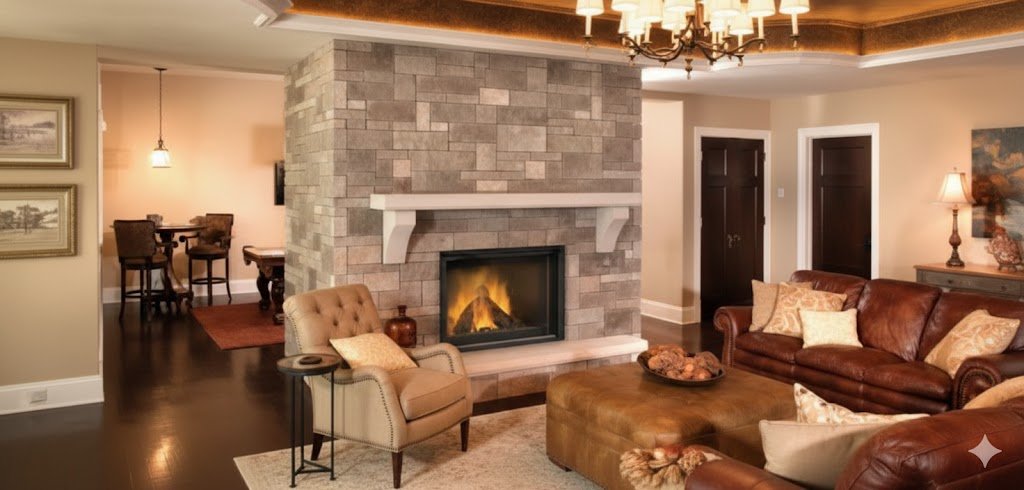
Shopping for an electric fireplace can feel overwhelming. I know because I’ve been there, standing in a big box store aisle surrounded by dozens of options, all looking vaguely similar, with spec sheets full of numbers that meant nothing to me. Do I need 1,500 watts or 1,000? What’s the difference between LED and infrared? Why does this one cost $300 and that nearly identical looking one cost $1,200?
Let me break this down in a way that actually makes sense. We’ll start with the basics and work up to the details that separate good electric fireplaces from mediocre ones.
First, figure out what size space you need to heat. This is genuinely important. Electric fireplaces are rated by the square footage they can effectively heat. Most standard units handle 400 to 500 square feet comfortably. Larger units can manage up to 1,000 square feet. Measure your room. A 15×20 living room is 300 square feet. A 20×25 great room is 500 square feet. Simple math, but doing it prevents buying something too small or wasting money on excessive capacity.
I made this mistake with my first purchase. I eyeballed my living room, thought “medium size,” and bought a standard unit. Turns out my living room was actually 650 square feet. The fireplace worked, but it ran constantly trying to maintain temperature, never quite getting the room as warm as I wanted. I ended up supplementing with my central heat anyway. Measure first, buy second.
Room layout matters beyond just square footage. Open floor plans need more heating power than enclosed rooms. High ceilings require more capacity. Lots of windows mean more heat loss. Concrete floors absorb heat differently than carpet. Think about your specific space, not just the numbers.
Next, decide on your installation type. Electric fireplaces come in several configurations, and picking the wrong one is frustrating. Wall mounted units hang like flat screen TVs. They’re sleek, modern, and save floor space. Perfect for contemporary homes or small rooms. But they require finding studs, drilling holes, and committing to a location. I’ve got a wall mounted unit in my bedroom, and I love it. But when I wanted to rearrange furniture, the fireplace location limited my options.
Freestanding units sit on the floor and plug in anywhere. Maximum flexibility. You can move them between rooms, take them when you move, rearrange whenever you want. The tradeoff is they take up floor space and the cords can be unsightly. I keep a freestanding unit in my home office. During winter, it’s near my desk. During summer, I move it to storage. That flexibility is valuable.
Insert units fit into existing fireplace openings. Perfect if you’ve got a wood or gas fireplace you don’t want to use anymore. They slide right in, plug in nearby, and transform your old fireplace without major renovation. My parents did this with their unused wood fireplace. The insert cost $800, installation took an hour, and now they’ve got a working fireplace again without the wood hassle.
Mantel packages are complete units with the fireplace built into a finished mantel surround. They look like traditional furniture pieces. Great if you want a traditional fireplace look without construction. They’re heavier and bulkier but provide that classic aesthetic immediately. I bought one for my sister as a housewarming gift. She unboxed it, positioned it against her wall, plugged it in, and had a beautiful fireplace in her living room within 30 minutes.
Built-in units are designed for permanent installation in walls or custom surrounds. These work for renovations or new construction where you want a seamless, architectural look. They require more planning and usually professional installation, but the results look amazing. My neighbor built a custom entertainment center with a built-in electric fireplace and it looks like a million bucks.
Now let’s talk about heating technology. Most electric fireplaces use one of two heating methods. Fan forced heaters blow air over heating elements, like a space heater. They heat quickly and effectively but can be noisy. The fan sound bothers some people. Infrared heaters use infrared light to warm objects and people directly, similar to sunlight. They’re quieter and some people find the heat more comfortable. They cost more initially but can be more efficient.
I’ve used both types. The fan forced heater in my living room has a noticeable hum when running. Not loud, but present. The infrared unit in my bedroom is almost silent. For a space where I watch TV or listen to music, the fan noise doesn’t bother me. For my bedroom where I want quiet, the infrared was worth the extra cost.
Flame technology varies wildly between models, and this is where you really see quality differences. Basic LED flame effects use simple LED lights behind a rotating reflector. They look okay from a distance but obviously fake up close. Mid-range units use multiple colored LEDs with sophisticated light patterns. They look much better and convince most people from normal viewing distances. High-end units use holographic technology, advanced optics, or water vapor to create incredibly realistic flames. I’ve seen $2,000 electric fireplaces that fooled me completely until I looked very closely.
My advice? See the flame effect in person if possible. Photos and videos don’t capture how they actually look in real life. I ordered an electric fireplace online based on product photos. The flames looked great in the pictures. In reality? Disappointing. Too bright, too uniform, clearly artificial. I returned it and bought a different model after seeing it running in a store. That extra effort saved me from living with something that looked cheap.
Adjustability matters more than you’d think. Good electric fireplaces let you control flame brightness and heat output independently. This means you can enjoy the flame effect year-round without roasting yourself. Some budget models tie flame brightness to heat output, which is annoying. I want flames during summer evenings for ambiance. I don’t want extra heat when it’s already 85 degrees outside.
Remote controls are standard on most units now, but quality varies. Some remotes are simple on/off switches. Others offer full control over heat, flame brightness, color, timer functions, and thermostat settings. I’ve had cheap remotes that stopped working after six months. I’ve had good ones that lasted years. Reading reviews helps identify which remotes are reliable.
Smart home integration is becoming common. Wifi enabled electric fireplaces connect to Alexa, Google Home, or smartphone apps. You can control everything from your phone, set schedules, adjust settings remotely, and integrate with other smart home devices. I’m a tech nerd, so I love this. I can start my fireplace from bed without getting up. I can set it to turn on 30 minutes before I get home from work. If you’re not into smart home stuff, this feature adds cost without value.
Thermostat functionality is super useful. Basic units run at full power until you turn them off. Units with thermostats let you set a target temperature. The fireplace runs until reaching that temperature, then cycles on and off to maintain it. Much more comfortable and efficient. Every electric fireplace I buy now has a thermostat. The convenience is worth it.
Timer functions help too. I set my fireplace to run for three hours in the evening, then shut off automatically. I don’t have to remember to turn it off before bed. Some units offer daily programming, letting you set different schedules for different days. Wake up to a warm room on weekday mornings without leaving it running all night.
Safety features are required by code but vary in quality. Overheat protection shuts the unit off if internal temperatures get too high. Tip-over protection shuts it off if it falls over. Cool-touch glass stays relatively cool, reducing burn risks. Good quality units have all these features. Budget units cut corners. Don’t compromise on safety to save $50.
Build quality separates good units from garbage. I’ve handled electric fireplaces that felt like cheap toys. Flimsy construction, lightweight materials, poor fit and finish. I’ve handled others that felt substantial and well made. Unless you’re buying something truly temporary, invest in decent quality. That $200 fireplace from an unknown brand will probably fail in a year or two. A $600 unit from a reputable manufacturer will last a decade.
Warranty matters for the same reason. Good manufacturers offer three to five year warranties. Budget brands offer one year or less. Warranties indicate how confident the manufacturer is in their product. I’ve had to use warranty coverage twice on electric fireplaces. Once for a failed heating element, once for a control board issue. Both times, the manufacturer sent replacement parts free. Without warranty coverage, those repairs would have cost hundreds.
Energy efficiency ratings help predict operating costs. Look for units with good energy star ratings or high efficiency claims. The difference between a cheap, inefficient unit and a quality, efficient one can be $10 to $20 monthly on your electric bill. Over a heating season, that adds up. Over the unit’s lifetime, the efficient model pays for itself.
Sound levels are rarely mentioned in specs but matter in real use. Some electric fireplaces are whisper quiet. Others have noticeable fan noise, clicking relays, or humming transformers. Reading customer reviews often reveals noise issues. One fireplace I owned had this annoying clicking sound every time the thermostat cycled. Drove me crazy. I returned it.
Let’s talk about aesthetics because this is where personal preference dominates. Do you want traditional looking flames or modern multi-color options? Classic mantel styling or contemporary minimalism? Real log sets or glass crystal ember beds? Black finish or wood grain? These choices don’t affect function, but they affect whether you’ll actually like looking at your fireplace every day.
I’ve owned fireplaces in different styles. The traditional mantel package in my family room has classic orange flames and realistic log sets. It fits the room’s traditional decor perfectly. The wall-mounted unit in my bedroom has modern blue flames and a sleek black frame. Two completely different aesthetics, both appropriate for their spaces. Your fireplace should match your style, not fight it.
Size proportions matter too. A massive fireplace in a small room overwhelms everything. A tiny fireplace on a big wall looks lost. I measured carefully before buying my living room unit. The fireplace is roughly one-third the width of the wall it’s on. That proportion looks balanced and intentional. Too much bigger would dominate. Too much smaller would disappear.
Where you buy matters more than you’d think. Big box stores offer convenience and immediate availability. You can see products in person, load them in your car, and install them today. The selection is limited and the staff often knows nothing useful. Specialty fireplace stores have knowledgeable salespeople, better selection, and often delivery and installation services. They cost more. Online shopping offers the best selection and competitive prices but you can’t see products in person and returns are annoying.
I’ve bought electric fireplaces from all three types of retailers. Each has advantages. For my living room showpiece, I went to a specialty store. The salesperson spent an hour helping me understand options, showing me flame effects, and ensuring I got exactly what I wanted. Worth the slightly higher price. For a simple bedroom unit, I bought online based on reviews. Saved $150 and it arrived in three days. For a guest room, I grabbed a basic unit from a big box store on sale. It was fine for that purpose.
Reading reviews is mandatory. Not just the glowing five-star reviews. Read the three-star reviews and the one-star reviews. What problems do people mention repeatedly? If ten reviews mention loud fan noise, that’s probably a real issue. If reviews consistently say the flames look cheap, believe them. I’ve avoided several bad purchases by reading reviews carefully.
Budget wisely. Quality electric fireplaces start around $400 for basic freestanding units. Good wall-mounted units run $600 to $1,200. Premium models with advanced features go $1,500 to $3,000. Mantel packages range from $500 for basic versions to $2,500 for high-end hardwood models. Set a realistic budget based on where the fireplace will live and how much you’ll use it.
My philosophy is to buy the best you can reasonably afford for primary living spaces. The fireplace in your main living room where you spend every evening deserves investment. That guest bedroom you use twice a year? A basic model works fine. Prioritize based on use and importance.
Installation costs vary. Most electric fireplaces are DIY friendly. Wall-mounted units require basic tools and finding studs. Freestanding units just sit there. Inserts slide in and plug in. Built-in units might need an electrician if you’re adding dedicated circuits. Factor installation into your budget if you’re not handy.
Think about your actual needs versus wants. Do you need smart home integration or is it a novelty? Will you actually use multi-color flame options or stick with traditional orange? Is quiet operation critical in your bedroom but unimportant in your basement? Paying for features you won’t use is wasteful. Skipping features you’ll wish you had is frustrating.
One last thing about shopping. Don’t rush. I’ve bought electric fireplaces impulsively and regretted most of them. Take time to research. Compare models. Read reviews. Measure your space. Think about your needs. A fireplace is something you’ll see and use for years. An extra week of research can prevent years of dissatisfaction.
My current electric fireplace took me three weeks to select. I compared over 20 models. I read hundreds of reviews. I visited four stores to see units in person. I measured and remeasured my space. And when I finally bought it, I was confident in my choice. Three years later, I’m still happy with it. That’s what good research delivers.
So grab a tape measure, open some browser tabs, and start researching. Your perfect electric fireplace is out there. Finding it just takes a bit of work.
Why Electric Fireplaces Beat Traditional Options: The Final Verdict
Let’s be completely honest here. For most people, in most situations, electric fireplaces are the better choice. I know that’s going to upset traditionalists who swear by their wood-burning fireplaces. I understand gas fireplace fans will argue about real flames. But when you actually compare everything, factoring in cost, convenience, safety, and practicality, electric wins more often than not.
I’m not saying wood and gas fireplaces are obsolete. They’re not. They still have their place. But that place is smaller than it used to be. Let me explain why electric has become my go-to recommendation for friends and family.
Start with installation costs and complexity. Wood fireplaces require chimneys, hearths, proper ventilation, building permits, professional installation, and significant construction. We’re talking $5,000 to $15,000 minimum for a new wood fireplace installation. Gas fireplaces need gas lines, venting, professional installation, permits, and safety inspections. Figure $3,000 to $8,000 for a quality gas installation. Electric fireplaces? Many models plug into existing outlets. Installation ranges from “set it on the floor” to “hang it on the wall.” Total cost, including the unit itself, runs $400 to $2,000 for most people. No permits, no contractors, no construction mess.
I helped my brother install his electric fireplace last month. We unboxed it, carried it to his living room, positioned it against the wall, plugged it in, and turned it on. Total time was 20 minutes. It looked great and worked perfectly. Compare that to my wood fireplace installation years ago. Contractors in my house for three days. Dust everywhere. A massive hole cut in my wall and roof. Inspectors. Permits. Stress. The electric installation was so much easier.
Ongoing maintenance tells the same story. Wood fireplaces need annual chimney cleaning, ash removal after every fire, regular inspection for creosote buildup, and eventual repairs to the firebox and chimney. Gas fireplaces need annual professional servicing, occasional repairs to igniters and thermocouples, gas line leak checks, and pilot light maintenance. Electric fireplaces need occasional dusting and maybe replacing a light bulb if one burns out. That’s it. No annual service calls. No dirty cleaning jobs. No safety inspections.
My parents have had their electric fireplace for eight years. Know how many times they’ve needed service? Zero. Know how much maintenance they’ve done? Dusting it occasionally. Meanwhile, their neighbors with a gas fireplace have called a technician four times for various issues, spending over $800 on repairs and maintenance.
Operating costs favor electric in many markets now. Gas prices have risen significantly in recent years. In many areas, electric heat is now competitive with or cheaper than gas. Wood costs vary wildly by location but tend to be expensive in urban and suburban areas. I calculated my own heating costs across all three types. Electric came out cheapest at roughly $85 monthly for my living room. Gas was $120. Wood would have been $150 when factoring in wood purchases and chimney cleaning costs. Your mileage may vary based on local utility rates, but electric is often the most economical.
Convenience is where electric absolutely dominates. Push a button or say a voice command, and you’ve got instant heat and flames. No building fires. No waiting for gas to ignite. No dealing with fuel. Want it off? Push the button again. Want it at 72 degrees? Set the thermostat. Want it to run for two hours then shut off? Set the timer. Want to control it from your phone? Connect it to wifi. The convenience factor is enormous.
I can’t overstate how nice this is in daily life. Cold morning? I turn on my fireplace from bed using my phone. By the time I’m dressed, the room is warm. Evening plans changed? I turn it off remotely so it’s not running while I’m out. This level of control is impossible with wood and difficult with most gas fireplaces.
Safety advantages are significant. No combustion gases means no carbon monoxide risk. No chimney fires. No gas leaks. No sparks escaping to ignite carpets or furniture. Lower temperature glass reduces burn risks. Automatic shutoffs prevent overheating. Electric fireplaces are safe enough for apartments, condos, senior living facilities, and anywhere else that restricts traditional fireplaces. That peace of mind matters, especially with kids and pets around.
My friend’s toddler walked up and touched her electric fireplace glass. It was warm but not hot enough to cause burns. She yelped and pulled her hand back, startled but unhurt. A learning moment without an emergency room visit. Try that with a gas or wood fireplace. The glass on those gets hot enough to cause serious burns instantly.
Environmental considerations favor electric too. No combustion means no smoke, no particulate matter, and no direct carbon emissions at the point of use. Yes, the electricity comes from somewhere, and that generation might involve fossil fuels. But power plants are more efficient than home fireplaces, and the grid is gradually shifting toward renewable sources. As your local grid gets cleaner, your electric fireplace automatically becomes cleaner too. Gas and wood never get cleaner.
I care about my environmental footprint. Not enough to live in a cave, but enough to make choices that reduce my impact where practical. Switching to an electric fireplace was an easy environmental win. Lower emissions, no local air pollution, and supporting the transition to clean energy. It felt good without requiring sacrifice.
Flexibility is another huge advantage. Electric fireplaces are portable. Move them between rooms. Take them when you move houses. Rearrange furniture without worrying about fixed fireplace locations. Try doing any of that with a masonry fireplace or gas line installation. I’ve moved three times in the past decade. My electric fireplace moved with me every time. It’s been in four different homes, providing consistent comfort wherever I’ve lived.
The aesthetic options are better with electric. Traditional mantels, modern linear designs, three-sided installations, corner units, outdoor rated models, every style imaginable. You want Victorian? Available. Mid-century modern? Yep. Industrial? Sure. Contemporary? Absolutely. Wood and gas fireplaces have styles too, but electric offers more variety at more price points.
The flame effects, while not perfect, are good enough for most people. I’ve had guests assume my electric fireplace was gas. The flames look convincing from normal viewing distances. Only fireplace enthusiasts or people who look closely realize they’re LED lights. For the average person just wanting ambiance and warmth, modern electric flames work fine.
Year-round usability is a benefit people overlook. Electric fireplaces let you run flames without heat. This means ambiance during summer without raising the temperature. I use my fireplace’s flame effect during dinner parties and movie nights year-round. It creates atmosphere without practical purpose. Gas fireplaces can do this too, but they still generate some heat. Wood fireplaces obviously can’t.
Technology integration keeps improving. As smart home adoption grows, electric fireplaces integrate seamlessly. Voice control, smartphone apps, automation with other devices. “Alexa, set movie mode” dims my lights and turns on my fireplace. That kind of integration enhances the whole home experience.
Okay, let’s address the counterarguments. Yes, electric flames don’t look exactly like real fire. Yes, the heating feels different than radiant heat from combustion. Yes, you’re dependent on electrical power. These are valid points. For some people, these drawbacks outweigh all the advantages I’ve listed. If you’re that person, buy wood or gas. I’m not saying electric is perfect for literally everyone.
But for the majority of homeowners, the practical benefits of electric outweigh the romantic appeal of traditional fireplaces. When I talk to friends considering fireplaces, I ask them what they actually want. If they say “authentic fire experience above all else,” I point them toward wood. If they say “warmth, convenience, and something that looks nice,” I recommend electric every time.
The market agrees with this assessment. Electric fireplace sales have grown dramatically over the past decade while wood and gas fireplace installations have declined. Manufacturers are investing in electric technology, improving flame effects, adding features, and expanding options. This wouldn’t happen if electric fireplaces weren’t meeting customer needs.
I’ve owned and used all three types extensively. I’ve experienced the magic of wood fires and the convenience of gas flames. I’ve dealt with the maintenance, costs, and limitations of traditional fireplaces. And after all that experience, I chose electric for my primary living space. That should tell you something.
The future of home heating is moving toward electric. Heat pumps are becoming standard in new construction. Electric vehicles are replacing gas cars. Renewable electricity generation is expanding. Everything is shifting electric, and fireplaces are part of that trend. Choosing electric now means choosing technology that’s improving rather than declining.
None of this means traditional fireplaces will disappear. Wood fireplaces will always have devoted fans who love the ritual and authenticity. Gas fireplaces will remain popular in areas with cheap natural gas. But electric will continue gaining market share because it solves more problems for more people.
My recommendation is simple. If you’re building new or renovating, seriously consider electric. If your existing wood or gas fireplace is causing problems, explore electric alternatives. If you’re in an apartment or condo where traditional fireplaces aren’t allowed, electric opens possibilities. Give it a fair evaluation based on your actual needs rather than preconceptions.
I did, and I’m glad. My electric fireplace provides everything I actually wanted from a fireplace. Warmth when I need it. Ambiance when I want it. Convenience in daily use. Low maintenance. Reasonable cost. Safety and peace of mind. It’s not perfect, but it’s the right solution for my life.
And maybe, after reading all this, it’s the right solution for yours too.

Leave a Comment