
So you’re staring at your bedroom, and something just feels off. Maybe it’s the mismatched furniture you’ve collected over the years, or perhaps that outdated style that screams 2005. We’ve all been there. The good news? Giving your space a fresh, modern look doesn’t have to feel like climbing Mount Everest.
Here’s what I learned the hard way after three failed attempts at redecorating my own place. Start small. Really small. Pick one room and pour your energy into that. For me, the bedroom made the most sense. Think about it. You spend roughly a third of your life there. If any space deserves your attention first, it’s the one where you start and end each day.
The beauty of tackling your bedroom first is that you’re working with a limited canvas. You’re not trying to furnish an entire house or coordinate seventeen different pieces. When you narrow your focus to contemporary bedroom furniture, you’re really looking at three main players. The bed, naturally. The wardrobe where you stash everything. And the dresser that holds your daily essentials. That’s it. Three pieces. This constraint actually becomes your best friend because it keeps you from getting overwhelmed by endless options.
I remember walking into my first furniture store with grand plans. Within ten minutes, I was drowning in choices. Cherry wood or oak? Metal frames or upholstered? Storage drawers or clean lines? My head was spinning. But once I realized I only needed to make three smart choices, everything clicked. The limited selection wasn’t a problem anymore. It was a roadmap.
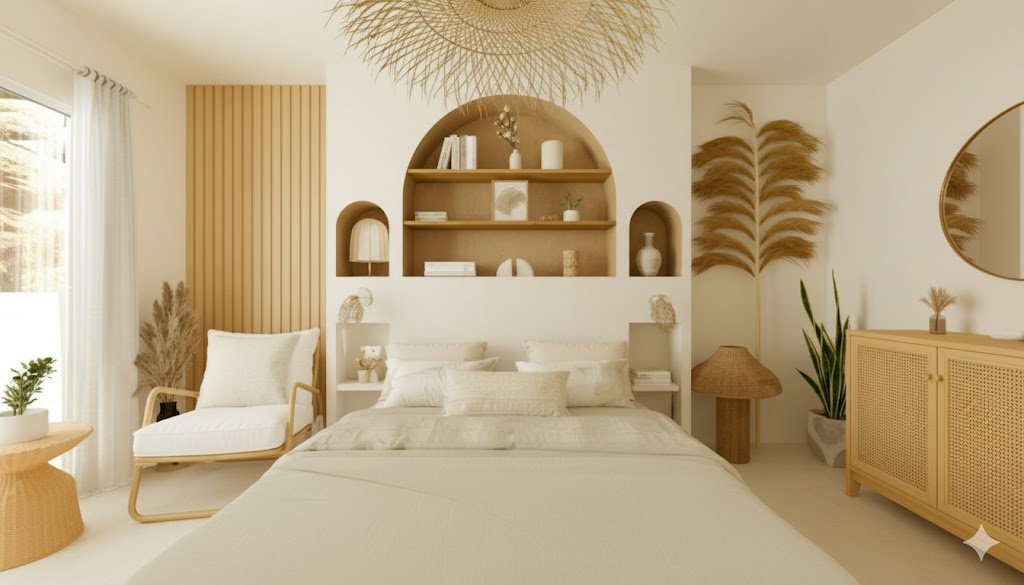
Starting with the bedroom teaches you something valuable about interior design. You learn what works and what doesn’t in a contained environment. You figure out your taste without committing to furniture for your entire home. Made a mistake? It’s just one room. Nailed it? Now you’ve got confidence and a template for tackling the rest of your space later on.
The mistake most people make is rushing out to buy everything at once. They hit up the big box stores, grab whatever looks decent, and hope it all works together. Spoiler alert: it rarely does. Take your time. Understand what contemporary style actually means. Get clear on what you want your bedroom to feel like when you walk in. Calm? Energized? Sophisticated? Once you know that, choosing the right furniture becomes way easier.
Your bedroom should be your sanctuary. Not a storage unit. Not a laundry staging area. A real space that makes you feel good. And achieving that contemporary look you’re after? It starts with understanding the fundamentals before you swipe that credit card.
Why Your Bed Matters More Than You Think
Let’s talk about the elephant in the room. Or should I say, the bed in the bedroom? This isn’t just another piece of furniture. Your bed is the entire show. Everything else is supporting cast.
I used to think all beds were basically the same. Four legs, a mattress, done. Boy, was I wrong. The bed you choose sets the tone for everything else in your space. It’s the first thing you see when you enter. The last thing you see before sleep. And probably the largest single object in the room. No pressure, right?
When you’re going for that contemporary look, your bed choice becomes even more critical. We’re not talking about ornate Victorian frames with carved details and brass finials. Contemporary style strips away all that extra stuff. What you’re left with is pure form. Clean lines. Simple shapes. The kind of design that doesn’t shout for attention but somehow commands it anyway.
Here’s what tripped me up initially. I thought contemporary meant cold or sterile. You know, like a hotel room or a showroom display. Turns out I was confusing contemporary with minimalist. They overlap, sure, but contemporary furniture can absolutely feel warm and inviting. It just does it without the frills.
The bed frame you pick needs to work hard for you. It anchors the entire room visually. Get it wrong, and nothing else will look quite right. Get it right, and suddenly everything falls into place. It’s like that moment when you finally hang a picture level. Everything just looks better.
Think about the practical side too. Your bed isn’t just there to look pretty. You’re going to use it every single day. Quality matters. Construction matters. A wobbly frame that looks great in the store photos will drive you nuts after a week of real life. And if you’re like me, you’re keeping this bed for years. Maybe a decade. Choose something that’ll age well.
I spent way too long obsessing over thread count and mattress firmness while completely ignoring the frame. Don’t make my mistake. The frame affects everything from how your mattress performs to how easy it is to make the bed each morning. Low frames look sleek but can be murder on your back when you’re tucking in sheets. Too high, and you’re climbing into bed like it’s a ladder.
Contemporary beds tend to sit lower than traditional styles. Platform beds especially. This creates a more grounded, stable feeling in the room. The lower profile doesn’t compete with other elements. It lets the room breathe. And breathing room is what contemporary design is all about.
Your bed is an investment. Not the kind that pays dividends, but the kind that pays you back in better sleep, a nicer looking room, and one less thing to worry about replacing anytime soon. So yeah, it deserves your attention first.
What Makes Contemporary Furniture Actually Contemporary
Okay, pop quiz. What makes furniture contemporary? If you just thought “modern looking stuff,” you’re on the right track but missing the details that matter.
Contemporary design is all about what you leave out. Sounds backwards, right? We’re trained to think more is better. More details. More decoration. More personality. Contemporary flips that script completely. The magic happens in the negative space. In what isn’t there.
Let me paint you a picture. Traditional furniture piles on the details. You’ve got turned legs, decorative molding, contrasting materials, fancy hardware. Your eye bounces around trying to take it all in. Contemporary furniture does the opposite. Smooth surfaces. Straight lines. One primary material doing all the talking. Your eye can rest. The piece exists without demanding constant attention.
I tested this myself. Put a contemporary platform bed next to a traditional four poster with all the trimmings. The traditional bed is impressive, no doubt. But it dominates. The contemporary bed? It just is. And somehow that simple presence feels more powerful.
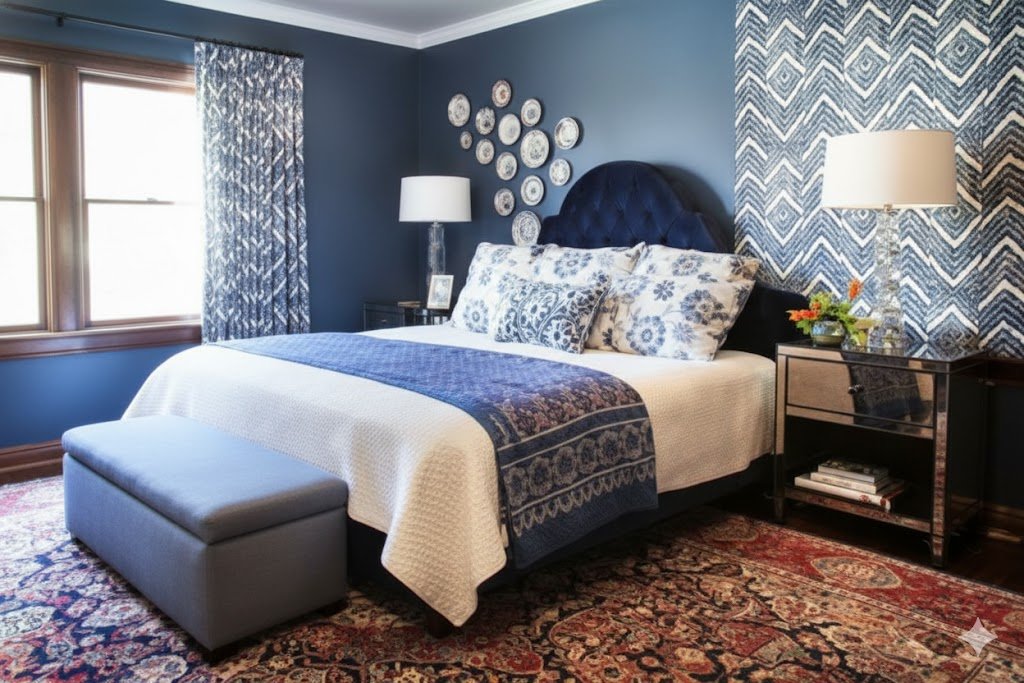
The materials matter, but not in the way you’d think. Contemporary pieces often stick to one main material. Could be wood. Could be metal. Could even be upholstered fabric. But you won’t see wood mixed with brass accents mixed with decorative iron. That mixing and matching belongs to other styles. Contemporary keeps it unified.
Wood choices tend toward the darker end. Walnut, espresso finishes, deep mahogany. Lighter woods like pine or maple can work if they’re finished right, but you’ll see dark wood dominating the contemporary scene. Why? Darker tones create that sophisticated, grounded feeling contemporary design aims for. They photograph better too, which might explain why they’re everywhere on design websites.
Metal frames go for clean finishes. Brushed steel. Matte black. Gunmetal gray. Skip anything shiny or polished. That instant gloss reads as traditional or glam, not contemporary. The finish should almost disappear. You notice the shape and form, not the surface treatment.
Here’s the thing about contemporary design that nobody tells you. It’s harder than it looks. Stripping away ornamentation means the basic proportions and construction have to be perfect. There’s nowhere to hide mistakes. A slightly off angle or weird proportion sticks out like a sore thumb when there’s nothing else to distract from it.
But when it works? Oh man, when it works. Contemporary furniture has this effortless quality. Like it just naturally belongs in the space. It doesn’t fight with your walls or your flooring or your lighting. It cooperates. Plays well with others. That’s the beauty of keeping things simple and letting form do the heavy lifting.
The best contemporary pieces almost feel invisible until you really look at them. Then you notice the craftsmanship. The way corners meet perfectly. How the proportions create balance. The subtle details that took serious skill to execute. It’s like a good movie soundtrack. You don’t always notice it consciously, but you’d sure notice if it was wrong.
Mixing and Matching Without Making a Mess
Here’s where contemporary furniture becomes your best friend. You know how some styles basically require everything to match perfectly? Like if you buy one piece from a collection, you need to buy the whole set or risk looking like you furnished your place from yard sales? Contemporary doesn’t work that way.
The simplicity that defines contemporary furniture gives you incredible flexibility. A wooden platform bed plays nice with metal nightstands. Those nightstands work with a fabric upholstered bench. The bench coordinates with a wooden dresser. Nothing matches exactly, but everything works together. It’s like having a wardrobe full of basics that all coordinate.
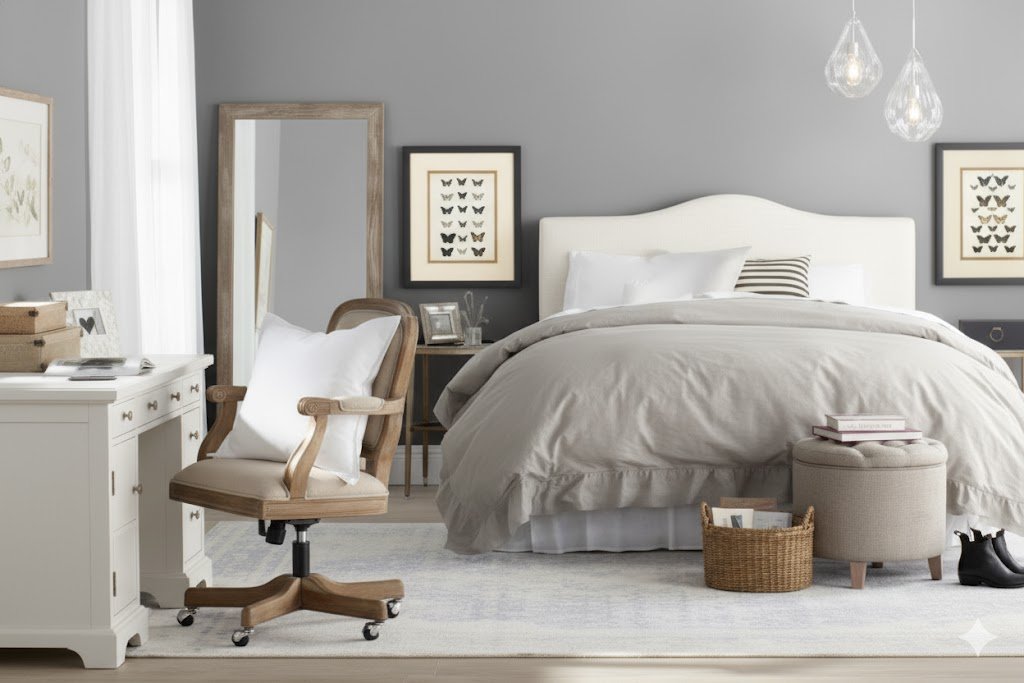
I learned this lesson after moving apartments. I had a gorgeous walnut bed frame but needed new side tables. My old ones didn’t fit the new space. Panic mode kicked in. Would I need to replace everything? Turns out, no. I found metal side tables with clean lines and simple shapes. Totally different material. Totally different look. And they worked perfectly with my existing bed.
The secret is keeping that shared simplicity. As long as each piece maintains clean lines and avoids fussy details, you can mix materials freely. Wood, metal, glass, fabric. They all play together when the underlying design philosophy matches. It’s the ornate details that clash. Strip those away, and suddenly everything is compatible.
Think about what this means practically. You can buy furniture over time as your budget allows. No need to drop thousands all at once on a matching set. Start with the bed. Add nightstands later. Pick up a dresser when you find one you love. Each piece stands on its own merit while contributing to the overall look.
Color coordination becomes easier too. Contemporary furniture tends toward neutrals. Black, white, gray, natural wood tones, deep blues and greens. These colors don’t fight with each other. A black bed frame, gray nightstands, and a natural wood dresser? That combination just works. No color wheel consultation needed.
I once visited a friend who’d clearly never heard of this concept. Their bedroom had a dark oak bed, cherry wood nightstands with carved details, a pine dresser, and a white painted wardrobe. Each piece was fine individually. Together? Total chaos. Your eye didn’t know where to land. The room felt cluttered even though it wasn’t.
Contemporary furniture gives you guardrails without boxing you in. You can express your personal style through your choices while staying within a framework that keeps everything cohesive. Want metal? Go for it. Prefer wood? That works too. As long as you’re choosing pieces with that contemporary sensibility, you’re golden.
Shopping becomes way less stressful when you understand this. You’re not hunting for exact matches. You’re looking for pieces that share a design language. Clean and simple beats ornate and detailed. Solid beats shiny. Neutral beats busy. Follow those guidelines, and your furniture will work together even if it came from five different stores.
Decorating Around Your Platform Bed
So you’ve got your contemporary platform bed. Now what? Time to build out the rest of the room, and this is where things get fun. Or stressful. Depends on your approach.
The platform bed you chose has a color and finish. Maybe it’s dark walnut. Maybe it’s upholstered in charcoal gray. Maybe it’s a sleek black metal frame. Whatever it is, that’s your starting point. Everything else answers to the bed.
Side tables are up next. These workhorses need to be functional and look good doing it. For contemporary style, skip anything with lots of drawers or ornate hardware. A simple table with clean lines does the job. One drawer is plenty. Maybe a lower shelf for books or your phone charger.
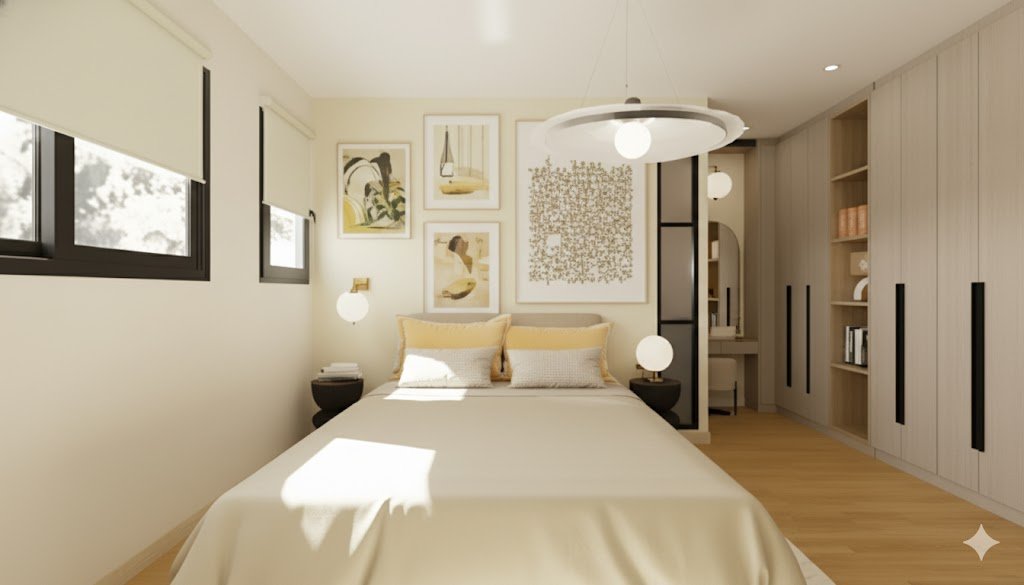
The height matters more than you’d think. Your side table should sit level with or slightly below your mattress top. Too low, and you’re reaching down for your water glass at 2 AM. Too high, and it looks awkward. Most platform beds sit lower than traditional frames, so standard nightstands often work perfectly without modification.
Material choice for side tables gives you options. Match the bed frame material for a cohesive look. Or contrast it for visual interest. A wooden bed with metal side tables creates an industrial edge. A metal bed frame with wooden tables warms things up. Both approaches work. Pick what feels right for your space.
Vanities or dressers come next. Same rules apply. Clean lines. Simple hardware. Solid colors. If your bed is the statement piece, your dresser should be the reliable supporting actor. Not invisible, but not stealing scenes either.
Here’s what I wish someone had told me earlier. Scale matters enormously. A massive dresser next to a low profile platform bed looks weird. The proportions fight each other. Aim for furniture that shares a similar visual weight. If your bed is substantial and solid, your other pieces should match that presence. If your bed is light and airy, keep everything else equally uncluttered.
Colors should stay in the same family. I don’t mean everything needs to be identical. But if your bed frame is a dark espresso, bright white furniture might create too much contrast. Gray or black or deep blue would feel more connected. You want harmony, not match mania.
Hardware on dressers and nightstands deserves attention too. Contemporary design favors simple pulls and handles. Flat metal bars. Recessed handles. Simple knobs in matte finishes. Skip the brass. Skip the crystal. Skip anything that catches light and sparkles. You want hardware that does its job without calling attention to itself.
Lighting ties everything together. A contemporary bedroom needs lighting that matches the aesthetic. Think sculptural table lamps with simple shades. Pendant lights with geometric shapes. Wall sconces with clean lines. The lighting should provide function and act as subtle art pieces.
The floor lamp in the corner shouldn’t have a fringed shade or ornate brass base. A simple arc lamp or tripod design works better. You’re creating layers of light at different heights while maintaining that uncluttered contemporary vibe.
Decorating around a platform bed is really about respecting what you’ve already established. You’ve chosen a clean, simple centerpiece. Everything else should support that choice rather than compete with it. When each element shares the same design DNA, your room feels intentional and complete rather than randomly assembled.
Getting Your Bedding Right
You nailed the furniture. The bed looks great. The nightstands work perfectly. Then you throw on some floral sheets and a ruffled comforter, and suddenly your contemporary bedroom looks confused. Bedding matters just as much as the frame you put it on.
Contemporary bedding follows the same rules as contemporary furniture. Simple. Clean. Uncluttered. You’re looking for solid colors and geometric patterns. Forget the busy prints. Forget anything with more than two colors happening at once. Definitely forget anything advertised as “romantic” or “vintage inspired.”
Color choices make or break the look. Stick with neutrals and you can’t go wrong. White, gray, navy, charcoal, black, deep green. These colors have staying power. They don’t scream for attention. They let your bed frame do the talking while providing a clean, finished backdrop.
I spent my first attempt at contemporary style using bedding I already owned. Light blue sheets with small white flowers. A quilted comforter with a paisley pattern. Looked fine on their own. Looked absolutely ridiculous with my new platform bed and sleek nightstands. The disconnect was jarring. Switching to solid gray sheets and a simple duvet changed everything instantly.
Patterns can work if you choose carefully. Geometric designs with clean lines fit the contemporary aesthetic. Think stripes, not florals. Think bold blocks of color, not delicate prints. Think modern abstracts, not traditional motifs. The pattern should enhance the simplicity rather than complicate it.
Texture adds interest without breaking the contemporary vibe. A waffle weave blanket. Linen sheets with that natural, slightly wrinkled look. A chunky knit throw at the foot of the bed. These textures create visual variety while keeping colors solid and simple. Your eye has something to explore without getting overwhelmed by competing patterns.
Pillow strategy requires thought. A mountain of decorative pillows reads as traditional, not contemporary. Keep it minimal. Two sleeping pillows per person. Maybe one or two accent pillows max. Those accent pillows should be simple squares or rectangles in solid colors. Skip the embroidery. Skip the tassels. Skip anything described as “embellished.”
Comforter versus duvet is partly personal preference, partly aesthetic choice. Duvets tend to look cleaner and more tailored, which suits contemporary style. A simple duvet cover in a solid color creates that hotel bed look we all secretly want. Comforters can work but often have more visual texture or quilting patterns that lean traditional.
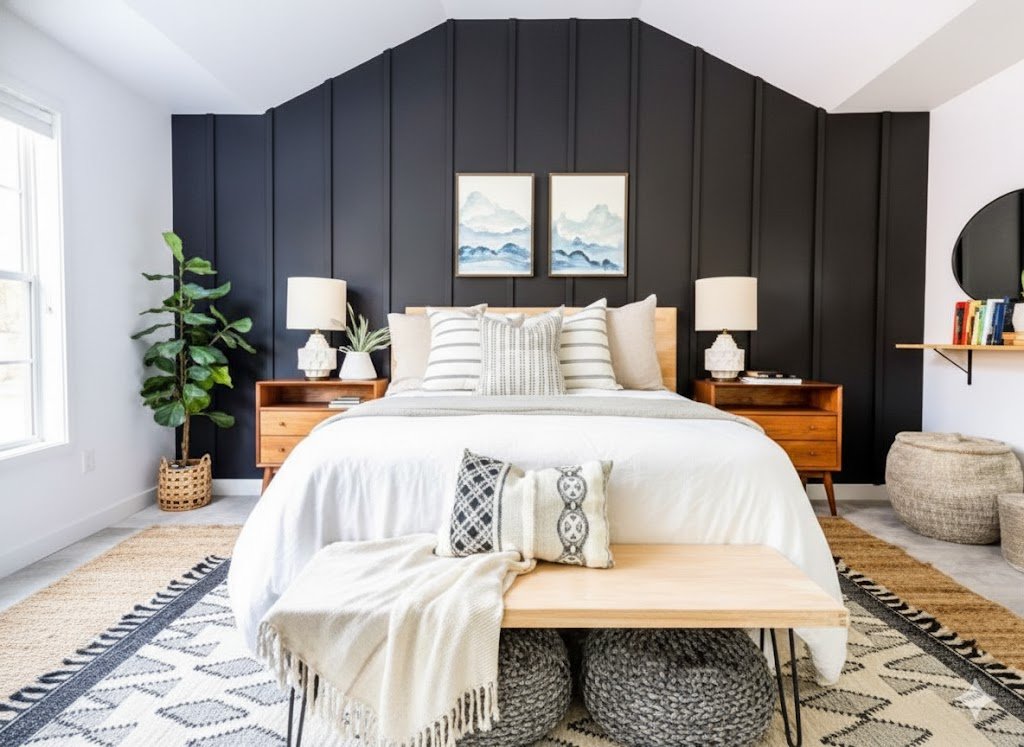
Thread count matters for comfort, not style. Buy the best sheets you can afford that feel good to sleep in. But make sure they’re solid colors or simple patterns that work with your contemporary bedroom. Scratchy sheets in the perfect color beat luxurious Egyptian cotton with the wrong pattern.
Blanket and throw placement adds final touches. A throw draped casually at the foot of the bed or folded neatly across the end adds dimension. Pick one in a complementary color. If your bedding is all gray, try a throw in deep charcoal or navy. If you’ve gone with navy sheets, a lighter gray throw creates subtle contrast.
Making your bed matters more than you’d think. Contemporary style looks intentional, not messy. Taking three minutes each morning to straighten your bedding makes your entire room look better. Wrinkled sheets and bunched comforters undermine all your careful furniture choices.
The bedding budget adds up fast. Sheets, pillowcases, duvet, duvet cover, blankets, throws. But you don’t need to buy everything at once. Start with solid color basics in neutral tones. Add pieces gradually. Sales happen regularly at bedding retailers. Patient shopping saves money while building exactly the look you want.
Here’s the thing about getting bedding right. It’s the easiest place to mess up all your hard work and the easiest place to nail the landing. Furniture decisions stick around for years. Bedding you can change seasonally if you want. Use that flexibility to experiment until you find combinations that make your contemporary bedroom feel complete.
Pulling It All Together
We’ve covered a lot of ground here. Time to step back and see how all these pieces fit together into one cohesive approach to creating your contemporary bedroom.
The progression makes sense when you break it down. Start with your bedroom because it’s manageable. Focus on the three main furniture pieces that define the space. Choose a bed that anchors everything with clean, simple lines. Pick complementary pieces that share that contemporary aesthetic. Add bedding that respects rather than fights your furniture choices. Each step builds on the last.
Contemporary bedroom furniture gives you advantages other styles don’t. The flexibility to mix materials and finishes means you’re not locked into buying everything at once or hunting for exact matches. The simplicity of design means pieces age well rather than looking dated after a few years. The neutral color palette creates calm rather than chaos.
Platform beds deserve their reputation as the perfect contemporary centerpiece. That low profile and clean design provides exactly what contemporary style needs. A strong foundation that doesn’t overwhelm. Visual weight that grounds the room. Versatility that works with whatever other pieces you choose. It’s the smart choice for anyone serious about achieving that contemporary look.
The rules we’ve covered aren’t rigid requirements. They’re guidelines that keep you on track. Dark solid colors over pastels and prints. Clean lines over ornate details. Simple over complicated. One material over mixed media. Follow these principles and you’ll naturally create a space that feels contemporary and intentional.
Your bedroom deserves this attention. The space where you start each day and end each night should feel put together. Should feel like you meant it to look this way. Contemporary furniture and design give you the tools to create exactly that feeling without requiring a design degree or unlimited budget.
Starting with bedroom changes teaches you skills you’ll use throughout your home. You learn to evaluate furniture based on design principles rather than just whether you like it. You develop an eye for what works together and what clashes. You gain confidence in your choices. And when you’re ready to tackle other rooms, you already know the foundation.
The beauty of contemporary design is how it gets out of your way. You’re not maintaining or cleaning intricate details. You’re not worried about trends changing and your furniture looking outdated. You’ve chosen pieces based on fundamental design principles that have lasted decades and will last decades more. That’s the kind of smart investment we all should make.
Walking into a well designed contemporary bedroom feels different. The space breathes. Your mind can rest. There’s nothing competing for your attention or creating visual noise. Just clean, simple, beautiful furniture that does its job while looking great doing it. That’s the goal. That’s what we’re after.
So take what you’ve learned here and apply it. Start with your bed. Choose your three main pieces carefully. Mix and match materials with confidence. Decorate around your platform bed using the same clean aesthetic. Pick bedding that completes rather than complicates the look. Each decision brings you closer to the contemporary bedroom you’re imagining.
The transformation might surprise you. What starts as a furniture shopping project becomes a complete shift in how your bedroom feels. The calm, uncluttered contemporary style changes your space from just a room where your bed lives into a real sanctuary. And honestly, isn’t that what your bedroom should be all along?

Leave a Comment