
Your Bedroom Deserves Better Than Just Four Walls
Let me ask you something. When was the last time you walked into your bedroom and actually felt something? I’m not talking about that autopilot feeling we get when we stumble in after a long day. I mean really felt something. That sense of peace washing over you. That exhale you didn’t know you were holding in.
Your bedroom isn’t just another room in your house. It’s your personal reset button. Think about it. When everything goes sideways at work, where do you want to be? When you’ve had one of those days where even your coffee needs coffee, where do you retreat? Your bedroom. It’s not just where you sleep. It’s where you recharge, where you think, where you sometimes hide from the world for a bit. And you know what? There’s nothing wrong with that.
We spend roughly a third of our lives in bed. That’s not a small number. If you live to be 75, that’s 25 years spent in your bedroom. Twenty-five years! You wouldn’t wear the same pair of shoes for 25 years, would you? So why settle for a bedroom that doesn’t make you feel something good every single time you walk through that door?
I’ve seen people spend thousands on their living rooms, kitchens, even their guest bathrooms. But their own bedrooms? They get the leftover furniture from college or whatever was on sale at the time. We treat our bedrooms like afterthoughts. Like they don’t matter as much as the spaces where other people see us. But here’s the thing. The space where you’re most vulnerable, most yourself, most human? That space matters more than any other room in your house.
The comfort you find in your bedroom isn’t accidental. It’s not just about having a door you can close or a place to crash after a 12-hour shift. It’s about creating an environment that supports you. That welcomes you. That makes you feel like you can actually let go of whatever baggage you’re carrying around. And that starts with getting intentional about what’s in that room.
You probably spend more time in your bedroom than anywhere else in your home. Between sleeping, getting ready, maybe reading before bed, scrolling through your phone (we all do it), or just lying there thinking about life. The hours add up. So doesn’t it make sense to make those hours as pleasant as possible? To walk into a room that doesn’t drain you but fills you back up?
Making your bedroom more comfortable isn’t some luxury reserved for people with interior designers on speed dial. It’s something every single one of us can do. Small changes make big differences. And the best part? You don’t need to gut the whole room and start from scratch. Sometimes it’s just about being smart with what you focus on first. Getting the foundation right. Making choices that give you the most impact for your effort and investment.
Your bedroom should feel like a sanctuary because you need that space. We all do. Life throws enough at us without our own homes adding to the stress. When you improve your bedroom, you’re not being superficial or materialistic. You’re investing in yourself. In your rest. In your mental health. In having one place in this chaotic world where everything just works the way it should.
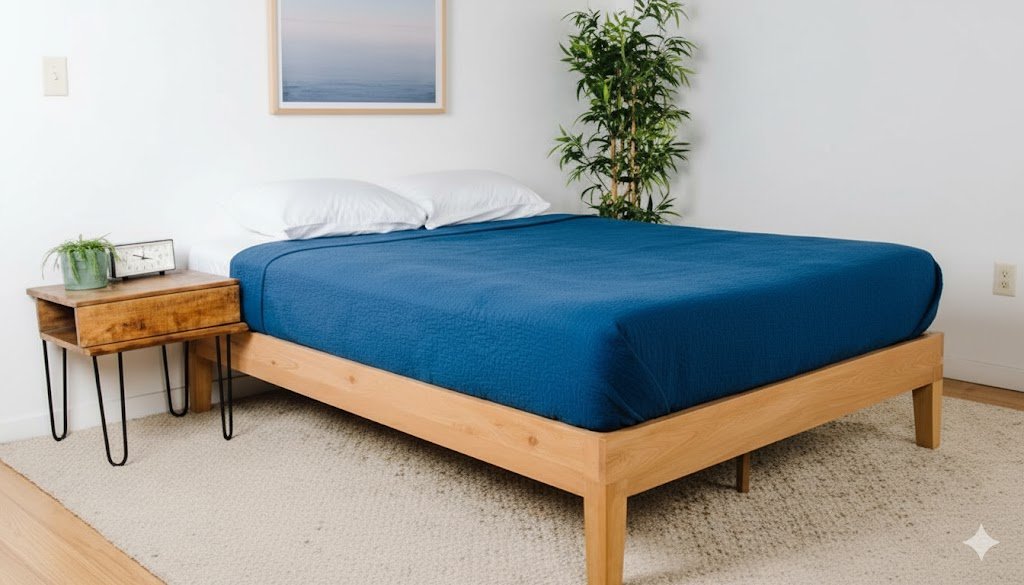
Furniture Makes or Breaks Your Bedroom Vibe
Walk into any bedroom and tell me what you notice first. I’ll bet it’s not the paint color on the walls or that picture frame from your cousin’s wedding. It’s the furniture. Specifically, it’s the bed. The bed dominates the room. It sets the tone for everything else. And if your bed looks tired, worn out, or like it belongs in a different decade? The whole room feels off.
Bedroom furniture does heavy lifting. It’s not just about having somewhere to put your stuff. The furniture you choose shapes how the room feels. How you feel in it. I learned this the hard way when I moved into my first place after college. I grabbed whatever cheap furniture I could find. Particle board dresser that wobbled if you looked at it wrong. A bed frame that squeaked every time I rolled over. And you know what? I never felt settled. The room always felt temporary, like I was camping in my own house.
Good bedroom furniture pulls double duty. It needs to work hard and look good doing it. You need pieces that can handle daily use without falling apart. That dresser needs to open and close smoothly even when it’s stuffed full. The bed frame needs to support you without creaking like a haunted house. But at the same time, you want to actually like looking at these pieces. You want them to make sense together. To create something cohesive instead of looking like you furnished your room from five different garage sales.
Style matters more than most people want to admit. We like to pretend we’re above caring about aesthetics. That we’re practical, no-nonsense people who only care about function. But come on. We’re visual creatures. We respond to beauty. To harmony. To things that just look right. There’s nothing shallow about wanting your bedroom to look good. You’re going to see it every single day. Multiple times a day. It should make you smile, not cringe.
The bed is the star of the show. Everything else is supporting cast. Your nightstands, your dresser, your mirror. They all need to complement the bed without competing with it. And if the bed itself isn’t up to par? Nothing else can save the room. It’s like trying to build a house on a shaky foundation. You can have the fanciest roof in the world, but if the foundation is off, the whole structure suffers.
I’m always surprised when people tell me they’ve had the same bed frame for 15 or 20 years. Don’t get me wrong, I love things that last. But furniture wears out. Our needs change. What worked when you were 25 and single might not work now that you’re older, maybe sharing the bed with someone, dealing with a bad back, or just wanting something that feels more grown up. There’s no shame in upgrading. In fact, it’s smart.
Comfort and style shouldn’t be enemies. You shouldn’t have to choose between a bed that feels amazing and a bed that looks amazing. The best bedroom furniture gives you both. It supports you physically while supporting the overall aesthetic you’re going for. And when you get that balance right? The bedroom stops being just a room and becomes your room. A space that actually reflects who you are and what you need.
Think about hotels for a second. The really good ones, I mean. You walk in and immediately want to face plant onto that bed. Part of it is the linens and the pillows. But a huge part is the bed itself. The frame. The way it looks substantial and inviting at the same time. Hotels understand that the bed makes or breaks the guest experience. Your home should work the same way. Your bed should make you want to be in your bedroom.
Poor furniture choices create subtle stress you might not even notice. That dresser that doesn’t quite close right? You deal with it multiple times a day. That bed frame that’s too low or too high? Your back notices even if you don’t consciously register it. These little irritations compound. They add up to a room that just doesn’t feel right. And when your bedroom doesn’t feel right, it can’t do its job of being your sanctuary.
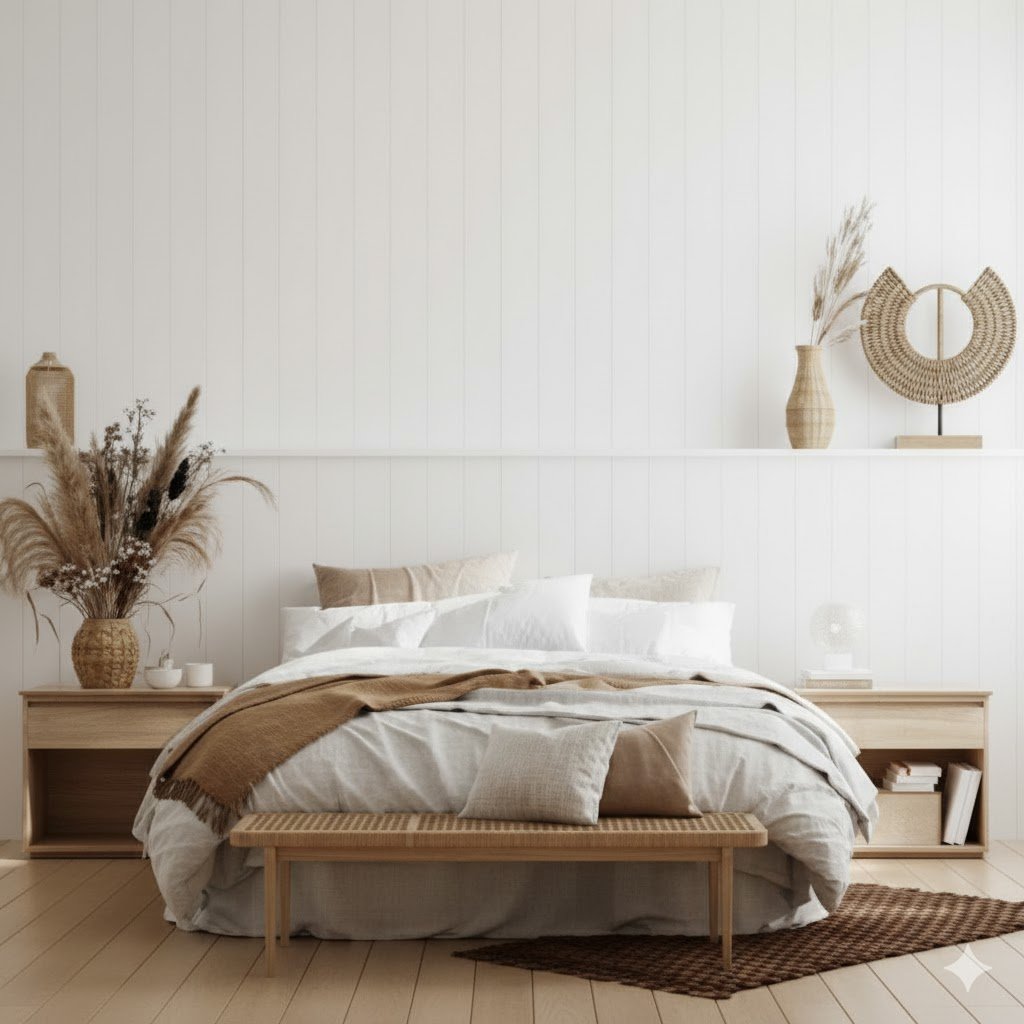
Modern Bedroom Furniture Changes Everything
There’s something about modern furniture that just makes sense for bedrooms. Clean lines. Uncluttered designs. A focus on what matters instead of unnecessary frills. Modern beds and platform beds bring a different energy to a room. They feel current without trying too hard. They feel sophisticated without being stuffy. And they work with almost any style you throw at them.
I used to think modern furniture was cold. Too minimalist. Too “look but don’t touch.” Then I actually lived with some quality modern pieces and realized I had it backwards. Modern furniture isn’t cold. It’s calming. There’s a peacefulness that comes from not having visual clutter. From having furniture that serves its purpose beautifully without shouting for attention. Your bedroom should calm your nervous system, not overstimulate it. Modern furniture gets that.
The comfort level in modern bedroom furniture has come so far. We’re not talking about sleeping on a glorified wooden plank. Today’s modern beds and platform beds are engineered for comfort. They provide support where you need it. They work with modern mattresses, which are lightyears better than what our parents slept on. The platforms are stable and solid. No box springs needed. No weird gaps or sags. Just straightforward, reliable support that lets you actually rest.
The classic appeal sneaks up on you. When you first get a modern platform bed, you might think it’s nice but simple. Give it a few months. You’ll start noticing how it never looks dated. How it doesn’t clash when you change your bedding or add new art to the walls. Modern furniture has staying power. It doesn’t scream “2025” or whatever year you bought it. Good design is timeless, and modern bedroom furniture tends to nail that balance between current and classic.
Elegance doesn’t have to mean ornate. I think we’ve been trained to believe that elegant furniture needs carving and details and multiple finish options. But some of the most elegant pieces I’ve seen are dead simple. A beautiful platform bed in a rich walnut finish. Nothing fancy. Just gorgeous wood and clean construction. That’s elegant. That’s the kind of piece you’re still happy with ten years from now.
Let’s talk about how modern furniture actually affects your sleep. You might not connect the dots between your furniture choice and how well you rest, but there’s a link. Modern platform beds sit lower to the ground usually. That’s more stable. You’re not climbing up into bed like it’s a piece of gym equipment. Getting in and out is natural. Easy. The platforms themselves don’t shift or squeak. They’re solid. All of this creates an environment where your body can relax instead of subconsciously bracing against a wobbly or noisy bed frame.
The aesthetic upgrade you get with modern furniture is immediate. I’ve helped friends swap out their old bedroom sets for modern pieces, and the transformation is wild. Same room. Same paint. Same flooring. But a completely different vibe. The room opens up. It breathes. It goes from feeling cluttered and stuck in time to feeling current and intentional. And that shift affects how you experience the space every single day.
Modern bedroom furniture plays well with other styles too. You can mix it with vintage pieces if that’s your thing. You can add bohemian textiles. You can go full minimalist or layer in some warmth with plants and art. The furniture doesn’t box you in. It gives you a foundation to build on. That flexibility is huge when your tastes change or you move to a different space. Your furniture can adapt instead of looking out of place.
Quality matters more with modern furniture than you might think. The simple designs mean there’s nowhere to hide shoddy construction. Every joint shows. Every finish detail is visible. But when you get quality modern pieces? They’re built to last. They’re made from solid materials. The finishes are durable. The construction is sound. You’re not just buying furniture. You’re buying furniture you can depend on for years.
Upgrading to modern platform beds specifically makes sense if you want to simplify your bedroom. No box spring to buy. No coordinating multiple pieces just to have a functioning bed. The platform does the work. You put your mattress directly on it. Done. It’s streamlined. Efficient. And it looks intentional instead of cobbled together from whatever was available at three different stores.
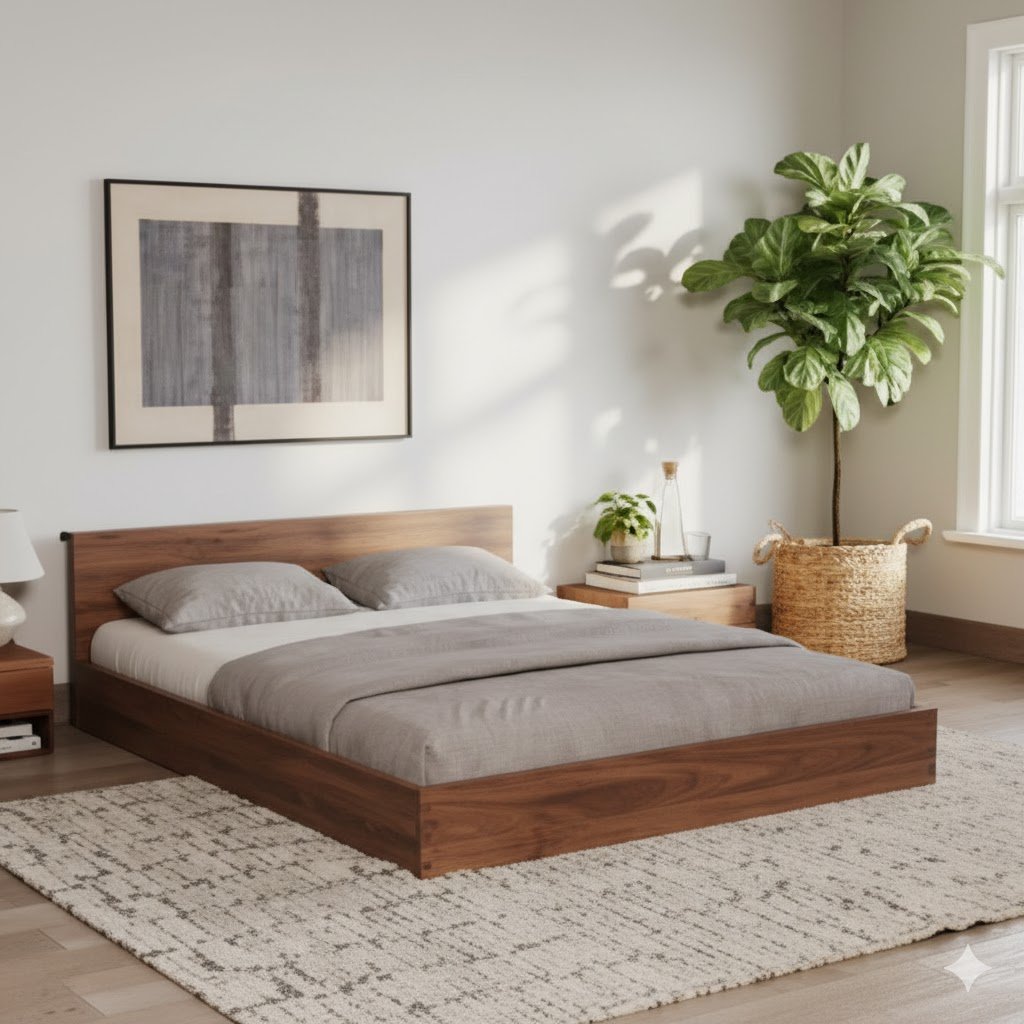
Space Is the Ultimate Bedroom Luxury
You want to know what actually makes a bedroom feel expensive? Space. Not square footage necessarily, though that helps. But the feeling of space. Of not being cramped. Of being able to move without doing that awkward sideways shuffle past your furniture. Space to breathe. Space to think. Space to exist without bumping into stuff.
Modern bedroom furniture is designed with space in mind. The pieces tend to be lower profile. They hug the ground instead of looming over you. A modern platform bed doesn’t have a massive headboard that dominates the wall or a footboard that takes up valuable floor space. It’s there. It does its job. But it doesn’t colonize the room. And that difference is something you feel even if you can’t quite articulate why the room works better.
I’ve been in plenty of bedrooms where you could barely walk around the bed. Where the nightstands were crammed against the walls with maybe six inches of clearance. Where opening the closet door meant moving the chair first. Living like that wears on you. You don’t realize how much mental energy it takes to constantly navigate around your own furniture until you don’t have to anymore. Space gives you freedom. Freedom to move. Freedom to rearrange. Freedom to add something new without playing furniture Tetris.
Less furniture taking up visual space means your eye can actually rest when you scan the room. There’s not a constant stream of different heights and shapes competing for attention. A sleek platform bed reads as one continuous line instead of multiple busy elements. Your dresser can be functional without being a focal point. The negative space in the room becomes part of the design instead of just what’s left over after you cram everything in.
Storage gets smarter with modern furniture too. You can find platform beds with built-in drawers underneath. Dressers designed to maximize internal space while minimizing footprint. Nightstands that give you surfaces and storage without being bulky. The focus is on doing more with less. On making every piece earn its place in the room. And when your furniture is actually working that hard for you, you don’t need as much of it.
The breathing room you gain changes how you use your bedroom. Maybe you finally have space for that reading chair you’ve wanted. Or room to do some yoga before bed. Or just enough open floor space that the room doesn’t feel like a storage unit with a bed in it. These aren’t superficial concerns. How you use your bedroom affects how you feel in your bedroom. And how you feel in your bedroom affects how well you rest and recharge.
Modern furniture acknowledges that we live differently than we used to. We don’t need massive bedroom sets with seven pieces of coordinating furniture. We need a great bed. We need some storage that works. We need surfaces for the few things we keep bedside. That’s it. When furniture designers strip away everything nonessential, what’s left takes up less room. Simple math. Less furniture equals more space. More space equals a better bedroom experience.
The psychological impact of open space is real. Studies show that cluttered environments increase cortisol levels. They stress us out. Our bedrooms should do the opposite. They should lower our stress. Help us decompress. And you can’t do that when every surface is covered and every inch of floor space is spoken for. Modern furniture’s smaller footprint directly contributes to a calmer space. And a calmer space means a calmer you.
Resale value is another angle worth considering. A bedroom that feels spacious photographs better. Shows better. Appeals to more potential buyers if you ever sell your place. But more than that, a spacious bedroom is simply more valuable to you right now. You’re not planning to sell. You’re planning to live here. To sleep here. To spend thousands of hours in this room. Making it as comfortable and functional as possible isn’t about some future buyer. It’s about your present reality.
You can also get creative with the space you free up. Add plants to bring some life into the room. Create a small workspace if you occasionally need to catch up on things from bed. Set up better lighting with a floor lamp now that you have room for one. The space becomes an asset you can deploy however makes sense for your life. And that flexibility is worth more than having traditional furniture that filled the room but didn’t actually improve how you lived in it.
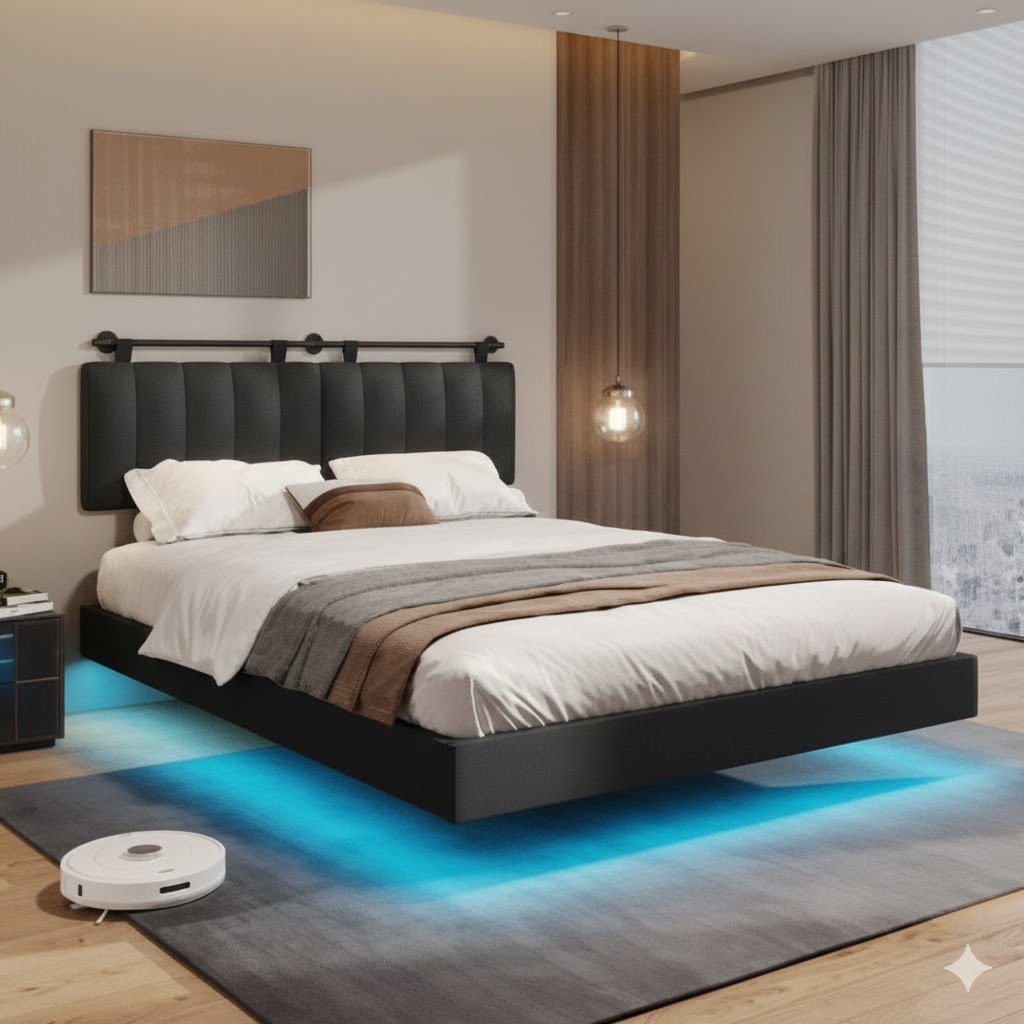
Finding the Right Modern Bed for Your Space
Shopping for a modern bed shouldn’t feel like solving a puzzle. The market is full of options, which is both exciting and overwhelming. You’ve got different materials. Different sizes. Different styles within the modern category. European styles. Japanese-inspired platforms. Mid-century modern frames. And somewhere in all those choices is the bed that’s right for your room and your needs.
The variety works in your favor once you know what you’re looking for. Start with the basics. How much space do you have? What size mattress do you own or plan to buy? What’s your budget? These practical questions narrow things down fast. You can love the look of a California king platform bed, but if your room is 10 by 10 feet, that’s not the move. Being realistic upfront saves you from falling in love with something that won’t work.
Design matters, but function comes first. I don’t care how beautiful a bed frame is. If it doesn’t support your mattress properly, if it’s the wrong height for you to comfortably get in and out, if it doesn’t fit through your doorway? It’s not the right bed. Start with what needs to work mechanically and physically. Then narrow down to the designs that check those boxes. You’ll end up with a shortlist of beds that both work and look great instead of having to compromise on one or the other.
European style platform beds have this sleek, low profile that a lot of people love. They typically sit closer to the ground. The look is understated and clean. If you like that streamlined aesthetic, if you don’t need a lot of under-bed storage, if you want something that almost disappears into the room while still being clearly well-designed? European style makes sense. The lower profile can also make a room feel bigger since it doesn’t break up the sight lines as much.
Material choice changes the whole vibe. A wood platform bed brings warmth. It adds texture. Different wood tones can go from light and airy to rich and grounding. Metal frames have a different energy. They’re often more industrial or minimalist. They can feel cooler, more modern in a high-tech way. Some people mix it up with upholstered platform beds that add softness and can even provide a little backrest if you like sitting up in bed to read or watch TV.
Size is non-negotiable. You need a bed frame that matches your mattress. Queen platform beds are the most popular for good reason. They work for couples without being so big they dominate smaller bedrooms. King platform beds give you maximum sleeping space and can work in a larger master bedroom. Full size makes sense for smaller rooms or single sleepers. Getting the size right means your mattress fits properly and your room proportions make sense.
Don’t sleep on the details. How high is the platform? Some people like a bed that’s easier to get in and out of, especially if you’re tall or have any mobility concerns. What’s the weight capacity? If you’ve got a heavy memory foam mattress and two people, you need a frame that can handle that without issues. Does it need assembly? How complicated is it? These details matter when you’re actually living with the bed instead of just looking at pretty pictures online.
Reviews are your friend here. People will tell you if that gorgeous bed frame is actually a pain to assemble. If the finish scratches easily. If the slats are spaced weird and your mattress sags. If the company’s customer service is helpful or nonexistent. Do your homework. Read the one-star and two-star reviews especially. You’ll learn what can go wrong. And you’ll get a sense of whether those issues are dealbreakers for you or just minor quirks.
The finish you choose affects maintenance and longevity. Natural wood finishes show wear and patina over time. Some people love that lived-in look. Others want something that stays looking pristine. Painted or laminated finishes can be easier to keep clean but might show scratches more obviously. There’s no wrong answer. Just different tradeoffs depending on your lifestyle and preferences.
Think about your whole bedroom when selecting your bed. What other furniture do you have? What’s staying and what’s going? Your bed should work with the pieces you’re keeping. It should leave room for the things you need to add. And it should fit the overall vibe you’re creating. If you’re going for a warm, organic feel, that cold metal frame might not be it. If you want something more industrial and edgy, the ornate wooden bed isn’t going to land right.
Platform Bed Frames Give You Options
Platform bed frames are having a moment, and it’s easy to see why. They simplify everything about having a bed. You don’t need a box spring. You don’t need a separate foundation. The frame is the foundation. It supports the mattress directly. And that simplification is beautiful. Fewer components means less to buy, less to assemble, less to eventually replace. Just the frame and your mattress. Done.
The construction of platform bed frames makes them stable in a way that traditional bed frames often aren’t. The platform itself is a solid surface or closely spaced slats. Your mattress isn’t sitting on a wobbly metal grid. It’s not sagging between widely spaced wooden slats. It’s supported evenly across the entire surface. That even support is better for your mattress and better for your body. You’re not creating pressure points or weak spots where the bed will wear out faster.
Metal versus wood is the big decision with platform frames. Metal frames tend to be lighter. They’re easier to move if you rearrange your room or relocate. They can have a more industrial look, which works great in lofts or modern spaces with exposed brick or concrete. Metal is also typically pretty durable. It doesn’t warp or crack like wood can if you’re not careful. But metal can feel cold, both literally and aesthetically. It doesn’t bring the warmth that wood does.
Wood platform frames are classics for a reason. Wood feels substantial. It looks rich and grounded. A good hardwood frame can last decades if you treat it right. The grain and color variations in wood add character to the room. You get texture and depth you just don’t get with metal. Wood frames can range from light birch or pine to deep walnut or mahogany. The variety means you can match almost any color scheme or aesthetic you’re working with.
The size options for platform frames match standard mattress sizes, which makes shopping easier. You need a queen frame? Every manufacturer makes one. King? Yep. California king? Harder to find but still available. Full size for a smaller room or guest room? No problem. The standardization means you’re not hunting for some obscure size that only two companies make. And it means you can easily replace your frame down the line if your needs change.
Finishes make a huge difference in how the frame fits your space. A natural wood finish works in rooms with a lot of other wood tones or where you want that organic, earthy vibe. Espresso or dark finishes can ground a room and work well in more formal spaces. Light finishes like white, cream, or pale woods can brighten a space and work great in smaller rooms where you want to maximize the sense of openness. Black metal frames make a statement and can be surprisingly versatile.
The height of the platform affects both the look and the functionality. Lower platforms give you that modern, streamlined look. They make ceilings feel higher. They work well in contemporary spaces. But they can be harder to get into and out of, and you lose under-bed storage space. Higher platforms give you room to slide storage bins underneath. They can be easier to use. But they create more visual mass in the room. Think about what matters more to you. Aesthetics or practicality. Or find a middle ground that gives you enough of both.
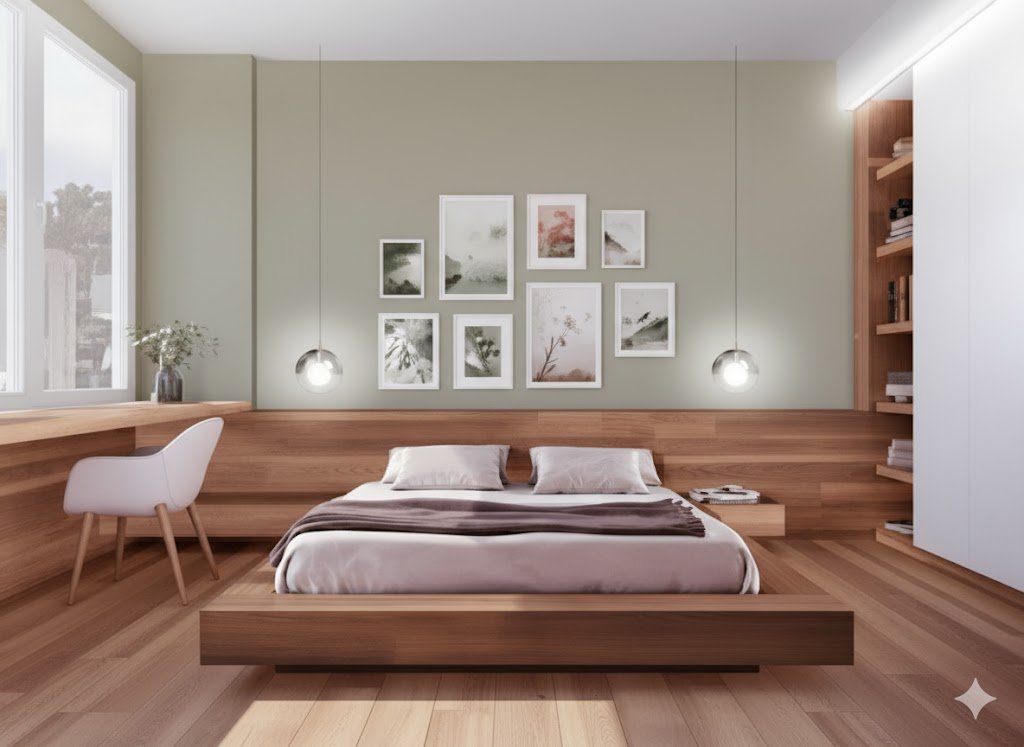
Some platform frames come with built-in storage. Drawers underneath the mattress area. Shelves in the headboard. Compartments at the footboard. This can be clutch if you’re working with limited closet space or just want to make the most of every square inch. The storage adds functionality without requiring any additional furniture. And since it’s built into the bed frame, it looks intentional instead of like you’re just shoving plastic bins under your bed.
Assembly is something to ask about before you buy. Some platform frames come mostly assembled. Some arrive in a flat pack that would make IKEA proud. The more complex the design, the more involved the assembly usually is. If you’re handy and don’t mind spending an afternoon with an Allen wrench, great. If the idea of assembling furniture makes you want to weep, look for options that require minimal setup or come with professional assembly services.
Your platform frame dictates what mattress you can use and how it will perform. Most modern mattresses work great on platforms. Memory foam. Latex. Hybrid. Innerspring. But check the requirements. Some mattresses need more airflow and work better with slatted platforms than solid ones. Some need more support and require closely spaced slats. Matching your frame to your mattress ensures you get the comfort and longevity you paid for. Don’t assume any frame works with any mattress. Do the homework.

Leave a Comment