
Why Your Bathroom Vanity Becomes the Star of the Show
You know what’s funny? We spend so much time thinking about our kitchens and living rooms, but the bathroom? That’s where the real magic happens. I mean, think about it. It’s probably the first place you stumble into every morning and the last place you see before bed. So why shouldn’t it look absolutely amazing?
When I started redesigning my bathroom last year, I was completely overwhelmed. There were so many choices, so many directions I could go. Paint colors, tile patterns, fixtures, lighting… my head was spinning. But then my contractor said something that changed everything. He told me to pick one thing, just one central piece, and build everything else around it. For most people, that centerpiece ends up being the vanity.
And honestly? It makes perfect sense. Your vanity takes up significant real estate in most bathrooms. It’s functional, sure, but it’s got this amazing potential to be so much more. The vanity mirror catches your eye the second you walk through the door. It reflects light, it frames your face, and when done right, it sets the entire mood for the space. I’ve seen bathrooms where the vanity was just an afterthought, and they felt cold and uninviting. But when you put some real thought into it? Game over. The whole room comes alive.
What really gets me excited about vanity design is the sheer number of possibilities. We’re not talking about slapping a mirror on the wall and calling it a day. We’re talking about creating an experience. You can go modern and sleek, or rustic and warm. You can make a bold statement or keep things elegantly understated. The vanity becomes this canvas where you get to express yourself in ways that other bathroom elements just don’t allow.
I’ve watched friends transform their entire bathrooms just by upgrading their vanity setup. One friend went from a basic builder grade vanity to a custom piece with a gorgeous backlit mirror, and suddenly her whole morning routine felt like a spa experience. Another buddy of mine installed a floating vanity with hidden LED strips underneath, and now his bathroom looks like something out of a design magazine. These aren’t massive renovations we’re talking about. They’re smart, focused changes that deliver maximum impact.
The beauty of starting with your vanity is that it gives you clear direction for everything else. Once you know what style vanity you want, choosing complementary elements becomes so much easier. Your faucet selection? Piece of cake. Wall color? No problem. Even things like towel bars and toilet paper holders suddenly have a clear aesthetic path to follow. It’s like having a roadmap instead of wandering around lost in a home improvement store for three hours. Trust me, I’ve done both, and the roadmap is way better.
But here’s what nobody tells you when you start this process. Designing around your vanity isn’t just about making things look pretty. It’s about creating a space that actually works for your daily life. We’re talking about where you brush your teeth, wash your face, maybe put on makeup or shave. This is functional territory. So while we want it to look fantastic, it needs to perform just as well. That’s the sweet spot we’re aiming for, where form meets function and they become best friends.
Playing with Materials, Colors, and Textures Like a Kid in a Candy Store
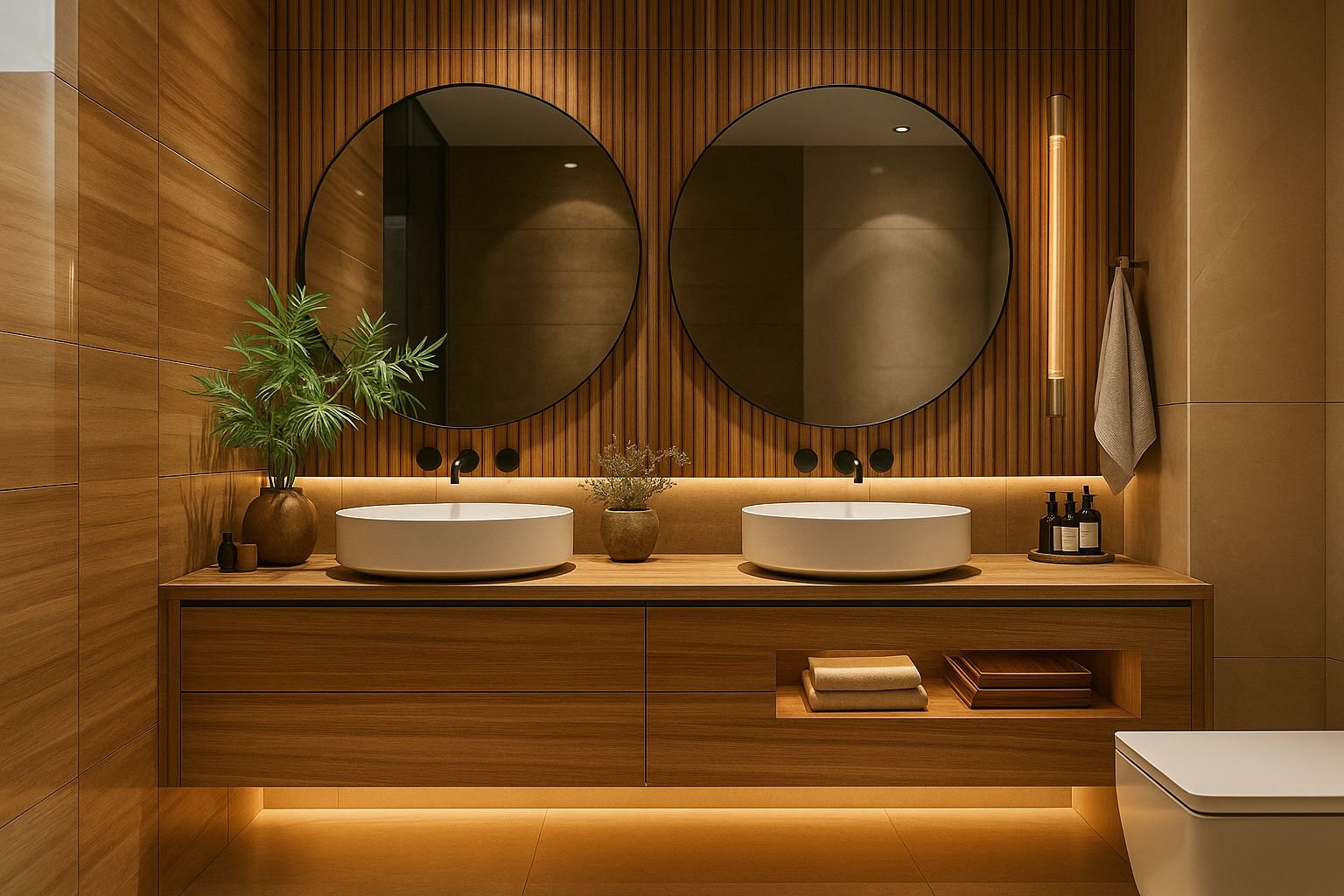
So you’ve decided to make your vanity the focal point. Awesome. Now comes the fun part, the part where you get to play designer and experiment with all the elements that’ll make your bathroom uniquely yours. I’m talking about materials, color schemes, and textures. These three amigos are your best tools for creating something that doesn’t look like every other bathroom on the block.
Let me tell you about materials first. When I was shopping for my vanity, I walked into this showroom and my jaw just dropped. Wood, metal, glass, stone, concrete… there were options I hadn’t even considered. Each material brings its own personality to the table. Wood gives you warmth and that natural, organic feel. I ended up going with walnut, and every single person who sees it comments on how inviting it makes the space feel. But maybe you’re more into the industrial vibe? Metal vanities with brushed nickel or matte black finishes can look absolutely incredible, especially when you pair them with exposed pipes or Edison bulb lighting.
Glass vanities are wild, aren’t they? I’ll admit, when I first saw one, I thought it looked a bit too fragile for a busy bathroom. But man, do they make a small space feel bigger. The way light passes through creates this airy, open feeling that’s hard to achieve any other way. And if you’re worried about the see through aspect, there are frosted and textured glass options that give you that light quality without putting your toiletries on full display. Stone and concrete vanities bring serious weight and presence to a bathroom. We’re talking natural marble, granite, or even engineered quartz. These materials scream luxury, but they come with their own maintenance requirements that you’ll want to think about before committing.
Now let’s talk color schemes, and please, can we move past the boring all white bathroom? Don’t get me wrong, white is clean and classic, but it’s not your only option. I’ve seen navy blue vanities that look sophisticated and moody in the best possible way. Deep greens that bring nature indoors. Charcoal grays that feel modern without being cold. Even bold colors like emerald or burgundy can work if you’ve got the guts to pull the trigger. The trick is thinking about how the vanity color plays with your walls, floors, and other fixtures.
Color psychology is real, people. Blues and greens tend to feel calming and spa like. That’s why you see them so often in bathroom designs. Warmer colors like terracotta or warm grays can make a large bathroom feel more intimate and cozy. And if you’re feeling brave, black vanities are having a major moment right now. They create this dramatic contrast that can make chrome fixtures and white sinks pop like crazy. I visited a friend’s house last month where she’d installed a matte black vanity against white subway tile, and I’m not exaggerating when I say I stood there staring at it for a solid minute. It was that good.
But here’s where things get really interesting. Texture. This is the element that most people overlook, and it’s such a shame. Texture adds dimension and depth that flat surfaces just can’t match. A smooth, polished vanity top reflects light differently than a honed finish. Wood grain adds visual interest that draws the eye and invites touch. Even the hardware you choose contributes to the textural story you’re telling. Knurled metal pulls feel completely different from smooth ceramic knobs, and that difference matters more than you might think.
I learned about mixing textures the hard way. My first attempt at designing my bathroom involved matching everything perfectly. Same finish on all the metals, same level of shine on all surfaces. It looked… fine. But just fine. Boring fine. Then my designer friend came over, took one look, and started suggesting textural contrasts. We paired my smooth walnut vanity with a hammered copper sink. Added a woven basket for towel storage. Hung a rope mirror above the whole thing. Suddenly the space had layers and interest. It went from hotel bathroom to actual home.
The real secret with materials, colors, and textures is that they need to talk to each other without shouting. You want variety, but you want it to feel intentional, not chaotic. Maybe you choose a bold colored vanity but keep the textures relatively simple. Or you go with a neutral color palette and introduce interest through mixed materials and varied textures. There’s no single right answer, and that’s what makes this process so personal and so fun. You get to decide what combination speaks to you, what makes you happy when you walk into that bathroom every single day.
Double Vanities for Couples Who Actually Like Each Other
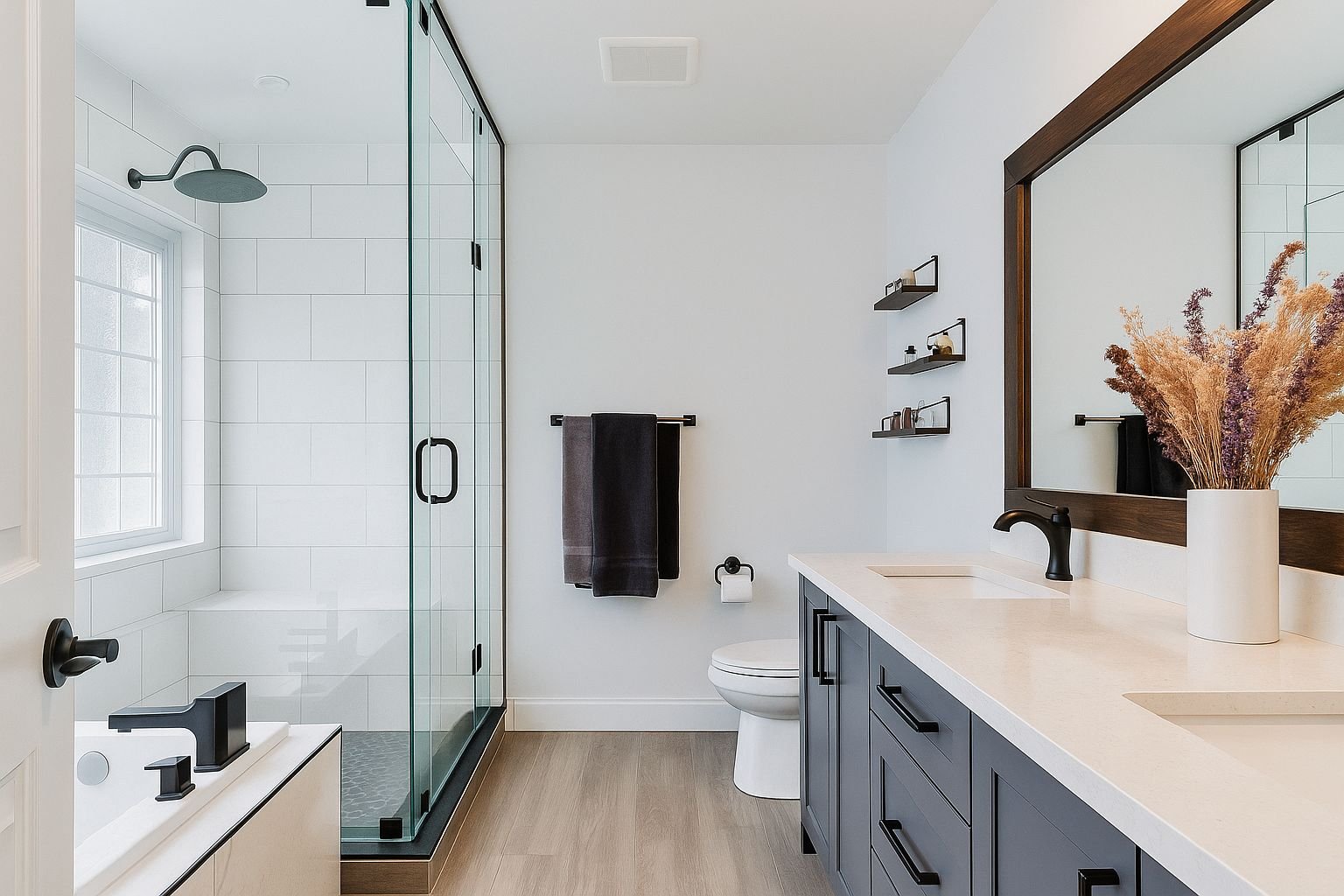
Let’s talk about double vanities, shall we? If you share a bathroom with someone, you already know the struggle. Someone’s always hogging the mirror. Someone’s stuff is always creeping into your space. And heaven forbid you’re both trying to get ready at the same time. I’ve watched couples nearly come to blows over bathroom counter space. It’s not pretty.
Enter the double vanity, the relationship saver nobody talks about enough. Two sinks, two mirror areas, two separate zones where you can spread out your stuff without World War Three breaking out. My partner and I installed one three years ago, and I’m not being dramatic when I say it might have saved our relationship. Okay, maybe a little dramatic, but seriously, the morning bathroom wars just… stopped. We each have our territory now, our own little command centers where we can do our thing without bumping elbows or moving each other’s toothbrushes.
What’s really cool about double vanities is that they don’t have to match perfectly. In fact, some of the best designs I’ve seen treat each side as its own mini project. Think about it. You and your partner probably have different styles, different needs, different routines. Why should your vanity areas look identical? On my side, I’ve got a clean, minimalist setup with just the basics. My partner’s side? It’s like a small department store with products, tools, and about seventeen different types of moisturizer. Different strokes, you know?
You can take this personalization pretty far if you want. Different mirror styles for each side. One person gets traditional framed mirrors, the other gets a modern backlit LED mirror. Different storage solutions tailored to what each person actually uses. I’ve seen setups where one side has deep drawers for hair tools and the other has shallow drawers better suited for makeup. Different lighting that matches each person’s needs. Someone who does detailed makeup might want brighter, more focused lighting. Someone else might prefer softer, warmer bulbs for a gentler morning wake up.
But double vanities aren’t just for couples. They’re fantastic for kids sharing a bathroom. My sister installed one for her two daughters, and it completely eliminated the fighting over bathroom time. Each girl got to pick out her own accessories, her own organizers, her own little touches. Now they actually enjoy getting ready together instead of screaming at each other through the door. Roommates can benefit from this setup too. When you’re sharing an apartment or house with someone who isn’t family, having clearly defined personal space becomes even more valuable.
The layout options for double vanities are more flexible than you might think. The classic setup puts two sinks side by side with a shared countertop. Simple, symmetrical, works great in most bathrooms. But you could also do an L shaped configuration if you’ve got a corner to work with. Or separate vanities on opposite walls if your bathroom is wide enough. I’ve even seen designs where the vanities are at different heights to accommodate different user preferences. One person likes to lean in close to the mirror, the other prefers standing more upright. Different heights, different comfort levels, everyone’s happy.
Size matters here, though. A true double vanity needs at least 60 inches of width to feel comfortable. You can squeeze into less, but you’ll lose that sense of having your own space. If you’ve got 72 inches or more to work with? Now we’re talking. You can really spread out, add extra storage between the sinks, maybe even incorporate a sitting area if you’ve got the room. The goal is making sure each person has enough elbow room to go through their routine without feeling cramped or invaded.
One thing I wish someone had told me before we installed ours is to think about plumbing before falling in love with a specific design. Moving plumbing is expensive and complicated. If you’ve got existing plumbing that’s already set up for two sinks, great. If not, you’ll need to factor in the cost and hassle of running new lines. We were lucky, our bathroom had been plumbed for a double vanity from the start. But my buddy who tried to convert his single vanity bathroom? Yeah, that was a much bigger project than he’d anticipated.
The storage possibilities with double vanities are pretty amazing. You’ve essentially got twice the cabinet and drawer space to work with. That means you can actually organize your stuff instead of just shoving everything under the sink and hoping for the best. We put electrical outlets inside some of our drawers for charging electric toothbrushes and razors. Built in organizers keep everything neat. My partner’s side has a pull out hamper for used towels. Mine has a hidden trash compartment. These little customizations make daily life so much smoother.
Going Old School with Antique Vanities That Tell Stories
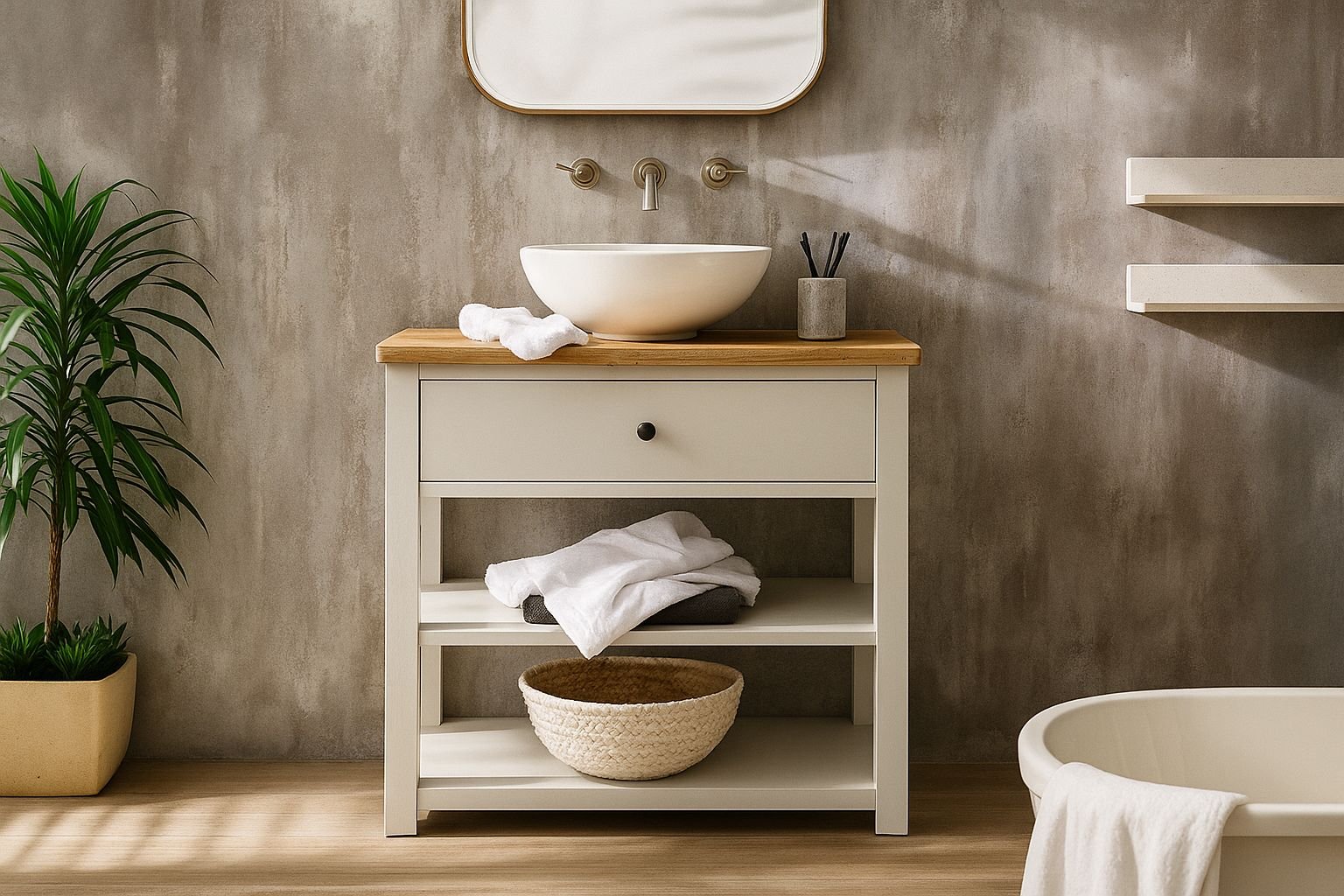
There’s something magical about antique bathroom vanities. They’ve got character, history, stories literally built into the wood and metal. When I walk into a bathroom with a genuine antique vanity, I always wonder about its past life. Where did it come from? Whose house did it grace for decades? What moments did it witness? Maybe that’s a little weird, but I think it adds something special that brand new furniture just can’t match.
Now, let me be straight with you. Antique vanities usually cost more than their modern counterparts. Sometimes a lot more. A truly vintage piece in good condition can run you several thousand dollars, especially if it’s been professionally restored and retrofitted with modern plumbing. But if you’re after that traditional, vintage look? If you want your bathroom to feel like it belongs in a historic home or a rustic farmhouse? The investment might be worth every penny.
The craftsmanship in antique pieces blows me away every time. We’re talking solid wood construction, dovetail joints, hand carved details. This is furniture that was built to last generations, and it has. Modern mass produced vanities just don’t compare in terms of quality and durability. I’ve got a friend who converted an old dresser from the 1920s into her bathroom vanity, and the wood quality is insane. You run your hand across it and feel the weight, the substance. It’s real in a way that particleboard could never be.
Finding the right antique vanity takes patience and a little detective work. You’re not going to walk into a big box store and find what you’re looking for. I’ve had the best luck at architectural salvage yards, estate sales, and antique shops that specialize in furniture. Online marketplaces can work too, but buying furniture you can’t see in person is always risky. You want to inspect the piece up close, check for structural issues, make sure any damage is cosmetic rather than fundamental. A little wear and tear adds character. Serious structural problems add headaches.
Preparation is key when you’re working with an actual antique. Most old furniture wasn’t designed to be a bathroom vanity, so modifications will be necessary. You’ll need to cut holes for plumbing, seal the wood to protect it from moisture, maybe reinforce the top to support a sink. This isn’t a DIY job unless you’ve got serious woodworking skills. I watched my neighbor try to convert an antique sideboard on his own, and let’s just say it didn’t end well. Hire a professional who has experience with this kind of work. It’ll save you money and heartbreak in the long run.
Antique vanity mirrors deserve their own conversation. A beautiful old mirror with an ornate frame or interesting patina can become the absolute showstopper in your bathroom. I’m talking about mirrors with beveled edges, etched designs, or frames carved from solid wood with details you’d never see on modern pieces. Some have slight imperfections in the glass, little waves or bubbles that catch light in interesting ways. That’s not a flaw, that’s authenticity. That’s what makes them special.
Rustic and vintage design themes pair perfectly with antique vanities. Think exposed brick or stone walls. Wooden ceiling beams. Clawfoot tubs. Vintage style faucets with cross handles. Edison bulb lighting. When you commit to this aesthetic, the whole bathroom becomes a cohesive experience that transports you to another era. But here’s the thing, you don’t have to go full Victorian parlor to make an antique vanity work. I’ve seen them integrated beautifully into more eclectic spaces where old and new mix freely.
The maintenance requirements for antique vanities are a bit different from modern ones. Wood needs to be properly sealed and occasionally refinished to keep it looking good and protect it from bathroom moisture. Metal hardware might need polishing. You’ll want to be careful about what cleaning products you use, since harsh chemicals can damage old finishes. But honestly? For most people, this isn’t a dealbreaker. The extra bit of care is worth it for the unique character these pieces bring to a space.
One unexpected benefit of antique vanities is the conversation they spark. Every single person who comes to my house comments on the converted washstand in our guest bathroom. They ask where we found it, what it used to be, how we modified it. It becomes this talking point that makes your bathroom memorable instead of just another functional room. And in a weird way, using an antique piece feels more sustainable than buying new. You’re giving new life to something that might otherwise end up in a landfill. That feels good.
Finding Your Vanity Soulmate
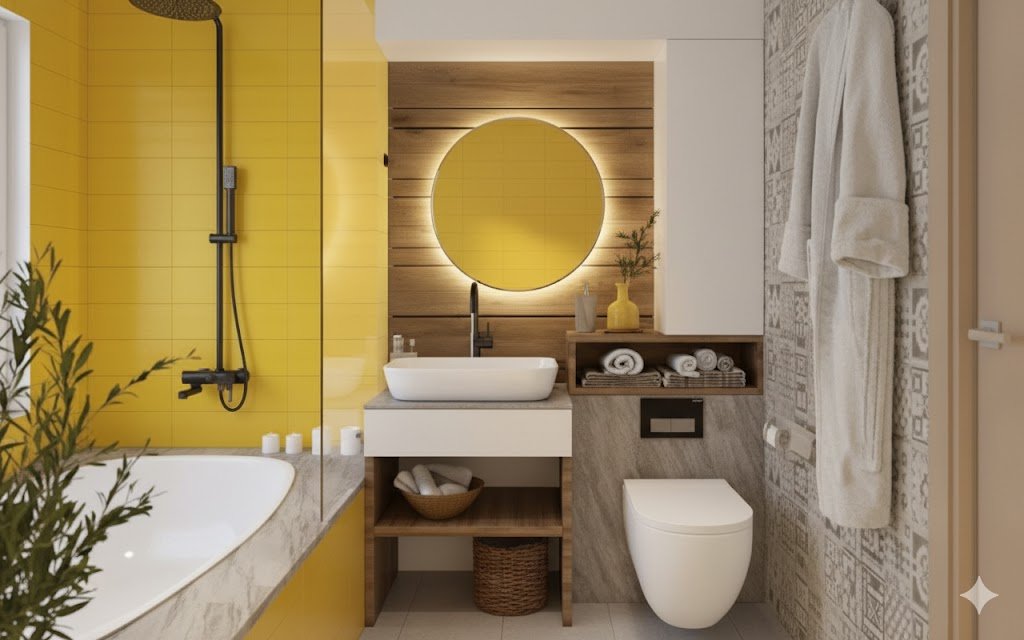
Okay, real talk. Your bathroom vanity needs to match your actual life, not some idealized version of your life that exists only in design magazines. I learned this lesson after drooling over minimalist vanities with barely any storage. They looked stunning in photos. In my actual bathroom with my actual amount of stuff? Total disaster. Within a week, the countertop was covered with products because I had nowhere to put anything. Beautiful but useless is not the goal here.
Start by thinking about your daily routine. What do you actually do at your vanity every day? If you’re someone who spends 45 minutes doing a full makeup routine, you need good lighting and plenty of surface area. If you’re a wash your face and go type? Your needs are completely different. I’m somewhere in the middle. I need enough space for basic grooming supplies and my skincare products, but I don’t need a professional makeup station. Understanding this about myself helped me choose a vanity size and style that actually works instead of just looks pretty.
Your personality should show up in your vanity choice too. Are you bold and dramatic, or do you lean more subtle and understated? Do you like clean lines and modern aesthetics, or are you drawn to ornate details and traditional styles? There’s no wrong answer here, just your answer. I’ve always been drawn to natural materials and warm tones, so wood vanities speak to me. My best friend is all about modern minimalism and went with a floating white vanity that looks like it’s defying gravity. Both bathrooms look great because they match the people using them.
Color preferences matter more than you might think. You’re going to see this vanity every single day, multiple times a day. If the color doesn’t make you happy, that’s going to wear on you. I almost bought a gray vanity because gray was trending hard at the time. But deep down, I’m not a gray person. I like warmth and richness. Going with my gut and choosing the walnut finish instead was absolutely the right call. Trends come and go. Your personal taste is forever.
Think about how the vanity will work with your moods and energy levels too. Some mornings you bounce out of bed ready to conquer the world. Other mornings you can barely open your eyes. Your bathroom setup should accommodate both versions of you. Good lighting that can be dimmed. Storage that’s easy to access even when you’re half asleep. A mirror that doesn’t make you look like a zombie under fluorescent lights. These practical considerations might not sound exciting, but they make your daily experience so much better.
Don’t ignore your lifestyle factors when choosing a vanity. Got kids? You’ll want durable materials that can handle some abuse. Live alone and love having everything just so? You can indulge in more delicate finishes. Have mobility issues? A floating vanity at the right height with clearance underneath can make your life easier. Rent your place and can’t make permanent changes? Freestanding vanities that don’t need to be mounted to walls give you flexibility. Match the vanity to your real life circumstances, not some fantasy version of life that doesn’t exist.
I’m a big believer in trusting your instincts. If you walk into a showroom and see a vanity that makes your heart skip a beat, pay attention to that feeling. Obviously you need to check that it fits your space and budget and practical needs. But that emotional connection matters. You want to create a bathroom that you’re genuinely excited to use. I’ve made the mistake of choosing the “sensible” option over the one I really loved, and I always end up regretting it. Go for what speaks to you, not what you think you’re supposed to choose.
Budget is real, though. Let’s not pretend otherwise. Vanities range from a couple hundred bucks to several thousand. Figure out what you can actually afford before you fall in love with something way outside your price range. But also remember that this is a long term investment. A quality vanity that costs more upfront but lasts for decades might actually be cheaper in the long run than a bargain piece that falls apart in five years. Do the math, think about durability, make an informed choice.
Making Your Bathroom Scream YOU
Here’s what most design shows and magazines won’t tell you. Your bathroom vanity shouldn’t just match your house’s style. It should match YOU. This is your personal space, your private sanctuary, the room where you start and end each day. Generic builder grade vanities that look like every other bathroom in the neighborhood? That’s settling. You deserve better than settling.
I spent years living with bathrooms that were fine. Just fine. They functioned. They were clean. They were inoffensive. They were also completely forgettable and totally disconnected from who I am as a person. When I finally took the time and made the effort to create a bathroom vanity that actually reflected my personality, the difference was night and day. Walking into that bathroom became something I looked forward to instead of just another item on the daily checklist.
Personal style shows up in the details. Maybe you collect vintage perfume bottles, and they become part of your vanity display. Maybe you’re into plants, and you create a little jungle around your sink with ferns and pothos. Maybe you love photography, and you hang black and white prints above the vanity. These touches that come from your actual interests and passions make the space feel alive and authentic. They tell your story without saying a word.
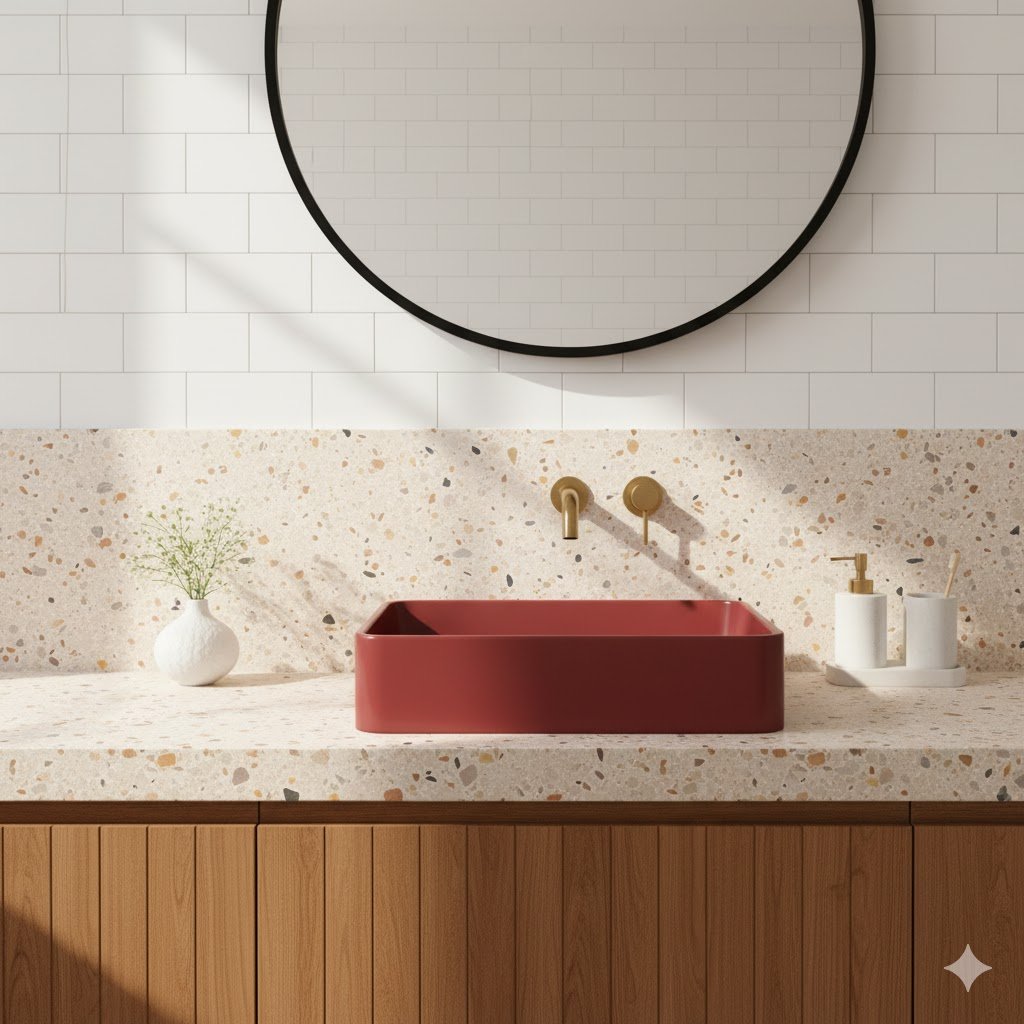
Taking time with this process is not being picky or high maintenance. It’s being intentional about creating spaces that support your wellbeing and reflect your identity. I rushed my first bathroom renovation because I wanted it done quickly. The result was fine, but it never felt like mine. The second time around, I slowed down. I looked at inspiration photos for months. I visited showrooms. I sat with different options. The process took longer, but the end result is a bathroom I genuinely love instead of one I merely tolerate.
Your vanity becomes a form of self expression when you approach it with intention. The materials you choose, the colors you select, the way you organize and style the space, all of these decisions say something about who you are. My vanity with its warm wood and organic textures tells people I value nature and comfort. My friend’s sleek modern vanity with its clean lines and monochrome palette shows her appreciation for simplicity and order. Neither is better or worse. They’re just different, just like we are.
Think about what you want people to feel when they use your bathroom. Guests will use your space. They’ll form impressions based on what they see and experience. Do you want them to feel relaxed and welcomed? Choose warm, inviting elements. Want to impress them with your style sense? Go bold with your design choices. Want them to feel the same calm and peace you feel? Create a spa like atmosphere with soft colors and natural materials. The vanity sets the tone for all of this.
But real talk, the most important person who needs to love your vanity is you. Forget about impressing guests or matching some Pinterest board. Ask yourself what genuinely makes you happy. What colors lift your mood? What materials feel good when you touch them? What level of organization helps you function better? These are the questions that lead to good design decisions, decisions that you’ll be happy with five years from now instead of desperate to change.
The beauty of making your vanity personal is that there’s no expiration date on authentic design. Trends fade. That subway tile backsplash that everyone had to have five years ago? Already looking dated. But a vanity that genuinely reflects who you are? That stays relevant because you stay relevant. Your taste might evolve over time, sure. But a foundation built on your actual preferences and needs will serve you well for years.
So take the leap. Put in the effort. Invest the time and thought required to create a bathroom vanity that doesn’t just work for you but actually represents you. Find that perfect balance between function and beauty, between practicality and personality. When you get it right, when you create a space that speaks to you and speaks about you, you’ll know. Every time you walk into that bathroom, you’ll feel it. That’s what we’re aiming for. That’s the goal. A vanity that’s not just furniture, but a true reflection of the person who uses it every single day.

Leave a Comment