
Most of us have that one room. You know the one I’m talking about. It sits there collecting dust, maybe storing some boxes you haven’t opened since the last move, and when guests announce they’re coming to visit, you panic a little. That spare bedroom has been neglected for months, and now you’ve got 48 hours to make it look like you actually care about hospitality.
I’ve been there more times than I’d like to admit. My own guest room once doubled as a storage unit for exercise equipment I swore I’d use “someday.” Spoiler alert: that day never came, but my in-laws certainly did. Talk about motivation to get things in order.
The thing is, a guest bedroom doesn’t have to be this forgotten corner of your home. With some thoughtful planning and a bit of effort, you can create a space that makes your visitors feel genuinely welcome. And here’s the kicker: it’s not even that hard. You just need to think about what would make you comfortable if you were crashing at someone else’s place.
The Bed: Where Comfort Makes or Breaks Everything
Let me tell you something about beds that nobody wants to admit out loud. When you’re staying at someone’s house, if the bed is terrible, the entire visit is terrible. I don’t care how good the conversation is or how delicious the food tastes. If you can’t sleep, you’re going to be miserable. And your guests? They’re too polite to say anything, but they’re thinking it.
I learned this lesson the hard way when my sister visited last spring. She spent three nights on what I thought was a perfectly acceptable mattress. Turns out, it was older than my college degree and had about as much support as a wet noodle. She didn’t complain once during her stay, but months later, after a few glasses of wine at Thanksgiving, the truth came out. She’d barely slept the entire visit and had gone home with a backache that lasted a week. Ouch. Both literally and figuratively.
So here’s where we start: the mattress itself needs to be decent. You don’t need to drop thousands on some space-age memory foam situation, but it should be firm enough to provide support without feeling like you’re sleeping on concrete. If you press down on it and your hand sinks so far you can practically touch the box spring, that’s a problem. Time for an upgrade.
The pillows matter more than you’d think. People have strong opinions about pillows. Some folks like them flat as a pancake, others want something they can practically suffocate themselves with. My solution? Provide options. I keep two firm pillows and two soft ones in my guest room. That way, people can mix and match based on what works for their neck and sleeping style. It’s like a pillow buffet, but less weird.
Now let’s talk linens, because this is where you can really show you’ve thought things through. The sheets should be clean. This sounds obvious, but I mean really clean. Wash them right before your guests arrive, not weeks in advance. There’s something about that fresh laundry smell that immediately signals “someone cared enough to prepare for you.” It’s a small detail that makes a big psychological difference.
Cotton sheets work well for most people. You don’t need some fancy thread count that requires a small loan to afford. Something in the 300 to 400 range feels nice without breaking the bank. And please, make sure they actually fit the mattress. Nothing says “we forgot you were coming” quite like fitted sheets that pop off the corners in the middle of the night.
Here’s something I didn’t think about until a guest mentioned it: have a backup set of sheets available. Put them in a drawer or on a closet shelf where guests can easily find them. Life happens. Someone might spill coffee in bed, or a kid might have an accident. If fresh sheets are readily available, your guests can handle it themselves without the awkwardness of waking you up at 2 AM.
The blanket situation deserves its own paragraph because people run hot and cold in completely unpredictable ways. Even in summer, keep a decent blanket within reach. I like to fold one at the foot of the bed and keep another in the closet. Some people crank the AC and burrow under covers even in August. Others prefer to sleep practically naked with just a sheet. Let them decide.
Towels belong in the bedroom, not hidden away in some linen closet your guests have to hunt for while dripping wet. I leave a stack on the bed or dresser: two bath towels, two hand towels, and a couple of washcloths. If you want to get fancy, you can tie them with a ribbon or stack them all neat and Pinterest-worthy. But honestly? Just having them there, clean and accessible, is what matters.
One thing I’ve added that guests always comment on: a light blanket or throw specifically for lounging. Sometimes people want to read in bed or watch something on their phone without getting fully under the covers. Having something they can just toss over their legs makes the space feel more livable and less like a hotel room they’re afraid to mess up.
The bed frame and headboard don’t need to be fancy, but they should be stable. I once stayed at a friend’s place where the bed frame squeaked with every tiny movement. I’m talking loud squeaks that echoed through the house. I basically held my breath all night trying not to move. Don’t do that to people. Tighten those screws, add some felt pads if needed, and test it yourself before guests arrive.
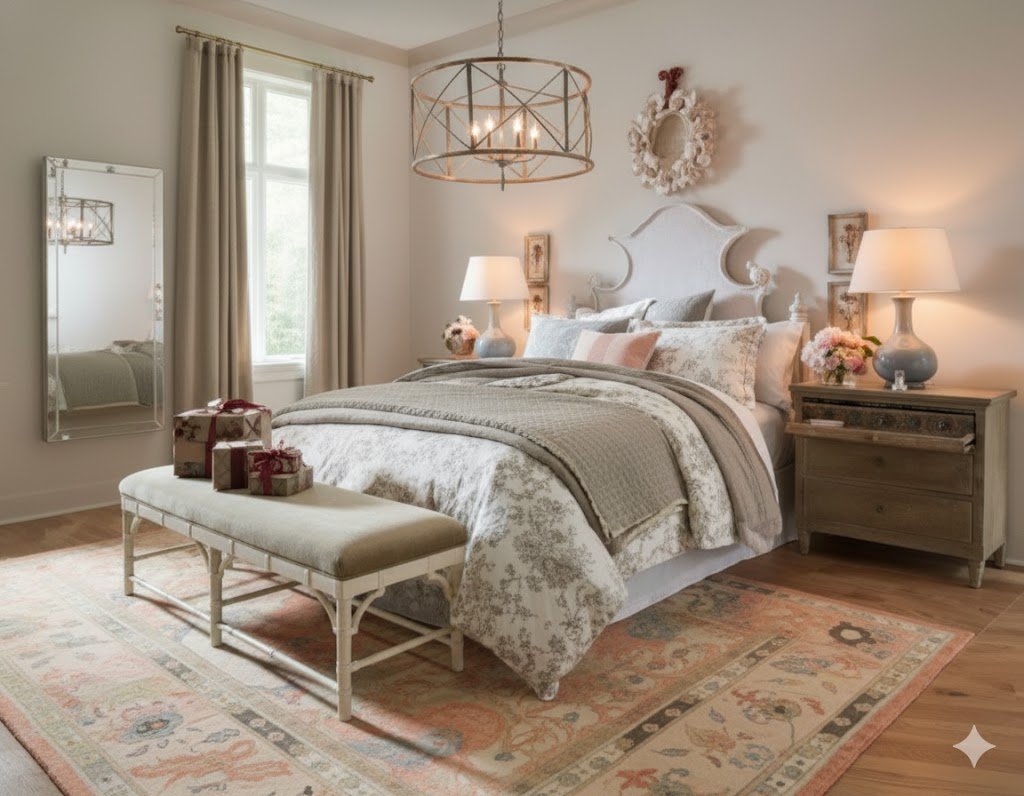
The Decor: Making It Feel Like Home Without Getting Weird
Decorating a guest room is tricky because you’re trying to hit this sweet spot between personal and neutral. You want the space to reflect your home’s personality without imposing your taste so strongly that guests feel like they’re sleeping in a shrine to your love of nautical themes or whatever.
I’ve stayed in guest rooms that felt like museum exhibits. Everything was so carefully arranged and color-coordinated that I was afraid to touch anything. I literally placed my suitcase on the floor instead of the luggage rack because the luggage rack looked too nice to actually use. That’s not the vibe you’re going for.
On the flip side, I’ve also crashed in rooms that were so aggressively decorated in a style completely different from the rest of the house that it felt disjointed. Like the homeowners had gotten bored one weekend and decided to make the guest room “themed” for no particular reason. Suddenly you’re sleeping in what looks like a ski lodge despite being in suburban Texas, and you’re just confused.
The best approach I’ve found is to extend your home’s existing style into the guest room but keep it simple. If your house leans modern with clean lines and minimal clutter, carry that through. If you’re more into cozy farmhouse vibes with lots of texture and warmth, bring those elements in. The goal is for guests to feel like they’re still in your home, just in a quieter, more private corner of it.
Wall art can personalize the space without overwhelming it. I like landscapes or abstract pieces that are pleasant to look at but don’t demand too much attention. Avoid anything too controversial, political, or intensely personal. Your guests don’t need to stare at your family photos while they’re trying to relax. Save those for the hallway.
Color choice makes more of a difference than you’d expect. Loud, bright colors can be energizing, which is great for a kitchen or living room but less ideal for a space where people are trying to wind down. I went with a soft sage green in my guest room, and the number of people who’ve commented on how calming it feels has surprised me. Blues, greens, soft grays, and warm neutrals tend to work well.
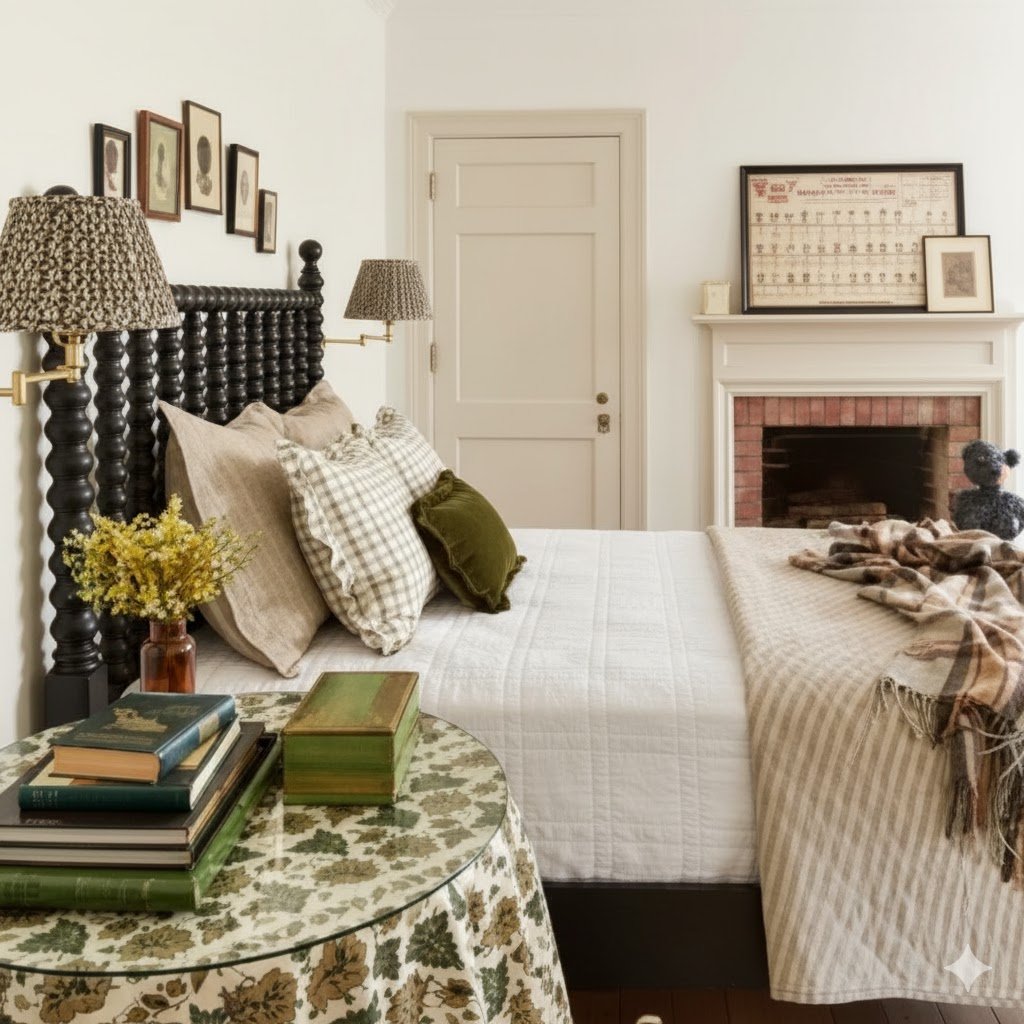
That said, don’t make it so neutral that it feels like a doctor’s office. Add some warmth through textiles. A nice area rug, some throw pillows on the bed (not too many, though, because then where do people put them at night?), maybe a cozy throw blanket draped over a chair. These touches make the room feel finished and thoughtful.
Plants can be a nice addition if you’re into that sort of thing. I keep a small pothos on the dresser because they’re nearly impossible to kill and they add some life to the space. Just make sure it’s something low maintenance. Your guests shouldn’t have to worry about keeping your plant alive during their stay. That’s adding a chore, not comfort.
One decorating mistake I see all the time is treating the guest room like a dumping ground for furniture that didn’t work elsewhere in the house. You know what I mean. That chair that’s uncomfortable but you feel bad getting rid of? The dresser that doesn’t match anything? Don’t do this. Your guests will notice, and it sends the message that this room is where the rejected stuff lives.
Keep furniture minimal and functional. A bed, a dresser or some kind of storage, a nightstand, maybe a chair if the room is big enough. That’s really all you need. More furniture just makes the space feel cluttered and gives you more surfaces to keep clean.
Personal touches can be great if they’re genuinely welcoming. I have a small basket on the dresser with things guests might have forgotten: phone chargers (multiple types), travel-size toiletries, a sewing kit, some pain relievers, antacids. It’s not about showing off how prepared you are. It’s about saving someone the embarrassment of having to ask for these things at 11 PM when they realize they forgot their phone charger.
Art and decor should feel curated but not fussy. I’m not suggesting you spend hours arranging objects like you’re styling a magazine shoot. But take five minutes to make sure things look intentional. Stack a few books on the nightstand, place a small lamp at a good angle, hang art at eye level. These small efforts show you’ve thought about the space.
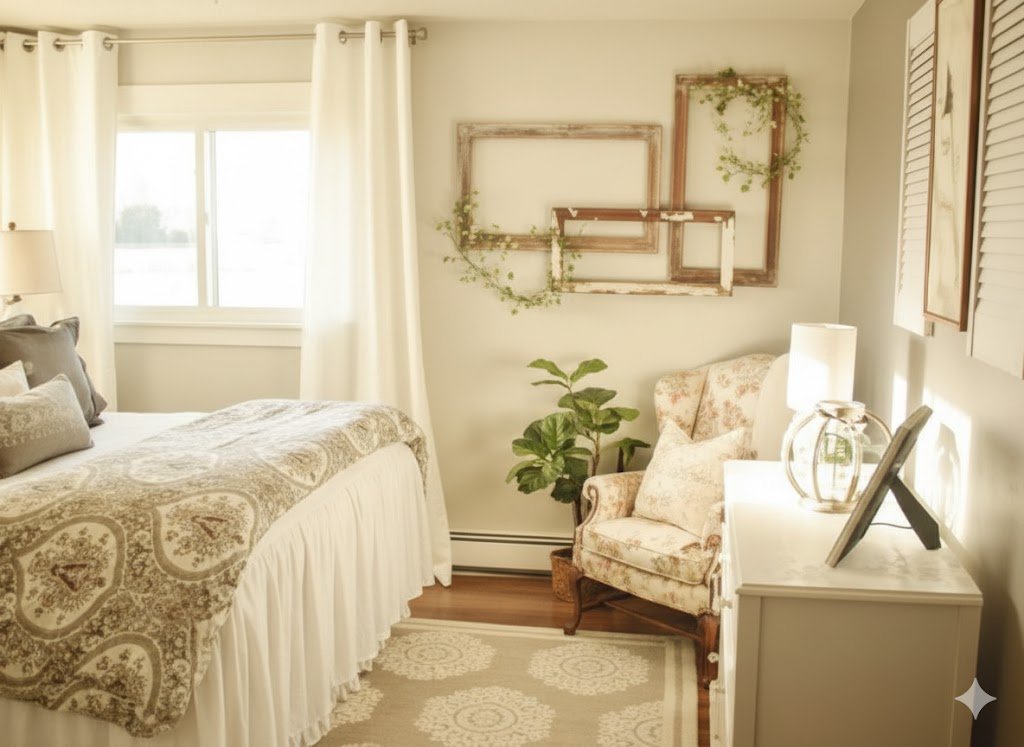
Light: The Difference Between Cozy and Creepy
Lighting can make or break a room’s atmosphere. I’ve stayed in guest bedrooms that felt like interrogation rooms because the only light source was a harsh overhead fixture that could probably be seen from space. I’ve also stayed in rooms so dim I couldn’t read the text messages on my phone without squinting. Neither situation is great.
Natural light is your best friend if you’ve got it. If your guest room has windows, don’t cover them with heavy blackout curtains unless you’re specifically trying to help someone who works night shifts. Most people appreciate waking up to natural light. It helps with jet lag, it makes the room feel bigger and more cheerful, and it connects the indoor space to the outside world in a way that artificial light just can’t match.
That said, you need window treatments that give guests control over the light. Sheer curtains work beautifully because they let light in during the day while still providing some privacy. Layer them with blinds or a second set of curtains that guests can close at night or if they want to sleep in. The key word here is control. Let your guests decide how much light they want.
I made the mistake once of installing only sheer curtains in my guest room because I loved how bright and airy they made the space feel. Then my friend who’s a nurse stayed over between night shifts, and she needed to sleep during the day. She was too polite to complain, but I saw her trying to tack up a beach towel over the window with packing tape. Lesson learned. Now I have proper blinds.
For rooms without good natural light, you need to get creative with your artificial lighting. The overhead fixture should be on a dimmer if possible. This gives guests options. Bright light for when they’re getting ready in the morning, softer light for winding down in the evening. If you can’t install a dimmer, at least make sure the overhead light isn’t one of those super bright LED situations that feels like you’re in a convenience store.
Bedside lamps are non-negotiable. Both sides of the bed should have them if it’s a double or queen. People read, scroll through their phones, or just want a little light without having to get out of bed to turn on the overhead fixture. I prefer lamps with three-way bulbs so guests can adjust the brightness. It’s a small thing that adds a lot of flexibility.
The lamp shade matters more than you’d think. Some lamp shades barely let any light through, which defeats the purpose of having a lamp. Others are so thin that the light is harsh and glaring. Test your lamps before guests arrive. Can you comfortably read by them? Is the light warm and inviting, or does it feel cold and clinical?
Here’s a tip I picked up from my aunt, who’s probably hosted more guests than anyone I know: put a small nightlight in the outlet near the door. When guests get up in the middle of the night to use the bathroom, they can navigate the room without stubbing their toe on furniture or having to fumble for a light switch while half asleep. It’s such a simple addition that makes a huge practical difference.
Task lighting is worth thinking about too. If you’ve got a desk or a dresser in the room, a small lamp in that area can be useful. Guests might need to check something on their laptop, do a bit of work, or just have another light source option. The more control you give people over their lighting, the more comfortable they’ll feel.
Avoid anything too trendy or gimmicky with lighting. Those color-changing LED strips might seem cool, but they’re not relaxing for most people. Stick with warm white bulbs that create a cozy atmosphere. The color temperature of your bulbs makes a bigger difference than most people realize. Cool white or daylight bulbs can feel sterile and unwelcoming in a bedroom setting.
One thing I absolutely love in my guest room is a reading light mounted on the wall above the bed. It directs light exactly where you need it for reading without disturbing anyone else in the room. If you’ve got the budget and the wall space, this is a game changer for guests who like to read before bed.
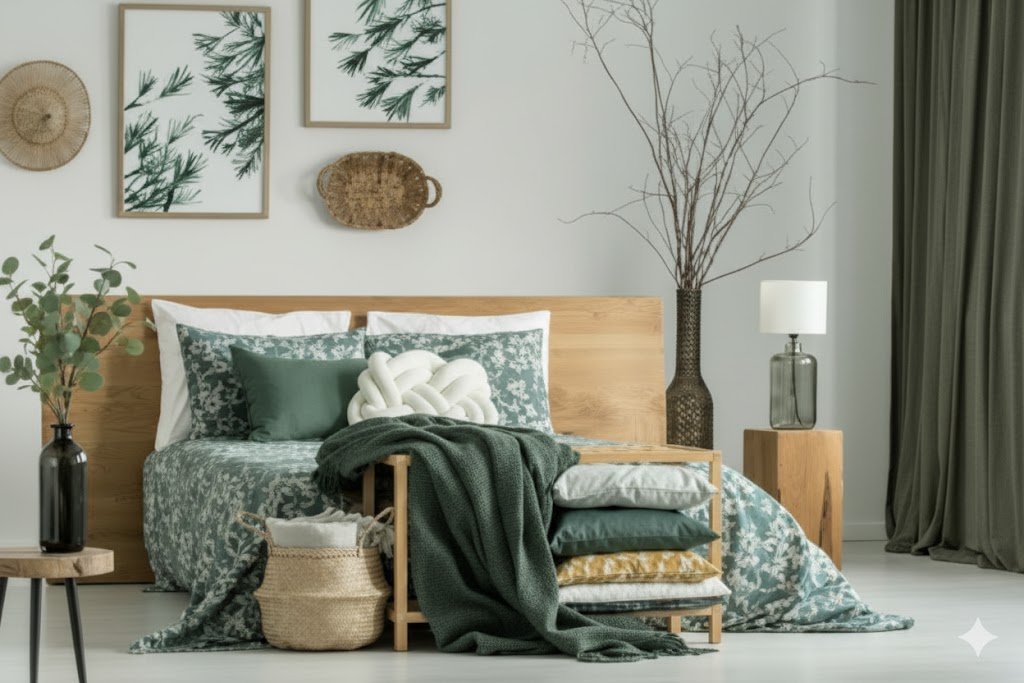
A Carpet: Warmth Under Foot
The floor situation in a guest bedroom might not seem like a big deal until you think about what it’s like to wake up in an unfamiliar place and put your feet down on a cold, hard floor. That moment can set the tone for someone’s entire morning, and if you can make it pleasant instead of jarring, why wouldn’t you?
Carpet isn’t just about aesthetics or even warmth, though those are both nice benefits. It’s about sound dampening too. When guests are walking around getting ready in the morning, a carpeted room is quieter. They’re not going to wake up the entire house with their footsteps, and they’ll feel less self-conscious about moving around.
I’m not suggesting you need to carpet the entire room wall to wall, particularly if you’ve already got hardwood or tile floors that you like. An area rug works just as well and is way easier to clean. This is important because let’s be real: guest rooms need to be easy to refresh between visits. Spills happen, suitcases leak mysterious substances, and shoes track in who knows what.
Size matters when you’re picking an area rug. Too small and it looks like you just plopped it down without thinking. Too large and it’s a pain to move for cleaning. I like rugs that extend at least two feet beyond each side of the bed. This means when your guests get up, they’re stepping onto something soft and warm no matter which side they’re on. If the room is big enough, you can go even larger, but make sure you’re leaving a few inches of floor visible around the edges.
The material of your rug affects both how it feels and how much maintenance it requires. I’ve tried a bunch of different options over the years, and here’s what I’ve learned. Natural fiber rugs like jute or sisal look great and are durable, but they’re scratchy under bare feet. Not ideal for a bedroom where people are walking around without shoes. Synthetic rugs are often easier to clean and can be surprisingly soft, but cheap ones sometimes have a weird chemical smell when you first get them.
Wool rugs are my personal favorite if you can swing it budget-wise. They’re soft, they’re durable, they’re naturally resistant to stains, and they just feel quality under your feet. Plus, wool has this neat property where it actually helps regulate temperature. It keeps feet warm in winter but doesn’t feel hot in summer. It’s like the Goldilocks of rug materials.
Color and pattern choices for your rug should follow the same principles as the rest of your decor. Nothing too bold or polarizing. I went with a simple geometric pattern in neutral tones, and it works with pretty much any bedding or decor changes I might make down the line. Light colors show dirt more easily, but really dark colors can make a room feel smaller and more closed in. Something in the middle tends to work best.
Here’s something I didn’t think about until I became paranoid about it: rug pads. Get a good one. A rug pad keeps your rug from sliding around, which is a safety issue if guests are walking on it in socks or bare feet. Nothing says “lawsuit waiting to happen” quite like a slippery rug. The pad also adds a little extra cushioning and helps protect your floor underneath.
Washing or cleaning your rug between guests doesn’t need to be a massive production. I vacuum mine thoroughly and spot clean any marks. If someone’s staying for more than a few days, I’ll vacuum midweek too. For deeper cleaning, I take it outside and beat it with a broom handle like my grandmother used to do. Works surprisingly well and is oddly satisfying.
If you’ve got hard floors and no rug, at least consider some kind of mat or runner beside the bed. Even a small sheepskin throw or a plush bathmat can make that first step out of bed less jarring. It’s a tiny detail that shows you’ve thought about the guest experience from their perspective.
The texture of whatever you put on the floor should feel good under bare feet. Before you commit to a rug, take your shoes off and walk on it. Does it feel scratchy? Too flat and thin? Just right? Your feet know what they like, and your guests’ feet will appreciate the same consideration.
One last thing about floor coverings: they should match the formality level of the rest of your home. If your house is relaxed and casual, a super formal Persian rug might feel out of place. If your home is more elegant and traditional, a quirky modern rug could seem odd. This doesn’t mean everything has to match exactly, but there should be some visual harmony.
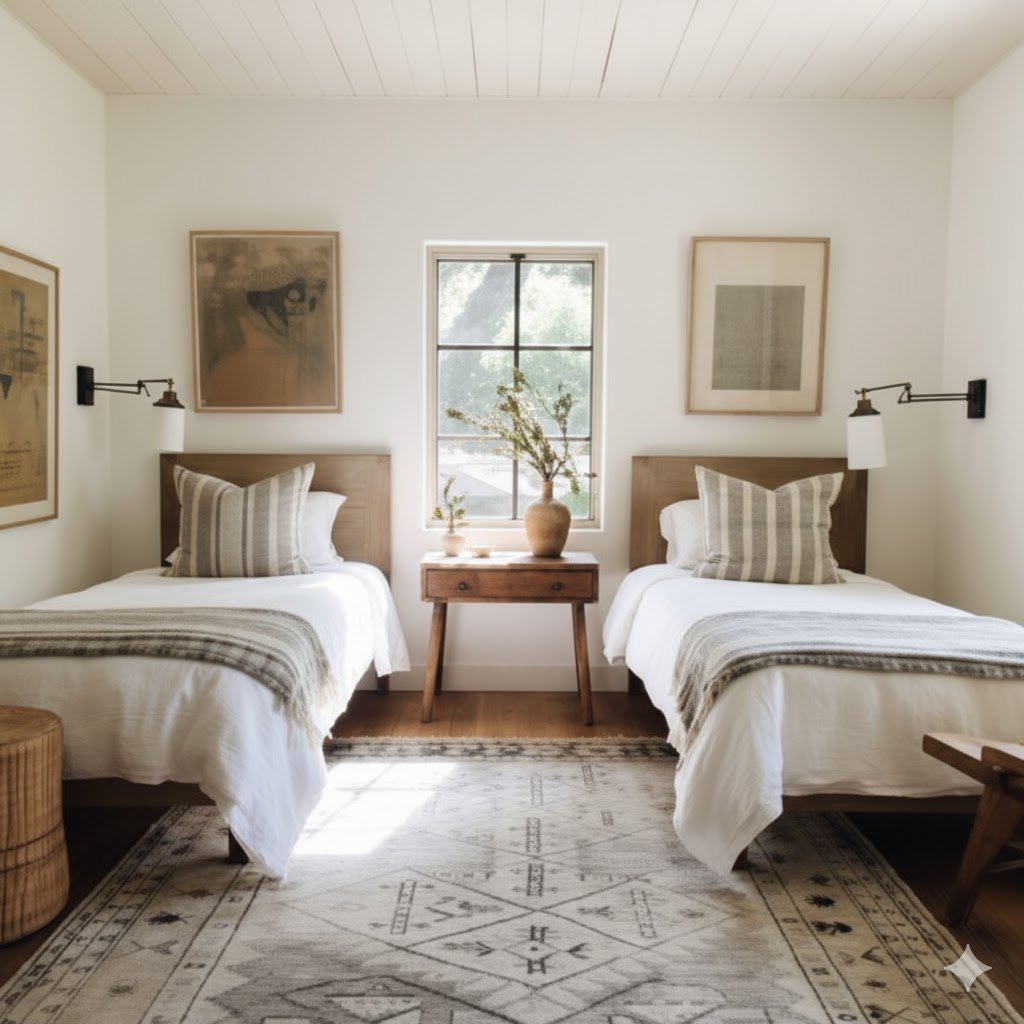
A Closet: Space for Guests to Unpack Their Lives
Storage is one of those things that seems obvious in theory but gets overlooked in practice. I can’t tell you how many times I’ve stayed somewhere and ended up living out of my suitcase on the floor because there was literally nowhere else to put my clothes. It’s not the end of the world, but it makes you feel like you’re camping indoors instead of actually staying in someone’s home.
Your guest room closet doesn’t need to be huge, but it should be functional and, here’s the key part, actually empty. I mean completely empty. Not “mostly empty except for these winter coats I’m storing” or “empty except for this box of old tax returns I need to deal with someday.” Your stuff cannot live in the guest closet. Full stop.
When I was first setting up my guest room, I thought I was being reasonable by leaving just a few off-season items in the closet. My guests would have plenty of room, right? Wrong. What I didn’t consider is the psychological message it sends when someone opens a closet and sees it’s already half full with your belongings. It says “you can use whatever space is left over” instead of “this space is yours while you’re here.” Big difference.
Clear out that closet completely. If you need the storage space, find somewhere else for your stuff. Rent a storage unit, reorganize another closet, finally deal with those boxes you’ve been meaning to sort through. Your guest closet needs to be a blank slate.
Hangers are the next consideration, and this is where a lot of people drop the ball. You need real hangers. Not wire hangers from the dry cleaner that tangle into an angry metal knot. Not mismatched hangers you’ve collected over the years that are all different sizes and styles. Go buy a set of matching hangers. Wood ones are nice, but honestly, a pack of uniform plastic hangers from any home store works fine. I’d say ten to twelve hangers is a good baseline for a guest room closet.
Different types of hangers serve different purposes. Regular hangers work for most shirts and dresses, but having a few hangers with clips for pants or skirts is thoughtful. If you want to go the extra mile, add a couple of padded hangers for delicate items. Women especially will appreciate this because some tops and dresses really need that gentle support.
The closet should have a rod for hanging things and at least a couple of shelves or drawers. If your closet doesn’t have built-in shelving, you can add a small dresser inside or use stackable storage cubes. The point is that guests should have options. Some items you hang, others you fold. If they can only do one or the other, their unpacking strategy is limited.
I keep the bottom of my guest closet clear for suitcases and bags. Think about it: when you’re staying somewhere, you need a place to put your empty luggage. If it’s sitting open on the floor of the bedroom, it takes up space and makes the room look messy. If guests can tuck their bags away in the closet, the bedroom stays cleaner and more spacious.
Lighting inside the closet matters if the closet is more than just a tiny alcove. A small battery-operated LED light that turns on when you open the door is cheap and makes a surprising difference. Nobody wants to play “guess what color this shirt is” in a dark closet at six in the morning.
The closet door should open and close smoothly. Test it. Does it stick? Does it squeak? Fix that before guests arrive. Little annoyances like a sticky closet door or a doorknob that comes off in your hand make people feel like they’re in a space that isn’t cared for.
Here’s an idea I stole from a nice hotel I stayed at once: put a few extra blankets and pillows on the top shelf of the closet. Label them if you want, or just make sure they’re visible. If guests get cold or need another pillow, they can help themselves without having to ask. This self-service approach makes people feel more at home and less like they’re inconveniencing you.
Shoe storage is something else to think about. Some people travel with multiple pairs of shoes, especially if they’re staying for a while. A shoe rack on the closet floor or one of those over-the-door organizers can keep shoes organized and off the bedroom floor. It’s cleaner and helps guests keep track of their stuff.
If your guest closet has a weird shape or limited space, get creative. Over-the-door hooks can add hanging space for robes, jackets, or bags. Hanging organizers with pockets can hold smaller items like accessories or toiletries. The goal is to maximize the storage you have so guests can actually use it.
One thing I’ve learned is to leave the closet door open or at least ajar when guests aren’t there. When people walk into the room for the first time, they can immediately see the empty closet waiting for them. It’s a visual cue that says “this space is ready for you” without you having to say anything.
Nightstand: The Command Center of Comfort
The nightstand might be the most underestimated piece of furniture in a guest room. It’s not just a place to set a glass of water. It’s the control center for your guests’ bedtime and morning routines. Get this right, and you’ve solved a bunch of small problems your guests didn’t even know they’d have.
First up, the lamp situation, which I touched on earlier but it bears repeating here. The nightstand lamp should be easy to turn on and off from bed. I’m talking reachable without having to sit up or stretch too far. Test this yourself. Lie down in the guest bed and reach for the lamp. Can you get to it comfortably? If you’re doing yoga poses to reach the switch, your guests will be too, except they’ll be half asleep and probably curse you a little.
The surface of the nightstand should be clear enough that guests can actually use it. I see guest room nightstands that are covered with decorative items, photo frames, books that are just for show. That’s fine if it looks nice, but leave at least half the surface empty and usable. Guests need space for their phone, their glasses, their water glass, maybe a book they’re reading. Give them room to spread out a little.
A phone charging setup is pretty much non-negotiable these days. I’ve got a power strip on the floor behind my nightstand with multiple types of charging cables already plugged in and draped over the edge of the nightstand. Lightning cable for iPhones, USB-C for newer phones, and a micro USB just in case someone has an older device. This eliminates that awkward moment where guests have to ask if you have a charger, or worse, they don’t ask and their phone dies overnight so they miss their alarm.
Here’s a thing that’s helped my guests out more than once: a small digital alarm clock. Yeah, everyone uses their phone now, but phones can die or get forgotten in another room. Having a backup alarm clock with battery backup is just smart. Plus, some people deliberately keep their phones away from the bedroom to avoid late-night scrolling. An actual alarm clock lets them do that without worry.
The nightstand should have at least one drawer or shelf. Privacy matters. If someone’s taking medication, wearing a retainer, using reading glasses, they might not want these items on display. A drawer gives them a place to tuck things away. I line my nightstand drawer with a soft fabric insert so things don’t rattle around, and I keep it completely empty when guests aren’t there.
Tissues belong on every nightstand. Get the nice kind, not the sandpaper stuff. Allergies, colds, or just general nose-blowing needs happen, and nobody wants to get out of bed to hunt for tissues in an unfamiliar house at 3 AM. I put a small box on each nightstand, and it’s one of those things guests never mention but definitely use.
Reading material is a personal choice, but I like to keep a few options on or near the nightstand. A couple of magazines, maybe a book of short stories or essays that guests can dip into without committing to a whole novel. Nothing too heavy or intense. Save the Russian literature for your own nightstand. Guest room reading should be light and easy to put down.
Water is a big one. I put a clean glass or a bottle of water on each nightstand before guests arrive. Some people wake up thirsty in the middle of the night, and stumbling around an unfamiliar house in the dark trying to find the kitchen and glasses is nobody’s idea of a good time. One less thing to worry about.
Coasters might seem fussy, but they protect your furniture and signal to guests that it’s okay to actually use the nightstand. Without a coaster, some people hesitate to put their water glass down directly on the wood. They’re worried about leaving a ring. Coasters solve this problem and look nice doing it.
The height of your nightstand relative to the bed matters more than you’d think. The ideal height is the same as your mattress top or slightly lower. If it’s too high or too low, reaching for things becomes awkward. When I was furnishing my guest room, I found the perfect nightstand at a thrift store, but it was too tall. I had a handyman friend cut a couple inches off the legs. Problem solved.
If you’ve got space, two nightstands are better than one, even if it’s just a double bed. When couples visit, they each get their own space for their stuff and their own lamp. If single guests stay, they can pick which side they prefer. More options equals more comfort.
Here’s something I’ve added that guests comment on every single time: a small notepad and pen. Sounds old school, but it’s useful. Guests can jot down things they need to remember, leave you a note, or just doodle if they can’t sleep. It’s analog, simple, and surprisingly practical in our digital world.
Other Accessories: The Finishing Touches That Matter
The extras are what transform a functional guest room into a welcoming one. These are the things guests don’t expect but really appreciate when they discover them. You don’t need every single item on this list, but picking a few can really elevate the experience.
Let’s start with reading material beyond what’s on the nightstand. I keep a small bookshelf in my guest room with an assortment of books, magazines, and even a few board games or puzzles. The key is variety. Mix some fiction with nonfiction, throw in some coffee table books with nice photos, maybe a local guidebook if you live somewhere interesting. The point is to give people options if they’re bored or can’t sleep.
Entertainment is something to think about based on your guests’ likely needs. A TV can be great, but it’s not mandatory. If you do have one, make sure the remote is easy to find and maybe leave a simple instruction card on how to use it. Modern TVs with multiple inputs and streaming devices can be confusing if it’s not your setup. Save your guests the frustration of trying to figure out why the TV won’t turn on (spoiler: it’s set to the wrong input).
Music options are nice. I’ve got a small Bluetooth speaker on the dresser that guests can connect to their phones. Some people like to listen to music or podcasts while getting ready or winding down. Giving them an easy way to do that without blasting sound from their phone speaker is thoughtful.
Climate control matters way more than people realize. If your guest room has its own thermostat, fantastic. Show your guests how to use it and tell them to set it however they want. If it doesn’t have independent control, at least provide a fan and an extra blanket. People’s temperature preferences vary wildly, and being too hot or too cold will keep them awake all night.
A full length mirror is incredibly useful and often forgotten. Guests need to see how they look before they head out for the day or before dinner. If you don’t have space for a full length mirror on the wall or back of the door, even a decent-sized mirror on the dresser helps. Nobody wants to leave the house unsure if their outfit looks okay.
Luggage racks or stands are one of those luxuries that feel really nice. They get suitcases off the floor and give guests a proper place to keep their bag open and accessible. If you don’t have a luggage rack, a sturdy chair or bench can serve the same purpose. Just make sure it’s stable and can handle the weight of a full suitcase.
A small trash can in the room is more practical than you’d think. Guests accumulate trash: tissues, packaging, random papers. If there’s no trash can in the room, where does that stuff go? Usually on the nightstand or dresser, which looks messy. Get a small bin and tuck it next to the dresser or under the nightstand.
Speaking of practical items, I’ve put together a little welcome basket that sits on the dresser. Inside, I’ve got travel-sized toiletries like toothpaste, shampoo, conditioner, body wash, just in case someone forgot something. I include a couple of pain relievers, antacids, band-aids, and some mints. It’s not trying to be fancy, just useful. The number of times guests have thanked me for this little basket has been surprising.
Phone chargers for multiple device types, which I mentioned earlier, but I want to emphasize this again because it’s such an easy win. Keep a variety of charging cables available. Phones, tablets, e-readers, they all need power, and guests often forget their chargers or bring the wrong ones. Being able to solve this problem without them even having to ask makes you look like a hospitality genius.
Information about your home is weirdly helpful. I made a simple one-page welcome note that I leave on the dresser. It includes the WiFi password (because guests will need this within five minutes of arriving), some basic house rules that aren’t obvious, and information about how things work. Where the extra towels are, how to work the shower, what time is too early to start making coffee without waking everyone up. These tiny bits of info prevent confusion and awkward questions.
Snacks and drinks can be a nice touch if you want to go that route. I don’t go overboard, but I keep a few bottles of water, maybe some individually wrapped snacks like granola bars or nuts on the dresser. If guests get hungry late at night, they’ve got options without raiding your kitchen. This is especially thoughtful if guests arrive late and might not have eaten dinner.
Good hangers, which I talked about in the closet section, but it’s worth mentioning here that having extra hangers visible or easily accessible is smart. Some people travel with way more clothes than you’d expect. If they run out of hangers, they should be able to find more without searching through your house.
A robe and slippers are luxury items that aren’t necessary but feel wonderful. If you’ve got budget and storage space, having a clean robe and a pair of slippers (or those disposable spa slippers) available can make guests feel pampered. This is particularly nice if your guest room doesn’t have an attached bathroom and people need to walk down the hall.
Finally, consider some personal touches that connect to your local area. If you live near good restaurants, attractions, or activities, leave some recommendations or menus. If there are quirky local spots that visitors might not find on their own, share those. Make your guests feel like they’re getting an insider’s perspective on your area.
The goal with all these accessories isn’t to stuff the room full of things. It’s about anticipating needs and solving small problems before they arise. Every item should serve a purpose or add genuine comfort. If something is just there to look good but serves no function, reconsider whether you need it. The best guest rooms balance aesthetics with practical hospitality, creating a space where people feel both welcome and comfortable.

Leave a Comment