
Small bedrooms are often viewed as a challenge. Many people feel restricted by square footage and assume they must sacrifice style for functionality. This is a misconception. A compact room offers a unique opportunity to create a cozy and efficient sanctuary that feels curated rather than cluttered. The current trend of tiny living proves that limited space can lead to maximum creativity.
You might be struggling with overflowing closets or a lack of floor space that makes your morning routine difficult. This guide provides 21 specific and quantifiable solutions to reclaim your room. These ideas focus on optical illusions and smart storage that can make a ten foot room feel double the size. You will find actionable steps here to turn a cramped sleeping quarter into a restful retreat.
Check out our related guide on Home Organization.
Key Takeaways
- Verticality is vital. Using wall space up to the ceiling draws the eye upward and clears the floor for movement.
- Light invites expanse. Soft and neutral color palettes reflect natural light to blur the boundaries of the room.
- Furniture must multitask. Every piece should serve at least two purposes to justify its footprint in a tiny layout.
- Mirrors create depth. Strategic placement of reflective surfaces can visually double the square footage instantly.
Contents
- Optimizing Layout
- Multifunctional Furniture
- Underneath Bed Storage Solutions
- Strategic Lighting Choices
- Space Up
- Light Color Palette Fabrics
- Wall-Mounting
- A Taste of Personality
- Cozy Textiles
- Creative Closet Space
- Bohemian Crowding
- Under-Bed Container Storage
- DIY Headboard with Built-in Shelving
- Botanic Approach
- Wallpaper for a Bold Accent
- Light Tone Maximizing
- Corner Spaces with Custom Solutions
- Floating Desks and Tables
- Sunk In
- Infinite Illusion
- Boxy Bed
- Popular Asked Questions
- Conclusion
Optimizing Layout
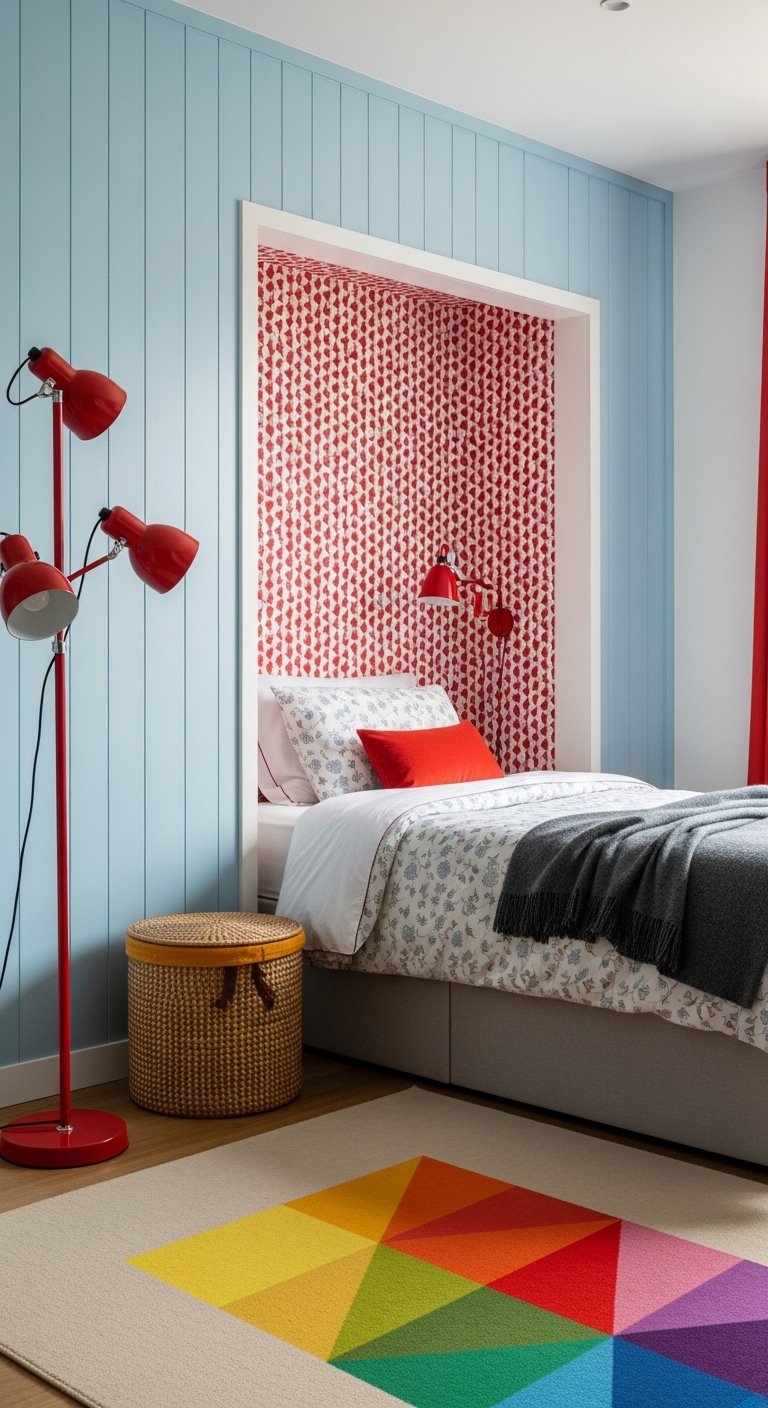
The foundation of any successful small bedroom design lies in the flow of movement. You must prioritize the path of travel from the door to the bed and the closet. Placing the bed against the longest wall usually opens up the center of the room. This arrangement prevents the space from feeling like a corridor and allows for breathing room on either side of the mattress. Visual balance is achieved when you keep the entryways clear of heavy furniture. The design principle here is negative space. You need empty areas to let the eye rest. A room packed from wall to wall will always feel smaller than it actually is. Start by measuring your room and sketching a floor plan that keeps window views unobstructed. Natural light needs a clear path to enter and wash over the room.
Pro Tip
Use painter’s tape on the floor to outline furniture before you move it. This helps you visualize the flow without lifting heavy items.
Multifunctional Furniture
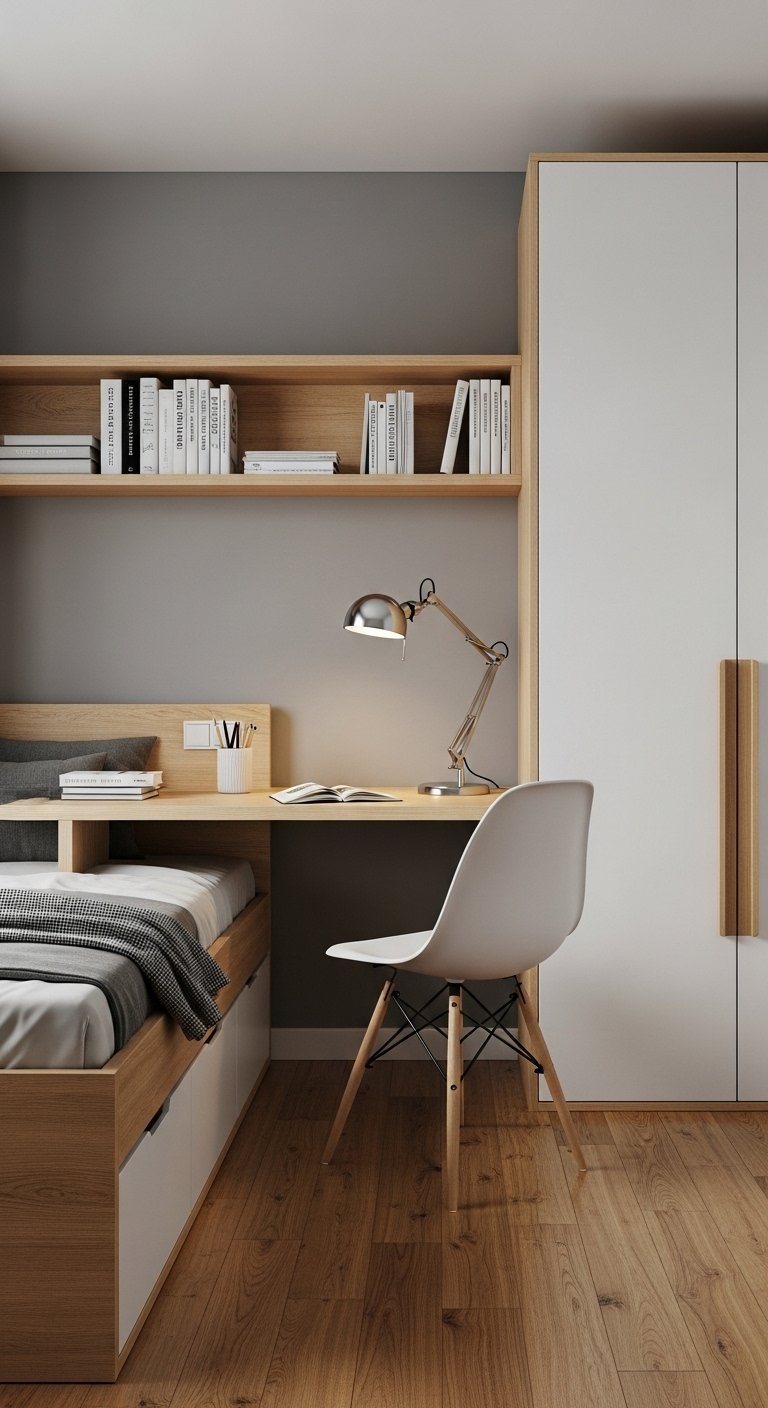
Furniture that serves a single purpose is a luxury that small spaces cannot afford. A storage ottoman at the foot of the bed can hold extra linens while providing a place to sit and put on shoes. Desks that fold down from the wall can serve as a workspace by day and a vanity by night. This approach creates a streamlined look because you have fewer individual pieces cluttering the visual field. The efficiency of the room increases dramatically when your nightstand also functions as a small dresser. You should look for pieces with clean lines and hidden compartments. The goal is to reduce visual noise while maintaining high utility. A consolidated design prevents the chaotic feeling of having too many items in a confined area.
Pro Tip
Choose a desk chair that is attractive enough to work as an accent chair in the corner when guests visit.
Underneath Bed Storage Solutions
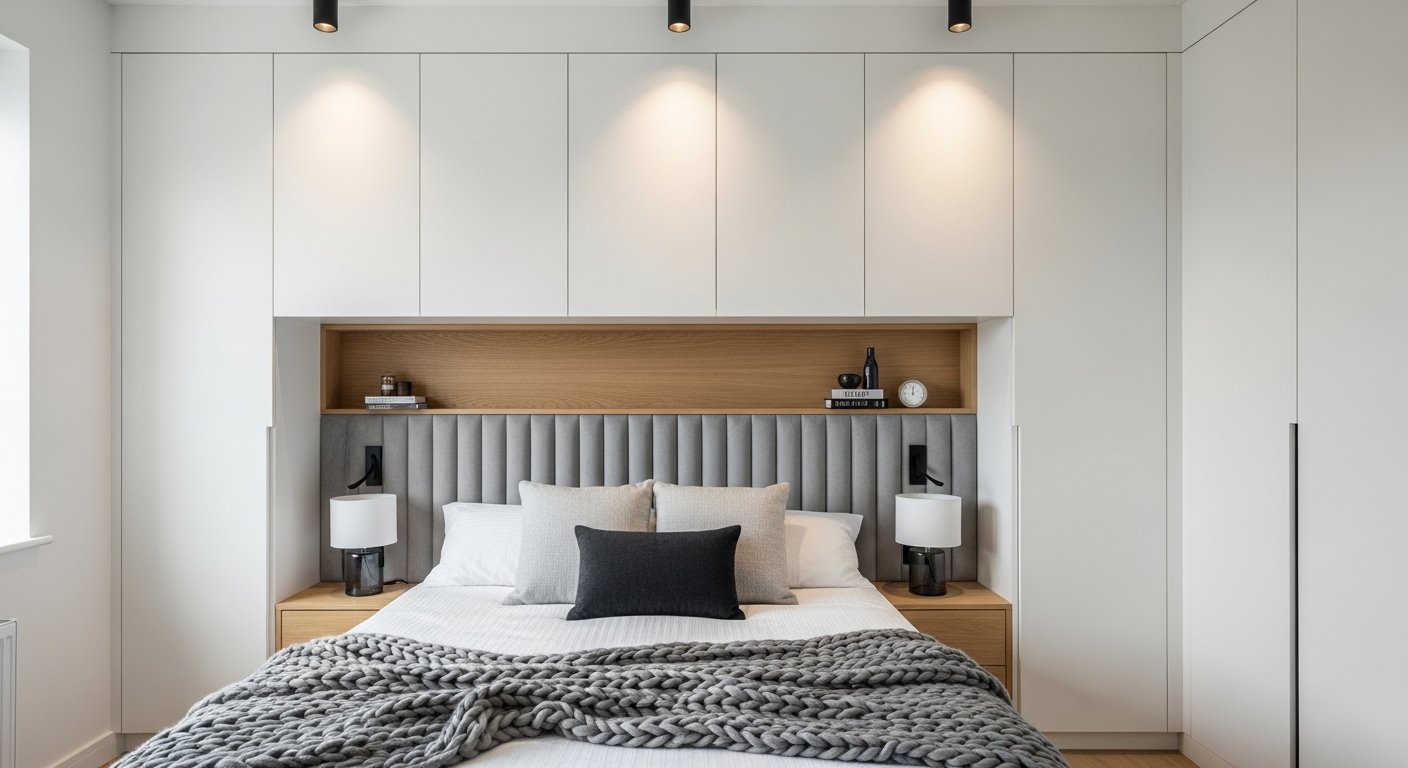
The area beneath your mattress is often the largest untapped storage volume in a small home. Utilizing this dark space keeps seasonal items or bulky luggage out of sight but easily accessible. Drawers built into the bed frame offer a seamless look that integrates with the furniture. This eliminates the need for a separate dresser and frees up valuable floor space for movement. The visual weight of the bed remains the same, but its function doubles. Design coherence is maintained when the drawers match the frame material. You can store heavy winter coats or spare blankets here without cluttering your main closet. This hidden utility allows the visible parts of the room to remain minimalist and serene.
Pro Tip
If you do not have built in drawers use rolling bins with lids to keep dust off your belongings.
Strategic Lighting Choices
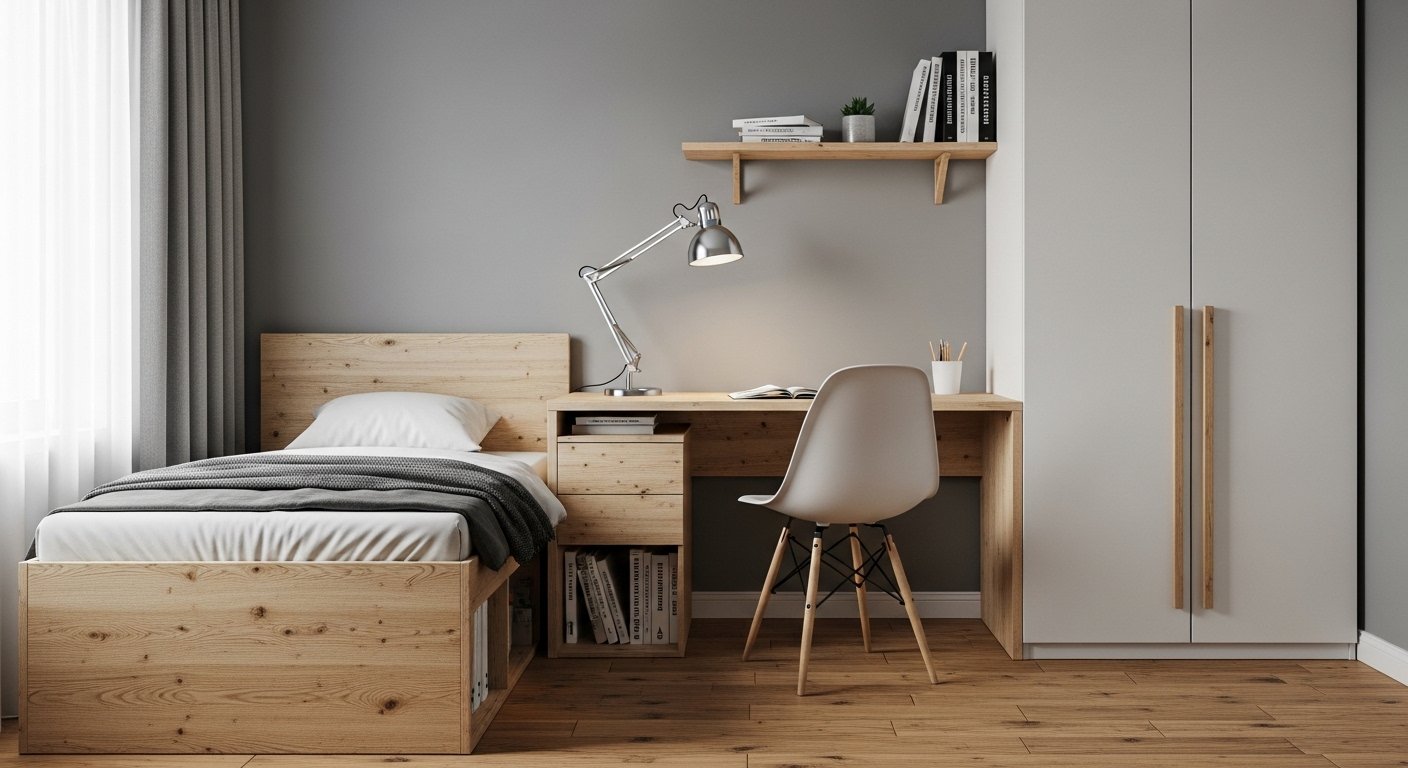
Lighting dictates the mood and perceived size of a room more than any other element. Relying on a single overhead fixture casts harsh shadows that shrink the space. You should layer light sources at different heights to create depth and warmth. Wall sconces installed on either side of the bed save precious nightstand surface area. They draw the eye outward to the walls and make the room feel wider. The design theory here involves eliminating dark corners where the walls meet the ceiling. Illuminated corners push the boundaries of the room outward. You can achieve this with warm LED bulbs that mimic the softness of natural light.
Pro Tip
Install dimmer switches on all light fixtures to control the ambiance and shift from task lighting to relaxation instantly.
Space Up
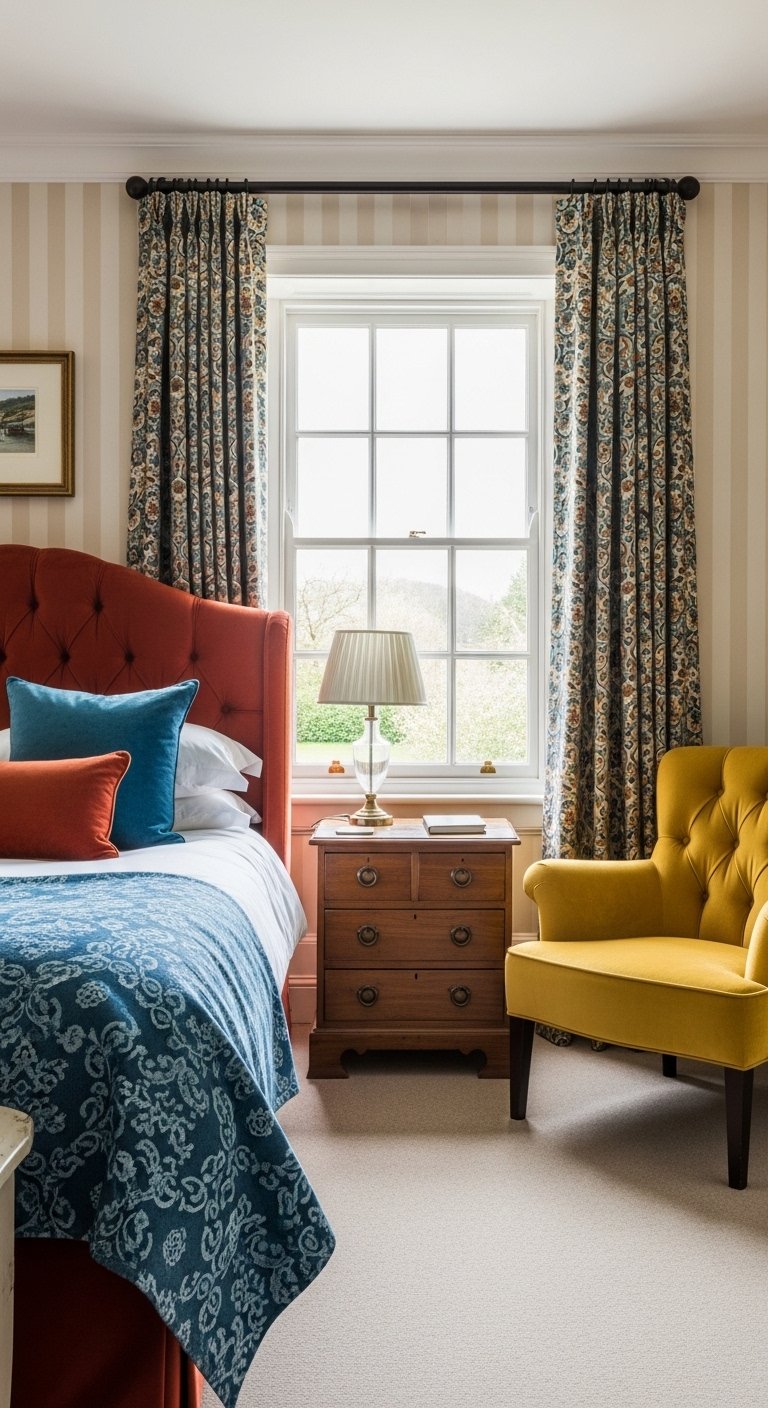
Vertical space is the most underutilized asset in small bedroom design. You must look above eye level to find opportunities for storage and decoration. Tall shelving units that reach the ceiling draw the eye upward and make the room feel loftier. This vertical emphasis counters the cramped feeling of a small footprint. You can place less frequently used items on the highest shelves while keeping daily essentials within reach. The visual lines created by tall furniture guide the gaze along the height of the wall rather than the width of the floor. This technique creates a sense of grandeur even in a tiny room. You can install a shelf above the door frame for books or decorative baskets.
Pro Tip
Paint your vertical shelving the same color as the walls to make it blend in and appear less bulky.
Comparison: Loft Beds vs. Standard Beds
| Feature | Loft Bed | Standard Bed |
|---|---|---|
| Space Efficiency | High (Frees up floor area) | Low (Occupies floor area) |
| Storage Potential | Excellent (Desk/Closet underneath) | Good (Under-bed drawers) |
| Visual Weight | Heavy (Dominates the room) | Moderate (Grounds the room) |
| Accessibility | Low (Requires ladder) | High (Easy access) |
Light Color Palette Fabrics
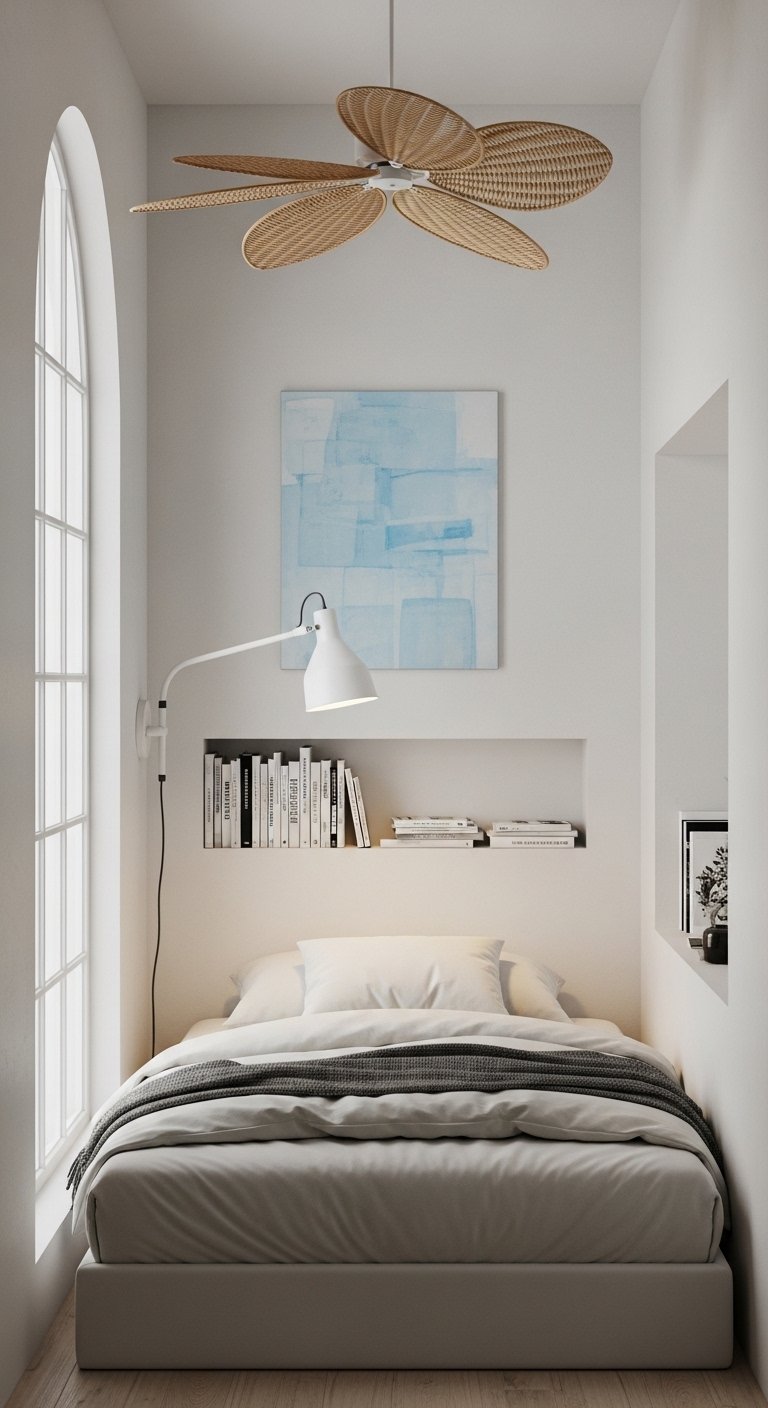
Soft hues act as a reflector for natural light. White, cream, and pale pastels blur the hard edges of a room and make walls appear to recede. When you use light colored fabrics for bedding and curtains, you create a seamless visual experience. The lack of high contrast stops the eye from getting stuck on individual objects. This monochromatic or analogous color scheme fosters a sense of calm and order. You should choose linen or cotton textures to add interest without adding visual heaviness. The light bounces off these surfaces and fills the room with a bright and airy quality. Dark colors tend to absorb light and can make a small space feel cave like.
Pro Tip
Use different textures of white and cream to add depth so the room does not feel clinical or flat.
Wall-Mounting
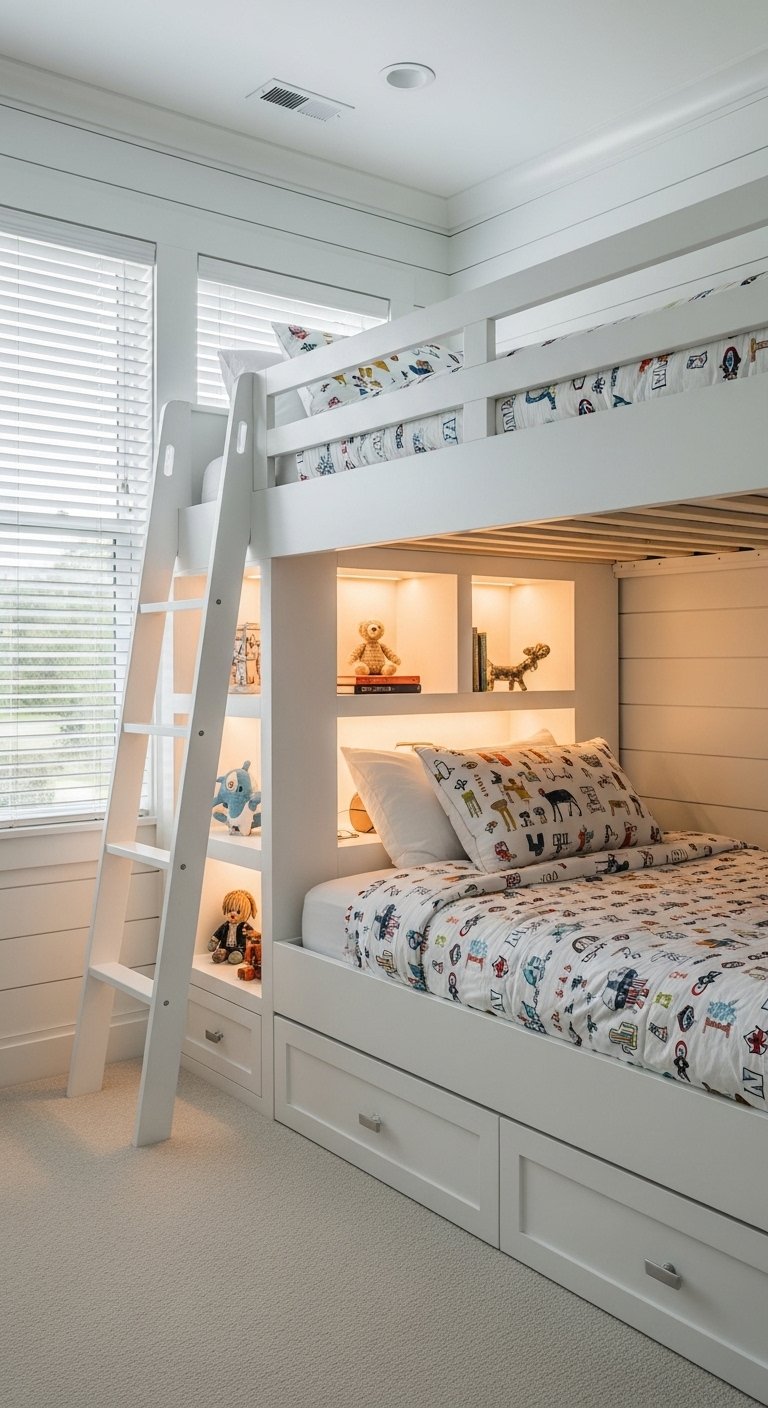
Lifting furniture off the floor creates an immediate sense of openness. Wall mounted nightstands and desks expose the flooring underneath and trick the brain into thinking the room is larger. Seeing the floor extend to the wall creates a continuous visual plane. This floating effect adds a modern and airy touch to the design. You also gain the practical benefit of easier cleaning access beneath the furniture. The installation requires sturdy anchors, but the payoff is a less cluttered look. You can use the space underneath a floating console for a tuck away stool or a basket. This keeps the functionality high while maintaining a minimalist aesthetic.
Pro Tip
Ensure you locate the studs in your wall before mounting heavy items to prevent damage to the drywall.
A Taste of Personality
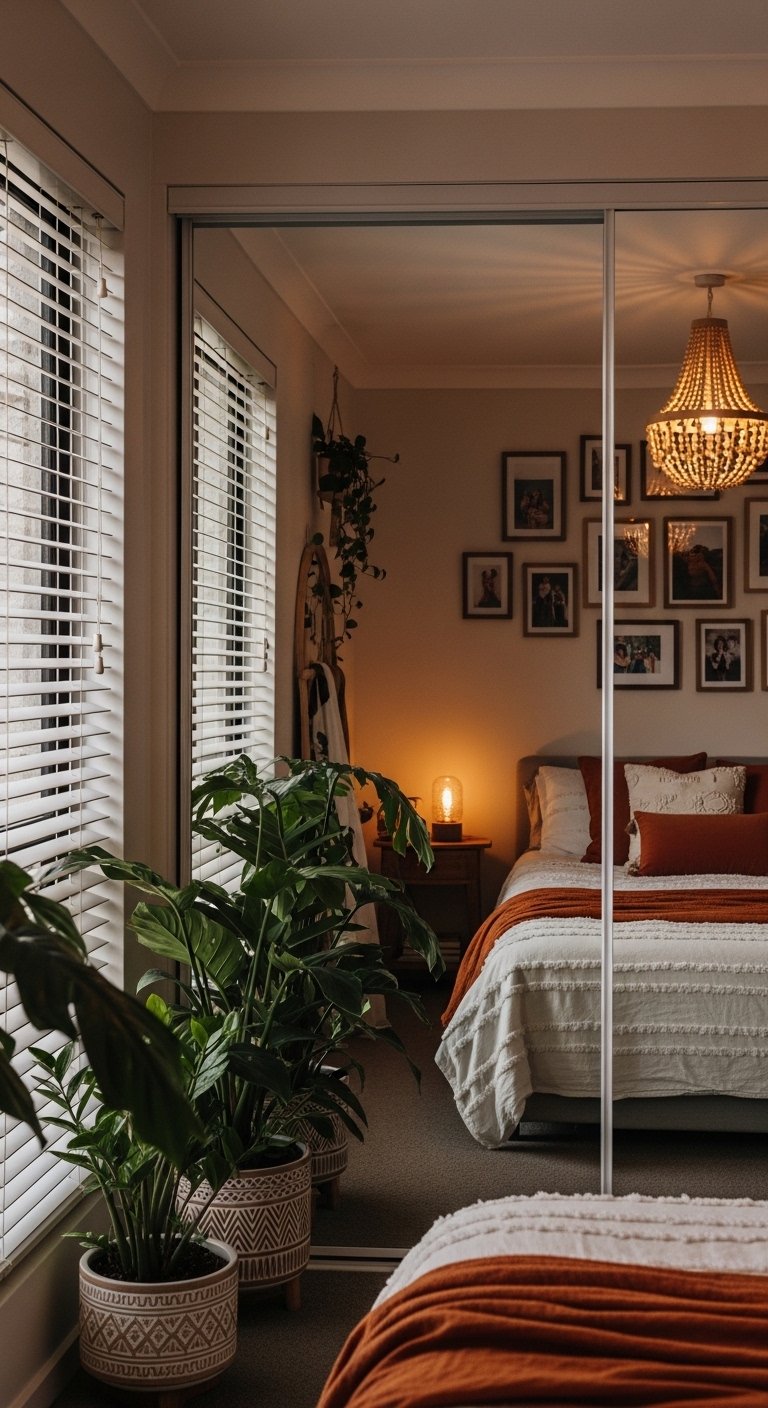
Small spaces run the risk of looking like generic showroom displays if you are too rigid with minimalism. You need to inject your personal style through curated decor that tells a story. A single piece of large scale art can serve as a focal point that anchors the room. This is more effective than a gallery wall of tiny frames which can look chaotic in a tight space. The design principle is hierarchy. One bold statement piece commands attention and distracts from the size of the room. You can choose a vintage rug or a unique sculptural lamp. These items add character without consuming physical space.
Pro Tip
Rotate your decor seasonally rather than displaying everything at once to keep the look fresh and uncluttered.
Cozy Textiles
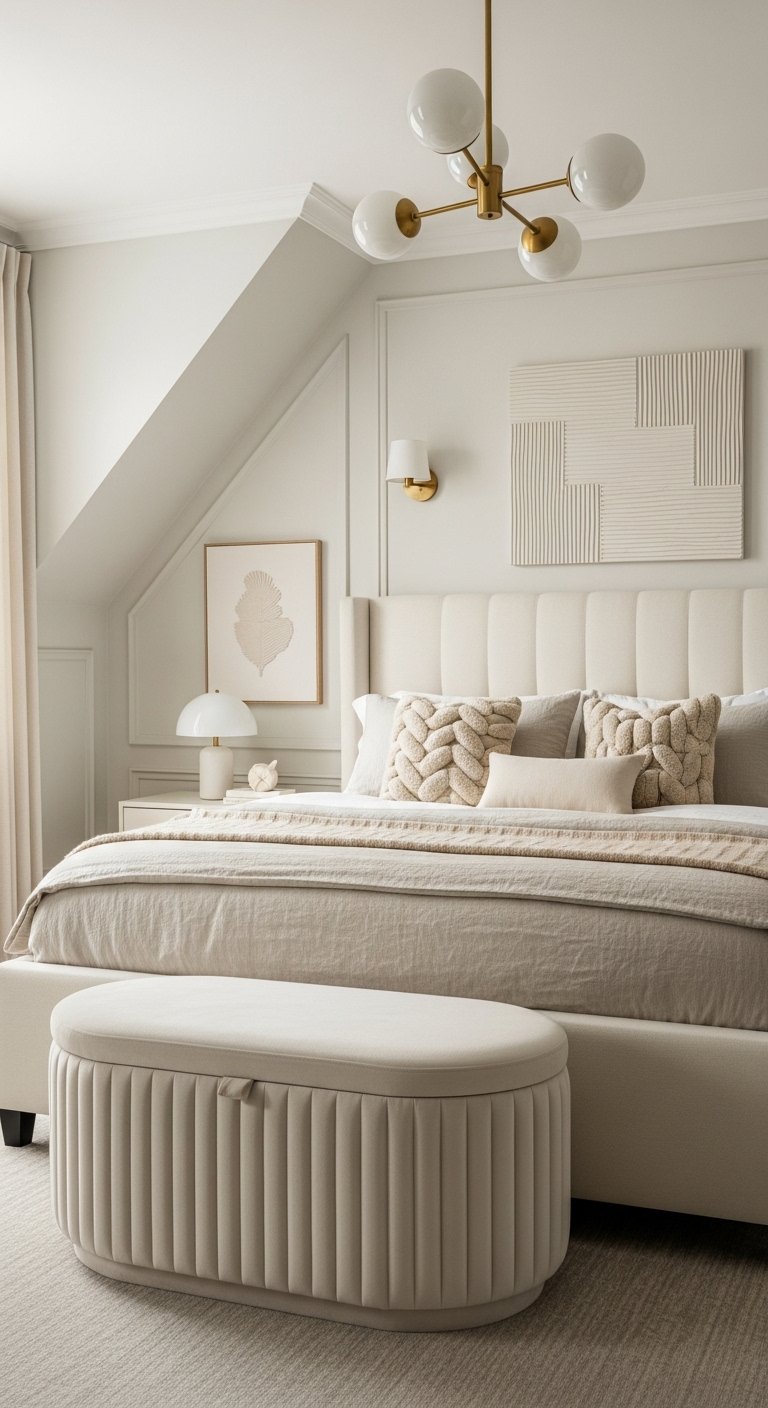
Comfort is paramount in a bedroom regardless of its size. Layering plush textiles adds warmth and invites relaxation. You can drape a chunky knit throw over the foot of the bed or pile on velvet pillows. These soft textures absorb sound and reduce the echo that can occur in empty rooms. The visual softness counters the hard lines of furniture and walls. You should stick to a cohesive color palette to prevent the layers from looking messy. A small room with rich textures feels like a jewelry box rather than a storage unit. The tactile experience of the room becomes just as important as the visual one.
Pro Tip
Choose a rug that is large enough to slide under the bed frame to anchor the sleeping area and add softness underfoot.
Creative Closet Space
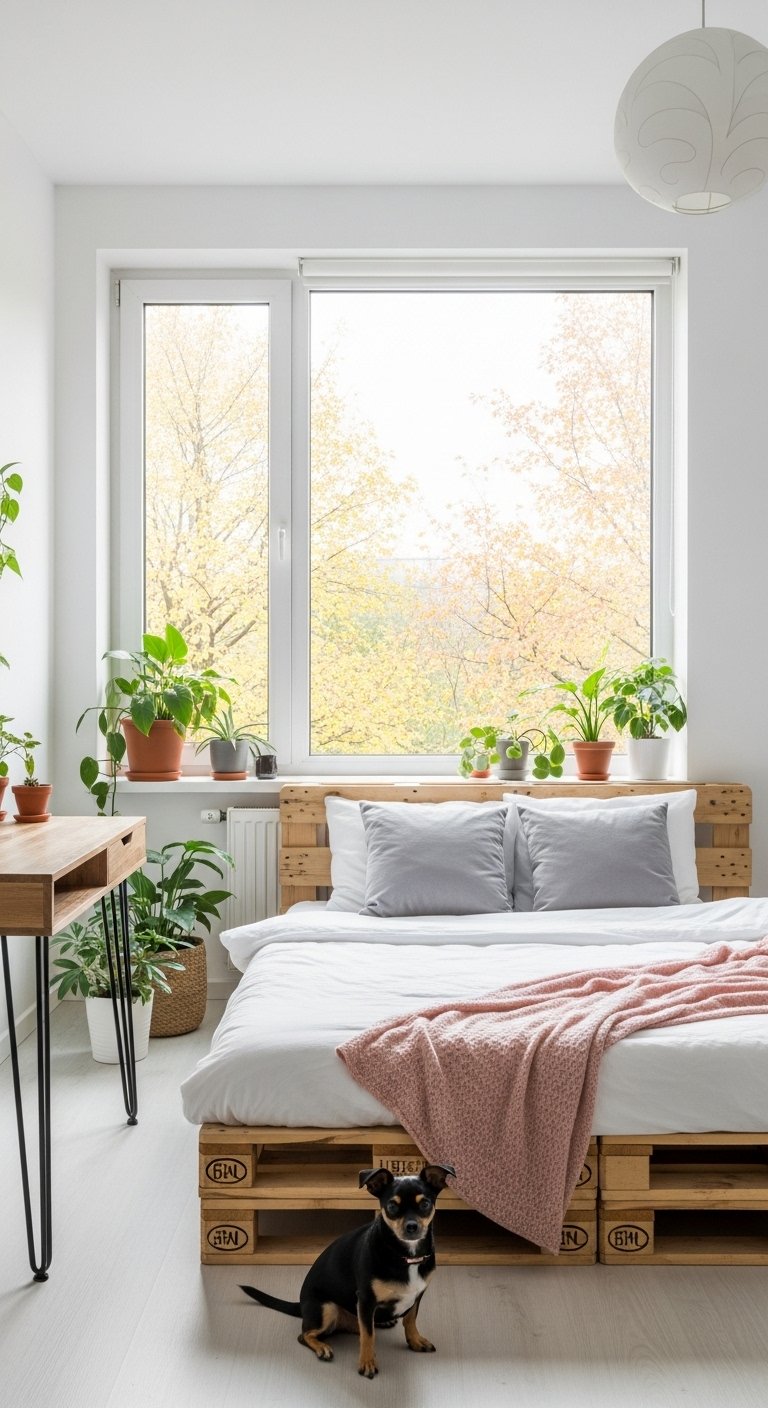
Many small bedrooms lack adequate closet space. You may need to create your own wardrobe solution using an open rail system. A visible clothing rack can look chic if you curate the items on display. This forces you to declutter and only keep clothes you actually wear. The open structure takes up less visual volume than a bulky wooden wardrobe. You can use uniform hangers to maintain a tidy appearance. The design logic here is transparency. Seeing through the storage makes the room feel deeper. You can place a dresser inside the closet or below the rack to maximize the vertical usage of that area.
Pro Tip
Color coordinate your hanging clothes from light to dark to create a visually pleasing gradient.
Get The Look: Modern Minimalist
- Color Base: Stark White or Soft Greige.
- Material: Matte black metal accents.
- Key Piece: Floating nightstand.
- Textile: Washed linen bedding.
Bohemian Crowdin
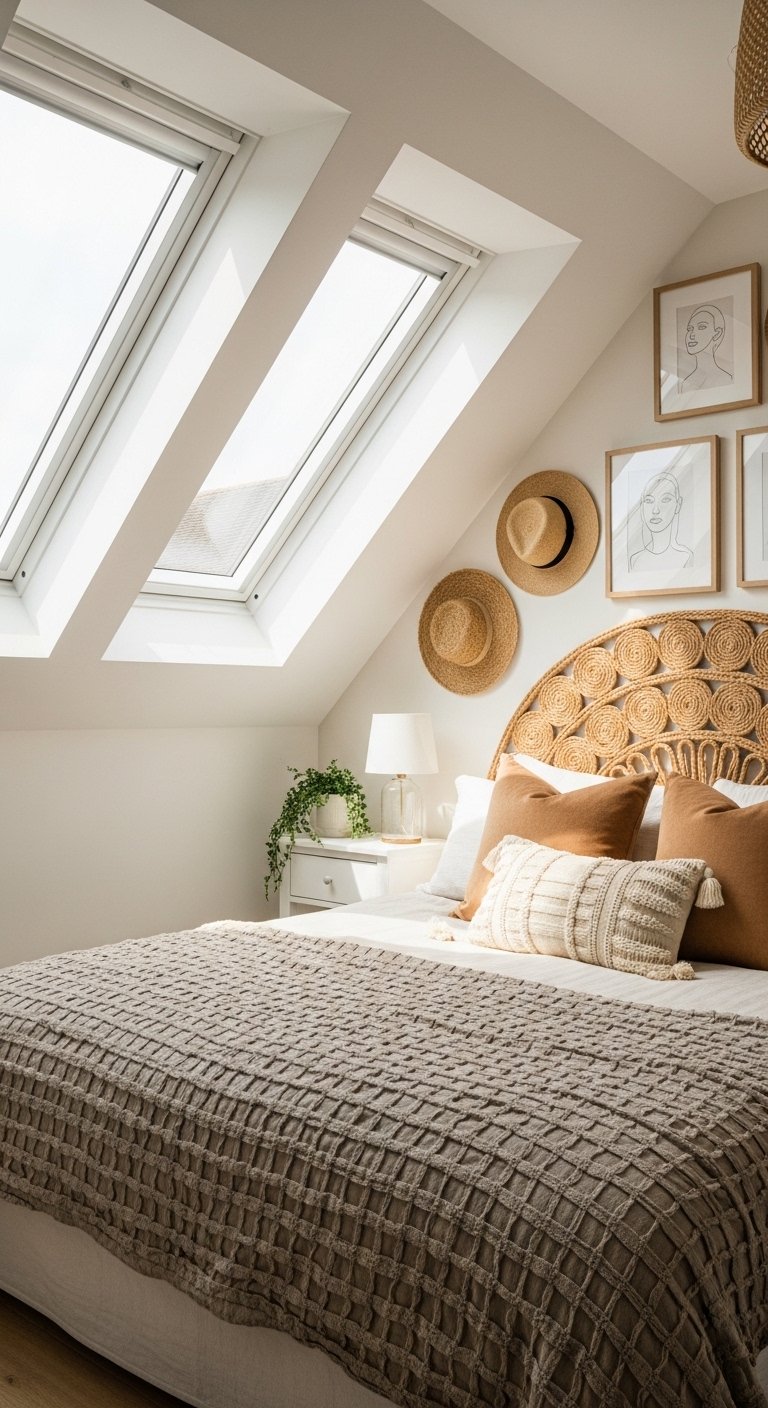
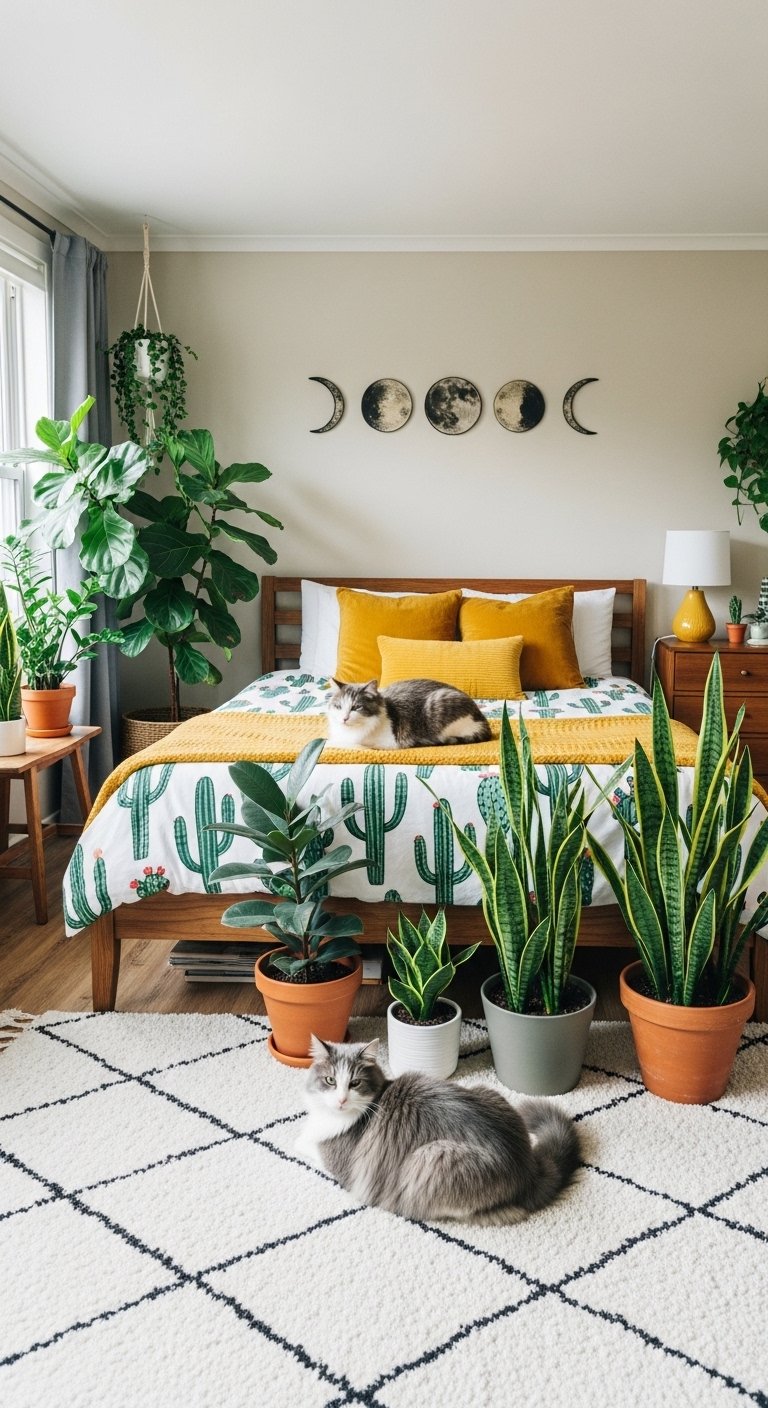
Maximalism can work in small spaces if executed with a bohemian flair. This style embraces the “more is more” philosophy but uses intentional layering. You can mix patterns and plants to create a cozy and nest like environment. The key is to fill the space with items that bring joy and comfort. A floor cushion can serve as extra seating without the bulk of a chair. The visual density creates a feeling of intimacy and warmth. You should use a consistent warm color tone to tie the eclectic mix together. This prevents the room from feeling messy. The “crowding” here is actually a form of cocooning that makes a small bedroom feel safe and personal.
Pro Tip
Use hanging macramé planters to add greenery without taking up any surface area on your nightstands.
Under-Bed Container Storage
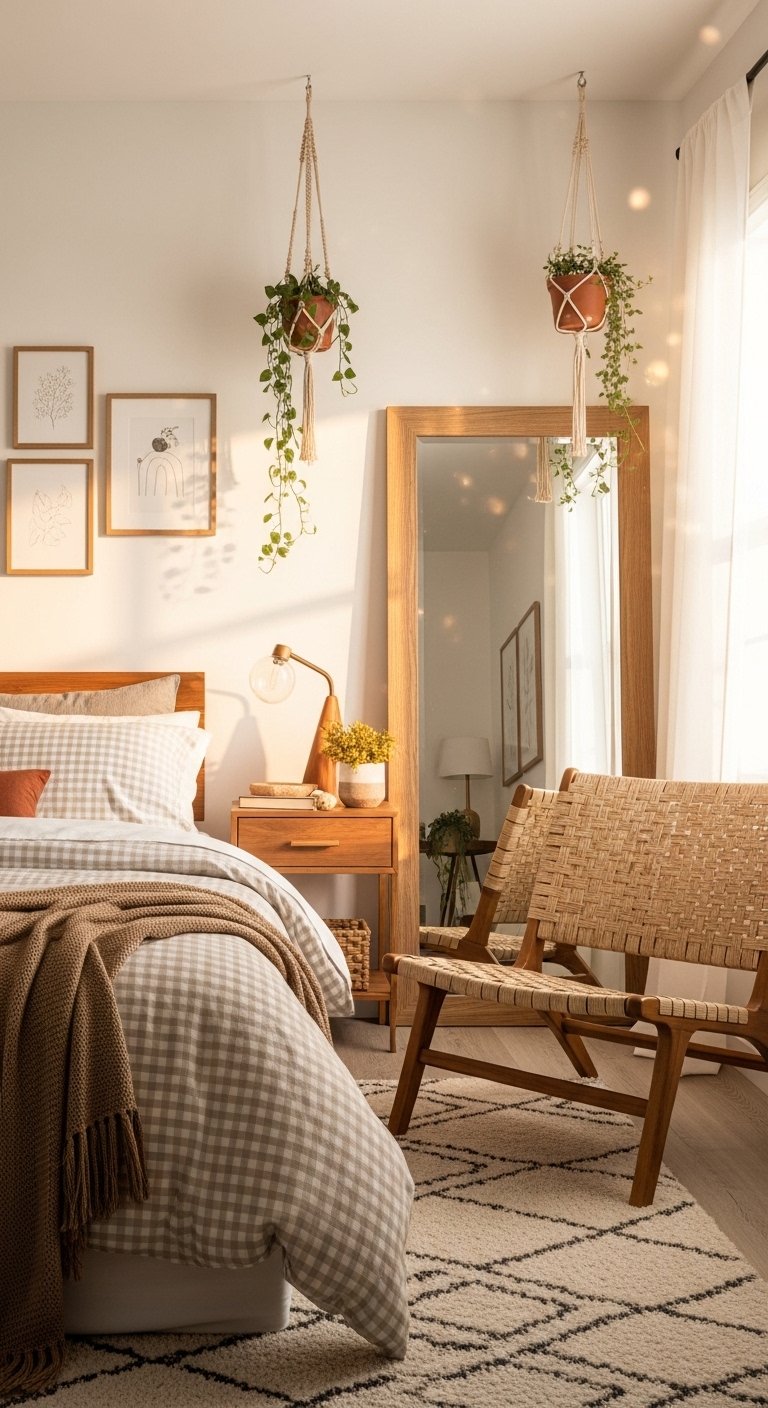
If your bed frame does not have built in drawers you can use separate containers. Clear plastic bins allow you to see the contents immediately. Woven baskets add a textural element if the space under the bed is visible. You should measure the height clearance accurately to ensure a smooth fit. This system is perfect for rotating your wardrobe by season. You can keep your summer clothes under the bed during winter and swap them out when the weather turns. This keeps your main closet breathing and prevents overstuffing. The organization of these containers is crucial.
Pro Tip
Label the end of each bin so you can identify the contents without having to pull the entire container out.
DIY Headboard with Built-in Shelving
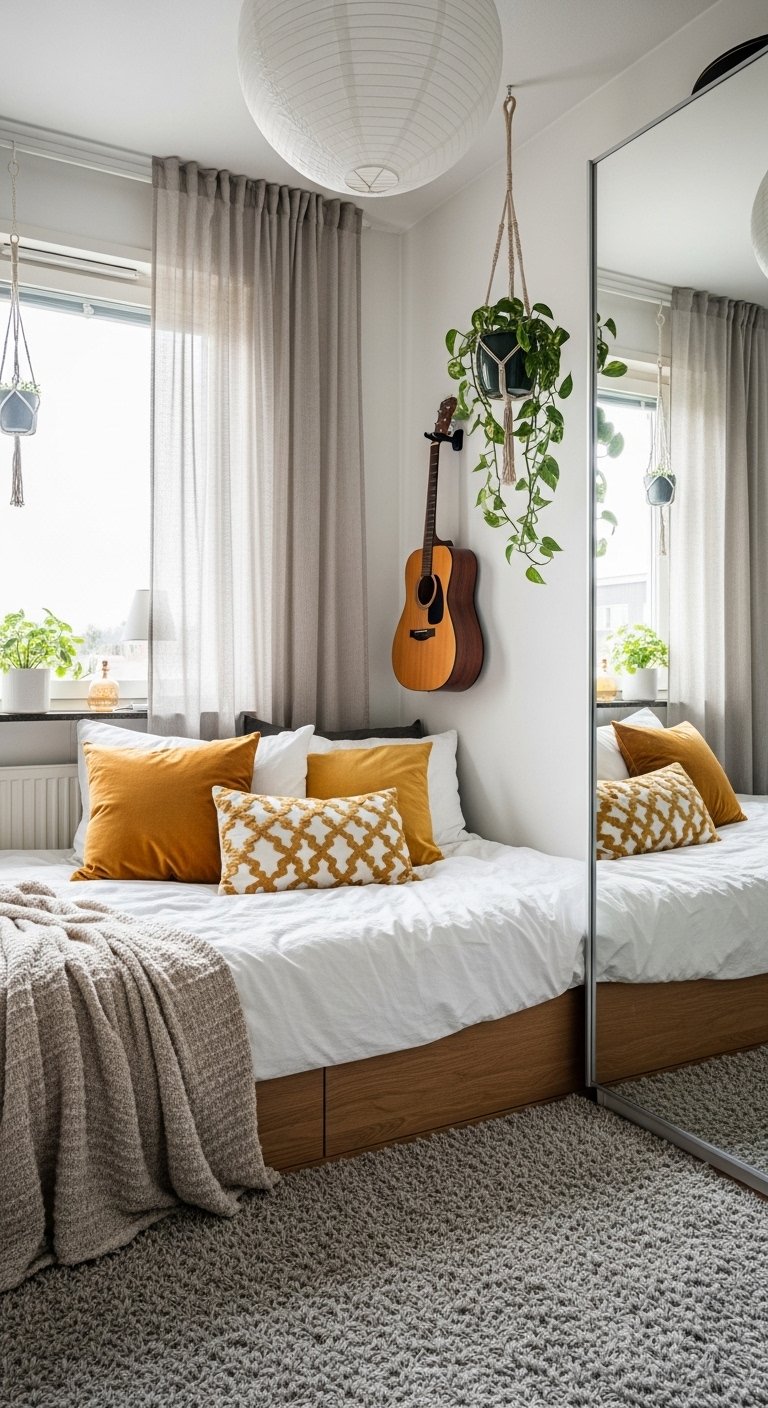
A headboard can be more than just a decorative backrest. You can build or buy a headboard that incorporates side storage or a top ledge. This eliminates the need for nightstands entirely in very narrow rooms. You can place your phone, a book, and a glass of water right behind your head. The structure acts as a focal point and a functional storage unit. This creates a streamlined look where the bed and storage are one cohesive unit. You can use wood planks for a rustic look or painted MDF for a modern finish. The depth of the shelving adds a layer of interest to the wall behind the bed.
Pro Tip
Incorporate outlet cutouts into your DIY headboard so you can easily charge devices without messy cords.
Botanic Approach
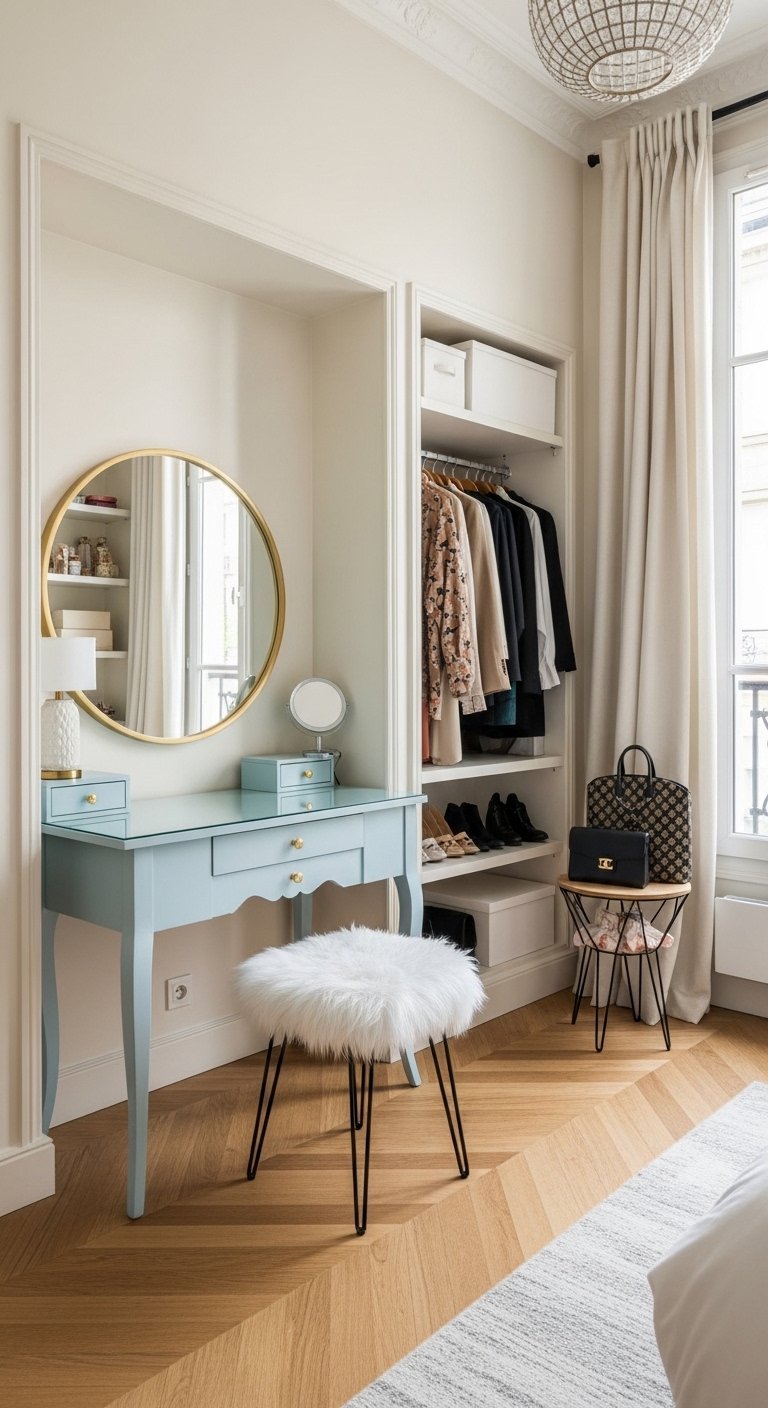
Plants breathe life into a small room and improve air quality. The vertical growth of a snake plant or a fiddle leaf fig draws the eye up. Greenery adds a natural element that softens the architectural lines of a boxy room. You can place a plant on a floating shelf or hang a pothos from the ceiling. The connection to nature makes the space feel fresher and more expansive. Biophilic design reduces stress and creates a calming atmosphere. You do not need a lot of floor space to incorporate plants. Small succulents on a window sill work perfectly.
Pro Tip
Choose low light plants if your small bedroom does not have large windows to ensure they thrive.
Wallpaper for a Bold Accent
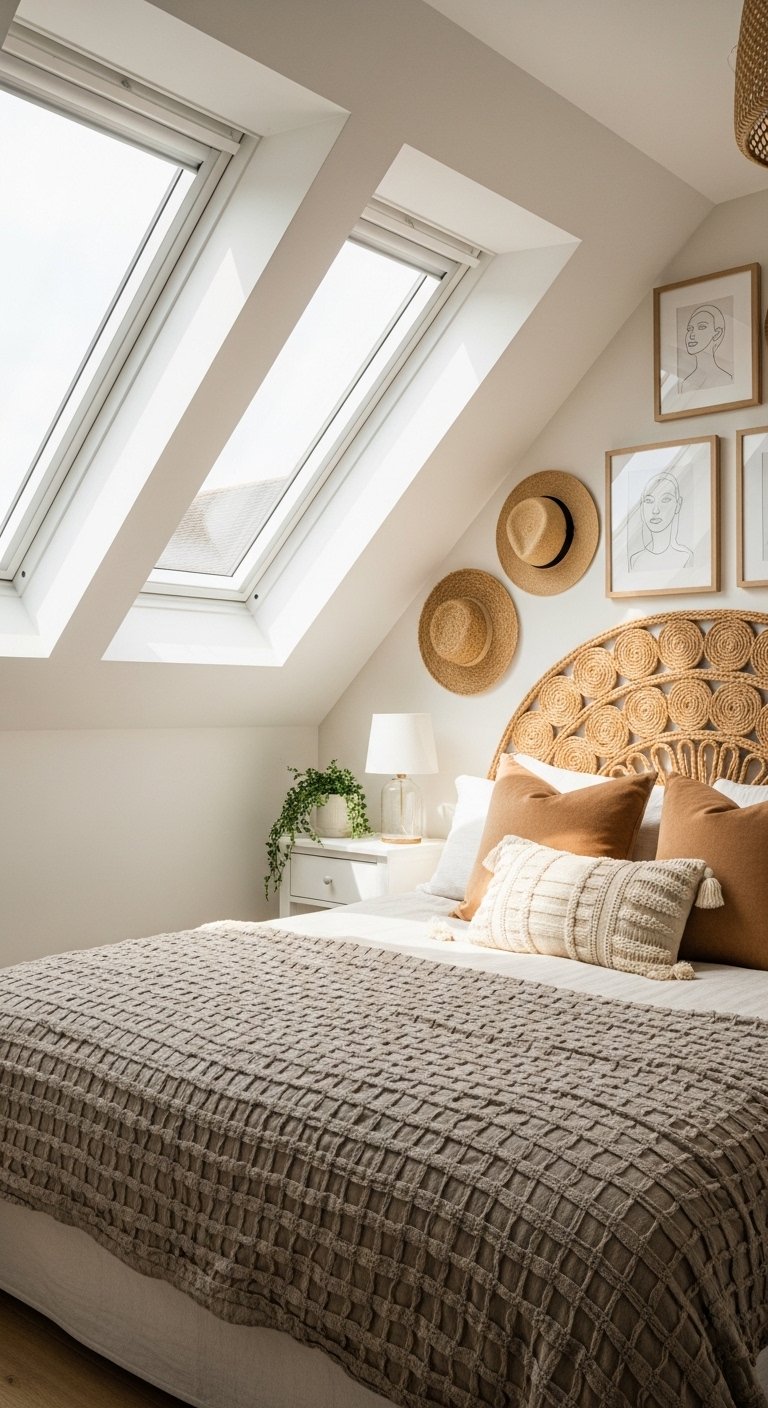
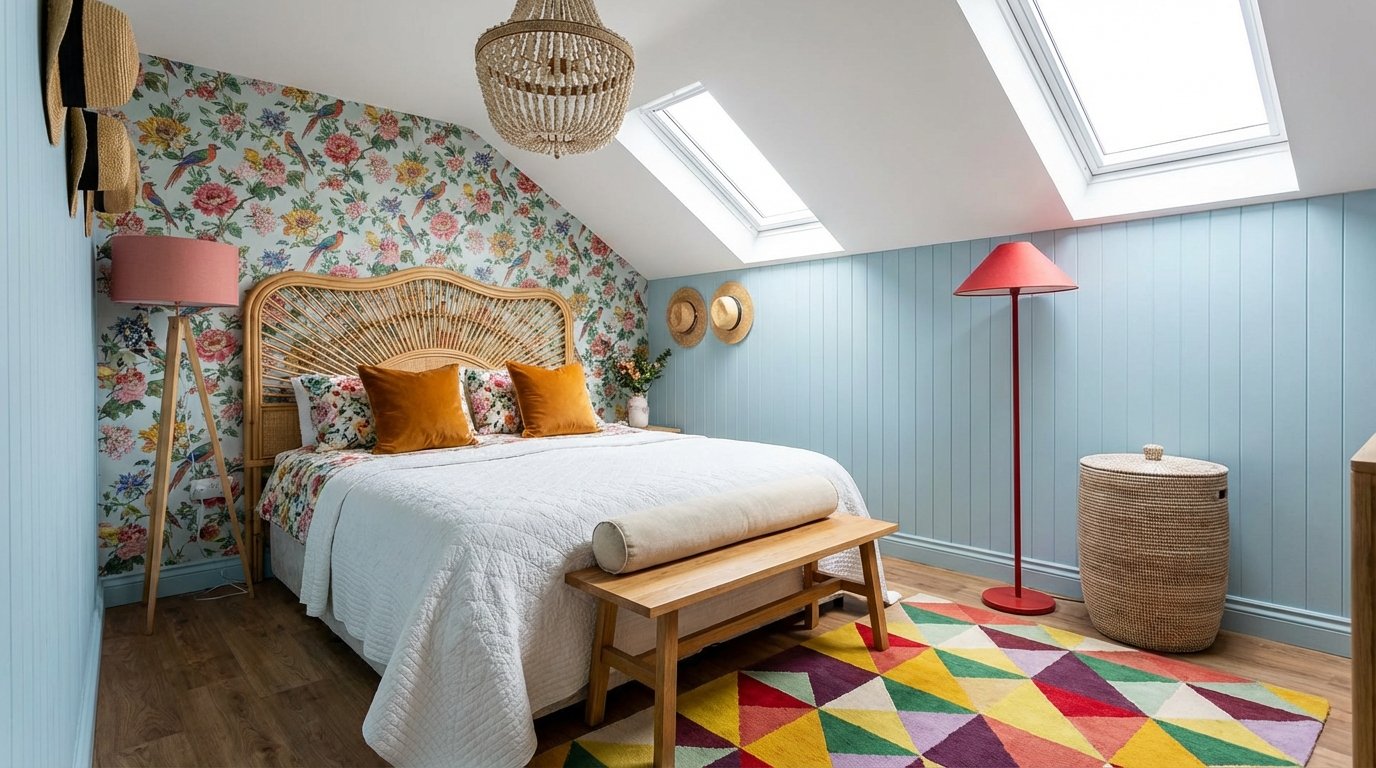
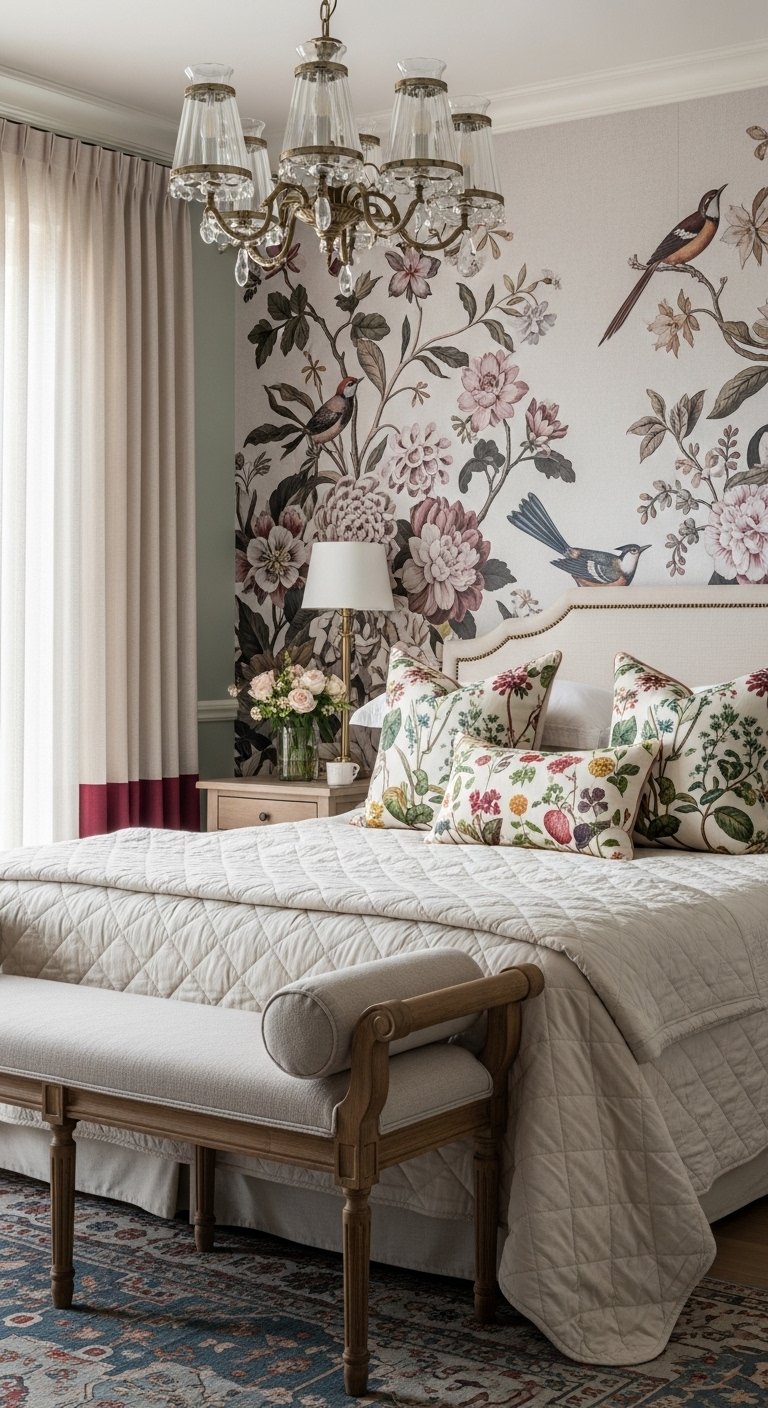
A feature wall can distract from the small size of the room. You can apply a bold wallpaper to the wall behind the bed to create depth. The pattern draws the eye and becomes the hero of the space. This technique adds drama without requiring physical objects that take up space. You should keep the other walls neutral to prevent the room from feeling closing in. Large scale patterns often work better than tiny busy prints in small rooms. The contrast between the accent wall and the neutral walls pushes the visual boundaries.
Pro Tip
Use peel and stick wallpaper for a renter friendly option that is easy to remove or change later.
Pros & Cons: Wallpaper in Small Rooms
| Pros | Cons |
|---|---|
| Adds instant depth | Can feel overwhelming if pattern is too busy |
| Creates a focal point | darker colors may absorb light |
| No floor space required | Installation can be tricky in corners |
Light Tone Maximizing
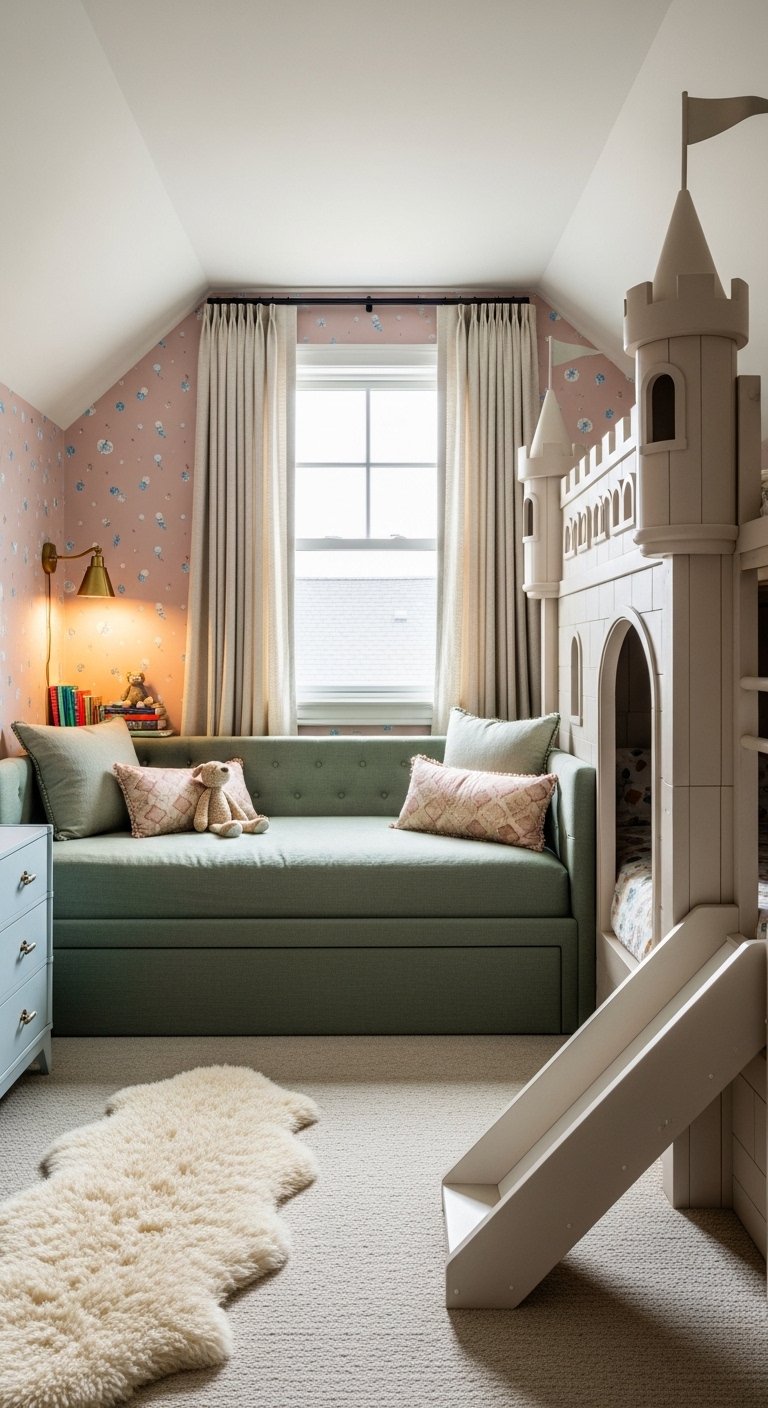
Expanding on the light fabric concept you can apply this to hard surfaces too. Light colored wood flooring or pale rugs bounce light up from the ground. White furniture blends into white walls to create a camouflaged effect. This reduces the visual bulk of wardrobes and dressers. The eye flows over these pieces rather than stopping at them. This continuity is essential for maximizing the perceived size of the room. You can add interest through shape and form rather than contrasting colors. A round white table in a white room looks sculptural and airy.
Pro Tip
Use a semi gloss paint on the trim and doors to reflect even more light than standard matte finishes.
Corner Spaces with Custom Solutions
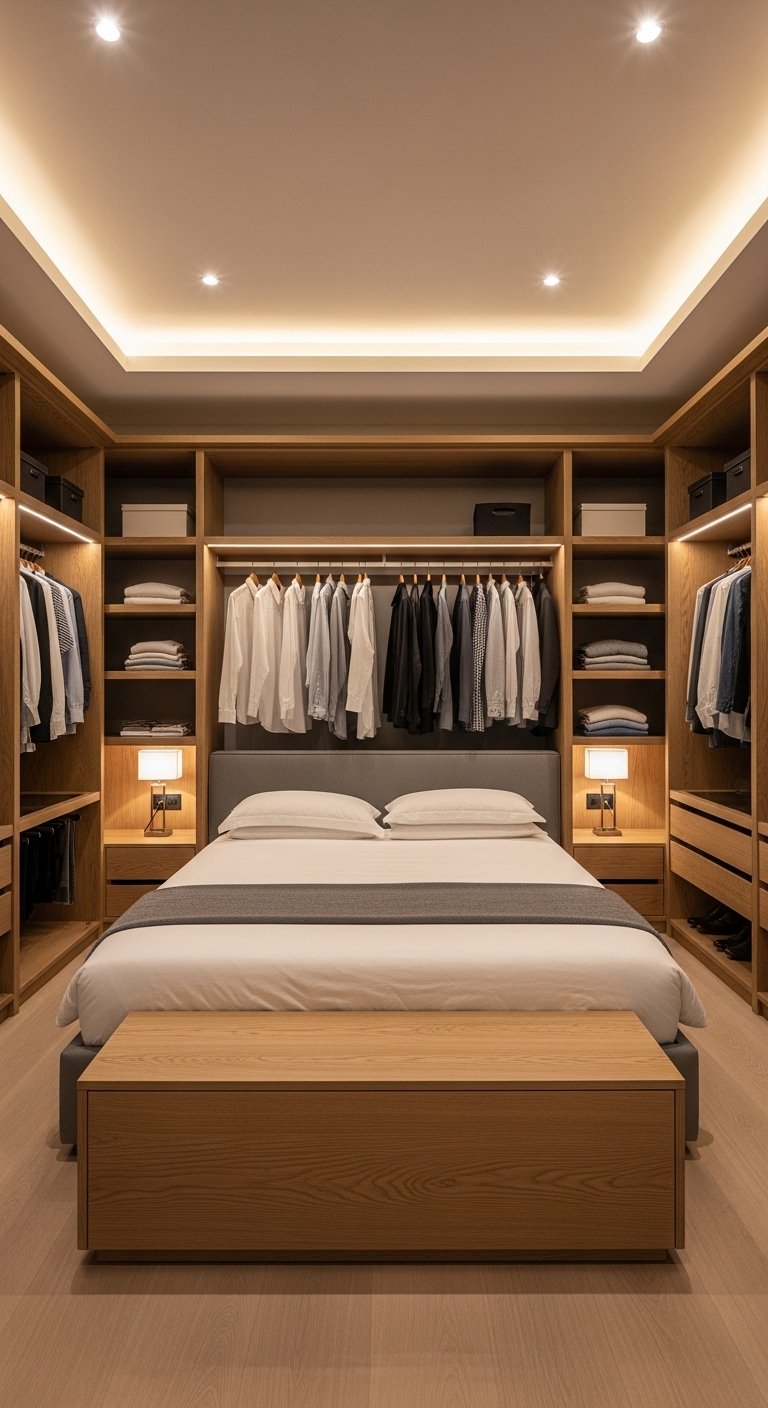
Corners are often dead space in a bedroom. You can install custom triangular shelving to utilize this awkward area. A corner desk can provide a workspace that does not intrude into the center of the room. This ergonomic placement keeps the flow of the room open. You can also use a corner hanging rod for clothes if you lack closet space. Every inch counts in a small room and corners offer deep storage potential. This design choice turns a negative space into a functional asset.
Pro Tip
Place a tall floor lamp in a dark corner to brighten the entire room and eliminate shadows.
Floating Desks and Tables
Legless furniture is the ultimate space saver. A floating desk mounted to the wall provides a sturdy surface for work or grooming. The absence of legs allows you to slide a stool completely underneath when not in use. This keeps the walkway clear and prevents toe stubbing. The visual lightness of floating pieces makes the room feel less crowded. You can mount a small shelf next to the bed to serve as a floating nightstand. This look is modern and highly efficient.
Pro Tip
Use a cable management system behind the floating desk to keep cords from dangling and ruining the clean look.
Sunk In
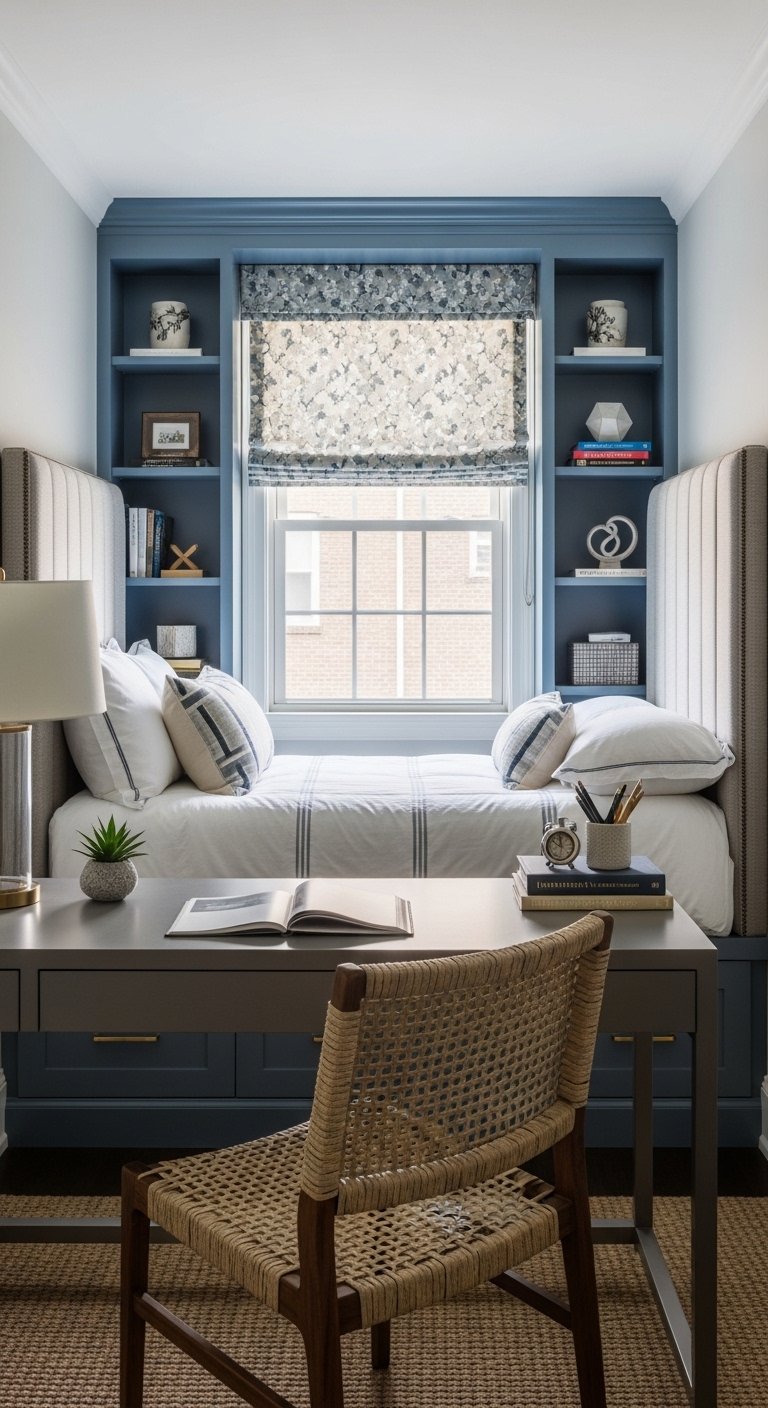
If you have the architectural option a built in alcove bed creates a cozy nook. This “sunk in” effect separates the sleeping area from the rest of the room. You can surround the bed with built in cabinetry for maximum storage. This design mimics the cabin of a ship where every inch is utilized. The bed becomes a destination within the room. This works particularly well in studio apartments or attics with sloped ceilings. The cozy enclosure feels protective and restful.
Pro Tip
Install reading lights inside the alcove so you do not need to rely on external lamps.
Infinite Illusion
Mirrors are the magician’s tool in interior design. A large floor length mirror leaning against a wall creates a doorway to another world. It reflects the room back on itself effectively doubling the visual space. You should place a mirror opposite a window to bounce natural light into the darker parts of the room. This makes the space feel brighter and more open day and night. Mirrored closet doors can make an entire wall disappear. The reflection confuses the eye and dissolves the boundaries of the room.
Pro Tip
Keep the mirror clean and streak free to maintain the convincing illusion of expanded space.
Boxy Bed
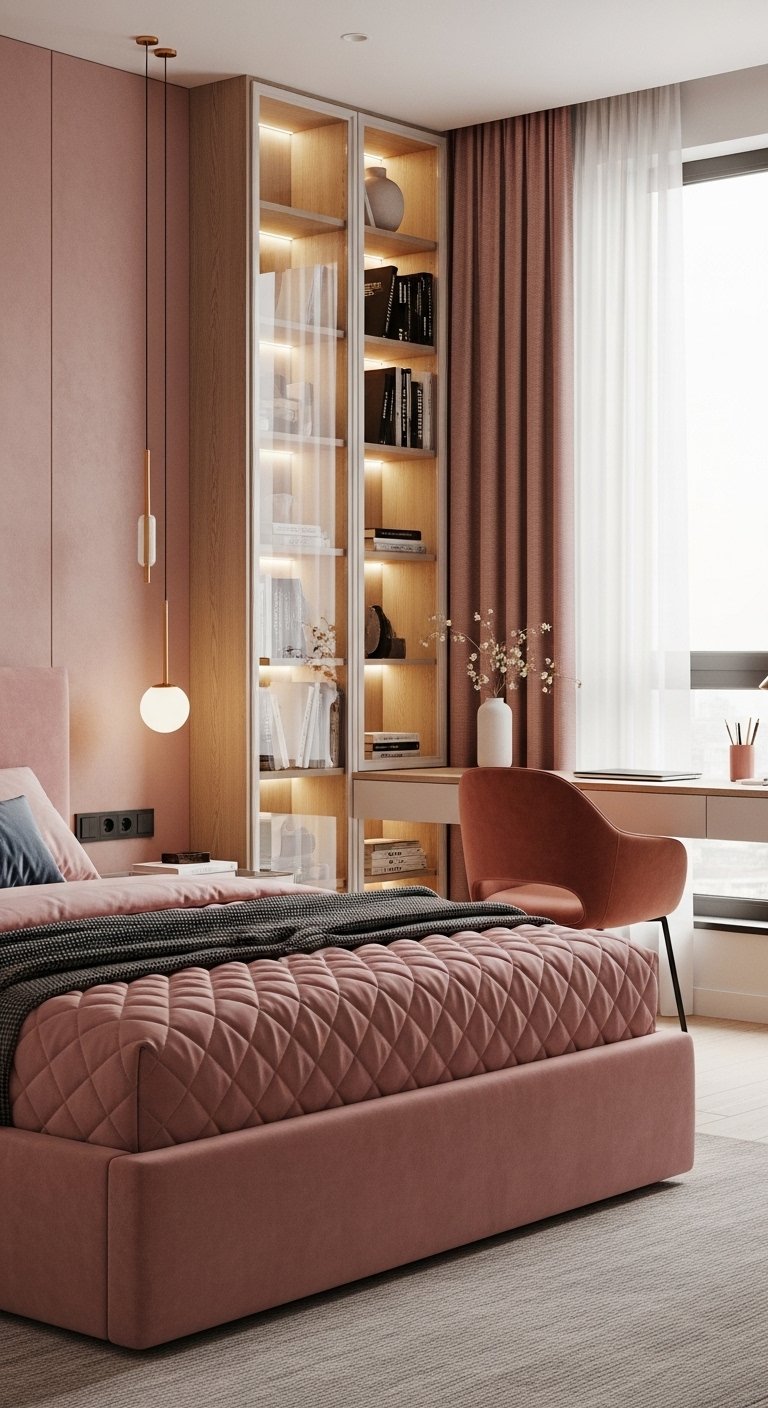
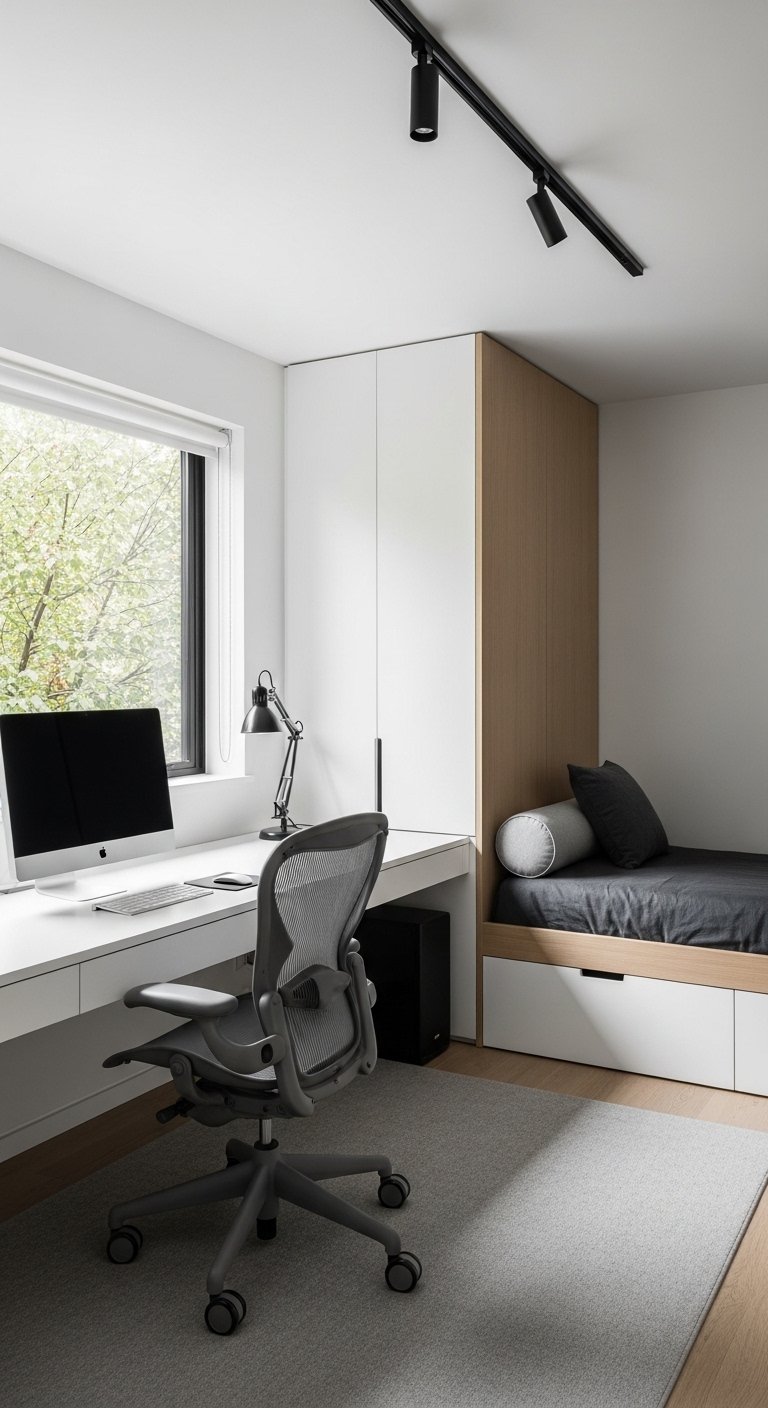
A boxy platform bed with flush sides offers a clean and solid aesthetic. This style eliminates the visual clutter of bed legs and dust ruffles. The solid base grounds the room and provides a heavy anchor. This works well in modern and industrial styles. The box shape can often conceal deep storage compartments. The simplicity of the form allows it to fit into tight corners without looking awkward. You can choose a low profile box bed to increase the vertical space above it.
Pro Tip
Select a mattress that fits perfectly flush with the frame to avoid sharp corners protruding into the walkway.
Popular Asked Questions
How do I arrange furniture in a tiny bedroom?
You should start by placing your bed against the longest wall or centered on the main solid wall. This usually opens up the center of the room for walking. Avoid blocking windows with tall furniture if possible. Keep nightstands small and push dressers into corners or closets to maximize floor space.
What colors make a small room look bigger?
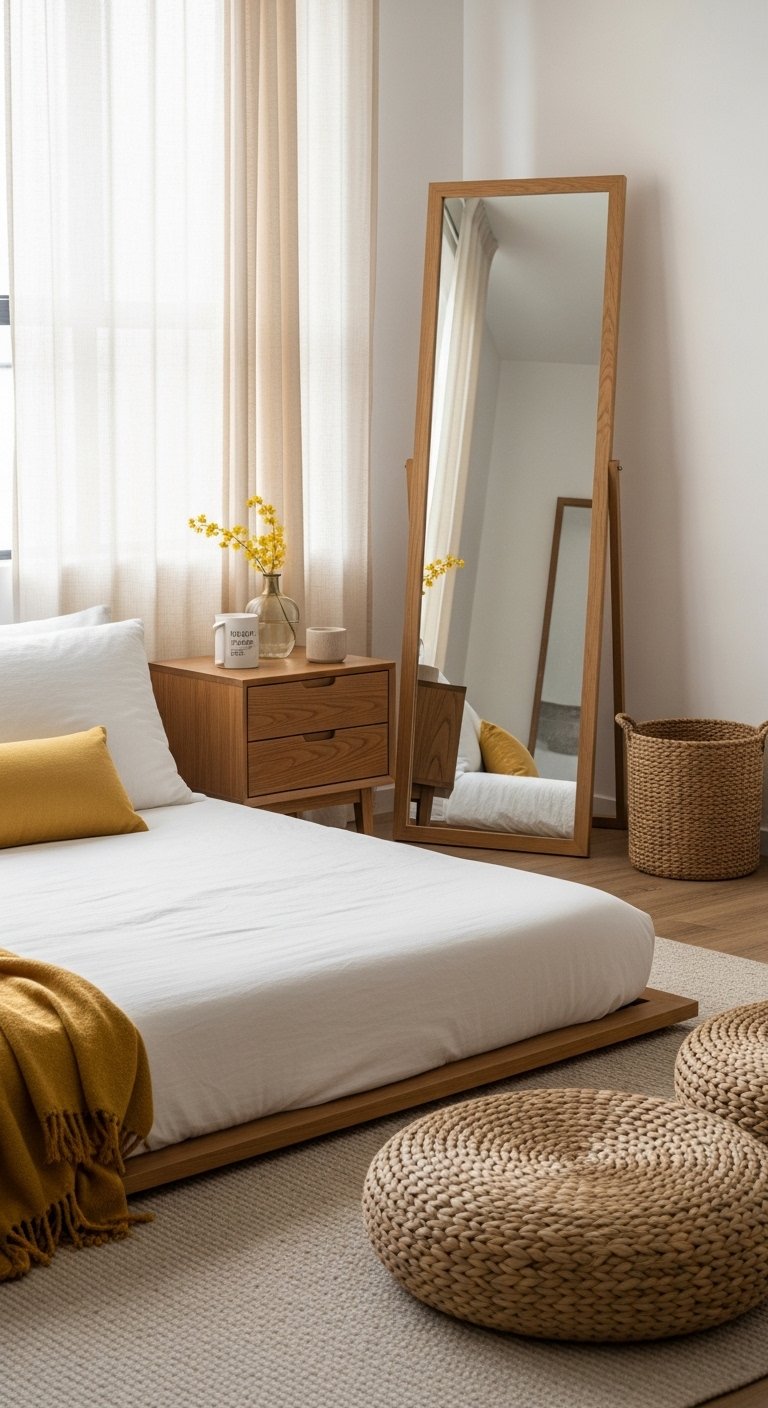
Light and cool colors are best for expanding a space visually. White and cream are classic choices that reflect the most light. Soft greys and pale blues also work well by making walls appear to recede. Painting the trim the same color as the walls can also make the ceiling look higher.
How can I add storage without a closet?
You can use a wardrobe rack or an open rail system to hang clothes. Under bed storage is another excellent option for hiding items. Tall bookcases and wall mounted shelves utilize vertical space effectively. A dresser can also double as a nightstand to save space.
What size bed is best for a small room?
A full size bed is often the sweet spot for small rooms as it saves space compared to a queen but still sleeps two adults. If you are sleeping alone a twin or twin XL allows for much more furniture. However a queen can work if you are willing to sacrifice side tables and push one side against a wall.
Conclusion
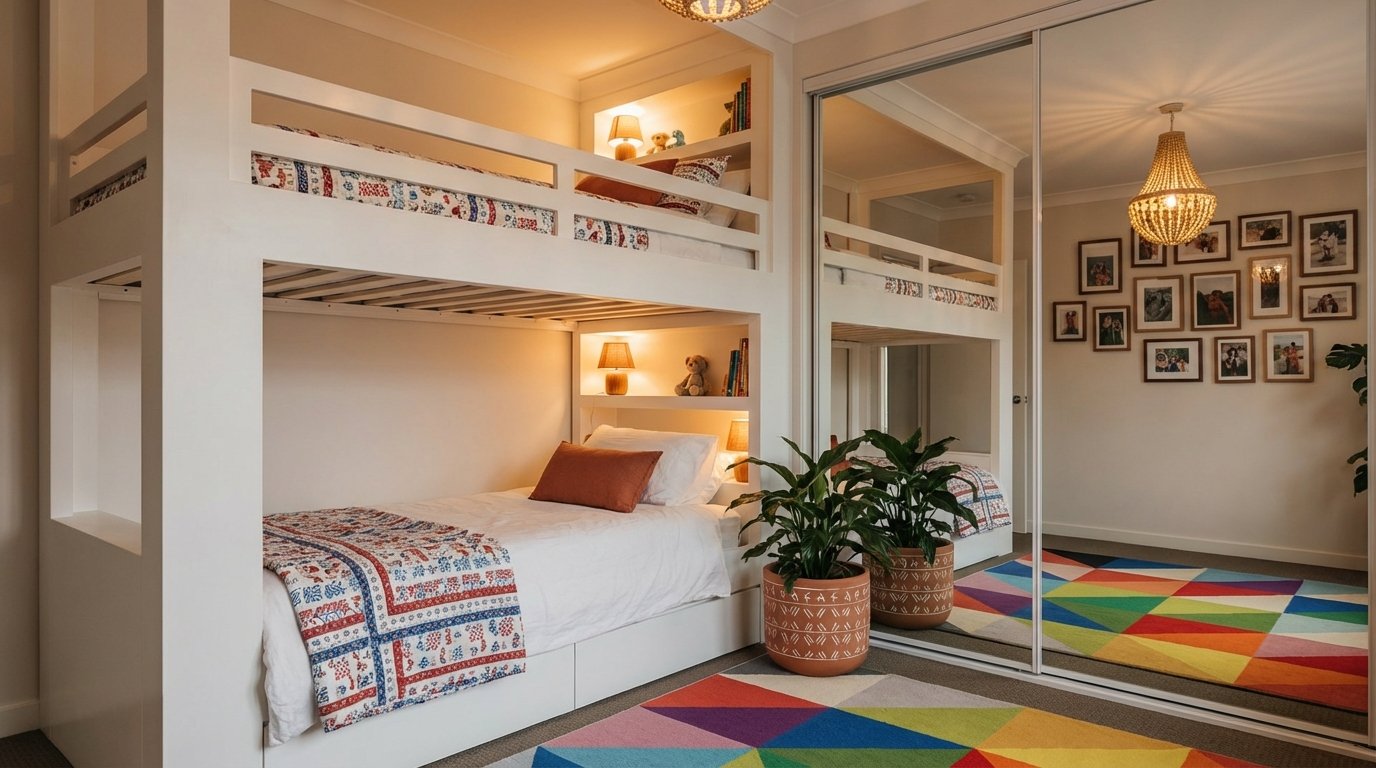
Transforming a small bedroom requires a shift in perspective. You must view the limited square footage not as a restriction but as a prompt for innovation. By utilizing vertical space and embracing multifunctional furniture you can create a room that serves all your needs. The smart use of light and mirrors will ensure the space feels open and inviting. Small rooms have the potential to be the most comforting spaces in a home because they naturally wrap around you.
What is the one item in your bedroom that takes up too much space right now?
Follow us on Pinterest for more Small Bedroom inspiration.

Leave a Comment