
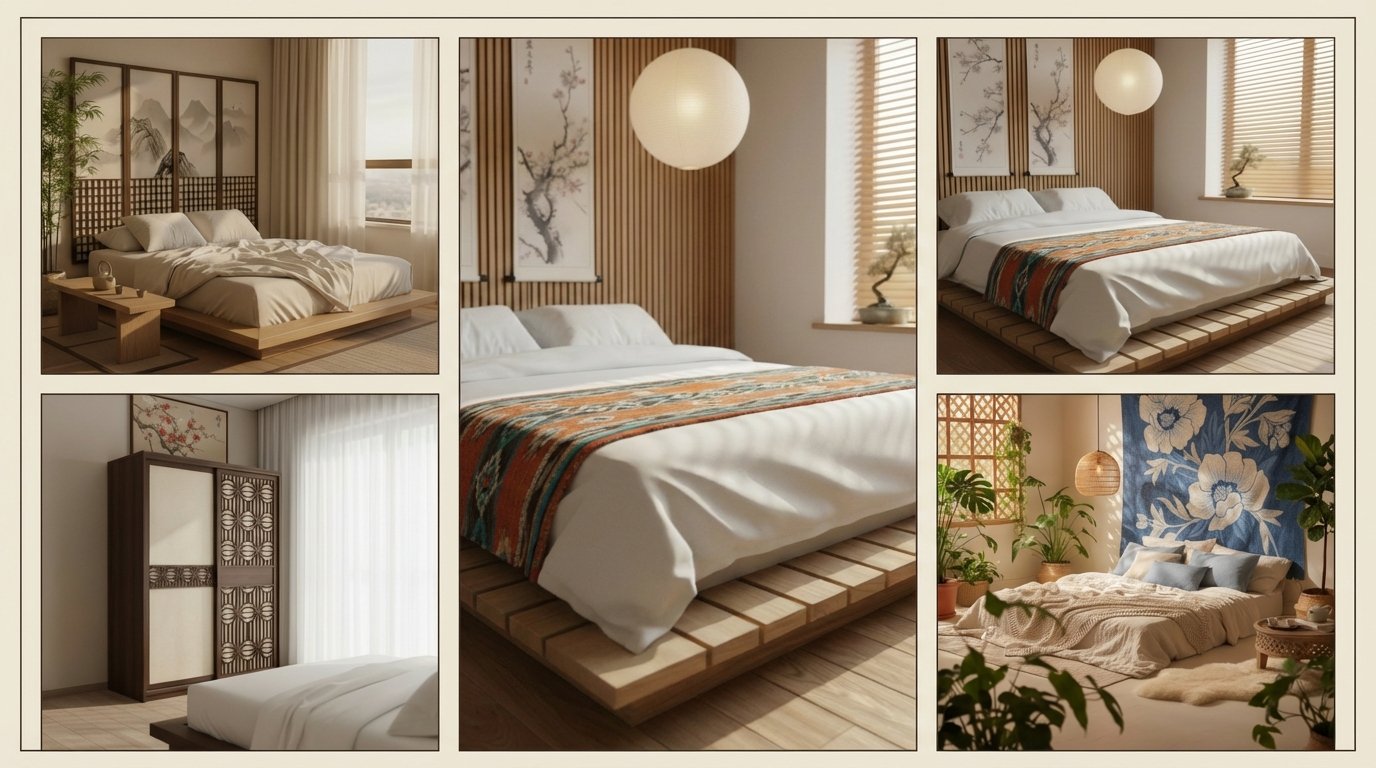
Creating a sanctuary that feels both modern and deeply comforting requires a shift in perspective. You likely feel overwhelmed by clutter or disconnected from your current environment. The Korean aesthetic offers a remedy through intentional minimalism and warmth. This design philosophy emphasizes simplicity without sacrificing coziness. It focuses on clean lines, natural textures, and a soft palette to soothe the mind. You will transform your bedroom into a functional retreat that promotes rest and creativity. Following these steps ensures a space that looks curated yet feels lived in.
Check out our related guide on Minimalist Living.
Key Takeaways
- Low Profile Furniture creates an illusion of higher ceilings and more space in small rooms.
- Warm Lighting Layers define the mood better than a single overhead fixture.
- Neutral Palettes featuring cream, beige, and wood tones form the foundation of this aesthetic.
- Hidden Storage maintains the visual silence required for true relaxation.
Table of Contents
- Furniture Selection
- Natural Elements
- Flooring Matters
- Soft Lighting
- Use of Screens
- Minimalist Wall Decor
- Layered Bedding
- Neutral Color Palette
- Clever Storage Solutions
- Korean-Style Wardrobe
- Incorporate Traditional Art
- Textured Accents
- Use of Natural Light
- Decluttering
- Embrace Feng Shui Principles
- Natural Fabrics
- Accent Wall with Wallpaper
- Korean Inspired Headboard
- Personal Touches
- Conclusion
- Popular Asked Questions
Furniture Selection
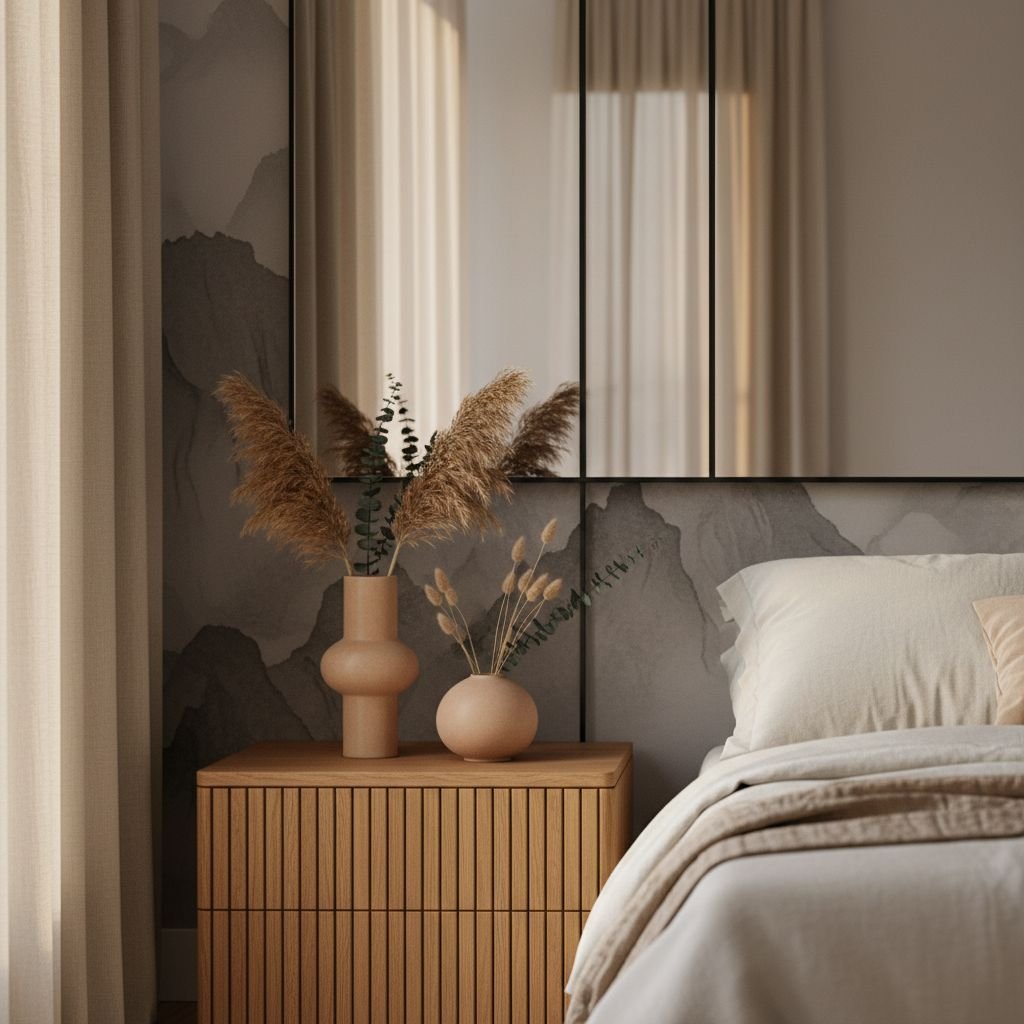
The foundation of a Korean style bedroom lies in the furniture profile. You should prioritize pieces that sit close to the ground. Low bed frames or mattress pallets remove visual weight from the room. This design choice mimics the traditional floor-sleeping culture while offering modern support. The lack of height makes the ceiling appear taller. It opens up the vertical space significantly. Keep the lines clean and the shapes simple. Avoid ornate carvings or heavy metal hardware. Light wood tones like birch, oak, or maple work best here. They reflect light and maintain an airy atmosphere. Rounded corners on nightstands or desks soften the look further. This gentle approach prevents the room from feeling rigid or clinical.
Pro Tip: Choose a bed frame without a footboard to maximize the flow of movement in smaller rooms.
Natural Elements
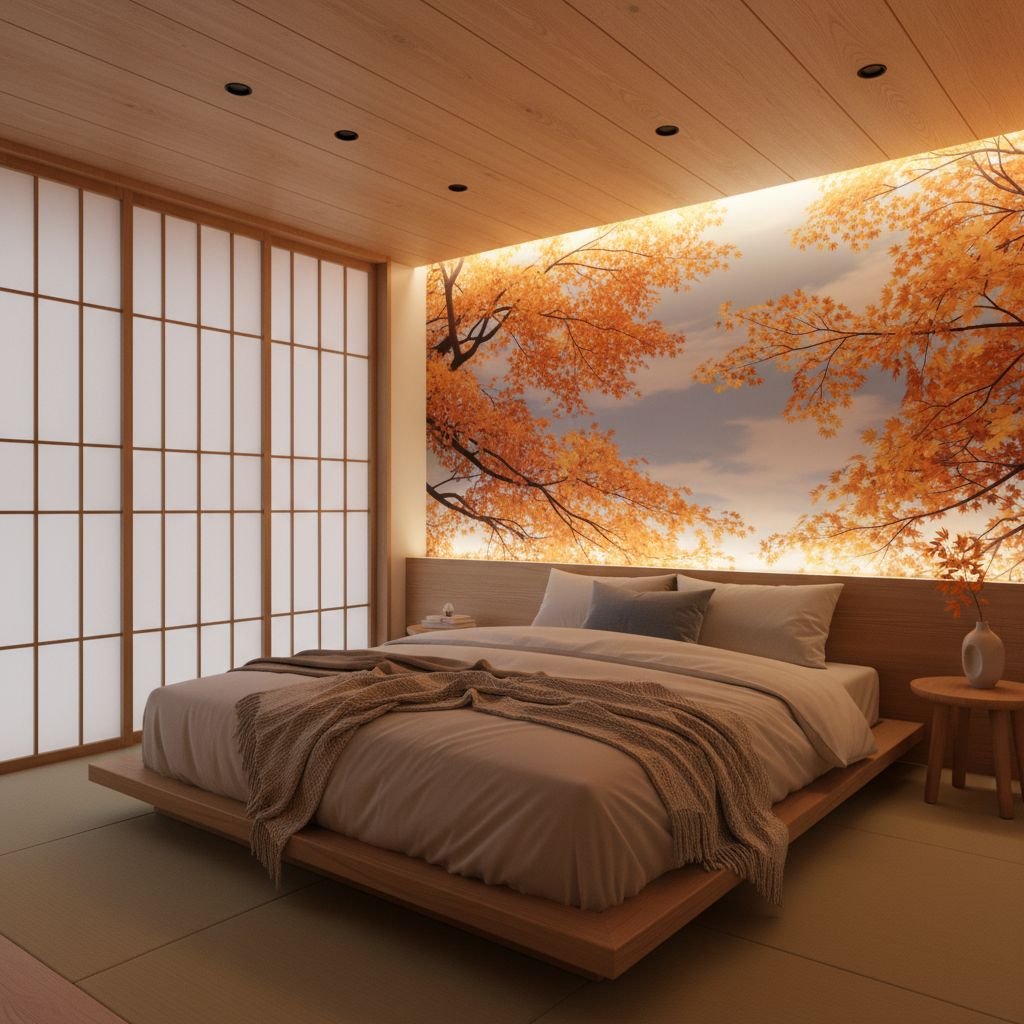
Bringing the outdoors inside establishes a connection to nature that grounds the aesthetic. Small potted plants add vibrancy to an otherwise neutral space. You do not need a massive indoor jungle. A single Monstera or a few small succulents on a windowsill suffice. The green breaks up the beige and white tones effectively. Dried flowers also play a major role in this style. Pampas grass or dried cotton stems in a ceramic vase offer texture without demanding maintenance. Wood, stone, and rattan serve as primary materials for accessories. A small wooden stool or a stone coaster set introduces organic irregularity. These elements remind you of the natural world and reduce stress levels.
Pro Tip: Place a small vase of eucalyptus on your bedside table for a subtle, relaxing fragrance.
Flooring Matters
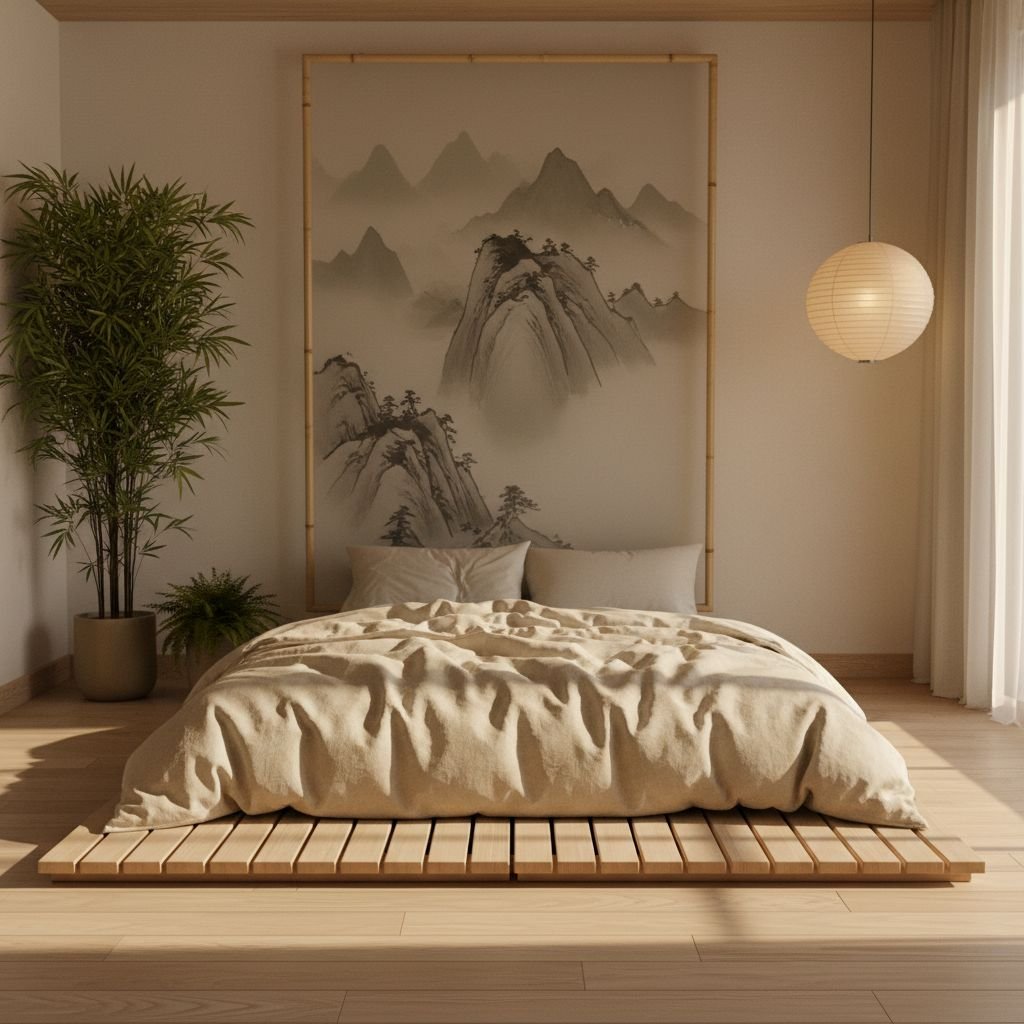
Flooring sets the stage for the entire room. Dark carpets or heavy tiles often clash with the light, airy vibe you want. Light wood flooring is the gold standard for this look. It brightens the room by reflecting natural light. If you cannot replace your floors, consider high-quality vinyl sheets that mimic pale oak. Alternatively, use a large, neutral area rug to cover dark or outdated surfaces. The rug should feature a flat weave or a very short pile. Avoid loud patterns or distinct geometric shapes. A solid cream or oatmeal color works perfectly. This creates a seamless visual plane that allows your furniture to stand out gently. The floor becomes a quiet background rather than a focal point.
Pro Tip: Use a rug pad underneath your area rug to add extra cushioning for floor sitting.
Soft Lighting
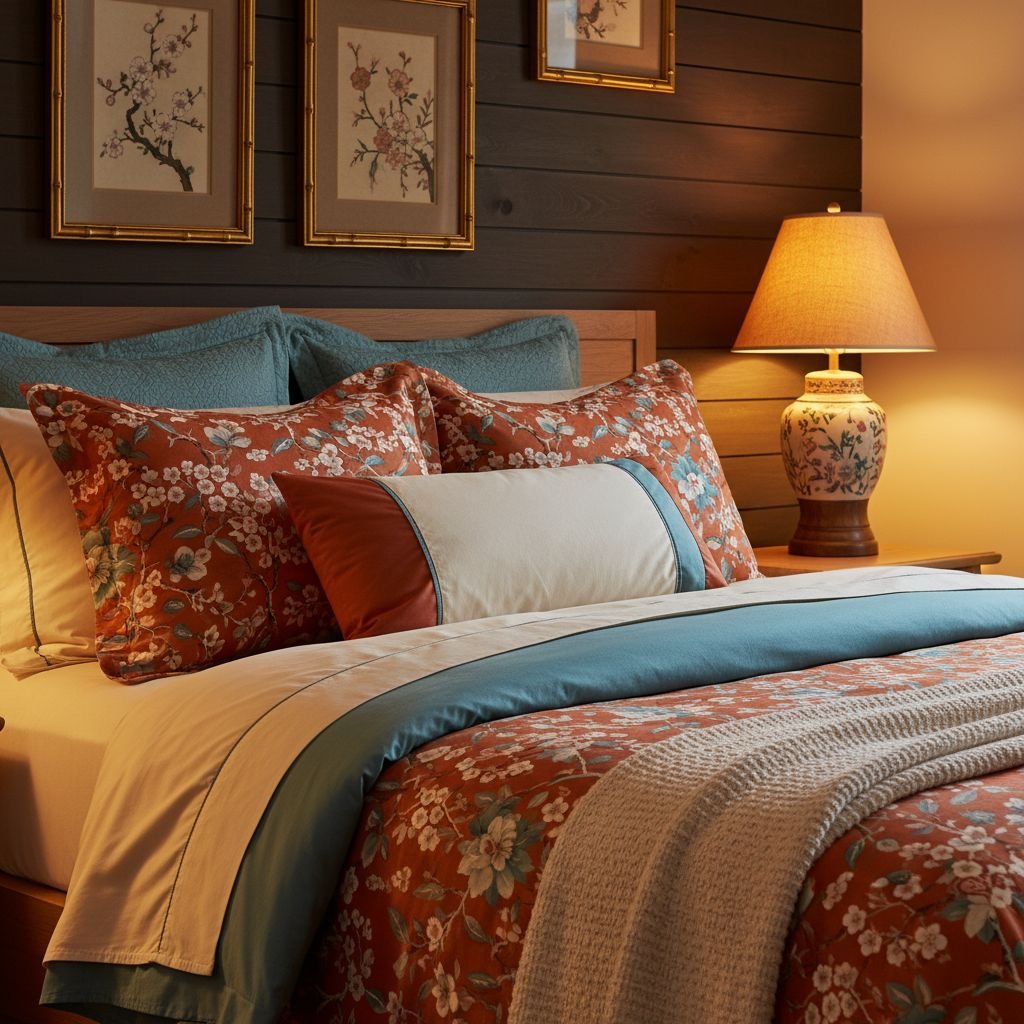
Harsh overhead lighting destroys the cozy atmosphere immediately. You must layer your light sources to create pockets of warmth. Rely on lamps with warm bulbs rather than cool white LEDs. A Kelvin rating between 2700K and 3000K provides that golden hour glow. Paper lanterns or fabric lampshades diffuse the light beautifully. They eliminate sharp shadows and create a soft radiance. Place a table lamp on your desk and a floor lamp in the corner. This distribution eliminates dark spots and makes the room feel larger. String lights or fairy lights also fit this aesthetic when draped casually. They add a whimsical touch without feeling childish. The goal is a mood that encourages rest and reading.
Pro Tip: Install a dimmer switch or use smart bulbs to control brightness levels throughout the day.
Use of Screens
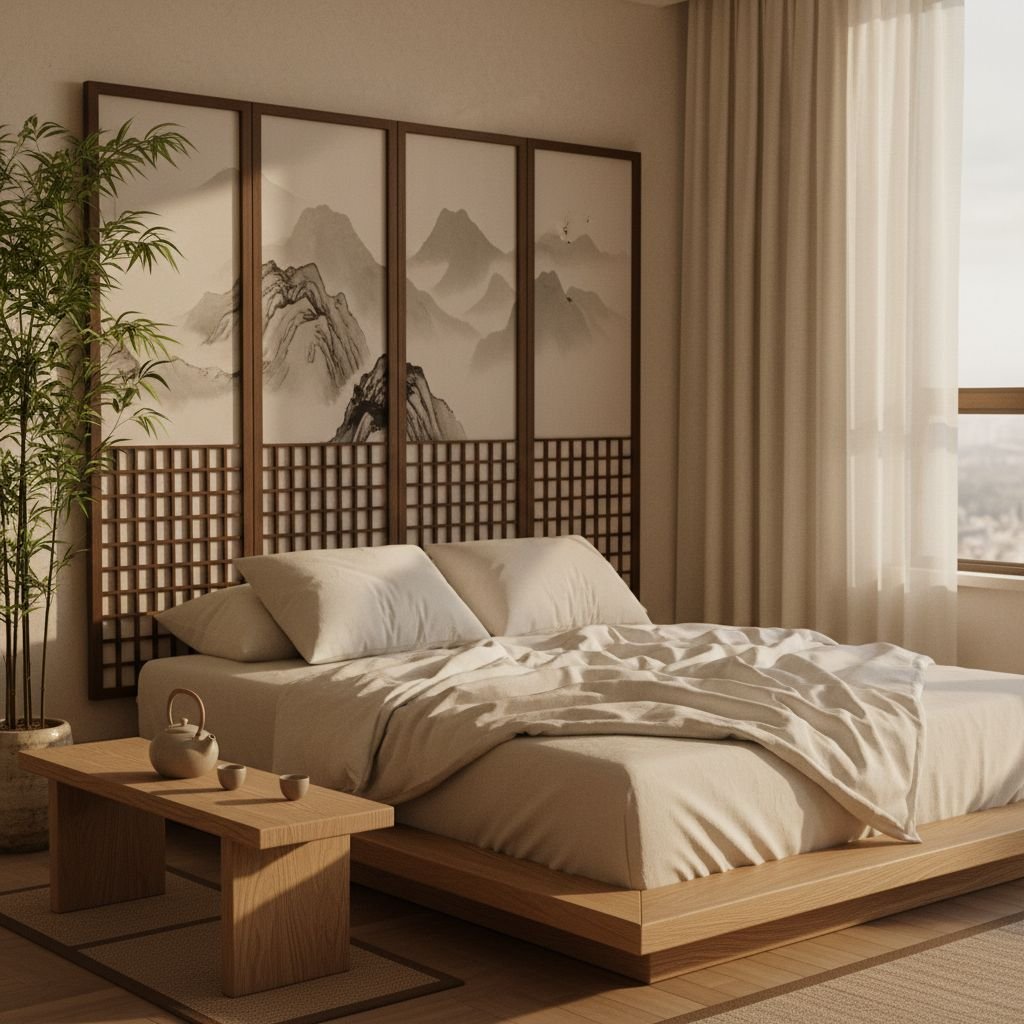
Privacy and separation in shared or studio spaces often require creative solutions. Room dividers or folding screens offer functionality without building walls. Traditional styles often feature paper or fabric panels within a wooden frame. These allow light to pass through while obscuring the view. Rattan screens provide texture and warmth. You can use a screen to hide a clothing rack or a work desk when not in use. This separation helps your brain switch from “work mode” to “rest mode.” The screen acts as a piece of mobile architecture. It adds height and interest to the room. When not needed, you simply fold it away. This flexibility suits the adaptable nature of Korean interior design.
Pro Tip: Save this idea to your Pinterest. Use a screen as a unique headboard alternative if you have a simple mattress setup.
Comparison: Room Divider Styles
| Feature | Shoji (Paper) Screen | Rattan / Wicker Screen | Solid Wood Screen |
|---|---|---|---|
| Light Filtration | High (diffused glow) | Medium (through gaps) | None (total block) |
| Visual Weight | Very Light | Medium | Heavy |
| Durability | Delicate (tears easily) | Durable | Very Durable |
| Best For | Small, dark rooms | Adding texture | Large spaces |
Minimalist Wall Decor
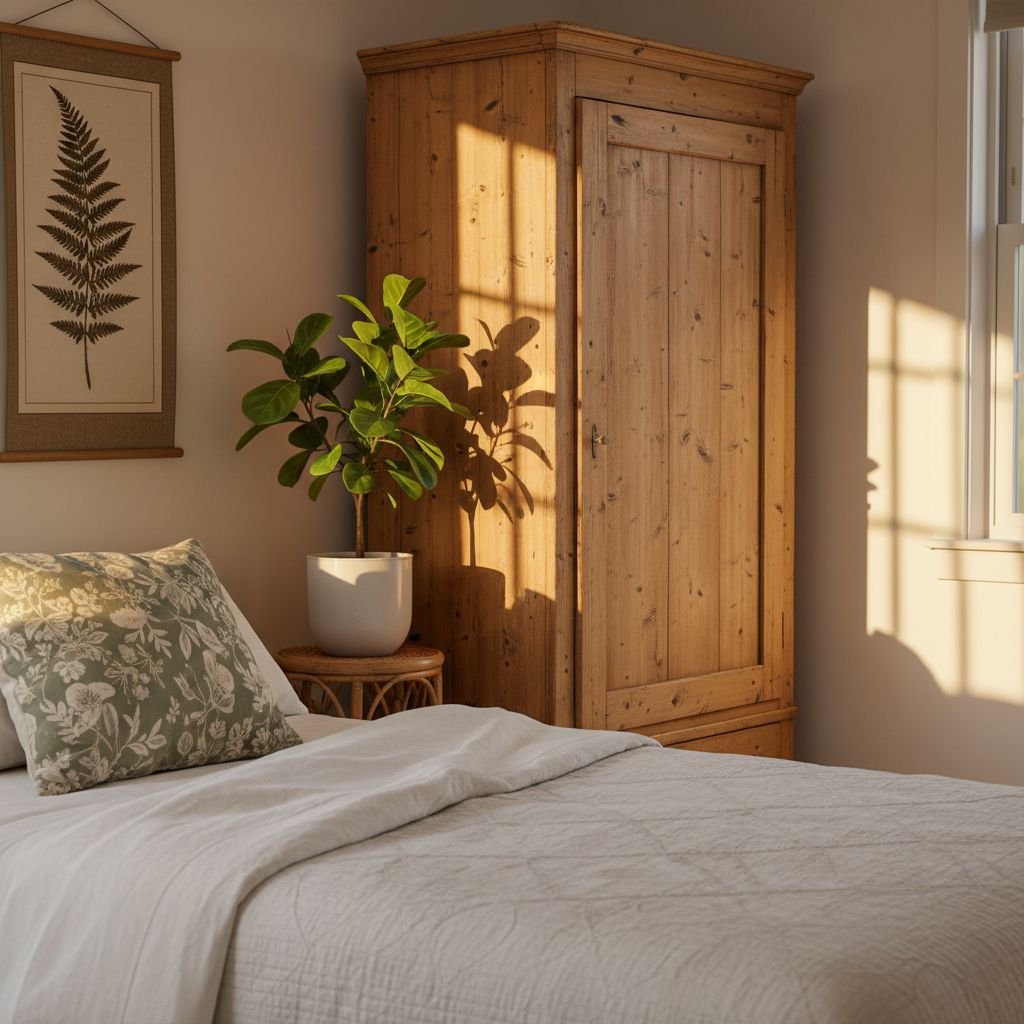
Walls in this aesthetic serve as a canvas for subtle expression rather than a gallery of noise. Avoid filling every inch of space with posters. Select a few meaningful images or art prints. Postcards taped directly to the wall with washi tape create a casual, collage-like feel. This method looks effortless and youthful. Stick to a coherent color scheme within the art, such as pastels or muted earth tones. A simple wire grid panel above a desk offers a place for notes and photos. It keeps the desk surface clear while adding personality. Mirrors also act as wall decor. A round or irregular shaped mirror reflects light and adds dimension. The empty space on the wall is just as important as the filled space. It gives your eyes a place to rest.
Pro Tip: Use matte finish tape or wooden magnetic hangers instead of heavy frames for a lighter look.
Layered Bedding
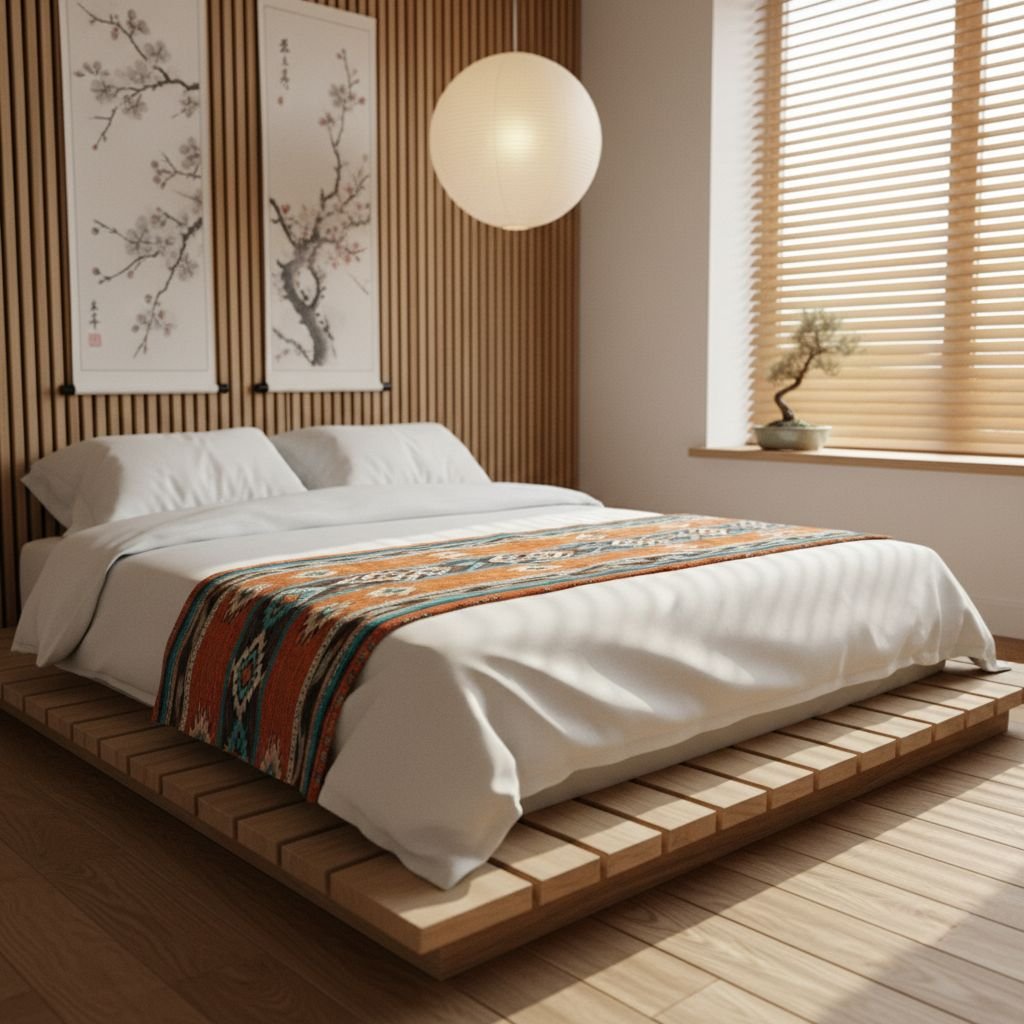
The bed should look inviting enough to melt into. Layering different fabrics creates this effect. Start with crisp cotton sheets in white or ivory. Add a duvet with a textured cover, such as washed linen or waffle knit. The duvet should look fluffy and substantial. Fold it back slightly to reveal the sheets underneath. Add a throw blanket at the foot of the bed for contrast. Mixing shades of the same color family adds depth. For example, pair a cream duvet with a beige throw. Pillows should be plentiful but organized. Two standard pillows for sleeping and one or two decorative cushions suffice. The “undone” look is popular here. It implies comfort rather than military precision.
Pro Tip: Choose a duvet insert one size larger than your cover for an extra fluffy, cloud-like appearance.
Neutral Color Palette
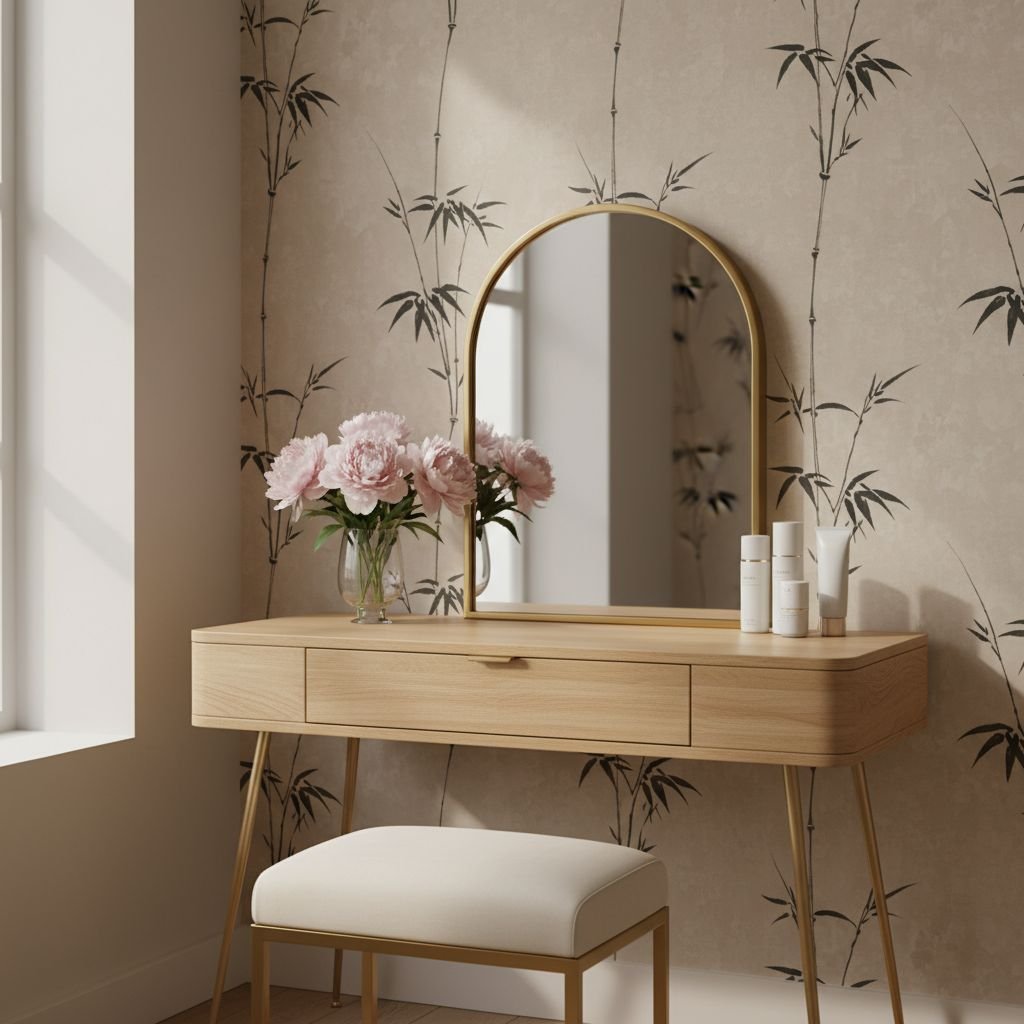
Colors dictate the emotional energy of the room. A Korean style bedroom relies heavily on low-saturation tones. White, cream, beige, and soft grey dominate the scene. These shades expand the sense of space and reflect light. They create a blank slate that allows textures to shine. You can introduce color, but keep it muted. Sage green, dusty pink, or pale blue work well as accents. Avoid bright reds, neons, or deep blacks. These strong colors absorb light and shrink the room visually. Monochrome schemes are common and effective. Using various shades of oatmeal creates a sophisticated, cohesive look. This restraint in color choice leads to a calmer mind before sleep.
Pro Tip: Test paint samples at different times of day to see how natural light alters the shade.
Clever Storage Solutions
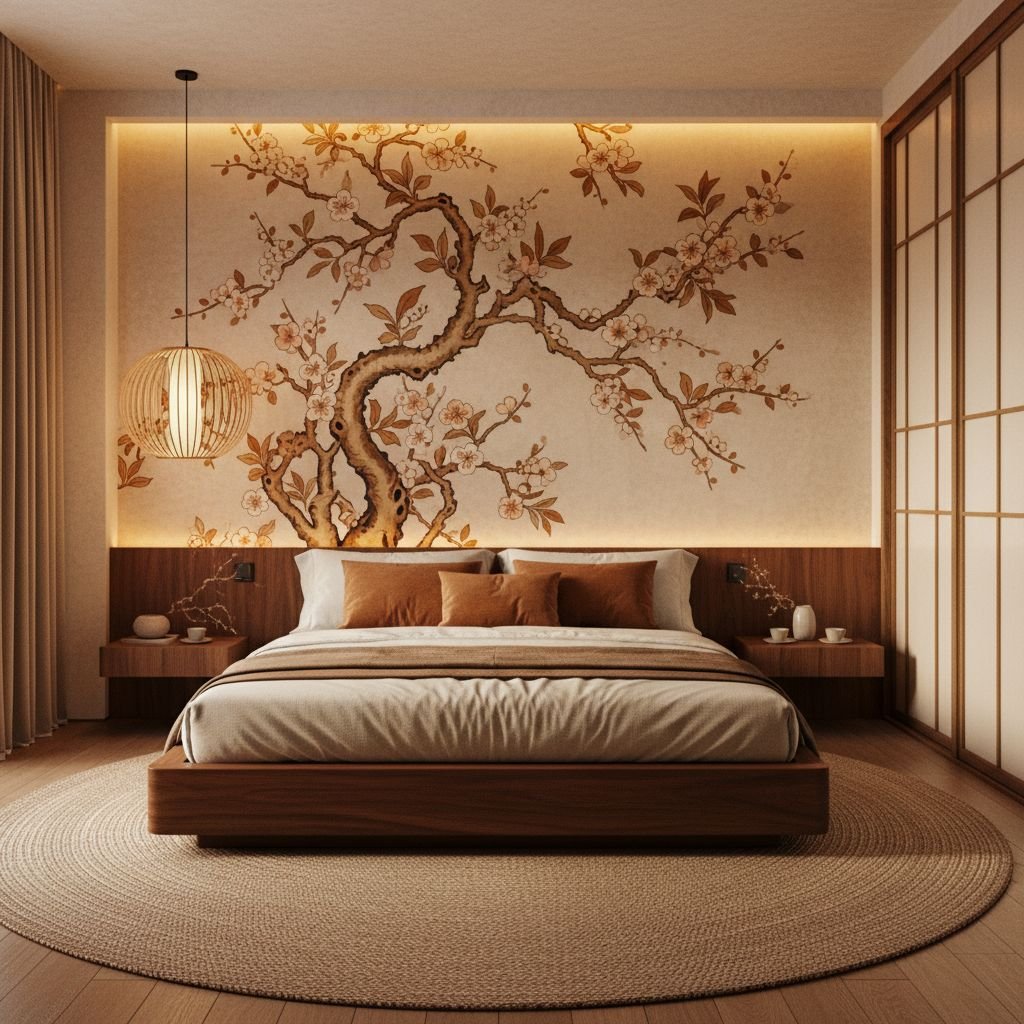
Clutter disrupts the visual harmony you are building. Everything needs a home. Storage units should blend into the walls or furniture. Under-bed storage draws are essential for small spaces. They utilize the dead space beneath your sleeping area. Use fabric bins or uniform boxes on open shelves. This hides visual noise like cables, papers, and knick-knacks. White or wooden boxes maintain the color palette. If you have open shelving, arrange items with breathing room between them. Do not stack books or items haphazardly. Stackable crates are a popular trend. They offer modular storage that you can rearrange as needed. The goal is to see only the items that bring joy or are immediately necessary.
Pro Tip: Use a bedside cart with wheels for flexible storage that moves where you need it.
Korean-Style Wardrobe
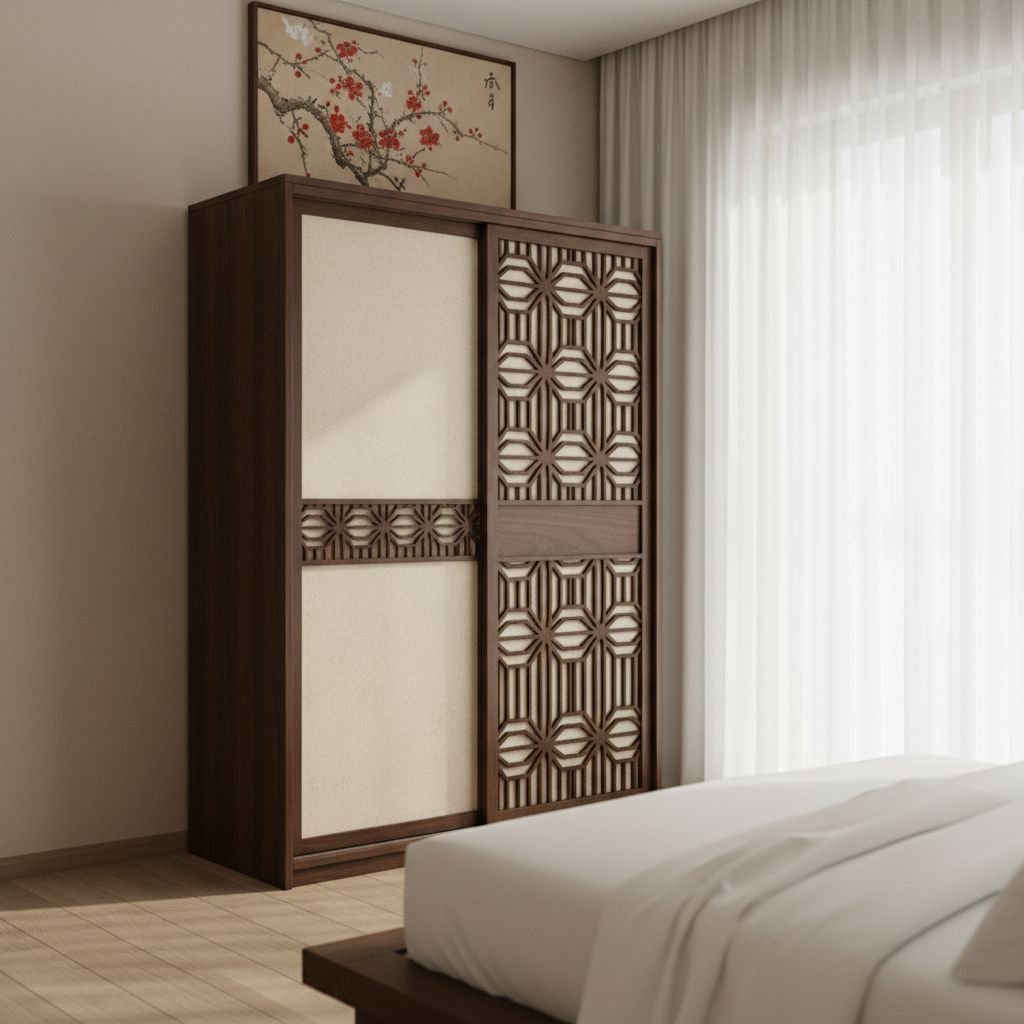
Clothing storage often doubles as a display. Open clothing racks are a staple in this aesthetic. They force you to curate your wardrobe since everything is visible. Arrange clothes by color or length to keep it looking tidy. If you prefer closed storage, opt for simple white wardrobes with flat doors. No handles or minimal pulls keep the surface sleek. A combination of both works well. Hang your favorite seasonal pieces on a rack and hide the rest in drawers. This approach treats fashion as part of the room’s decor. It also encourages you to keep your clothing collection manageable. A messy rack ruins the minimalist vibe instantly.
Pro Tip: Invest in matching wooden or white hangers to unify the look of an open clothing rack.
Get The Look: Wardrobe Essentials
- The Rack: A simple A-frame wooden rack or white metal pipe rack.
- The Hangers: Light wood hangers or white velvet non-slip hangers.
- The Organization: A hanging canvas organizer for sweaters or accessories.
- The Mirror: A full-length floor mirror leaning against the wall nearby.
Incorporate Traditional Art
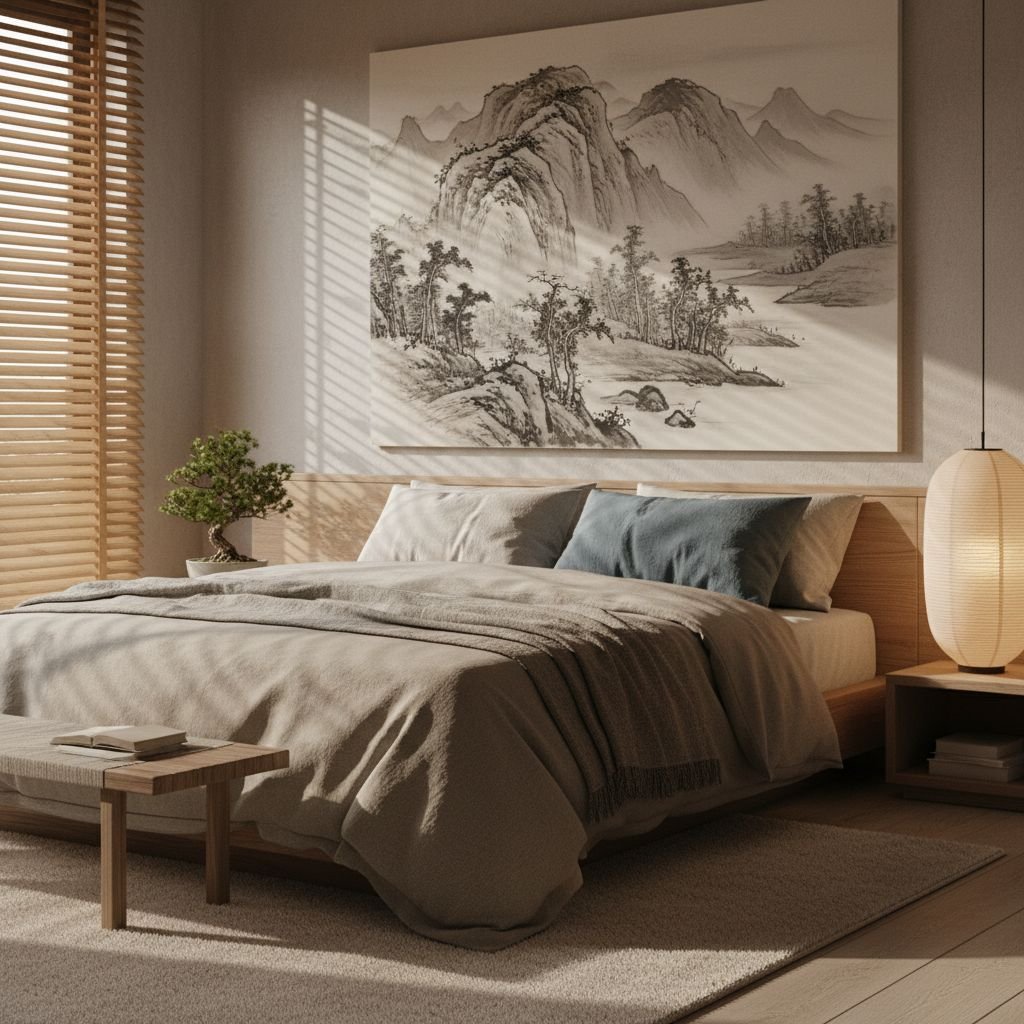
Subtle nods to heritage add depth to the modern design. You do not need expensive antiques. Simple prints featuring Hangul (Korean alphabet) typography look graphic and modern. Ink wash paintings of mountains or flowers introduce a meditative quality. These art forms usually employ black ink on white paper, fitting the neutral palette perfectly. Traditional knots (Maedup) can serve as wall hangings or decorative accents on furniture handles. Ceramics also play a part. A small moon jar or celadon vase brings organic curves to a shelf. These elements bridge the gap between old and new. They ground the space in culture without making it feel like a museum.
Pro Tip: Frame a piece of beautiful traditional wrapping cloth (Bojagi) as unique textile art.
Textured Accents
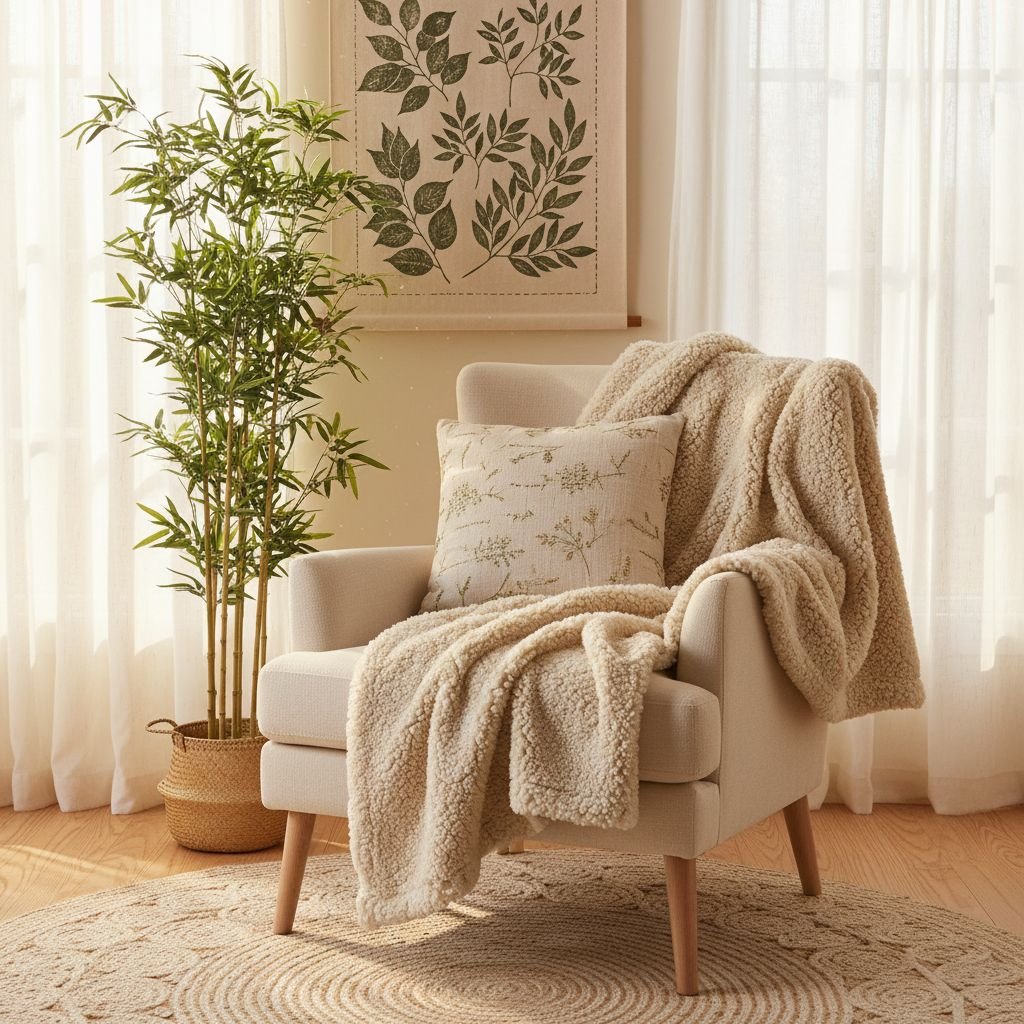
When color is absent, texture becomes the language of design. You must vary the surfaces to prevent the room from feeling flat. Mix smooth woods with rough stones. Pair shiny glass with matte ceramics. Bouclé fabric on a chair or pillow adds a knobby, cozy dimension. Woven baskets bring warmth and practicality. A faux fur rug throws in a touch of luxury and softness underfoot. Linen curtains have a distinct weave that filters light interestingly. These tactile differences invite you to touch and interact with the space. They make the room feel rich and layered. Your eyes pick up on the shadows and highlights created by these textures.
Pro Tip: Save this idea to your Pinterest. Swap out smooth pillowcases for corduroy or knit covers in winter.
Use of Natural Light
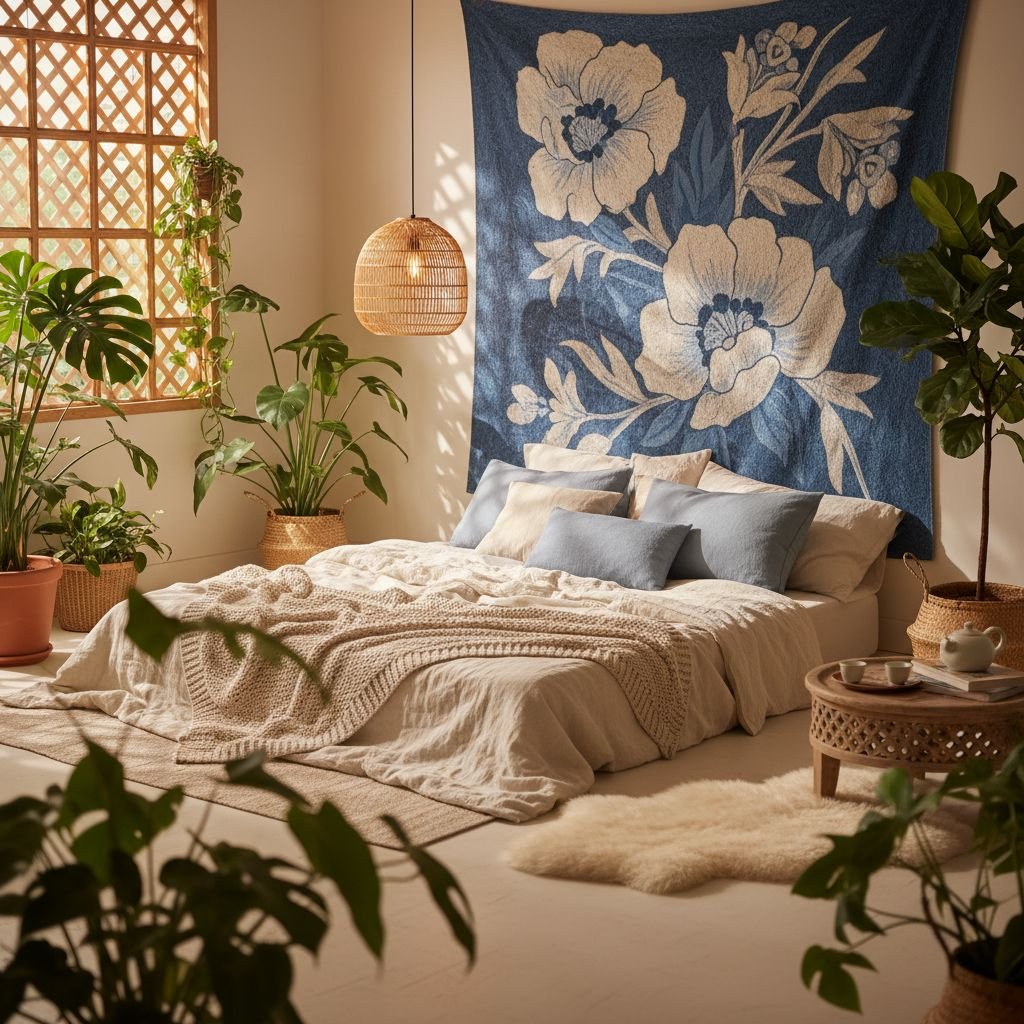
Sunlight is the best accessory for this interior style. You want to maximize every ray that enters the room. Heavy, opaque drapes block too much life. Replace them with sheer chiffon or linen curtains. These fabrics provide privacy while diffusing the sunlight into a soft glow. The light bounces off the white walls and light floors. Mirrors placed opposite windows amplify this effect. If you sleep late and need darkness, layer blackout roller blinds behind the sheer curtains. Keep the blinds rolled up tightly during the day so they disappear. The interplay of light and shadow throughout the day changes the room’s mood naturally.
Pro Tip: Keep windowsills clear of clutter to allow unobstructed light entry.
Decluttering
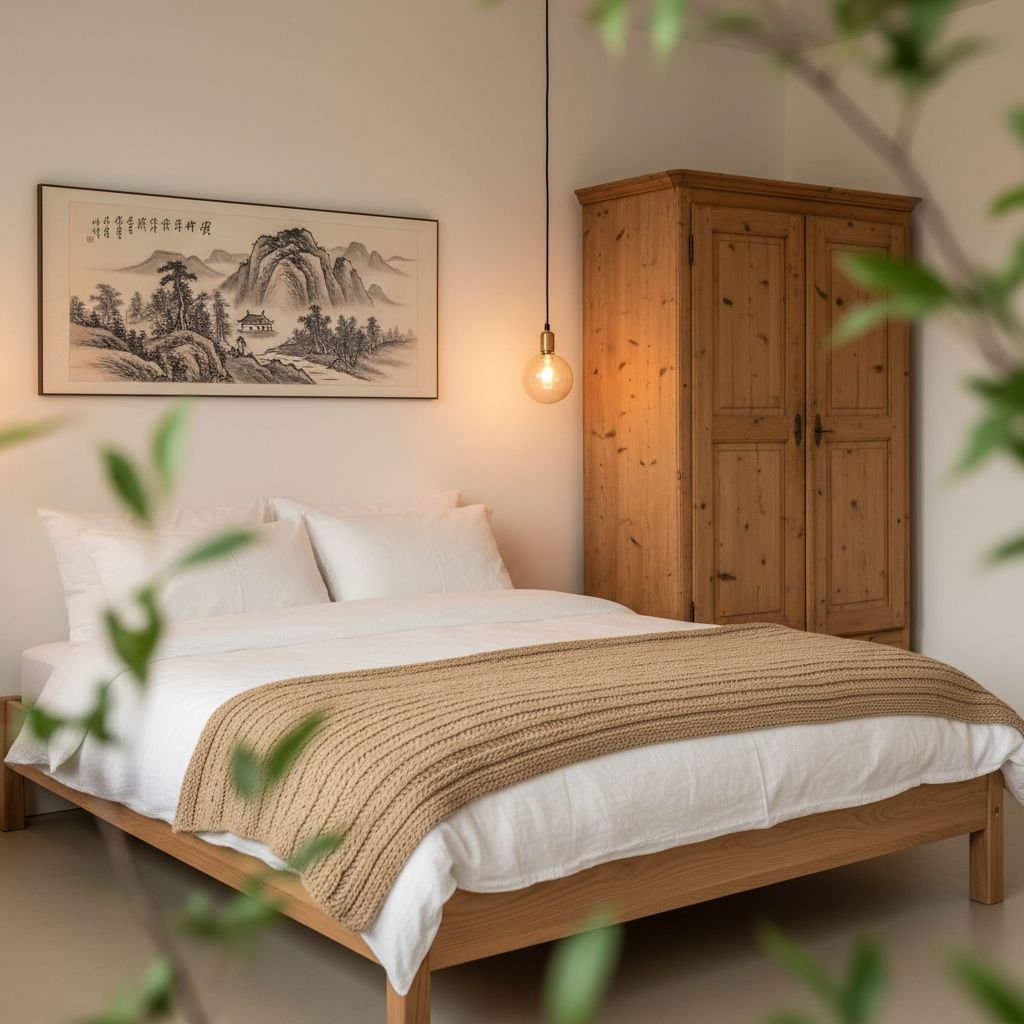
A minimalist aesthetic requires a minimalist lifestyle. You cannot achieve this look with surfaces covered in random objects. Adopt a mindset of regular editing. Ask yourself if an item serves a function or sparks joy. If not, remove it. Surfaces like nightstands and desks should remain 80% clear. This negative space is visually restful. Hide charging cables and electronics when not in use. Use a “catch-all” tray for daily items like keys and lip balm, but empty it weekly. This practice is not just about cleaning; it is about respecting the space. A clear room fosters a clear mind. The visual silence allows you to focus on rest.
Pro Tip: Dedicate 10 minutes every evening to a “surface reset” before bed.
Embrace Feng Shui Principles
Energy flow, or Qi, is central to creating a harmonious bedroom. Position your bed so you can see the door, but are not directly in line with it. This is the “command position” and offers a sense of security. Avoid placing the head of the bed under a window if possible. A solid wall behind you provides support. Keep the space under your bed clear to allow energy to circulate freely. If you must use storage, keep it organized. Mirrors should not face the bed directly, as this is said to deplete energy while you sleep. Balance the elements of wood, earth, and metal in your decor. A balanced room feels settled and safe.
Pro Tip: Close the door to the bedroom at night to keep the nourishing energy contained within the room.
Natural Fabrics
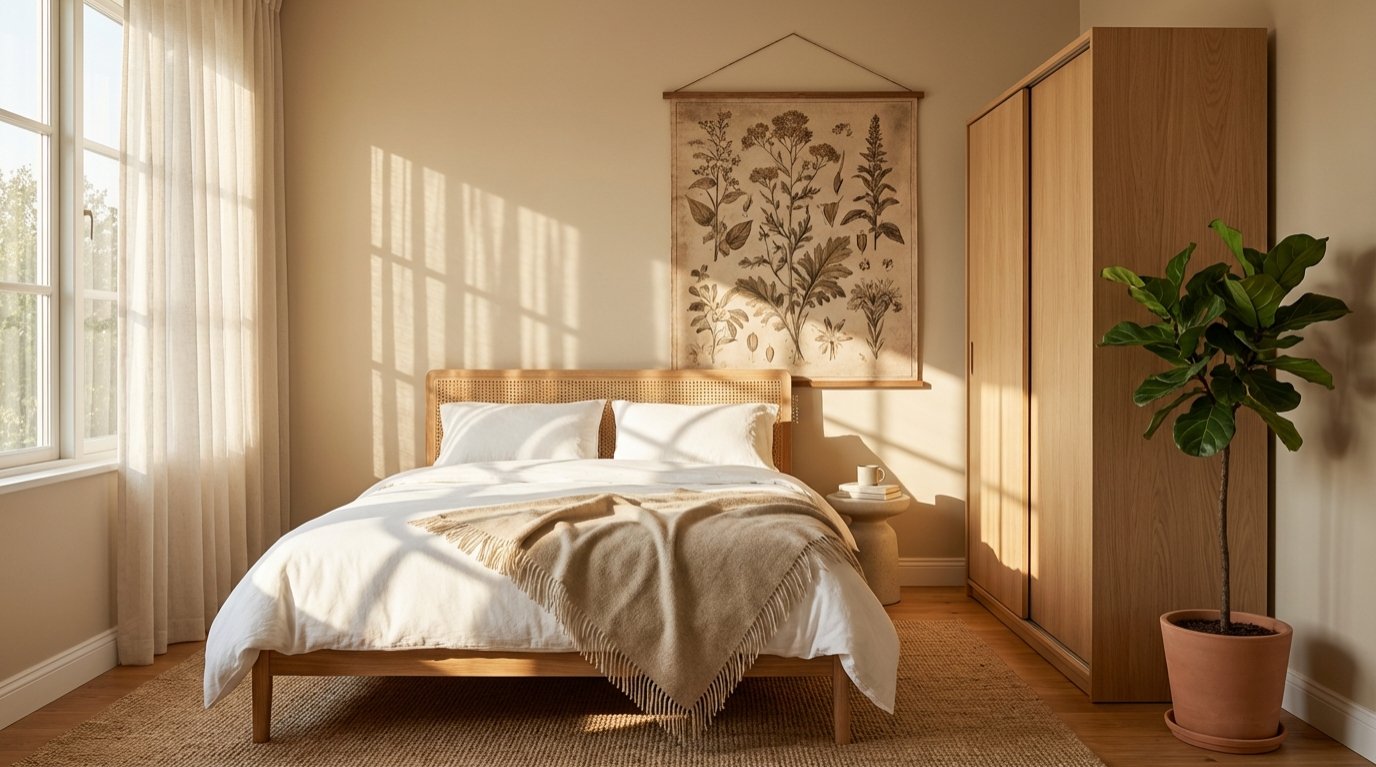
Synthetic materials often feel plastic and cold. Natural fibers breathe and age beautifully. Cotton is the standard for bedding due to its softness and durability. Linen is a premium choice that wrinkles elegantly, fitting the relaxed vibe. Wool throws add weight and warmth. Jute or sisal rugs bring a raw, earthy texture to the floor. These materials connect the interior environment to the exterior world. They are also generally more sustainable. The tactile experience of natural fabrics is superior. Sleeping in linen feels different than sleeping in polyester. It promotes better temperature regulation and comfort.
Pro Tip: Wash linen bedding with baking soda to soften the fibers faster.
Accent Wall with Wallpaper
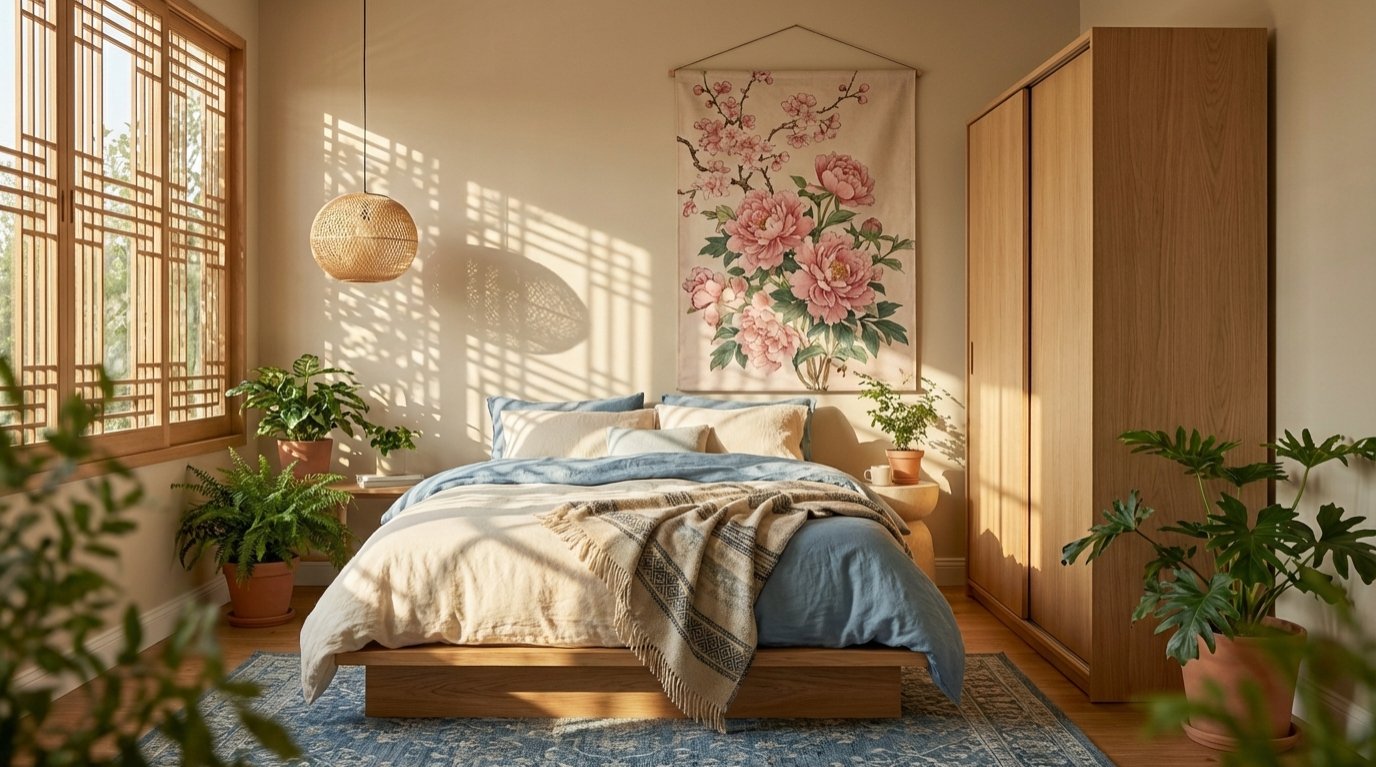
While white walls are standard, a subtle accent wall adds interest. You should avoid loud, large-scale prints. Look for wallpaper with a delicate texture or a tone-on-tone pattern. A faint grid pattern, small florals, or a linen-look wallpaper works well. Apply this to the wall behind the bed to anchor the sleeping area. It creates a focal point without shouting. Stick-and-peel options are great for renters. They allow you to experiment without permanent commitment. The color should remain within the neutral family—think beige, soft grey, or pale sage. This adds depth to the room without breaking the minimalist code.
Pro Tip: If you can’t use wallpaper, hang a large piece of fabric or a tapestry with a simple design.
Korean Inspired Headboard
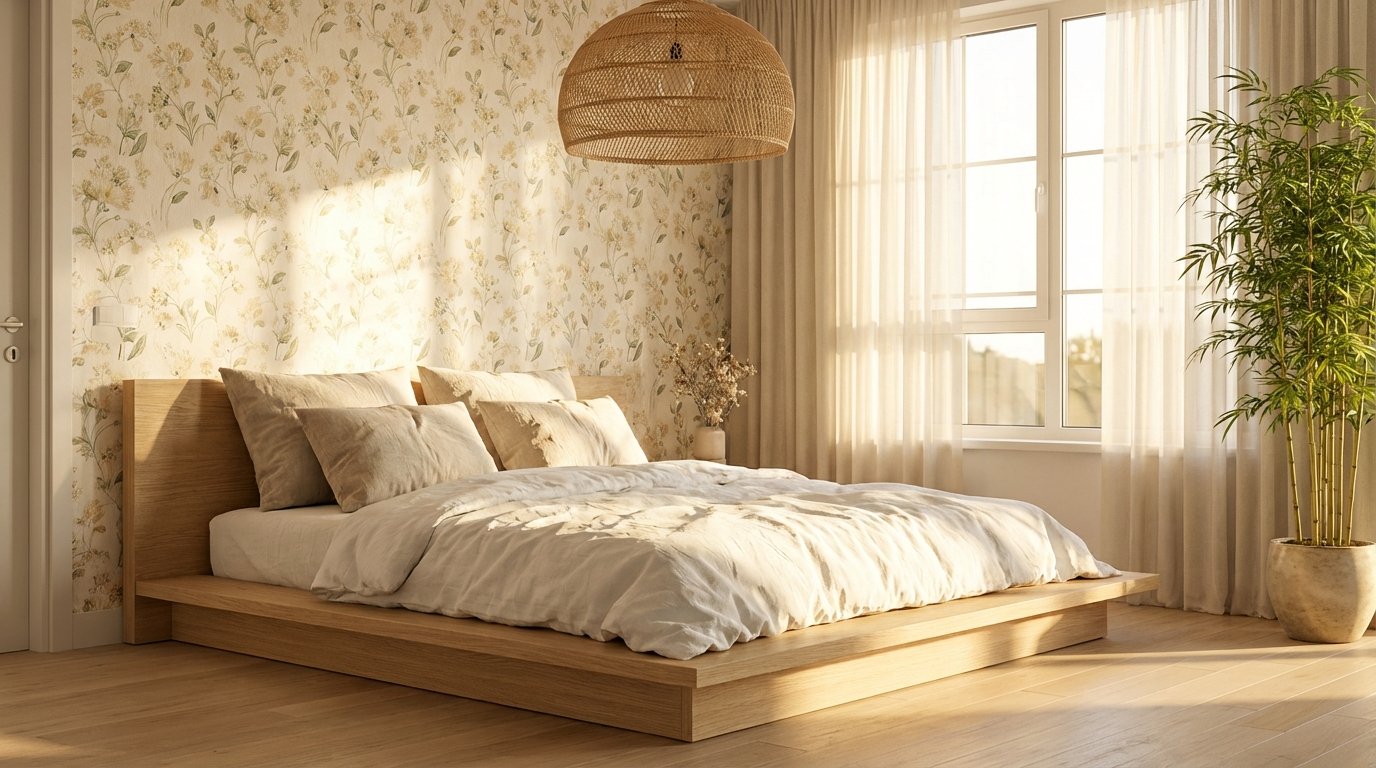
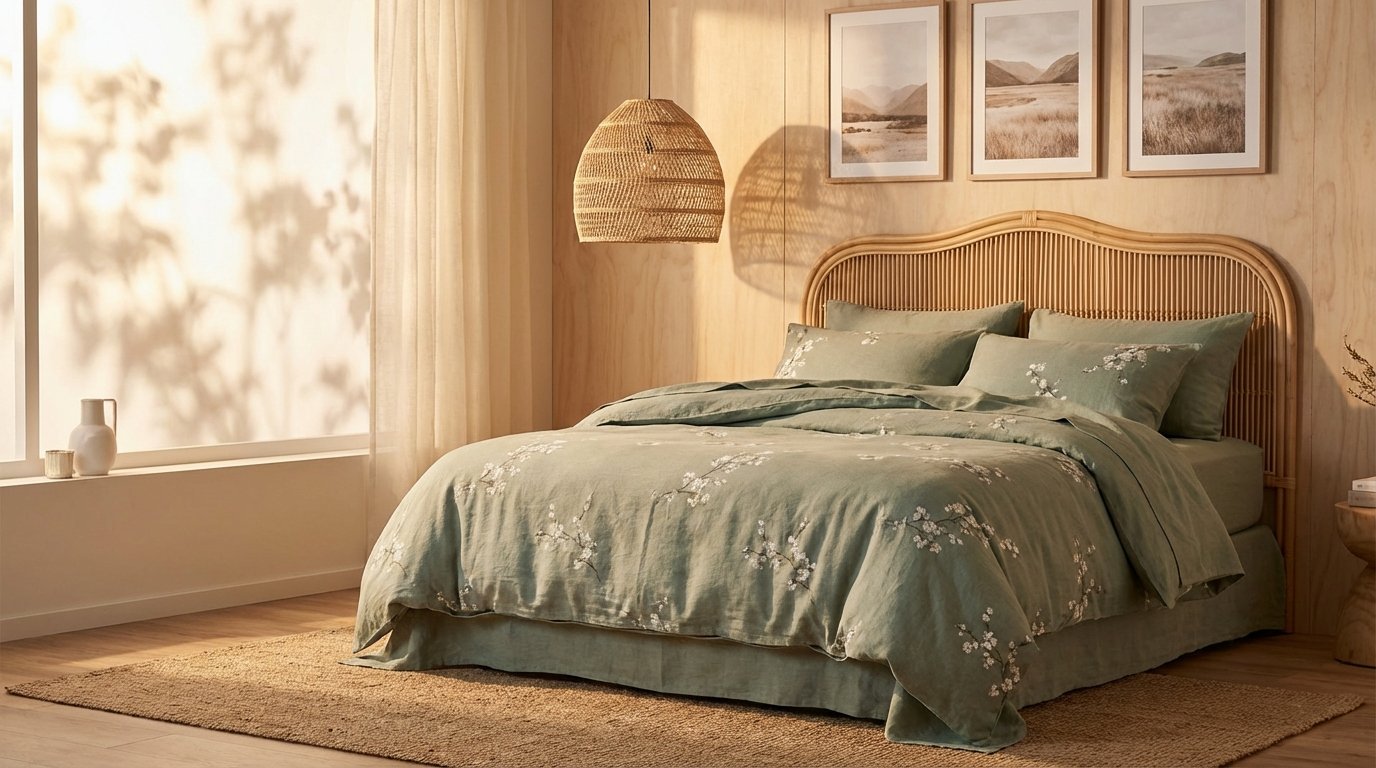
The headboard defines the bed’s character. Many Korean style bedrooms forgo the headboard entirely for a minimal look. However, if you want one, choose wisely. A slat wood headboard adds vertical lines and warmth. It mimics architectural elements often found in Asian design. Upholstered headboards in cream or beige fabric offer comfort for reading in bed. Keep the shape simple—rectangular or a gentle arch. Avoid button tufting or heavy velvet. Some designs extend the headboard width beyond the bed to encompass the nightstands. This creates a hotel-like, integrated look. The headboard should feel like a part of the wall rather than a separate, bulky furniture piece.
Pro Tip: Use two large floor cushions against the wall as a makeshift, comfortable headboard.
Personal Touches
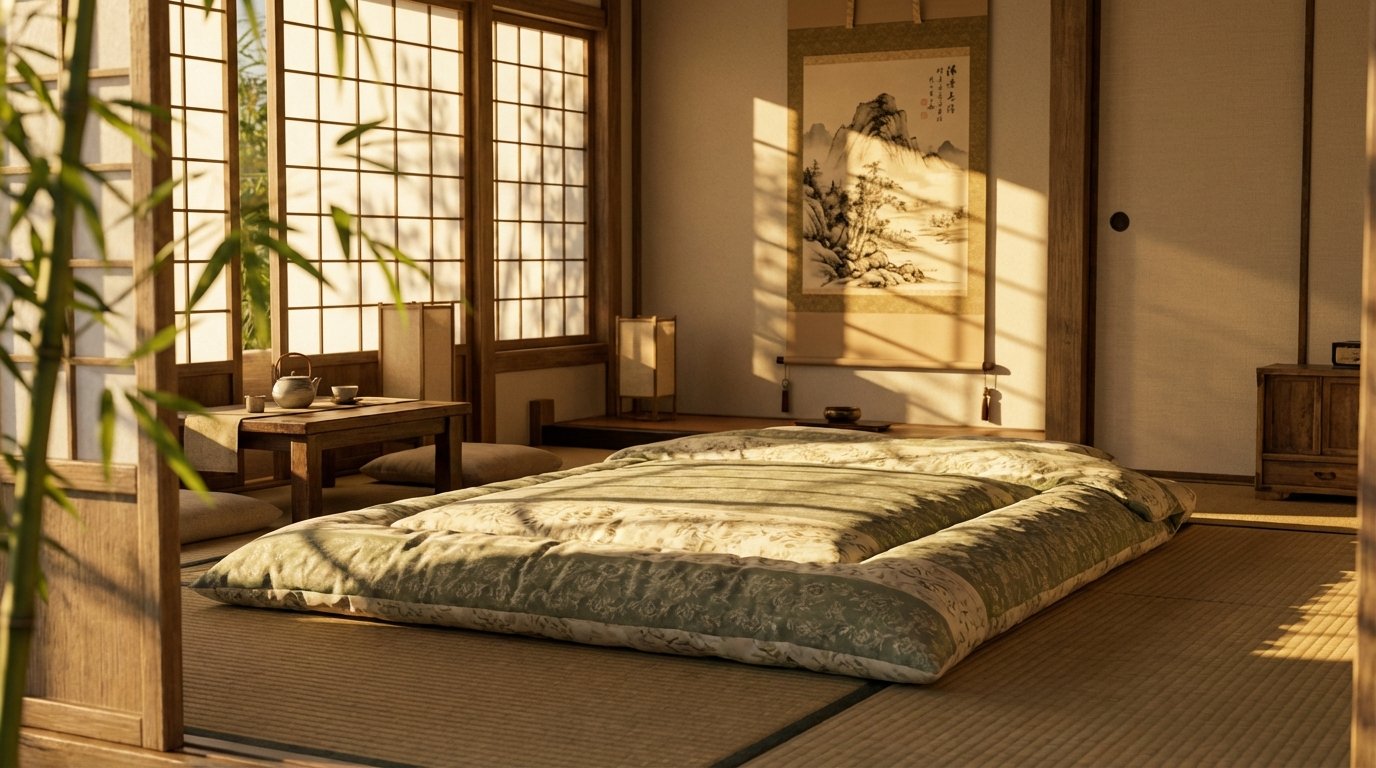
Your room must reflect who you are. The minimalist base allows small personal items to shine. A cute plush toy on the bed is a common trope in Korean bedrooms, adding a sense of playfulness. Display your favorite journal or a stack of aesthetically pleasing books. A scented candle in a minimal jar adds both fragrance and mood. A small mood board or a calendar on the wall shows your interests. These items prevent the room from looking like a generic showroom. Curate these touches carefully. Group them together rather than scattering them everywhere. This keeps the look intentional and organized.
Pro Tip: Rotate your displayed personal items seasonally to keep the room feeling fresh.
Conclusion
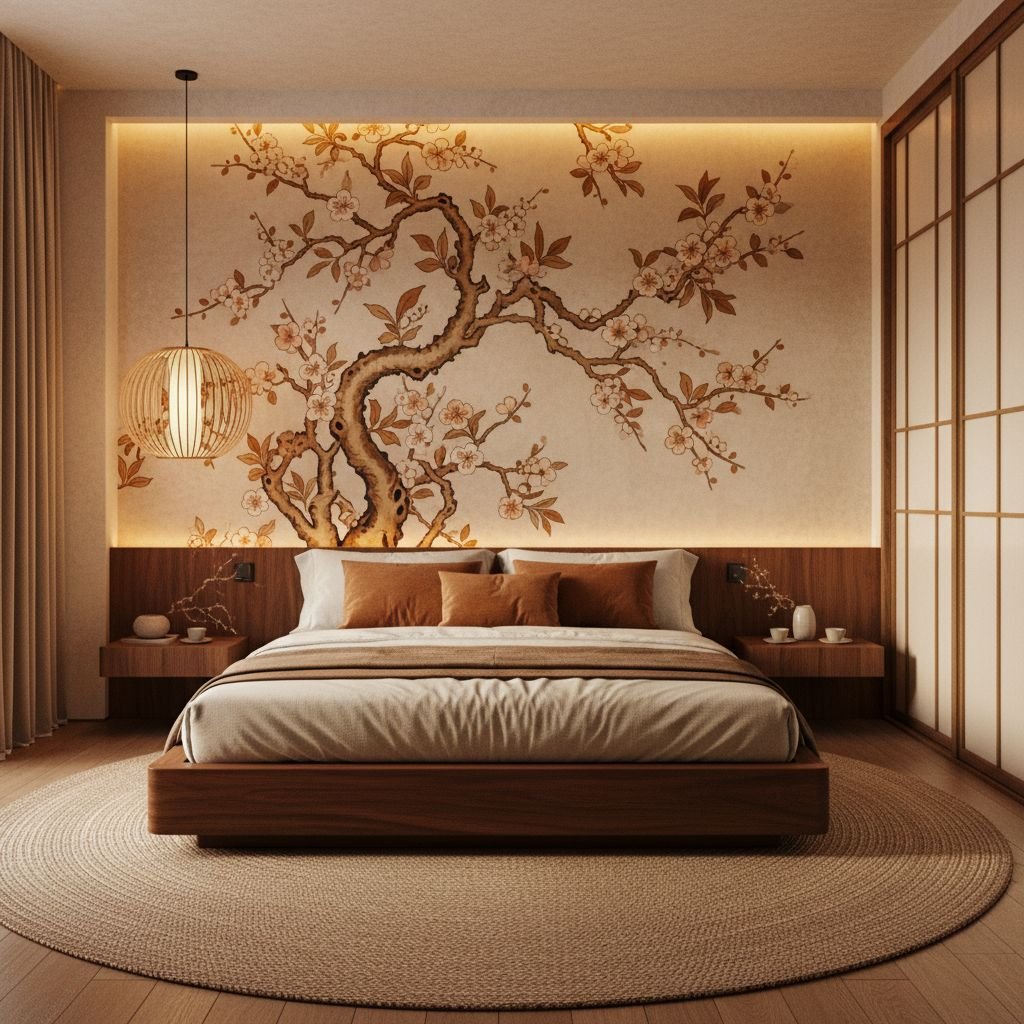
You now have the roadmap to build a space that prioritizes peace and simplicity. Transforming your bedroom into a Korean-style retreat is about more than buying new furniture. It is about subtracting the unnecessary and amplifying the comfortable. You create a room that supports your well-being by focusing on light, texture, and flow. Start with one area, perhaps decluttering or changing your lighting, and watch how the atmosphere shifts. Your bedroom is the last thing you see at night and the first thing you see in the morning. Make it a view that brings you calm.
Which of these changes will you make to your bedroom first? Tell us in the comments below.
Follow us on Pinterest for more Interior Design inspiration.
Popular Asked Questions
What defines a Korean style bedroom?
A Korean style bedroom is defined by minimalism, functionality, and coziness. It typically features low furniture, light wood tones, neutral colors (white, cream, beige), and warm lighting. The goal is to create a clean, relaxing space that feels efficient yet inviting.
How do I make my small room look Korean aesthetic?
To make a small room fit this aesthetic, use a low bed frame or mattress pallet to increase vertical space. Stick to white or very light wall colors to reflect light. Use multi-functional furniture and hidden storage to hide clutter. Keep decor minimal, using only a few carefully chosen prints or plants.
Is a low bed necessary for this style?
While not strictly mandatory, a low bed is a hallmark of the style. It mimics the traditional Korean floor-sleeping culture (Yo style) but with modern comfort. If you prefer a standard height bed, choose a simple wooden frame without a footboard and use simple, tucked-in bedding to maintain the clean lines.
What are the best colors for a Korean bedroom?
The best colors are low-saturation neutrals. Focus on white, ivory, oatmeal, and light wood tones. You can add soft accents like sage green, butter yellow, or dusty pink. Avoid bright, neon, or dark, heavy colors as they disrupt the soft and airy vibe essential to the look.
How do I decorate walls without making them look cluttered?
Use the “less is more” approach. Instead of filling the wall, choose one or two focal points. A simple line drawing, a small wooden shelf with a plant, or a postcard collage taped with washi tape works well. Leave plenty of negative (empty) space around the decor to let the room breathe.

Leave a Comment