
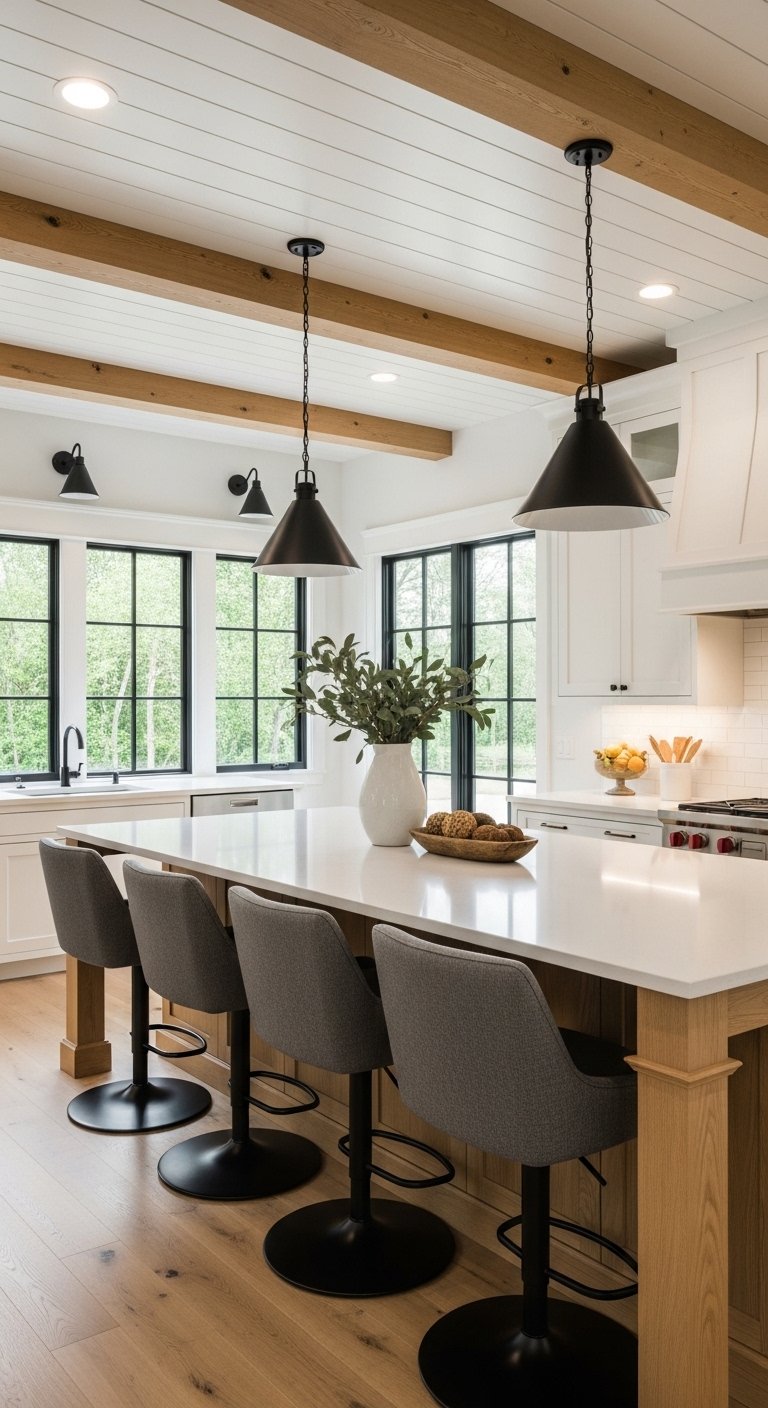
Glass tables are the ultimate hack for small dining rooms. They disappear visually, making a cramped corner feel open and airy. But that same “invisible” quality brings a frustrating problem: they can feel cold, sterile, or cluttered if you just drop a pile of mail on them. Without the warmth of wood or the weight of stone, a glass surface needs specific styling to feel like a home.
This guide provides 16 specific ways to style a small rectangular glass table. These ideas focus on adding texture, managing reflections, and creating a focal point that anchors your room without blocking the view. Whether you need a quick centerpiece fix or a full seasonal overhaul, you will find a solution here.
Check out our related guide on Small Dining Room Lighting to make your glass table sparkle at night.
Key Takeaways
- Texture is King: Glass is smooth and cold; you must add rough, soft, or woven textures to create balance.
- Mind the Legs: With a transparent top, your chairs and table base are fully visible—keep the area underneath tidy.
- Rule of Thirds: For rectangular tables, arranging decor in a linear row of three often looks best.
- Reflection Matters: Glass doubles the visual impact of whatever sits on it, so choose underside details carefully.
Table of Contents
- White Table Mat
- Christmas Theme
- Boat Carving
- Cream and Gold Theme
- Nature-Inspired Centerpiece
- Statement Vase
- White and Blue Theme
- Glass and Bronze
- Get a Bowl
- Twin Vases
- Matching Wall Art and Pot
- Woven Table Mat
- Glass Fruit Bowl
- Play With Color
- Grey and Brown Theme
- Vase and Bowl Combination
- Popular Asked Questions
- Conclusion
White Table Mat
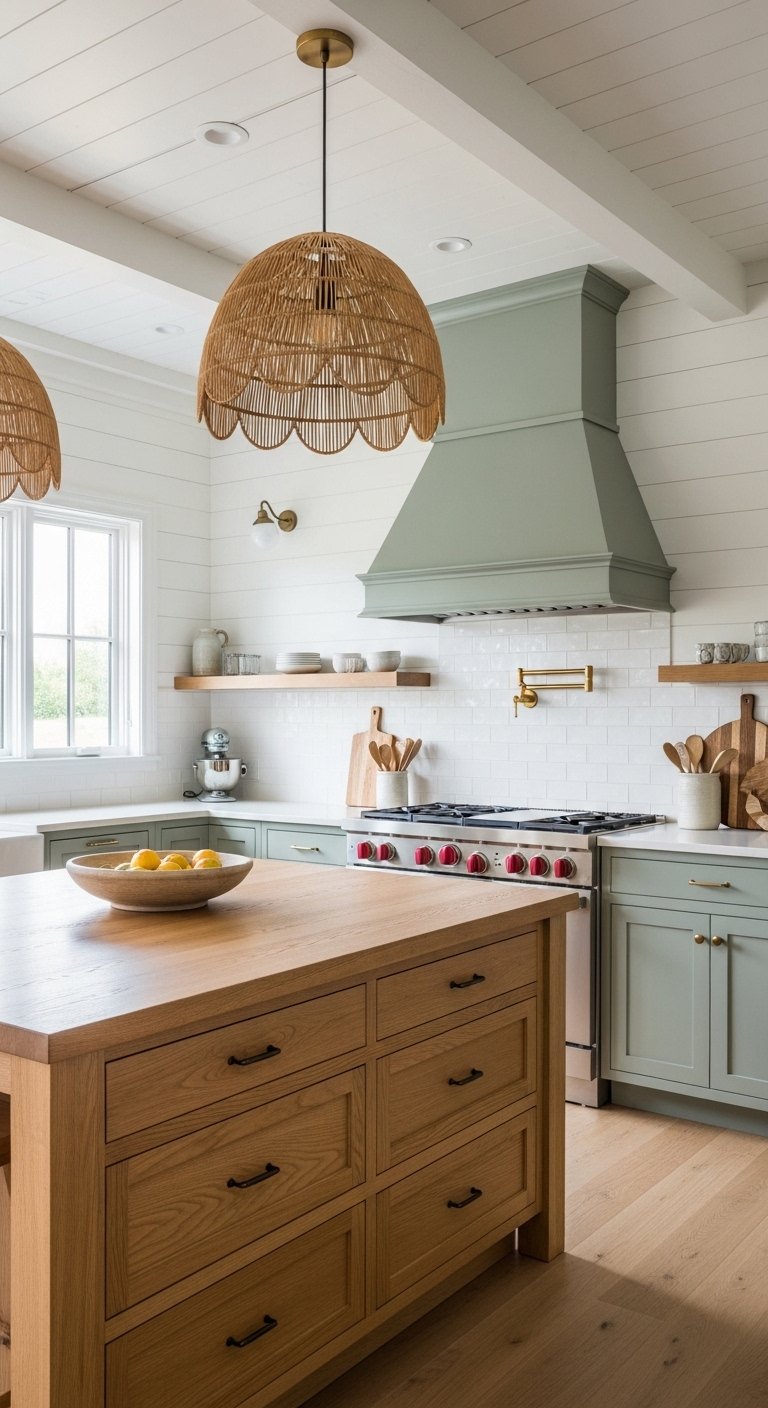
High contrast is the fastest way to make a glass table pop. A crisp white table mat against a transparent surface creates a floating effect that looks modern and clean. The white fabric acts as a visual anchor, stopping the eye so the table doesn’t just disappear into the floor. This is particularly effective if you have a dark rug or dark flooring underneath; the white mat separates the dining surface from the ground below.
Beyond aesthetics, this choice is practical. Glass amplifies the sound of cutlery clinking. A thick white mat dampens the noise of plates and glasses, making conversation easier. Choose a textured cotton or linen mat to introduce softness to the hard glass edge.
Pro Tip: Use rectangular mats rather than round ones to mimic the lines of your small table and maximize eating space.
Christmas Theme
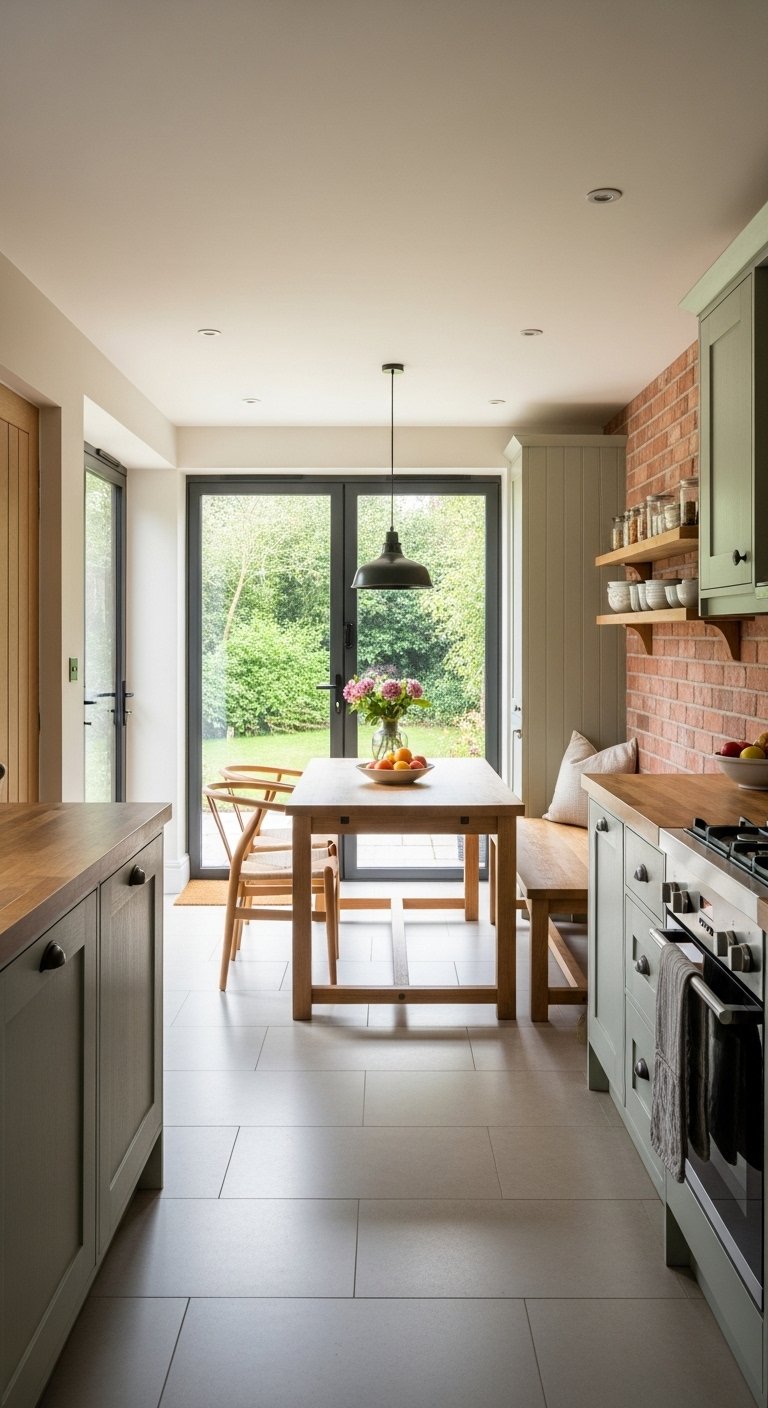
Glass tables are magical during the holidays because they reflect light. A Christmas theme here shouldn’t just be about a red runner; it should be about sparkle. Place a garland of pine greenery down the center of the rectangle, and weave battery-operated fairy lights through it. The glass surface will mirror the glow, creating a depth of light that wood tables simply cannot achieve.
Incorporate metallic ornaments—gold baubles or silver reindeer figures—directly on the glass. The reflection creates a “double” decor effect. Keep the arrangement low and linear so it doesn’t crowd the small surface area, allowing space for holiday dishes. The transparency of the table keeps even a busy Christmas setup from feeling heavy or claustrophobic.
Pro Tip: Save this idea to your Pinterest board for next December so you don’t forget the lighting trick.
Boat Carving
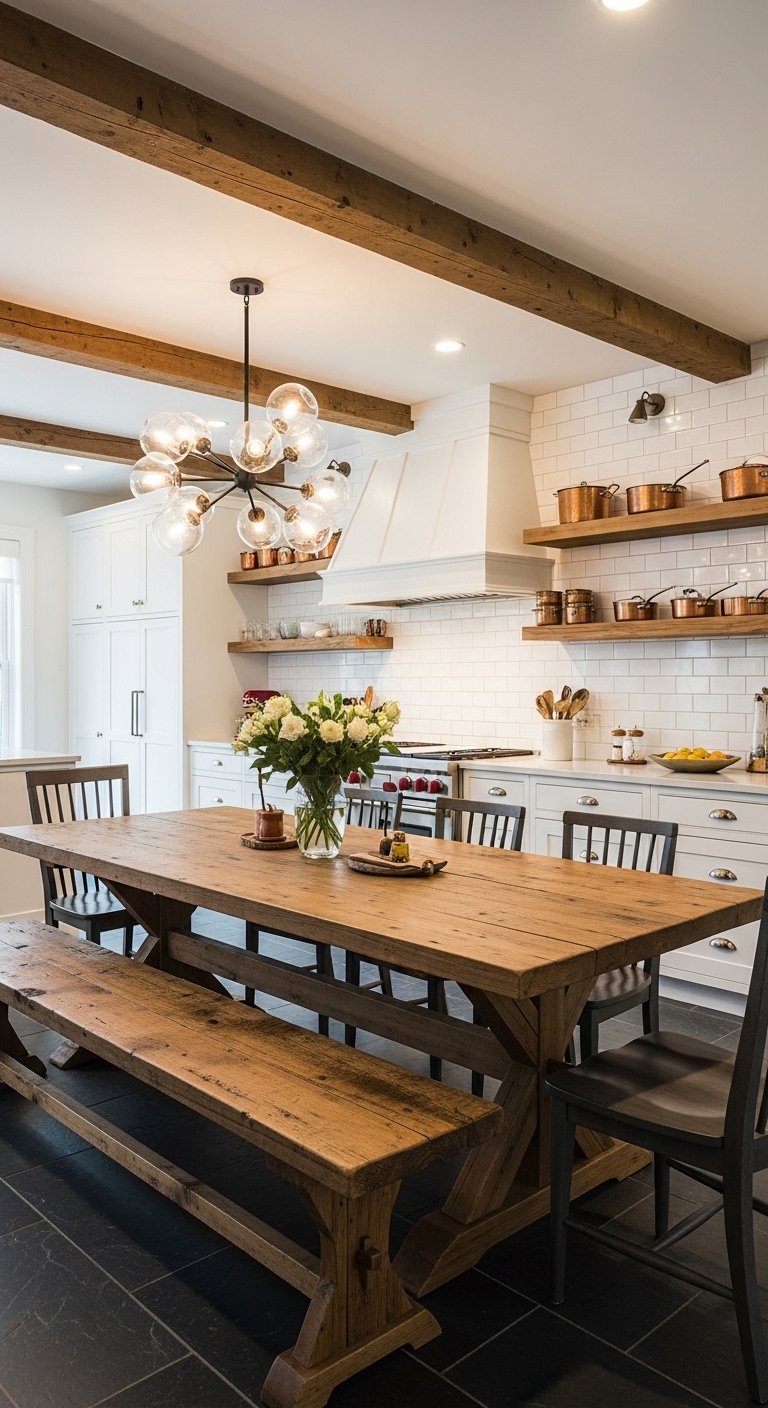
Wooden sculptures provide the necessary warmth to potential “clinical” vibes of glass. A carved wooden boat is an excellent choice for a rectangular table because its long, narrow shape mimics the table’s geometry without taking up valuable width. The organic grain of the wood clashes beautifully with the sleek, industrial feel of the glass, creating a style known as “warm modernism.”
Fill the boat with seasonal items like moss balls, river stones, or even dried potpourri. This allows you to change the vibe of the room without buying new furniture. The wood protects the glass from scratches, and the boat shape naturally guides the eye across the length of the room, making a small space feel longer.
Cream and Gold Theme
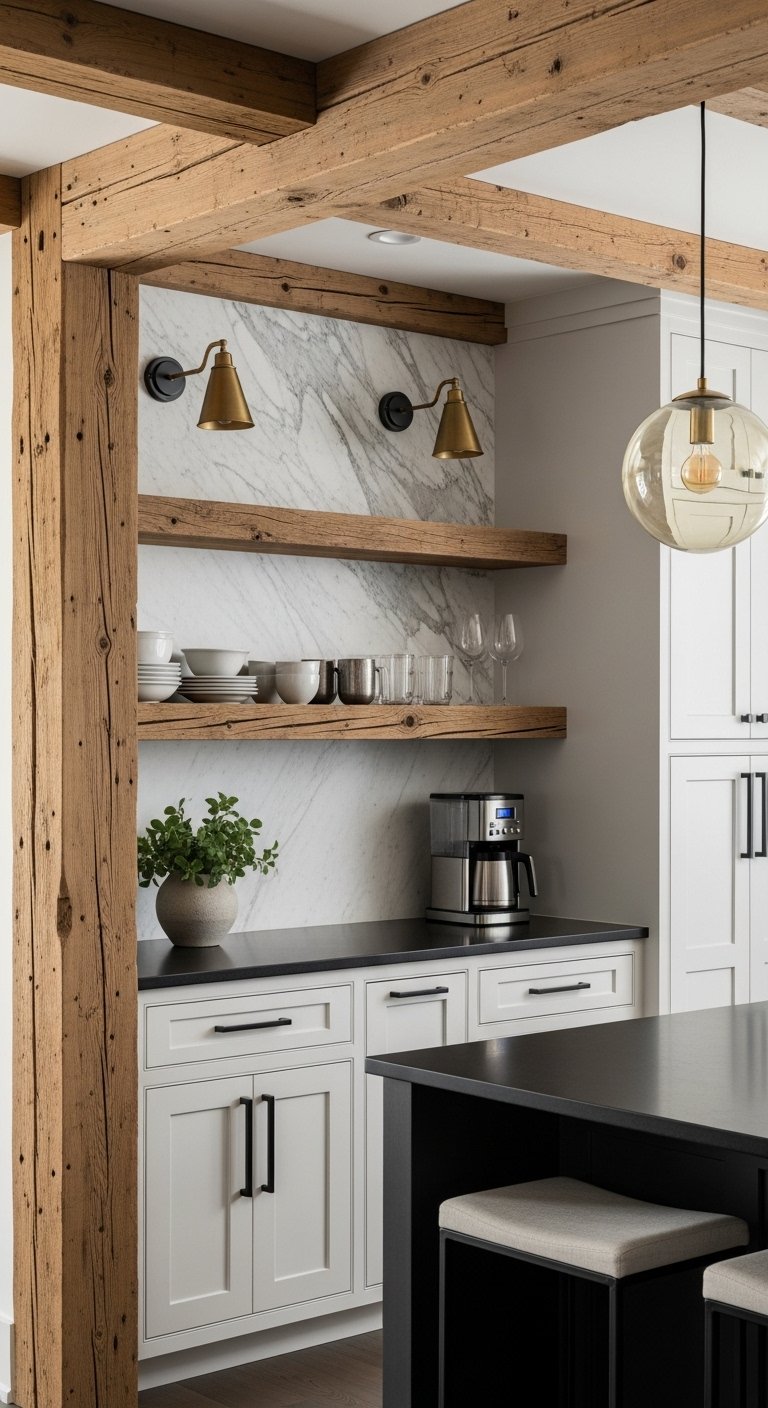
If you want luxury on a budget, combine cream textiles with gold accents. Start with a cream runner that spans the length of the glass. The fabric softens the glare from overhead lights. Top this with brass or gold candlesticks. The warm metallic tones pick up the light and add a sense of weight to the airy table.
This color palette works exceptionally well in small dining nooks because it remains bright. Dark colors can shrink a room, but cream and gold reflect light, keeping the area feeling expansive. The gold elements also draw attention away from any fingerprints or smudges that might be on the glass surface.
Pro Tip: Use brushed gold rather than shiny gold to hide dust and fingerprints better.
Nature-Inspired Centerpiece
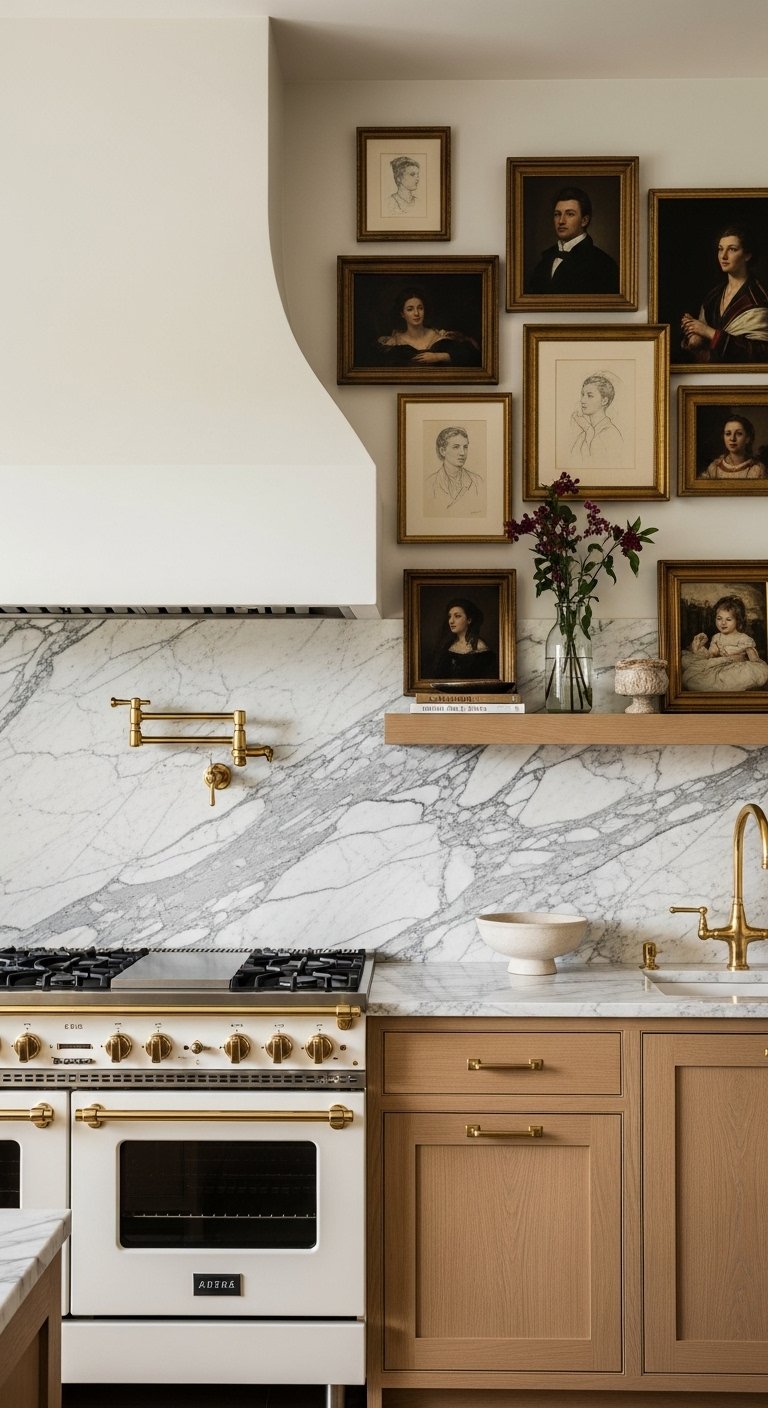
Biophilic design brings the outdoors in, which is essential for city apartments with small dining areas. A nature-inspired centerpiece breaks up the rigid straight lines of a rectangular glass table. Use a piece of driftwood or a rough bark tray as your base. The irregular, chaotic textures of nature contrast sharply with the manufactured perfection of the glass.
Layer this with fresh greenery like eucalyptus or ferns. The vibrant green looks incredibly fresh against the clear surface. Because the table is see-through, the green stems and wood textures seem to hover in the room. This setup feels breathable and relaxing, turning a sterile eating area into a calming sanctuary.
Comparison: Table Runners vs. Placemats on Glass
| Feature | Table Runner | Placemats |
|---|---|---|
| Visual Effect | Elongates the table; connects the ends. | Defines individual spots; breaks up the surface. |
| Glass Protection | Protects the center (hot dishes). | Protects the edges (plates/cutlery). |
| Vibe | Formal and cohesive. | Casual and practical. |
| Best For | Centerpiece styling. | Daily meals and noise reduction. |
Statement Vase
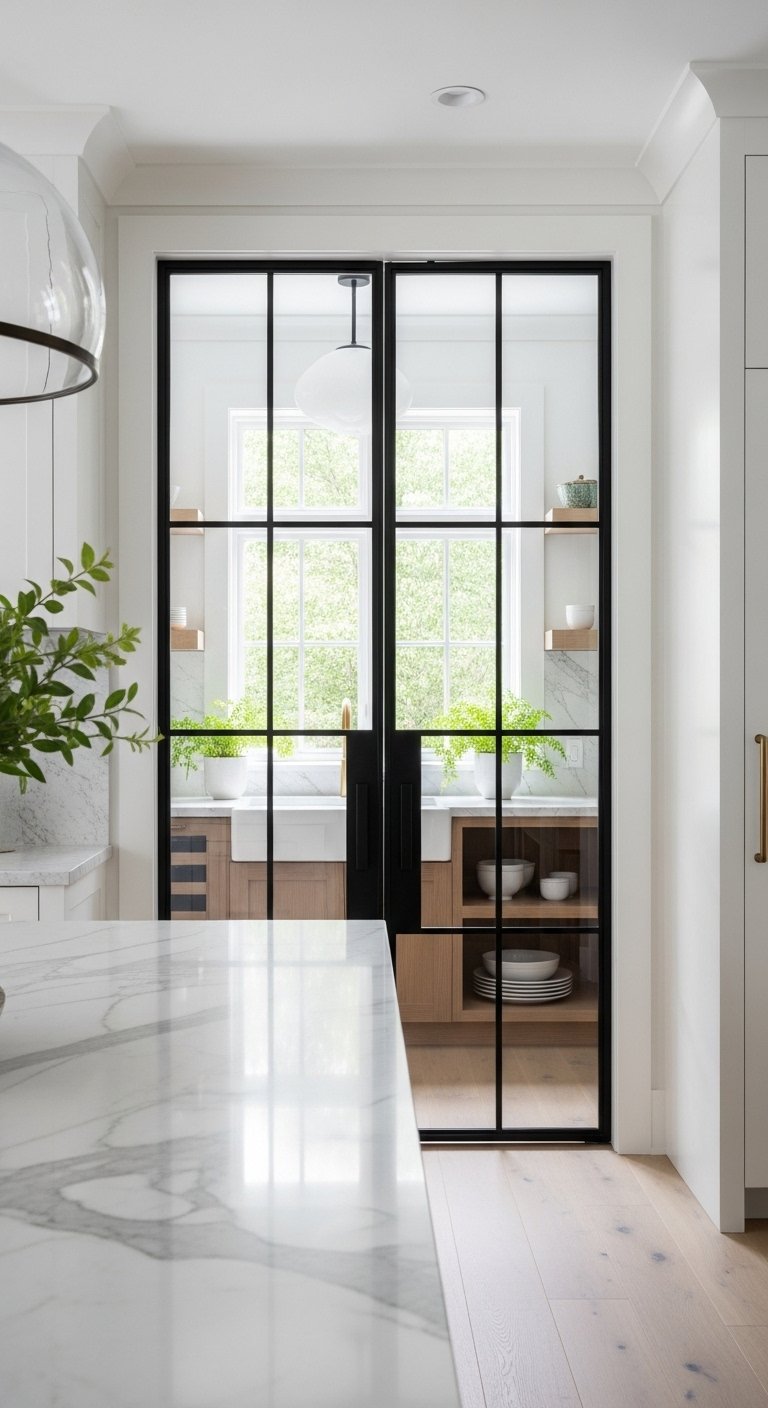
Sometimes less is more. On a small table, you might not have room for a sprawling display. A single, oversized statement vase can do all the heavy lifting. Choose a vase with a strong architectural shape or a bold color. Since the table is transparent, the vase appears to stand alone in the space.
Place the vase slightly off-center for a contemporary look, or dead center for a traditional feel. If the vase is glass, ensure it is colored or textured (like ribbed glass) so it doesn’t get lost against the clear table. If it is ceramic, the solid opacity will provide a nice visual weight to anchor the floating glass top.
White and Blue Theme
The classic coastal combination of white and blue looks particularly crisp on glass. Think of sea glass and ocean water. Use blue hydrangeas in a white pitcher, or a blue-and-white striped runner. This color scheme feels cool and refreshing, making it perfect for breakfast nooks or sun-drenched dining areas.
Glass naturally feels like water. By adding blue accents, you lean into that aquatic quality. It creates a serene atmosphere. You can add white coral pieces or blue glass beads to the center of the table to enhance the theme. This look is timeless and works in almost any season.
Pro Tip: Use navy blue for a moody, sophisticated look, or sky blue for a playful, airy vibe.
Glass and Bronze
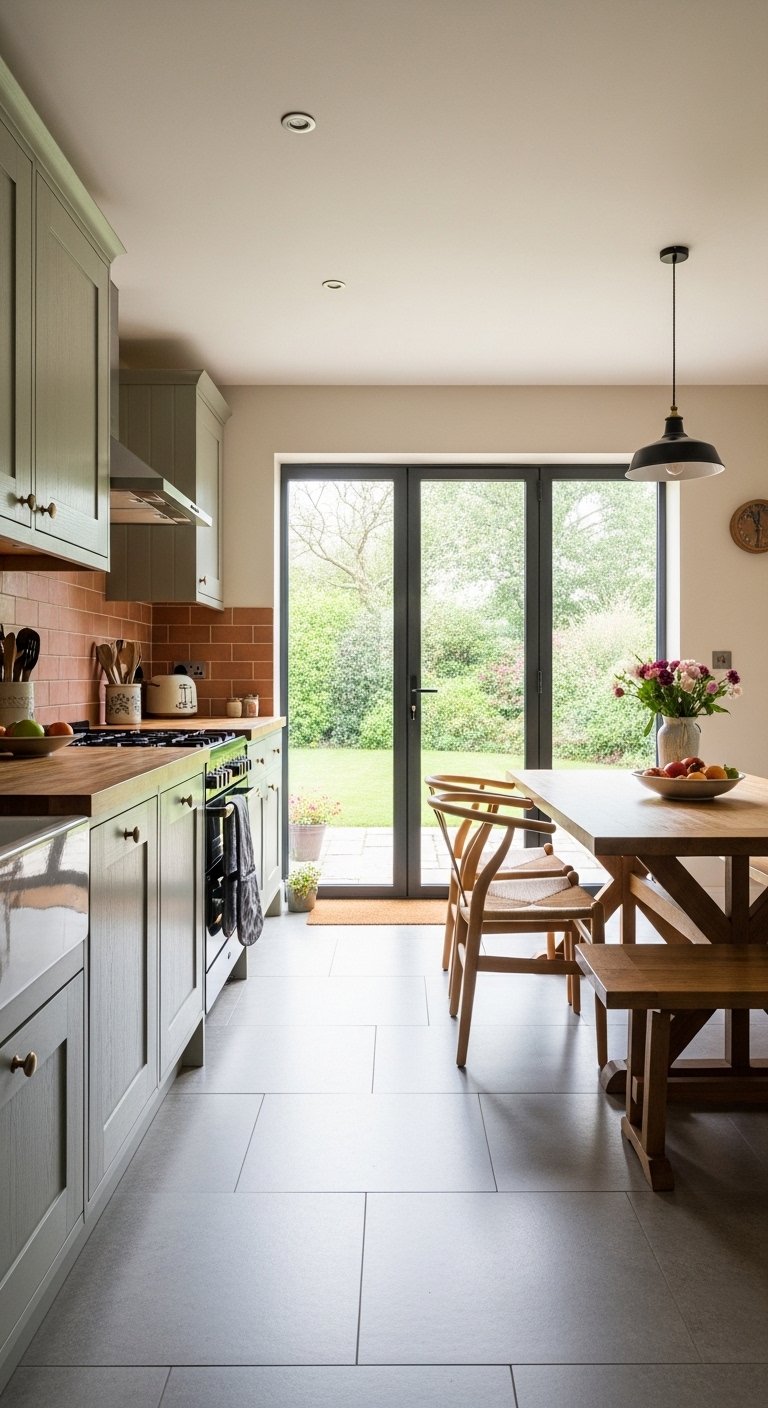
Mixing metals with glass is a staple of industrial design. Bronze, with its dark, warm undertones, grounds the lightness of a glass table. Use bronze sculptures, candle holders, or a wire fruit bowl. The dark metal outlines the decor, making it clearly visible against the transparent background.
This style is masculine and substantial. If your chairs have metal legs, try to match the tabletop decor to that finish. This creates a cohesive “suite” of furniture. Bronze is also forgiving; it doesn’t show tarnish as quickly as silver, making it a low-maintenance choice for a busy dining room.
Get a Bowl
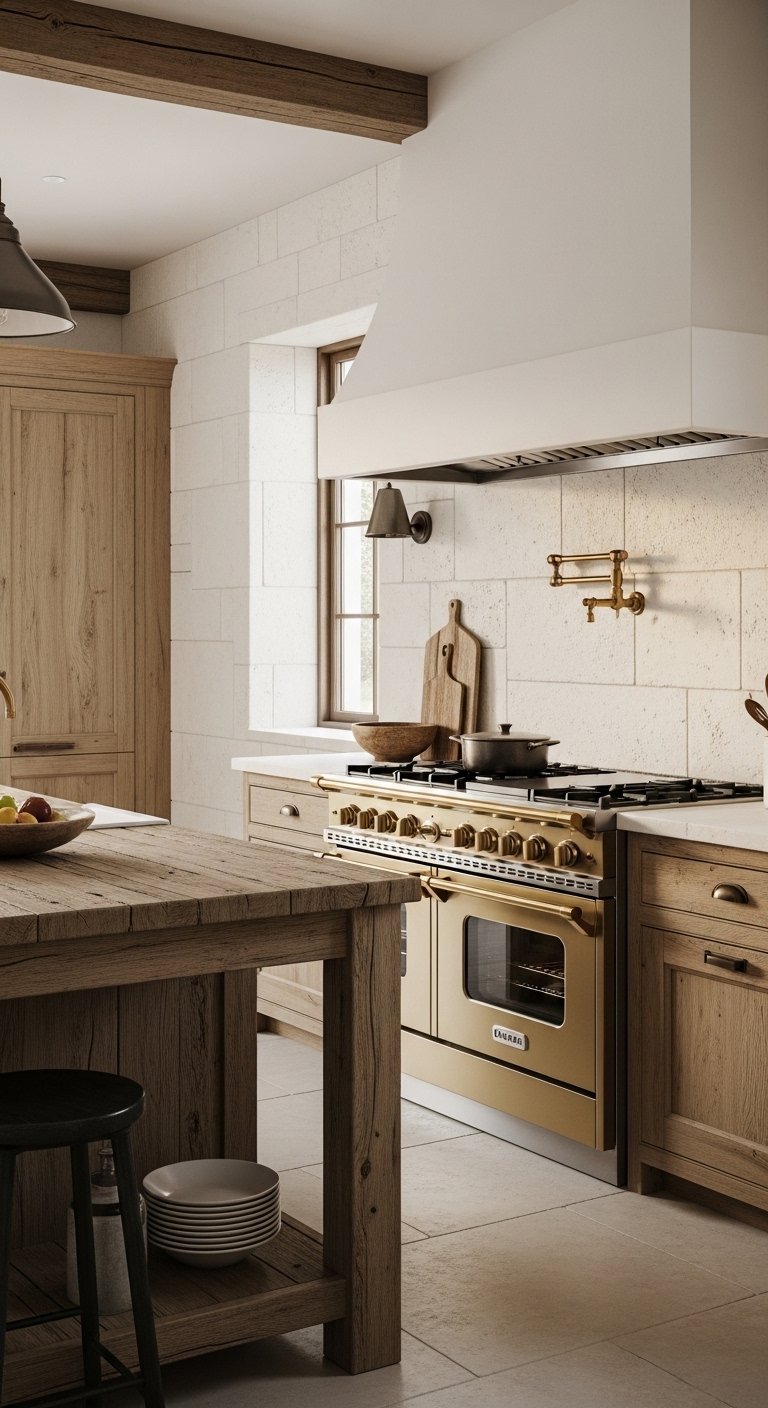
Functionality often breeds the best design. A simple, low-profile bowl is the perfect “set it and forget it” decor for a small rectangle table. A high centerpiece can block conversation across a narrow table, but a low bowl encourages interaction. Choose a material that contrasts with the glass—like hand-thrown pottery, concrete, or woven seagrass.
You can leave the bowl empty as a sculptural piece, or fill it with lemons, apples, or decorative orbs. The bowl shape softens the sharp 90-degree corners of the rectangular table. It creates a central focal point that organizes the table without cluttering it.
Twin Vases
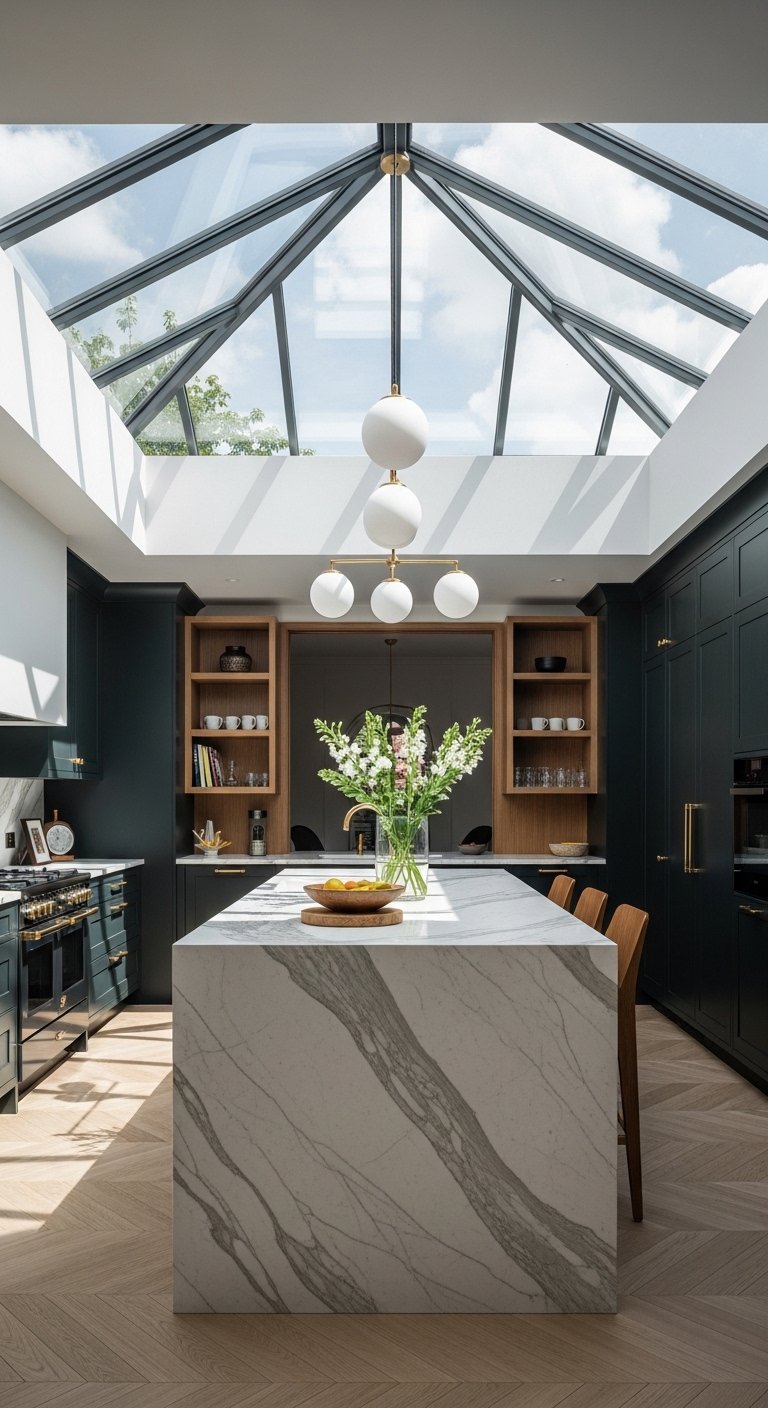
Symmetry brings order to a small space. Placing two identical vases on your rectangular table reinforces the linear shape and creates a sense of balance. Position them about one-third of the way in from each end of the table. This spacing leaves the center open for a serving dish during meals, so you don’t have to constantly move your decor.
Fill them with identical bouquets for a formal look, or leave them empty if they have a sculptural quality. This technique is used constantly by interior designers because it looks intentional and expensive, yet it is very easy to execute.
Get The Look: Glass Table Essentials
To keep your glass table looking pristine and styled, keep these tools nearby:
- Microfiber Cloths: Essential for streak-free cleaning.
- Coasters: A must-have to prevent water rings and clinking noises.
- Clear Bumpers: Place these under heavy decor items to prevent scratching the glass.
- Museum Wax: A tiny dab keeps lightweight vases from sliding if the table is bumped.
Matching Wall Art and Pot
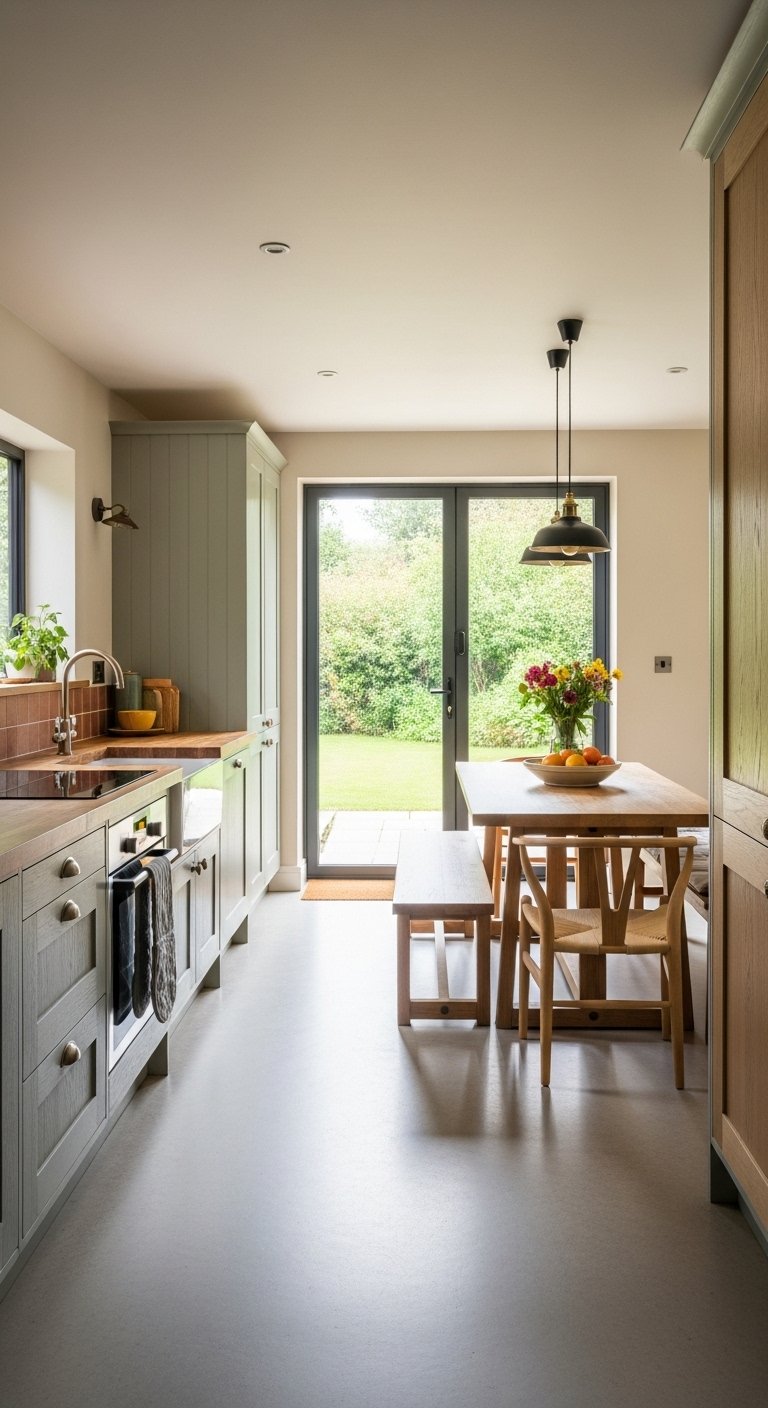
A glass table allows you to see the entire room, including the floor and lower walls. Use this visibility to your advantage by coordinating your tabletop decor with your wall art. If you have a painting with splashes of terracotta, use a terracotta pot on the table.
This connects the horizontal plane (the table) with the vertical plane (the wall), making the whole room feel designed as a single unit. It draws the eye up and around the space. Because the table is clear, the visual connection between the pot and the painting is uninterrupted. It makes a small dining room feel larger and more cohesive.
Woven Table Mat
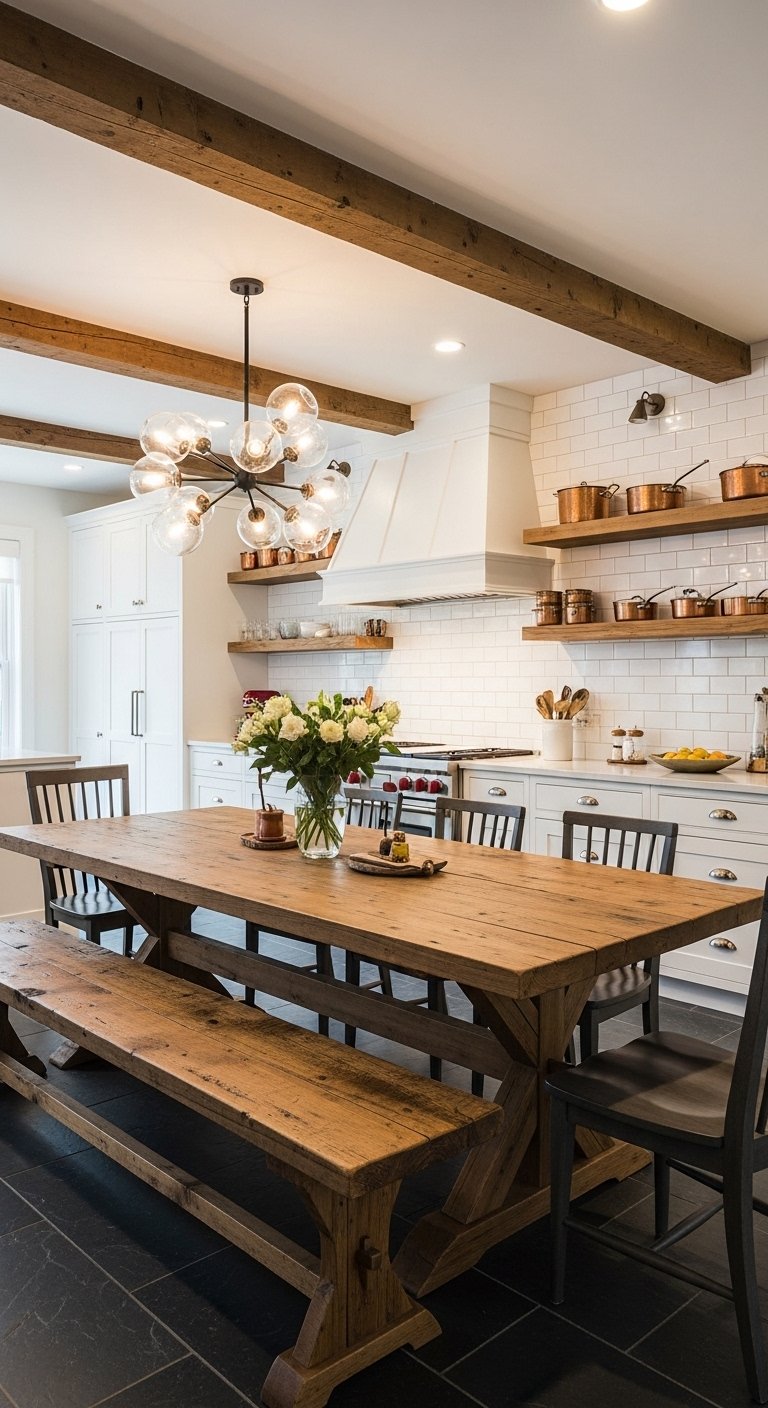
If your glass table feels too “office-like” or cold, woven mats are the instant cure. Materials like rattan, jute, hyacinth, or seagrass add immediate organic warmth. The rough texture grips the smooth glass, preventing plates from sliding around.
Visually, the honey-toned hues of natural fibers neutralize the cool blue-green tint that many glass tables have. This styling trick works perfectly for Bohemian, Farmhouse, or Scandi interiors. The mats frame the eating area and hide the floor beneath the plate, providing a solid background for your food.
Pro Tip: Shake these mats out outside rather than wiping them down to keep dust out of the weave.
Glass Fruit Bowl
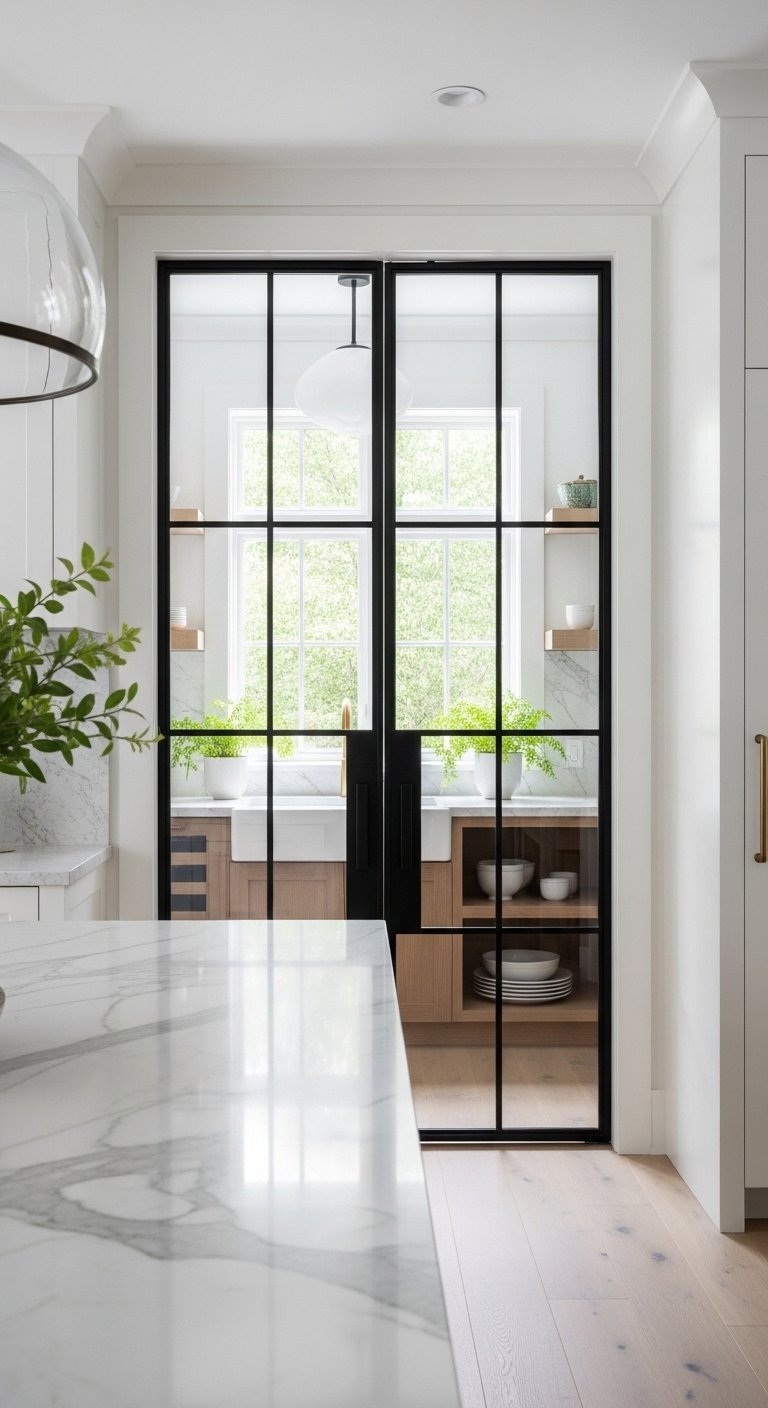
Styling glass on glass is a bold, modern move. A heavy, cut-glass fruit bowl on a smooth glass table creates layers of transparency. The light refracts through the bowl and then through the table, creating beautiful shadow patterns on the floor.
To make this work, the bowl needs to be thick and structural. A thin glass bowl might disappear entirely. Fill it with colorful fruit—bright green apples or oranges—to provide the necessary pop of color. The fruit appears to be suspended in mid-air. This look is incredibly chic and maximizes the “invisible furniture” space-saving hack.
Play With Color
A clear glass table is the perfect blank canvas. It creates zero visual noise, which means you can get away with loud, vibrant colors that would clash on a wood table. Go wild with neon pink napkins, a bright turquoise vase, or multi-colored placemats.
This is your chance to experiment with trends without a long-term commitment. If you love the current “dopamine decor” trend, throw a colorful confetti-patterned runner on the table. When you get tired of it, the neutral glass base is ready for the next color scheme. It is the most versatile furniture piece you can own.
Grey and Brown Theme
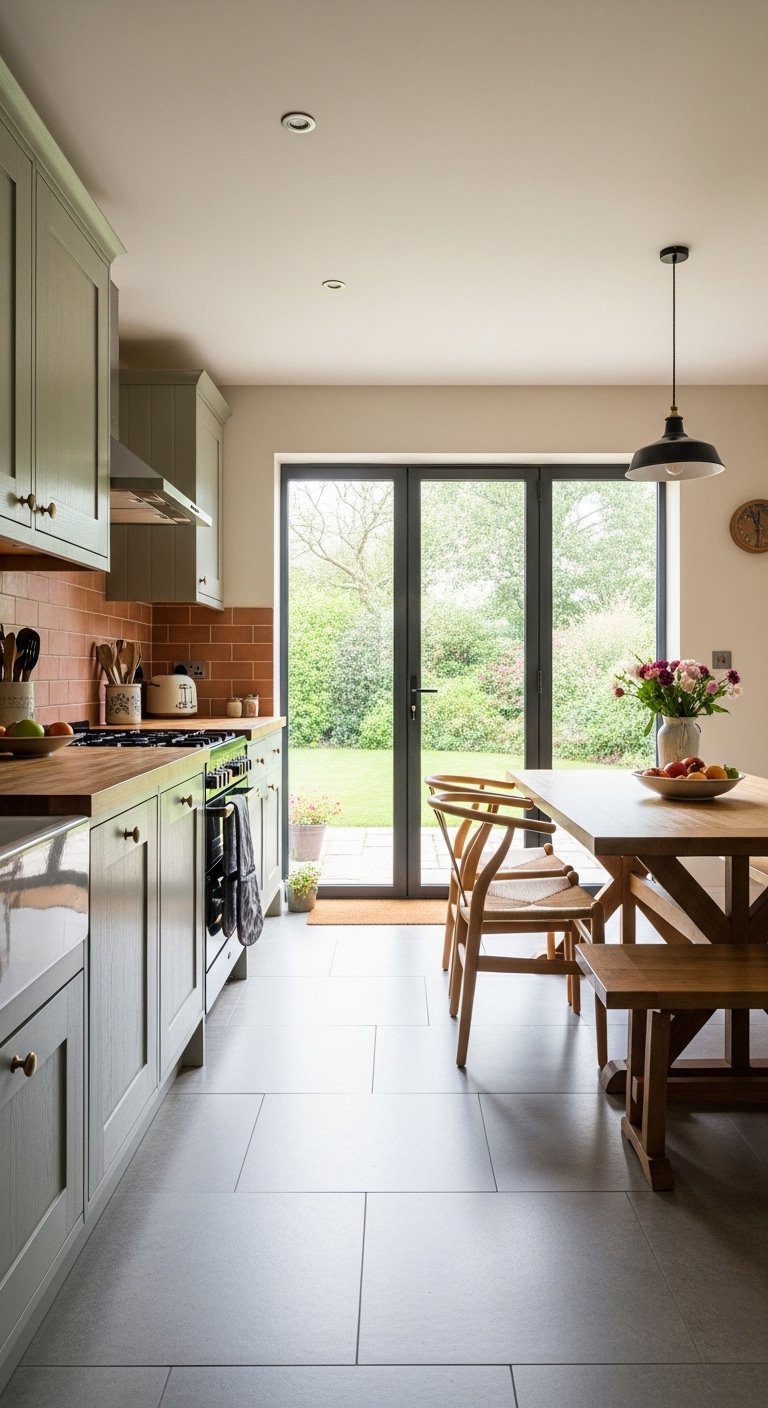
For a sophisticated, moody aesthetic, combine grey and brown tones. This palette mimics stone and wood, grounding the ethereal glass table. Use a slate grey runner and top it with wooden candlesticks or a brown leather tray.
This combination works well in modern industrial spaces. The grey bridges the gap between the cool glass and the warm brown accents. It feels masculine, calm, and expensive. It also hides dust remarkably well compared to white or black decor themes.
Vase and Bowl Combination
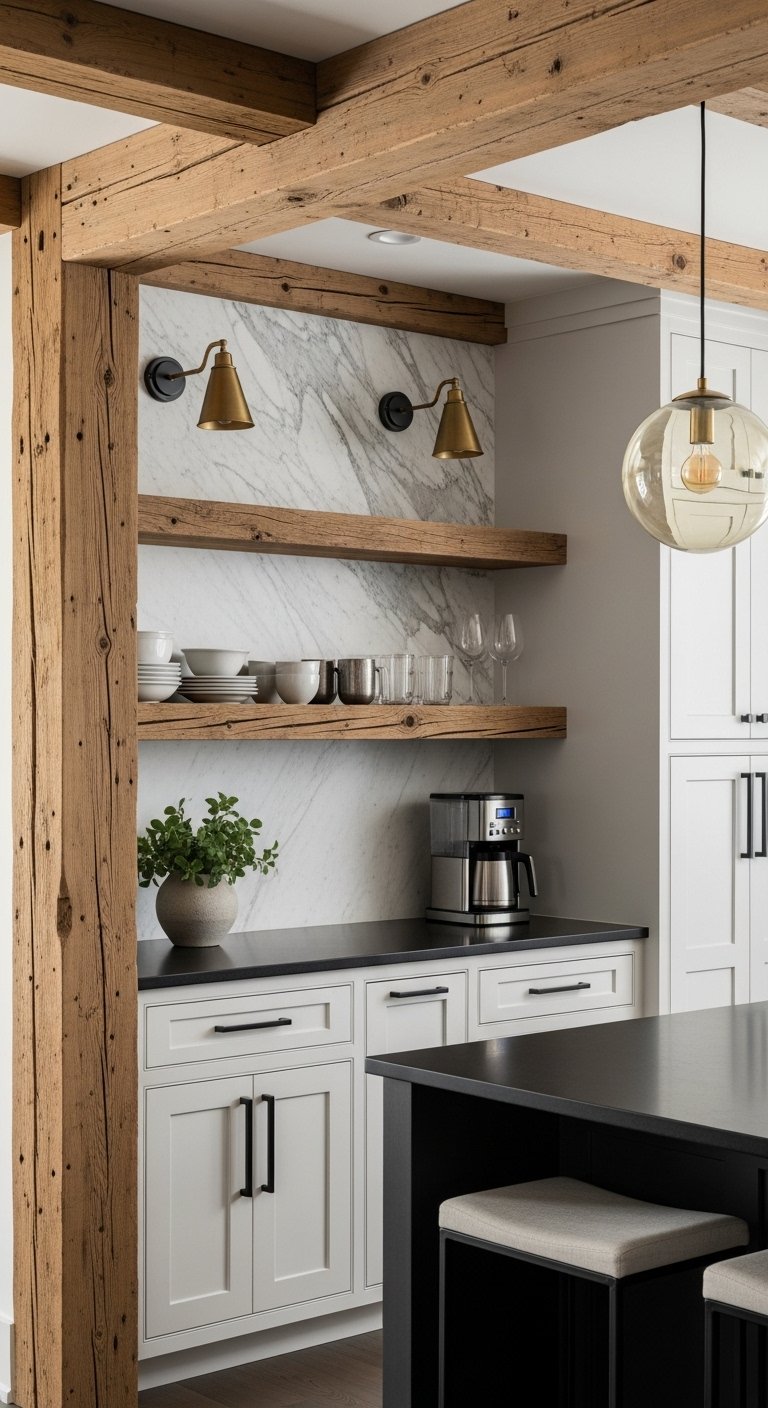
The “Rule of Odds” suggests that arranging items in odd numbers (1, 3, 5) is more visually appealing. However, a pairing of two distinct shapes—a tall vase and a low bowl—can create a dynamic tension that works beautifully on a rectangle table. The height of the vase draws the eye up, while the width of the bowl grounds the arrangement.
Place them close together in the center of the table. The contrast between the vertical and horizontal lines mirrors the shape of the table itself (legs vs. top). Choose materials that relate to each other, like a ceramic vase and a ceramic bowl in different shades of the same color, to keep the look unified.
Popular Asked Questions
How do I keep my glass table from looking cold?
Glass naturally feels cool and hard. To warm it up, you need to introduce opposite textures. Use fabric runners (linen or cotton), woven placemats (jute or rattan), and organic centerpieces like wood bowls or fresh flowers. Warm lighting overhead also helps reduce the sterile feeling.
What is the best centerpiece for a rectangular glass table?
A linear arrangement works best. Think of a row of three small vases, a long low boat tray, or a rectangular planter. These shapes follow the lines of the table. A single round vase can work, but a linear setup utilizes the table’s geometry more effectively.
How do I hide scratches on a glass dining table?
It is difficult to “remove” deep scratches, but you can hide them. Position your table runner or placemats directly over the scratched areas. A busy centerpiece or a tray can also cover imperfections. For light surface scratches, a jeweler’s rouge polishing compound might help reduce visibility.
Can I put hot plates directly on a glass table?
No, you should avoid this. While tempered glass is strong, “thermal shock” (rapid temperature change) can cause it to shatter. Always use trivets, thick placemats, or a runner under hot serving dishes and plates to protect the glass surface.
Conclusion
Styling a small rectangular glass dining table is about balancing its transparency with texture and weight. Because the table itself is visually light, you have the freedom to experiment with bold centerpieces, woven mats, and creative lighting without cluttering the room.
Whether you choose the organic warmth of a Boat Carving or the crisp contrast of a White Table Mat, the goal is to anchor the space. Don’t let your table disappear—make it a deliberate part of your design.
Which of these textures would warm up your dining space the most? Tell us in the comments below.
Follow us on Pinterest for more Dining Room inspiration.

Leave a Comment