
You know that feeling when the first real cold snap hits? I’m talking about that morning when you step outside and your breath turns into visible clouds, and you think to yourself, “Yep, winter’s here.” That’s when most of us remember we actually have a fireplace sitting in our living room. For months, it’s been just another part of the wall, maybe holding some decorative candles or family photos. But now? Now it’s about to become the most popular spot in your entire house.
I’ve lived through enough winters to tell you that a fireplace isn’t just some luxury item. It’s the difference between huddling under three blankets on your couch and actually enjoying your evening with a book and a cup of coffee. We’ve gotten so used to central heating that we sometimes forget how much a fireplace can change the whole atmosphere of a home. The heat spreads differently. It feels different on your skin. There’s something about radiant heat from a fireplace that makes you feel warm in a way that forced air from a vent just can’t match.
Think about it this way. When was the last time you gathered around your heating vent? Never, right? But people naturally gravitate toward fireplaces. Kids do their homework there. Couples have their best conversations there. Even the family dog knows that spot three feet from the hearth is prime real estate. A fireplace creates a focal point in your home that brings people together, and when temperatures drop below freezing outside, that gathering spot becomes pretty much irreplaceable.
We tend to take these things for granted until they’re not there. Try spending a winter night in a house without any heat source and you’ll quickly understand why fireplaces have been around for thousands of years. Our ancestors built their entire homes around the hearth. Everything revolved around that fire. We’ve gotten fancier with our technology, sure, but the basic human need for warmth hasn’t changed one bit. When winter arrives and the cold really settles in, your fireplace stops being just another feature and becomes the heart of your home.
The beauty of having a fireplace goes beyond just survival, though. Yes, it keeps you warm. But it does something else that’s harder to quantify. It makes your house feel like a home. There’s a psychological comfort that comes from having fire nearby. Maybe it’s hardwired into us from our cave-dwelling days. Maybe it’s just the way the light flickers on the walls. Whatever the reason, a room with a working fireplace feels more inviting, more alive, more human than one without.
So before you start cranking up your thermostat this season, take a good look at that fireplace. It’s not just decoration. It’s not just backup heat for when the power goes out. It’s a genuine asset that can make your winter months more comfortable, more economical, and honestly, more enjoyable. The question isn’t whether you should use it. The question is what kind of fireplace setup works best for your situation, your budget, and your lifestyle.
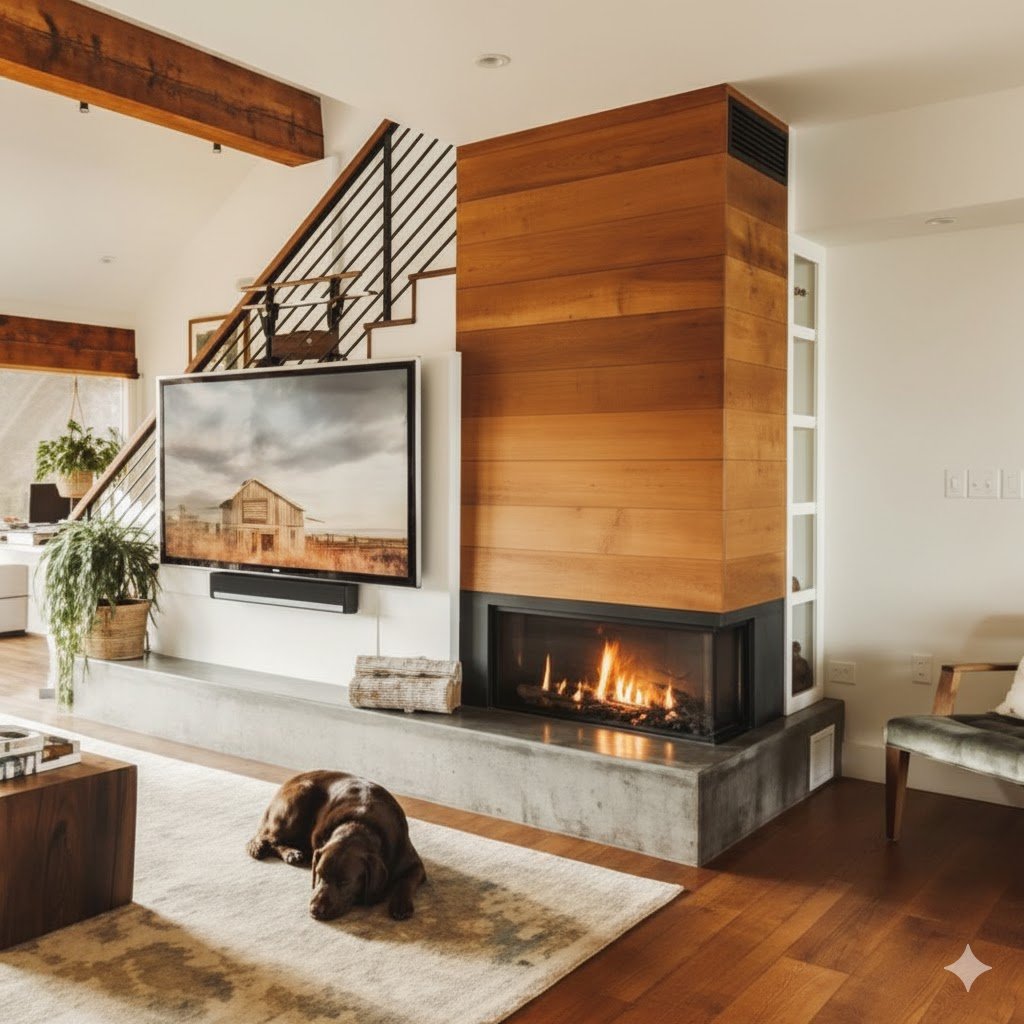
The Classic Wood Fireplace and Why We Still Love It
Let’s start with the original. The wood-burning fireplace has been around forever, and there’s a good reason it’s still the image that pops into most people’s heads when they think “fireplace.” I mean, can you really beat the real thing? That crackling sound. The smell of burning wood. The way the flames dance and shift in patterns you could watch for hours. There’s something primal and satisfying about building a fire from actual logs and watching it burn.
I remember spending weekends at my uncle’s cabin in the mountains. Every evening, we’d go through the ritual of building the fire. Crumpled newspaper at the bottom, kindling on top of that, then the logs arranged just right so air could flow through. Getting a fire started properly is almost an art form. Too much paper and you get a quick flash that dies out. Not enough airflow and your logs just sit there smoldering. But when you get it right? When those logs catch and the fire really gets going? That’s a small victory that feels surprisingly good.
The aesthetic appeal of a traditional wood fireplace is hard to match. You can buy all the realistic-looking alternatives you want, but nothing quite compares to actual flames consuming actual wood. The way the bark catches first, then the wood underneath starts to glow. The occasional pop when a pocket of sap heats up. The gradual shift from yellow flames to orange to that deep red glow of established coals. It’s mesmerizing in a way that our screen-addicted brains desperately need sometimes.
But let’s be honest about the downsides, because there are plenty. First off, you need wood. That sounds obvious, but it’s more complicated than you might think. You can’t just grab any old logs from your backyard and toss them in. The wood needs to be seasoned, meaning it’s been dried out for at least six months to a year. Wet or green wood creates more smoke than heat, and it can build up creosote in your chimney, which is a fire hazard waiting to happen.
So where do you get this properly seasoned wood? You can buy it, which gets expensive fast when you’re going through a cord or two each winter. Or you can cut and season your own, which requires time, space to store it, and ideally a truck to haul it. I tried the DIY route one year and ended up with a backyard that looked like a lumberyard for months. My neighbors were thrilled, let me tell you. And that’s not even mentioning the splinters, the bugs that hide in wood piles, or the constant need to restock your indoor wood rack.
Then there’s the actual work of maintaining a fire. You can’t just light it and forget it. Fires need attention. You’ve got to add logs every hour or so. You need to adjust them with a poker to keep things burning efficiently. The ashes build up and need to be cleaned out regularly. Your hands get dirty. Soot gets on your clothes. It’s a whole thing. Compare that to walking over to your thermostat and pressing a button, and you can see why some people find the traditional approach more trouble than it’s worth.
The cleanup is another factor people don’t always consider. Ashes need to be removed and disposed of properly (and they stay hot for a long time, by the way). The hearth area gets covered in fine ash dust no matter how careful you are. The glass doors, if you have them, develop a layer of smoky residue that needs regular cleaning. And that’s not counting the annual chimney inspection and cleaning you need to stay safe. Chimney fires are no joke, and they happen when people skip the maintenance.
Still, plenty of folks swear by their wood fireplaces. There’s something satisfying about the process, about doing things the old way. It connects you to generations of people who heated their homes the same way. On a good night, with dry wood and a well-built fire, there’s truly nothing better. The warmth, the ambiance, the whole experience adds up to something special. It’s just that “special” comes with a side of “labor-intensive,” and not everyone’s willing to make that trade.
When Gas Fireplaces Seemed Like the Answer
So naturally, people started looking for an easier option. Enter the gas fireplace, which promised all the benefits of a traditional fireplace with none of the hassle. No more chopping wood. No more ash cleanup. No more tending the fire every hour. Just flip a switch, and boom, instant flames. When these first became popular, they seemed like the perfect solution. We all thought we’d found the sweet spot between convenience and authenticity.
The appeal is pretty straightforward. Gas fireplaces run on either natural gas or propane, and both are readily available. If your house already has a gas line, hooking up a fireplace is relatively simple. You get the look of real flames, the warmth you need, and you can control it all with a remote from your couch. No more getting up to add logs. No more smoke backing up into your room because you forgot to open the flue. Just clean, efficient heat at the push of a button.
From a visual standpoint, modern gas fireplaces have come a long way. The fake logs look surprisingly realistic. The flame patterns mimic real wood fires pretty well. You can even get models that include glowing ember beds and different flame height settings. Some high-end versions are genuinely hard to distinguish from the real thing, at least from across the room. For people who want the fireplace experience without the fireplace work, this seemed like a dream come true.
The heating efficiency is another selling point. Wood fireplaces actually lose a lot of heat up the chimney. You’re literally watching your warmth float away into the sky. Gas fireplaces can be much more efficient, especially the newer models with sealed combustion systems. They direct more of the heat into your room instead of outside. For the same amount of energy, you get more actual warmth where you want it. That’s not nothing when you’re trying to heat a space during a cold snap.
But here’s where things get complicated. Gas isn’t free, and depending on where you live, it might not even be cheap. I have a friend who loves her gas fireplace right up until she gets her utility bill each month. She runs it most evenings during winter because it makes her living room so comfortable. Then she sees what that comfort costs, and she starts questioning her choices. The price of natural gas fluctuates just like everything else, and in some areas, it’s gotten pretty steep.
Propane users have it even tougher. You need a tank, which means deliveries and the risk of running out at the worst possible time. The cost per unit of heat is usually higher than natural gas. Plus, you’re at the mercy of propane prices, which can swing wildly. I’ve heard stories of people getting hit with massive bills during particularly cold winters when both demand and prices spiked. That promised convenience starts to feel less convenient when you’re choosing between running your fireplace and staying within budget.
There’s something else that bugs some people about gas fireplaces, and it’s harder to put into words. They’re just not quite the same. The flames are pretty, sure, but they don’t move the same way. There’s no crackling sound. No smell of burning wood. No sense that you’ve actually built something and made it work. I know this sounds picky, and maybe it is, but ambiance matters. A gas fireplace provides heat and looks nice, but it doesn’t quite capture that cozy, campfire feeling that a real wood fire does.
The installation can be tricky too. If you don’t already have a gas line where you want the fireplace, running one isn’t cheap or simple. You need a licensed professional. You need permits. You need to make sure everything meets code. And if you’re replacing an existing wood fireplace with a gas insert, that’s its own project with its own costs. The upfront investment can be significant, and you need to run the numbers to see how long it takes to recoup that through savings on other heating costs.
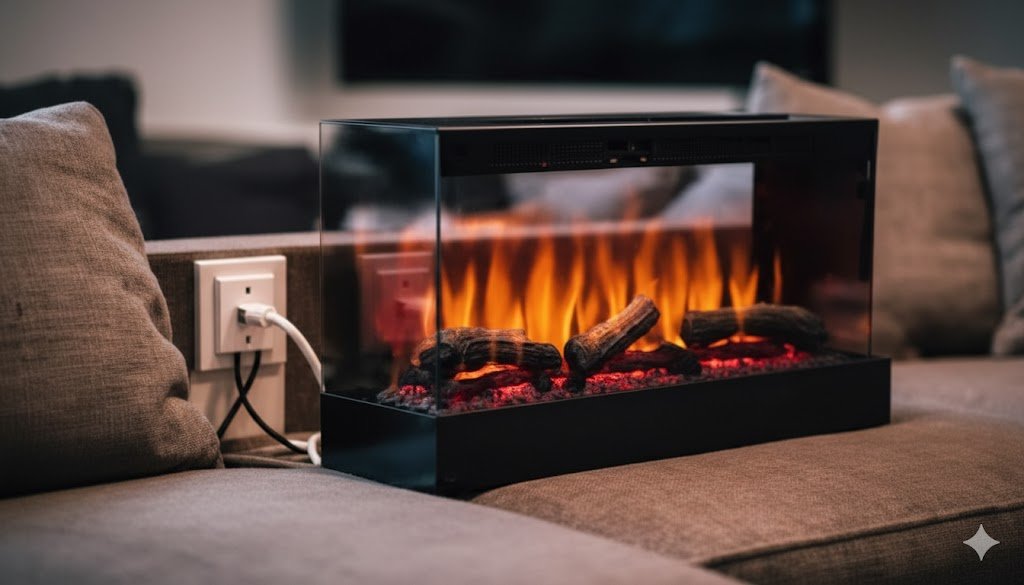
The Electric Fireplace Revolution You Didn’t See Coming
Right about the time we were all trying to decide between wood and gas, someone had a different idea. What if we just plugged it in? Electric fireplaces were nothing new, but they’d always been kind of a joke. Those old ones with the rotating orange light behind plastic logs fooled exactly nobody. They looked fake, provided minimal heat, and were basically just expensive night lights. But technology has a funny way of sneaking up on you.
Modern electric fireplaces are shockingly good. I say “shockingly” because I was totally skeptical until I actually experienced one. A family member installed one in their home, and I walked in prepared to make jokes about it. Then I sat in front of it for an evening and realized I couldn’t really tell the difference from a gas fireplace. The LED flame effects have gotten so sophisticated that they actually look like flames. Multiple colors, realistic movement patterns, adjustable brightness. It’s wild what engineers can do these days.
The heating mechanism is surprisingly effective too. Most use either infrared technology or a fan-forced system, and both work well for their intended purpose. Infrared heaters warm objects and people directly, kind of like sunlight. Fan-forced heaters push warm air into the room. Neither will heat your entire house, but they’ll definitely take the chill off a room and provide supplemental heat right where you’re sitting. For most people, that’s exactly what they need from a fireplace anyway.
But here’s the real game changer with electric fireplaces. You just plug them in. That’s it. No gas lines. No chimney. No venting requirements. No installation crew. You unpack it, put it where you want it, and plug it into any standard outlet. Can you imagine explaining that to someone from a hundred years ago? “Yeah, I just bought heat in a box at the store and brought it home.” They’d think you were describing magic. In a way, I guess we are.
The safety factor is huge. With electric fireplaces, there’s no actual combustion happening. No carbon monoxide to worry about. No chimney fires. No gas leaks. The glass front gets warm but not dangerously hot like a real fire. If you have kids or pets, this matters. You can leave an electric fireplace running when you leave the room or even when you leave the house (though I still turn mine off, old habits die hard). Try that with a wood fire and see what happens.
Maintenance is basically nonexistent. There’s no ash to clean. No chimney to sweep. No gas lines to inspect. No wood to stack. You might need to dust it occasionally. That’s about it. If something breaks, which is rare, you either get it repaired under warranty or replace a component. Compare that to the ongoing upkeep of traditional fireplaces, and the difference is striking. I’ve spent more time cleaning my coffee maker than maintaining my electric fireplace.
The cost angle is interesting too. The upfront price varies wildly depending on the model, but you can find decent electric fireplaces for a few hundred dollars. High-end ones with fancy features and beautiful mantles might run you a couple thousand. But there’s no installation cost beyond maybe assembling some furniture. The operating cost is just electricity, which is usually cheaper than gas per unit of heat, at least in most areas. Your mileage may vary depending on local utility rates, but for most people, the math works out favorably.
You get flexibility that other fireplaces can’t match. Want to rearrange your furniture? Move the fireplace. Want to take it with you when you move to a new place? Pack it up and bring it along. Spending winter in a rental? No problem, set up your electric fireplace there. This might sound trivial, but it’s actually pretty liberating. Your heat source isn’t permanently attached to your house. It’s a piece of equipment you own and can use wherever you need it.
Making Your Fireplace Look As Good As It Heats
We need to talk about mantles because here’s something people don’t always realize. A fireplace is furniture. It’s a major design element in your room. It’s often the first thing people notice when they walk in. You can have the most efficient heating system in the world, but if it looks bad, you’re not going to be happy with it. This is where the mantle comes in, and choosing the right one matters more than you might think.
Traditional fireplaces came with mantles built right into the architecture of the house. They were these substantial pieces of craftsmanship, often made from carved wood or stone. They gave the fireplace presence and gravitas. They also provided a practical shelf for displaying things, which is why mantles have become synonymous with family photos and holiday decorations. When you picture a classic fireplace, you’re probably imagining the mantle as much as the fire itself.
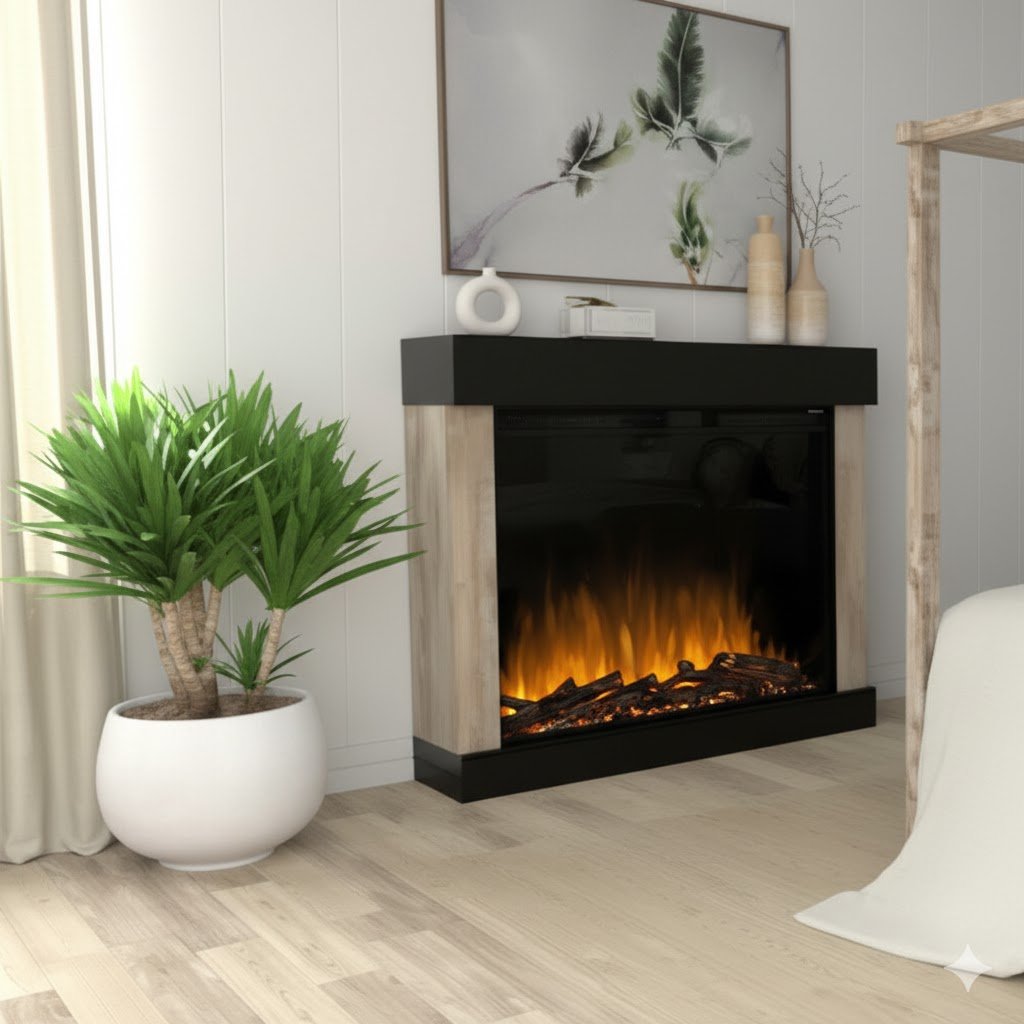
Electric fireplaces had to figure out how to recreate this. Early models completely failed at it. They looked like space heaters trying to cosplay as furniture. But manufacturers eventually caught on that people wanted the whole package. Now you can buy electric fireplaces that come with full mantle assemblies, and some of them are genuinely beautiful. We’re talking real wood construction, detailed molding, built-in shelving, media console features, the works.
The variety available is actually overwhelming if you start shopping around. You can find mantles in every style from ultra-traditional to sleek modern. Rustic farmhouse looks with distressed wood. Contemporary designs in white or grey. Rich, dark finishes that look like expensive furniture. Stone or faux-stone facades. Corner units for tricky spaces. Wall-mounted options that seem to float. Whatever your aesthetic, there’s probably an electric fireplace mantle that matches it.
This is where electric fireplaces pull off something impressive. They don’t just compete with traditional fireplaces in terms of looks. In many cases, they give you more options. You can change styles relatively easily since you’re not locked into what’s built into your walls. You get all the decorative value of a traditional mantle with none of the permanence. Don’t like it anymore? Replace it. Your taste changed? Swap it out. Try doing that with a brick and mortar fireplace.
The mantle serves another function too, and this is something I learned from experience. It hides the technology. If you just have a bare electric fireplace unit sitting there, it looks like what it is, an appliance. But put it inside a nice mantle assembly, and suddenly it looks like a piece of furniture. The mantle frames it, gives it context, makes it feel intentional instead of tacked on. This matters more for visual appeal than I initially realized.
Storage is a bonus that often gets overlooked. Many electric fireplace mantles include cabinets, shelves, or drawers. This is space you can actually use for books, electronics, or whatever else you need to store. Compare that to a traditional fireplace, which just sits there looking pretty but not contributing any storage capacity. An electric fireplace with a media console mantle can replace multiple pieces of furniture in your room. That’s not just aesthetically pleasing. That’s practical.
The scale matters too. A fireplace needs to fit the room it’s in. Too small and it looks insignificant. Too large and it overwhelms the space. The beauty of electric fireplaces with mantles is you can choose the right size for your specific situation. Measure your space, figure out what proportions work, and buy accordingly. You’re not stuck with whatever fireplace happened to be installed when your house was built.
Finding the Perfect Electric Fireplace for Your Space
Let’s talk about actually picking one of these things out because walking into a store or browsing online can feel overwhelming fast. There are hundreds of options out there, and they all claim to be the best. So how do you cut through the noise and find what actually works for you? I’ve been through this process, and I can tell you the key is knowing what questions to ask before you start shopping.
Start with size and heat output. This is basic but critical. How big is the room you want to heat? Electric fireplaces are rated in BTUs or square footage coverage. A typical unit might heat anywhere from 400 to 1,000 square feet. If you’re trying to warm a small bedroom, you don’t need the biggest, most powerful unit. If you’re working with a large, open living room, a tiny fireplace isn’t going to cut it. Match the tool to the job.
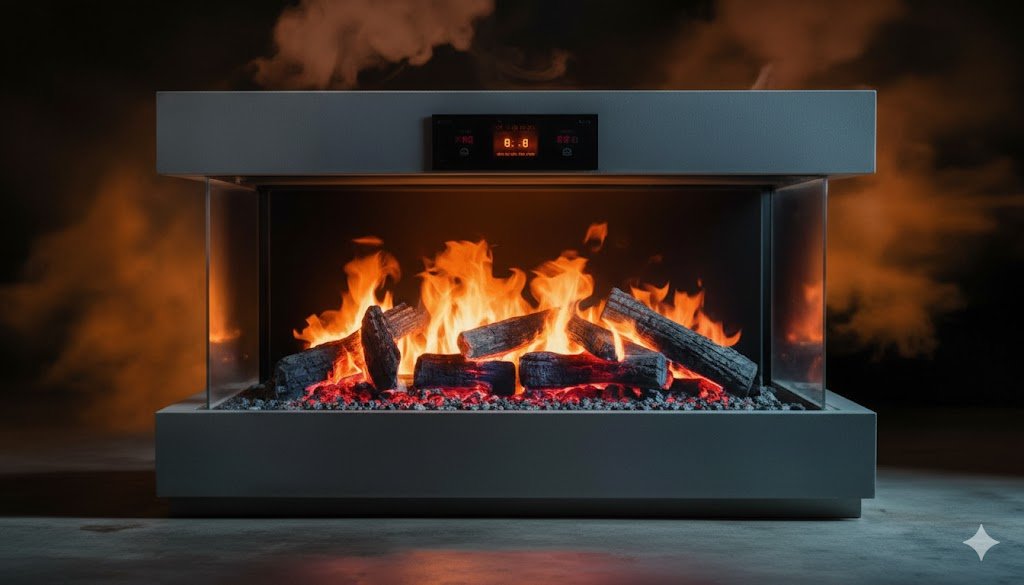
The style decision is obviously personal, but think about your existing furniture. What’s your room look like right now? Are you going for cohesive or contrasting? Modern or traditional? Dark or light finishes? I made the mistake once of falling in love with a fireplace online, ordering it, and then realizing it clashed horribly with everything else in my room. Don’t be like me. Take some photos of your space with you when you shop, or have them handy when you’re browsing online.
Think about placement too. Where are you actually going to put this thing? Do you need a freestanding unit that can go anywhere? A corner model for that awkward space you’ve never known what to do with? A wall-mounted fireplace that hangs like a TV? An insert that fits into your existing fireplace opening? Each type works better in different situations. I’ve seen people buy beautiful fireplaces that just didn’t fit their available space, and that’s a frustrating waste of money.
Features are where things get fun but potentially complicated. Do you want a remote control? Most people do. Adjustable flame brightness? Definitely nice to have. A thermostat that maintains a specific temperature? Super convenient. A timer so it turns off automatically? Great for bedtime. Flame-only mode for year-round ambiance without heat? Surprisingly useful. Make a list of what actually matters to you and what’s just nice marketing fluff.
Budget is real, and you need to be honest with yourself about it. You can find electric fireplaces starting around $200 and going up to $3,000 or more. The price difference usually reflects build quality, features, size, and aesthetic appeal. A basic unit will heat a room fine. A premium unit will heat the same room but look better doing it and probably last longer. Figure out what you can comfortably spend and shop within that range. The most expensive option isn’t always the best for your specific needs.
Read reviews from actual users, not just the marketing copy. This is true for any product, but it’s particularly important for something you’re going to use every day for years. What are people saying about reliability? Does it actually heat the space as claimed? Is assembly straightforward or a nightmare? How’s the customer service if something goes wrong? Real user experiences tell you way more than glossy product descriptions ever will.
Check the return policy before you buy. This is your safety net. If you get the fireplace home, set it up, and realize it’s not what you wanted, can you send it back? How long do you have? What’s the process? Some retailers are great about this. Others make it difficult. Know what you’re agreeing to. I always feel better making a major purchase when I know I can change my mind if I need to.
Think about the outlet situation. This sounds dumb until you realize you don’t have an available outlet where you want to put the fireplace. Or the outlet is on the wrong side of the room. Or it’s one of those weird split outlets where only one plug works. Check your electrical situation before you buy. Extension cords are technically an option but check your fireplace’s requirements. Most manufacturers recommend against them for safety reasons since these units draw significant power.
Why Electric Fireplaces Are Taking Over
So here’s where we are now. I’m seeing electric fireplaces everywhere. Friends are buying them. Family members are switching to them. Home improvement shows feature them. They’re in hotels, restaurants, and office buildings. What was once a punchline has become a genuine trend, and it’s not hard to understand why. We’ve reached a point where the technology has caught up with what people actually want.
Price is probably the biggest factor. You can get a quality electric fireplace for way less than installing a gas line or renovating a traditional fireplace. We’re talking hundreds instead of thousands in many cases. For young people buying their first homes or renters who want that cozy vibe without permanent modifications, electric fireplaces are basically the only practical option. You get 90% of the experience for 25% of the cost. That math works for a lot of folks.
The maintenance thing really can’t be overstated. We’re all busy. We’re all tired. Nobody wants another chore added to their list. Electric fireplaces require essentially zero upkeep. You use them when you want heat or ambiance, and you ignore them when you don’t. There’s something really appealing about that simplicity in our complicated lives. My wood-burning fireplace friends are always talking about chimney sweeps and ash disposal. I’m just over here pressing a button.
The safety improvements matter more as we learn more about indoor air quality. Traditional fireplaces release combustion byproducts into your home, even when they’re working correctly. Gas fireplaces are better but still produce some emissions. Electric fireplaces produce nothing except heat. For people with respiratory issues or just anyone who cares about what they’re breathing, this is significant. You’re not slowly filling your home with particulates or carbon monoxide.
Flexibility has become a selling point I didn’t expect. The housing market is weird right now. People move more often than they used to. Fewer folks own homes at young ages. More people rent for longer periods. In this environment, having a heat source you can take with you is valuable. Your fireplace becomes an investment in your comfort rather than an investment in a specific property. That shift in thinking reflects larger changes in how we live.
The environmental angle comes up too, though it’s complicated. Electric heat is only as clean as the power grid supplying it. If your electricity comes from coal plants, you’re not exactly saving the planet. But if you’re in an area with renewable energy sources, electric heat is pretty clean. It’s certainly not creating smoke and particulates in your immediate environment. You’re also not burning fossil fuels directly in your home. For environmentally conscious buyers, this matters.
Design trends have shifted toward clean, minimal aesthetics. A lot of modern homes are built without chimneys now. Traditional fireplaces require significant structural components that don’t fit contemporary architecture. Electric fireplaces can be integrated into any space, any design style, without compromising the clean lines that people want. You can have your heating and your minimalism too. It turns out you don’t have to choose.
The pandemic changed things in ways we’re still figuring out. More people worked from home. We spent more time in our houses than ever before. Suddenly, making your living space comfortable became a priority instead of an afterthought. Electric fireplaces sold like crazy during this period. People wanted their homes to feel cozier, warmer, more inviting. An electric fireplace delivered that feeling without requiring major renovations or long-term commitment.
What This All Means for Your Home
Right, so after all this talk about fireplaces, what’s the actual takeaway? What should you do with this information? I think it comes down to understanding that you have options now. The fireplace game has changed. You’re not locked into one approach. What works for you depends on your specific situation, and that’s actually really liberating once you realize it.
If you already have a traditional fireplace and you love it, great. Keep using it. There’s absolutely nothing wrong with sticking with wood if that’s your thing. The ritual, the authenticity, the smell and sound, these are real benefits that matter to real people. Just be honest about whether you’re actually willing to do the work. If your fireplace sits unused most of the winter because getting wood is too much trouble, maybe it’s time to consider alternatives.
Gas fireplaces still make perfect sense for plenty of situations. If you’ve got a gas line already installed, if you want that specific look and feel, if your local gas prices are reasonable, go for it. They’re reliable and effective. Just factor in the operating costs and maintenance requirements. Get that annual inspection. Keep an eye on your utility bills. Make sure the economics work for your budget before you commit to using it as your primary heat source.
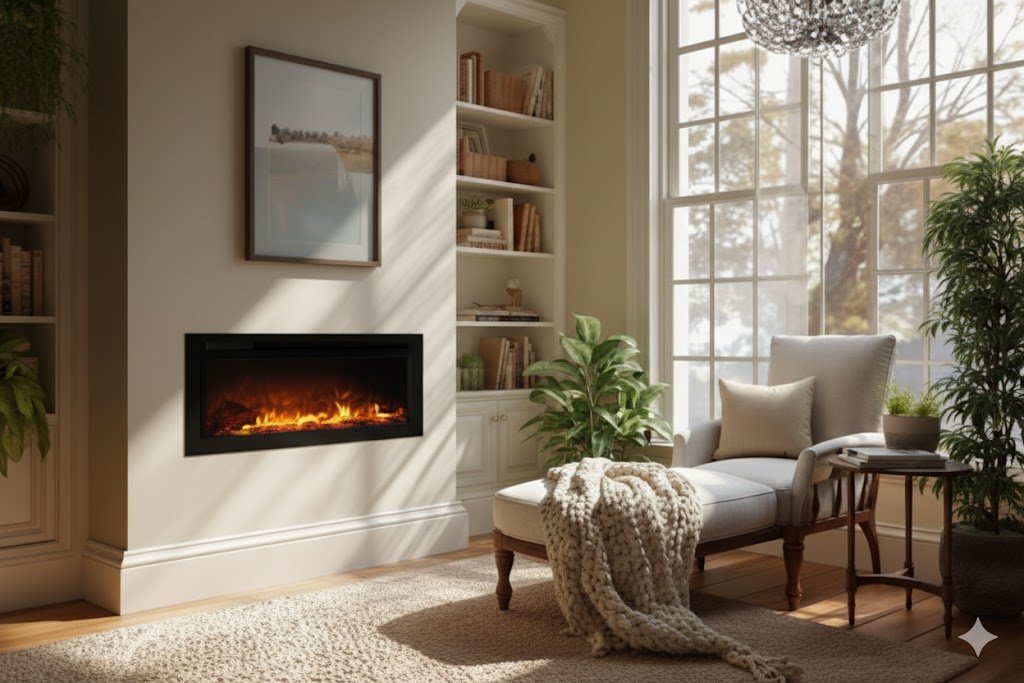
Electric fireplaces deserve serious consideration even if they weren’t on your radar before. The technology has improved dramatically. The costs are reasonable. The convenience is unbeatable. For most people in most situations, an electric fireplace delivers what they actually want from a fireplace without the downsides they’d rather avoid. That’s a pretty compelling package.
Think about your lifestyle too. Do you want simplicity or are you okay with complexity? Do you rent or own? Are you handy with home maintenance or does changing a light bulb stress you out? How much do you care about authenticity versus convenience? Your answers to these questions matter more than any general advice I can give you. The best fireplace is the one you’ll actually use and enjoy.
The aesthetic component deserves its own consideration. A fireplace is a statement piece in your home. It sets a tone. It creates an atmosphere. Don’t underestimate this. I’ve seen people pick the most practical option and then regret it because they don’t like looking at it every day. Choose something that makes you happy when you walk into the room. You’re going to be living with this for years. It should bring you joy, not just heat.
Budget appropriately but don’t cheap out to the point where you’re unhappy with the result. This isn’t something you buy every year. It’s a longer-term investment in your comfort and your home’s ambiance. Getting something good that lasts makes more sense than getting something cheap that breaks or disappoints. Figure out what you can really afford, then buy the best option within that range. You’ll thank yourself later.
Installation and setup matter more than people think. If you’re not comfortable doing it yourself, factor in professional help. A badly installed fireplace, regardless of type, is dangerous and inefficient. Don’t try to save a few hundred bucks if it means compromising safety. On the flip side, don’t pay for installation you don’t need. Electric fireplaces rarely require professionals. Gas and traditional fireplaces almost always do.
The bottom line is this. Winter’s coming. It comes every year, and it’s always cold. You need heat. You probably want ambiance too. Fireplaces provide both. The question isn’t whether to use your fireplace but rather what kind of fireplace experience you want to create. We’ve got more options now than ever before. Take advantage of that. Find the setup that works for your life, your space, and your budget. Then when the next cold snap hits, you’ll be ready. You’ll be comfortable. And you’ll actually enjoy winter instead of just enduring it.
Your home should be your refuge from the world, and a good fireplace makes it warmer in every sense of the word. That’s not marketing talk. That’s just reality. Fire has warmed humans for thousands of years, and while the delivery method has changed, the basic comfort hasn’t. Whether you’re burning logs, running gas, or plugging into an outlet, you’re part of that ancient tradition of gathering around heat and light. That’s worth getting right.

Leave a Comment