
Why Your Walls Matter More Than You Think
I’ve stared at boring white walls for way too long in my life. You know that feeling when you wake up and the first thing you see is just… nothing? Bland, empty space that says absolutely zero about who you are or what makes you tick. Your bedroom should be your sanctuary, your personal retreat from the chaos outside. And let me tell you, the walls play a bigger role in that than most people realize.
We spend roughly a third of our lives in our bedrooms. Think about that for a second. If you live to be ninety, that’s thirty years of waking up, getting dressed, and falling asleep surrounded by the same four walls. Shouldn’t they at least be interesting? Shouldn’t they reflect something about your personality, your dreams, your quirks?
The good news is that transforming your bedroom walls doesn’t require a trust fund or a degree in interior design. What it does require is a bit of creativity, some willingness to break away from the “safe” choices, and maybe a weekend or two of actual work. But the payoff? Walking into a space that actually feels like yours.
I remember the first time I moved beyond basic white paint. I was nervous, honestly. What if I picked the wrong color? What if it looked ridiculous? What if I wasted money on something I’d hate in six months? But here’s what I learned through trial, error, and one particularly unfortunate incident with peel-and-stick wallpaper that refused to stick: your bedroom is the one place where you can take risks. Nobody else has to see it if you don’t want them to. It’s your testing ground for style.
The trends in wall treatments have exploded in recent years. We’re not stuck choosing between eggshell and satin finishes anymore. Walk into any home improvement store and you’ll find materials you never knew existed. Textured panels that look like reclaimed wood but weigh nothing. Removable wallpapers in patterns that would make your grandmother gasp. Concrete finishes that bring industrial chic into suburban homes. The options can be overwhelming, which is exactly why I wanted to break this down into manageable chunks.
Your walls are blank canvases, yes, but they’re also functional surfaces. They can absorb sound, reflect light, create mood, and even make your space feel bigger or cozier depending on how you treat them. When I started researching wall treatments, I got lost in the technical specifications and forgot the most basic question: what do I actually want to wake up to every morning?
That question matters more than any trend or designer recommendation. You might love the industrial look in a magazine but realize you need softness when you’re trying to fall asleep. Or maybe you think you want minimalism until you discover how much joy a bold pattern brings you. The only wrong choice is picking something because you think you should, not because it speaks to you.
Before we jump into specific styles, let’s talk money for a minute. You don’t need thousands of dollars to make dramatic changes. Some of the most impressive bedroom transformations I’ve seen used clever DIY techniques, strategic accent walls, and materials that cost less than a nice dinner out. What you invest is time and thought, not necessarily cash. Paint samples are cheap. Fabric can be stapled. Creativity costs nothing.
Ready to stop settling for boring walls? Let’s explore five distinct approaches that can completely change how your bedroom feels. Each one brings a different energy, serves different needs, and works with different budgets. Whether you’re twenty-two in your first apartment or fifty-five finally getting that primary suite renovation, there’s an approach here that’ll click for you.
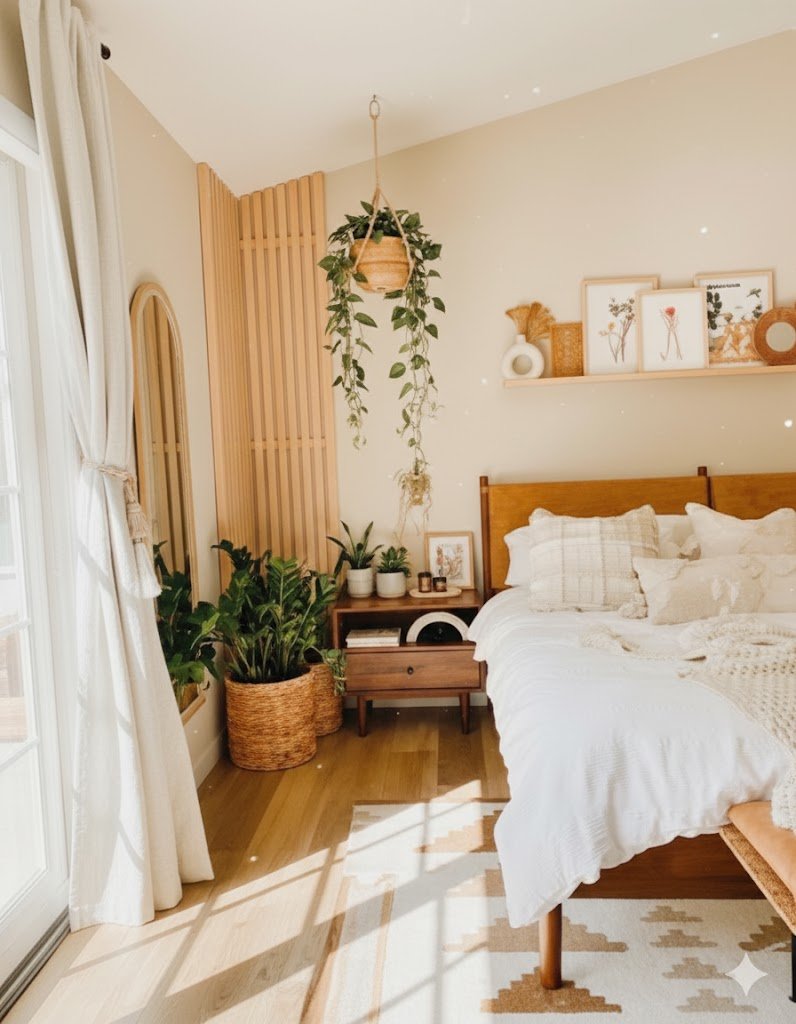
Modern Style: Clean Lines That Actually Feel Like Home
When most people hear “modern bedroom,” they picture something cold. All white surfaces, uncomfortable looking furniture, nothing on the walls except maybe one piece of abstract art that costs more than a car. Yeah, that’s not what we’re talking about here. Real modern design for bedrooms is about creating calm, not sterility. It’s about giving your eyes places to rest and your mind space to unwind.
I’ll be honest, I fought against modern design for years. I thought it meant sacrificing personality for some magazine-perfect aesthetic that would never feel lived in. Then I stayed at a friend’s place where she’d nailed this style, and I got it. Her bedroom felt peaceful. The walls weren’t shouting for attention. Everything had its place. When I walked in after a long day of travel, my shoulders literally dropped two inches. That’s what good modern design does.
The foundation of modern wall treatment is restraint. We’re not covering every inch with stuff. We’re not using six different colors. We’re choosing materials and finishes that do the heavy lifting without overwhelming the space. Think about how you feel in a cluttered room versus a curated one. Your nervous system responds to visual noise, and modern design is all about turning down that volume.
Concrete finishes have become huge in modern bedrooms, and I get why. There’s something grounding about that raw, industrial texture. But here’s the thing nobody tells you: actual concrete walls are cold, both literally and figuratively. What you want are concrete-effect paints or panels that give you the look without making your bedroom feel like a parking garage. I’ve seen micro-cement finishes that have just enough texture to be interesting while still feeling smooth to the touch. They catch light beautifully throughout the day, shifting from cool gray in the morning to warm taupe by evening.
Limewash paint is another modern favorite that doesn’t get enough attention. Unlike flat latex paint that can look, well, flat, limewash has this subtle texture and depth. It’s matte but not boring. The way it moves across a wall, with slight variations in tone and coverage, gives you visual interest without pattern. I used limewash in my own bedroom last year, and people keep asking what’s different about the room. The color is just slightly off-white with warm undertones, but the finish makes it feel intentional rather than default.
Fabric walls might sound weird at first, but stay with me. In modern design, stretched fabric panels can serve multiple purposes. They absorb sound, which matters more than you’d think if you live on a busy street or have noisy neighbors. They add softness and warmth to balance out harder surfaces. And if you choose the right textile, they bring in texture without busyness. Linen in neutral tones works beautifully. Even cotton canvas stretched tight across frames creates this tailored, architectural look.
The color palette for modern bedrooms leans neutral, but neutral doesn’t mean boring. We’re talking warm grays, soft beiges, greiges (that gray-beige hybrid that everyone suddenly loves), muted blues, and earthy greens. The trick is layering different shades of the same color family. An accent wall in darker taupe against lighter taupe on the other walls creates depth and interest while maintaining that calm vibe.
Texture becomes your best friend in modern design since you’re not relying on color or pattern for interest. Smooth plaster next to a section of horizontal wood slats. Painted walls beside a panel of natural stone. The contrast between surfaces is what makes the space feel dynamic rather than flat.
Here’s what I learned the hard way about modern wall treatments: less is genuinely more, but that doesn’t mean empty. I once stripped my bedroom down so far it felt like a hotel room. No personality, no warmth, just surfaces. Modern design needs anchor points. Maybe it’s one large piece of art. Maybe it’s a beautiful headboard that becomes architectural. Maybe it’s statement lighting that draws the eye. But you need something to ground the space and make it feel intentional.
Lighting plays a huge role in how modern walls read. Natural light during the day shows off those subtle textures and finishes. At night, you want layered lighting that can adjust to your mood. Wall sconces with warm bulbs can completely change how a neutral wall feels. I installed dimmers everywhere, and it was the smartest move I made. Sometimes I want bright and energizing. Sometimes I need dim and cozy. The same walls serve both needs.
One massive advantage of modern wall treatments is flexibility. When you’re working with a neutral base, you can swap out bedding, art, and accessories without clashing. Your walls become the supporting cast, not the star. This matters if you like to change things up seasonally or if you’re the type who gets bored easily. I’ve changed my bedroom’s whole vibe three times in two years just by switching textiles and art, and the walls worked with every iteration.
The minimalist approach also makes small bedrooms feel larger. Busy walls close in on you. Clean surfaces reflect light and create the illusion of more space. If you’re working with a smaller room, modern design is your friend. Keep the walls light and simple, and the room breathes.
But let’s talk about the elephant in the room: modern can feel impersonal if you’re not careful. The solution is bringing in natural materials that have inherent warmth. Wood, stone, plaster, linen… these materials have texture and variation that keep spaces from feeling sterile. A modern bedroom with a wood slat accent wall behind the bed feels completely different from one with just painted drywall, even if both are neutral in color.
Cost-wise, modern can actually be budget-friendly. Good paint is relatively cheap. DIY concrete finishes can be learned from YouTube. The expensive part is usually furniture and lighting, not the walls themselves. If you’re willing to do some of the work yourself, you can achieve this look without breaking the bank.
My biggest piece of advice for modern bedrooms? Sample everything first. Get those paint samples and put them on your actual walls. Live with them for a few days. Watch how they look in different light. That warm gray you loved in the store might read purple in your bedroom’s north-facing light. Or that crisp white might feel too stark once you see it at night. Take the time to test before committing.
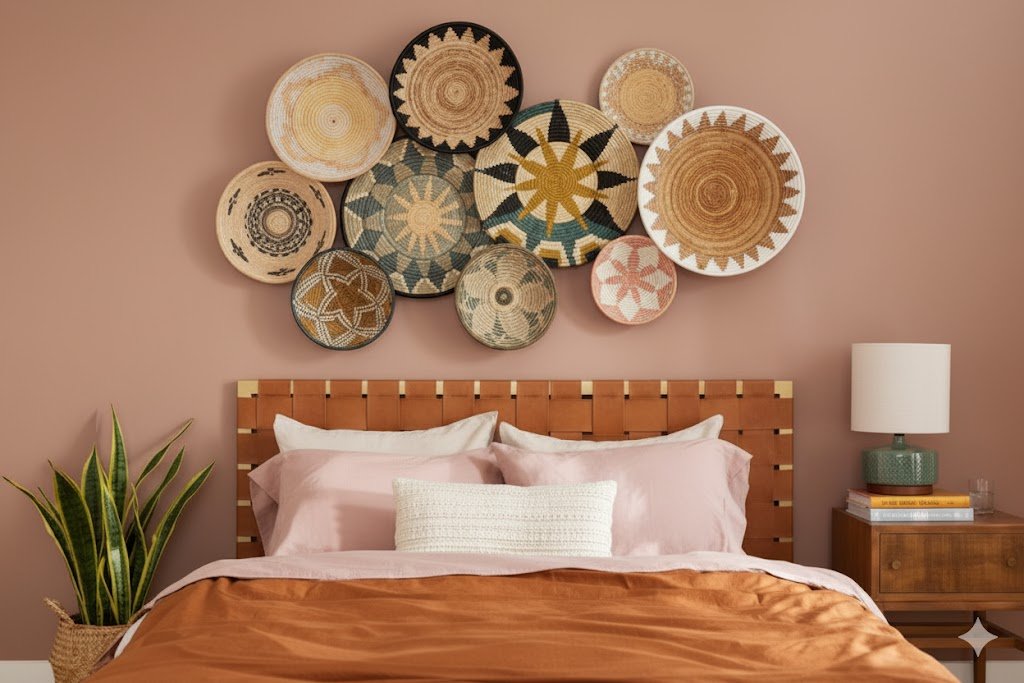
Rustic Style: Bringing Warmth and Character to Your Sleep Space
There’s something primal about rustic design that just works in bedrooms. Maybe it’s because we spent most of human history sleeping in caves and huts made of natural materials. Maybe it’s just that wood and stone feel honest and real in a world full of plastic and processing. Whatever the reason, rustic walls can turn a bedroom into a genuine retreat.
I grew up in a house with wood paneling from the 1970s. You know the kind, dark and slightly orange, making every room feel like a basement. For years, I avoided anything rustic because I associated it with that dated look. Then I stayed at a cabin in Vermont where the walls were made from reclaimed barn wood, and I had a complete perspective shift. This wasn’t dingy or dated. It was warm, textured, and had so much story built into every board.
Real reclaimed wood for walls isn’t cheap, let’s just get that out there. If you’re buying authentic barn wood or wood from old factories, you’re paying for the character and history. But here’s the secret: you don’t need to cover every wall. One accent wall behind your bed makes a massive impact. And there are alternatives that give you similar results without the premium price tag.
Shiplap became a huge trend thanks to certain home improvement shows, and yeah, it got overused for a while. But there’s a reason people love it. The horizontal lines create visual interest. The slight shadow gaps between boards add texture. And when done in the right finish, shiplap brings farmhouse charm without feeling gimmicky. I’ve seen shiplap painted white for a crisp look, stained in medium tones for warmth, or left raw for maximum texture.
Rough-sawn lumber is another option that gives you that rustic texture without going full reclaimed barn. The wood still has saw marks and natural imperfections, so it feels authentic and handcrafted. You can often find rough-sawn pine or cedar at reasonable prices, and it’s much easier to install than trying to work with hundred-year-old boards that are twisted and uneven.
Wood planks installed vertically create a completely different vibe than horizontal. Vertical draws the eye up, making ceilings feel higher. It’s less common, which means it feels more unique. I saw a bedroom where they’d done floor-to-ceiling vertical planking in varying widths, and it was stunning. The randomness of the widths made it feel organic rather than manufactured.
Let’s talk about brick for a minute. Exposed brick walls have been trendy in urban lofts for years, but what if you don’t have actual brick behind your drywall? Brick veneer and thin brick tiles can give you that look without major construction. They’re lighter, easier to install, and come in tons of styles. You can go with red brick for classic warmth, white-washed brick for a softer feel, or even dark brick for drama.
The white-washed or limewashed brick look deserves its own mention. When you take the intense red or orange out of brick and soften it with white paint, you get this amazing texture with a gentler color palette. It’s rustic but not heavy. I helped a friend do this in her bedroom, and the transformation was ridiculous. We literally just diluted white paint and brushed it over old brick, letting some of the original color show through. Cost us maybe forty bucks and an afternoon.
Stone is the ultimate rustic wall treatment, but it’s heavy and expensive to install properly. That’s where stone veneer comes in. Modern stone veneers are so good that you can’t tell them from real stone unless you touch them. They’re a fraction of the weight, which means they can go up without major structural work. And they bring that organic, earthy quality that makes bedrooms feel grounded.
Wood ceiling treatments matter in rustic bedrooms too. Your walls might be drywall, but if you add exposed beams or wood planking to the ceiling, the whole room shifts into rustic territory. I’ve seen bedrooms where they just added three or four decorative beams to a white ceiling, and it completely changed the feel from builder-grade to custom.
Mixing materials is where rustic design gets interesting. Wood on one wall, stone on another, plaster on the rest. The variety feels natural, like the room evolved over time rather than being designed all at once. In nature, you don’t see just one material. You see wood and rock and dirt all together. Bringing that same variety inside makes spaces feel more organic.
Color palettes in rustic bedrooms tend toward earth tones. Browns, tans, greens, warm grays, soft creams. But don’t feel locked into those. I’ve seen rustic bedrooms with deep teal walls that looked incredible against natural wood. Navy blue can work. Even soft blush pink can pair beautifully with weathered wood if you balance it right.
The texture is what makes rustic walls special. Smooth painted drywall is fine, but it doesn’t have the same impact as wood grain you can see and feel. When light hits textured walls, you get shadows and highlights that change throughout the day. Your walls become more dynamic, more alive.
One challenge with rustic design is avoiding the theme park effect. You want authentic and lived-in, not “ye olde country inn.” The way to thread that needle is keeping some elements simple and modern. Maybe your walls are reclaimed wood, but your bedding is crisp white linen. Maybe you have exposed brick, but your lighting is sleek and contemporary. The mix keeps it feeling current rather than costume-y.
Rustic walls also need to be balanced with softness. Wood and stone are hard surfaces acoustically and visually. Bring in textiles through bedding, rugs, and window treatments. You need that contrast to make the space feel comfortable rather than harsh. I made the mistake once of going too hard with rustic elements, and my bedroom felt like I was camping. Adding a plush rug and layered bedding fixed it immediately.
Maintenance is something to consider with rustic materials. Wood needs to be properly sealed, or it’ll get dingy over time. Brick can shed dust. Stone can be cold to the touch. But these aren’t dealbreakers, just things to plan for. Polyurethane on wood planks makes them wipeable. A vacuum with a brush attachment handles brick dust. These materials are meant to age and weather, which is part of their charm.
The DIY potential with rustic walls is huge. Installing wood planks isn’t rocket science. You can learn to do brick veneer in a weekend. Even stone veneer is manageable for someone with basic skills and patience. The materials might cost a bit, but the labor savings are significant if you’re willing to put in the time.
Lighting in rustic bedrooms should feel intentional but not fussy. Wrought iron fixtures work. So do simple metal sconces. Edison bulbs give you that warm glow that pairs perfectly with wood and stone. I’m not a fan of overhead lighting in bedrooms anyway, but in rustic spaces, you really want to rely on lamps and wall sconces that create pools of warm light rather than flooding everything.
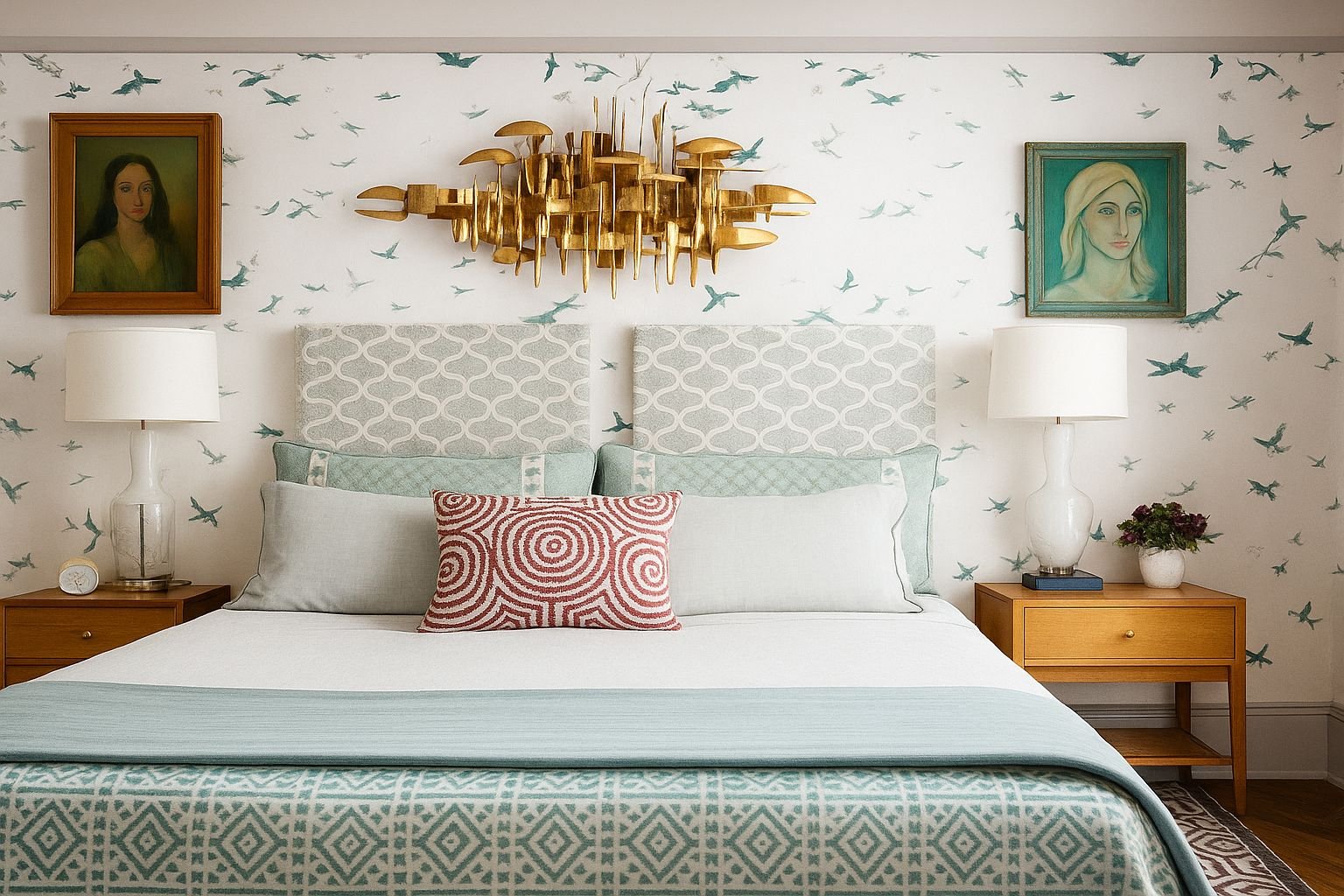
Young Retro Style: Making Nostalgia Feel Fresh
Retro design is tricky. Done wrong, it’s a costume party. Done right, it’s playful, energetic, and genuinely unique. The key is picking the elements you love from past decades and remixing them with modern sensibilities. Your bedroom shouldn’t look like a museum diorama of 1972. It should feel like you cherry-picked the best parts of retro style and made them your own.
I’ve been obsessed with vintage design since I found my grandma’s old magazines from the 60s. The colors were incredible. Avocado green, burnt orange, mustard yellow, and that specific shade of brown that was everywhere. But when I tried to recreate that vibe in my first apartment, it looked less “cool retro” and more “thrift store explosion.” I learned the hard way that retro needs editing.
Wallpaper is the MVP of retro bedroom walls. The patterns from the 60s and 70s were bold in a way we just don’t see in mainstream design anymore. Big geometric shapes, abstract florals, optical illusions. These patterns had confidence. Today, you can find reprints of classic retro wallpapers or new designs inspired by that era. The beauty of modern removable wallpaper is that you can try something bold without committing forever.
I used a removable wallpaper with an orange and brown geometric pattern on one wall of my bedroom last year. People either loved it or looked confused, which I took as a win. It wasn’t safe or boring. And when I got tired of it six months later, I peeled it off in an afternoon and tried something new. That’s the kind of flexibility that makes retro approachable.
Music is fundamental to young retro style. Record collections deserve to be displayed, not hidden away. Floating shelves with vinyl records creates both art and function. You can flip what’s showing to change the vibe. Jazz albums have different colors and graphics than rock. Motown looks different from folk. Your wall becomes curated and personal.
Posters and concert art from classic bands add instant retro credibility. But here’s my take… don’t just buy reproduction posters at the mall. Hit up vintage shops, estate sales, or online sellers who have actual vintage prints. The paper quality is different. The colors have aged in interesting ways. There’s real history there. And frame them properly, not with thumbtacks or tape. Good frames make the difference between college dorm and intentional design.
Color is where retro style either soars or crashes. Those 60s and 70s palettes were wild, and you can’t half-commit. If you’re going retro, go retro. Pair harvest gold with avocado green. Put burnt orange next to chocolate brown. Mix mustard yellow with rust. These combinations sound crazy on paper but work beautifully in practice when you commit to them.
That said, you can tone down retro colors if full saturation feels like too much. Dusty versions of these hues give you the retro vibe with less intensity. Muted orange instead of traffic cone orange. Sage green instead of bright avocado. Warm tan instead of screaming mustard. You get the reference without the headache.
Wood paneling was huge in the 60s and 70s, and it’s actually having a moment again. Not the dark orange stuff from my childhood, but lighter woods or painted versions. Vertical wood paneling behind a bed can look incredibly retro, especially if you pair it with the right colors and accessories. You could even do half-wall paneling with paint above it for that classic 70s living room vibe.
Texture matters in retro bedrooms. Think about materials popular in those decades… macrame, cork, wicker, shag carpet. You probably don’t want shag carpet on your walls (though I’ve seen it done), but cork tiles can create amazing accent walls. Macrame wall hangings bring in that handcrafted 70s vibe. Even textured wallpapers that mimic grasscloth or cork give you that tactile quality.
Mirrors were big in retro design, often in unusual shapes. Sunburst mirrors, irregular organic shapes, mirrors with decorative frames in brass or wood. A great vintage mirror can anchor a whole wall and reflect light to make the space feel bigger. I found a massive sunburst mirror at an estate sale for twenty bucks, and it’s still one of my favorite bedroom pieces.
The fun part about retro style is mixing eras. Maybe you love the geometric patterns of the 60s but the warm wood tones of the 70s. Combine them. Or bring in some 80s Memphis design elements with the earlier decades. The rules are loose, which is part of the appeal. Your bedroom becomes a personal time capsule of what you love from different periods.
Lighting in retro bedrooms should be statement-making. Arc floor lamps were everywhere in the 70s and are back in style. Sputnik chandeliers scream mid-century modern. Lava lamps are goofy fun if you lean into the kitsch. Even simple pendant lights in colored glass bring that retro diner vibe.
Gallery walls work perfectly in young retro bedrooms. Mix posters, album covers, vintage ads, old photographs, and quirky art finds. The more eclectic, the better. There’s no single aesthetic you’re trying to hit, just a general vibe of “stuff I think is cool from before I was born.” That authenticity matters more than perfect curation.
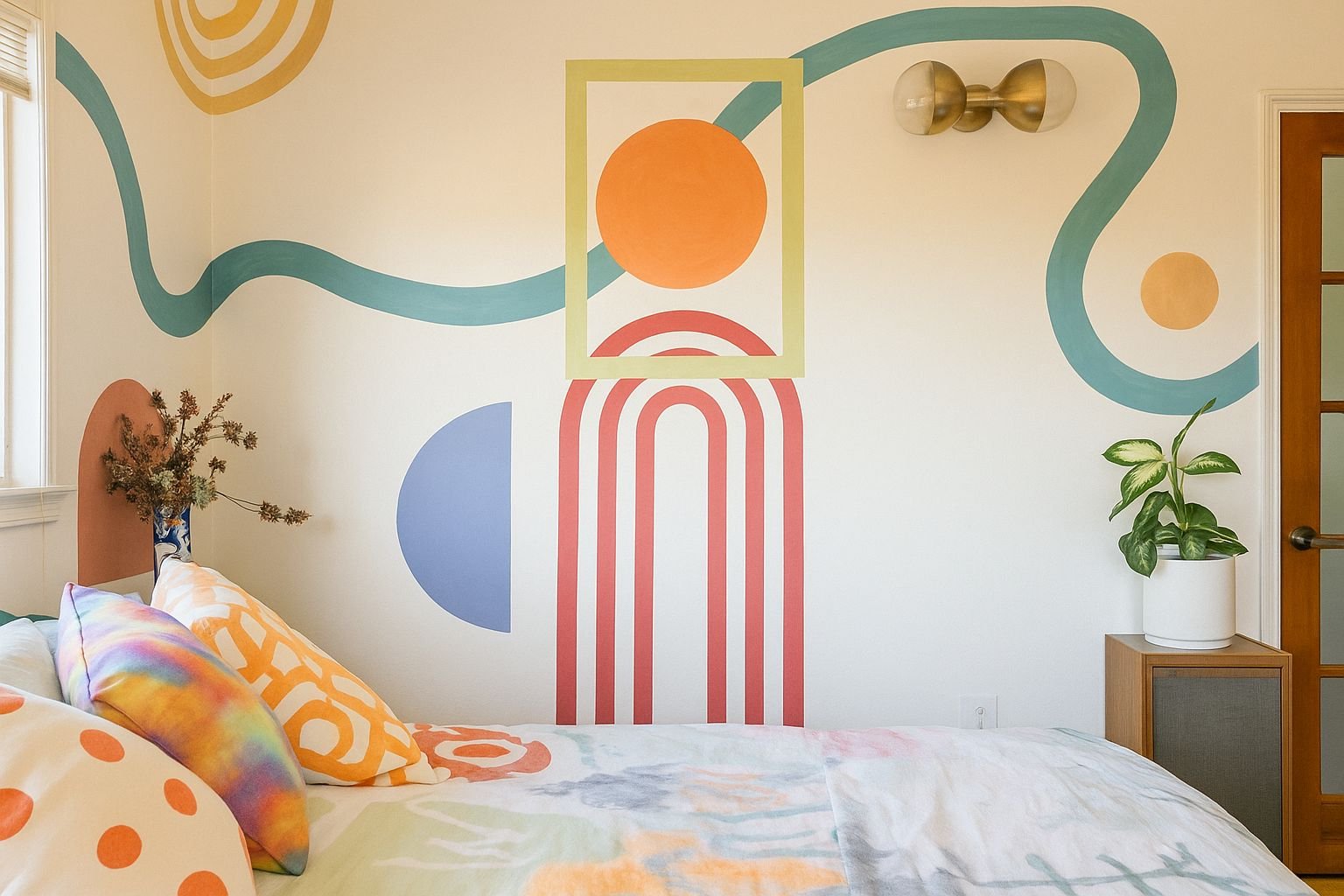
Paint techniques from retro eras can add character too. Color blocking was big in the 60s and 70s… painting different sections of walls in different colors with clean lines between them. It’s graphic and bold. Or try an ombre effect, which was popular in different forms throughout the decades. These techniques take time but cost almost nothing in materials.
Typography from retro eras is another wall element to explore. Big, bold letters spelling out words or phrases in that distinctive 70s font style. You can make these with vinyl decals, paint them yourself, or even use vintage signage. Letters had personality back then, unlike the clean sans-serif fonts that dominate modern design.
One mistake I see with retro bedrooms is trying to match everything perfectly to one specific year. Real homes from the 60s and 70s had furniture and decor from different periods. Stuff accumulated over time. Your retro bedroom should feel the same way… curated but not matchy-matchy. Mix in some modern elements so it doesn’t feel like a time capsule. Maybe retro walls but contemporary bedding. Or vintage posters but modern lighting.
The affordability of retro style is a big advantage. Thrift stores, estate sales, and online marketplaces are packed with stuff from these decades. Often, it’s cheap because current trends favor different styles. But that means you can load up on authentic pieces for not much money. One afternoon at estate sales can score you amazing finds.
Maintenance with retro materials is pretty straightforward. Wallpaper wipes clean. Vinyl records just need dusting. Posters in frames are protected. The materials from those eras were made to last, which is why so much of it is still around and usable today.
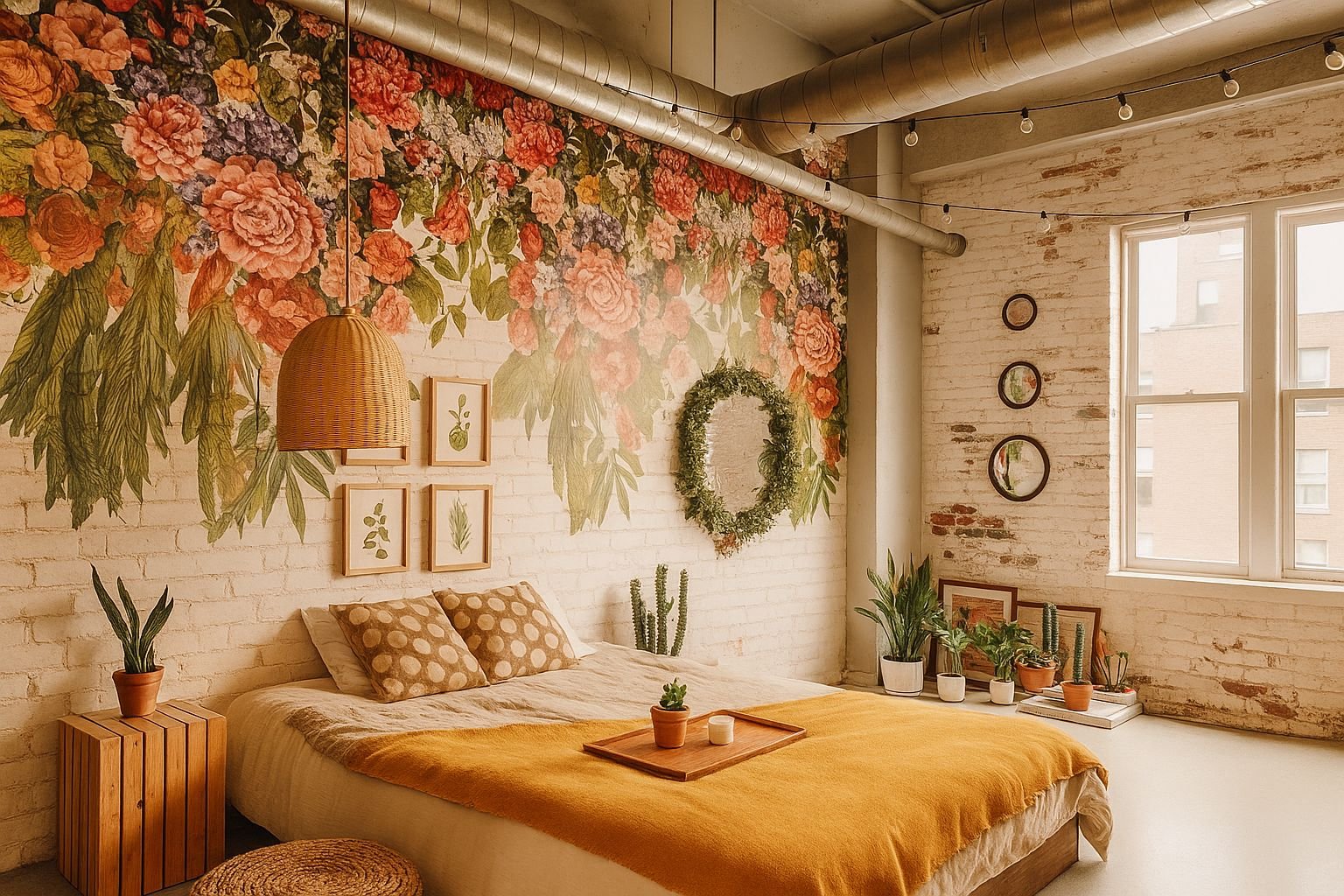
Fun Style: Creating Joy Through Playful Design
Who says bedrooms have to be serious? We spend so much time trying to make our homes look “grown up” that we forget the value of pure, unfiltered fun. A bedroom with playful walls can lift your mood every single day. It can make getting out of bed easier and falling asleep more pleasant. And honestly, in a world that’s often heavy and stressful, having one room that makes you smile feels downright radical.
I fought against fun in my bedroom for years. I thought adults needed sophisticated, mature spaces. Neutral colors, tasteful art, nothing too bold or weird. Then I visited a friend’s place where her bedroom walls were covered in a wallpaper pattern of vintage botanical illustrations mixed with random rubber ducks. It was bizarre and delightful and made me laugh every time I looked at it. She slept better there than anywhere else she’d lived. That’s when I got it… fun isn’t childish. It’s strategic.
Color is the easiest way to inject fun into bedroom walls. And I’m not talking about one accent wall in coral. I mean going bold with unexpected combinations. Hot pink and kelly green. Bright yellow and electric blue. Orange and purple. Colors that make traditional designers nervous but make regular humans happy. Test them first with paint samples, but don’t be scared to try combinations that feel joyful to you.
Polka dots are having a moment, and I’m here for it. Dots can be playful without being juvenile. Large dots in contrasting colors create a graphic punch. Small dots add texture and movement. You can paint them yourself with circle stencils, use peel-and-stick decals, or find wallpaper with dot patterns. The spacing and size of the dots completely changes the vibe, so experiment.
Stripes work for fun bedrooms too, but not the traditional thin pinstripes. I’m talking about wide, bold stripes in happy colors. Horizontal, vertical, or even diagonal if you’re feeling adventurous. Painting stripes takes patience and good tape, but the impact is worth it. I did rainbow stripes in my guest bedroom, and every person who stays there comments on them.
Wall decals are your secret weapon for fun without permanent commitment. You can find decals of literally anything… animals, plants, quotes, abstract shapes, cartoon characters, food. Arrange them however you want. Change them when you’re bored. I had a phase where my wall was covered in decals of different dog breeds. Did it make sense? No. Did it make me happy? Absolutely.
Chalkboard paint or whiteboard paint turns a whole wall into a space for creativity. You can draw, write, change it daily. I’ve seen people use chalkboard walls for inspirational quotes, doodles, to-do lists, or just random art. It’s interactive and personal in a way that static walls can’t match. And if you get tired of it, you can just paint over it.
Murals are the ultimate fun wall treatment. You can hire an artist to create something custom, or you can do it yourself if you’re brave. Abstract murals are forgiving since there’s no “right” way they should look. I painted a terrible mural once… wonky mountains and a weird sunset. But I loved it because I made it. And when I eventually painted over it, I wasn’t sad. It had served its purpose.
Gallery walls can lean fun with the right curation. Mix serious art with ridiculous stuff. A beautiful landscape next to a vintage ad for soap powder next to your kid’s finger painting next to a photo of your cat. The randomness is the point. Your wall becomes a visual representation of what makes you smile.
Neon signs have gotten way more accessible and affordable. You can get custom neon with whatever word or phrase you want, or buy pre-made designs. They add instant personality and serve as mood lighting. I have a small neon cactus in my bedroom that glows green at night, and it’s become one of my favorite things.
Tapestries are an underrated wall covering for fun bedrooms. You can find them in every pattern imaginable… psychedelic, nature scenes, abstract, funny sayings. They’re easy to hang, easy to change, and add softness that paint can’t. Plus they’re usually cheap, so you can swap them out when your mood shifts.
Shelving can be part of your wall design, not just functional. Arrange floating shelves in interesting patterns rather than straight lines. Display collections of quirky objects… vintage toys, unusual plants, colorful books, weird thrift store finds. Your walls become three-dimensional and tell stories.
Patterns on patterns on patterns can work in fun bedrooms if you commit. A striped wall with polka dot bedding and a geometric rug sounds chaotic, but if the colors tie together, it’s energetic rather than overwhelming. The trick is having a color palette that unifies everything.
Mixed textures add playfulness too. Smooth paint next to fuzzy fabric next to shiny metallic. Your eyes have more to explore. I’ve seen bedrooms with sections of wall covered in colored yarn, creating this soft, touchable surface. It’s unusual, but unusual is kind of the whole point.
Temporary materials are your friends for fun bedrooms. Washi tape can create geometric designs, borders, or even fake frames. It comes in hundreds of colors and patterns. Fabric can be hung on walls with starch or command strips. Paper flowers or garlands add dimension. None of this requires tools or permanent installation.
The beauty of fun bedroom walls is that they can evolve. When you get bored, change something. Add more. Take some away. This isn’t a formal living room that needs to impress guests. It’s your personal space, and it can be as weird and wonderful as you want.
Kids bedrooms obviously lean toward fun, but I think adults need playful spaces just as much. Maybe more. We carry so much stress and responsibility that having a room designed purely for joy becomes medicine. You don’t have to justify it to anyone.
Budget-wise, fun can be incredibly affordable. Paint is cheap. Decals are cheap. DIY projects cost mostly time. You don’t need expensive materials to create a joyful space. Some of the best fun bedrooms I’ve seen were done on shoestring budgets with more creativity than cash.
The risk with fun bedrooms is going too far and creating visual chaos that actually stresses you out. There’s a difference between playfully busy and anxiety-inducing clutter. If looking at your walls makes you feel overwhelmed rather than happy, pull back. Maybe just one feature wall goes full fun while the others stay calm. Balance matters even in playful design.
Lighting affects how fun elements read. Bright, energizing light makes bold colors and patterns pop. Dimmer, warmer light at night makes even crazy walls feel cozy. Install dimmers so you can adjust based on time of day and mood.
The pushback I get on fun bedrooms is usually about resale value. “What if buyers hate it?” Here’s my take on that… you can paint over anything. Wall decals peel off. If you’re not selling tomorrow, design for how you want to live now. Don’t sacrifice years of daily joy for hypothetical future buyers. And honestly, fun, well-done bedrooms can be selling points. They show personality and care.
Romantic Style: Designing for Intimacy and Softness
Romantic bedroom walls aren’t about cliches… no cheesy heart patterns or over-the-top frills. Real romantic design creates an atmosphere of softness, intimacy, and comfort. It’s about making a space that feels like a retreat, where you can relax completely and connect with yourself or a partner. The walls play a huge role in setting that tone.
I used to think romantic meant pink and lace and very traditionally feminine. Then I designed a romantic bedroom for a couple in their sixties, and they wanted deep charcoal walls with soft textures and warm lighting. It was romantic in the truest sense… intimate, personal, and deeply comfortable. That project taught me that romantic is about feeling, not specific colors or patterns.
Soft, muted colors dominate romantic wall palettes. Think blush pink, soft lavender, warm cream, dusty blue, pale sage. Colors that whisper rather than shout. Colors that work in candlelight. Colors that feel like being wrapped in a soft blanket. These shades create calm and make spaces feel safe.
Textured walls matter tremendously in romantic bedrooms. Flat paint is fine, but textured finishes add depth that makes walls feel more substantial and interesting. Venetian plaster creates this subtle, organic texture with slight variations in color. It catches light beautifully and feels almost soft even though it’s smooth. I used a pale pink Venetian plaster in a bedroom once, and the way it glowed in the morning light was magical.
Wallpaper with delicate patterns fits romantic bedrooms perfectly. Tiny florals, subtle damasks, soft vines, or watercolor effects. The patterns should be present but not dominant. You want texture and interest without busy-ness. I prefer wallpapers with tone-on-tone designs where the pattern is created through texture rather than contrasting colors. These add richness without competing for attention.
Fabric-covered walls are incredibly romantic. Imagine soft linen or velvet panels covering your walls. The texture, the way they absorb sound, the warmth they add… it transforms a bedroom completely. This isn’t cheap or easy, but the result is unlike anything else. I’ve seen bedrooms with pale gray linen walls that felt like being inside a cloud.
Wainscoting or board and batten adds architectural interest to romantic bedrooms. Painted in soft colors, these treatments bring a classic, timeless quality. They create visual interest on the bottom half of walls while leaving the top half open for paint or wallpaper. The combination feels layered and thoughtful.
Murals can work in romantic bedrooms if they’re subtle and dreamy. Not photo-realistic or bold graphics, but watercolor effects, abstract clouds, or soft botanical illustrations. I’ve seen bedrooms with hand-painted cherry blossoms that were absolutely stunning. The key is keeping the colors soft and the execution delicate.
Crown molding and trim details matter in romantic design. These architectural elements add refinement and frame your walls beautifully. Painted in the same soft tones as your walls or in crisp white for contrast, they elevate the whole space. This is one area where traditional touches enhance the romantic feeling.
Soft metallics like rose gold, champagne, or brushed brass can accent romantic walls. Maybe through wallpaper with metallic details, or through frames and sconces. The shimmer adds romance without being flashy. I’m not talking about shiny silver or bright gold… I mean warmer, softer metallic tones that catch light gently.
Curved lines feel more romantic than sharp angles. If you’re adding architectural elements or designing a mural, consider curves and flowing shapes. Arched doorways or windows, curved wall niches, or even just curved frames for art all contribute to a softer, more romantic atmosphere.
Layering is key in romantic bedrooms. Not just with textiles, but with your walls too. Paint as a base, maybe wallpaper on one accent wall, wainscoting below, art above. The layers create depth and richness. Your walls tell a story rather than just being backgrounds.
Art in romantic bedrooms should be meaningful and beautiful. Choose pieces that make you feel something. Landscapes with soft horizons, abstract pieces in your color palette, portraits that feel intimate. Avoid anything harsh, jarring, or too modern unless it genuinely speaks to you. I have a vintage botanical print above my bed that I found at an estate sale, and looking at it before sleep brings me peace.
Mirrors are romantic when framed beautifully. An ornate vintage mirror or a simple oval mirror in a soft metal finish both work. Mirrors reflect light and make spaces feel

Leave a Comment