
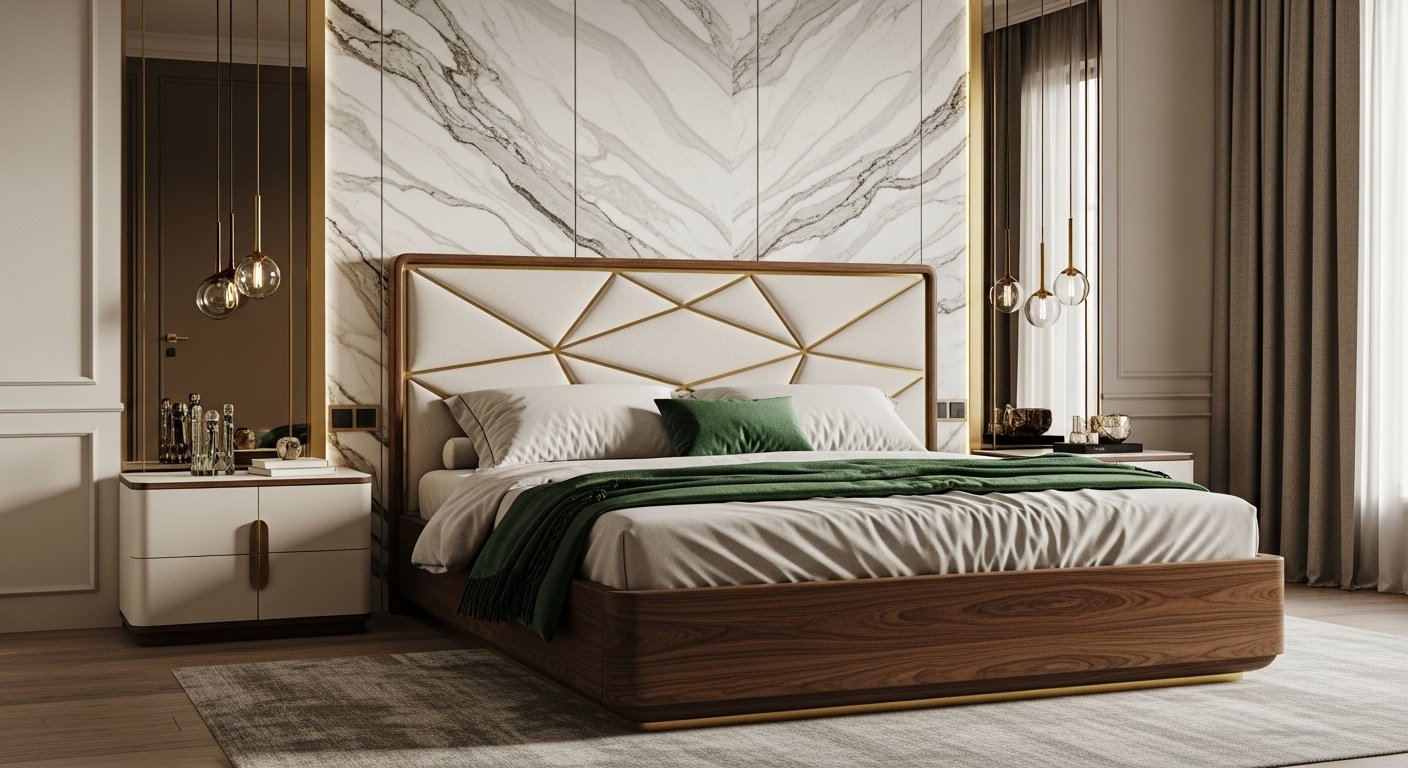
Look, I get it. When you walk into a furniture store or start scrolling through online catalogs, your brain immediately does two things. First, you check the price tag. Second, you decide whether that bed frame makes you feel something. Maybe it’s sleek and modern. Maybe it reminds you of that boutique hotel you stayed at last summer. Maybe it just looks expensive, and that appeals to you.
But here’s what I’ve learned after years of helping people furnish their bedrooms and making plenty of mistakes myself. These two factors, while they matter, aren’t nearly enough to base your decision on. Think about it this way. You spend roughly a third of your life in bed. That’s not even counting the time you spend lounging on Sunday mornings, reading before sleep, or binge watching your favorite shows while propped up against your headboard.
We need to talk about the features that actually impact your daily life. I’m talking about bed size, which sounds obvious until you realize how many people squeeze themselves into a full size bed when they really need a queen. The materials used in construction matter way more than most shoppers realize. And comfort? That’s not just about the mattress. The frame itself plays a role in how your whole sleep setup feels and functions.
Now, this brings me to something that makes a lot of furniture shoppers nervous. Should you completely write off what some people call “cheap furniture”? I’m talking specifically about veneer beds here. The ones that get a bad rap in online forums and from that one friend who insists everything must be solid wood or it’s garbage.
The answer might surprise you. It’s not as simple as yes or no. Veneer beds have gotten a reputation that doesn’t entirely match up with reality. Sure, some of that reputation is deserved. But a lot of it? That’s just outdated information mixed with a healthy dose of furniture snobbery.
Before you make any decisions about what belongs in your bedroom, you need the full picture. Not the marketing speak from furniture companies trying to move inventory. Not the oversimplified advice from people who haven’t actually researched how modern furniture is made. Just the straight facts about what you’re actually buying, what it means for your wallet, and how it’ll hold up over time.
So let’s dig into this together. I promise to keep it real, skip the industry jargon where possible, and help you figure out what actually matters when you’re dropping a few hundred (or thousand) dollars on where you’re going to sleep for the next several years.
Understanding What Veneer Beds Really Are
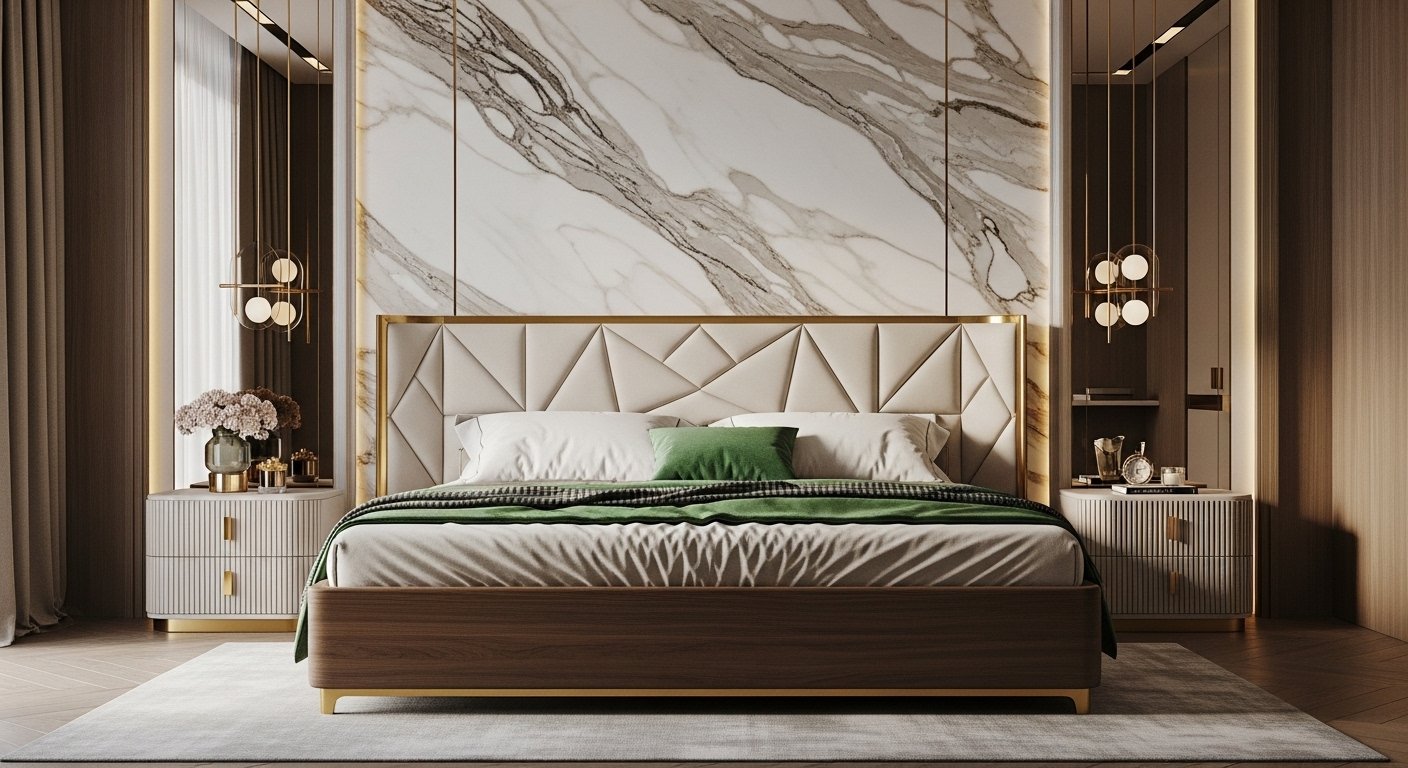
Here’s something that might blow your mind. Most of the modern platform beds you see today, whether they’re at big box stores or fancy furniture boutiques, are veneer beds. We’re talking about the majority of what’s available on the market right now. And yet, if you asked random shoppers what veneer actually means, you’d get a lot of blank stares and uncertain guesses.
Let me break it down in plain terms. A veneer bed starts with a core made from either particle board or plywood. Think of this as the skeleton of your bed frame. Then, manufacturers cover that core with a thin layer of higher quality wood. This outer layer is the veneer. It’s the part you see and touch.
The veneer itself is real wood. That’s something people often misunderstand. It’s not fake or plastic. It’s actual wood that’s been sliced incredibly thin. We’re talking paper thin in many cases. This thin layer gets adhered to the particle board or plywood base, creating a finished product that looks like solid wood from the outside.
Now, I won’t sugarcoat this. Plenty of folks are unhappy when they discover their bed is veneer rather than solid wood. There’s this perception floating around that veneer equals cheap, low quality, or somehow less legitimate. I’ve heard people say they feel tricked or disappointed when they learn what they bought.
Part of this comes from confusion about what veneer actually means. Another part comes from comparing veneer to solid hardwood, which has this almost mythical status in furniture circles. Solid hardwood sounds premium, expensive, heirloom quality. Veneer sounds like a compromise at best and a ripoff at worst.
But wait. Before you swear off veneer beds completely, you need to hear the other side of this story. The perception that veneer beds can’t match up to solid wood in terms of toughness? That’s not entirely accurate anymore. Manufacturing has come a long way.
The particle board and plywood used in quality veneer beds today isn’t the same stuff your parents dealt with in the 1980s. We’re talking engineered wood products that are designed specifically for furniture. They’re compressed, treated, and constructed to handle weight and stress.
And here’s something that might challenge your assumptions. Veneer beds actually have some legitimate advantages over solid wood options. I’m not saying this to sell you on something you don’t want. I’m saying it because when I started researching this topic years ago, I was genuinely surprised by what I found.
The furniture industry has evolved. What was true about veneer beds twenty or thirty years ago doesn’t necessarily apply now. Manufacturing technology has improved. Quality control has gotten better. And the gap between veneer and solid wood, at least in terms of practical performance, has narrowed considerably.
So when someone tells you that all veneer beds are automatically inferior, they’re working with incomplete information. When someone insists you should only buy solid hardwood, they might be right for their situation, but that doesn’t make it universal advice.
The real question isn’t whether veneer beds are good or bad. The real question is whether a veneer bed meets your specific needs, fits your budget, and will serve you well for the years you plan to own it. And to answer that question, you need to understand what veneer beds actually offer, both the good and the not so good.
The Environmental Case for Veneer Construction
Let me tell you about something that changed how I think about furniture. A few years back, I was shopping for a new bed frame and feeling pretty smug about planning to buy solid hardwood. It felt like the responsible choice. The quality choice. The choice someone makes when they care about getting something that’ll last.
Then I started reading about what goes into producing solid hardwood furniture. And friends, my smugness evaporated pretty quickly. The environmental impact of harvesting, transporting, and processing solid hardwood is significant. We’re talking about cutting down mature trees, shipping heavy lumber, and using energy intensive processes to dry and cure the wood.
Veneer beds tell a different story when it comes to ecological impact. The production process is genuinely more sustainable, and I’m not just repeating marketing materials here. The building materials themselves are easier to recycle at the end of their life. That particle board core? It can be broken down and repurposed in ways that solid hardwood can’t match.
But it goes deeper than just recyclability. The methods manufacturers use to produce veneer beds have a smaller carbon footprint from start to finish. Think about it this way. When you use veneer, you’re maximizing how much usable product you get from each tree. That thin layer of real wood on the surface means one tree can cover way more furniture than if you were cutting solid wood pieces.
Here’s where it gets really interesting. Veneer beds actually reuse sawdust to produce that particle board core. All those wood scraps and dust that would otherwise be waste? They get compressed and bonded together into engineered wood products. It’s like the furniture equivalent of using every part of the animal.
This means fewer hardwood trees need to get cut down to produce the same amount of furniture. And we’re not talking about a small difference here. The amount of wood saved through veneer production versus solid wood production is substantial when you look at industry wide numbers.
I know what you’re thinking. Does this really matter when you’re just buying one bed? In isolation, maybe not. But multiply your purchase by millions of other people buying bedroom furniture every year, and those choices add up fast.
The forestry impact alone is worth considering. Old growth forests and even sustainably managed tree farms face pressure from furniture demand. Any production method that reduces the number of mature trees needed helps take pressure off these ecosystems.
And let’s be real about something else. The transportation costs and emissions for solid hardwood furniture are higher because the materials are heavier. Shipping engineered wood products and veneer beds requires less fuel. The trucks can carry more units per trip. The whole logistics chain becomes more efficient.
Some manufacturers have also gotten smart about sourcing. The thin veneers can come from sustainably managed forests where selective cutting does minimal damage. The particle board core can incorporate recycled wood from construction waste, old furniture, and other sources.
Now, I’m not saying veneer beds are perfect from an environmental standpoint. Manufacturing still requires energy. Adhesives and finishes can contain chemicals. Transportation still produces emissions. But when you compare the overall impact to solid hardwood furniture, veneer comes out ahead in most metrics.
This matters more than ever right now. We’re at a point where consumers are paying attention to sustainability. Not everyone, sure. But enough people care about their purchasing impact that it’s worth factoring into your decision.
And here’s something I find compelling. Choosing a veneer bed doesn’t mean sacrificing quality or longevity for the sake of being green. You can get both. That’s the sweet spot where environmental responsibility and practical function overlap.
The furniture industry has figured out how to make veneer beds that perform well and last for years, all while using fewer resources and creating less waste than traditional solid wood construction. That’s legitimately impressive when you step back and think about it.
So when you’re weighing your options, the environmental angle deserves a spot in your decision making process. It might not be the only factor, but it’s definitely not nothing. We all leave footprints. The question is how big those footprints need to be to get what we want and need.
How Modern Technology Makes Veneer Beds Surprisingly Tough
I used to think durability in furniture was straightforward. Solid wood good, everything else questionable at best. Then I spent time actually testing different bed frames, talking to manufacturers, and learning what goes into modern furniture construction. Turns out, my assumptions were way off base.
The veneer beds being made today are legitimately durable. I’m not talking about the cheap stuff you assemble with an Allen wrench and hope survives the first year. I’m talking about quality veneer beds from reputable manufacturers. These things can take a beating and keep on functioning.
Part of this comes down to advances in furniture technology. That sounds fancy, but what it really means is that engineers and designers have figured out better ways to work with engineered wood products. The particle board itself is more dense and uniform than older versions. The bonding processes are stronger. The whole construction is more robust.
The veneer layer has gotten incredibly sophisticated too. Manufacturers have figured out how to make it thinner and thinner while keeping all the properties that make wood appealing. We’re talking about veneer that’s been reduced to almost film thickness. And yet this super thin layer retains the look, feel, and surface characteristics of real hardwood.
Here’s where veneer actually has an advantage over solid wood. Particle board doesn’t warp the way hardwood does. Think about every solid wood piece of furniture you’ve owned that developed gaps, twists, or uneven surfaces over time. Wood moves as humidity changes. It expands and contracts with temperature fluctuations. That’s just what wood does.
Particle board stays put. As long as you keep it away from moisture, it maintains its shape and dimensions. Your bed frame isn’t going to develop that annoying wobble because one side warped more than the other. The joints aren’t going to separate because the wood expanded.
Now, I need to be honest about that moisture caveat. Particle board and water are enemies. If your veneer bed gets seriously wet and stays wet, you’re going to have problems. The particle board can swell, delaminate, and basically fall apart. This is the Achilles heel of veneer construction.
But let’s get real for a second. How often is your bed frame getting soaked? Unless you’re dealing with a flood, a major leak, or some really unusual circumstances, your bedroom furniture isn’t encountering standing water. Normal humidity? Not a problem. A little spill that you wipe up promptly? Also fine.
The durability factor extends to everyday use too. A well made veneer bed can handle the weight it’s designed for without sagging or failing. The joints stay tight. The frame stays square. You’re not going to notice performance issues just because the core is particle board rather than solid wood.
I’ve seen veneer beds that are ten, fifteen, even twenty years old and still going strong. The veneer surface might show some wear. You might have a few scratches or dings from moving furniture around. But the structural integrity? Still solid.
This is where quality matters more than material. A cheap solid wood bed made with poor joinery and weak construction will fail faster than a quality veneer bed made with good engineering and attention to detail. The material is only part of the equation.
Modern finishes help too. The protective coatings applied to veneer surfaces have improved dramatically. They’re more scratch resistant, more durable, and better at protecting the wood underneath from normal wear and tear. Your bed can look good for years with minimal maintenance.
And speaking of maintenance, veneer beds are actually easier to care for than solid wood in many cases. You don’t need to oil them or condition the wood. You’re not dealing with the same level of upkeep. A quick wipe down with appropriate cleaner is usually all it takes.
The weight capacity of quality veneer beds matches solid wood options. The frames are engineered to distribute weight properly. The support systems work just as well. You’re not compromising on function by choosing veneer.
What surprises a lot of people is how quiet veneer beds can be. Solid wood frames can develop creaks and squeaks as joints loosen and wood moves. Quality veneer beds with good construction tend to stay quiet because the materials are more stable.
All of this adds up to something that challenges the old narrative about veneer being inferior. Are there bad veneer beds out there? Absolutely. Just like there are bad solid wood beds. The material itself isn’t the problem. The problem is poor manufacturing, cheap components, and cutting corners in construction.
When you’re shopping, look at the overall quality of the piece. Check the joinery. Test the stability. Look at reviews from people who’ve owned the bed for years. Those factors tell you way more about durability than whether it’s veneer or solid wood.
The bottom line is this. Modern veneer beds can be just as durable as solid hardwood options for typical bedroom use. They’ll last for years, support your weight, maintain their structure, and look good doing it. That’s not hype. That’s just what current manufacturing capabilities can deliver.
Decoding the Solid Hardwood Label on Modern Furniture
Okay, we need to talk about something that confuses the heck out of furniture shoppers. You’re browsing beds online or walking through a showroom, and you see labels that say “solid hardwood and veneer.” Sounds pretty clear, right? The bed has some parts that are solid hardwood and some parts that are veneer.
Except that’s not always what that label means. And this is where things get weird in a way that feels almost deceptive, even though technically it’s accurate. Stay with me here because this matters for understanding what you’re actually buying.
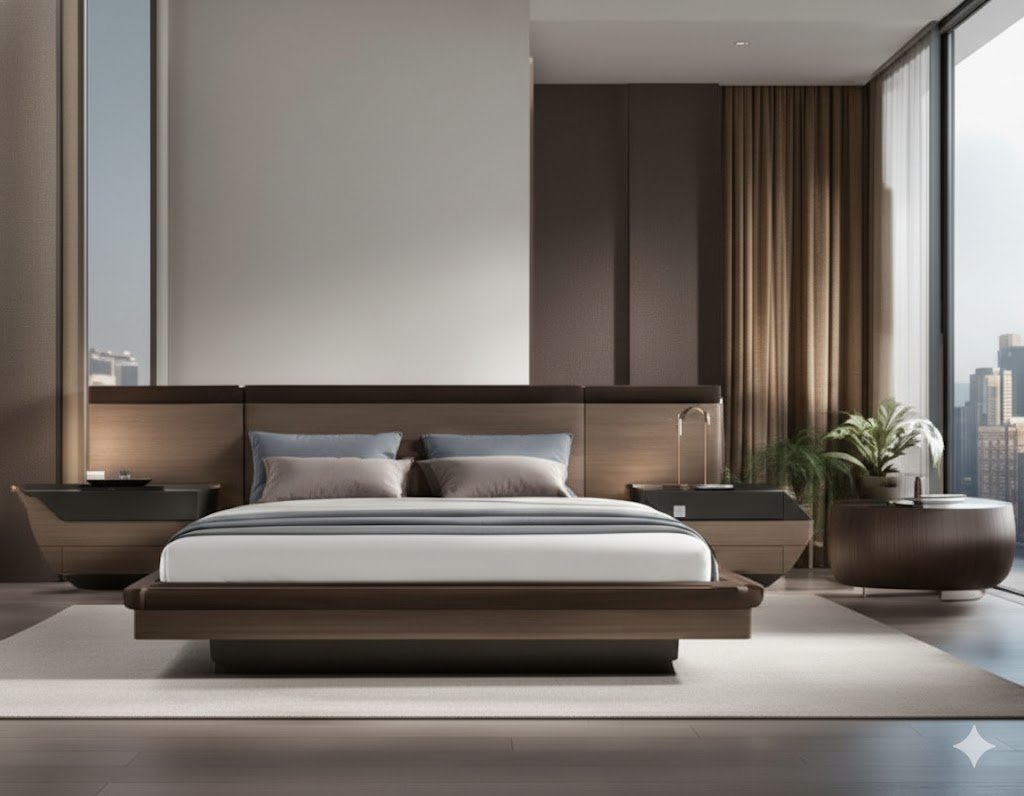
When manufacturers say “solid hardwood” in the context of modern furniture, they’re not always talking about wood that came straight from a tree. They’re often talking about engineered wood products that have been manufactured to preserve what they call the “properties” of natural wood.
That particle board core we’ve been discussing? Manufacturers sometimes call that solid hardwood. Not because it’s a solid piece of wood harvested from a tree, but because it’s solid (not hollow) and made from wood materials. See what they did there?
This feels like wordplay, and on some level it is. But here’s the thing. The furniture industry has established definitions that differ from what regular people assume these terms mean. When they say solid hardwood, they mean the material has wood as its primary component and is solid in construction.
Does this seem like they’re misrepresenting the product? I can see why you’d think that. Most consumers hear “solid hardwood” and picture planks cut from trees, not engineered particle board. There’s definitely a gap between industry terminology and consumer understanding.
But before we get too worked up about this, let me share something that might shift your perspective. Most consumers, when they think they should be getting natural wood, actually need to be getting particle board or other engineered products. And they’d be happier with the engineered option if they understood why.
Natural solid wood has quirks that aren’t always desirable in modern furniture. It moves with temperature and humidity. It can be heavy and difficult to move. It’s more expensive, sometimes dramatically so. And for the average person using a bed frame in a climate controlled home, those “authentic wood” characteristics don’t add much value.
Engineered wood products were developed specifically to solve the problems that solid wood presents. They’re more stable. They’re more predictable. They’re easier to work with in manufacturing, which means more consistent quality. And yes, they’re cheaper to produce, which translates to more affordable furniture for consumers.
The particle board used in quality furniture genuinely does preserve what matters about wood. It’s strong. It holds fasteners well. It can be finished to look like premium wood. It performs the job a bed frame needs to perform. Those are the properties manufacturers are talking about.
So when a furniture company uses particle board and calls it part of their “solid hardwood construction,” they’re not lying in the technical sense. They’re using industry standard terminology. But they’re also not going out of their way to clarify that consumers might be thinking of something different.
This is where doing your homework becomes critical. When you see those labels, dig deeper. Ask what “solid hardwood” means in that specific product. Check if the description clarifies whether they mean harvested wood or engineered materials. Look at the detailed specifications if they’re available.
Some manufacturers are more transparent than others. The good ones will clearly state what materials are used where. They’ll tell you if the frame is particle board, if the slats are plywood, if the veneer is oak or maple or walnut. The less transparent ones rely on that “solid hardwood” label and hope you assume the best.
And here’s something I find interesting. In blind tests where people don’t know which bed is solid wood and which is quality veneer over engineered wood, most can’t tell the difference in practical use. The sleeping experience is the same. The stability is the same. The appearance is nearly identical.
This suggests that the distinction between natural solid wood and quality engineered products matters less in practice than it does in theory. We’ve been conditioned to think solid wood is inherently better, but when you actually use the furniture, the difference is minimal.
That doesn’t mean all engineered wood is created equal. There’s a massive range in quality. Cheap particle board that’s loosely compressed and poorly bonded will fail quickly. High density particle board with good bonding and proper construction will outlast many solid wood pieces.
The takeaway here is simple but not always easy to implement. Don’t rely on labels alone. Don’t assume “solid hardwood” means what you think it means. Ask questions. Read detailed product descriptions. Look at reviews that mention what the bed is actually made from and how it holds up.
And maybe, just maybe, let go of the assumption that natural solid wood is the only acceptable option. If an engineered wood bed meets your needs, costs less, lasts just as long, and looks identical, does it really matter that it’s not harvested timber? For some people, yes. For others, that distinction is less important than practical performance and value.
The furniture industry could definitely be clearer about this stuff. But now that you know what to look for, you can make informed decisions rather than relying on assumptions about what those marketing terms actually mean.
Making Smart Decisions About Your Bedroom Furniture
So here we are at the part where everything comes together. You’ve got all this information about veneer beds, solid wood, engineered materials, environmental impact, and durability. Now what? How do you actually make a decision that works for your specific situation?
Start by getting real about your needs. And I mean really honest with yourself. Not what you think you should want, not what looks impressive to guests, but what actually matters for how you live. This is where a lot of furniture buying goes wrong. People buy based on ideals rather than reality.
How long do you plan to keep this bed? If you’re someone who moves frequently or likes updating your bedroom every few years, spending extra for that heirloom quality solid wood might not make sense. A quality veneer bed could serve you perfectly for your actual timeframe.
What’s your budget look like, and where do you want to allocate your money? Maybe you’d rather spend less on the bed frame and more on a really excellent mattress. That’s completely valid. Your sleep quality depends way more on your mattress than whether your frame is solid wood or veneer.
Think about your living situation too. Do you live somewhere with extreme humidity or temperature swings? Are you in a basement apartment that tends to be damp? These environmental factors matter for how different materials will hold up. Solid wood might handle humidity better, but quality veneer with proper climate control works fine.
What about moving logistics? Solid wood beds are heavy. If you’re young and relocating every couple years, that weight becomes a real pain. Veneer beds are typically lighter and easier to move without requiring a team of friends and a rental truck.
Once you’ve honestly assessed what you need, it’s time to educate yourself on what’s actually available. Not just browsing pretty pictures online, but really understanding the options in your price range. What do beds cost at the quality level you’re targeting? What materials are common in that price range?
Read reviews from people who’ve owned the beds you’re considering for at least a year or two. Recent reviews right after purchase don’t tell you much about durability. Look for people reporting back after extended use. Check for common complaints or failure points.
Pay attention to where furniture is made and by whom. Manufacturing quality varies wildly. Some companies have excellent quality control. Others are cutting corners to hit price points. Country of origin isn’t everything, but it’s one data point to consider.
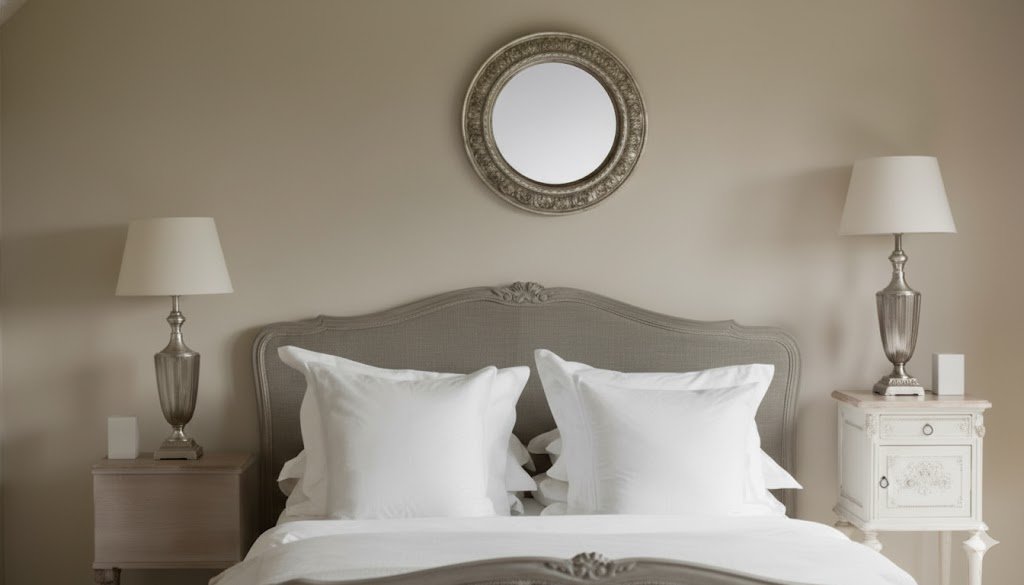
Look at warranty information. What’s covered and for how long? A company that stands behind their product with a solid warranty is showing confidence in their manufacturing. Short warranties or lots of exclusions can be red flags.
Compare the construction details, not just the surface appearance. How are joints connected? What kind of hardware is used? How thick are the materials? Two beds might look similar but be built very differently. The details reveal which one will last.
And this is important. Don’t let perfect be the enemy of good. The absolute best quality furniture exists, but it comes with a price tag that doesn’t make sense for everyone. A very good bed that meets your needs and fits your budget beats a theoretical perfect bed you can’t actually afford.
Now, about that question of solid wood versus veneer. After everything we’ve covered, you should be able to make this call based on your specific circumstances rather than blanket assumptions.
If you value environmental sustainability and want to minimize your furniture’s ecological footprint, quality veneer beds have real advantages. The production process is genuinely more efficient and uses fewer resources.
If you need furniture that’ll last for many years with minimal maintenance in a typical home environment, quality veneer beds will deliver. The stability of engineered wood can actually outlast solid wood in some situations.
If you’re on a budget but still want your bedroom to look good and function well, veneer beds offer much better value in most cases. You can get quality construction and attractive finishes without the solid wood premium.
But if you’re someone who just really wants solid wood for personal satisfaction, aesthetic preference, or because you’re building a collection of lasting furniture pieces, that’s valid too. Just make sure you’re buying quality solid wood, not paying solid wood prices for something that’s actually mediocre construction.
The key is matching the furniture to your actual life, not to some ideal version of what furniture shopping should be. Your bed needs to support you comfortably, fit your space, work within your budget, and last as long as you need it to. Everything else is secondary.
Take your time with this decision. A bed frame is a significant purchase that you’ll live with for years. Rushing because something is on sale or looks good in photos is how you end up with buyer’s remorse.
Visit stores if possible. See the furniture in person. Touch it. Check the construction. Compare how different pieces look and feel. Online shopping is convenient, but furniture really benefits from in person evaluation when you can manage it.
Ask sales people specific questions about materials and construction. If they can’t or won’t give you straight answers, that tells you something. Good furniture retailers should be able to explain what you’re buying without hiding behind vague marketing terms.
And remember, the most expensive option isn’t automatically the best for your situation. Price often reflects materials and brand, but not always function and durability. Some mid range furniture outperforms premium pieces because the manufacturer focused on good engineering rather than expensive materials.
Wrapping Up What Really Matters
Let’s bring this full circle and cut through everything to what actually matters when you’re standing in that furniture store or staring at your computer screen trying to decide which bed to buy.
Veneer beds get a lot of criticism, some deserved and some not. We’ve established that much. The perception that they’re inferior to solid wood across the board simply doesn’t match reality anymore. Manufacturing has evolved. Quality has improved. And frankly, for most people’s needs, a quality veneer bed performs just as well as solid wood.
The environmental benefits are real and worth considering. If you care about sustainability, the efficient use of materials in veneer construction makes a legitimate difference. Fewer trees cut down, less waste in production, easier recycling at end of life. These things add up when multiplied across the furniture industry.
Durability wise, modern veneer beds hold up remarkably well thanks to advances in how they’re made. That super thin veneer layer retains all the properties of hardwood while the engineered core stays stable and doesn’t warp. As long as you’re not soaking the thing in water, it’ll last for years.
The tricky part is navigating marketing language that doesn’t always mean what consumers think it means. “Solid hardwood” might describe engineered particle board rather than harvested timber. This isn’t necessarily deceptive, but it requires you to ask questions and dig deeper into product specifications.
And that’s really the heart of smart furniture shopping. Taking time to understand what you need, learning about what’s available, and matching products to your actual situation rather than assumptions about what you should want.
Nobody can tell you whether veneer or solid wood is right for your bedroom. That depends on your budget, your values, your living situation, and how long you plan to keep the furniture. What I can tell you is that veneer deserves serious consideration rather than automatic dismissal.
The furniture in your bedroom should make you happy when you see it, comfortable when you use it, and appropriate for what you can afford to spend. Whether that comes from veneer or solid wood is less important than whether it meets those core criteria.
So when you’re ready to buy, go in with open eyes. Know what questions to ask. Understand what you’re actually getting. And make the choice that works for your life, not the choice that sounds most impressive or follows someone else’s rules about what furniture should be.
Your bedroom is yours. The bed you choose should reflect your needs and priorities. Sometimes that’s solid wood. Sometimes that’s quality veneer. And sometimes it’s whatever you can get that works until you can afford to upgrade later. All of these are legitimate choices.
The goal is simply to make informed decisions rather than ones based on incomplete information or outdated assumptions. Now you’ve got the information. What you do with it is up to you.

100 super hot real money https://100-super-hots.com/ awaits you with exciting moments and the chance to win big!
Don’t be afraid to mix and match styles to create one-of-a-kind looks that represent you.
Discover the thrill of the 100 super hot slot and experience blazing reels with the 100 super hot demo for nonstop casino excitement.
Concluding the section, the main strategy and anticipated outcomes are summarized.
100 super hots https://100-super-hot.com/