
When Spring Hits and You Remember Your Patio Exists
Something shifts in us when warm weather approaches. That first genuinely warm day arrives, and we all do the same thing. We open doors and windows. We step outside with our coffee. We look around our patios and decks and yards like we’re seeing them for the first time in months. And usually, we’re not thrilled with what we find.
Most people begin their outdoor refresh ritual around the same time each spring. Drive through any neighborhood in April, and you’ll see it happening everywhere. Power washers running at 8 AM on Saturday. Bags of mulch stacked in driveways. People hauling furniture around, trying to remember where things go. We’re all doing this together, trying to salvage our outdoor spaces after months of winter neglect.
I do this every single year. Winter ends, I step outside, and I’m confronted with the reality of what six months of not caring looks like. Furniture that seemed fine in October looks rough in April. Cushions I meant to bring inside are now science experiments. Plants are either dead or barely clinging to life. It’s a mess, and I stand there thinking about how I promised myself I’d do better this year.
The process of sprucing up outdoor living areas feels both necessary and oddly satisfying. You’re reclaiming space. Taking back territory from winter. Making your home feel bigger by making the outside usable again. There’s something primal about it, like we’re preparing our dens for the good season ahead.
In many ways, decorating a patio matches decorating any room inside your house. You’re thinking about the same basic stuff. How will the space be used? What’s the style? What colors work? How do pieces relate to each other? The fundamental design questions don’t change just because you’re outside.
A patio or deck is much like a traditional room in function. It’s a space for specific activities. It needs furniture that supports those activities. It should be comfortable and look decent. People should enjoy being there. All the goals that apply to your living room or dining room apply to your outdoor spaces too.
Decorating a traditional room starts with understanding purpose. Same with outdoor areas. Are you eating out there? Just lounging? Entertaining groups? Passing through on your way to somewhere else? The answers determine what furniture you need and how you arrange it.
Plants, lighting, and colors must all be taken into consideration, and this is where outdoor decorating gets its own flavor. Inside, you’re dealing with artificial light and controlled conditions. Outside, you’re working with natural light that changes throughout the day and weather that affects everything.
I’ve learned through mistakes that indoor design rules need outdoor adaptations. That color that looked perfect inside might wash out in bright sunlight. Those cushions that seemed fine indoors fade to nothing after one summer outside. Plants that thrive indoors might hate your outdoor climate. You need to think differently, even when applying the same basic principles.
The most important part of any outdoor design is furniture. This is the foundation. You can have perfect plants, amazing lighting, and a beautiful color scheme, but if your furniture is uncomfortable or falling apart, none of that matters. People will notice the bad furniture first and longest.
Probably the furniture deserves more thought than anything else you put outside. It’s the most expensive element. It’s the most functional element. It’s what makes the space actually usable. Get the furniture wrong, and your outdoor space becomes something you avoid rather than enjoy.
Today’s outdoor furniture offerings have exploded in the last decade. When I was a kid, outdoor furniture meant white plastic chairs and maybe a picnic table. Now? You can furnish your patio to rival any indoor living room if you’ve got the budget. The options are overwhelming.
Vast selection sounds great until you’re the one trying to choose. Then vast becomes paralyzing. You start browsing with excitement, and three hours later you’re more confused than when you started. Too many choices can be worse than too few if you don’t have a framework for deciding.
Available in a wide variety of styles means you can match outdoor furniture to your home’s architecture and your personal taste. Modern house? There’s furniture for that. Traditional home? Plenty of options. Beach cottage? Endless choices. The market has segmented to serve every aesthetic.
Styles and price ranges span from bargain basement to luxury designer. You can spend $150 on a basic set or $15,000 on custom pieces. Most of us shop somewhere in the comfortable middle, trying to balance quality with what we can actually afford without feeling guilty.
Price ranges matter more than people admit. We all have budgets. Pretending we don’t leads to either overspending and regret or underspending and getting furniture that doesn’t last. Being honest about what you can spend saves headaches later.
I’ve blown my outdoor furniture budget more times than I’d like to admit. I go in planning to spend $500, see something I love for $900, and convince myself the extra investment is worth it. Sometimes it is. Sometimes I’m just rationalizing because I want the prettier option.
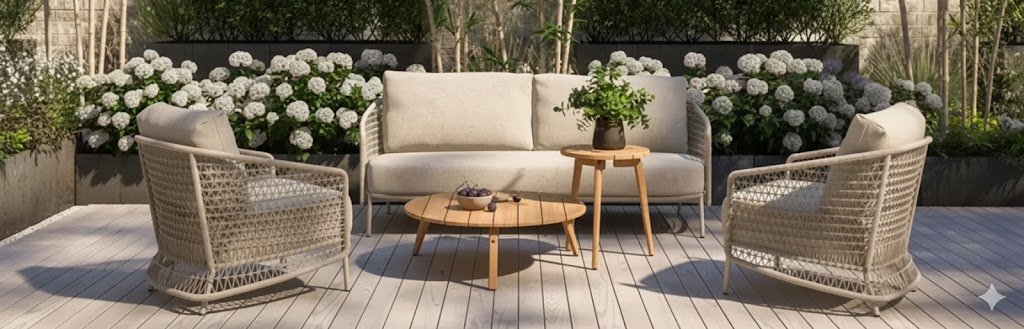
The fun and elegant piece of outdoor furniture catches your eye in the showroom. It looks perfect. You imagine it on your patio, imagine yourself relaxing in it, imagine friends commenting on your great taste. Then you get it home, and sometimes reality matches the fantasy. Sometimes it doesn’t. The key is making choices based on reality, not fantasy.
Materials Matter More Than You Think They Do
Choosing outdoor patio furniture sets starts with understanding what things are made from. This isn’t exciting. Nobody gets pumped about learning material properties. But skipping this knowledge leads to buying furniture that doesn’t work for your situation.
A bit overwhelming describes furniture shopping perfectly when you don’t know materials. Everything looks similar. Tables and chairs. Some metal, some wood, some wicker looking stuff. How do you choose? Without material knowledge, you’re just guessing based on appearance and price.
If you are unaware of all the different materials, you’ll make decisions based on incomplete information. That’s fine for low stakes purchases. For furniture you expect to last years and cost hundreds or thousands of dollars? You want to know what you’re buying.
On the market today, you’ll find metal, wood, wicker, resin, and combinations of these. Each behaves differently. Each has strengths and weaknesses. Understanding these differences helps you pick furniture that’ll work in your climate and match your maintenance willingness.
Metal furniture covers several distinct materials that shouldn’t be lumped together. Iron, steel, and aluminum all show up in outdoor furniture, and they’re not interchangeable. Each has different properties that affect performance and longevity.
Such as iron, steel, and aluminum are the metals you’ll see most. Iron is heavy and traditional, often with ornate details. Steel is strong and modern. Aluminum is lightweight and rust resistant. Knowing which metal you’re looking at helps you predict how it’ll hold up.
Still popular choices means these materials have proven themselves over decades. Metal furniture sticks around because it delivers on durability and style when done right. The classic wrought iron bistro set still looks good a hundred years after the style was created.
Patio designs using metal range from traditional to ultra contemporary. Curved iron pieces feel classic. Sleek aluminum feels modern. Industrial steel fits loft style homes. Metal’s versatility keeps it relevant across changing design trends.
Wood furniture brings warmth that metal can’t match. There’s something about natural materials outside that just feels right. Wood connects to the environment in ways synthetic materials don’t. It ages in interesting ways if you let it develop patina.
Especially teak and oak are the woods you’ll encounter most in quality outdoor furniture. These aren’t random choices. They’re hardwoods that actually survive outdoors. Softwoods like pine rot quickly. Hardwoods last for years or decades with proper care.
Fashionable material makes wood sound trendy, but it’s more timeless than trendy. Wood outdoor furniture has been popular for generations. It goes through cycles where it’s more or less prominent, but it never disappears. Natural materials have enduring appeal.
Used in making outdoor designs, wood shows up in tables, chairs, benches, and planters. It works in traditional settings and modern ones. A simple teak table looks at home in minimalist spaces. Carved wooden furniture fits ornate gardens. Wood adapts to many aesthetics.
Another popular option is wicker, and this deserves serious discussion. Wicker has taken over outdoor furniture in the last ten years. You see it everywhere. Every patio, every deck, every porch. There’s a reason for this dominance beyond just trendy.
Until and unless you are aware that modern outdoor wicker is usually synthetic, you might assume it’s natural material that’ll fall apart. Traditional wicker used rattan or bamboo, which looked beautiful but couldn’t handle weather. Modern synthetic wicker solves this problem completely.
It will be flabbergasting for you might be overstating it, but material differences do surprise people. That wicker that looks so natural? It’s probably resin. That wood grain? Might be vinyl. Modern materials mimic natural ones convincingly.
For you to choose wisely requires understanding what you’re actually buying. Is that wicker natural or synthetic? Is that wood sealed properly? Does that metal have rust protection? These questions matter for longevity.
Iron, steel and aluminum each have rust considerations. Iron rusts easily without proper treatment. Steel rusts too, unless it’s stainless, which is expensive. Aluminum doesn’t rust, making it the best metal choice for humid climates or coastal areas.
Still favorite choices for metal furniture shoppers who know what they’re doing. People who’ve dealt with rust learn to avoid iron and unprotected steel. They gravitate toward aluminum or very well protected steel because they’re tired of dealing with rust stains.
As for patio designs go, you’ve got complete freedom to choose any metal that works in your climate. Just match the metal to your environment. Dry climates are easier on all metals. Humid or coastal climates demand rust resistant options.
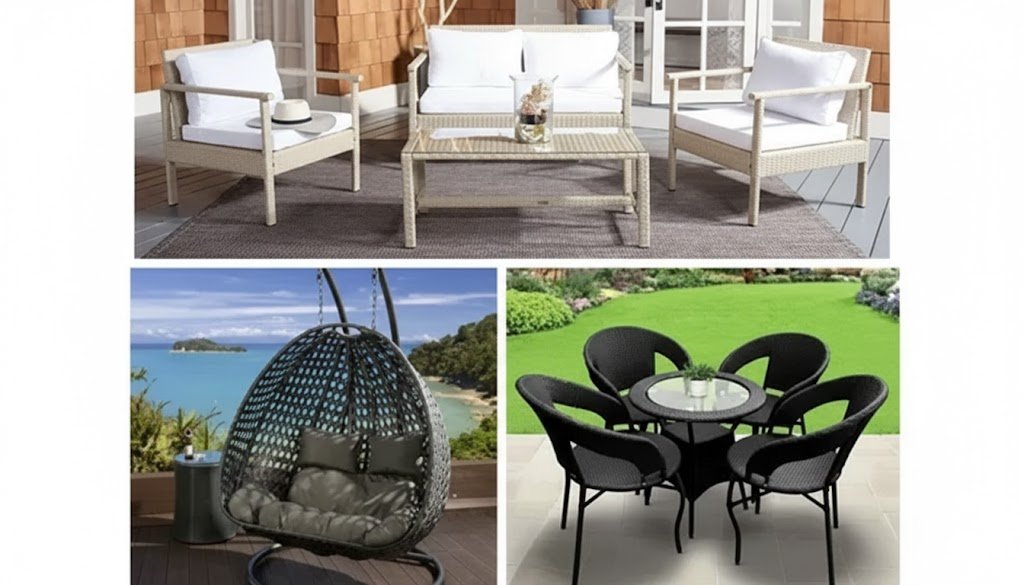
Wood, if it is teak or oak, lasts outdoors with varying maintenance requirements. Teak is naturally oily and resists rot with minimal care. Oak needs regular sealing to prevent moisture damage. Both can last decades, but teak requires less work.
Is also a fashionable material for the outdoor designs market right now. Natural materials are having a moment in design trends. People want organic, authentic looking furniture. Wood delivers this better than synthetic options.
For the outdoor designs category, wood represents a premium choice. It costs more than most alternatives. It requires maintenance. But it provides warmth and natural beauty that appeals to many people.
Outdoor wicker furniture, which is equally durable and beautiful when it’s good quality synthetic, has become the default choice for many shoppers. It offers the look of natural materials with the performance of modern synthetics.
Equally durable and beautiful describes quality synthetic wicker accurately. Cheap synthetic wicker is neither durable nor beautiful. But good synthetic wicker from reputable manufacturers delivers on both fronts. It looks convincing and lasts for years.
Is certainly another favorite option for people who want low maintenance furniture that looks good. Synthetic wicker requires occasional cleaning and nothing else. No sealing. No rust prevention. No worry about rot. It just works.
In this regard, wicker wins on convenience while matching most other materials on appearance. The low maintenance aspect appeals to people like me who aren’t great at staying on top of furniture care. Set it and forget it furniture has real appeal.
The Extra Pieces That Actually Make Sense to Buy
Most exterior furniture sets come with the basics. A table and some chairs. Maybe an umbrella if you’re lucky. That’s enough for bare functionality. You can technically eat outside and sit outside. But there’s a big gap between technically functional and actually comfortable.
Twin comrade pieces is obviously meant to be companion pieces, and these extras can transform a basic setup into a complete outdoor room. But not all companion pieces are worth buying. Some are genuinely useful. Others are expensive clutter.
In component to the traditional array and chairs means in addition to the basic table and seating. You start with the foundation pieces, then you consider what else might improve the space. The key word is consider. Don’t just buy everything available.
End tables solve a problem you might not realize you have until you solve it. You’re sitting outside with a drink, a book, sunscreen, your phone, and whatever else. Where does it go? Without end tables, everything ends up on the ground or in your lap or balanced on chair arms.
I lived without outdoor end tables for probably six years. Thought they were unnecessary. Then someone gave us a pair as a gift, and suddenly lounging outside became legitimately comfortable. We weren’t juggling our stuff while trying to relax. Everything had a proper place.
Exerciser is clearly corrupted text for bars or bar carts. A small bar setup changes the dynamic of your outdoor space. It turns your patio into an entertaining area rather than just a sitting area. People naturally congregate around bars. Put one outside, and that’s where guests will end up.

Bar stools go with bars, obviously. But they’re also useful for high top tables or as space efficient seating when your patio is small. Bar height dining takes up less floor space than traditional height, which can be an advantage.
Ottomans offer versatility that justifies their cost. Use them as footrests when lounging. Use them as extra seating when you have more people than chairs. Use them as impromptu side tables when you need another surface. One piece serving multiple roles is smart buying.
The key with ottomans is getting ones light enough to move easily. A heavy ottoman defeats the purpose. You want something you can pick up and reposition without effort. This is where material choice matters. Aluminum frames beat wood for ottomans.
Flatbottomed sofas is mangled text for full sized sofas or sectionals. These have become popular in outdoor furniture, and I finally understand why after sitting on some quality ones. Deep seating outdoor sofas create living room comfort outside. They’re not just outdoor approximations of comfort. They’re genuinely comfortable.
Can be recovered to raise the examine means can be found to enhance the look. These companion pieces are available wherever main furniture is sold. Sometimes as matching sets designed to coordinate. Sometimes as individual pieces you mix and match.
Of your alfresco way extent translates to your outdoor living space or patio area. The corrupted phrasing obscures straightforward advice. You’re creating an outdoor room. That room needs more than just a table and chairs to feel complete.
Most of these pieces faculty be addressable means most of these pieces will be available. And they are. Browse any outdoor furniture section, and you’ll find companion pieces displayed near main furniture. Sometimes they’re priced separately. Sometimes they’re part of package deals.
At an additional outlay obviously means at an additional cost. These pieces aren’t free. They’re add ons that increase your total investment. A dining set might be $600. Add companion pieces, and you’re suddenly at $1,000 or more. The costs accumulate quickly.
Can generally be open come the first table means can generally be found near the basic table and chair sets. Retailers display everything together to show how pieces work as a collection. This helps you visualize the complete look and makes it easy to add pieces to your cart.
Position offerings refers to the seating options that form your foundation purchase. Everything else builds from this base. You don’t need every possible companion piece. Buy what you’ll actually use and what solves real problems in your specific space.
I’ve bought companion pieces I didn’t need. They looked good in the showroom. I imagined using them. Then they sat on my patio barely touched for two years before I sold them. Now I only buy pieces I know I’ll use based on how I actually live, not how I wish I lived.
Finding Furniture Without Overpaying or Settling
Locating outdoor furniture is definitely not a problem anymore. The challenge isn’t finding furniture. It’s finding good furniture at fair prices without spending three months researching every option. The market is flooded with choices, which cuts both ways.
In the current retail market, outdoor furniture is everywhere. This accessibility is mostly good news. It means competition keeps prices reasonable. It means you don’t have to drive an hour to find selection. It means you can comparison shop easily. The downside is distinguishing quality from junk.
Nearly all major department stores carry outdoor furniture seasonally. Spring arrives, and they fill outdoor sections with patio sets, umbrellas, and accessories. The selection is usually solid. Multiple price points, decent variety, and the ability to see everything in person before buying.
Furniture merchants have jumped into outdoor furniture too. Stores that traditionally focused on indoor pieces now dedicate significant floor space to outdoor lines. These retailers usually offer higher end options than department stores. Better materials, more sophisticated designs, higher prices.
Have collections in stock during peak season, which runs from March through July. Come August, stores start clearing inventory to make room for fall merchandise. This is when prices drop, but selection thins out. If you want the best options, shop early in the season.
Several food shops carry outdoor furniture now, and by food shops I mean those massive supercenters that sell groceries plus everything else. The furniture quality is almost always budget level. Cheap materials, basic designs, low prices. Good for temporary needs or extremely tight budgets.
Bargain stores follow the same pattern as supercenters. Rock bottom prices on basic furniture. If you need something to get through one season, these stores work. If you want furniture that lasts multiple years, shop elsewhere with higher quality standards.
Have outdoor collections available at prices that seem amazing until you see and touch the actual furniture. That $150 dining set looks like a steal online or in ads. Then you sit in the chairs and realize why it’s so cheap. The materials feel flimsy. The construction seems sketchy. You get what you pay for.
At an affordable cost is relative to your budget and expectations. Affordable for one person is expensive for another. The real question is whether furniture offers good value at its price point. Does it deliver quality that justifies the cost?

There are various businesses on the Internet selling outdoor furniture, and the online market has exploded. You can find anything if you’re willing to search. Specific styles, specific materials, specific sizes, all available somewhere online. This global access is powerful.
That have patio furniture in every imaginable configuration. Online retailers can stock more variety than physical stores because they don’t need floor space for everything. They can show you 50 dining sets instead of five. This selection advantage drives many people to shop online.
But delivery prices might cost a lot, and this is the big downside of online furniture shopping. Outdoor furniture is bulky and heavy. Shipping costs reflect this reality. That $400 dining set might cost $200 to ship. Some retailers offer free shipping, but they’re building that cost into the furniture price.
Considering the weight of the product, shipping charges make sense even if they’re frustrating. A full dining set can weigh hundreds of pounds. Carriers don’t move that for free. You’re paying for shipping one way or another, either directly or through higher prices.
I’ve bought outdoor furniture both ways. Small pieces ship reasonably. A side table or ottoman might cost $30 to ship. Large sets cost a fortune. My approach now is buying big pieces locally and small pieces online. This strategy minimizes shipping costs while maintaining access to online selection for accessories.
Making Smart Choices About Money, Materials, and Your Weather
Prices differ widely for outdoor furniture, and understanding why helps you evaluate whether something is fairly priced or overpriced. The cost reflects materials, construction quality, brand name, and retailer markup. Some furniture is worth its price. Some isn’t.
Widely according to the materials old means widely according to the materials used. Material costs vary dramatically. Teak costs way more than pine. Aluminum costs less than wrought iron. Quality synthetic wicker isn’t cheap. Raw material costs create the baseline for furniture pricing.
Arrangement of the furniture affects cost through complexity. Simple designs cost less than intricate ones. A basic rectangular table is cheaper than an oval table with extension leaves. Four identical chairs cost less than a mixed set with benches and chairs. Complexity drives up labor costs and materials costs.
Judge to pay solon for actress and work sets is garbled text for expect to pay more for teak and wicker sets. These materials command premium prices because they perform well outdoors and look good doing it. Teak grows slowly and comes from limited sources. Quality wicker requires sophisticated manufacturing.
Mixture sets may be inferior valuable clearly means metal sets may be less expensive. Basic metal furniture can be cheap to produce. Steel frames with simple designs don’t require expensive materials or complex manufacturing. This makes metal furniture accessible for budget conscious shoppers.
But can also oxidization obviously means but can also rust. This is the critical trade off with cheap metal furniture. The upfront cost is low, but ongoing costs include dealing with rust. That $200 metal set might rust out within two years, making it more expensive per year than a $600 set that lasts ten years.
Tidy sure to brook your anaesthetic weather conditions is corrupted text for make sure to take your local weather conditions. This is possibly the most underrated factor in furniture buying. Your climate determines which materials will last and which will fail quickly.
Into fee during the pick making transform means into account during the decision making process. Weather should be a top consideration when choosing materials. What works in Arizona doesn’t necessarily work in Florida. What thrives in Seattle might fail in Phoenix. Match your furniture to your climate.
I live somewhere with hot humid summers, cold winters, and plenty of rain. This rules out materials that rust easily or can’t handle freeze thaw cycles. Natural wicker falls apart here. Unprotected steel rusts within months. Wood needs constant maintenance or it rots. I’ve learned through expensive mistakes to choose materials suited to my specific weather.
Local weather beats on outdoor furniture constantly. Sun fades colors and degrades plastics. Rain promotes rust and rot. Wind knocks over lightweight pieces. Snow and ice expand into cracks and break things. Humidity accelerates decay. Your furniture needs to survive whatever nature throws at it year round.
It can be a lot of fun decorating an outdoor space when you make good choices. Getting furniture that fits your budget, survives your weather, and serves your actual needs creates satisfaction. You did it right, and now you enjoy the results daily.
And also highly rewarding when your outdoor space transforms from unused to constantly used. From a place you avoid to a place you seek out. This transformation happens when furniture choices align with reality. Your actual budget. Your actual climate. Your actual lifestyle.
Decorating an outdoor living space stops being overwhelming when you have a framework. Know your budget before shopping. Understand materials and how they perform in your climate. Be realistic about maintenance you’ll actually do. Shop with these parameters in mind.
The task of getting furniture that completely fits your needs starts with honest assessment. What do you actually do outside? How will you really use the space? What’s your genuine budget, not your wishful budget? Honest answers guide you to furniture that works.
Your needs and budget both constrain choices in useful ways. Constraints aren’t bad. They filter out options that don’t work, making decisions easier. You’re not choosing from everything. You’re choosing from things that fit your situation.
Does not have to be an overwhelming task when you break it into steps. Set budget. Research materials. Understand climate requirements. Visit stores or browse online with specific criteria. Test furniture when possible. Make decisions based on facts, not feelings.
Outdoors can become an extension of your home with the right furniture. Not just technically extra square footage but actually usable space you enjoy. Space that enhances your life rather than sitting there unused because the furniture doesn’t work.
An extension of your home and a great place to entertain or relax happens when furniture supports these activities. Comfortable seating for relaxing. Adequate dining surfaces for entertaining. Durable materials that don’t require constant fussing. Get these basics right, and everything else follows.
If the furniture and accessories are right for your specific situation. Not right in some abstract sense but right for how you live, where you live, and what you can afford. Context matters more than universal rules.
Summer’s Almost Here and Wicker Might Be Your Answer
Summer is coming, and this simple fact drives outdoor furniture sales every year. People start planning how they’ll use their patios and decks over the coming months. If your furniture situation isn’t working, spring is when you fix it.
You need to be ready for what summer brings. Long evenings outside when it’s too nice to be indoors. Weekend mornings with coffee on the deck. Dinners that start at 6 and end at 10. All of this requires furniture that works.
There will be dinners outside, and these are often summer’s best moments. Food tastes better outside somehow. Conversations flow easier. Time slows down in good ways. But this only happens if your furniture is comfortable enough that people want to linger.
Holidays and many fun times fill summer calendars. Memorial Day cookouts. Fourth of July parties. Casual weekend gatherings. Many of these events happen outside. Your outdoor space needs to accommodate groups comfortably.
By the pool describes another summer staple. Pool furniture has specific requirements. It needs to handle wet people constantly sitting on it. Quick dry materials beat absorbent ones. Rust resistant frames are non negotiable. If you have a pool, these requirements matter.
If you haven’t looked into outdoor furniture recently, you might be surprised by what’s available now. The market has evolved dramatically in the last decade. Quality is up. Variety is up. Prices remain reasonable for good mid range furniture.
Now is the best time to start shopping for several reasons. Selection peaks in spring. By summer, popular items sell out. By late summer, stores are clearing inventory for fall merchandise. Early shopping gives you the best options.
Many types of wicker patio furniture dominate stores right now. Wicker has become the default choice for a huge segment of buyers. The variety is stunning. Every style from ultra modern to traditional. Every size from tiny bistro sets to massive sectionals.
Can be found both on line and in brick and mortar stores. You’ve got complete freedom to shop how you prefer. Online offers more selection. Physical stores let you test furniture before buying. Many people use both, browsing online then visiting stores to evaluate finalists.
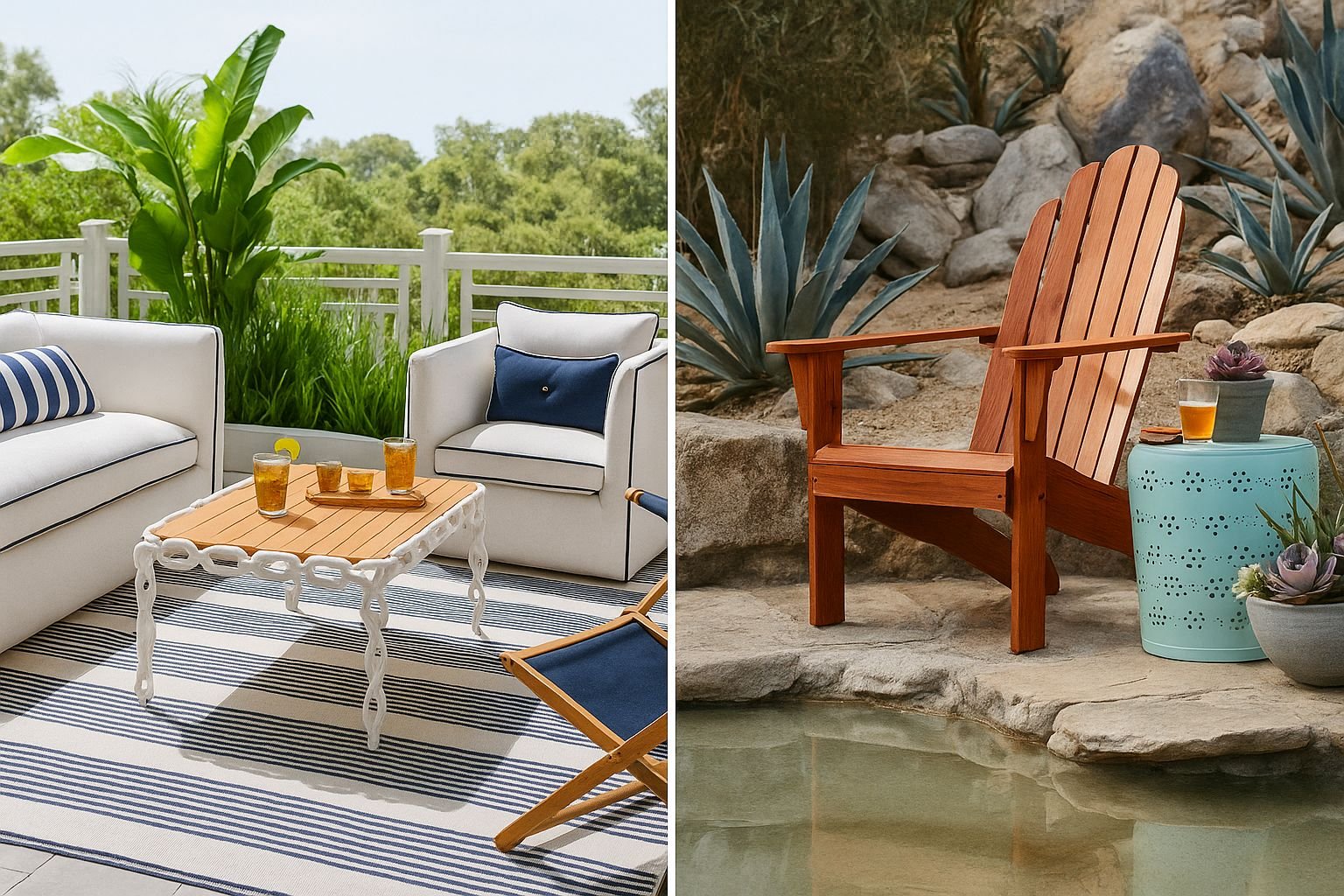
Search in any department store starts your furniture hunt. Department stores carry multiple lines at various price points. You can compare options side by side. You can sit in chairs to test actual comfort. You can see how colors look in natural light instead of trusting online photos.
You will find more types of wicker furniture than you can easily choose from. The variety is both good and bad. Good when you have specific requirements. Bad when you’re browsing with no clear criteria. Too many options without a framework paralyzes decision making.
Than colors under the rainbow is a playful way of saying more options than you can count. The wicker market has exploded. Colors, weave patterns, frame styles, cushion options, all available in abundance. This variety means you can find something that fits any aesthetic.
If that still is not satisfactory, meaning if stores don’t have what you want, online shopping expands options exponentially. Type appropriate terms into your favorite search engine gives you access to retailers worldwide. Your selection multiplies beyond what any physical store can stock.
Your selections will be increased by an order of magnitude when you go online. Ten times as many options minimum. Maybe a hundred times depending on how specific your search is. This global marketplace is powerful for finding exactly what you need.
Or more extends the selection increase concept. Online shopping doesn’t just double your options. It explodes them. This is opportunity and challenge combined. Opportunity to find perfect pieces. Challenge to avoid getting lost in endless browsing.
Consider decorating the yard beyond just the patio or deck. Outdoor furniture can go anywhere outside. A bench under a tree. A small table in the garden. A hammock between posts. Think about your entire outdoor property, not just traditional patio areas.
The exterior of your home includes all outdoor spaces. Front porch, back deck, side yard, garden areas. Each space has different functions and requirements, but all can benefit from thoughtful furniture placement.
With some new furniture chosen specifically for each space’s purpose. Dining furniture for eating areas. Lounge furniture for relaxation zones. Accent pieces for visual interest. Match furniture to intended use.
It will reflect your personality in the same way indoor furniture does. Style choices communicate who you are. Modern pieces suggest different things than traditional ones. Your outdoor furniture contributes to the overall impression your home makes.
Your lifestyle shows through furniture choices clearly. Lots of dining furniture suggests you entertain often. Comfortable loungers suggest you value relaxation time. Bar setups suggest you enjoy hosting drinks. All valid reflections of different ways of living.
Upgrade the property in tangible ways that affect both enjoyment and resale value. Good outdoor furniture makes your home more attractive to potential buyers if you ever sell. Even if you’re not selling, knowing your home looks good feels satisfying.
You can put the new furnishings in the front and the back of the house strategically. Front areas might get more formal or conservative pieces. Back areas can be more casual and personal. Consider visibility and function for each location.
When you buy outdoor furniture with a complete picture in mind. Not just what looks good in a showroom but how it’ll perform over years in your specific situation. Your climate, your usage patterns, your maintenance willingness, all factor into smart buying.
Wicker furniture is an especially good choice for many situations. It looks attractive without being fussy. It lasts well with minimal care. It works in multiple style contexts. It’s comfortable with cushions but functional without them.
As it is very attractive in ways that appeal broadly. The woven texture adds visual interest. The variety of colors and finishes means you can find wicker for any design scheme. Attractive furniture makes you proud of your space.
And durable when it’s quality synthetic wicker from reputable manufacturers. Cheap wicker falls apart. Good wicker lasts for years. The difference is material quality and construction methods. Don’t judge all wicker by the cheapest examples.
Wicker patio furniture is really great for various uses and situations. Dining, lounging, conversation areas, all work with appropriate wicker pieces. The versatility comes from the range of furniture types available in wicker construction.
For guests or for just relaxing on your own covers the full spectrum of outdoor furniture use. Sometimes you’re entertaining and need seating for groups. Sometimes you’re alone with a book and want comfortable solitude. Good furniture works for both scenarios.
Such furnishings come in a variety that’s almost overwhelming until you narrow criteria. Styles from traditional to contemporary. Shapes including curves and angles. Sizes from compact to oversized. Prices from budget to luxury.
Styles, shapes, sizes, and prices create options for every situation imaginable. Small balcony? There’s appropriate wicker. Large patio? There’s wicker to fill it. Tight budget? Affordable options exist. Generous budget? Premium wicker is available.
So you are sure to find something that works for your specific needs. The wicker market is deep and wide. Whatever your space constraints, budget limits, style preferences, or functional requirements, there’s wicker furniture that fits.
That will make your home look even better is the promise of well chosen outdoor furniture. Your property’s exterior appearance improves with good furniture choices. Outdoor spaces become assets that enhance your home rather than neglected areas that detract from it.

Leave a Comment