
From Wood to Gas to Electric – How Fireplaces Changed Everything
I still remember visiting my grandmother’s house every winter. The wood fireplace in her living room was the heart of her home. We’d gather around it on cold evenings, watching the flames dance and crackle. The smell of burning oak would fill the entire house. That memory stuck with me for years. But here’s the thing: my grandmother spent half her day managing that fireplace. She’d haul wood from the shed, clean out ashes, and constantly adjust the logs to keep the fire going.
Wood fireplaces have been around forever. They warmed our ancestors’ homes and cooked their meals. There’s something primal about sitting in front of a real wood fire. The heat penetrates your bones in a way that nothing else can. The visual appeal is unmatched. You can’t fake the way real flames flicker and pop. The scent of burning wood creates an atmosphere that most people find comforting and nostalgic. Many homeowners still swear by their wood fireplaces. They love the authenticity and the ritual of building and maintaining a fire.
But let’s be honest about the downsides. Keeping a wood fireplace running is a lot of work. You need a steady supply of firewood, which means either buying it by the cord or spending your weekends chopping logs. The wood needs to be properly seasoned, or you’ll end up with a smoky mess. You have to clean out the ashes regularly. The chimney requires annual inspections and cleaning to prevent dangerous creosote buildup. One of my neighbors had a chimney fire a few years back. The fire department came racing down our street at two in the morning. Thankfully, nobody got hurt, but it was a wake-up call for everyone on the block.
Then there’s the environmental aspect. Wood smoke contains particulate matter that affects air quality. In some areas, local regulations restrict when you can burn wood. Cities with air quality concerns have banned wood burning on certain days. The efficiency of wood fireplaces is pretty low too. Most of the heat goes straight up the chimney. You’re essentially heating the neighborhood while your living room stays chilly. I’ve sat in rooms with roaring wood fires while wearing a sweater because the heat distribution was so poor.
The hassle factor led people to search for better options. Enter gas fireplaces. When I bought my first house in the early 2000s, the previous owners had installed a gas fireplace. I thought I’d hit the jackpot. No more hauling wood or cleaning ashes. Just flip a switch and boom, instant fire. The convenience was incredible. The flames looked realistic enough to fool most guests. The heat output was consistent and controllable. You could adjust the temperature with a thermostat or remote control.
Gas fireplaces brought a new level of practicality to home heating. They burn cleaner than wood with fewer emissions. Installation is straightforward if you already have a gas line running to your house. Maintenance is minimal compared to wood fireplaces. No chimney sweeping appointments or ash disposal. The efficiency is much better too. More of the heat stays in your room instead of escaping through the chimney. Many models include fans to distribute the warm air throughout the space.
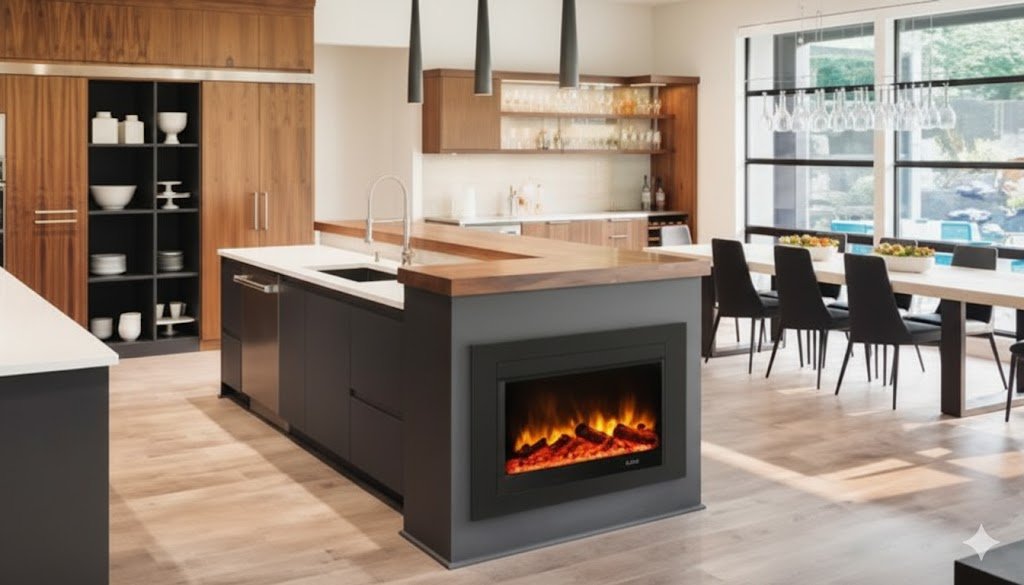
The look of gas fireplaces improved dramatically over the years. Early models had fake logs that looked obviously artificial. Modern versions feature ceramic logs and ember beds that closely mimic real wood fires. Some high-end units include realistic sound effects that replicate the crackling and popping of burning wood. The flames can be adjusted for different visual effects. You can have a gentle flicker for ambiance or a roaring blaze for maximum heat output.
But here’s where things got complicated. My gas bills started climbing year after year. What seemed like an economical heating solution became increasingly expensive. Natural gas prices fluctuate based on market conditions and seasonal demand. Winter months see the highest rates when everyone is cranking up their heat. I found myself using the fireplace less and less because I dreaded seeing the monthly bill. Friends who had gas fireplaces reported similar experiences. The convenience was great, but the cost made them think twice about using their fireplaces regularly.
Some areas don’t have natural gas service at all. Rural properties might rely on propane tanks, which adds another layer of complexity and expense. You need to monitor your propane levels and schedule refills. Running out of propane during a cold snap is not fun. I heard stories from people who had to wait days for deliveries during severe weather when everyone needed propane at once. The delivery trucks couldn’t keep up with demand.
Safety concerns exist with gas fireplaces too. While they’re generally safe when properly installed and maintained, gas leaks can happen. Carbon monoxide poisoning is a real risk if the venting system fails or gets blocked. You need working carbon monoxide detectors near any gas appliance. Annual inspections are recommended to check for leaks and proper operation. The pilot light can go out unexpectedly, requiring you to relight it manually on older models.
That’s when electric fireplaces started making sense to more and more homeowners. Technology had advanced to the point where electricity could efficiently power a heating system that looked like a traditional fireplace. Electric fireplaces convert electrical energy into heat without any combustion process. No gas lines needed. No wood storage required. No chimney or venting system necessary. Just plug it into a standard electrical outlet and you’re good to go.
The timing was perfect for electric fireplaces to take off. People wanted convenience without the rising fuel costs. They wanted the aesthetic appeal of a fireplace without the maintenance headaches. Electric fireplaces delivered on both fronts. The technology improved rapidly. LED flame effects became incredibly realistic. Heating elements became more efficient. Remote controls and smart home integration made operation effortless.
I switched to an electric fireplace three years ago and never looked back. My heating costs dropped significantly. I can use my fireplace whenever I want without worrying about the expense. The installation took less than an hour. I literally just placed it against the wall and plugged it in. No contractors, no permits, no hassle. The heat output is impressive for its size. It warms my living room quickly and maintains a comfortable temperature. The flame effects look surprisingly real, especially at night. Guests often ask if it’s a gas fireplace.
The evolution from wood to gas to electric represents progress in home heating technology. Each generation addressed the shortcomings of the previous one. Wood offered authenticity but required too much work. Gas provided convenience but became expensive. Electric fireplaces deliver the best of both worlds: ease of use and affordable operation. We’ve come a long way from my grandmother’s wood fireplace. She’d probably laugh at my plug-in version, but I think even she would appreciate not having to haul wood anymore.
Why Electric Fireplaces Make Your Life Easier
Let me tell you about the first time I saw an electric fireplace in action. My cousin had just moved into a new apartment. She invited me over for dinner and I noticed this beautiful fireplace in her living room. I assumed it was gas until she casually walked over and pressed a button on her phone. The flames appeared instantly. No pilot light, no gas smell, no waiting. I was sold right then and there. That simple demonstration showed me how far heating technology had come.
Electric fireplaces work on a straightforward principle. They use electricity to power heating elements, similar to a space heater. The difference is they’re housed in an attractive cabinet that looks like a traditional fireplace. The flames are created using LED lights and reflective surfaces. Some models use water vapor to create a three-dimensional flame effect. The technology varies by manufacturer and price point, but the basic concept remains the same. Electrical energy goes in, heat and light come out.
The convenience factor cannot be overstated. You don’t need any special setup beyond a standard electrical outlet. Most units run on 120 volts, which is what you have in every room of your house. Plug it in and you’re ready to enjoy warmth and ambiance. Compare that to installing a gas fireplace, which requires running gas lines and installing venting systems. Or wood fireplaces that need a chimney and extensive masonry work. Electric fireplaces eliminate all those complications.
My neighbor spent thousands of dollars converting his wood fireplace to gas. The contractor tore out the old firebox, installed a gas insert, ran new gas lines, and modified the chimney. The project took two weeks and created a huge mess. Drywall dust everywhere. Workers tramping through the house. He couldn’t use his living room for the entire renovation. When it was finally done, he admitted he wished he’d just bought an electric fireplace and saved himself the headache.
The portability of electric fireplaces is another huge advantage. You’re not locked into one location. Moving to a new house? Take your fireplace with you. Want to rearrange your furniture? Move the fireplace wherever you need it. I’ve relocated mine three times in the past year just to change up my living room layout. Try doing that with a built-in gas or wood fireplace. You’re stuck with whatever the previous homeowner installed and wherever they decided to put it.
Renters particularly benefit from electric fireplaces. Landlords rarely allow modifications like gas fireplace installations. Wood fireplaces might not be available in your rental unit. An electric fireplace gives you the warmth and ambiance you want without violating your lease terms. When you move out, you take it with you. No deposits lost, no damage to repair, no arguments with the landlord.
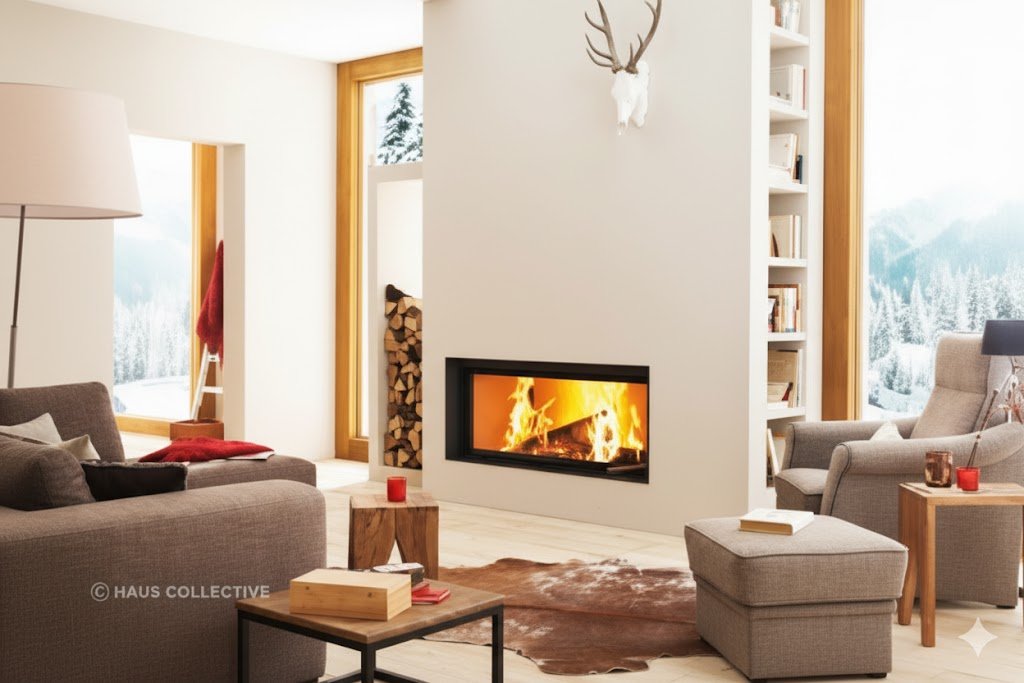
The operational simplicity appeals to people of all ages. My 78-year-old mother uses her electric fireplace daily. She can turn it on with a remote control from her recliner. The temperature adjustment is as easy as pressing plus or minus buttons. She doesn’t have to bend down to light a pilot or carry heavy wood. Her arthritis makes physical tasks difficult, so the ease of an electric fireplace has been perfect for her. She gets the comfort and warmth she needs without any strain.
Safety is built into electric fireplaces by design. There’s no open flame, no combustible gases, no sparks flying out. The glass front stays relatively cool to the touch on most models. You can safely use them around children and pets without constant supervision. I have two cats who love lounging near my fireplace. They can’t burn their whiskers or knock over burning logs. The risk of fire is minimal compared to traditional fireplaces. No chimney means no chimney fires. No gas means no carbon monoxide concerns.
The heating efficiency of electric fireplaces surprises many people. They convert nearly 100% of the electrical energy into heat. Compare that to wood fireplaces that lose 70-80% of their heat up the chimney. Gas fireplaces are better but still lose significant heat through venting. Electric fireplaces keep all that warmth in your room where you need it. The fan-forced heat distribution pushes warm air throughout the space. You feel the results within minutes of turning it on.
Zone heating becomes practical with electric fireplaces. Instead of heating your entire house, you heat only the rooms you’re using. I keep my central heating set lower and use my electric fireplace in whatever room I’m occupying. My energy bills dropped by about 30% after I started doing this. The cost of running the electric fireplace is less than heating the whole house to a higher temperature. It’s basic economics: heat smaller areas and pay less.
Fuel availability never becomes an issue with electric fireplaces. As long as you have electricity, you have heat. No running out of propane during a cold spell. No worrying about your wood supply lasting through winter. No price spikes when natural gas demand increases. Your electricity rates remain relatively stable throughout the year. I never have to plan ahead or stock up on anything. The power company handles the logistics. I just flip the switch and enjoy the warmth.
The maintenance requirements are practically nonexistent. I vacuum the vents occasionally to keep dust from accumulating. That’s it. That’s the entire maintenance schedule. No annual inspections required. No professional cleaning services needed. No replacing worn parts or fixing gas valves. The LED bulbs last for years and are easy to replace when they eventually burn out. I spend about five minutes a year maintaining my electric fireplace. Compare that to the hours I used to spend cleaning my old wood fireplace.
Energy consumption is reasonable for the heat output you receive. Most electric fireplaces use 1500 watts on the high setting. That’s about the same as a hair dryer or small space heater. Running it for three hours per day costs roughly 50 cents, depending on your local electricity rates. The flame effects can run independently from the heat, using only about 20 watts. I often run just the flames during milder weather for ambiance without heating. It adds a cozy feeling to the room without driving up my electric bill.
The instant on and off capability makes electric fireplaces incredibly user-friendly. Walk into a cold room, press a button, and feel the warmth within seconds. Leaving the house? Turn it off as easily as you turned it on. No waiting for fires to die down or pilot lights to extinguish. No lingering heat that makes the room stuffy. Complete control at your fingertips. I’ve set mine on timers so it warms up my living room before I get home from work. Walking into a cozy, warm house at the end of a long day feels amazing.
Smart home integration takes convenience to another level. Many newer electric fireplaces work with Alexa, Google Home, or other smart systems. Voice commands control everything. “Alexa, turn on the fireplace.” “Hey Google, set the fireplace to 72 degrees.” You can program schedules, adjust settings remotely, and monitor energy usage through smartphone apps. The technology keeps improving with each new model. We’re living in a time when your fireplace is literally smarter than the wood fireplaces our grandparents used.
Making Your Home Beautiful with Electric Fireplace Mantles
Walk into any home and what catches your eye first? The focal points, right? The pieces of furniture or architectural features that anchor a room and give it character. For generations, fireplaces have served that purpose. They draw people in and create gathering spaces. The mantle above a fireplace becomes a stage for displaying family photos, artwork, seasonal decorations, and cherished objects. Electric fireplaces understand this tradition and embrace it fully.
I learned about the decorative power of mantles from my interior designer friend Sarah. She told me that clients often spend more time choosing the mantle than selecting the actual fireplace. The mantle defines the room’s style. It can be traditional, modern, rustic, or contemporary. The right mantle ties together your entire decorating scheme. The wrong one sticks out like a sore thumb. Electric fireplace mantles give you all the aesthetic possibilities of traditional fireplaces without the functional limitations.
The variety of mantle designs available today is staggering. You can find mantles made from solid wood, engineered wood, stone, marble, metal, or combinations of materials. Oak mantles bring a classic, timeless look. Reclaimed barn wood adds rustic charm. Marble creates an upscale, luxurious feel. Black metal mantles fit perfectly in industrial or modern spaces. The material you choose sets the tone for the entire room. I spent weeks browsing options before selecting a dark walnut mantle for my living room. It matches my existing furniture and adds warmth to the space.
Mantle size matters more than you might think. A mantle that’s too small looks insignificant and fails to anchor the room. One that’s too large overwhelms the space and throws off the proportions. The general rule is to match the mantle width to your fireplace opening, then add 6 to 12 inches on each side. The depth should be sufficient for displaying objects without them falling off, usually 6 to 8 inches. The height depends on your ceiling and the scale of your room. I measured multiple times and even taped off the dimensions on my wall before committing to a purchase.
Traditional mantle designs feature ornate details and classical proportions. Dentil molding, corbels, carved rosettes, and fluted columns create an elegant, formal appearance. These mantles work beautifully in older homes or spaces decorated in colonial, Victorian, or French country styles. My parents have a traditional mantle with intricate carvings. It looks stunning and matches the historic character of their 1920s home. The craftsmanship in traditional mantles is often impressive, with attention to architectural details that modern pieces sometimes lack.
Contemporary mantles embrace clean lines and minimalist design. Simple rectangular shapes, smooth surfaces, and absence of ornamentation define this style. The beauty comes from the quality of materials and the precision of construction. A contemporary mantle doesn’t compete for attention. It provides a subtle frame for the fireplace without making bold statements. These mantles suit modern homes, lofts, and spaces with minimalist decor. I considered a contemporary mantle but ultimately decided my room needed more visual interest.
Rustic mantles bring outdoor elements inside. Rough-hewn beams, distressed wood, natural edges, and visible wood grain create a cabin or farmhouse vibe. These mantles feel sturdy and grounded. They work perfectly in homes with exposed beams, wood paneling, or country decor. My cousin’s lake house has a massive rustic mantle made from a single piece of reclaimed timber. It’s the centerpiece of the room and perfectly captures the retreat atmosphere they wanted. Guests always comment on it and ask where they found such an amazing piece.
The color of your mantle affects how it integrates with your existing decor. Dark stains like espresso or walnut create drama and sophistication. They hide dust and wear well over time. Light finishes like whitewash or natural oak brighten a space and work well in smaller rooms. Painted mantles in colors like white, gray, or even bold hues make strong style statements. I chose a medium brown stain that complements my hardwood floors and doesn’t clash with my wall color. The stain highlights the wood grain beautifully.
Styling your mantle is where creativity really comes into play. The mantle becomes a gallery for expressing your personality and interests. Family photos in coordinating frames tell your story. Vases with fresh or dried flowers add life and color. Candles create additional ambiance and layers of light. Artwork leaning against the wall provides visual interest without the commitment of hanging. Seasonal decorations transform the space throughout the year. I change my mantle display every few months to keep things fresh and reflect the current season.
Balance and proportion guide good mantle styling. The arrangement should feel intentional but not overly fussy. Group items in odd numbers, which is more visually pleasing than even numbers. Vary the heights of objects to create visual interest. Leave some empty space so the display doesn’t look cluttered. I follow the rule of thirds, dividing my mantle into three sections and creating distinct groupings in each area. The center section usually features a larger statement piece like a mirror or artwork. The sides balance it with smaller objects.
Electric fireplace mantles offer installation flexibility that built-in fireplaces can’t match. You’re not limited to existing fireplace locations or load-bearing walls. Place your electric fireplace and mantle wherever it makes sense for your room layout. Against a main wall, in a corner, even in a bedroom or dining room. This freedom lets you create focal points in unconventional spaces. I’ve seen electric fireplaces with mantles used as room dividers in open floor plans. The possibilities extend far beyond traditional fireplace placement.
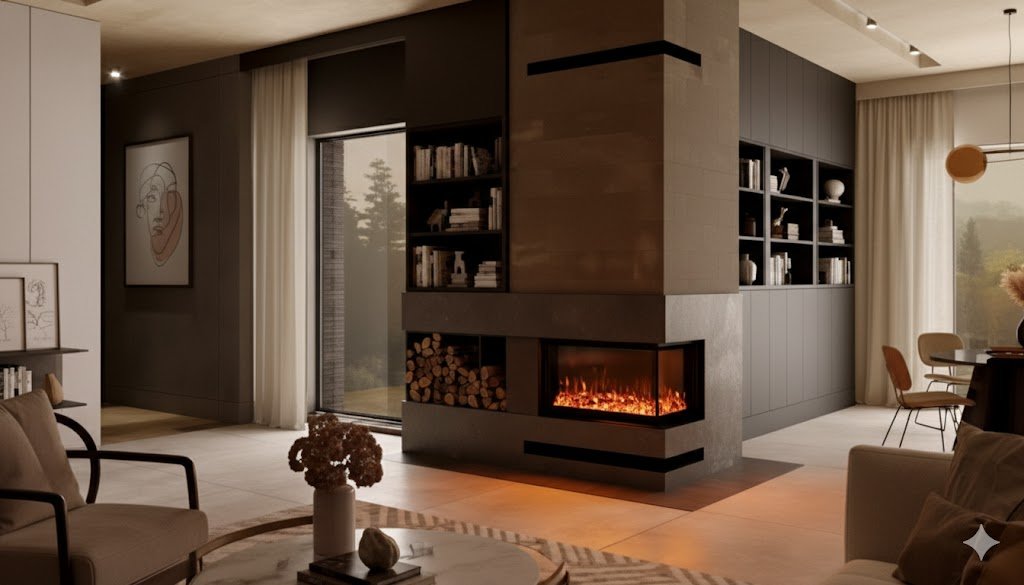
The depth of the fireplace unit itself affects mantle selection. Some electric fireplaces extend several inches from the wall while others are nearly flush. Deep units require mantles that project further into the room. Shallow units allow more streamlined mantle profiles. Measure your wall space carefully before ordering a mantle. You want to be sure the entire unit fits proportionally in your intended location. I nearly made an expensive mistake by ordering a mantle that would have extended too far into my walkway.
Cost varies dramatically based on materials, size, and craftsmanship. Basic mantles start around a few hundred dollars. High-end custom pieces can cost several thousand. The mantle often represents a significant portion of your total electric fireplace investment. Think of it as furniture rather than just an accessory. You’ll live with this piece for years. Quality construction and timeless design are worth paying for. I set a reasonable budget and found a mantle that checked all my boxes without breaking the bank.
Assembly requirements differ by model. Some mantles arrive fully assembled and ready to place. Others require attaching legs, securing panels, or installing the fireplace insert. The complexity ranges from simple screwdriver work to more involved construction. Read reviews and watch assembly videos before purchasing if you’re concerned about setup difficulty. I assembled mine in about an hour with basic tools. The instructions were clear and all the hardware was included. If DIY isn’t your thing, many retailers offer assembly services for an additional fee.
The weight of electric fireplace mantles is worth considering. Solid wood mantles are heavy and may require two people to move into position. Lighter engineered wood or hollow designs are easier to handle but might feel less substantial. The flooring underneath needs to support the weight without damage. I placed felt pads under my mantle legs to protect my hardwood floors and make repositioning easier. The weight actually helps stability. Once in place, my mantle doesn’t shift or wobble at all.
Coordinating your mantle with other room elements creates a cohesive look. Match wood tones to your existing furniture or flooring. Pick up accent colors from your walls, curtains, or rugs. Consider the style of your other decor and choose a mantle that fits the overall aesthetic. My mantle echoes the finish on my entertainment center and coffee table. The consistency ties the room together and makes the space feel intentionally designed rather than randomly furnished.
Finding the Perfect Electric Fireplace for Your Space
Shopping for an electric fireplace feels overwhelming at first. The sheer number of options available online and in stores can paralyze even decisive shoppers. I stood in a home improvement store for 45 minutes just staring at the display models. They all looked good. They all seemed similar. How was I supposed to choose? The key is understanding what you really need and want from your fireplace. Once you get clear on your priorities, the decision becomes much easier.
Size is the first consideration and probably the most practical. Measure the space where you plan to place your fireplace. Write down the maximum width, height, and depth you can accommodate. Don’t forget to account for clearance around the unit for ventilation and safety. An oversized fireplace cramps your room and limits furniture placement. An undersized unit looks lost and fails to create the impact you want. I measured my wall space three different times and even laid out painter’s tape on the floor to visualize the footprint before shopping.
The heating capacity of electric fireplaces varies considerably. Most units heat between 400 and 1000 square feet. Match the heating capacity to your room size for optimal performance. Underpowered fireplaces struggle to warm larger spaces. Oversized units heat small rooms too quickly and cycle on and off constantly. I have a roughly 350 square foot living room. My fireplace is rated for 400 square feet and performs perfectly. The room reaches a comfortable temperature and maintains it without the heater constantly running.
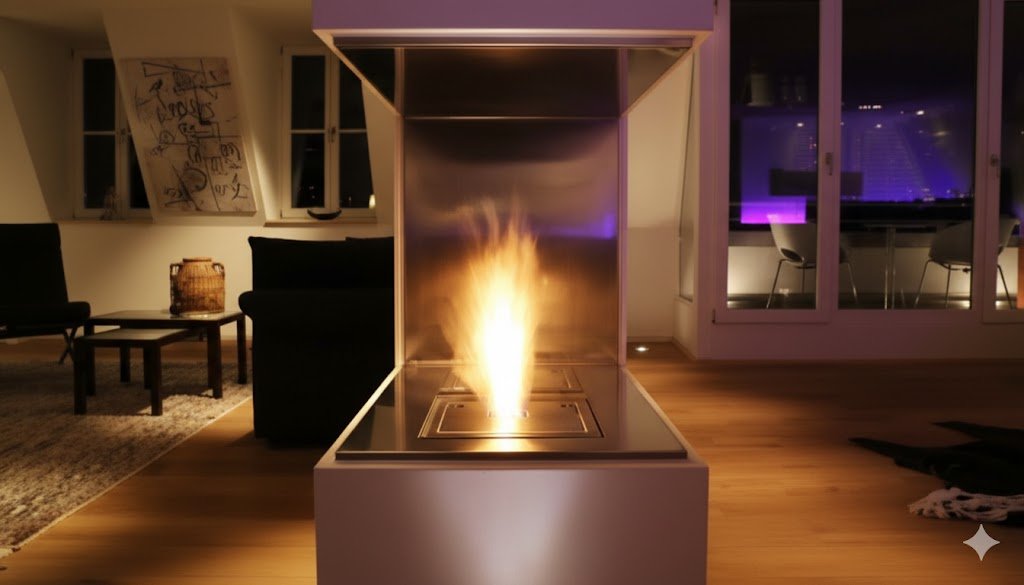
Style choices break down into several broad categories. Wall-mounted units hang like flat-screen TVs and save floor space. Freestanding models look like traditional furniture pieces with mantles and cabinets. Insert units fit into existing fireplace openings. Corner units maximize space in rooms with awkward layouts. Media console fireplaces combine entertainment centers with heating. Each style suits different needs and spaces. I chose a freestanding model with a mantle for the traditional look and the display space on top.
Design aesthetics range from ultra-modern to deeply traditional. Sleek black glass and chrome appeal to contemporary tastes. Rich wood finishes and ornate details satisfy traditional preferences. Rustic designs with distressed wood and iron accents create farmhouse charm. White painted finishes brighten spaces and fit cottage or coastal styles. The design you select should complement your existing furniture and reflect your personal taste. I gravitate toward transitional styles that blend traditional warmth with modern simplicity.
Flame effects deserve careful evaluation because you’ll be looking at them often. Basic models use spinning reflectors and orange lights. Mid-range units employ LED technology for more realistic flames. High-end fireplaces feature three-dimensional effects with ember beds and multiple flame colors. Some allow you to adjust flame speed, brightness, and color. I was skeptical about LED flames until I saw a good quality display in person. The movement and color variations looked surprisingly authentic.
Color options for flames have expanded beyond basic orange. Some electric fireplaces offer blue flames for a contemporary look. Others include combinations like orange, blue, and purple for dramatic effects. You can usually adjust colors to match your mood or decor. I mostly stick with traditional orange flames, but I’ll switch to blue occasionally when I want a different vibe. The flexibility is nice even if I don’t use it constantly.
Ember bed details contribute significantly to realism. The ember bed is the area beneath the flames where you’d find glowing coals in a real fire. Better models include hand-painted logs, river rocks, crystals, or driftwood. These materials reflect light and create depth. Cheaper units use molded plastic logs that look obviously fake. I spent extra to get realistic ceramic logs with detailed bark texture. The difference is noticeable when the fireplace is running.
Remote controls and manual controls both have advantages. Remotes let you adjust settings from across the room without getting up. They’re convenient for everyday use. Manual controls provide backup if batteries die or remotes get lost. The best units include both options. My fireplace has a remote for routine operation and manual buttons hidden behind a door for when I can’t find the remote. I use the remote 95% of the time but I’m glad the manual controls exist.
Thermostats help maintain consistent room temperature. The fireplace heats until reaching your set point, then cycles off. When the temperature drops, it kicks back on automatically. This feature prevents overheating and conserves energy. Simple on/off operation requires more attention and wastes electricity. I set my thermostat to 70 degrees and let the fireplace do its job. The room stays comfortable without me constantly adjusting settings.
Timer functions let you schedule operation. Set the fireplace to turn on before you wake up or arrive home. Program it to shut off automatically after a few hours. Timers prevent wasted energy if you fall asleep with the fireplace running. They add convenience to daily routines. I have mine turn on at 6 AM every winter morning so my living room is warm when I come downstairs for coffee. It shuts off automatically at 9 AM when I leave for work.
Energy efficiency ratings indicate operating costs. Look for units with LED technology and efficient heating elements. Some models include eco modes that reduce power consumption. The most efficient fireplaces provide maximum heat with minimum electricity use. Check the wattage specifications and calculate the cost based on your local electricity rates. I compared several models and chose one that balanced initial cost with long-term energy savings.
Supplemental heat versus primary heat represents an important distinction. Most electric fireplaces serve as supplemental heat sources for zone heating. They’re not designed to heat entire homes as the primary heat source. Understand this limitation before purchase. I use my electric fireplace to warm my living room while keeping my central heating set lower. This combination reduces my overall heating costs while keeping me comfortable.
Installation requirements should factor into your decision. Wall-mounted units need studs or special anchors for secure mounting. Recessed models require cutting into walls. Freestanding units simply need floor space and an outlet. Insert units must fit your existing fireplace opening. Consider your DIY skills and willingness to hire professionals. I wanted something truly plug-and-play, so I avoided wall-mounted and recessed options.
Warranty coverage protects your investment. Better manufacturers offer warranties from one to ten years. Coverage typically includes electrical components, heating elements, and LED lights. Some warranties cover only defects while others include wear and tear. Extended warranties are available for purchase on many models. I bought a five-year warranty and feel secure knowing I’m covered if anything goes wrong.
Price ranges span from under $200 to over $3000. Budget models provide basic functionality with simple designs. Mid-range units offer better aesthetics and features. Premium fireplaces include advanced technology and superior construction. Determine your budget before shopping and stick to it. I set a maximum price and found an excellent fireplace within my range. Spending more doesn’t always mean better quality, but extremely cheap models often disappoint.
Reviews from actual users provide invaluable insights. Read customer reviews on multiple sites to get balanced perspectives. Look for comments about durability, heat output, noise levels, and customer service. Patterns in reviews reveal strengths and weaknesses. I spent hours reading reviews before making my choice. Real user experiences helped me avoid models with common problems and identify reliable brands.
Brand reputation matters in appliances. Established manufacturers stand behind their products and offer better customer support. Lesser-known brands might save money upfront but could cost more long-term through failures and replacements. Research the company’s history and customer service reputation. I chose a brand that’s been making electric fireplaces for over 20 years with consistently positive reviews.
Noise levels affect enjoyment. The fan that distributes heat produces sound. Quieter fans enhance ambiance while loud fans distract and annoy. Check reviews specifically mentioning noise. Better units use brushless motors and insulated housings for quieter operation. My fireplace runs whisper-quiet. I can barely hear it from across the room, which allows me to enjoy the visual and thermal comfort without mechanical sounds breaking the mood.
Safety certifications confirm the product meets standards. Look for UL or ETL listings, which indicate independent testing. Certified products have undergone rigorous safety evaluations. This certification provides peace of mind, especially for devices using electricity to generate heat. My fireplace carries multiple certifications. I wouldn’t buy any electrical heating device without proper safety listings.
Return policies protect you if the fireplace doesn’t meet expectations. Some retailers offer generous return windows while others impose strict limitations. Understand the policy before purchasing. Buying from reputable retailers with customer-friendly policies reduces risk. I bought from a major retailer with a 90-day return policy. Opening the return window gave me time to test the fireplace thoroughly before committing permanently.
Why Electric Fireplaces Beat Traditional Options Every Time
Three years into owning my electric fireplace, I can confidently say I made the right choice. The benefits I expected have materialized. Unexpected advantages have surprised me. Looking back at my old wood fireplace, I can’t imagine going back to that lifestyle. Electric fireplaces represent genuine progress in home heating. They solve real problems without creating new ones. Let me explain why I think they’re the best alternative to traditional fireplaces.
Installation simplicity stands out as a massive advantage. Traditional fireplaces require major construction. Masons build fireboxes and chimneys. Contractors run gas lines and install vents. Building inspectors verify code compliance. Permits get pulled. The process drags on for weeks. My electric fireplace installation took 20 minutes. I unpacked it, positioned it against the wall, and plugged it in. No contractors, no permits, no construction debris. I was enjoying my fireplace the same day I bought it.
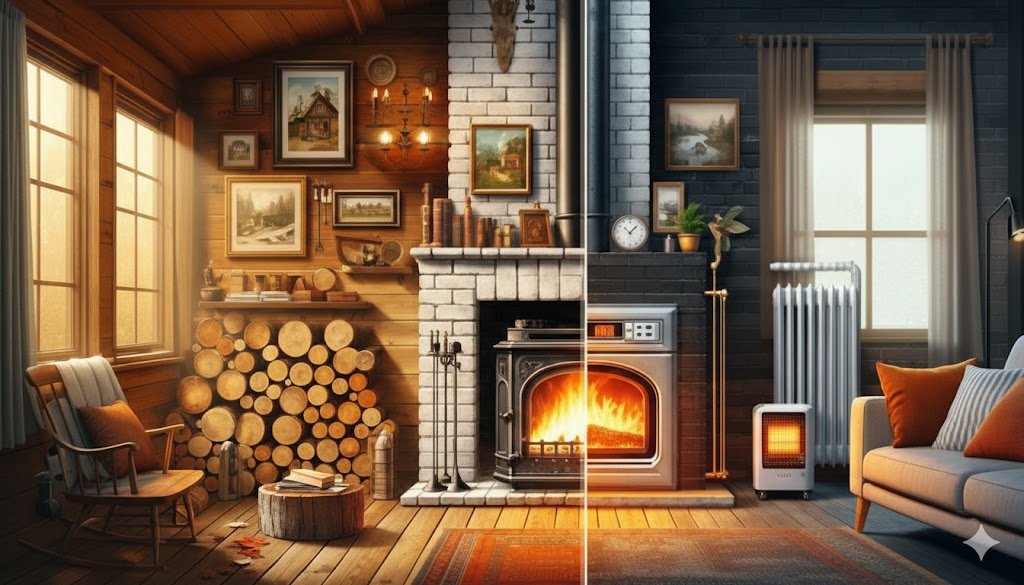
Cost savings add up quickly. The initial purchase price of electric fireplaces runs lower than installing gas or wood alternatives. A quality wood fireplace with chimney costs $5,000 to $15,000. Gas fireplace installations range from $2,000 to $7,000. Electric fireplaces cost $300 to $2,500 for the entire setup. I spent $1,200 total for my fireplace with mantle. The investment paid for itself in saved installation costs alone.
Operating expenses favor electric fireplaces too. My electricity costs to run the fireplace are predictable and reasonable. Gas prices fluctuate wildly based on market conditions. Wood costs have risen steadily. Propane gets expensive during peak demand. I track my electrical usage through my utility’s app. The fireplace adds about $25 to my monthly bill during heavy winter use. Friends with gas fireplaces report monthly increases of $75 to $150 during the same period.
Maintenance costs stay minimal with electric fireplaces. Wood fireplaces need annual chimney cleaning at $200 to $400 per visit. Gas fireplaces require yearly inspections and occasional repairs. Parts like thermocouples and pilot assemblies wear out. My electric fireplace has needed zero maintenance in three years. I’ve spent nothing beyond the initial purchase. The LED bulbs should last another 7 to 10 years before replacement. Even when they do need replacing, bulbs cost $20 to $40.
The environmental impact of electric fireplaces beats traditional alternatives in many situations. Wood smoke pollutes outdoor air with particulate matter. Gas combustion releases carbon dioxide and other emissions. Electric fireplaces produce no direct emissions. The environmental impact depends on how your electricity is generated. If your local grid uses renewable energy, electric fireplaces are incredibly clean. Even with fossil fuel generation, the efficiency of power plants beats individual home combustion.
Clean operation eliminates messy aspects of traditional fireplaces. No ashes to clean out, no soot on the walls, no smoke smell in your clothes. My living room stays cleaner with an electric fireplace than it ever did with wood burning. I don’t have to vacuum up ash or wipe down surfaces blackened by soot. The air quality inside my home improved noticeably after switching. People with allergies or respiratory issues particularly benefit from this cleaner operation.
Instant operation means immediate gratification. Press a button and warmth begins within seconds. Traditional wood fires take 20 to 30 minutes to really get going. Gas fireplaces are faster but still require warmup time. Electric fireplaces deliver instant results. Coming home to a cold house on a winter evening is no longer a problem. I start my fireplace from my car using a smart plug. The room is toasty by the time I walk through the door.
Controllability gives you precise command over heat and flames. Adjust temperature in one-degree increments. Control flame brightness independently from heat output. Some days I want ambiance without additional heat. I run just the flames while my central heating handles temperature. Other times I need serious heat. I crank the thermostat up and let it run. This flexibility beats the all-or-nothing nature of wood fires.
Year-round usability extends the value of electric fireplaces. Summer evenings are often cool enough to enjoy ambiance but too warm for heat. Electric fireplaces let you run the flame effects without the heating element. I use this feature frequently in spring and fall. The visual appeal enhances my living space without making it uncomfortably warm. Try doing that with a wood or gas fireplace.
Versatility in placement opens up design possibilities. You’re not limited to exterior walls for venting. You don’t need existing chimneys or gas lines. Place your electric fireplace wherever it looks best and works functionally. I’ve seen them in bedrooms, bathrooms, kitchens, home offices, and even covered outdoor spaces. This versatility lets you add warmth and style to any room in your home.
Realistic appearance has improved dramatically in recent years. High-quality electric fireplaces fool most visitors. The flame effects, ember beds, and log details look authentic from normal viewing distances. Some models include crackling sound effects for additional realism. I’ve had guests compliment my “beautiful gas fireplace” before I correct them. The illusion works well enough that distinguishing electric from gas requires close inspection.
Customization options let you personalize your fireplace. Change flame colors, adjust brightness, modify heat output, and switch ember bed styles on some models. Traditional fireplaces offer no customization beyond adding or removing fuel. The flexibility of electric fireplaces means they adapt to your changing preferences. I adjust mine seasonally and for different occasions. Halloween gets orange and purple flames. Winter evenings call for bright, warm tones.

Leave a Comment