
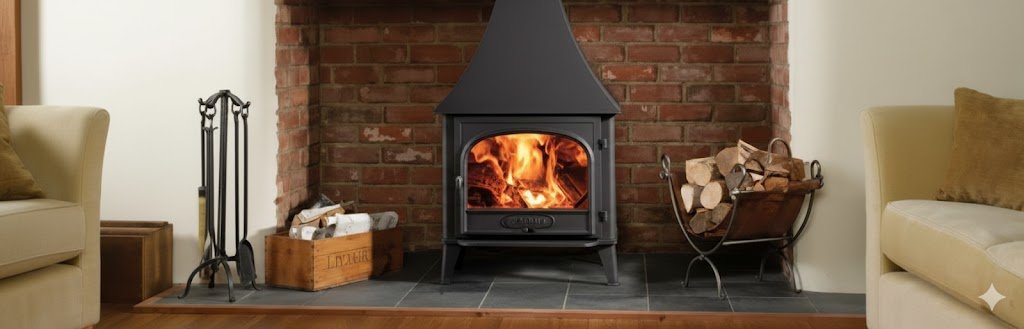
Why We Need Fireplaces When Winter Comes Knocking
You know that feeling when fall starts to fade and you can see your breath in the morning air? That’s when I start thinking about my fireplace. Not just thinking about it, actually getting excited about it. There’s something primal about gathering around a fire when the temperature drops. Maybe it’s in our DNA from thousands of years of our ancestors huddling around flames for survival.
I remember the first winter in my old apartment without a fireplace. I thought I could just crank up the thermostat and call it good. Boy, was I wrong. Sure, the central heating kept the place warm enough, but it wasn’t the same. There was no focal point, no heart to the home. Just dry air being pushed through vents and an electric bill that made me want to cry. That experience taught me something important about fireplaces. They’re not just about heat, though that’s a big part of it. They’re about creating a space where life happens.
When winter really sets in and the world outside turns gray and cold, your fireplace becomes the center of your universe. It’s where you drink your morning coffee while watching the snow fall. It’s where the kids do their homework because they swear they can think better when they’re warm. It’s where you and your partner have those long conversations that somehow only happen in winter. The fireplace gives you a reason to slow down and be present.
Think about trying to get through a harsh winter without any reliable heat source. Not a fun thought, right? Back before modern heating systems, people literally depended on their fireplaces to survive. Families would gather in one room and keep the fire going all night. They’d heat stones and wrap them in cloth to keep their beds warm. They’d cook all their meals over the fire. The fireplace wasn’t a luxury or a nice-to-have feature. It was life or death.
We’re lucky we don’t face those same stakes today, but that doesn’t mean fireplaces have lost their importance. If anything, they’ve become more valuable because we have choices now. We can choose how we heat our homes and what kind of experience we want. And when you really look at your options, a good fireplace still comes out on top for combining practical heating with that intangible quality that makes a house feel like home.
The way I see it, winter is going to come whether we’re ready or not. The days will get shorter, the nights will get colder, and at some point you’re going to want to be somewhere warm and cozy. You can fight it with layers of clothing and expensive heating bills, or you can embrace it with a fireplace that makes winter something to look forward to instead of something to endure. I know which option sounds better to me.
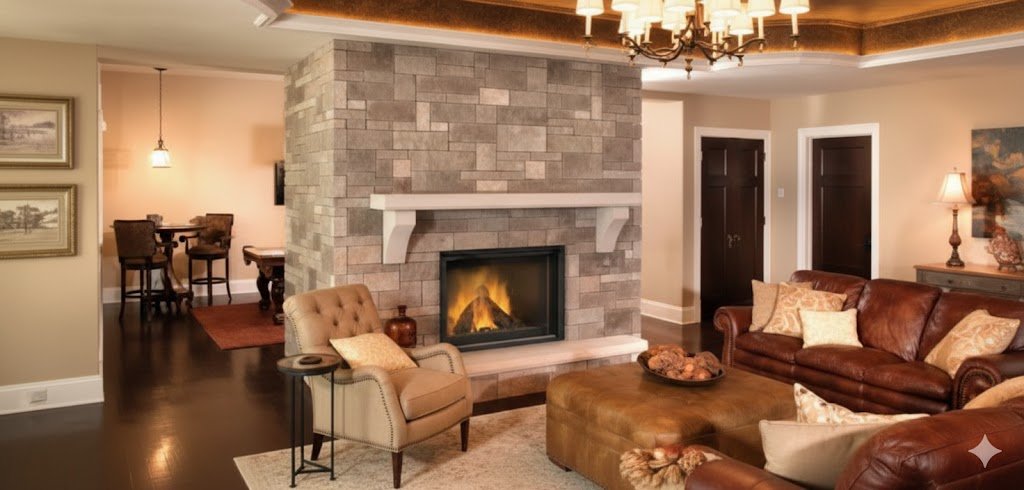
Traditional Wood Fireplaces and Why They’re Both Wonderful and Terrible
Let’s talk about wood fireplaces for a minute, because they’re the original and in many ways still the best. There’s absolutely nothing like a real wood fire. The smell alone is worth the price of admission. You walk into a house with a wood fire burning and you immediately feel like you’re somewhere special. It’s smoky and earthy and just hits different than any candle or air freshener ever could.
I grew up with a wood fireplace in my childhood home. My dad would start building the fire in the late afternoon on cold days. He had this whole ritual around it. First, he’d clean out the ashes from the previous fire. Then he’d crumple up newspaper and arrange it just so. Kindling went on next, all crossed in a specific pattern that he swore was the only way to do it right. Finally, the logs would go on top, and he’d light the paper and watch it catch. The whole process took maybe fifteen minutes, but it felt like an art form.
When that fire got going, it was magical. The light from the flames would flicker on the walls and ceiling. The warmth would radiate out into the room in waves. You could hear the wood popping and crackling as it burned. And the smell, that incredible wood smoke smell, would fill the whole house. On those nights, we’d all end up in the living room. Homework would get done there. Dinner would sometimes get eaten there. We’d play board games or just talk or sometimes just sit and stare at the fire without saying anything at all.
But here’s the thing about wood fireplaces that nobody tells you until you’re the one responsible for keeping them running. They’re a massive pain in the neck. Getting wood is the first problem. If you live in the city or suburbs, you can’t just walk outside and chop down a tree. You have to buy wood, and good firewood is not cheap. You’re looking at several hundred dollars to stock up for the winter, and that’s if you buy it in the summer when prices are lower.
Then there’s the storage issue. Firewood needs to be kept dry, which means you need a shed or a covered area or at least a good tarp setup. And it takes up a shocking amount of space. A cord of wood is four feet high, four feet wide, and eight feet long. That’s a lot of real estate dedicated to future fires. If you’re trying to keep a fireplace burning regularly through the winter, you might need two or three cords. Good luck finding room for that in your garage.
The actual process of maintaining a wood fire is no joke either. You can’t just light it and forget it. You need to add logs every hour or two to keep it going. You need to adjust the damper to control airflow. You need to move logs around with a poker to keep them burning evenly. And then there’s the ash. So much ash. You have to clean it out regularly or the whole system stops working efficiently. And when you clean it out, you get ash everywhere no matter how careful you are.
Don’t even get me started on the maintenance and safety concerns. Chimneys need to be cleaned at least once a year to prevent creosote buildup, which can cause chimney fires. You need to have your chimney inspected regularly for cracks or damage. You need a good spark screen to keep embers from popping out onto your carpet. You need to keep anything flammable at least three feet away from the fireplace opening. It’s a lot to manage.
And yet, despite all these problems, people still love their wood fireplaces. I still love wood fireplaces. There’s something deeply satisfying about heating your home with wood that you can see and touch and smell. It feels honest in a way that pushing buttons and adjusting thermostats never will. You put in the work, you tend the fire, and you get warmth in return. It’s a fair trade, even if it’s not always a convenient one.
Gas Fireplaces Seemed Like the Answer
When gas fireplaces first became popular, everybody thought they’d solved the fireplace problem. Finally, you could have the ambiance and warmth of a fire without all the hassle of wood. No more hauling logs, no more storing cords of firewood in your backyard, no more getting ash all over yourself every time you cleaned the fireplace. Just flip a switch and boom, instant fire. It sounded too good to be true.
For a while there, gas fireplaces were everywhere. Every new house being built had one. People were retrofitting their old wood fireplaces to run on gas. The home improvement shows were all featuring them. And I’ll be honest, I was sold on the idea. I visited a friend who had just installed a gas fireplace, and I was impressed. It looked real enough, with fake logs that glowed convincingly and flames that danced almost like the real thing. And the convenience was undeniable. She pressed a button on a remote control, and five seconds later there was a fire going.
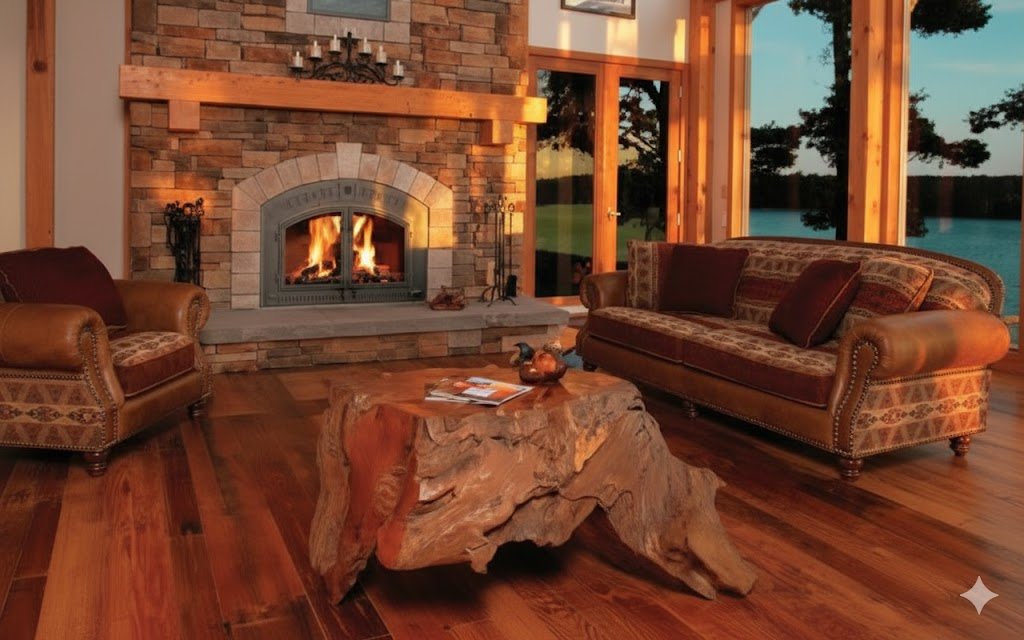
The thing about gas fireplaces is they really do deliver on the convenience promise. You get heat immediately with no waiting for wood to catch and burn down to coals. You can control the flame height and heat output precisely with a dial or remote. There’s no smoke in your house, no ash to clean up, no chimney to maintain. And you never run out of fuel at an inconvenient moment, assuming your gas line is working properly.
But let’s talk about that fuel for a second, because it’s where the whole gas fireplace dream starts to fall apart. Natural gas and propane are convenient, sure, but they’re not cheap anymore. When gas fireplaces first hit the market, natural gas was dirt cheap. Running your fireplace for a few hours every evening wouldn’t even make a noticeable dent in your utility bill. Those days are long gone.
I learned this lesson the hard way a few years back when I was renting a house with a gas fireplace. It was January, cold as anything, and I was running that fireplace pretty much whenever I was home. It felt great. The house was warm, I was cozy, everything was perfect. Then the gas bill came. I actually laughed when I opened it because I thought it had to be a mistake. There was no way I’d used that much gas. But nope, the meter reading was right there in black and white. I’d nearly tripled my normal gas usage just by running the fireplace regularly.
The math on gas fireplaces gets ugly fast when you actually sit down and calculate it. Depending on where you live and current gas prices, running a gas fireplace can cost anywhere from one to three dollars per hour. That might not sound too bad until you think about how many hours you actually use it. Let’s say you run it for four hours a day during the winter months. That’s eight to twelve dollars a day. Over a three month winter, you’re looking at an extra seven hundred to a thousand dollars in heating costs. Suddenly that wood you were complaining about buying doesn’t seem so expensive.
The other problem with gas fireplaces that people don’t talk about enough is that they’re not as maintenance free as advertised. Sure, there’s no ash, but the burners and pilot lights need regular cleaning and adjustment. The fake logs get covered in soot and need to be cleaned or replaced eventually. The glass front gets dirty and needs to be cleaned with special cleaner. And if something breaks, you’re calling a technician and paying a service call fee plus parts and labor. It’s not the constant attention that wood requires, but it’s not zero maintenance either.
The environmental angle is worth considering too. Natural gas is a fossil fuel. When you burn it in your fireplace, you’re releasing carbon dioxide into the atmosphere. If you care about your carbon footprint, and a lot of people do these days, that’s something to think about. It’s not quite as bad as coal, but it’s not clean energy by any stretch.
So gas fireplaces ended up being a stepping stone rather than the final answer. They solved some problems and created others. They made fireplaces more accessible to people who couldn’t or didn’t want to deal with wood, which is good. But they introduced new costs and concerns that limited their appeal. The search for the perfect fireplace wasn’t over yet.
Electric Fireplaces Are Changing Everything
Now we get to the interesting part. Electric fireplaces are the new kids on the block, and they’re shaking up everything we thought we knew about heating our homes. I’ll admit I was skeptical at first. An electric fireplace sounded fake, like one of those space heaters with a picture of a fire on it. But the technology has come a long way, and modern electric fireplaces are legitimately impressive.
The first electric fireplace I saw in person was at my cousin’s apartment. She lived in a high rise downtown where real fireplaces weren’t allowed and gas lines weren’t available. But she’d always wanted a fireplace, so she bought an electric one. I walked in expecting to see something obviously artificial and cheesy. Instead, I saw what looked like a perfectly normal fireplace with a real fire burning in it. The flames moved and flickered. The logs glowed. If you didn’t look too closely, you’d swear it was real.
The magic of electric fireplaces is in how they create the illusion of fire. The good ones use LED lights and reflective surfaces to create realistic flame effects. Some use water vapor to create fake smoke that rises just like real smoke would. The technology keeps getting better every year. The newest models have flames that respond to the heat setting, burning higher and more intensely when you want more heat, settling down to a gentle flicker when you just want ambiance.
But the real selling point of electric fireplaces isn’t how they look, it’s how they work. Plug one into a standard electrical outlet and you’re done. That’s the entire installation process. No gas lines to run, no chimneys to build or maintain, no venting requirements. You can literally take it out of the box, plug it in, and be enjoying a fire within minutes. Try doing that with a wood or gas fireplace.
The fuel situation is so much better with electric too. Electricity is available everywhere, all the time. You’re never going to run out of electricity right when you need heat most, unlike running out of wood or having a gas line issue. And while electricity isn’t free, it’s generally cheaper than running a gas fireplace. A typical electric fireplace uses about as much energy as a space heater, somewhere around 1500 watts. At average electricity rates, that’s about fifteen to twenty cents per hour. Compare that to the dollar or more per hour for gas.
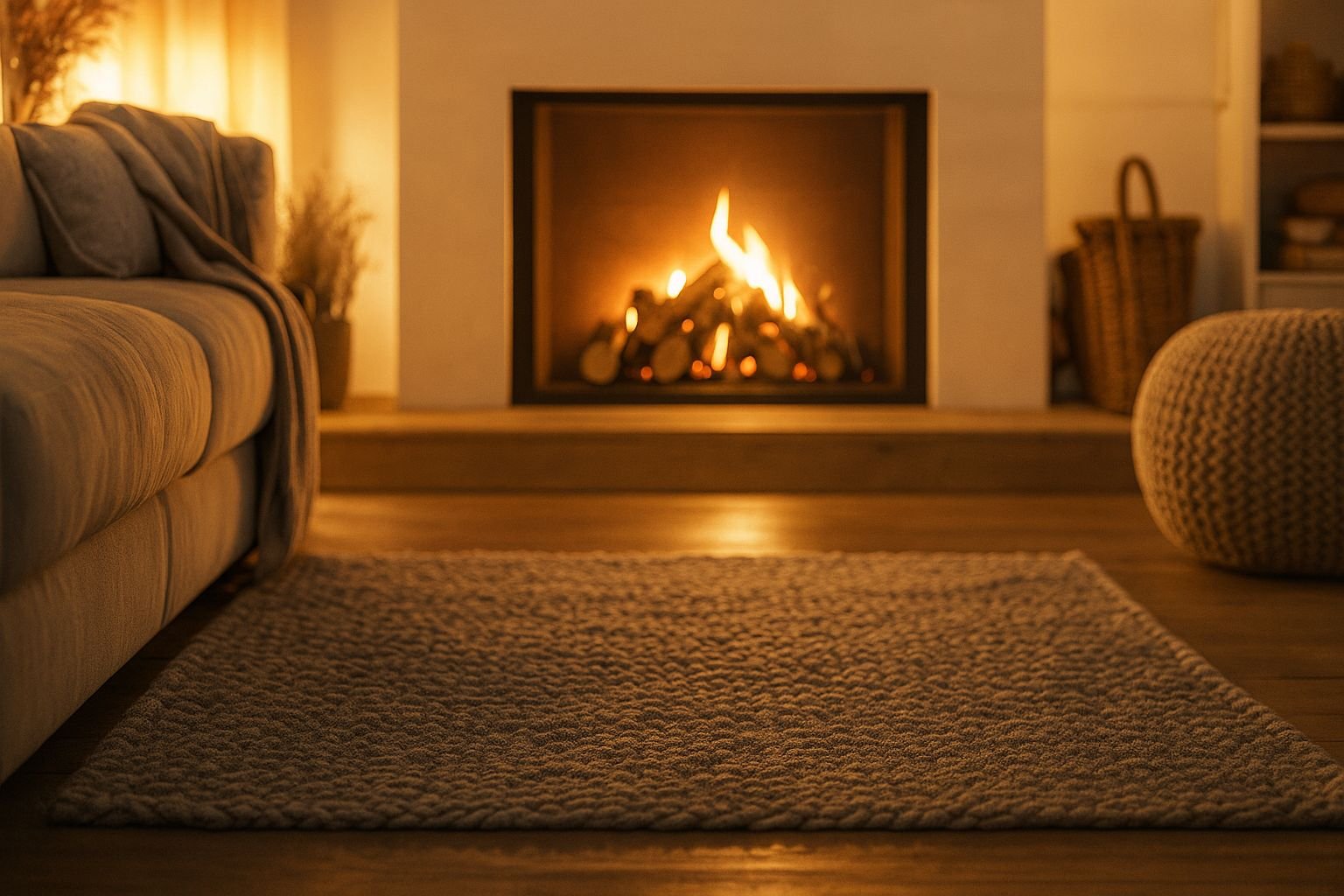
I ended up getting an electric fireplace for my own place last year, and it’s been fantastic. I got one of those electric fireplace mantels that looks like a complete traditional fireplace unit. It has a mantel where I can put pictures and decorations, a realistic brick interior, and a screen that shows the flames. The heat it puts out is more than enough to warm my living room. And I love that I can use it in summer too, turning off the heater but keeping the flame effects going for ambiance.
The control options are better than anything else on the market. Most electric fireplaces come with remotes that let you adjust flame brightness, flame color, heat output, and even set timers. Some connect to your phone or smart home system. You can turn your fireplace on from bed when you wake up on a cold morning, so the room is warm by the time you get up. You can set it to automatically turn off after you fall asleep. The level of control is just not possible with wood or gas.
Maintenance is about as simple as it gets. There’s no real fire, so there’s no ash, soot, or smoke. No chimney to clean. No gas lines to service. The most maintenance you’ll do is dusting the unit occasionally and maybe vacuuming the heater vents once in a while. That’s it. I spend more time maintaining my coffee maker than I do my fireplace.
The safety aspect can’t be ignored either. Electric fireplaces are about as safe as heating systems get. There’s no open flame, so no risk of something catching fire if it gets too close. No carbon monoxide risk like you have with gas. No sparks or embers flying out. The glass front stays cool enough to touch safely. If you have kids or pets, this is huge. You can have a fireplace without constantly worrying about someone getting hurt.
The cost savings over time are significant. A decent electric fireplace costs somewhere between five hundred and two thousand dollars depending on the style and features you want. That’s a one time expense with no installation costs if you’re doing a plug in unit. Compare that to installing a gas fireplace, which can run five to ten thousand dollars with installation, or building a wood fireplace, which can be even more. The electric option pays for itself pretty quickly.
Electric Fireplace Mantels Look Better Than You’d Think
Let me tell you something about appearances, because this is where a lot of people get hung up on electric fireplaces. They assume that anything electric must look cheap or fake. And sure, there are some bad electric fireplaces out there that look exactly as artificial as you’d expect. But there are good ones too, really good ones, and the mantel design is what makes the difference.
A fireplace mantel serves two purposes in your home. The practical purpose is to provide a shelf and frame for the fireplace itself. But the real purpose, the one that matters more, is to be beautiful. A fireplace is usually the focal point of whatever room it’s in. When someone walks into your living room, their eyes go to the fireplace first. The mantel needs to look good or the whole room feels off.
Electric fireplace mantels have gotten incredibly good at replicating the look of traditional fireplaces. They use real wood for the mantel and surround, not fake laminate or plastic made to look like wood. The wood is stained and finished properly, with details like crown molding and decorative carvings that match what you’d see on a high end traditional fireplace. The interior surround can be real brick, real stone, or realistic ceramic panels that look exactly like masonry.
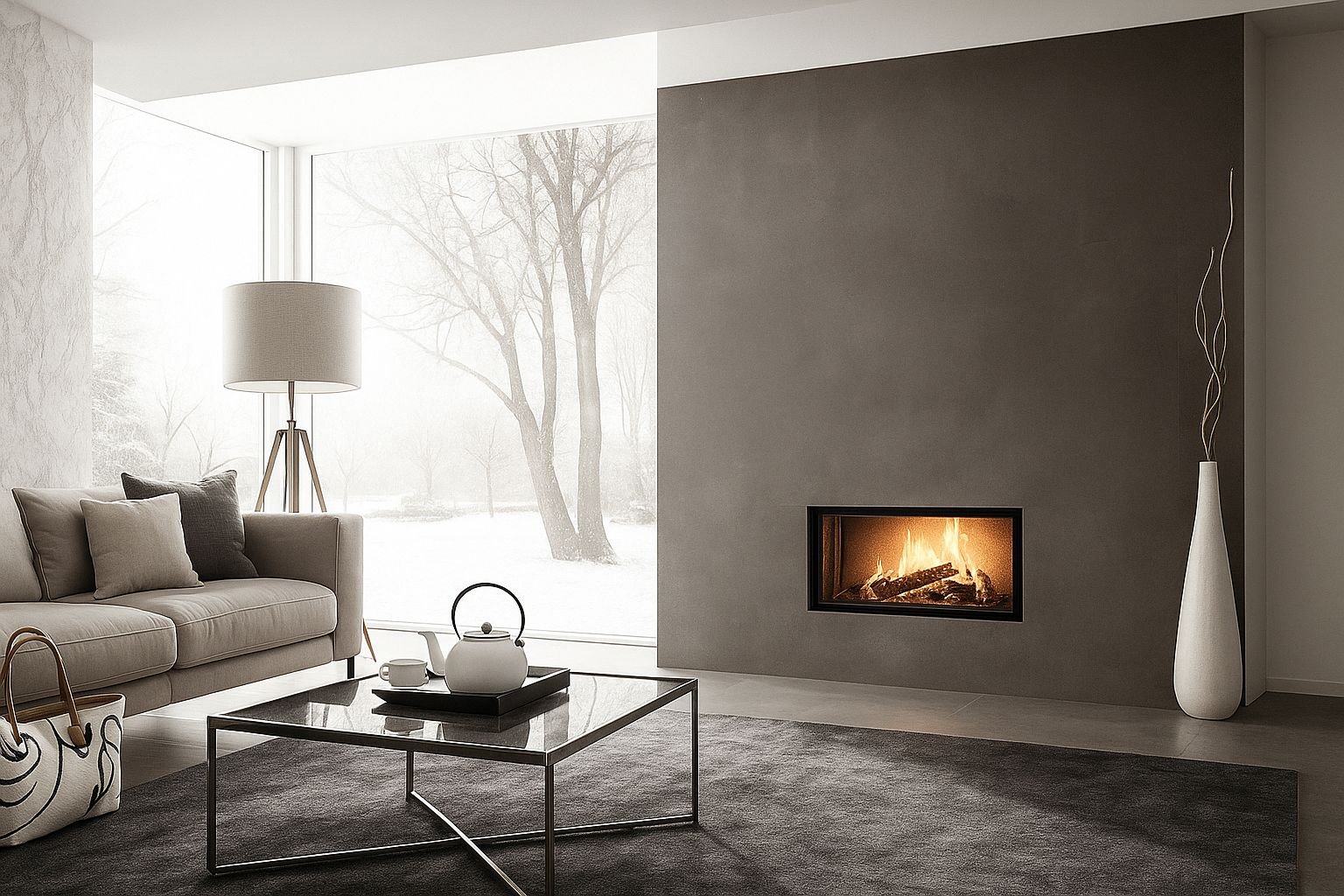
I spent a ridiculous amount of time picking out my electric fireplace mantel. I wanted something that looked substantial and classic, not modern and obviously fake. I found one made from solid oak with a dark espresso finish. The mantel shelf is thick and heavy, about six feet wide. The columns on either side have these subtle decorative grooves carved into them. The firebox surround uses ceramic panels that look like aged brick. When people visit, they compliment the fireplace without realizing it’s electric until I tell them.
The beauty of electric fireplace mantels is they can match any decorating style you want. Traditional style with ornate carved wood details? They make that. Clean modern style with simple lines and a floating mantel? They make that too. Rustic farmhouse style with reclaimed wood and distressed finishes? Yep, available. Mission style, cottage style, contemporary, whatever you want exists in electric fireplace form.
Color options have expanded like crazy too. You used to be stuck with brown wood tones or white, that was it. Now you can get gray, black, navy blue, sage green, weathered barn wood finishes, painted finishes, stained finishes, whatever matches your existing furniture. Some companies even offer custom color matching if you send them a sample of what you want to match.
The mantel shelf itself is real furniture you can actually use. I keep family photos on mine, some decorative objects I picked up while traveling, and a few candles that I never actually light because I have a fake fire right below them. The shelf is deep enough and strong enough to hold a flat screen TV if you want, though personally I think putting a TV above a fireplace is tacky. But the point is, it’s functional space you can decorate and use however you want.
What really sells the look is getting the proportions right for your room. A mantel that’s too big overwhelms the space and looks ridiculous. Too small and it gets lost and looks dinky. Most electric fireplace mantels come in a range of sizes from compact units meant for small apartments up to massive statement pieces for great rooms. Measure your wall space carefully before you buy. You want the fireplace to fill the space nicely without crowding it.
The firebox display has gotten so good that even up close it’s hard to tell it’s not real. The flame effects use layered LED lights to create depth and movement that looks natural. The logs are molded from real wood pieces and hand painted to show bark texture and the charred black of burning wood. Some models let you choose between different log styles, like birch or oak or driftwood. The ember bed underneath glows and pulses like real coals.
One feature I absolutely love about my electric fireplace mantel is the ability to adjust the brightness of the flames. On movie nights, I turn them down low so there’s just a soft flicker that adds ambiance without being distracting. When I have people over, I crank them up bright so the fire becomes a conversation piece. You can’t do that with a real fire. You’re stuck with whatever brightness level the wood burning at that moment happens to create.
Finding and Choosing Your Perfect Electric Fireplace
Shopping for an electric fireplace is way more fun than shopping for most home appliances, because there are so many cool options to look at. But it can get overwhelming fast if you don’t know what you’re looking for. Trust me, I spent weeks browsing different models before I finally pulled the trigger on mine. Let me save you some of that research time and tell you what actually matters.
First thing to think about is where this fireplace is going. That determines everything else. If you’re putting it in a living room where it’ll be the main focal point, you probably want a full mantel unit with that whole traditional fireplace look. If it’s going in a bedroom or office, maybe a wall mounted unit or a smaller console style works better. If you’re tight on floor space, there are corner units designed specifically to tuck into corners efficiently.
Size is the next big decision. Measure your space before you start shopping. You need to know how much wall width you have to work with and how much floor space you can dedicate to this. A standard fireplace mantel is usually somewhere between four and six feet wide. That’s big. Make sure you actually have room for that. And think about the depth too, because these units stick out from the wall more than you might expect, usually twelve to eighteen inches.
The heat output matters if you’re planning to actually use this thing for warmth and not just decoration. Most electric fireplaces put out between 4,000 and 5,000 BTUs of heat, which is enough to warm a room up to about 400 square feet. If your room is bigger than that, you might need supplemental heating. Pay attention to the wattage too, because a higher wattage unit will heat faster and more effectively. The standard is 1500 watts, which works for most situations.
Style is totally personal preference, but think about what you already have in your home. If your house is full of traditional furniture, dark woods, and classic design elements, get a fireplace that matches that vibe. Don’t try to make a ultra modern glass and steel fireplace work in a traditional space. It’ll look weird. Same goes the other direction. Match your existing aesthetic and everything will feel cohesive.
The flame technology varies between different models and price points. The cheapest electric fireplaces use simple orange bulbs behind a rotating screen to fake fire movement. They look exactly as cheap as they are. Mid range models use LED lights and reflective panels to create more realistic movement. The high end units use multiple LED colors, mirrors, and sometimes even water vapor to create flames that genuinely look real from any angle. Spend the extra money on good flames if you can. You’ll be looking at this thing every day.
Remote controls are standard now, but the quality and functionality vary. Some remotes are simple on/off switches with maybe a heat control. Better ones let you adjust flame brightness, flame speed, flame color, heat output, and set timers. The best ones connect to smart home systems so you can control everything from your phone. Think about how you want to interact with your fireplace when choosing.
Color changing flames are a newer feature that some models have. You can switch between orange, red, blue, or a mix of colors. I thought this was a gimmick when I first saw it, but it’s grown on me. Orange flames for normal days, blue flames when you want something different, red for a more dramatic effect. It’s fun to change things up occasionally.
Some electric fireplaces have built in storage cabinets or shelving on either side of the firebox. These can be really practical if you need the extra storage space for books, DVDs, board games, whatever. But they add to the overall width of the unit, so make sure you have the wall space before getting one with storage.
The quality of construction matters more than you might think. A cheaply made electric fireplace will look cheap and probably won’t last long. Look for units made with real wood, not particle board or MDF. Check the weight, heavier usually means better construction. Read reviews to see if other people have had quality issues. And check the warranty, a good manufacturer will stand behind their product with at least a one year warranty.
Price ranges from a couple hundred bucks for a basic model up to several thousand for a top of the line unit. You don’t need to spend a fortune to get something good. My sweet spot recommendation is somewhere in the eight hundred to fifteen hundred dollar range. That gets you solid construction, realistic flames, good heat output, and nice aesthetics without breaking the bank.
Installation is mostly DIY friendly, but check before you buy. Most electric fireplaces are plug and play, but some larger built in models require hardwiring into your electrical system. If it needs hardwiring, factor in the cost of hiring an electrician. But for standard plug in units, installation is literally just unpacking it, positioning it where you want it, and plugging it in.
Why Electric Fireplaces Are the Smart Choice
After looking at all the options and living with an electric fireplace for a while now, I’m convinced they’re the best choice for most people. Not everyone, sure, there are still situations where wood or gas makes more sense. But for the average homeowner who wants the warmth and ambiance of a fireplace without all the hassles and expenses, electric is where it’s at.
The installation factor alone makes electric fireplaces the winner in my book. Think about what’s involved in installing a traditional fireplace. You need to hire contractors. They need to build or modify a chimney. There’s masonry work, potential structural changes to your house, permits to get, inspections to pass. The whole process takes weeks or months and costs thousands upon thousands of dollars. And when it’s done, you’re stuck with it. You can’t just change your mind and move it somewhere else.
Compare that to an electric fireplace where installation means putting it where you want it and plugging it in. Done. Total time investment is maybe an hour to unbox it and position it. No contractors, no permits, no modifications to your house. And if you decide later you want it in a different room, unplug it and move it. Try doing that with a gas fireplace.
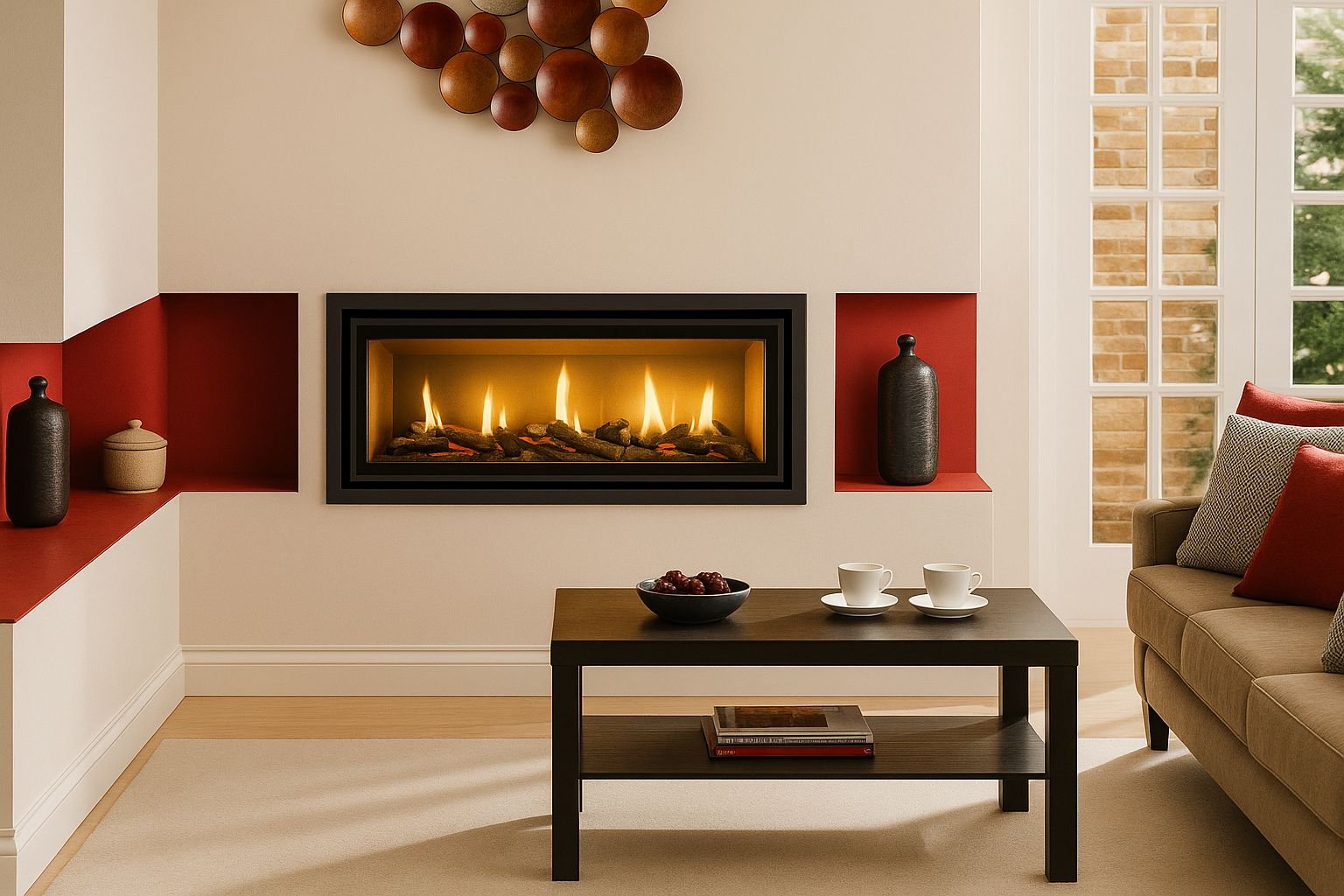
The cost comparison is night and day too. A wood burning fireplace installed from scratch costs anywhere from ten thousand to twenty five thousand dollars depending on complexity. Gas fireplace installation runs five to fifteen thousand. Electric fireplace? Five hundred to three thousand for the unit itself, zero installation costs if you go plug in. Even if you add up several years of electricity costs to run it, you’re still way ahead financially.
Maintenance savings add up over time too. Wood fireplaces need annual chimney cleaning at a couple hundred bucks a pop. They need ash removal after every use. They need repairs when things crack or break. Gas fireplaces need annual inspections and service. The pilot light goes out. Parts wear out and need replacement. Electric fireplaces need none of that. Maybe you replace a light bulb every few years if one burns out. That’s it.
The environmental argument for electric fireplaces is getting stronger as the electrical grid gets cleaner. More and more electricity comes from renewable sources like wind and solar every year. When you power your electric fireplace with clean electricity, you’re heating your home with essentially zero emissions. Try making that claim with wood smoke or natural gas combustion. And even if your electricity comes from coal or natural gas plants, centralized power generation is more efficient than individual combustion.
Safety is another huge point in favor of electric. House fires started by fireplaces and heating equipment kill hundreds of people every year and cause hundreds of millions of dollars in property damage. Almost all of those fires start with wood or gas fireplaces. Electric fireplaces are nearly impossible to cause a fire with. There’s no flame, no combustion, no extreme heat. You’d have to really try to start a fire with one.
The flexibility of electric fireplaces is underrated. You can use them year round without heating your house in summer, just running the flame effects for ambiance. You can adjust the heat output precisely to supplement your main heating system instead of replace it. You can put them in places where traditional fireplaces would never work, like apartments, condos, or rooms without exterior walls for venting.
For people renting their homes, electric fireplaces are basically the only option that works. Landlords aren’t going to let you install a wood or gas fireplace. But an electric one is just furniture as far as they’re concerned. Plug it in, enjoy it while you live there, take it with you when you move. It’s perfect for that situation.
The technology keeps improving too. Every year electric fireplaces get better looking, more efficient, and more feature rich. The smart home integration alone is worth getting excited about. Imagine your fireplace automatically turning on when your phone’s GPS shows you’re almost home on a cold day. Or having it sync with your voice assistant so you can turn it on without getting off the couch. This stuff already exists and it’s only getting better.
I talk to people sometimes who still insist that electric fireplaces aren’t “real” enough for them. They want the authenticity of burning wood or gas. And I get that, I really do. There’s something deeply satisfying about a real fire that no technology can perfectly replicate. But you know what? For ninety nine percent of the time, the electric fireplace delivers everything you actually want from a fireplace. It’s warm, it’s pretty to look at, it makes the room feel cozy. That’s what matters.
The bottom line is this. We live in an age where we have options. We can heat our homes however we want. Some people will always prefer the traditional methods, and that’s fine. But for anyone who wants the benefits of a fireplace without the drawbacks, electric is the way to go. It’s cheaper, easier, safer, cleaner, and more convenient in almost every way that matters. The technology is finally good enough that you’re not sacrificing much, if anything, by going electric.
Winter is coming. You need heat. You want ambiance. You deserve a fireplace that makes your life better instead of more complicated. Give electric a serious look. Go see some in person at a home improvement store. Check out the flame effects and the heat output and the build quality. I bet you’ll be surprised at how good they’ve gotten. And once you experience the convenience of turning your fireplace on with a button press instead of hauling wood or worrying about gas leaks, you won’t want to go back.

Leave a Comment