
When Winter Knocks on Your Door
You know that feeling when you wake up one morning and there’s frost on your windows? That first bite of cold air that sneaks under your door? Yeah, that’s winter telling you it’s time to get serious about staying warm. I’ve been through enough cold seasons to know that having a reliable fireplace isn’t just about comfort. It’s about survival when the temperature drops and your breath starts making clouds indoors.
We’ve all been there, right? Huddled under three blankets, wearing two pairs of socks, and still shivering. That’s when you realize your fireplace isn’t just another piece of home decor. It’s your best friend during those long, dark months when the sun sets at 4:30 and the wind howls like it’s auditioning for a horror movie. I remember my first winter in an old apartment without a working fireplace. Let’s just say I learned real quick what “bone-chilling cold” actually means.
The thing about fireplaces is they’ve become so much more than just heating devices. Sure, they keep us from turning into human popsicles, but they’ve evolved into the heart of our homes. Think about it. Where does everyone gather during holiday parties? Where do kids beg to hang their stockings? Where do you curl up with a good book when the world outside looks like a frozen wasteland? You got it. The fireplace becomes this magical spot that somehow makes everything better.
I’ve noticed something interesting over the years. People who’ve never experienced a really cold winter sometimes don’t get why we make such a big deal about fireplaces. They’ll say things like, “Just turn up the thermostat,” or “Get a space heater.” But there’s something different about fireplace heat. It’s not just warmth. It’s this radiant, enveloping comfort that no electric heater can match. Your central heating might raise the temperature, but a fireplace warms your bones in a way that’s hard to explain until you’ve felt it yourself.
My grandmother used to say that a home without a fireplace is like a body without a heart. Sounds dramatic, I know, but she had a point. There’s something primal about gathering around fire. Our ancestors did it for thousands of years, and maybe that’s why it still feels so right. When you’re sitting in front of a crackling fire, wrapped in a blanket with a hot drink in your hands, the stress of modern life just melts away. Bills, work deadlines, traffic jams… they all seem less important when you’re in that warm glow.
The beauty of living in our time is that we’ve got options our grandparents never dreamed of. We’re not stuck with just one type of fireplace anymore. Technology has given us choices that can fit any lifestyle, any budget, and any home setup. Whether you’re renting a small apartment or you own a sprawling house, there’s a fireplace solution out there with your name on it. The trick is figuring out which one makes the most sense for your situation.
What I love most about modern fireplaces is how they’ve managed to keep that cozy, timeless feel while getting rid of a lot of the headaches. You can have that warm, inviting atmosphere without spending your weekends chopping wood or worrying about chimney fires. Progress is pretty sweet when it gives you the best of both worlds, don’t you think?
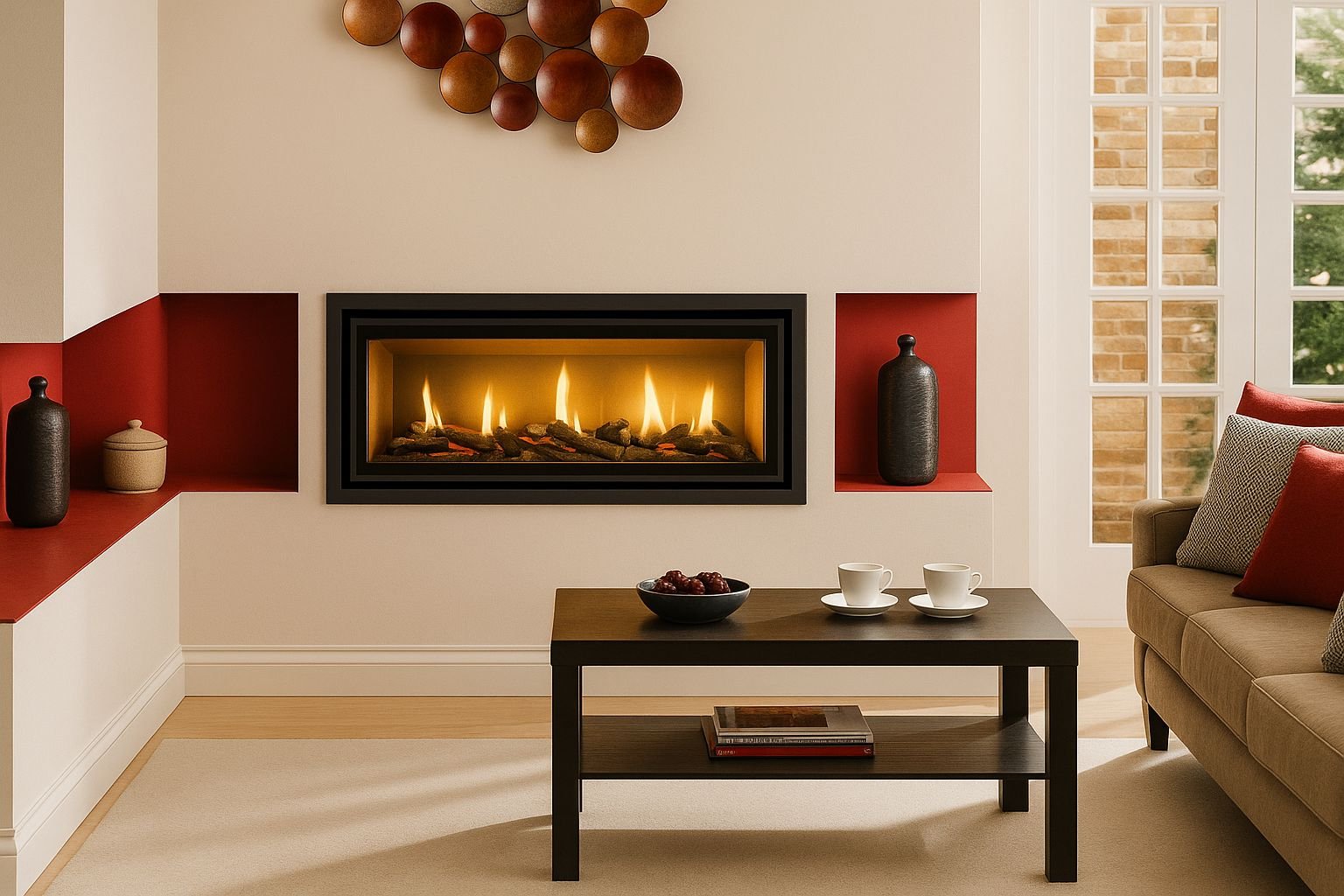
The Classic Choice: Traditional Wood Fireplaces and Their Timeless Appeal
Let’s talk about the OG of fireplaces. The wood-burning fireplace. This is what most people picture when they close their eyes and imagine a perfect fireplace scene. There’s something almost magical about a real wood fire that’s kept people devoted to them for centuries. I get it. I really do.
The smell alone is enough to make you fall in love with wood fireplaces. That smoky, earthy scent that fills your home and clings to your clothes in the best possible way. It’s like nature decided to bottle up autumn and winter and deliver it straight to your living room. When I visit my parents during the holidays, that wood smoke smell hits me the second I walk through the door, and I’m instantly transported back to childhood. No fancy candle or air freshener has ever come close to replicating it.
Then there’s the sound. Oh man, the sound of a wood fire is like music for your soul. The crackle and pop of burning logs creates this rhythmic soundtrack that’s better than any white noise machine. I’ve spent countless hours just staring into a wood fire, listening to it talk to me in its own language. It’s meditative, you know? Your mind wanders, your shoulders relax, and you forget about checking your phone every five minutes. Try getting that from your smartphone screen.
The visual aspect of wood fires deserves its own fan club. Every fire is different, like a snowflake made of flames. The way the wood glows and shifts, sending sparks dancing up the chimney, creating patterns of light and shadow on your walls. It’s performance art that never gets old. I could watch a good wood fire for hours and never get bored. Each log burns differently, creating its own story of flames and embers.
Wood fireplaces have this authentic, rustic charm that screams “real home” in a way nothing else can. There’s a reason every romantic movie and cozy commercial features a wood-burning fireplace. It represents tradition, warmth, and simpler times. When you have friends over and you’ve got a real wood fire going, there’s this instant atmosphere that makes everyone relax and open up. Conversations get deeper. Laughter comes easier. It’s like the fire gives everyone permission to slow down and just be present.
But let’s be real here. I’m not going to pretend wood fireplaces are all sunshine and roses. They’re high maintenance, and anyone who tells you otherwise is either lying or has never actually dealt with one. You need a constant supply of firewood, which means either buying it (and paying through the nose) or cutting and storing it yourself. I’ve done both, and neither is what I’d call convenient.
Storing firewood is its own special challenge. You need a dry place to keep it, preferably covered but with good airflow so the wood can season properly. Wet wood doesn’t burn well and creates more smoke than heat, which defeats the whole purpose. I learned this the hard way during my first winter maintaining a wood fireplace. I thought I could just stack some logs against the side of the house and call it good. Wrong. So very wrong. Moldy, damp wood that hissed and sputtered when I tried to burn it taught me a valuable lesson about proper wood storage.
Then there’s the physical labor involved. Hauling logs from your woodpile to your house, stacking them inside, starting the fire, tending it, adding more wood throughout the evening. It’s a workout you didn’t ask for. My back still remembers the winter I decided to be all rustic and self-sufficient. Turns out I’m more of a “push a button for heat” kind of guy than I thought.
Cleaning is another joy. The ash builds up quickly, and if you don’t stay on top of it, your fireplace becomes a mess. You need to scoop out the ash regularly, and that stuff gets everywhere no matter how careful you are. Fine gray dust floating through your living room, settling on your furniture, getting tracked into other rooms. I used to sweep ash off my kitchen counter and wonder how on earth it traveled that far.
Chimney maintenance is probably the biggest hassle and expense. You can’t just ignore your chimney and hope for the best. Creosote builds up over time, and if you don’t get your chimney cleaned regularly, you’re playing with fire. Literally. Chimney fires are terrifying and can destroy your home. Professional chimney sweeps aren’t cheap, and you need them at least once a year if you use your fireplace regularly. More if you’re burning wood that’s not properly seasoned.
Safety concerns with wood fireplaces are real. You need a screen to keep sparks from flying into your room. You need to keep flammable materials away from the fireplace. You need working smoke detectors and carbon monoxide detectors. Kids and pets need to be taught to stay back from the fire. It’s manageable, sure, but it requires constant vigilance.
The efficiency of wood fireplaces leaves something to be desired too. Most of the heat goes right up the chimney along with the smoke. You’re basically heating the great outdoors more than your house. Modern inserts can help with this, but then you’re looking at more expense and installation hassles.
Starting a fire isn’t always as easy as those YouTube videos make it look. You need kindling, newspaper or fire starters, properly arranged logs, and a good technique. Some days the fire catches beautifully on the first try. Other days you’re on your hands and knees, blowing on struggling flames, wondering why you didn’t just turn on the heat pump.
Despite all these drawbacks, people still swear by their wood fireplaces. The experience is irreplaceable for them. The work becomes part of the ritual. The smell, the sound, the visual beauty make up for the inconvenience. I respect that. There’s something to be said for doing things the traditional way, for connecting with the same heating method humans have used for millennia. If you’ve got the time, energy, and dedication, a wood fireplace can be incredibly rewarding. Just go into it with your eyes wide open about what you’re signing up for.
The Modern Alternative: Gas Fireplaces Make Their Mark
When people got tired of the endless wood hauling and chimney cleaning, the fireplace industry got creative. Enter gas fireplaces, which promised to deliver that cozy fireplace experience without turning it into a part-time job. And honestly? They delivered on a lot of those promises. Gas fireplaces changed the game in ways that made perfect sense for busy modern lifestyles.
The convenience factor with gas fireplaces is genuinely impressive. You flip a switch or push a button, and boom. Instant fire. No gathering kindling, no crumpling up newspaper, no coaxing reluctant flames. Just immediate warmth and ambiance. I’ll admit, the first time I used a gas fireplace, I felt a little like a wizard. All that fire appearing at my command felt almost too easy after years of wrestling with wood.
The fuel supply issue practically solves itself with gas fireplaces. If you’ve got a natural gas line to your house, you’re basically set forever. No more midnight runs to buy firewood when you realize you’re running low. No more stacking, storing, or seasoning. The gas company keeps your line supplied, you pay your bill, and you’ve always got fuel ready to go. It’s the kind of convenience that makes you wonder why we ever did things differently.
Gas fireplaces can look surprisingly authentic too. Manufacturers have gotten really good at creating ceramic logs that mimic the appearance of burning wood. The flames dance and flicker in ways that look natural. Are they identical to real wood fires? No, not quite. But they’re close enough that most visitors won’t immediately notice the difference. Some high-end models are impressively realistic, with glowing embers and realistic log arrangements that fool even fireplace purists.
The heat output from gas fireplaces is nothing to sneeze at. They’re actually more efficient than traditional wood fireplaces because they’re not sending most of their heat up a chimney. The warmth stays in your room where you want it. You can often heat a pretty large space with a good gas fireplace. I’ve seen gas fireplaces that could warm an entire floor of a house, which is way better than what most wood fireplaces accomplish.
Installation flexibility is another big plus. While some gas fireplaces need a venting system, others are vent-free (where local codes allow). This means you can potentially install a gas fireplace in spaces where a traditional wood fireplace would be impossible. Condos, apartments, rooms without existing chimneys. The options open up considerably, which is great for people who want a fireplace but don’t have the infrastructure for one.
Maintenance is significantly lighter with gas fireplaces compared to wood. No ash to clean up constantly. No chimney to sweep. No soot staining your walls. You still need annual inspections to make sure everything’s working safely, but it’s nothing compared to the ongoing labor of a wood fireplace. I can appreciate coming home to a clean living room without ash dust coating everything within a ten-foot radius of the fireplace.
The control you have with gas fireplaces is pretty sweet. Many models come with thermostats and remote controls. You can adjust the flame height, set specific temperatures, even program them to turn on and off at certain times. It’s fireplace heating with a 21st-century brain. Want your living room warm when you get home from work? Program it. Want to turn it off from bed without getting up? Use the remote. This level of control would’ve seemed like science fiction to our grandparents.
But here’s where gas fireplaces start losing some of their shine. The cost of natural gas has been on quite the roller coaster ride. What seemed affordable one year might make you wince when you get your utility bill the next. Propane, which some people use if they don’t have natural gas lines, can be even pricier. You’re at the mercy of fuel markets and seasonal price fluctuations. I’ve talked to folks who loved their gas fireplaces until they saw their heating bills spike during a particularly cold winter.
The dependency on gas infrastructure is both a blessing and a curse. Sure, it’s convenient when everything works, but what happens during a power outage? Many gas fireplaces need electricity to operate their ignition systems and fans. So during that winter storm that knocked out your power? Your gas fireplace might be just as useless as your electric heater. Some models have battery backups or standing pilot lights that work without electricity, but not all of them.
There’s something missing from the gas fireplace experience that’s hard to quantify. The smell isn’t there. That wonderful wood smoke aroma that makes a house feel like a home during winter? Absent. Gas burns clean, which is great for air quality and maintenance, but it also means you lose that sensory element. Some people don’t care. Others feel like it’s not really a fire without that smell.
The sound is different too. Gas fireplaces produce a steady whoosh or hum rather than the crackling, popping soundtrack of burning wood. It’s not unpleasant, but it’s not the same. That primal, comforting sound of wood burning is part of what makes fires special for a lot of people. Gas gives you the visuals without the full audio experience.
Environmental concerns come into play as well. Natural gas is a fossil fuel, and burning it releases carbon dioxide and other greenhouse gases. If you’re trying to reduce your carbon footprint, a gas fireplace might give you pause. The efficiency is better than wood in some ways, but you’re still burning a non-renewable resource and contributing to climate change. It’s a personal choice where you stand on that issue.
Installation costs can be substantial, especially if you don’t already have gas lines running to where you want the fireplace. Running new gas lines requires professional installation and permits. The fireplace unit itself isn’t cheap either. You’re looking at a significant upfront investment before you ever enjoy your first fire. For some people, that’s money well spent. For others, it’s a hard pill to swallow.
Safety with gas fireplaces requires vigilance too. Gas leaks are a real danger, though modern systems have safety features. You need working carbon monoxide detectors near your gas fireplace. The glass fronts get incredibly hot and can cause serious burns if touched. Kids and pets need to be taught to keep their distance. While gas fireplaces eliminate some of the dangers of wood fires, they introduce their own safety considerations.
The aesthetic is generally more contemporary and less rustic than wood fireplaces. If you’re going for a traditional, old-world look, gas fireplaces might not fit your vision. They tend to look modern and clean, which is great if that’s your style, but not everyone’s trying to achieve that vibe. The very convenience and cleanness that makes them appealing to some people makes them feel less authentic to others.
Gas fireplaces found their audience though. Busy professionals, people in apartments and condos, those who want heat and ambiance without the labor. They make sense for a lot of modern living situations. The rising fuel costs are probably the biggest concern holding them back from being the perfect solution. When you’re calculating your monthly expenses and seeing what running that gas fireplace actually costs, the convenience might start feeling expensive.
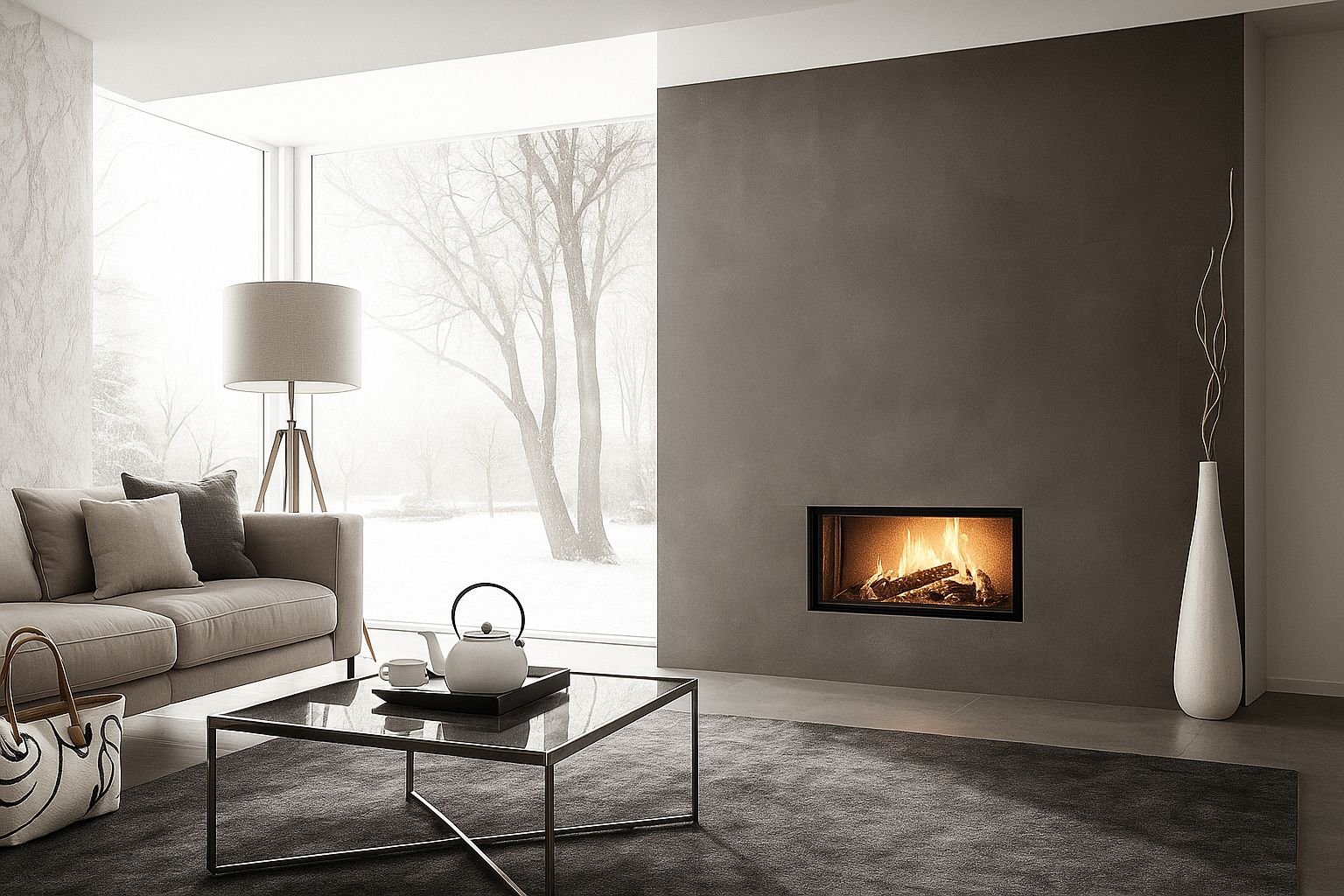
The Electric Revolution: Fireplaces for the Modern Age
Now we’re talking about the newcomer that’s been shaking things up. Electric fireplaces represent the latest thinking in home heating and ambiance. I’ll be honest, when I first heard about electric fireplaces, I was skeptical. How could electricity possibly recreate the magic of a real fire? Turns out, technology has come further than I gave it credit for.
Electric fireplaces work on a pretty straightforward principle. They convert electrical energy into heat energy, usually through coils similar to what you’d find in a space heater. But the clever part is how they simulate flames. Modern electric fireplaces use LED lights, rotating mirrors, and sometimes even water vapor to create surprisingly realistic flame effects. The first time I saw a high-quality electric fireplace in action, I actually had to look twice. The flames looked like they were really dancing and flickering.
The ease of use is unmatched. We’re talking about the ultimate in convenience here. Plug it into a standard outlet, press a button, and you’re done. No fuel to buy, store, or manage. No flames to start or tend. No venting required in most cases. It’s literally as simple as operating a television. My technologically challenged uncle can work an electric fireplace, and that’s saying something coming from a guy who still can’t figure out his smartphone.
Installation flexibility is where electric fireplaces really shine. You can put them almost anywhere you’ve got an electrical outlet. Living room, bedroom, bathroom, basement, office. There’s no need for a chimney, gas lines, or special venting. This opens up possibilities that would be impossible with traditional fireplaces. Want a fireplace in your apartment rental? Electric is probably your only option. Want to move your fireplace to a different room? Just unplug it and carry it over. Try doing that with a wood or gas fireplace.
The portability of many electric fireplaces is genuinely useful. Some are designed as inserts for existing fireplaces, but many are standalone units that you can take with you if you move. I’ve known people who bought electric fireplaces for one house and brought them to the next. That’s value that keeps giving. You’re not leaving behind a permanent fixture when you move. Your investment moves with you.
Safety is probably the biggest selling point for families with young kids or pets. Electric fireplaces don’t involve actual combustion, so there’s no risk of carbon monoxide poisoning or house fires from sparks. The “flames” are just light and illusion. Many models have cool-touch glass fronts that won’t cause burns. The heat stays controlled and manageable. You can even run many electric fireplaces with just the flame effect and no heat at all, which is perfect for ambiance without warming up the room.
The cost efficiency catches people’s attention fast. The upfront price for a decent electric fireplace is typically lower than installing a gas fireplace and way lower than building a wood-burning fireplace from scratch. Operating costs are predictable and usually reasonable, especially if you’re selective about when and how long you run the heat function. Unlike gas, you’re not subject to volatile fuel prices. Your electric bill might go up some, but you can calculate pretty accurately what it’ll cost based on your electricity rates.
Maintenance is almost laughably simple. Dust it occasionally. That’s basically it. No ash cleanup, no chimney sweeping, no gas line inspections, no professional servicing in most cases. If something breaks, many units have replaceable parts, or worst case, you replace the unit. Compare that to the constant upkeep of other fireplace types, and the simplicity is refreshing. I appreciate appliances that don’t require a PhD to maintain.
The variety of styles available is mind-blowing. Electric fireplaces come in every size, shape, and design you can imagine. Wall-mounted units that look like flat-screen TVs. Traditional mantel styles that mimic classic wood fireplaces. Modern linear designs that stretch across entire walls. Corner units, freestanding stoves, media console combinations. Whatever your aesthetic and space requirements, there’s probably an electric fireplace designed exactly for that.
Zone heating capability makes electric fireplaces practical for reducing energy costs. Instead of heating your entire house with central heating, you can heat just the room you’re using with the electric fireplace. This targeted approach can actually save money on your overall heating bill. I started doing this in my home office during the day. Why heat the whole house when I’m only using one room? The electric fireplace keeps me comfortable without running the furnace constantly.
The customization options keep improving. Many modern electric fireplaces let you adjust flame brightness, flame color, heat output, and even add crackling sound effects to mimic wood fires. Some have multiple flame settings so you can change the mood. Want a roaring fire look? Done. Prefer a gentle flicker? No problem. This level of customization lets you create exactly the ambiance you want for any situation.
Energy efficiency with electric fireplaces is decent, though not magical. The heat stays in your room rather than escaping up a chimney, which is more efficient than wood. The conversion of electricity to heat is nearly 100% efficient in terms of energy conversion. But electricity itself is an expensive form of energy compared to natural gas or wood. So while the unit is efficient, your operating costs might still be higher than you’d like if you’re running it constantly.
The realism question is where electric fireplaces still have critics. Purists will tell you it’s not a “real” fire, and they’re technically correct. The flames are simulated, not actual combustion. For some people, this is a deal breaker. They want the authentic crackle, smell, and knowledge that they’re watching actual fire. Electric fireplaces have gotten impressively realistic in their flame effects, but they’re still imitations. Whether that matters to you is personal.
The heat output from electric fireplaces is usually supplemental rather than primary. Most units can heat around 400 square feet effectively. That’s fine for a bedroom or small living room, but if you’re trying to heat a large open-concept space, you might be disappointed. They’re not designed to be your home’s main heating source. They’re supplemental heat and ambiance devices. Setting proper expectations about this prevents disappointment later.
Some cheaper electric fireplaces look obviously fake. If you go bargain hunting and buy the cheapest unit you can find, you might end up with something that looks like a plastic toy. The flame effects will be cheesy, the construction flimsy, and the overall appearance unconvincing. Like most things, you get what you pay for. Quality electric fireplaces cost more but deliver an experience that actually feels worth having. Skimping on price often means skimping on quality.
The environmental impact of electric fireplaces depends on how your electricity is generated. If your power comes from coal plants, you’re indirectly burning fossil fuels with a pretty inefficient process. If your electricity comes from renewables like solar or wind, your fireplace is essentially emissions-free at the point of use. This varies wildly by region. In areas with clean energy grids, electric fireplaces are an environmentally friendly option. In coal-heavy regions, not so much.
Noise can be an issue with some models. The heater fan makes sound, sometimes quite a bit of it. If you’re looking for peaceful, quiet ambiance, a loud fan grinding away can ruin the mood. Higher-quality units tend to be quieter, but it’s something to check reviews about before buying. I made the mistake of buying an electric fireplace online without reading about noise levels. The thing sounded like a hair dryer on high. Not exactly the tranquil atmosphere I was going for.
Electric fireplaces represent a philosophical shift in how we think about fireplaces. They’re about ambiance and convenience over tradition and authenticity. They acknowledge that most modern people want the emotional benefit of a fireplace without wanting it to be a hobby or chore. For an increasingly large segment of the population, that trade-off makes perfect sense. We’re busy. We’re practical. We want our homes to feel cozy without requiring constant effort. Electric fireplaces deliver on that promise better than any previous technology.
The Aesthetic Heart: Understanding Fireplace Mantles and Their Decorative Power
Let’s shift gears and talk about the part of the fireplace that doesn’t involve fire at all. The mantle. This horizontal shelf above your fireplace might seem like an afterthought, but it plays a huge role in how your fireplace looks and feels. I’ve seen beautiful fireplace units ruined by ugly mantles, and I’ve seen mediocre fireplaces elevated by stunning mantle designs. The mantle is where form meets function in the most visible way.
Mantles serve as the frame for your fireplace. Think of them like the frame around a painting. The fire or simulated flames are your artwork, and the mantle showcases it. A well-designed mantle draws your eye, creates balance, and anchors the entire room. It’s often the focal point of whatever space it’s in. When people walk into a room with a fireplace, their eyes go straight to that mantle area. First impressions matter, and your mantle is making that impression whether you’ve thought about it or not.
The decorative possibilities of mantles are basically endless. This is your chance to express personality and style in a prominent space. Some people keep it minimal with just a mirror or piece of art above the mantle. Others create elaborate displays with candles, vases, photos, seasonal decorations, books, plants, you name it. I’ve seen mantles that look like art installations and mantles that look like organized chaos, and somehow both worked in their respective spaces.
Seasonal decorating on mantles has become almost a competitive sport. Fall brings pumpkins, leaves, and harvest themes. Winter means garland, stockings, and holiday decorations. Spring introduces flowers and pastels. Summer might feature beach themes or just a lighter, airier look. Some people change their mantle decor monthly. I admire the dedication, even if I’m more of a “change it twice a year” kind of person. The mantle provides a designated space for celebrating seasons and holidays in a visible way.
The architectural style of your mantle should complement your home’s overall design. A sleek, minimalist room calls for a simple, clean-lined mantle. A traditional home might feature an ornate wooden mantle with classic molding and details. Rustic spaces pair beautifully with reclaimed wood mantles that show character and age. Modern homes might go for floating shelves or even no visible mantle at all, letting the fireplace itself be the star. Matching your mantle to your home’s aesthetic creates visual harmony.
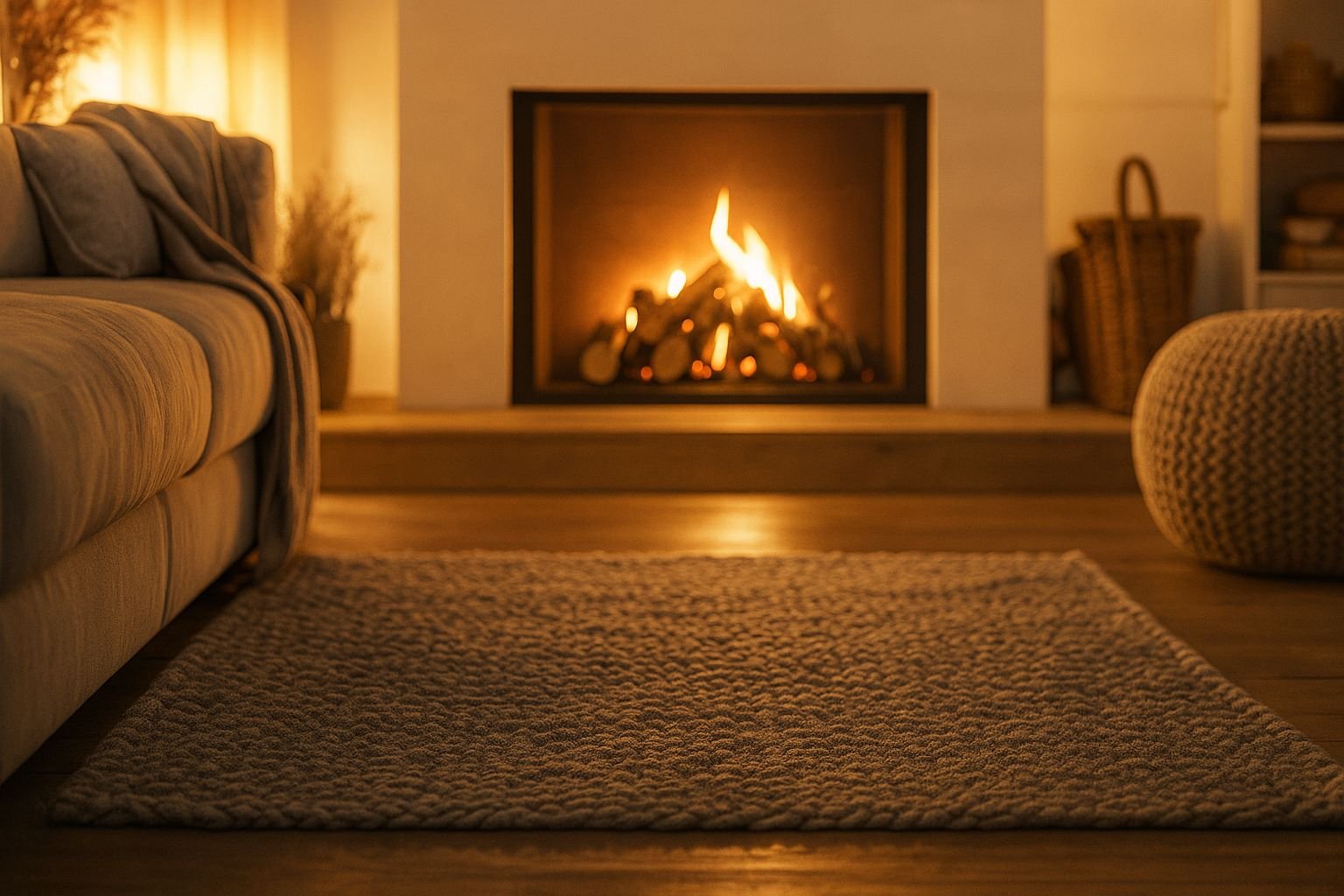
Material choices for mantles affect both appearance and durability. Wood is classic and versatile, available in every species and finish imaginable. Stone mantles, whether marble, granite, or slate, bring a sense of permanence and luxury. Metal mantles offer industrial or contemporary vibes. Some modern mantles use mixed materials, combining wood and metal or stone and glass. Each material brings its own character and maintenance requirements to the table.
The size and proportion of your mantle matter more than you might think. A tiny mantle on a large fireplace looks awkward and out of scale. A massive, heavy mantle on a small fireplace overwhelms the space. The mantle should feel balanced with the fireplace opening below it and the wall space around it. I’ve seen professionally designed rooms where they clearly thought carefully about these proportions, and the difference compared to poorly proportioned mantles is striking.
Electric fireplace mantles have gotten really good at mimicking traditional designs. This is where electric fireplaces
have an advantage for renters or people who want flexibility. You can get an electric fireplace with a mantle that looks exactly like it belongs in a century-old house, complete with carved details and rich wood finishes. The fact that it’s housing an electric heating element instead of a wood fire chamber doesn’t change how the mantle itself looks and functions.
The color of your mantle influences the entire room’s color palette. A dark wood mantle in rich mahogany or walnut tones adds warmth and weight. White or light-colored mantles brighten spaces and feel fresh and clean. Painted mantles in bold colors can be statement pieces. Gray and weathered finishes bring contemporary or farmhouse vibes. I repainted my mantle three times before I found the right color. Turns out what looks good in your imagination doesn’t always translate to reality. Paint samples are your friend.
Storage options integrated into mantles add functionality. Some mantle designs include small cabinets or drawers flanking the fireplace opening. Others feature display shelving on either side. These additions give you places to store or display items while maintaining visual interest. My sister has a mantle with built-in shelving where she keeps books and family photos. It’s become this curated little library that makes the whole fireplace wall feel intentional and lived-in.
The height of your mantle affects both aesthetics and functionality. Too low and it crowds the fireplace opening. Too high and it disconnects from the fireplace, floating awkwardly on the wall. Standard heights exist, but the right height for your space depends on ceiling height, fireplace size, and what you plan to display. Hanging a TV above the fireplace? That influences ideal mantle height. Just displaying decorations? You have more flexibility.
Lighting around or on your mantle creates ambiance beyond what the fire itself provides. Some people install sconces on either side of the fireplace. Others use LED strips hidden under the mantle lip to create a floating effect. Candles on the mantle add warm, flickering light that complements the fireplace below. I’ve seen smart lighting systems where the mantle lighting changes color to match the seasons or holidays. The integration of lighting with the mantle area creates layers of ambiance.
The mantle as a photo display has become almost traditional in many homes. Family photos arranged on the mantle tell your story to anyone who visits. Kids’ school pictures, wedding photos, vacation snapshots, pictures of grandparents. It’s a curated gallery of what matters most. Some families keep their mantle photos pretty constant, creating a stable visual anchor. Others rotate photos regularly, keeping the display fresh and current.
DIY mantle projects have exploded in popularity. The internet is full of tutorials for building your own mantle from scratch or repurposing materials into unique mantle designs. Reclaimed barn wood, old beams, even stacked stone or concrete. People are getting creative and making mantles that reflect their personal style instead of settling for generic store-bought options. I respect the DIY approach, though I’ll admit my own attempt at building a mantle was… let’s call it a learning experience.
The mantle depth determines what you can display. Shallow mantles limit you to flat items like picture frames or small objects. Deeper mantles let you layer decorations, place larger items, or even use the mantle as a functional shelf for everyday objects. I’ve seen deep mantles that hold sound systems, house plants, and stacks of books. They become almost like floating console tables above the fireplace.
Vintage and antique mantles bring instant character. Salvaged mantles from old buildings carry history and craftsmanship you can’t get from new materials. The patina of aged wood, the hand-carved details, the solid construction that came from a time when things were built to last. Installing a vintage mantle can transform a modern room into something that feels layered and collected over time. Plus, there’s something satisfying about preserving and repurposing architectural elements that might otherwise end up in a landfill.
Electric fireplace mantles deserve recognition for democratizing the mantle experience. Before electric fireplaces with built-in mantles became common, adding a fireplace and mantle to your home was a major construction project. Now you can buy a complete unit, have it delivered, plug it in, and instantly have both a fireplace and mantle. This accessibility has brought the joy of mantle decorating and fireplace ambiance to people who never could have afforded or accommodated traditional options.
The mantle is where your fireplace becomes part of your home’s story. It’s not just about having a pretty shelf. It’s about creating a space that reflects who you are, what you value, and how you want your home to feel. That might sound overly sentimental, but I’ve noticed that mantles become these meaningful spaces in people’s homes. The care people take in decorating them shows that mantles matter more than we might consciously realize.
Finding Your Perfect Match: Shopping for Indoor Electric Fireplaces
So you’ve decided an electric fireplace makes sense for your situation. Great. Now comes the fun part and the overwhelming part. Shopping for one. The market is flooded with options at every price point and style. Knowing what to look for helps you avoid buying something that disappoints or doesn’t fit your needs. Let me walk you through the process like I would for a friend.
Understanding your space requirements comes first. Measure the area where you want to place your fireplace. Write down those dimensions. Then measure doorways and hallways if the unit will need to fit through them during delivery. I learned this the hard way when I ordered a massive fireplace that wouldn’t fit through my hallway. The delivery guys and I stood there looking at each other like, well, now what? We ended up having to return it and order a different size. Save yourself that hassle.
Your heating needs matter too. Most electric fireplaces list their heating capacity in square feet. Be honest about how large a space you’re trying to heat. If you’ve got a 600-square-foot living room, don’t buy a fireplace rated for 300 square feet and then wonder why it can’t keep up. Math isn’t trying to trick you here. The ratings are pretty accurate. Going slightly above your needs gives you headroom. Going too far below leaves you cold and disappointed.
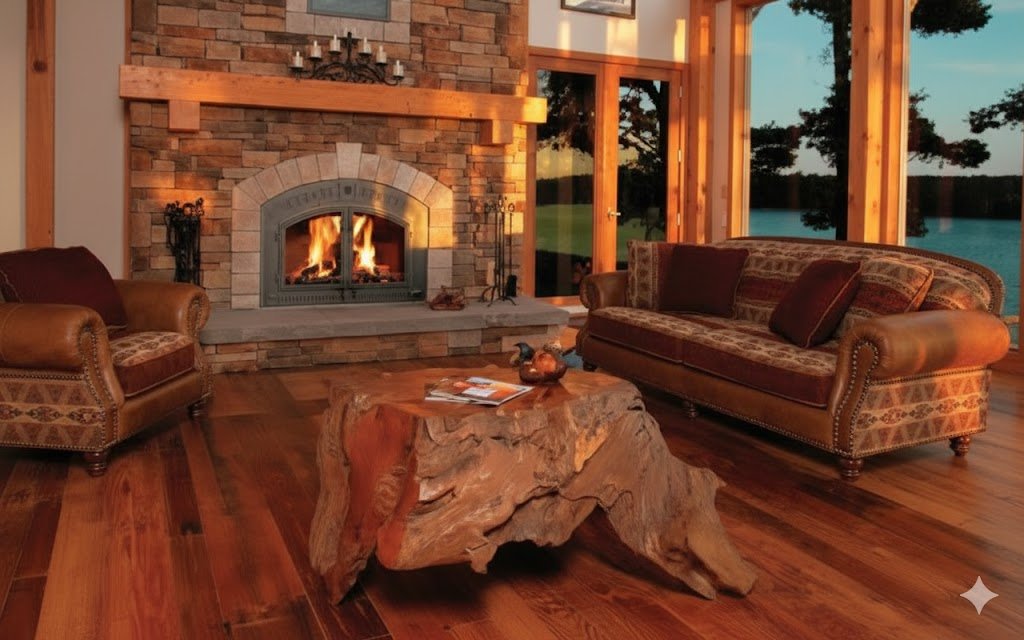
The style decision is huge. Do you want something traditional or modern? Freestanding or wall-mounted? With a mantle or without? Built into media furniture or standalone? Think about your existing decor and what would actually look good in your space. I’ve seen people buy fireplaces they thought looked cool in pictures, only to realize they clashed horribly with their actual furniture and wall colors. Consider whether you want the fireplace to blend in or make a statement.
Budget setting prevents heartbreak later. Electric fireplaces range from under $200 for basic models to over $2,000 for high-end units. Figure out what you’re comfortable spending and stick to it. More money generally gets you better flame effects, sturdier construction, more features, and better warranties. But diminishing returns kick in at some point. A $500 fireplace might be 80% as good as a $1,000 one. A $1,500 one might only be marginally better than the $1,000 version. Decide what matters most to you and shop accordingly.
Reading reviews is absolutely necessary. Not just the star rating, but actual detailed reviews from people who’ve owned the unit for a while. Look for comments about noise levels, how realistic the flames look in person, how well the heater works, build quality, customer service experiences. Pay attention to negative reviews to see if there are recurring problems. One person complaining about something might be a fluke. Twenty people mentioning the same issue? That’s a pattern worth noting.
The flame effect quality separates good electric fireplaces from great ones. If possible, see the unit in person before buying. Some stores have floor models you can watch in action. The flames should look somewhat natural, with movement and variation. Cheap units often have flames that look cartoonish or repetitive, with obvious patterns that loop. Better units have more sophisticated LED systems that create convincing randomness. If you can’t see it in person, watch video reviews showing the flames in action.
Heat settings and controls need consideration. Some fireplaces offer just on/off heat. Others have multiple heat levels and thermostats. Remote controls are super convenient. Timer functions let you automatically turn the fireplace off after a set time. Smartphone app integration is becoming more common, letting you control everything from your phoneRéessayer
Smartphone app integration is becoming more common, letting you control everything from your phone. Think about which features you’ll actually use versus which ones just sound cool. I bought a fireplace with a million features and honestly, I use maybe three of them regularly. Sometimes simpler is better if it means a lower price and less to go wrong.
The installation requirements vary more than you might expect. Some electric fireplaces are truly plug and play. You take them out of the box, set them where you want them, plug them in, and you’re done. Others need to be mounted to walls, requiring drilling and potentially finding studs. Built-in units might need some carpentry work to create the right opening. Recessed models definitely need construction. Be realistic about your DIY skills and whether you’re willing to hire help. That cheap fireplace isn’t so cheap anymore if you need to pay someone $300 to install it.
Power requirements deserve attention. Most electric fireplaces run on standard 120-volt outlets, which is what normal wall outlets provide. Some larger units require 240-volt dedicated circuits, which means electrical work and potentially significant installation costs. Check the specifications before buying. Running a new electrical circuit isn’t a simple weekend project for most people. It requires an electrician and proper permits in most areas.
Warranty coverage protects your investment. A good warranty suggests the manufacturer stands behind their product. Look for at least a one-year warranty on the whole unit, with longer coverage on major components like heating elements. Some companies offer excellent customer service and honor warranties without hassle. Others make you jump through hoops. Reviews often mention warranty experiences, so that’s worth checking.
The return policy gives you an escape route if things don’t work out. Buying online often means better return policies than buying in-store. Amazon’s return system is pretty painless for most items. Some specialty retailers have restocking fees or limited return windows. Know what you’re agreeing to before you buy. The last thing you want is to be stuck with a fireplace you hate because you can’t return it.
Energy efficiency ratings help predict operating costs. Look for the wattage of the heating element. Most are between 750 and 1,500 watts. You can calculate approximate operating costs by multiplying the wattage by your electricity rate per kilowatt-hour. If your rate is $0.12 per kWh and you run a 1,500-watt heater for one hour, that’s about 18 cents. Run it eight hours a day for a month, and you’re looking at around $43. These calculations aren’t exact but give you a ballpark figure.
Safety certifications matter, especially if you have insurance concerns. Look for UL listing or ETL certification. These show the unit has been tested and meets safety standards. Cheap imports might skip these certifications to save money, but that’s not a corner worth cutting. An unsafe electric appliance can cause fires or electrical problems. The few bucks you save buying an uncertified unit isn’t worth the risk.
The brand reputation influences quality and support. Established brands like Dimplex, ClassicFlame, and Real Flame have track records. They’ve been making electric fireplaces for years and have refined their products. Newer or unknown brands might offer lower prices but come with more uncertainty. Sometimes those unknown brands are perfectly fine. Other times they’re cheap junk that falls apart. Research helps you know the difference.
Buying options include big box stores, specialty fireplace shops, furniture stores, and online retailers. Each has advantages. Big box stores let you see units in person and offer decent prices. Specialty shops provide expertise and higher-end options. Furniture stores often sell fireplaces as part of media consoles or complete room setups. Online shopping gives you the widest selection and often the best prices, but you can’t see the product before buying. I’ve bought fireplaces all these ways. Each time, the decision came down to whether I valued seeing it first or getting the best price.
Timing your purchase can save money. Like most home goods, electric fireplaces go on sale. Black Friday and Cyber Monday have serious deals. End-of-winter clearances in spring can score you discounts as stores make room for outdoor products. Back-to-school sales in late summer sometimes include home items. I’ve seen the same fireplace fluctuate by $200 depending on when you buy. If you can wait for a sale, it’s worth it.
Assembly requirements are another consideration. Some units arrive fully assembled. You just unbox them and place them. Others require significant assembly, with multiple pieces and hardware. If you hate assembling furniture, this matters. Check reviews for comments about assembly difficulty. Some companies provide terrible instructions that make assembly way harder than it should be. Others pack everything perfectly and include clear, logical instructions that make it almost pleasant.
The included accessories vary by model. Some come with remote controls, others don’t. Some include media like logs or crystals for the flame bed. Others make you buy those separately. Some have built-in thermostats, others use basic on-off switches. Compare what’s actually included in the box versus what you’ll need to buy additionally. That bargain price might not be such a bargain once you add up all the extras.
Customer service accessibility becomes important if problems arise. Can you easily contact the company? Do they have a phone number, or just an email form on a website? How quickly do they respond? What’s their reputation for handling problems? Companies with terrible customer service turn minor issues into major headaches. Good companies make fixing problems almost painless. This is another area where reviews provide valuable insight.
The aesthetic details make the difference between a fireplace that looks cheap and one that looks expensive. Check the trim quality, the finish consistency, the way pieces fit together. Gaps, rough edges, uneven staining, or flimsy construction are signs of poor quality. Smooth finishes, solid construction, attention to detail, and quality materials indicate a product worth buying. Sometimes you can tell quality from photos. Sometimes you really need to see it in person.
Flame color options are a newer feature on some models. Traditional orange and yellow flames are standard, but some units let you switch to blue flames or multi-color options. This is more gimmick than necessity, but if you like customization, it’s a fun feature. I’ve got a friend who changes her flame colors with her mood. Orange for cozy evenings, blue for modern parties, purple for… I don’t know, Halloween? To each their own.
Sound effects, specifically crackling fire sounds, are available on some models. Speakers built into the fireplace play recorded fire sounds to enhance the experience. This helps make up for the lack of actual crackling wood. The quality varies wildly. Some sound realistic. Others sound like a recording of a recording, all tinny and fake. If this feature matters to you, try to hear it before buying, or at least check reviews that mention sound quality.
The media console combinations deserve special mention. These units incorporate the electric fireplace into a TV stand or entertainment center. You get furniture and a fireplace in one piece. For apartments or small spaces, this is a space-efficient solution. The quality ranges from particle board garbage to solid wood furniture that’ll last decades. Price usually indicates quality level here. A $200 fireplace TV stand probably isn’t made of quality materials. A $1,000 one probably is.
Freestanding stove-style electric fireplaces appeal to people wanting a more traditional or rustic look. These replicate the appearance of old wood stoves or potbelly stoves. They work exactly like other electric fireplaces but look completely different. If your aesthetic leans country, farmhouse, or cabin-inspired, these might be perfect. They take up more floor space than wall-mounted units but can be moved around easily.
Wall-mounted modern fireplaces are the opposite end of the spectrum. These sleek, often linear units hang on walls like flat-screen TVs. They scream contemporary design. Black glass fronts, LED lighting, minimal profiles. In a modern home with clean lines and minimalist decor, they look absolutely right. In a traditional home filled with antiques, they’d stick out like a sore thumb. Match the style to your home.
Corner units solve the problem of awkward corner spaces. These triangular or angled fireplaces fit neatly into room corners, using space that’s often wasted. They’re perfect for smaller rooms where a full wall fireplace would overwhelm the space. I’ve seen corner units create cozy nooks in bedrooms and offices. The downside is you’re committed to that corner. Moving the furniture around becomes trickier with a dedicated corner piece.
Outdoor-rated electric fireplaces exist for patios and covered outdoor spaces. These units are weatherproofed and designed to withstand the elements better than indoor models. If you want the ambiance of fire in your outdoor living area without the hassle of a fire pit, these are worth considering. They won’t work in fully exposed areas, but under a covered patio or in a screened porch, they extend your living space into the outdoors.
Choosing between infrared heat and traditional coil heat affects how the warmth feels. Infrared heaters warm objects and people directly, similar to sunlight. Traditional heaters warm the air. Infrared often feels more comfortable at lower temperatures and doesn’t dry out the air as much. Traditional heaters might heat the space more evenly. Both work, but the feel is slightly different. If you can test both types, you might develop a preference.
The depth of the unit matters for installation. Wall-mounted units can be fully recessed, partially recessed, or surface-mounted. Fully recessed means the front is flush with your wall, but you need the wall cavity space for the unit. Surface-mounted units stick out from the wall but don’t require any construction. Think about your wall construction and whether you can or want to cut into it.
Color temperature of the flames is something only fireplace nerds probably notice, but it does affect the overall look. Some flames lean more orange-red. Others are more yellow-white. This changes the mood and ambiance. Warmer orange-red tones feel more traditional and cozy. Cooler yellow-white tones feel more contemporary. Most people won’t consciously notice, but it does influence the feeling of the space.
Shopping for an electric fireplace is kind of like dating. You need to know what you’re looking for, be honest about your expectations, do your research, and not settle for something that’s wrong just because you’re tired of looking. The right fireplace is out there. Taking the time to find it means you’ll be happy with your choice for years instead of dealing with buyer’s remorse every time you look at it.
The Bigger Picture: Why Electric Fireplaces Are Taking Over
Let’s step back and look at what’s actually happening in the fireplace market. Electric fireplaces aren’t just another option anymore. They’re becoming the default choice for a growing number of people. This shift tells us something about how we live now and what we value in our homes. The reasons behind this trend are worth examining.
The practical realities of modern life favor electric fireplaces. Most people work demanding jobs, manage busy schedules, and have limited free time. The idea of maintaining a wood fireplace as a hobby sounds exhausting. Gas fireplaces are better, but they still require professional installation and annual inspections. Electric fireplaces just plug in and work. When you’re exhausted from a long week, pushing a button beats hauling wood any day.
Rental living is a huge factor. More people rent their homes now than in previous generations. Landlords aren’t going to let you install a wood fireplace or run gas lines. They might not even allow modifications to walls for mounting anything substantial. Electric fireplaces are perfect for renters. You can have your fireplace experience without asking permission or making permanent changes. When you move, your fireplace moves with you.
Urban and apartment living limits your options. High-rise apartments can’t have wood-burning fireplaces. The logistics don’t work. Gas can be complicated in multi-unit buildings. Electric is often the only feasible option. As more people move into cities and apartment living becomes normalized even for families, electric fireplaces become the obvious solution for anyone wanting that fireplace ambiance.
The environmental consciousness of younger generations plays a role too. Millennials and Gen Z grew up hearing about climate change. They’re generally more thoughtful about their environmental impact. Wood smoke is a pollutant. Natural gas is a fossil fuel. Electricity can come from renewable sources. For environmentally conscious buyers, especially those with access to clean energy grids, electric fireplaces feel like the responsible choice.
The declining emphasis on authenticity in favor of convenience reflects broader cultural shifts. Previous generations might have insisted on “the real thing” even if it was harder. Newer generations are more comfortable with simulated experiences if they deliver the benefits without the downsides. Simulated flames that look good enough are fine if it means no hassle. This pragmatic approach values results over tradition.
Technology improvements keep making electric fireplaces better. The flame effects that looked terrible ten years ago look pretty convincing now. The units that were loud and cheaply made have been replaced by quieter, more substantial products. As the technology continues improving, the gap between electric fireplaces and traditional ones narrows. At some point, for many people, the gap becomes irrelevant.
The price point accessibility opens fireplaces to people who couldn’t afford them before. A basic but functional electric fireplace costs less than most smartphones. A really nice one costs less than a used car. Compare that to installing a traditional fireplace from scratch, which could cost thousands or even tens of thousands of dollars. Electric fireplaces democratize the experience. Anyone who wants a fireplace can have one now.
The design flexibility lets people get creative. You can have a fireplace in your bedroom, your bathroom, your home office. You can have multiple fireplaces throughout your home for less than one traditional fireplace would cost. This abundance changes how we think about fireplaces. They’re not special centerpieces anymore. They’re ambient features you can include wherever you want.
The safety aspects appeal to parents and pet owners. The fear of kids or pets getting hurt around fire is real. Electric fireplaces eliminate most of those worries. You still need to teach caution around the hot parts, but the danger level drops dramatically. For families with young children, this peace of mind is worth more than any concerns about authenticity.
The maintenance burden, or lack thereof, can’t be overstated. Nobody wants another thing to maintain. Our homes already require constant attention. Lawns to mow, filters to change, gutters to clean, the list never ends. Appliances that don’t add to that list are appealing. Electric fireplaces basically maintain themselves. This low-maintenance aspect fits perfectly with modern desires for simplicity.
The instant gratification factor matches our cultural moment. We’re used to everything being available immediately. Streaming instead of waiting for shows to air. Food delivery instead of cooking. Electric fireplaces give you instant fire instead of spending time building one. This instant-on capability aligns with broader expectations about how things should work.
The aesthetic value is genuinely improving. Electric fireplace design has matured. Early models looked obviously fake and cheap. Modern ones look like furniture pieces you’d be proud to own. The mantles are attractive. The finishes are quality. The overall appearance is legitimate. When the product looks good, people are more willing to embrace it.
The combination of heat and ambiance in one package appeals to practical buyers. You’re getting a space heater that looks beautiful. You’re getting mood lighting that also warms the room. This dual purpose provides value. Single-purpose items are falling out of favor. We want things that do multiple jobs well. Electric fireplaces check that box.
The word-of-mouth marketing from satisfied customers drives growth. When your friends come over and see your electric fireplace and ask about it, you probably tell them how much you like it. Personal recommendations carry weight. As more people buy electric fireplaces and have positive experiences, they tell others, and the adoption curve steepens.
The online shopping ecosystem makes buying easy. You can research, compare, read reviews, and purchase without leaving your couch. The fireplace arrives at your door. This convenience removed a barrier that existed when you had to visit multiple stores and talk to salespeople and arrange delivery. Friction-free shopping accelerates adoption of new products.
The influencer and social media effect shouldn’t be ignored. Home decor accounts on Instagram and Pinterest feature electric fireplaces in beautifully styled rooms. People see these images and want that look for themselves. The visibility of electric fireplaces in aspirational home content normalizes them and makes them desirable. Visual platforms sell lifestyle dreams, and electric fireplaces fit right into those dreams.
The COVID pandemic changed home priorities. When everyone was stuck at home, making that space comfortable became more important. Sales of home comfort items, including electric fireplaces, surged. People invested in their homes because they were spending all their time there. That shift in priorities hasn’t fully reversed. We still value comfortable, pleasant home environments more than we did before.
The remote work revolution means people are home more. Your living space isn’t just where you sleep and spend evenings anymore. It’s your office, your gym, your entertainment center, your everything. Making your home environment pleasant and comfortable is a practical concern, not a luxury. An electric fireplace contributes to that comfortable environment without requiring you to do anything except push a button.
The reality is that electric fireplaces are winning because they solve actual problems without creating new ones. They give people what they want, which is warmth and ambiance, without giving them what they don’t want, which is work and expense and hassle. That value proposition is really hard to beat. Unless you’re a traditionalist who specifically values the ritual and authenticity of wood fires, electric makes more sense for most modern living situations.
The trend isn’t slowing down either. As electric fireplaces continue improving and as more people discover them, market share will keep growing. We’re watching a technology transition happen in real time. Wood fireplaces will always have devotees. Gas fireplaces will maintain their niche. But electric is becoming the mainstream choice, and that shift reflects how we live now and what we prioritize. Sometimes the new way really is better for most people, and this seems to be one of those times.Réessayer

Leave a Comment