
Setting a table shouldn’t feel like rocket science. I’ve hosted enough dinners to know that the difference between a memorable meal and just another Tuesday night often comes down to how you present the space where people gather. You don’t need a degree in interior design or a massive budget. What you need is a bit of creativity and the willingness to make your table feel like more than just a surface where plates land.
Think about the last time you walked into someone’s home and felt instantly welcome. Chances are, if they invited you to sit down for a meal, the table played a bigger role in that feeling than you realized. A thoughtfully decorated table tells your guests that you care. It says you put effort into creating an experience, not just heating up leftovers and calling it dinner.
But here’s where people trip up. They go overboard. They pile on the decorations until there’s barely room for actual food. I’ve been to dinners where I had to navigate around three different vases, a candelabra, and what appeared to be an entire florist’s worth of arrangements just to pass the salt. That’s not hospitality. That’s an obstacle course.
The sweet spot exists somewhere between bare table and craft store explosion. You want your guests to notice the effort without feeling overwhelmed. You want them to say “wow, this looks great” and then forget about the decor entirely once the conversation starts flowing. That’s when you know you’ve nailed it.
I’m going to walk you through the building blocks of table decoration. We’ll start with the foundation and work our way up to the finishing touches. By the end, you’ll have a framework you can adapt to any occasion, whether you’re hosting Thanksgiving dinner or just trying to make Wednesday feel a little less ordinary.
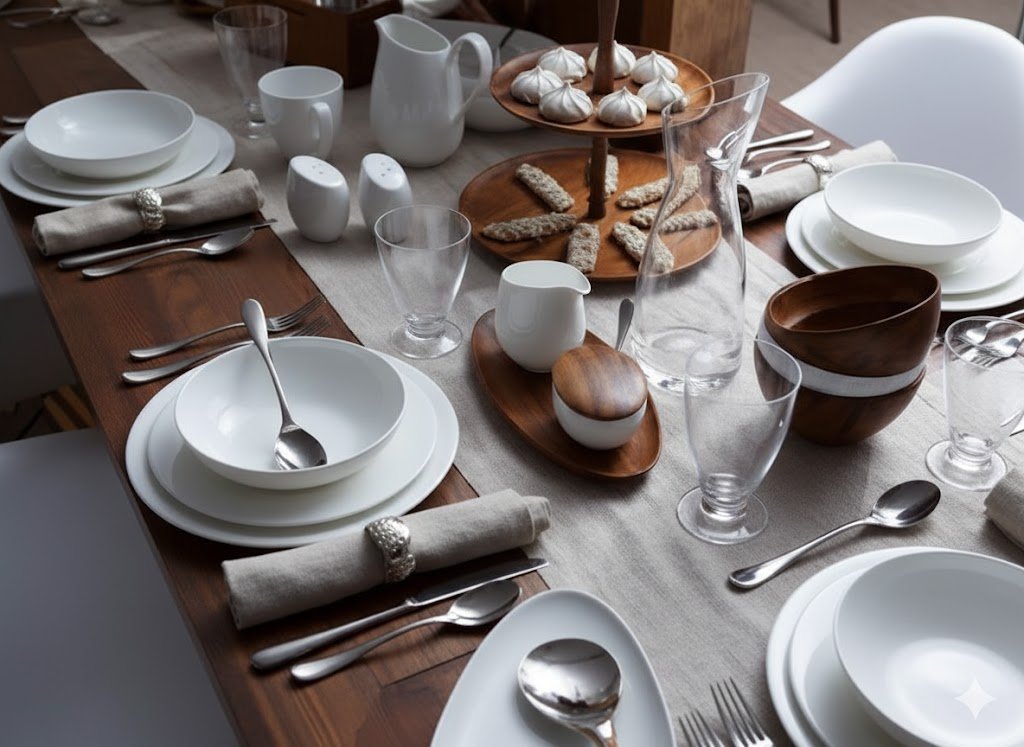
Choosing Your Table’s Foundation
The tablecloth sets the entire mood. Get this wrong, and everything else you do will feel off. Get it right, and you’ve given yourself a canvas that makes every other decision easier.
I learned this the hard way at my first dinner party. I grabbed whatever cloth I found in the linen closet, threw it on the table, and wondered why the whole setup looked like a garage sale. The problem wasn’t the individual pieces. The problem was that nothing connected. The tablecloth clashed with the walls, the dishes looked out of place, and my carefully chosen flowers seemed to be from a completely different event.
Now I start by thinking about the room itself. What colors dominate the space? What’s the lighting like? Is this a formal dining room with proper furniture, or are we talking about a kitchen table that does double duty for everything from homework to bill paying? Your tablecloth needs to work with its environment, not fight against it.
Let’s talk about protection first, since nobody wants to refinish their table after a dinner party. Before the tablecloth even touches the wood, I put down a table pad. Some people skip this step, and some of those people end up with heat rings and wine stains that become permanent reminders of their oversight. Table pads aren’t just about heat protection. They add a subtle cushioning that makes the whole table feel more luxurious. Dishes don’t clatter as much. Glasses sit more securely. It’s a small thing that makes a noticeable difference.
The material of your tablecloth matters more than you might think. Cotton works for casual gatherings. It’s forgiving, easy to clean, and comes in every color imaginable. I keep three or four cotton tablecloths in rotation for regular use. They wash well, they don’t require special care, and if someone spills red wine on one, I’m annoyed but not devastated.
Linen tells a different story. When you lay down a linen tablecloth, you’re making a statement about the evening ahead. Linen says this meal matters. It has weight and texture that cotton can’t match. The way it drapes over the edges of the table, the slight wrinkles that somehow look intentional rather than sloppy, the way it feels under your fingertips when you smooth it into place. All of that communicates something to your guests before they even sit down.
Silk takes things even further into formal territory. I only break out silk for special occasions because it demands careful handling. But when the moment calls for it, nothing else compares. The sheen catches the light. Colors look richer and more saturated. Your table transforms into something that belongs in a magazine spread. Just be prepared for the dry cleaning bills and the minor heart attack you’ll have the first time someone reaches for the gravy boat a little too enthusiastically.
Color selection deserves its own discussion because this is where personality enters the equation. You could play it safe with white or cream, and there’s nothing wrong with that approach. Classic neutrals work for any occasion and let other elements of your table shine. But I find that more interesting choices often lead to more interesting conversations.
Seasonal colors connect your table to the world outside. Deep oranges and burgundies feel right when leaves start falling. Cool blues and whites make sense during summer months when you want everything to feel a bit lighter and breezier. Rich jewel tones work beautifully during winter holidays. Soft pastels signal spring has arrived.
You can match your tablecloth to the occasion you’re celebrating. Hosting a birthday dinner? Pick up a cloth in the birthday person’s favorite color. Anniversary dinner? Maybe something that references your wedding colors or a meaningful trip you took together. These little touches don’t require much effort, but they show thoughtfulness.
Contrast versus complement becomes the next question. Do you want your tablecloth to blend harmoniously with your dishes and decorations, or should it provide contrast that makes other elements pop? I usually lean toward contrast because it creates visual interest. A dark tablecloth makes white dishes look crisp and clean. A bright tablecloth gives neutral dishes some personality they might otherwise lack.
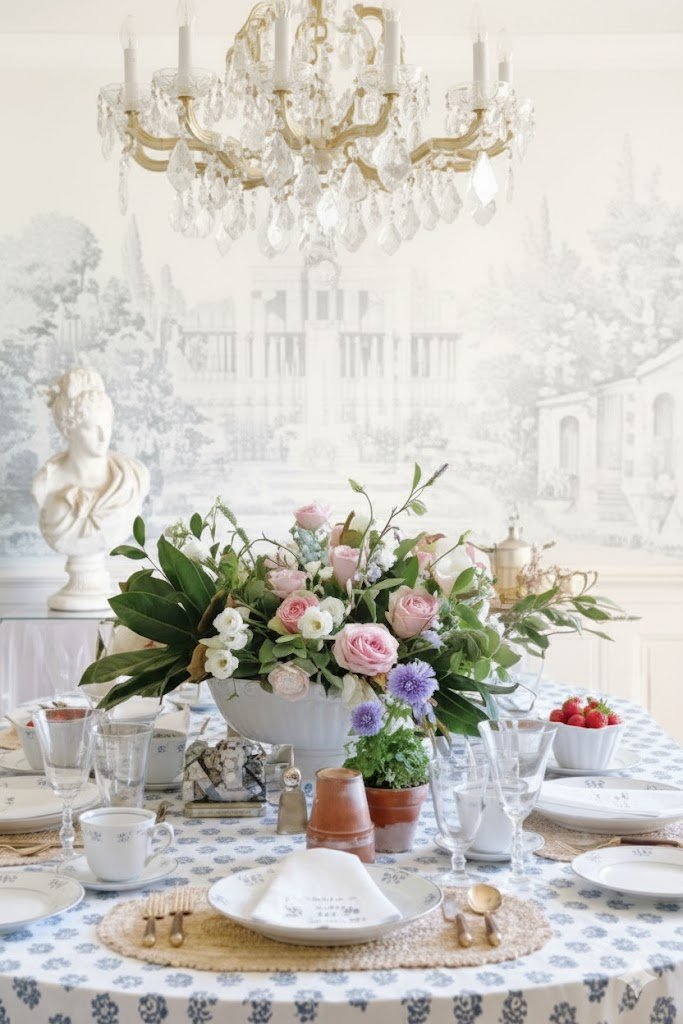
Table runners and placemats add another layer to consider. You don’t have to choose between a full tablecloth and individual place settings. Combining them creates depth and dimension. I like running a table runner down the center over a tablecloth when I want to define a space for centerpieces and serving dishes. It creates a visual path down the middle of the table that guides the eye and helps organize the overall layout.
The runner doesn’t need to match the tablecloth. In fact, I usually prefer when it doesn’t. Complementary colors work better than identical shades. If your tablecloth is a solid color, consider a patterned runner. If your tablecloth has a pattern, a solid runner provides balance. The interplay between these elements can elevate a simple table into something that looks professionally designed.
Placemats over a tablecloth might seem redundant, but they serve a purpose beyond just protecting the fabric underneath. They frame each place setting. They give each guest a defined space that feels like it belongs to them. This psychological aspect of table setting doesn’t get talked about enough. When someone sits down to a clearly defined place setting, they feel more settled and comfortable.
Now, if you have a glass table, the rules change completely. Glass tables are beautiful on their own, and covering them entirely with a tablecloth defeats the purpose of having one in the first place. I treat glass tables differently. Individual placemats or a table runner give you places to add color and texture without hiding the table’s best feature. The transparency remains visible, keeping the room feeling open and spacious.
The practical side of tablecloth selection often gets overlooked in favor of aesthetics. But think about what you’re serving before you commit to a particular cloth. Foods that tend to splatter or stain deserve a tablecloth you won’t cry over if things go south. Save your precious linens for meals where the menu poses less risk.
Embroidered tablecloths occupy a special category. The detailed work adds elegance that plain fabrics can’t achieve. But embroidered pieces need to be the star of the show. Don’t pile decorations on top of intricate embroidery. Let the craftsmanship speak for itself. A simple centerpiece, understated dishes, and classic silverware allow the tablecloth’s beauty to take center stage.
Length matters more than people realize. A tablecloth that barely covers the table looks unfinished, like you grabbed whatever was handy without thinking about proportions. Aim for at least a six to eight inch drop on all sides for casual meals. Formal dinners call for longer drops, sometimes reaching nearly to the floor. The longer drop creates a more dramatic, elegant look that suits special occasions.
I keep different tablecloths for different seasons and rotate them throughout the year. This isn’t about having money to burn on linens. It’s about keeping things fresh and making each meal feel connected to the current moment. When I pull out the summer tablecloths in June, it marks the transition into warmer months just as much as putting away the winter coats. These small rituals add meaning to everyday life.
Chair covers can tie everything together if you’re going for a cohesive look. Matching chair covers to your tablecloth creates a unified aesthetic that looks polished and intentional. But this is where you need to be careful not to cross the line into theme park territory. Chair covers work best for truly formal occasions. For most dinners, they’re overkill.
Think about your napkins as you choose your tablecloth because these elements need to work together. You want enough contrast that napkins don’t disappear into the background, but not so much that the colors clash and create visual chaos. We’ll dive deeper into napkin choices later, but keep them in mind from the beginning of your planning process.
The investment you make in quality tablecloths pays off over time. Cheap materials look cheap, and they wear out quickly. You’ll spend more in the long run replacing inferior tablecloths than you would have spent buying better ones initially. This doesn’t mean you need to drop hundreds of dollars on every piece. It means being selective about where you shop and choosing quality over quantity.
I’ve learned to appreciate the ritual of preparing the table. Shaking out the tablecloth, smoothing it across the surface, adjusting it until the drop is even on all sides. These small actions slow you down and shift your mindset from rushing through preparation to creating something meaningful. By the time the tablecloth is in place, you’ve already started the process of making a meal feel special.
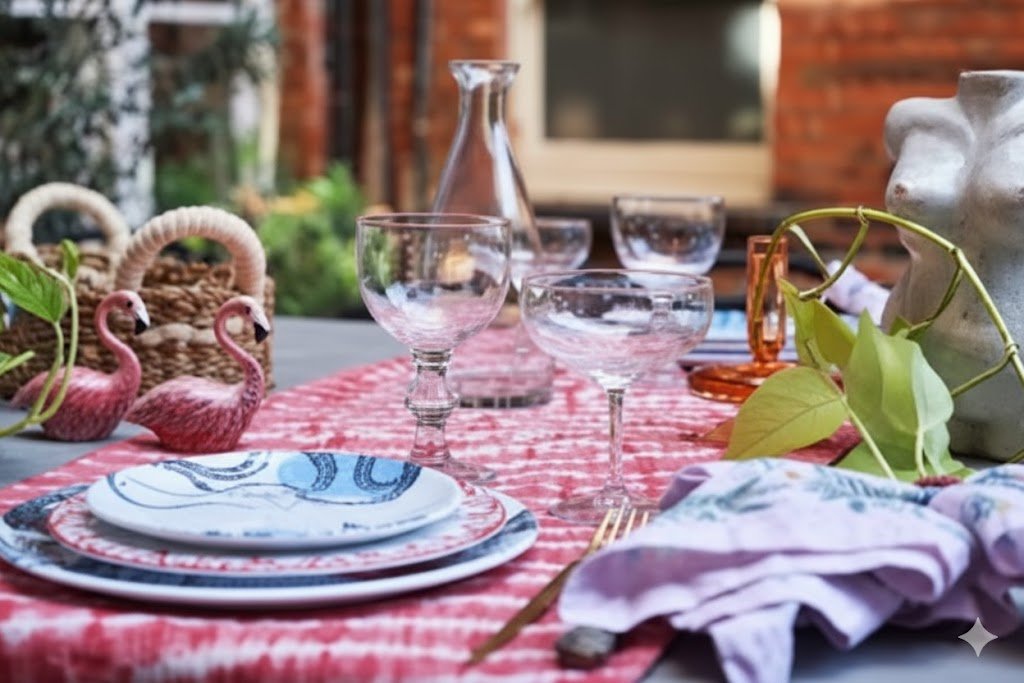
Bringing Nature to Your Table
Nothing breathes life into a table quite like natural elements. I’m talking about flowers, fruits, branches, stones, anything you can pull from the outdoors and bring inside to create a connection between your dining space and the wider world. This approach to decoration doesn’t just look good. It makes economical sense when you’re not dropping a fortune on expensive accessories that sit in a closet between uses.
Let me tell you about the first centerpiece I ever made that actually worked. I was broke, hosting a dinner party, and had exactly zero budget for decorations. I walked through my neighborhood that morning and came back with branches that had started turning fall colors, some interesting seedpods I found under a tree, and a handful of leaves that looked too perfect to leave on the ground. I stuck them in a simple vase, and that centerpiece got more compliments than any expensive arrangement I’ve bought since.
Fresh flowers remain the classic choice for good reason. They bring color, they smell amazing, and they signal that you put thought into the occasion. But the flower shop route can drain your wallet fast. I’ve found that mixing expensive flowers with cheaper fillers creates arrangements that look just as impressive for a fraction of the cost. Grab a few statement flowers, whatever’s striking at the market that day, and bulk them up with greenery and smaller blooms.
The vessel matters just as much as what goes inside it. I’ve collected vases over the years from thrift stores, garage sales, and clearance racks. Mixed metals, different heights, various colors. What ties them together is that each one has character. A perfectly symmetrical crystal vase bought new from a department store doesn’t have the same personality as a slightly irregular ceramic piece made by a local potter.
Low centerpieces are your friend. I can’t stress this enough. If your guests have to crane their necks around flowers to make eye contact with the person sitting across from them, you’ve created a beautiful barrier to conversation. The whole point of gathering around a table is connection. Your centerpiece should enhance that, not prevent it. Keep arrangements low enough that sight lines remain clear, or go tall enough that the arrangement rises above head height when seated.
Single flower stems in individual small vases create an interesting alternative to one large arrangement. Line them up down the center of the table, and you’ve got a modern, minimalist look that still incorporates the beauty of fresh flowers. This approach works especially well for long tables where one centerpiece couldn’t possibly balance the space.
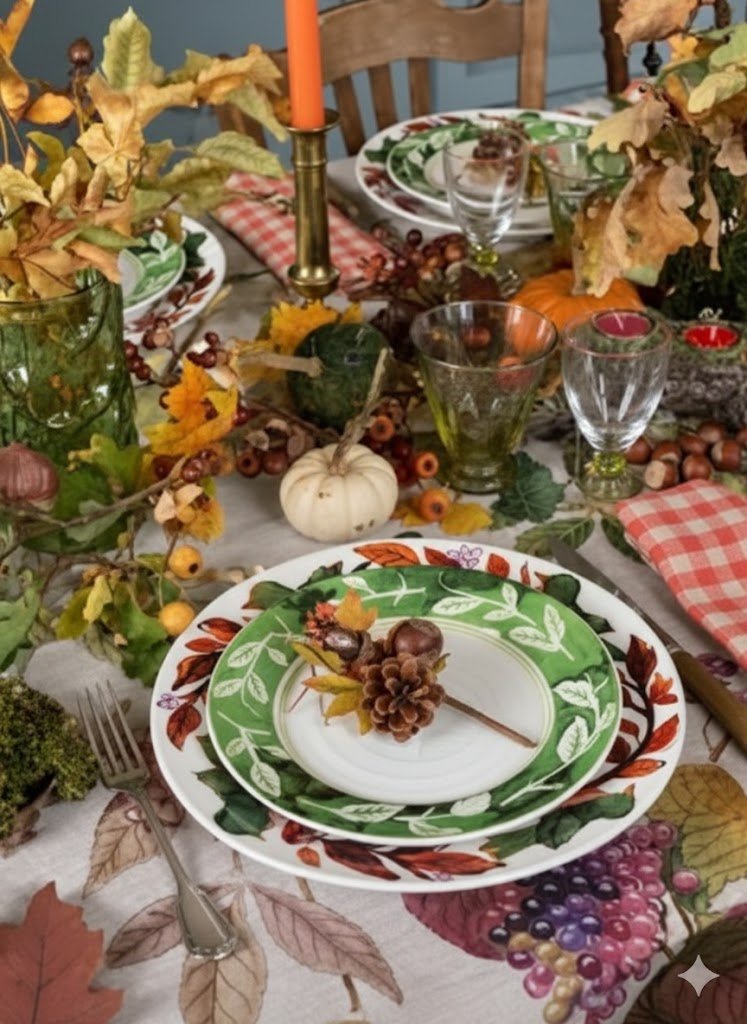
Dried flowers have made a major comeback, and I’m here for it. They last indefinitely, they come in subtle earth tones that work with almost any color scheme, and they bring texture that fresh flowers sometimes lack. Pampas grass became trendy for a while, but don’t limit yourself to what everyone else is doing. Dried lavender bundles smell wonderful and look delicate in the right container. Wheat stalks bring a rustic feel. Even dried seed heads from your garden can create striking arrangements.
Fruit bowls serve double duty as decoration and dessert. A wooden bowl piled with citrus fruits adds pops of bright color. The oranges, lemons, and limes contrast beautifully with most tablecloth colors, and the natural shine of the peels catches the light. When dinner winds down, the fruit is right there for people to grab if they want something sweet but not too heavy.
I played around with submerged flower arrangements one summer and never looked back. Fill a clear glass cylinder with water, drop in floating candles or flowers, and watch what happens to the light. The water magnifies and distorts in interesting ways. Adding stones or shells to the bottom gives the arrangement weight and visual interest at multiple levels. These arrangements look complicated but take maybe five minutes to put together.
Pine cones cost nothing if you live anywhere near trees that drop them. Collect them on a walk, clean them up a bit, and you have ready made decorations that work for fall and winter tables. Pile them in a shallow bowl, mix them with candles, or scatter them down the length of your table runner. Their irregular shapes and earthy brown tones add organic texture without trying too hard.
Branches deserve more love than they get. When I want height without flowers, I’ll bring in interesting branches. Budding branches in spring promise growth and renewal. Bare branches in winter create stark, architectural lines. Flowering branches like cherry or dogwood put on a show that rivals any flower arrangement. Stick them in a tall, narrow vase, and let them make a statement.
Herb centerpieces work beautifully for casual dinners, especially when you’re serving food that features those same herbs. A collection of potted basil, rosemary, and thyme clustered in the center of the table looks charming. The scent enhances the meal. And guests can pinch off a leaf if they want to add fresh herbs to their plate.
Succulents and other potted plants create centerpieces you can use repeatedly. Unlike cut flowers that die within a week, a well chosen potted plant lives on your table through multiple dinners. Between meals, it decorates another part of your home. This approach appeals to the practical side of my brain that hates throwing away dead flowers.
Candles mixed with natural elements create ambiance that electric lighting can’t match. The flickering light makes everything feel warmer and more intimate. I group candles of different heights together with stones, shells, or small pieces of driftwood arranged around the bases. The combination of flame and nature creates a primal appeal that resonates even when we’re eating in a modern home with central heating and wifi.
Seasonal changes make natural decorations feel fresh throughout the year. Spring calls for bulbs and fresh green branches. Summer begs for wildflowers and bright colors. Fall wants leaves, gourds, and rich warm tones. Winter craves evergreen branches, berries, and sparkle. Following these natural rhythms keeps your table connected to the world outside your windows.
I avoid going too literal with seasonal decorations. You don’t need plastic pilgrims for Thanksgiving or foam hearts for Valentine’s Day. Natural elements reference the season without hitting people over the head with obvious symbols. Pomegranates and persimmons say fall just as clearly as artificial leaves, and they do it with more style.
Foraging for decorations has become one of my favorite pre party activities. It gets me outside, it costs nothing, and I end up with unique elements that nobody else at the table has seen before. That weird seed pod, the perfect pinecone, the branch with an interesting shape. These become conversation starters in their own way.
Scale matters when you’re working with natural elements. A single large branch can anchor a centerpiece better than a dozen small twigs. One impressive gourd makes more impact than a scattering of tiny pumpkins. Think about the proportions of your table and choose pieces that match that scale.
The container that holds your natural arrangement impacts the overall feel just as much as what goes inside. Rustic wooden boxes suit certain aesthetics. Sleek glass cylinders work for modern spaces. Ceramic bowls in interesting glazes add another layer of color and texture. I match the container to the formality of the occasion and the style of the room.
Water features bring sound and movement to your table. A small fountain designed as a centerpiece adds the peaceful sound of trickling water to your meal. It’s unexpected and creates a meditative quality that slows down the whole dining experience. This only works for longer meals where people are settling in for conversation, not rushed weeknight dinners where everyone eats and runs.
Air plants have this alien quality that I find fascinating. They don’t need soil, so you can display them in ways that wouldn’t work for traditional plants. Nestle them into shells, attach them to pieces of driftwood, or arrange them in geometric metal holders. They challenge expectations about how plants should look on a table.
Edible flowers blur the line between decoration and food. Nasturtiums, pansies, and violets are all safe to eat and add surprising beauty when scattered across a salad or used to garnish individual plates. This brings the centerpiece concept directly onto the plate, making the decoration an integral part of the meal itself.
I keep my natural centerpieces simple in structure even when they incorporate multiple elements. The beauty comes from the materials themselves, not from complex arrangements that took hours to construct. I want to spend my pre party time cooking and preparing food, not fussing with floral foam and wire stems.
The lifespan of natural decorations varies wildly. Cut flowers might last a week with proper care. Branches can stay beautiful for months. Stones and driftwood last forever. Thinking about how long you want a particular centerpiece to survive helps guide your choices. Sometimes you want something temporary that marks a specific occasion. Other times you want decorations you can leave up for weeks.
Combining manufactured and natural elements creates interesting tension. A modern geometric candle holder filled with wildflowers. A rustic wooden box holding sleek river stones. These combinations keep your table from falling into too obvious a category. It’s not completely rustic, not entirely modern, but something more interesting that combines both approaches.
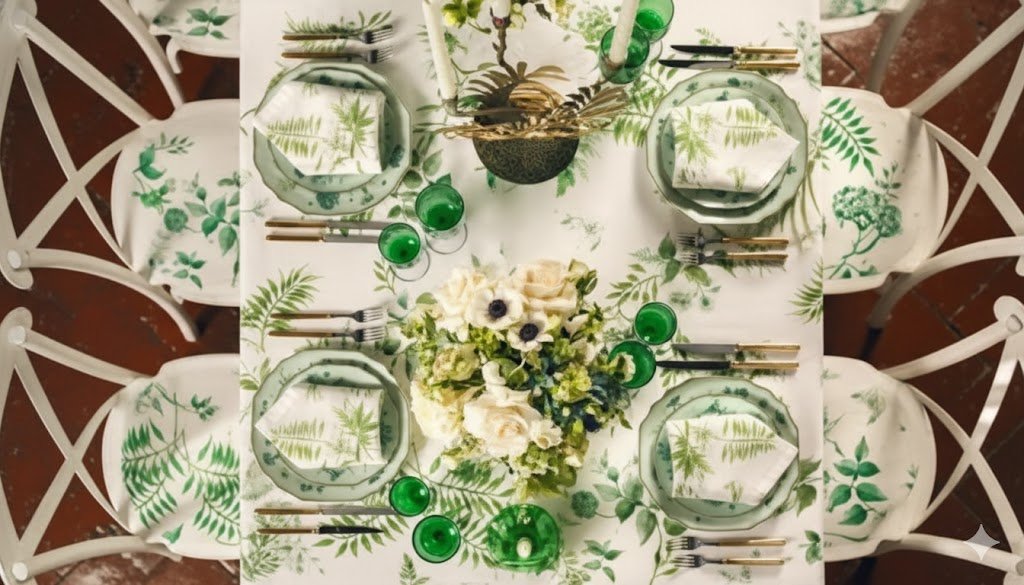
The Finishing Touch: Napkin Artistry
Napkins sit at this interesting intersection between functional necessity and decorative opportunity. You need them on the table anyway, so you might as well make them count. But this is another area where people either ignore the potential entirely or go so overboard that the napkins become an elaborate distraction from the meal itself.
I used to throw paper napkins on the table and call it done. They served their purpose. People wiped their mouths and hands. Nobody complained. But nobody remembered those tables either. The moment I switched to cloth napkins and started thinking about them as part of the overall presentation, something shifted. Suddenly people commented on the table setting. They asked where I got the napkins. They took photos before we started eating.
Cloth napkins feel better than paper. I’m stating the obvious here, but it needs to be said because some people still resist making the switch. The weight of cloth in your lap, the texture against your hands, the way it actually absorbs spills instead of just smearing them around. These physical differences change the experience of eating. Using cloth napkins transforms an ordinary meal into something that feels special, even when you’re just eating pasta on a Tuesday.
The practical arguments against cloth napkins don’t hold up under examination. Yes, you have to wash them. You know what else you have to wash? Literally every other dish, fork, and glass on your table. Throwing napkins in with your regular laundry takes zero extra effort. The environmental argument makes itself. Cloth napkins you can use for years beat disposable paper every single time.
Color coordination between napkins and your tablecloth creates visual harmony, but perfect matching looks boring. I prefer napkins that complement the tablecloth while introducing a new color or shade. If your tablecloth is sage green, try napkins in cream or burnt orange. If you went with a navy tablecloth, white napkins provide crisp contrast while gold or bronze napkins add warmth.
Patterned napkins add personality when your tablecloth is solid. Stripes, florals, geometric prints. Each pattern brings its own energy to the table. But if your tablecloth already has a pattern, solid napkins prevent visual overload. One pattern at a time is enough. Your table should look coordinated, not chaotic.
The size of your napkins matters more than you’d think. Cocktail napkins are too small for a proper dinner. You want napkins that are at least 18 inches square, preferably larger. When properly folded or arranged, a substantial napkin makes a statement. Tiny napkins make your table look like you didn’t plan ahead.
Now we get to the fun part. Napkin folding turns a simple piece of fabric into something sculptural. I’m not talking about elaborate origami that requires twenty minutes and a YouTube tutorial. Simple folds create elegant results without making you want to give up and order pizza instead.
The classic rectangle fold works for any occasion. Fold your napkin in half, then in half again. Tuck it under the dinner plate or lay it to the left of the fork. Clean, simple, timeless. This is your baseline fold that always looks appropriate.
The triangle fold adds a tiny bit more interest. Fold the napkin in half diagonally to create a triangle, then fold it again. Place it with the point facing up or to the side. It’s barely more complicated than the rectangle but looks more intentional.
The pocket fold gives you a place to tuck silverware or a menu card. Fold the napkin in half, then fold it in thirds, creating a pocket on one side. Slide your fork and knife into the pocket. This keeps your table organized and gives each place setting a finished look.
Rolling napkins and tying them with ribbon, twine, or even a strip of contrasting fabric creates a casual elegance that works for everyday dinners or special occasions. The tie adds a pop of color or texture. You can tuck fresh herbs, flowers, or name cards into the tie for extra detail.
Napkin rings solve the “what do I do with this napkin” question instantly. They corral the fabric, they add a decorative element, and they give you another opportunity to introduce color or material into your table setting. Wooden rings feel rustic. Metal rings lean modern. Beaded rings add sparkle. You can match them to your theme or let them stand out as accent pieces.
I collect napkin rings the same way I collect vases. Slowly, from different places, in different styles. The collection grows over time, and I mix and match based on the mood I’m creating. Sometimes all matching napkin rings look right. Other times I’ll use different rings at each place setting for a more eclectic feel.
The flower fold takes a bit more effort but creates stunning results. You’ll need to look up instructions for the specific technique because explaining it in words gets confusing fast. But when you nail it, the napkin blooms on the plate like an actual flower. Save this one for occasions when you have extra time and want to wow your guests.
Laying napkins flat on the plate creates a canvas for other decorative elements. Place a single flower on top, or a name card, or a small favor for each guest. The napkin becomes the background that makes these elements stand out.
Hanging napkins over the back of chairs adds an unexpected touch that works well for formal dinners. Fold the napkin lengthwise and drape it over the chair back. This approach saves space on the table itself when you need room for multiple courses or serving dishes.
Color blocking with napkins creates visual interest when you’re hosting a larger group. Alternate napkin colors down the table. Blue, white, blue, white. Or use three colors in rotation. This technique breaks up the visual field and makes the table feel more dynamic.
Mixing patterns in napkins only works if you have a steady hand with color theory. All the patterns need to share at least one common color. The scale of the patterns should vary, pairing small prints with larger ones. When done right, pattern mixing looks sophisticated and collected. When done wrong, it gives everyone a headache.
Seasonal napkins do exist, and I’m not above using them. Napkins with fall leaves for Thanksgiving. Napkins with snowflakes for Christmas. These pieces only come out once a year, which makes them feel special rather than tired. Rotating through seasonal napkins marks the passage of time and creates traditions.
The texture of your napkins adds another sensory dimension to the meal. Smooth, polished cotton feels refined. Rough, nubby linen feels artisanal. Damask weaves catch the light and add visual interest through texture rather than color. Think about texture the same way you think about taste. Variety makes things more interesting.
Monogrammed napkins used to feel stuffy and old fashioned. Now they feel personal and considered. Having your initial embroidered on napkins shows permanence and care. These aren’t disposable party supplies. They’re part of your home, chosen deliberately, meant to last.
Caring for cloth napkins keeps them looking good for years. Treat stains quickly. Use the right water temperature for the fabric type. Iron them if you want that crisp, pressed look, or embrace the relaxed wrinkles of air dried linen. The care you put into maintaining napkins shows in how they look on your table.
I keep more napkins than I probably need, but I don’t regret the collection. Different colors, different fabrics, different sizes. This variety means I can create the exact mood I want for any gathering without feeling limited by what’s clean or available.
Napkins placed to the left of the plate follow traditional formal dining rules. Napkins on the plate signal a more relaxed approac

Leave a Comment