
We all know that feeling when someone walks into our home for the first time. Your heart does this little flutter thing, and you find yourself watching their face, trying to read their reaction. Are they impressed? Do they notice the new rug? Can they tell we spent three hours cleaning before they arrived?
I’ve been there more times than I care to admit. There’s something about having people over that makes us see our homes through fresh eyes. Suddenly, that scuff mark on the wall becomes glaringly obvious, and you’re wondering if anyone else notices the slight tilt in that picture frame you’ve been meaning to fix for months.
The truth is, we all want our homes to make a good impression. It’s not about showing off or being pretentious. It’s about creating a space that feels welcoming and comfortable for the people we care about. When guests walk in and their eyes light up, when they genuinely compliment your space, it feels good. Really good. You get this sense of accomplishment, like you’ve done something right.
I remember the first time I had my in-laws over to our new place. My mother-in-law walked in, stopped in her tracks, and just looked around with this expression I couldn’t quite read. My stomach dropped. Then she smiled and said it felt like a real home. That moment stuck with me. It wasn’t about having the fanciest furniture or the most expensive decorations. It was about creating something authentic.
What really gets us excited as homeowners is when guests are genuinely surprised by something in our space. Maybe it’s an unexpected design choice, a clever use of space, or just the overall vibe of the place. When someone walks in and says, “Wow, I wasn’t expecting this,” you know you’ve done something special. That element of surprise, that little bit of magic that catches people off guard in the best way possible, makes all the effort worthwhile.
And let’s be honest, we take pride in our homes. Why wouldn’t we? We spend so much time there. We invest our money, our energy, and our creativity into making these spaces work for us. When someone recognizes that effort and expresses genuine admiration, it validates all those decisions we made, all those hours we spent deliberating over paint colors and furniture arrangements.
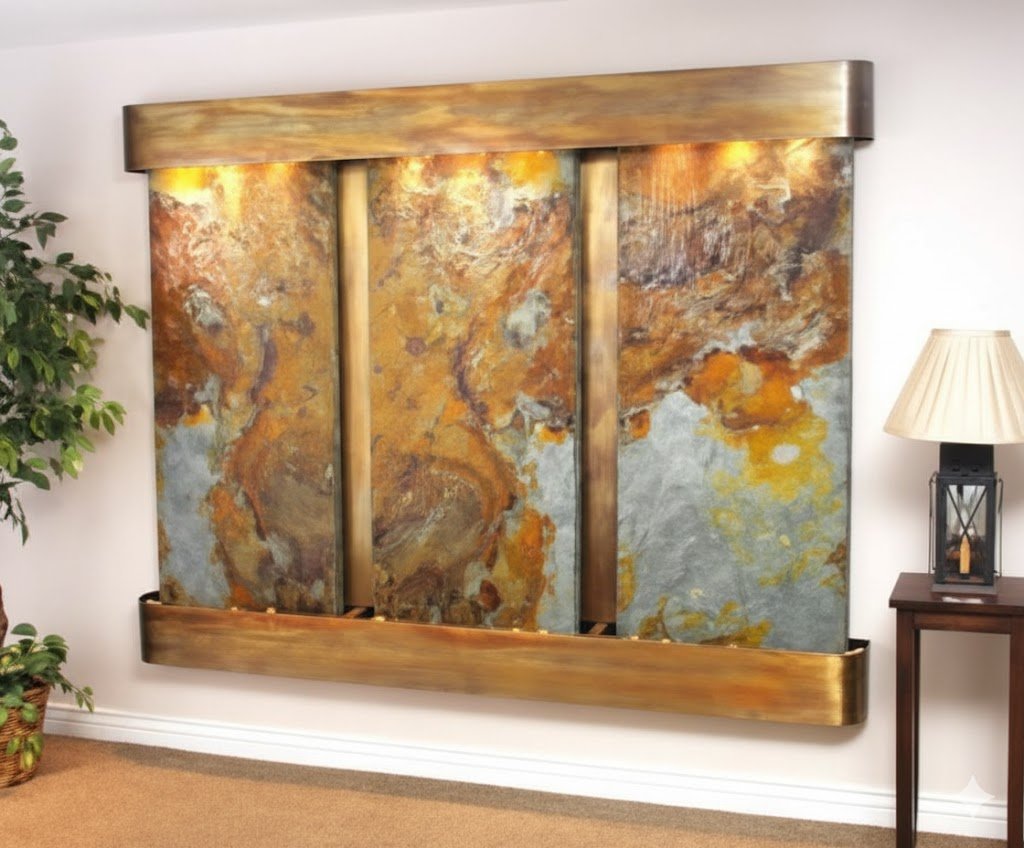
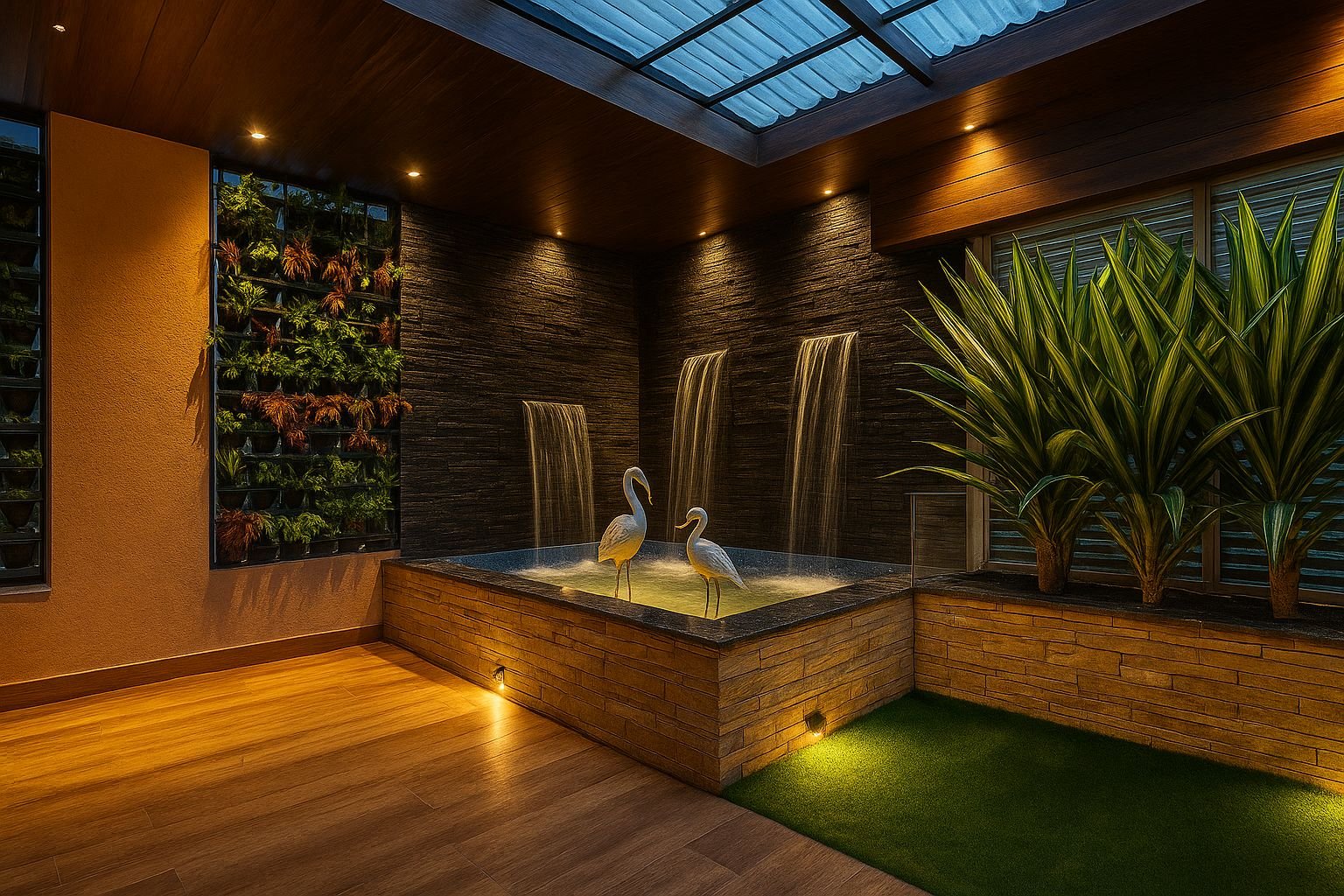
Think about how you’d feel if you could surprise your guests with something truly unique. Imagine them walking into your living room and stopping dead in their tracks because there’s this gorgeous waterfall fountain cascading down your wall. Not in a gaudy, over-the-top way, but in a way that just works. That kind of reaction is priceless.
The beauty of creating a welcoming home isn’t just about impressing others, though. Sure, that’s a nice bonus. But it’s really about building a space where people feel comfortable, where conversations flow naturally, and where memories get made. When your guests feel at ease in your home, they stay longer, they open up more, and everyone has a better time. That’s what we’re really after.
The Living Room Sets the Tone
Your living room is doing a lot of heavy lifting when it comes to first impressions. Think about it. When someone comes to your house, where do they go first? Unless you’re having a dinner party, chances are they’re heading straight to the living room. It’s the hub of the home, the place where everything happens.
This is where you entertain. This is where conversations unfold. This is where your guests form their first real impression of your home and, by extension, you. No pressure, right? But seriously, the living room matters more than we sometimes give it credit for. It sets the tone for the entire visit.
I learned this lesson the hard way. Years ago, I moved into a new apartment and focused all my decorating energy on the bedroom and kitchen. The living room? I figured I’d get to it eventually. I threw in a couch, a coffee table, and called it done. Then I had friends over, and I could see it in their faces. The space felt incomplete, like I hadn’t quite moved in yet. It was awkward.
That’s when I realized that putting effort into your living room isn’t optional if you care about how your home feels to others. This is the room that speaks first. It tells your story before you even open your mouth. A well-designed living room says, “I care about this space. I care about the people who spend time here. I’ve thought about how to make this comfortable and inviting.”
Making an immediate impression with your interior design means getting the living room right. You want people to walk in and feel something. Maybe it’s a sense of calm. Maybe it’s energy and warmth. Maybe it’s sophistication or coziness. Whatever vibe you’re going for, the living room is where you establish it.
Now, furniture is obviously the star of the show in any living room. Your sofa, your chairs, your tables – these are the big pieces that define the space. But here’s the thing that took me way too long to figure out. The furniture alone doesn’t make a room feel complete. You can have the most beautiful couch in the world, but if that’s all you have, the room falls flat.
This is where accessories and decorations come into play. I’m talking about the smaller touches that add personality and depth to your space. Throw pillows, artwork, plants, lighting, and yes, even things like fountains. These elements fill in the gaps. They add layers. They make a room feel curated rather than just furnished.
When I finally started paying attention to these details in my own living room, everything changed. I added some plants, hung some art that actually meant something to me, brought in better lighting, and suddenly the room felt alive. It felt like my space, not just a collection of furniture from a store.
The key is finding that balance between the big pieces and the small details. You need both. The furniture provides the foundation, the structure, the practicality. But the accessories and decorations? They provide the soul. They’re what make your living room feel like it belongs to an actual person with actual taste and personality, not like a showroom floor.
And here’s something I wish someone had told me earlier – don’t be afraid to experiment. Try things out. Move stuff around. Add something unexpected. Your living room doesn’t have to look like every other living room on the block. In fact, it probably shouldn’t. The spaces that really stick with people are the ones that feel unique, the ones where someone clearly made deliberate choices that reflect who they are.
Creating Comfort Through Design
Having a good-looking living room is great. We’ve established that. But if your guests feel like they’re sitting in a museum, afraid to touch anything or get too comfortable, you’ve missed the point entirely. Design without comfort is just decoration. What we’re really after is a space that looks good and feels good.
I once visited a friend’s apartment that was absolutely gorgeous. Everything matched. Everything was spotless. Everything was perfectly arranged. And I was terrified the entire time I was there. I sat on the edge of the couch, afraid to lean back. I kept my coffee cup in my hands instead of setting it down. I left after an hour feeling exhausted. That’s not what we want for our guests.
The sweet spot is creating a living room that impresses people when they walk in but makes them want to sink into the couch and stay awhile. You want them to kick off their shoes. You want them to get comfortable. You want them to forget they’re in someone else’s space and just relax. That’s when the real conversations happen. That’s when people actually enjoy being in your home.
So how do you create that relaxed feel? There are lots of ways, but one approach that’s been gaining traction is adding elements that bring nature indoors. I’m talking about things that remind us of the outdoors, that tap into something primal in us that finds peace in natural settings.
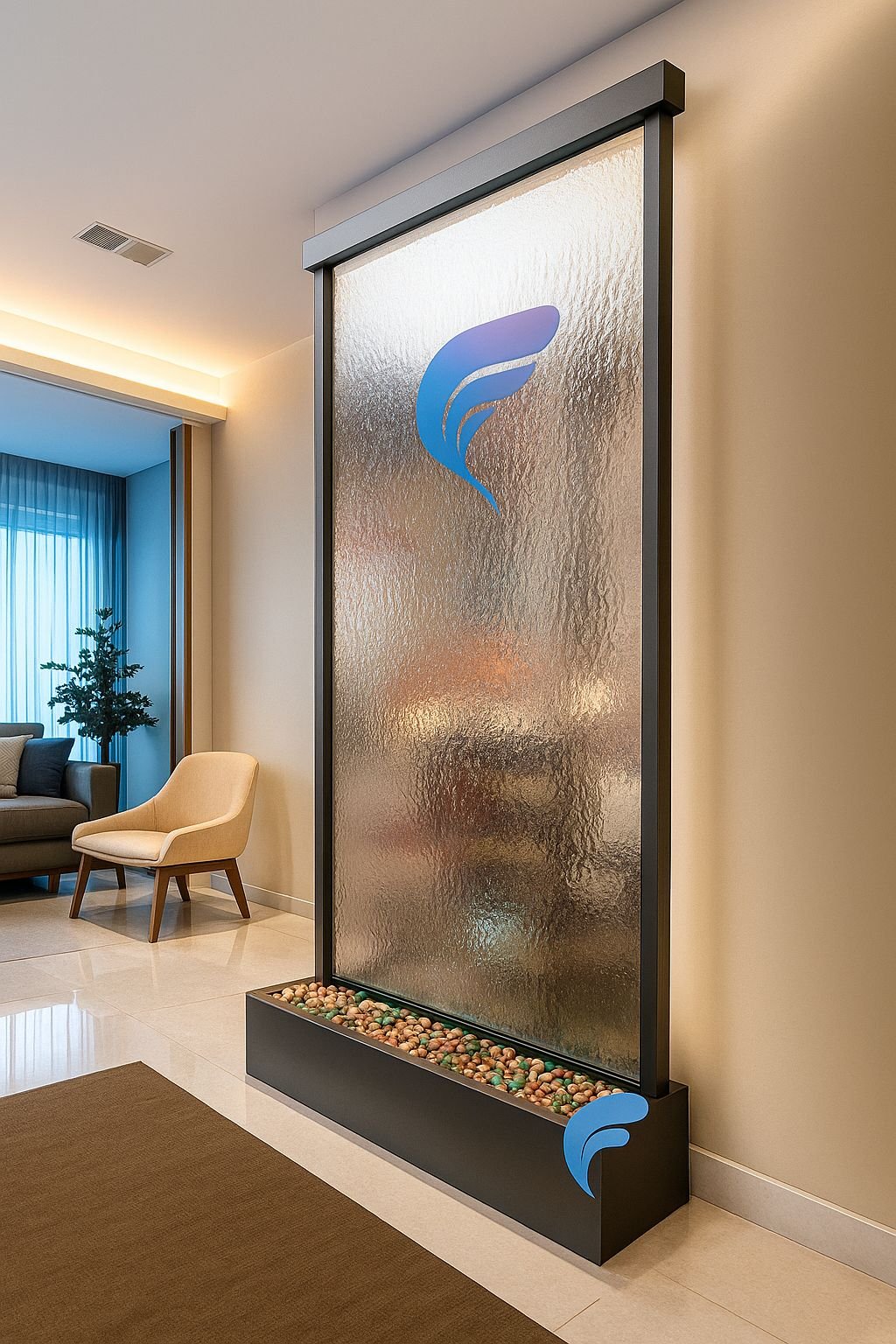
Water features, like wall fountains, are perfect for this. I know what you’re thinking – isn’t a fountain kind of fancy? Kind of extra? Maybe. But hear me out. There’s something about the presence of water that changes the entire energy of a room. It adds movement. It adds sound. It adds life.
The beauty of a wall fountain is that it transforms your living room without taking up floor space. You’re using vertical real estate that might otherwise just have a painting or nothing at all. And the impact is immediate. People notice it right away, but more than that, they feel it. The room just feels different.
I was skeptical about this until I experienced it firsthand at a friend’s house. They had installed this simple wall fountain in their living room, nothing too elaborate. Within minutes of sitting down, I noticed I felt calmer. The gentle sound of water flowing was doing something to my brain. It was drowning out the city noise outside. It was creating this little bubble of tranquility in the middle of a busy neighborhood.
We ended up talking for hours that night. And I genuinely think the fountain had something to do with it. It set a tone. It made the space feel like a retreat, somewhere you could actually unwind and be present. That’s powerful.
The thing about water is that we’re hardwired to respond to it. Think about how you feel near the ocean, or by a lake, or even listening to rain. There’s something soothing about it that goes beyond conscious thought. Bringing that element into your living room taps into that same response. Your guests might not even realize why they feel so relaxed in your space, but they’ll feel it.
This is the kind of design choice that serves multiple purposes. It looks interesting. It’s a conversation starter. And it genuinely makes the space more comfortable. That’s the trifecta we’re looking for. When you can find elements that check all those boxes, you’re onto something good.
Why Wall Fountains Are Worth Considering
Let me tell you why wall fountains have been popping up in more and more homes lately. It’s not just a trend for the sake of being trendy. People are discovering that these things actually deliver on their promises, which is rare enough in the world of home decor.
First off, let’s talk about the visual appeal. Wall fountains and tabletop fountains are genuinely eye-catching. They’re not background pieces that blend into the wall. When someone walks into a room with a fountain, they notice. It becomes a focal point, an anchor for the entire space.
What makes them so visually interesting is the way they mimic natural waterfalls. You’ve got water cascading over rocks, over slate, over copper, depending on the style you choose. It’s this miniature version of something we’d normally only see outdoors. And there’s something inherently mesmerizing about watching water flow. It’s one of those things humans can stare at for ages without getting bored.
I’ve seen people get completely absorbed watching the water move in a fountain. It’s almost meditative. And that quality alone makes it a valuable addition to a living room. In our overstimulated, screen-saturated world, having something natural and analog to focus on is refreshing.
But fountains aren’t just nice to look at. They’re also nice to listen to. This is the part that really sold me on the whole concept. The sound of flowing water is nature’s white noise machine. It’s not silence, which can feel awkward when you’re entertaining. But it’s not intrusive either. It just fills the space with this gentle, consistent sound that somehow makes everything feel calmer.
The science backs this up, by the way. Studies have shown that the sound of water can lower stress levels, reduce blood pressure, and promote relaxation. It’s not just in our heads. There’s a physiological response happening. Your body literally relaxes when it hears water flowing. That’s the kind of environment you want to create in your living room.
And here’s a practical benefit that doesn’t get talked about enough – fountains can help with acoustics. If you live in a space with hard floors and not much sound absorption, conversations can echo. Everything sounds a bit harsh. The gentle background noise of a fountain softens all that. It fills in the silence without overwhelming conversation.
I have a friend who lives in a loft with concrete floors and high ceilings. Beautiful space, but the acoustics were terrible. Everything echoed. She got a wall fountain, and the difference was noticeable. The space felt softer, more intimate. You could actually have a conversation without feeling like you were in a warehouse.
Beyond the sensory benefits, there’s something to be said for the air quality improvements. Water features add humidity to the air, which is great if you live somewhere dry or if you’re running heat in the winter. Dry air is uncomfortable. It makes your skin feel tight, your throat scratchy. A fountain helps balance that out naturally.
Some people worry about maintenance, and I get it. Anything involving water in your home requires some attention. But modern fountains are designed to be pretty low maintenance. You’re basically just keeping the reservoir filled and occasionally cleaning the pump. It’s not the hassle you might imagine.
The variety available in wall fountains today is impressive. You can find something to match basically any design aesthetic. Looking for something modern and sleek? There are fountains with clean lines and contemporary materials. Want something more rustic or natural? You can get ones with rough stone and weathered copper. The options are there.
Finding Your Perfect Fountain
Shopping for a wall fountain isn’t as overwhelming as you might think. Sure, there are a lot of options out there, but that’s actually a good thing. It means you’re likely to find something that works for your specific space and style.
The market has really opened up in recent years. You’re not limited to one or two designs anymore. There are wall fountains in every size you can imagine. Some are massive statement pieces that take up an entire wall. Others are compact and subtle, fitting into smaller spaces without dominating the room.
Size is probably the first thing you need to think about. And by size, I mean both the physical dimensions of the fountain and the scale relative to your room. A huge fountain in a tiny living room is going to feel overwhelming. But a tiny fountain on a large wall in a spacious room might get lost entirely.
I made this mistake when I first started thinking about getting a fountain. I fell in love with this gorgeous large-scale piece I saw online. Ordered it without really thinking about my actual wall space. When it arrived, it was clear immediately that it was way too big for where I wanted to put it. The proportions were all wrong. I ended up returning it and going with something more appropriately sized.
The design and style options are equally varied. You can find fountains that lean traditional, with classical elements and ornate details. You can find ultra-modern pieces that look like they belong in a contemporary art gallery. You can find nature-inspired designs with realistic rock formations. You can even find customizable options where you choose the materials, colors, and configuration.
This variety is great because it means you can find something that genuinely fits your taste. You’re not forced to compromise or settle for something that’s close enough. With a little searching, you can find a fountain that feels like it was made for your space.
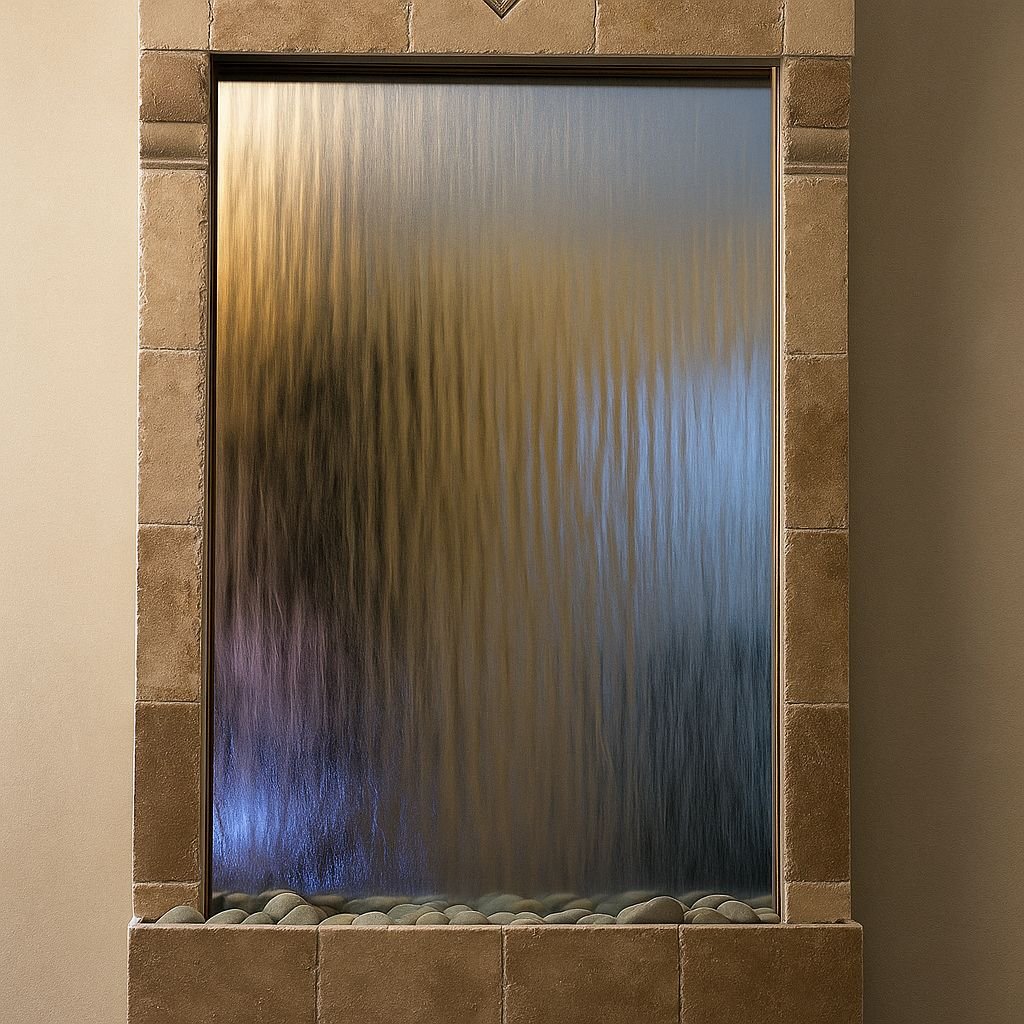
The materials matter too. Copper fountains develop this beautiful patina over time. Slate fountains have a more earthy, natural feel. Glass fountains can be incredibly modern and sleek. Stainless steel works well in contemporary spaces. Each material brings its own vibe to the room.
Color is another consideration. Some fountains stick with natural tones – grays, browns, blacks. Others incorporate color through the stone or lighting. LED-lit fountains are particularly striking. The water seems to glow, adding another visual dimension to the piece. At night, a lit fountain can completely transform the ambiance of a room.
When you’re looking at different fountains, pay attention to the water flow pattern. Some fountains have a single stream of water. Others have multiple streams. Some create a sheet of water that flows smoothly down a surface. Others have water that cascades over rocks and ledges, creating more texture and sound variation. Think about what appeals to you visually and what kind of sound you want to hear.
Don’t forget about the practical aspects. Where will you plug it in? Does the location you’re considering have an accessible outlet? How visible will the cord be? These aren’t the most exciting questions, but they matter. You don’t want to find the perfect fountain and then realize you can’t actually use it in your desired location.
Budget is obviously a factor for most of us. Wall fountains range from pretty affordable to seriously expensive. The good news is that you can find quality options at various price points. You don’t have to break the bank to get something nice. But like most things, you generally get what you pay for. A well-made fountain with quality materials will last longer and look better than a cheap one.
Making the Right Choice for Your Space
Choosing a wall fountain for your home is personal. What works in my living room might not work in yours. What I find beautiful might not be your style. That’s perfectly fine. The goal isn’t to follow someone else’s design playbook. It’s to create a space that feels right to you.
That said, there are some practical factors worth considering beyond just personal preference. These are the things that will determine whether your fountain becomes a beloved feature of your living room or a regrettable purchase that ends up in storage.
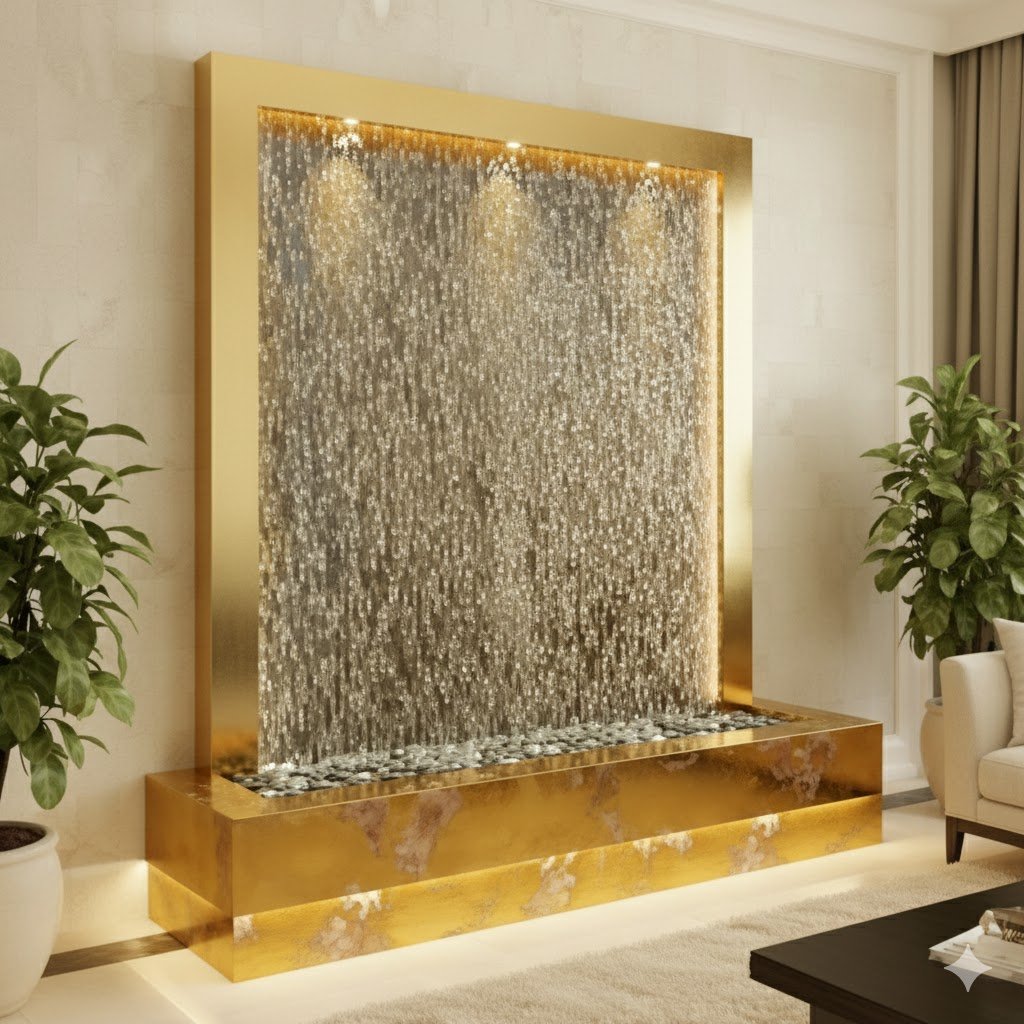
Space is the big one. Wall fountains need room to breathe. Even though they’re mounted on the wall and don’t take up floor space, they need adequate wall space and clearance. You don’t want furniture pushed right up against the wall where your fountain is. You want some space around it so people can appreciate it, so it doesn’t feel cramped.
Measure your wall. Measure twice, actually. Get the dimensions of the space where you’re thinking about putting a fountain. Then compare those measurements to the fountains you’re considering. Make sure there’s enough room not just for the fountain itself, but for the visual space it needs to work properly in the room.
I can’t stress this enough – don’t try to cram a fountain into a space that’s too small for it. It won’t look right. It’ll feel forced. And you’ll never be happy with it. Better to choose a smaller fountain that fits properly than to try to make a larger one work in a space that can’t accommodate it.
The size of your living room matters too. In a large, open living room, you have more flexibility. You can go bigger and bolder. A substantial fountain can help fill the space and create a focal point. In a smaller, cozier living room, you’ll want something more modest. The fountain should enhance the space, not overwhelm it.
Think about your existing furniture and how the fountain will relate to it. Your fountain doesn’t have to match your furniture exactly, but it should complement the overall aesthetic. If you’ve got a very traditional, classic furniture arrangement, an ultra-modern fountain might feel out of place. If your style is contemporary and minimalist, an ornate fountain with lots of detail might clash.
This doesn’t mean everything has to be matchy-matchy. Some contrast is good. It creates visual interest. But there should be some thread connecting the elements in your room. Maybe it’s the color palette. Maybe it’s the materials. Maybe it’s the overall vibe or mood. Something should tie it together.
Color coordination is worth thinking about. Look at the dominant colors in your living room. What tones are you working with? Warm or cool? Neutral or colorful? Choose a fountain that works with that palette. If your room is full of warm browns and beiges, a fountain with copper and natural stone might be perfect. If you’re working with cool grays and whites, slate or stainless steel might be better.
Lighting in your room will affect how the fountain looks too. Natural light will make the water sparkle and catch the eye. But think about your space in the evening as well. How will the fountain look with your artificial lighting? Some fountains come with built-in lighting, which can be stunning. But if yours doesn’t, consider how your existing lights will illuminate it.
The practical stuff matters. Where’s your nearest outlet? How will you manage the cord? Is there a water source nearby for refilling, or will you be carrying water from another room? These aren’t dealbreakers, but they’re worth thinking through before you make a purchase.
Think about the sound level. Most wall fountains create a gentle, pleasant sound. But some are louder than others. If you’re sensitive to noise, or if you use your living room for activities where you need quiet, factor that in. The good news is that many fountains have adjustable pumps, so you can control the flow rate and sound level.
Bringing It All Together
Adding a wall fountain to your living room can be that finishing touch that takes your space from nice to memorable. It’s one of those design choices that serves multiple purposes, which is rare and valuable in home decor.
We’ve talked about the aesthetic appeal. Water fountains have this natural charm that’s hard to replicate with other decorative elements. There’s movement, there’s sound, there’s the play of light on water. All of these create visual interest that holds attention without being demanding or garish.
The tranquil atmosphere they create is the real magic, though. In a world that feels increasingly chaotic and fast-paced, having a space in your home that promotes calm and relaxation isn’t just nice. It’s necessary. Your living room can be that space. A fountain helps create that environment.
What I love about this design choice is that it works on multiple levels. On the surface level, it’s attractive. People notice it. They comment on it. It becomes a conversation piece. But on a deeper level, it’s affecting the atmosphere of the entire room in ways that might not be immediately obvious but are definitely felt.
The versatility of fountains is another selling point. We’ve talked about wall fountains primarily, but tabletop fountains offer similar benefits in a different format. If a wall fountain doesn’t work for your space, a tabletop version might be perfect. You can place it on a console table, a bookshelf, or even a side table. The effect is similar, just on a smaller scale.
The range of sizes available means there’s likely something that will work for your specific situation. Living in a studio apartment with limited space? There are compact fountains designed exactly for that. Have a large, open-concept living area? There are substantial pieces that can hold their own in a bigger space.
Form variety is impressive too. Some fountains are minimalist and modern. Others are elaborate and traditional. Some mimic natural formations. Others are abstract art pieces. The style that speaks to you is out there. You just have to find it.
What ties all of this together is the effect on your home’s overall feel. A thoughtfully designed living room with a water feature becomes more than just a place to sit. It becomes a retreat. It becomes a space where people want to spend time. It becomes memorable.
I think that’s what we’re all really after when we put effort into our homes. We want to create spaces that matter. Spaces that affect how we feel and how our guests feel. Spaces that stand out not because they’re trying too hard, but because they’re genuinely well-considered and thoughtfully designed.
A wall fountain might seem like an unconventional choice. It’s not the first thing that comes to mind when most people think about decorating their living room. But that’s part of what makes it special. It’s unexpected. It shows you’ve thought beyond the obvious solutions. It demonstrates creativity and a willingness to take your space in an interesting direction.
The investment in a quality fountain pays off over time. This isn’t something you’ll tire of quickly. Water is timeless. The appeal doesn’t fade. Five years from now, you’ll still find yourself stopping to watch the water cascade down the wall. Your guests will still notice it and comment on it. That lasting appeal is worth something.
Can you create a relaxing, attractive living room without a fountain? Of course. There are countless ways to design a great space. But if you’re looking for something that combines visual appeal, atmospheric benefits, and genuine functional advantages, a wall fountain deserves serious consideration.
Your living room is worth the effort. It’s worth thinking through these details and making choices that elevate the space. You spend time there. Your family spends time there. Your guests spend time there. Making it as comfortable and inviting as possible isn’t frivolous. It’s an investment in quality of life.
So whether you go with a wall fountain, a tabletop fountain, or some other element that brings nature indoors, the principle is the same. Create a space that feels good, not just one that looks good. Focus on the experience of being in the room, not just the appearance. That’s where real design success happens.

Leave a Comment