
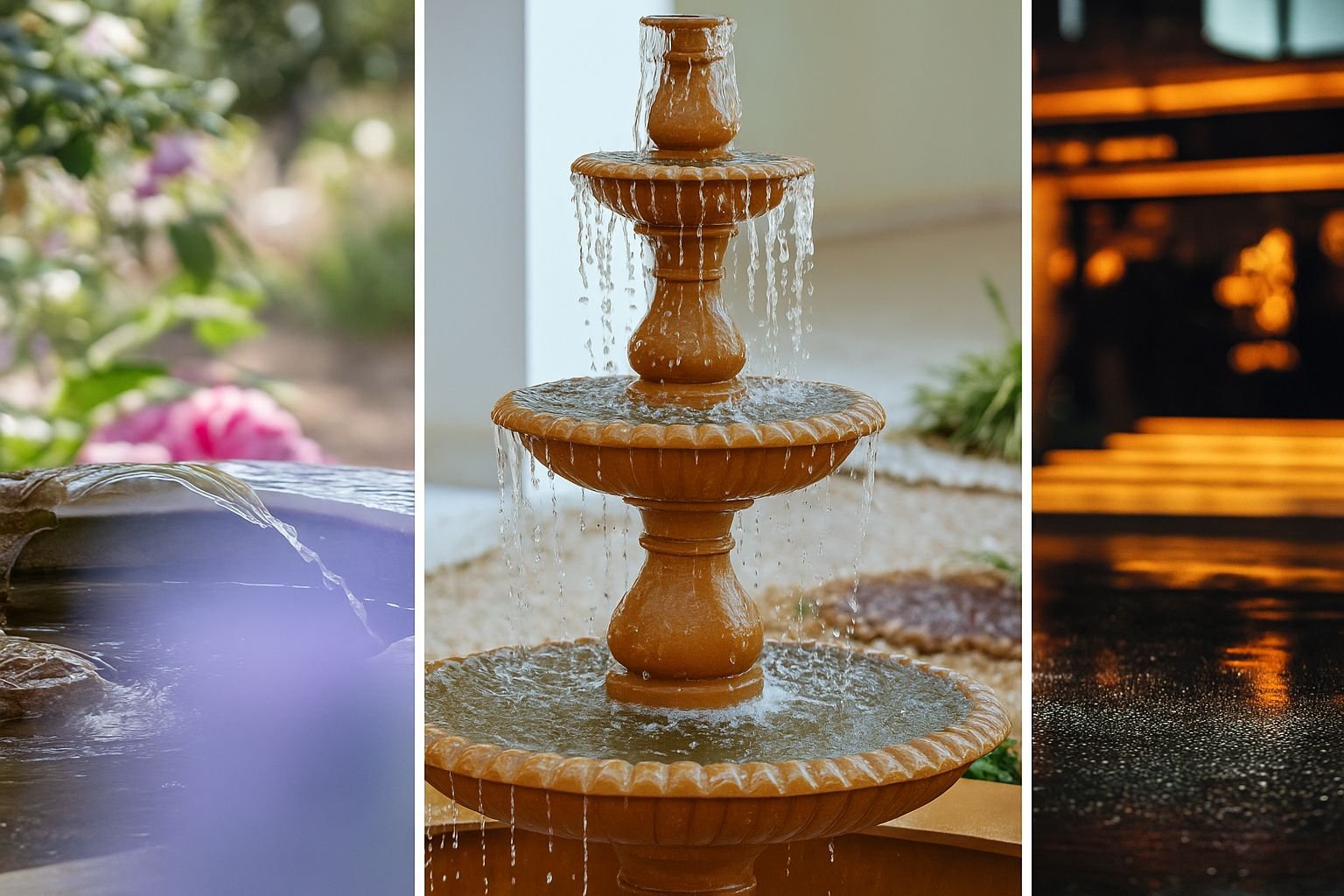
When Water Stopped Being Just About Survival
Fountains have been around forever. Like, ancient Rome forever. Maybe even before that. And they started out as pure utility. You needed water? You went to the fountain. You wanted a bath? Fountain. Your goats were thirsty? You guessed it. The fountain wasn’t there to look pretty. It was there to keep everyone alive.
Think about that for a second. These things we now put in our homes as decorative pieces used to be the difference between life and death. People would walk miles to reach a good fountain. They’d carry heavy jugs on their heads or shoulders. They’d line up and wait their turn. The fountain was the center of daily life, not some aesthetic choice.
But humans are weird creatures. We can’t leave well enough alone. Once we had reliable water sources, someone looked at a fountain and thought, “You know what would make this better? If it looked amazing.” And boom. The whole purpose shifted. Slowly at first, then all at once.
The Persians were early innovators in making fountains beautiful. They lived in hot, dry climates where water was precious. So when they had fountains in their gardens, it was a flex. It said, “We have so much water we can use it for beauty.” The sound of trickling water in a desert garden? That’s luxury. That’s power. That’s telling everyone else you’ve made it.
The Romans took it even further. They built these massive aqueduct systems that brought water from mountains and hills into their cities. The engineering was insane. No electricity. No modern tools. Just math, gravity, and sheer determination. And once they had all that water flowing, they didn’t just make functional fountains. They made art. Statues. Carvings. Elaborate designs. The fountain became a status symbol.
Jump forward through history and you see this pattern everywhere. The Moors in Spain created fountains with intricate tile work and geometric patterns. The Italian Renaissance artists turned fountains into sculptures that told stories. The French made these massive symmetrical garden fountains that showed off their engineering skills. Each culture said, “Here’s what we think is beautiful, and we’re going to put it in water form.”
What I find fascinating is that the function never really disappeared. Even decorative fountains serve a purpose. They cool the air around them. Water evaporating drops the temperature. In a time before air conditioning, a fountain in your courtyard made summer bearable. So even when fountains became “just” decorative, they were still working hard behind the scenes.
Fast forward to now and fountains are everywhere. Every city park has one. Public squares build entire designs around them. Office building lobbies install massive water features. Shopping malls put fountains right in the middle of the foot traffic. And we’ve normalized this completely. We walk past moving water indoors and don’t even think it’s weird.
The transformation from survival tool to decoration isn’t really complete, though. Modern fountains still serve functions. They just serve different functions for different needs. That cooling effect? Still matters on hot days. The sound of water? Masks traffic noise and creates peaceful environments. The visual interest? Gives people a reason to gather and linger in public spaces.
I remember the first time I really noticed this shift. I was in Las Vegas, of all places. A desert city with massive fountains everywhere. Water shooting hundreds of feet into the air. Choreographed fountain shows. It seemed absurd at first. You’re in a desert! Why are you wasting water on this? But then I realized it wasn’t waste. Those fountains were drawing tourists. Creating experiences. Making people feel things. The function had changed, but it was still there.
City planners understand this better than most people. When they design public spaces, fountains aren’t afterthoughts. They’re strategic choices. A fountain creates a focal point. It gives the space identity. People say “meet me at the fountain” and everyone knows exactly where that is. It becomes a landmark without trying to be one.
The summer heat relief is real too. I’ve watched kids run through fountains on 95 degree days. Seen adults sit on the edges with their feet in the water. The fountain provides free cooling when people need it most. That’s still a functional purpose, just different from providing drinking water.
And let’s talk about the ambiance thing. A fountain changes how a space feels. Put one in a chaotic area and suddenly that area has a calm center. The constant sound of water creates white noise that soothes people. You can’t rush past a fountain the same way you rush past a building. It makes you pause, even if just for a second.
The really wild part is how this transformation happened gradually. Nobody declared “fountains are now decorative.” It just shifted as cities got better at delivering water through pipes. As indoor plumbing became normal, outdoor fountains became optional. And once they were optional, they had to justify their existence through beauty and atmosphere instead of necessity.
We’re still figuring out what fountains are for. They’re not one thing anymore. They’re cooling stations and noise barriers and gathering spots and art pieces and tourist attractions. They’ve become whatever we need them to be in any given moment. That flexibility is probably why they’ve survived thousands of years of human history.
The modern fountain owes everything to its practical ancestors. Those ancient water sources taught us that humans need gathering places. That water draws people in ways nothing else does. That the sound and sight of moving water affects us on some deep level we don’t fully understand. Modern decorative fountains just took those lessons and ran with them in new directions.
The Day Wall Fountains Changed Home Design Forever
Wall fountains are one of those inventions that seems obvious in hindsight. Of course you should hang a fountain on a wall. Of course that makes more sense than taking up floor space. But somebody had to think of it first, and whoever that was deserves some kind of medal.
Before wall fountains, if you wanted moving water in your home, you needed space. Real estate. A courtyard or a big garden. Indoor fountains existed but they were floor models that ate up room. Not practical for normal people living in normal houses. Wall fountains said “forget all that” and went vertical.
I’ve got a friend who was the first person I knew to get a wall fountain. This was maybe ten years ago. I walked into her apartment and heard water. Actual water sounds. Inside. I looked around confused, like maybe she left a faucet running. Then I saw it. This gorgeous slate panel mounted on her living room wall with water sheeting down it. My mind was blown.
She’d lived in that apartment for three years. Same furniture. Same layout. Same everything. But adding that fountain transformed the whole space. It went from “nice apartment” to “wow, this is special.” And she didn’t have to rearrange anything or give up any floor space. Just found an empty wall and made it magical.
The genius of wall fountains is they use space most people waste. Think about your walls right now. Probably some art hanging there. Maybe a mirror. Maybe nothing at all. That’s vertical real estate just sitting there doing very little. A wall fountain activates that space. Makes it work for you instead of just existing.
The installation is shockingly simple too. I always assumed you’d need a plumber. Special pipes. Some kind of complicated setup. Nope. Most wall fountains are self contained. They have a reservoir at the bottom. A pump circulates the water. You hang it like you’d hang a big picture. Fill it with water. Plug it in. Done. I’ve assembled IKEA furniture that was more complicated.
What surprised me most when I finally got my own wall fountain was the sound. I expected it to be nice. I didn’t expect it to become my favorite part. That gentle trickling completely changes how a room feels. It’s not background noise exactly. It’s more like an audio foundation. Everything else in your life happens on top of that peaceful water sound.
Different designs create wildly different effects. Some wall fountains are sleek and modern. Glass or stainless steel with water flowing down in perfect sheets. Others are natural and rustic. Stone or slate that looks like it came from a mountainside. Copper ones that develop that greenish patina over time. Each style brings its own vibe to your space.
The size range is impressive too. You can get wall fountains that are maybe two feet tall. Perfect for a bathroom or a small office. Or you can go massive. Floor to ceiling installations that dominate an entire wall. Most people land somewhere in the middle. Big enough to matter but not so big it overwhelms everything else in the room.
What makes wall fountains work in homes is they bring outdoor benefits inside. That cooling effect from evaporating water? You get that in your living room. The humidity boost? Your dry winter air gets a little relief. The sound masking? All the annoying noises from outside get covered up by water sounds. You get all of this without needing a yard.
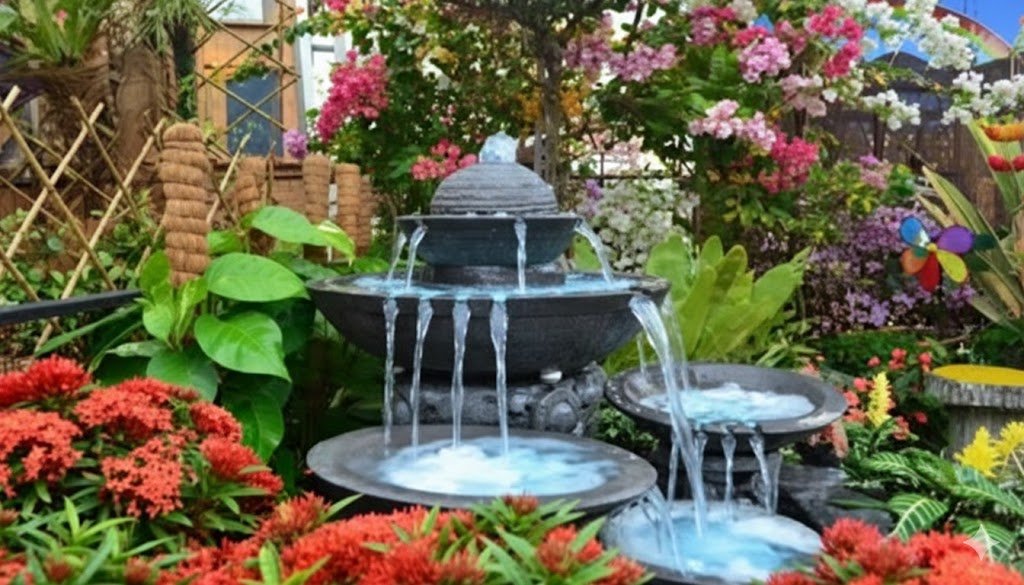
The maintenance scared me at first. Water plus indoor space equals potential disaster, right? But it’s really not bad. You add water every week or two depending on the size. You wipe down the surface when you clean the room. Maybe run some vinegar through it monthly to prevent mineral deposits. That’s it. Way easier than keeping houseplants alive.
I’ve noticed wall fountains change how people interact with a room. Before I had mine, guests would come over and sit on the couch facing the TV. Now they position themselves where they can see the fountain. They comment on it. They ask questions about it. The fountain becomes part of the experience of being in that space.
The dramatic effect is real and immediate. I’m not being hyperbolic here. A room with a wall fountain just hits different than the same room without one. It feels more intentional. More designed. More like someone actually lives there and cares about their environment. The fountain does that heavy lifting without you having to do anything else.
What I love most is the flexibility. Don’t like where you put it? Move it to a different wall. Redecorating? The fountain works with pretty much any style. Getting tired of it? Replace it with a different design. Try doing that with built in features or major renovations. Wall fountains give you impact without permanent commitment.
The whole concept of bringing fountain aesthetics into homes was brilliant. We’d been treating fountains as outdoor public features for so long. Wall fountains democratized them. Made them accessible to regular people in regular homes. You don’t need a mansion. You don’t need a garden. You just need a wall and an outlet and a willingness to try something different.
The relaxation factor can’t be overstated. Coming home after a stressful day and hearing that water sound? It’s like an immediate reset button. Your shoulders drop. Your breathing slows. Something in your nervous system gets the message that you’re in a safe, calm space now. The fountain does that without you having to think about it.
I think wall fountains caught on because they solved a problem people didn’t know they had. Nobody was walking around saying “I wish I had moving water on my wall.” But once they experienced it, they realized something had been missing. That connection to natural elements. That soothing repetitive sound. That visual interest that never gets old.
The cozy ambiance thing is harder to define but easy to feel. A room with a fountain just feels warmer somehow. More inviting. More like a place you want to spend time instead of just pass through. Friends have told me they find excuses to hang out in rooms with fountains. The fountain creates this pull that other decor doesn’t.
Wall fountains prove you don’t need much to make a big impact. One item. One decision. One addition to your space. And suddenly everything feels upgraded. That’s pretty remarkable when you think about it. Most home improvements require way more effort and money to achieve way less noticeable results.
Your Living Room Has Been Boring and Here’s How to Fix It
Let’s be honest about living rooms for a minute. Most of them are pretty uninspired. A couch. A TV. Maybe a coffee table. Some art on the walls that came from HomeGoods. Nothing wrong with any of that. But nothing particularly memorable either. Your living room is probably fine. Fine is boring.
Adding a wall fountain to your living room sounds like an over the top move. Like something an interior designer would suggest and you’d laugh off as too extra. But here’s the thing. It works. It transforms the space from fine to actually interesting. From a room you have to a room you’re proud of.
The improvement isn’t just visual. That’s what people expect. They think a fountain will look nice and that’s the whole benefit. But the real magic is how it changes the entire experience of being in that room. You’re not just looking at a different space. You’re feeling a different space. The fountain affects multiple senses at once.
I used to think my living room was complete. I’d arranged the furniture well. Picked colors that worked together. Had good lighting. Checked all the boxes. Then I added a wall fountain and realized I’d been living in the rough draft version of that room. The fountain was the missing piece I didn’t know I was missing.
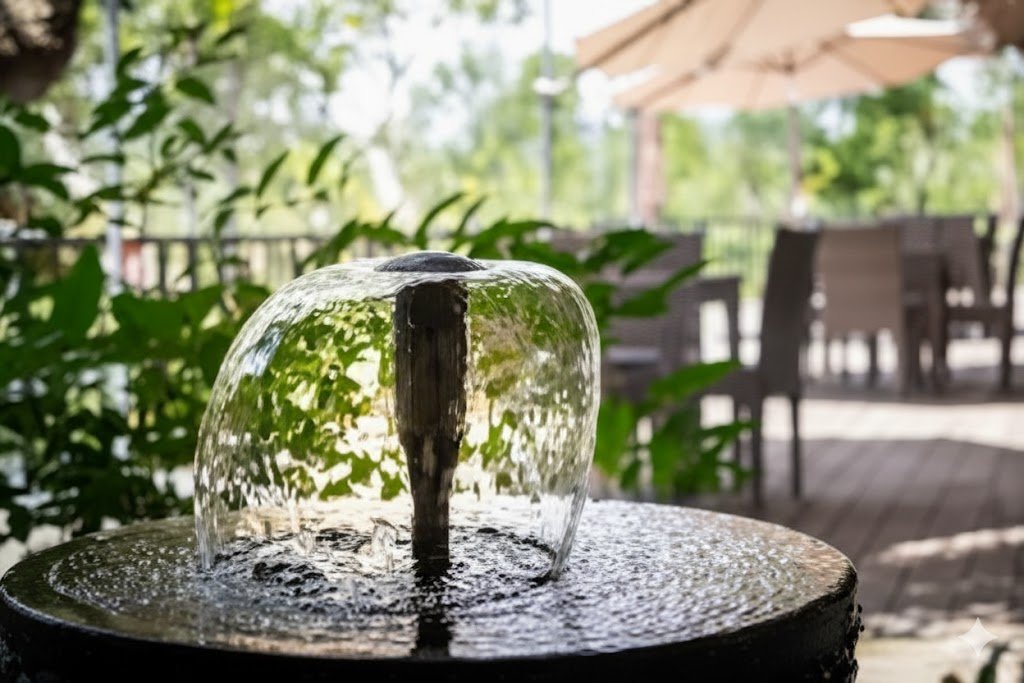
Placement matters more than you’d think. You want the fountain somewhere you’ll see it from your main seating area. Across from the couch works great. On a side wall where it’s visible but not competing with the TV is another good option. Think about traffic flow too. You don’t want it where people are constantly walking past and might bump into it.
The scale needs to match your room. A massive fountain in a small living room makes the space feel cramped. A tiny fountain in a huge room gets lost and seems like an afterthought. Most living rooms do well with something in the three to five foot range. Big enough to register as a focal point but not so big it dominates everything.
Wall fountains work with basically any decor style. Got a modern minimalist thing going? There are sleek glass and metal fountains that fit perfectly. More traditional? Natural stone fountains add warmth without clashing. Mid century vibes? Look for clean lined geometric designs. The fountain adapts to your aesthetic instead of forcing you to adapt to it.
The color and material create different moods. Dark slate fountains feel sophisticated and calming. Light stone ones feel airy and spa like. Copper fountains catch light and draw the eye. Think about what your room needs. Does it need more warmth? More drama? More subtlety? Let that guide your choice.
Lighting can make or break how your fountain looks. Some come with built in LEDs that illuminate the water from behind. The effect at night is stunning. Even without built in lighting, you can position a lamp or add some track lighting to highlight the fountain. Water and light play together in ways that add depth to your whole room.
Here’s something unexpected. A wall fountain can actually make your living room feel bigger. Sounds backwards, right? You’re adding something to the wall. Shouldn’t that make it feel smaller? But the movement creates a sense of depth. Your eye perceives distance. The sound expands the space too. The room breathes differently with a fountain in it.
Kids and pets are a valid concern. But modern wall fountains are designed to contain the water. Unless someone’s actively trying to make a mess, the water stays where it’s supposed to. I know families with toddlers and multiple dogs who’ve had fountains for years with zero incidents. Just maybe wait until your kids are past the “touch everything” phase.
The furniture arrangement shifts slightly when you add a fountain. You want sightlines to it from where people sit. You don’t need a clear path to it like you would to a TV. It’s not interactive in that way. Think of it more like a fireplace. Something you enjoy from a distance while doing other things.
One mistake I see people make is treating the fountain like it exists in isolation. They put it on an otherwise empty wall and leave it at that. Big missed opportunity. Create a little ecosystem around it. Add some plants nearby. Flank it with narrow shelves. The fountain becomes part of a larger composition instead of floating alone.
The maintenance in a living room setting is straightforward. You’re indoors so no leaves or debris to deal with. Dust is your main enemy. Wipe it down when you dust the rest of the room. Check the water level weekly. Top it off with distilled water when needed. Run vinegar through it monthly to prevent buildup. Takes maybe fifteen minutes a month total.
The sound level is perfect for living rooms. Present but not intrusive. You can have conversations at normal volume. Watch TV without cranking it up. But when you’re just sitting there reading or scrolling your phone, the sound fills the silence in the best way. Better than that weird hum the refrigerator makes from the kitchen.
Guests notice immediately. Sometimes they comment right away. Sometimes it takes a few minutes for them to register what’s different about your space. But they always notice eventually. And they always ask about it. The fountain makes your living room memorable. People think of your place as “the house with the fountain.” There are worse things to be known for.
The way a fountain pairs with your existing furniture matters. If you’ve got a lot of natural wood, a stone fountain reinforces that organic vibe. If your furniture is sleek and modern, a metal fountain keeps that energy consistent. Or go for contrast. A rustic fountain in a modern space can be really striking.
You can do seasonal decorating around your fountain without changing the fountain itself. Pumpkins and gourds in fall. Evergreen branches in winter. Fresh flowers in spring. The fountain becomes part of your seasonal display. It’s the constant that other elements rotate around.
Living rooms are supposed to be where you actually live, not just where your TV lives. A wall fountain makes the room feel inhabited. Like it has a pulse. There’s movement. There’s sound. There’s this element that’s constantly active even when you’re not in the room. That’s what turns a space from a collection of furniture into a living environment.
If you work from home and your living room doubles as office space, a fountain is even more valuable. The white noise helps concentration. Masks distracting sounds from outside. Creates an audio boundary between work and the rest of your house. Turn it on when you start work. Turn it off when you’re done. It becomes part of your routine.
The investment in a wall fountain isn’t just about the object itself. You’re investing in enjoying your living room more. In wanting to spend time there. In creating a space that feels like yours instead of just being where your stuff is. That daily upgrade in quality of life is what makes the fountain worth it.
How Wall Fountains Became Living Room Superstars
Wall fountains are great to look at. That’s obvious. Water cascading down a surface catches your eye in ways that static art doesn’t. But the “why” behind that visual appeal is more interesting than you might think. It taps into something primal. Humans have been watching water flow for our entire existence. Rivers. Streams. Waterfalls. Our brains are hardwired to find it captivating.
A wall fountain mimics natural water features but brings them indoors and makes them controllable. You get the same effect as sitting by a mountain stream without the bugs and the long hike. Your living room becomes the destination instead of the starting point for finding peace and beauty in nature.
The way water moves varies depending on the fountain design. Some have water sheeting down in a smooth unbroken flow. Others create ripples and patterns. Some have multiple streams that intersect and diverge. Each type creates its own visual rhythm. You can watch the same fountain for months and still notice new patterns in how the water behaves.
What makes wall fountains perfect for living rooms is they’re sophisticated without being pretentious. They say “I care about my space” without screaming it. They’re interesting without being weird. They’re statement pieces that don’t require you to explain or defend your choice. The fountain just quietly improves the room.
The waterfall effect is key to the appeal. Humans love waterfalls. We travel to see them. We photograph them. We’re drawn to them. A wall fountain captures that same downward cascading movement. Obviously on a smaller scale. But the effect on our brains is similar. That sense of constant motion. Of gentle power. Of nature doing its thing.
Rock and boulder aesthetics work well for people who want natural vibes. Fountains made from or designed to look like natural stone fit with organic decor. They bring outdoor elements inside without being too on the nose about it. The texture of stone combined with smooth flowing water creates this really satisfying visual contrast.
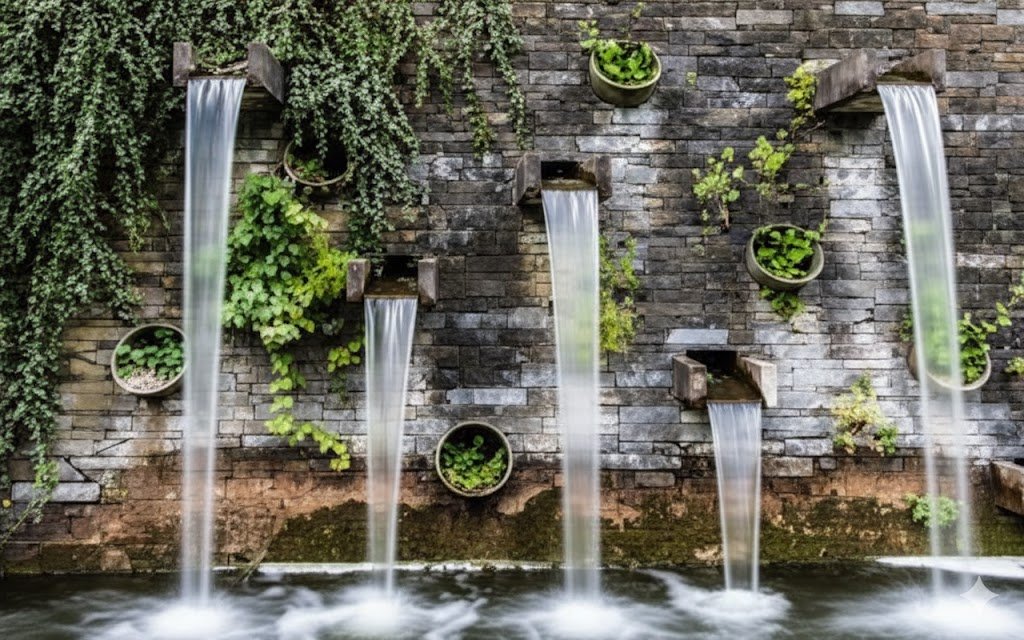
The sound completes the package. Visual appeal gets you interested. The sound keeps you interested long term. That soothing flow of water provides constant auditory pleasure. Your ears get something interesting to focus on that isn’t jarring or annoying. It’s the opposite of most sounds in modern life.
Natural sounds have this effect on stress levels that artificial sounds don’t. Studies have shown this. Water sounds. Bird songs. Wind through trees. These lower cortisol and slow heart rates. A wall fountain gives you access to that biological response anytime you’re in the room. Your body relaxes without you consciously deciding to relax.
Mind and body relaxation from a single piece of home decor is pretty remarkable. Most things only hit one or the other. A comfortable chair relaxes your body. Nice art might calm your mind. A fountain does both simultaneously. That’s rare and valuable.
The variety available now is wild. When wall fountains first became popular for homes, there were maybe a dozen designs. Now there are hundreds. Maybe thousands. Every possible style and material combination you can imagine. That means finding one that matches your exact taste isn’t hard. The hard part is choosing between multiple good options.
Design variety isn’t just aesthetic. Different designs create different experiences. A minimalist glass fountain feels clean and modern. A rough stone fountain feels earthy and grounded. A copper fountain with patina feels artistic and vintage. Same basic concept but completely different vibes. Pick the vibe that matches what your living room needs.
Shapes matter too. The classic rectangular wall fountain works in most spaces. But there are circular ones. Asymmetrical artistic ones. Multi panel installations. Some that bow outward. Some that have depth and dimension. The shape affects how the water flows and therefore how the fountain looks and sounds.
Size variety means wall fountains work in different living room situations. Got a small apartment living room? There are compact fountains that make an impact without overwhelming the space. Have a big open concept room? You can go large and dramatic. The fountain scales to fit your reality instead of forcing you to adapt your space to it.
Materials impact maintenance and longevity. Stone fountains are classics for a reason. They’re durable. They age well. They’re heavy enough to feel substantial and stable. Metal fountains are easier to clean. They maintain their look longer without developing mineral deposits. Glass fountains show every drop beautifully but require more frequent cleaning.
Each material creates a different sound when water hits it. Water on stone makes a soft pattering sound. Water on metal is brighter and more pronounced. Water on glass can be almost musical. You’re not just choosing how the fountain looks. You’re choosing how it sounds. Both matter equally for long term satisfaction.
The distinct effect each fountain creates means you can really customize the experience. Want calm and zen? Choose a fountain with slow water flow and earth tones. Want dramatic and eye catching? Go for something with faster flow and metallic finishes. Want natural and organic? Pick stone with irregular surfaces. The fountain adapts to your goals.
Installation being easy is a game changer. People expect fountains to be complicated. They think you’ll need professional installation. Maybe permits. Definitely plumbing work. The reality is you’re hanging something and plugging it in. If you can hang a heavy picture or mirror, you can install a wall fountain. That accessibility opened up fountains to way more people.
Most wall fountains come with mounting hardware and instructions. Some even include templates so you know exactly where to drill. The hardest part is making sure you hit wall studs so it’s secure. But that’s true of anything heavy you hang. Once it’s up, you fill the reservoir, plug in the pump, and you’re done.
The ability to install a fountain anywhere in your living room gives you flexibility. Not near an outlet? Use an extension cord temporarily until you can get an electrician to add an outlet. Wall not strong enough? Reinforce it or choose a different wall. Don’t like the placement? Take it down and move it. The fountain isn’t permanent like built in features.
Tabletop Fountains and Why Your Dining Room Needs One
Table top fountains are the underdog of the water feature world. Everyone talks about wall fountains. Floor fountains get attention too. But tabletop fountains? They fly under the radar. Which is a shame because they’re actually perfect for a lot of situations.
The main advantage of tabletop fountains is portability. They sit on surfaces. You can move them around whenever you want. Try one spot for a month. Don’t love it? Put it somewhere else. No installation. No commitment. Just pick it up and relocate it. That flexibility is huge for people who like changing their spaces.
Dining rooms are often neglected in home decor. People focus on living rooms and bedrooms. The dining room gets a table, some chairs, maybe a chandelier, and that’s it. Which is fine until you’re actually sitting there eating and realize the room has no personality. A tabletop fountain fixes that instantly.
Picture this. You’re having dinner with family or friends. Good food. Good conversation. And there’s this gentle water sound in the background. Not loud. Not distracting. Just present. Filling the spaces between words. Making the whole experience feel more special. That’s what a tabletop fountain does for a dining room.
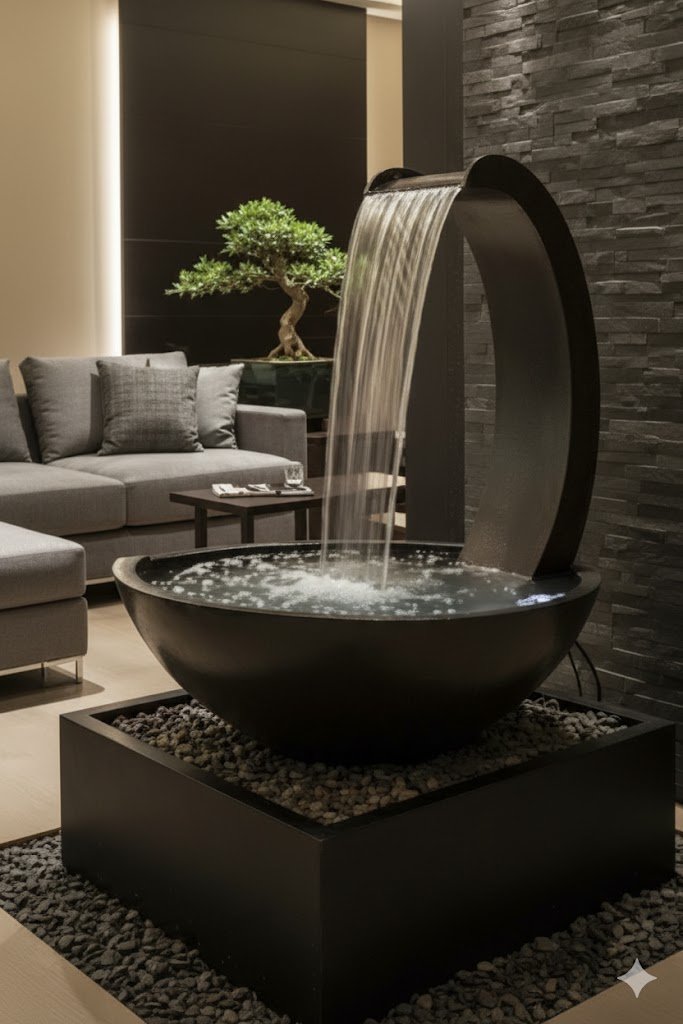
The placement options are better than you’d think. Obviously the dining table itself works if it’s big enough and you’re not constantly using the whole surface. But sideboards are perfect. Buffet tables. That weird corner cabinet thing some dining rooms have. Anywhere you’ve got a flat surface that’s not doing much, a tabletop fountain can live there.
The size range is impressive. Some tabletop fountains are barely bigger than a coffee mug. Others are substantial pieces that fill a couple square feet. Most people go somewhere in the middle. Big enough to notice. Small enough to fit on furniture without taking over. Finding the right scale for your specific space is part of the fun.
Design variety in tabletop fountains has exploded in recent years. You can get zen garden inspired ones with bamboo and stones. Modern geometric designs. Traditional tiered fountains that look like miniature versions of outdoor ones. Artistic pieces that incorporate sculptures or crystals. Whatever your dining room’s vibe is, there’s a fountain that fits.
The tranquil feel a tabletop fountain creates matters more than people realize. Dining rooms can feel formal and stiff. A fountain softens that. Makes the space feel more inviting and relaxed. You’re more likely to linger at the table when the environment is pleasant. More likely to have those long meandering conversations that happen after good meals.
Installation couldn’t be simpler. Unbox it. Put it on the surface you’ve chosen. Add water. Plug it in. You’re done. Five minutes tops. Compare that to any other meaningful home improvement project. A tabletop fountain is immediate gratification. Decision to enjoyment in the time it takes to open a package.
The styles available mean you can match or contrast with your dining room decor. Formal traditional dining room? A classic tiered fountain keeps that elegant vibe going. Modern minimalist space? A sleek contemporary design works perfectly. Eclectic bohemian room? Get something artistic and unique. The fountain becomes part of the room’s story.
Sizes matter for functionality too. A tiny fountain on a huge sideboard looks like an afterthought. A massive fountain on a small side table is awkward and unstable. Think about proportions. The fountain should feel intentional. Like it belongs where you put it. Not too big. Not too small. Goldilocks size.
The alluring and relaxing feel isn’t marketing speak. It’s real. Water sounds trigger relaxation responses in our nervous systems. Adding that to a dining room makes meals more pleasant. Reduces stress. Creates an environment where people actually want to spend time instead of eating quickly and leaving.
Maintenance on tabletop fountains is even easier than wall fountains. Less water means refilling takes seconds. The whole thing is small enough to clean in your sink if needed. Wipe it down. Rinse it out. Put it back. Done. You’ll spend more time deciding what to have for dinner than you will maintaining your fountain.
The variety in materials mirrors what’s available in wall fountains. Stone. Metal. Glass. Ceramic. Resin that looks like stone but weighs less. Each material brings its own aesthetic and practical considerations. Stone feels natural. Metal feels modern. Glass feels delicate and elegant. Pick the material that speaks to you.
Colors and finishes add another layer of customization. Natural stone colors. Painted ceramics in any hue you can imagine. Metallic finishes from copper to bronze to stainless steel. Black. White. Earth tones. Bright colors. The finish affects how the fountain fits into your space and whether it stands out or blends in.
The portability factor means you can rotate fountains seasonally if you want. A certain fountain for spring and summer. A different one for fall and winter. Or move one fountain around to different rooms throughout the year. Bedroom in winter. Dining room in spring. Patio in summer. The flexibility is one of the best features.
Multiple small fountains might work better than one large one for some people. A tabletop fountain in the dining room. Another in the bedroom. Maybe one in the bathroom. Each space gets its own water feature tailored to that room’s specific vibe and needs. That distributed approach can be more effective than focusing all your fountain energy in one room.
The affordability of tabletop fountains makes them accessible starting points. You can get a decent one for fifty bucks. A really nice one for a hundred and fifty. Compare that to wall fountains which start around two hundred and go up from there. If you’re fountain curious but not ready to commit hard, a tabletop fountain lets you test the waters. Pun intended.
The gift potential is worth mentioning. A tabletop fountain makes a great housewarming gift. Wedding gift. Birthday present for someone who has everything. It’s thoughtful. Useful. Beautiful. Different from the usual gift options. And if someone gave you one, you’d probably set it up and use it instead of letting it collect dust in a closet.
Tabletop fountains prove that you don’t need to go big to get benefits. A small fountain on your dining room sideboard can transform how that room feels. Can make meals more enjoyable. Can turn your dining room from a space you use occasionally into a space you actually appreciate every time you walk past it.
Why Every Home Deserves Moving Water
We’ve covered the practical stuff. The designs and placements and materials. But let’s zoom out and talk about why any of this matters. Why should you care about having a fountain in your home? What’s the actual point beyond “it looks nice”?
The calming ambiance thing is the big one. Modern life is stressful. Work. Bills. News. Traffic. Relationships. Health. The list of things demanding your attention and spiking your cortisol is endless. Your home should be a refuge from all that. A place where your nervous system can stand down. A fountain contributes to that in ways most home decor doesn’t.
The sound of water is processed differently by our brains than artificial sounds. Traffic noise. Electronics humming. People talking. Our brains categorize these as potential threats or things requiring attention. Natural sounds like water flowing get filed differently. They’re recognized as safe. As background. As something that lets us relax our vigilance.
That relaxation isn’t just mental. It’s physical. Your muscles release tension you didn’t know you were holding. Your breathing deepens and slows. Your heart rate drops slightly. All from hearing water trickle. That’s a measurable physiological response. Free health benefits from a piece of home decor.
Mind and body relaxation happening simultaneously is rare. Most relaxation techniques focus on one or the other. Massage relaxes the body. Meditation calms the mind. A fountain does both at once without requiring any active effort on your part. You just exist near it and the benefits happen automatically.
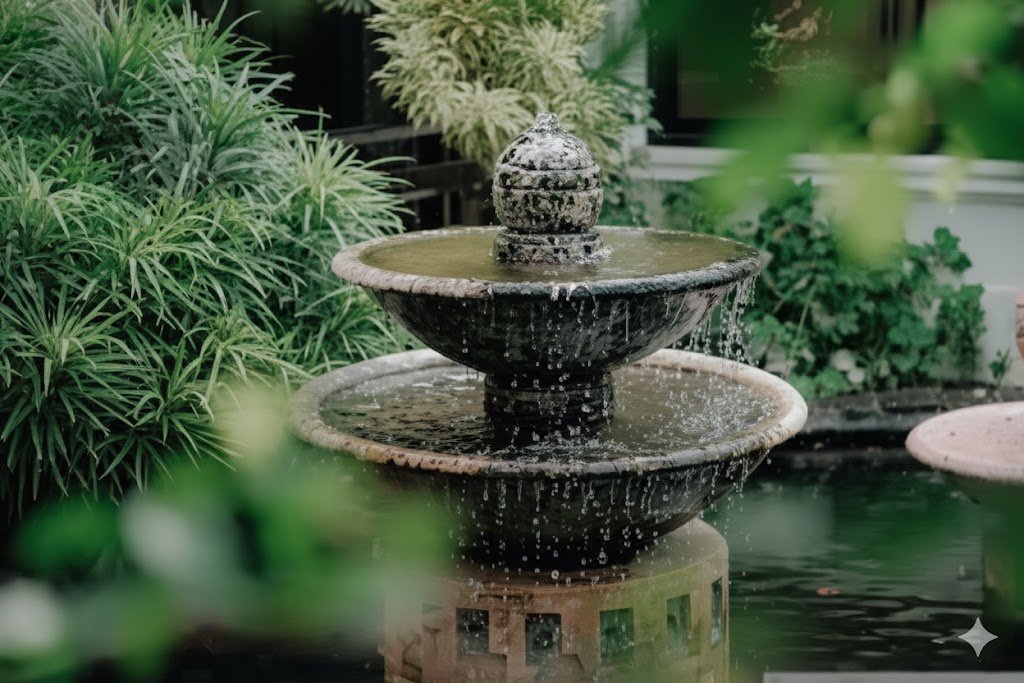
The distinct natural ability of fountains to create this effect sets them apart from other home improvements. New paint makes a room look different. New furniture makes it more comfortable. A fountain makes it feel different on a deeper level. It changes the energy. The atmosphere. The whole vibe of being in that space.
Providing a relaxed ambiance to any home is what makes fountains so universally appealing. Doesn’t matter if you live in a studio apartment or a five bedroom house. Doesn’t matter if your style is modern or traditional or eclectic. A fountain works. It adapts to your space and lifestyle instead of requiring you to adapt to it.
The soothing natural sound cannot be replicated by speakers or sound machines convincingly. There’s something about actual water actually moving that artificial recordings miss. Maybe it’s the subtle variations. Maybe it’s vibrations we don’t consciously perceive. Whatever it is, real water sounds hit different than digital ones.
Flowing water into your home isn’t really what’s happening. The water recirculates. Same water over and over. But the effect is the same as if fresh water was constantly flowing. Your brain doesn’t care about the mechanics. It just registers water moving and responds accordingly. The illusion is as powerful as the reality.
The visual appeal of watching water cascade through rocks and boulders mimics being in nature. Humans didn’t evolve in boxes with right angles. We evolved near water sources. In natural environments. A fountain brings a tiny piece of that into our modern artificial living spaces. It’s a reminder that we’re biological creatures, not machines.
Imitating waterfalls on a home appropriate scale is genius design. You can’t have an actual waterfall in your living room. But you can have something that captures the essential qualities. The movement. The sound. The visual interest. The effect on your mood. A fountain distills the experience down to its core elements and makes them accessible.

Leave a Comment