
Introduction to Teen Room Decoration
Finding the right approach to decorating a teenage girl’s room can feel like trying to hit a moving target. One week she’s obsessed with a particular pop star, and the next week that poster comes down faster than you can say “what happened?” I’ve seen this cycle play out countless times, and let me tell you, it’s completely normal.
The challenge we face isn’t just about picking cute colors or trendy furniture. We’re dealing with someone who’s changing faster than seasons. Her tastes evolve. Her interests shift. What seemed cool last month might feel childish today. This constant change means we need to think differently about how we approach the whole decorating process.
I’ve learned that the secret lies in creating a flexible foundation. Think of it like building with blocks instead of pouring concrete. You want a room that can grow and change without requiring a complete overhaul every six months. This saves money, reduces stress, and gives your teen the freedom to express herself as she figures out who she’s becoming.
The key is working together. This isn’t about imposing your vision of what a teenage girl’s room should look like. It’s about listening to what she wants and finding ways to make it work within practical limits. When you involve her in the process, she takes ownership of the space. She cares more about keeping it organized. She appreciates the effort that went into creating her personal sanctuary.
We’re going to walk through this journey together. I’ll share what I’ve learned from both successes and mistakes. You’ll get practical advice that actually works in real homes with real teenagers. No Instagram perfection here, just honest guidance for creating a room that your teen will love living in.
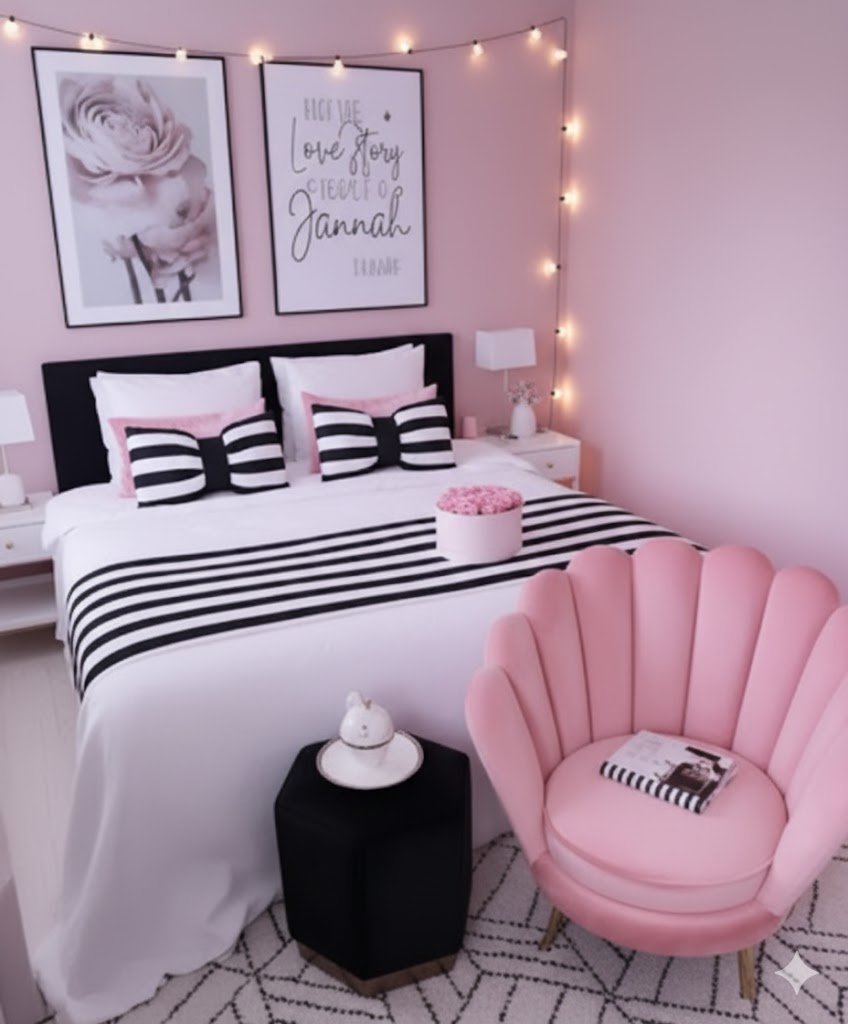
Planning the Perfect Teen Room Decoration
Let me start with a story that might sound familiar. A parent once told me they bought this gorgeous bed online, super excited about the surprise. When it arrived, they couldn’t get it through the doorway. Then they tried assembling it in the hallway, thinking they’d slide it in. Turns out the bed was six inches too wide for the actual room space. That’s an expensive lesson in why planning matters.
Measuring comes first, always. Grab a tape measure and write down every dimension. Room length, width, ceiling height. Note where the windows sit. Mark where the door swings open. Measure the closet opening. I know this sounds boring, but spending twenty minutes with a tape measure can save you from returning a $500 piece of furniture. Trust me on this one.
Once you have measurements, sketch out the room on paper. It doesn’t need to be fancy. Graph paper works great if you have it, but regular paper does the job too. Draw in the permanent fixtures like windows, doors, and outlets. This visual reference becomes your planning tool. You can sketch different furniture arrangements without moving a single heavy object.
Now walk through the room with your teen. Really look at what’s already there. That bed frame from when she was ten might actually work with a fresh coat of paint. The dresser could get new handles and suddenly feel modern. We live in a world that pushes us to buy new everything, but recycling existing furniture teaches valuable lessons about creativity and sustainability.
Ask her what she wants to keep and what needs to go. This conversation reveals a lot about her current mindset. Maybe she’s ready to ditch the stuffed animal collection but wants to keep that reading chair. Perhaps she’s outgrown the princess theme but still loves the bookshelf. Listen to what she says and what she doesn’t say. Sometimes teens struggle to articulate their vision, so pay attention to the rooms she gravitates toward in magazines or online.
Consider the budget next. Decorating doesn’t require unlimited funds, but you need to know your limits before you start shopping. Decide what’s worth spending money on and where you can cut costs. A quality mattress matters more than expensive throw pillows. Good lighting beats fancy wall decals. Prioritize function over flash, and you’ll create a room that actually works.
Think about timing too. Can you complete this project over a weekend, or do you need several weeks? Will you do it all at once or phase it in? Phased approaches work well when budgets are tight or when your teen isn’t quite sure what she wants. You can start with paint and bedding, then add furniture and accessories as her vision becomes clearer.
Don’t forget to check what needs professional help. Painting you can probably handle yourselves. Installing shelving might be within your skill set. But electrical work, structural changes, or anything involving plumbing should go to licensed professionals. Safety beats DIY pride every single time.
Create a realistic timeline. Factor in shopping time, delivery delays, and actual installation or assembly. Things always take longer than you expect. That bookshelf that claims “easy assembly” will eat up your entire Saturday. The paint color that looked perfect in the store might need a second coat. Build buffer time into your schedule so you’re not rushing or stressing.
Get your teen involved in the planning process from day one. Show her the measurements. Explain why certain ideas won’t work physically. Help her understand budget constraints without making her feel guilty. When she participates in planning, she learns problem-solving skills. She discovers that creating a great space involves more than just picking pretty things.
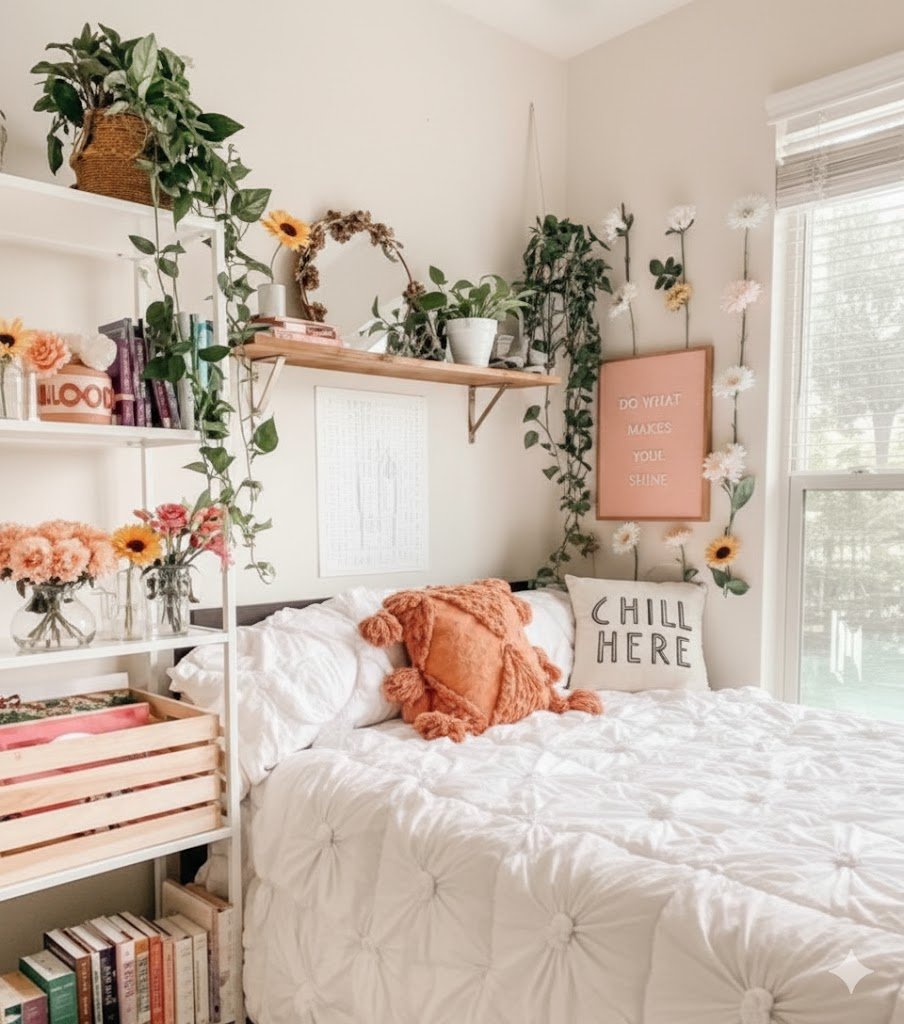
Choosing Versatile Furniture That Grows With Her
The furniture you choose today needs to work for your teen next year and maybe even through college. I’ve seen too many parents buy ultra-trendy pieces that look dated within months. Then they’re stuck with furniture that screams “2024” when we’re living in 2026. Let’s avoid that trap.
Start with the bed since it’s usually the largest piece in the room. You want something sturdy and timeless in style. A simple platform bed works in almost any decorating scheme. A sleigh bed brings classic elegance without being fussy. Skip anything too theme-specific like beds shaped like race cars or princess castles. Those worked when she was seven, but now they just look out of place.
The headboard deserves special attention since it becomes a focal point. You can buy one, make one, or skip it entirely. I’ve seen amazing headboards created from old doors, reclaimed wood, or even fabric stretched over frames. A DIY headboard lets you customize the exact look you want without breaking the bank. Plus you can change it later if tastes shift.
Think about bed size carefully. If she’s in a twin and space allows, moving to a full or queen makes sense. She’s growing taller. She’ll want room to stretch out. Friends might sleep over. A bigger bed becomes more practical as she gets older. Just make sure you measure first so you know what actually fits.
Now let’s talk about workspace because every teen needs one. School demands alone require a proper desk. Then add in computer time, creative projects, and just having a surface to spread out on. The desk doesn’t need to be expensive, but it needs to be functional. Make sure it’s big enough for a laptop, books, and supplies without feeling cramped.
The desk chair matters more than people realize. She’ll spend hours sitting there doing homework or chatting with friends online. An uncomfortable chair leads to back pain and poor posture. You don’t need a fancy ergonomic office chair, but get something with proper support. Let her test it out before buying if possible.
Storage becomes really important during the teen years. She’s accumulated stuff over the years, and teenage girls somehow need even more storage than younger kids. Dressers with deep drawers work better than those with shallow ones. A chest of drawers can supplement a smaller closet. Look for furniture with built-in storage like beds with drawers underneath or ottomans that open up.
Bookshelves serve multiple purposes in a teen’s room. Books obviously, but they’re great for displaying photos, awards, collections, or decorative items. Wall-mounted shelves save floor space in smaller rooms. Freestanding units can act as room dividers in larger spaces. Mix different shelf heights to accommodate various items.
Seating beyond the bed is something many people overlook. Teens want spaces where friends can hang out comfortably. A small sofa if room allows. A couple of poufs or floor cushions. A cozy chair in the corner. These seating options make the room feel more like a personal living space and less like just a bedroom.
Don’t forget about accommodating overnight guests. Your teen will want friends to sleep over sometimes. A trundle bed solves this beautifully. An air mattress you can stash in the closet works too. Even just extra pillows and blankets makes hosting friends easier.
Think about how furniture placement affects room flow. You need clear paths for walking. The door should open without hitting anything. Windows shouldn’t be blocked. Outlets should be accessible. Sometimes the perfect arrangement on paper doesn’t work in real life, so be ready to adjust.
Quality matters more than quantity. Three solid pieces of furniture beat five cheap ones that’ll fall apart. Check construction before buying. Open drawers and make sure they glide smoothly. Wiggle furniture to test stability. Read reviews from actual buyers. A little research upfront prevents disappointment later.
Can you refinish or repurpose existing furniture? That old dresser might look amazing with new paint and updated hardware. Grandma’s vintage desk could become a statement piece. Don’t automatically assume everything needs replacing. Some of the best teen rooms I’ve seen mix old and new in interesting ways.
Creating a Theme and Focal Point That Reflects Her Personality
Here’s where we get into the fun stuff. The theme sets the tone for everything else, so it needs to reflect who your teen actually is, not who you think she should be. I know a mom who insisted on a soft pink and white French country theme. Her daughter wanted bold geometric patterns and bright colors. Guess whose room became a battleground? Yeah.
Sit down together and talk about what she loves right now. Music tops the list for many teens. Maybe she’s into a specific genre or artist. Her favorite movies might inspire a theme. Books she can’t put down could work. Sports she plays. Hobbies she pursues. Even a color palette she gravitates toward counts as a theme.
The theme doesn’t need to be literal or obvious. You’re not creating a museum exhibit. You’re establishing a general vibe that ties the room together. A teen who loves the ocean might go for a coastal theme with blues, whites, and natural textures. Someone into vintage fashion might prefer a retro-inspired space with antique finds and bold patterns.
Keep the function of the room in mind while developing your theme. Is this purely a sleeping space? Does she need serious study areas? Will she hang out here with friends most afternoons? Does she do creative work like art or music here? The room’s purpose should influence how you execute the theme.
The focal point anchors the whole room. Usually that’s the bed, but it doesn’t have to be. I’ve seen rooms where a gallery wall of photos becomes the star. A reading nook with amazing lighting draws the eye. A statement piece of furniture commands attention. Even a bold accent wall can serve as the focal point.
If the bed is your focal point, dress it up. Special bedding makes a huge impact. A unique headboard we talked about earlier. Maybe a canopy or string lights above it. The goal is making it impossible to walk in without noticing the bed first.
Accent walls offer another way to create focal points. Choose the wall behind the bed or the one you see first when entering. Paint it a different color than the other walls. Use wallpaper or wall decals. Hang a large piece of art or a collection of smaller pieces. This draws attention and adds visual interest without overwhelming the space.
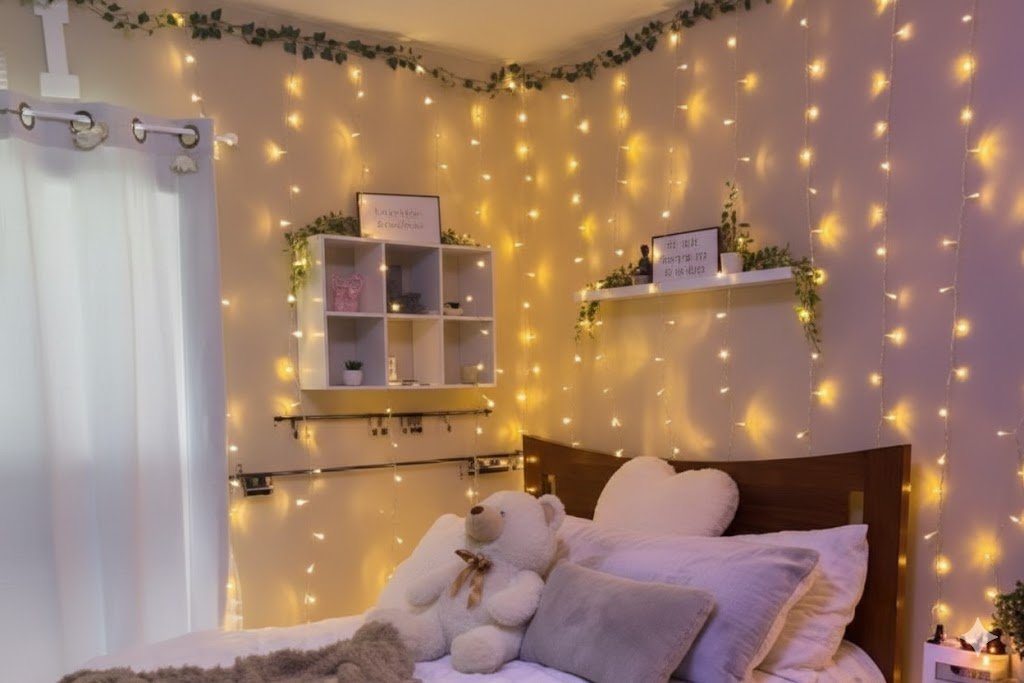
Lighting can create focal points too. A cool chandelier or pendant light becomes a conversation piece. String lights arranged artistically. A neon sign with her name or a favorite quote. LED strips that change colors. Lighting serves a practical purpose while adding personality.
Think about sightlines when planning your focal point. Stand in the doorway and see what catches your eye first. Sit on the bed and notice what you face. These natural viewing angles help you position elements for maximum impact.
Balance is key when working with themes and focal points. You want enough cohesion that the room feels intentional, but not so much that it becomes overwhelming or theme-park-like. A music lover’s room can feature musical elements without literally covering every surface in notes and instruments.
Let her personality shine through in unexpected ways. Quirky touches make a room memorable. A collection displayed on floating shelves. Vintage finds from thrift stores. DIY projects she made herself. These personal elements matter more than anything you can buy at a big box store.
Remember that themes can evolve over time. Build in flexibility so minor updates keep the room fresh. Swapping out throw pillows changes the mood. New curtains shift the color story. Art can be rotated seasonally. You’re creating a foundation that allows for growth and change.
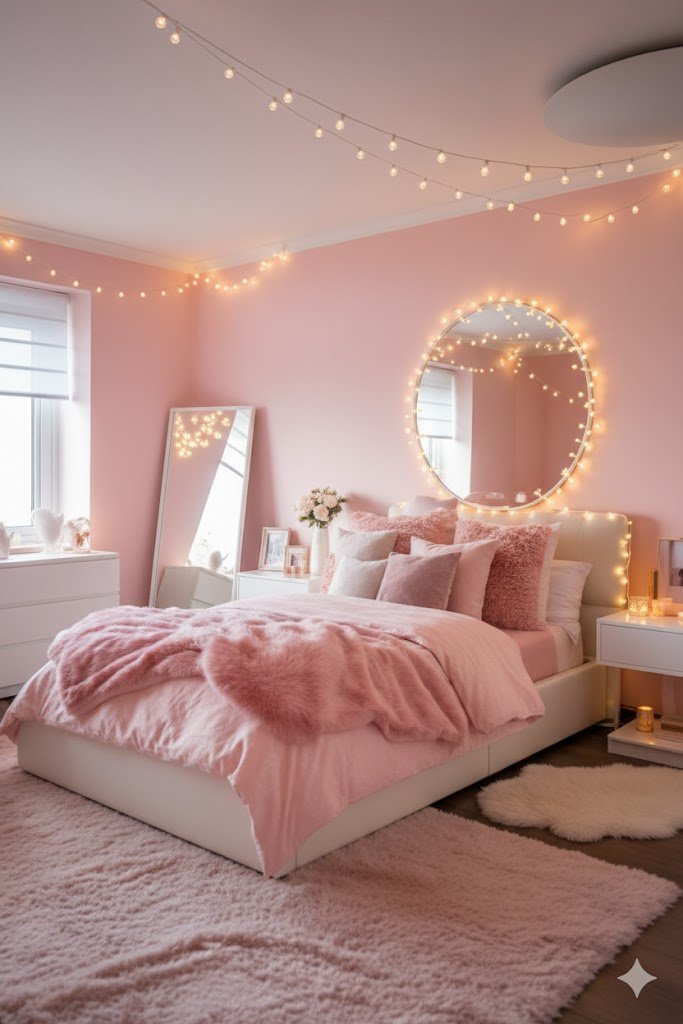
Selecting Colors That Set the Right Mood
Color might be the single most important decision you make when decorating a teen’s room. It affects mood, influences sleep quality, and sets the entire tone of the space. Get it right and the room feels perfect. Get it wrong and you’re repainting in six months. Let’s make sure you get it right.
Start by asking what feeling the room should have. Does your teen want an energizing space that sparks creativity? Or does she need a calm retreat from the chaos of school and social drama? The answer guides your color choices more than any trend or Instagram photo.
Neutral bases give you the most flexibility. Whites, grays, beiges, and tans work with everything. They won’t compete with furniture or accessories. They make small rooms feel bigger. They’re easy to change with different accent colors. I know neutrals sound boring, but they’re anything but when you layer them correctly.
You bring in personality through accent colors. Pick one or two bold shades that your teen loves. Use these on an accent wall, in bedding, through accessories, or in artwork. This approach lets her express her style without committing to bright pink walls that might feel childish in a year.
Blues and greens work beautifully in bedrooms. Light blue creates a serene atmosphere perfect for relaxation. Sage green brings nature indoors and promotes calmness. Teal offers more personality while still being soothing. These colors actually help with sleep quality, which matters when you’re dealing with a teen who already struggles to get enough rest.
Warmer colors like yellow and orange boost energy and creativity. They work well if she uses the room for art projects, studying, or activities beyond sleeping. Just use them carefully. Too much bright yellow can actually increase anxiety. Orange in large doses might be too stimulating for a space where she needs to wind down.
Be really careful with red. It’s bold and dramatic, which teens often love. But red raises heart rate and can make falling asleep harder. If she wants red, use it as an accent. Red throw pillows on a neutral bed. A red chair in the corner. Red artwork. Small doses give her the color without the sleep problems.
Purple shows up a lot in teen girl rooms, and for good reason. Lighter shades like lavender create tranquil spaces. Deeper purples feel sophisticated and grown-up. Purple works beautifully with both warm and cool accent colors, giving you lots of options for accessories and accents.
White and light colors make small rooms feel more spacious. They reflect light better than dark colors. They create an airy, open feeling. If you’re working with a tiny room, going light on the walls is smart. You can always add color through furniture, bedding, and decor.
Dark colors have their place too, but use them wisely. A charcoal gray accent wall can look incredibly sophisticated. Navy blue feels cozy and wrapped up. Black used sparingly adds drama and edge. Just don’t paint all four walls dark unless the room is large with great natural light.
Think about how natural light affects your color choices. A room with big windows can handle darker colors since sunlight brightens everything during the day. A room with limited natural light needs lighter walls to avoid feeling like a cave. Paint samples on the wall and look at them at different times of day before committing.
Consider the undertones in your colors. Some whites have pink undertones, others lean blue or yellow. Grays can be warm or cool. These undertones affect how colors look together and how they make the room feel. Bring home several paint chips and compare them against each other in the actual room.
You can absolutely use multiple colors in one room. An accent wall in a different shade adds dimension. Painting the ceiling a color besides white can be stunning. Even painting trim or doors in accent colors works. The key is making sure your colors relate to each other through a cohesive palette.
Don’t be afraid to break the rules. If she wants lime green and purple together, find a way to make it work. Teen rooms can handle bold combinations that might not fly in your living room. This is her space to experiment and express herself. As long as you’re not using colors that’ll harm sleep quality, let her personality come through.
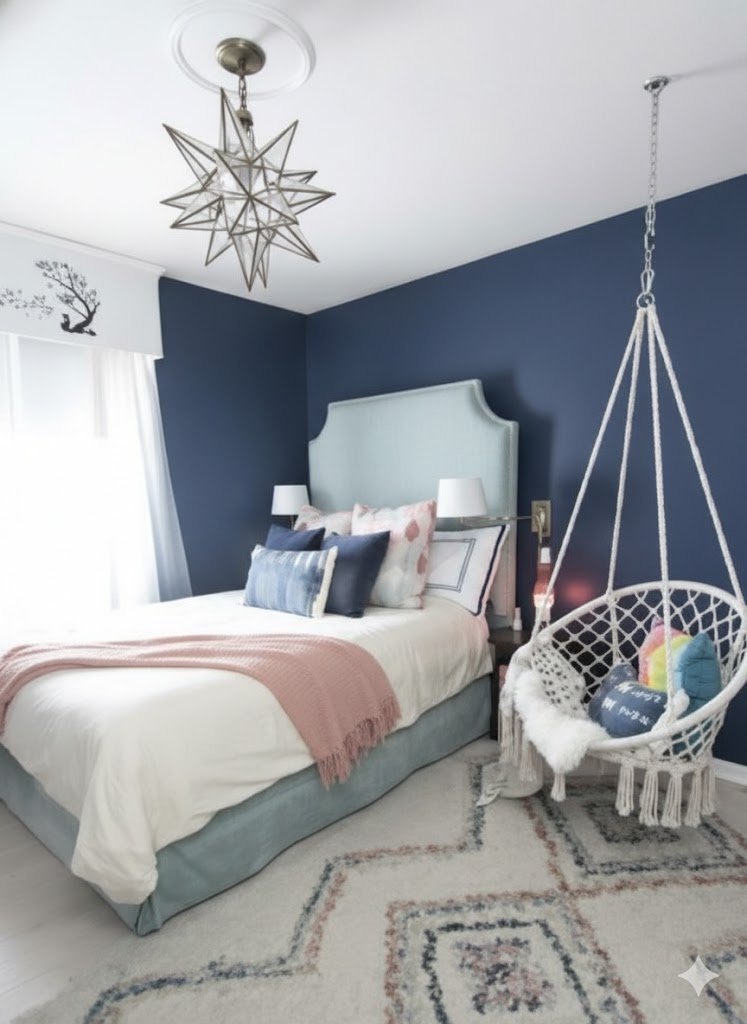
Adding Accessories and Personal Touches That Complete the Space
Now we get to the finishing touches that transform a nice room into her room. Accessories bring personality and warmth. They make the space feel lived in and loved. This is where your teen should really take the lead because these details reflect her individual style.
Bedding makes or breaks the overall look. You’ve got your furniture and paint done, and now the bedding pulls everything together. Let her choose patterns and colors she loves. Mix solids with patterns for visual interest. Layer different textures like a fuzzy throw blanket over smooth sheets. Multiple pillows in various sizes add a collected, cozy vibe.
Window treatments affect both style and function. Blackout curtains help teens sleep later on weekends. Sheer curtains let in light while providing privacy. Roman shades look clean and modern. Regular curtain panels soften the room. Think about what works for her sleep schedule and the room’s light situation before choosing.
Lighting deserves more attention than it usually gets. One overhead light isn’t enough. She needs task lighting for homework at her desk. A reading lamp by the bed. Ambient lighting for hanging out with friends. String lights or LED strips add atmosphere. Dimmer switches let her adjust brightness based on activity and mood.
Rugs define spaces and add warmth. A rug under the bed makes getting up more pleasant. A rug in a reading nook creates a cozy corner. Rugs also dampen sound, which matters if her room is above living spaces or if she has neighbors. Plus they’re easier to change than flooring when she wants a fresh look.
Wall art lets her showcase what matters to her. A gallery wall of photos with friends. Posters of favorite bands or movies. Prints of inspiring quotes. Her own artwork. A big mirror that’s both functional and decorative. Whatever goes on the walls should feel authentic to her, not styled for a magazine shoot.
Mirrors do more than help with outfit checks. They reflect light and make rooms feel bigger. A full-length mirror is practical. Smaller decorative mirrors add interest. A mirror with an interesting frame becomes wall art that’s actually useful.
Storage solutions that look good make keeping the room organized easier. Pretty boxes on shelves hide clutter. Baskets for throwing stuff in quickly. Hooks on the wall for bags and jewelry. A pegboard that displays and organizes. When storage is attractive, she’s more likely to actually use it.
Plants bring life into the space literally. They improve air quality and add color. Low-maintenance options work best for busy teens. Succulents need little water. Pothos vines are nearly impossible to kill. Snake plants thrive on neglect. Even fake plants work if she’s got a black thumb.
Personal collections deserve display space. Trophies and awards from sports or academics. Ticket stubs from concerts and events. Shells from beach vacations. Books she’s collected. Whatever she’s into, find a way to show it off. These items make the room uniquely hers.
Desk accessories keep her workspace functional and fun. Pen holders, desk organizers, a bulletin board for reminders. Maybe a desk lamp in a color she loves. A mouse pad with personality. These small items add up to create a workspace she actually wants to use.
Hardware updates seem minor but make a big difference. New drawer pulls on that old dresser. Different doorknobs. Decorative hooks. These small changes refresh furniture without major expense. Let her pick hardware in finishes and styles she likes.
Throw pillows and blankets are easy to swap out when she wants a change. They add color, pattern, and texture. She can switch them seasonally or whenever her taste shifts. This flexibility keeps the room feeling current without major overhauls.
A bulletin board or photo display lets her curate what she sees daily. Photos with friends and family. Inspirational quotes. Postcards and memorabilia. Concert tickets. This personalized display evolves as her life changes, keeping the room dynamic and current.
The secret to great accessories is curation, not accumulation. Too much stuff makes a room feel cluttered and chaotic. Help her choose items that really matter instead of filling every surface. Negative space lets the eye rest and makes the items she does display stand out more.
Let her shop for accessories herself when possible. Thrift stores and flea markets offer unique finds. Online marketplaces have endless options. Even big box stores carry good stuff if you look carefully. When she picks her own accessories, she invests emotionally in the space.
The best part about accessories is you can change them easily and affordably. When her style evolves or she gets tired of something, swapping out accessories refreshes the room without redoing everything. This flexibility matters when decorating for someone whose tastes are still developing.
Remember that decorating a teen’s room is really about creating a space where she feels comfortable being herself. It’s her retreat from the world, her creative workspace, and her personal expression all rolled into one. When you involve her in the process and respect her input, you create more than just a pretty room. You create a space she’ll treasure during these important years of her life.

Leave a Comment