
The Winter Warmth Challenge: Why Families Turn to Portable Fireplaces
I remember the first winter my wife and I spent in our new house. We’d moved in during August, so everything felt perfect. The rooms were bright, the neighbors were friendly, and we couldn’t wait to start our life there. Then December hit, and suddenly our cozy little home turned into what I can only describe as an icebox with furniture. Our heater was running constantly, the bills were climbing, and yet somehow we were still walking around in three layers of clothing just to feel comfortable.
That’s when we started looking into alternative heating solutions. You know that feeling when you’re sitting on your couch, wrapped in a blanket, sipping hot chocolate, and you’re still cold? That’s what we were dealing with. The thermostat said 68 degrees, but my toes disagreed completely. We weren’t alone in this struggle either. My neighbors told me they’d been sleeping in sweatpants and wool socks. Another friend admitted she’d actually considered moving back in with her parents just for their working fireplace.
The thing about central heating is that it works great until it doesn’t. When temperatures drop below zero, which happens more often than weather forecasters like to admit, your standard heater can struggle to keep up. It’s working overtime, burning through energy, and you’re still shivering. That’s the reality for millions of families every winter. We crank up the heat, watch our utility bills skyrocket, and wonder if there’s a better way.
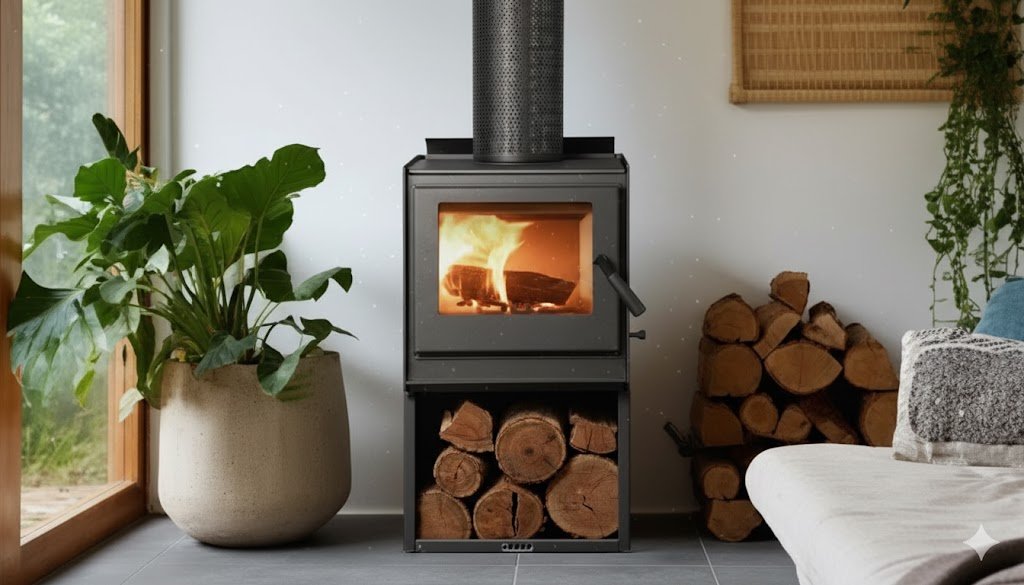
Portable fireplaces started showing up in our research pretty quickly. At first, I’ll admit, I was skeptical. A portable fireplace? It sounded like one of those “as seen on TV” products that looks amazing in the commercial but disappoints in real life. But the more we dug into it, the more sense it made. These aren’t your grandfather’s space heaters. They’ve come a long way from those orange-glowing coil things that always smelled vaguely of burning dust.
What makes portable fireplaces different is that they combine function with form. They heat your space, sure, but they do it in a way that doesn’t make your living room look like a hardware store clearance section. My wife was sold the moment she saw one that actually looked like furniture. I was sold when I saw the heating capacity. Together, we were a dangerous combination at the home improvement store.
The beauty of these units is their versatility. You can move them from room to room, which means you’re not heating your entire house when you’re only using one or two rooms. That’s smart heating, and it translates directly into savings. When we’re watching TV in the living room, we bring the heat there. When we’re cooking dinner, it moves to the kitchen. When we’re sleeping, it goes in the bedroom. It’s like having a heating assistant that follows you around, minus the creepy factor.
I’ve talked to families who’ve tried every heating solution imaginable. Some swear by space heaters, others stock up on electric blankets, and a few brave souls just wear more sweaters and call it a day. But there’s something about a portable fireplace that hits different. Maybe it’s the glow, maybe it’s the heat distribution, or maybe it’s just the psychological comfort of seeing flames (even if they’re electric). Whatever it is, it works.
The winter warmth challenge isn’t going away anytime soon. Climate patterns are getting weirder, energy costs keep rising, and our homes weren’t always built with modern insulation standards. That’s reality. But what we can control is how we respond to it. We can sit there and freeze, complaining about our heating bills, or we can get creative with solutions that actually work for our lives and our budgets.
One thing I’ve learned after years of dealing with cold winters is that one size doesn’t fit all when it comes to heating. What works for my house might not work for yours. What fits my budget might not fit yours. And that’s okay. The point is to know what options exist so you can make an informed choice. Portable fireplaces are one option, and a good one at that, but they’re part of a bigger conversation about how we keep our homes comfortable when nature decides to throw a deep freeze our way.
Family Gatherings Made Warmer: The Suburban Fireplace Solution
Growing up, my grandparents had this massive stone fireplace in their living room. It was the kind of thing you see in old movies, with a mantel big enough to display a dozen family photos and a firebox deep enough to roast marshmallows without burning your eyebrows off. Every holiday, every family gathering, every special occasion happened in that room. The fireplace was the center of everything. We’d crowd around it, kids on the floor, adults in chairs, and just be together. The warmth was physical, sure, but it was more than that. It created this atmosphere that made you want to stay, talk, and connect.
Fast forward to today, and most of us don’t have that kind of setup. Suburban homes are built differently now. Open floor plans, smaller rooms, and builders who seem to think heating vents are all you need. I get it. Fireplaces are expensive to install, they take up space, and they require maintenance. But here’s what gets lost in that practical thinking: fireplaces do something that heating vents never will. They create moments.
When my wife and I finally got serious about adding a fireplace to our home, people thought we were crazy. “Just use your heater,” they said. “Get a space heater,” they suggested. “You’re wasting money on something decorative.” But they were missing the point completely. We weren’t just buying a heating appliance. We were investing in the quality of our time at home. There’s a reason real estate agents always highlight fireplaces in listings. There’s a reason home improvement shows make such a big deal about them. They change the entire feel of a space.
Suburban families face a unique challenge when it comes to staying warm and comfortable. Our homes are often newer, which means they have decent insulation and modern HVAC systems. That’s great for maintaining a baseline temperature. But baseline isn’t always enough. When you’ve got kids running around, friends coming over, or you just want to create a cozy evening at home, cranking up the thermostat doesn’t cut it. You end up with dry air, uneven heating, and a room that feels mechanically warm but not actually inviting.
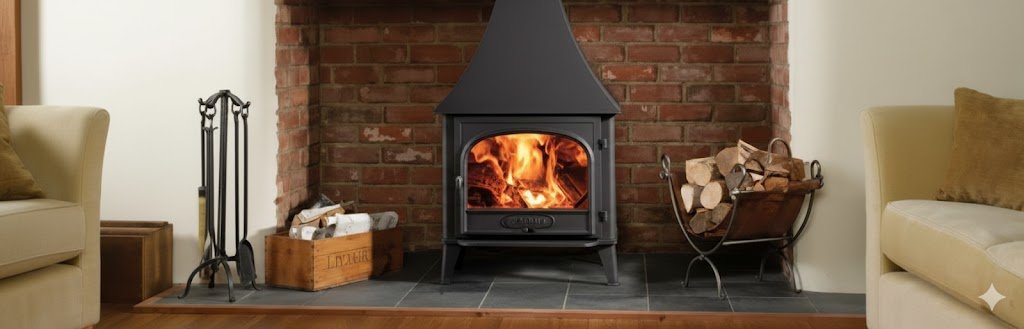
That’s where fireplaces shine. They provide targeted, radiant heat that changes how a room feels, not just what the thermometer says. I can set my thermostat at 65 and sit next to the fireplace in complete comfort. Try doing that with just your furnace running. You’d be grabbing for blankets within minutes. The heat from a fireplace is direct and satisfying in a way that forced air just isn’t.
My family has gotten into the habit of “fireplace nights.” That’s what we call them now. Once or twice a week, we’ll skip the TV, put away our phones, and just hang out in the living room with the fireplace going. Sometimes we play board games. Sometimes we just talk. Sometimes we read our own books in comfortable silence. The fire creates this bubble of warmth and comfort that naturally draws people in. My teenagers, who usually can’t wait to disappear into their rooms, will actually stick around when the fireplace is on. That alone was worth the investment.
Let me tell you something about aesthetic pleasure that nobody mentions in product descriptions or installation guides. It matters. It matters a lot. We spend so much of our lives in our homes, and the environment we create there affects our mood, our stress levels, and our relationships. A room with a fireplace has a completely different energy than a room without one. It’s warmer, not just temperature-wise, but emotionally. It invites you to slow down, to stay a while, to actually be present.
I’ve been to plenty of houses with beautiful furniture, expensive decorations, and all the latest tech. But you know what? They often feel cold, like showrooms instead of homes. Then I’ll visit someone with a modest setup but a great fireplace, and the whole place feels welcoming. That’s not coincidence. That’s the power of fire and warmth combined with good design. Our ancestors knew this thousands of years ago. We’ve just forgotten it in our rush to make everything efficient and modern.
The practical side matters too, don’t get me wrong. We use our fireplace to supplement our heating during the coldest months, which has legitimately lowered our energy bills. When we’re all in the living room anyway, why heat the entire house? We let the fireplace do the heavy lifting in the space we’re using, and we dial back the central heat. Over a full winter, that adds up to real savings. The fireplace paid for itself faster than we expected, and now it’s pure benefit.
Friends who visit our home always comment on the fireplace. It’s become this focal point that people gravitate toward. I’ve had guests arrive looking stressed from their day, and within 30 minutes of sitting near the fire, their whole demeanor changes. They relax, they smile more, they engage in conversation differently. That’s not me being poetic. That’s observable reality. Fire has this primal effect on humans. We’ve spent millennia gathering around it, and that instinct doesn’t just disappear when we build climate-controlled homes.

Quality time with family isn’t something you can force. You can’t schedule connection and expect it to happen on command. What you can do is create environments where connection becomes natural. A warm, comfortable living room with a fireplace is one of those environments. Instead of everyone scattering to their own devices and spaces, people actually want to be in the same room. They linger. They stay. They talk. That’s the real value of a fireplace in a suburban home.
If you’re considering whether a fireplace makes sense for your family, think beyond the heating aspect. Think about what it would mean to have a space in your home that naturally draws people together. Think about winter evenings when going outside is miserable but staying in feels genuinely good. Think about the memories you’ll create in front of that warmth. That’s what we’re really talking about here.
Fireplace Mantels: Beauty Meets Function in Home Design
The first time I really paid attention to fireplace mantels was at a friend’s house. They’d just finished renovating their living room, and the centerpiece was this gorgeous fireplace with a custom mantel. It wasn’t anything crazy ornate or expensive looking, but it was perfect for their space. Clean lines, warm wood, and styled with family photos and a few decorative pieces that actually meant something to them. I stood there looking at it and realized I’d been thinking about fireplaces all wrong.
Up until that point, I’d thought of fireplaces as purely functional. You build a firebox, maybe add some brick or stone, and call it done. The mantel seemed like an afterthought, something you added if you had extra budget or you were trying to get fancy. But seeing how much that mantel transformed the entire wall, the entire room really, changed my perspective completely. It wasn’t just a shelf above a fireplace. It was the frame that made the whole thing work.
Mantels do this interesting thing where they draw your eye upward and outward. Without a mantel, a fireplace is just a hole in your wall that produces heat and maybe some flames. With a mantel, it becomes a statement piece. It becomes architecture. It gives your eye somewhere to travel, creates visual interest, and provides context for everything else in the room. I know that sounds like interior design talk, but it’s true. Walk into ten different rooms with fireplaces, and the ones with well-designed mantels will always feel more pulled together.
My wife got really into researching mantel styles once we decided to upgrade ours. She’d show me pictures on her phone at dinner, during commercial breaks, basically any time she got a new idea. At first I was just nodding along, trying to be supportive. But then I started actually looking at what she was showing me. The variety is incredible. You’ve got traditional mantels with lots of detail and carved elements. You’ve got modern mantels that are basically floating shelves with attitude. You’ve got rustic mantels made from reclaimed barn wood. You’ve got sleek contemporary designs in metal or stone. The options go on forever.
What struck me about this research phase was how much a mantel choice says about your style and your home. It’s not just decoration. It’s an expression of who you are and how you want your space to feel. When we finally picked ours, we went with something in the middle ground. Not too traditional, not too modern. Wood construction with simple, clean lines that would work with different decor styles as our tastes changed over the years. Best decision we made in that whole renovation.
Now let’s talk about the practical side, which is where mantels really shine. That shelf space isn’t just for looks. It’s genuinely useful real estate in your home. We’ve got family photos up there, rotated seasonally. During fall we add some pumpkins and autumn decorations. Winter brings out candles and evergreen sprigs. Spring gets fresh flowers in simple vases. Summer usually sees some travel souvenirs from wherever we’ve been. The mantel has become this living display that changes with our lives.
I’ve got friends who use their mantel space for different purposes. One keeps his vinyl record collection displayed there, showing off favorite albums. Another uses it for her collection of vintage books, which looks amazing and gives the room this cozy library feel. Someone else has created a gallery wall above and around the mantel, turning that whole section of the room into a photo installation of their kids growing up. There’s no wrong way to use a mantel, which is part of what makes it so great.

The photos thing is big for us. We’re not great about printing and framing photos anymore. Everything stays digital, buried in phones and hard drives where nobody actually sees it. The mantel gives us a reason to print the good ones, frame them properly, and put them somewhere we’ll see every day. Our kids notice this too. They’ll point out pictures of themselves, ask about relatives they don’t remember meeting, tell stories about the moments captured. That connection to family history might seem small, but it adds up over time.
One thing nobody tells you about mantels is that they make you better at decorating. Sounds weird, but hear me out. When you’ve got this horizontal space that’s at eye level and commands attention, you start thinking about composition, balance, and visual flow. You learn what looks cluttered versus what looks intentional. You figure out how to mix heights, textures, and colors. These are skills that transfer to decorating the rest of your home. Our mantel became like a training ground for getting our whole house to look more pulled together.
The height and depth of your mantel matters more than you’d think. Too shallow and nothing stays put. Too deep and it looks weird, like a shelf that’s trying too hard. Too high and you can’t comfortably place or view items. Too low and it crowds the firebox opening. We learned this through trial and error, measuring other mantels we liked, and eventually finding the sweet spot for our space. If you’re installing or replacing a mantel, spend time getting those dimensions right. You’ll be living with this choice for years.
Material choice is another rabbit hole worth exploring. Wood mantels bring warmth and work with almost any style. Stone mantels make a bold statement and tie in beautifully with stone fireplaces. Metal mantels give you that industrial or contemporary edge. There’s even concrete mantels now, which can look surprisingly good in the right setting. Each material ages differently too. Wood develops character and patina. Stone stays largely unchanged. Metal might show wear in ways that add to its appeal or drive you crazy depending on your tolerance for imperfection.
We went with wood, specifically a nice piece of reclaimed oak that had some history to it. The carpenter who installed it told us stories about where the wood came from, an old barn that was being torn down to make room for new development. That piece of wood had been part of someone else’s story for over a hundred years, and now it’s part of ours. Every time I look at it, I think about that continuity. It makes the mantel feel less like a purchase and more like a piece of family furniture with meaning.
The installation process taught me respect for people who do finish carpentry for a living. Getting a mantel level, properly anchored, and aligned with everything else takes skill and patience. We hired a pro for ours, and watching him work was educational. He measured about fifteen times before making any cuts. He shimmed, adjusted, checked, and rechecked until everything was perfect. That attention to detail is why the mantel looks like it’s always been part of our house rather than something we added later.
If you’re thinking about adding a mantel to your fireplace, or upgrading the one you have, my advice is simple. Take your time with the decision. Look at lots of examples. Think about how you’ll actually use the space. Consider your room’s overall style and what will fit without looking forced. And don’t cheap out on installation. A beautiful mantel installed poorly looks worse than a simple mantel installed well. The difference between good and great often comes down to those final details.
Fireplace Mantel Surrounds: Elevating Your Design Game
After we got our mantel installed and started enjoying what it brought to our living room, my wife started dropping hints about surrounds. I’d nod along, pretending to know what she meant, until finally I had to admit I had no clue what a fireplace surround was or why we needed one. Turns out, a surround is the framework around the firebox opening itself. It’s what connects the firebox to the wall and to the mantel. Think of it as the middle layer in a fireplace sandwich. The firebox is the filling, the mantel is the top piece of bread, and the surround is the rest of the bread holding everything together.
Once you start noticing surrounds, you see them everywhere. They’re in historic homes and modern apartments, in mansions and modest bungalows. The surround is what gives a fireplace its character and style. It can be simple or elaborate, traditional or contemporary, subtle or bold. Like mantels, the variety is almost overwhelming once you start looking at options. My wife and I spent weeks browsing showrooms, scrolling through websites, and visiting friends’ houses to see their fireplaces with fresh eyes.
The material you choose for a surround completely changes the vibe of your fireplace and room. We saw old wood surrounds that gave off rustic farmhouse energy. The wood was weathered and worn, with nail holes and grain patterns that told stories. Standing next to one of these felt like being in a cabin somewhere remote and peaceful. Then we looked at metal surrounds, sleek and modern, that made the fireplace look like a piece of contemporary art. The metal caught light differently throughout the day, creating this dynamic visual element that changed with the sun’s position.
Marble surrounds are in a class by themselves. There’s something about marble that just screams elegance and permanence. We visited a friend who’d installed a white marble surround with subtle gray veining, and I’ll be honest, I was jealous. It made their whole living room feel upscale and sophisticated. The cool, smooth surface of marble contrasts beautifully with the heat and energy of a fire. It’s a balance of opposites that works incredibly well. The downside? Marble is expensive and requires maintenance to keep it looking good. You can’t just ignore it and expect it to stay perfect.
Stone surrounds have a different appeal entirely. Where marble is refined and polished, stone is rugged and natural. We looked at slate surrounds, granite surrounds, and stacked stone surrounds that created texture and depth. The stone options felt more casual and forgiving. A marble surround shows every fingerprint and watermark. A stone surround? You’d have to work pretty hard to make it look bad. That practical consideration mattered to us, especially with kids who don’t always remember to use coasters or keep their hands to themselves.
The surround you pick needs to work with your mantel and your overall room design. You can’t just slap any surround with any mantel and expect it to look good. There needs to be cohesion, some kind of visual relationship that ties everything together. When we were planning ours, we laid out samples of mantel wood next to samples of surround materials. We looked at them in different lighting. We took pictures and looked at them on our phones. We lived with the samples for a few days before making any decisions. This might sound excessive, but we wanted to get it right.
We ended up choosing a reclaimed wood surround that matched the era and style of our mantel. The wood came from old factory flooring, thick planks with a rich patina that new wood can’t replicate. The carpenter who did our mantel did the surround too, and he was adamant about matching not just the color but the character of the wood. He spent time arranging the planks to get the grain patterns flowing in a way that looked natural and intentional. The result was worth every penny and every minute of planning.
What’s interesting about surrounds is how they affect the apparent size of your fireplace. A wide surround makes the fireplace look more substantial and important. A narrow surround keeps things minimal and lets other elements in the room shine. A surround with lots of detail and depth creates shadow and dimension. A flat surround keeps things simple and modern. These aren’t just aesthetic choices. They’re practical decisions about how your fireplace fits into your room’s architecture and furniture arrangement.
The installation process for our surround was more involved than I expected. The carpenter had to carefully measure and cut each piece, account for the firebox’s heat, and secure everything safely to the wall structure. Surrounds aren’t just decorative. They have to be fire resistant and properly installed to meet safety codes. We learned about clearances, about heat shields, about materials that can and can’t be used near an active firebox. This isn’t a DIY project unless you really know what you’re doing and you’re willing to risk making expensive mistakes.
Living with our completed fireplace, mantel and surround together, has been a genuine pleasure. The surround we chose accentuates the fireplace without overwhelming it. It creates a frame that draws your attention to the fire itself while adding enough visual interest to make the whole wall worth looking at even when the fire isn’t lit. That’s good design. It works when it’s active and when it’s not.
I’ve talked to other homeowners about their surround choices, and everyone has their own story and reasoning. Some went ultra modern with concrete. Others embraced tradition with carved wood and ornate details. Some mixed materials, combining metal with wood or stone with tile. There’s no universally right answer. What matters is finding something that makes sense for your home, your style, and your budget. The best surround is one that makes you happy every time you walk into the room.
Electric Fireplaces: The Modern Solution for Small Spaces and Tight Budgets
Let me be real with you for a second. Not everyone can install a traditional fireplace. Some people live in apartments where structural changes aren’t allowed. Others have homes where adding a chimney and firebox would cost more than their car is worth. Some folks are working with tiny spaces where a full fireplace setup would dominate the entire room. And plenty of people simply don’t have thousands of dollars sitting around for home improvements. That’s where electric fireplaces come into play, and they’re way better than you might think.
I had my own prejudices about electric fireplaces. In my mind, they were those cheesy things you’d see in hotel lobbies, with fake flames that looked like orange tissue paper waving in front of a light bulb. The kind of thing that fools nobody and just reminds you that you’re not enjoying a real fire. My cousin had one in his basement apartment years ago, and it was exactly as bad as I imagined. The flames looked plastic, the heat was minimal, and the whole setup screamed “I couldn’t afford the real thing.”
Then a friend invited us over to his new condo and showed off his electric fireplace with genuine pride. I prepared myself to be polite about whatever monstrosity he’d bought. But when I actually saw it and felt it, I had to completely reassess my assumptions. This thing looked good. The flames had depth and movement that mimicked real fire surprisingly well. The heat output was strong enough to warm his entire living area. And the whole unit was built into a beautiful media console that served multiple purposes. I was impressed, and I’m not easily impressed.
Modern electric fireplaces have come a long way from their ancestors. The technology behind the flame effects has improved dramatically. Instead of simple bulbs and spinning reflectors, you’ve got LED systems with multiple colors and intensity levels. Some models use water vapor and lights to create incredibly realistic flame effects. You can adjust the flame height, color, and speed to match your mood. And here’s the kicker: you can run the flames without the heat, which means you can enjoy the ambiance year round without turning your room into a sauna.
The practical advantages of electric fireplaces are hard to ignore. Installation is often as simple as placing the unit where you want it and plugging it into a standard outlet. No contractor, no permits, no tearing into walls or cutting holes in your roof. You can set one up in an afternoon by yourself. If you move, you can take it with you. Try doing that with a traditional fireplace. The portability and flexibility alone make electric fireplaces worth considering for anyone who rents or expects to relocate in the future.
Space savings are another huge benefit. A traditional fireplace needs clearance around it, a chimney taking up vertical space, and often a hearth extending into the room. An electric fireplace can be as slim as a flat screen TV mounted on your wall. You can get models that fit into existing entertainment centers. There are corner units that utilize space most people waste anyway. Some are designed to look like furniture pieces that serve double duty as storage or display surfaces. The space efficiency is perfect for apartments, condos, or smaller homes where every square foot matters.
Let’s talk money for a minute. A basic electric fireplace starts around a few hundred dollars. A nice one with good features might run you a thousand or two. Compare that to installing a traditional fireplace, which can easily cost five to fifteen thousand dollars depending on your home’s setup and the materials you choose. Even a gas fireplace installation, which is simpler than wood burning, will typically cost several thousand dollars minimum. Electric fireplaces give you the ambiance and supplemental heating for a fraction of the price. For budget conscious families, that difference is significant.
The heating capability of electric fireplaces surprises people. They’re not going to heat your entire house, but they can comfortably warm a medium sized room. Most models put out around 4,000 to 5,000 BTUs, which is enough for spaces up to 400 square feet or so. We tested this at my cousin’s place after he upgraded to a better model. His living room is maybe 300 square feet, and the electric fireplace kept it comfortably warm on a night when it was in the twenties outside. He wasn’t running his central heat at all in that room. The electric fireplace handled it by itself.
One thing people worry about with electric fireplaces is the electricity cost. Fair concern. These units do use power, typically between 750 and 1,500 watts when the heater is running. But here’s the thing: they’re still usually cheaper to operate than running your central heating system to achieve the same temperature in one room. You’re heating just the space you’re using rather than your whole house. We ran the numbers for our own situation, and using an electric fireplace in our most lived in room while keeping the thermostat lower elsewhere would actually save us money over a winter. Not tons of money, but enough to matter.
The safety factor with electric fireplaces is worth mentioning. There’s no real flame, which means no carbon monoxide risk, no chimney fires, no sparks jumping onto your carpet. The glass front gets warm but not dangerously hot like a real fireplace. You can leave one running and go to bed or leave the house without the same concerns you’d have with a wood or gas fireplace. For families with small kids or pets, this peace of mind is valuable. My sister has an electric fireplace specifically for this reason. Her toddler is fascinated by it but can’t get hurt by it.
The aesthetic options have expanded like crazy in recent years. You can find electric fireplaces styled to look traditional, modern, rustic, industrial, or minimalist. There are models with realistic log sets, others with contemporary glass crystals, and some with just flames and no visible fuel at all. You can get them in black, white, wood finishes, metal finishes, and custom colors. Some come as complete wall units with built in shelving and storage. Others are standalone units that look like furniture pieces. The variety means you can find something that fits your existing decor rather than having to design around it.
Are electric fireplaces perfect? No. The flame effects, as good as they’ve gotten, still don’t fully replicate a real fire. There’s no crackling sound unless you add a speaker system that plays recorded crackle sounds, which some models do. There’s no real smell of burning wood, which for some people is part of the appeal of a fireplace. And while the heat is functional, it’s distributed by a fan, which means it’s forced air heat rather than radiant heat. These are trade offs you make for the convenience, cost savings, and flexibility.
For anyone who’s on the fence about electric fireplaces, my advice is to actually see one in person before making judgments. Go to a showroom, visit a friend who has one, or at least watch some quality video reviews that show the flames in realistic lighting conditions. The gap between what you might imagine an electric fireplace is and what modern ones actually are might surprise you. They’ve become a legitimate option for adding warmth and ambiance to a home, not just a cheap substitute for people who can’t have the real thing.
Making Your Choice: Finding the Perfect Heating Solution for Your Home
We’ve covered a lot of ground here, from traditional fireplaces to mantels to surrounds to electric alternatives. If your head is spinning a little, that’s understandable. The good news is that there’s no wrong choice, only different choices that work better or worse for specific situations. The question isn’t “what’s the best option?” It’s “what’s the best option for me, my home, my family, and my budget?”
Start by being honest about your constraints. If you’re renting, a traditional fireplace installation probably isn’t realistic. If you own your home but budget is tight, dropping ten grand on a custom fireplace might not make sense right now. If you’ve got a tiny apartment, a massive stone fireplace surround would overwhelm your space. If you’ve got small children or pets, safety considerations need to be front and center. These practical realities aren’t limitations. They’re just parameters that help narrow down what will actually work for you.
Think about how you’ll actually use whatever heating solution you choose. Are you someone who wants a fireplace running every evening all winter long? Then you need something efficient and cost effective to operate. Are you looking for occasional ambiance for special occasions and gatherings? Then you can prioritize looks and atmosphere over heating capacity. Do you need serious supplemental heat to keep your bills down? Then heating output becomes the main consideration. Different use cases point toward different solutions.
The aesthetic side matters more than some people want to admit. You’re going to live with whatever you install or buy. You’ll see it every single day. If it doesn’t make you happy when you look at it, if it feels like a compromise or something you settled for, that’s going to wear on you over time. I’ve seen people install perfectly functional heating solutions that they end up resenting when they just don’t look right in the space. Take the time to find something that genuinely appeals to you visually, not just something that meets the technical requirements.
Installation complexity and cost is another factor worth serious consideration. Traditional fireplaces require professional installation, permits, inspections, and often significant construction work. Gas fireplaces are somewhat simpler but still require gas lines and venting. Electric fireplaces can often be self installed in an afternoon. If you’re handy and want a weekend project, that might push you toward an electric option. If you want something permanent and you’re already doing a major renovation, traditional might make more sense. Match the complexity to your situation and your tolerance for construction chaos in your home.
Maintenance requirements vary wildly between different options. Wood burning fireplaces need regular chimney cleaning, ash removal, and inspection. Gas fireplaces need annual servicing and pilot light attention. Electric fireplaces need essentially nothing beyond occasional dusting and maybe changing a light bulb every few years. If you’re someone who stays on top of home maintenance religiously, any option works. If you’re more of a “set it and forget it” person, steer toward lower maintenance choices. Be realistic about who you are and what you’ll actually keep up with.
The resale value consideration is real if you plan to sell your home eventually. A well done traditional fireplace typically adds value and appeal to a property. It’s a selling point that real estate agents highlight in listings. An electric fireplace, while nice, probably isn’t going to move the needle much on home value since the next owner could easily remove it. If you’re planning to sell within a few years, that might influence your decision. If you’re planning to live in your home for decades, choose what makes you happiest now rather than what some future buyer might prefer.
My own journey through all these options taught me that perfect is the enemy of good. We didn’t end up with our dream fireplace setup right away. We started with a solid basic installation, lived with it for a while, then upgraded the mantel. Later we added the surround. Spread out over a few years, the cost was manageable and we got to refine our vision based on actually living with the fireplace rather than just imagining how it would be. That gradual approach might work for you too.
Talk to people who’ve made different choices and ask about their real world experience. Not the sales pitch version, but the honest assessment after living with their decision for a year or more. What do they love? What would they change? What surprised them? What costs did they not anticipate? Real feedback from real people beats marketing materials every time. I learned more from casual conversations with friends and neighbors than I did from hours of online research.
The heating efficiency and cost to operate is something you can actually calculate with some decent accuracy. Look up the specs on any unit you’re considering. Check your local electricity or gas rates. Run the numbers on what it would cost to operate for the hours you’d realistically use it. Factor in any savings from reducing your central heating usage. This isn’t guesswork. You can get a pretty good sense of the ongoing costs before you commit. Those operational costs add up over years and can make a cheaper unit more expensive in the long run or vice versa.
Safety should be near the top of your priority list, not an afterthought. Different heating solutions come with different safety profiles. Real fireplaces need proper clearances, fire screens, and careful monitoring. Gas fireplaces need functioning carbon monoxide detectors and regular inspections. Electric fireplaces are generally the safest option but still need to be used according to manufacturer guidelines. Think about your household. Do you have curious toddlers who touch everything? Pets that might get too close? Teenagers who might not be as careful as they should be? Let your real life situation guide you toward appropriately safe choices.
The climate where you live affects what makes sense too. If you’re dealing with brutal winters where temperatures stay below freezing for months, you need serious heating capacity. If you’re in a milder climate where you only get chilly a few weeks per year, ambiance might matter more than raw heating power. If you’re somewhere humid, certain materials for surrounds and mantels hold up better than others. If you’re in a dry climate, you’ve got different considerations. Your local conditions matter more than what works in some general, generic situation.
Think about the timeline you’re working with. If you need heat now and it’s the middle of winter, you’re probably looking at electric fireplaces or portable options you can set up immediately. If you’ve got time to plan and execute a proper installation, the world opens up to traditional and gas options. If you’re coordinating with other renovation work, you can integrate a fireplace installation into that larger project. Timing affects not just what you can do but what makes financial and practical sense.
Your personal relationship with technology and complexity matters too. Some people love having remote controls, smartphone apps, and programmable features. Others just want something simple that works when they flip a switch. Modern electric fireplaces can come with all sorts of tech features. Traditional fireplaces are as analog as it gets. Gas fireplaces fall somewhere in the middle. Pick the level of technological complexity that matches your comfort level and preferences. There’s no point in having features you’ll never use or that frustrate you.
The sound aspect is something people don’t always think about until they’re living with their choice. Real wood fires crackle and pop. That’s part of the appeal for many people. Gas fires have a subtle whoosh of flame. Electric fireplaces are generally silent unless they have fan heaters running, which creates white noise. Some people find that noise soothing. Others find it annoying. If you’re sensitive to sound, this is worth considering upfront. You can’t really change the sound profile of your heating solution after you’ve installed it.
Space planning goes beyond just “will it fit?” Think about furniture arrangement, traffic flow through the room, and sight lines from different seating areas. Your fireplace should work with your room layout, not fight against it. We repositioned our couch three times before we found the arrangement that let us enjoy the fireplace comfortably while still being able to watch TV and have conversations. That kind of spatial relationship takes some trial and error. If possible, mock up the size and position of your planned fireplace with cardboard or painter’s tape before committing to anything permanent.
The emotional component of this decision is real and valid. Some people have strong memories attached to fireplaces from their childhood or past homes. Maybe your grandparents had one, or you remember cozy nights at a cabin. Those emotional connections might draw you toward recreating a specific type of fireplace experience. That’s okay. It’s your home and your money. If having a traditional wood burning fireplace matters to you emotionally, that’s a legitimate factor in your decision making. Don’t let anyone tell you it’s impractical or old fashioned if it’s what will make you happy.
Budget flexibility can change everything. If you’ve got a fixed amount you can spend right now, that’s one scenario. If you can save up and do this right over time, that’s another scenario. If you can finance it or roll it into a larger home equity loan, that’s yet another option. Be clear about what you can actually afford, not just the sticker price but the total cost including installation, accessories, ongoing maintenance, and operation. Stretching your budget too thin on the initial purchase can leave you unhappy when maintenance costs hit or energy bills arrive.
The do it yourself question comes up a lot. Some aspects of fireplace installation are definitely DIY friendly if you’re skilled and careful. Other aspects absolutely require professional help for safety and code compliance. Electric fireplaces lean heavily DIY. Traditional fireplaces lean heavily professional. Know your skill level honestly. I can hang drywall and paint competently, but I wouldn’t touch gas lines or structural fireplace work. Saving money on installation is great until something goes wrong and you’re paying even more to fix your mistakes. Get multiple quotes from pros and weigh that against your actual DIY capabilities.
Long term satisfaction often comes down to whether your choice fits your lifestyle, not just your house. A fireplace that requires constant attention might be perfect for someone who loves tending fires and sees it as a hobby. That same fireplace would be a burden for someone who wants low maintenance warmth. An ultra modern electric fireplace might thrill someone who loves sleek contemporary design. That same unit might feel cold and impersonal to someone who wants rustic charm. Match the solution to who you are and how you actually live, not some idealized version of yourself.
Whatever you choose, commit to making it work for you. Add the mantel that makes it personal. Choose the surround that elevates the design. Arrange your furniture to enjoy it properly. Use it regularly so it becomes part of your routine rather than a decoration you ignore. The best heating solution is the one you’ll actually use and enjoy, not the one that looks impressive in photos but doesn’t fit your real life.
We’ve covered traditional fireplaces with all their charm and requirements, portable options for flexibility, mantels that add beauty and function, surrounds that complete the look, and electric alternatives that solve specific challenges. Each option has strengths and weaknesses. Each works better in some situations than others. Your job is to honestly assess your situation, your preferences, your constraints, and your priorities, then pick what makes the most sense for you.
The goal here isn’t perfection. It’s finding something that makes your home warmer, more comfortable, and more enjoyable to spend time in. Whether that’s a full traditional fireplace with custom millwork or a simple electric unit you can plug in today, what matters is that it works for your life. Your home should support the way you want to live, not force you to adapt to design choices that don’t fit.
Take your time with this decision. Look at examples, talk to people, measure your space, run the numbers, and really think about how you’ll use whatever you choose. This isn’t a decision you want to rush and regret. But don’t overthink it into paralysis either. At some point you’ve got to pick something and move forward. Trust that you’ve done your homework, make the best choice you can with the information you have, and go for it.
Your home deserves to be warm and welcoming. You deserve to be comfortable in the space where you spend so much of your life. Whether you end up with a roaring wood fire, a convenient gas flame, or a modern electric alternative, you’re investing in your quality of life at home. That’s never money wasted. That’s taking care of yourself and your family in a tangible, meaningful way. Now you’ve got the information you need to make a choice that fits your situation. The rest is up to you.

Leave a Comment