
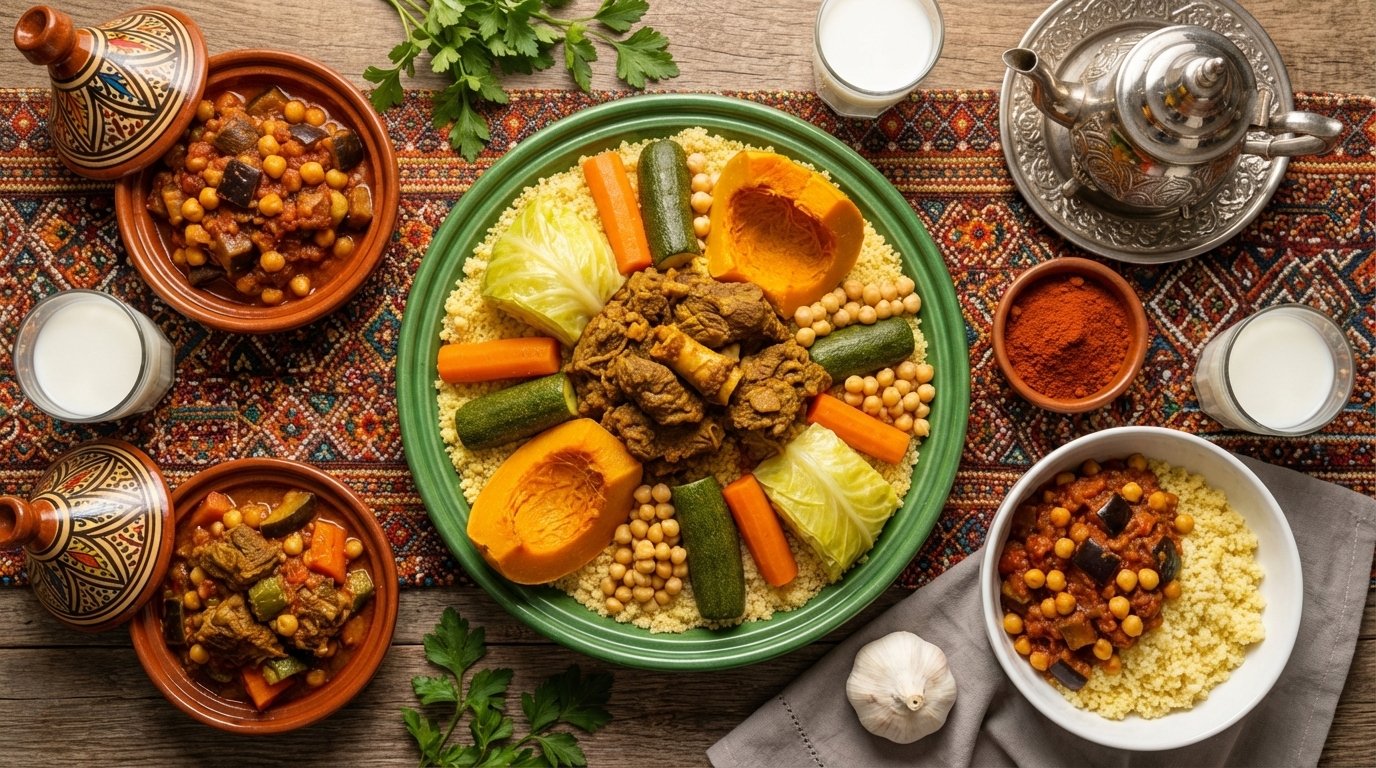
North African flavors dominate home cooking trends this year. You want to serve an easy Marrakesh couscous recipe. You struggle with clumpy grains and bland results. Preparing this traditional dish feels overwhelming. You face complex spice lists and unfamiliar steaming techniques. This guide delivers thirty precise methods. You will craft a flawless side dish every single time. You will master the exact ratios needed to replicate professional kitchen results at home. Check out our related guide on simple Mediterranean diet meal plans.
Since you are currently in Marrakesh, you know that a true Friday couscous is an art form! However, for a home cook, we can simplify the process without losing those soul-warming flavors.
The “easy” secret is to use a one-pot method for the stew and “instant” couscous that we steam with aromatics to mimic the traditional couscoussier
Key Takeaways
- Discover the exact liquid ratios for perfectly fluffy grains.
- Learn traditional spice blends for authentic flavor profiles.
- Master the art of balancing sweet and savory ingredient additions.
- Explore simple gluten free alternatives for dietary restrictions.
- Build stunning visual presentations for your dinner table.
Since you are currently in Marrakesh, you know that a true Friday couscous is an art form! However, for a home cook, we can simplify the process without losing those soul-warming flavors.
The “easy” secret is to use a one-pot method for the stew and “instant” couscous that we steam with aromatics to mimic the traditional couscoussier results.
** The Recipe: Easy Marrakesh-Style Lamb (or Beef) Couscous
** Ingredients
** The Meat & Broth:
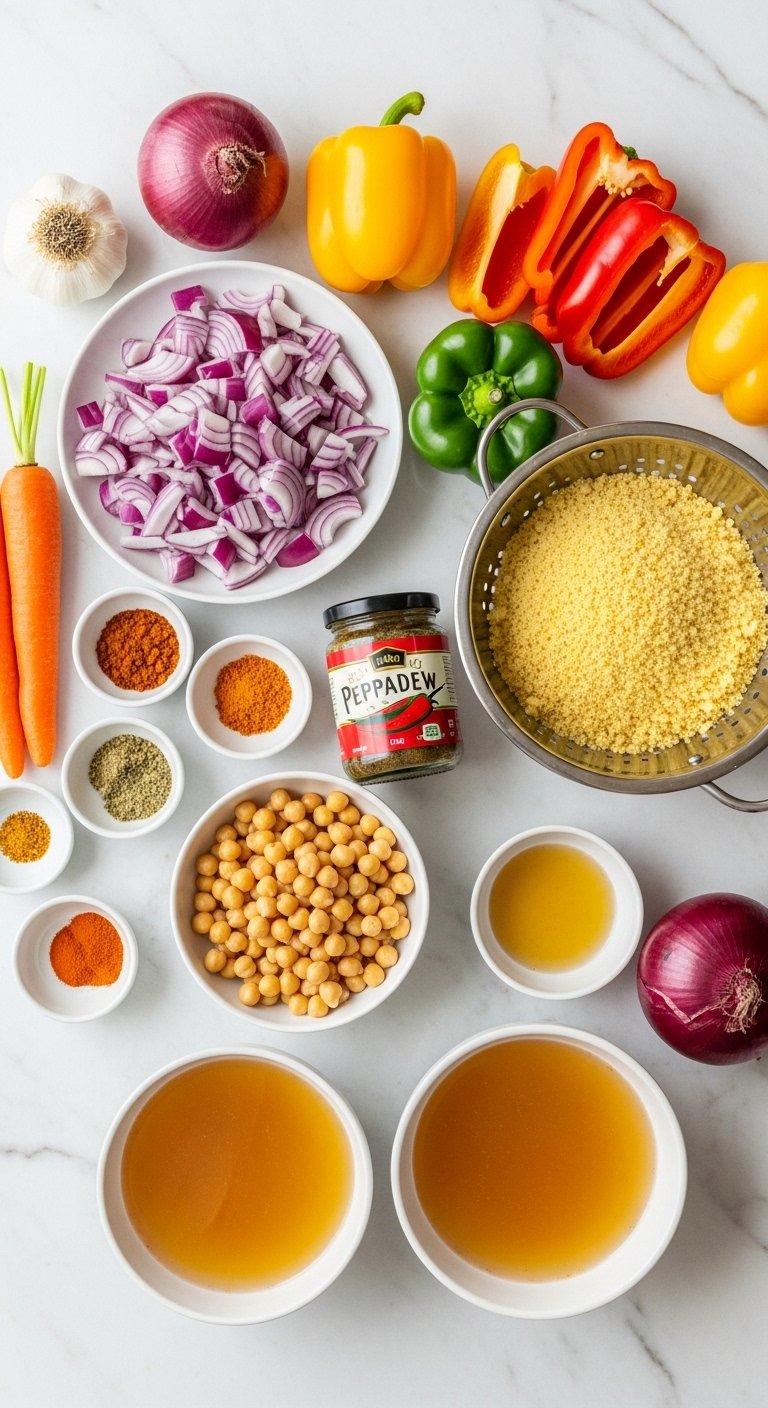
1 lb (500g) Lamb or Beef (shoulder or leg, cut into large chunks)
1 large onion, grated or finely chopped
2 tomatoes, grated (discard the skin)
¼ cup olive oil
1 teaspoon each: Ginger, Turmeric, Salt
½ teaspoon: Black pepper
A pinch of Saffron threads (optional, but recommended)
1 small bunch of fresh Cilantro and Parsley (tied with string)
1.5 Liters water
** The Vegetables:
2 large carrots, peeled and halved lengthwise
2 small zucchini, halved
1 cup canned chickpeas, drained
A wedge of pumpkin or butternut squash (thick slices)
** The Couscous:
2 cups “Instant” Couscous
2 cups boiling water (or broth)
1 tablespoon butter or Smen (Moroccan preserved butter)
A pinch of salt
** Instructions
Sear the Meat: In a large pot or pressure cooker, heat the olive oil. Add the meat, onion, and spices. Sauté for about 5 minutes until the meat is browned and the onions are soft.
The Base: Add the grated tomatoes and the bunch of herbs. Pour in the water. Cover and simmer (or pressure cook) until the meat is about 70% tender (approx. 40 mins in a regular pot, 20 mins in a pressure cooker).
Add Vegetables: Add the carrots first (they take longest). After 10 minutes, add the pumpkin, zucchini, and chickpeas. Cover and simmer until all vegetables are tender and the meat falls apart.
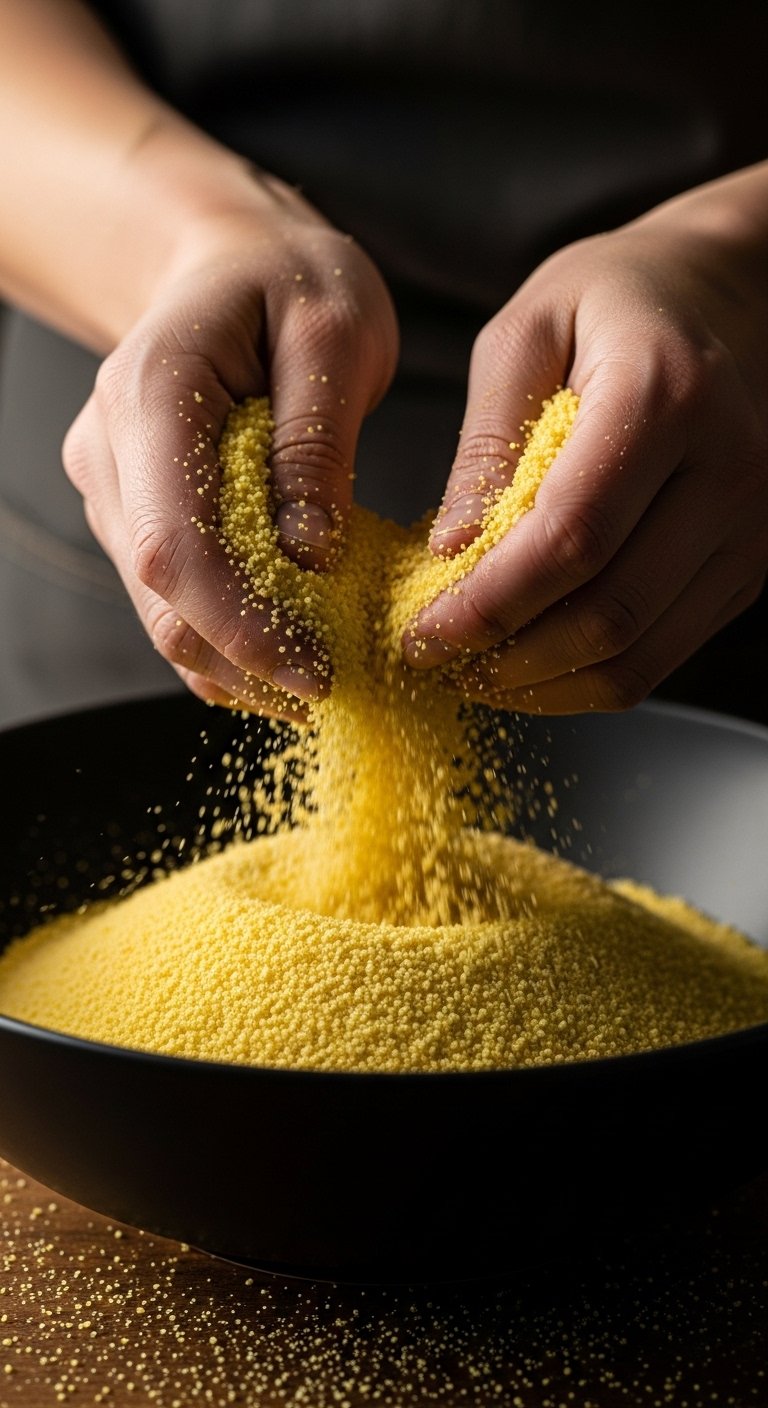
Prepare the Couscous: While the stew finishes, place the dry couscous in a large bowl. Pour 2 cups of boiling water (seasoned with a bit of the broth from your pot) over it. Cover tightly with plastic wrap for 5–10 minutes.
Fluff: Remove the cover, add a knob of butter (or Smen), and use a fork to fluff the grains, breaking up any clumps until they are light and airy.
** The Presentation
In Morocco, couscous is a communal dish, symbolizing togetherness.
** Visual Plating
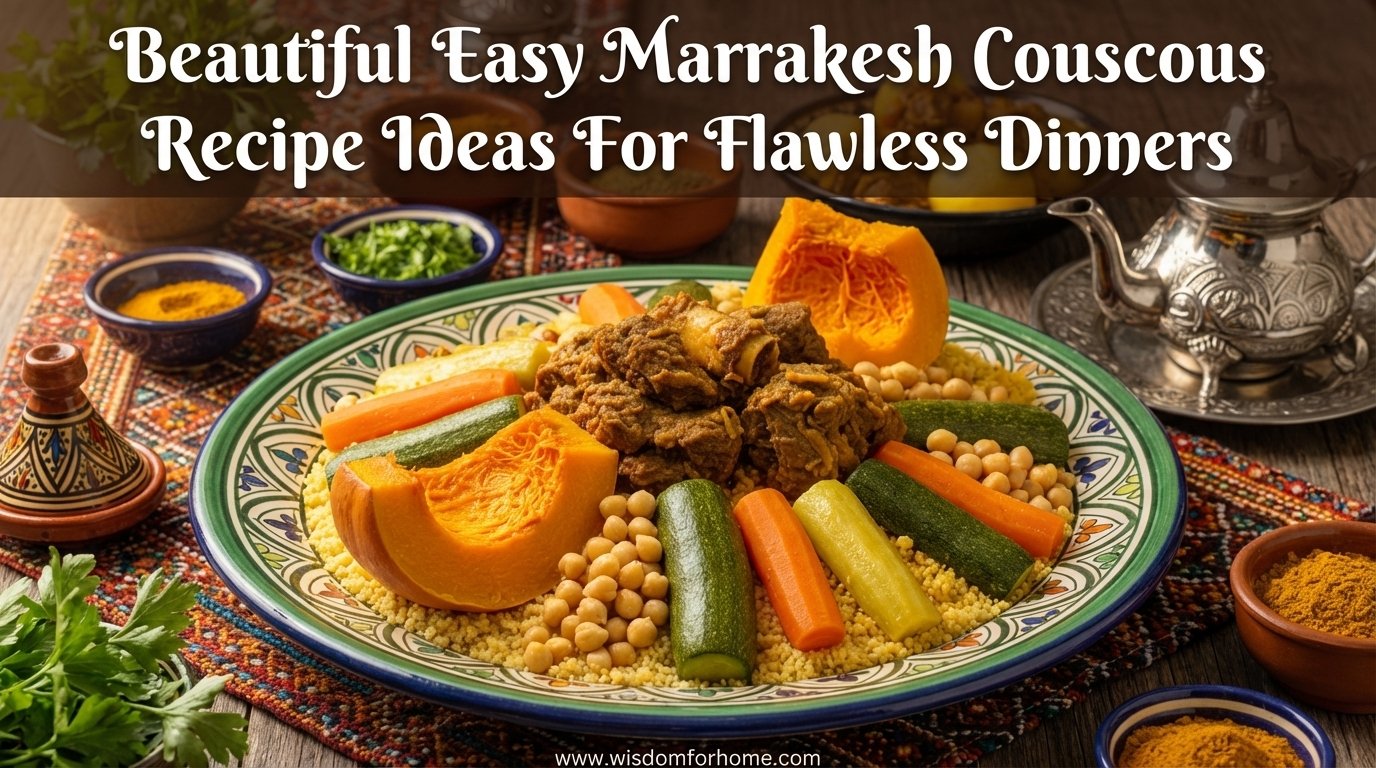
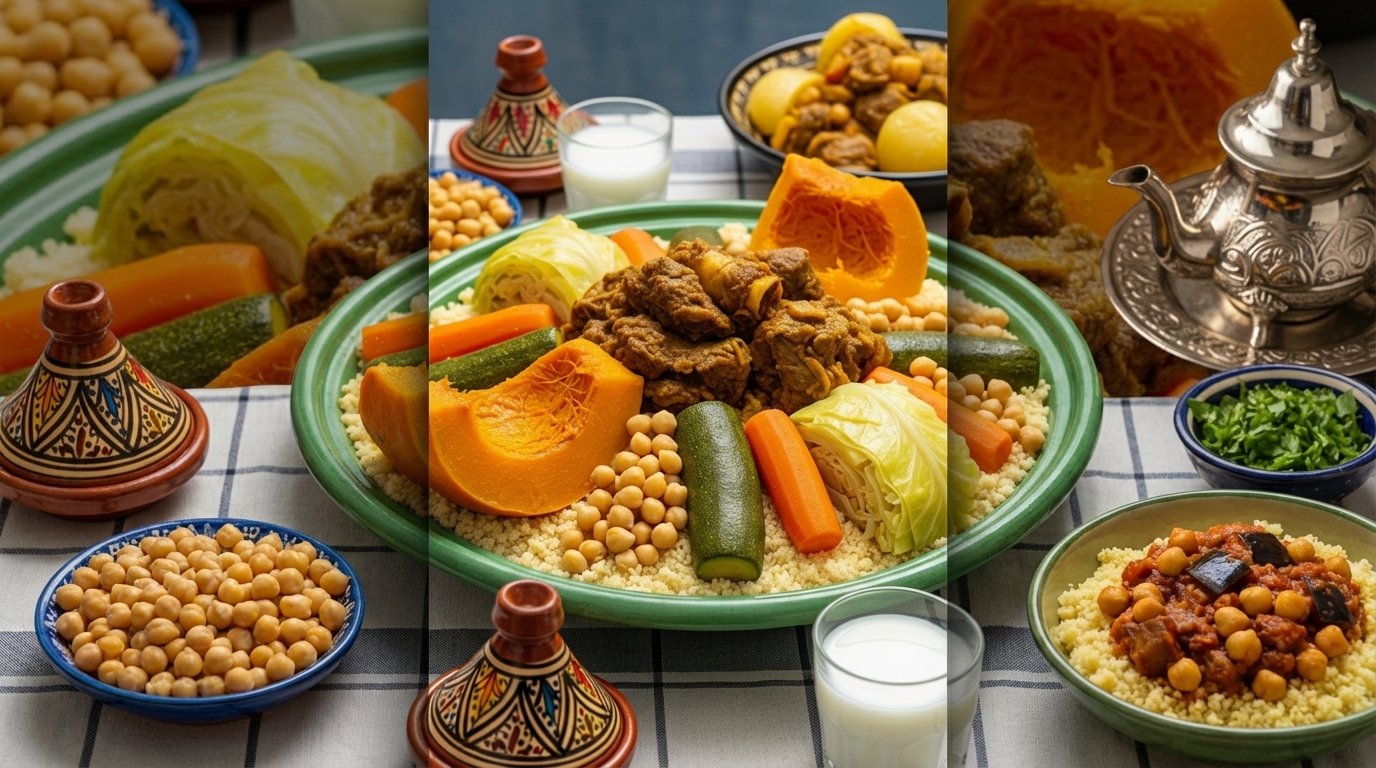
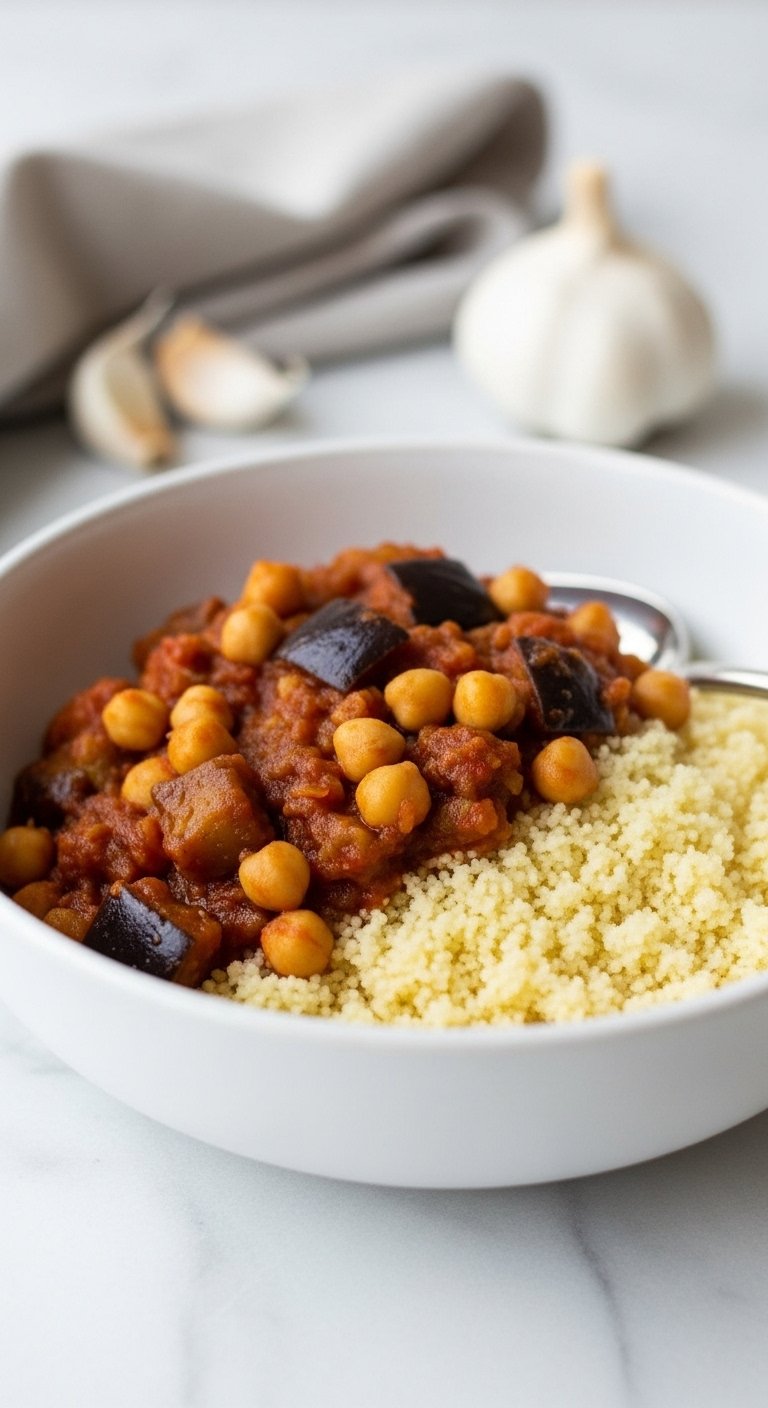
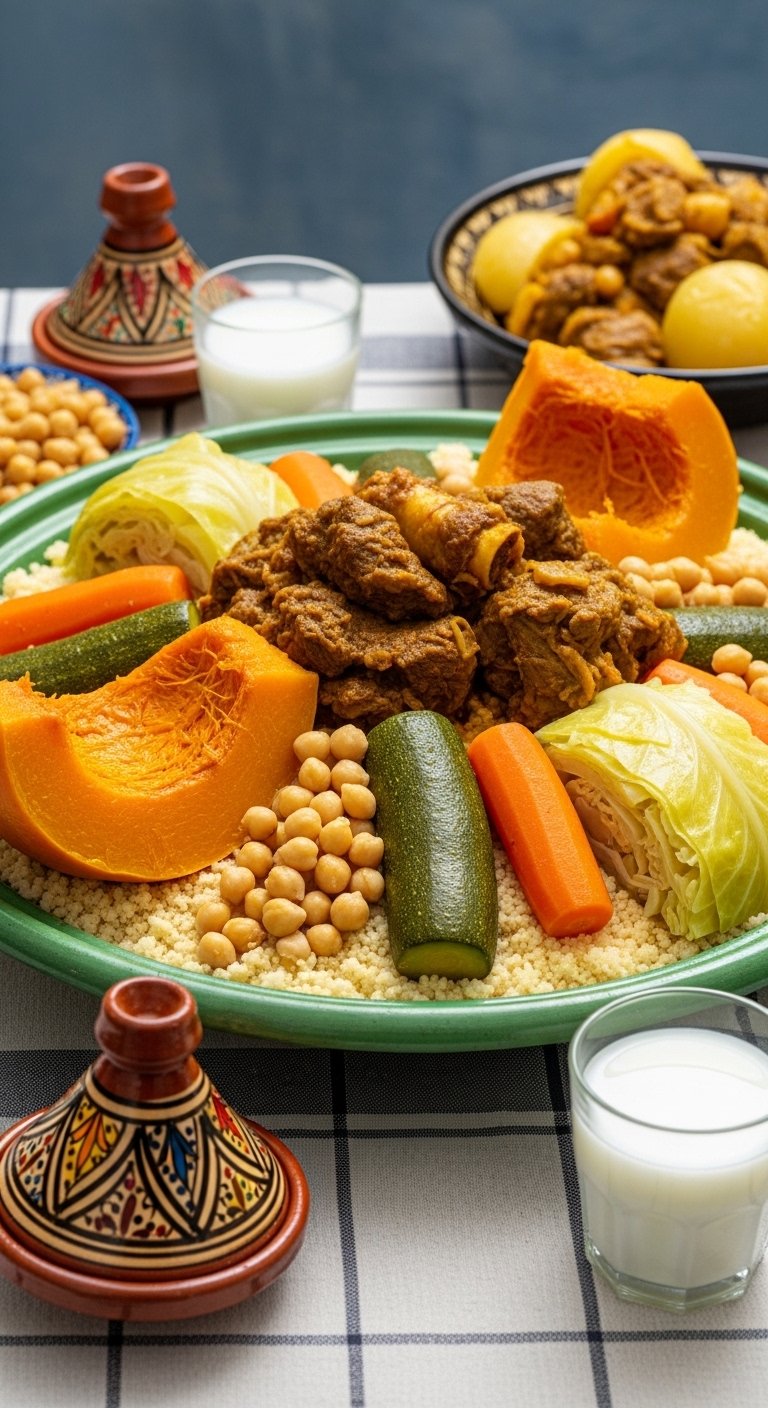
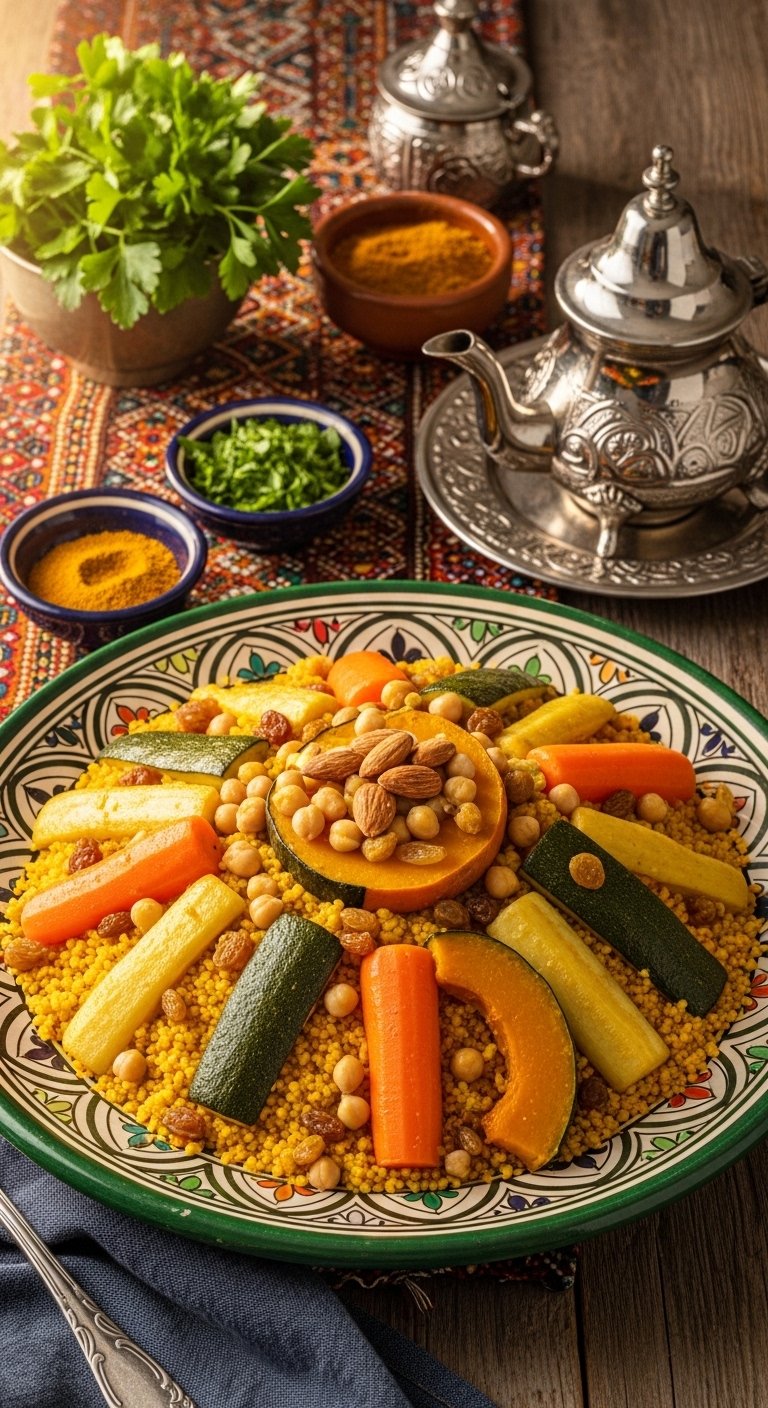
The Mountain: Create a large mound of couscous on a deep circular platter. Use your hands or a spoon to create a “well” in the center.
The Centerpiece: Place the meat in the center well.
The Radial Design: Arrange the vegetables pointing outwards from the center like the spokes of a wheel. Place the pumpkin on top of the meat.
The Finish: Generously ladle the hot broth over the entire mountain so the grains absorb the flavor.
Popular Asked Questions
Is couscous a type of pasta or a grain?
Couscous is a tiny pasta made from semolina wheat flour. Many people confuse it with grains like rice or quinoa. You cook it by steaming it until it becomes soft and fluffy. The easy Moroccan couscous recipe uses the smallest size available.
Do I need to rinse my couscous before cooking?
You do not need to rinse it before cooking. Rinsing will wash away the starches and create a sticky mess. You pour the dry grains straight from the box into your hot liquid.
How do you keep the grains fluffy and moist?
You add a small amount of fat like olive oil or butter to the dry grains. You coat every piece before adding your boiling liquid. You fluff the cooked dish gently with a fork to separate the pieces.
What can I add to the dish for extra flavor?
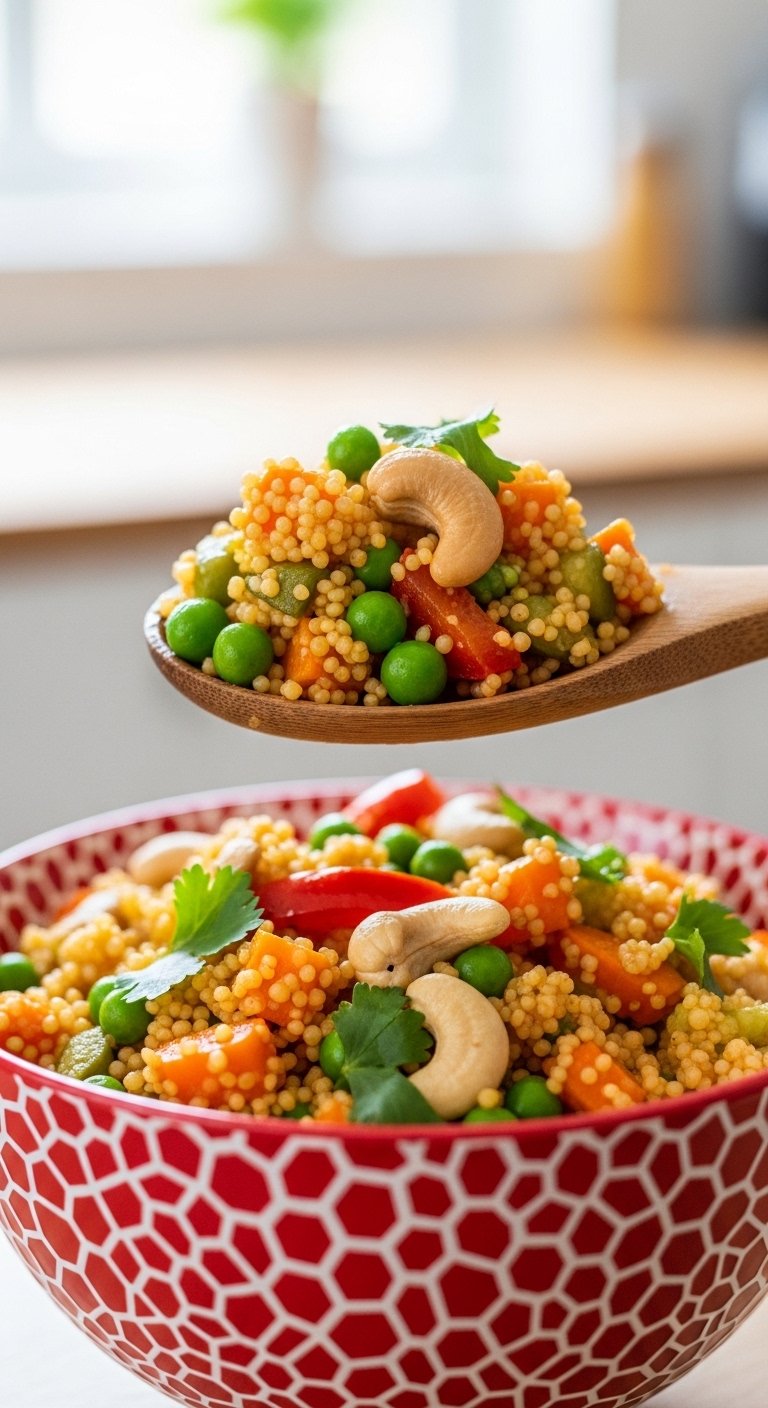
You can swap plain water for rich chicken or vegetable broth. You can stir in fresh herbs and toasted nuts. You can add a spoonful of spicy pepper paste for extra heat.
Is an authentic Moroccan couscous recipe gluten free?
Traditional recipes use wheat flour and contain gluten. You cannot eat it if you have a gluten allergy. You can substitute cooked quinoa to recreate the dish safely.
Conclusion
The Moroccan food trend continues to dominate the home cooking space this year. You possess the knowledge to execute thirty different flavor variations with absolute confidence. Which specific ingredient combination will you try for your next dinner party? Follow us on Pinterest for more easy Moroccan couscous recipe inspiration.

Leave a Comment