
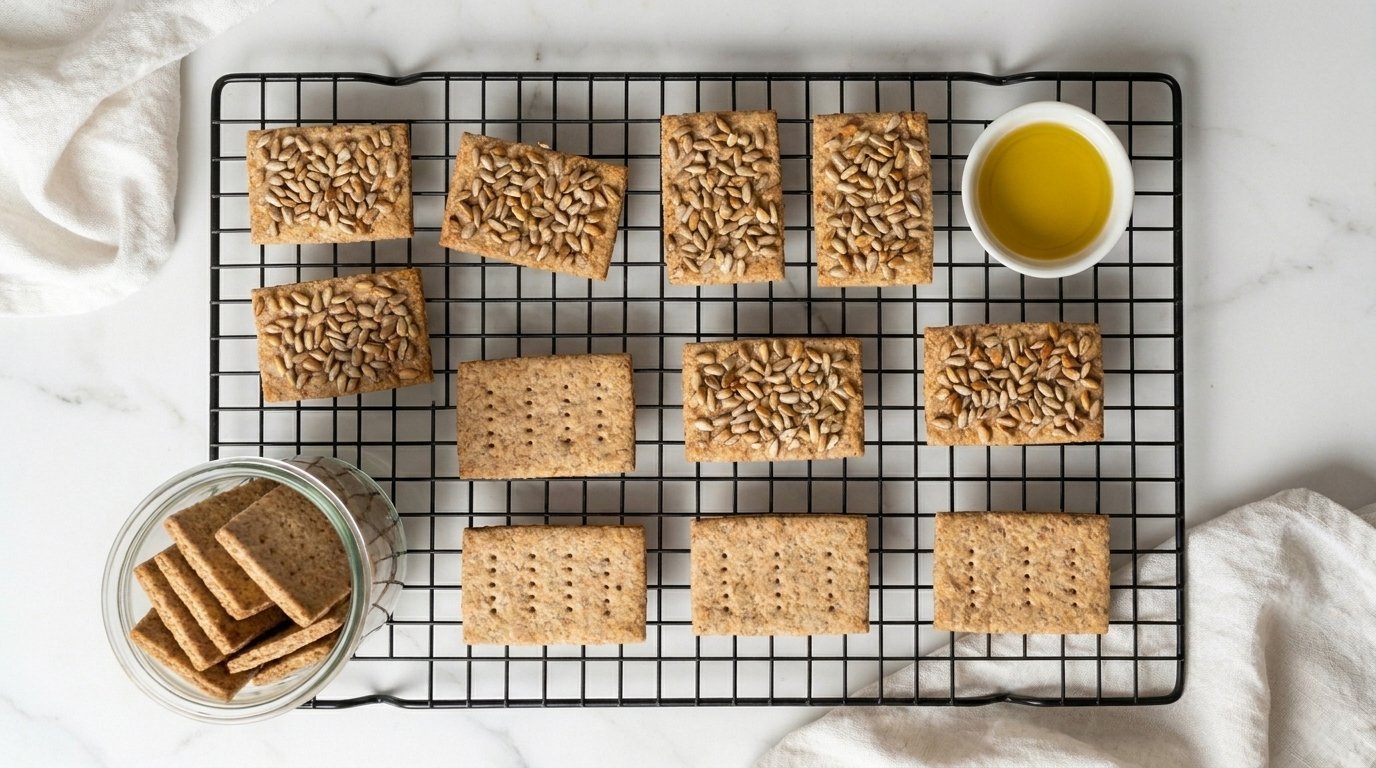
Buckwheat crackers are one of the fastest-growing homemade snack searches on Pinterest and Google, and the trend makes sense. Store-bought gluten-free crackers disappoint most people — the texture is cardboard-dry, the ingredient list is long, and the price per box is high. Homemade buckwheat flour crackers solve all three problems at once.
Preparing crackers at home puts you in control of the ingredients, helping you make a healthier snack than store-bought crackers. These savoury crackers burst with the uniquely nutty, earthy, and roasty flavour of buckwheat — so you don’t need many other ingredients to make them tasty.
This guide gives you the classic recipe plus 13 variations — seeded, herbed, oil-free, butter-based, soaked groat, and sweet versions — every one naturally gluten-free and made from pantry staples.
Check out our related guide on easy gluten-free snack recipes you can make at home.
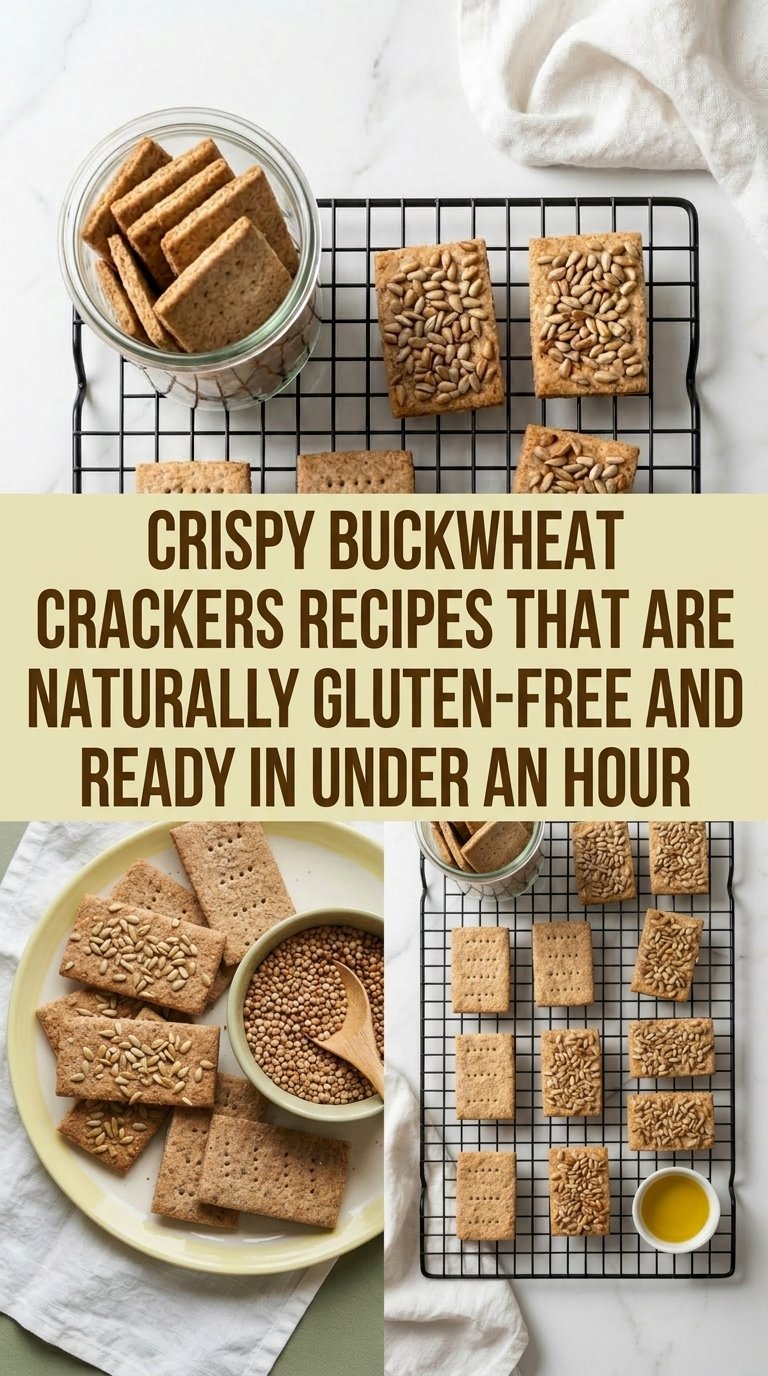
What Is Buckwheat and Why Use It for Crackers
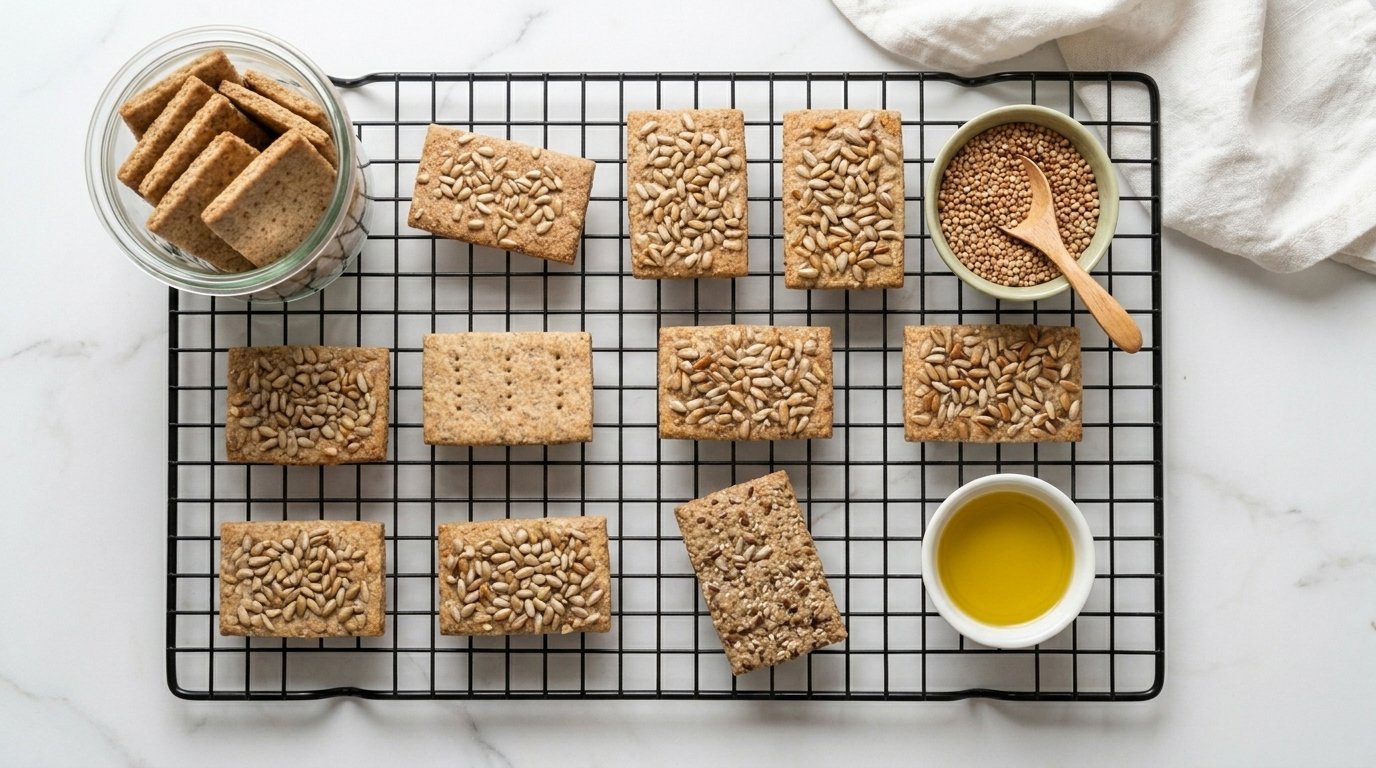
Buckwheat is not really wheat. It is related to rhubarb and is completely gluten-free. The nutritional value is higher than many other grains — it has high amounts of minerals and antioxidants, helps lower cholesterol, and is heart-healthy. One cup of buckwheat flour supplies 18% of magnesium and helps lower blood pressure. It has a low to medium glycemic index, meaning blood sugar rises slowly after eating it, which may help manage diabetes.
Buckwheat is a pseudo-cereal — a seed used as a grain — and it contains no gluten. This grain-free cracker recipe is the perfect alternative to wheat crackers for anyone who cannot have gluten or is simply looking for something new.
The flavor is the defining quality of buckwheat crackers. Buckwheat has an earthy, nutty flavor that is really delicious. Lighter buckwheat flours are mild in flavor compared to dark buckwheat flour. That earthy, almost rye-like character means buckwheat crackers taste genuinely interesting without any added flavoring agents. They are savory and grounding in a way that rice crackers or plain corn crackers never achieve.
Pro Tip: Buy buckwheat flour from a health food store or online rather than a standard grocery store. The turnover is higher in specialty stores, which means the flour is fresher. Stale buckwheat flour tastes flat and slightly musty — fresh flour tastes clean, nutty, and distinctly earthy.
and 50% dark buckwheat flour for a balanced result. You get the fine texture of the light flour with the earthy depth of the dark — a combination that outperforms either variety used alone.
INGREDIENTS for the Classic Buckwheat Cracker
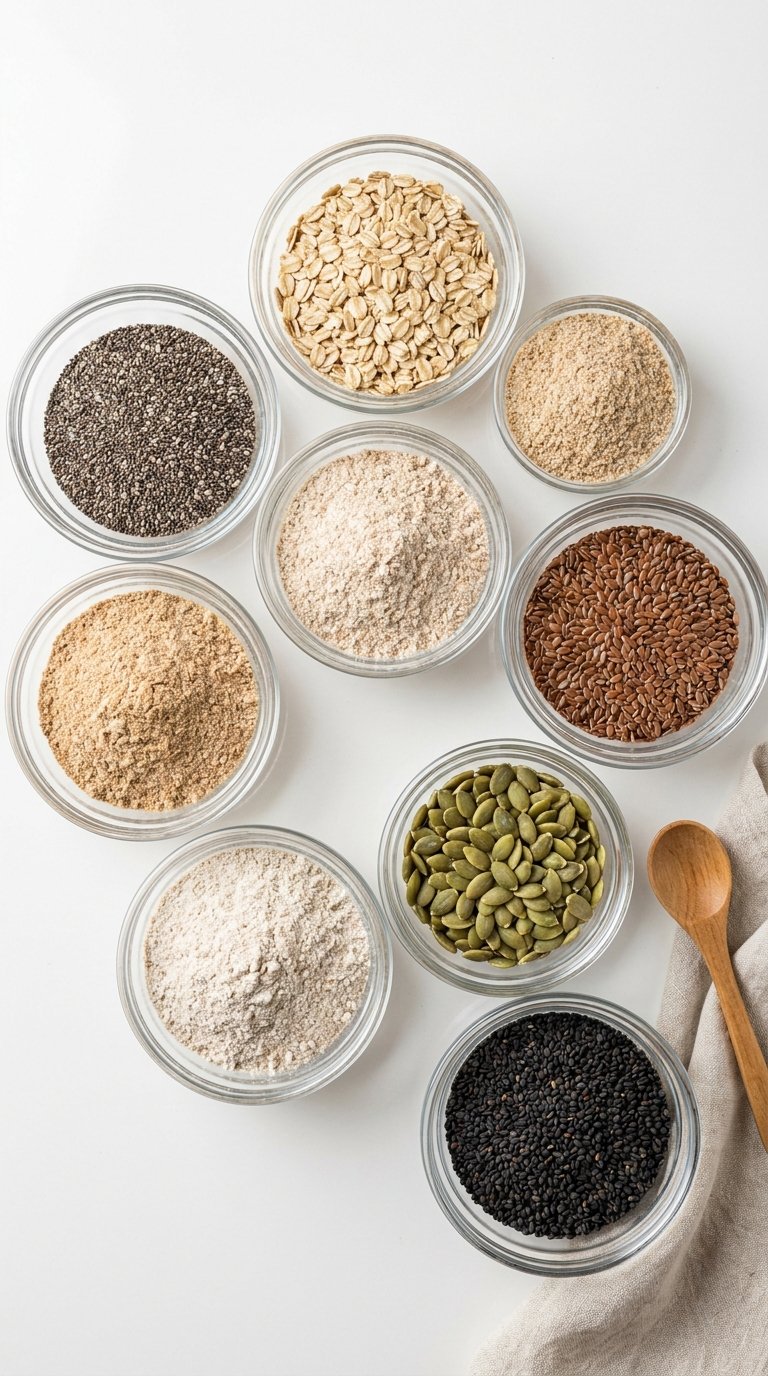
This ingredient list makes approximately 25 to 30 crackers. The recipe scales directly — double every ingredient for a larger batch.
For the classic buckwheat crackers:
- 1 cup (120g) buckwheat flour (light or dark)
- ¼ cup (60ml) water (add gradually — the exact amount depends on flour humidity)
- 2 tablespoons extra virgin olive oil
- ½ teaspoon fine sea salt
- Optional — ¼ teaspoon garlic powder
- Optional — 1 teaspoon dried herbs (rosemary, thyme, oregano)
- Optional — 2 tablespoons mixed seeds (sesame, sunflower, pumpkin)
Buckwheat flour is naturally gluten-free and grain-free, and its nutty flavor and wheat-like texture make it an excellent substitute for those who have celiac disease or gluten sensitivity.
The olive oil serves two purposes in the dough. It lubricates the flour particles to create a pliable, rollable dough that does not crack at the edges. It also contributes to the crispness of the finished cracker — oil conducts heat through the dough during baking and produces the snap you want when you break one.
Water quantity is the most variable factor across buckwheat cracker recipes. Different flour brands and humidity levels affect absorption. Start with 3 tablespoons of water, stir, then add more one teaspoon at a time until the dough is soft and pliable but not sticky.
Pro Tip: Add the water to the oil first and stir them together before adding the flour. This pre-emulsified liquid distributes more evenly through the flour than water and oil added separately, producing a more consistent dough texture.
Save this idea to your Pinterest.
INSTRUCTIONS — Step-by-Step Classic Method
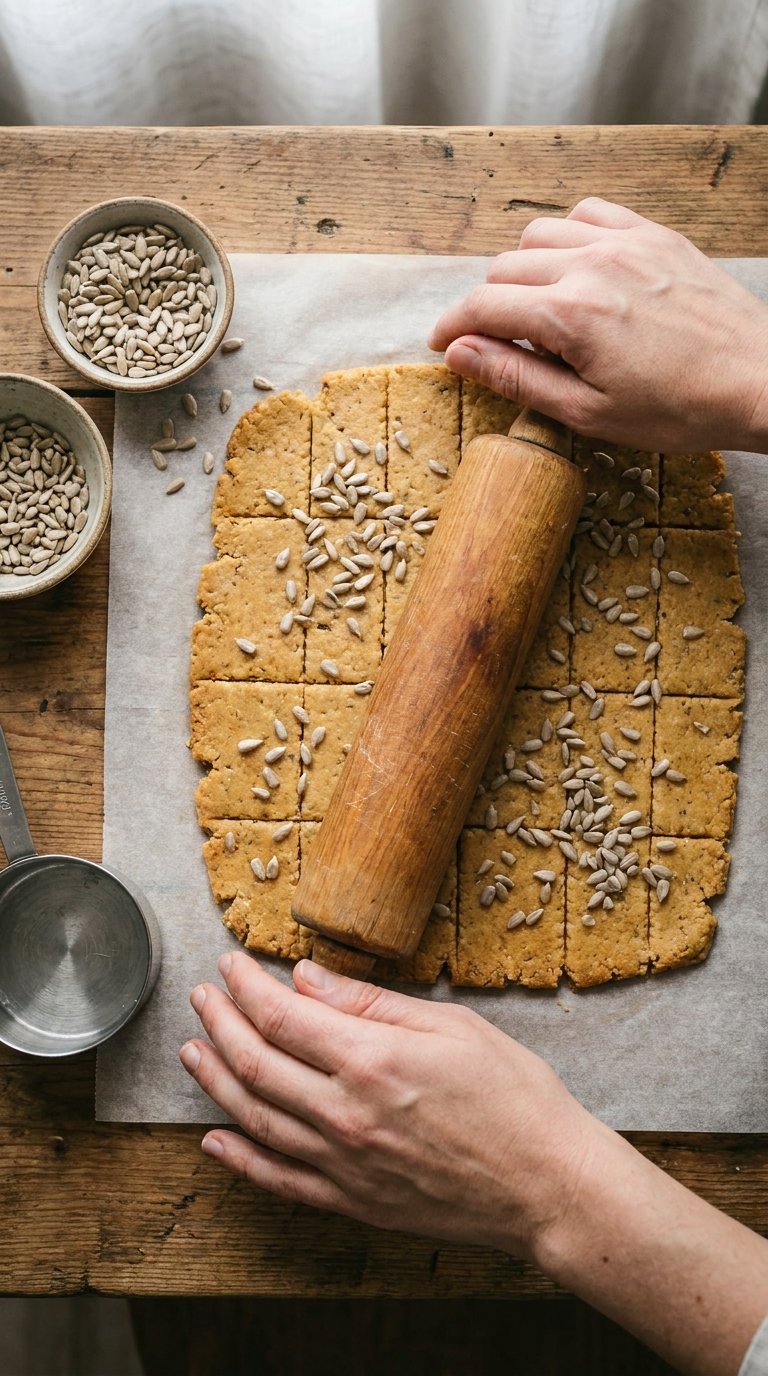
These instructions produce one batch of classic homemade buckwheat crackers using only a bowl, a rolling pin, and a baking sheet.
Step 1 — Preheat the oven
Arrange a rack in the middle of the oven. Heat the oven to 350°F (177°C). A middle rack position ensures even heat distribution across the cracker surface. Top rack placement can cause the crackers to brown too fast on top before they crisp through the center.
Step 2 — Mix the dough
Add the buckwheat flour, water, olive oil, and salt to a medium bowl and mix until well combined. You should end up with a soft, pliable dough. Once the dough comes together, knead it until smooth, for about 1 minute. The dough should feel like soft clay — it holds its shape, does not stick to your hands, and does not crumble at the edges.
Step 3 — Roll out the dough
Place the dough between two pieces of parchment paper and flatten it with the palm of your hand. Place the center of your rolling pin on the center of the disk. Press firmly into the dough, rolling towards yourself and away from you. Repeat until the dough is about 1/16 inch (2mm) thin.
The thinner you roll the dough, the crispier the crackers will get and the faster they will cook. Patches that are thicker than the rest will stay soft in the center after baking. Use even, consistent pressure across the full surface.
Step 4 — Score and prick
Remove the top sheet of parchment paper. Using a knife, cut the dough into desired shapes and prick each cracker with a fork. The fork pricks allow steam to escape during baking. Without them, steam gets trapped under the surface and causes the crackers to puff and then collapse unevenly rather than baking flat and crisp.
Step 5 — Bake
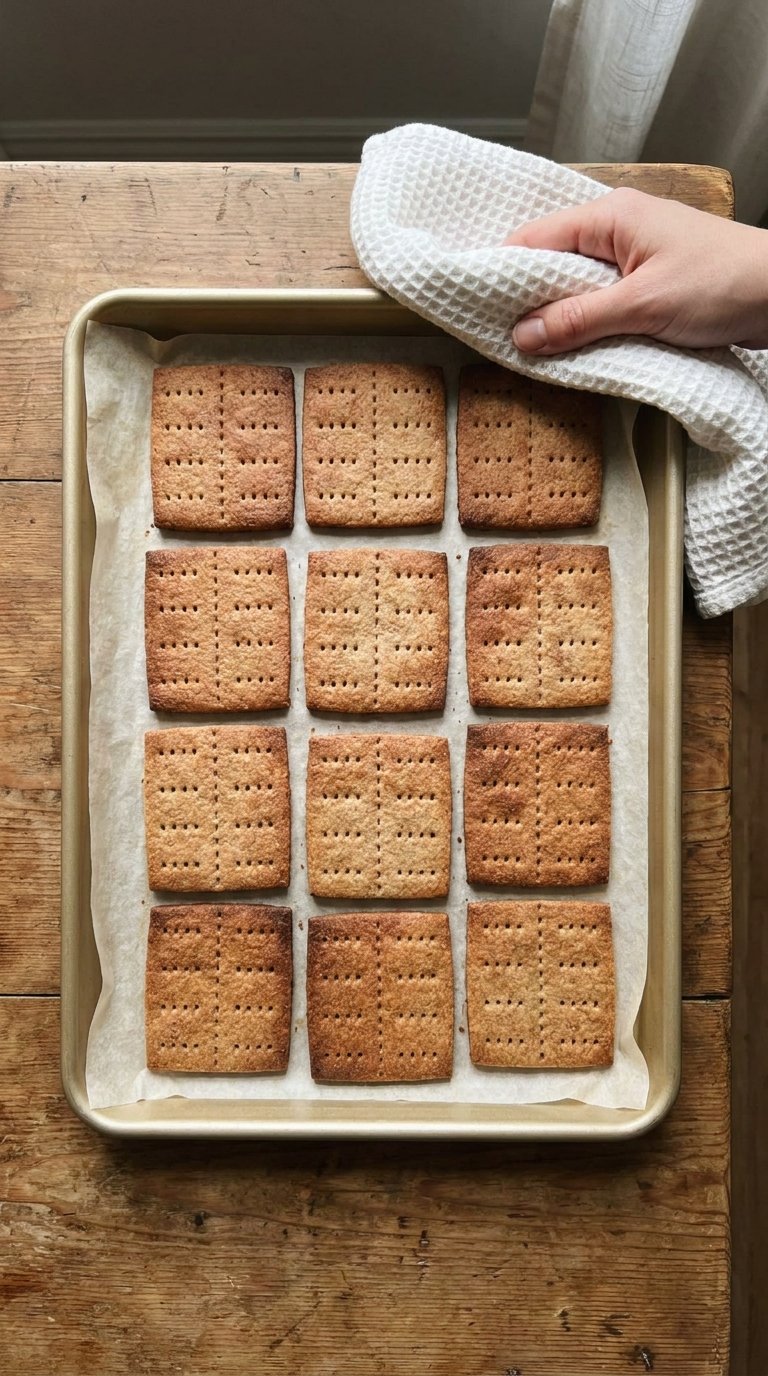
Slide the baking paper with the buckwheat cracker dough onto the hot baking tray and bake in the oven for 30 to 35 minutes. Halfway through cooking time, rotate the tray to ensure even cooking.
Step 6 — Cool completely
Remove from the oven and let the crackers cool completely on the tray before breaking them apart or storing. Buckwheat crackers are fragile when warm. Allow them to cool before handling. The crackers continue to crisp as they cool — what feels slightly soft in the oven becomes snappy and firm at room temperature.
Pro Tip: Turn off the heat, open the oven door slightly, and let the crackers cool in the oven. This produces an even crispier result than cooling on the counter. The retained residual heat dries the crackers further without the risk of burning.
Popular Asked Questions
Are buckwheat crackers gluten-free?
Yes. Buckwheat is not related to wheat. It is a pseudo-cereal — a seed used as a grain — and it contains no gluten. Buckwheat crackers made entirely from buckwheat flour are a grain-free cracker recipe and a perfect alternative to wheat crackers for anyone who cannot have gluten. Verify that the buckwheat flour you buy is labeled certified gluten-free if you have celiac disease, as some brands process buckwheat in facilities that also handle wheat.
What do buckwheat crackers taste like?
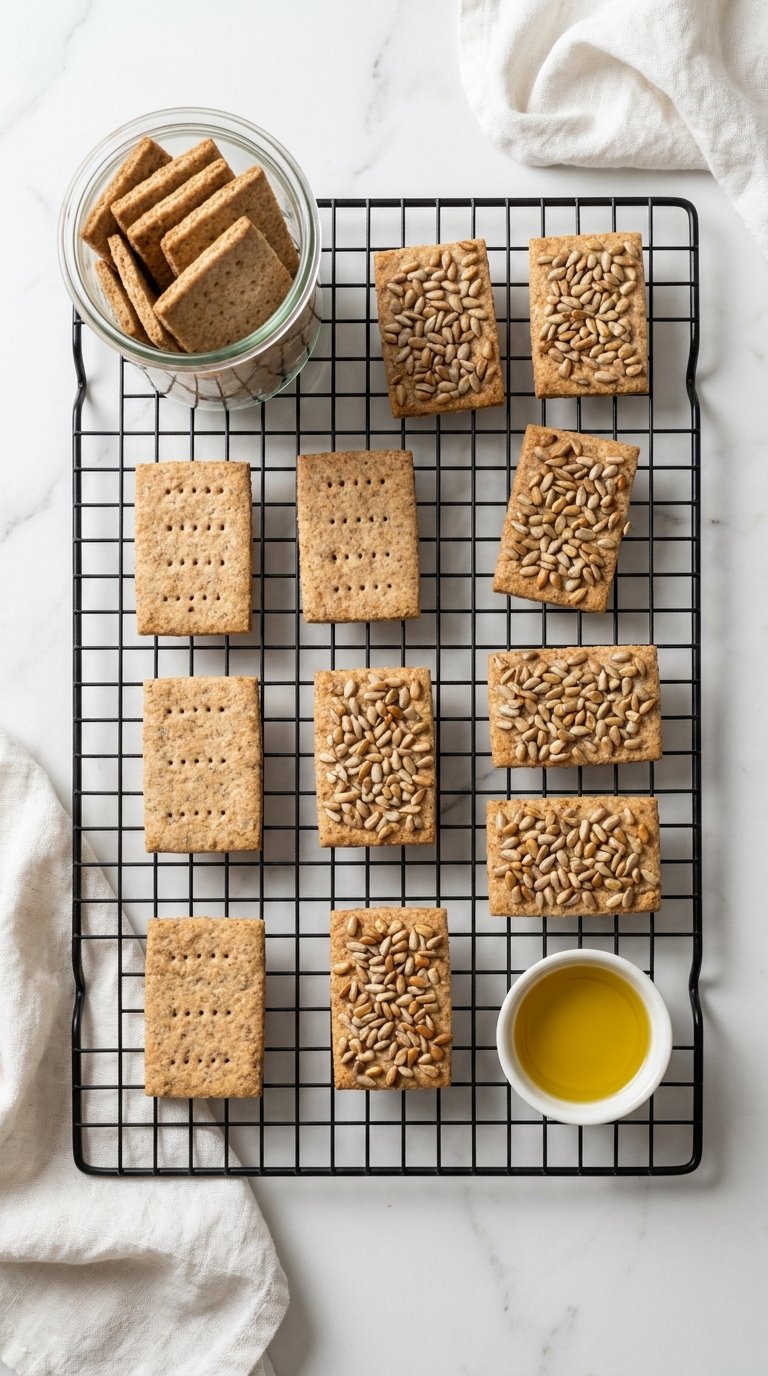
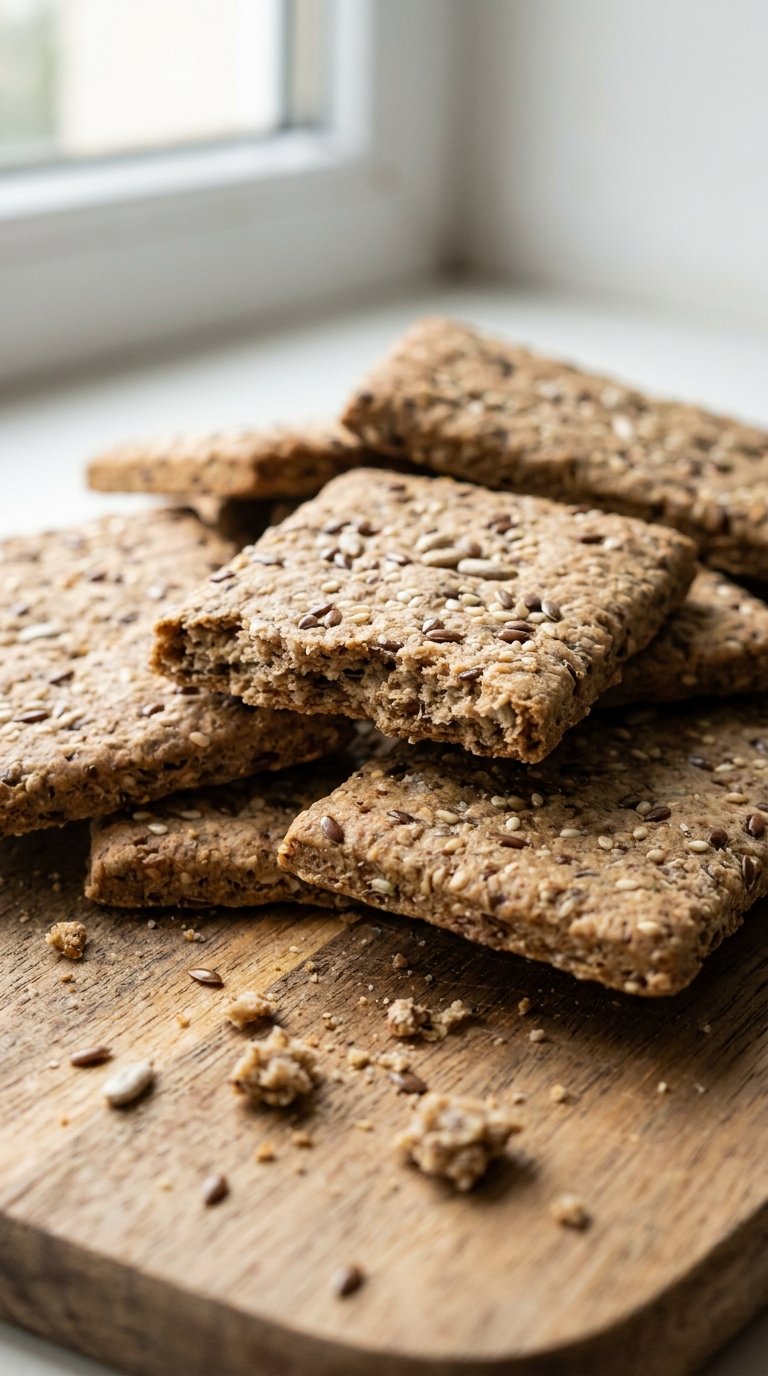
Buckwheat crackers are nutty, earthy, almost rye-like, and have a tender, crispy texture. Buckwheat has an earthy, nutty flavor that is really delicious. Lighter buckwheat flours are mild in flavor compared to dark buckwheat flour. The overall eating experience is savory and grounding — more complex than a plain rice cracker, less sharp than a rye crispbread. The flavor makes them an excellent base for both strong toppings like aged cheese and mild ones like avocado.
Is buckwheat healthy for crackers?
Buckwheat crackers are healthier and more nutritious than wheat crackers. The nutritional value is higher than many other grains — buckwheat has high amounts of minerals and antioxidants, helps lower cholesterol, and is heart-healthy. One cup of buckwheat flour supplies 18% of magnesium and helps lower blood pressure. It has a low to medium glycemic index, meaning blood sugar rises slowly after eating it, which may help manage diabetes. Homemade buckwheat crackers made with olive oil and sea salt contain no preservatives, no refined sugars, and no artificial ingredients.
How do you keep buckwheat crackers crispy?
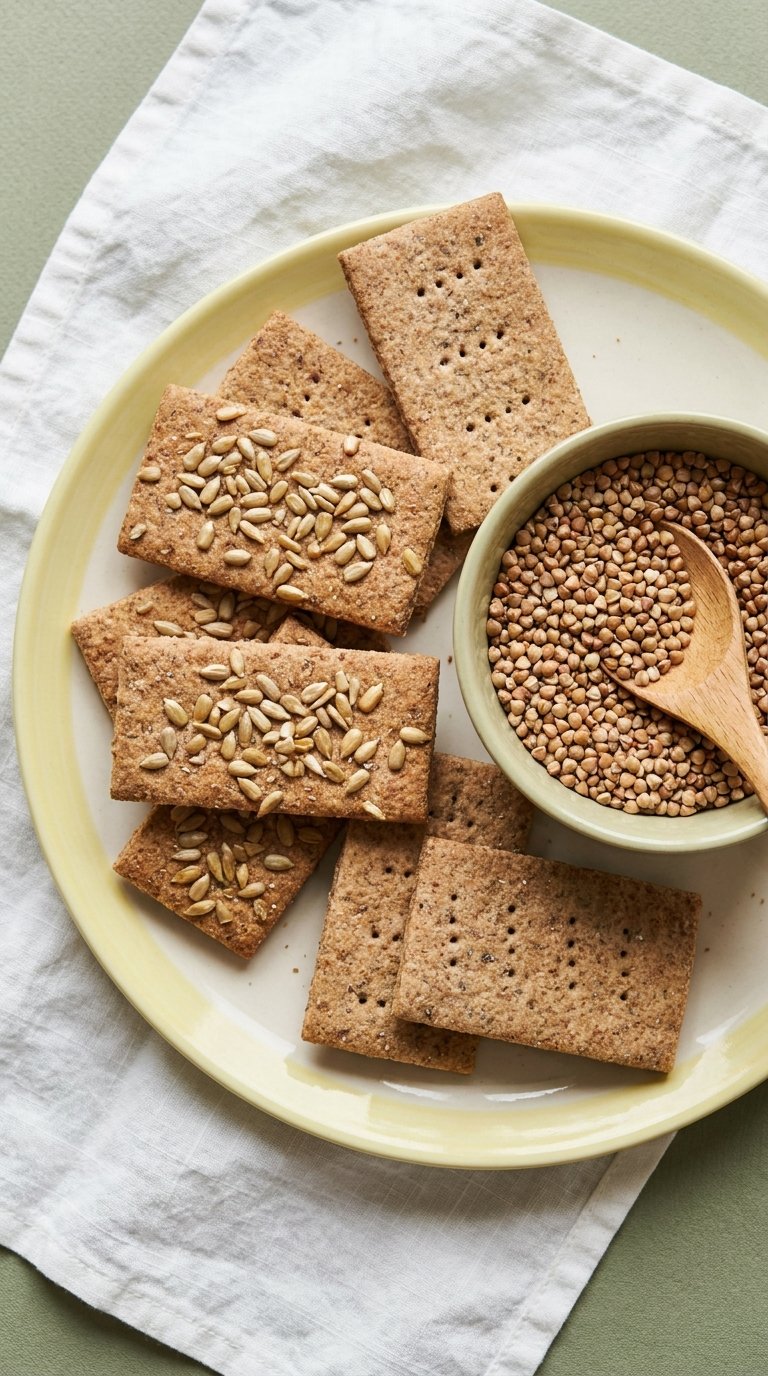
Store cooled crackers in an airtight container at cool room temperature for 5 days, in the refrigerator for 2 weeks, or in the freezer for up to 6 months. They stay crisp in all three conditions. The key step is cooling the crackers completely before sealing them in any container — warm crackers release steam inside a sealed container, which creates condensation that softens the texture within hours. If crackers soften, bake them at 300°F for 5 to 8 minutes to restore their snap.
Can you make buckwheat crackers without flour?
Yes. You do not need to purchase special buckwheat flour — you can use whole groats instead. Soak buckwheat groats, mix with the rest of the ingredients, thinly spread the mixture on a baking sheet, and bake in the oven or a dehydrator until you get crisp crackers. You can leave the soaked buckwheat groats intact or blend them into a paste before baking. The flourless groat version produces a thicker, more textured cracker with a chewier edge and a visibly seed-studded surface — a different style from the thin flour cracker but equally satisfying.
Conclusion
Buckwheat crackers offer one of the best returns on baking effort available — a handful of pantry ingredients, 35 minutes of oven time, and the result beats any gluten-free cracker on the store shelf in both flavor and texture. The earthy, nutty depth of buckwheat flour simply does not exist in commercial products at any price point.
The classic four-ingredient recipe is the place to start. Once the technique is familiar, the seeded, herbed, butter-based, and soaked groat variations each produce a noticeably different cracker with minimal additional effort.
Which version are you making first — the classic olive oil and sea salt base, the seeded version with sunflower and sesame, or the everything seasoning take? Leave your answer in the comments below.
Follow us on Pinterest for more buckwheat crackers inspiration, gluten-free baking ideas, and homemade snack recipes.

Leave a Comment