
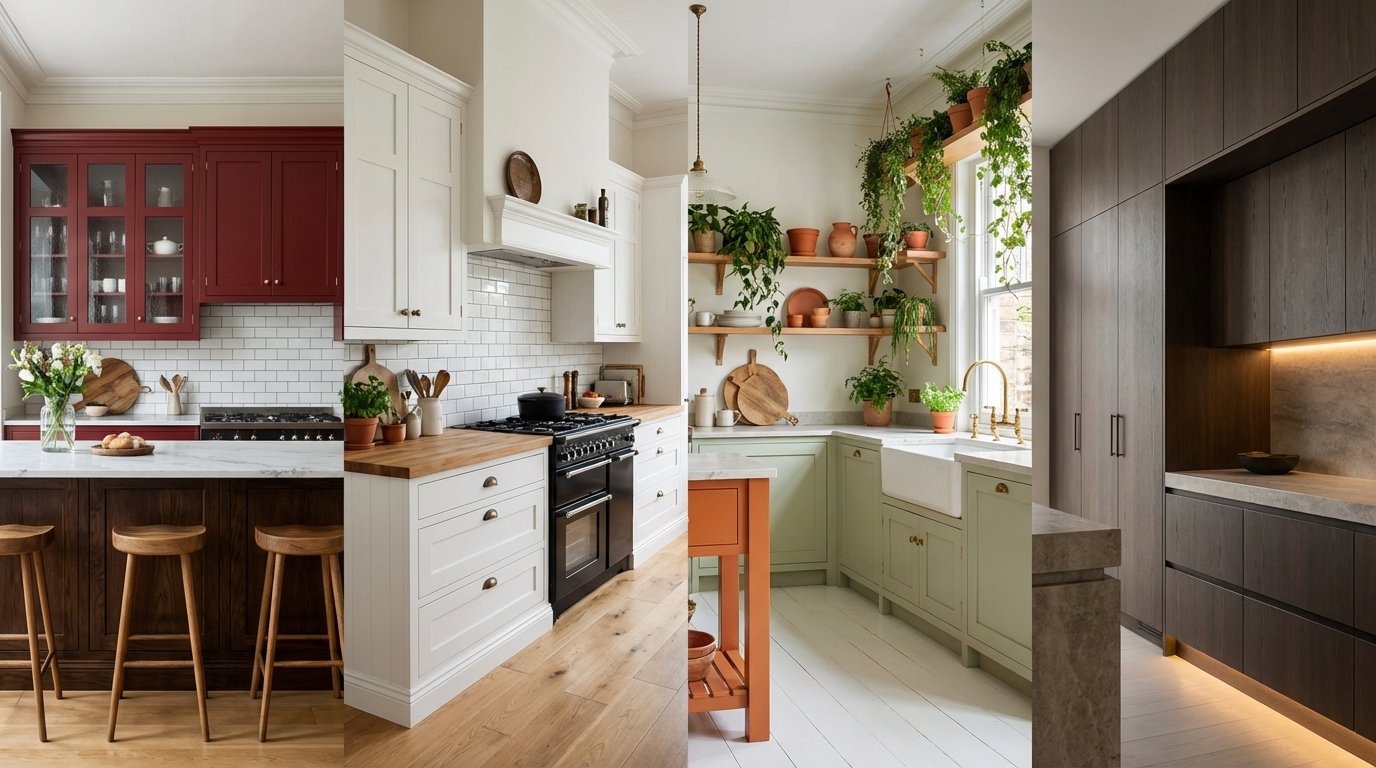
When square footage is tight, your design choices matter more than ever. You might feel restricted by a cramped layout, a lack of counter space, or dim lighting that makes the room feel even smaller. But here is the truth: limited space does not mean limited style. In fact, compact kitchens often force creative solutions that result in the most charming and efficient rooms in the house.
This guide provides 19 distinct visual strategies to transform your small kitchen into a high-functioning, aesthetic masterpiece. We focus on specific design theories—like verticality, light reflection, and texture—to prove that you don’t need a massive footprint to have a dream kitchen. Whether you rent a studio or own a cozy cottage, you will find a layout here that solves your specific storage woes while elevating your home’s value.
Check out our related guide on [Small Bathroom Organization].
Key Takeaways
- Verticality is Vital: Utilizing wall space up to the ceiling draws the eye upward and doubles your storage potential.
- Light Expands Space: High-gloss finishes, pale palettes, and strategic lighting eliminate shadows that make rooms feel small.
- Texture Over Clutter: Use natural materials like wood and stone to add visual interest without adding physical clutter.
- Cohesion is King: Sticking to a limited color palette prevents the visual fragmentation that makes small spaces feel chaotic.
Contents
- Rustic Elegance Kitchen
- Modern Farmhouse Kitchen
- Cozy Cottage Kitchen
- Vibrant Vintage Kitchen
- Bright Mediterranean Retreat
- Classic Luxury Kitchen
- Minimalist Elegant Kitchen
- Rustic Mediterranean Kitchen
- Sleek White Modern Kitchen
- Sleek Black Haven
- Classic Modern Blend Kitchen
- Teal and Timber Delight
- Urban Organic Kitchen
- Cozy English Cottage Kitchen
- Modern Classic Kitchen
- Cozy Contemporary Kitchen
- Warm Wood Retreat
- Eclectic Green Haven
- Charming Country Kitchen
- Comparison: Open Shelving vs. Upper Cabinets
- Get The Look: Lighting Essentials
- Popular Asked Questions
- Conclusion
Rustic Elegance Kitchen
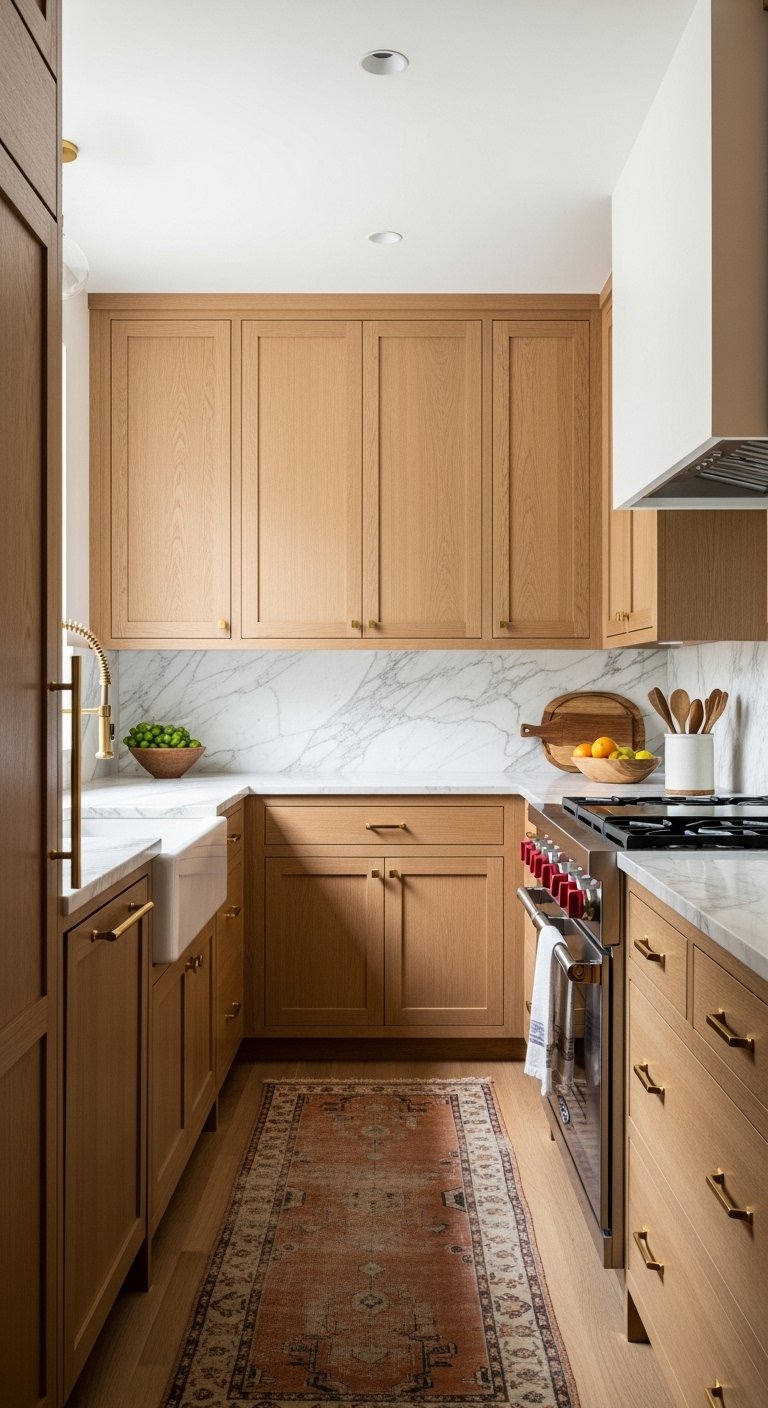
This design proves that small spaces can handle heavy textures if you balance them correctly. The focus here is on raw materials—think exposed wooden beams or rough-hewn stone backsplashes—paired with sleek, high-end fixtures. The contrast is what makes this work. By keeping the cabinetry simple and perhaps handle-less, you allow the natural textures to take center stage without overwhelming the eye.
In a small footprint, “Rustic Elegance” relies on warm, amber lighting to soften the hard edges of stone and wood. You want to avoid the “cabin in the woods” feel which can sometimes be dark and claustrophobic. Instead, aim for “Alpine luxury.” Use a light-colored countertop, like quartz or polished concrete, to reflect light and break up the wood tones. This balance keeps the room feeling airy despite the heavy materials.
Pro Tip: Install under-cabinet lighting to illuminate the stone backsplash. This highlights the texture and adds depth to the room’s perimeter.
Modern Farmhouse Kitchen
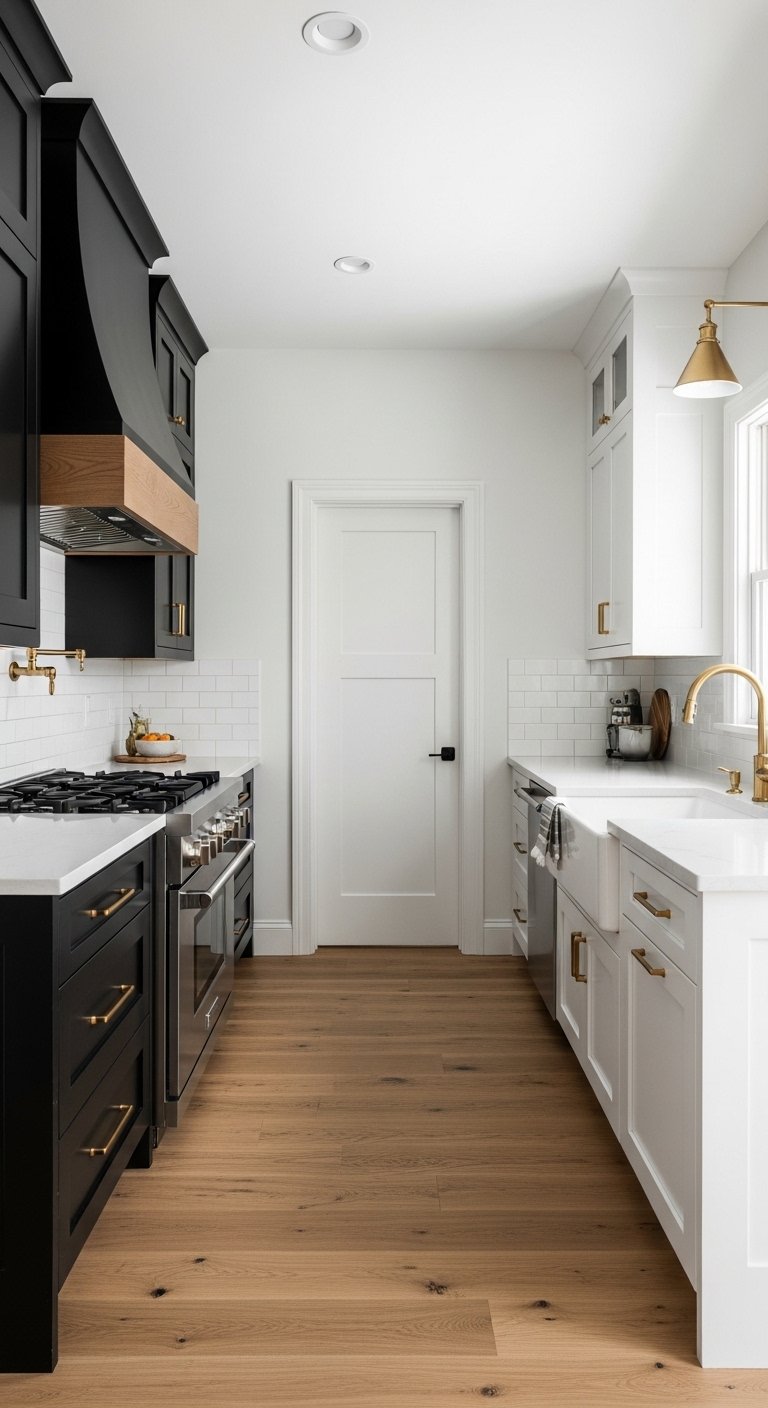
The modern farmhouse aesthetic remains a top trend for small kitchens because it prioritizes practicality. This style uses shiplap walls or apron-front sinks to create a sense of history and warmth. However, unlike traditional country styles, the “modern” aspect demands clean lines and industrial touches, such as matte black hardware or metal pendant lights.
To make this work in a tiny area, stick to a strict palette of white, wood, and black. White walls and upper cabinets disappear into the ceiling, making the room feel taller. Use warm wood for the lower cabinets or the floor to ground the space. The black accents act as punctuation marks, guiding the eye through the room without cluttering it. This high-contrast approach distracts from the lack of square footage.
Pro Tip: Use open shelving on one wall to display cohesive white dishware. This adheres to the farmhouse vibe while keeping the walls feeling open.
“Save this idea to your Pinterest.”
Cozy Cottage Kitchen
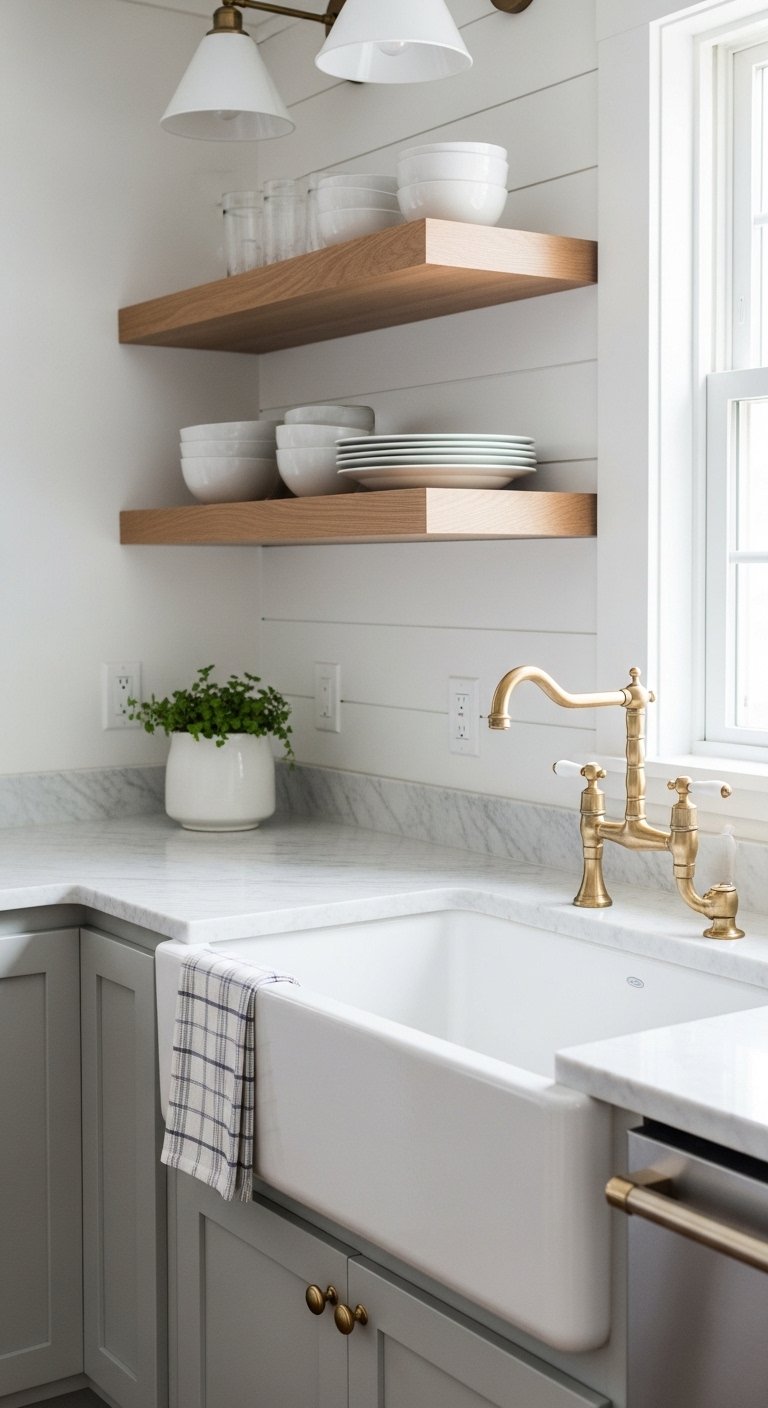
A cozy cottage kitchen embraces the “clutter” in a curated way. It celebrates soft pastels, floral textiles, and vintage accessories. In a small space, this style turns cramped quarters into a “snug” feature. The key is soft colors; think sage green, buttery yellow, or pale blue cabinetry. These hues recede visually, unlike bold primaries which can advance and make walls feel closer.
The layout often utilizes every nook. Hooks under shelves hold mugs, and magnetic strips hold knives. The cottage style forgives a bit of visual noise, as long as it feels intentional. Wicker baskets on top of cupboards can hide rarely used items while adding texture. The goal is to create a room that feels lived-in and welcoming, rather than sterile.
Pro Tip: Swap solid cabinet doors for glass-fronted ones or even fabric curtains to add softness and depth to the storage areas.
Vibrant Vintage Kitchen
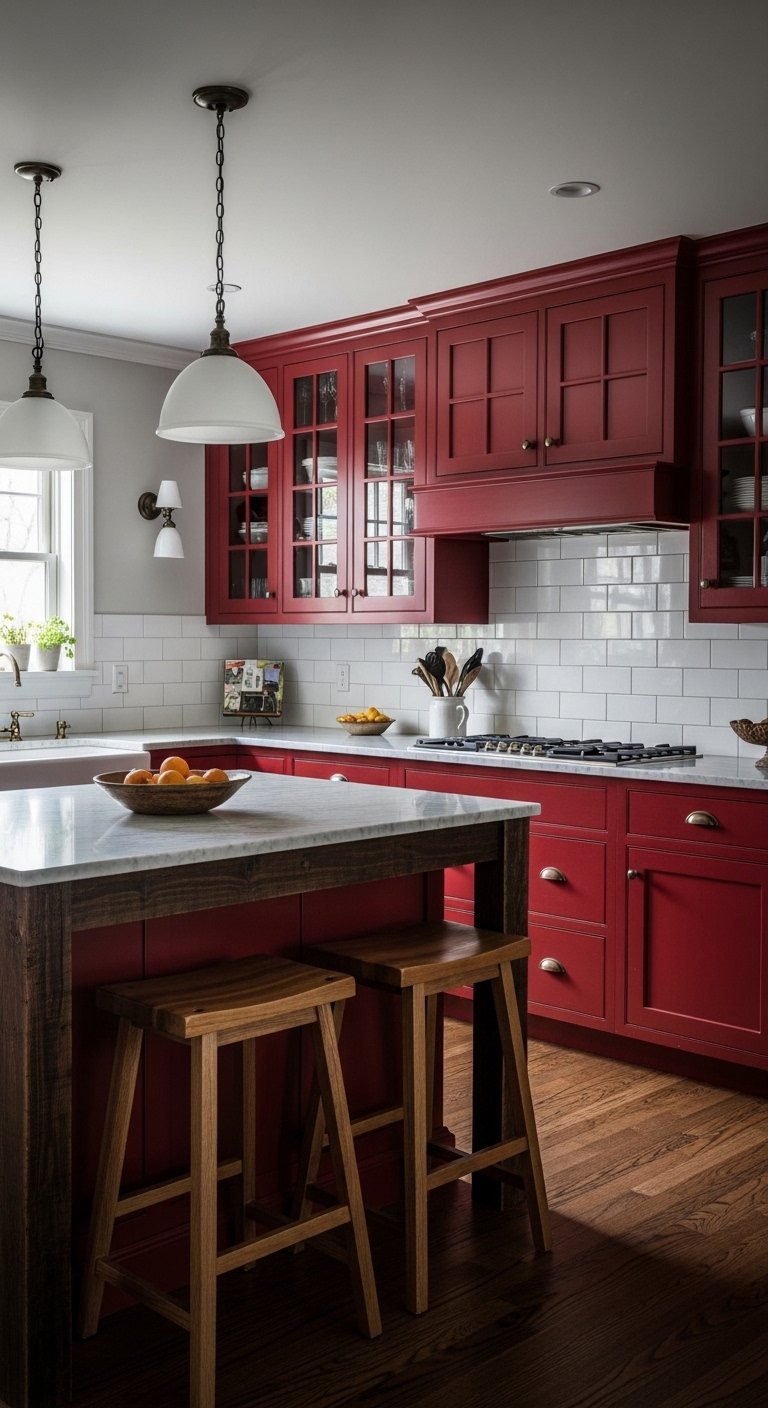
Do not be afraid of color in a small kitchen. A vibrant vintage theme uses bold, retro hues like turquoise, cherry red, or mustard yellow to inject energy. The trick to keeping this from feeling chaotic is to use a neutral backdrop. White subway tiles and checkerboard floors provide a structured canvas for your colorful appliances and accessories.
This style works particularly well in small rentals where you might not be able to renovate fully. A retro-style refrigerator or a colorful standalone mixer becomes the focal point. Vintage rugs can cover less-than-ideal flooring. The high energy of the colors distracts the eye from the room’s small size, focusing attention instead on the fun, playful atmosphere.
Pro Tip: Scour thrift stores for vintage canisters. They provide functional storage for dry goods while doubling as decor.
Bright Mediterranean Retreat
Bring the vacation vibe home with a Mediterranean-inspired kitchen. This style relies heavily on light. White-washed walls, terracotta floor tiles, and accents of sea blue create a breezy, open atmosphere. The philosophy here is “less is more.” Furniture is often simple and rustic, allowing the light to bounce around the room freely.
In a compact kitchen, use patterned encaustic cement tiles for the backsplash or floor. These complex patterns trick the eye into seeing more ground surface area than actually exists. Keep the upper walls white and unadorned to maintain that airy, coastal feel. Natural wood elements, like a butcher block island or open shelves, warm up the white so it doesn’t feel clinical.
Pro Tip: Add a potted herb garden on the windowsill. The greenery pops against the white backdrop and adds a fresh scent to the room.
Comparison: Open Shelving vs. Upper Cabinets
| Feature | Open Shelving | Upper Cabinets |
|---|---|---|
| Visual Space | Makes the room feel larger and airier. | Can make a small room feel boxy or closed-in. |
| Storage | Limited; requires items to be display-worthy. | Maximum storage; hides clutter and mismatched items. |
| Maintenance | High; items collect dust and grease. | Low; doors protect contents from dust. |
| Cost | Generally cheaper (brackets + wood). | More expensive (boxes, doors, hardware). |
| Best For | “Farmhouse,” “Industrial,” “Boho” styles. | “Sleek Modern,” “Minimalist,” “Traditional” styles. |
Classic Luxury Kitchen
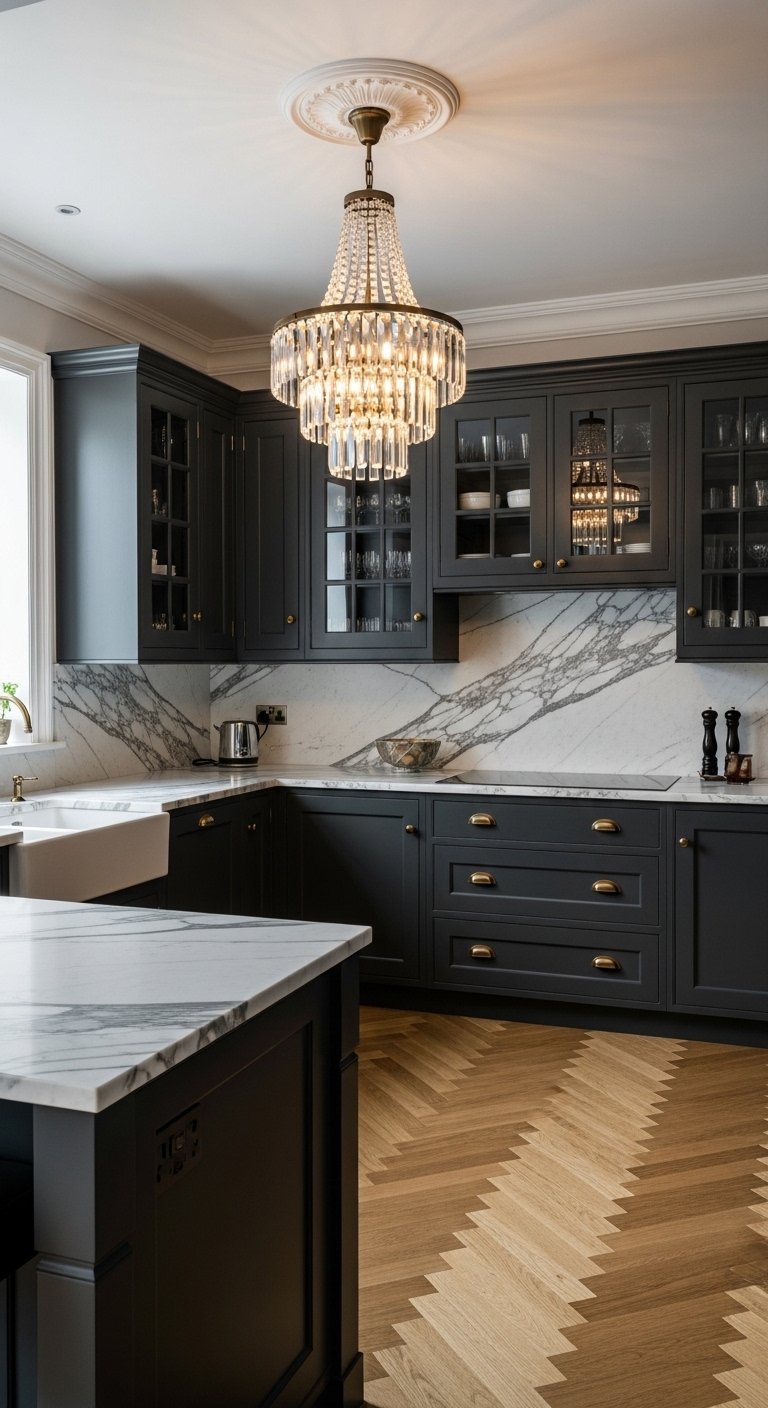
You can achieve a high-end look without a high-end footprint. Classic luxury utilizes timeless materials like marble (or marble-look quartz) and brass. The focus is on symmetry and high-quality finishes. Even a tiny galley kitchen looks expensive if it features a continuous slab backsplash and gold-toned faucets.
To maximize the luxury feel, conceal appliances behind cabinetry panels. This “integrated” look creates a seamless wall of wood or paint, removing the visual break of a stainless steel fridge or dishwasher. It makes the kitchen look like a piece of custom furniture rather than a utility room. Stick to deep, rich colors like navy or charcoal for the cabinets to anchor the space.
Pro Tip: Choose a faucet with a high arc and a distinct finish like unlacquered brass. It acts as jewelry for the room.
Minimalist Elegant Kitchen
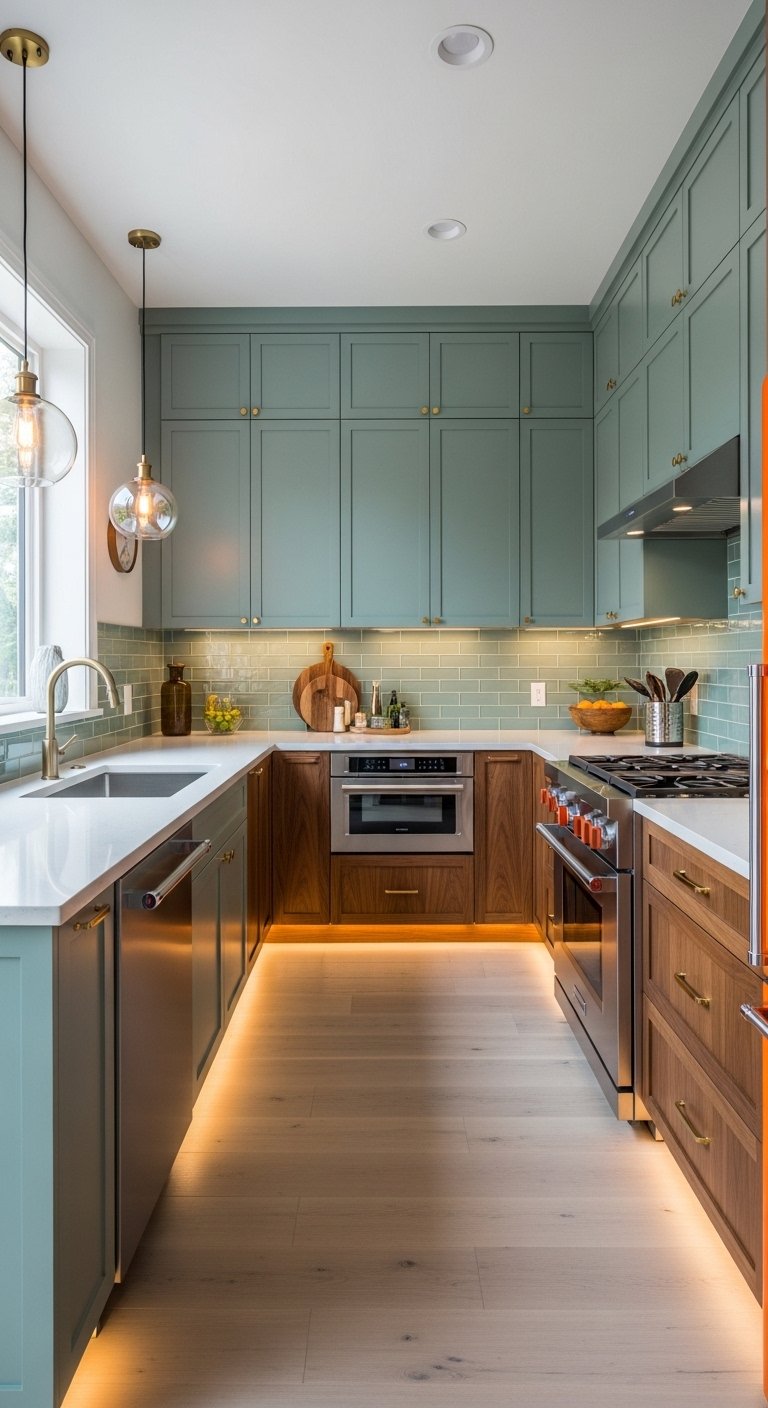
Minimalism is the ultimate tool for small spaces. By reducing visual noise, you physically make the room feel bigger. This style features flat-panel cabinets (no hardware), monochromatic color schemes, and completely clear countertops. The beauty lies in the discipline of the design.
Storage must be hyper-organized inside the drawers because nothing lives on the counters. Use “push-to-open” mechanisms for doors to eliminate handles that can catch on clothing in tight spaces. A monochromatic palette—where the walls, floor, and cabinets are similar tones—blurs the boundaries of the room, making it difficult to tell where the floor ends and the wall begins.
Pro Tip: Install a “garaged” appliance cabinet where the toaster and coffee maker live behind a retractable door.
“Save this idea to your Pinterest.”
Rustic Mediterranean Kitchen
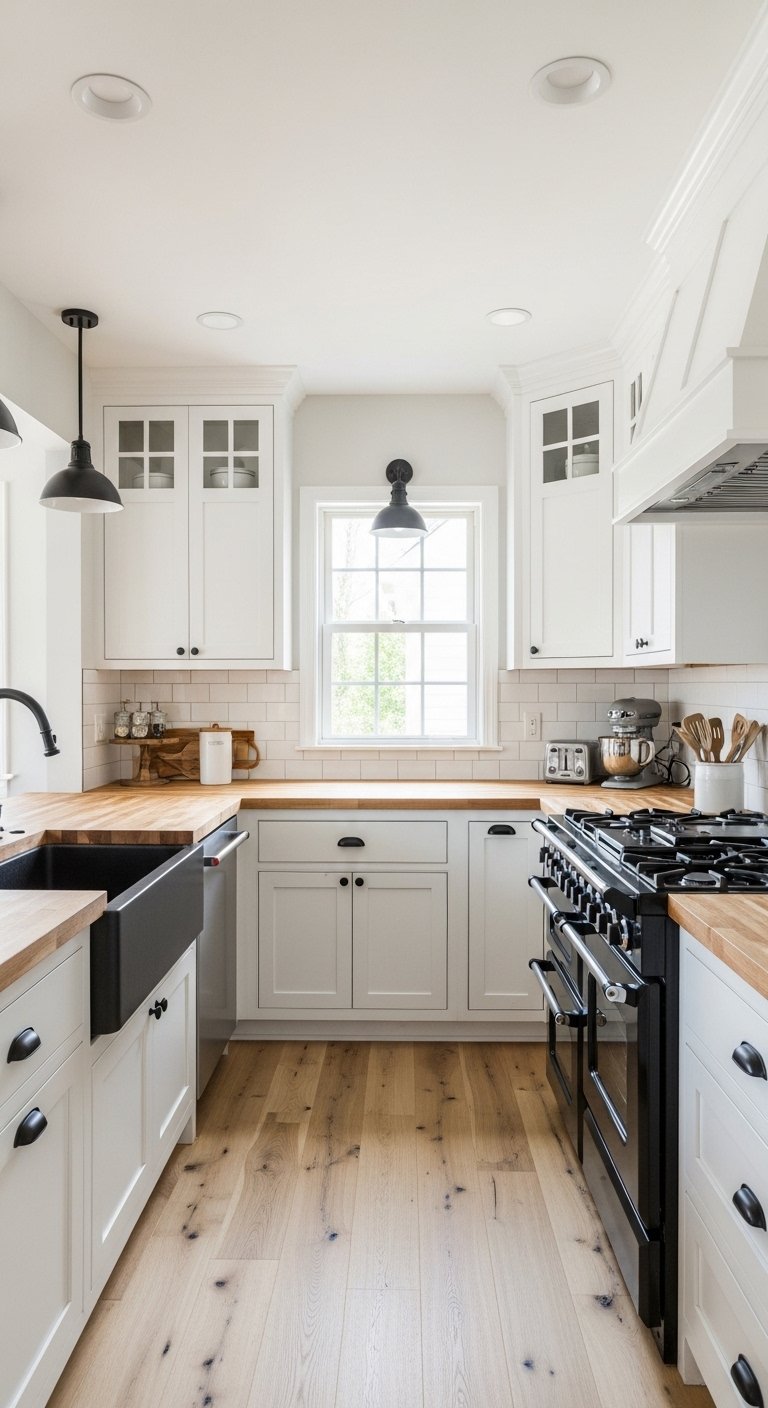
This variation of the Mediterranean style leans heavier into earth tones and texture. Think exposed brick walls painted white, reclaimed wood shelves, and copper pots hanging from a rack. It is warmer and more textured than the “Bright Mediterranean” look.
In a small kitchen, the exposed brick adds character without taking up space. If you don’t have real brick, high-quality brick veneer works wonders. Combine this with warm terracotta floor tiles. The vertical hanging of pots and pans is a classic functional decor move here—it frees up cabinet space while adding to the rustic aesthetic.
Pro Tip: Use a lime wash paint on the walls. It adds a subtle, suede-like texture that feels old-world and authentic.
Sleek White Modern Kitchen
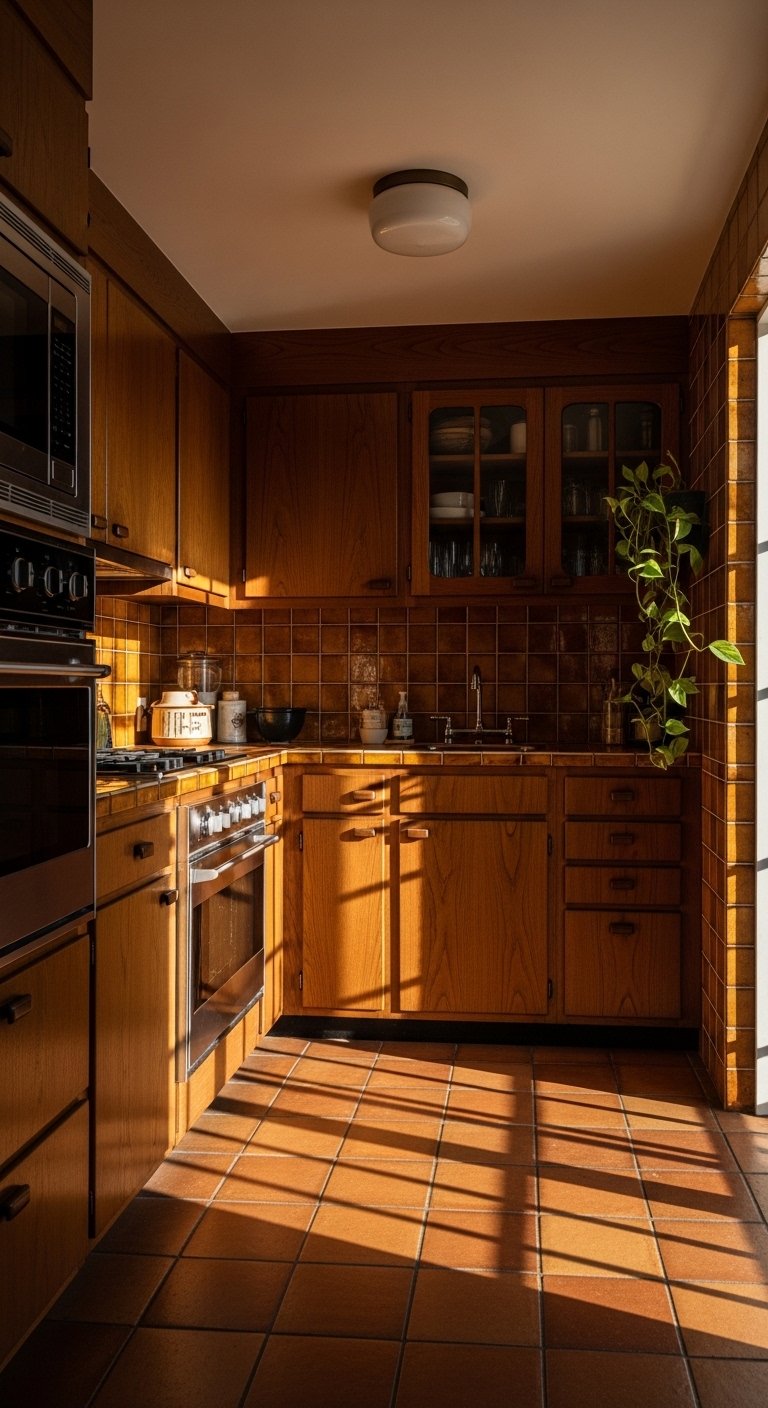
White reflects 100% of visible light, making it the most effective color for expanding small spaces. A sleek white kitchen uses glossy finishes to act as mirrors. White lacquer cabinets, white quartz counters, and a white glass backsplash bounce light into every dark corner.
To prevent this from looking like a hospital, play with sheen and shape. Use a geometric white tile backsplash to add shadow and depth. Add a warm wood floor to ground the space. The key is to keep the lines unbroken. Use long, horizontal handles on drawers to visually stretch the width of the room.
Pro Tip: Use “cool white” LED bulbs (3000K-4000K) to maintain the crisp, clean look. Warm bulbs can turn white cabinets yellow.
Sleek Black Haven
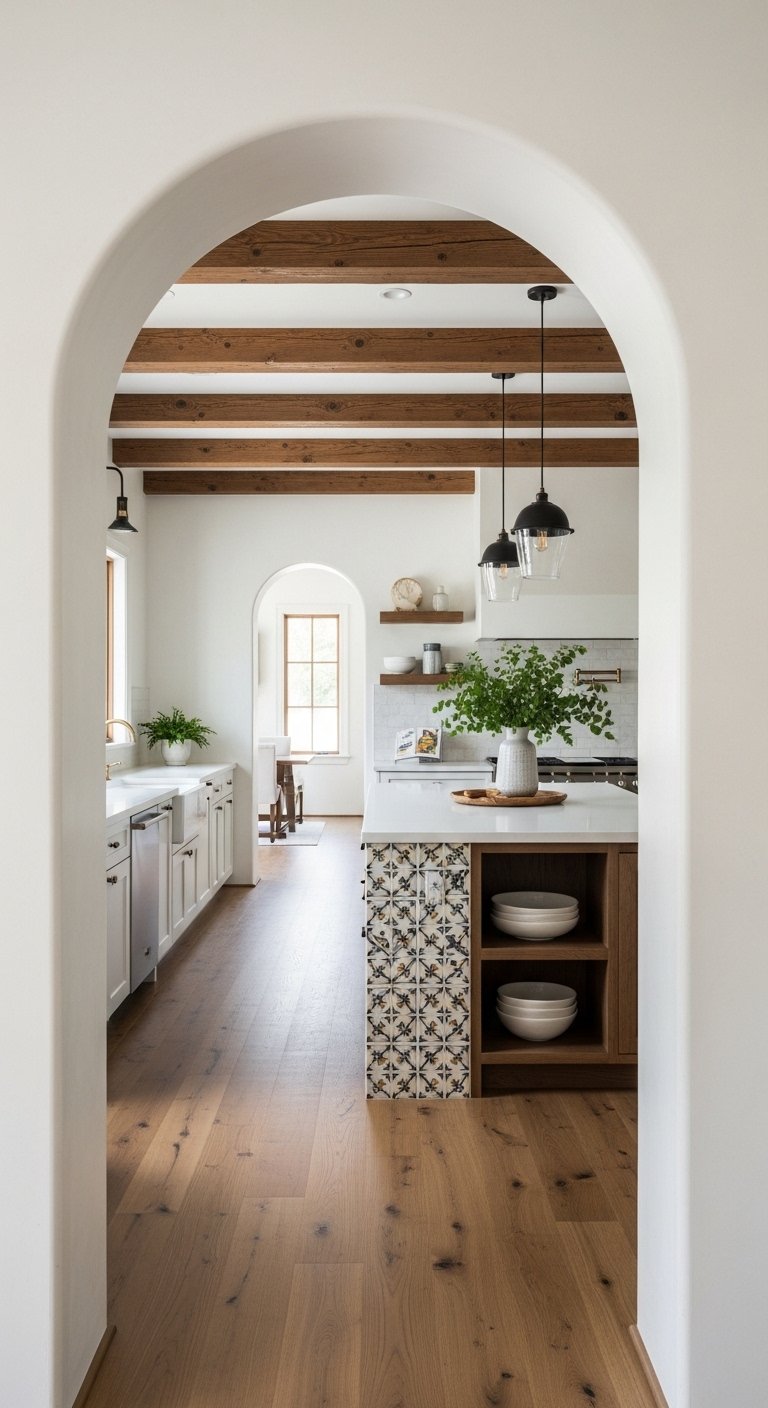
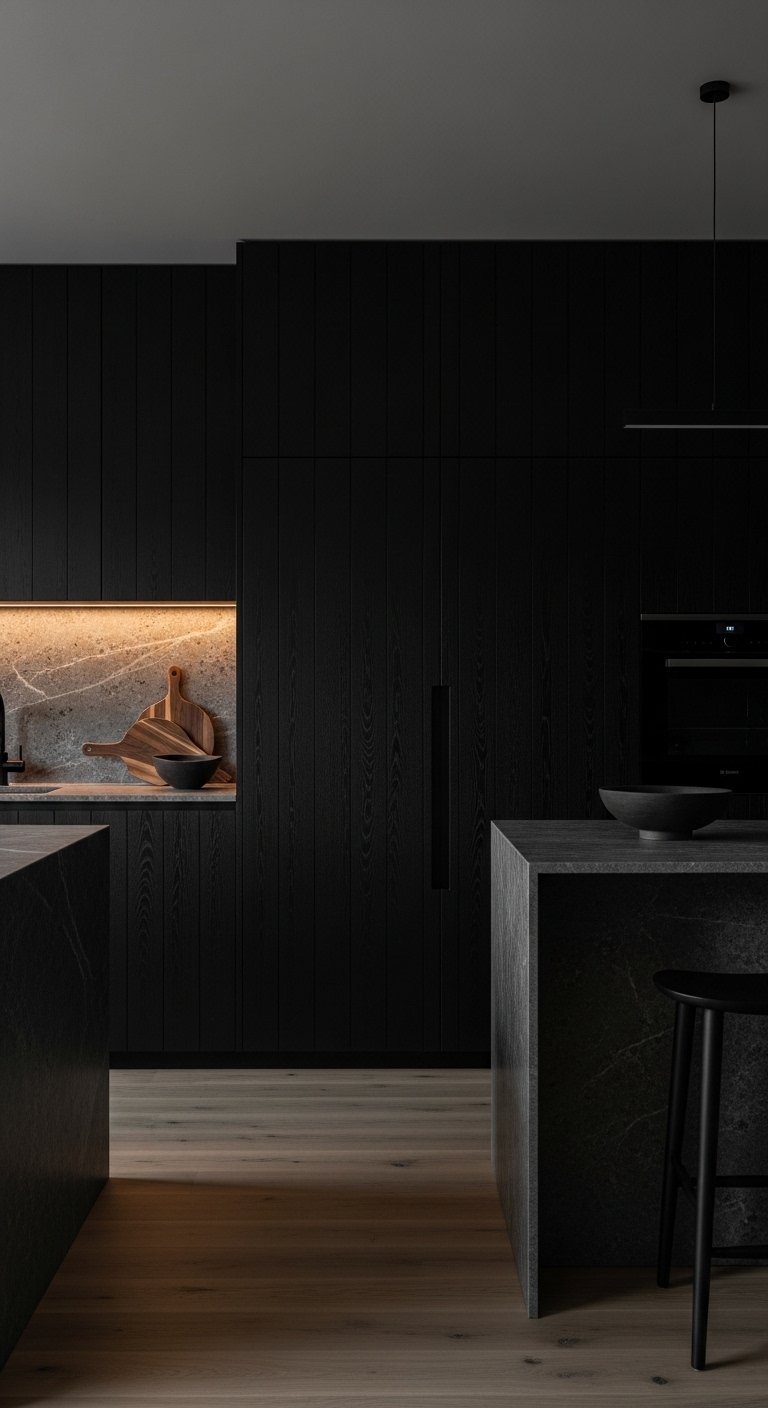
It is a common myth that black shrinks a room. In reality, deep black absorbs light and blurs corners, creating an illusion of infinite depth. A sleek black kitchen is bold, sexy, and incredibly stylish. The key is proper lighting. You cannot have a dark kitchen with poor lighting.
Matte black cabinets paired with a dark grey countertop create a moody, sophisticated vibe. To keep it from feeling like a cave, ensure you have excellent task lighting under the cabinets and strong overhead fixtures. Use metallic accents—copper or brass—to bounce light and add warmth. This style works best in kitchens that are open to a living area, as it defines the zone clearly.
Pro Tip: Use a mirrored backsplash. It doubles the visual depth and reflects light, countering the darkness of the cabinetry.
Get The Look: Lighting Essentials
Lighting makes or breaks a small kitchen. Here are the three layers you need:
- Ambient (General): Recessed can lights or a central flush-mount fixture. Goal: Overall brightness.
- Task (Functional): LED strips under upper cabinets. Goal: Light up the counter for chopping.
- Accent (Decorative): Pendant lights over a small island or sink; picture lights over open shelving. Goal: Personality and style.
Classic Modern Blend Kitchen
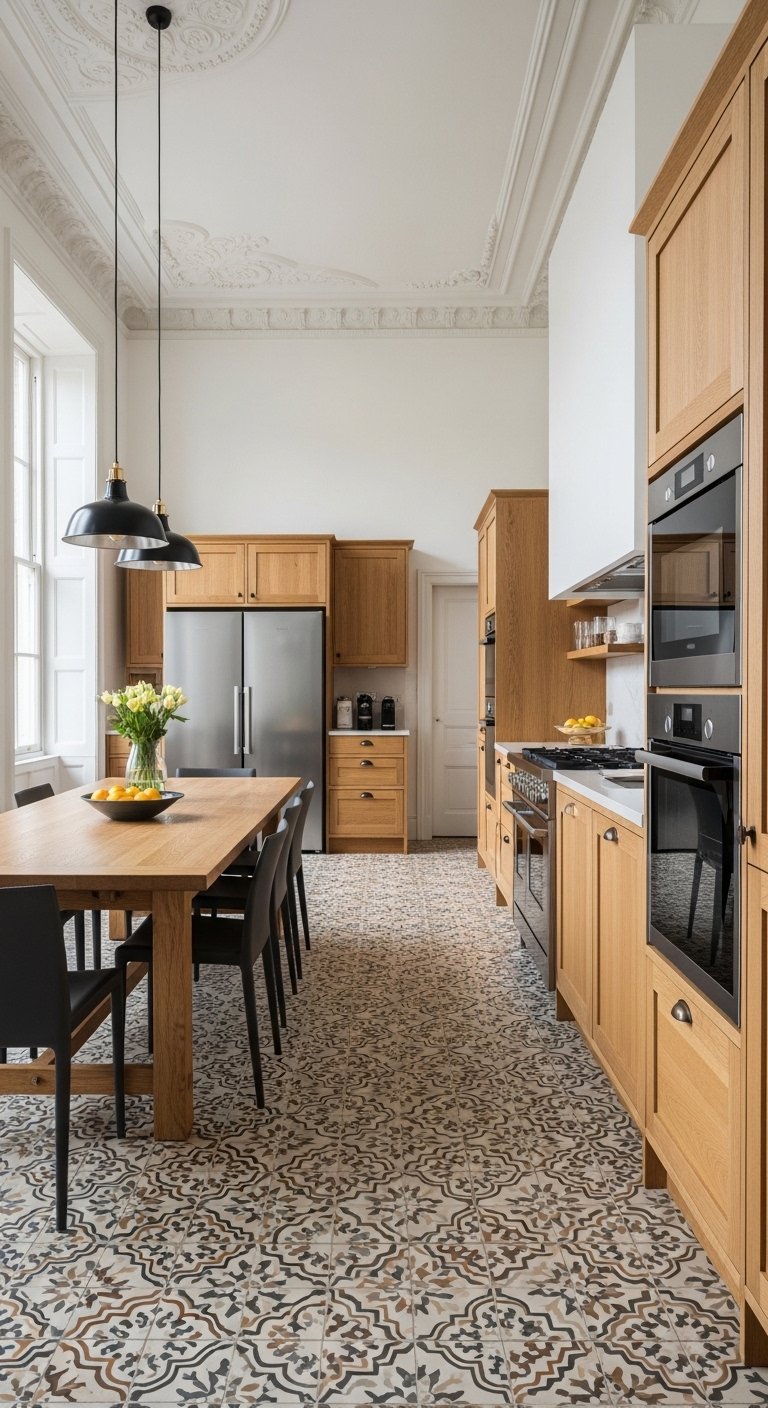
This transitional style offers the best of both worlds. It mixes the warmth of traditional design (like Shaker cabinets) with the clean lines of modern design (like waterfall countertops). It appeals to almost everyone and is excellent for resale value.
For a small kitchen, use the “tuxedo” approach: dark cabinets on the bottom and white cabinets on top. This grounds the room while keeping the upper visual field open and airy. Bridge the gap with a neutral backsplash, such as grey subway tile or white marble. This balance keeps the eye moving and prevents the space from feeling static.
Pro Tip: Choose a rug that incorporates both the dark and light colors of the cabinets to tie the two zones together visually.
Teal and Timber Delight
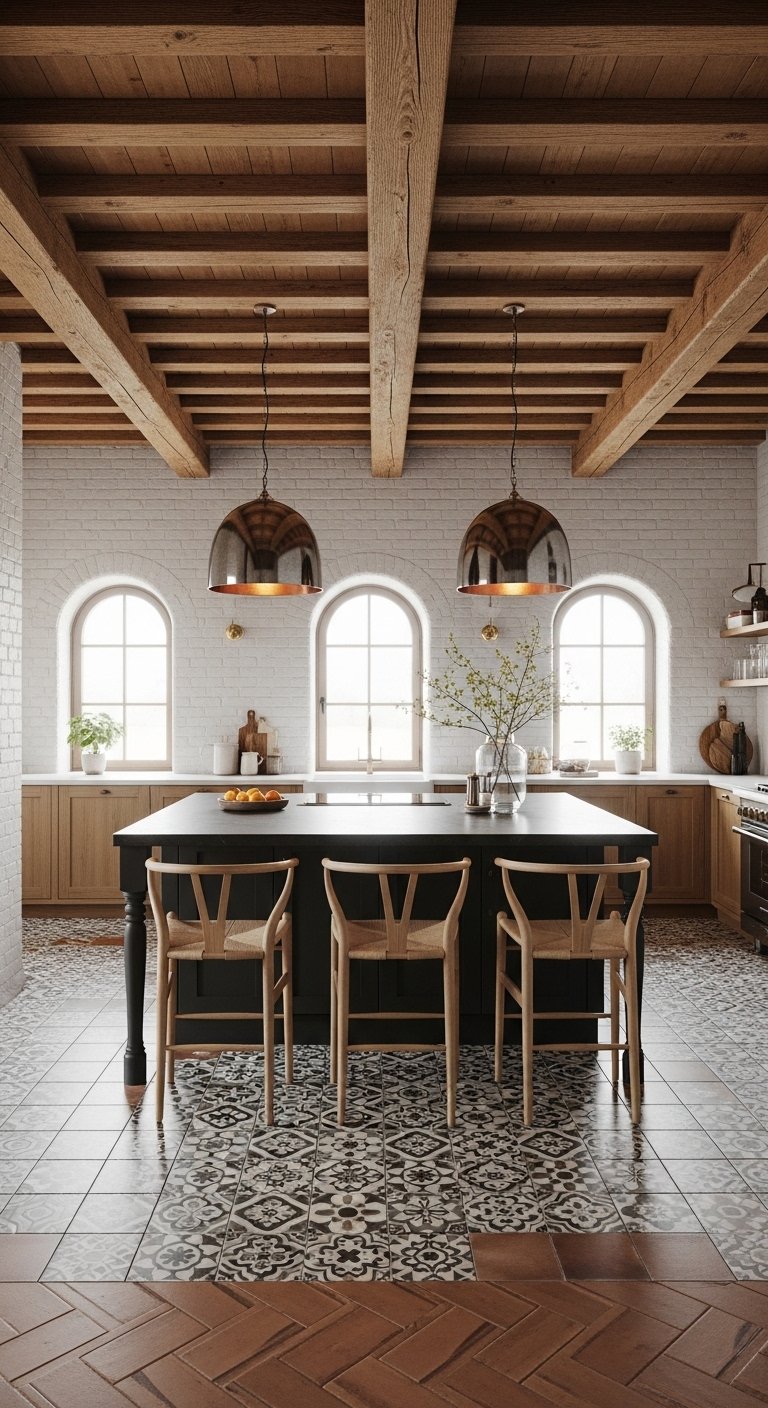
Nature-inspired color palettes are soothing in cramped spaces. Teal is a deep, restorative color that pairs beautifully with natural timber. This combination feels organic yet modern. The teal adds personality, while the wood adds warmth and texture.
Paint your lower cabinets a deep teal and keep the uppers natural wood (or vice versa). If you are worried about the teal darkening the room, use it only on the island or a single feature wall. Pair this with live edge wood shelves. The organic edge contrasts nicely with the straight lines of the cabinetry.
Pro Tip: Use brass hardware. The gold tones pop beautifully against the blue-green teal.
Urban Organic Kitchen
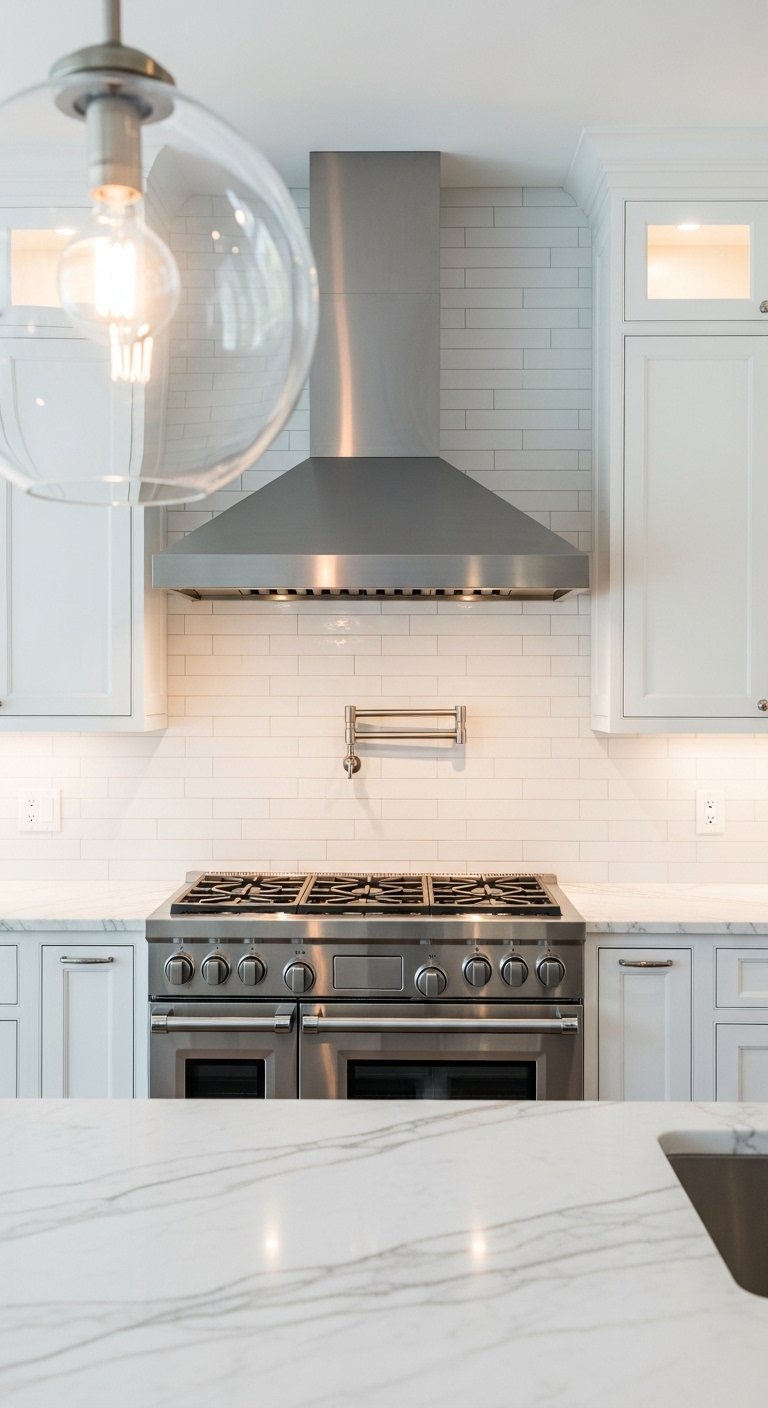
Urban organic style softens industrial design with natural elements. Think concrete floors and stainless steel appliances softened by plenty of plants, wood, and ceramics. It is a very tactile style that feels grounded and calm—perfect for a busy city apartment.
In a small footprint, focus on vertical gardening. A wall-mounted herb rack or hanging planters near the window add life without taking up counter space. Use concrete-look quartz for durability and style. Keep the color palette neutral—greys, creams, and greens—to maintain the zen vibe.
Pro Tip: Use wooden cutting boards as decor. Lean them against the backsplash to hide outlets and add warmth to the concrete/grey tones.
Cozy English Cottage Kitchen
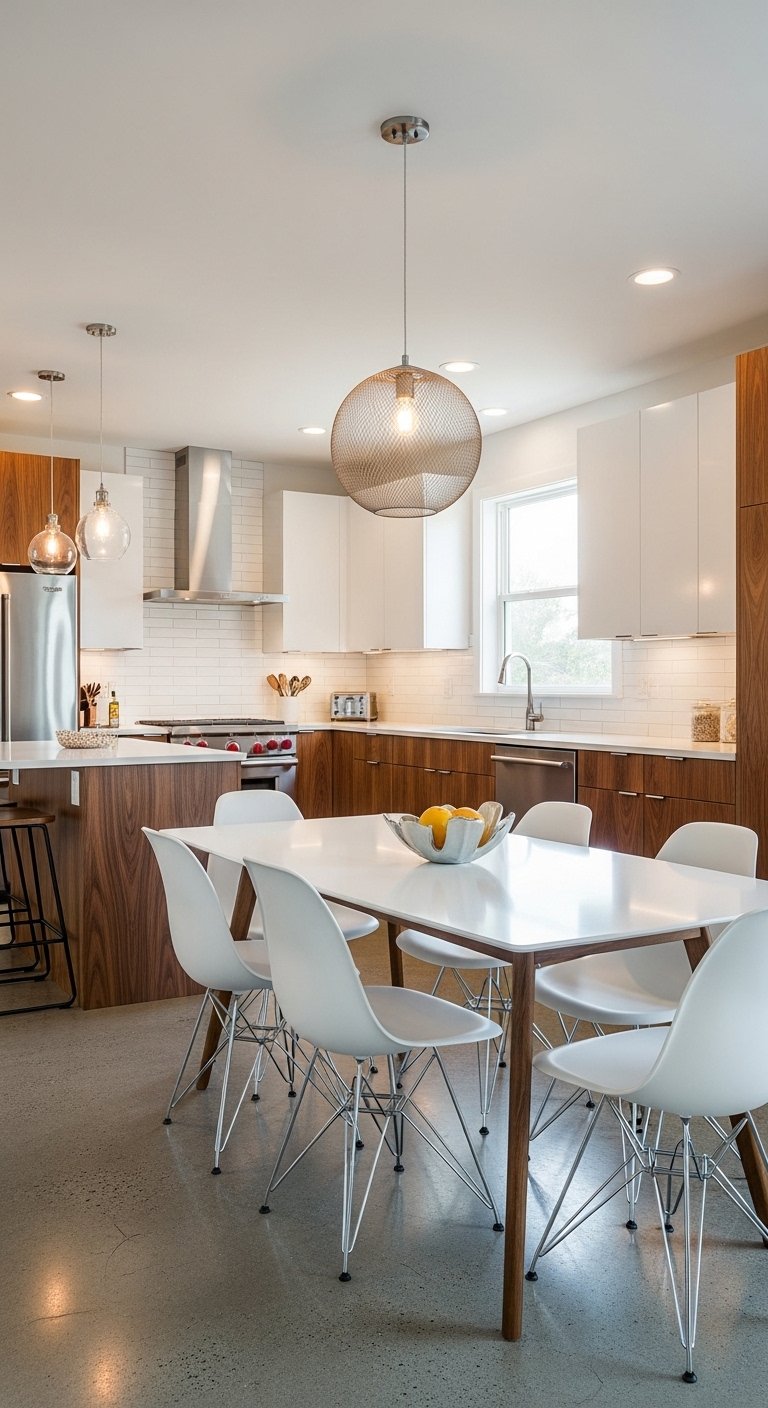
Distinct from the general “Cozy Cottage,” the English variation is more eccentric and layered. It often features a “freestanding” look where cupboards don’t necessarily run wall-to-wall. This can actually help a small room feel larger because you can see the floor extending to the walls.
Key elements include a butler sink (deep ceramic sink), brass bridge faucets, and beadboard paneling. The color palette is often moody but muted—think “British Racing Green” or “Farrow & Ball” greys. Use a plate rack on the wall to display beautiful china. It is functional art that saves cupboard space.
Pro Tip: Hang a rail with S-hooks under a shelf to hang tea cups. It is a classic English look that is very space-efficient.
“Save this idea to your Pinterest.”
Modern Classic Kitchen
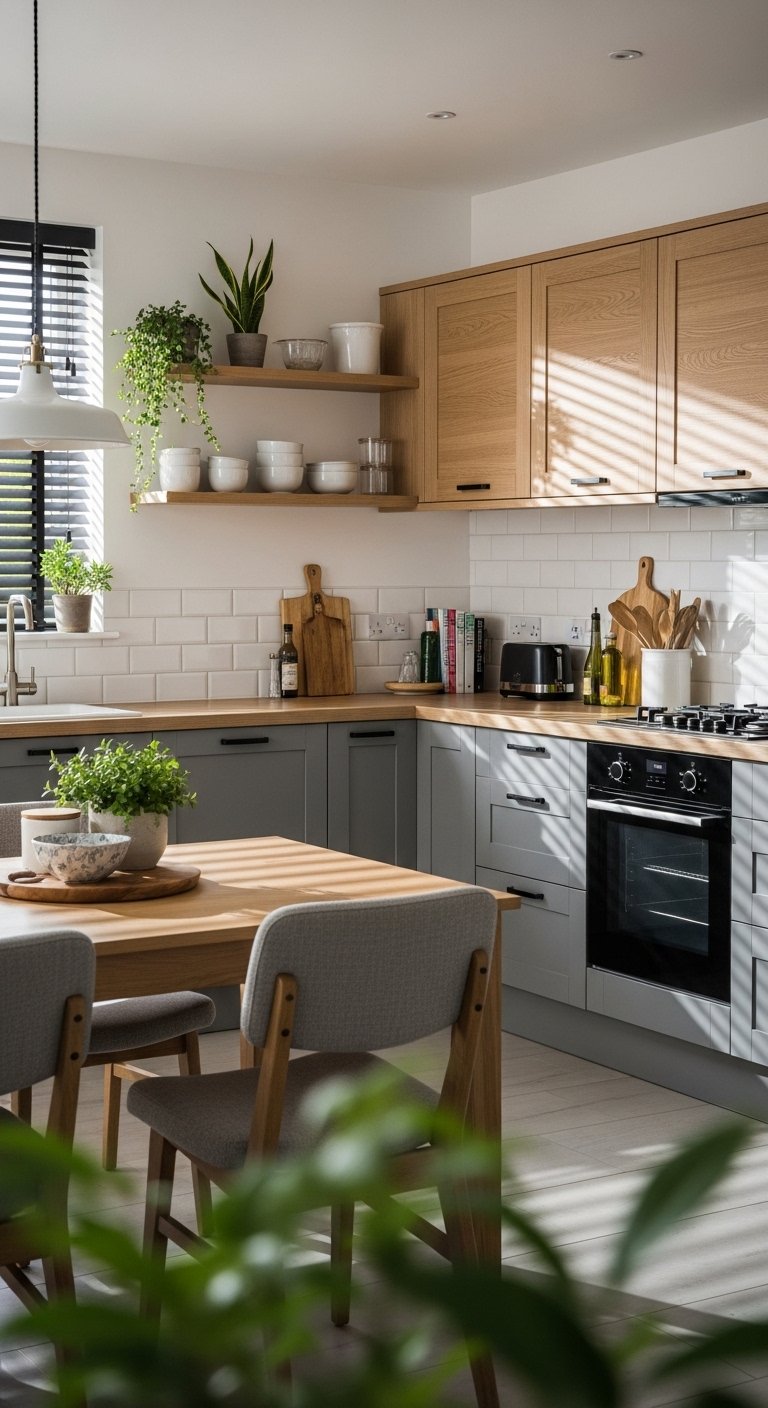
This style leans slightly more traditional than the “Classic Modern Blend.” It favors detailed millwork, crown molding, and perhaps a chandelier, but cleans it up with a monochrome palette. It is sophisticated and grown-up.
In a small kitchen, crown molding draws the eye up to the ceiling, emphasizing height. If you have high ceilings, this is your best strategy. Use tall cabinets that go all the way up. Even if the top shelf is hard to reach, it is valuable storage for seasonal items. The continuous vertical line makes the ceiling feel higher.
Pro Tip: Use glass knobs. They reflect light and don’t visually block the view of the beautiful cabinetry.
Cozy Contemporary Kitchen
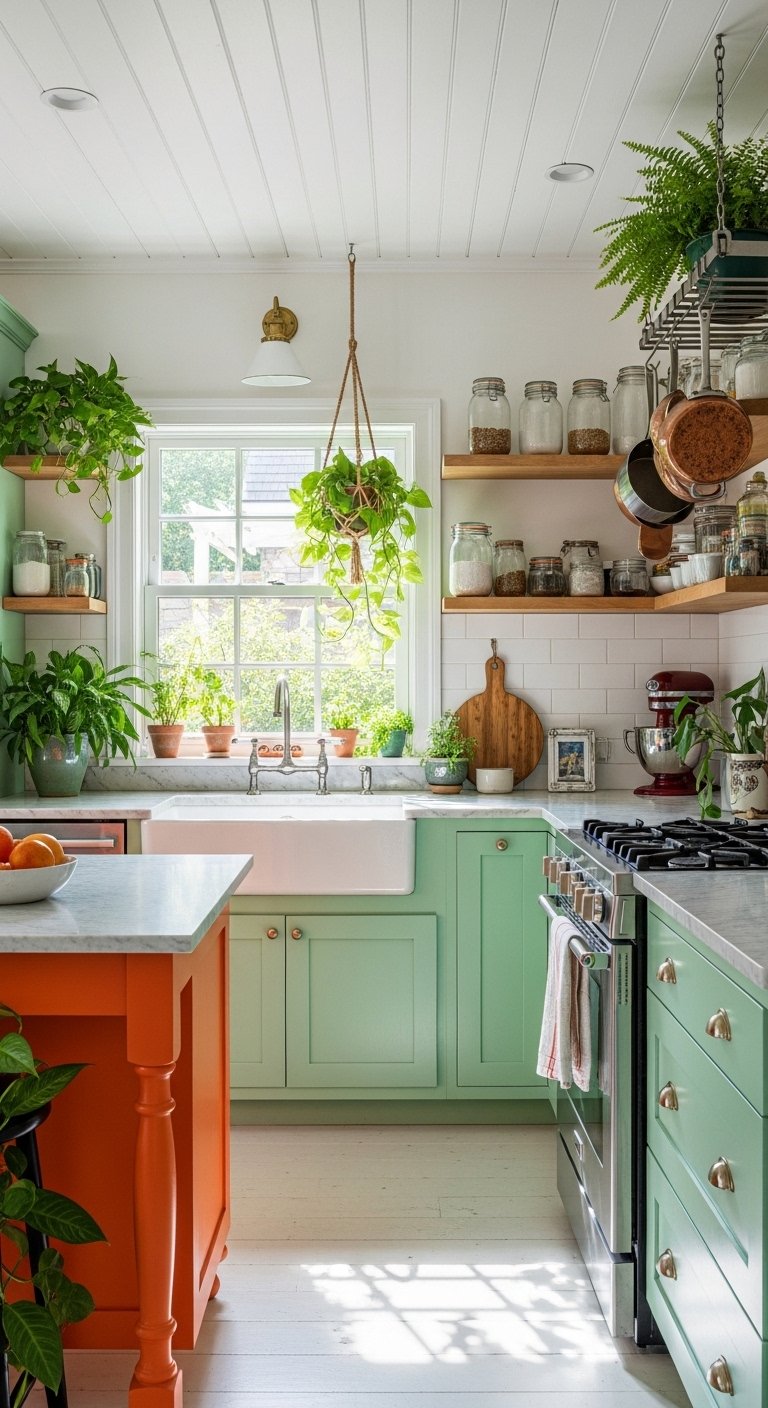
Contemporary design can sometimes feel cold. “Cozy Contemporary” fixes this by introducing soft textures and warm neutrals to sleek shapes. Think greige (grey-beige) cabinets, matte finishes, and soft ambient lighting.
For small spaces, the “greige” color is a magic bullet. It has the light-reflecting qualities of white but the warmth of wood. It makes the space feel enveloping rather than sterile. Keep surfaces matte to diffuse light softly rather than reflecting it harshly. This creates a calm, spa-like atmosphere in the kitchen.
Pro Tip: Add a runner rug with a subtle geometric pattern. It leads the eye through the room, making it feel longer.
Warm Wood Retreat
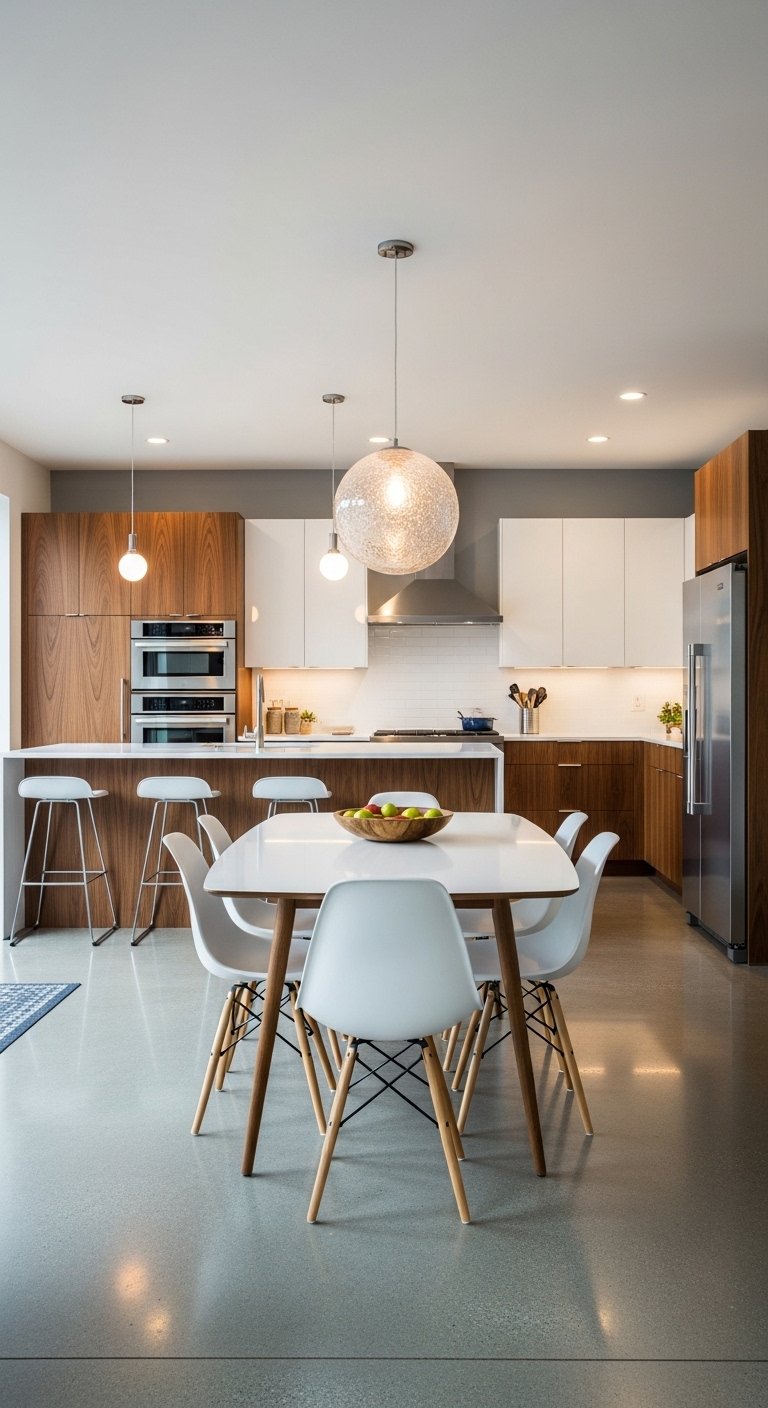
For years, painted cabinets dominated. Now, natural wood is back. A warm wood retreat highlights the grain of oak, walnut, or ash. This brings nature indoors, which is psychologically soothing in small, enclosed spaces.
To avoid the retro “70s basement” look, keep the wood tone matte and light-to-medium. Avoid orange-toned varnishes. Pair the wood with crisp white countertops and walls. The high contrast keeps the wood looking fresh and modern. Flat-panel wood doors look sleekest in small areas.
Pro Tip: Mix wood directions. Vertical grain on cupboards and horizontal grain on drawers adds subtle visual interest.
Eclectic Green Haven
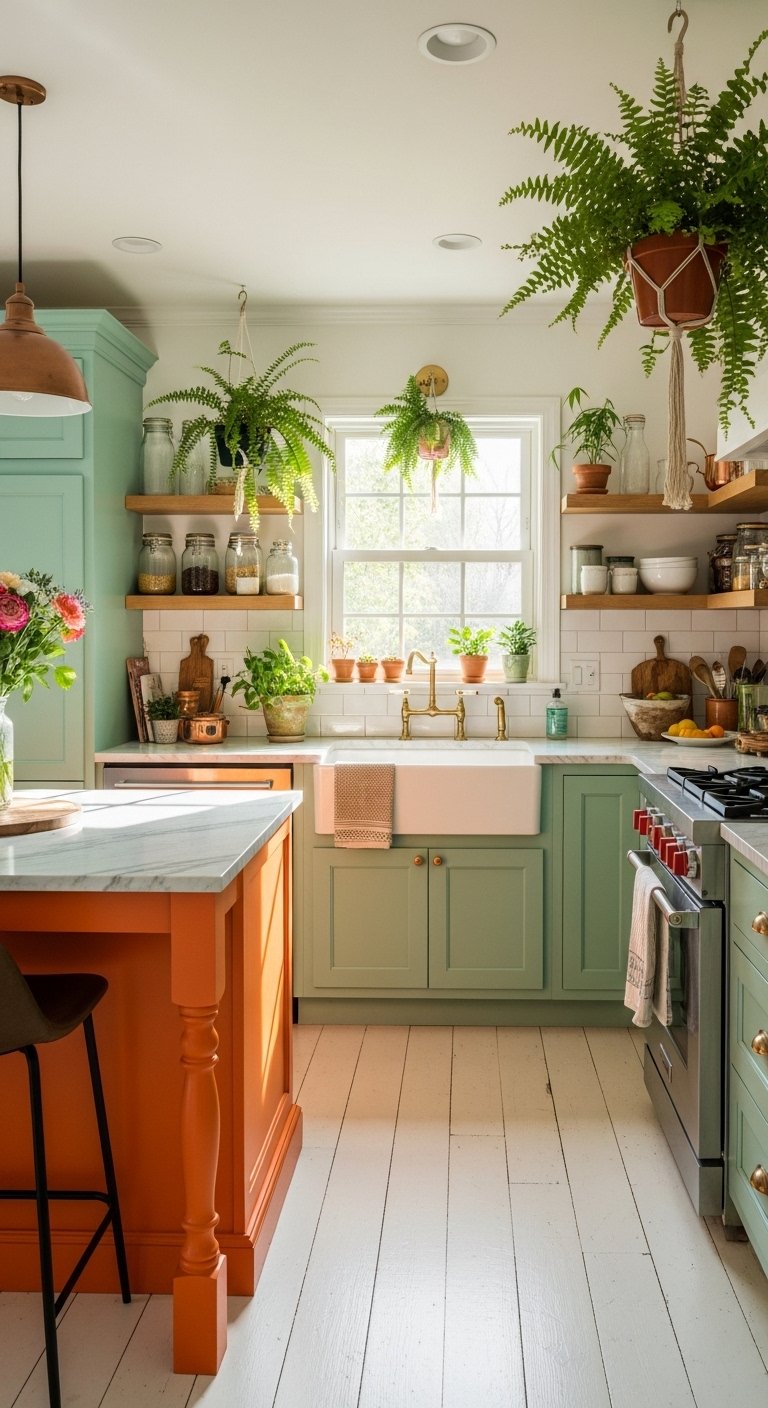
Green is nature’s neutral. From emerald to olive, green kitchens are trending heavily. An eclectic approach mixes these greens with unexpected elements—perhaps a vintage rug, modern art, and industrial lighting.
In a small kitchen, painting all walls and the ceiling the same shade of green can actually make the walls disappear. This technique, called “color drenching,” creates a cozy, jewel-box effect. It distracts from the small dimensions by focusing entirely on the mood.
Pro Tip: Use gold or brass accents. They pop incredibly well against green and add a touch of luxury to the eclectic mix.
Charming Country Kitchen
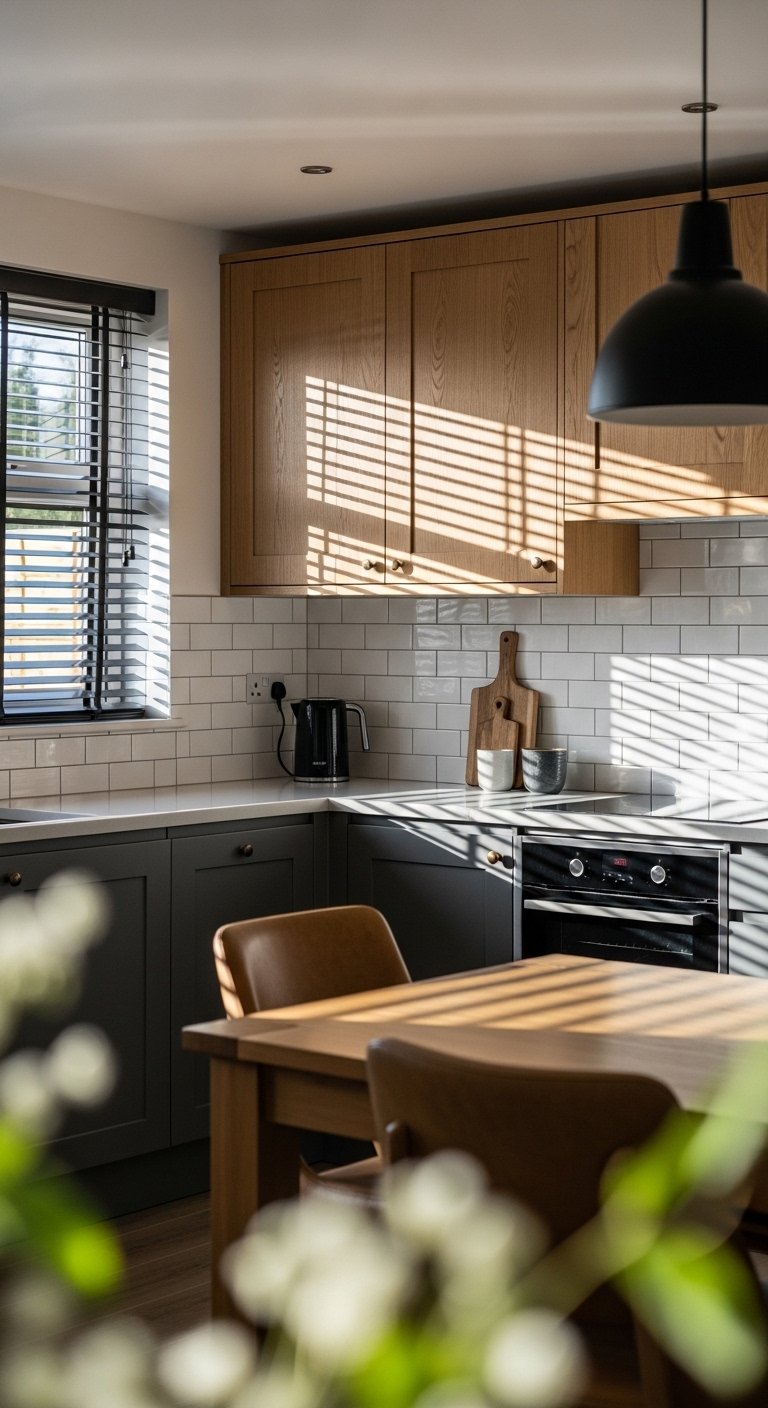
This style is about simplicity and heart. It uses open shelving, gingham fabrics, and simple wooden furniture. It is less “styled” than the farmhouse look and more authentic to rural living.
For a small space, a skirted sink is a great country trick. It allows you to hide ugly plumbing or large bins behind a curtain, which is cheaper and often easier to fit than a cabinet door. Use peg rails around the perimeter of the room at a high level. You can hang dried flowers, pans, or bags from them, utilizing the high wall space effectively.
Pro Tip: A wall-mounted drop-leaf table can serve as a breakfast bar that folds away when you need floor space.
Popular Asked Questions
How do I arrange my small kitchen?
The “work triangle” is the best layout rule. Imagine a triangle connecting your sink, fridge, and stove. Keeping these three close together makes cooking efficient. In a tiny kitchen, a “galley” layout (two parallel counters) or an L-shape often works best to maximize this flow.
What colors make a small kitchen look bigger?
White and light pastels are the standard answer because they reflect light. However, cool whites (with blue undertones) recede visually, pushing walls away. Surprisingly, very dark colors like charcoal or black can also work by blurring the corners and shadows, creating a sense of infinite depth.
How can I add storage to a kitchen with no pantry?
Look up! Use the space above your cabinets for baskets. Install hooks under shelves for mugs. Use the inside of cabinet doors to hang measuring spoons or pot lids. A rolling cart is also a lifesaver—it acts as a mobile pantry that you can move out of the way.
Is a kitchen island possible in a small space?
Yes, but it might need to be mobile. A rolling island or a “butcher block cart” gives you prep space when you need it and rolls into a corner when you don’t. Alternatively, a narrow console table against an empty wall can serve as a shallow island for coffee makers and toaster ovens.
Conclusion
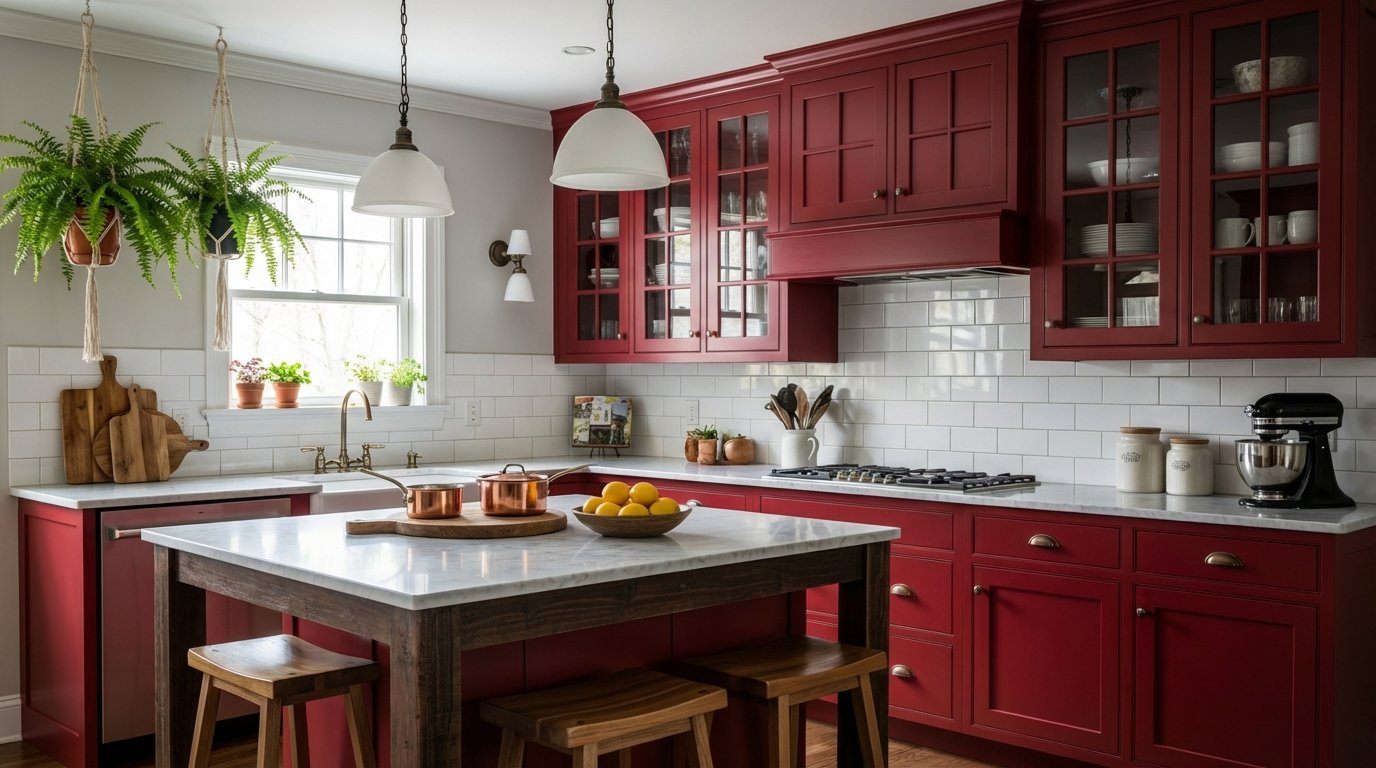
Designing a small kitchen is a puzzle, but it is one of the most rewarding home projects you can tackle. By focusing on light, vertical storage, and intentional styling, you can turn a cramped room into the heart of your home. Remember, the most stylish kitchens are the ones that serve the people who use them. Whether you choose the moody depth of a Sleek Black Haven or the airy brightness of a Bright Mediterranean Retreat, your small kitchen has big potential.
Which of these styles speaks to your personal taste? Let us know in the comments below!
Follow us on Pinterest for more Small Kitchen inspiration.

Leave a Comment