
Getting Your Outdoor Space Ready for Warm Weather
There’s something magical about those first warm days of spring. You know what I’m talking about. That moment when you step outside, feel the sun on your face, and suddenly realize your patio looks like it hasn’t been touched since last October. Welcome to the club. We’ve all been there, staring at our outdoor spaces and wondering where to even begin.
I remember the first time I decided to tackle my backyard transformation. It was a sunny Saturday morning, and I walked out with my coffee only to find leaves everywhere, furniture covers doing their best impression of parachutes in the wind, and a general sense of neglect that made me want to go right back inside. But here’s the thing about outdoor living spaces. They’re not just extra square footage. They’re where life happens. Barbecues with friends. Quiet morning coffees. Late night conversations under the stars. These spaces deserve our attention.
When you start thinking about sprucing up your patio or deck, it’s easy to get caught up in all the little details. Should you paint that railing? Do those plants need replacing? What about new cushions? But let me save you some time and maybe a few headaches. The furniture matters most. Everything else can wait. I learned this the hard way after spending three weekends power washing my deck only to realize I was sitting on the same wobbly chairs from 2015.
Your outdoor furniture sets the tone for everything else. Think about it like this. You wouldn’t decorate your living room by starting with throw pillows and then figuring out where to sit, right? Same logic applies outside. Get the foundation right, and everything else falls into place naturally. The plants look better when they’re not competing with mismatched chairs. The lighting works better when it’s highlighting furniture worth looking at. Even the colors you choose later will make more sense when you’ve got solid pieces anchoring your space.
What surprises most people is how much variety exists in outdoor furniture now. Gone are the days when your only options were white plastic chairs or maybe some questionable wrought iron pieces your neighbors were selling at their yard sale. The market has exploded with choices. We’re talking styles that range from sleek modern designs to rustic farmhouse vibes. Materials you’ve probably never even heard of. Price points that work whether you’re pinching pennies or ready to invest in pieces that’ll last decades.
But here’s where it gets tricky. All these options mean more decisions. And more decisions often lead to paralysis. You start browsing online or walking through stores, and suddenly you’re overwhelmed by metal versus wood, cushioned versus non-cushioned, dining sets versus lounge sets. Should you get a fire pit table? Do you need an umbrella? What about storage? Before you know it, you’re back on your couch, scrolling through your phone, no closer to actually improving your outdoor space than you were three hours ago.
Let me share what I wish someone had told me when I started this journey. Your outdoor space is an extension of your home. Not a separate entity. Not some afterthought you deal with twice a year. It’s part of where you live. And just like you wouldn’t throw random furniture into your bedroom and call it a day, your patio deserves the same thoughtful approach. Start with how you actually use the space. Or better yet, how you want to use it.
Do you see yourself hosting dinner parties out there? Then you need a proper dining setup. Are you more of a morning coffee and evening wine type? Maybe a small bistro set or some comfy lounge chairs make more sense. Got kids who treat the backyard like their personal playground? You might want furniture that’s more durable than decorative. There’s no wrong answer here. Only what works for your life.
The weather plays a bigger role than most people realize. I’ve watched neighbors buy beautiful furniture only to see it deteriorate within a year because they didn’t think about sun exposure, rain patterns, or humidity. Your local climate isn’t just background information. It’s a major factor in what materials will hold up and which ones will leave you disappointed. Coastal areas eat through certain metals faster than you’d think. Desert climates can fade fabrics in record time. And if you live somewhere with actual winters, you need to think about storage or covers.
Starting this process doesn’t have to feel like a massive undertaking. You don’t need to transform your entire outdoor area in one weekend. Nobody’s judging you for taking it slow. What matters is making smart choices that you’ll be happy with months and years down the road. Trust me, there’s nothing worse than rushing through furniture decisions only to spend the next summer wishing you’d gone a different direction.
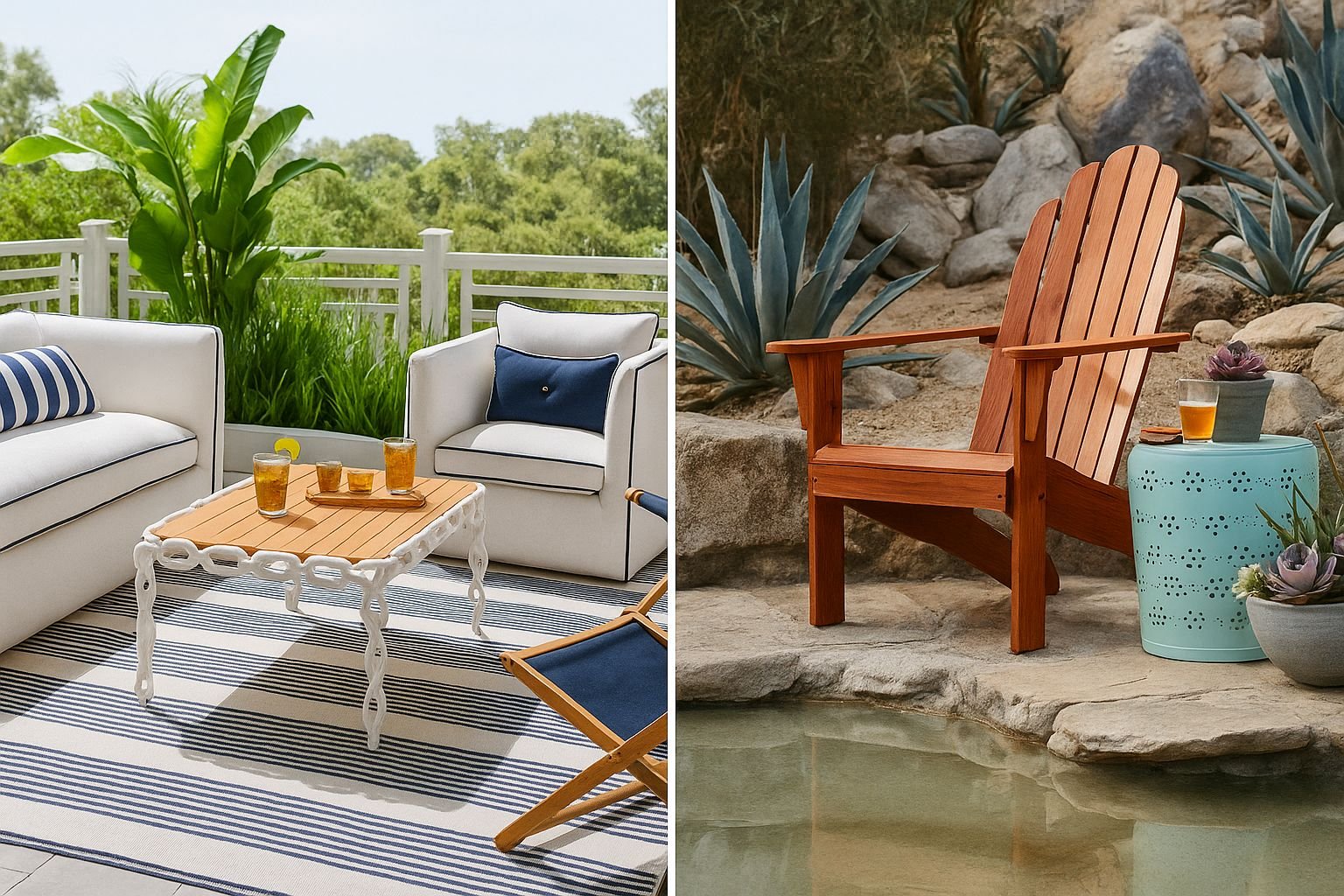
Your outdoor living area has potential. Maybe you can already see it. Or maybe you’re still trying to imagine what it could become. Either way, the journey starts with understanding what’s out there and what might work for your specific situation. We’re going to dig into materials, styles, costs, and all the practical stuff that makes the difference between a patio you actually use and one that just looks pretty in photos. Let’s get your outdoor space ready for all those warm weather moments waiting to happen.
Understanding Different Materials for Outdoor Furniture
Walking into a furniture store or scrolling through websites can feel like you need a degree in materials science. Metal, wood, wicker, resin, plastic, composite. The list goes on. And everyone seems to have an opinion about which one’s best. Spoiler alert: there isn’t a “best” material. There’s only what works for your needs, your budget, and your willingness to maintain things.
Let’s talk metal first. I’ve owned metal patio furniture, and I have thoughts. The good news is that metal pieces can last forever if you treat them right. The bad news is that “treating them right” involves more work than you might expect. Iron furniture has this classic, timeless look that makes you feel like you’re dining at a French café. It’s heavy, which means it won’t blow around in windstorms. And when it’s well made, it can handle years of use without falling apart.
But iron rusts. Oh boy, does it rust. I once left my iron chairs uncovered through a particularly wet spring, and by June they looked like they’d been salvaged from the Titanic. You need to stay on top of rust prevention. That means checking for chips in the finish, touching up problem spots, and storing pieces properly during off seasons. Some people love this kind of maintenance. They find it meditative. I found it annoying. Your mileage may vary.
Steel offers similar benefits with slightly less weight. It’s strong, it’s durable, and modern steel furniture often comes with powder coated finishes that resist rust better than traditional paint. I’ve seen steel frame furniture that still looks great after five years outside. The trick is making sure you’re getting quality steel with a proper finish. Cheap steel furniture can start showing problems within months. You’ll see rust spots where the coating wasn’t applied evenly or areas where the metal is just too thin to hold up.
Then there’s aluminum. This stuff changed my mind about metal furniture. Aluminum doesn’t rust like iron or steel. It might oxidize and get a little dull over time, but it won’t turn into a crumbly mess. It’s lightweight too, which can be good or bad depending on your situation. Good if you like rearranging furniture or need to move pieces around for cleaning. Bad if you live somewhere windy and wake up to find your chairs three yards over.
The weight issue with aluminum is real. I had a set of aluminum bistro chairs that looked fantastic. Sleek, modern, comfortable. But every time we had a storm, I had to either bring them inside or watch them skitter across the patio like tumbleweeds. Some manufacturers try to solve this by making the frames thicker or adding weight to the base. Smart aluminum furniture can be surprisingly stable. Cheap aluminum furniture will make you question your life choices during the first windstorm.
Wood brings a whole different vibe to outdoor spaces. There’s something warm and inviting about wooden furniture that metal just can’t match. Teak is the gold standard here. People rave about teak, and honestly, they’re not wrong. Teak contains natural oils that repel water and resist rot. You can leave teak furniture outside year round in most climates, and it’ll develop this gorgeous silvery gray patina that actually looks better with age.
But teak costs money. Real teak furniture isn’t cheap. And if you want to maintain that rich brown color instead of letting it gray naturally, you’re looking at regular oiling sessions. I tried this for one summer. Bought the special teak oil. Set aside time every few months. Felt very accomplished and responsible. By year two, I gave up and let nature take its course. The gray looks fine. Great, even. Sometimes low maintenance wins.
Oak is another popular wood choice. It’s more affordable than teak, and it can look stunning when properly finished. The catch is that oak needs more protection from the elements. You’ll want to keep it sealed, covered, or stored when you’re not using it. I’ve seen beautiful oak furniture turn into splinter factories after a couple seasons of neglect. If you love the look of wood but don’t want the teak price tag, oak can work. Just go in with realistic expectations about upkeep.
Wicker furniture deserves its own conversation. When most people say “wicker,” they’re usually talking about synthetic wicker or resin wicker. Natural wicker exists, but using it outdoors is asking for trouble. It absorbs moisture, falls apart in sun, and becomes a buffet for insects. Synthetic wicker, though? That’s a different story. Modern resin wicker can look incredibly realistic while handling outdoor conditions like a champ.
I was skeptical about synthetic wicker at first. It seemed like it would look cheap or feel plasticky. Then I sat in a well made resin wicker chair, and I got it. The texture feels natural. The appearance is convincing. And the durability is actually impressive. Rain doesn’t bother it. Sun won’t make it brittle. And you can clean it with a hose and a brush. No special treatments, no seasonal maintenance rituals. Just furniture that works.
The quality range in synthetic wicker is massive. High end stuff uses thicker strands, tighter weaves, and UV resistant materials that’ll last ten years or more. Cheap versions use thin, loosely woven plastic that starts looking ratty within a season or two. When you’re shopping for wicker, pay attention to how it’s constructed. Can you see the frame underneath? Are the weaves tight and even? Does it flex when you press on it, or does it feel solid? These details matter.
Mixing materials has become popular, and I can see why. A lot of modern outdoor furniture combines metal frames with wood slats or wicker seats with aluminum legs. These hybrid pieces try to give you the best of multiple worlds. The metal provides structure and durability. The wood or wicker adds comfort and style. When done right, these combinations work beautifully. When done wrong, you get furniture that’s heavy, expensive, and doesn’t excel at anything.
Your choice of material should match your lifestyle. If you love that hands on maintenance and take pride in caring for your things, wood might speak to you. If you want to set it and forget it, aluminum or synthetic wicker could be your answer. If you want furniture that feels substantial and permanent, iron or steel makes sense. There’s no right answer that works for everyone. Only what works for you.
Expanding Beyond Basic Tables and Chairs
Here’s what nobody tells you when you start shopping for patio furniture. The table and chairs are just the beginning. You walk into a store thinking you’ll grab a dining set and be done. Then you see all the other stuff. Suddenly you’re wondering if you need a serving cart. Or maybe a console table. What about bar stools? And that outdoor couch looks awfully comfortable.
I fell into this trap hard. Started shopping for a simple four person dining set. Left the store with a plan that included three different table options, matching side tables, and a mental list of accessories I didn’t know existed five minutes earlier. The sales person was good. Really good. But here’s the thing. Some of those extras actually made sense. Others were just nice to look at.
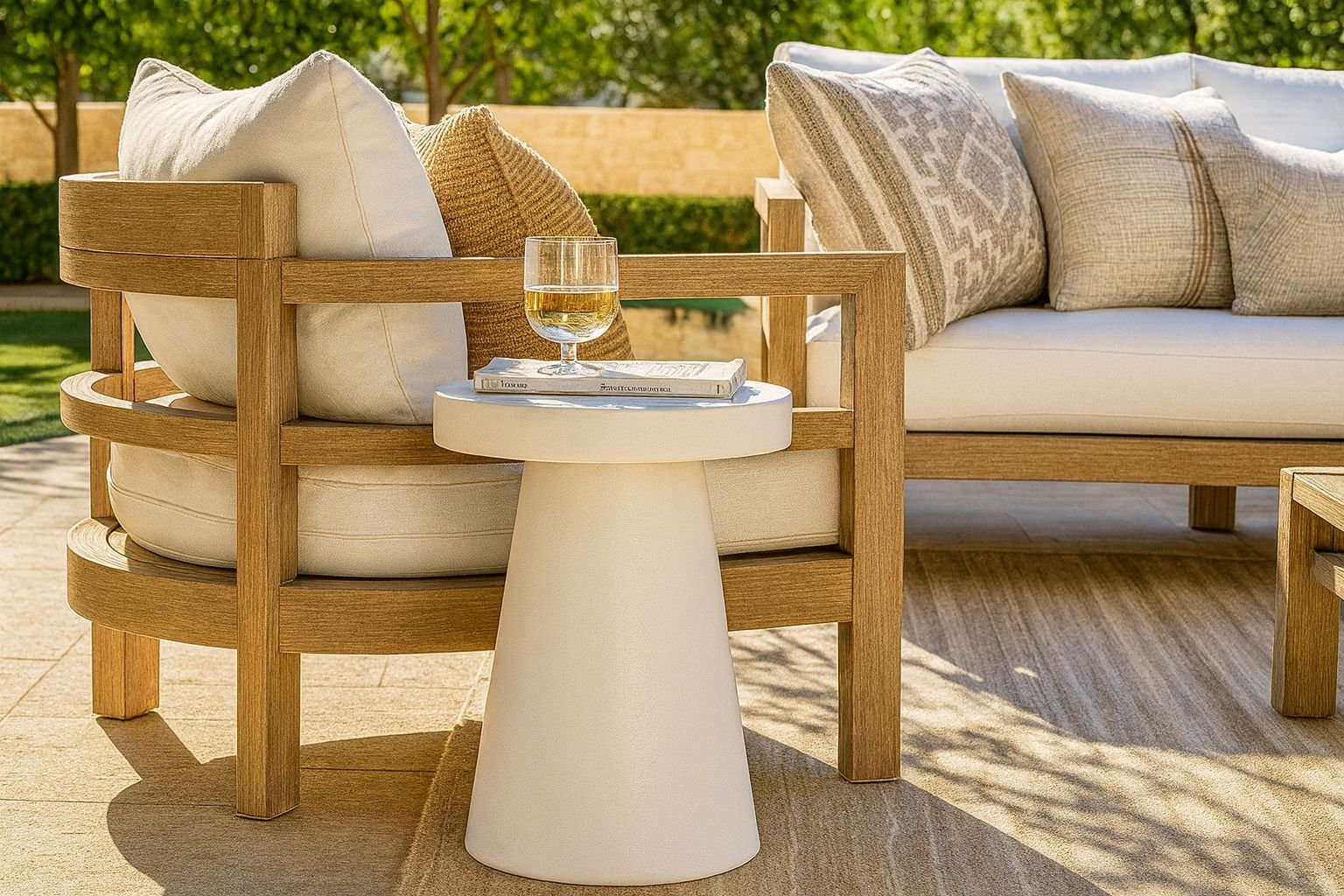
Serving tables and carts can be game changers if you do a lot of outdoor entertaining. Instead of making fifteen trips back and forth to your kitchen, you’ve got a staging area right there on your patio. I resisted getting one for years. Seemed unnecessary. Then my sister brought her outdoor serving cart to a family barbecue at my place, and I watched her efficiently manage food, drinks, and utensils without breaking a sweat. Ordered one the next day.
The key with serving pieces is thinking about how you actually use your space. Do you grill often? A cart or table near your grill makes life easier. Do you host cocktail parties? A bar cart setup lets guests help themselves. But if you mainly use your patio for quiet family dinners, you probably don’t need three different serving surfaces. One good side table might be all you need.
Counter height furniture opens up different possibilities for outdoor spaces. Bar stools around a high top table create a casual, social vibe that regular dining sets don’t quite capture. I’ve got friends who swapped their traditional patio dining set for counter height furniture, and their whole outdoor dynamic changed. People naturally gather around those taller tables. Conversations flow differently. It feels less formal, more spontaneous.
The downside to counter height stuff is comfort for longer meals. Sitting on a bar stool for twenty minutes feels fun and social. Sitting there for two hours while you work through a three course dinner? Your back might have opinions. Some people solve this by having both options. Counter height for appetizers and cocktails. Regular dining height for actual meals. Sounds excessive until you realize how often you use each setup.
Footrests and ottomans seem like luxury items until you actually have them. There’s something about putting your feet up at the end of a long day that transforms okay seating into great seating. A basic patio chair is fine. That same chair with a matching ottoman becomes your favorite spot in the house. I didn’t understand this until a friend insisted I try her setup. Now I get it. The comfort difference is real.
Outdoor couches and sectionals represent the pinnacle of patio furniture ambition. These aren’t quick purchases. They’re investments that signal you’re serious about using your outdoor space. And when you’ve got the room for them, they can completely change how you interact with your backyard or deck. Suddenly outdoor space isn’t just for meals. It’s for lounging, reading, napping, watching the sunset with a glass of wine in hand.
But couches come with complications. They take up space. Obvious, yes, but worth stating. What looks reasonable in a showroom can dominate your patio in ways you didn’t expect. And cushions, which are pretty much mandatory for outdoor couches, need storage when weather gets nasty. I’ve watched neighbors struggle with this every season. Where do you put eight large cushions when rain is coming? The garage? A storage box? Back inside the house?
Daybeds and chaise lounges fall into a similar category. They’re amazing when you use them. They’re space hogs when you don’t. I know someone who bought a beautiful outdoor daybed, used it constantly for the first month, then gradually stopped because dragging the cushions in and out became tiresome. Now it sits there looking pretty but rarely getting used. If you’re considering these bigger pieces, be honest about your habits. Will you actually use a daybed, or will it become expensive outdoor decoration?
Coordinating all these pieces is where things get tricky. Most manufacturers offer collections where everything matches. Same color scheme, same materials, same design language. This makes shopping easier and guarantees everything will look good together. The downside is that perfectly coordinated sets can feel a bit sterile. Like a furniture showroom instead of someone’s actual living space. Some intentional mixing often looks more interesting.
I’ve found that sticking with one main material or color family while varying the specific pieces creates a cohesive look without being too matchy. Maybe your dining table and chairs are all aluminum, but your side tables are wood. Or everything shares a neutral color palette but uses different textures. This gives you flexibility to add pieces over time without feeling locked into one specific collection.
Storage for all this furniture becomes a consideration you probably didn’t think about initially. Some pieces stack. Some fold. Some just sit there taking up space regardless of whether you’re using them. Before you commit to a ten piece outdoor furniture collection, walk through your space and figure out where everything goes during the off season. Or if you live somewhere temperate, figure out your furniture cover situation. Those details matter more than you’d think.
The extras can enhance your outdoor experience significantly. But they can just as easily clutter your space and drain your budget on things you rarely use. Start with the basics that match how you actually live. Add pieces as you discover needs. That serving cart you’re not sure about? Wait a season and see if you wish you had one. The outdoor couch calling your name? Spend a few evenings visualizing how you’d use it. Smart additions improve your space. Impulse purchases create storage problems.
Finding and Buying Outdoor Furniture Without Losing Your Mind
Shopping for patio furniture used to mean one thing. You went to a outdoor furniture store in late spring, looked at what they had, and made a decision. Now? The options for where and how to buy have multiplied in ways that are both helpful and overwhelming. Let me walk you through what actually works and what’s just marketing noise.
Big box home improvement stores have become major players in outdoor furniture. Places like Home Depot and Lowe’s dedicate serious floor space to patio sets during spring and summer. The advantage here is that you can see and touch everything before buying. Sit in the chairs. Check the build quality. Get a real sense of scale. I’ve made purchases based purely on photos only to have pieces arrive and feel completely different than expected. Seeing things in person prevents those disappointments.
The selection at home improvement stores tends toward practical rather than cutting edge design. You’ll find solid options that work well and don’t cost a fortune. What you won’t find is super unique pieces or the latest design trends. If you want a functional dining set that looks fine and fits your budget, these stores deliver. If you’re trying to create an outdoor space that stops traffic, you might need to look elsewhere.
Department stores still carry outdoor furniture, though their commitment varies wildly by location and season. Some stores go all in with extensive patio furniture sections. Others treat it like an afterthought with three sad sets shoved in a corner near the lawn mowers. The quality and pricing at department stores can be all over the map. I’ve seen premium brands right next to budget options with nothing in between.
One advantage of department stores is their sales cycle. They’re often eager to clear out seasonal merchandise, which means you can score deals if you shop at the right time. Late summer and fall bring deep discounts as stores make room for other merchandise. The catch is that selection gets picked over. You might find an amazing deal on a set, but only if you’re okay with the floor model in burnt orange.
Online shopping has obviously changed everything. You can browse hundreds of options from your couch, compare prices across multiple retailers, and read reviews from people who’ve owned the furniture for months or years. The convenience factor is huge. No driving around to different stores. No sales people hovering. Just you and an overwhelming number of tabs open in your browser.
But buying furniture sight unseen comes with risks. Photos can be misleading. That wicker that looks rich and textured on screen might arrive looking plasticky. The “charcoal gray” you thought would be sophisticated could turn out to be straight up black. And dimensions that seemed reasonable on a spec sheet can feel way off when the furniture is actually sitting on your patio. Returns on large furniture items are possible but annoying.
I’ve had good luck buying online when I stick to products with extensive reviews and clear return policies. If a dining set has three hundred reviews averaging four and a half stars, chances are decent it’ll meet expectations. If it’s got twelve reviews and half of them mention poor packaging or missing parts, I move on. Reviews can’t tell you everything, but they can warn you about common problems.
Specialty outdoor furniture stores exist in most areas. These places focus exclusively on patio and outdoor living products. The staff usually knows their stuff, and the selection tends toward higher end options. You’ll pay more at these stores compared to big box retailers. But you’re also getting better quality, longer warranties, and often more interesting designs. If outdoor living is a priority and you’ve got the budget, these stores are worth visiting.
What surprised me about specialty stores is how much variation exists within that category. Some focus on luxury brands and custom options. Others position themselves as premium but attainable. And some are basically just expensive versions of what you’d find at a home improvement store. Do your research before assuming a specialty store automatically means better quality. Sometimes you’re paying for the shopping experience more than the actual furniture.
Discount chains and warehouse clubs have entered the outdoor furniture market in a big way. We’re talking places like Costco, Sam’s Club, and even large grocery chains during summer months. The prices can be shockingly low. And sometimes the quality is decent enough for what you’re paying. I’ve seen people furnish entire patios from Costco and end up with setups that look good and function well.
The limitations with discount retailers are obvious. Selection is limited. What’s available this week might be gone next week. And while some pieces are surprisingly well made, others are junk that’ll fall apart within a season. You’ve got to inspect carefully and recognize that you’re gambling a bit. The low prices mean less risk, but you might end up replacing things sooner than you’d like.
Shipping costs for outdoor furniture can be brutal. A dining set that seems reasonably priced online might come with a two hundred dollar shipping charge that makes the total cost less appealing. Some retailers offer free shipping on large orders, which can make buying multiple pieces at once worthwhile. Others charge per item, which adds up fast. Always factor in shipping before committing to an online purchase. That “deal” might not be much of a deal once delivery costs hit your credit card.
Amazon deserves its own mention because so many people default to it for everything. You can find every type of outdoor furniture on Amazon, from super cheap imports to premium brands. The advantage is fast shipping, easy returns, and the ability to comparison shop without leaving the site. The disadvantage is that quality varies wildly, and product photos can be very misleading. I’ve learned to be suspicious of furniture listings with only rendered images instead of actual product photos.
Timing your purchase makes a difference. Peak season, which runs roughly from April through June in most places, brings the best selection but rarely the best prices. Retailers know you’re shopping, so they keep prices firm. Late summer into fall is when deals appear as stores clear inventory. And winter, if you can find outdoor furniture at all, sometimes brings clearance pricing on last season’s styles. The tradeoff is selection. Want the perfect set in exactly the right color? Shop peak season. Want a deal and you’re flexible? Shop off season.
Used furniture markets have exploded with apps like Facebook Marketplace, Craigslist, and OfferUp. You can find decent outdoor furniture for a fraction of retail cost if you’re patient and willing to do some hunting. I’ve snagged some genuinely good deals this way. But I’ve walked away from way more potential purchases after seeing the actual condition. Photos can hide a lot of wear, rust, and general deterioration. If you go the used route, insist on seeing items in person before committing.
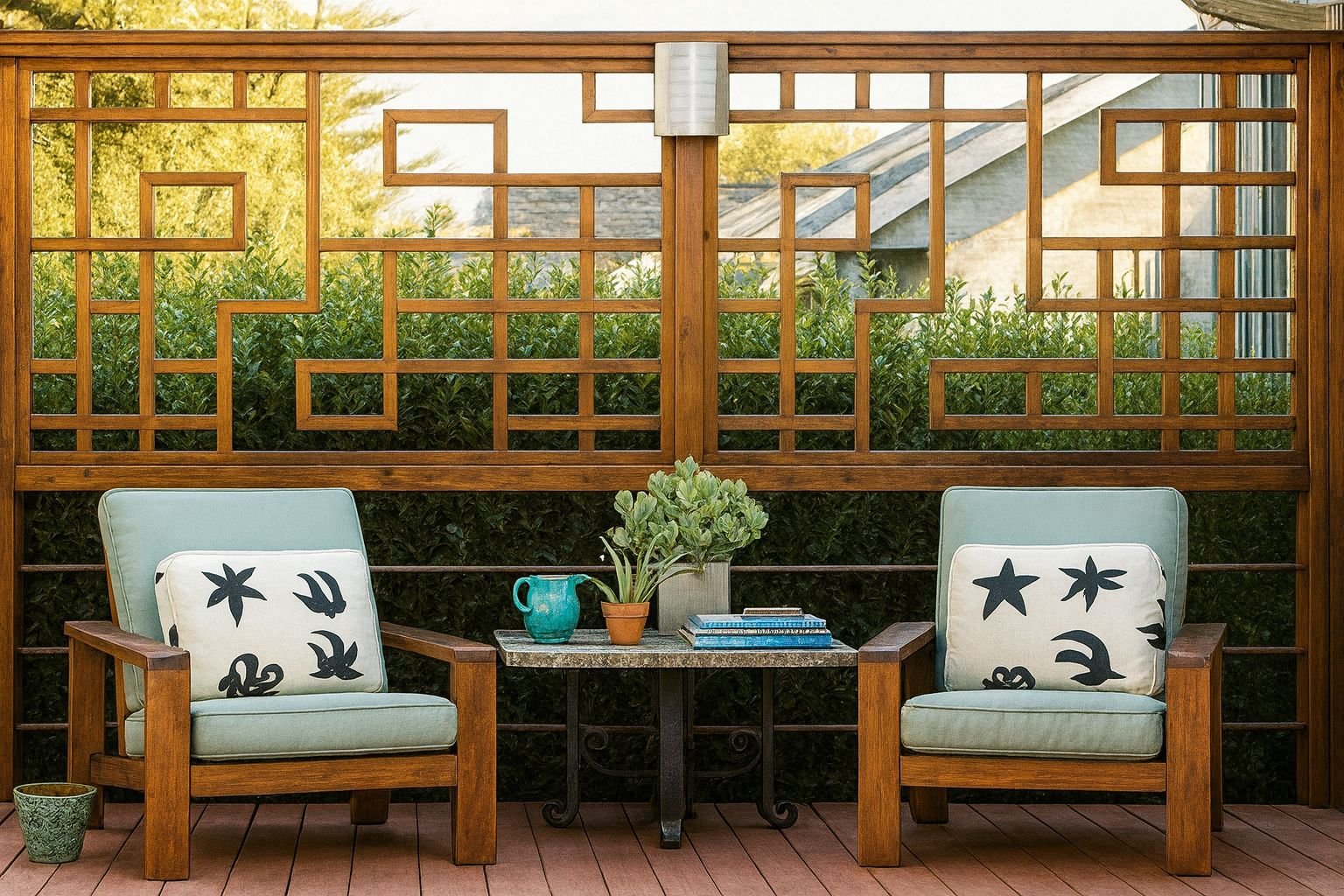
The best approach I’ve found combines multiple shopping methods. Browse online to figure out what styles and materials appeal to you. Visit stores to see quality in person and understand scale. Check reviews to learn about durability and common issues. Then make informed decisions based on all that information. Sounds like work? It is. But it beats buying furniture you’ll regret for the next five years.
Making Sense of Costs and Long Term Value
Let’s talk money. Outdoor furniture pricing makes no sense until you understand what you’re actually paying for. You can find a five piece dining set for three hundred dollars. You can find one that costs three thousand. And sometimes they look almost identical in photos. So what gives? Why the massive price differences? And more importantly, which option makes sense for your situation?
Cheap outdoor furniture exists for a reason. Sometimes you need something temporary. Maybe you’re renting and don’t want to invest in pieces you can’t take with you. Maybe you’re just dipping your toes into outdoor living and aren’t ready to commit serious money. Maybe your kids are at that age where they destroy everything, and expensive furniture feels foolish. These are all valid reasons to buy budget options.
The problem with cheap furniture isn’t that it looks bad initially. Some of it looks pretty good right out of the box. The problem is longevity. That three hundred dollar dining set will probably make it through one season looking decent. Maybe two if you’re lucky. By year three, you’re dealing with rust spots, wobbly legs, faded cushions, and an overall sense that everything is falling apart. The math starts getting uncomfortable when you realize you’ll need to replace everything every few years.
I learned this lesson with a set of discount folding chairs I bought for extra seating. They seemed fine. Lightweight, stackable, cheap. Perfect for occasional use. Within two summers, the frames were bent, the fabric was torn, and half of them wouldn’t fold properly anymore. I spent sixty bucks thinking I was being smart. What I actually did was rent chairs for two years. Not as smart as I thought.
Mid range furniture occupies this interesting sweet spot. You’re typically paying between eight hundred and fifteen hundred dollars for a decent dining set. The materials are better. Construction is more solid. Finishes are properly applied. Cushions use fabrics that resist fading and moisture. These pieces will last five to seven years with normal care, sometimes longer if you treat them well. For most people, this is probably the right category to shop in.
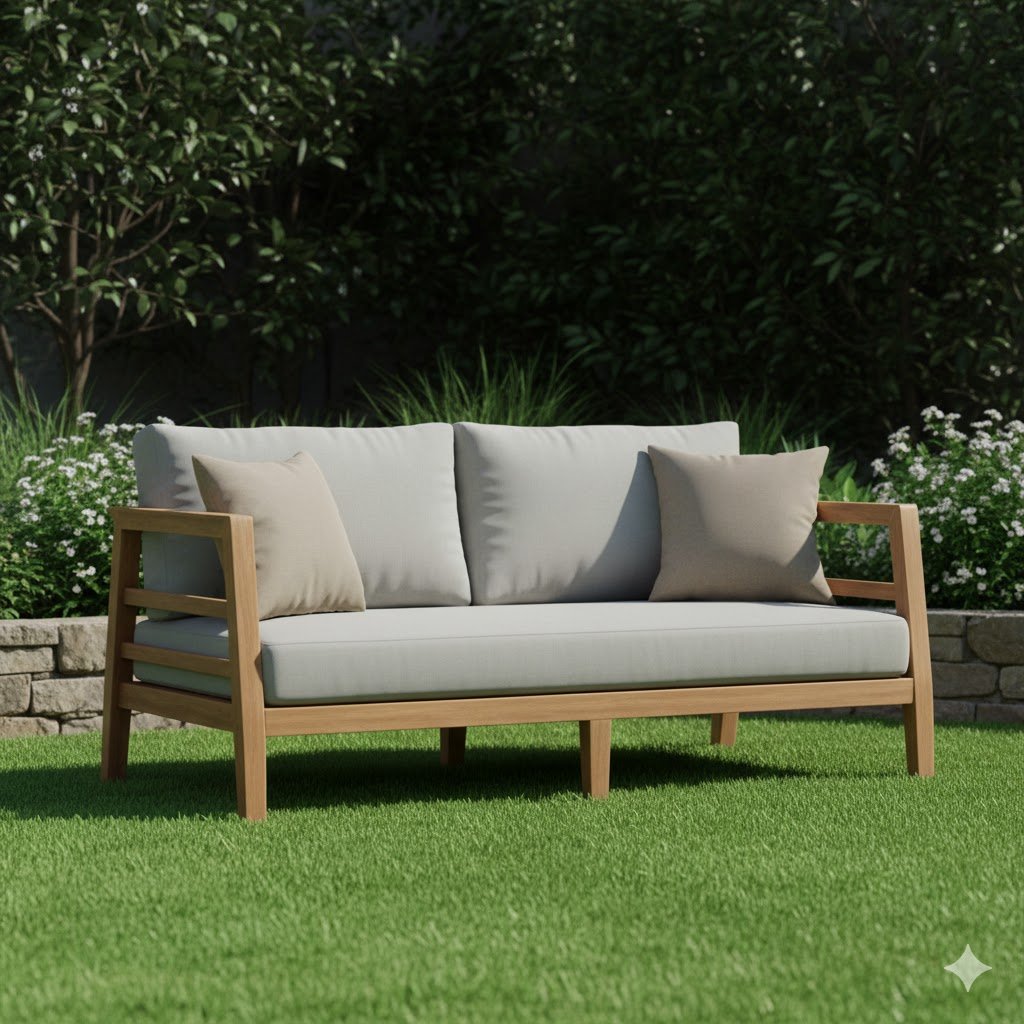
What you’re getting in the mid range is furniture that actually handles outdoor conditions. The metal has proper coatings. The wood is sealed correctly. The wicker weave is tight and UV resistant. You’re not buying luxury, but you’re buying function. And function matters when furniture lives outside year round, dealing with sun, rain, wind, and temperature swings. Cheap furniture pretends to handle these conditions. Mid range furniture actually does.
Premium outdoor furniture starts around two thousand dollars and goes up from there. Way up. You can spend ten thousand dollars on a patio set if you want. At this level, you’re getting superior materials, better design, longer warranties, and the expectation that furniture will last a decade or more. Teak, high grade aluminum, powder coated steel with multiple finish layers. Everything is built to last and look good doing it.
Is premium furniture worth the cost? Depends on your situation. If you use your outdoor space constantly and it’s a major part of your home life, investing in quality pieces makes sense. If you host frequently and care about aesthetics, premium furniture might justify its price tag. But if your patio sees occasional use and you’re not particular about design, spending premium prices might feel wasteful. Only you can determine where furniture falls in your priority list.
Used furniture throws the entire pricing equation into chaos. You can find premium brands at mid range prices if you’re patient and lucky. But you’re buying someone else’s wear and tear. That beautiful teak table might have years of life left. Or it might need refinishing next season. Used furniture is a gamble that sometimes pays off spectacularly and sometimes leaves you wishing you’d bought new.
Weather impact on furniture costs money in ways people don’t always calculate. If you live somewhere with harsh winters and don’t have storage space, you’ll need covers. Good covers that actually protect furniture run a hundred dollars or more for a dining set. Cheap covers fall apart within a season and don’t protect much anyway. Storage boxes for cushions add another expense. Or you’re hauling cushions inside every time rain threatens, which gets old fast.
Sun damage is the silent killer of outdoor furniture. I’ve watched neighbors ignore this reality, and their furniture pays the price. Fabrics fade. Plastics become brittle. Wood dries out and cracks. Paying attention to sun exposure and taking basic protective steps extends furniture life significantly. But protection takes effort. Umbrellas, shade sails, or strategic placement under awnings all help. They also cost money and require planning.
Maintenance costs vary wildly by material. Teak oil if you’re maintaining wood color. Rust treatment for metal. New cushions every few years regardless of furniture type. These ongoing expenses add up over time. A furniture set might seem affordable upfront, but if it needs two hundred dollars in maintenance annually, the true cost is higher than you initially thought. Factor in the whole ownership cost, not just the purchase price.
My recommendation is to buy the best furniture you can reasonably afford while staying realistic about how you’ll use it. Don’t stretch your budget for premium teak if you only use your patio six times per summer. But don’t bottom feed on furniture if you’re outside every evening. Find the middle ground that matches your usage patterns and budget. And remember that buying once and having furniture last is usually cheaper than replacing cheap stuff every two years.
Quality indicators to look for include weight, which usually correlates with build quality. Joints and connections, which should feel solid without wobbles. Finish quality, with smooth surfaces and even coating. And brand reputation, which matters more than we might want to admit. Companies known for quality outdoor furniture typically deliver. No name brands are a coin flip. Sometimes you get lucky. Sometimes you get junk.
Warranties tell you what manufacturers think about their products. A one year warranty says they expect problems. A three year warranty suggests reasonable confidence. A ten year warranty means they believe their furniture will last. Read the fine print on warranties. Some cover manufacturing defects but not normal wear. Others require registration or proof of maintenance. But a solid warranty is still a good sign you’re buying something built to last.
The goal isn’t to spend the most money or the least money. It’s to spend smartly on furniture that matches your needs and lasts as long as you need it to last. Outdoor furniture can be an investment or an expense. Which it becomes depends entirely on the choices you make right now. Choose well, and you’re set for years. Choose poorly, and you’re shopping again next season. The difference is knowledge, patience, and honest assessment of what you actually need.
Creating an Outdoor Space You’ll Actually Use
We’ve covered materials, options, costs, and where to buy. Now comes the fun part. Actually creating an outdoor space that works for your life. Not some idealized Instagram version of outdoor living. Your real life, with your real needs, constraints, and habits. This is where theory meets reality, and where you figure out what matters versus what just looks good.
Start with how you actually use outdoor space now. Or if you don’t currently use it much, be honest about why. Is it lack of furniture? Or is it that mosquitoes turn you into a buffet within five minutes? Is it lack of shade on brutal summer afternoons? Or is it that your patio faces the neighbor’s garbage cans and ruins the ambiance? Furniture alone doesn’t solve all problems. Sometimes you need to address other issues before furniture makes sense.
I spent two years wondering why I never used my back deck despite having decent furniture. Turns out, my deck faced west and became an oven every afternoon. No amount of pretty chairs fixed that reality. I added a shade sail, and suddenly the space became usable. The furniture was always fine. The environment was the problem. This seems obvious in retrospect, but I needed time to figure it out.
Function beats aesthetics every time. A gorgeous dining set that seats eight is useless if you never have eight people over. A cute bistro table looks charming but doesn’t help if you need space for family dinners. Match your furniture to your reality, not your fantasy life. I’m not saying you can’t aspire to host more or use your space differently. Just don’t buy furniture for the life you wish you had while ignoring the life you’re actually living.
Mixing seating types creates flexibility. Maybe you need a dining table for meals. But you want lounge chairs for relaxing. And a few accent chairs for when extra people show up. Having different options means your space works for multiple purposes. My patio has a six person dining table, two lounge chairs, and a couple stools at a small bar height table. Seems like a lot, but each piece gets used regularly for different reasons.
Traffic flow matters more than people realize. You need clear paths from your house to seating areas. From seating to cooking areas if you grill. Around tables so people can actually sit down without climbing over each other. I’ve seen beautiful furniture arrangements that looked perfect but functioned terribly. Everyone constantly bumped into things or felt cramped. Leave more space than you think you need between pieces. Outdoor spaces feel different than indoor rooms. They need breathing room.
Weather protection extends beyond furniture covers. Where will people go if it suddenly rains during dinner? Is there an overhang or awning? Can you add one? What about sun protection during the day? Wind can make outdoor spaces unusable too. I have friends who love their patio except on windy days when everything blows around and nobody can relax. Sometimes the solution is furniture arrangement. Sometimes it’s adding wind breaks or plants. Point is, think about weather patterns where you live.
Lighting transforms outdoor spaces in ways that surprise people. Good lighting means you can actually use your patio after sunset, which in summer might be the most pleasant time. Solar lights are easy and inexpensive. String lights create instant ambiance. Proper landscape lighting makes everything look intentional and designed. I added simple LED string lights to my pergola, and suddenly my outdoor space became usable at night. That one change increased how often I used the area by at least fifty percent.
Plants and furniture work together to create atmosphere. You don’t need a degree in landscape design. Even basic container plants or a few well placed pots make outdoor spaces feel more finished. Plants soften hard edges, add color, and create natural privacy screens. I’m not suggesting you become a master gardener. Just recognize that furniture exists within an environment, and that environment matters. A few plants go a long way.
Storage for outdoor living goes beyond furniture storage. Where do you keep cushions during rain? What about grilling tools, outdoor dishes, games for kids? Built in storage benches solve multiple problems. You get seating plus space for stuff. Storage boxes can double as side tables. Thinking through where things go prevents clutter and makes outdoor living actually work instead of feeling like a hassle.
Budget your project realistically by including everything, not just furniture. You need furniture. You probably need cushions. Maybe an umbrella. Lighting. A rug. Some plants. Side tables. The costs add up faster than expected. I recommend starting with the core furniture, living with it a season, then adding accessories as you discover needs. Trying to do everything at once usually means overspending on stuff you don’t actually need.
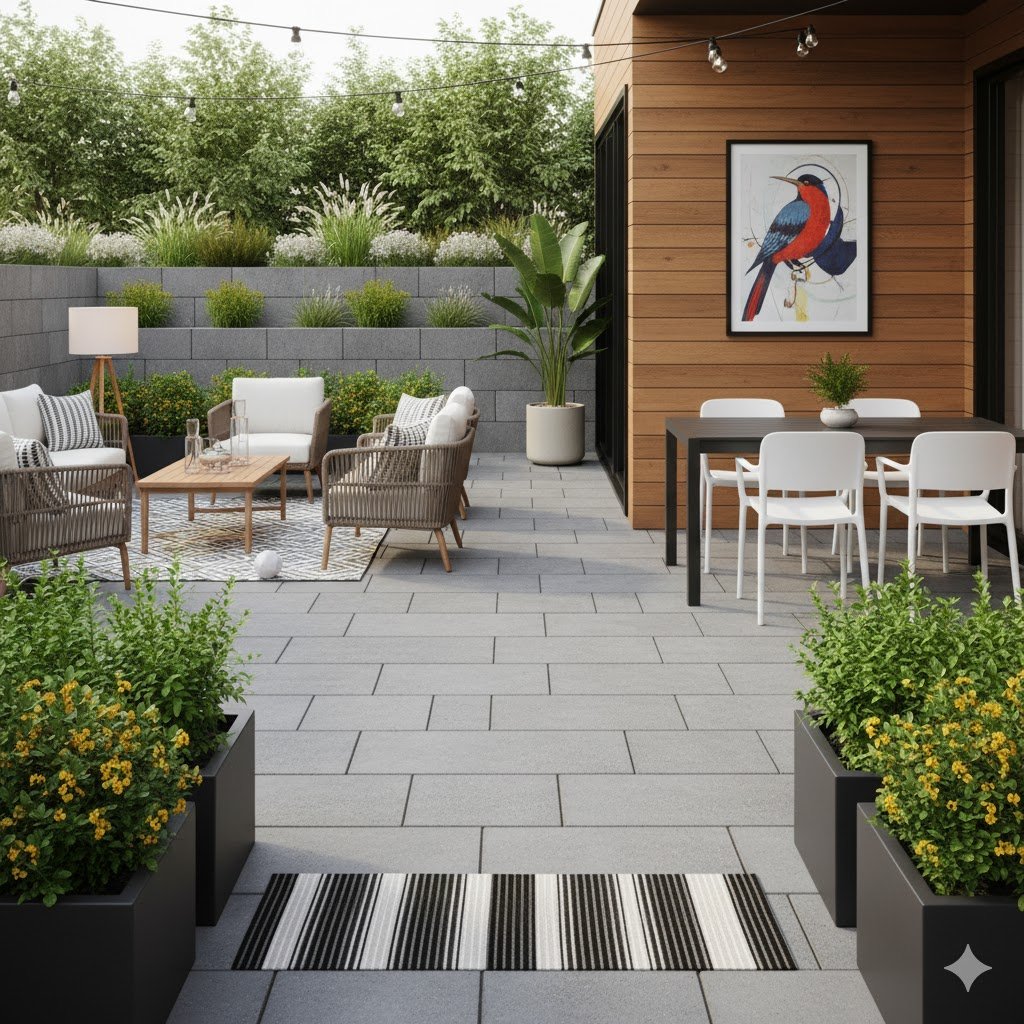
Your outdoor space doesn’t need to be perfect to be usable. Start with good enough and improve over time. That’s how most successful outdoor areas develop. Someone buys a table and chairs. They use them, realize they want an umbrella. So they add one. They notice the cushions fade, so next year they upgrade to better fabric. Gradually the space evolves into something really functional and personal. Trying to create the perfect setup immediately usually leads to frustration and wasted money.
Personal style matters less than you think. I know that sounds weird coming at the end of a guide about buying furniture. But here’s the truth. Clean, comfortable, and well maintained beats trendy and impractical. Your outdoor space should reflect you, yes. But it should work for your life first and look like your Pinterest board second. Find furniture you like that also fits your needs. That combination beats pretty furniture you never use or practical furniture you hate looking at.
Maintain what you have, and it’ll last longer than you expect. Clean cushions before storing them. Wipe down tables occasionally. Touch up rust spots on metal. These small efforts multiply over time. Furniture that gets basic care can last twice as long as identical pieces that get ignored. And maintenance takes way less time than shopping for replacements.
Entertaining outdoors changes when you have proper furniture. Suddenly hosting moves from stressful to enjoyable. People have places to sit. Conversations flow naturally. You’re not worried about chairs collapsing or tables wobbling. Good furniture frees you to focus on guests instead of logistics. This might sound dramatic, but I’ve experienced it firsthand. My outdoor gatherings got noticeably better once I upgraded from questionable chairs to solid furniture.
Kids and pets add complexity to furniture decisions. You want pieces that can handle abuse. Metal and synthetic wicker generally outperform wood in households with active kids or large dogs. Cushions with removable, washable covers become necessities rather than luxuries. And accepting that furniture will get dinged up helps prevent stress. Outdoor furniture should enhance your life, not create anxiety about keeping everything pristine.
Think about seasonal transitions wherever you live. Even mild climates have seasons where outdoor living is less appealing. Can your furniture handle those transitions? Do you have room to store pieces that shouldn’t stay outside? Or is everything built to withstand year round exposure? I didn’t consider this early on and ended up with furniture that needed storage but no place to put it. Awkward situation. Learn from my mistake.
Test before you commit whenever possible. Sit in chairs for more than thirty seconds. Put your arms on the table and see if the height feels right. If buying online, take advantage of return policies. The first week with new furniture tells you everything you need to know. Too small? Return it. Uncomfortable? Send it back. More hassle upfront saves years of regret later.
Coordinate with your home’s overall style, but don’t obsess over perfect matching. Your outdoor furniture doesn’t need to match your living room furniture. Different spaces, different purposes. But staying within a general aesthetic realm makes sense. If your home skews modern, traditional outdoor furniture might feel jarring. If you love rustic vibes inside, sleek metal pieces outside could feel disconnected. Loose coordination works better than forced matching.
Remember that trends change but quality lasts. That ultra trendy furniture style everyone’s buying this year will look dated eventually. Classic designs in good materials stay relevant longer. I’m not saying avoid anything contemporary. Just recognize that investing in timeless pieces gives you more years of satisfaction than chasing whatever’s hot right now. Clean lines, solid construction, neutral colors. These choices age well.
Your outdoor space is part of your home. Treat it with the same care and attention you’d give any room inside. That means thoughtful furniture selection, proper maintenance, and willingness to adjust as your needs change. The families and friends who visit will notice. More importantly, you’ll notice. Every time you step outside and actually want to stay there, you’ll know you made good choices.
Creating an outdoor living area that works takes time, effort, and some trial and error. You won’t get everything perfect immediately. Nobody does. But starting with solid furniture that matches your actual needs puts you way ahead of people who impulse buy whatever looks good or costs least. Build your space thoughtfully. Enjoy it fully. And adjust as you learn what works for you.
The warm weather is coming. Or it’s already here. Either way, your outdoor space is waiting. Make it somewhere you actually want to be. Not for photos, not for impressing neighbors. For you. For quiet mornings, easy dinners, good conversations. For all the moments that happen when you’ve got a comfortable place to sit outside and no reason to rush back inside. That’s what good outdoor furniture really gives you. Not just a place to sit. A reason to stay.

Easy peasy! 789glogin makes it so quick to hop in and play. Good selection of games. Haven’t lost my shirt yet, so that’s a win. Try it out and let me know your thoughts. 789glogin