
Spring Arrives and We All Suddenly Remember We Have Patios
Something shifts when spring arrives. The temperature climbs above 60, the sun stays out a bit longer, and suddenly we’re all standing at our back doors looking at our outdoor spaces like we’ve never seen them before. That patio that was perfectly fine sitting there neglected all winter? Now it looks sad. Really sad. And we feel compelled to do something about it.
I do this every single year. Winter ends, I step outside with my morning coffee, and I see my deck with fresh eyes. The furniture looks rough. The cushions are faded or missing. There’s debris everywhere. Plants are either dead or desperately need attention. It’s like I’m seeing the space for the first time, and I’m not impressed with what I find.
Sprucing up outdoor living areas becomes a universal spring activity. Walk through any neighborhood in April or May, and you’ll see people power washing decks, hauling out furniture, planting things, and generally trying to undo months of winter neglect. It’s part of the seasonal ritual, like putting away winter coats or complaining about allergies.
The decorating parallels between outdoor and indoor spaces are real. You’re thinking about the same basic elements. Color schemes matter. Furniture arrangement matters. Lighting creates atmosphere. Plants add life and softness. The principles you use inside translate directly to outside. The difference is everything has to survive weather.
I learned this the hard way when I tried to use indoor concepts outside without adapting them. I bought cushions in colors that looked amazing but faded in the sun within weeks. I arranged furniture without thinking about rain drainage. I chose plants that looked pretty but died in my climate. Indoor decorating rules apply outside, but with weather-related asterisks.
Plants transform outdoor spaces in ways furniture alone can’t. A patio with great furniture but no plants feels sterile. Add some greenery, and suddenly the space feels alive. I’m not talking about turning your deck into a jungle. Even a few well-placed potted plants make a difference. They soften hard edges, add color, and create that indoor/outdoor connection we’re all trying to achieve.
My plant success rate is maybe 50%. I kill about half of what I plant through neglect or poor choices. But the half that survives makes the whole space better. I’ve learned to pick hardy plants that can handle my level of care, which is sporadic at best. Succulents work great. Herbs are forgiving. Some flowering annuals thrive on benign neglect. Know yourself and plant accordingly.
Lighting completely changes outdoor spaces. During the day, natural light does the work. At night, you need artificial lighting to make the space usable and attractive. String lights have become incredibly popular, and I get why. They’re cheap, easy to install, and they instantly create ambiance. I hung string lights on my deck three years ago, and they’ve been one of my best outdoor purchases.
The color decisions you make outside affect the whole vibe of your space. Bright colors create energy and fun. Neutral colors feel calm and sophisticated. Dark colors can look modern or dramatic. You’re picking colors for furniture, cushions, umbrellas, planters, and accessories. Getting these to work together requires the same thought you’d give to indoor color schemes.
I’ve gone through different color phases with my outdoor furniture. Started with bright blues and greens that felt tropical. Then went through a neutral phase with grays and tans. Currently I’m in a mixed phase with neutrals as the base and pops of color in accessories. Each phase reflected what I was into at the time. Your outdoor space can evolve with your taste.
Furniture sits at the center of any outdoor design. It’s the most expensive element. It’s the most functional element. It’s what makes the space usable. You can have perfect plants, amazing lighting, and a great color scheme, but if your furniture is uncomfortable or falling apart, the whole space fails. This is why furniture choices matter so much.
The importance of furniture in outdoor spaces can’t be overstated. It’s the difference between a patio you use and a patio you avoid. Good furniture invites you outside. It makes you want to linger. Bad furniture drives you back inside after five minutes. I’ve experienced both, and the difference is night and day.
Present day outdoor furniture offerings have exploded compared to even ten years ago. You can find any style you want. Modern, traditional, coastal, farmhouse, industrial, whatever. The market has responded to increased demand with increased variety. This is mostly good news, though it can make decisions harder when you’re faced with a hundred options instead of ten.
Varied styles mean you can match your outdoor furniture to your home’s architecture and your personal taste. Got a modern house? There’s sleek outdoor furniture for that. Living in a craftsman bungalow? There’s furniture that fits that aesthetic. Beach house? Tons of coastal style options. The furniture industry has figured out that people want their outdoor spaces to reflect their style, not just function as generic patios.
Individual tastes get served by this variety. You’re not stuck with whatever the local hardware store happens to stock. You can find furniture that speaks to your specific preferences. This freedom is great, but it requires you to know what you like. If you’re not sure of your style, the variety becomes overwhelming rather than empowering.
Purse is an old fashioned word for budget, but the concept applies. Outdoor furniture spans every price point. You can spend $150 on a basic set or $15,000 on designer pieces. Most of us land somewhere in the middle, trying to balance quality with affordability. The key is knowing what you can spend before you start shopping, then sticking to that number.
I’ve blown my outdoor furniture budget more than once. I go in planning to spend $500, then I see something I love for $800, and I convince myself it’s worth it. Sometimes that works out. Other times I end up regretting the extra spending when I could have been perfectly happy with something cheaper. Setting a budget and honoring it saves you from these regrets.
Breaking Down Materials So You Can Actually Make a Decision
Choosing outdoor furniture sets can paralyze you if you don’t understand materials. You’re standing in a store or scrolling online, looking at options, and every piece is made from something different. Metal, wood, wicker, resin, and combinations of all these. How do you know what’s right? Let me break this down based on actual experience, not marketing copy.
Metal furniture shows up everywhere in outdoor spaces. It’s been popular for decades, and that popularity continues. But “metal furniture” covers several different materials that behave very differently from each other. Grouping them together as just “metal” misses important distinctions that affect how well the furniture works in your space.
Iron furniture has a traditional, often ornate look that some people love. Wrought iron pieces especially can be beautiful. The weight of iron furniture is substantial. It won’t blow away in wind. It feels solid and permanent. These are advantages. The massive disadvantage is rust. Iron and moisture don’t play well together. Unless your iron furniture is properly treated and maintained, rust will happen.
I had an iron bistro set on my front porch once. Looked charming for about a year. Then rust spots started appearing. I tried to stop them, but rust is persistent. Once it starts, it spreads. That furniture eventually got so rusty it was embarrassing. I hauled it to the curb, and someone grabbed it within hours. Probably had the same rust problems I did.
Steel furniture is stronger than iron but shares the rust problem. Untreated steel rusts even faster than iron in some cases. Stainless steel solves the rust issue but costs way more. Most outdoor steel furniture isn’t stainless. It’s regular steel with a protective coating. That coating works until it gets scratched or chips. Then moisture reaches the steel, and rust begins.
The protective coatings on steel furniture matter a lot. Powder coating is popular and relatively durable. Paint works but chips more easily. The quality of these coatings varies wildly between manufacturers. Cheap steel furniture often has cheap coatings that fail quickly. Better steel furniture has coatings that last for years.
Aluminum has become my preferred metal for outdoor furniture. It doesn’t rust. This alone makes it better than iron or steel for outdoor use. Aluminum is lighter than iron or steel, which makes rearranging furniture easier. It can be formed into lots of different styles. Modern aluminum furniture looks good and performs well.
The weight difference between aluminum and iron matters more than you’d think. I can pick up my aluminum chairs and move them around easily. My old iron furniture required two hands and some effort to move. When you’re setting up for a party or just want to shift things around, lightweight furniture is a blessing. Heavy furniture stays where you put it, for better or worse.
Popular choices for patio designs include all these metals, but aluminum has gained ground over the last decade. People are figuring out that rust resistance matters. Lightweight matters. Aluminum delivers on both. Yes, aluminum can feel less substantial than iron. Quality aluminum furniture solves this with good engineering and design.
Wood furniture brings natural warmth to outdoor spaces. There’s something about wood that just feels right outside. It connects to nature in a way metal doesn’t. Wood ages in interesting ways if you let it. The silver gray patina that teak develops over time is beautiful. Not everyone agrees, but I like the weathered wood look.
Fashionable materials in wood include teak and oak, and both show up constantly in outdoor furniture. These aren’t random choices. They’re woods that actually work outdoors. Softwoods like pine are cheaper but don’t last. Hardwoods like teak and oak can survive outside for years or decades if properly maintained.
Teak is the gold standard. It’s naturally oily, which helps resist water and rot. Teak furniture can sit outside through rain and sun and keep going. The downside is cost. Teak is expensive. A teak dining set can cost several thousand dollars. If you’ve got the budget and you want furniture that’ll outlive you, teak is the answer.
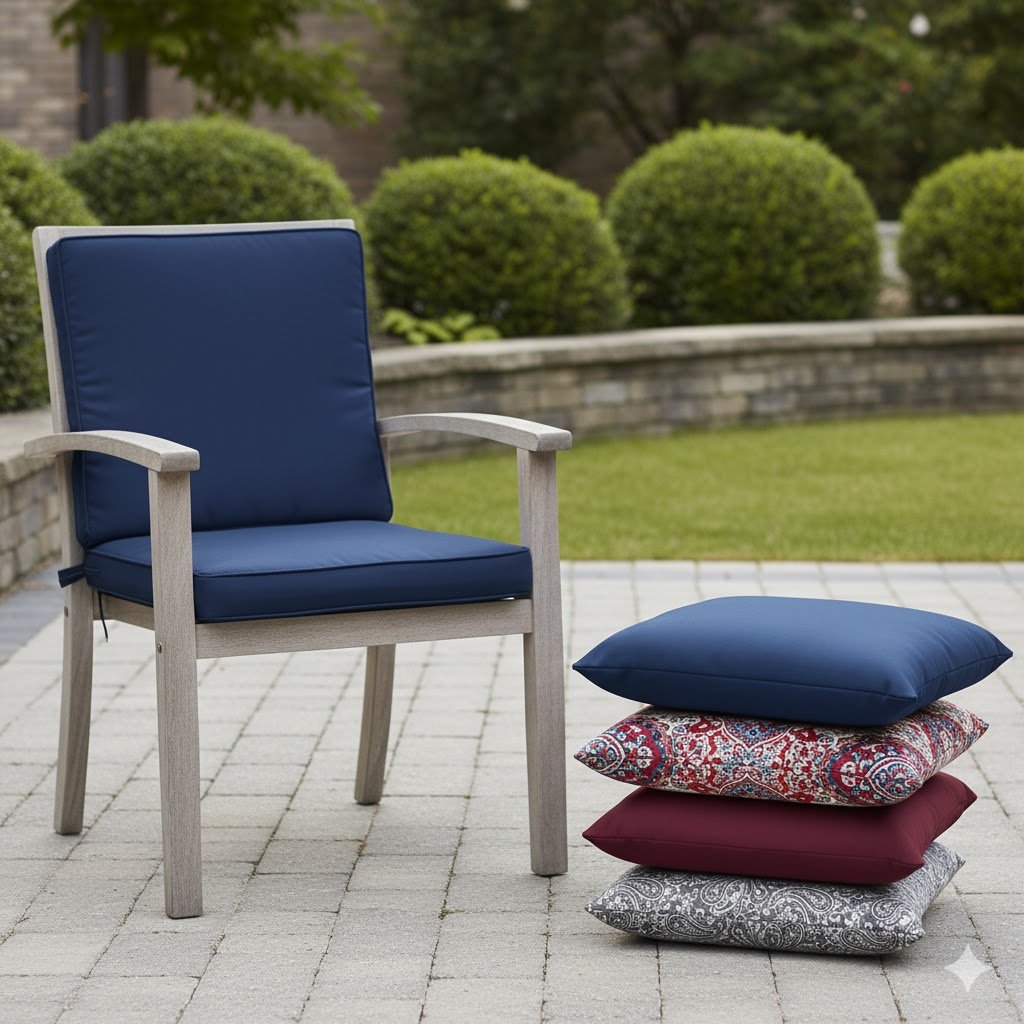
I don’t have a lot of teak furniture. I’ve got one teak bench that I bought used. It’s probably 20 years old and still solid. The previous owner didn’t maintain it, and it still works fine. That’s the beauty of teak. It’s forgiving. You can neglect it, and it survives.
Oak shows up in outdoor furniture as a more affordable hardwood option. Oak has a beautiful grain that looks great when finished. It’s durable and strong. The maintenance requirements are higher than teak. Oak needs regular sealing to protect against moisture. Skip the sealing, and you’ll have problems.
Making outdoor designs from wood requires choosing the right wood and finishing it properly. I’ve seen beautiful wooden furniture destroyed by weather within a few years. Usually this happens when someone uses the wrong wood or skips maintenance. Wood furniture isn’t maintenance free. Know this going in.
Another popular option is wicker furniture. Wicker has exploded in popularity over the last decade. You see it everywhere now. Patios, decks, porches, poolsides, everywhere. Traditional wicker is woven from natural materials like rattan. This looks beautiful but doesn’t handle weather well.
Outdoor wicker furniture these days usually means synthetic wicker. Resin woven to look like natural wicker. This is both durable and attractive, solving the two main challenges of outdoor furniture. It looks good, and it lasts. Synthetic wicker won’t crack like natural wicker. It won’t fade as fast. It handles rain without rotting.
I was skeptical of synthetic wicker initially. It seemed like a fake version of the real thing. But good synthetic wicker looks convincing. You have to get close to tell it’s not natural material. And the performance benefits are too good to ignore. My synthetic wicker furniture has held up for five years with zero maintenance beyond occasional cleaning.
The overwhelming feeling when shopping for outdoor furniture comes from not understanding these material differences. Once you know what each material offers and requires, decisions get easier. You can eliminate options that don’t work for your climate or maintenance willingness. Suddenly that overwhelming selection becomes manageable.
All the different materials on the market exist for good reasons. Different climates favor different materials. Different budgets require different materials. Different aesthetics call for different materials. There’s no single best material. There’s only the best material for your specific situation.
I’ve owned furniture made from all these materials. Each has worked in certain contexts and failed in others. Iron worked fine under a covered porch but rusted on an exposed deck. Wood looked great but required maintenance I didn’t always provide. Aluminum has been reliable everywhere. Synthetic wicker has surprised me with how well it works.
Popular choices change over time as new materials and manufacturing techniques emerge. Synthetic wicker wasn’t really a thing 20 years ago. Now it’s everywhere. Who knows what materials will dominate outdoor furniture in another 20 years? Probably something we haven’t thought of yet. For now, we’re working with metals, woods, and synthetics in various combinations.
The Extra Pieces That Complete Your Outdoor Room
Most outdoor furniture sets include the basics. A table, some chairs, maybe an umbrella. These are the pieces you need to make the space functional. But there’s a whole category of companion pieces that take your outdoor area from functional to actually comfortable and well designed. Let me tell you what’s out there and what’s actually worth buying.
Matching companion pieces come with most furniture lines. The manufacturer makes a dining set, then they make end tables, side tables, ottomans, and other accessories designed to coordinate. Everything matches in style and finish. This makes creating a cohesive look easy. No guesswork about whether pieces will work together.
The appeal of matching sets is obvious. You know everything will coordinate. The pieces are scaled to work together. The colors match. You’re not spending mental energy trying to figure out if that end table goes with your chairs. It either does or it doesn’t, and with companion pieces, it definitely does.
I’ve bought some companion pieces and skipped others. End tables were a definite yes. Bar stools made sense when I added a bar cart. The decorative plant stands the manufacturer offered? Hard pass. Just because a piece is available doesn’t mean you need it. Buy what serves a purpose in your space.
Traditional table and chairs cover the basics. You can eat. You can sit. That’s enough for pure function. But if you want your outdoor space to feel like an actual room rather than just a place to park temporarily, you need more. This is where companion pieces come in. They add layers of function and comfort.
End tables solve a problem you might not realize you have until you solve it. You’re sitting outside with a drink, a book, sunscreen, your phone, whatever. Where do you put this stuff? If you don’t have end tables, it all ends up on the ground or on your lap or balanced precariously on chair arms. End tables give everything a home.
I lived without outdoor end tables for years. Didn’t think I needed them. Then someone gave us a set, and I immediately understood what I’d been missing. Suddenly our lounge chairs were actually comfortable. We weren’t juggling stuff while trying to relax. Everything had a place. End tables seem like a small thing, but they make a big difference.
Bars create a focal point and a function in outdoor spaces. A small bar area turns your patio into an entertaining space. You can mix drinks there, serve from there, and create a gathering spot. People naturally congregate around bars. Put one on your patio, and that’s where your guests will end up.
Bar stools go with bars, obviously. But they’re also useful for counter height tables or as space saving seating options. Bar stools take up less space than regular chairs. If your outdoor area is small, a high top table with bar stools might work better than a traditional dining setup.
I added a bar cart to my deck a few years ago. Not a built in bar, just a rolling cart. It’s been surprisingly useful. When we have people over, I stock it with bottles, glasses, and ice. People serve themselves. It keeps traffic out of my kitchen. And when we’re not entertaining, it holds plants or serves as extra prep space for grilling.
Ottomans are more versatile than you’d think. Use them as footrests when you’re lounging. Use them as extra seating when you have more guests than chairs. Use them as makeshift side tables. Their flexibility makes them valuable. One piece serving multiple purposes is always smart in outdoor spaces where storage can be limited.
The key with ottomans is getting ones that are lightweight and weatherproof. Heavy ottomans are a pain to move around, defeating their versatility. Ottomans without weatherproof covers will get gross sitting outside. Spend a bit more to get ottoman quality that matches their usefulness.
Even sofas show up in outdoor furniture now. Full sized sofas and sectionals designed for outdoor use. These aren’t just cushioned benches. They’re legit comfortable sofas that happen to be weatherproof. Deep seating outdoor sofas create living room comfort outside.
I don’t have an outdoor sofa. My space isn’t big enough to make it work. But I’ve sat on them at friends’ houses, and they’re genuinely comfortable. If you have the space and budget, an outdoor sofa or sectional transforms your patio into an outdoor living room. People can stretch out, get comfortable, and settle in for hours.
Enhancing the look of your outdoor seating area happens when you add these companion pieces thoughtfully. The key word is thoughtfully. Don’t just buy every available accessory. Think about what you’ll actually use. What problems need solving in your space? What activities happen there? Buy pieces that support those activities.
I see outdoor spaces crammed with furniture that barely gets used. Someone bought every companion piece available, and now the space feels cluttered. There’s furniture everywhere, but no room to actually move around comfortably. This is the opposite of good design. Less furniture, chosen well, beats more furniture chosen randomly.
Additional cost is real for companion pieces. That dining set might be $600. Add two end tables, an ottoman, and a bar cart, and you’re suddenly at $1,000 or more. Manufacturers know you’ll want these pieces, and they price them accordingly. Some companion pieces are fairly priced. Others feel overpriced for what you get.
My approach has been to add companion pieces gradually. Bought the dining set first. Added end tables the next year. Got the bar cart on sale a year after that. This spreads out the cost and lets me discover what I actually need through use rather than guessing what I’ll need at purchase time.
Generally found near the basic table and chair offerings in stores, companion pieces make themselves obvious once you know to look for them. They’re displayed with the main furniture to show how everything works together. Online, they’re usually listed as “matching accessories” or shown in the “complete the set” section.
Available at an additional cost is the phrase that should make you pause and think. Do you need this piece? Will you use it? Does it solve a problem or just look nice in the showroom? Additional costs add up fast. Be intentional about what you add to your basic furniture purchase.
Where to Find Outdoor Furniture Without Losing Your Shirt
Finding outdoor furniture used to be a challenge. You had maybe two or three stores in your area that carried it, and you took what they had. Now? The options are overwhelming in both good and bad ways. Let me walk you through where to shop and what to expect at each type of place.
Big box stores have jumped into outdoor furniture in a big way. These massive retailers stock furniture seasonally, filling outdoor sections starting in early spring. The selection is usually solid. Multiple price points, several styles, decent variety. You can walk in and walk out with furniture the same day if they have what you want in stock.
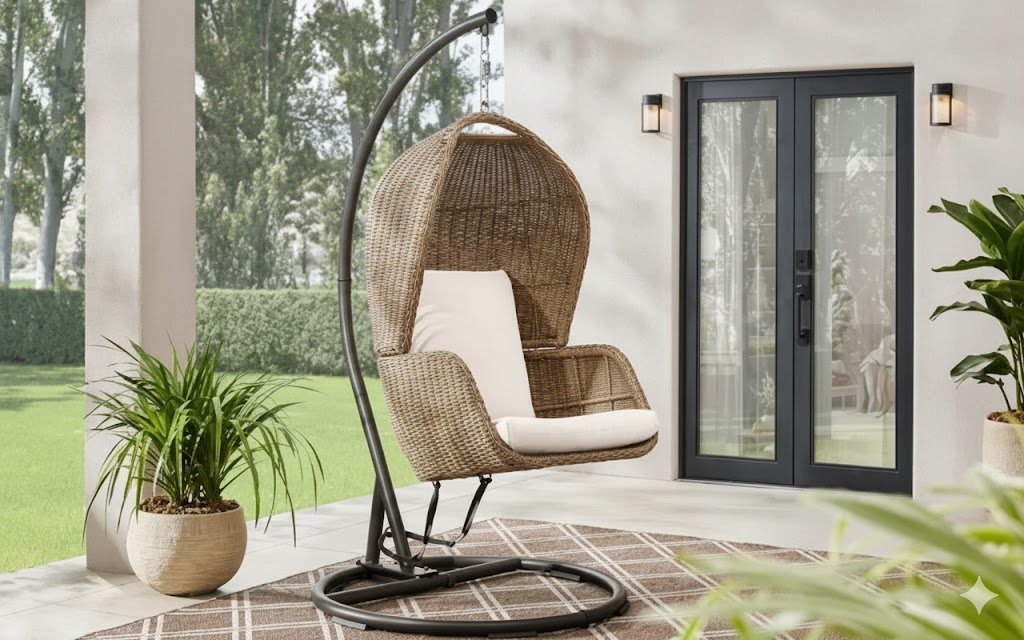
I’ve bought furniture from big box stores. The experience varies. Some locations have knowledgeable staff who can answer questions. Other locations have staff who know nothing about the furniture and just point you toward the outdoor section. You’re often on your own to figure out quality, assembly requirements, and whether something will actually work for your space.
The pricing at big box stores tends to be competitive. They buy in volume and pass some savings to customers. You’re not getting the absolute cheapest furniture, but you’re not paying boutique prices either. Mid range pricing for mid range quality is the typical offering. Sometimes you find deals. Sometimes the pricing seems high for what you get.
Furniture retailers carry outdoor furniture now too. Stores that traditionally focused on indoor furniture have added outdoor lines. These retailers usually offer higher end options than big box stores. Better materials, more sophisticated designs, higher price tags. If you want furniture that looks like it belongs in a magazine, furniture retailers are where you’ll find it.
The advantage of furniture retailers is service. Sales people actually know the product. They can talk about materials, construction methods, and maintenance requirements. They can help you figure out what works for your space. This service comes at a cost. You’ll pay more at a furniture retailer than at a big box store for comparable quality.
In stock sets make shopping easier. Walk in, see the furniture, buy it, take it home. No waiting for delivery. No wondering if what arrives will match what you saw online. What you see is what you get. This immediacy appeals to people who hate waiting or who need furniture now, not in three weeks.
I’m impatient, so in stock shopping works for me. I’ve ordered furniture for delivery before, and the wait kills me. I check tracking obsessively. I get annoyed at delays. Just give me the furniture now, and let me get started using it. If that means compromising slightly on my perfect choice to get something available immediately, I’ll make that trade.
Some grocery stores have gotten into outdoor furniture. I’m talking about those massive supercenters that sell everything from bananas to televisions. During spring and summer, they stock outdoor furniture. The quality is almost universally budget level. Cheap materials, basic designs, low prices. You get what you pay for.
Discount stores follow the same pattern. Rock bottom pricing on basic furniture. If you need something temporary or you’re working with an extremely limited budget, these stores can work. If you want furniture that’ll last more than a season or two, shop elsewhere. I’ve never bought patio furniture from a grocery store. I’ve been tempted by the prices, but I know it won’t hold up.
Intelligent prices is a relative term. What seems cheap to one person seems expensive to another. The furniture at grocery and discount stores is cheap in dollar terms. It’s also cheap in quality terms. You’re trading longevity and comfort for low upfront cost. Sometimes that trade makes sense. Often it doesn’t.
Numerous online sources have made furniture shopping more convenient and more complicated. You can find anything online. Any style, any material, any price point. The selection dwarfs what you’ll find in any physical store. This is great when you want something specific. This is terrible when you’re browsing and getting overwhelmed by options.
Online shopping for outdoor furniture has improved dramatically. Better photos, more detailed descriptions, customer reviews, virtual room planners. Retailers have figured out how to sell furniture online effectively. You can get a pretty good sense of what you’re buying without seeing it in person. Pretty good, but not perfect.
I’ve bought small outdoor pieces online. Side tables, ottomans, accessories. These work fine because the stakes are lower. If a side table isn’t quite right, it’s not a huge deal. I’ve never bought a full dining set online. The shipping costs scare me off, and I want to sit in chairs before committing to them.
Patio furniture ships as freight, which means expensive shipping. That $500 dining set might cost $200 to ship. Some retailers offer free shipping, but they’re building that cost into the furniture price. You’re paying for shipping either way. When you factor in shipping, the online price advantage often disappears.
Shipping may be pricey, and that’s not an exaggeration. Furniture is bulky and heavy. Carriers charge accordingly. I’ve been shocked by shipping quotes for furniture. The shipping sometimes costs as much as the furniture itself. This is why many people still buy furniture locally. You avoid shipping costs and can take it home the same day.
Depending on the weight of the shipment, you might pay anywhere from $100 to $500 or more for shipping. A lightweight aluminum chair set might ship cheaply. A heavy wood or iron set will cost a fortune. Check shipping costs before you fall in love with furniture online. That amazing deal might not be such a great deal once you add shipping.
The retail industry today makes outdoor furniture available everywhere. This is both blessing and curse. Blessing if you find what you want easily. Curse if you’re drowning in options and can’t decide. The key is knowing what you want before you start shopping. Material, style, budget. Nail these down, and you can filter out 80% of options immediately.
I’ve learned to shop with a plan. Before I go to stores or start browsing online, I know what I’m looking for. I’ve got a budget. I know what material makes sense for my climate. I have a style in mind. This focus makes shopping way less overwhelming. I can ignore most of what I see and zero in on the handful of options that actually work.
Almost all stores carry some outdoor furniture now. Gas stations probably don’t, but give it time. The market has recognized that people want outdoor furniture, and retailers are happy to sell it. This wide availability means you have no excuse for bad outdoor furniture. Something good is available at a price you can afford. You just need to find it.
Balancing Cost, Durability, and Your Local Climate
Prices vary widely for outdoor furniture. You can spend almost nothing or almost everything. The question is figuring out where in that range makes sense for your situation. Let me break down how to think about pricing in relation to durability and your local weather conditions.
Widely according to the materials used, pricing reflects the cost of raw materials and manufacturing. Teak costs more than pine. Aluminum costs less than wrought iron. Synthetic wicker sits somewhere in the middle. Understanding these material costs helps you evaluate whether furniture is fairly priced or overpriced.
Furniture arrangement affects price too. A simple four piece dining set costs less than an eight piece set with multiple table extensions. Sectionals cost more than loveseats. The more complex the furniture, the higher the price. Sometimes this complexity adds value. Other times you’re paying for features you won’t use.
Look to pay more for certain materials. Teak and high quality wicker command premium prices. This isn’t retailers gouging you. These materials genuinely cost more to source and work with. The question is whether the premium is worth it for your situation.
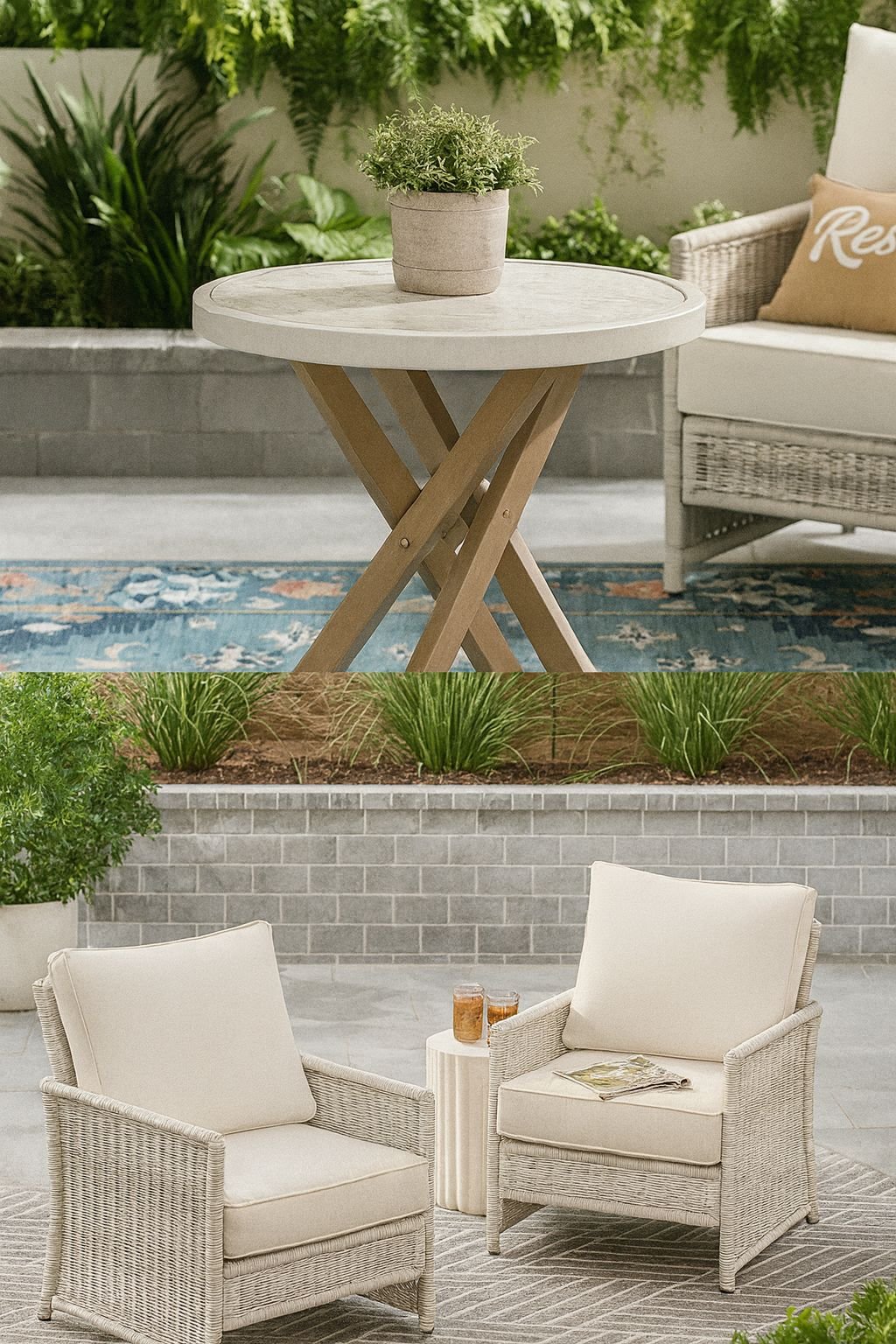
Painter sets must be a typo in the original, but I think it means premium or designer sets. These can cost a fortune. You’re paying for brand names, for designer aesthetics, for exclusive materials or finishes. Sometimes designer furniture is genuinely better. Often you’re paying for the label. Be clear about what you’re buying.
Wicker sets fall in the mid to upper price range depending on quality. Cheap wicker is cheap. Quality synthetic wicker costs real money. I’ve seen wicker dining sets range from $300 to $3,000. The difference is build quality, material quality, and design. The $300 set might last two years. The $3,000 set might last twenty.
Element sets refers to metal sets, I think. Metal furniture pricing is all over the map. Basic steel sets can be cheap. Quality aluminum or powder coated steel costs more. Designer metal furniture can be expensive. The metal type and the quality of protective finishes drive much of the price difference.
Less costly metal sets exist, and they have their place. If you need temporary furniture or you’re working with a tight budget, cheap metal furniture gets the job done. Just go in knowing it won’t last as long as expensive furniture. You’re making a trade off, which is fine as long as it’s intentional.
Rust is the enemy of metal furniture. Cheap metal furniture often has inadequate rust protection. The finish is thin. The coating chips easily. Once rust starts, it spreads. I’ve seen cheap metal furniture turn into rust buckets within a year in humid climates. In dry climates, cheap metal furniture might last longer. Your local conditions matter enormously.
Make certain to take weather into account before buying. This is so simple, yet people skip it constantly. They buy furniture that works great in one climate but fails in theirs. Arizona furniture needs aren’t the same as Seattle furniture needs. Florida has different requirements than Colorado.
Local weather conditions during the decision making process should be front of mind. How much rain do you get? How intense is your sun? Do you deal with snow and ice? Is humidity high? These factors determine which materials will last and which will fall apart.
Brave conditions is obviously meant to be weather conditions. Your local weather beats on outdoor furniture constantly. Sun fades and cracks. Rain rusts and rots. Wind blows things over. Snow and ice expand and contract materials. Choosing furniture that can handle your specific weather is half the battle.
Consideration during the choice making knowledge is a weird way to say think about this when deciding. But the point stands. Weather matters more than most people realize when choosing outdoor furniture. I learned this by making mistakes. Bought furniture that worked great in moderate climates but couldn’t handle my local weather. Replaced it with furniture designed for my conditions, and it’s lasted years.
I live in an area with hot summers, cold winters, and decent rainfall. This rules out some materials and favors others. Natural wicker won’t work here. It’ll fall apart from moisture. Wood needs to be sealed regularly or it’ll rot. Metal needs good rust protection. Synthetic wicker and aluminum work great. I’ve learned what survives here through trial and error.
Fun and satisfying describes decorating your outdoor space when you make good choices. Getting furniture that works for your climate, fits your budget, and serves your needs creates satisfaction. You did it right, and now you get to enjoy the results. There’s real pleasure in a well-furnished outdoor space that gets used and holds up over time.
Decorating an outdoor living space can be overwhelming before you start. All the decisions, all the options, all the money involved. But break it down into manageable pieces. Pick your materials based on climate. Set a budget and stick to it. Buy quality within that budget. Add pieces gradually rather than all at once. Suddenly it’s not overwhelming anymore.
Purchasing furnishings for the outdoors that fits your needs takes thought. What do you actually do outside? How do you use the space? How much time do you spend there? Answering these questions honestly guides your furniture choices. Buy for your actual usage, not your imagined usage.
Your budget matters obviously. There’s no point lusting after $5,000 teak furniture if you’ve got $500 to spend. Set a realistic budget, then find the best furniture within that budget. Don’t stretch beyond what you can afford. Outdoor furniture isn’t worth going into debt over.
Does not have to be irresistible is a weird phrase, but I think it means doesn’t have to be overwhelming. And that’s true. Furniture shopping feels overwhelming when you let it. Keep it simple. Know what you need. Know what you’ll spend. Know what materials work for you. Shop with these constraints in mind, and decisions become straightforward.
With the right furniture and accessories, your outdoor space transforms. It goes from unused to used constantly. From an afterthought to a favorite part of your home. This transformation happens when you match furniture to your space, your needs, and your climate. Get these right, and everything else falls into place.
The major outdoors can turn into an extension of your lodging is clumsy phrasing, but the idea is solid. Your outdoor areas can function as additional rooms when properly furnished. Not just a place you pass through but a place you live in during good weather. This only happens with the right furniture making the space comfortable and functional.
A great spot to contemplate or unwind describes what good outdoor spaces become. A place to think, to relax, to escape from inside responsibilities. Your patio or deck becomes your retreat when it’s set up right. The furniture makes this possible by creating comfort and supporting the activities you want to do there.
Summer Mode and Getting Your Setup Right
When hot summer weather starts up, most of us shift into outdoor mode. We start thinking about how we’ll use our patios and decks over the coming months. If your furniture situation isn’t dialed in yet, now’s the time to fix it. Let me walk through some final considerations that’ll help you make smart choices.
Many of us like to spruce up our outdoor areas when summer approaches. It’s that annual ritual of getting things ready for the season. Cleaning, refreshing, upgrading. If your outdoor furniture has seen better days, summer’s arrival is the perfect motivation to replace it. The weather’s good, stores are fully stocked, and you’ve got months ahead to enjoy your investment.
I usually do my outdoor assessment in late April or early May. This gives me time to shop and get furniture in place before summer really kicks in. Waiting until June means dealing with crowds and picked over selections. Early shopping has advantages. Better selection, sometimes better prices, and more time to enjoy your purchases.
You can decorate your patio or deck like an interior room. The same design principles apply. Balance, proportion, color harmony, functional arrangement. What makes a living room work makes a patio work. The difference is choosing materials and fabrics that survive outdoors. But the design thinking is transferable.
If it were a traditional, interior room, you’d think about traffic flow, focal points, seating arrangements, lighting. Do the same outside. How do people move through the space? What’s the main attraction or activity? Where should seating go to support that? How will you light the space for evening use? These questions guide good design indoors and outdoors.
The most important aspect of the design is going to be the furniture. This has been the theme throughout, and it bears repeating. Furniture makes or breaks outdoor spaces. Everything else is secondary. You can have perfect plants, great lighting, and beautiful accessories, but if your furniture fails, the space fails. Invest your time and money in getting the furniture right first.
Outdoor wicker furniture now comes in vast arrays of choices. The wicker market has exploded. Every style, every color, every configuration. If you want wicker, you can find exactly what works for your space. The challenge is sorting through options to find the right pieces. Start with basics like size requirements and budget, then filter down from there.
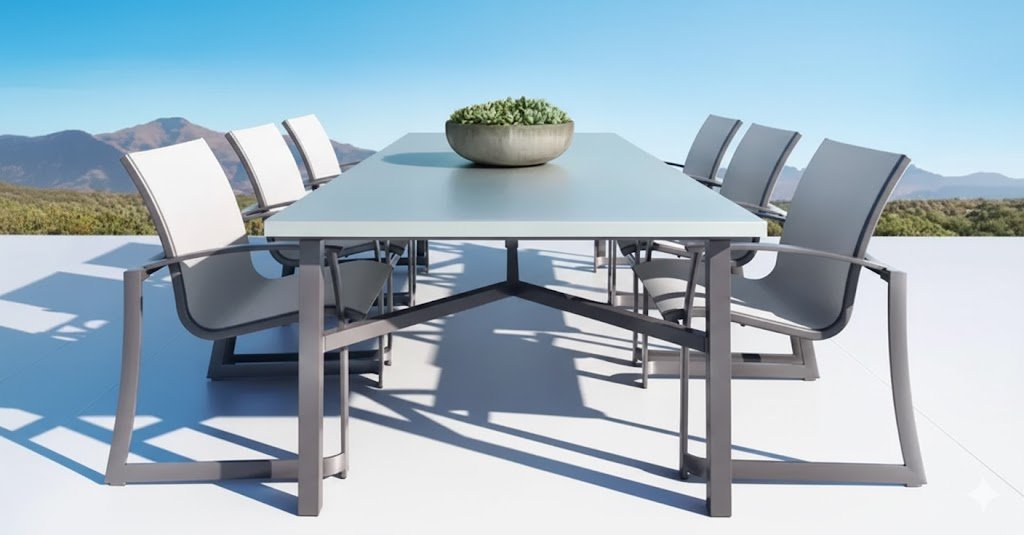
Price ranges for wicker span from cheap to expensive. Budget synthetic wicker starts around $300 for a small set. High end wicker can hit several thousand dollars. The middle range offers good quality at fair prices. You’re probably looking at $800 to $1,500 for a decent wicker dining set. More for sectionals or elaborate pieces.
Styles for you to choose from include modern, traditional, coastal, transitional, and everything in between. Wicker works in all these styles. The weave pattern, the frame design, the cushion style, all of these elements communicate different aesthetics. Figure out your style preference, then look for wicker that matches it.
Outdoor wicker furniture is very popular right now. Walk through any neighborhood in summer, and you’ll see wicker on half the patios and decks. This popularity means manufacturers are competing for your business. Quality has improved. Prices have become more competitive. Selection has expanded. It’s a good time to buy wicker if that’s the direction you’re leaning.
Though it does cost more than some others, wicker’s price reflects its benefits. It looks good, lasts well, and requires minimal maintenance. Compared to wood that needs regular sealing or metal that can rust, wicker offers an easier ownership experience. The upfront cost is higher, but the ongoing cost is lower.
Wood costs more too, at least for quality hardwoods. Teak and oak dining sets start around $1,000 and go up from there. You’re paying for materials that’ll last decades if maintained. Whether wood’s higher cost is worth it depends on your budget and preferences. Some people love the look and feel of wood enough to pay the premium. Others are happy with less expensive alternatives.
It won’t rust like metal will is one of wood’s advantages. Wood has its own problems, like rot and weathering, but rust isn’t one of them. If you live in a humid climate where rust is a constant battle, wood or synthetic materials make more sense than metal. Choose materials that avoid your local weather’s biggest challenges.
When buying outdoor patio furniture sets, think about the complete picture. Not just how furniture looks in the showroom but how it’ll perform in your space over time. Not just the upfront cost but the cost per year of use. Not just current needs but how your needs might change. Thinking comprehensively leads to better decisions.
Bear in mind that you will need to balance durability and costs. The cheapest furniture won’t last. The most expensive isn’t always the best value. Somewhere in the middle, you find furniture that’s durable enough to last years but affordable enough not to break your budget. That sweet spot is where most smart buying happens.
Balancing these factors takes honest self assessment. How will you really use this space? Will you maintain the furniture properly? What’s your actual budget, not your wishful budget? Are you buying for this year or for the next decade? Answering these questions truthfully guides you to the right furniture for your situation.
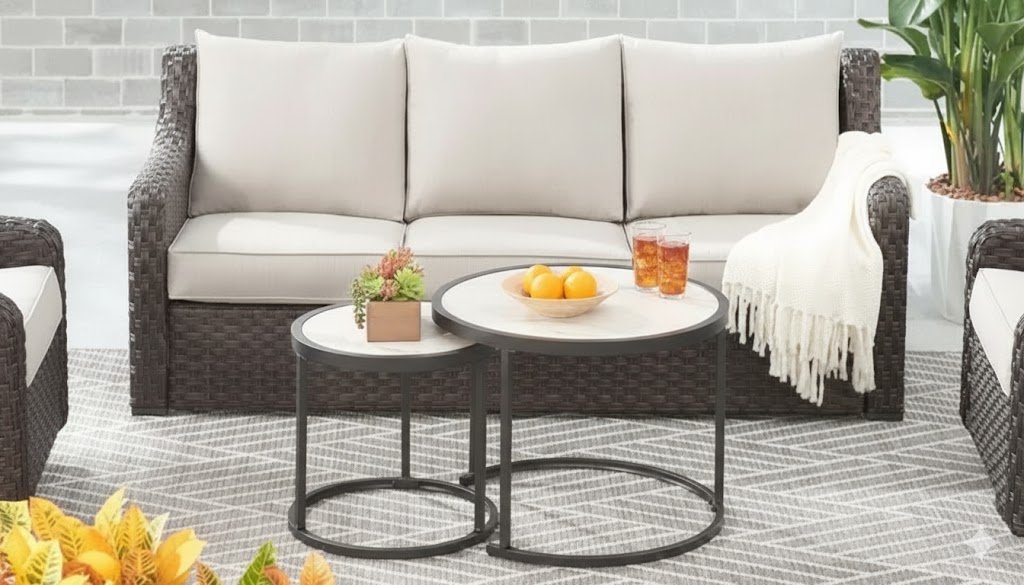
Your outdoor space has potential. Right now, it might not be living up to that potential. Maybe you’ve got no furniture, or maybe you’ve got furniture that doesn’t work. Either way, you can change this. Spring and summer are perfect times to make your outdoor areas into spaces you actually want to use. The weather’s cooperating. The furniture’s available. All that’s left is making it happen.

Leave a Comment