
Why We’re All Obsessed With Eating Outside
There’s this moment that happens at restaurants. The host asks if you want to sit inside or outside, and you find yourself automatically saying “outside” before your brain even catches up. It doesn’t matter that inside is climate controlled, perfectly comfortable, and free of bugs. Something in us just wants to be out there. Under the sky. In the fresh air. Where we can see what’s happening in the world around us.
I used to think this was just me being weird. But then I started paying attention, and I realized almost everyone does this. Given the choice, people pick outdoor seating. We’re drawn to it like moths to a flame, except less fatal and more about enjoying our meals in natural light. There’s something about eating outside that makes food taste better. Makes conversations flow easier. Makes time slow down just a bit.
The science backs this up, by the way. Studies show that being outdoors reduces stress hormones. It improves mood. It makes us feel more relaxed and present. So when you choose that patio table over the booth inside, you’re not being high maintenance. You’re following millions of years of evolutionary programming that tells you outside is where good things happen.
Here’s what’s funny about this outdoor obsession. We feel it even at home. You can have the most beautiful dining room, perfectly decorated, comfortable chairs, great lighting, and you’ll still find yourself eating dinner on your back porch on a nice evening. I’ve done this countless times. Made a whole meal, set the table inside, then at the last minute grabbed plates and moved everything outside. My dining room table probably feels neglected.
The feeling of being cooped up is real. I don’t care how nice your house is. I don’t care if you just renovated and everything’s perfect. If the weather’s decent and you’re stuck inside, there’s this nagging feeling that you’re missing out. It’s like the outdoors is throwing a party and you’re watching through a window. Nobody wants to be that person.
This urge for outdoor space affects more than just where we eat. It influences where we live. People pay premium prices for homes with good outdoor areas. Apartments with balconies rent for more than identical units without them. Restaurants with patios do better business than those without. We vote with our wallets for access to outdoor space.
Think about your favorite memories of meals. I bet a good chunk of them happened outside. Backyard barbecues. Picnics in the park. That amazing dinner on vacation where you ate at a sidewalk café and watched the world go by. Something about outdoor dining burns itself into memory differently than indoor meals. The sensory experience is richer. You’ve got the food, the company, the weather, the sounds, the sights, all combining into something memorable.
And it’s not just about fancy occasions. Some of my best outdoor dining memories are stupidly simple. Coffee and toast on the porch on a Saturday morning. Sandwiches in the backyard with the kids. Pizza eaten outside on paper plates when it was too nice to be inside. These moments don’t require perfect furniture or elaborate setups. They just require being outside.
But here’s the thing. Having the right outdoor furniture takes these moments from good to great. You know how a comfortable restaurant patio makes you want to linger? The same applies at home. Good outdoor dining furniture turns your patio or deck from a place you occasionally visit into a space you actually use. It’s the difference between eating quickly and getting back inside versus spending three hours outside and not wanting the evening to end.
I learned this the hard way. For years, I had these cheap plastic chairs on my deck. The kind you buy in a stack at the hardware store. They worked, technically. You could sit in them and eat. But they were uncomfortable. They looked terrible. And they definitely didn’t make me want to spend time outside. I’d eat quickly and go back inside where the furniture was actually comfortable.
Then I upgraded to real outdoor dining furniture. Not crazy expensive stuff, just solid pieces that were made for outdoor use. The difference was night and day. Suddenly I wanted to be outside. I’d bring my coffee out in the morning and sit at the table reading. I’d eat lunch outside. Dinner became an outdoor event whenever possible. The furniture changed my behavior by changing how comfortable the space was.
This is what good restaurants understand. They invest in comfortable outdoor furniture not just for looks but for function. They know that if people are comfortable, they’ll stay longer. They’ll order another drink. They’ll come back. The furniture is working for them, creating an experience that keeps customers happy and engaged.
You can create the same thing at home. You don’t need a restaurant budget or a professional designer. You just need to think about what makes outdoor dining work and then set up your space to support that. Good furniture is the foundation. It’s what makes everything else possible.
The freedom feeling you get outdoors isn’t just psychological. There’s a physical component too. Inside, you’re in a defined space with walls and a ceiling. Outside, the space feels infinite. You can see the sky. You can watch birds. You can feel the breeze. Your senses are engaged in ways they’re not when you’re indoors. This makes you feel more alive, more present, more free.
So yeah, you love the outdoors. We all do. And if you’re going to embrace this love, you might as well do it comfortably. That means getting outdoor dining furniture that actually works. Pieces that make you want to use your outdoor space instead of just looking at it through a window. Furniture that turns your patio into an extension of your home instead of an afterthought.
That Restaurant Patio Moment We All Want to Recreate
Picture this. You’re at a restaurant, and they’ve led you to a table on the patio. The chair you sit in is surprisingly comfortable. Not fancy, necessarily, but solid. Well-made. The kind of chair that doesn’t make you shift around trying to find a position that doesn’t hurt. The table is steady. No wobbling. No stickiness from inadequate cleaning. It’s just a good, functional table that does its job.
You settle in, and you start to relax. The server brings water, and you glance around at the other diners. Everyone looks content. People are leaning back in their chairs, talking and laughing. Nobody seems in a hurry to leave. The furniture is working its magic, creating an environment where people want to linger. And you think to yourself, “I want this at home.”
This is the moment that gets people shopping for outdoor furniture. We experience something pleasant at a restaurant or at a friend’s house, and we want to recreate it in our own space. There’s nothing wrong with this impulse. It’s smart. Why shouldn’t your home be as comfortable as a good restaurant patio?
The view from that restaurant patio matters too. Maybe you’re watching people walk by on the sidewalk. Maybe you’re looking out at a garden. Maybe you can see the parking lot, which sounds less romantic but honestly, people watching is people watching. The point is you’re engaged with the world around you in a way you wouldn’t be sitting inside.
I had one of these moments at a café a few years back. They had this outdoor area with maybe six tables, nothing elaborate. But the chairs were these simple wooden things with slightly curved backs. Comfortable enough to sit in for an hour without feeling it. The tables were solid wood, weathered but clean. The whole setup just worked. I found myself not wanting to leave. I ordered a second coffee just to have an excuse to stay.
When I got home, I looked at my own outdoor furniture situation. I had a table that wobbled. Chairs that hurt after ten minutes. It was functional in the loosest sense of the word, but it wasn’t inviting. It didn’t make me want to use the space. I realized I’d been treating my patio like storage for outdoor stuff instead of as an actual living area.
That café experience stuck with me. Not the food, which was fine but not memorable. Not the coffee, which was decent but nothing special. The furniture. The setup. The feeling of being comfortable outside. That’s what I remembered. That’s what I wanted to recreate.
Here’s the thing about trying to recreate restaurant patio vibes at home. You don’t need to match their exact furniture. You’re not opening a restaurant. You’re making a home space. The goal isn’t replication. It’s capturing that feeling of comfort and relaxation. That sense of being somewhere you want to be.
Good restaurant patios achieve this through a combination of factors. Comfortable furniture, sure. But the arrangement matters. The spacing matters. The way tables are positioned relative to each other and to the surroundings. The lighting if it’s an evening space. The small details that add up to an overall feeling of “this is nice.”
You can learn from this. When you’re at a restaurant with great outdoor seating, don’t just enjoy it. Pay attention. Notice what makes it work. Is it the chairs? The table height? The spacing between tables? The shade structure overhead? Take mental notes. These observations will help when you’re setting up your own space.
I started doing this, and it changed how I saw outdoor dining areas. I’d notice things like how the best patios have plants around them. Not just for decoration but for creating a sense of enclosure without walls. I’d notice that good outdoor chairs almost always have backs that angle slightly. I’d see how the best tables are heavy enough not to wobble but not so heavy you can’t move them if needed.
The dream of replicating a restaurant patio at home is totally achievable. You’ve got some advantages they don’t have. You’re not dealing with health department regulations. You’re not trying to fit as many tables as possible into a space. You’re not worried about turnover rates. You can make choices based purely on what works for you and your family.
Your home patio can actually be better than a restaurant patio in some ways. You control the music, or the lack of it. You control who’s at the table. You control when you eat and how long you stay. You don’t have a server rushing you through courses. You can sit outside in your pajamas if you want. Try doing that at a restaurant.
The furniture is the foundation that makes all of this possible. You can have the most beautiful patio location, perfect weather, amazing food, and great company. But if the chairs are uncomfortable or the table is wobbly, the experience falls apart. People will eat and then migrate inside or away from the uncomfortable furniture. The space won’t get used the way it could be.
I’ve seen this happen at friends’ houses. They’ve got these gorgeous outdoor spaces that barely get used. When I ask why, it often comes down to furniture. The chairs aren’t comfortable for extended sitting. The table is too small for anything more than drinks. The setup doesn’t invite lingering. So people go outside for a few minutes, then drift back inside where things are more comfortable.
Making your home patio into a destination space doesn’t require a huge investment. It requires thoughtfulness. Choosing furniture that’s comfortable, durable, and appropriately sized for your space. Arranging it in a way that encourages people to sit and stay. Creating an environment that feels as good as that restaurant patio that inspired you.
The passing parade you watch from a restaurant patio can be replicated at home, just with a different view. Maybe you watch your kids play in the yard. Maybe you watch birds at a feeder. Maybe you watch the sunset. Maybe you watch your neighbor try to mow their lawn with a mower that clearly needs maintenance. All valid forms of entertainment.
That cozy feeling you get at a well-designed restaurant patio? That’s achievable at home. The comfortable chairs supporting your back. The stable table holding your meal. The sense of being in a good space where you want to spend time. This isn’t restaurant magic. It’s good furniture working the way it should. And you can have this in your own backyard.
Sets vs. Individual Pieces and Why It Actually Matters
Let’s talk about a decision that seems simple but can actually make or break your outdoor dining setup. Do you buy a complete set of furniture, or do you pick individual pieces and hope they work together? I’ve done both, and I’ve got opinions.
The appeal of buying a set is obvious. Everything matches. The chairs go with the table. The pieces are designed to work together. You don’t have to worry about whether the chair height is right for the table or whether the styles clash. Someone already figured that out for you. You buy the set, put it together, and boom. You’re done.
I bought my first outdoor dining set this way. Six chairs, one table, all matching. It came in boxes that required assembly, which took a Saturday afternoon and more cursing than I’d like to admit. But once it was set up, it looked good. Cohesive. Like I’d planned it. Nobody looking at my patio would think, “Wow, this person has no idea what they’re doing.”
Sets make sense when you’re starting from scratch. If your patio is empty and you need to furnish the whole thing, buying a set is efficient. You make one decision instead of multiple decisions. You pay one price. You deal with one delivery. It simplifies a process that can otherwise get overwhelming.
Here’s what they don’t tell you about sets, though. You’re stuck with every piece. Maybe the chairs are great, but the table is kind of small. Maybe the table is perfect, but two of the chairs aren’t as comfortable as the others. When you buy a set, you’re accepting the whole package. Good and bad.
I learned this with that first set I bought. The table was solid. Good size. Nice wood. I still have it. The chairs? After a couple of years, I replaced four of the six. They just weren’t comfortable for long sitting. The backs hit at a weird angle. My friends would complain about them after dinner. I’d notice people shifting around, trying to get comfortable. The chairs were fine for short term sitting but not for lingering.
If I’d bought pieces individually, I might have avoided this. I could have tested chairs before committing to six of them. I could have mixed and matched until I found a combination that actually worked. But I bought a set for the convenience, and I ended up having to replace half of it anyway.
The harmony argument for sets is real, though. There’s something to be said for having furniture that obviously goes together. It creates a pulled-together look that’s hard to achieve when you’re mixing pieces. If you’re someone who cares about aesthetics and visual cohesion, sets make sense.
I’ve got a friend who’s great at mixing individual pieces. Her patio has chairs from three different sources, a table she refinished herself, and some benches she found at a yard sale. Nothing matches in the traditional sense. But somehow it all works together. The colors complement each other. The styles are different but not clashing. It looks intentional and collected rather than mismatched.
She told me her secret. She picks a common element and repeats it. In her case, it’s the color of the cushions. Everything else can be different, but the cushion color ties it together. This creates unity without uniformity. It’s a more advanced approach than buying a set, but if you can pull it off, the results can be more interesting.
The risk with buying individual pieces is ending up with a hodgepodge that doesn’t work. I’ve seen patios where every piece of furniture is from a different place and nothing goes together. It looks confused. Like the person just grabbed whatever was available without a plan. This is the nightmare scenario when you’re buying pieces individually.
You can avoid this by having a plan. Know your overall style before you start shopping. If you’re going for modern, all your pieces should lean modern even if they’re from different manufacturers. If you’re going for rustic, keep that vibe consistent. The pieces don’t need to match, but they need to relate to each other somehow.
Budget plays into this decision too. Sets can be more economical. Manufacturers often price sets to be cheaper than buying all the pieces separately. If money is tight, this matters. You get more furniture for less money. The trade off is flexibility. You’re locked into what the set offers.
Buying individually gives you more control over where your money goes. Maybe you splurge on amazing chairs and get a more basic table. Or you invest in a great table and find affordable chairs. You can prioritize based on what matters most to you. Sets don’t allow this kind of customization.
Space constraints can push you toward individual pieces too. Maybe a full set is too big for your patio. Maybe you need a smaller table than what comes in standard sets. Maybe you need an odd number of chairs. Buying individually lets you customize to your exact space.
I’m at the point now where I buy individual pieces. I’ve got enough furniture experience to know what I like and what works. I’m willing to spend time finding pieces that fit together. But I totally understand why someone would just buy a set and be done with it. It’s a valid choice, especially if you’re new to outdoor furniture.
The matching question is interesting. How much does it matter if your outdoor furniture matches? Inside your house, you probably don’t have perfectly matching furniture in every room. You’ve got pieces from different places, different eras, maybe different styles. And it works. Why should outside be different?
I think outdoor furniture can be more eclectic than indoor furniture. You’re outside. Things are more casual. The vibe is more relaxed. Perfect matching feels less important. What matters more is that everything is comfortable, durable, and appropriate for outdoor use.
Here’s my advice if you’re trying to decide between a set and individual pieces. If you’re new to outdoor furniture, start with a set. It’s easier. Less risky. You’ll get a cohesive look without having to be a design expert. Once you know what you like and what works for your space, you can always add or replace pieces.
If you’ve got some experience and you’re confident in your taste, go for individual pieces. You’ll end up with furniture that’s more uniquely suited to your needs. You can prioritize quality where it matters most to you. And you’ll avoid getting stuck with pieces you don’t love just for the sake of matching.
The matching thing becomes less important when everything is high quality. If all your furniture is well made and comfortable, it’ll work together even if it doesn’t technically match. Quality creates its own harmony. Cheap furniture looks cheap no matter how well it matches. Good furniture looks good even when mixed.
Measuring Your Space Before You Shop
I’m about to tell you something that seems obvious but that people ignore all the time. You need to measure your outdoor space before you buy furniture. I know, I know. You’re thinking, “Of course, that’s common sense.” And yet, I’ve made this mistake. I’ve watched friends make this mistake. It happens more than you’d think.
The temptation is to eyeball it. You look at your patio and think, “Yeah, a table and six chairs will fit.” Then you buy the furniture, get it home, and realize you were way off. Either it’s cramped and people can barely move around the table, or it’s swimming in space and looks ridiculous. Neither is good.
I once bought a dining table without measuring anything. I was at a store, saw a table I liked, and bought it. The dimensions were on the tag, but I didn’t think about how they related to my actual space. When I got it home and set it up, the table took up way too much room. There was barely space to walk around it. We had to turn sideways to get past the chairs. It was comical.
That table lasted about a week before I admitted defeat and returned it. Then I actually measured my patio. I figured out how much space I had. I accounted for walking paths around the table. I thought about how much room chairs need when people pull them out to sit. And then I bought a table that actually fit. Revolutionary concept.
Here’s how to measure correctly. First, measure the total floor area of your patio or deck. Length and width. Write it down. Don’t trust your memory. I’ve tried that. It doesn’t work. You’ll get to the store and suddenly you’re not sure if your patio is 12 feet wide or 14 feet wide, and that two feet makes a big difference.
Next, think about traffic flow. You need pathways for people to move around. A good rule is to leave at least three feet of clear space around your dining area. This gives people room to walk past without squeezing. It gives you room to pull out chairs without hitting a wall or railing. It makes the space feel comfortable instead of cramped.
If your patio has obstacles, note those too. Are there posts? A built-in grill? A door that swings open? These things take up space and affect where you can put furniture. I’ve seen people position tables so that opening a door requires moving furniture first. Don’t be that person. Plan around obstacles.
The shape of your space matters. A long, narrow patio requires different furniture than a square patio. You might need a rectangular table instead of a round one. Or you might need to arrange furniture in a way that works with the shape. Measuring helps you figure this out before you’re standing in a store trying to imagine how things will fit.
Table size is where people mess up most often. Round tables seem smaller than they are. A 60 inch round table sounds reasonable until you realize that’s a five foot diameter. That’s big. It needs a lot of space around it. Rectangular tables are easier to gauge, but people forget to account for the chairs.
Here’s the thing about chairs. They need space behind them. When someone sits down, they pull the chair out. This takes up about two feet of space behind the chair. If you don’t account for this, your furniture will fit when nobody’s sitting, but as soon as people sit down, the space gets cramped. Measure for furniture in use, not just furniture standing empty.
I’ve got a friend who bought a table that fit perfectly on his patio according to his measurements. But he forgot about the chairs. When people sat down, the chairs extended beyond the edge of the patio onto the grass. Technically it worked, but it looked weird and felt awkward. He ended up getting a smaller table.
Shape affects how many people you can seat. Round tables are great for conversation. Everyone can see and talk to everyone. But they’re space inefficient. You need more floor area per person. Rectangular tables pack people in more efficiently. You can seat more people in less space. If your patio is small, a rectangular table makes more sense.
Don’t forget about other furniture. You might want a serving cart or a bar cart. You might want a small side table. These things take up space too. If you fill your patio with a dining table and chairs, you won’t have room for anything else. Leave space for the extras that make outdoor dining work.
Umbrella clearance is something people forget about. If you want shade, you need an umbrella or a canopy. These take up vertical space. Make sure your umbrella won’t hit a roof overhang or tree branches. Make sure the canopy will fit under any upper deck if you have one. I’ve seen people buy umbrellas that don’t fit their space and end up being useless.
Here’s a pro tip. Use painter’s tape or rope to mark out the footprint of furniture before you buy it. Go to the store or look online, get the dimensions, and then tape out those dimensions on your patio. Live with it for a day. Walk around it. Sit where the chairs would be. See how it feels. This gives you a much better sense of fit than just looking at numbers.
When in doubt, go smaller. You can always add more furniture later. It’s harder to make furniture smaller or return it if it doesn’t fit. A slightly too small table is manageable. A way too big table is a problem. Err on the side of leaving more open space rather than filling every inch.
Measuring seems tedious. I get it. You want to just go shopping and buy the furniture that looks good. But an hour spent measuring and planning will save you from weeks or months of regret when you’re stuck with furniture that doesn’t fit your space properly. Trust me on this one.
The right size furniture makes your patio feel balanced. Not too empty, not too crowded. Just right. And this only happens when you measure first and buy based on those measurements. Skip this step, and you’re gambling. Sometimes you’ll win. More often, you’ll lose. Why take the risk?
Form vs Function and What Actually Matters Long Term
Here’s a question that’ll reveal a lot about you. When you buy furniture, what matters more? How it looks, or how it works? Your answer probably depends on the day, the mood, and how long you’ve been sitting in uncomfortable chairs just trying to get through a meal. Let me tell you what I’ve learned about this trade off.
Form is seductive. Beautiful furniture calls to you from across the showroom. It promises to make your patio look like something from a magazine. You imagine your friends visiting and being impressed by your taste. You picture yourself in this perfect outdoor setting, living your best life. Form sells dreams.
Function is boring. Comfortable chairs don’t scream for attention. Sturdy tables don’t have dramatic design features. Practical furniture just sits there doing its job, not making a fuss. Function doesn’t sell dreams. It sells reliability. And reliability isn’t sexy.
I’ve bought both kinds of furniture. I’ve gone for the beautiful piece that looked amazing but wasn’t great to use. And I’ve bought the plain piece that worked perfectly but didn’t excite me visually. Here’s what I’ve learned. A year after buying furniture, you barely notice what it looks like. But you definitely notice how it feels.
That gorgeous chair with the dramatic curved back? If it’s uncomfortable, you’ll hate it within a month. You’ll avoid sitting in it. Your guests will subtly choose other seats. It’ll become the chair nobody wants, no matter how good it looks. Form without function is decoration, not furniture.
On the flip side, I’ve got this plain wooden bench on my patio. It’s not fancy. It’s not stylish. It’s just a bench. But it’s comfortable. It holds four people comfortably or three people with room to spread out. It’s become the most used piece of furniture on my patio. People gravitate toward it. Parties end with everyone crammed onto this bench. Function wins.
The price of pretty is real. Designer outdoor furniture costs way more than basic functional stuff. You’re paying for aesthetics, for brand names, for furniture that looks like art. Sometimes this is worth it. If the beautiful furniture is also comfortable and durable, you’re getting the whole package. But if you’re paying extra just for looks? Think hard about that.
I spent way too much money once on a dining set that looked incredible. Sleek metal frames, expensive fabric cushions, a glass top table. It looked like something from a high end hotel patio. Friends would come over and immediately comment on how nice it looked. I felt proud of it for about six months.
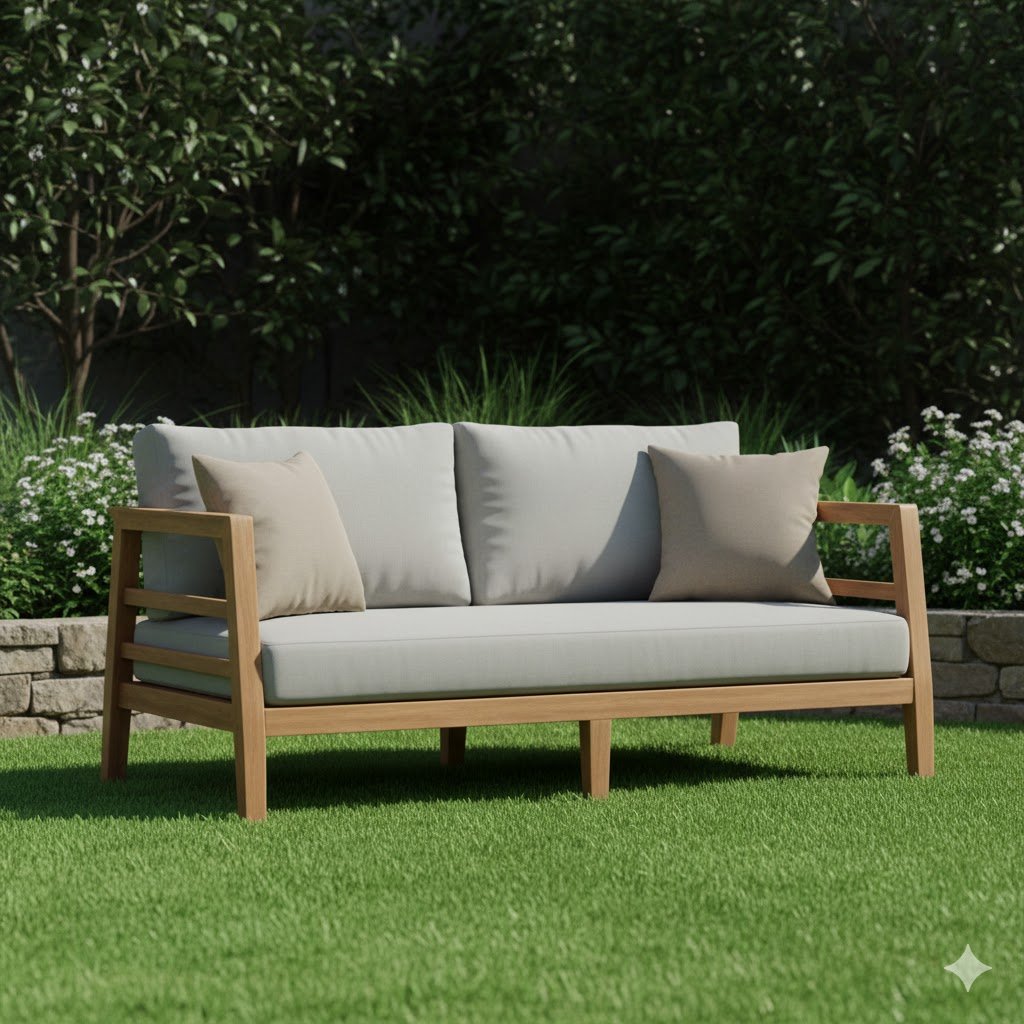
Then reality set in. The glass table was a nightmare to keep clean. Every fingerprint showed. The cushions weren’t as comfortable as they looked. The metal frames got hot in the sun. Within a year, I was shopping for replacement furniture. I’d paid for form and gotten function problems. Expensive lesson.
Here’s my current philosophy. Function first, form second. Not form last. Second. The furniture needs to work, needs to be comfortable, needs to hold up to use and weather. But within those constraints, get something that looks good. You can have both. You just need to prioritize correctly.
Affordable doesn’t mean cheap. This distinction matters. Cheap furniture falls apart, looks bad, and doesn’t work well. Affordable furniture gets the job done at a reasonable price. You can find furniture that’s affordable and comfortable. It might not be the fanciest looking stuff, but if it works, who cares?
The longevity question is where this form versus function debate really plays out. That beautiful but delicate chair might look amazing in year one. By year three, it’s falling apart. The comfortable but plain chair still works perfectly in year five. Which is the better purchase?
I think about cost per year of good use. If I pay $500 for chairs that look great but only last two years, that’s $250 per year. If I pay $300 for chairs that are less exciting but last five years, that’s $60 per year. The plain chairs are the better deal. They’re also the ones I’ll actually want to sit in.
Here’s the question to ask yourself. What will please you more a year from now? Looking at the furniture, or sitting in it? If you use your outdoor space a lot, the answer is sitting. You’ll spend way more time using the furniture than looking at it. Comfort matters more than aesthetics for furniture that gets used regularly.
If your outdoor dining area is mostly for show, go for form. If you rarely eat outside and the furniture is more about making your patio look good from inside the house, buy the pretty stuff. It’s serving a different purpose. But if you actually plan to use this furniture, make sure it works well first, and looks good second.
Style and comfort can coexist. This isn’t an either/or situation. You don’t have to choose between designer furniture that hurts and utilitarian furniture that’s ugly. The market is full of options that look good and work well. You just have to be willing to search for them and prioritize the right factors.
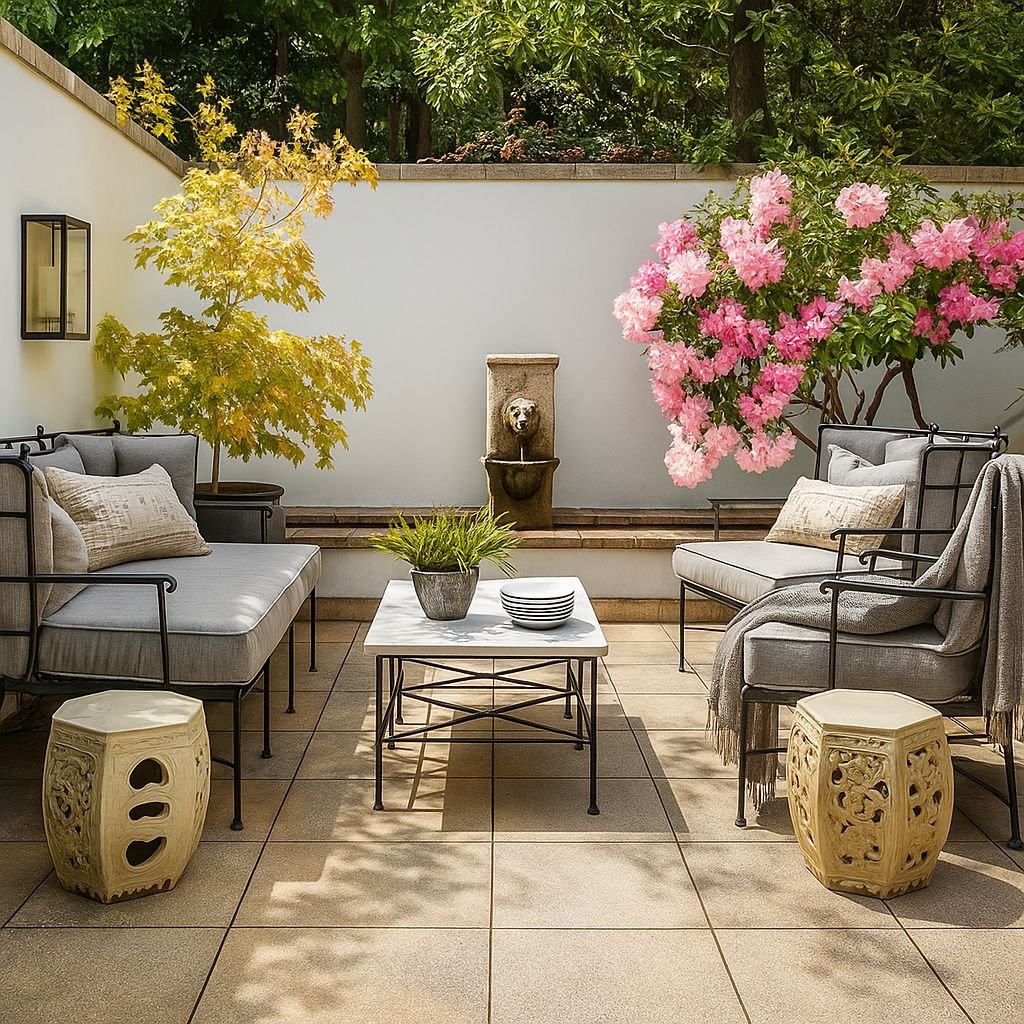
Test furniture before you buy it if at all possible. Sit in the chairs. Lean back. Stay there for a few minutes. Does your back feel supported? Can you relax? Would you want to sit here for an entire meal? If the answer is no, walk away no matter how good it looks.
Table sturdiness is non-negotiable. I don’t care how beautiful a table is. If it wobbles, it’s garbage. Wobbly tables make dining miserable. Drinks spill. Plates slide. Everyone gets annoyed. A table needs to be rock solid. This is a functional requirement that supersedes any aesthetic consideration.
Easy to clean matters more than you think. Outdoor furniture gets dirty. Pollen, dust, bird droppings, spilled food. If your beautiful furniture is a pain to clean, you’ll stop cleaning it. Then it’ll look terrible. Choose materials and designs that can handle quick wipe downs. Function.
The year later test is my final decision maker. When I’m considering furniture, I imagine myself a year from now. Will I still think this looks good? Will I be glad I chose comfort? Will the material have held up? Will I regret this purchase? These future-focused questions help me make better choices in the present.

Leave a Comment