
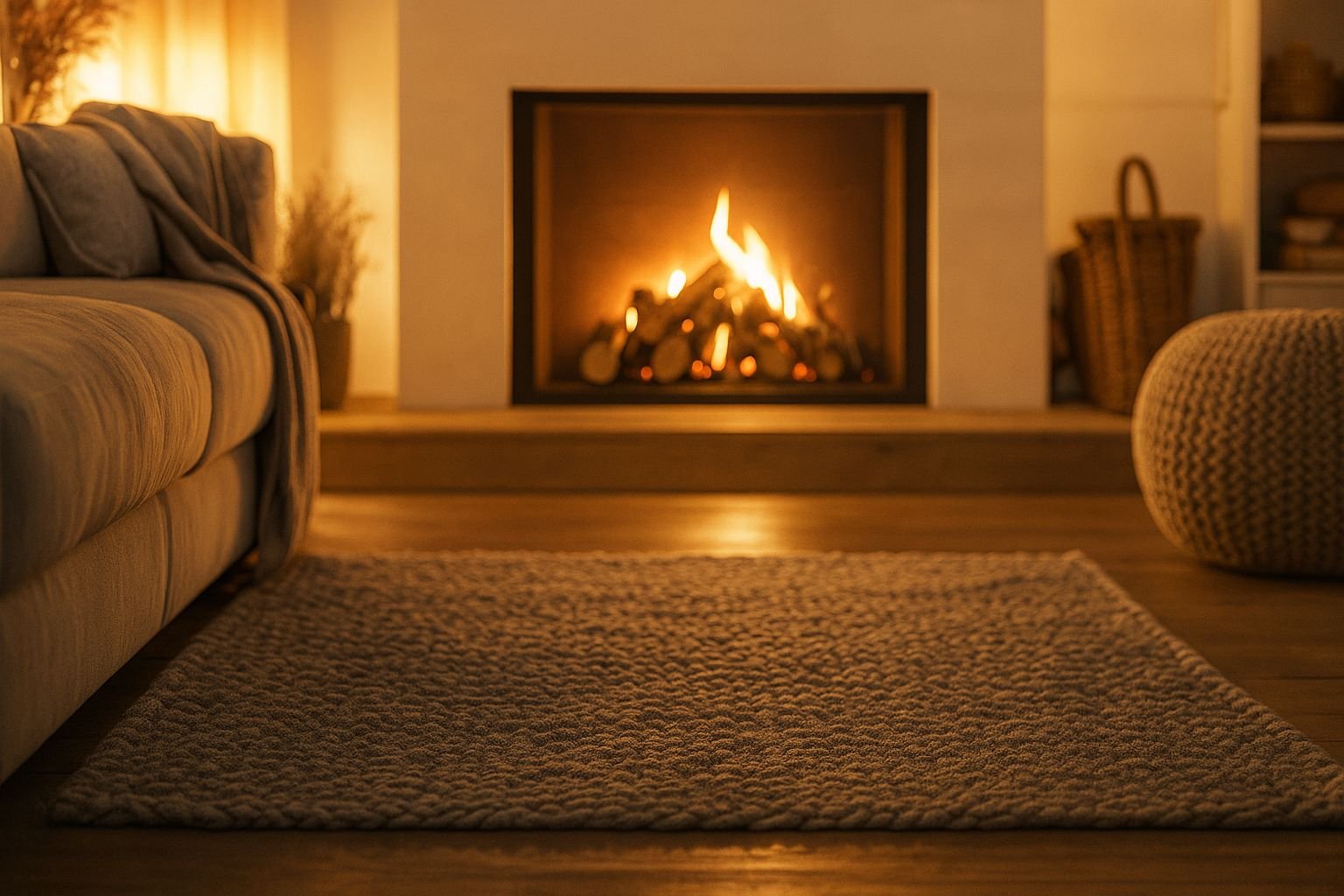
Why We Still Need Fireplaces When Winter Comes Knocking
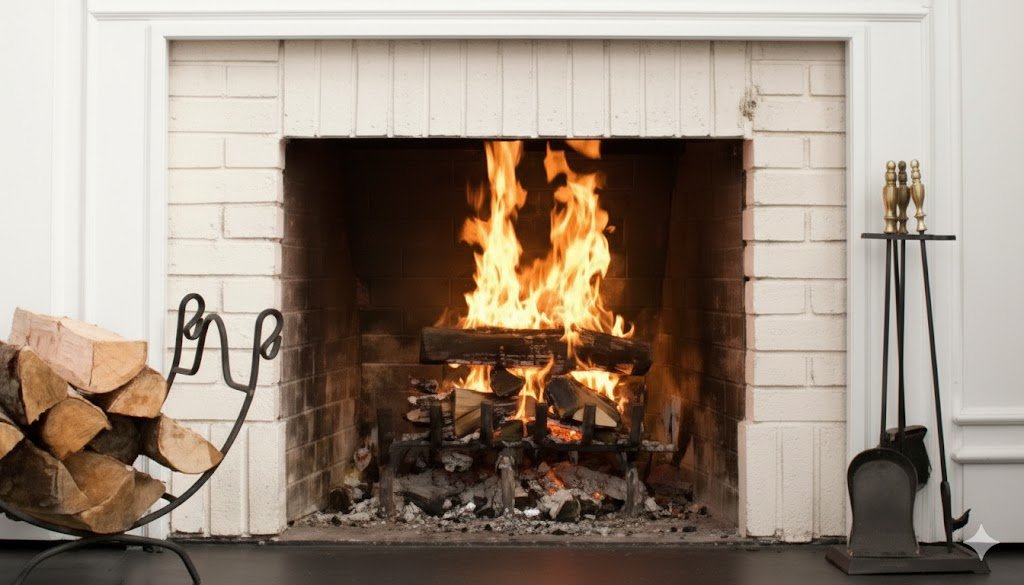
You know that feeling when autumn starts winding down and you can see your breath in the morning air? That’s when I start thinking about my fireplace. There’s something almost primal about it. Our ancestors huddled around fires for warmth and safety, and here we are thousands of years later, still drawn to that dancing flame.
I remember the first winter in my old apartment without a fireplace. The heating system worked fine, technically speaking. The thermostat said 72 degrees. But something felt off. The air was warm but sterile, like being inside a toaster oven. There was no focal point to gather around, no crackling sounds to break up the silence of a snowy evening. That’s when I realized fireplaces aren’t just about heating a room. They’re about creating a space that feels alive.
Think about where people naturally congregate during winter gatherings. It’s always near the fireplace, right? We arrange our furniture around it. We hang stockings from the mantle. Kids roast marshmallows. Couples share wine and conversation. The fireplace becomes the heart of the home, pumping warmth and life into every corner. Without one, a living room feels like it’s missing its soul.
The practical side matters too, of course. When power lines go down during ice storms (and they will), a good fireplace keeps your family safe and warm. I’ve got neighbors who learned this lesson the hard way during a three-day outage last February. They ended up at my place because their all-electric heating setup left them freezing. We crowded around my fireplace, made hot chocolate, and turned a potential disaster into an impromptu neighborhood party.
Modern heating systems are efficient and convenient. Nobody’s arguing against that. But efficiency doesn’t always equal comfort. There’s a psychological warmth that comes from seeing flames, from knowing you’ve got a backup heat source that doesn’t depend on the grid or the gas company. When the weather forecast starts throwing around phrases like “polar vortex” and “wind chill advisory,” you’ll understand why having a fireplace isn’t just nice to have. It becomes part of your home security plan.
I’ve talked to people who say they never use their fireplace. They bought a home with one, but it sits cold and empty year after year. When I ask why, they usually mention the hassle or the mess. Fair enough. Traditional fireplaces do require effort. But that’s where understanding your options comes in handy. The fireplace game has changed dramatically over the past few decades. What worked for your grandparents might not be the best choice for your lifestyle.
Let’s be honest about something else too. Real estate agents will tell you that homes with fireplaces sell faster and for more money. Buyers want them, even if they’re not entirely sure why. It’s that instinctive pull toward warmth and gathering space. When you’re showing a house on a cold November day and there’s a fire crackling in the living room, potential buyers can suddenly see themselves living there. They imagine their future, their family, their quiet evenings. That’s powerful stuff.
The beauty of living in our current era is choice. We’re not limited to one type of fireplace anymore. You can match your heating solution to your lifestyle, your budget, and your home’s specific needs. Some folks want the full traditional experience, complete with splitting wood and tending fires. Others want heat at the flip of a switch. Both approaches are valid. Both solve the same core problem of keeping your space warm and inviting when winter settles in for its long stay.
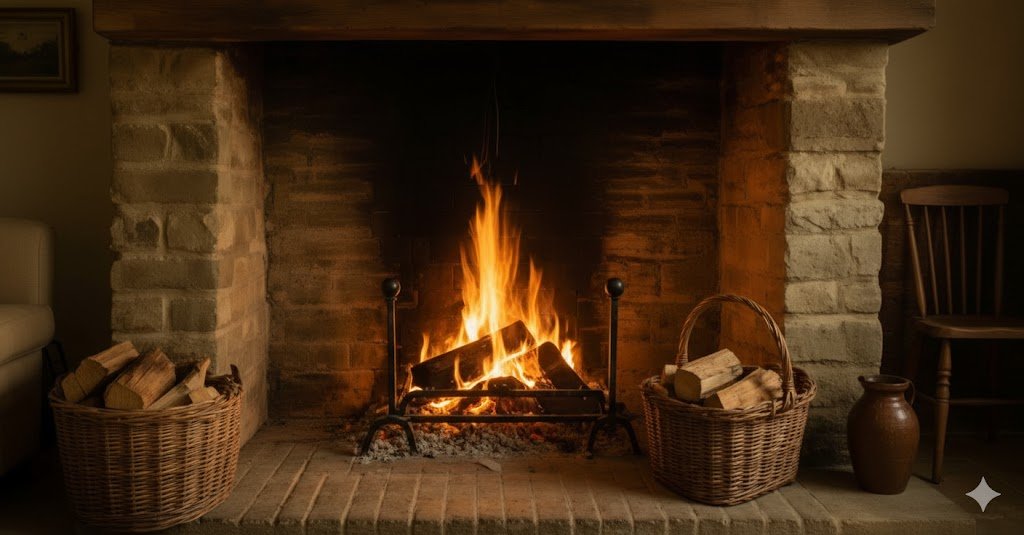
When Gas Fireplaces Seemed Like the Perfect Answer
There was a period, probably starting in the 1980s and running strong through the 2000s, when gas fireplaces looked like they’d completely replace the old wood-burning models. The pitch was compelling. You get all the visual appeal of a real fire without the backbreaking work of hauling logs. Just turn a knob or flip a switch, and boom. Instant flames dancing behind glass doors.
I installed a gas fireplace in my previous house, and for a few years, I thought I’d made the smartest decision of my home improvement life. No more splinters from carrying firewood. No more ash to clean up. No more worrying about whether the wood was properly seasoned or would just smoke up the place. The gas line delivered fuel continuously, reliably, effortlessly. On cold mornings, I’d hit the remote control from bed, and by the time I stumbled into the living room with my coffee, the room was already warming up.
The visual appeal was there too. Modern gas fireplace manufacturers had figured out how to make fake logs that looked surprisingly real. The flames moved naturally, licking around the ceramic logs in patterns that mimicked actual wood fires. Guests couldn’t tell the difference from across the room. The glass front stayed relatively clean, and the whole unit required maybe an hour of maintenance per year. Coming from years of wood fireplace ownership, this felt like upgrading from a manual transmission to cruise control.
Gas fireplaces solved a bunch of problems that wood burners created. No more creosote buildup requiring expensive chimney sweeps. No more smoke backdrafts when the wind blew wrong. No more half-burned logs that needed to be dealt with in the morning. The heat output was consistent and controllable. Want it warmer? Turn up the gas. Want it cooler? Turn it down. This level of control was impossible with wood, where you either had a roaring fire or you didn’t.
But here’s where reality started creeping into my gas fireplace honeymoon. The monthly gas bills during winter made my eyes water. Natural gas prices have this nasty habit of spiking right when you need the stuff most. Supply and demand, they call it. I call it getting squeezed by utility companies when you’re vulnerable. What seemed economical in October looked painful by January. Some months, my gas bill tripled compared to summer usage.
Then there’s the dependency factor. Gas fireplaces need gas lines, which means you’re tied to the utility infrastructure. During that big freeze we had a couple years back, gas pressure dropped throughout the region. The utility company was asking everyone to lower their thermostats to keep the system from failing completely. My beautiful, convenient gas fireplace became about as useful as a picture of a fire. At least with wood, if you’ve got logs stacked in the garage, you’ve got heat. No utility company can cut off your supply.
The aesthetic started bothering me after a while too. Those fake logs that looked so convincing at first began to seem, well, fake. Maybe I was just getting pickier. Maybe the novelty wore off. But I started noticing how the flames always moved in the same patterns, how the logs never actually burned down, how everything was just a bit too perfect and predictable. Real wood fires are messy and chaotic. That’s part of their charm. They’re alive in a way that gas flames, for all their convenience, can never quite match.
Installation costs are worth mentioning if you’re starting from scratch. Running a gas line to where you want your fireplace isn’t cheap, especially in older homes. You need proper venting, even with ventless models (which I personally don’t trust for air quality reasons). The unit itself costs more upfront than a basic wood insert. So you’re betting that the convenience will pay off over time. For some people, it does. For others, like me, the math gets fuzzy when energy prices bounce around.
There’s a safety consideration that doesn’t get talked about enough. Gas leaks are serious business. Carbon monoxide detectors are non-negotiable with gas appliances. I got paranoid about it, checking the detector batteries constantly, sniffing around the fireplace for that rotten egg smell they add to natural gas. My wife thought I was being ridiculous until our neighbors had a leak that filled their basement overnight. They were lucky their detector worked. Not everyone is.
Don’t get me wrong. Gas fireplaces work great for plenty of people. If you’ve got cheap natural gas in your area, if you value convenience above everything else, if you’re not bothered by the artificial aspects, then go for it. They’re clean, easy, and they do provide real heat. But calling them the perfect solution feels like overselling. They’re a compromise, trading some authentics and independence for convenience and cleanliness. Whether that trade makes sense depends entirely on what matters most to you and what your local energy costs look like.
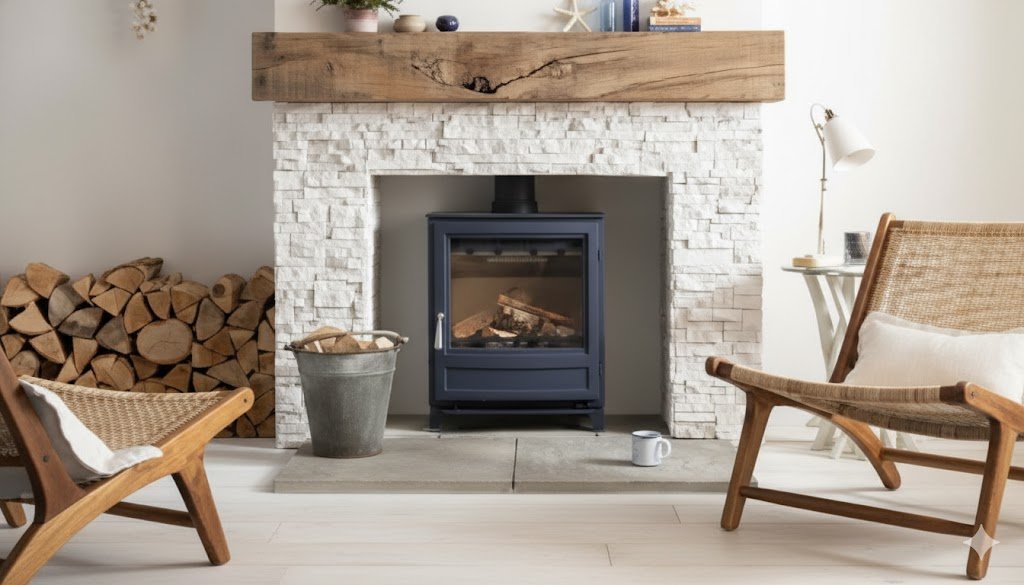
Why Electric Fireplaces Are Winning Over Smart Homeowners
Electric fireplaces used to be a joke. I remember seeing them in hotel lobbies in the 1990s, these obviously fake contraptions with orange light bulbs spinning behind plastic logs. They looked cheap because they were cheap. Nobody took them seriously as real heating solutions. They were decorative accessories at best, sad attempts to add ambiance to spaces that couldn’t accommodate real fireplaces.
Fast forward to today, and I’m about to tell you something that might surprise you. Electric fireplaces have become legitimately impressive. The technology jumped forward while most of us weren’t paying attention. Modern electric units use LED flames and sophisticated lighting tricks that create surprisingly realistic fire effects. I was skeptical too until I saw one running in my cousin’s new townhouse. From ten feet away, I honestly couldn’t tell it wasn’t burning real gas. The flames moved naturally, the ember bed glowed convincingly, and the whole effect was warm and inviting.
But the visual improvements are just the start of why electric fireplaces make sense now. Let’s talk about what really matters: heat and cost. A decent electric fireplace puts out around 5,000 BTUs, enough to warm up a medium-sized room pretty effectively. You’re not heating your whole house with it, but that’s not really the point. The point is supplemental heat in the rooms you actually use. Why pay to heat your entire house to 72 degrees when you could heat the living room to 75 and drop the thermostat everywhere else?
The economics get interesting when you run the numbers. Electricity costs vary wildly by region, so your mileage will differ from mine. But in most areas, running an electric fireplace for a few hours per evening costs less than you’d spend on the gas or wood to achieve similar results. We’re talking maybe 50 cents to a dollar per evening of use. The big savings come from zone heating. My central furnace doesn’t care that nobody’s upstairs at 8 PM. It heats those empty bedrooms anyway. My electric fireplace heats exactly where I’m sitting, nothing more.
Installation is where electric units really shine. You know what you need to install an electric fireplace? An outlet. That’s it. No chimney. No gas lines. No permits. No contractors charging $3,000 for half a day’s work. I installed mine myself in about 20 minutes. Unbox, position, plug in, done. My teenage daughter could have done it. This accessibility means you can put a fireplace pretty much anywhere you want one. Bedroom? Sure. Home office? Why not. Basement? Absolutely. The flexibility is fantastic for renters too, since most electric units are portable and leave no permanent changes to the property.
Maintenance basically doesn’t exist. There’s no ash to clean, no glass to scrub, no vents to clear, no annual inspections required. The LED bulbs last for years. If something breaks, you’re not calling a specialized repair person who charges $200 just to show up. Most issues can be fixed with basic tools and a YouTube tutorial. I’ve owned my current electric fireplace for four years and haven’t done a single thing to it except dust the exterior occasionally.
Safety is another huge advantage that doesn’t get enough attention. Electric fireplaces don’t produce carbon monoxide. They don’t create actual combustion. The glass front stays cool enough to touch, which matters a lot if you’ve got kids or pets. You can’t burn your house down with one (barring some freak electrical short, which is true of any appliance). There’s no risk of sparks jumping onto your carpet or a log rolling out onto your hardwood floor. My friend’s toddler walks right up to ours and presses his hands against the glass. Try that with a wood or gas fireplace.
The control options are pretty slick too. Most electric models come with remotes. Many connect to smart home systems now. You can set timers, adjust temperature precisely, control flame brightness independently from heat output. Want the cozy visual effect without adding heat during shoulder seasons? Done. Want maximum heat without bright flames that might interfere with TV watching? No problem. This kind of customization is impossible with traditional fireplaces.
Are there downsides? Sure. Electric fireplaces depend on the power grid. When the electricity goes out, so does your heat. That’s the big trade-off. You’re giving up independence for convenience and safety. For most people, that’s a fair trade. Power outages rarely last long, and most homes have backup heating through their furnace anyway. But if you live somewhere with unreliable power or you want true emergency backup heat, electric isn’t your answer.
The other limitation is heating capacity. Electric fireplaces work great for warming one room or providing supplemental heat. They’re not going to replace your central heating system. If your furnace dies in January, your electric fireplace will keep one room comfortable, but the rest of your house will still be cold. They’re tactical solutions, not strategic ones.
Still, for most modern living situations, electric fireplaces hit a sweet spot. They look good, they’re affordable to buy and run, they’re safe around kids and pets, and they require zero effort to use or maintain. The technology finally caught up with the convenience promise. We’re not talking about those cheesy hotel lobby units anymore. We’re talking about legitimate home heating solutions that happen to be simpler and safer than what came before.
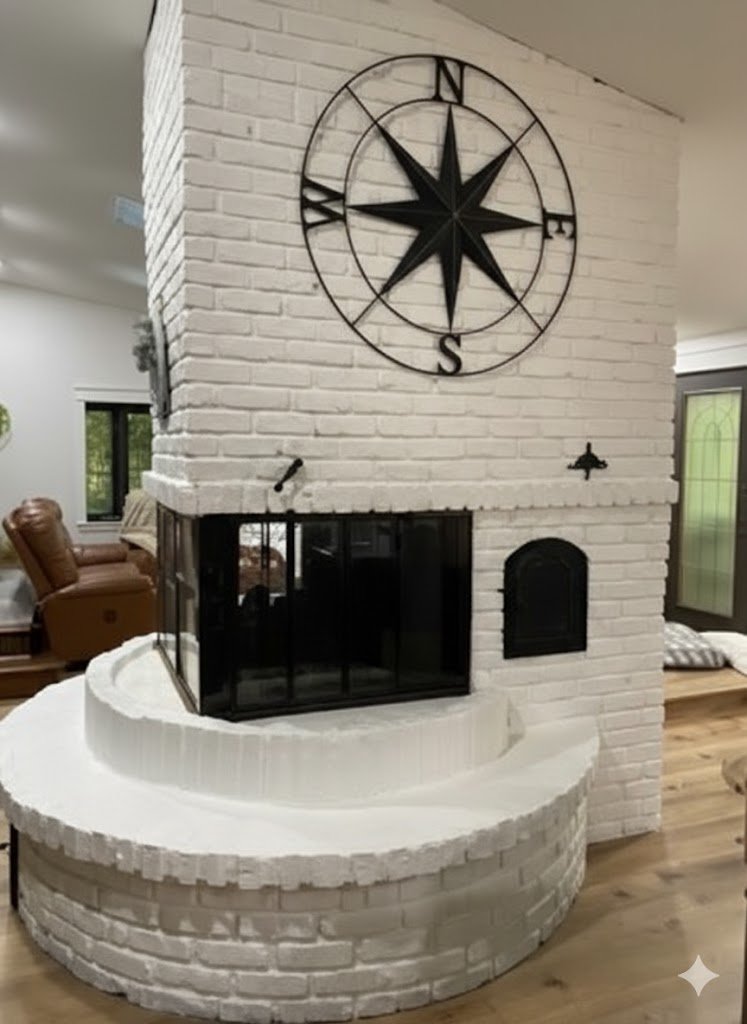
Making Your Fireplace Look as Good as It Performs
Here’s something that took me years to figure out. The fireplace itself is only half the equation. The mantle and surround do just as much work in making your living space feel special. I’ve been in homes with expensive, high-end fireplaces that looked bland because the mantle was an afterthought. I’ve been in other homes with basic fireplaces that felt stunning because someone put real thought into the decorative elements.
The mantle is where you get to show personality. It’s like the fireplace’s picture frame. A masterpiece painting needs the right frame to really pop, right? Same principle applies here. Your mantle sets the tone for the entire room. Go with reclaimed barn wood, and you’re telling a rustic, farmhouse story. Choose sleek marble, and you’re leaning modern and sophisticated. Pick ornate carved wood, and you’re channeling Victorian elegance. The fireplace produces heat, but the mantle produces style.
I spent way too long agonizing over my mantle choice. My wife thought I’d lost my mind. “It’s just a shelf,” she said. But it’s not just a shelf. It’s the visual anchor of our main living space. Everything else arranges itself around this focal point. Get it wrong, and the whole room feels off. I looked at probably 50 different options before settling on a chunky reclaimed beam from an old tobacco barn. Cost me more than I wanted to spend, but every time I walk in and see it, I know it was the right call.
The decorating opportunities are endless, which is both exciting and overwhelming. You’ve got the mantle top itself, which is prime real estate for displaying things you care about. Family photos, candles, seasonal decorations, plants, artwork, books, that weird sculpture your aunt gave you that you can’t throw away. The rules are flexible. Some people go symmetrical and balanced. Others embrace organized chaos. Both approaches can look great if done with intention.
One thing I learned the hard way is scale matters. Small knickknacks on a massive mantle look lost and sad, like furniture in a house that’s too big for it. Big, bold pieces on a small mantle look cramped and cluttered. You need to match your decorative elements to the size and style of your mantle. I made the mistake of putting dainty candlesticks on my big rustic beam. They disappeared visually. Swapped them out for chunky lanterns, and suddenly everything clicked.
Seasonal decorating keeps things fresh. I’m not suggesting you need to redecorate every month like some lifestyle magazine spread. But swapping things out a few times a year prevents the mantle from becoming invisible wallpaper that you stop noticing. Fall brings pumpkins and warm colors. Winter gets pine branches and candles. Spring sees flowers and lighter tones. Summer might go minimal and airy. These changes mark time passing and keep your living space feeling alive and current.
The surround material matters almost as much as the mantle. This is the material directly around the fireplace opening. Traditional choices include brick, stone, tile, or marble. Each creates a different feeling. Brick screams classic and timeless. Stone says natural and organic. Tile offers pattern possibilities. Marble reads as luxurious. Modern alternatives include metal, concrete, or even wood (properly treated and distanced from the heat source). The surround interacts with your mantle, your flooring, and your wall colors, so it needs to play nice with everything.
Electric fireplaces make the decorative side easier in some ways. Since they don’t produce real combustion, you’re not dealing with smoke stains or heat damage. You can put temperature-sensitive decorations closer to the unit. That vintage mirror you inherited can hang above the fireplace without worrying about heat warping. Those photos in cheap frames won’t fade from radiant heat. The reduced maintenance means your carefully styled mantle stays looking good without constant cleaning.
But here’s the thing that trips people up. Just because you can put stuff anywhere doesn’t mean you should pack the mantle like a storage shelf. Negative space is your friend. Let things breathe. The eye needs places to rest. A mantle with three thoughtfully chosen items often looks better than one crammed with fifteen things competing for attention. Quality over quantity applies to decorating just as much as it does to everything else.
Lighting deserves special mention. The fireplace provides ambient light when it’s running, but what about when it’s off? A dark, cold fireplace is kind of depressing to look at. Strategic lighting fixes this. Small LED strips hidden behind the mantle can create a soft glow. Picture lights can illuminate artwork above the mantle. Even a couple of carefully placed candles (real or battery-operated) keep the area from feeling dead. Light layers create depth and interest that flat overhead lighting can’t match.
Your mantle and surround aren’t afterthoughts. They’re opportunities to express yourself and create a space that feels intentionally designed rather than accidentally assembled. The fireplace provides function. The decorative elements provide character. Together, they create a living room that people actually want to live in. Take your time with this stuff. Look at examples. Steal ideas shamelessly from homes and hotels and restaurants that impress you. Your fireplace can be beautiful and functional, cozy and stylish. The best part about electric units is you’re not sacrificing any of the decorative possibilities while gaining safety and convenience.
Finding and Choosing Your Ideal Electric Fireplace
Shopping for an electric fireplace should be straightforward, but the options can overwhelm you pretty quickly. I counted more than 200 different models on one website alone. They range from compact plug-in units that look like space heaters to massive entertainment centers with built-in fireplaces to traditional mantle packages that mimic classic designs. Figuring out what you actually need versus what looks cool in product photos requires some honest assessment of your space and priorities.
Start with measuring your room. This sounds obvious, but I’ve watched people fall in love with a massive fireplace that completely overwhelms their small living room. Or the opposite: they buy a tiny unit that gets lost on their big blank wall. You need to match the fireplace size to your room dimensions. As a rough guide, small rooms under 200 square feet work well with compact 30-inch units. Medium rooms between 200 and 400 square feet can handle something in the 40 to 50-inch range. Larger spaces might want 60 inches or more. These aren’t hard rules, just starting points.
Think about how you’ll use the thing. Are you mainly after ambiance, or do you need real supplemental heat? Some electric fireplaces focus heavily on visual effects with minimal heat output. Others prioritize heating capacity over fancy flame effects. If you’re looking to actually warm a cold room, pay attention to BTU ratings and square footage coverage claims. Don’t trust marketing hype. Look for actual specs. A good heating-focused unit should handle at least 400 square feet effectively.
Installation type makes a big difference in what you can buy. Freestanding units offer maximum flexibility. You can move them around, take them to a new house, rearrange furniture without commitment. Wall-mounted models save floor space and create a sleek, modern look, but they require some basic tools and maybe hitting a stud or two. Built-in units that recess into the wall look amazing and provide a custom feel, but they’re basically permanent. Mantle packages include the whole surround and are great if you want a traditional fireplace look without construction.
I went with a mantle package for my current house because I wanted that classic fireplace feeling. The unit came as a complete set: mantle, surround, firebox, everything. Took me and a buddy maybe two hours to assemble and position. No special skills required. The included instructions were actually helpful, which is rarer than it should be. If you’re not particularly handy or you want a traditional look without hiring contractors, mantle packages make a ton of sense. You sacrifice some customization but gain simplicity.
The flame technology varies quite a bit between models. Cheaper units still use those spinning reflectors and orange bulbs that look fake the second you glance at them. Avoid these unless you’re furnishing a garage or workshop where appearance doesn’t matter. Mid-range models use LED flames with better color variation and movement patterns. These look pretty good for the money. High-end units employ advanced holographic effects, layered LEDs, and even water vapor to create incredibly realistic flames. If visual authenticity matters to you, expect to pay more. If you mainly want heat and don’t care much about appearances, save your money.
Heat settings and controls separate good units from frustrating ones. Look for models with multiple heat levels, not just on/off. Thermostatic control is nice so the unit maintains your desired temperature automatically rather than running constantly. Remote controls are basically standard now, but check what functions the remote actually controls. Some cheap remotes only turn power on and off. Better ones let you adjust heat, flame brightness, color, and timer settings without getting off the couch.
Safety certifications matter more than people realize. Look for UL or ETL listings, which mean the unit has been tested by recognized labs. Overheat protection should be standard. Tip-over switches are important if you’re getting a freestanding unit that could potentially fall over. Cool-touch glass protects curious kids and pets. These safety features aren’t exciting, but they’re the difference between a well-engineered product and a potential hazard.
Energy efficiency isn’t usually a huge concern since electric fireplaces only run a few hours per day, but it’s worth considering. LED flames use almost no power compared to old incandescent bulbs. The heating element is where most power goes, and most units are fairly similar in efficiency. If you plan to use the heat function heavily, look for units with good insulation and thermostatic controls that prevent unnecessary running.
Warranty and customer service deserve attention before you buy. A two-year or longer warranty suggests the manufacturer stands behind their product. One year is acceptable. Anything less feels sketchy. Check whether the company has actual customer service you can reach. Read reviews not just about the product but about what happens when something goes wrong. Some companies handle issues quickly and professionally. Others ghost you the second your money clears.
Budget is always a factor, but don’t make it the only factor. The cheapest electric fireplace might save you $200 upfront but look terrible, heat poorly, and break within a year. That’s not really saving money. The most expensive option might include features you’ll never use. Find the middle ground that matches your needs without paying for unnecessary bells and whistles. Expect to spend somewhere between $500 and $1,500 for a solid, reliable unit that looks good and performs well.
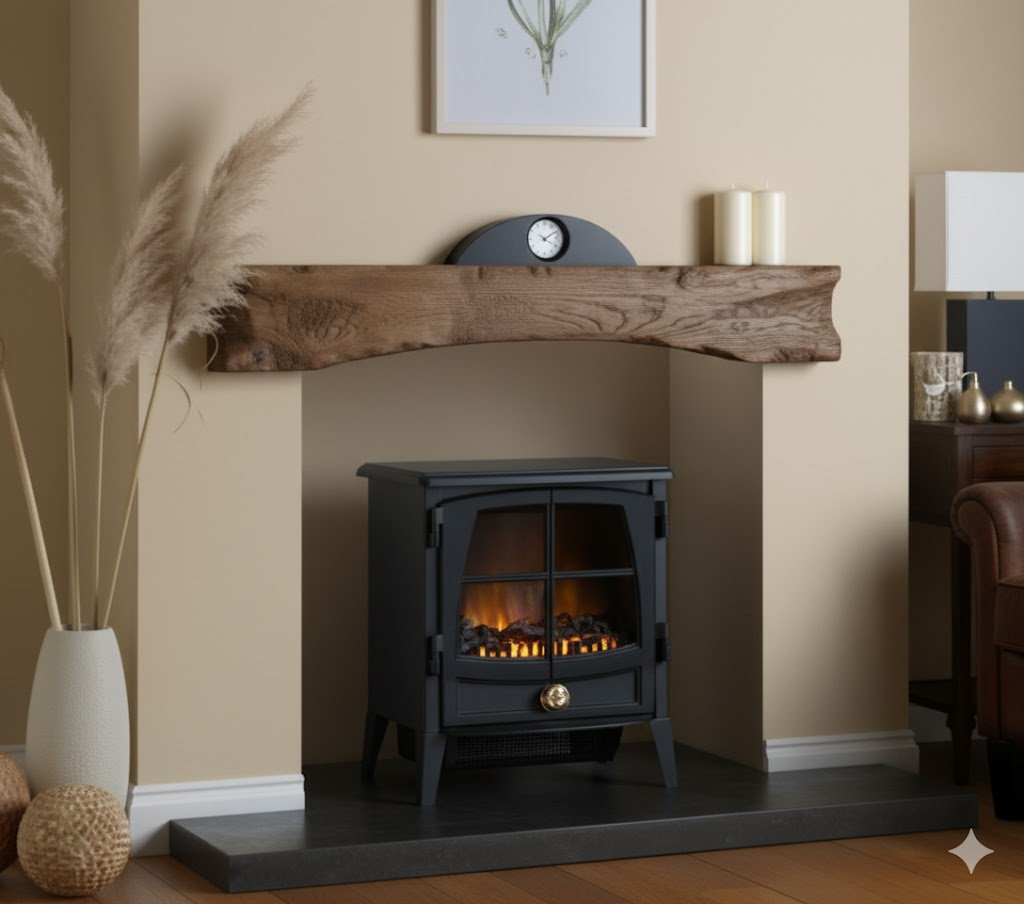
Style consistency matters if you care about interior design. Your electric fireplace should complement your existing furniture and decor. Traditional homes with classic furniture look strange with ultra-modern floating fireplaces. Contemporary spaces with clean lines and minimalist aesthetics don’t pair well with ornate carved mantles. Match your fireplace style to your home’s overall aesthetic. If you’re not sure, neutral designs in black, white, or natural wood tones tend to work with most decor schemes.
The fun part about shopping now is seeing how far the technology has come. Electric fireplaces used to be compromise choices, the thing you bought when you couldn’t have a real fireplace. Now they’re legitimate first choices for people who value convenience, safety, and flexibility. You’re not settling anymore. You’re choosing a modern heating solution that happens to look great and require almost zero maintenance. That’s a pretty good combination for most homeowners.
Take your time with this decision. Look at multiple options. Read real user reviews, not just the five-star ones that might be fake. If possible, see units running in person at showrooms. Pictures never quite capture how the flames actually look in real life. Ask friends who own electric fireplaces about their experiences. Most people love talking about their home improvements, especially when they made good choices. Learn from their successes and mistakes. Your ideal electric fireplace is out there. Finding it just takes a bit of research and honest thinking about what matters most to you.

Leave a Comment