
When Winter Knocks on Your Door
You know that feeling when autumn starts slipping away and you wake up one morning to find frost on your car windshield? That’s when I start thinking about my fireplace. Not just thinking about it, really, but planning which room I’ll curl up in with a good book once the snow starts falling.
We’ve all been there. The temperature drops, the wind picks up, and suddenly that fireplace you barely noticed all summer becomes the most popular spot in your house. Kids fight over who gets to sit closest to it. The dog plants himself right in front of it and refuses to move. Even your teenagers will emerge from their rooms to hang out near the warmth.
Living through a winter without a functioning fireplace is like trying to make coffee without caffeine. Sure, you can do it, but what’s the point? I learned this the hard way during my first winter in an old rental house where the fireplace was purely decorative. The landlord had sealed it up years ago, and I spent three months layering on sweaters like an onion while my heating bills skyrocketed. Never again, I told myself.
The thing about fireplaces is they’re not just about cranking up the heat. They change the whole vibe of your home. There’s something primal about gathering around a fire that takes us back thousands of years. Our ancestors huddled around flames for warmth and safety, and apparently, that instinct is still hardwired into our brains. When I light up my fireplace on a cold evening, I swear I can feel that ancient comfort washing over me.
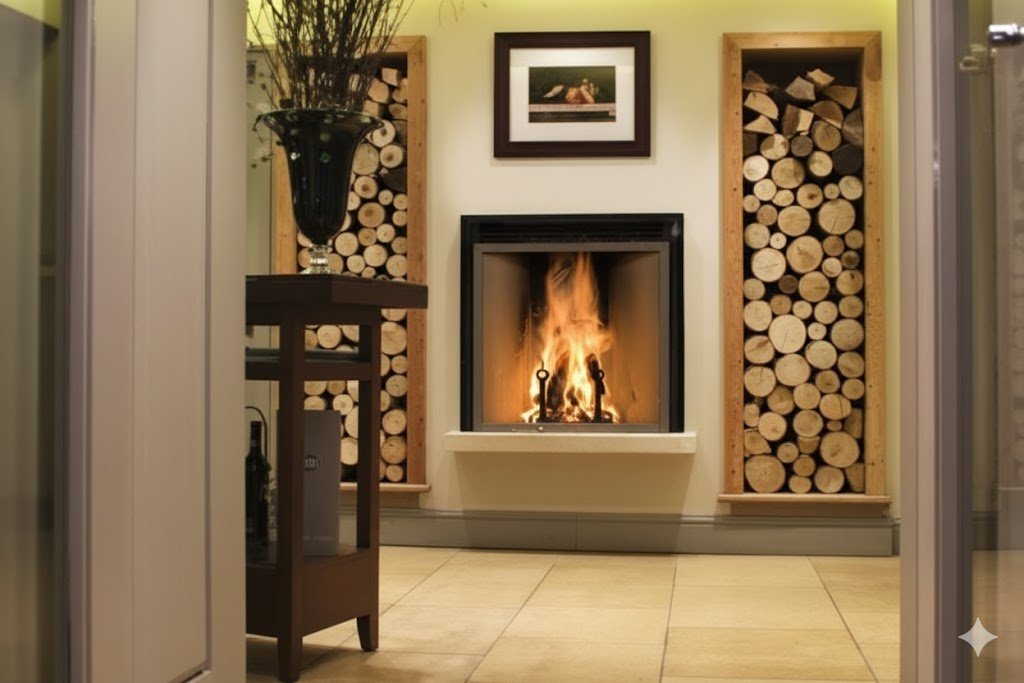
But here’s what nobody tells you when you’re shopping for a home or thinking about installing a fireplace. The choices can be overwhelming. We’re not living in the days when your only option was a stone hearth and a pile of firewood. The fireplace market has exploded with options, each promising to be better than the last. You’ve got wood burning, gas powered, electric, pellet burning, gel fuel, and probably a dozen other types I haven’t even heard of yet.
My neighbor just installed one of those fancy see through fireplaces that heats two rooms at once. My sister went with a wall mounted electric model that looks like a flat screen TV when it’s turned off. My parents, bless them, are still loyal to their 1970s wood burning beast that requires a full day of prep work before you can even think about lighting it.
So how do you choose? That’s what kept me up at night when I was house hunting three years ago. I must have visited fifty open houses, and I inspected every single fireplace like I was some kind of chimney detective. I took notes, asked questions, and probably annoyed more than a few real estate agents with my obsessive attention to BTU ratings and clearance requirements.
What I learned during that process could fill a book. Or at least a really long blog post. The truth is that picking the right fireplace isn’t just about heat output or fuel efficiency. It’s about your lifestyle, your budget, your home’s layout, and what you actually want from the experience. Some people want the crackle and smell of real wood. Others want to press a button and have instant heat. Neither choice is wrong, but one will definitely be right for you.
The Classic Choice That Started It All
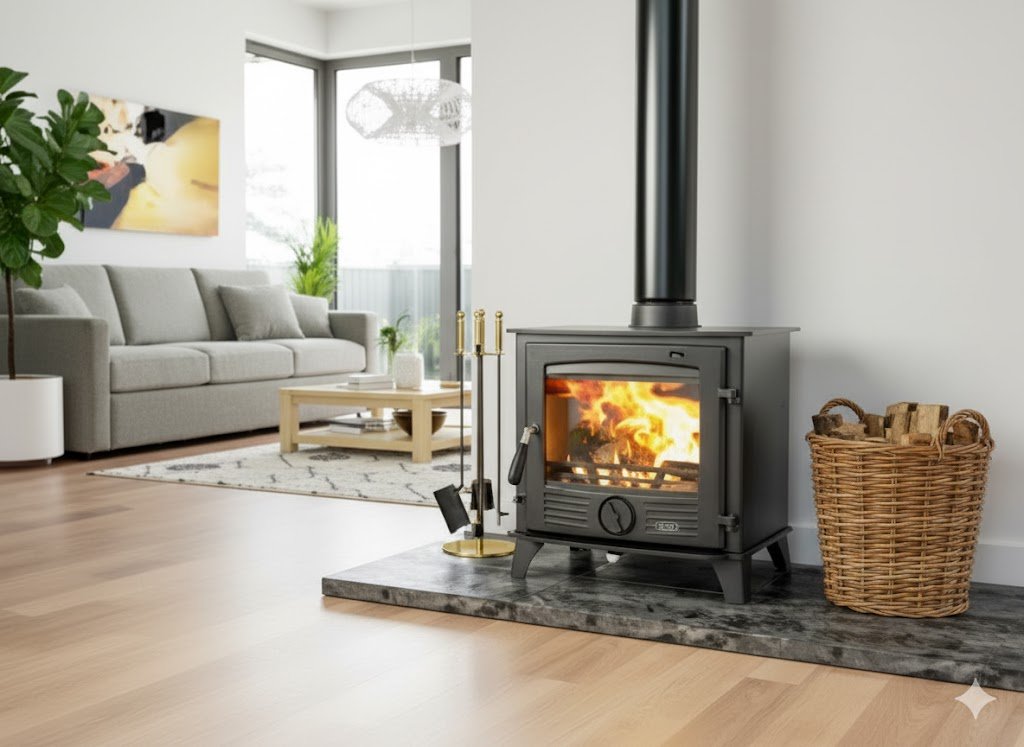
Wood burning fireplaces are where the whole story begins. These are the originals, the ones your great grandparents used, the ones you see in every Christmas movie. There’s a reason they’ve stuck around for centuries. When you get a wood fire going just right, nothing else comes close to matching that experience.
I grew up with a wood burning fireplace in my family home. Every October, my dad would start stockpiling wood like we were preparing for the apocalypse. He had this whole system worked out. He’d buy logs from a local farm, stack them in the backyard in this specific crisscross pattern that allowed for air circulation, and then spend weekends splitting the bigger pieces with an axe that probably weighed more than I did. Looking back, I think he enjoyed the wood preparation almost as much as the actual fires.
The smell of a wood fire is something you can’t replicate. It’s smoky and earthy and somehow sweet all at once. It seeps into your clothes, your furniture, your curtains. Some people hate that. My aunt refuses to visit during winter because she says we smell like a campground. But I love it. That scent means home to me. It means family dinners and board games and falling asleep on the couch while the fire dies down to embers.
Wood fires give you that authentic crackling sound that makes you feel like you’re in a cabin in the mountains even if you live in the suburbs. They create dancing shadows on the walls. They give you an excuse to own a fireplace poker and actually use it, which makes you feel surprisingly accomplished. Plus, there’s something deeply satisfying about building a fire from scratch. Getting the kindling arrangement just right, watching the flames catch and spread, adding larger logs at the perfect moment. It’s an art form.
But let’s be real about the downsides, because they’re significant. Wood burning fireplaces are high maintenance relationships. You need a steady supply of seasoned wood, which means either buying it by the cord or cutting it yourself. Both options require money, space, and effort. You can’t just decide on a Tuesday evening that you want a fire if your wood pile is empty or wet.
Then there’s the ash situation. Every fire leaves behind a pile of ash that needs to be cleaned out regularly. If you don’t, it builds up and reduces your fireplace’s efficiency. I once let the ash accumulate for a month because I was lazy, and when I finally cleaned it out, I filled three large buckets. The process took an hour and left me covered in fine gray dust that I was still finding in my hair two showers later.
Chimney maintenance is another beast entirely. Wood burning fireplaces create creosote buildup in your chimney, which is flammable and dangerous. You need to have your chimney inspected and cleaned at least once a year, preferably by a certified professional. I learned this lesson the expensive way when I skipped a year and ended up with a chimney fire that, thankfully, stayed contained but scared the living daylights out of me and cost a fortune to repair.
The efficiency of wood burning fireplaces is pretty terrible compared to modern options. Most of the heat goes straight up the chimney. You get a warm glow in the immediate area around the fireplace, but the rest of your house stays cold. I’ve sat three feet from a roaring fire while wearing a hoodie because the room temperature was still barely 65 degrees. You’re basically heating the outdoors while creating a small warm zone in your living room.
Starting a fire takes time and skill. You can’t just press a button and have instant warmth. You need newspaper or fire starters, kindling, properly sized logs, and patience. I’ve spent many frustrating evenings trying to coax a fire to life, watching my carefully constructed log arrangement collapse into a smoking mess. There’s definitely a learning curve.
Wood smoke can be an issue for people with respiratory problems. It can irritate asthma, trigger allergies, and just generally make some people feel unwell. My best friend can’t spend more than thirty minutes in my house when I have a fire going without her eyes starting to water. Some neighborhoods have regulations about wood burning on high pollution days.
Yet despite all these challenges, I still love my wood burning fireplace. There’s something irreplaceable about the whole experience. When I have friends over for dinner parties, everyone gravitates toward the fireplace after we eat. We’ll stand around it with drinks in hand, talking and laughing while the fire pops and crackles. Those are the moments that make all the hassle worthwhile.
The Modern Alternative That Changed Everything
Gas fireplaces came along and promised to solve every problem wood burning fireplaces created. No more chopping wood, no more ash cleanup, no more failed attempts at getting the fire started. Just flip a switch or press a button, and boom, instant fire. It sounded too good to be true, and in many ways, it kind of was.
My first apartment with a gas fireplace felt like luxury. I’d come home from work on a freezing January evening, hit the wall switch, and within seconds, flames would be dancing behind the glass. No preparation, no waiting, no mess. I felt like I’d entered the future of home heating. I used that fireplace constantly during my first winter there, probably more than I ever used my family’s wood burning fireplace growing up.
The convenience factor really can’t be overstated. You get the visual appeal of a fire without any of the traditional labor. No splitting logs, no hauling wood into the house, no getting bark and splinters all over your living room floor. You don’t need to tend the fire or add logs every hour. You don’t need to wait for it to die down before going to bed. Just turn it off and walk away.
Gas fireplaces are way more efficient at heating than wood burners. The heat doesn’t escape up the chimney as much. Many models have fans that blow warm air into the room, creating actual heat distribution instead of just a warm spot near the fireplace. I could heat my entire 800 square foot apartment with just the gas fireplace, which was pretty impressive.
The designs have gotten really good too. Modern gas fireplaces can look almost identical to wood burning ones. They come with ceramic logs that are disturbingly realistic. The flames dance and flicker in convincing patterns. Some models even include ember beds that glow like real coals. I’ve had guests ask me where I get my firewood, not realizing they’re looking at a gas unit.
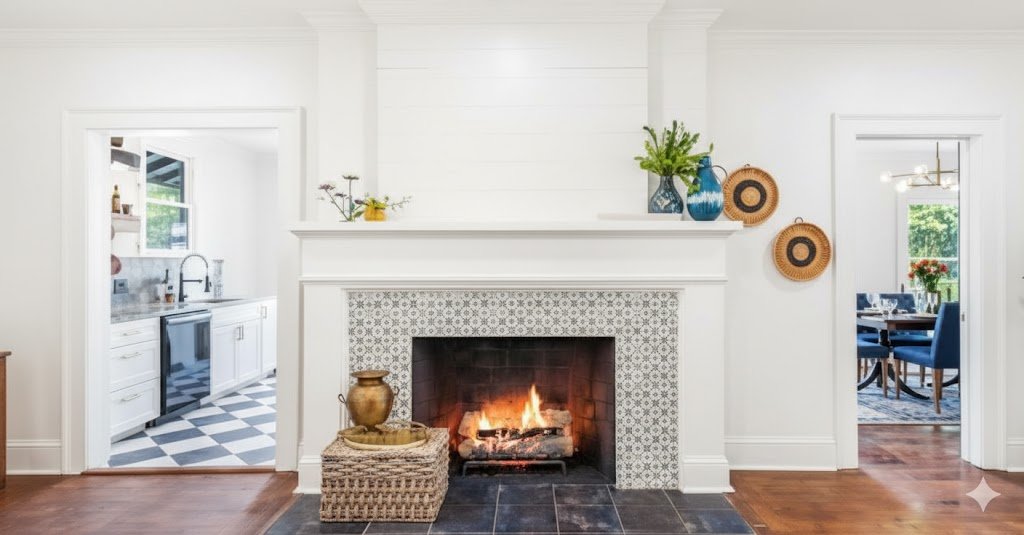
You can get gas fireplaces in styles that would be impossible with wood. Linear designs that stretch across an entire wall. Double sided units that heat two rooms. Outdoor models that create ambiance on your patio. I’ve seen gas fireplaces installed in bedrooms, bathrooms, and even kitchens. The flexibility is pretty amazing.
Maintenance is minimal compared to wood burners. You should have the unit serviced annually to check the pilot light, burners, and venting, but there’s no ash to shovel and no chimney to sweep. I spent maybe $150 a year on maintenance, which beat the $300-plus I was paying for chimney cleaning at my previous house.
But then I saw my first winter gas bill. Holy cow. I nearly choked on my coffee. Running a gas fireplace for several hours every evening added up fast. Natural gas prices fluctuate, and in my area, they’d spiked that year. What I saved on chimney cleaning and firewood, I more than spent on fuel. Some quick math revealed I was spending about $200 a month extra just on fireplace gas usage.
The smell is another issue people don’t talk about enough. Gas fireplaces don’t smell like wood smoke, which is great if you don’t like that campfire scent. But they do have a smell, particularly when you first turn them on. It’s a faint gas odor mixed with burning dust from the ceramic logs. Some people don’t notice it. I definitely did. It gave me headaches if I ran the fireplace in a small room without good ventilation.
You lose that authentic fire experience. There’s no crackling, no popping, no wood smoke aroma. The flames are pretty, but they’re uniform and predictable. You can’t poke at logs or adjust the fire. You can’t toast marshmallows or roast chestnuts. It’s a fire experience designed for looking, not interacting.
Installation costs can be steep if you don’t already have a gas line. Running a new gas line to wherever you want the fireplace requires a licensed professional and can cost thousands of dollars. When I wanted to add a gas fireplace to my bedroom in my next house, the contractor’s estimate made my eyes water. We’re talking serious money.
Some models require venting, which means cutting holes in your walls or roof. Others are ventless, which sounds great until you learn about the moisture and combustion byproducts they release into your home. The ventless debate gets pretty heated in home improvement forums. Some people swear by them, others consider them dangerous. Local building codes in many areas don’t even allow ventless gas fireplaces.
The dependence on gas supply means you’re at the mercy of your utility company. If gas prices spike, you’re stuck paying more or not using your fireplace. During power outages, many gas fireplaces won’t work because they need electricity for ignition and fans. I lost power during an ice storm one winter, and my fancy gas fireplace was completely useless despite having a full gas supply.
Still, for many people, gas fireplaces hit the sweet spot between convenience and ambiance. My parents finally converted their old wood burner to gas after my dad’s back surgery made hauling logs impossible. They don’t regret it for a second. The ease of use has meant they actually use their fireplace now, something they’d stopped doing when the physical demands became too much.
The Game Changer That’s Taking Over
Electric fireplaces used to be a joke. I remember seeing them in the 90s at furniture stores, these cheesy looking boxes with fake logs and orange light bulbs that spun behind plastic flames. They looked about as realistic as a cardboard cutout. Nobody took them seriously. They were what you got when you couldn’t have a real fireplace but wanted to pretend.
Man, have things changed. Modern electric fireplaces are legitimately impressive. I bought one for my current home office two years ago on a whim, expecting it to be a temporary solution until I could afford to install a gas line. I’m never bothering with that gas line. This electric unit does everything I need and more.
The technology leap has been massive. Today’s electric fireplaces use LED lights, holographic projections, and even water vapor to create incredibly realistic flame effects. My unit has five different flame settings ranging from gentle flicker to roaring blaze. The flames look three dimensional. They cast light and shadows that move naturally. I’ve had video calls where colleagues ask about my “nice fireplace” not realizing they’re looking at an electric model.
Installation is absurdly simple. You literally plug it into a wall outlet. That’s it. No gas lines, no venting, no chimney, no contractor needed. I unboxed mine, set it in place, plugged it in, and was enjoying a fire within ten minutes. My tech illiterate mother could install one, and that’s saying something because she still can’t program her DVR.
The heating capability surprised me. Electric fireplaces use standard heating elements, basically fancy space heaters hidden inside an attractive cabinet. Mine can heat my 200 square foot office to the point where I sometimes need to crack a window. The heat is immediate and controllable. Most models let you run the flames without heat in summer if you just want the ambiance.
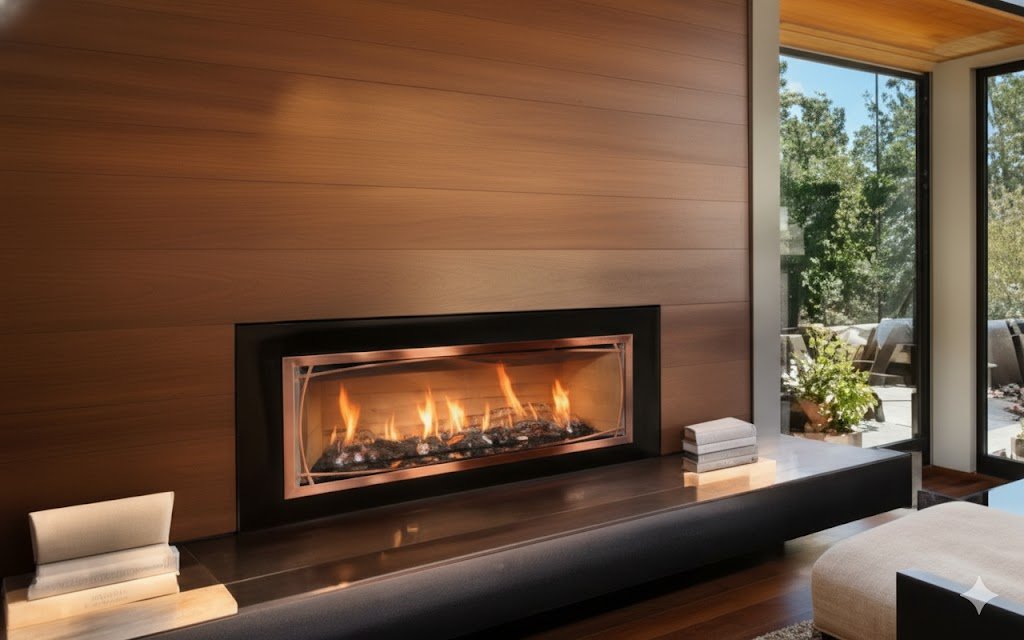
You can put an electric fireplace anywhere. Literally anywhere. No need to worry about venting combustion gases or locating a gas line or building a chimney. I’ve seen them in apartments, condos, basements, bedrooms, bathrooms, RVs, boats, and outdoor covered patios. One friend installed hers in a walk in closet that she converted to a reading nook. Another mounted one on his bedroom wall like a piece of art.
The safety factor is huge. No real flames means no fire hazard beyond standard electrical risks. The glass front stays relatively cool to the touch. You don’t need to worry about sparks popping out onto your carpet or kids getting burned. My sister has toddlers and she chose an electric fireplace specifically because she doesn’t have to constantly worry about them getting hurt.
Operating costs are way lower than gas. I ran some calculations and my electric fireplace costs about $0.10 per hour to run with heat on full blast. Running it every evening for three hours costs roughly $9 per month. That’s peanuts compared to what I was spending on gas. Even with the flame effects running 24/7 for ambiance, the cost is negligible because LED lights draw minimal power.
Maintenance is basically zero. There’s no fuel to buy, no ash to clean, no chimneys to sweep, no gas lines to service. I dust mine occasionally. That’s it. I’ve owned my current unit for two years without spending a single dollar on maintenance or repairs. The lack of ongoing hassle has been one of my favorite features.
The customization options are wild. Many electric fireplaces come with color changing flames. I can make mine blue, purple, orange, or any color in between. I can adjust brightness, flame speed, and heating levels all from a remote control. Some models connect to smartphone apps. Others have Alexa integration. We’re living in the future.
Design variety is endless. You can get traditional mantel styles that look like classic fireplaces. Modern linear wall mounted units that span six feet. Media console designs that double as TV stands. Corner units, freestanding stoves, built in models. I spent weeks browsing options before choosing mine, and I probably only saw a fraction of what’s available.
The downsides are mostly about authenticity. You’re not going to get wood smoke smell or crackling sounds, though some models include speakers that play fireplace sounds, which feels a bit silly. You can’t roast marshmallows. The experience is more visual than visceral. Some people find that trade off unacceptable.
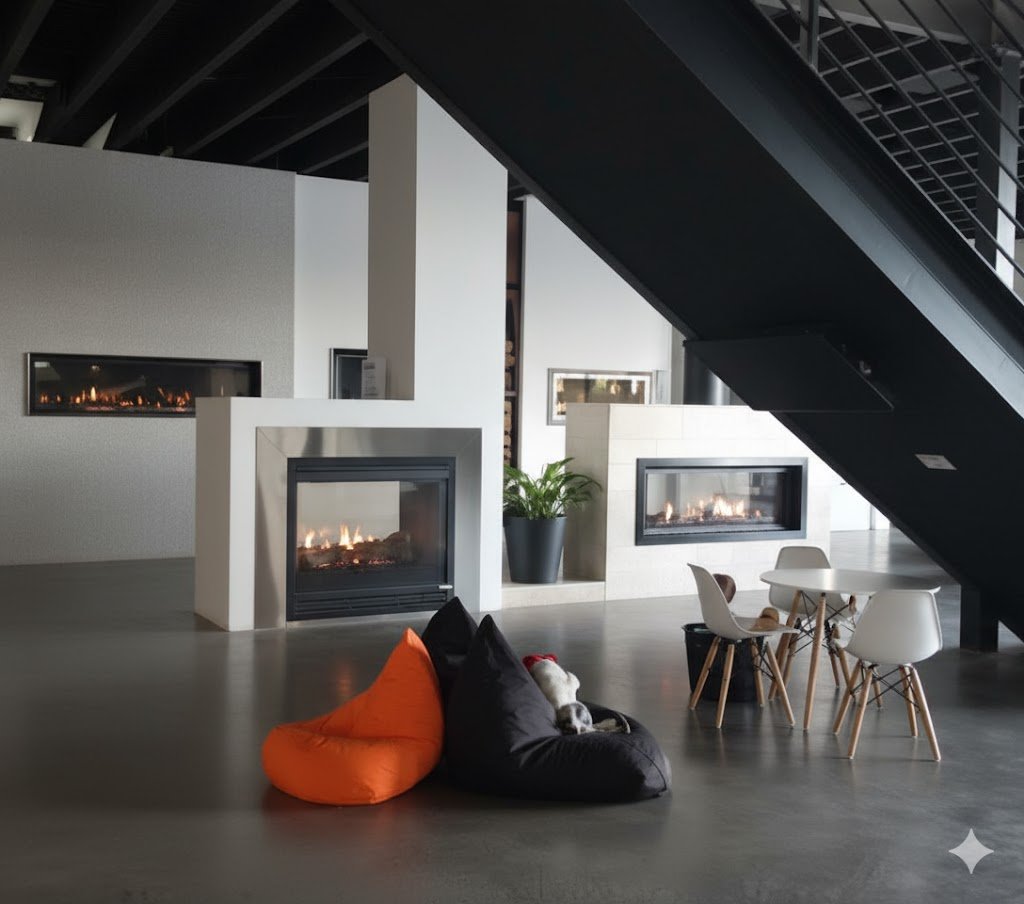
The flames, while impressive, still aren’t quite perfect. If you look closely, you can tell they’re artificial. The patterns repeat. The light quality is slightly off. It’s like watching a really good CGI effect in a movie. It’s convincing from a distance but doesn’t hold up under scrutiny. For some people, that’s a dealbreaker.
Cheaper models look cheap. You get what you pay for with electric fireplaces. Budget units in the $200 range often have terrible flame effects that look obviously fake. They’re made from flimsy materials that won’t last. If you want something that actually looks good, you need to spend at least $500, and really nice units can run $2,000 or more.
They don’t add resale value to your home the way a built in gas or wood fireplace might. Real estate agents don’t get excited about electric fireplaces. Buyers see them as furniture, not home features. When I eventually sell my house, I’ll probably take my electric fireplace with me to the next place.
But for my situation, an electric fireplace has been perfect. I work from home and spend hours in my office every day. Having a beautiful flame effect in the background makes the space feel cozy and inviting. The heat takes the edge off chilly mornings. The instant on/off means I never waste energy. I genuinely love this thing.
The Aesthetic Heart of Any Fireplace
Let’s talk about mantels, because they matter way more than most people realize. A fireplace is often the focal point of a room, and the mantel is the crown jewel of that focal point. I’ve walked into beautiful homes with gorgeous fireplaces that were ruined by ugly, cheap looking mantels. I’ve also seen mediocre fireplaces elevated to stunning by the right mantel choice.
My parents’ house has this massive oak mantel that my grandfather built in 1952. It’s eight feet wide, six inches thick, and hand carved with a leaf pattern. That mantel is probably worth more than the fireplace itself. It’s where we hung Christmas stockings every year. It’s where my mom displays her collection of antique clocks. It’s where every family photo ends up. When people visit our house for the first time, they always comment on that mantel.
Mantel design has evolved like crazy over the years. Traditional mantels are all about ornate details, carved columns, and classical proportions. They’re made from solid wood, usually oak, cherry, or mahogany. They project out from the wall several inches and have elaborate crown molding. These mantels make a statement. They say, “I’m expensive and I know it.”
My grandmother had one of those Victorian era mantels with so much carved detail you could spend an hour just looking at all the flourishes. Grapes, flowers, scrollwork, medallions. It was absolutely stunning and probably took some craftsman months to create. When she passed away, there was nearly a family war over who got to keep that mantel. My uncle won and it’s now in his living room, completely dominating the space in the best possible way.
Modern mantels swing in the opposite direction. Clean lines, minimal ornamentation, often floating on the wall with no visible supports. I’ve seen concrete mantels, steel mantels, even glass mantels. My cousin has a single slab of reclaimed wood as his mantel, rough edges and all, mounted against an exposed brick wall. It looks like something from an upscale industrial loft.
The functionality of a mantel goes beyond aesthetics. It’s prime real estate for decor. People arrange vases, candles, picture frames, plants, books, and about a million other things on their mantels. I change my mantel display with the seasons. Fall brings pumpkins and warm colored leaves. Winter gets evergreen garlands and holiday decorations. Spring features fresh flowers. Summer is all beach themed shells and driftwood.
My friend Sarah treats her mantel like an art gallery. She rotates different pieces through on a monthly basis. Sculptures, paintings, pottery. She says it keeps her living room from feeling stagnant. I visited her house twelve times last year and the mantel looked completely different each time. Her Instagram feed is basically just mantel styling photos at this point.
But here’s the thing nobody tells you about mantels until you own one. They’re dust magnets. Every surface collects dust, and mantels, being horizontal and often high up, collect it faster than anything else in your house. I swear I can dust my mantel and by the next day there’s already a visible layer forming. It’s endless.
The height and depth of your mantel matters for both function and safety. Mantels that are too low don’t provide enough clearance from the heat source. I’ve seen melted candles and scorched picture frames because people didn’t respect the heat rising from their fireplaces. Most building codes require mantels to be at least 12 inches above the firebox opening, more for larger fireplaces.
Depth is a balancing act. Too shallow and your mantel can’t hold much. Too deep and it protrudes awkwardly into the room. The standard is about 6-8 inches deep, which gives you enough display space without the mantel becoming a head bumping hazard. I’ve cracked my skull on a too deep mantel at a friend’s house. Not fun.
Electric fireplace mantels have opened up new possibilities because you don’t have to worry about heat clearance as much. You can have a TV mounted right above your electric fireplace without worrying about heat damage. You can put temperature sensitive items directly on the mantel. The flexibility is nice, though purists argue it looks wrong to have a TV above a fireplace regardless of safety concerns.
Material choice affects both appearance and maintenance. Wood mantels develop character over time. They might warp slightly, develop small cracks, change color. That can be charming or annoying depending on your perspective. Stone mantels are incredibly durable but heavy and expensive. You need proper structural support to hold up a granite mantel.
I almost went with a marble mantel for my living room fireplace. It was absolutely gorgeous, gleaming white with gray veining. But the contractor explained that marble is porous and stains easily. Wine, coffee, plant water, basically anything that drips would potentially leave a permanent mark. With three kids in the house, I knew that marble would be a disaster waiting to happen. I went with sealed granite instead.
Custom mantels get expensive fast. I got quotes ranging from $500 for a basic wooden mantel to $3,000 for a custom designed piece with intricate details. The really high end custom mantels can cost $10,000 or more. At that point, you’re paying for artistry, not just functionality. For most people, a quality stock mantel in the $800-1,500 range hits the sweet spot.
Installation isn’t always straightforward. Mantels are heavy and need to be securely anchored to wall studs. A falling mantel could seriously injure someone. I hired a handyman to install mine because I didn’t trust my own carpentry skills. He used lag bolts anchored into three different studs and the thing could probably support a person standing on it.
The mantel shelf height affects your TV placement if you’re mounting a screen above the fireplace. This is a huge debate in home design circles. Some people insist TVs above fireplaces cause neck strain. Others say it’s fine. I mounted my TV about 8 inches above my mantel and haven’t had any issues, but my couch is positioned at the right distance and height for comfortable viewing.
Color coordination between your mantel and the rest of the room makes a big difference. A dark mantel on a light wall creates striking contrast. A matching color palette creates cohesion. I’ve seen rooms where the mantel finish matched the floor stain, which created a really pulled together look. I’ve also seen clashing mantels that felt completely out of place.
Finding the Perfect Electric Fireplace for Your Space
Shopping for an indoor electric fireplace taught me that having too many options can be just as challenging as having too few. I started my search thinking I’d spend an hour browsing and make a quick decision. Three weeks later, I was still comparing specs, reading reviews, and second guessing myself on everything from BTU ratings to LED technology.
The first big decision is whether you want a mantel package, a wall mount unit, an insert, or a media console. Each style serves different needs and spaces. Mantel packages are complete units that include the firebox and surround. They’re freestanding and easy to move if you relocate. Wall mounted units are sleek and modern, floating on the wall like artwork. Inserts slide into existing fireplace openings. Media consoles combine a fireplace with TV stand functionality.
I went with a mantel package for my office because I wanted that traditional fireplace look. My living room has a wall mounted linear unit because the modern aesthetic fits better with my decor. My bedroom has a media console because I needed furniture for my TV anyway. Each location called for a different solution.
Size matters more than you’d think. A tiny 28 inch fireplace looks lost on a large wall. A massive 72 inch unit overwhelms a small room. I made this mistake in my first apartment by buying a fireplace that was way too big for the space. It dominated the entire room and made everything else look cramped. When I moved, I sold that unit and bought something more appropriately scaled.
The rule of thumb is that your fireplace should be roughly two thirds the width of your furniture arrangement. If you have a 90 inch sofa, look for a 60 inch fireplace. This creates visual balance. You want the fireplace to be a focal point without being the only thing anyone notices in the room.
Heating capacity is measured in BTUs and square footage coverage. Most electric fireplaces heat between 400 and 1,000 square feet. Bigger isn’t always better, though. An overpowered heater in a small room will cycle on and off constantly, which is annoying. Match the heating capacity to your actual room size. My office is 200 square feet, so I got a unit rated for 400 square feet, which gives me more than enough heating power without overkill.
Flame technology varies wildly between models. Basic units use colored bulbs behind spinning reflectors. Mid range models use LED arrays with multiple colors and patterns. High end units employ holographic projections or even water vapor to create ultra realistic effects. I spent hours watching YouTube videos comparing flame effects before making my decision. The difference between a $300 fireplace and a $1,200 fireplace is mostly in how realistic the flames look.
Remote control features range from basic on/off to full smart home integration. My office unit has a simple remote with heat settings, flame brightness, and timer functions. My living room unit connects to Alexa and I can control it with voice commands. Being able to say “Alexa, turn on the fireplace” from my couch makes me feel like I’m living in the Jetsons.
Timer functions are more useful than I expected. I set my bedroom fireplace to turn on automatically thirty minutes before my alarm goes off. Waking up to a warm, softly lit room beats the harsh reality of a dark, cold morning. The fireplace turns itself off after I get up, so I’m not wasting electricity all day.
Thermostat features let the unit maintain a specific temperature. Once the room reaches your set point, the heater cycles off while the flames keep going. This is more efficient than just running the heater constantly. My office fireplace keeps the room at exactly 72 degrees without me having to think about it.
Media console fireplaces need to support your TV’s weight and size. Check the weight rating before buying. My 55 inch TV weighs about 40 pounds, so I needed a console rated for at least 50 pounds to be safe. I also had to make sure the console was wide enough. A TV hanging over the edges of its stand looks precarious even if it’s technically secure.
Cabinet space and shelving options matter if you’re using a media console. I needed room for my cable box, gaming console, and a sound bar. Some fireplace consoles have open shelving, others have enclosed cabinets. Consider what you need to store and whether you want that equipment visible or hidden.
Color and finish options let you match existing furniture. Electric fireplaces come in white, black, espresso, oak, cherry, gray wash, and probably twenty other finishes. I spent embarrassing amounts of time with paint chips and wood samples trying to find the perfect match for my existing furniture. My wife finally told me to just pick one because nobody else would notice the subtle difference in wood tones that I was obsessing over.
Assembly requirements vary. Some units come fully assembled, others require significant setup. I bought one unit that came in approximately eight million pieces and took me four hours to assemble. I used words I don’t normally say while struggling to align pre drilled holes that didn’t quite line up. Read reviews specifically about assembly before buying. If multiple people complain about difficult assembly, believe them.
Budget considerations can’t be ignored. You can find electric fireplaces ranging from $150 to $5,000. The sweet spot for quality units seems to be around $600-1,200. Below $400, you’re usually getting lower quality construction and less realistic flame effects. Above $2,000, you’re paying for premium features like smartphone apps and designer aesthetics that may or may not be worth it to you.
Warranty coverage varies. Look for at least a one year warranty on the entire unit and longer coverage on the heating element. Some manufacturers offer extended warranties for an additional fee. I bought the extended warranty on my living room unit and ended up using it when the flame motor failed after 18 months. The repair would have cost $300 but was covered under warranty.
Return policies matter because you can’t truly judge a fireplace until it’s in your space. I ordered two different units, set them both up, lived with each for a few days, and returned one. Being able to do an at home comparison was invaluable. Make sure you order from retailers with good return policies and keep all the packaging until you’re certain you’re keeping the unit.
Energy efficiency impacts your electric bill. LED based models use less power than older incandescent designs. The difference might only be a few dollars per month, but over years of use, it adds up. Check the listed wattage before buying. Most quality units use between 750-1500 watts on full heat setting.
Noise level is something people rarely mention but definitely notice. Some electric fireplaces are whisper quiet. Others have fan motors that create a noticeable hum. I bought one unit that was so loud I could hear it over my TV at normal volume. That sucker got returned immediately. Read reviews specifically mentioning noise before committing to a purchase.
Why Electric Fireplaces Are Winning
I’ve lived with all three major fireplace types and I keep coming back to electric. That’s not just personal preference talking. There are legitimate, practical reasons why electric fireplaces are taking over the market. Walking through a home improvement store recently, I noticed electric models now take up about 60% of the fireplace display area. That’s a huge shift from even five years ago.
The installation simplicity alone makes electric fireplaces winners for most people. I helped my dad install a gas fireplace in his den last year. We had to hire a plumber to run a gas line, a contractor to frame and vent the fireplace, and an electrician to wire the fan and ignition system. The whole project took three weeks and cost about $4,000 in labor alone before we even paid for the fireplace unit. My electric fireplace installation involved removing a cardboard box and plugging in a cord. Total time investment was under an hour. Total cost beyond the unit itself was zero dollars.
Maintenance costs tell a similar story. My wood burning fireplace required annual chimney sweeping at $250, regular ash removal, buying several cords of wood per winter at roughly $300, and replacing the firebox grate every few years. My gas fireplace needed annual service calls at $150, occasional pilot light repairs, and it cost $150-200 monthly to run during winter. My electric fireplaces require literally no maintenance beyond occasional dusting. The operating cost is about $10-15 per month. The math strongly favors electric.
Safety statistics lean heavily toward electric. The National Fire Protection Association reports thousands of home fires caused by wood and gas fireplaces every year. Electric fireplaces cause virtually zero fires outside of standard electrical issues that could happen with any appliance. There’s no carbon monoxide risk, no chimney fire danger, no gas leak possibility. My insurance agent actually lowered my homeowner’s premium slightly when I switched from gas to electric.
The flexibility to install anywhere fundamentally changes how you think about heating and ambiance. I put an electric fireplace in my basement home gym. You couldn’t safely vent a gas fireplace down there, and a wood burning fireplace would be absurd. That electric unit provides heat during winter workout sessions and creates a much more inviting atmosphere than the cold concrete box the basement used to be.
My neighbor turned her awkward hallway nook into a cozy reading spot by adding a small electric fireplace. Another friend installed one in his home office. My sister has one in her master bathroom, creating a spa atmosphere that would be impossible with traditional fireplaces. This flexibility opens up design possibilities that weren’t practical before.
Real estate trends are slowly starting to recognize electric fireplace value. They might not add as much value as a built in gas fireplace, but buyers appreciate them more than they used to. I’ve watched home listing videos where agents specifically highlight the quality electric fireplaces as selling points. The perception is changing from “that’s not a real fireplace” to “that’s a smart, practical choice.”
The environmental argument for electric fireplaces is getting stronger as the electrical grid becomes greener. Burning wood releases particulate matter and carbon into the atmosphere. Natural gas, while cleaner than wood, still produces greenhouse gases. Electricity can come from renewable sources like solar, wind, and hydro. My home has solar panels, which means my electric fireplace is essentially powered by sunshine. That’s pretty cool when you think about it.
Aesthetic versatility keeps improving. I recently saw an electric fireplace display that looked so convincing I had to walk up and touch it to confirm it wasn’t real. The flames danced naturally, the ember bed glowed realistically, and the overall effect was stunning. Companies are investing serious money into making electric units look authentic, and it’s working.
The customization options keep expanding. Last month I saw an electric fireplace that could sync its flame colors to your music. Another model featured adjustable flame height and speed settings that let you create everything from a gentle flicker to a roaring inferno. The technology is advancing so quickly that units from just three years ago already look dated compared to what’s available now.
Smart home integration is becoming standard rather than optional. Most new electric fireplaces work with Alexa, Google Home, or Apple HomeKit. You can create schedules, set scenes, and control everything from your phone. I have mine programmed to turn on when my phone’s GPS detects I’m within a mile of home on winter evenings. Walking into a warm, cozy house beats coming home to a cold, dark one every single time.
The cost barrier keeps dropping. Decent electric fireplaces that would have cost $2,000 five years ago now sell for $800. Competition has driven prices down while quality has improved. You get more features, better flame effects, and longer warranties for less money than ever before. The value proposition gets stronger every year.
Rental friendly installation is a massive advantage that renters desperately need. You can’t install a gas line or wood burning fireplace in an apartment. You can absolutely use an electric fireplace. When you move, you just unplug it and take it with you. I lived in four different apartments before buying a house, and I moved the same electric fireplace to each one. That portability saved me from buying heaters and gave me a focal point in every living room.
The instant gratification factor matters more than we like to admit. I want heat now, not in thirty minutes after building a fire or waiting for gas flames to warm up the room. Electric fireplaces deliver immediate heat and immediate ambiance. Press a button and boom, you’re done. In our instant everything culture, that immediacy feels right.
Allergy and asthma sufferers benefit hugely from electric fireplaces. No smoke means no respiratory irritation. My wife has asthma that’s triggered by wood smoke. For years, we couldn’t use our wood fireplace without her needing her inhaler. Switching to electric meant we could finally enjoy a fireplace experience without health consequences. That’s not a small thing for people with breathing issues.
The quiet operation creates ambiance without disruption. You can have an electric fireplace running during a dinner party, a movie, or while you’re trying to sleep. Compare that to a wood fire that pops and cracks loudly or a gas fireplace with a noisy fan. The silence is actually a feature, not a bug.
Year round usability extends the value beyond winter heating. I run my living room fireplace flames with no heat during summer evenings. It creates a relaxing atmosphere for reading or entertaining without adding warmth. Try doing that with a gas or wood fireplace. You’d roast yourself out of the room.
Multi room installations become affordable and practical with electric units. I have three electric fireplaces in my house for less total cost than installing a single gas fireplace would have required. Each room gets its own ambiance and heat source. This distributed heating approach often makes more sense than trying to heat your entire house from one central fireplace.
Technology improvements keep coming. I’m watching the development of new holographic flame technologies that promise even more realistic effects. Water vapor fireplaces that create steam “flames” which look incredibly authentic. LED advances that will make current flame effects look primitive. The electric fireplace category is still evolving rapidly while wood and gas technologies are basically mature.
The plug and play simplicity means anyone can have a fireplace. You don’t need a contractor, plumber, electrician, or chimney sweep. You don’t need special permits or inspections. You just need an electrical outlet and a spot to put the unit. My 75 year old mother installed one herself. If she can do it, literally anyone can.
Making Your Final Decision
So you’ve read all this and you’re still wondering which fireplace is right for you. I get it. I stood in that same spot three years ago, paralyzed by choices and terrified of making an expensive mistake. Let me walk you through how to actually make this decision based on what matters to you, not what looks cool in a magazine.
Start with your living situation. Do you own your home or rent? If you’re renting, electric is your only real option unless your lease specifically allows modifications. Even if modifications are allowed, why invest thousands in a permanent installation when you might move in a year? Renters need portable solutions. Homeowners have more flexibility but should still consider whether they plan to stay long term.
Think about your actual usage patterns. Be honest with yourself here. I thought I’d use my wood fireplace constantly. Reality was I used it maybe twenty times per winter because the hassle of getting it started outweighed the enjoyment most evenings. If you’re busy, tired, or not particularly handy, convenience matters more than authenticity. Don’t buy a high maintenance fireplace if you won’t maintain it.
Budget needs to include total cost of ownership, not just purchase price. A cheap wood burning fireplace seems like a bargain until you factor in chimney cleaning, wood purchases, repairs, and higher insurance premiums. A gas fireplace might cost more upfront but fuel costs add up over years. Electric fireplaces have higher initial costs than basic wood units but minimal ongoing expenses. Run the numbers for five years, not just the first year.
Your home’s existing infrastructure matters tremendously. Do you have a chimney? Is there a gas line? Where are your electrical outlets? Working with what you have saves money. My house had an existing wood burning fireplace with a good chimney. Converting it to gas would have been expensive. Adding an electric insert made more sense financially.
Climate affects which features you’ll actually use. If you live somewhere with mild winters, heating capability might not matter much. You might want a fireplace purely for ambiance. If you’re in a cold climate, heating efficiency becomes critical. I live in a place with brutal winters. My fireplaces need to actually warm rooms, not just look pretty. Your climate should drive your priorities.
Physical limitations and life stage matter. My parents are in their 70s and hauling firewood is no longer realistic. My sister has twin toddlers and safety is her top concern. My friend is a young single guy in an apartment who just wants something that looks cool. Each of these situations points toward different solutions. Match the fireplace to your life circumstances, not to some idealized version of yourself.
Room layout and size influence what will actually work. A 72 inch linear fireplace looks amazing in a spacious open concept living room. That same unit would overwhelm a small den. I measured my rooms carefully and looked at sight lines from different seating positions before choosing sizes. Bring a tape measure when you shop and actually measure things.
Design aesthetic needs to complement your existing decor. A ultra modern wall mounted electric fireplace will look weird in a traditional colonial style home. A massive ornate wood burning fireplace feels out of place in a minimalist contemporary space. I made this mistake by buying a fireplace I loved without considering whether it fit my home’s overall style. It looked great in the showroom and awkward in my living room.
Family dynamics and household composition should factor in. Do you have kids who might get hurt? Pets that might get too close? Roommates who will actually help with maintenance? An elderly parent who needs simple operation? Think about everyone who lives in your home and how they’ll interact with the fireplace.
Local regulations and building codes can limit your options. Some cities restrict wood burning on high pollution days. Some condo associations prohibit gas installations. Some historic districts have specific requirements. Check local rules before falling in love with a particular type. I almost bought a ventless gas fireplace before learning my city doesn’t allow them.
Professional installation costs vary wildly by location and complexity. Get multiple quotes if you’re considering gas or significant wood burning modifications. I got estimates ranging from $2,000 to $7,000 for the same gas fireplace installation. The contractors were all qualified but their pricing strategies differed dramatically. Shop around and don’t assume the most expensive quote is automatically the best.
Future flexibility might matter more than you think. If you might move, electric fireplaces go with you. If you might renovate, a built in fireplace becomes a constraint on your design options. If your heating needs might change, modular solutions give you more flexibility. I chose electric partially because I knew I might want to reconfigure my rooms later.
Energy costs in your area affect operating expenses dramatically. Natural gas is cheap in some regions and expensive in others. Electricity rates vary. Wood costs depend on local availability. Research actual costs in your area, not national averages. What makes sense in Texas might be impractical in Maine.
Personal values and priorities ultimately drive the decision. If you value authenticity above all else, you probably want wood. If convenience is king, go electric. If you want a middle ground, consider gas. If environmental impact matters most, calculate the carbon footprint of each option for your specific situation. There’s no universally correct answer.
I ended up with electric fireplaces throughout my current home. That choice works perfectly for my situation. Busy work schedule, desire for flexibility, concern about safety with kids visiting, and appreciation for low maintenance all pointed me toward electric. Your situation is different, so your answer might be different.
The best fireplace is the one you’ll actually use and enjoy. A perfect wood burning fireplace that sits unused because it’s too much hassle is worse than a simple electric unit that gets used constantly. Don’t let anyone make you feel bad about choosing convenience over tradition or vice versa. Your home, your choice, your enjoyment.
Take your time with this decision. Visit showrooms and actually see the units in person. Watch them operate. Ask questions. Read reviews from actual owners, not just professional reviewers. Talk to friends who have different fireplace types. The more information you gather, the more confident you’ll feel about your choice.
And remember, this isn’t necessarily a permanent decision. I’ve changed my fireplace setup twice in ten years. Technology improves, needs change, homes change. What works now might not work forever, and that’s fine. Make the best choice for your current situation and trust that you can adjust later if needed.
The perfect fireplace for you is out there. It matches your budget, fits your lifestyle, complements your home, and brings you joy when you use it. Whether that’s a crackling wood fire, a convenient gas flame, or a high tech electric unit doesn’t really matter. What matters is that it makes your house feel more like home.

Leave a Comment