
Let me ask you something. What’s the first room you think about when you get home after a terrible day? Not your living room with its fancy couch. Not your kitchen with all those expensive appliances you bought on sale. It’s your bedroom, right? That’s where I head every single time life decides to throw a curveball my way.
There’s something special about the bedroom that no other room in your house can match. It’s your personal retreat, your private sanctuary, the one place where the rest of the world doesn’t get to follow you. When I close that bedroom door behind me, everything outside stops mattering quite so much. The bills, the traffic, the annoying coworker who won’t stop talking about their weekend plans. All of it fades away.
Your bedroom serves purposes that go way beyond just having a place to sleep. Sure, that’s the primary function, and we’ll talk plenty about sleep quality later. But think about all the other moments that happen in that space. It’s where you decompress after work, scrolling through your phone or reading a book. It’s where you have those late night conversations with your partner about everything and nothing. It’s where you get ready in the morning, psyching yourself up for whatever the day might bring.
I spent years treating my bedroom like an afterthought. The living room got all my attention and decorating budget. That’s where guests would see, right? That’s what mattered. My bedroom had whatever furniture I could afford at the time, mismatched pieces that sort of worked together but not really. A bed I bought in college that sagged in the middle. A dresser inherited from my parents that didn’t quite match anything else.
The turning point came on a particularly rough Tuesday. Work had been brutal, traffic was worse than usual, and I just wanted to collapse somewhere comfortable. I walked into my bedroom and looked around. Really looked at it for the first time in months. The space felt depressing. The saggy bed, the cluttered surfaces, the general sense that nobody really cared about this room. That’s when it hit me. I was spending roughly a third of my life in this room, and I’d put zero effort into making it a place I actually wanted to be.
Privacy is another huge factor that we don’t talk about enough. Your bedroom is the only room in your house where you can truly be alone with your thoughts. No roommates, no family members, no unexpected visitors. Just you and your space. That level of privacy is getting harder and harder to find in our connected, always-on world. Your bedroom might be the last refuge of genuine solitude that you have.
I remember visiting a friend who lived in a tiny studio apartment. No separate bedroom, just one big room that served every function. She told me the hardest part wasn’t the lack of space. It was the lack of mental separation between her sleeping area and everything else. When work stress followed her into the same physical space where she tried to sleep, her brain couldn’t fully relax. She eventually put up a room divider just to create some psychological boundary.
That conversation stuck with me. It made me realize how lucky I was to have a separate bedroom, even if it wasn’t particularly nice. The physical separation between my bedroom and the rest of my life mattered more than I’d appreciated. Walking through that doorway was like crossing a threshold into a different mode of existence. Or at least, it could be if I bothered to make the space feel like a sanctuary.
The bedroom is where we’re most vulnerable. We sleep there, which means we’re unconscious and completely defenseless for hours at a time. We get dressed there, literally at our most exposed. We store our most personal belongings there. We retreat there when we’re sick or upset or just need to hide from the world for a while. That vulnerability requires a space that feels safe and comfortable.
My old bedroom didn’t feel safe in an emotional sense. Not because of any physical danger, but because the environment itself was uncomfortable and uninviting. The bed hurt my back. The clutter on every surface created visual stress. The whole room felt like it was judging me for not having my life together. That’s no way to live, especially not in the one space that’s supposed to be entirely yours.
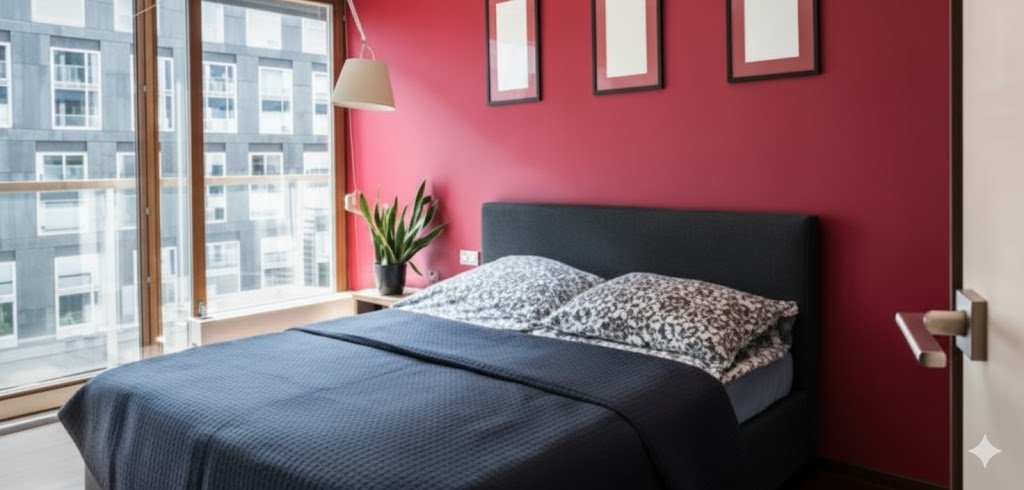
When I finally decided to transform my bedroom into something better, I started by simply sitting in there and paying attention to how the space made me feel. Not how it looked, but how it felt. The answer was uncomfortable, anxious, and vaguely sad. Not exactly the emotions you want associated with your personal sanctuary. That honest assessment became the starting point for everything that followed.
Your bedroom doesn’t need to be perfect or magazine-worthy. Mine certainly isn’t. But it does need to be yours in a meaningful way. It needs to reflect what you need from that space and support the activities that happen there. For me, that meant prioritizing comfort and calm over everything else. For you, it might mean something different. The key is figuring out what your bedroom needs to be and then making it happen.
The relationship you have with your bedroom affects your quality of life more than most people realize. When you dread going into that space or feel uncomfortable once you’re there, it impacts your sleep, your stress levels, and your overall wellbeing. When you love your bedroom and feel genuinely relaxed there, everything else gets a little bit easier. That’s not an exaggeration. The science backs this up, but honestly, you don’t need studies to tell you what you already know from experience.
Sleep and Rest Are Non-Negotiable
Here’s a fact that nobody likes to hear. You need sleep. Not want, need. Your body requires it the same way it requires food and water. I spent my twenties trying to prove this wrong, running on five hours of sleep per night, chugging coffee, convincing myself I was one of those special people who just didn’t need much rest. Spoiler alert, I wasn’t special. I was exhausted, irritable, and slowly destroying my health.
The bedroom serves as your recharging station. Every night, your body goes through this incredible process of repair and restoration. Your muscles recover from the day’s activities. Your brain processes memories and consolidates learning. Your immune system ramps up production of protective cells. Your metabolism regulates itself. All of this happens while you’re unconscious, completely unaware of the complex biological processes keeping you alive and healthy.
But here’s the catch. All that repair and restoration only happens properly when you get good quality sleep. Not just any sleep, but deep, restful sleep in an environment that supports these processes. Your bedroom plays a direct role in whether your body can do its nightly maintenance routine effectively. A uncomfortable bedroom means poor sleep, which means your body can’t fully recover. Do that night after night, and you’re basically running your body into the ground.
I didn’t understand this connection for the longest time. I blamed my exhaustion on work stress, on getting older, on just about everything except my terrible bedroom setup. My bed was uncomfortable, sure, but I figured I’d get used to it. My room was too bright from streetlights outside, but I told myself I could sleep through anything. The temperature fluctuated wildly, but I just threw on more blankets or kicked them off as needed.
What I didn’t realize was that all these small discomforts were fragmenting my sleep. I wasn’t waking up fully most of the time, but my body was shifting between sleep stages in response to discomfort. The too-bright room kept me from reaching the deepest sleep stages. The uncomfortable mattress made me toss and turn. The temperature changes pulled me toward wakefulness multiple times per night. I was in bed for eight hours but only getting maybe five hours of actually restorative sleep.
The effects accumulated over time. I noticed I was getting sick more often, just minor colds and stuff, but more frequently than before. My focus at work got worse. I snapped at people over tiny frustrations. My gym performance plateaued despite consistent training. Everything felt harder than it should be. All of this stemmed from chronically poor sleep quality caused by a bedroom that wasn’t doing its job.
Rest goes beyond just nighttime sleep. Your bedroom is where you go when you need to rest during the day too. Maybe you’re recovering from an illness and need to spend more time in bed. Maybe you just need to lie down for twenty minutes to reset your brain. Maybe you want to read quietly without distractions. The bedroom should support all these different types of rest, not just nighttime sleep.
I started paying attention to how my body felt in different environments. When I stayed at a nice hotel with a comfortable bed and good blackout curtains, I woke up feeling genuinely refreshed. When I visited my parents and slept in their guest room with its excellent mattress and quiet location, same thing. Then I’d come home to my own bedroom and feel like garbage after a night’s sleep. The pattern was obvious once I stopped ignoring it.
Your body knows what it needs even when your conscious mind is trying to tough it out or cut corners. That persistent lower back pain? That’s your body telling you your mattress isn’t supportive enough. Those morning headaches? Could be tension from an uncomfortable pillow. That general sense of grogginess that takes until noon to shake off? That’s incomplete sleep recovery talking.
Making your bedroom comfortable enough for proper rest isn’t a luxury or an indulgence. It’s basic maintenance for your most important asset, which is your body. You can’t replace your body when it breaks down. You can’t trade it in for a new model. You get one, and you need to take care of it. Creating a bedroom environment that supports good sleep is one of the most straightforward ways to do that.
The investment in bedroom comfort pays dividends every single day. Better sleep means better mood. Better mood means better relationships and more productivity. More productivity means career advancement. Career advancement means more financial security. I’m not saying a new mattress will make you rich, but the chain of effects from good sleep ripples out into every area of your life in ways you might not immediately connect.
Sleep deprivation is so normalized in our culture that we’ve lost sight of how destructive it is. People brag about how little sleep they need like it’s a badge of honor. Entrepreneurs talk about their four-hour sleep schedules as proof of their dedication. We’ve turned sleep into this optional thing you do if you have time, rather than recognizing it as the biological necessity it is.
I bought into that mindset for years. Sleeping felt like wasting time. There were always more things to do, more shows to watch, more work to finish. Sleep could wait. The bedroom was just a place to crash when I literally couldn’t keep my eyes open anymore. That approach caught up with me eventually, and the payback was rough. Don’t make the same mistake I did.
Your bedroom’s main job is supporting sleep and rest. Everything else is secondary. The aesthetics don’t matter if the space doesn’t help you sleep well. The style doesn’t matter if you wake up in pain. The trendiness doesn’t matter if you feel anxious and restless in there. Function comes before form when it comes to bedrooms, and the primary function is giving your body the environment it needs to recover from each day and prepare for the next.
Taking Stock of What You Have
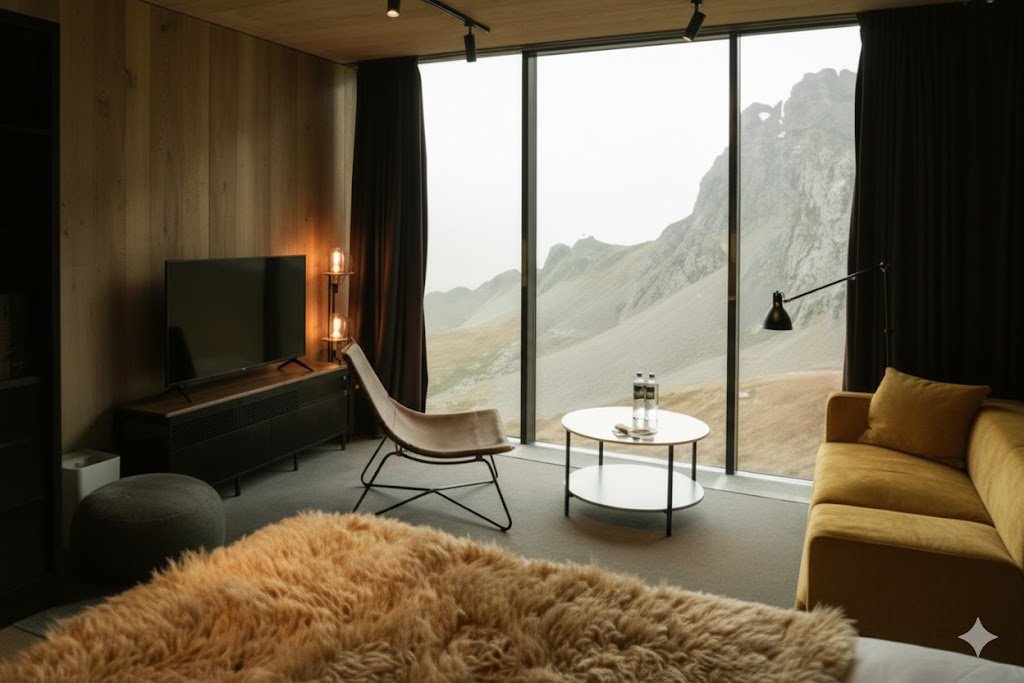
Before you change anything about your bedroom, you need to understand what you’re working with right now. I know this sounds obvious, but most people skip this step. They see something in a store or online, think it looks nice, buy it, and then wonder why it doesn’t fix their bedroom problems. Guilty as charged, by the way. I’ve made this mistake more times than I care to admit.
Start with your bed since it’s the most important piece in the room. Lie down on it and actually pay attention to how it feels. Not just whether it’s comfortable in a general sense, but specific details. Does your lower back feel supported or does it sink too much? Do your shoulders and hips press uncomfortably into the mattress or does it cushion them? Can you feel springs or hard spots poking through? When you wake up in the morning, do you feel refreshed or do various body parts hurt?
I did this assessment with my old bed and the results were depressing. My lower back sank way too far into the mattress, creating this curved position that my spine definitely didn’t appreciate. I could feel individual springs poking into my shoulder blades. The mattress had a permanent body-shaped depression where I normally slept. When I rolled to the other side, I literally rolled uphill out of the depression. No wonder I was waking up feeling like I’d been in a minor car accident every morning.
Your bed frame matters too. Is it sturdy or does it creak and shift when you move? Does it sit at a comfortable height or is it too low to the ground or too high? Mine was one of those cheap metal frames that squeaked every time I shifted position. Not exactly conducive to restful sleep when every movement sounds like you’re torturing a small animal.
Move on to your other bedroom furniture. Your dresser, nightstands, wardrobe, whatever else you have in there. Do these pieces serve their intended purpose or are they just taking up space? My dresser drawers were so jammed full that I couldn’t actually use the bottom two drawers. They were stuck closed from overpacking. That meant I had clothes piled on top of the dresser, on the chair in the corner, basically everywhere except where they belonged.
Check your nightstands or whatever you’re using as bedside tables. Can you actually reach them from bed or do you have to perform gymnastics to grab your phone or a glass of water? Do they have enough surface space for the things you keep bedside? Mine were these tiny tables that could barely hold a lamp and my phone. Everything else ended up on the floor, creating a tripping hazard when I stumbled to the bathroom at 3 AM.
Lighting is a big deal in bedrooms but easy to overlook during assessment. What are your light sources? Do you have control over them or is it all or nothing? My bedroom had one overhead light controlled by a switch near the door. That meant I either had harsh overhead lighting or complete darkness. No in-between, no bedside lamps for reading, no way to create a relaxing atmosphere. Just institutional brightness or pitch black.
Take stock of your window situation. What kind of light comes through during the day and night? Can you block it out effectively if needed? My bedroom faced east, which meant the rising sun turned my room into a spotlight every morning around 6 AM. Great for waking up naturally if that’s what you want. Terrible if you’re trying to sleep in on a weekend or work a night shift.
Temperature control deserves attention during your assessment. Does your bedroom get too hot or too cold? Can you regulate the temperature easily or are you at the mercy of whatever your central system decides to do? My bedroom was above the garage, which meant it was always about ten degrees warmer than the rest of the house. Summer nights were brutal. I’d wake up sweating, throw off all the covers, then wake up cold an hour later when the AC finally kicked in.
Storage is another factor people often ignore. Do you have enough space to put things away or does clutter accumulate because you have nowhere to put stuff? My bedroom had one tiny closet that barely fit my work clothes. Everything else got piled on that chair in the corner or shoved under the bed. The clutter created this constant low-level stress every time I looked at it.
Think about noise levels too. Can you hear everything happening in the rest of the house or on the street? Is your bedroom positioned somewhere relatively quiet? Mine shared a wall with the living room, which meant I heard the TV, conversations, everything. Privacy and quiet were basically impossible when anyone else was home and awake.
Air quality matters more than you’d think. Does your bedroom smell fresh or is there a musty, stale quality to the air? Can you open windows for ventilation or are you stuck with whatever air circulation your HVAC provides? My bedroom had this slightly musty smell that I’d gotten so used to I didn’t even notice it anymore. My partner pointed it out one day and I realized yeah, the air in there was pretty stale.
Write all this down. Literally make a list of everything that’s working and everything that isn’t. Be brutally honest. Nobody’s judging you. This assessment is just for you. When I finally did this exercise, my “not working” list was about three times longer than my “working” list. That was discouraging initially, but at least it gave me a clear picture of what needed to change.
The point of this assessment isn’t to make you feel bad about your current bedroom situation. It’s to give you clarity about where to focus your efforts and money. You can’t fix everything at once unless you’ve got an unlimited budget, which most of us definitely don’t have. But when you know what the specific problems are, you can prioritize. Fix the biggest comfort issues first, then work your way down the list as time and budget allow.
My assessment revealed that my mattress was the single biggest problem. Everything else was annoying or suboptimal, but that mattress was actively harming my sleep quality and causing physical pain. That made my next step obvious. Before I worried about new nightstands or better lighting or any of the other issues, I needed to address that mattress situation. Having that clarity made the whole project feel less overwhelming.
The Bed Is Everything
Let’s talk about the most important piece of furniture in your bedroom. Actually, the most important piece of furniture in your entire house. Your bed. This is where you spend roughly a third of your life. Eight hours a day, every day, for your entire existence. The math adds up fast. If you live to 80, you’ll have spent about 26 years in bed. That’s longer than most marriages last.
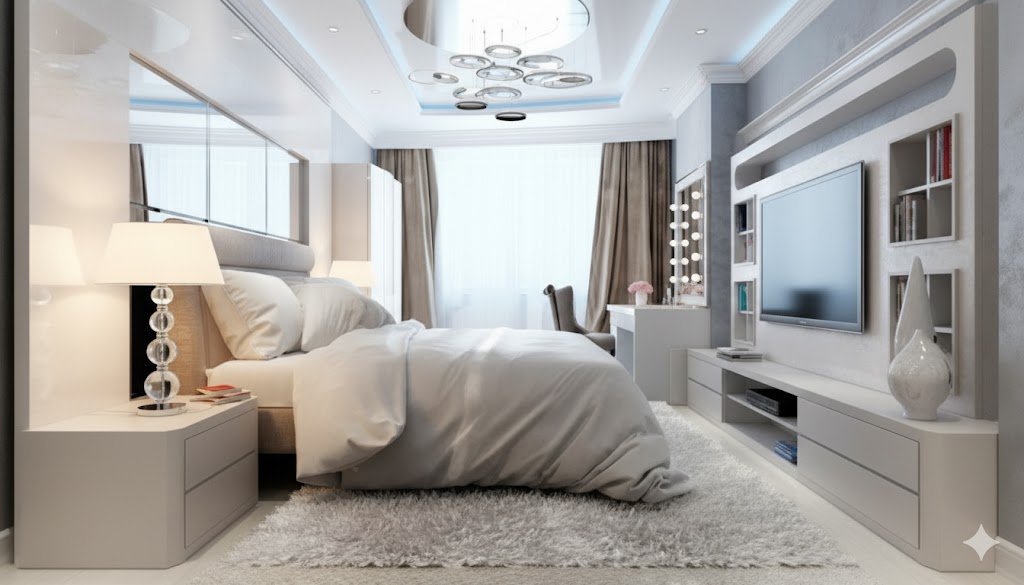
Given that time investment, you’d think everyone would prioritize getting the best bed possible. But we don’t. We cheap out on mattresses. We keep using beds that stopped being comfortable years ago. We sleep on hand-me-downs and clearance items and whatever we grabbed in college that technically still functions. I did all of this. For way too long.
The quality of your bed directly affects the quality of your sleep, which directly affects the quality of your life. This isn’t an exaggeration. Poor sleep from a bad bed leads to physical pain, mental fog, mood problems, health issues, and a general sense that life is harder than it should be. I experienced all of these effects before I finally upgraded my bed situation.
Lower back pain is probably the most common complaint from bad beds. Your spine has natural curves that need support throughout the night. A mattress that’s too soft lets your back sag into positions it shouldn’t be in. A mattress that’s too firm creates pressure points and doesn’t accommodate your body’s shape. Either way, you wake up hurting. I dealt with chronic lower back pain for two years before I connected it to my terrible mattress.
Neck problems come from bad pillows usually, but the mattress plays a role too. If your mattress doesn’t keep your spine aligned, your neck has to compensate. That creates tension and strain that builds up night after night. I’d wake up with headaches several times a week. Sometimes my neck felt so stiff I couldn’t turn my head properly. Massages and pain relievers helped temporarily, but they didn’t address the root cause, which was my sleep setup.
The mood effects of poor sleep are real and significant. When you don’t sleep well, everything annoys you more. You have less patience with people. Small problems feel insurmountable. Your stress response is heightened. Your emotional regulation is impaired. I became a genuinely unpleasant person to be around during those years of bad sleep. My partner can confirm this. So can my coworkers, probably.
High quality beds cost money, there’s no getting around that fact. A good mattress might run you $1000 to $2000 or more. That’s a lot of money upfront. But break it down over the lifespan of the mattress. If you use it for 10 years, that $1500 mattress costs you $150 per year, or about 40 cents per day. You probably spend more than that on coffee every morning. For something you use eight hours every single day, that’s a bargain.
I struggled with this math when I was shopping for a new mattress. Spending $1500 felt outrageous. That was more than I’d ever spent on any single piece of furniture. I kept trying to find cheaper options that might work just as well. I probably wasted 40 hours researching budget mattresses, trying to convince myself I could find a miracle deal. Eventually I accepted that I needed to invest properly in this purchase.
The difference between a low quality bed and a high quality one is immediately obvious. The first night I slept on my new mattress, I woke up amazed at how different my body felt. No back pain. No stiffness. I actually felt rested. It sounds dramatic, but it genuinely changed my life. That one purchase improved my sleep quality more than anything else I’ve ever tried.
Material quality matters in beds. Cheap mattresses use low-density foam that breaks down quickly. Budget bed frames use thin metal or particle board that won’t last. These pieces might seem fine initially, but they degrade fast. That cheap mattress will develop sagging and indentations within a year or two. That flimsy frame will start squeaking and wobbling. You’ll end up replacing them sooner and spending more money in the long run.
Good quality beds last for years. My new mattress has a 20-year warranty. The bed frame is solid wood construction that should outlast me. These pieces cost more upfront but their longevity makes them more economical over time. You’re making one substantial investment instead of repeatedly buying cheap replacements that don’t perform well.
Comfort isn’t the only benefit of quality beds. They look better too. A well-made bed frame adds something to your bedroom aesthetically. It becomes a focal point, a piece you’re proud to have in your space. My old metal frame was something I tried to hide with blankets and pillows. My new wood frame is something I actively want people to see. It elevates the entire room.
The foundation of bedroom comfort starts with your bed. You can have perfect lighting, ideal temperature, and beautiful furniture everywhere else. But if your bed is uncomfortable, none of that other stuff matters. You’ll still sleep poorly. You’ll still wake up in pain. You’ll still feel exhausted. The bed is the one thing you absolutely cannot compromise on.
Shopping for beds is overwhelming, I won’t lie. There are thousands of options in every conceivable style, material, and price point. Memory foam, innerspring, hybrid, latex. Platform frames, adjustable bases, storage beds. King, queen, full, twin. The choices are paralyzing. I stood in a mattress store for 45 minutes just staring at options, completely unable to make a decision.
Here’s what helped me. I focused on how the bed felt rather than its specifications or marketing claims. I laid on probably twenty different mattresses, spending a few minutes on each one. I paid attention to how my body responded. Some felt immediately wrong. Others felt okay but not great. One felt like it was custom-made for my body. That’s the one I bought. Trusting your body’s feedback is more reliable than trusting some salesperson’s pitch about revolutionary foam technology.
Don’t rush this decision. Take your time. Test multiple options. Read reviews, but remember that everyone’s body is different. What works for someone else might not work for you. I almost bought a mattress based on amazing online reviews, but when I actually laid on it in the store, I hated it. That taught me to trust my own experience over other people’s opinions.
Your bed is an investment in yourself. It’s saying that you value your health, your comfort, and your quality of life enough to make them a priority. That might sound cheesy, but it’s true. For years I didn’t think I deserved a nice bed. I’d convince myself that my uncomfortable mattress was fine, that spending money on sleep was wasteful. That mindset kept me in pain and exhausted. Changing it changed everything.
Modern Beds Solve Old Problems
The bed market has changed dramatically over the past couple decades. When I was shopping for my first bed in college, the options were pretty limited. You got an innerspring mattress on a basic frame. Maybe you upgraded to a pillow top if you felt fancy. That was about it. Now? The variety of designs and technologies available is almost overwhelming.
Modern beds address problems that older designs never really solved. Take motion transfer, for example. Traditional innerspring mattresses move as one unit. When your partner shifts position or gets out of bed, you feel it. That movement disrupts your sleep, pulling you toward wakefulness even if you don’t fully wake up. Over the course of a night, these micro-disruptions add up to significantly worse sleep quality.
My old bed was terrible for this. My partner and I called it the earthquake mattress. Any movement on one side rippled across to the other side like a seismic event. If she got up to use the bathroom at 2 AM, I woke up. If I rolled over, she felt it. We were basically disturbing each other’s sleep constantly throughout the night. Neither of us realized how much this affected us until we upgraded to a modern bed that isolated motion.
Modern foam and hybrid mattresses solve the motion transfer problem through material science. The foam or individually wrapped coils absorb movement rather than transmitting it across the surface. When my partner gets out of bed now, I don’t feel a thing. That one feature alone has improved both our sleep quality measurably. We’re not waking each other up anymore, which means we’re both getting more restorative sleep.
Temperature regulation is another area where modern beds excel. Traditional mattresses trap heat. Your body generates warmth throughout the night, and that heat has nowhere to go except into the mattress. You wake up sweating, throw off the covers, then wake up cold when your sweat evaporates. The cycle repeats all night, fragmenting your sleep.
I used to wake up overheated almost every night. I’d flip my pillow to the cool side, stick my feet out from under the blankets, try to find some comfortable temperature. Nothing worked for long. My mattress was essentially a heat sponge, absorbing and holding onto all my body heat. By 3 AM, sleeping on that thing felt like lying on a heating pad.
Modern mattresses incorporate cooling technologies that older designs never had. Gel-infused foams, breathable covers, airflow channels, phase-change materials. These features actively manage temperature instead of just passively absorbing heat. My current mattress stays remarkably temperature-neutral throughout the night. I no longer wake up overheated. That single improvement has made my sleep so much more consistent.
Durability has improved too. Older innerspring mattresses would develop sagging indentations relatively quickly. The springs would lose tension, especially in the areas where you sleep most often. Within a few years, you’d have a permanent body-shaped valley in your bed. I lived with one of those sagging mattresses for way too long. Every night I’d roll into the depression. Every morning I’d climb back out of it.
Quality modern mattresses hold their shape much longer. The materials are more resilient. The construction is more sophisticated. My new mattress has barely changed after three years of nightly use. No sagging, no indentations, no loss of support. It feels as good now as it did when I first got it. That longevity justifies the higher initial cost.
Modern bed frames have evolved too. They’re stronger and more stable than older designs. They accommodate different mattress types better. Many include features like adjustable heights or built-in storage. The engineering has simply gotten better as manufacturers have learned what works and what doesn’t.
My bed frame is this beautifully simple platform design made from solid wood. It weighs probably 200 pounds and doesn’t move or creak at all. Compare that to my old metal frame that weighed maybe 20 pounds and squeaked every time I breathed on it. The stability difference is night and day. A solid, quiet bed frame contributes to better sleep in ways you don’t appreciate until you experience it.
Style options have expanded tremendously with modern beds. You’re not stuck with traditional designs anymore. Platform beds, floating beds, upholstered beds, minimalist frames, industrial styles. Whatever aesthetic you’re going for in your bedroom, there’s a bed design that matches. This flexibility lets your bed become a design element that enhances your room rather than something you try to hide with fancy bedding.
The materials used in modern beds are often more sustainable and health-conscious too. Many manufacturers now use organic materials, low-VOC foams, and sustainably sourced wood. If you care about environmental impact or chemical exposure, modern options give you choices that didn’t really exist in older bed designs.
Shopping for modern beds is easier than it used to be. Online retailers have disrupted the traditional mattress store model. You can order a bed online, try it at home for a few months, and return it if it doesn’t work for you. That risk-free trial period removes a lot of the anxiety from making such a big purchase. I was nervous about buying a mattress online without testing it first, but the 120-day trial period made it feel safe.
The price range for modern beds varies wildly. You can find budget options that incorporate some modern technologies, or you can invest in premium beds with every possible feature. The sweet spot for most people is somewhere in the middle. You don’t need the absolute most expensive option to get significant benefits over older bed designs. You just need to be willing to invest appropriately for your situation.
Modern beds deliver comfort that older designs simply can’t match. The combination of better materials, improved engineering, and thoughtful features creates a sleeping experience that’s qualitatively different. It’s not a small incremental improvement. It’s a fundamental upgrade to how well you can rest at night. That improvement ripples out into every other area of your life, making the investment one of the best decisions you can make for your overall wellbeing.
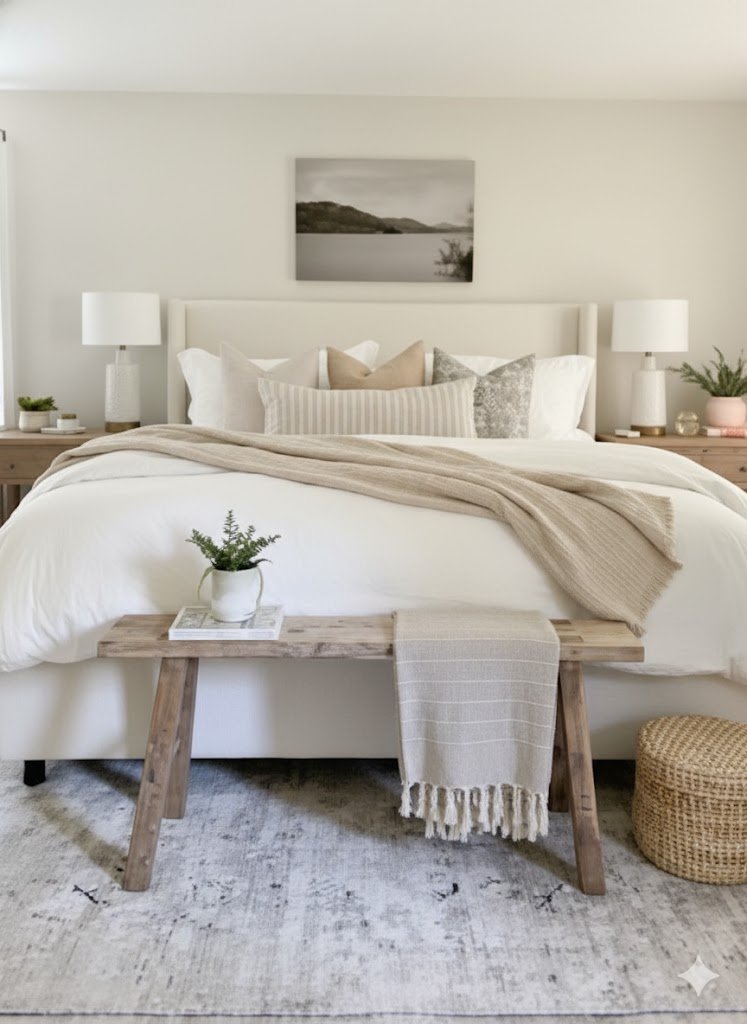
Finding and Choosing Your Perfect Bed
Once you’ve decided to upgrade your bed, the next challenge is actually finding the right one. The process can feel overwhelming with so many options available. I probably spent 60 hours researching before I made my final purchase. Some of that time was necessary. A lot of it was me overthinking things and second-guessing decisions. Let me save you some of that wasted effort.
Online furniture stores have made bed shopping way more convenient. You can browse hundreds of options from your couch, compare prices instantly, read customer reviews, and have everything delivered to your door. No dealing with pushy salespeople or spending entire Saturdays driving from store to store. I bought both my mattress and frame online and the experience was remarkably smooth.
Price is obviously a major factor for most people. Beds available online range from a few hundred dollars to several thousand. The budget options have gotten surprisingly good in recent years. You don’t necessarily need to spend $3000 to get a decent bed. But you probably shouldn’t go for the absolute cheapest option either. Quality costs something. Aim for the best you can reasonably afford rather than stretching to the luxury tier or settling for the bottom barrel.
I set my budget at around $1500 total for mattress and frame combined. That put me in the mid-range category. Not the cheapest options but nowhere near the most expensive either. That budget got me a quality memory foam mattress and a solid wood platform frame. Both have performed excellently for years now. I could have spent less, but I’m glad I didn’t. I could have spent more, but I’m not sure the extra cost would have bought meaningful improvements for my needs.
Style considerations matter when choosing a bed. Your bed is the biggest piece of furniture in your bedroom. It sets the visual tone for the entire space. I wanted something with clean, simple lines that would work with a modern aesthetic. Platform beds fit that requirement perfectly. The minimalist design doesn’t compete with other room elements. It just sits there looking elegant and doing its job.
Materials affect both style and durability. Wood bed frames offer warmth and longevity. Metal frames can look sleek and industrial. Upholstered frames add softness and texture. Each material creates a different vibe in your bedroom. Think about what feeling you want your space to have. My walnut wood frame adds natural warmth that balances the cooler tones in the rest of my room.
Size is a practical consideration you can’t ignore. Measure your bedroom before you shop. Make sure your chosen bed will actually fit with enough space around it to move comfortably. I almost ordered a king-size bed before I actually measured my room. Turned out a king would have left me about 18 inches of walking space on each side. That would have felt cramped. I went with a queen instead and the proportions are much better.
Platform bed frames deserve special mention here. They’ve become incredibly popular for good reasons. The design is simple, sturdy, and works with pretty much any mattress type. You don’t need a box spring, which saves money and reduces the overall height of your bed. The low profile creates a more open, spacious feel in your bedroom. My platform frame was one of the best furniture decisions I’ve ever made.
When shopping online, pay close attention to materials and construction details. Product photos can be misleading. That wood frame might actually be particle board with a wood veneer. Those metal legs might be thin and wobbly rather than substantial. Read the specifications carefully. Look for actual dimensions, weight capacity, and material composition. Heavier frames are generally sturdier. Solid wood is better than particle board. These details matter.
Customer reviews are valuable but require some interpretation. A few negative reviews among hundreds of positive ones are normal. Look for patterns in complaints rather than single incidents. If multiple people mention that a frame is unstable or a mattress develops sagging, that’s a red flag. If someone’s complaint is that the delivery driver was rude, that doesn’t tell you anything about the product quality.
Delivery and setup logistics are worth considering. Some beds arrive fully assembled. Others require significant assembly. My bed frame came in three boxes and took me about 90 minutes to put together. The instructions were clear and I didn’t need any special tools. But if you’re not comfortable with assembly, factor that into your decision. Some retailers offer white-glove delivery where they’ll assemble everything for you.
Return policies give you protection if things don’t work out. Most online mattress companies offer trial periods of 90 to 120 days. If you’re not happy with the mattress, you can return it for a full refund. That removes most of the risk from buying online. Bed frames typically have shorter return windows, often 30 days. Make sure you understand the return process before you buy. Some companies handle returns smoothly. Others make it unnecessarily difficult.
Warranty coverage indicates manufacturer confidence in their product. A mattress with a 20-year warranty tells you the company believes it’ll last. A frame with a 5-year warranty suggests decent quality. Anything less than a year on a mattress is a red flag. These products should last much longer than that. My mattress came with a 20-year warranty and my frame has lifetime coverage for structural defects. That peace of mind was worth something.
Think about special features you might want. Adjustable bases let you raise the head or foot of your bed. Storage beds have drawers built into the frame. Some frames have built-in USB charging ports or LED lighting. These features add cost but they also add convenience. I went with a simple platform frame without extras, but I can see the appeal of built-in storage for smaller bedrooms.
Compatibility between your mattress and frame matters. Most modern mattresses work fine on platform frames. But some specialized mattresses require specific bases. Adjustable mattresses need adjustable bases. Some memory foam mattresses need solid support rather than slats. Check compatibility before you buy. I verified that my chosen mattress would work on my chosen frame before ordering either one.
The ordering process itself should be straightforward. Legitimate retailers have clear websites with detailed product information. The checkout process should be secure and transparent about all costs including shipping. If a website feels sketchy or unprofessional, shop elsewhere. There are too many reliable options to risk dealing with a questionable seller.
Delivery timelines vary widely. Some companies ship within days. Others take weeks or months for custom orders. Make sure you understand when your bed will actually arrive. If you’re getting rid of your old bed, you need to know you won’t be sleeping on the floor while you wait. I coordinated my old bed disposal with my new bed delivery so I wouldn’t have a gap.
Assembly can be challenging for larger frames. My platform bed was manageable for one person but would have been easier with two. Having a helper makes the process faster and reduces the risk of mistakes. If you’re doing it alone, take your time and double-check each step. Rushing through assembly can lead to unstable results or damaged parts.
The first night on your new bed might feel strange. Your body is accustomed to your old bed, even if it was uncomfortable. The new bed will feel different initially. Give yourself a few nights to adjust before deciding if you like it. I almost panicked the first night on my new mattress because it felt firmer than I expected. By night three, my body had adjusted and I realized it was actually perfect.
Price shopping across retailers can save you money. The same mattress might be available from multiple sellers at different prices. I found my mattress for $200 less on one site compared to another. That’s real money saved for literally the same product. Spend 20 minutes comparing prices before you commit to a purchase.
Sales and promotions happen regularly in the bed industry. Memorial Day, Labor Day, Black Friday, and end-of-year sales often bring significant discounts. If you can wait for a sale, you might save 20% to 40%. I waited for a Memorial Day sale and got both my mattress and frame for about 30% off retail prices. That patience saved me almost $500.
Financing options exist if you can’t pay the full amount upfront. Many retailers offer payment plans with zero interest if paid within a certain timeframe. This can make a quality bed more accessible. Just be disciplined about making payments. You don’t want to end up paying interest on a mattress. I used a 12-month zero-interest financing option and paid it off in 10 months to be safe.
Bundle deals sometimes offer savings. Buying a mattress and frame together from the same retailer might get you a discount. Some companies throw in free pillows or sheets with mattress purchases. These extras can offset some of the cost. My mattress came with two free pillows that actually turned out to be pretty decent quality.
Read the fine print on shipping costs. Some retailers offer free shipping. Others charge hefty delivery fees that aren’t obvious until checkout. Those fees can add hundreds to your total cost. Factor shipping into your price comparisons. A slightly more expensive bed with free shipping might actually cost less overall than a cheaper bed with expensive delivery.
Installation and removal services are available from some retailers. They’ll deliver your new bed, set it up, and haul away your old one. This convenience costs extra but might be worth it if you don’t want to deal with disposal. I handled everything myself to save money, but I had to pay a junk removal service to take my old mattress away anyway.
The process of finding and choosing a bed feels daunting at first. But breaking it down into steps makes it manageable. Set your budget. Determine your size and style preferences. Research options that meet those criteria. Read reviews. Compare prices. Make your choice. It’s straightforward when you approach it methodically rather than trying to evaluate everything at once.
Trust your instincts during the process. If something feels off about a product or seller, listen to that feeling. If a deal seems too good to be true, it probably is. If a mattress has rave reviews but something about it doesn’t appeal to you, keep looking. You’re the one who has to sleep on this bed every night. Make sure it’s right for you.
Putting It All Together
After all the research, shopping, and waiting for delivery, you finally have your new bed. The moment when everything arrives and you can start actually improving your bedroom is exciting. I remember that feeling when my mattress and frame boxes showed up. Finally, after weeks of sleeping on my awful old bed while waiting, the transformation could begin.
Setting up your new bed is satisfying work. Watching the frame come together piece by piece, seeing the solid construction, knowing that you’re building something that will improve your sleep for years to come. I put my frame together on a Saturday afternoon, taking my time and making sure everything was level and secure. The process was almost meditative.
That first night on a new, comfortable bed is something special. I laid down on my newly assembled bed with my new mattress and just appreciated how different it felt. No springs poking me. No sagging. Just firm, even support across my entire body. I slept better that first night than I had in years. Waking up without pain was revelatory.
The effects of better sleep showed up quickly. Within a week, I noticed I was waking up feeling actually rested. My mood improved. That constant low-level irritability I’d been carrying around started fading. My energy levels increased. I stopped needing three cups of coffee just to function in the morning. Small changes that added up to a significantly better quality of life.
My partner noticed the difference too. She’d been dealing with my tossing and turning for years on our old mattress. The new bed’s motion isolation meant she could sleep through the night undisturbed. We were both getting better sleep, which meant we were both happier and easier to live with. Our relationship genuinely improved just from buying a better bed. That’s not an exaggeration.
Physical pain that I’d accepted as normal disappeared. The lower back pain I’d been treating with ibuprofen and stretching went away within two weeks. My neck stopped feeling stiff in the mornings. My shoulders relaxed. I’d been attributing these problems to stress and aging. Turns out they were mostly from my terrible sleeping surface.
The bedroom as a whole felt different with the new bed as its centerpiece. The room went from being a place I tolerated to a place I actually enjoyed spending time in. The solid wood frame added warmth and sophistication. The clean lines created a sense of order. The simple design made the room feel more spacious and calm.
Building on that foundation, I made other improvements gradually. New blackout curtains to control light better. A comfortable rug beside the bed so my feet didn’t hit cold floor first thing in the morning. Better pillows that worked with my new mattress. Each addition built on the core improvement of having a quality bed.
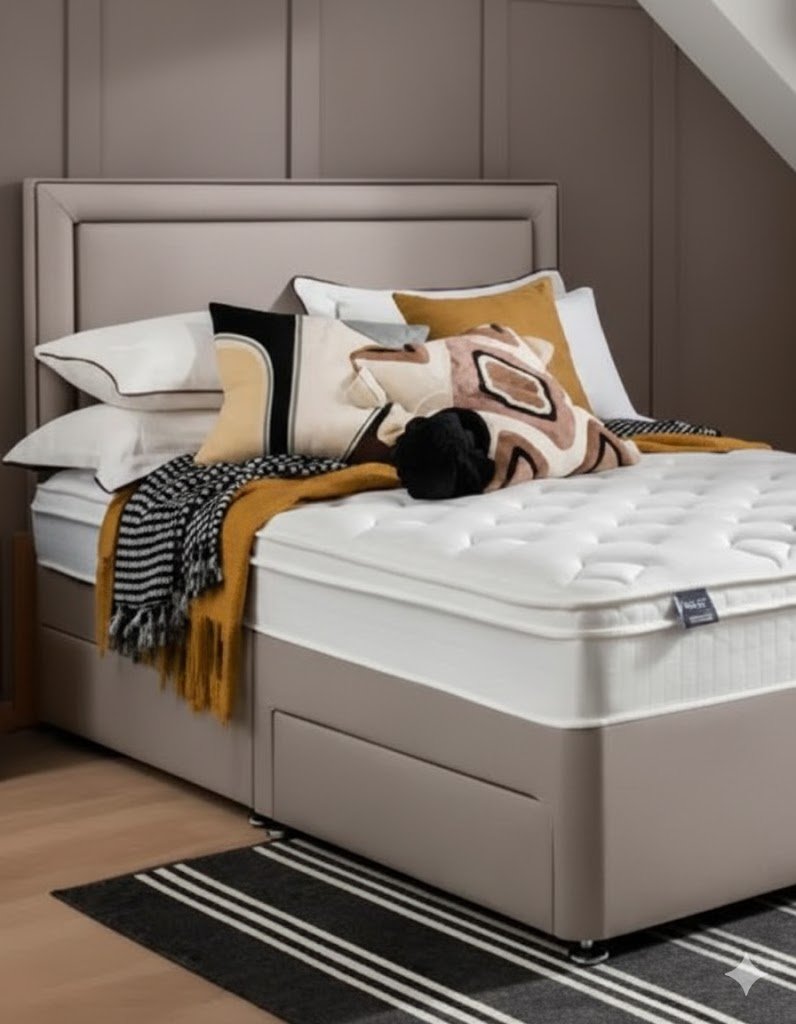
The investment in my bed paid for itself in ways I didn’t anticipate. Better sleep meant better performance at work. I was sharper during meetings, more creative in my thinking, more efficient with my time. That productivity boost definitely contributed to a promotion I received about six months after upgrading my bed. I’m not saying the bed got me promoted, but the better sleep certainly didn’t hurt.
My health improved beyond just the absence of pain. I got sick less frequently. My gym workouts became more effective because my body was actually recovering properly overnight. My stress levels decreased. Sleep is when your body does its maintenance work, and giving it a proper environment for that work made everything function better.
The psychological impact surprised me. Having a bedroom I was proud of, a bed I looked forward to sleeping in, changed how I felt about my home overall. I started caring more about the rest of my living space. The bedroom transformation sparked improvements throughout my apartment. That one decision created a ripple effect of positive changes.
Guests who stayed over commented on how comfortable my guest sleeping arrangements were. I’d put my old mattress in the guest room after upgrading my own bed. The contrast between even that worn-out mattress and whatever they had at home told them they needed to upgrade too. I’ve had three friends buy similar beds after staying at my place and experiencing the difference.
The longevity of quality beds means this improvement is long-term. I’m three years into owning my current bed and it’s still as comfortable as day one. No sagging, no loss of support, no regrets about the purchase. That sustained quality means I’ll be enjoying the benefits of this investment for many more years.
Maintenance has been minimal. I vacuum under the bed occasionally. I rotate the mattress every few months to promote even wear. The wood frame just needs an occasional wipe-down to remove dust. Quality products require less upkeep than cheap ones that need constant attention or early replacement.
The confidence that comes from making a good decision feels great. I researched thoroughly, chose carefully, and invested appropriately. The result was exactly what I hoped for. That success made me more confident in my ability to make other home improvement decisions. I’d proven to myself that I could identify problems and solve them effectively.
Looking back at my old bedroom situation, I can’t believe I lived that way for so long. The discomfort I accepted as normal, the poor sleep I thought was just part of life, the pain I assumed everyone dealt with. None of it was necessary. I was choosing to suffer by not addressing an obvious problem that had a straightforward solution.
Modern beds really do solve problems that older designs couldn’t. The technology, materials, and engineering have genuinely improved. This isn’t just marketing hype. The difference is real and measurable. Anyone still sleeping on an old, uncomfortable bed is missing out on benefits that are readily accessible.
Your bedroom deserves to be a sanctuary. A place where you rest, recover, and recharge for the challenges of daily life. That starts with having a bed that actually supports those functions. Everything else builds from that foundation. Get the bed right and everything else falls into place more easily.
The journey from my awful old bed to my current setup taught me valuable lessons. Quality matters. Comfort isn’t a luxury, it’s a necessity. Investing in things that affect your daily wellbeing pays dividends. Settling for subpar conditions because you’ve gotten used to them is a trap. Change is possible and often easier than you think.
If you’re reading this and thinking about your own bedroom situation, wondering if you should upgrade your bed, let me make it simple for you. If your bed is uncomfortable, if you wake up in pain, if your sleep quality is poor, you need a better bed. The investment will improve your life in ways that extend far beyond just having a nicer place to sleep.
The modern beds available today offer comfort, durability, and style that older designs simply cannot match. They’re designed to address the real problems people face with sleep. They’re built to last. They’re available at various price points to fit different budgets. The options are better now than they’ve ever been. Take advantage of that and create a bedroom environment that actually serves you well.
Your bedroom should be your favorite room in your house. A place you look forward to going to at the end of each day. A space that supports your physical and mental wellbeing. That starts with having a bed that’s worthy of the time you spend in it. Make that investment. Your body will thank you for it every single morning when you wake up feeling actually rested and ready to face whatever the day brings.

Leave a Comment