
Rediscovering Your Most Personal Space
We’ve all been there. You walk into your bathroom at 6 AM, half asleep, and the fluorescent light hits you like a freight train. The mirror’s spotted with toothpaste flecks from last Tuesday. The vanity? Well, let’s just say it’s seen better days. Maybe there’s a drawer that sticks every single time you try to open it. Or that cabinet door that hangs just slightly crooked, mocking you every morning.
Here’s what bugs me about how we treat our bathrooms. We spend thousands making our living rooms Instagram-worthy. We obsess over kitchen backsplashes and the perfect shade of gray for the bedroom walls. But the bathroom? That space where we actually start and end every single day of our lives? We treat it like an afterthought. Like it doesn’t matter. Like it’s just some utilitarian box where we brush our teeth and get out.
I’m calling nonsense on that whole approach. Think about it for a second. Your bathroom is where you stand, vulnerable and honest, every morning. It’s where you give yourself pep talks before big meetings. Where you scrub off the day’s stress under hot water. Where you might even have your best ideas while you’re brushing your teeth. This isn’t just another room. It’s your personal reset button.
The Vanity Revolution Nobody’s Talking About
Let me tell you about my friend Sarah. She bought this gorgeous Victorian house three years ago. Everything was perfect except the master bathroom. The vanity looked like it came from a budget motel in 1987. Beige laminate. Brass handles that had turned greenish. A mirror with those Hollywood-style bulbs that made everyone look like they had the flu.
Sarah lived with it for two years. TWO YEARS. She’d renovated the kitchen. Redone the hardwood floors. Even built a deck in the backyard. But that bathroom? She kept saying she’d get to it eventually. Then one morning, she called me practically in tears. Not sad tears. Frustrated tears. She’d realized she was avoiding her own bathroom. Getting ready in the guest bathroom instead. How crazy is that?
We spent that weekend completely transforming her vanity area. Nothing too fancy or expensive. We found a solid wood dresser at an estate sale for two hundred bucks. Converted it into a vessel sink vanity. Added a vintage mirror from a thrift store. Some new fixtures. By Sunday evening, Sarah had a bathroom that made her smile. She told me later that it changed her whole morning routine. She actually wanted to spend time in there now.
That’s when it hit me. Your vanity isn’t just a piece of furniture. It’s not just where you keep your toothbrush and face wash. It’s the anchor of your entire bathroom experience. Get that right, and everything else falls into place. Get it wrong, and you’re starting every day on the wrong foot.
Breaking Down the Mental Blocks
I think we avoid bathroom renovations for a few reasons. First, there’s this weird guilt thing. Like, “Oh, I should be grateful I even have indoor plumbing.” Sure, absolutely. But that doesn’t mean you can’t make it nice. Having standards for your personal space isn’t shallow. It’s self-respect.
Second, people think bathroom upgrades are expensive. They picture marble countertops and heated floors and those rain shower heads that cost more than a used car. But here’s the secret nobody tells you. You can transform a bathroom on a tight budget if you focus on the right things. Start with the vanity. That’s your foundation.
Third, and this is the big one, we underestimate how much our environment affects our mood. Scientists have done studies on this stuff. The spaces we inhabit literally change our brain chemistry. A cluttered, outdated bathroom? That’s sending signals to your brain all day long. Signals that say, “Meh, good enough.” Is that really the message you want to internalize?
The Psychology of Morning Routines
Your bathroom is probably the first room you see after waking up. Let that sink in. Before coffee. Before checking your phone. Before anything else, you stumble into this space. What you see there sets the tone for everything that follows.
I started paying attention to this in my own life. On days when my bathroom felt clean and put together, I’d notice I was more productive. More confident. I’d actually make better food choices at breakfast. Sounds weird, right? But there’s something about starting your day in a space that feels intentional. That feels like you’ve got your act together.
On the flip side, when things were messy or broken or just generally bleak, I’d feel behind before the day even started. Like I was already playing catch-up. That’s no way to live. Life’s too short to feel defeated by your own bathroom.
The vanity plays a huge role in this psychological game. It’s right there at eye level. You can’t ignore it. If it’s beat up or outdated or just doesn’t work well, that’s a constant little stress point. Death by a thousand cuts. But flip that around. Make it something that actually works for you. Something that looks good and functions well. Suddenly you’ve got this little boost of confidence every time you use it.
Function Meets Soul
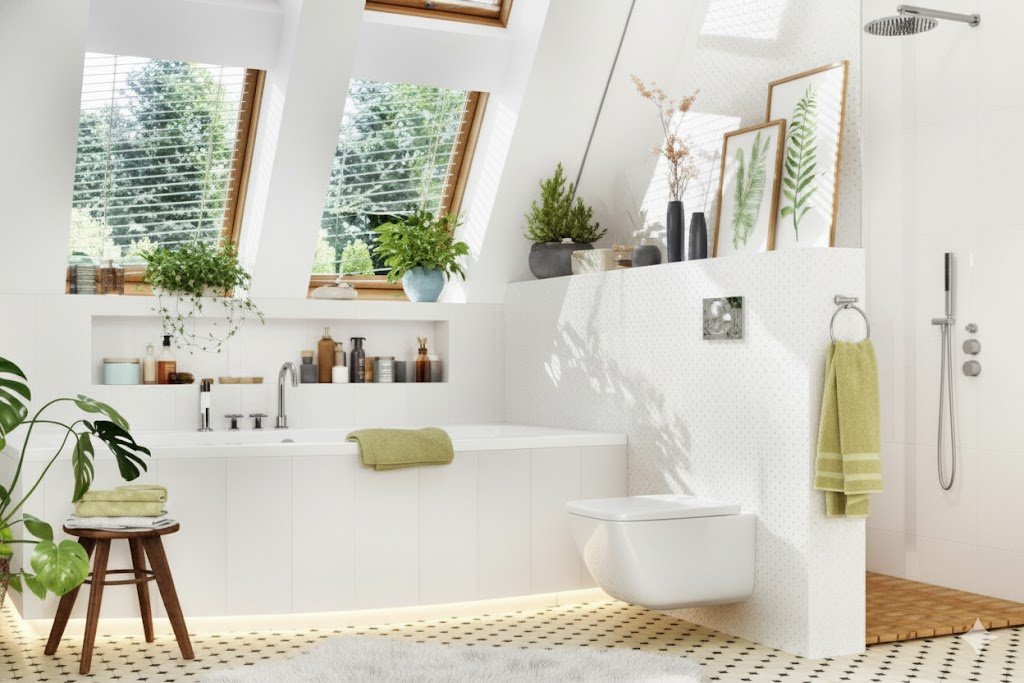
Here’s where a lot of people get tripped up. They think about bathrooms in purely functional terms. Storage. Plumbing. Ventilation. Check, check, check. But a bathroom that only thinks about function is like a meal that only thinks about nutrition. Sure, you’re getting your vitamins. But where’s the joy?
Your bathroom vanity needs to do both. It needs to store your stuff and keep water where it belongs. But it should make you feel something too. Maybe it’s calm. Maybe it’s energized. Maybe it’s fancy, like you’re getting ready in a boutique hotel. Whatever works for you.
I learned this lesson the hard way. My first apartment after college had this awful pedestal sink. Super minimalist. Very functional. I hated it. Had nowhere to put anything. My toothbrush lived in a cup on the back of the toilet. Classy. But I told myself it was fine. It worked, didn’t it?
Then I moved to a new place with an actual vanity. Nothing special. Just a basic 36-inch builder-grade thing. But it had drawers. Counter space. Room for my stuff. The difference was night and day. I didn’t realize how much that pedestal sink had been annoying me until I didn’t have to deal with it anymore. That’s when I got it. Function matters. But so does having a space that doesn’t actively work against you.
Small Changes, Big Impact
You don’t need to gut your entire bathroom to make a difference. Sometimes the smallest tweaks to your vanity area can completely change how the space feels. I’ve seen people transform their bathrooms just by swapping out the hardware on their vanity drawers. Ten-dollar brass pulls instead of the chrome ones from 2003? Boom. Different room.
Or lighting. Oh man, don’t get me started on bathroom lighting. So many bathrooms have these harsh overhead lights that make you look like an extra from a zombie movie. Add some sconces on either side of your vanity mirror? You’ve just upgraded to human again. The vanity itself didn’t change. But the experience did.
Paint is another magic trick. I know someone who painted their oak vanity cabinet a deep navy blue. Same vanity. Same bathroom. Completely different vibe. Took them a weekend and maybe forty bucks in supplies. Now their bathroom feels like it belongs in a design magazine instead of a time capsule from the 90s.
The point I’m dancing around here is that your bathroom doesn’t have to be a lost cause. You don’t need unlimited funds or a contractor on speed dial. You just need to stop treating it like it doesn’t matter. Because it does matter. More than you might think.
Your Daily Ritual Deserves Respect
Think about everything you do at your bathroom vanity. Brushing teeth. Washing face. Maybe shaving. Putting on makeup. Fixing your hair. Taking out contacts. It’s where you put yourself together, literally and figuratively. Doesn’t that deserve a space that supports you instead of frustrates you?
I’m not saying your vanity needs to be fancy. I’m saying it needs to work for your life. If you’ve got two people sharing a bathroom, maybe you need more counter space. Or better organization inside the cabinets. If you wear makeup, you need good lighting and somewhere to keep your products that isn’t a jumbled mess in a drawer.
My sister has three kids. Her bathroom vanity has to be kid-proof and easy to clean. My cousin who works from home and rarely leaves the house? His vanity is minimal because he barely uses it. Your needs aren’t the same as mine or anyone else’s. That’s the beauty of it. You get to decide what works.
The Investment That Pays You Back
People will drop three grand on a couch they barely sit on. But suggest spending money on a bathroom vanity? Suddenly it’s, “Oh, I don’t know, seems like a lot.” This drives me up a wall. You use your bathroom every single day. Multiple times. For years. Decades, even. The return on investment is massive compared to most things we buy.
A good vanity doesn’t have to cost a fortune. But whatever you spend, you’re going to get that value back in daily use. Every time you open a drawer that glides smoothly. Every time you see yourself in a mirror that doesn’t make you look seasick. Every time you have enough counter space to not knock your toothbrush into the sink. These aren’t small things. They add up.
I’ve known people who spent more on their TV stand than their bathroom vanity. Think about that. They see the TV stand maybe two hours a day. The vanity? Multiple times, every single day, for as long as they live there. The math doesn’t math, as the kids say.
Making Peace With Your Morning Self
Here’s the real reason this matters. Your bathroom is where you meet yourself, unfiltered. No pretense. No performance. Just you, probably looking a little rough, trying to get ready for the day. That moment deserves dignity. It deserves a space that doesn’t make you feel worse about being human.
A good vanity setup doesn’t judge you. It works with you. It gives you room to be messy while you’re getting ready, then helps you clean up easily. It puts what you need within reach. It makes you look decent in the mirror even when you feel like roadkill. These aren’t luxuries. They’re basics.
We spend so much time trying to optimize our productivity and our habits and our morning routines. But we ignore the actual physical space where all that happens. It’s like trying to cook a gourmet meal in a kitchen with no counter space and dull knives. You can do it. But why make it harder than it needs to be?
Your bathroom vanity is the stage for your daily transformation from sleeping disaster to functioning human. Give yourself a stage worth performing on. You’ll thank yourself every single morning.
Mirror, Mirror on the Wall – Choosing the Perfect Vanity Mirror
The Reflection That Changes Everything
Let me start with a confession. I once lived with a medicine cabinet mirror for three years that made me look vaguely green. Not vibrant green. Not even a healthy green. More like seasick passenger green. The lighting was terrible. The angle was weird. The mirror itself was probably older than me. And every single morning, I’d look at my reflection and think, “Yikes.”
The funny part? I didn’t realize how much this was affecting me until I stayed at a hotel for a work conference. The bathroom there had this big, well-lit mirror. Good lighting. Proper height. Clean glass. I looked at myself and actually thought, “Oh, I don’t look that bad.” Then it hit me. I didn’t suddenly become more attractive. I just had a decent mirror for once.
Your vanity mirror is the lens through which you see yourself every day. That’s not a small thing. We talk about self-image and confidence like they’re purely internal. But your actual image of yourself? That comes partly from the literal image you see in the mirror. If that image is distorted by bad lighting or a cheap mirror or poor positioning, you’re starting each day with a skewed perspective.
Size Actually Matters
I’ve seen so many bathrooms where someone just slapped up whatever mirror fit in the space. Or worse, those builder-grade medicine cabinets that are about as inspiring as a filing cabinet. The mirror’s too small. Or too high. Or just completely out of proportion with the vanity below it.
Here’s a rule I learned from an interior designer friend. Your mirror should be roughly the same width as your vanity, or slightly smaller. Not tiny. Not massive. Proportional. If you’ve got a 48-inch vanity and a 20-inch mirror, something’s off. The whole setup looks unbalanced. Like you grabbed a mirror from the guest bathroom and called it good.
My neighbor made this mistake. Beautiful new vanity. Gorgeous tile work. Then she hung this tiny oval mirror that belonged in a hallway. The whole bathroom looked confused. When she finally replaced it with a properly sized mirror, the transformation was instant. Same vanity. Same everything else. But now it looked finished. Intentional. Like someone had actually planned it.
The height thing trips people up too. You want the center of the mirror at about eye level. Sounds obvious, right? But I’ve been in bathrooms where the mirror was hung for someone seven feet tall. Or positioned so low you had to crouch to see your whole face. These details matter. You’re using this thing multiple times a day. Get the basics right.
Framed vs. Frameless – The Great Debate
Walk into any home improvement store and you’ll see two camps. Team Framed Mirror and Team Frameless. Both sides have strong opinions. I’ve tried both, and honestly? It depends on what you’re going for.
Frameless mirrors feel modern. Clean. Minimalist. They kind of disappear into the wall, which can make a small bathroom feel bigger. I had one in a tiny powder room, and the lack of frame really did help the space feel less cramped. No visual clutter. Just a smooth sheet of reflection.
But frameless can also feel cold. Clinical. Like you’re getting ready in a doctor’s office. If your bathroom already has a lot of hard surfaces and not much warmth, adding a frameless mirror might push it too far into sterile territory. That’s when a frame helps.
Frames add character. Weight. Presence. They can tie together different elements in your bathroom. Got oil-rubbed bronze fixtures? A matching bronze frame pulls everything together. Working with reclaimed wood on your vanity? A rustic wood frame echoes that. The frame becomes part of the design instead of just a border around the functional part.
I switched to a framed mirror in my current bathroom after years of frameless. The frame is nothing fancy. Just black metal. But it completely changed the feel of the space. Gave it more personality. Made it feel less like a generic bathroom and more like my bathroom. Sometimes that’s all you need.
Lighting – The Game Changer Nobody Talks About
You can have the most expensive, beautiful mirror in the world. But if the lighting is wrong, you’re still going to look like you’re auditioning for a horror movie. Lighting makes or breaks your mirror situation. Full stop.
Overhead lighting is the enemy. I will die on this hill. Those recessed ceiling lights that shine straight down? They create shadows in all the wrong places. Under your eyes. Under your nose. In the hollows of your cheeks. You end up looking exhausted even when you’re not. Makeup looks different in that lighting than it does anywhere else. It’s a disaster.
Side lighting is where it’s at. Sconces on either side of your mirror, roughly at face level. This gives you even, flattering light from both sides. No harsh shadows. You actually look like yourself. I know someone who thought they needed better skincare products. Turns out they just needed better lighting. Their skin was fine. The overhead light was making them look terrible.
If you can’t do sconces, at least get a light bar above the mirror. One of those LED strips. Make sure it’s positioned so the light shines on your face, not up at the ceiling or down at the counter. I’ve seen people install these things pointing the wrong direction. They’ve got this expensive light fixture, and it’s completely useless because the light’s going everywhere except where they need it.
The Magnification Question
Magnifying mirrors are both a blessing and a curse. On one hand, you can see details. Really see them. Great for makeup. Fantastic for plucking eyebrows. Perfect if you wear contacts and need to see what you’re doing.
On the other hand, magnifying mirrors will show you pores you didn’t know existed. Stray hairs you’d never normally notice. Every tiny imperfection magnified (literally) for your viewing displeasure. I’ve watched people spiral into obsessing over stuff that nobody else can even see. All because they got too close to a 10x magnifying mirror.
My take? Get a small magnifying mirror if you need one for specific tasks. But don’t make it your primary mirror. Your main vanity mirror should show you what other people see. What you look like in real life. Save the magnification for when you actually need it.
I have a little extendable magnifying mirror mounted on the side of my regular mirror. Swings out when I need it. Tucks away when I don’t. Best of both worlds. I can see what I’m doing when I need detail work, but I’m not confronting every pore on my face first thing in the morning. Life’s hard enough without that.
Shape and Style Considerations
Round mirrors are having a moment. I see them everywhere. They soften the hard lines you get in most bathrooms. All those right angles from tiles and cabinets and countertops. A round mirror breaks that up. Adds some visual interest.
Rectangular mirrors are classics for a reason. They match the shape of most vanities. They’re practical. You can get a good amount of reflection without taking up too much wall space. Nothing wrong with going traditional here.
Arched mirrors split the difference. You get the softness of a curve but the practicality of a more rectangular shape. I’m seeing these pop up more and more. They’ve got this elegant thing going on without being too fancy or formal.
Then there are statement mirrors. The ones that are really more art than utility. Ornate frames. Unusual shapes. These can be gorgeous. But be careful. You want a mirror that works with your vanity, not one that fights it for attention. I saw a bathroom once with this incredible Venetian-style mirror. All scrollwork and beveled glass. Absolutely stunning. But the vanity was this sleek modern piece, and the whole thing looked confused. Each piece was beautiful on its own. Together they clashed.
The Practical Stuff Nobody Mentions
Mirrors fog up. That’s just physics. Hot shower plus cold mirror equals condensation. I’ve tried all the tricks. The anti-fog sprays work okay. Better ventilation helps. Some people swear by rubbing a potato on the mirror. I’m not making that up. Never tried it myself.
The easiest solution I’ve found? A mirror defogger pad. Sticks to the back of your mirror. Warms up a spot so it doesn’t fog. Changed my life. Well, changed my morning routine. I can actually see myself right after a shower without having to wipe down the whole mirror or wait for it to clear.
Cleaning mirrors seems simple until you actually try to get them streak-free. Everyone’s got their method. Newspaper and vinegar. Microfiber cloths. Squeegees. I’ve landed on plain water and a good quality microfiber cloth. Works better than any cleaner I’ve tried. Less streaking. No residue. Cheaper too.
The weight of your mirror matters more than you’d think. Big mirrors are heavy. Like, surprisingly heavy. Make sure you’re mounting them properly. Use the right anchors. Get them into studs if you can. I heard a story about someone’s giant mirror falling off the wall at 3 AM. Scared them half to death and left them with a mess of broken glass. Don’t be that person.
Finding Your Mirror Style
Your mirror should match the vibe you’re going for in your bathroom. Trying to create a spa-like retreat? Maybe go frameless or with a simple wooden frame. Keep it calm and understated. Working with an industrial look? Black metal frames. Raw edges. Something with a bit of grit.
I went through a phase where I thought every bathroom should feel like a fancy hotel. Sleek. Modern. Minimal. My mirrors reflected that. Big frameless rectangles. Very clean. Very boring. Then I realized I’m not a minimalist person. I like character. History. Warmth. So I switched to vintage-style mirrors with frames. Feels much more like me.
That’s the key. Your mirror should feel like you. Not like some generic bathroom from a design magazine. Not like what’s trendy this year. Like you. What do you want to see when you look at your bathroom? What makes you feel good? Start there.
Budget-Friendly Mirror Upgrades
New mirrors can get expensive fast. High-end ones run into the hundreds or thousands. But you’ve got options that won’t drain your bank account. Thrift stores and estate sales are goldmines for interesting mirrors. You might need to clean them up or paint the frame. But you can find unique pieces for cheap.
I found my current bathroom mirror at a flea market for thirty bucks. The frame was this ugly brass color. I spray painted it matte black. Took an hour and cost maybe ten dollars. Now it looks like something from a boutique home store. Nobody believes me when I tell them where it came from.
You can also frame an existing frameless mirror. Buy some trim molding from the hardware store. Cut it to size. Paint it. Attach it around your mirror. Instant upgrade. People do this all the time to dress up those standard builder-grade mirrors. Makes a huge difference.
Or go really budget-friendly and just replace your medicine cabinet. You can get decent ones for under a hundred dollars. Won’t blow your mind, but better than that rusty relic from 1992 you’ve been staring at. Sometimes good enough is actually good enough.
The Emotional Connection
This might sound weird, but your mirror is kind of intimate. It’s where you have private moments with yourself. Where you give yourself talks in the mirror. Where you practice smiling for that job interview. Where you check your teeth after lunch. Where you see yourself age slowly over years.
That relationship deserves a good mirror. One that shows you clearly and honestly. One that’s positioned well and lit properly. One that doesn’t distort or darken or make you look worse than you actually are. You’re going to spend a lot of time with this mirror. Decades, probably. Make sure it’s one you actually like looking at.
I think about mirrors as truth tellers. They’re supposed to show you reality. But the quality of that truth depends on the quality of the mirror. A bad mirror lies to you every day. A good one helps you see yourself accurately. There’s something profound in that. Something worth caring about.
Making the Final Call
When you’re actually ready to choose a vanity mirror, here’s what I’d think through. Measure your space. Know your vanity width. Consider your lighting situation. Figure out your style. Set your budget. Then start looking.
Don’t rush it. You’ll be looking at this mirror every day. Take time to find one you actually like. Not just one that’s okay. Not just one that fits. One that makes you happy when you see it. That might sound dramatic for a mirror, but trust me. The small daily pleasures add up.
Visit stores in person if you can. Pictures online don’t always tell the full story. You need to see the finish in real light. Check the quality up close. Make sure the color actually matches what you think it does. I’ve ordered mirrors online that looked perfect in photos. Then they arrived, and the color was completely different. Learned that lesson the hard way.
Your vanity mirror is the centerpiece of your bathroom vanity setup. It’s what you look at most. What ties everything together. What makes your vanity area feel complete. Get this right, and everything else falls into place. Get it wrong, and you’ll be annoyed every single day. Choose wisely.
Double the Sinks, Double the Harmony – The Double Vanity Revolution
The Marriage Saver Nobody Warned You About
I’m going to make a bold claim here. Double sink bathroom vanities have saved more relationships than couple’s therapy. Okay, maybe that’s an exaggeration. But only slightly. If you’ve ever shared a single sink bathroom with a partner, you know exactly what I’m talking about. The dance. The waiting. The passive-aggressive toothbrush relocations.
My wife and I started out in a tiny apartment with one sink. One. Singular. For two adults who both had jobs that started at 8 AM. The morning routine was a carefully choreographed disaster. She’d be washing her face while I was trying to brush my teeth. I’d need to spit, but she was using the sink. She’d need the mirror, but I was standing right in front of it. We loved each other. But those 20 minutes every morning tested that love.
Then we moved into a place with a double vanity. Two sinks. Two medicine cabinets. Two sets of drawers. The first morning in that bathroom, we both just stood there, spread out like we owned the place. Because we did. Both of us. At the same time. Without bumping elbows or getting toothpaste on each other’s stuff. It was glorious.
The Urban Reality Check
Cities are cramped. Space is expensive. We’re all packed into apartments and condos like sardines with mortgages. Sharing bathrooms isn’t just common. It’s the default. Roommates split rent. Couples share space. Families make do with fewer bathrooms than people.
This is where double vanities make so much sense. You’ve got limited square footage. You can’t add another bathroom. But you can maximize the bathroom you have. Two people can get ready at the same time instead of taking turns. Cut your morning bathroom time in half. That’s an extra 15 minutes of sleep or coffee or whatever else you’d rather be doing.
I have friends in New York who pay an obscene amount for a one-bedroom apartment. The bathroom isn’t huge. But the landlord put in a double vanity, and they say it’s the best feature in the whole place. Better than the dishwasher. Better than the actual location. Because it means they can both function in the morning without wanting to kill each other.
Space efficiency is the name of the game in urban living. You can’t waste space on things that don’t pull their weight. A double vanity pulls its weight. It serves two people in the same footprint. That’s value. That’s smart design. That’s how you make small spaces work for real life.
The Busy Life Balancing Act
Let’s talk about mornings in the real world. You’ve got to be at work by 8:30. Your partner’s got a meeting at 9. Maybe there are kids who need to get to school. The dog needs to go out. Lunches need packing. The morning is a sprint, not a jog.
In this chaos, waiting for the bathroom is time you don’t have. Every minute counts. If you’re both trying to use the same sink, someone’s standing around doing nothing. Wasting time. Getting stressed. Starting the day already behind schedule.
Double vanities eliminate the bottleneck. Both people move through their routines simultaneously. Brushing teeth. Washing faces. Whatever needs to happen. It all happens at once. You’re done faster. Less stress. More time. Better mood. The morning goes from frantic to manageable.
I’m thinking about my sister here. She’s got three kids under ten. Her husband works early shifts. If they had to share a single sink, someone would end up brushing their teeth at the kitchen sink. Actually, that probably happens anyway with three kids. But at least the adults have their own space to get ready without tripping over each other.
Design Considerations for Double Vanities
Here’s where people get tripped up. They love the idea of a double vanity. But they’re not sure if they have room for one. Or how to make it work in their specific bathroom. Or whether it’s worth the investment.
First question is always space. You need at least 60 inches of width for a decent double vanity. That’s the minimum. You can find them that size, and they work okay. But if you’ve got 72 inches? That’s better. More counter space between the sinks. Room for both people’s stuff. Less cramped feeling.
The layout matters too. Some bathrooms are wide but shallow. Others are narrow but deep. A double vanity needs to fit the shape of your room. I’ve seen people cram them into spaces that technically fit but felt wrong. You could barely stand in front of the sinks. Or the toilet was right there next to you. The dimensions worked on paper. In real life, not so much.
Plumbing is the other big consideration. Adding a second sink means adding plumbing. If your bathroom was built with one sink, you’ll need to run new water lines and drain lines. That’s not a dealbreaker. But it’s more complicated than just swapping out a vanity. It costs more. Takes longer. Might require opening up walls.
Storage Solutions That Actually Work
Double vanities come with a storage challenge. You’ve got two people’s worth of stuff to organize. Toothbrushes and toothpaste times two. Face wash, moisturizer, hair products, shaving supplies, makeup. It adds up fast. Without good storage, your beautiful double vanity becomes a cluttered mess.
The smart move is dedicated zones. Each person gets their own drawers. Their own cabinet space. Their own medicine cabinet if you’ve got them. No sharing. No confusion about whose stuff is whose. Everything has a home. Makes cleaning easier too. You’re responsible for your side. They’re responsible for theirs.
I’ve seen couples who tried to share storage in a double vanity. Mix all their stuff together in the drawers. Use the same cabinet space. It never works long-term. Stuff gets jumbled. You can’t find anything. You’re rooting around through your partner’s products trying to locate your contact lens solution. The whole point was to have separate spaces. Don’t sabotage that with shared storage.
Drawer organizers are your friend. Those little dividers and trays that keep things from sliding around. Makes such a difference. Without them, you open a drawer and it’s just chaos. Tubes rolling around. Bottles tipped over. Everything mixed together. Add some organizers, and suddenly you’ve got a system. A place for everything. You can actually see what you have.
The Counter Space Game
Counter space around your sinks determines how usable your double vanity actually is. You need room to set things down. Room to work. Room for daily items you want within reach.
Some double vanities have the sinks right next to each other with no space in between. I don’t love this design. You’ve got no buffer zone. Your stuff mingles with their stuff. You’re reaching across their sink to get to yours. Defeats the purpose of having two sinks.
Better designs have space between the sinks. Maybe 6 to 12 inches. Gives each person their own territory. Room for a soap dispenser, toothbrush holder, whatever. A little breathing room. Makes the vanity feel less cramped.
The outside edges matter too. Space on either end of the vanity gives you room to spread out. I like having at least 8 inches on each outer edge. Somewhere to keep daily items. Your watch while you wash your hands. Phone while you brush your teeth. The little things that need a spot.
I knew someone who got a double vanity with the sinks positioned at the very edges. Zero counter space on the outsides. Looked sleek. Totally impractical. Nowhere to put anything. They ended up keeping stuff on the back of the toilet. Kind of defeated the purpose of the nice vanity.
Material Choices and Durability
Double vanities see twice the use of single vanities. Obvious, right? But that means durability matters more. You need materials that hold up to constant use from two people.
Solid wood is classic. Looks good. Lasts forever if you take care of it. But water is wood’s enemy. If you’re sloppy about wiping up splashes, wood can warp or stain over time. Needs a good seal and regular maintenance. Not a dealbreaker, just something to know.
Plywood construction with veneer is cheaper than solid wood. Still durable if it’s quality plywood. The veneer can bubble or peel if water gets underneath. But good quality stuff, properly sealed? Should last years without issues.
MDF gets a bad rap, but modern MDF can be fine for vanities if it’s properly waterproofed. It’s stable. Doesn’t warp like solid wood. Budget-friendly. Just make sure it’s actually rated for bathroom use. Regular MDF will turn into a soggy mess if it gets wet.
The countertop is where you really need durability. Marble looks gorgeous but stains and etches easily. Great if you’re careful. Nightmare if you’re not. Granite holds up better. Quartz is practically indestructible. Laminate is cheap but shows wear faster. Pick based on how hard you are on your stuff.
The Vessel Sink Trend
Vessel sinks sit on top of the counter instead of mounting underneath. They’re everywhere right now. Lots of double vanities use them. I have mixed feelings.
The pros are real. Vessel sinks look striking. They’re a statement. Lots of style options. Different materials, colors, shapes. Easy to install because you don’t need to cut a hole in the counter. Just drill for the drain and plumbing.
The cons are also real. Vessel sinks sit higher than traditional sinks. The faucet needs to be taller to reach over the rim. The whole setup ends up with the faucet and sink higher than you’re used to. Can be awkward if you’re shorter. Kids might have trouble reaching.
Cleaning around vessel sinks is annoying. Water splashes. Toothpaste splatters. It collects around the base where the sink meets the counter. You’ve got to wipe around that rim constantly. Undermount sinks don’t have this problem.
I think vessel sinks work better as design statements in powder rooms where they don’t get heavy daily use. For a double vanity that’s used every day by two people? I’d probably go traditional undermount. More practical. Less cleaning. Lower maintenance. But that’s just me. Plenty of people love their vessel sinks.
Faucet Choices for Double Setups
You need two faucets for a double vanity. Two sinks, two faucets. Simple math. But choosing those faucets matters more than you might think.
Wall-mount faucets look amazing. Very clean lines. Counter stays clear. But they’re trickier to install. You need access behind the wall for plumbing. Not always possible. And they cost more.
Deck-mount faucets are the standard. Mount right through holes in the counter. Easy installation. Tons of options at every price point. Practical choice that still looks good.
Single-handle or double-handle? Single handles are easier to use. One motion controls both temperature and flow. Double handles look more traditional. Some people think they’re classier. I prefer single handles for daily use. Less fiddling around when your hands are covered in soap.
Finish matters for cohesion. If you’re getting two faucets, they should obviously match each other. But they should also work with other fixtures in the bathroom. Chrome is safe and goes with everything. Brushed nickel is warmer. Oil-rubbed bronze adds character. Matte black is trendy right now but might feel dated in ten years.
The Privacy Factor
Here’s something people don’t think about until they’re living with a double vanity. Privacy. Or the lack of it. You’re both standing there, side by side, doing your morning routines. Some couples love this. Quality time together. Bonding over dental hygiene.
Other couples find it a bit much. Maybe you don’t want an audience when you’re plucking your chin hairs. Maybe they don’t want you watching them struggle with contact lenses. There’s intimacy, and then there’s too much information.
The layout can help with this. If your bathroom allows it, positioning the vanity so the sinks face different directions gives each person a bit of privacy. Or having the vanity on one wall and the toilet on another wall out of the sightline. Small adjustments that create some separation.
My cousin put a small divider between the two sinks on their double vanity. Just a 6-inch panel that extends up from the counter. Gives each person a little visual privacy without closing off the space completely. Seemed weird to me at first. But they swear by it.
Making It Work in Smaller Bathrooms
You don’t need a massive bathroom to have a double vanity. I’ve seen them work in surprisingly small spaces. You just have to be smart about the design.
Narrow depth vanities save space. Standard vanities are usually 21 or 22 inches deep. You can find them as shallow as 18 inches. Doesn’t sound like much, but those few inches can make the difference between a bathroom that feels cramped and one that feels okay.
Skip the extra features if space is tight. No need for fancy tower storage or built-in hampers. Keep it simple. Just the vanity, two sinks, basic storage. Save the elaborate stuff for when you have room.
Wall-mounted vanities can help too. They float off the floor, which makes the bathroom feel more spacious. You can see the floor underneath. Creates an illusion of more room. Plus you can sweep or mop right under it. Makes cleaning easier.
My advice for small bathrooms is to measure twice and think three times before buying. Bring the measurements to the store. Use tape on your bathroom floor to mark out where the vanity would sit. Make sure you’ll have room to actually move around it. A double vanity doesn’t help if you can’t walk through your own bathroom.
The Long-Term Relationship View
If you’re sharing a bathroom with someone long-term, a double vanity is an investment in peace. In efficiency. In maintaining your sanity during the morning rush. The upfront cost is higher than a single vanity. But the daily payoff adds up over years.
Think about how many mornings you’ll spend using that bathroom. How many times you’ll be grateful you’re not waiting for someone else. How many arguments you won’t have about toothpaste in the sink or someone’s stuff taking up all the counter space.
I’m not saying a double vanity will fix a bad relationship. But I am saying it removes a daily source of friction. One less thing to negotiate. One less compromise required. That’s worth something.
My parents got a double vanity when they renovated their bathroom after 30 years of marriage. My mom said she wished they’d done it decades earlier. All those years of taking turns. Of one person getting up earlier to avoid the bathroom traffic jam. They could’ve skipped all that.
When Single Might Be Better
Double vanities aren’t for everyone. If you live alone, you probably don’t need two sinks. If your bathroom is tiny, cramming in a double vanity might make the whole space feel wrong. If you’re on a tight budget, a good single vanity beats a cheap double vanity.
Some people just prefer the look of a single vanity. More counter space around one sink instead of less space around two sinks. A chance to do something really special with that single sink setup. Not everything needs to be doubled.
I had a studio apartment where the bathroom was barely big enough for a shower and toilet. A single small vanity was the only thing that made sense. Trying to squeeze in a double vanity would’ve been ridiculous. Know your space. Know your needs. Choose accordingly.
The Bottom Line on Double Vanities
If you’re sharing a bathroom and you have the space and the budget, get a double vanity. Just do it. Future you will thank current you every single morning. It’s one of those home improvements that immediately makes daily life better. Not someday. Not eventually. Right away.
The key is doing it right. Proper spacing. Good storage. Quality materials. Faucets that work well. Enough counter space. All the little details that turn a double vanity from a nice idea into something you actually love using.
Don’t cheap out trying to save a few hundred dollars. You’re going to use this thing every day for years. Get something good. Something that works for how you actually live. Something that makes your morning routine smoother instead of more complicated.
And if you’re on the fence, thinking maybe you don’t really need it, let me ask you this. How many mornings have you stood around waiting for someone else to finish at the sink? How many times have you bumped into each other trying to share the mirror? If the answer is more than zero, you need a double vanity. Trust me on this one.
The Charm of Yesterday – Mastering the Antique Vanity Hunt
When Old Becomes Gold
There’s something magnetic about antique vanities. They’ve got stories. Character. That worn-in quality that new furniture just can’t fake. I see people walk past modern vanities without a second glance, then stop dead in their tracks when they spot an old dresser converted into a sink. That’s the power of authenticity.
I got hooked on antique vanities by accident. Was helping a friend move and we stopped at an estate sale. This gorgeous oak dresser sat in the corner, beaten up and underpriced. My friend saw junk. I saw potential. Bought it for seventy-five bucks. Spent a weekend converting it into a bathroom vanity. Best seventy-five bucks I ever spent.
The thing about antique vanities is they’re unique. When you buy new from a store, thousands of other people have the exact same vanity. Could be in Houston or Seattle or Miami. Doesn’t matter. Same piece. But an antique? That’s yours. Nobody else has it. Can’t go to the store and order another. It’s one of a kind.
The Real Cost of Antique Dreams
Let’s talk money. People hear “antique” and think expensive. Sometimes that’s true. A genuine Victorian marble-top vanity from an antique dealer? You’re looking at serious cash. We’re talking thousands. Maybe more if it’s pristine and authenticated.
But here’s the secret. Most antique vanities started life as something else. A dresser. A buffet. A sideboard. You’re not buying an antique bathroom vanity because those barely exist. Bathrooms with built-in plumbing are relatively modern. You’re buying antique furniture and converting it.
That changes the game completely. You can find old dressers at thrift stores for next to nothing. Estate sales. Yard sales. Facebook Marketplace. Craigslist. People practically give away old furniture because they think it’s worthless. Dark wood went out of style. Everyone wants white and gray now. Their loss, your gain.
I’ve found incredible pieces for under a hundred dollars. Solid wood construction. Dovetail joints. Real craftsmanship. They just needed some love. Some sanding. New hardware. A vessel sink on top. Convert what was someone’s throwaway furniture into a stunning bathroom vanity for a fraction of what you’d pay at a store.
The expensive part isn’t the furniture. It’s the conversion if you’re not doing it yourself. You need holes drilled for plumbing. Proper sealing against water damage. Maybe new finish work. Hire someone and costs add up fast. Do it yourself and you’re mainly paying for supplies. Your call on what’s worth it.
Hunting Grounds for Hidden Treasures
Estate sales are gold mines. I’m talking walk-through-someone’s-whole-house estate sales. Not the picked-over ones that have been running for days. The first-day, early-morning sales where you’re competing with antique dealers and professional flippers.
Get there early. I mean really early. People line up before these things open. Bring measurements of your bathroom. Bring a tape measure. You need to know if a piece will actually fit before you buy it. I’ve learned this the hard way. Bought a gorgeous sideboard once. Got it home. Too wide for the bathroom. Ended up selling it to someone else.
Thrift stores are hit or miss. Most of what they get is junk. But every so often, something amazing slips through. The trick is going regularly. Can’t just show up once and expect to find gold. You’ve got to make it part of your routine. Stop in once a week. Check the furniture section. Most visits you’ll leave empty-handed. But that one time you find something perfect makes up for all the strikeouts.
Flea markets and antique malls are pricier but have better selection. Dealers know what they have and price accordingly. You’re not going to find fifty-dollar steals here. But you might find a hundred-dollar piece that would cost three hundred at an antique store. The quality is usually better too. Less junk to wade through.
Online marketplaces are convenient but risky. Photos can be misleading. Colors look different. Damage doesn’t show up. Measurements might be wrong. I prefer buying in person where I can see and touch and measure myself. But if you’re patient and ask lots of questions, you can find deals online.
What to Look for in Potential Pieces
Not every old dresser makes a good vanity. You need the right size. Right height. Right depth. Right style. Walking into a thrift store and grabbing the first old furniture you see is a recipe for disappointment.
Height matters most. Standard vanity height is around 32 to 36 inches. Old dressers vary wildly. Some are too short. You’ll be hunching over the sink. Some are too tall. You’ll be reaching up awkwardly. Measure the height. Stand in front of it and imagine using a sink at that level. Does it feel right?
Depth is your next concern. Most dressers are deeper than modern vanities. That’s fine if you have a big bathroom. Not fine if space is tight. Measure your bathroom. Know how much depth you can handle. A dresser that sticks out too far will make your bathroom feel cramped and might block the door.
Width depends on your sink choice. Vessel sinks are easier because they sit on top. You just need enough surface area. Undermount sinks require cutting into the top. That limits your options. Wider pieces give you more room for sinks and counter space. Narrow pieces work for powder rooms but might feel tight in a main bathroom.
Construction quality tells you if it’s worth the effort. Look for solid wood, not particle board. Check the joints. Dovetail joints are signs of quality craftsmanship. Make sure drawers open and close smoothly. Look for water damage or serious structural issues. Surface scratches and finish problems can be fixed. Warped wood or broken joints are dealbreakers.
Style Matching Without Overthinking It
Your antique vanity should fit your bathroom’s overall vibe. But people get too precious about this. You don’t need a period-correct Victorian bathroom to have a Victorian dresser as a vanity. Mixing styles can work beautifully if you do it with confidence.
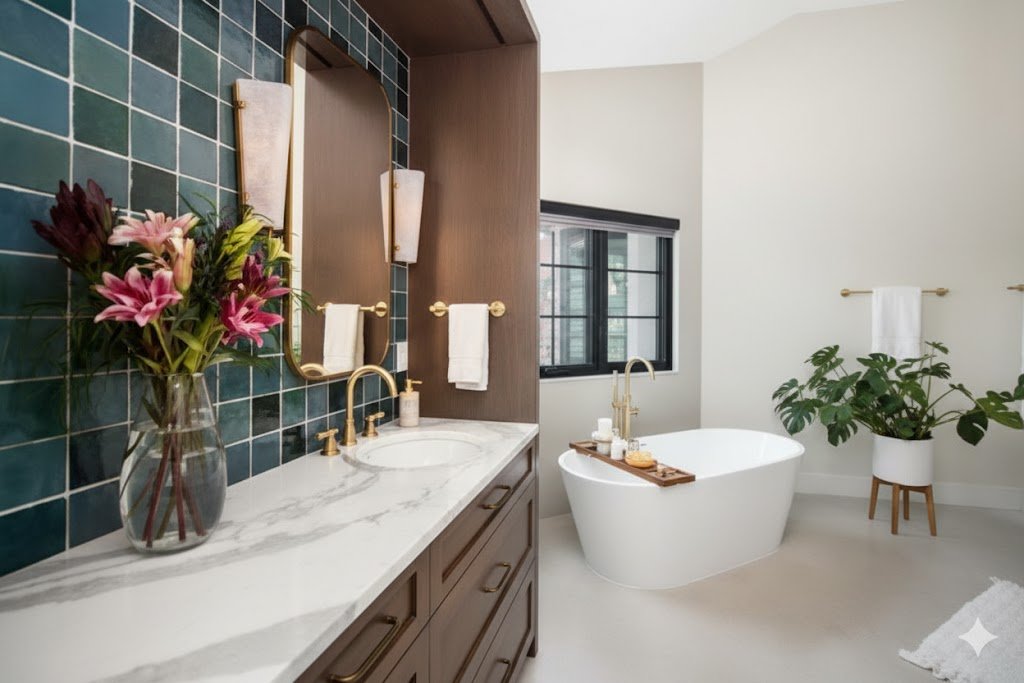
I’ve seen antique oak vanities in modern bathrooms. The contrast is striking. The warmth of old wood against clean white tiles. Traditional meets contemporary. It works because both elements are strong. Neither apologizes for itself.
The mistake is trying to make an antique piece look modern. Painting a gorgeous old dresser stark white to match your modern bathroom usually just looks sad. Like you’re embarrassed by what it is. If you’re going antique, lean into it. Let it be the standout piece. Style the rest of the bathroom to complement rather than compete.
Colors help bridge different eras. An antique walnut vanity with oil-rubbed bronze fixtures feels cohesive even in a relatively modern bathroom. The warm metal echoes the warm wood. Chrome fixtures might clash. You’re not matching exactly. You’re finding common ground.
My current bathroom mixes a 1920s oak dresser vanity with subway tile and modern lighting. Shouldn’t work on paper. Works great in reality. The key was letting each element shine. The dresser is clearly old. The tile is clearly new. Nothing pretends to be something it’s not.
The Conversion Process Nobody Warns You About
Converting furniture into a vanity is more involved than people think. Not impossible. But not a one-afternoon project unless you really know what you’re doing and get lucky.
First challenge is the sink cutout. Vessel sinks avoid this problem because they sit on top. But undermount sinks or drop-in sinks need holes. Cutting into an antique dresser feels scary. One wrong move and you’ve ruined it. I recommend vessel sinks for first-timers. Less risk.
Plumbing holes are next. You need openings for water lines and drains. These go through the back or the top depending on your setup. Drill carefully. Measure twice. Use the right size hole saw. I’ve seen people drill holes too small and have to make them bigger. Or too big and have gaps that look sloppy.
Sealing the wood is non-negotiable. Water will destroy unsealed wood. You need a waterproof finish on any surfaces that might get splashed. The top definitely. The area around the sink. Inside the cabinet if you’re storing bathroom stuff there. I use marine-grade sealant. Overkill maybe. But I’ve never had water damage.
Removing drawers is sometimes necessary. The top drawer at least. That’s where your plumbing goes. Some people keep the drawer fronts attached as fake drawers. Looks complete from the outside. Others remove everything and use the space for storage. Your choice.
Leveling can be tricky. Old furniture wasn’t built for modern homes. Legs might be slightly uneven. Floors definitely aren’t level. You need shims to get everything stable. A wobbly vanity is annoying and potentially dangerous if your sink comes loose.
Working With What’s Already There
The beauty of antique furniture is the existing character. Hardware. Finish. Wear patterns. These tell the piece’s story. My approach is to preserve what’s good and fix only what’s broken.
Original hardware should stay if possible. Old brass pulls. Ornate handles. These add authenticity. If some pieces are missing, try to match them. Antique stores sell salvaged hardware. Online shops specialize in reproduction pieces. Getting close is better than replacing everything with modern hardware that looks wrong.
The finish might need work. Maybe it’s scratched. Maybe the color is uneven from sun exposure. Maybe there are water rings from decades of use. You can refinish completely. Strip everything down to bare wood and start over. Or you can embrace the patina. Clean it. Fix major damage. But keep the character.
I’m team patina most of the time. That worn look took years to develop. Stripping it away means losing history. A few scratches and dings show this piece has lived a life. That’s appealing. That’s authentic. Perfect and pristine can be boring.
Sometimes the existing finish is beyond saving. Water damage. Missing veneer. Deep gouges. Then you strip and refinish. But even here you can stay true to the piece. Use stains that match the original color. Don’t paint solid wood unless you absolutely must. Let the wood grain show.
Plumbing and Practicality
The plumbing reality of antique vanities is that nothing is standardized. Every conversion is custom. You’re making old furniture work with modern plumbing. That requires flexibility and problem solving.
Faucet placement depends on your sink type. Vessel sinks need tall faucets. You can mount them on the vanity top or on the wall behind. Wall-mount looks cleaner but requires opening the wall for plumbing. Top-mount is easier. Drill a hole and you’re done.
Drain placement might not line up with where your existing plumbing is. You may need to extend supply lines or move the drain pipe. Not a huge deal but something to plan for. I’ve had to move plumbing six inches to one side to make a vanity work. Required a plumber. Cost extra. Still worth it.
Storage gets complicated when you remove drawers for plumbing. You lose functional space. Baskets or bins inside the cabinet can help organize what’s left. Some people install shelves. Others leave it open for towels or supplies.
I converted a dresser that had three drawers. Removed the top one for plumbing. The bottom two still work. Gives me some storage without sacrificing all the function. That’s the balance. Keep as much usability as possible while accommodating the reality of sink installation.
The Unexpected Challenges
Wood moves. Expands with humidity. Contracts when dry. Old wood that’s been sitting in a climate-controlled house for decades suddenly goes into a bathroom with shower steam. It reacts. I’ve watched drawers that opened fine suddenly stick after a few weeks in a humid bathroom.
You can minimize this with proper sealing. But you can’t eliminate it completely. Wood is organic. It responds to its environment. That’s part of working with antique pieces. They have quirks. You adapt.
Weight is another surprise. Solid wood furniture is heavy. Add a stone or quartz countertop and a sink? You’re easily over a hundred pounds. Maybe two hundred. Your floor needs to support that. Your mounting system needs to be secure if it’s wall-mounted.
I helped someone install an antique vanity and we realized too late the bathroom floor was bouncy. Old house. Questionable subfloor. The weight of the vanity made the floor dip slightly. Had to reinforce the joists from below before the installation was safe. Not a problem you’d have with a lightweight modern vanity.
Repairs get interesting when something breaks. Modern vanities have replacement parts. Antique conversions don’t. A drawer slide breaks? You’re hunting for vintage hardware or fabricating something custom. The faucet needs replacing? Hope the holes match standard sizing or you’re drilling new ones.
Making Peace With Imperfection
Antique vanities aren’t perfect. They can’t be. They’re old. They’ve been used. They show their age. That’s the whole point. Embracing this mindset is part of making an antique vanity work.
That small crack in the wood? Character. The slightly mismatched drawer pulls because one got replaced decades ago? History. The worn finish on the top where someone set coffee cups for years? Patina. You’re not buying new. You’re adopting something with a past.
I think our obsession with perfection has sucked the life out of a lot of design. Everything matching. Everything new. Everything flawless. Boring. Give me something with dings and scratches any day. Something that feels real. Something that’s been places and has stories to tell.
Your bathroom isn’t a showroom. It’s where you live. An antique vanity fits that reality better than pristine modern furniture ever could. It’s already imperfect. Your daily life won’t hurt it. You can actually use it without worrying about keeping it perfect.
Finding Antique Alternatives
Maybe you love the antique look but can’t find an actual antique piece. Or don’t want to deal with conversion headaches. Companies make reproduction vanities that capture antique style with modern construction and plumbing.
These aren’t cheap. You’re paying for the look of age without the hassle of actual age. But the quality is usually good. Everything’s designed specifically for bathroom use. Pre-drilled for sinks. Properly sealed. Includes all the hardware. Install and go.
The trade-off is authenticity. A reproduction might look old. But it’s not old. Doesn’t have that same feeling. The wood is fresh. The wear patterns are faked. It’s costume jewelry pretending to be the real thing. Still pretty. Just not the same.
I’d take a real antique over a reproduction every time. But I understand not everyone wants to hunt through estate sales and deal with custom conversions. Reproductions serve a purpose. They’re middle ground between modern and truly antique.
Some furniture companies do “reclaimed wood” vanities. They use old barn wood or salvaged timber. The wood is genuinely old even if the vanity is newly built. Gets you some of that authentic character. The wood has real history. Just arranged in a new form.
The Satisfaction Factor
There’s something deeply satisfying about rescuing an old piece of furniture and giving it new purpose. That dresser was heading to a landfill. Now it’s the centerpiece of someone’s bathroom. That’s good for the environment and good for the soul.
Every time I use my antique vanity, I think about its history. Who owned it originally? What did they keep in those drawers? How many houses has it lived in? The answers are gone. But the questions remain. That mystery is part of the appeal.
Modern furniture is forgettable. Mass-produced and disposable. Use it for a few years and throw it away. Antique pieces were built to last. Have already lasted. Will keep lasting long after we’re gone. There’s dignity in that. Respect for materials and craftsmanship.
You can’t buy that feeling at a big box store. No amount of money gets you the satisfaction of finding a forgotten piece and bringing it back to life. That’s earned through time and effort and vision. Through seeing potential where others see junk.
My advice? If you’re drawn to antique vanities, follow that instinct. Don’t let fear of the unknown stop you. Don’t worry about doing it perfectly. Jump in. Find something that speaks to you. Figure out the rest as you go. The result will be something truly yours. Something with meaning. Something that makes your bathroom feel less like a generic room and more like a reflection of who you are.
Transform What You Have – The Art of Vanity Makeovers
The Power of Paint and Possibility
Your bathroom vanity looks tired. Maybe it’s that honey oak finish from 1995. Or builder-grade white that’s yellowed over time. The style is dated. The look is boring. But the structure is solid. The cabinets open and close fine. Everything works. It just looks bad.
Here’s the thing most people miss. You don’t need a new vanity. You need a new look for your old vanity. There’s a massive difference. One costs hundreds or thousands. The other costs less than a hundred bucks and a weekend. Guess which one I’m talking about.
I’ve redone three bathroom vanities over the years. Never bought new. Never replaced. Just transformed what was already there. Painted them. Changed hardware. Swapped countertops. Each time, people asked where I got my “new” vanity. They couldn’t believe it was the same piece.
The mental block we have is thinking change requires replacement. It doesn’t. Change requires imagination and elbow grease. Maybe some sandpaper and paint. The bones of your vanity are probably fine. We just need to give them new skin.
Paint Changes Everything
Paint is magic. Literal transformation magic that costs thirty dollars a gallon. That dated oak vanity everyone’s ripping out? Paint it deep navy or forest green or charcoal gray. Suddenly it’s modern. Suddenly it’s stylish. Suddenly it belongs in your bathroom again.
I painted my first vanity white. Super safe choice. But the change was dramatic. Went from orange-toned oak to clean white. Different room. Different feeling. Took maybe six hours total including drying time. Cost forty bucks for primer and paint.
My second vanity got bolder treatment. Painted it black. Matte black. Risky move. Could’ve looked terrible. Turned out incredible. The black made my white countertop and chrome fixtures pop. The whole bathroom felt more sophisticated. More intentional. All because I picked a different paint color.
Color choice depends on your bathroom and your taste. White is safe and goes with everything. Gray is trendy and versatile. Navy adds depth without being as intense as black. Green brings in natural calm. Even bold colors work if you commit to them.
The actual painting process is straightforward. Clean the vanity thoroughly. Sand the finish to rough it up so paint adheres. Prime if you’re going from dark to light or covering stains. Paint two thin coats rather than one thick coat. Let everything dry completely between coats. Seal with a tough topcoat rated for bathrooms.
I use cabinet enamel paint. The stuff designed for kitchen cabinets. It’s durable. Resists moisture. Doesn’t chip easily. Regular wall paint in a bathroom vanity will look rough after a few months. Spend the extra money on proper paint. Your future self will appreciate it.
Hardware is Jewelry for Furniture
Cabinet hardware is like jewelry for furniture. Swap the pieces and the whole look changes. Those brass pulls from the 80s? Replace them with matte black handles. Or brushed nickel knobs. Or leather pulls. Whatever fits your style.
This is the easiest upgrade possible. Unscrew old hardware. Screw in new hardware. Done. Takes fifteen minutes max. Costs maybe twenty to fifty dollars depending on how much hardware you need. The visual impact is way bigger than the effort involved.
I’ve changed hardware on vanities without even painting them. Just swapped the pulls. Made a noticeable difference. Not as dramatic as paint, but something. Freshened the look without major work.
The key is matching hole spacing. Measure the distance between screw holes on your existing hardware. Buy new hardware with the same spacing. If you can’t find exact matches, you can drill new holes. Just means a bit more work and you need to fill the old holes.
Style-wise, match your other bathroom fixtures. Chrome hardware looks good with chrome faucets. Oil-rubbed bronze hardware works with bronze fixtures. You don’t have to match exactly. But being in the same general family creates cohesion.
I’m partial to simple designs. Clean lines. Minimal decoration. Pulls instead of knobs for drawers because they’re easier to grab. But that’s personal preference. Some people love ornate hardware. Go with what makes you happy.
Countertop Considerations
The countertop makes or breaks your vanity’s look. You can paint the cabinets perfectly. But if the countertop is cultured marble from 1982 with integrated backsplash and sink, the whole thing still reads as dated.
Replacing a countertop is more involved than painting cabinets. But it’s doable. You’re looking at a few hundred dollars usually. Maybe more depending on material and size. Still way cheaper than a whole new vanity.
Prefab countertops from home improvement stores are budget-friendly options. They come in standard sizes. You measure, you buy, you install. Limited color choices. But the price is right and the quality is decent.
Custom countertops give you more options but cost more. Fabricators cut to your exact size. You pick the material and edge profile. The process takes longer. Requires a template and installation. But the result is exactly what you want.
I did a butcher block countertop on one vanity. Bought an unfinished slab. Cut it to size. Sealed it properly for bathroom use. The wood added warmth my bathroom needed. Totally changed the feel. Cost maybe two hundred dollars all in.
Quartz is my current favorite material. Durable. Doesn’t stain. Tons of colors and patterns. More expensive than laminate but worth it for main bathrooms you use daily. I put gray quartz on my most recent vanity makeover. The contrast with the black cabinet paint was chef’s kiss.
When to Remove Doors and Go Open
Here’s a trend I’m seeing more. People removing cabinet doors from their vanities. Creating open shelving instead. Shows off pretty towels or baskets. Makes the bathroom feel less closed-in. Gives you a whole different look without buying anything.
I tried this in a powder room. Removed the doors. Painted the inside of the cabinet a fun color. Styled the shelves with rolled towels and some plants. Looked intentional. Looked designed. Just by removing doors.
The downside is everything’s visible. No hiding junk behind doors. You have to keep it tidy and organized. Not everyone wants that level of exposure. I get it. Sometimes you need a place to shove stuff and close the door.
But in the right bathroom for the right person, open vanities work great. Small powder rooms especially. The visual weight of cabinet doors in a tiny space can feel heavy. Remove them and the room breathes easier.
You don’t have to remove all the doors. Take off just the lower ones. Leave upper ones if you have them. Mix closed and open storage. Get benefits of both without fully committing either way.
Adding Texture and Pattern
Flat painted cabinets look good. But adding texture or pattern takes them to another level. There are so many techniques for this. Stenciling. Wallpaper panels. Textured paint. Even fabric under glass.
I stenciled a vanity once with a Moroccan tile pattern. Used a stencil from the craft store and two colors of paint. The geometric design added visual interest to what would’ve been plain white cabinet doors. Gave the bathroom a custom look nobody else had.
Wallpaper inside open cabinets or on cabinet backs creates surprise. You open a drawer or look inside and there’s this fun pattern. Little detail that makes people smile. Easy to do. Just measure, cut, and stick.
Beadboard panels on flat cabinet doors add dimension. You can buy these at home stores. Attach them with glue and small nails. Paint everything together. Suddenly your flat doors have texture. Look more expensive and custom than they are.
Wood appliques are another option. Those decorative pieces you glue onto cabinet doors or drawer fronts. They add detail and dimension. Paint them the same color as the cabinet for subtle texture. Or paint them a contrasting color to really highlight them.
The risk with pattern and texture is overdoing it. You want interest, not chaos. I’d pick one technique and commit. Don’t stencil AND add appliques AND put wallpaper everywhere. That’s too much. Choose your favorite approach and execute it well.
Dealing With Damaged Surfaces
Sometimes your vanity isn’t just ugly. It’s damaged. Water stains. Scratches. Chips in the finish. Peeling laminate. These need fixing before any cosmetic upgrades work.
Wood filler is your friend for gouges and deep scratches. Fill the damage. Let it dry. Sand smooth. Then prime and paint over it. The filler disappears under paint. You’d never know there was damage.
Water stains on wood can sometimes be removed with gentle sanding. Take off the damaged top layer of finish. Restain if needed. Reseal properly this time so water can’t penetrate again.
Peeling laminate is trickier. You can sometimes reglue it if the subsurface is solid. Clean underneath thoroughly. Apply contact cement. Press firmly. Weight it down while it dries. If the laminate is too far gone, your options are covering it with new laminate or painting over it with proper primer.
I’ve had good luck painting over laminate. The key is really aggressive sanding to rough up the surface. Then use a bonding primer specifically made for slick surfaces. Regular primer won’t stick. The bonding primer gives your paint something to grip.
For countertops with minor damage, epoxy kits can refresh them. You pour epoxy over the existing surface. It fills in scratches and chips. Creates a new top layer. I haven’t tried this myself. Know people who have with mixed results. Seems finicky but possible.
Changing the Sink Situation
Sometimes the cabinet is fine but the sink is the problem. Maybe it’s cracked. Maybe it’s stained beyond saving. Maybe you just hate the style. You can replace just the sink without touching the vanity.
Undermount sinks need the right kind of countertop. You’re cutting a hole from underneath and mounting the sink there. Clean look. Easy to wipe counters because there’s no rim. But requires some skill to install.
Drop-in sinks are easier. Cut a hole in the countertop. Drop the sink in from above. The rim sits on top of the counter. Not as sleek as undermount but perfectly functional. I’ve installed these myself with just a jigsaw and some caulk.
Vessel sinks sit on top of the counter. Super easy to add to any vanity. Just need a hole for the drain. No cutting a big sink-sized hole. The sink becomes a design element. Works especially well on vintage vanity conversions.
Changing sink style changes your vanity’s whole look. That boring oval undermount sink? Swap it for a rectangular vessel sink in a fun color. Same vanity. Totally different vibe. Or go the other direction. Replace a dated vessel sink with a clean white undermount. Instant update.
The faucet matters too. Might as well upgrade that while you’re messing with the sink. Match finishes to your new hardware. Make everything cohesive. The details tie together.
Lighting and Mirror Upgrades
Your vanity doesn’t exist in isolation. The lighting and mirror are part of the whole setup. Upgrading these amplifies your vanity makeover.
New light fixtures frame your updated vanity. If you painted the cabinet black, maybe add matte black sconces. If you went with brass hardware, consider brass or gold light fixtures. Creating a cohesive look makes everything feel intentional.
The mirror matters just as much as the vanity. A new or updated mirror completes the transformation. You painted your vanity navy? Find a mirror with a gold frame for contrast. Or keep it simple with a big frameless mirror that doesn’t compete.
I added lighting and mirror updates to every vanity makeover I’ve done. The combined effect is so much stronger than vanity changes alone. People walk into the bathroom and register a complete transformation. Everything works together. Nothing feels like an afterthought.
Even small lighting changes help. Replace builder-grade chrome fixtures with something more stylish. Add a dimmer switch if you don’t have one. Upgrade the bulbs to better quality. Light affects how everything looks. Get it right and your whole bathroom improves.
The Weekend Warrior Approach
Most vanity makeovers can happen over a weekend. Not even a long weekend. Just Saturday and Sunday. Friday night you prep. Saturday you do the heavy work. Sunday you finish details and reinstall everything. Monday morning you’re using your “new” vanity.
Friday evening, remove everything from the vanity. Take out drawers. Remove doors if you’re painting them. Unscrew hardware. Clean everything thoroughly. Grease and grime prevent paint from sticking. Use TSP cleaner or degreaser. Get it really clean.
Saturday morning, start sanding. You don’t need to remove all the finish. Just rough up the surface so primer adheres. Use 120-grit sandpaper. Sand until everything feels slightly rough to the touch. Wipe away dust with a tack cloth.
Saturday afternoon, prime everything. Use a good quality bonding primer. Don’t skip this step. Primer ensures your paint sticks and lasts. Let primer dry completely. Check the can for drying times. Don’t rush this.
Saturday evening or Sunday morning, apply your first coat of paint. Use a good brush for edges and details. A small roller for flat surfaces. Thin coats dry faster and look better than thick coats. Let it dry completely.
Sunday afternoon, second coat of paint. By now you can see how the color really looks. Make sure you’ve covered everything evenly. Let this dry completely too.
Sunday evening, reinstall hardware. Put doors back on. Replace drawers. Stand back and admire your work. You just transformed your bathroom for less than a hundred bucks and two days of work.
Budget Breakdown Reality
Let me get real about costs. A complete vanity makeover can range from fifty dollars to several hundred. Depends on what you’re doing and what materials you choose.
Minimum budget makeover: Paint and hardware only. Maybe sixty dollars total. Primer, paint, and new pulls from a discount store. Won’t change your countertop or sink. But the cabinet transformation alone makes a difference.
Mid-range makeover: Paint, hardware, new countertop. You’re looking at three hundred to five hundred dollars. Still a fraction of buying new. The countertop is the expensive part here. But combining painted cabinets with a fresh countertop creates serious impact.
Higher-end makeover: Paint, hardware, new countertop, new sink, new faucet, maybe new lighting. Could run seven hundred to a thousand dollars. Approaching the cost of a budget new vanity. But you’re getting exactly what you want, not what’s in stock.
I’ve done all three levels. The minimum budget makeover works great when money’s tight. The higher-end makeover works when you want a total transformation but still want to save compared to buying new.
Compare these costs to buying a new vanity. Decent new vanities start around five hundred dollars. Good ones run a thousand or more. Plus installation costs if you’re not doing it yourself. Plus disposal of your old vanity. The numbers add up fast.
Knowing When to Quit
Sometimes makeovers don’t make sense. If your vanity is particle board that’s swelling from water damage, paint won’t save it. If the structure is falling apart, refresh won’t help. If the cabinet box itself is the wrong size or style for what you need, keeping it is fighting a losing battle.
I’ve seen people pour money and time into vanities that weren’t worth saving. Trying to make something work that fundamentally doesn’t work. At some point, replacement becomes the smarter choice.
Here’s my rule. If the cabinet box is solid and the size works for your needs, makeover is probably worth it. If the cabinet is damaged or the wrong size or layout for how you live, replacement makes more sense.
Be honest about your skill level too. Painting cabinets isn’t hard. But it requires patience and attention to detail. If you’re going to do a sloppy job or you’ll hate the process, maybe don’t DIY it. Either hire someone or just buy new.
The goal is making your bathroom better. If a makeover achieves that for less money and effort than replacement, do the makeover. If replacement is actually easier and not that much more expensive, replace it. Don’t get attached to one approach. Pick the right tool for your specific situation.
Learning From Mistakes
I’ve messed up vanity makeovers. First time I painted cabinets, I used wall paint instead of cabinet paint. Looked fine at first. Six months later, the paint was chipping everywhere. Had to strip it and start over with proper paint. Learned that lesson the hard way.
Another time, I didn’t clean the vanity well enough before painting. Left greasy residue. The paint didn’t stick right. Started peeling within weeks. Had to sand it down and repaint. Should’ve spent more time cleaning upfront.
I’ve picked wrong paint colors. Had to repaint. I’ve bought hardware that didn’t fit. Had to return it and get different pieces. I’ve drilled holes in wrong places. Had to fill them and redrill. Mistakes happen. That’s part of DIY.
The trick is learning from mistakes instead of repeating them. Now I always use cabinet paint. Always clean thoroughly. Always measure twice before drilling. The mistakes I made taught me how to do it right.
Don’t let fear of messing up stop you from trying. The worst that happens? You paint something badly and have to repaint. Or you put hardware in wrong spots and have to patch holes. These aren’t permanent disasters. They’re fixable problems. Learning experiences.
Your first vanity makeover might not be perfect. That’s okay. It’ll probably still be better than what you had. And you’ll learn things that make your next project easier. Progress over perfection. Always.
The Confidence Factor
There’s something powerful about transforming your own bathroom. You look at that vanity every day and know you did that. You made it happen. Not some contractor. Not some store. You.
That confidence spills over into other areas. If you can makeover a vanity, what else can you tackle? That dated light fixture? The boring mirror? The terrible tile? Suddenly home improvement doesn’t feel so intimidating.
I wasn’t handy before I started doing this stuff. Didn’t grow up with tools. Didn’t know anything about painting or construction. But I watched some YouTube videos and jumped in. Learned by doing. Made mistakes and figured out how to fix them.
Now I’m comfortable taking on all kinds of projects. None of this is rocket science. It’s just learning new skills and being willing to try. The bathroom vanity makeover was my gateway drug to DIY home improvement. Might be yours too.
Even if you never do another project, transforming your vanity proves you can change your space without spending a fortune. You don’t have to live with things you don’t like. You have agency. You can make improvements. That’s empowering.
Showing Off Your Work
After you finish your vanity makeover, people will notice. Friends and family will ask about your “new” bathroom. Tell them you did it yourself. Don’t be modest. You earned bragging rights.
Take before and after photos. The transformation looks even more dramatic in pictures. Post them if you want. Keep them private if you don’t. Either way, having that visual record of what you accomplished feels good.
I keep photos of all my projects. Looking back at how far spaces have come motivates me to keep improving. That gross oak vanity from the before photo? Hard to believe it’s the same piece as the sleek gray vanity in the after shot. But it is. That’s the magic of makeovers.
Your bathroom vanity makeover might inspire others. I’ve had friends ask for advice after seeing my work. Some have tackled their own vanities. Passed along the knowledge. Created their own transformations. There’s something satisfying about starting a chain reaction of improvement.
The best advertisement for DIY vanity makeovers is seeing one in person. Photos don’t always do them justice. Standing in a bathroom and realizing the beautiful vanity was once something dated and ugly? That’s when people become believers. That’s when they think maybe they can do it too.
Because they can. You can. Anyone willing to invest a weekend and a small budget can transform their bathroom vanity. Stop waiting for the perfect time or the big budget. Work with what you have. Make it better. The bathroom you want is hiding inside the bathroom you already have. Go find it.
Creating Your Personal Bathroom Sanctuary
Beyond Function Into Feeling
We’ve talked about the practical stuff. Sinks and storage and hardware and paint. But let’s talk about something harder to quantify. The feeling you want when you walk into your bathroom. The emotional experience of the space.
I used to think bathrooms were purely functional. Place to shower. Brush teeth. Get out. Why would I spend time thinking about feelings in there? Then I stayed at this small hotel in California. The bathroom was tiny. But it felt incredible. Calm. Peaceful. Like a little retreat from the world.
That bathroom wasn’t fancy. No marble or rainfall showers or heated floors. Just thoughtful design. Colors that worked together. Good lighting. Everything in its place. The vanity was simple wood with a vessel sink and a beautiful mirror. Nothing expensive. But everything intentional.
I realized my own bathroom was making me feel stressed without knowing why. The harsh lighting. The cluttered counters. The dated vanity that looked like every other builder-grade bathroom in America. Functional? Sure. But it was doing nothing for my wellbeing. Maybe actively working against it.
Your bathroom should support you. Help you start your day feeling good. Help you wind down at night. Give you a space that’s yours. Not fancy. Not expensive. Just yours. The vanity is the centerpiece that makes this happen or prevents it from happening.
Colors That Speak to You
Color affects mood. We know this. But we often ignore it when designing our bathrooms. We go with safe choices. White. Gray. Beige. Nothing wrong with neutrals. But they’re not the only options.
What colors make you feel good? What do you respond to emotionally? Maybe it’s deep blue that feels like the ocean. Maybe it’s sage green that reminds you of plants. Maybe it’s warm terracotta that feels earthy and grounding. Whatever resonates with you, that’s what belongs in your bathroom.
I painted a vanity forest green once. People thought I was crazy. Too dark for a bathroom. Too bold. But I loved green. Being around that color made me happy. So I went for it. That bathroom became my favorite room in the house. All because I picked a color that meant something to me instead of playing it safe.
Your vanity color sets the tone for the whole bathroom. Go bold with the vanity and you can keep everything else simple. Or keep the vanity neutral and bring in color through accessories. There’s no right answer. Only what feels right to you.
Don’t let trends bully you into choices you don’t love. Gray everything is trendy right now. But if you hate gray, who cares? Your bathroom isn’t a magazine spread. It’s your daily reality. Pick colors that make your reality better, not colors that look good in someone else’s photos.
Textures and Tactile Experiences
We touch our bathroom vanities constantly. Opening drawers. Turning faucets. Setting things on the counter. These tactile moments matter more than we realize. Good textures feel satisfying. Bad textures feel cheap and annoying.
Smooth wood feels different than painted MDF. Cold stone counters feel different than warm butcher block. Weighty metal hardware feels different than flimsy plastic knobs. These differences register subconsciously every time you use your vanity.
I’m a texture person. I care how things feel in my hands. That’s why I choose solid wood vanities when I can. Why I pick metal hardware instead of plastic. Why I run my hand along the counter edge and pay attention to the finish. If something feels cheap or unpleasant, I’m going to notice it every day.
You might not be as sensitive to texture. But I bet you notice it more than you think. Pay attention next time you’re in a high-end hotel bathroom. Everything feels substantial. Quality. Compare that to a cheap motel bathroom where everything feels flimsy. Same functions. Completely different experiences.
You don’t need to spend a fortune to get good textures. You just need to care enough to choose materials that feel right. Test them. Touch them. Use them before you buy them if possible. Your hands will tell you what your eyes might miss.
Personal Style Without Apology
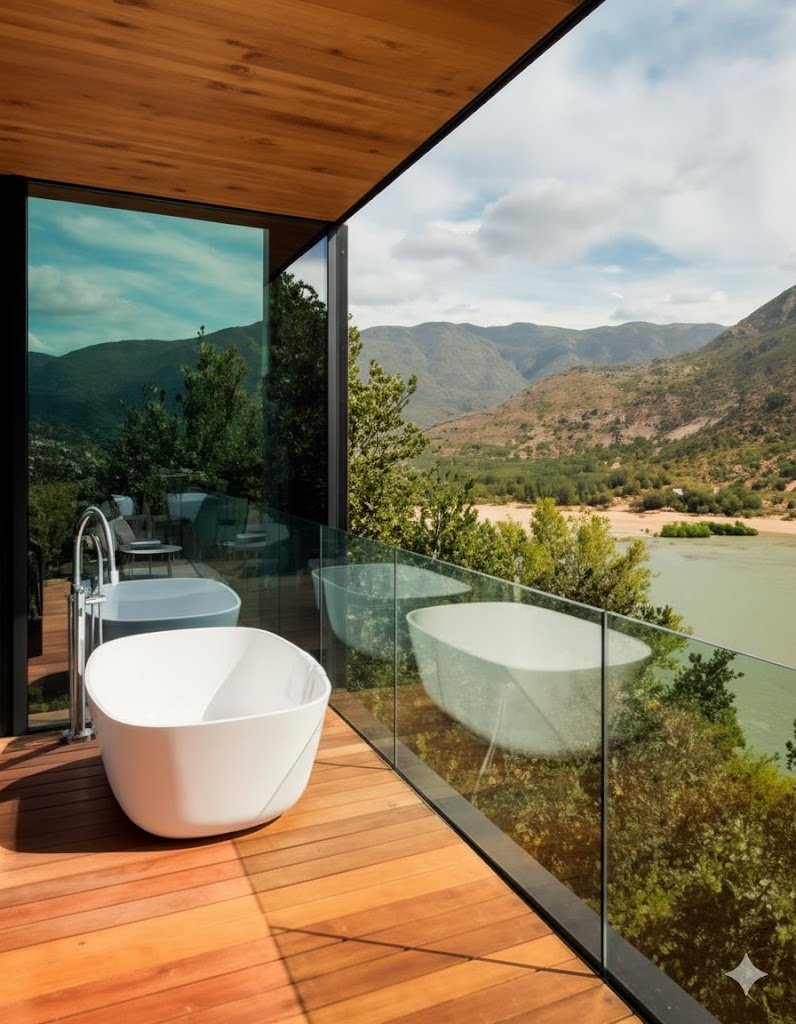
Your bathroom should look like you. Not like a designer. Not like a trend. You. If you love vintage romantic style, lean into that. If you’re all about sleek modern, go that direction. If you want something eclectic and weird, make it happen.
I see too many bathrooms that look like the owner was afraid to commit to a style. Little bit of modern. Touch of traditional. Some farmhouse elements. Nothing cohesive. Just a collection of safe choices that don’t add up to anything interesting.
The vanity is your chance to plant a flag. This is my style. This is what I like. Own it. A bold vanity choice gives the whole bathroom direction. Everything else can support that central statement.
I went through a phase of trying to make my bathroom look like it belonged in design magazines. Copying styles I saw online. Using trendy colors and materials. The bathroom looked fine. But it never felt like mine. No personality. No connection.
When I finally stopped caring about what was trendy and just went with what I actually liked, everything clicked. My vanity is a refinished dresser with character. Hardware that feels good in my hands. Colors that make me happy. Not what anyone else would choose. Exactly what I wanted.
That’s the goal. Walk into your bathroom and feel like it reflects who you are. Not who you think you should be. Not what’s popular. You. The real you with actual taste and preferences. Give yourself permission to have opinions about your own space.
The Morning Ritual You Deserve
Think about your ideal morning in your bathroom. What does it look like? What does it feel like? How do you want to move through that space? Build your vanity setup around that vision.
Maybe you need lots of counter space for spreading out products. Maybe you want everything hidden away for a minimalist look. Maybe you need perfect lighting for makeup. Maybe you just want one good drawer that keeps your stuff organized. Figure out what matters to you specifically.
My morning routine is simple. Wash face. Brush teeth. Fix hair. That’s it. I don’t need elaborate storage or massive counter space. What I need is good lighting and a clean look that doesn’t stress me out. So that’s what I built.
Your needs are different. That’s the point. Stop designing for some generic person. Design for yourself. The specific human who uses this bathroom every single day. What would make your morning easier? More pleasant? Less rushed? Build that.
The vanity is the stage for this daily ritual. Make sure the stage supports the performance you want to give. If your routine involves lots of steps and products, you need storage and space. If your routine is minimal, less is more. Match the vanity to your reality.
Evening Wind-Down Support
Mornings get all the attention. But evenings matter too. Your bathroom at night should help you transition from the day’s chaos into rest mode. The vanity plays a role here as well.
Dimmer switches let you lower the lights at night. Harsh brightness at 10 PM keeps you wired. Soft lighting helps your brain understand it’s time to wind down. Add a dimmer if you don’t have one. Twenty-dollar upgrade that makes a real difference.
Having your nighttime stuff organized and accessible matters. Face wash where you can grab it easily. Toothbrush right there. Contacts case in its spot. You’re tired at night. Don’t make tired-you hunt for things. Set up your vanity so everything needed for the evening routine is simple and obvious.
I keep nighttime items separate from morning items in my vanity drawers. Left side is morning stuff. Right side is evening stuff. Sounds silly maybe. But it works. I’m not digging through products at night when I’m half asleep. Everything I need is in one spot.
Countertop clutter bothers me more at night for some reason. During the day I can tolerate some mess. At night I need it clear. So I make sure to put things away each evening. Five seconds of effort for a clean vanity that helps me relax. Worth it.
Storage That Makes Sense
We’ve talked about storage throughout this whole thing. But let’s get specific about making it actually work for your life. Not theoretical storage. Real storage for your real stuff.
Start by gathering everything you keep in the bathroom. Everything. Put it all on the bed or floor. Look at how much you actually have. This is what your vanity storage needs to handle. Not some imaginary minimal amount. The reality sitting in front of you.
Group similar items. All hair stuff together. All skincare together. Dental care. Makeup if you wear it. Medications. First aid. Cleaning supplies. See how much space each category needs. This tells you what kind of storage makes sense.
Some people need drawers for lots of small items. Others need cabinet space for tall bottles. Others need a mix. Your stuff tells you what you need. Stop fighting your belongings and build storage that works with them.
I learned this when I switched from deep drawers to shallow drawers in my vanity. The deep drawers looked nice but everything got buried. Shallow drawers meant I could see everything at a glance. Nothing got lost in the back. Much better fit for my actual use.
Adjustable shelves inside cabinets let you customize the space. Tall bottles on one shelf. Shorter items on another. Makes way better use of vertical space than fixed shelves. Small upgrade that seriously improves function.
The Balance of Open and Closed
Some bathroom items look good on display. Others need to hide. Finding the right balance makes your vanity area feel organized without being sterile.
Pretty containers can sit out. A nice soap dispenser. A small plant. Maybe a decorative tray with your daily items arranged on it. These add personality and keep essentials within reach.
Everything else goes inside. Backup supplies. Random products you’re trying out. Things that don’t look good on display. Medications. Clean up the visual clutter without losing access to what you need.
I keep maybe four items on my vanity counter. Soap. Lotion. One plant. A small dish for my rings when I wash hands. That’s it. Everything else lives in drawers. Gives me counter space to actually use without feeling cluttered.
Some people like more things visible. That’s fine too. The number doesn’t matter. What matters is intentionality. Everything on display should be there on purpose. Not just because you haven’t put it away yet. Choose what sits out. Make it look good.
Closed storage should be organized enough that you can find things easily. No junk drawers. No cabinets where you shove stuff and hope for the best. If you can’t find something in under ten seconds, your storage system needs work.
Making It Actually Personal
Personal doesn’t mean plastering your name on everything. It means including elements that reflect your specific interests, memories, and personality. Small touches that make the space yours.
Maybe it’s a vintage perfume bottle that belonged to your grandmother sitting on the vanity. Maybe it’s artwork you love reflected in the mirror. Maybe it’s a specific plant you’ve kept alive for years. Whatever brings you joy or meaning.
I have a small framed photo tucked into the corner of my vanity mirror. Nothing fancy. Just a picture from a trip that meant something to me. I see it every morning. Makes me smile. Reminds me of good times. Costs nothing. Adds everything.
Your vanity area can hold these little pieces of your life without becoming cluttered. One meaningful object beats ten generic decorative items. Quality over quantity. Intention over filling space.
Think about what you want to see every day. What images or objects make you feel good? What reminds you of who you are beyond your daily routine? Find small ways to include these in your vanity setup. Not because design blogs say to. Because they matter to you.
Lighting for Real Life
We’ve talked about lighting for function. Seeing yourself clearly. Doing tasks. But lighting also creates mood. Sets atmosphere. Makes a space feel inviting or institutional.
Layered lighting gives you options. Overhead for general brightness. Task lighting around the mirror for seeing clearly. Maybe a small lamp or candles for ambient evening light. You can adjust based on time of day and what you’re doing.
I added a small shelf above my vanity with battery-powered candles. Fake flames but they give off warm light. At night I turn off the harsh overhead and light just the candles and mirror sconces. The bathroom feels completely different. Relaxing instead of bright and clinical.
Natural light changes everything if you have a window near your vanity. Morning sun coming in while you get ready beats artificial light every time. If you’ve got a window, position your vanity to take advantage of it. Natural light makes everyone look better and feel more awake.
Light bulb color temperature matters more than people realize. Warm bulbs feel cozy. Cool bulbs feel alert and energizing. Most bathrooms use cool daylight bulbs. But maybe you’d prefer warm light at night. Switching bulbs costs five dollars and changes the whole vibe.
Maintenance You’ll Actually Do
The perfect vanity setup means nothing if you don’t maintain it. And you won’t maintain it if the system is complicated or annoying. Design for realistic you. Not aspirational you who has unlimited time and energy.
If you’re not going to wipe down the vanity every single day, choose materials that hide water spots. Dark colors show every drop. Light colors are more forgiving. I learned this by choosing black counters and then being annoyed by constant water marks.
If you hate organizing, don’t create a system with twenty different containers and specific spots for every item. You’ll never keep up with it. Simple broad categories work better. One drawer for hair stuff. Done. No subcategories needed.
If you’re messy by nature, build in ways to contain the mess. Trays on the counter. Bins in drawers. Places where things can land without looking terrible. Fighting your natural habits is exhausting. Work with yourself instead.
My system is stupid simple. Everything goes in one of three places. Counter tray for daily items. Top drawer for frequent items. Lower cabinet for backup stock. That’s it. No complicated organization. Just three zones. I can actually maintain this.
The Evolution Factor
Your needs change over time. The vanity setup that works today might not work in five years. That’s okay. Build in flexibility so you can adapt without starting over.
Adjustable shelving lets you reconfigure storage. Removable drawer dividers let you reorganize. Freestanding elements like trays and containers can move around as needed. Don’t lock yourself into one rigid system.
I’ve tweaked my vanity setup a dozen times over the years. Moved things between drawers. Changed what sits on the counter. Added organizers. Removed organizers. The core vanity stayed the same. How I used it evolved with my changing routines.
Life changes. Maybe you start wearing makeup. Or stop wearing it. Maybe you pick up a skincare routine. Or simplify to basics. Maybe health issues require new medications and supplies. Your vanity needs to roll with these changes.
Think of your bathroom vanity as a living system. Not a finished project. Something that grows and adapts with you. This takes pressure off getting everything perfect right now. You can adjust as you learn what works and what doesn’t.
The Confidence to Be Different
We started this whole journey talking about overlooked bathrooms. We’re ending with the confidence to make your bathroom whatever you want it to be. Forget the rules. Forget what everyone else is doing. This is your space. Make it yours.
If you want a bright pink vanity, paint it pink. If you want to keep that oak finish everyone says is dated, keep it. If you want to mix ten different styles, mix them. Your bathroom. Your choice. Your daily life.
I spent too many years worried about resale value and universal appeal and making choices that wouldn’t offend hypothetical future buyers. Then I realized those people don’t live here. I do. My opinion is the only one that matters in my own bathroom.
That mindset shift was freeing. Suddenly I could make bold choices. Try things that felt risky. Create spaces that truly reflected my taste instead of some watered-down version designed not to offend anyone. The result was bathrooms I actually loved instead of bathrooms that were just okay.
You deserve a bathroom you love. A vanity that makes you happy. A space that supports your daily life and reflects who you are. This isn’t about perfection or trends or spending tons of money. It’s about creating something genuine. Something that works. Something that’s undeniably yours.
Take everything we’ve talked about through these sections. The practical knowledge about double vanities and antique pieces. The transformation techniques for updating what you have. The design principles and personal touches. Mix it all together with your specific needs and taste. Create your own perfect bathroom vanity situation.
Stop waiting for the right time or more money or more knowledge. Start where you are with what you have. Make one improvement. Then another. Build the bathroom you want one decision at a time. Small changes add up to major transformations.
Your bathroom vanity is more than furniture. It’s the foundation of your daily routine. The backdrop for how you start and end each day. The anchor of a space that’s truly yours. Give it the attention it deserves. Make it something that serves you well and makes you smile. You’re worth it. Your daily life is worth it. Create the bathroom you want to wake up to tomorrow.

Leave a Comment