
Introduction to Melamine Furniture
Let me tell you about something that completely changed how I think about furnishing a home. A few years back, I was setting up my first apartment on what you might call a shoestring budget. Actually, calling it a shoestring would be generous. More like a broken shoelace. I needed furniture that looked good but wouldn’t leave me eating instant noodles for six months straight. That’s when I stumbled into the world of melamine furniture, and honestly? I haven’t looked back since.
You know what’s funny? Most people walk past melamine pieces every single day without even realizing it. That sleek bookshelf in your dentist’s waiting room? Probably melamine. The kitchen cabinets in your cousin’s newly renovated home that everyone keeps complimenting? There’s a good chance they’re melamine too. This material has quietly become one of the most popular choices for modern furniture, and for good reason.
But here’s the thing that surprised me most. When I first heard the word “melamine,” I thought it sounded like something you’d find in a chemistry lab, not in a beautifully designed living room. I pictured cheap, flimsy furniture that would fall apart if you looked at it wrong. Boy, was I wrong. Turns out, melamine furniture can be absolutely stunning. We’re talking about pieces that can hold their own against solid wood alternatives, at least in terms of looks. And they can do it while being incredibly practical and way more budget-friendly.
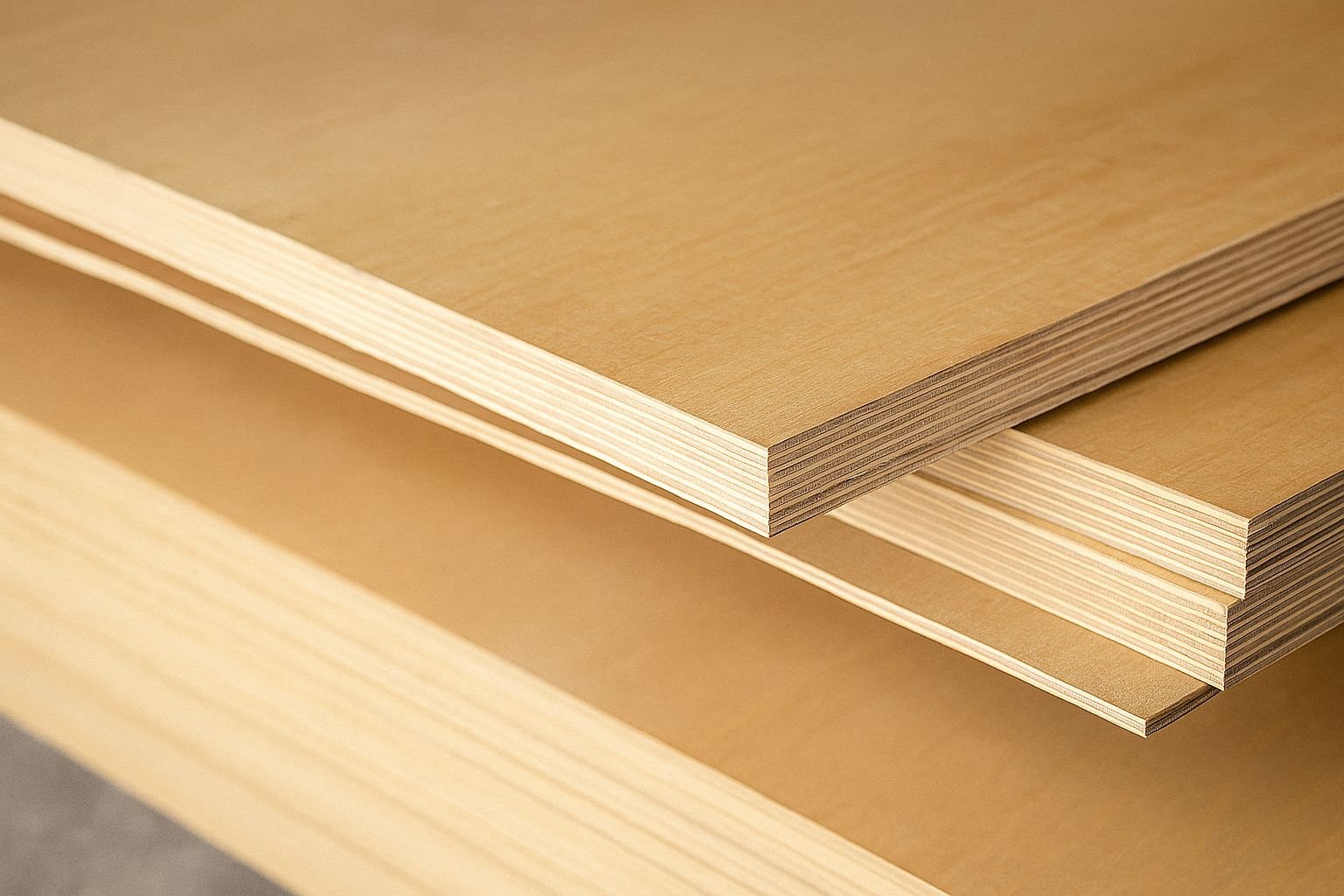
So what exactly is melamine, anyway? I’m glad you asked. Think of it like this: imagine taking a particle board (you know, that engineered wood product made from wood chips and sawdust pressed together) and giving it a superhero costume. That costume is a sheet made from polyurethane plastics. Manufacturers take this synthetic sheet and press it onto the particle board under high heat and pressure. The result is a smooth, durable surface that can mimic just about any look you want.
The process might sound simple, but there’s actually quite a bit of science behind it. The melamine resin creates a hard, protective layer that bonds to the board underneath. This bonding process is what gives the material its strength and durability. And the best part? Because the manufacturing process uses engineered wood products rather than solid timber, the cost stays remarkably low. You’re getting quality without the premium price tag that comes with traditional hardwood furniture.
Now, I’ll be straight with you. When I first started researching melamine furniture, I was skeptical. I’d been burned before by furniture that promised the world and delivered, well, particleboard that couldn’t handle a coffee mug without leaving a ring. But melamine is different. The synthetic coating isn’t just there for show. It actually protects the core material from all the stuff that usually destroys cheaper furniture. We’re talking water damage, scratches, heat marks, and all those other everyday hazards that can turn a beautiful piece into an eyesore.
What really sold me was seeing melamine furniture in action. I visited a friend’s place where they’d furnished their entire kitchen with melamine cabinets. These cabinets had been there for five years, surviving daily cooking chaos, accidental spills, and the general wear and tear of family life. They still looked nearly new. That’s when I realized this wasn’t just a budget option. It was a smart option.
The beauty industry actually uses melamine too, if you can believe it. Those sturdy salon stations and spa furniture pieces? Often melamine. They need something that can withstand moisture, cleaning chemicals, and constant use, and melamine fits the bill perfectly. If it can handle a busy salon, it can definitely handle your home.
Here’s something else I love about melamine. It’s democratized good design. You don’t need to save up for years or take out a loan to have a beautifully furnished space. Young professionals, families, students, anyone can walk into a furniture store and walk out with pieces that look expensive but won’t break the bank. That accessibility matters. Your home should be a place you love, regardless of your budget.
And let’s talk about the environmental angle for a second. Now, I’m not going to sit here and tell you melamine is the most eco-friendly option on the planet. But here’s the thing: it uses engineered wood products, which means manufacturers can make use of wood byproducts that might otherwise go to waste. You’re not cutting down old-growth forests for a single bookshelf. The particle board core comes from wood chips and sawdust, giving new life to materials that might have ended up as waste.
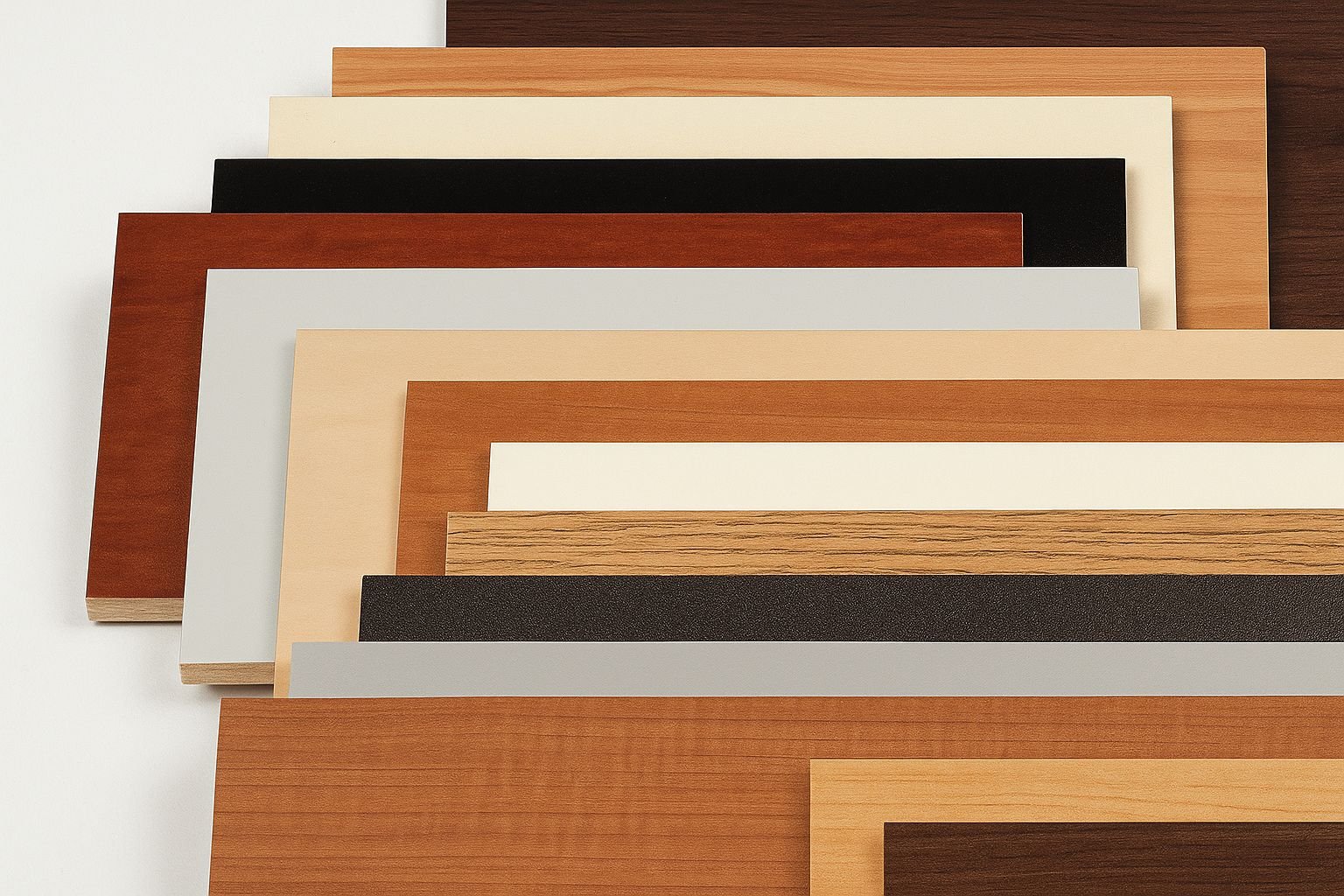
The color options available today are mind-blowing. When I first started looking, I expected maybe a handful of wood-tone options and that’s it. Wrong again. You can find melamine furniture in every color imaginable. Want a bright red dresser for your kid’s room? Done. How about a sleek black desk for your home office? Easy. Maybe you’re into that Scandinavian look with light, natural wood tones? They’ve got you covered. The variety means you can match your furniture to any design aesthetic you’re going for.
I remember helping my sister pick out furniture for her new place. She had this very specific vision: modern, clean lines, with pops of color. On her budget, I thought we’d be compromising left and right. But with melamine options, we found everything she wanted. Her apartment looks like it came straight out of a design magazine, and she didn’t have to sell a kidney to afford it.
The texture options are pretty impressive too. You can get smooth finishes that feel almost glass-like under your fingers. Or maybe you prefer something with a bit more grip, a textured surface that adds visual interest. Some melamine pieces come with a matte finish that gives off sophisticated, understated vibes. Others have a glossy sheen that catches the light beautifully. You’re not locked into one look or feel.
What strikes me most about melamine furniture is how it challenges our assumptions about quality and price. We’ve been trained to think that if something is affordable, it must be inferior. But that’s not always true. Sometimes, smart manufacturing and good materials science give us products that perform well and cost less. Melamine is one of those happy accidents of modern engineering. It takes advantage of synthetic materials and efficient production methods to create something genuinely useful and attractive.
Understanding the Key Characteristics of Melamine
Let me break down what makes melamine furniture tick, because understanding these characteristics is what helped me go from skeptical to sold. The first thing you’ll notice about melamine, and probably the biggest selling point for most of us, is the price. I’m not talking about just a little cheaper than wood. I’m talking significantly less expensive. Like, you could furnish an entire room with melamine for what you’d pay for a single solid wood bookshelf.
But cheap doesn’t mean bad, and that’s the lesson I had to learn. I used to equate low prices with low quality. My parents raised me on the idea that you get what you pay for, and mostly, they were right. But melamine breaks that rule in the best way possible. The manufacturing process keeps costs down without sacrificing the end result. Think about it: you’re using engineered wood products and synthetic coatings instead of harvesting, milling, and finishing solid timber. The savings get passed on to you.
When I bought my first melamine piece, a simple desk for my home office, I did what any paranoid person would do. I tested it. And I mean really tested it. I set hot coffee cups on it (with coasters, but still). I worked on it every day for hours. I accidentally knocked things into it. I even spilled water on it once and didn’t notice for like an hour. Know what happened? Nothing. The surface held up beautifully. That’s when I started paying attention to its resistance properties.
Melamine laughs in the face of moisture, and that’s no exaggeration. The synthetic coating creates a barrier that water just can’t penetrate easily. This makes melamine furniture perfect for bathrooms, where steam and splashes are daily occurrences. I put melamine shelving in my bathroom three years ago. The humidity in there during winter could probably grow orchids. But those shelves? Still perfect. No warping, no water stains, no swelling at the edges like you’d see with unprotected wood.
Scratches are another enemy of furniture, and if you have kids or pets, you know what I’m talking about. My cat thinks furniture is her personal scratching post, despite having three actual scratching posts around the house. With my old wooden furniture, I could see every mark. The melamine pieces, though? They hold up remarkably well. The hard surface resists scratching much better than I expected. Sure, if you really go at it with something sharp, you’ll leave a mark. But everyday wear and tear barely shows.
Temperature changes can wreak havoc on furniture. Wood expands and contracts with heat and cold, which can lead to cracks, warping, and all sorts of problems. Melamine stays much more stable. I have a melamine cabinet sitting right next to a window that gets direct afternoon sun. You’d think that would be a disaster, right? But after two years of baking in that sun, it looks the same as the day I brought it home. The color hasn’t faded, the surface hasn’t warped, nothing. That thermal stability is seriously impressive.
The indoor and outdoor versatility of melamine surprised me too. Now, I’m not saying you should leave your melamine furniture out in the rain all winter. But for covered outdoor spaces, like a screened porch or a covered patio, melamine holds up great. I have a friend who uses melamine cabinets in his outdoor kitchen. The space is covered but still exposed to temperature swings and humidity. Those cabinets have been there for four years and still look fantastic.
Kitchens are where melamine really shines. Think about everything your kitchen furniture has to endure: cooking heat, steam, water splashes, grease, food spills, cleaning chemicals. It’s a hostile environment for furniture. But melamine cabinets and countertops handle it like champs. The surface doesn’t absorb liquids, so you don’t get those gross water stains that can develop on unsealed wood. Grease wipes right off without leaving shadowy marks behind.
Bathrooms present similar challenges. You’ve got moisture, cleaning products, makeup and toiletries that can stain, and constant temperature fluctuations from hot showers. I installed a melamine vanity in my guest bathroom, and it’s held up better than the supposedly water-resistant wood vanity I had in my master bath. No joke. The melamine one still looks new, while the wooden one developed some water damage around the sink despite my best efforts to keep it dry.
Now let’s talk about color selection, because this is where melamine really gets fun. I walked into a furniture store last month just to browse, and I counted at least fifty different color options for melamine pieces. Fifty! From crisp whites to deep blacks, from natural wood tones to bold colors like teal and burgundy. You want your furniture to blend in? Easy. You want it to make a statement? That’s easy too.
The wood-grain patterns available are particularly impressive. Some melamine finishes mimic oak so well that I’ve seen people run their hands over it expecting to feel wood grain, only to be shocked when they realize it’s synthetic. The printing technology has come so far that you can get realistic marble patterns, concrete looks, metallic finishes, whatever you can dream up. And unlike real wood, where every piece is slightly different, melamine gives you consistency. If you’re buying multiple pieces, they’ll actually match.
Texture variety adds another dimension to design possibilities. I’m a sucker for matte finishes myself. There’s something sophisticated about a matte surface that doesn’t show fingerprints or glare in bright light. But glossy finishes have their place too, especially in modern designs where you want that sleek, reflective quality. Some melamine comes with textured surfaces that add tactile interest. Running your hand over a textured melamine surface can actually feel quite pleasant, adding a sensory element to your furniture.
For kids’ rooms, melamine is practically perfect. Kids are, let’s be honest, tiny destruction machines. They draw on things, spill things, bash things into other things. The durability of melamine means their furniture can survive childhood. And the color options mean you can create fun, engaging spaces. Want a bright yellow desk? A purple bookshelf? A bed frame in their favorite color? All possible with melamine, and all affordable enough that when they inevitably outgrow their color preferences, replacing pieces won’t require a second mortgage.
I helped my neighbor design her daughter’s room last year. The kid was seven and obsessed with rainbows. We found melamine furniture in different colors and arranged it around the room. The dresser was pink, the bookshelf was blue, the desk was yellow. It looked amazing, and the total cost was less than what a single solid wood dresser would have run. The mom was thrilled because she knew that in a few years, when her daughter decides rainbows are babyish, they can easily swap out pieces without breaking the bank.
The weight of melamine furniture deserves mention too. It’s lighter than solid wood, which makes moving and rearranging easier. I rearrange my furniture more than most people probably should. I get restless and decide I need a new layout. With solid wood pieces, that would mean calling friends and bribing them with pizza. With melamine, I can move most pieces myself. That might not seem like a big deal, but trust me, when you want to slide your desk over three feet to catch better light, being able to do it solo is pretty nice.
Storage solutions are another area where melamine excels. Because it’s sturdy and affordable, you can buy lots of organizational furniture without guilt. I have melamine shelving units in my closet, pantry, garage, and basement. Each one holds a ton of weight without sagging. I’ve loaded my pantry shelves with canned goods, jars, and small appliances. They’re packed pretty heavy, but the melamine doesn’t bow or complain. Try that with cheap wire shelving and you’ll end up with a curved mess.
The commercial sector has embraced melamine too, and there’s a reason for that. Businesses need furniture that looks good, costs less, and stands up to heavy use. Office buildings, schools, hospitals, retail stores, they all use melamine furniture extensively. If it can handle the beating it takes in a public school or a busy office, your home use is going to feel like a vacation for the material.

Maintenance and Care Tips
Here’s where melamine really won my heart: the maintenance is stupidly simple. I’m not someone who wants to spend weekends oiling furniture or applying special treatments. Life’s too short, you know? With melamine, you don’t have to. The care routine is so basic that I sometimes feel like I’m forgetting something. Spoiler alert: I’m not.
Let me walk you through what cleaning melamine actually looks like. You grab a damp cloth. That’s it. That’s the whole thing. Well, almost. Sometimes I add a mild cleaning solution if something sticky happened, but most of the time, just water on a cloth does the job. I wipe down my melamine desk every few days, and it takes maybe thirty seconds. No special motions, no grain direction to follow, just wipe and you’re done.
The high resistance of the surface means you can use regular household cleaners without worry. I’ve used everything from diluted dish soap to multi-surface sprays, and nothing has damaged the finish. That’s because of how the polymerization process works. When melamine resin cures, it creates this incredibly tight molecular structure. Cleaning chemicals can’t penetrate it easily. They just sit on the surface, do their cleaning job, and wipe away.
Compare that to wood furniture, where you’ve got to worry about the finish. Too harsh a cleaner and you’ll strip the protective coat. Water sitting too long and you’ll get rings or cloudiness. Oil builds up and you need special cleaners to cut through it. With melamine, these headaches don’t exist. The surface is what it is, all the way through that top layer. You’re not protecting a finish; the finish is the material itself.
I learned this the hard way, actually. Before I had melamine furniture, I had this beautiful wooden coffee table. Gorgeous piece, real wood, lovely grain. But maintaining it was a part-time job. I had coasters everywhere. I’d panic if someone set a glass down without one. A few drops of water meant jumping up to wipe it away immediately. One time, someone left a wet glass on it overnight, and boom, permanent white ring. I was heartbroken. With my melamine coffee table now? I still use coasters because I’m not a barbarian, but if someone forgets, it’s fine. No panic, no permanent damage.
The polymerization that happens during melamine production creates what’s basically a plastic shield over your furniture. This shield doesn’t absorb liquids, doesn’t react with most chemicals, and resists physical damage. It’s like having an invisible force field protecting your stuff. And unlike some protective coatings that wear off over time, melamine’s protection is permanent. It’s not going to wear thin in high-traffic areas or peel away at the edges.
Regular maintenance really does keep melamine looking new. I have pieces that are five years old and look like I bought them last month. My routine is simple: quick wipe-down when they look dusty, spot clean any spills or marks as they happen, and once a month I do a more thorough cleaning where I actually move things off surfaces and clean the whole area. That monthly deep clean takes maybe twenty minutes for all my melamine furniture combined. Compare that to the hours I used to spend maintaining my wood pieces, and you’ll understand why I’m such a convert.
One thing I’ve learned is that even though melamine is tough, you should still treat it reasonably. Don’t drag heavy, sharp objects across it. Don’t use it as a cutting board (yes, I’ve seen someone try this). Don’t hit it with hammers or other tools. Basic common sense goes a long way. The material can handle normal life beautifully, but it’s not indestructible. Treat it like the quality furniture it is, and it’ll last you ages.
Spills need to be wiped up eventually, but the “eventually” is way more forgiving than with other materials. I once spilled coffee on my melamine desk and didn’t notice for a couple hours. By the time I saw it, the coffee had dried into a sticky ring. With wood, that would’ve been a disaster. With melamine? I dampened a cloth, wiped the area for about fifteen seconds, and it was gone. No stain, no mark, nothing. The surface just released the dried coffee without any fuss.
For tougher messes, a slightly more aggressive approach works fine. I keep a spray bottle of diluted all-purpose cleaner handy. If something sticky or greasy happens, a spray and wipe takes care of it. Sometimes I’ll use a soft scrub pad for really stubborn spots, and the melamine handles it without scratching. Try that with a finished wood surface and you’d destroy it. The durability here is real.
Kids and pets make cleaning more frequent, but not more difficult. My nephew visited last month and decided to use his hands as paint brushes at my melamine dining table. I nearly had a heart attack until I remembered what the table was made of. Ten minutes and a damp cloth later, all the paint was gone. The table was fine. My blood pressure returned to normal. If that had been my old wooden table, I’d probably still be scrubbing.
The lack of special products needed saves money too. I used to buy specific wood cleaners, polishes, and conditioners. Each bottle cost ten or fifteen bucks, and I went through them pretty regularly. Now? I clean my melamine furniture with the same multi-surface spray I use on my counters. One product, multiple uses, lower cost. The savings might seem small, but they add up over time.
Maintenance in humid climates deserves special mention. I have friends who live in coastal areas where humidity is constantly high. They’ve told me horror stories about wood furniture warping, mildewing, or developing moisture damage. Their melamine pieces, though? No problems. The moisture resistance means humid environments don’t pose the same threat. A quick wipe-down to remove any condensation that might form, and you’re good to go.
Dry climates present their own challenges for wood furniture, causing it to crack and split as moisture gets pulled out. Melamine doesn’t have this problem either. The synthetic material doesn’t absorb or release moisture like wood does, so it stays stable regardless of the humidity level. Whether you live in Arizona or Florida, melamine maintains its appearance and structure.
One maintenance tip I swear by: keep your melamine furniture out of standing water. The surface is water-resistant, not waterproof. If you leave something sitting in a puddle for days, water can eventually work its way into the particle board core through any seams or edges. This can cause swelling and damage. But normal spills and splashes that get wiped up within a reasonable time frame? Not a problem.
I clean the edges and seams of my melamine furniture with a bit more attention during my monthly deep cleans. These areas are where water could potentially sneak in if given enough time. A thorough wipe-down keeps them dry and protected. It takes an extra minute or two, but it’s good insurance against the one real vulnerability melamine has
Potential Drawbacks and Solutions
Alright, let’s get real for a minute. Nothing’s perfect, and melamine furniture has its weak spots. I’d be lying if I told you otherwise, and you deserve the full picture before you invest in any furniture. The main issue with melamine is that over time, the laminate can start peeling away from the particle board core. This doesn’t happen to everyone, and it’s not guaranteed, but it’s possible, especially if you’re not careful with the furniture.
I’ve seen this happen, and it’s not pretty. The laminate starts lifting at the edges or corners, revealing the particle board underneath. Once it starts, it tends to get worse unless you fix it. The good news? This is usually preventable, and even when it happens, it’s often repairable. But let me explain why it occurs in the first place.
The bond between the melamine sheet and the particle board is created through heat and pressure. Under normal conditions, this bond is incredibly strong. But introduce water, and things can get dicey. If water seeps into the edges or any damaged spots and reaches the particle board, that board will swell. When particle board swells, it pushes against the laminate from below. The laminate, being relatively thin and inflexible, can’t handle this pressure. Pop! The bond breaks and the laminate lifts.
I had a melamine cabinet in my first apartment where I learned this lesson. There was a slow leak from the sink that I didn’t notice right away. Water was dripping down the inside of the cabinet and pooling at the bottom. By the time I discovered it, the bottom panel had started to swell, and the laminate was lifting at one corner. That was my wake-up call to be more careful about water exposure.
The age factor plays a role too. Even with perfect care, adhesives can degrade over many years. The bond that was strong when the furniture was new might weaken after a decade or more. This is just reality. Adhesives break down, materials age, things happen. But we’re talking years and years here, not months. With proper care, melamine furniture can last a long time before any delamination issues show up.
Another thing that can cause problems is extreme temperature fluctuation combined with moisture. If your melamine furniture goes through repeated cycles of getting hot and wet, then cold and dry, the expansion and contraction can stress the bond. This is why I wouldn’t recommend using melamine in an outdoor shower or right next to a steamy window that gets opened in winter. The conditions are just too extreme.
But here’s the thing that gives me hope about the future of melamine furniture: manufacturers are catching on to this issue. They’re developing new materials and methods to address it. Poly laminated materials are becoming more common. These newer laminates are more flexible and can bend slightly with the particle board if it does swell. They’re also better bonded, using improved adhesives and application techniques.
I’ve noticed that newer melamine furniture feels different than the older stuff. The laminate seems more substantial somehow, more integrated with the core. The edges are better sealed too, with proper edge banding that protects against water intrusion. Manufacturers are taking the lessons learned from earlier melamine furniture and applying them to create better products. That’s good news for anyone buying melamine today.
If you do end up with peeling laminate, fixing it is possible. I’ve done it myself. You can get contact cement from any hardware store. Carefully lift the peeling laminate, apply the cement to both surfaces according to the directions, press them back together, and clamp or weight it down while it dries. It won’t be quite like new, but it can extend the life of your furniture significantly. I fixed that cabinet from my first apartment this way, and it lasted another three years before I moved and left it behind.
Prevention beats repair every time, though. Protecting the edges of your melamine furniture is key. Any place where the particle board is exposed is a potential entry point for water. Edge banding helps, but you can add extra protection with clear sealant if you’re putting melamine furniture in particularly wet areas. A thin line of waterproof sealant along the edges can make a huge difference.
Regular inspection helps too. Every few months, I run my hands along the edges of my melamine pieces, feeling for any spots where the laminate might be lifting or any rough areas that could indicate damage. Catching problems early means you can fix them before they get worse. A small lifted corner can be re-glued in minutes. A large section that’s been peeling for months might be beyond repair.
The weight-bearing capacity of melamine furniture deserves mention as a potential limitation. While melamine shelving and surfaces are surprisingly strong, they’re not infinite. The particle board core, while stable, can sag if overloaded. I learned this with a bookshelf where I packed every inch with heavy hardcover books. After about a year, I noticed the middle shelves were starting to bow slightly. Redistributing the weight and removing some of the heavier books fixed the problem.
Understanding weight limits is important. Most melamine furniture will have recommended weight capacities, and actually staying within those limits makes sense. I use the two-thirds rule now. If a shelf says it can hold sixty pounds, I keep it to forty. This gives me a safety margin and helps prevent that gradual sagging that can happen with particle board core materials.
The aesthetic limitations might bother some people. No matter how good the wood-grain printing is, melamine isn’t real wood. It lacks that depth and variation that genuine timber has. If you’re someone who really appreciates wood for wood’s sake, melamine might not satisfy you. I’m fine with it because I prioritize function and budget over having “real” wood, but I understand the appeal of authentic materials.
Repairs to melamine can be tricky too. If you scratch solid wood, you can sand and refinish it. Chip it, and you can fill and touch up the area. With melamine, damage to the surface layer is basically permanent. You can buy melamine repair kits that include filler and color-matched paint, but the results are never seamless. A bad gouge or chip will always be visible to some degree. This means being careful with melamine furniture is more important than with solid wood, which is somewhat repairable.
The environmental impact might concern some buyers. Melamine production involves plastics and resins, which are petroleum-based products. The manufacturing process uses energy and produces emissions. Particle board uses wood products, but it’s bonded with formaldehyde-based adhesives, which have their own environmental concerns. If you’re trying to make the most eco-friendly choice possible, melamine might not be it. That said, it does make use of wood byproducts rather than solid timber, so there’s some efficiency there.
Resale value is another consideration. Solid wood furniture holds its value and can even appreciate if it’s well-made or antique. Melamine furniture does not. It’s essentially worth nothing on the secondhand market. When you’re done with it, you’re probably going to donate it or throw it away. For some people, this disposability feels wasteful. For others, it’s freeing. You’re not committed to these pieces forever. When your style changes or you move to a new space, you can swap them out without feeling like you’re losing an investment.
The noise factor surprises people sometimes. Melamine furniture can sound hollow when you close drawers or cabinet doors. The particle board core doesn’t have the solid thunk of real wood. It’s more of a flat tap sound. This doesn’t affect function at all, but if acoustics matter to you or you associate that solid sound with quality, melamine might feel cheap. I got used to it pretty quickly and don’t even notice anymore, but I remember being aware of it at first.
Customization options are limited compared to real wood. You can’t really stain melamine or change its color the way you can with wood furniture. What you buy is what you get. If you like to refinish and update furniture as a hobby, melamine won’t give you that option. The color and finish are set in that laminate layer. You can paint melamine with proper prep work and the right primers, but it’s more involved than painting wood.
Assembly quality makes a huge difference with melamine furniture. Because you’re drilling into particle board, the screws and fasteners need to be installed correctly the first time. Strip a screw hole in particle board, and it’s really hard to fix. The material just doesn’t hold fasteners as well as solid wood does after damage occurs. Taking your time during assembly, not over-tightening hardware, and following instructions carefully can prevent most of these issues.
I think the key to success with melamine is going in with realistic expectations. It’s a budget-friendly material that performs remarkably well for the price. It’s not trying to be solid wood, and it shouldn’t be judged by those standards. If you understand its strengths and limitations, use it in appropriate applications, and give it reasonable care, melamine furniture can serve you well for years. I’ve been happy with mine, drawbacks and all, because I knew what I was getting into and chose it for the right reason

Leave a Comment